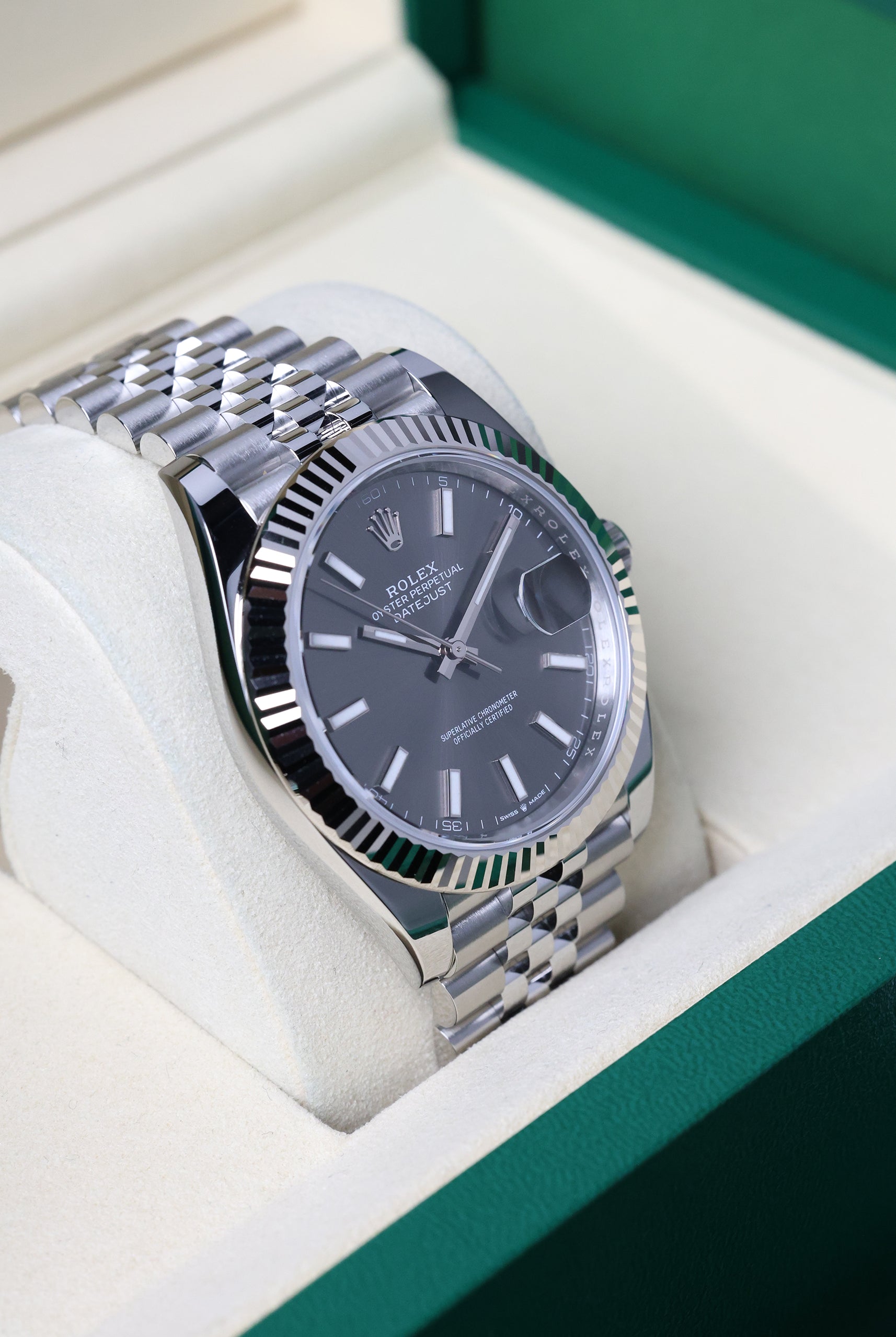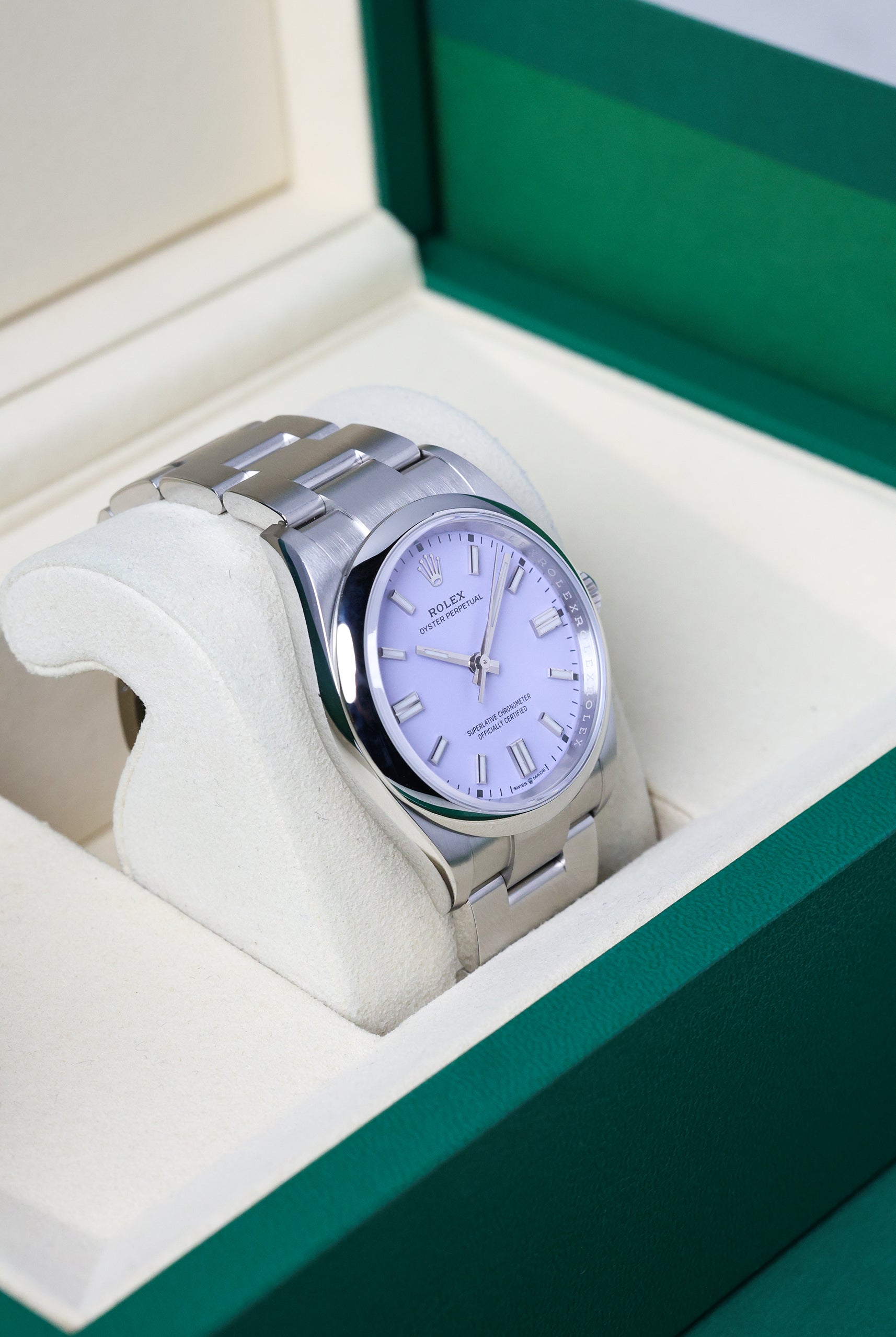

The Patek Philippe catalogue is dominated by icons: the perfect circle of the Calatrava, the aggressive octagon of the Nautilus. But there is a watch that represents a quiet rebellion—a model that refuses to conform to geometry or trend: the rectangular Gondolo. Specifically, the Gondolo 5124J is not just a dress watch; it is a masterclass in Art Deco architecture for the wrist. It’s a timepiece that doesn't just measure time; it holds the enduring elegance of a lost golden age right on your pulse. In a world of repetitive shapes, the Gondolo is a confident, non-conformist choice that proves Patek Philippe is an architect of enduring style.
I. The Strategic Imperative: Patek Philippe Looks South
The story of the Gondolo collection is rooted in a pivotal late 19th century commercial decision. While Patek Philippe had established its reputation in Europe and had a strong, albeit volatile, presence in the competitive American market, Europe was mired in economic stagnation and fluctuating demand. Patek needed a stable, cosmopolitan new client base.
The answer lay across the Atlantic.
(Source : Patek Philippe) Chronometro Gondolo - Tonneau-Shaped from 1913
Brazil, particularly Rio de Janeiro, was experiencing an economic boom fueled by robust coffee exports and industrial modernization. This created a new class of wealthy patrons eager to import European luxury goods. The alliance with the influential Brazilian jeweler, Gondolo & Labouriau, was Patek Philippe’s solution—a strategic pivot to secure a reliable revenue stream outside of volatile traditional markets. This move was one of the earliest and most successful examples of a major Swiss brand localizing a collection for a specific international market.
II. The Birth of Geometry: The Chronometro Gondolo and the Art Deco DNA
The exclusive timepieces created for the jeweler, known as the "Chronometro Gondolo," immediately defined the collection’s unique character.
In an era still dominated by round pocket watches, these Gondolo pieces broke the mold, pioneering new shapes that spoke to an emerging modernist aesthetic. The original watches were famous for their elaborate geometry, utilizing tonneau, cushion, and the earliest examples of rectangular case forms. This was Patek Philippe experimenting with the form watch, moving away from purely functional shapes toward architectural beauty.
(Source : Patek Philippe) Chronometro Gondolo - Rectangular-Shaped from 1913
These geometric designs perfectly foreshadowed the Art Deco movement of the 1920 and 1930. The most significant design cue established during this period was the stepped profile—where the case is built in recessed layers—and the use of curved, ergonomic cases designed to better fit the wrist.
The watches were so successful that ownership granted entry into the "Gondolo gang," an exclusive club considered one of the earliest collector communities. This ingenious marketing structure—based on installment payments and community events—fostered unparalleled brand loyalty in a specific region. This success solidified the collection’s place in history, at one point contributing an astonishing one-third of Patek Philippe's total sales. In tribute to this unique heritage, Patek Philippe introduced the modern Gondolo collection into its permanent lineup in 1993.
(Source : Patek Philippe) The Gondolo Gang
III. The Architectural Homage: The Modern Gondolo 5124J
Patek Philippe formally reintroduced the Gondolo collection in 1993, making a conscious decision to anchor the line not just in its 19th-century commercial success, but in the enduring geometric spirit of the 1920 and 1930s.
The Gondolo 5124J is the contemporary expression of this architectural philosophy, reviving the aesthetic codes of the inter-war period for the modern wrist. It is one of the few contemporary Patek Philippe designs where the casework alone tells a complete, compelling story of aesthetic history.
The watch measures 33.5 x 43mm, with its design focusing entirely on superior wrist comfort. The solid gold case is meticulously curved, directly recalling the ergonomic designs Patek developed almost a century prior, allowing it to naturally hug the wrist in a way a flat case simply cannot. The visual depth is enhanced by a signature step-case profile that emphasizes the crisp, straight lines characteristic of Art Deco architecture. This stepped design even flows seamlessly to create an elegant, integrated crown guard.
The dial is a canvas of understated beauty: a creamy opaline white featuring applied gold, multifaceted dart indices, delicate dolphin hands, and a precise railway minute track. The use of strict geometry and clean lines here establishes a powerful visual link to the period when the Art Deco movement was at its peak. This watch is the purest form of wrist architecture, where every line and plane is deliberate and structural.
The Purpose-Built Movement: Caliber 25-21
For a watchmaker of Patek Philippe's stature, excellence must extend beyond the external case. Rectangular movements are exceptionally rare in modern watchmaking due to the prohibitive cost and complexity of designing a non-circular caliber from the ground up, and creating one is the clearest sign that a brand takes the art of haute horlogerie seriously. In rectangular watches, it is common practice to use a smaller, round movement with a movement holder. The Gondolo, however, is powered by the manual-wind in-house Caliber 25-21 , a movement that was specifically engineered to the rectangular dimensions of the case
This dedication to perfect symmetry is significant: the 25-21 properly fills the case, maintaining structural integrity and allowing for a beautifully shaped exhibition case back that showcases the engine. The movement adheres to the Patek Philippe Seal standard, guaranteeing tighter tolerances (accurate to -1/+2 seconds per day) and including proprietary technology like the Gyromax escapement. The seal also guarantees finishing to the highest standards of haute horlogerie, including hand-polished bevels, Geneva stripes, and specialized polishing on the screw heads—an uncompromising level of finish that is visible for the wearer to appreciate.
Conclusion: Enduring Relevance in a Round World
The Patek Philippe Gondolo 5124J is a reminder that the greatest designs are often those that follow their own trajectory. It stands out by refusing to be a round watch in disguise, instead embracing its Art Deco roots with geometric rigor and ergonomic grace.
The Gondolo remains highly relevant today precisely because of this quiet distinction. It appeals to the discerning collector who seeks a piece of horological history that is both technically unimpeachable and visually unique—a confident choice for those who value architectural brilliance over volume.
It leaves us with a question: If a watch as unique as the Gondolo exists in Patek Philippe’s collection, what other overlooked treasures are waiting to be discovered?
Explore the Patek Philippe Collection Here
Visit our Kuala Lumpur boutique for a private consultation and hands-on experience.
Watch Our Full Video
For a detailed look at the craftsmanship and feel of these exquisite watches, be sure to watch the full video review below.