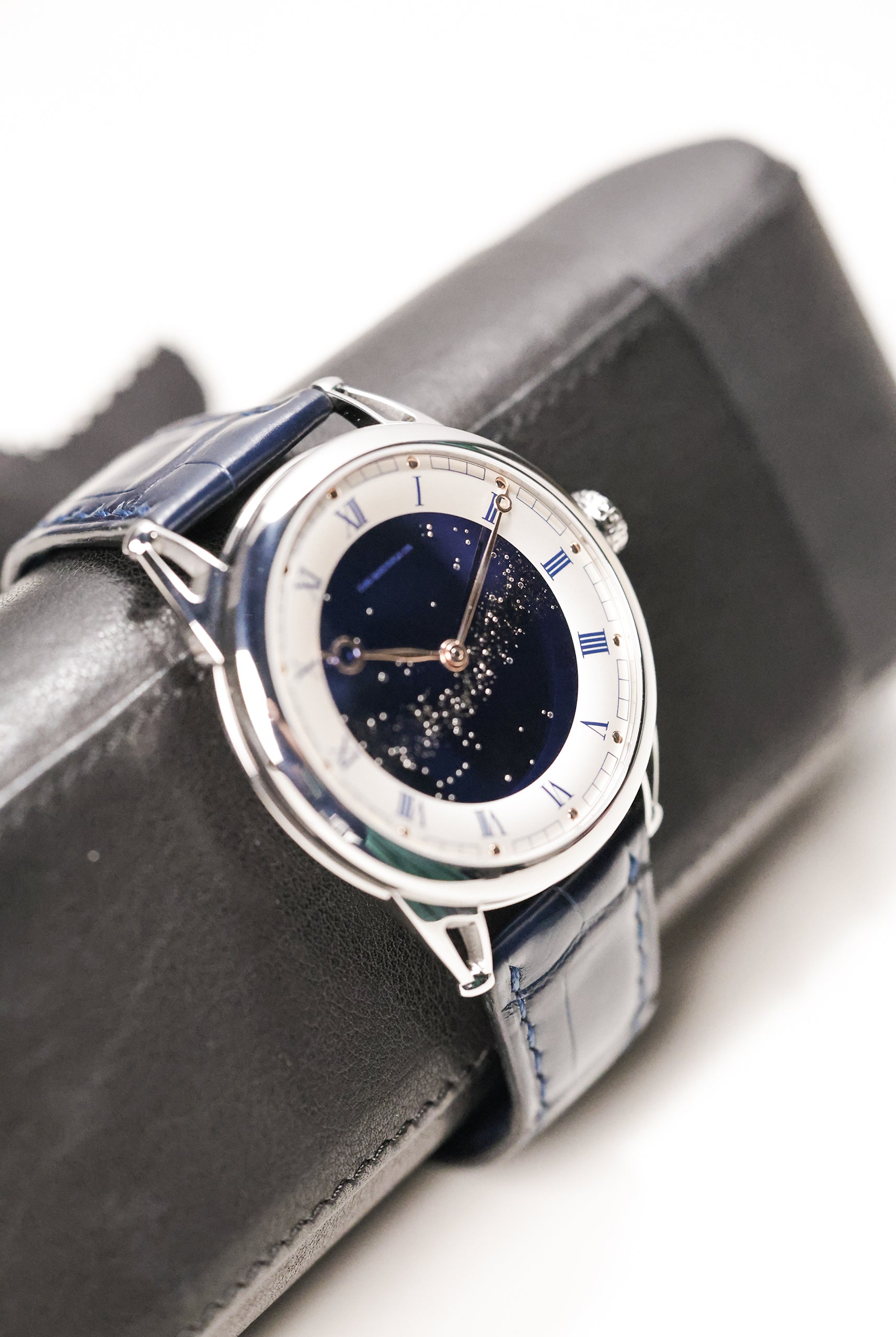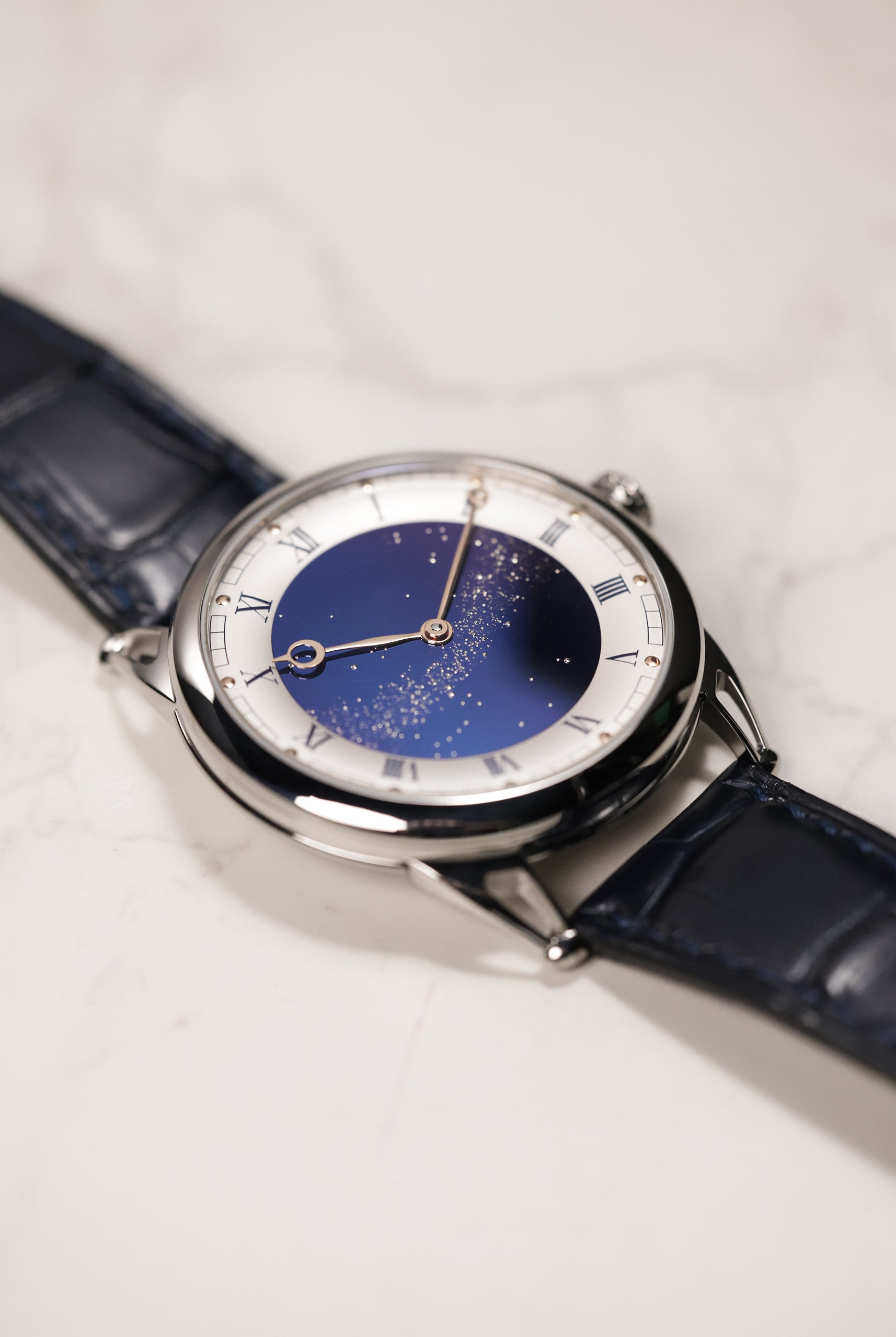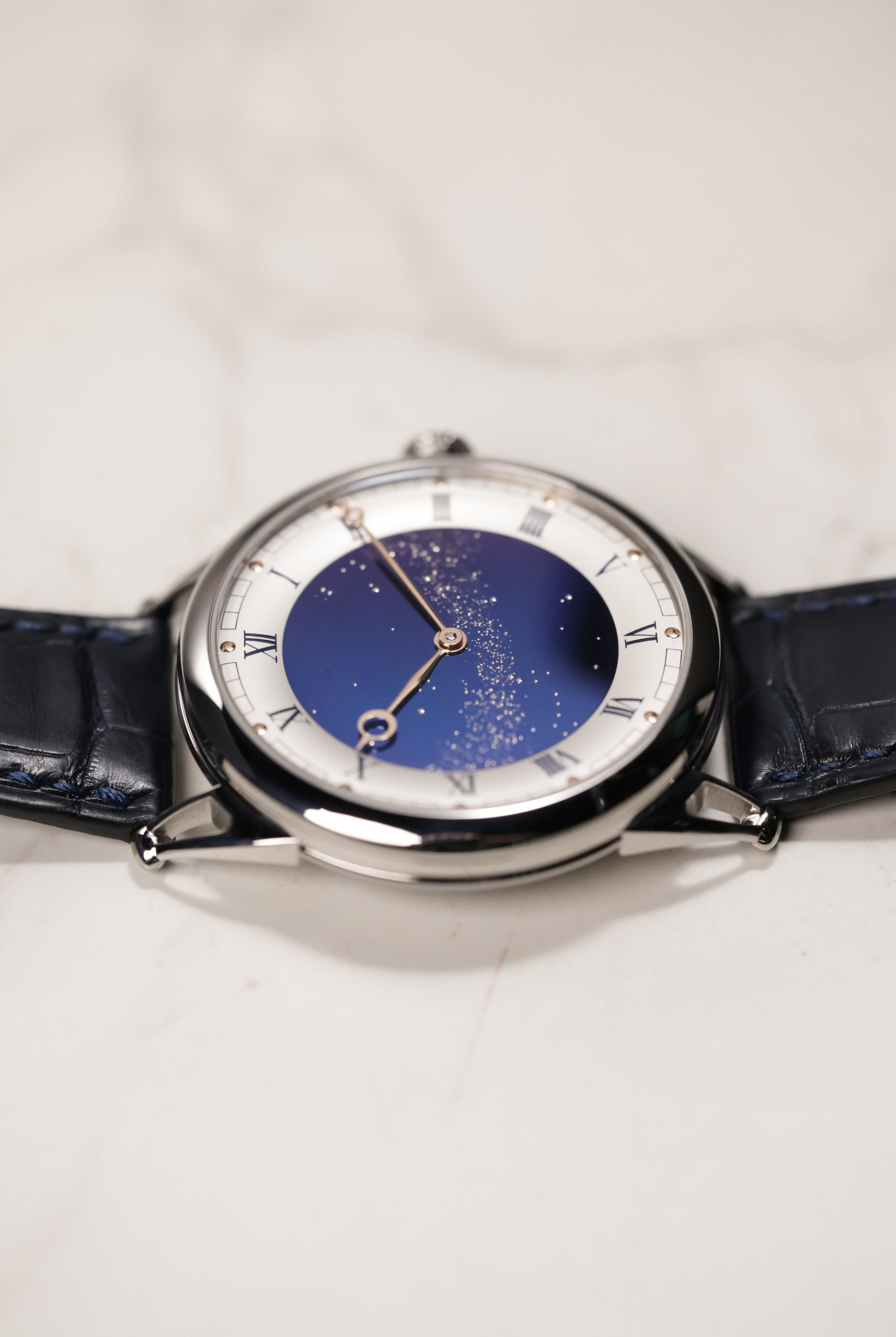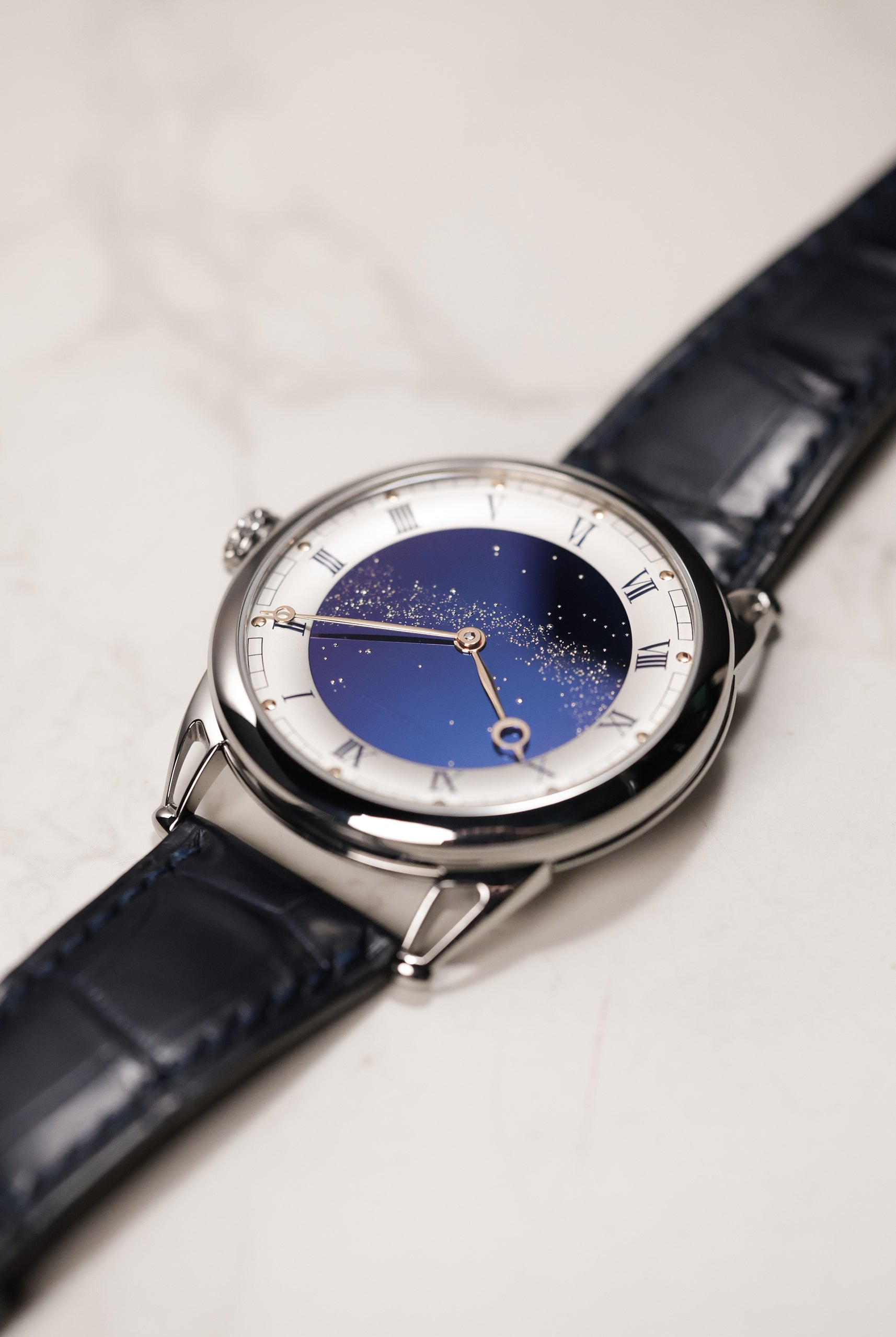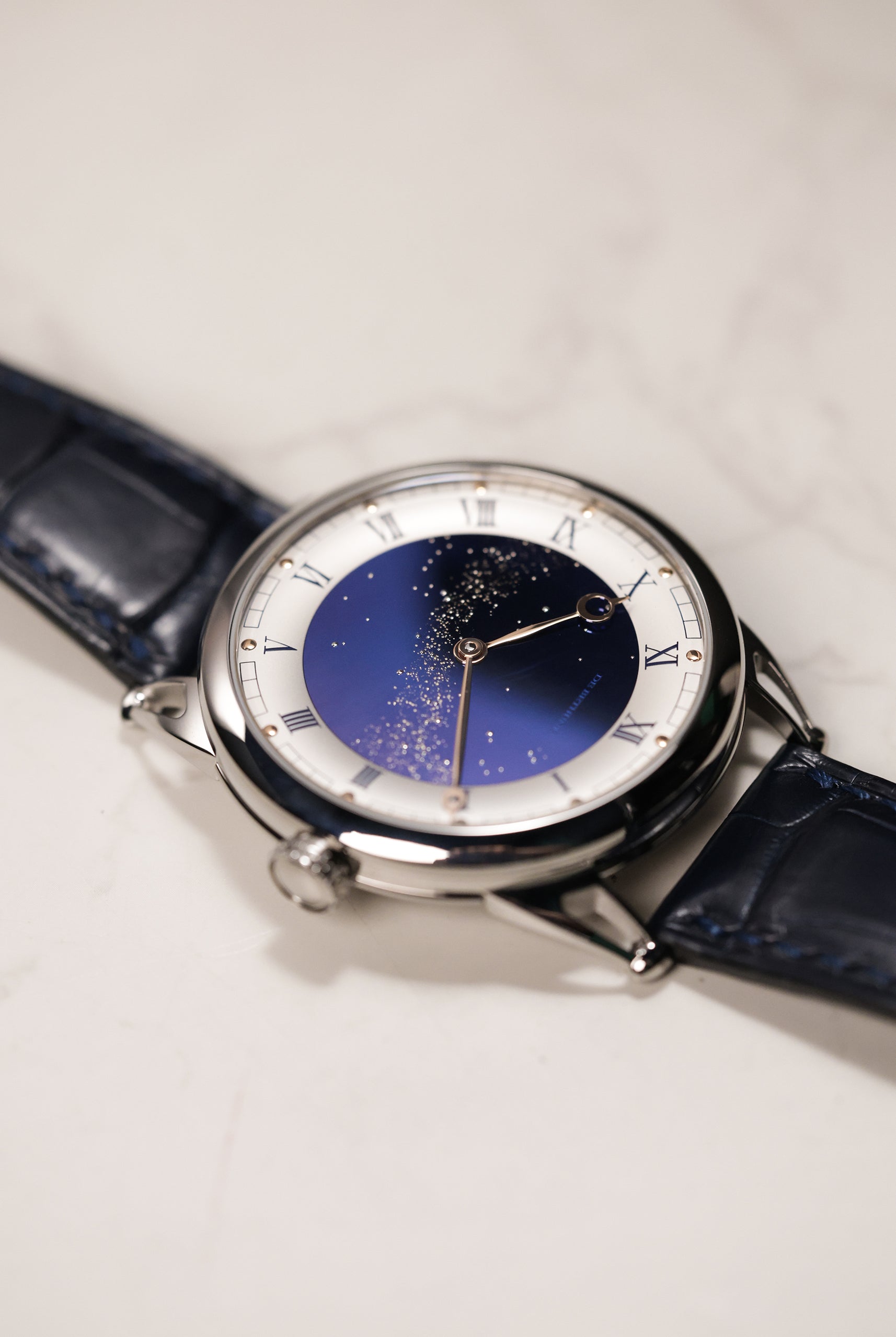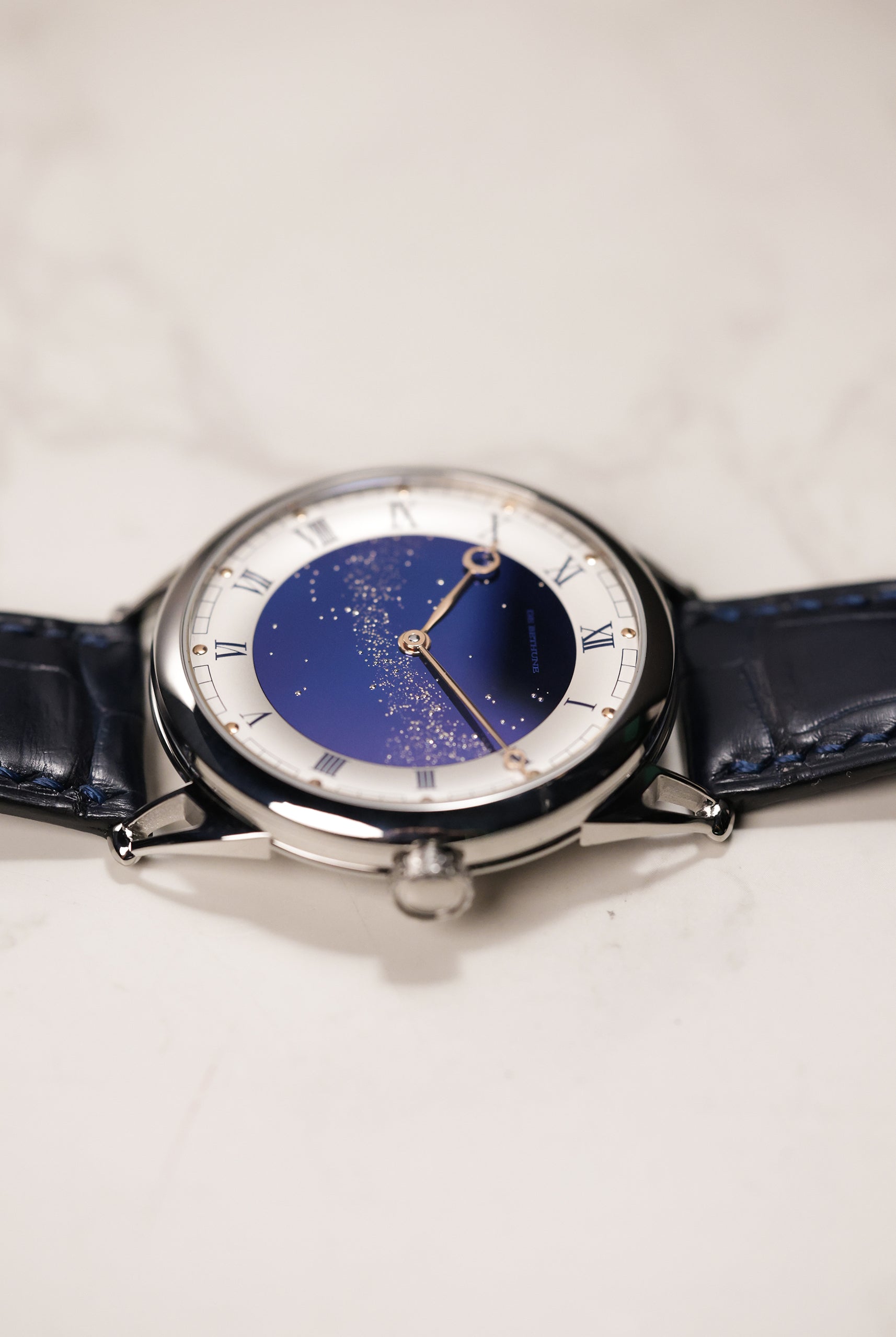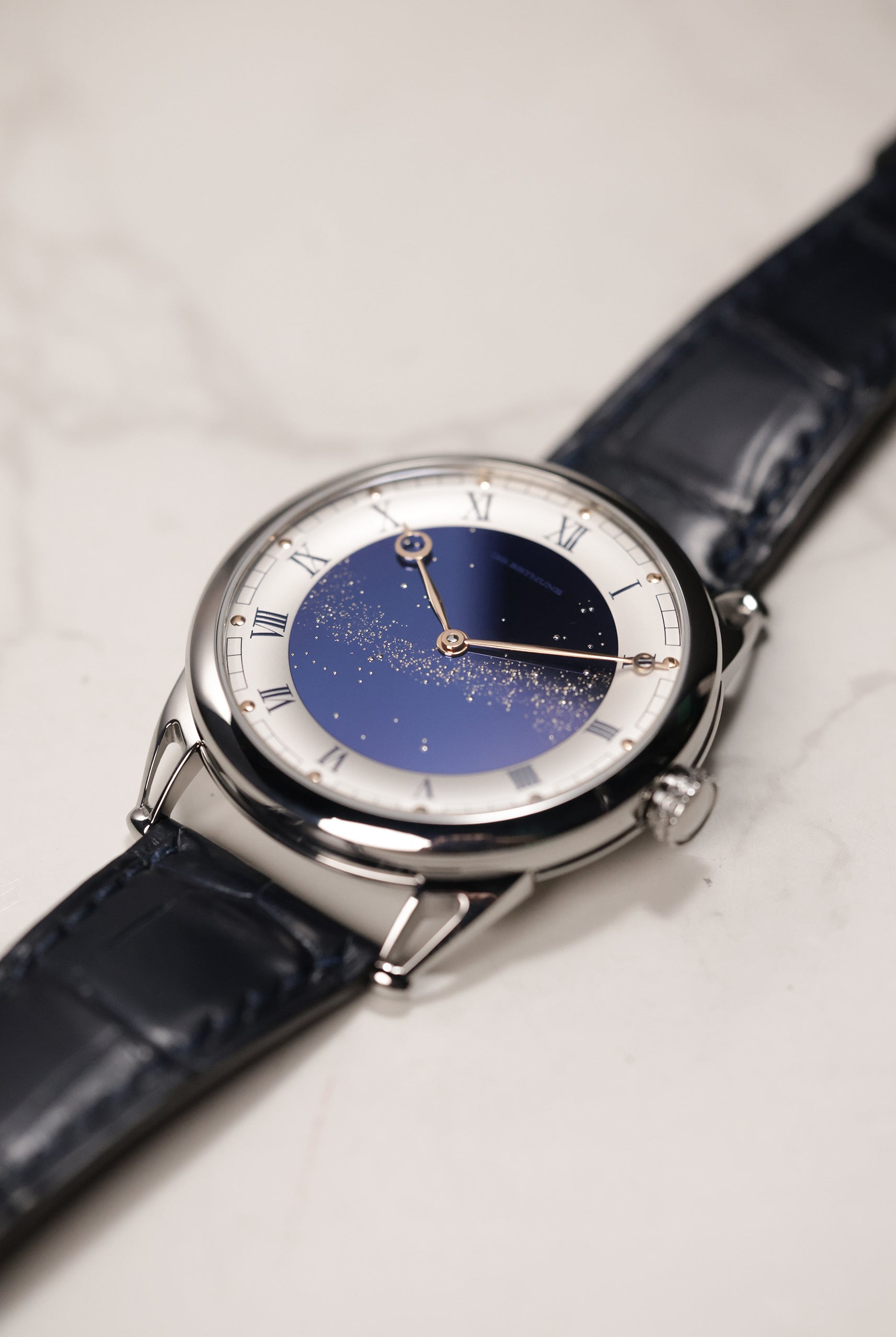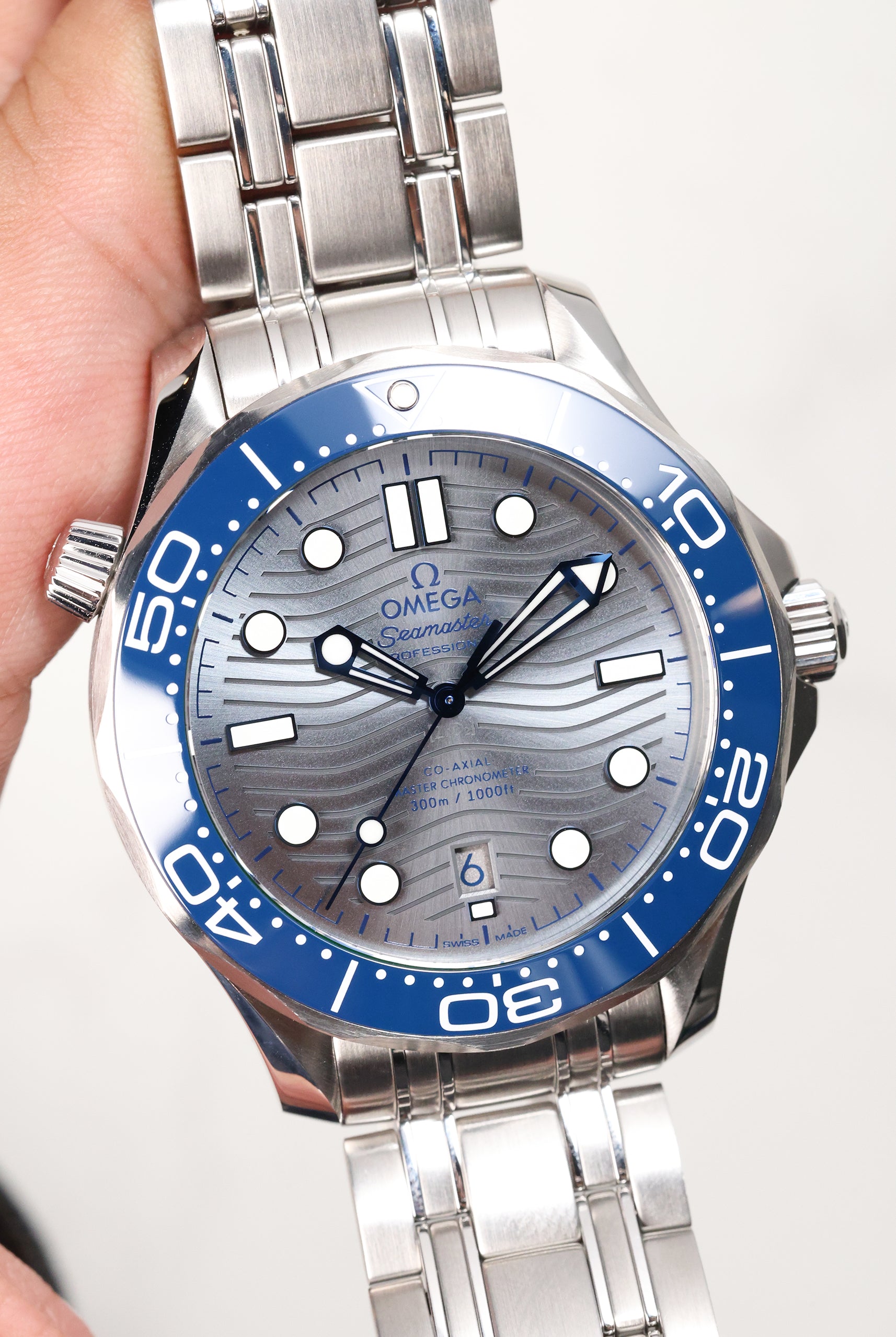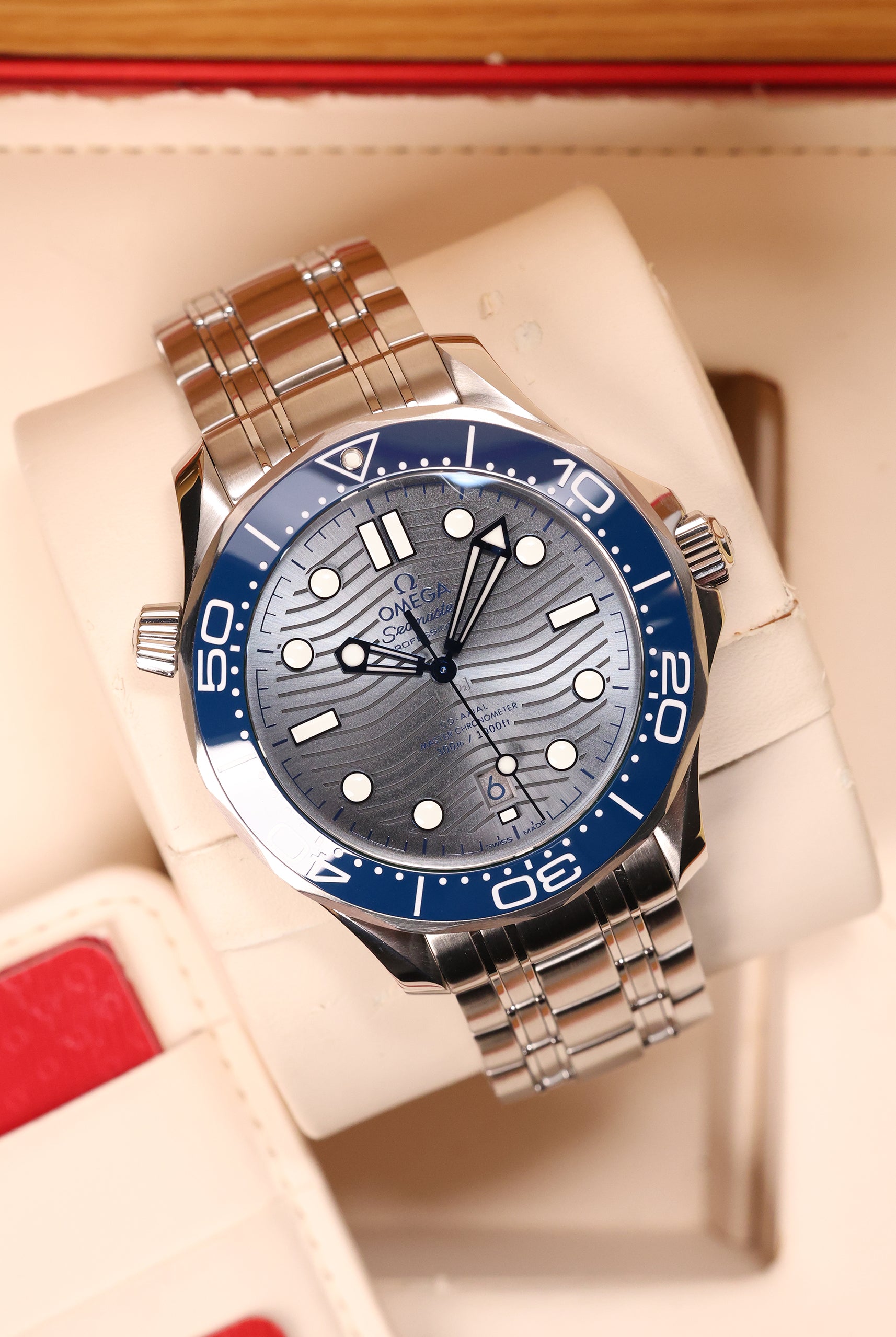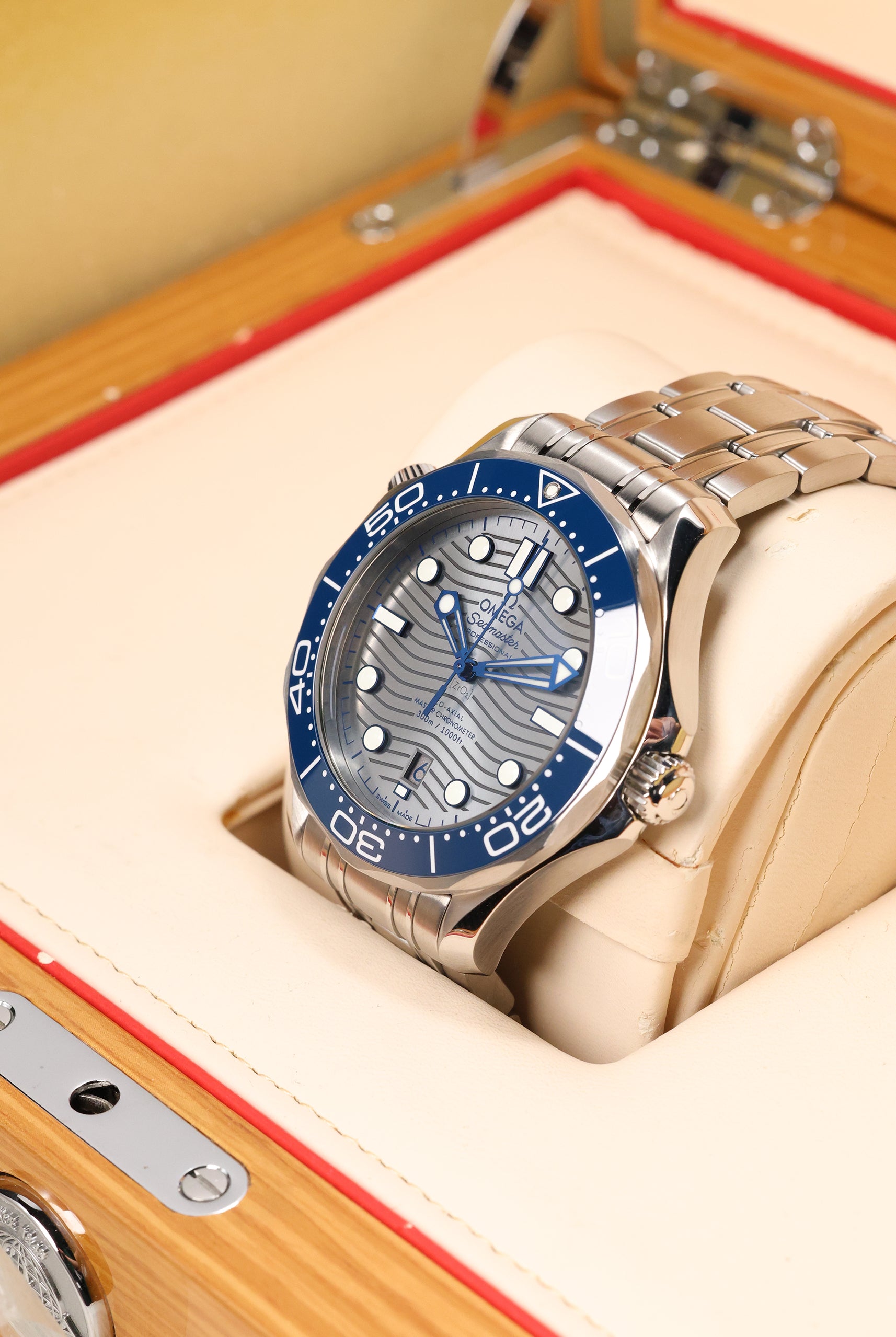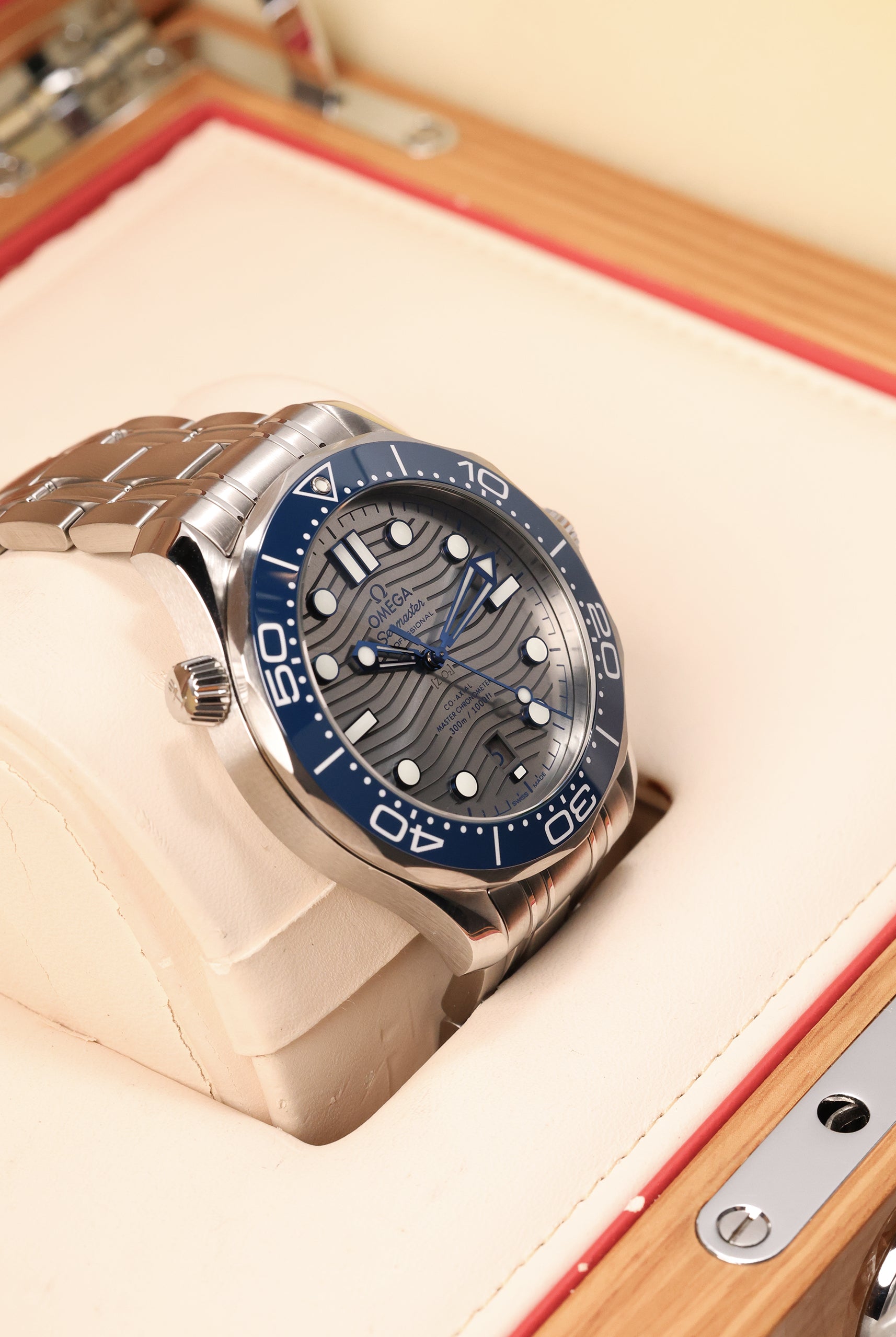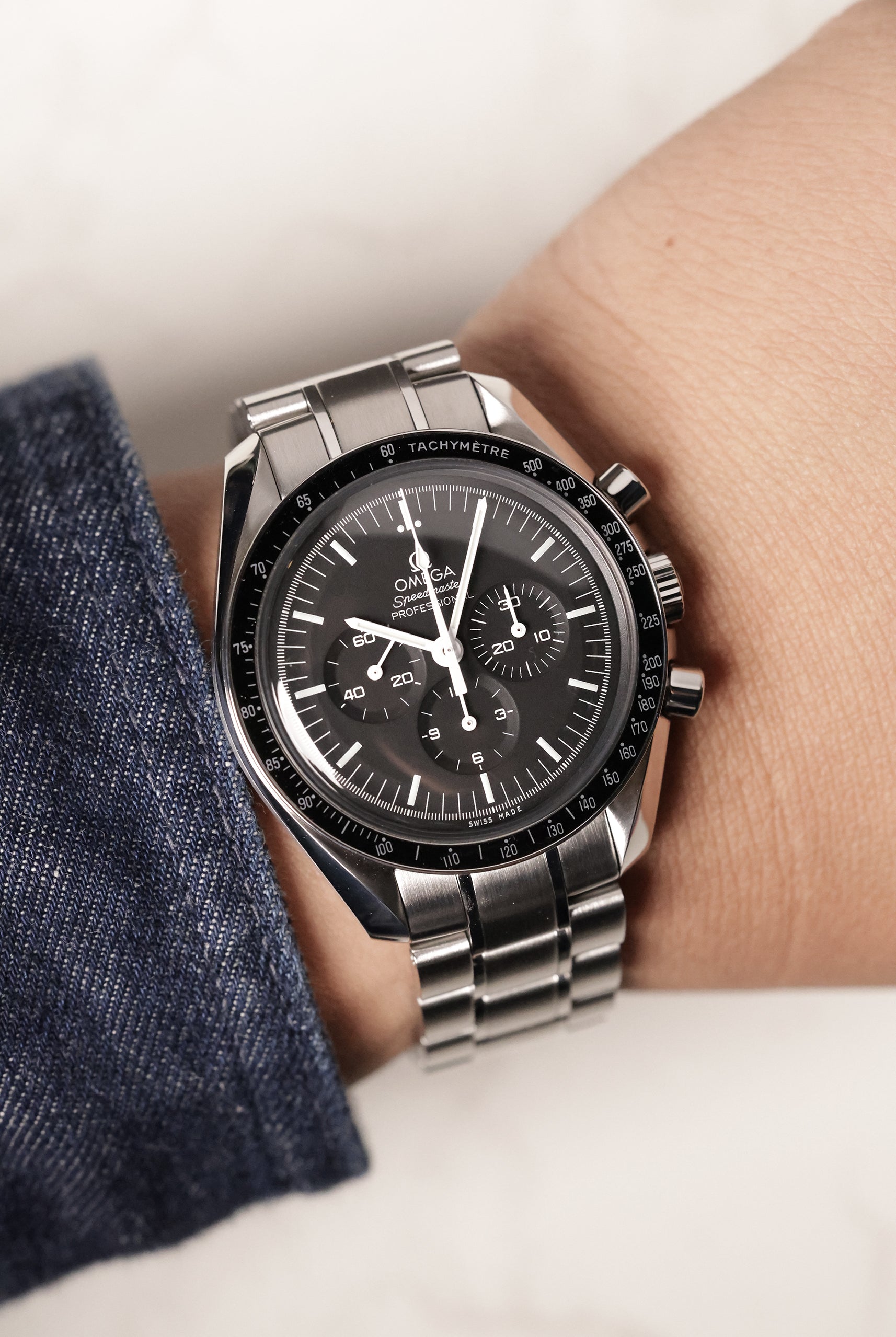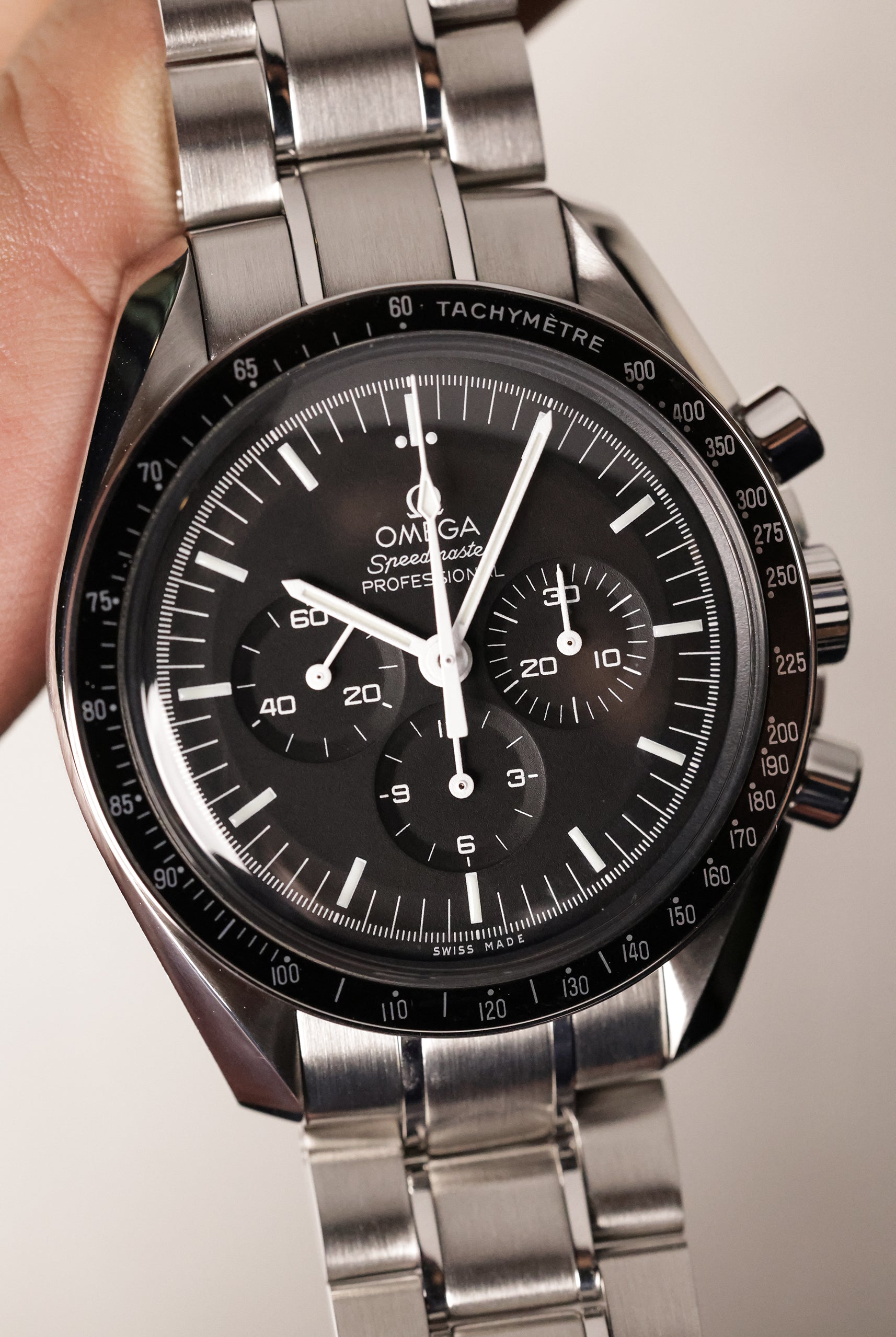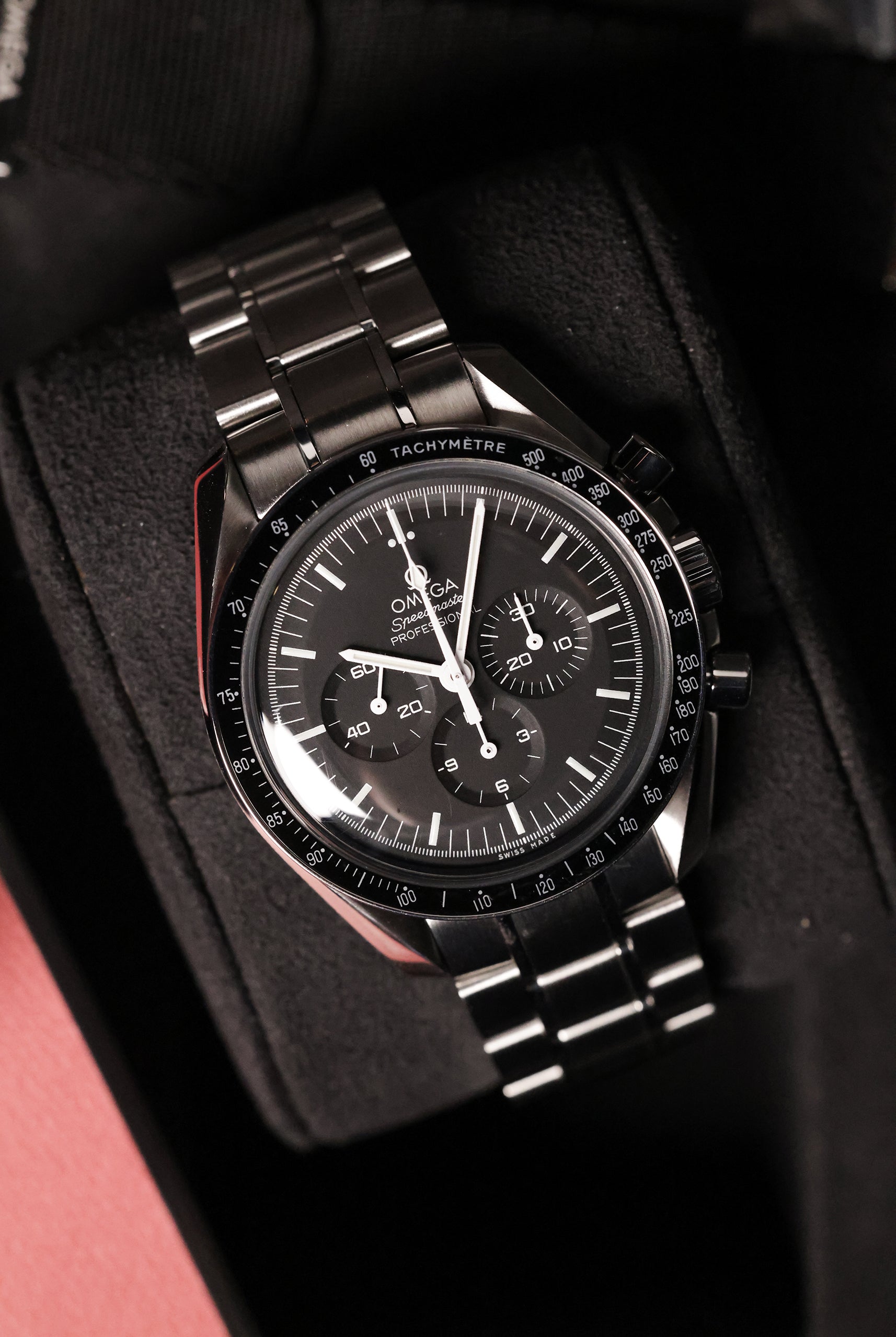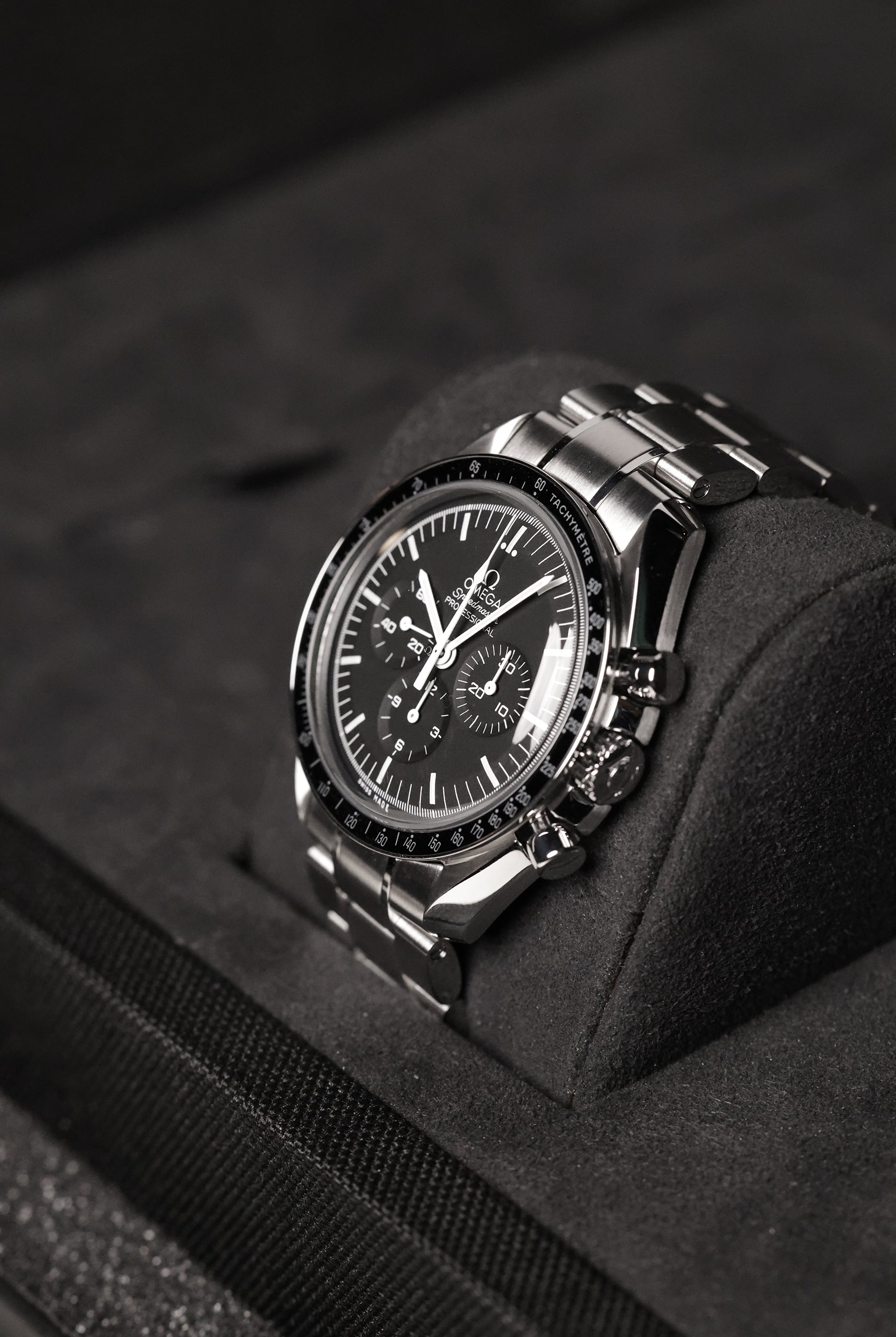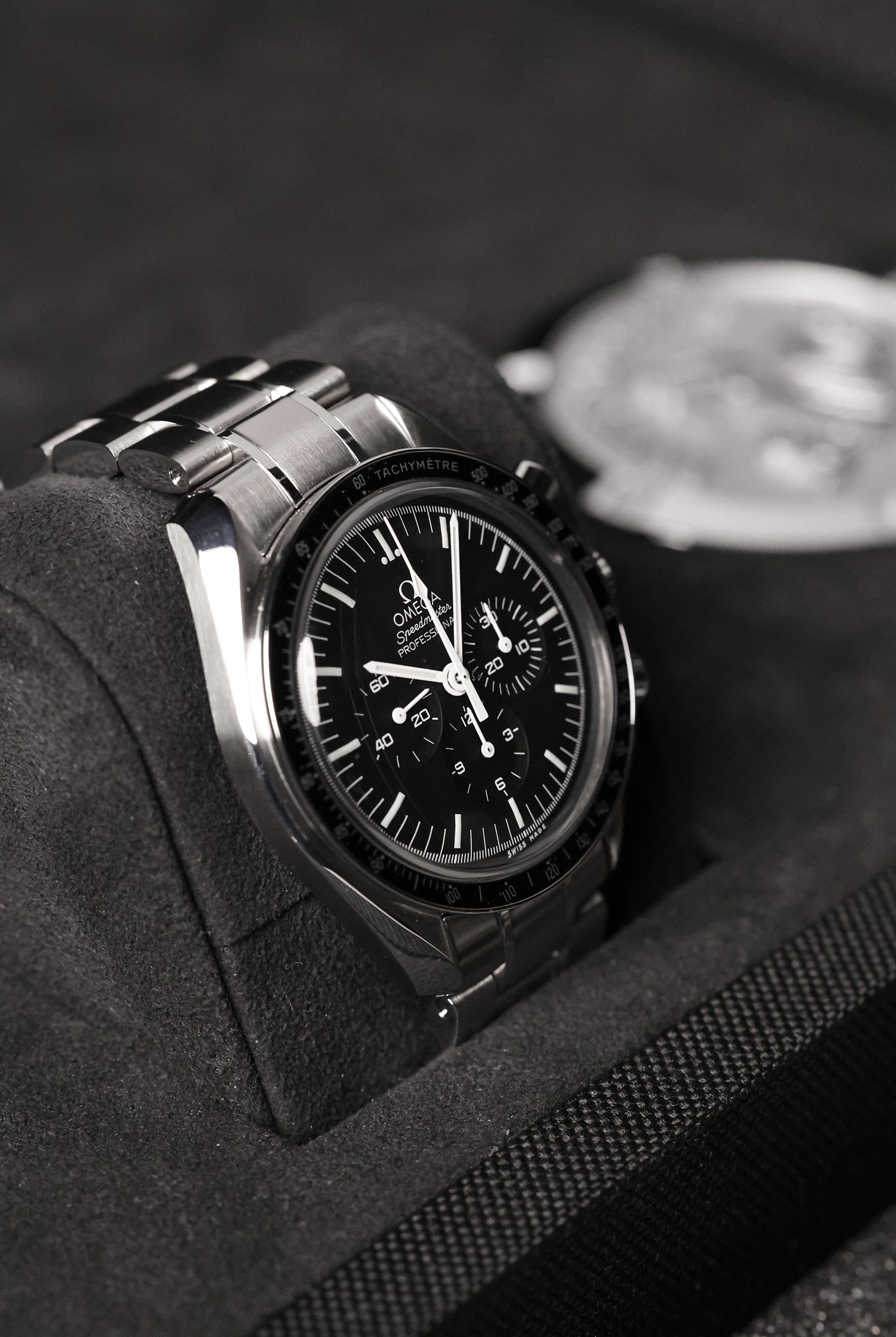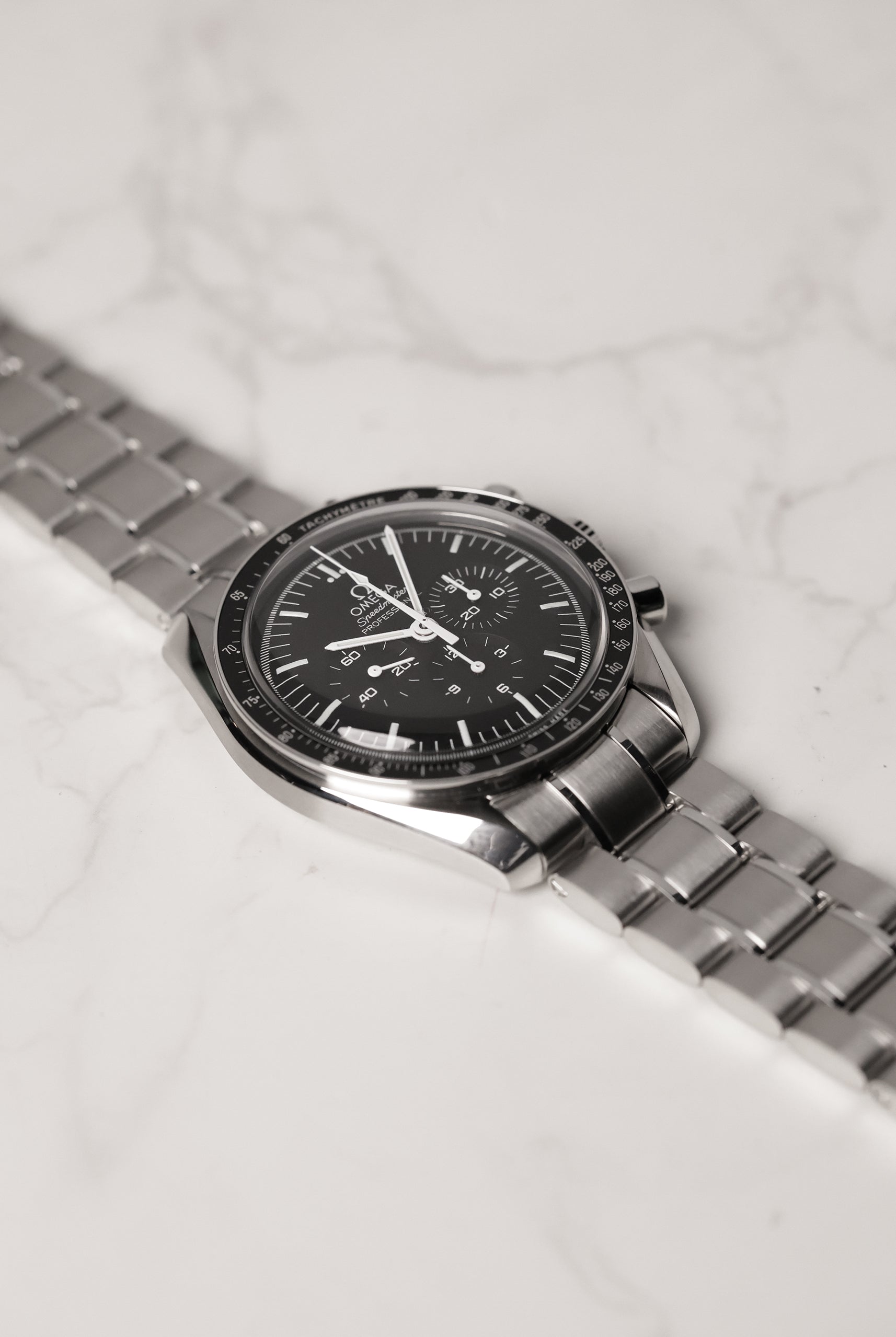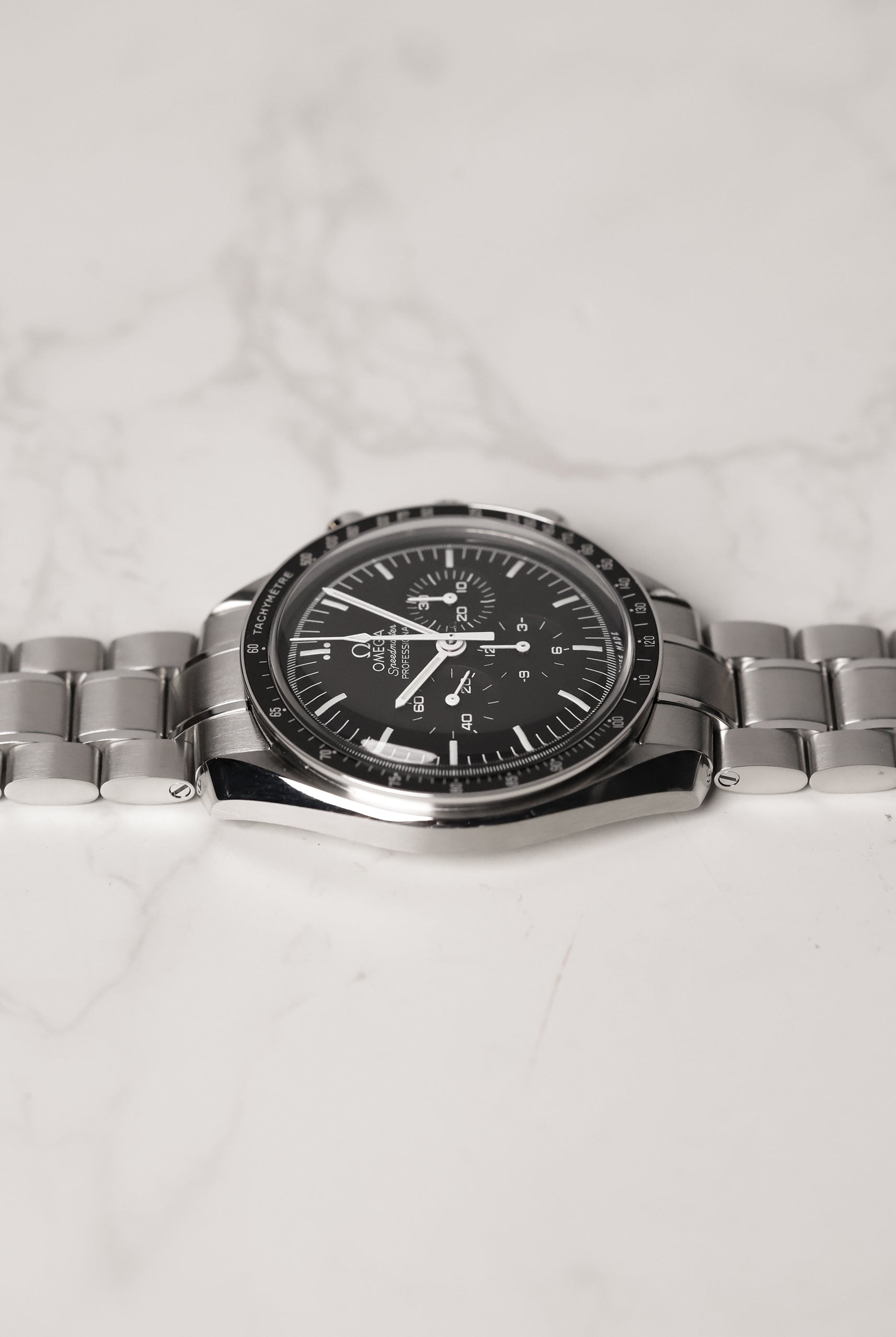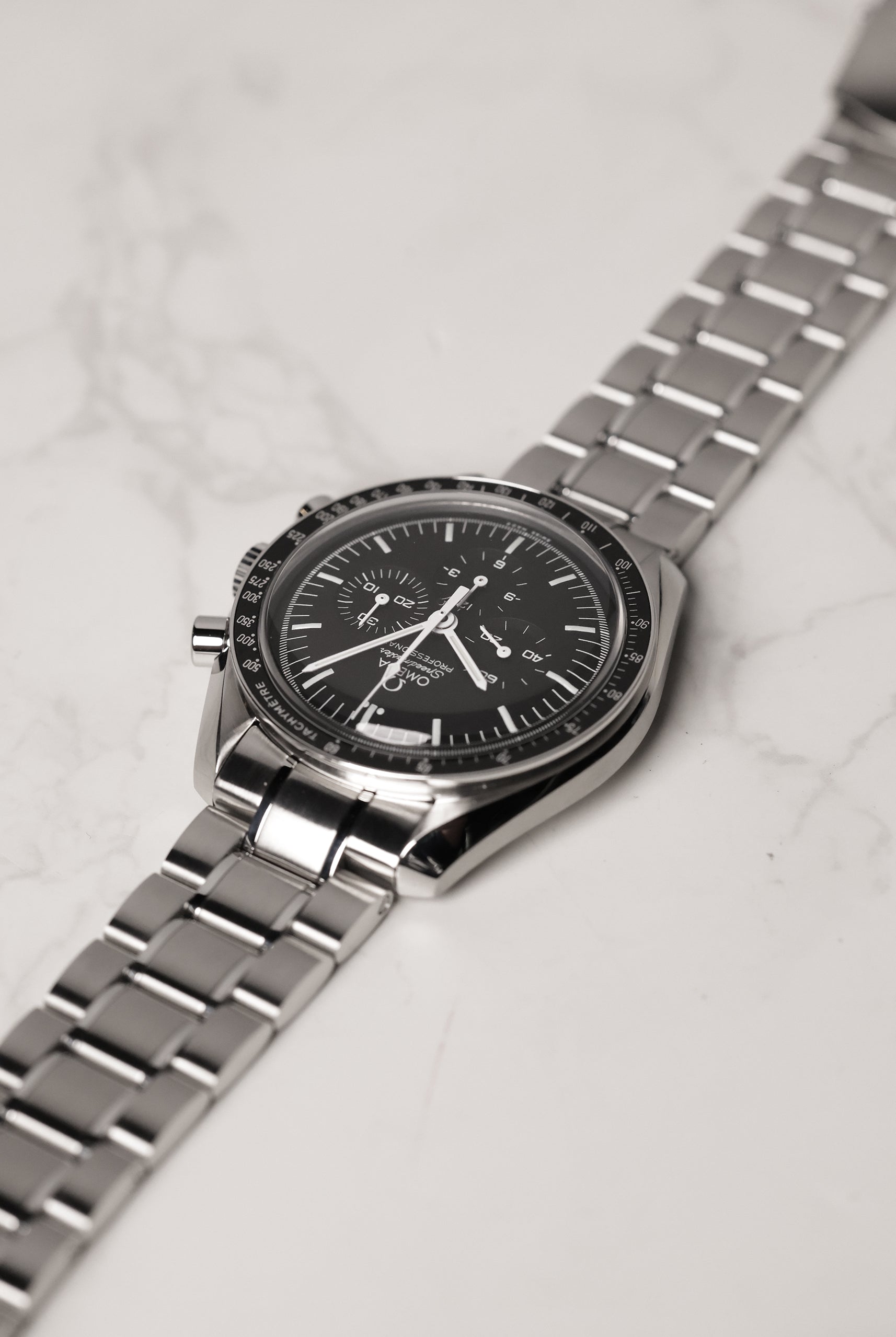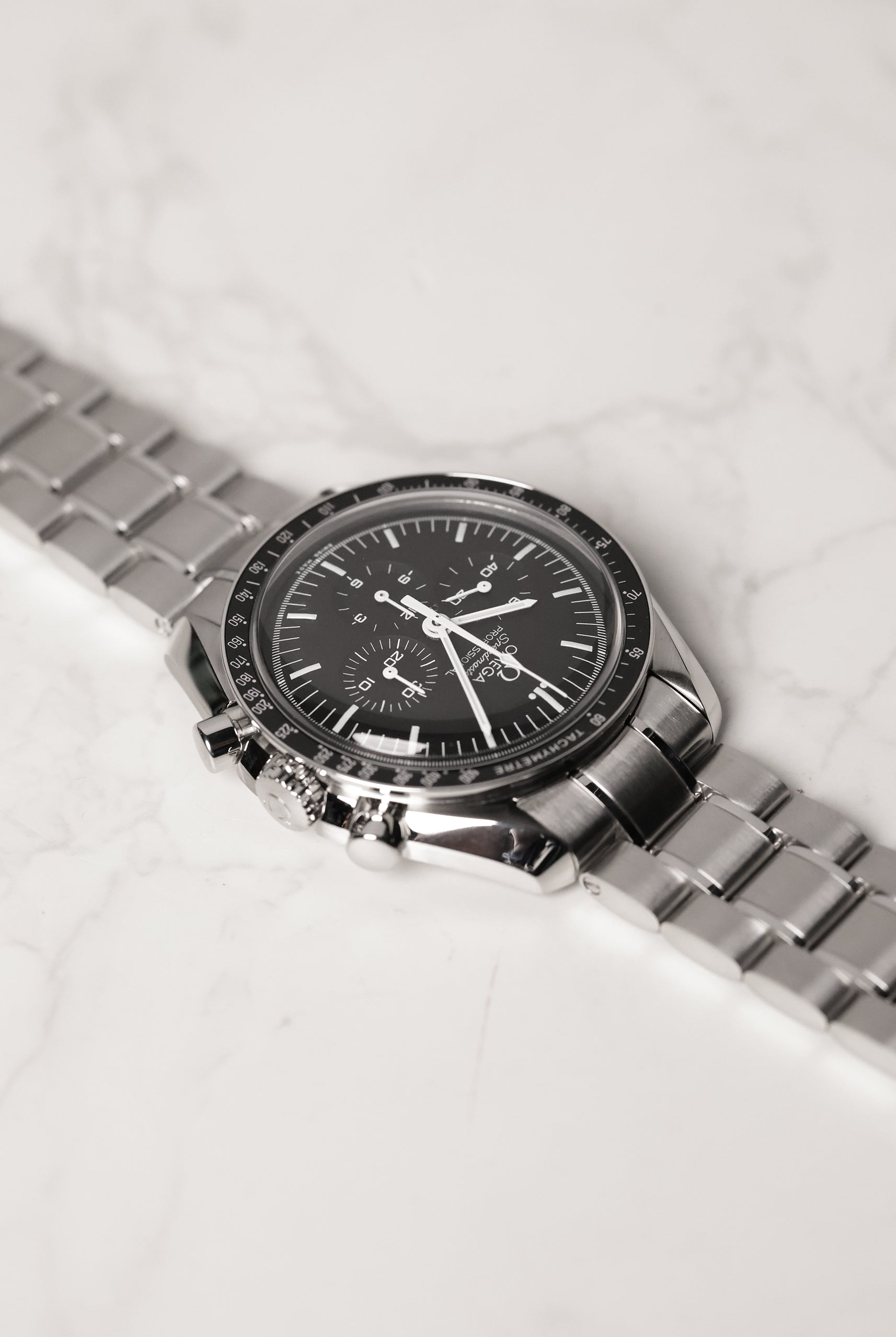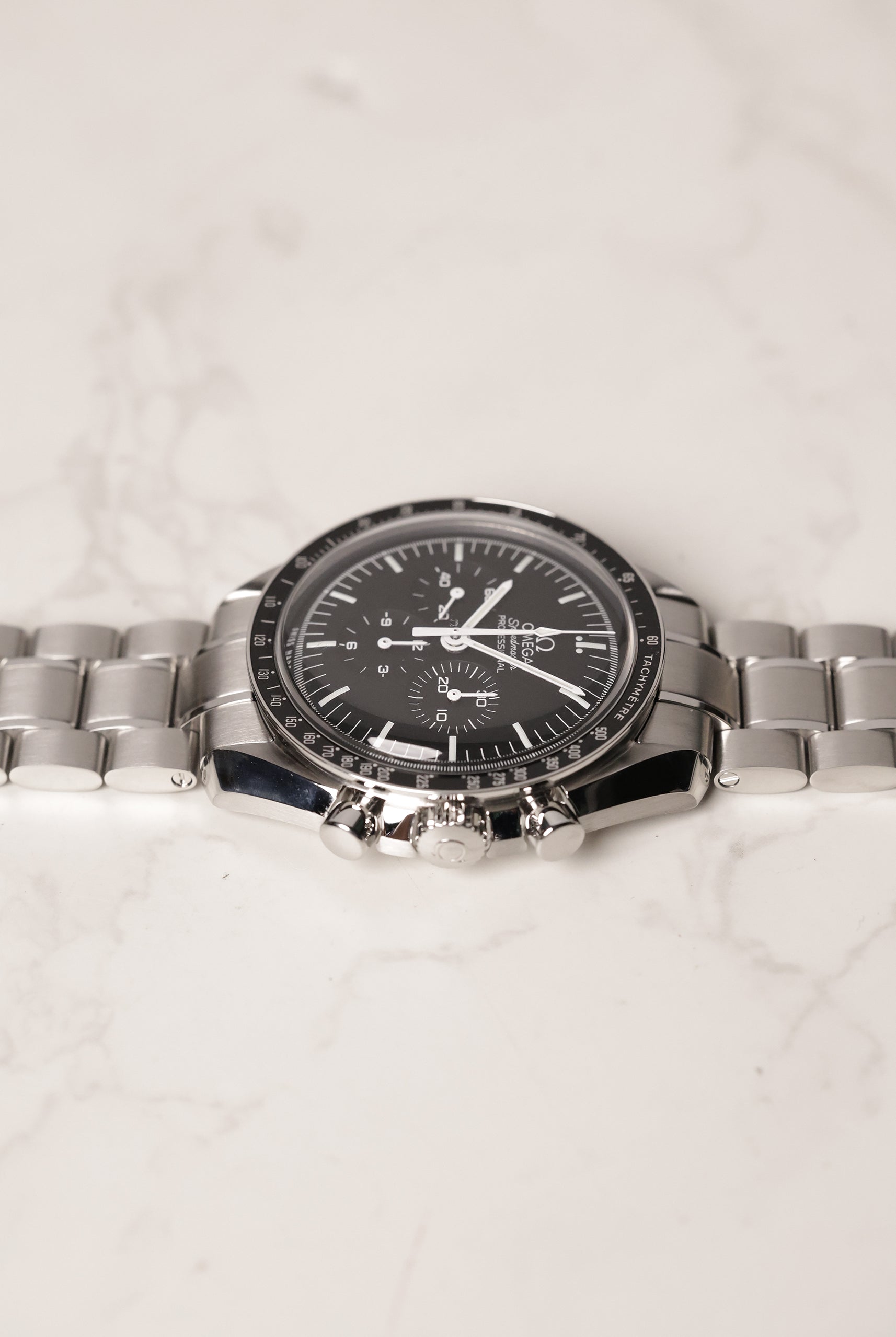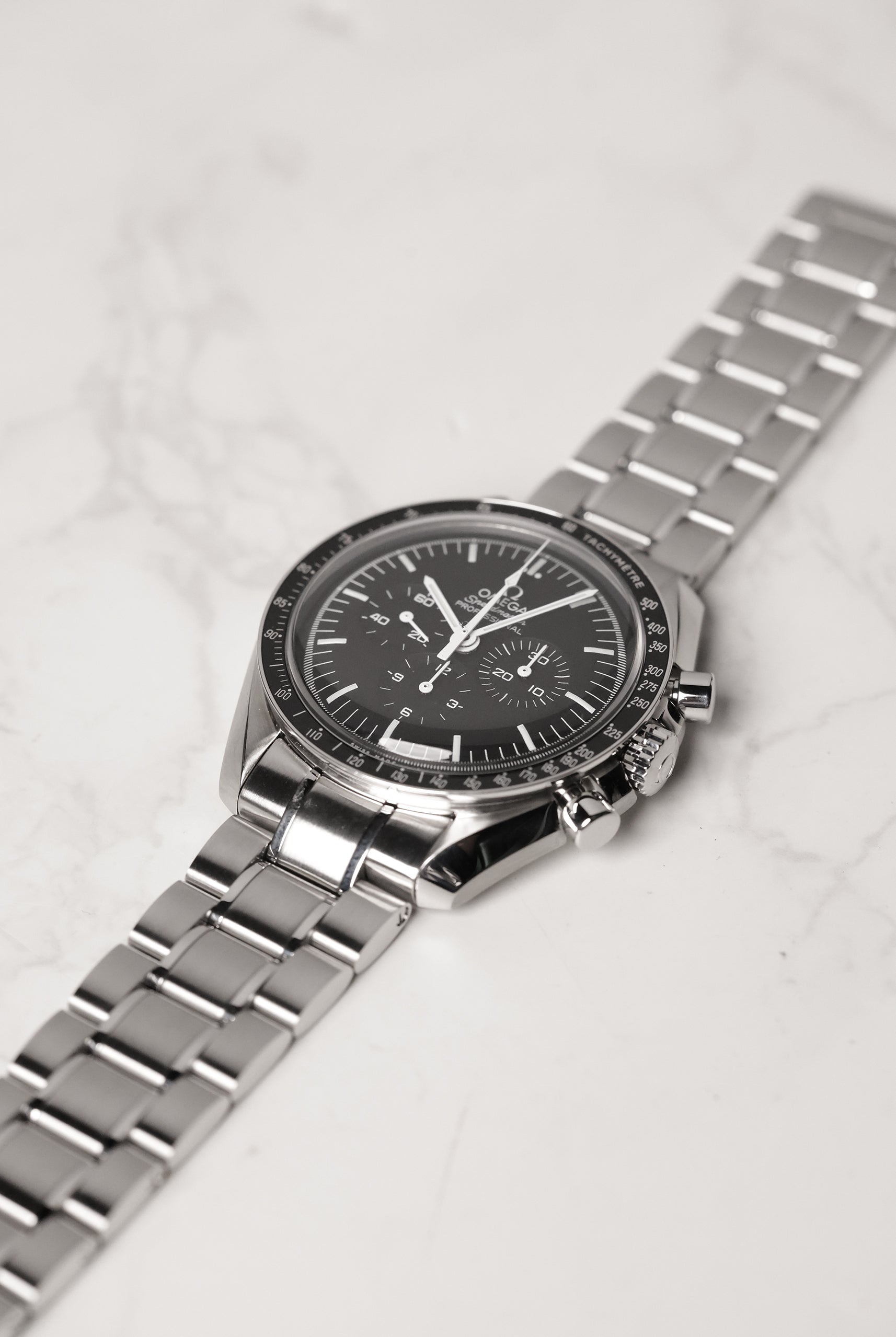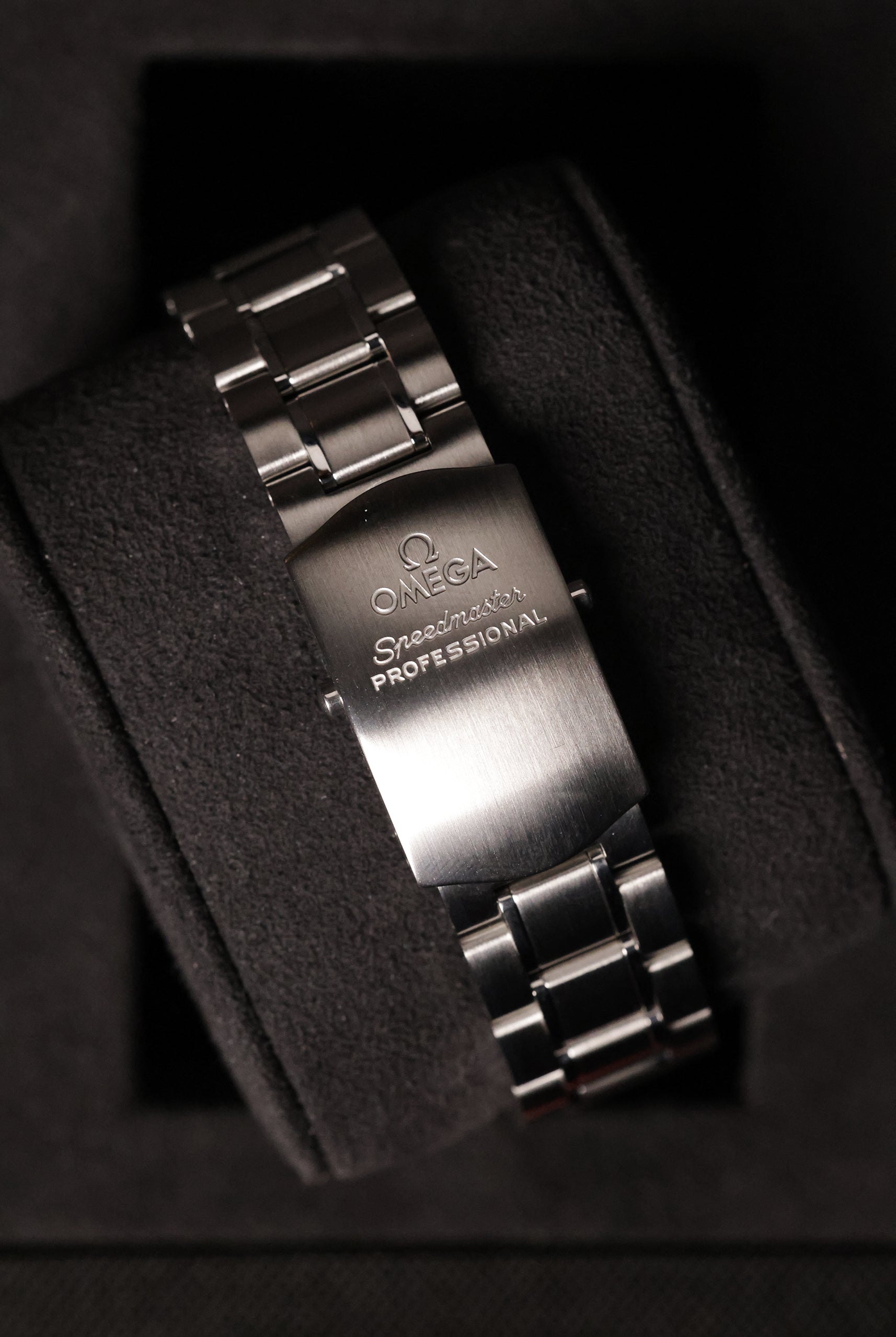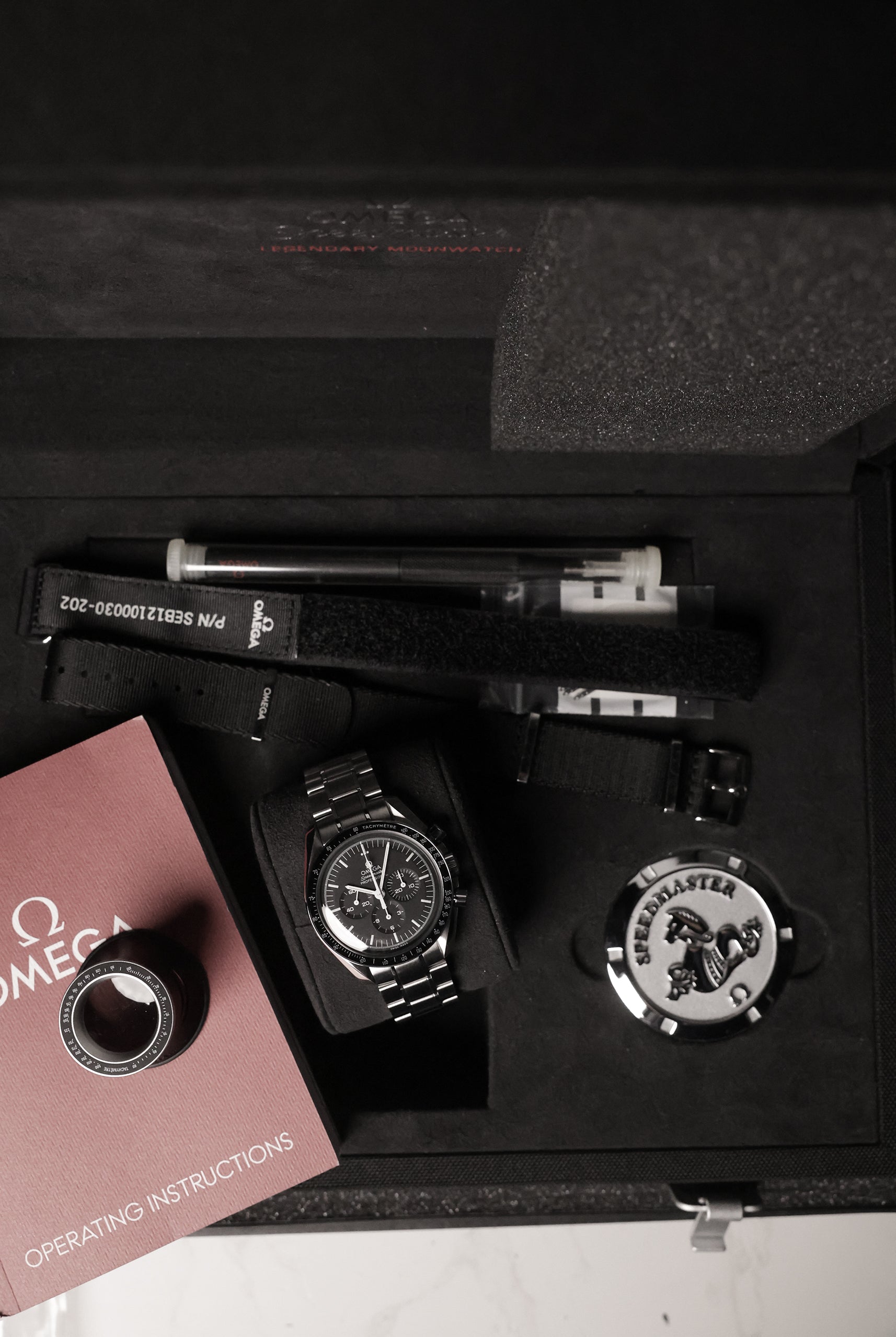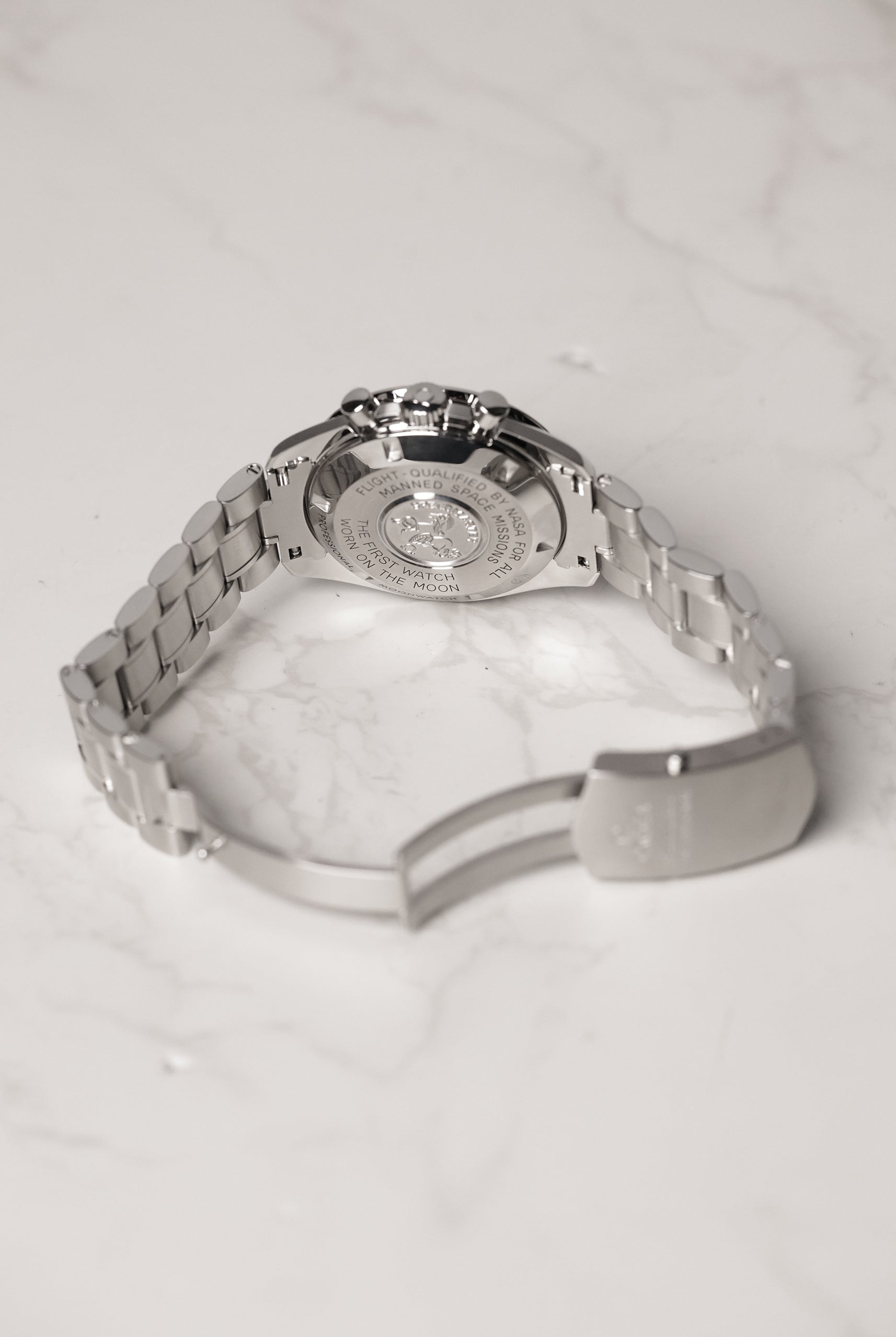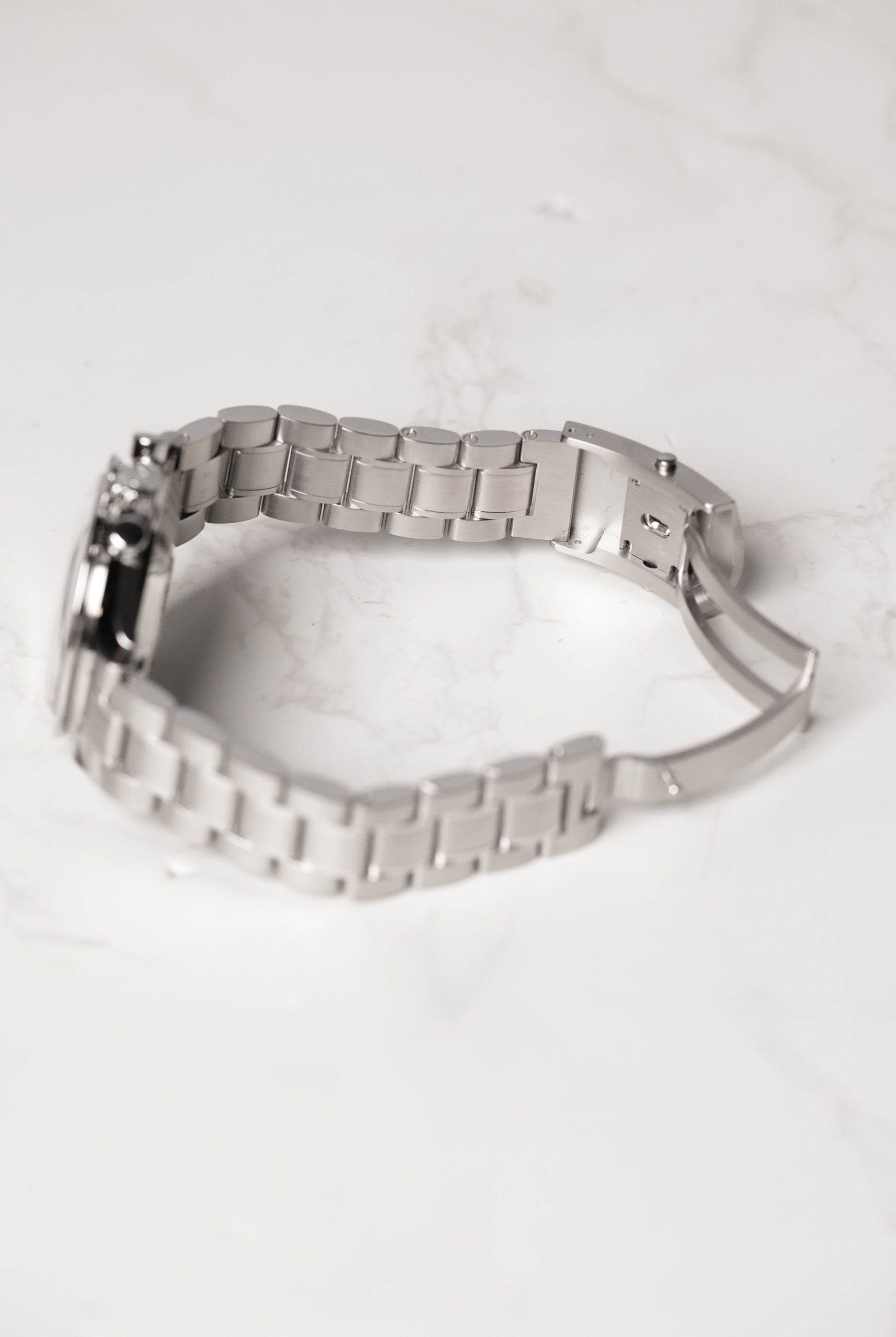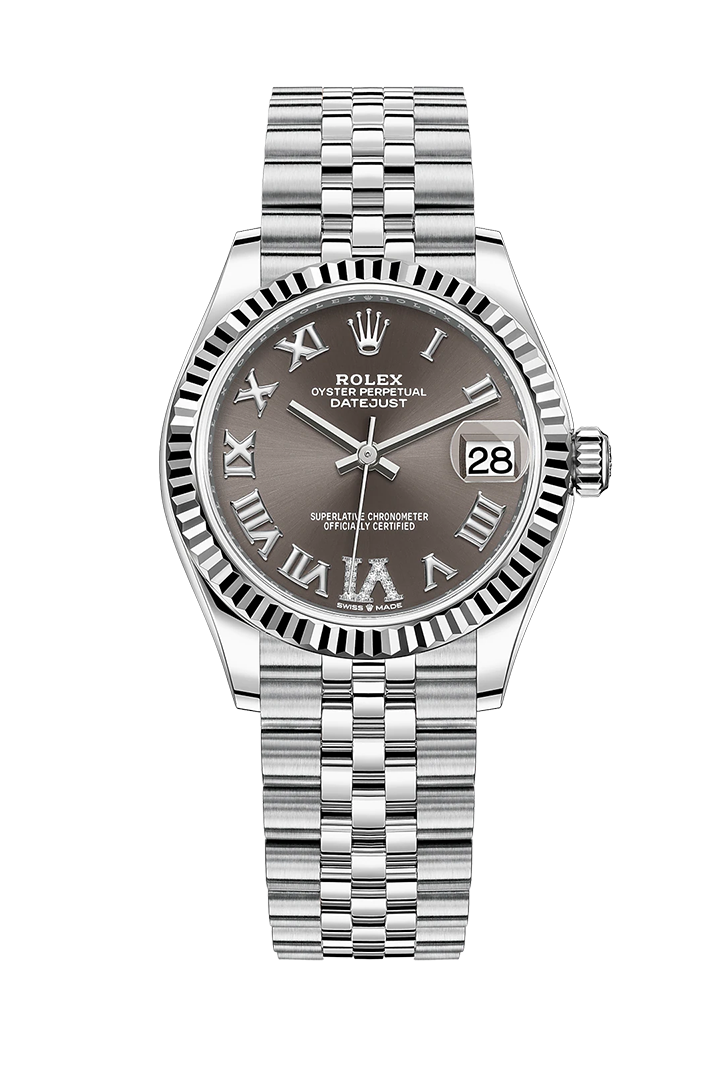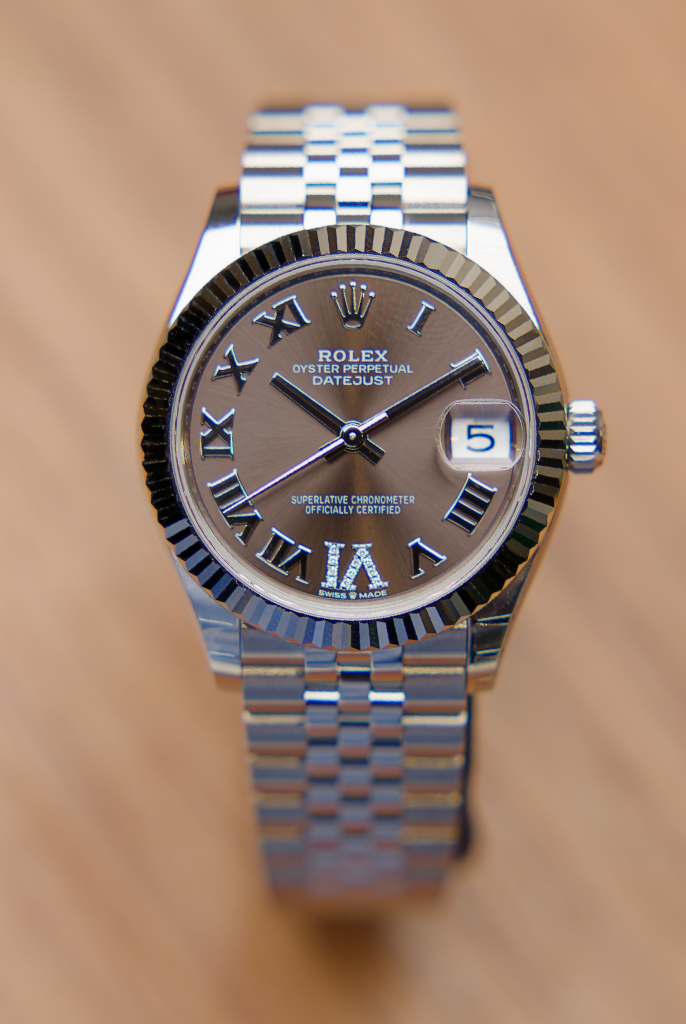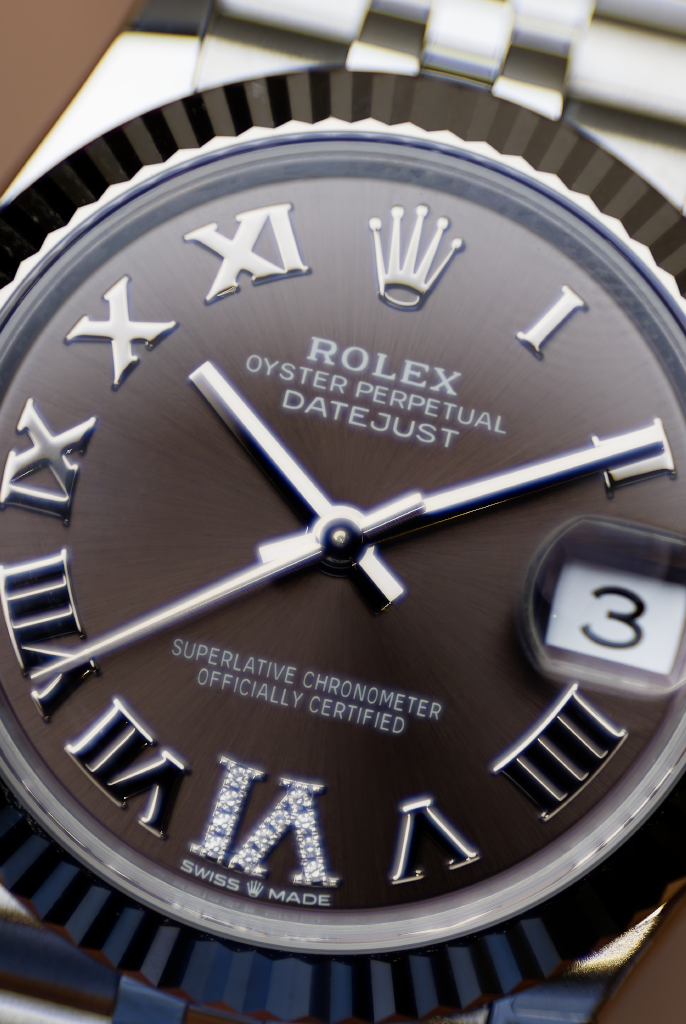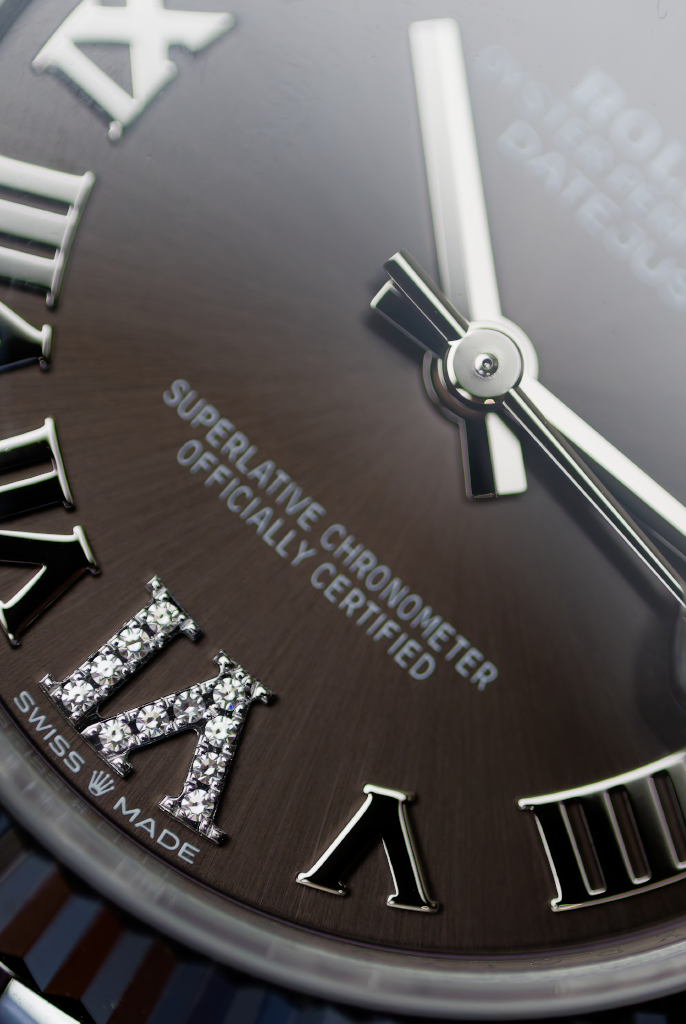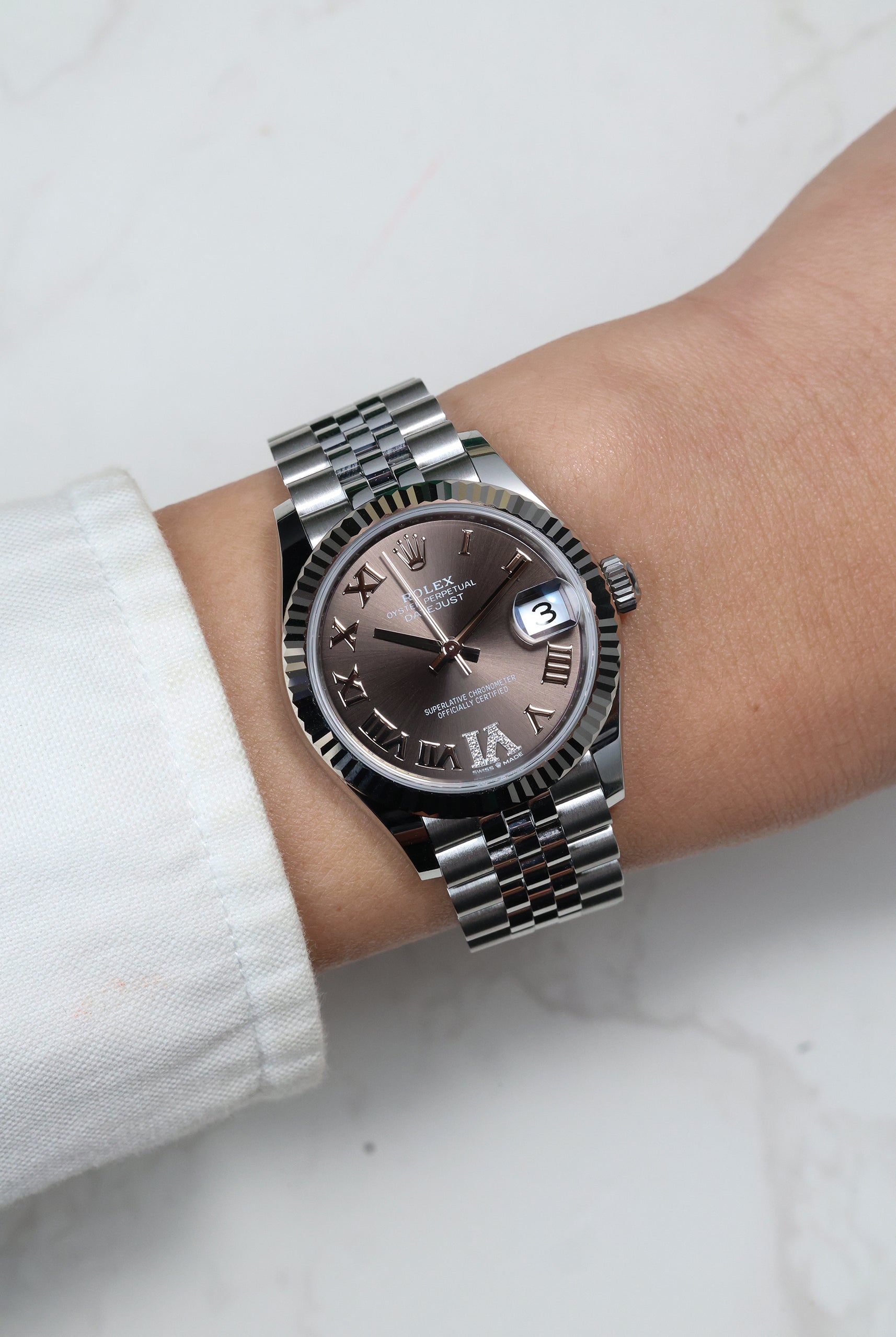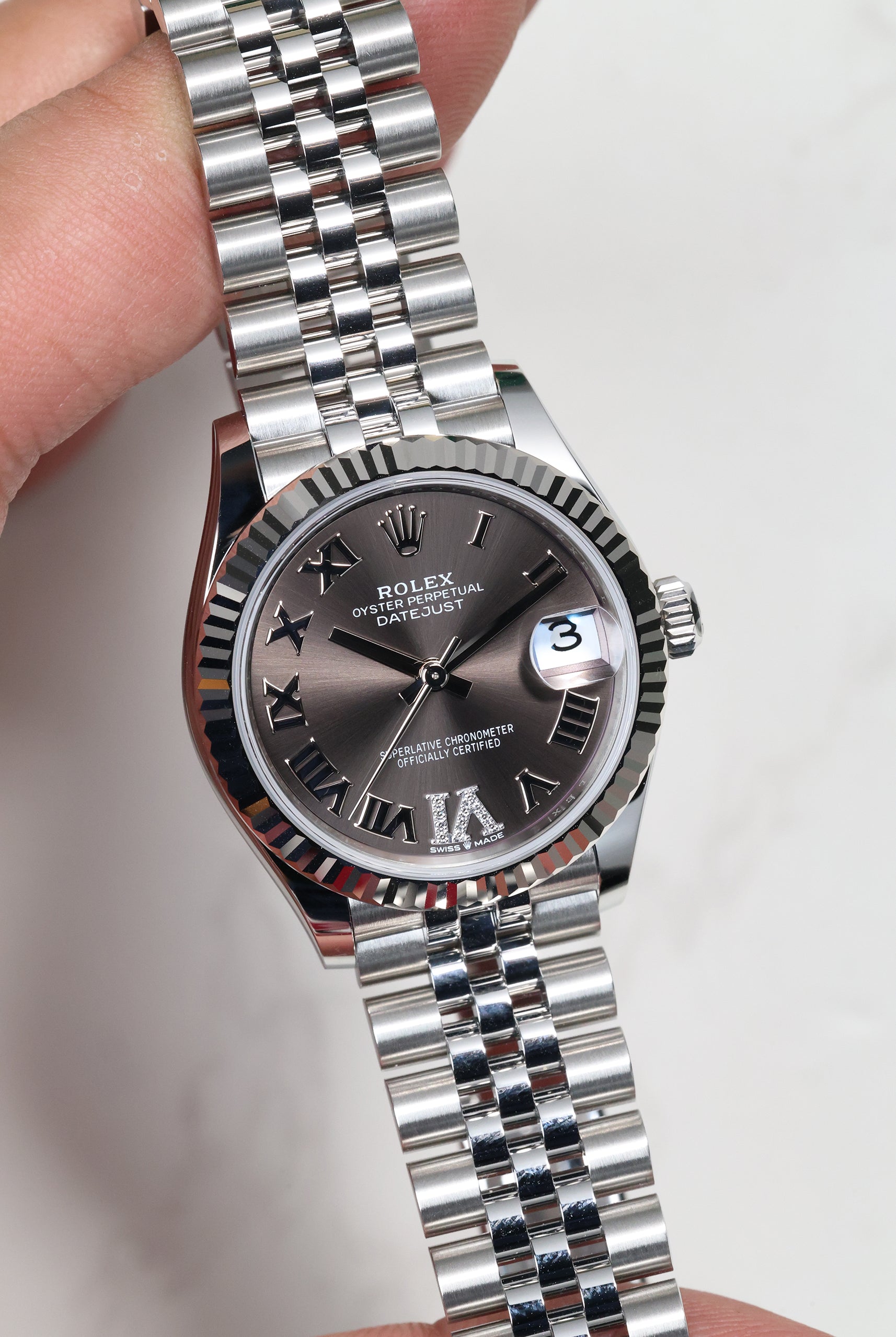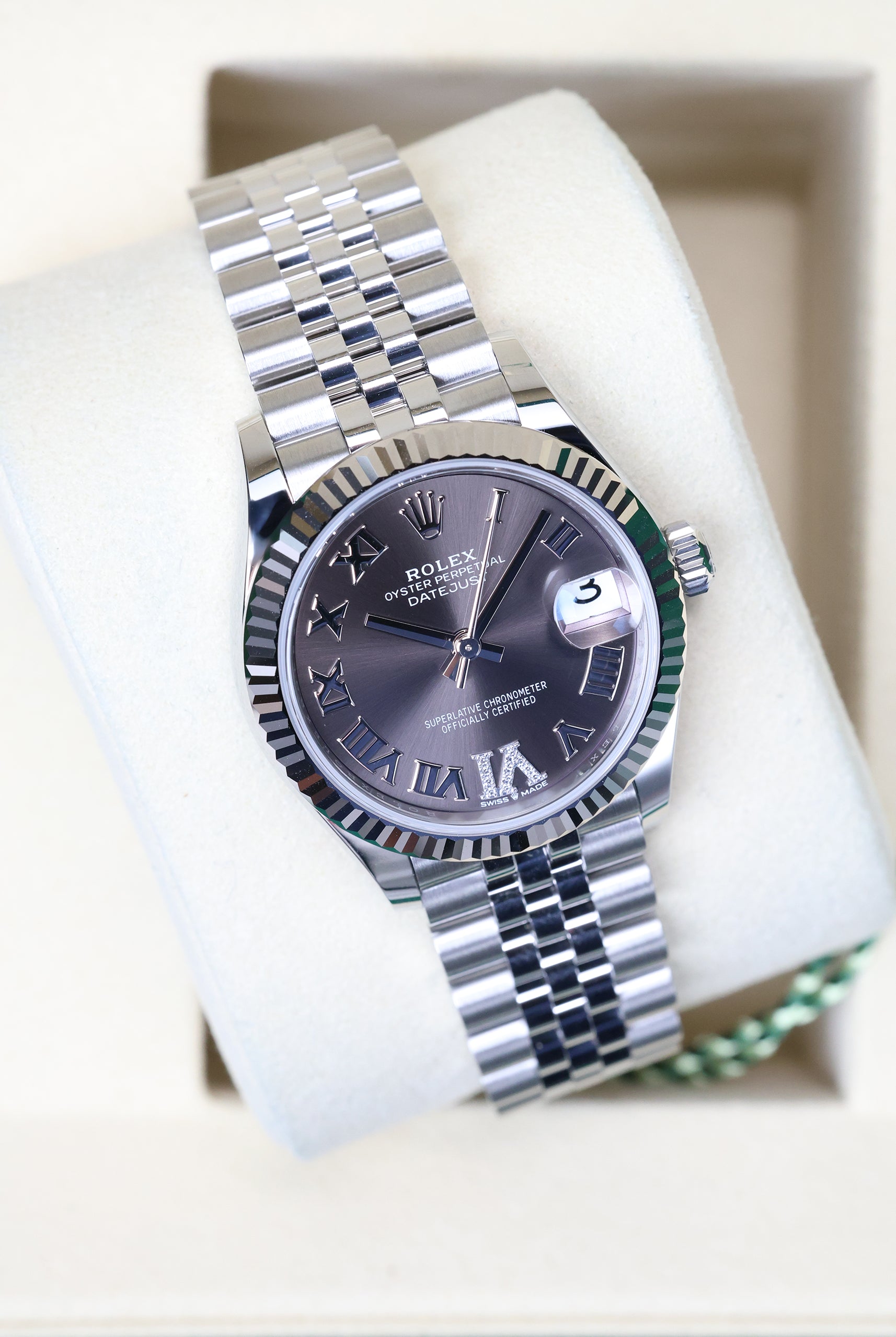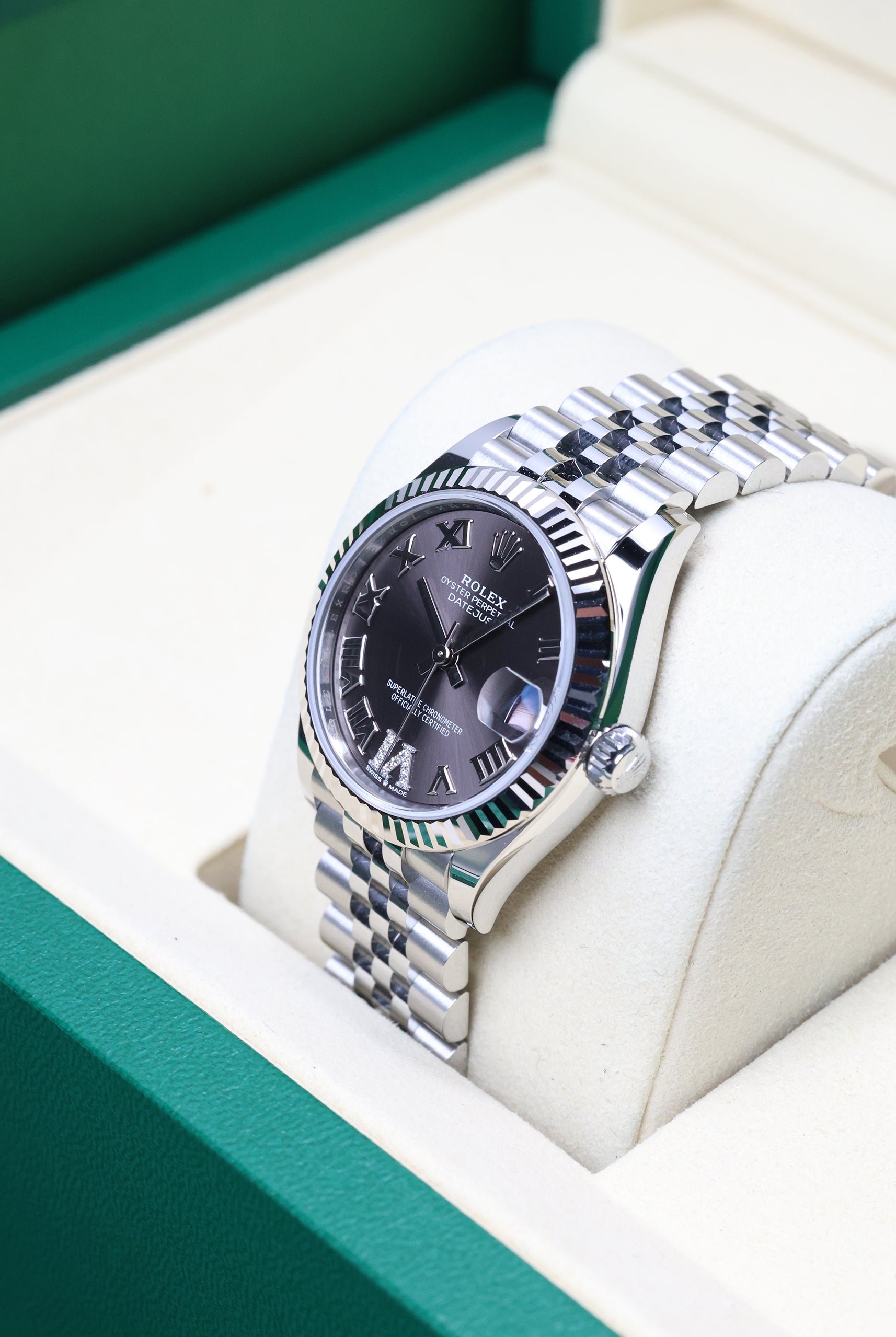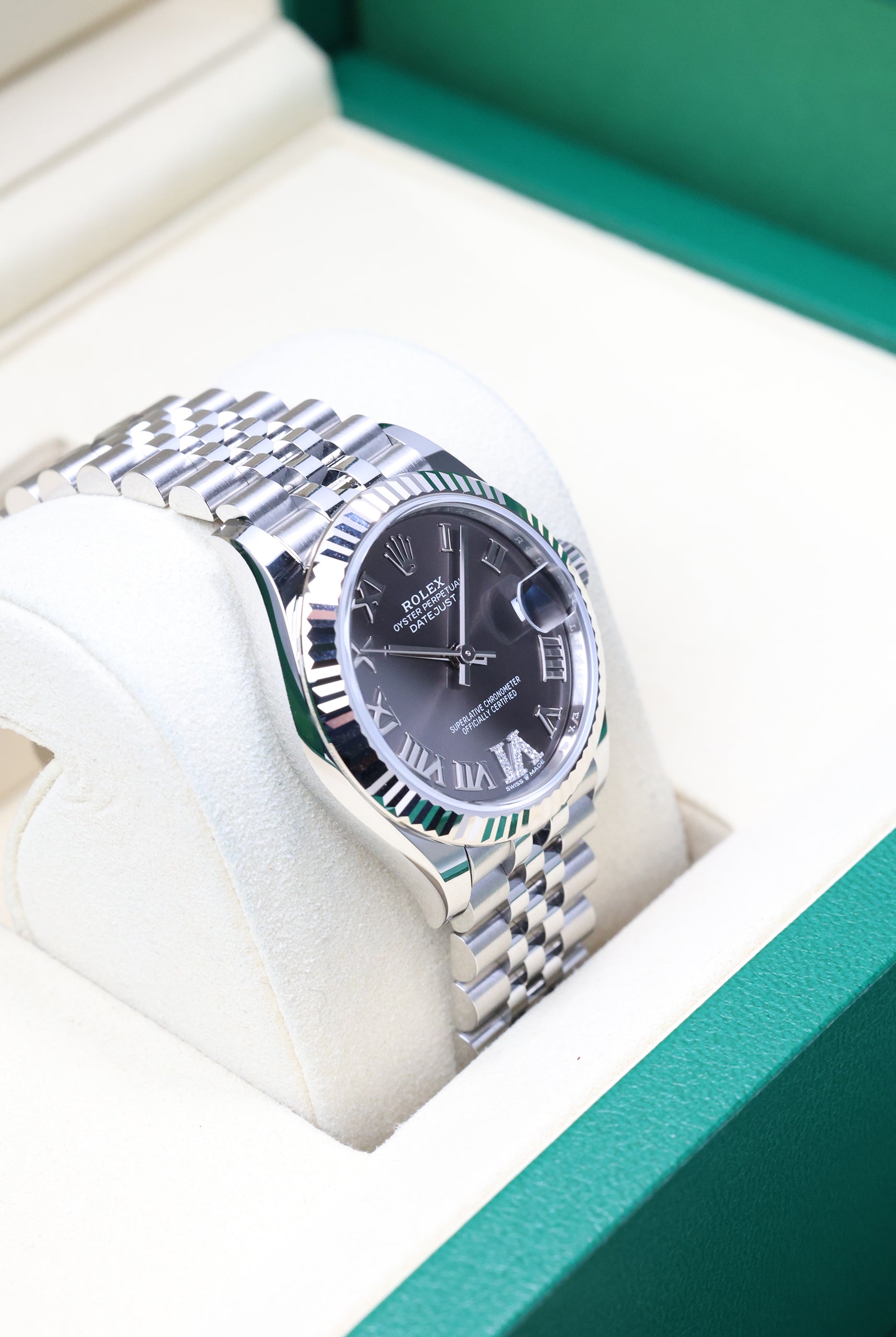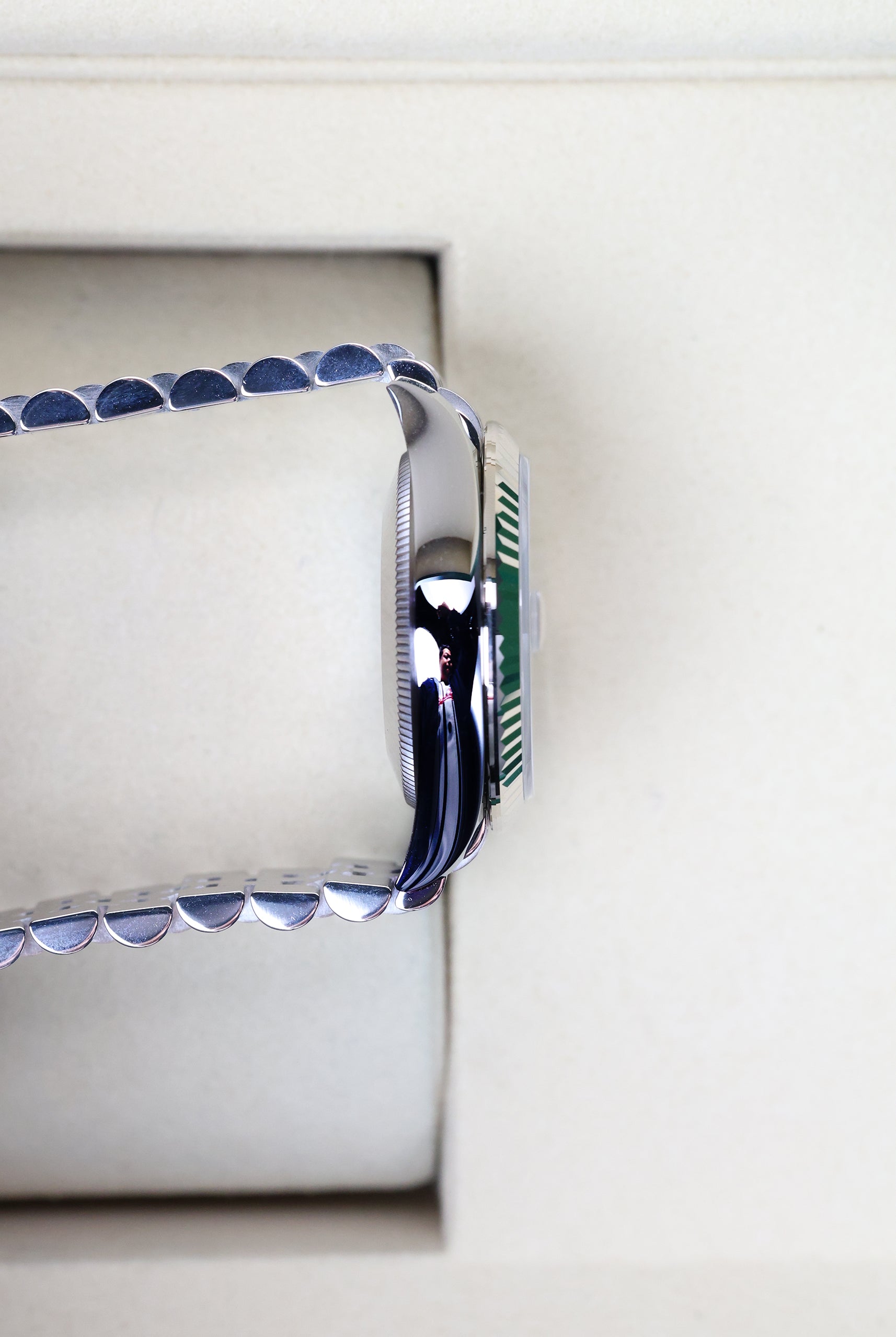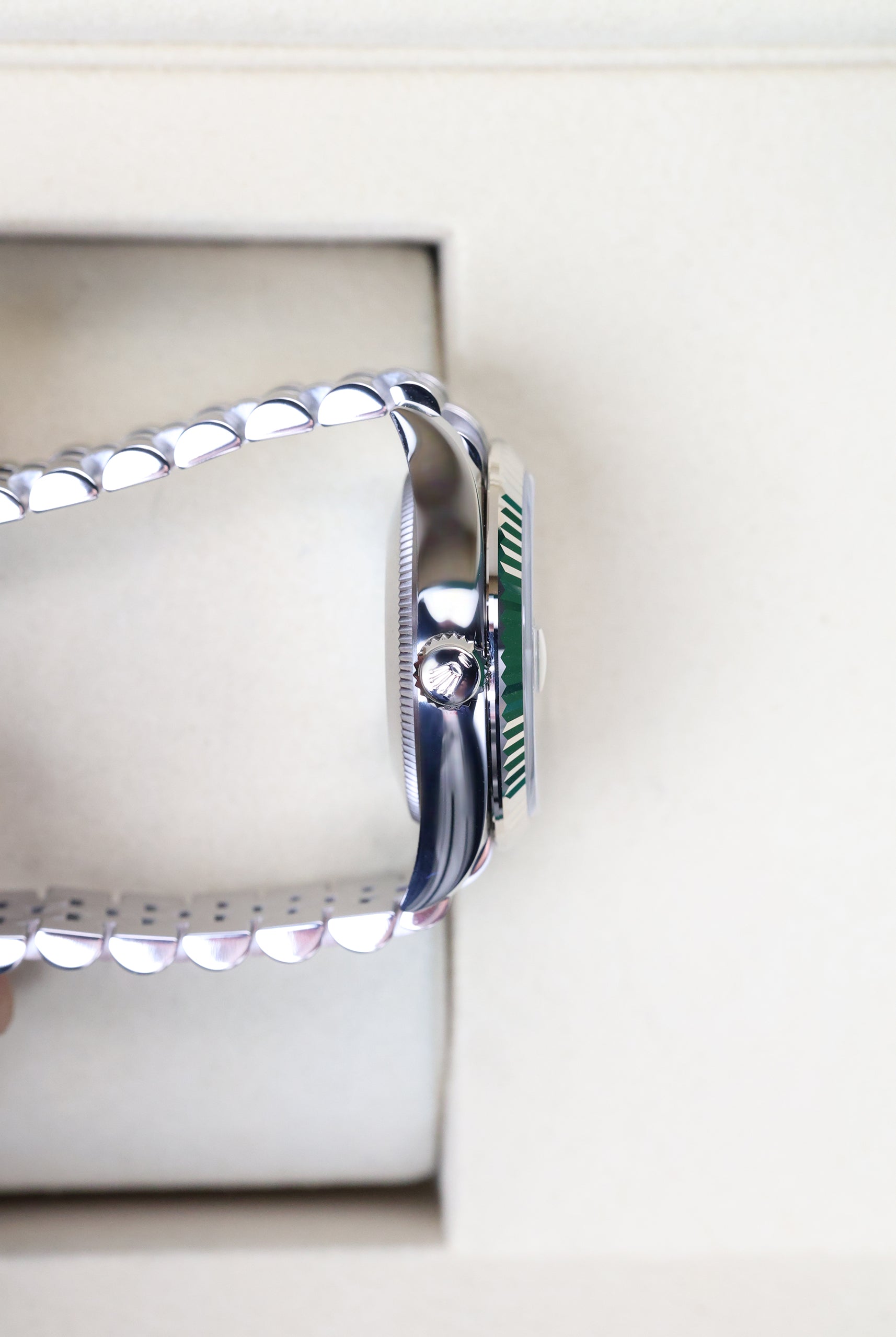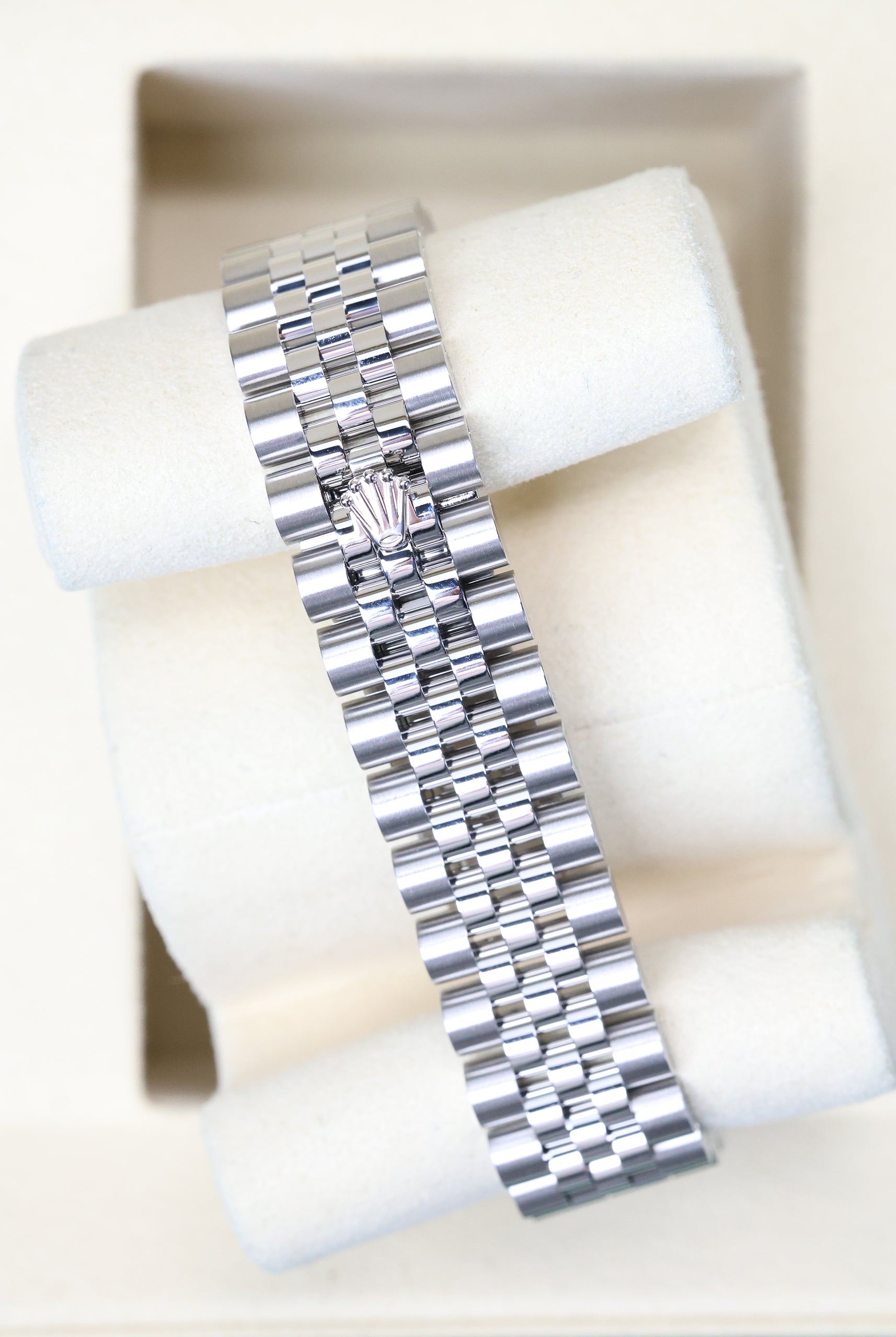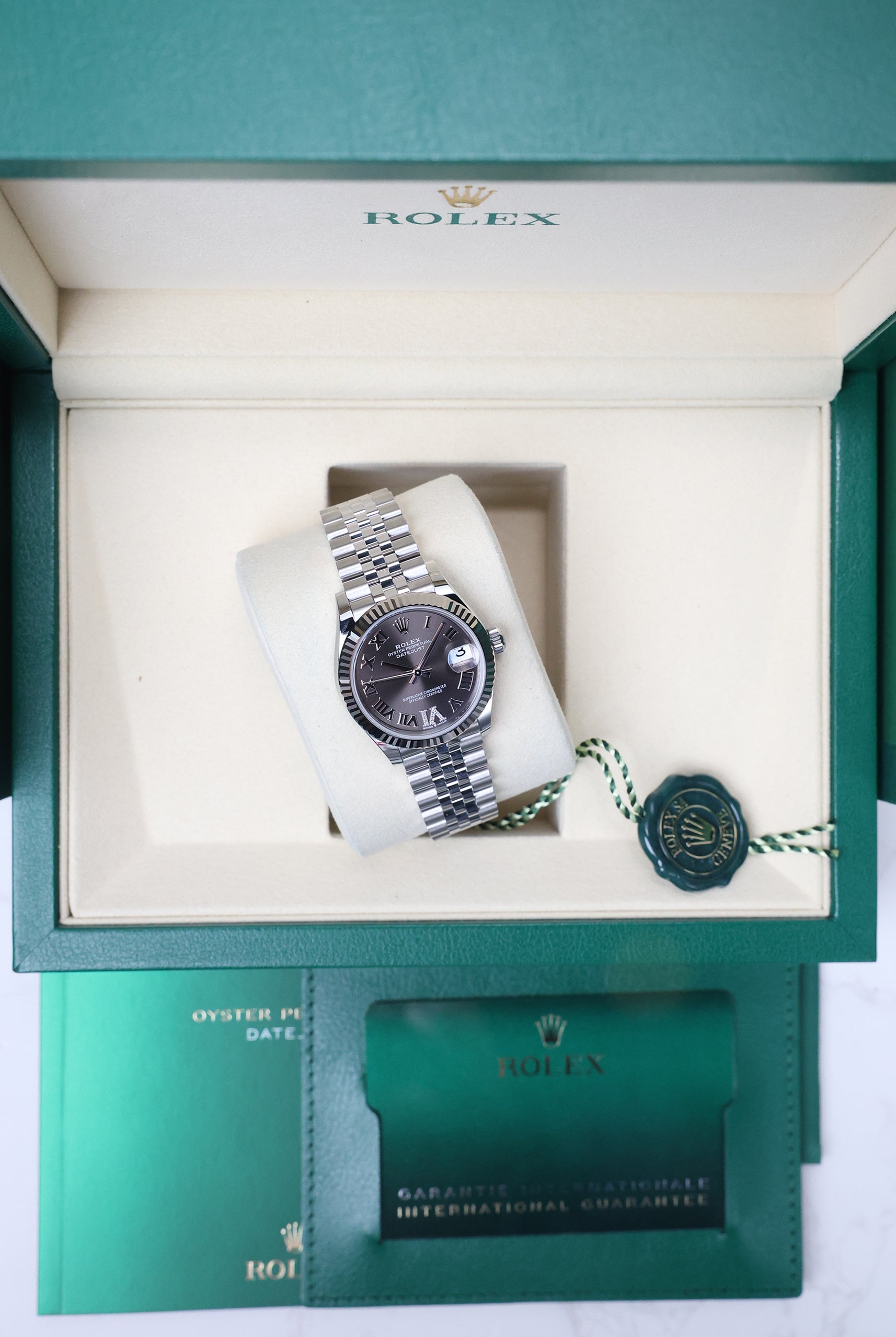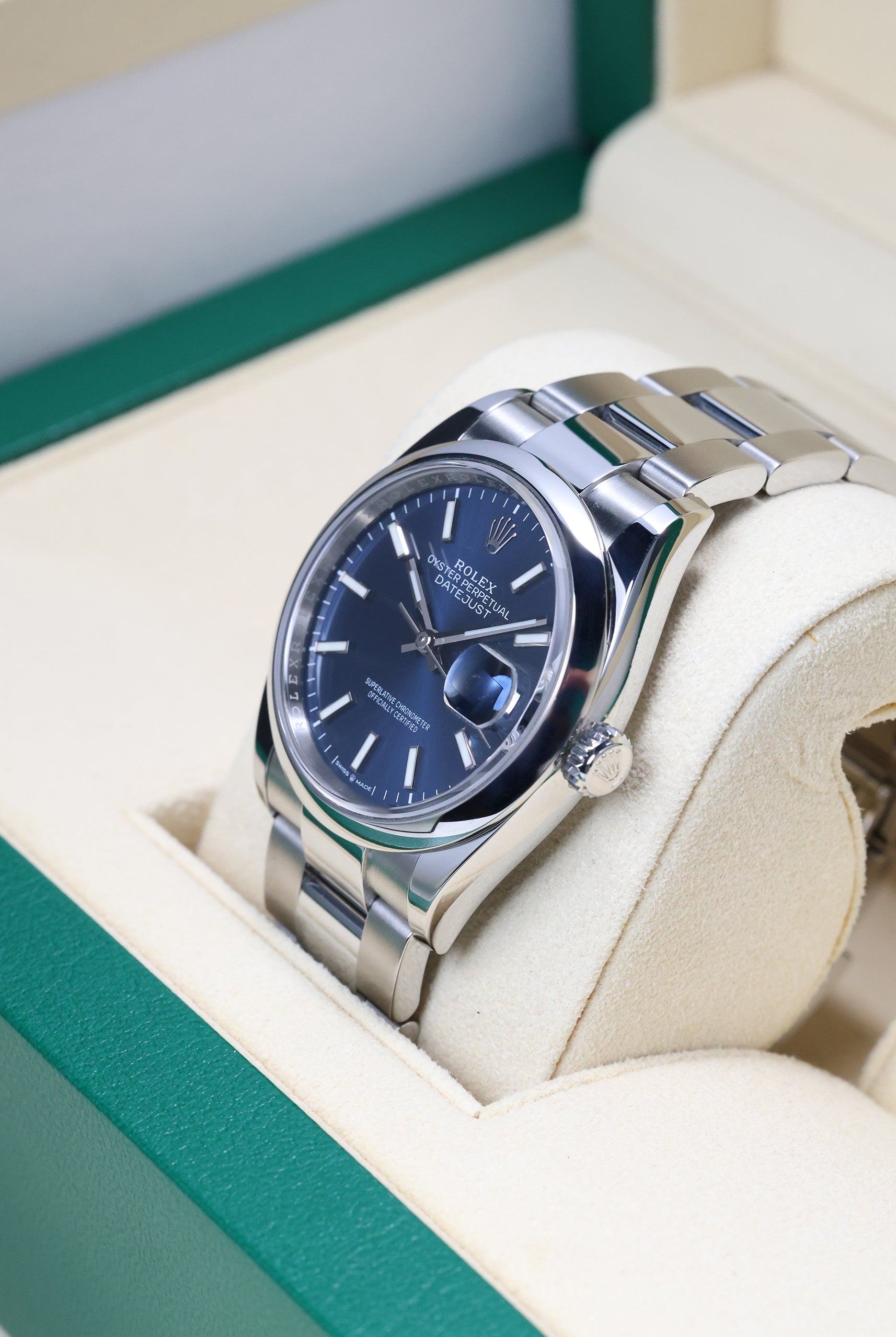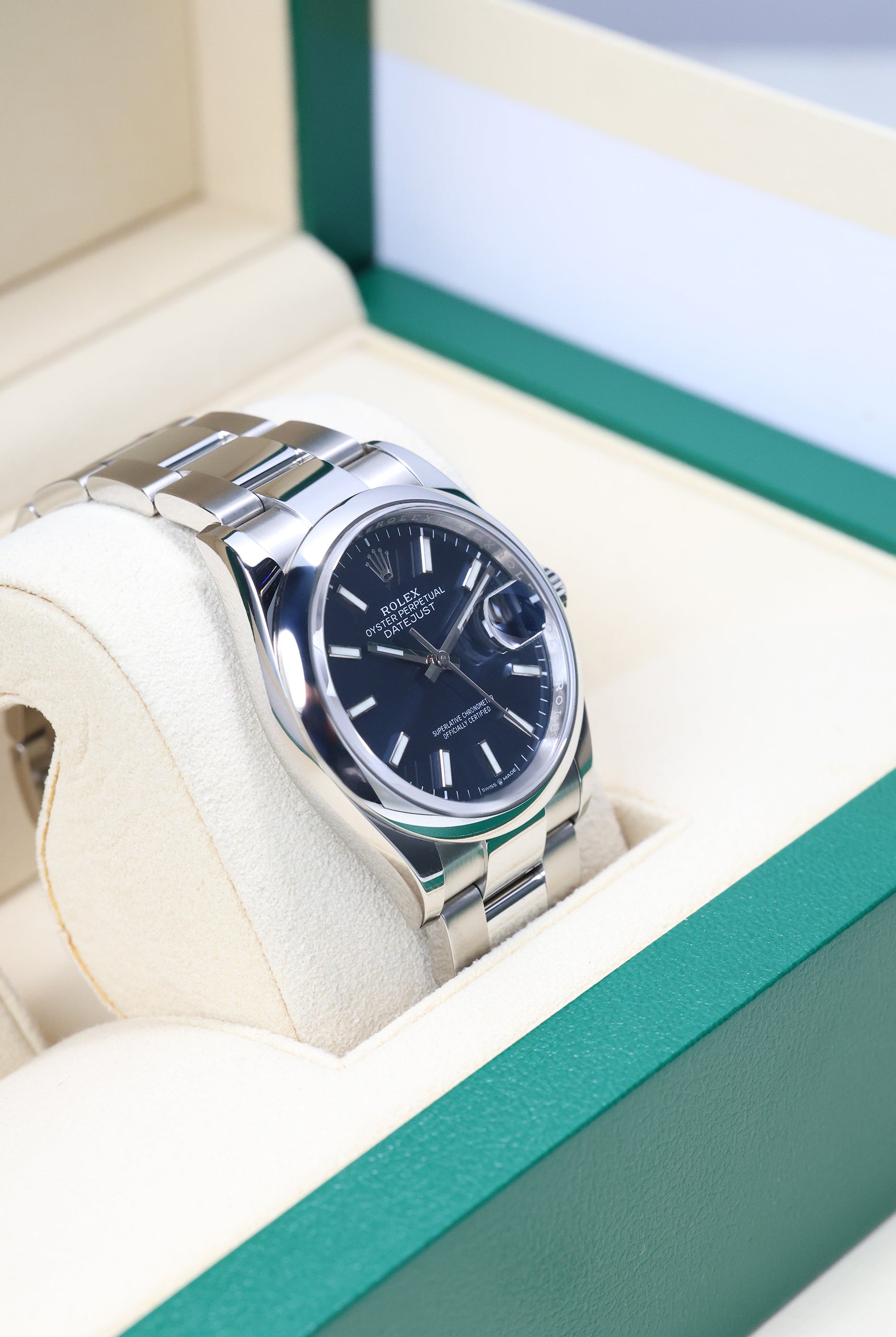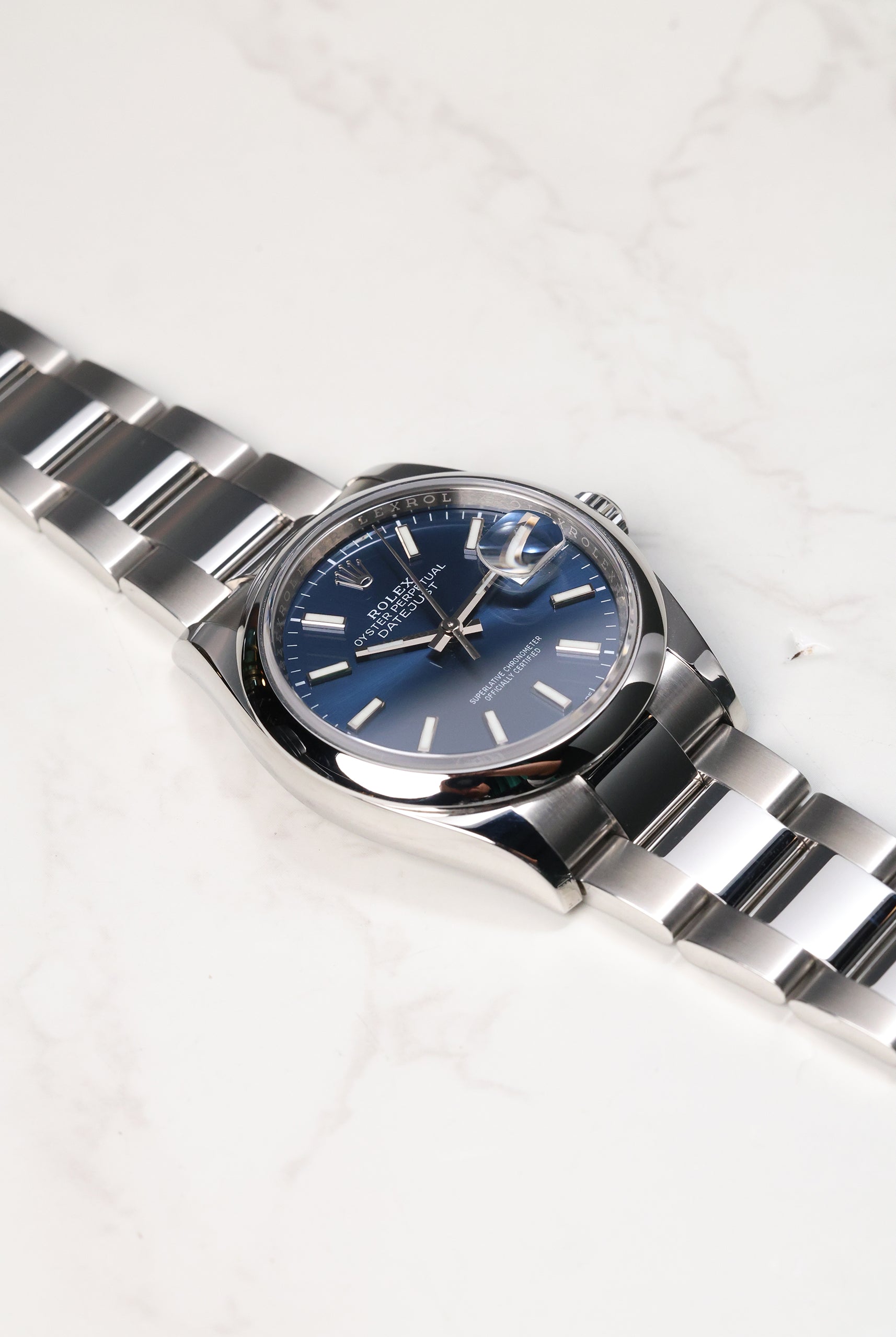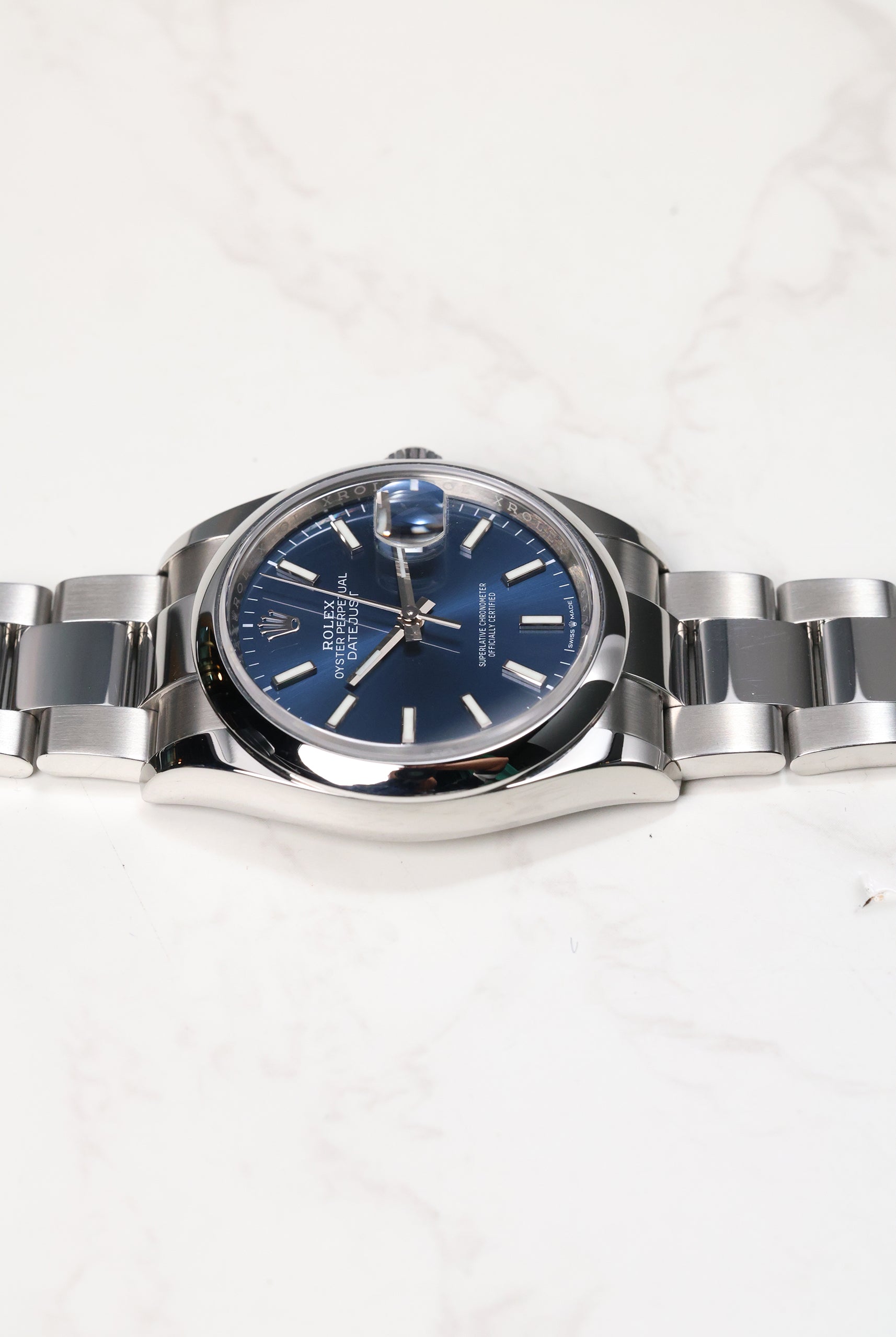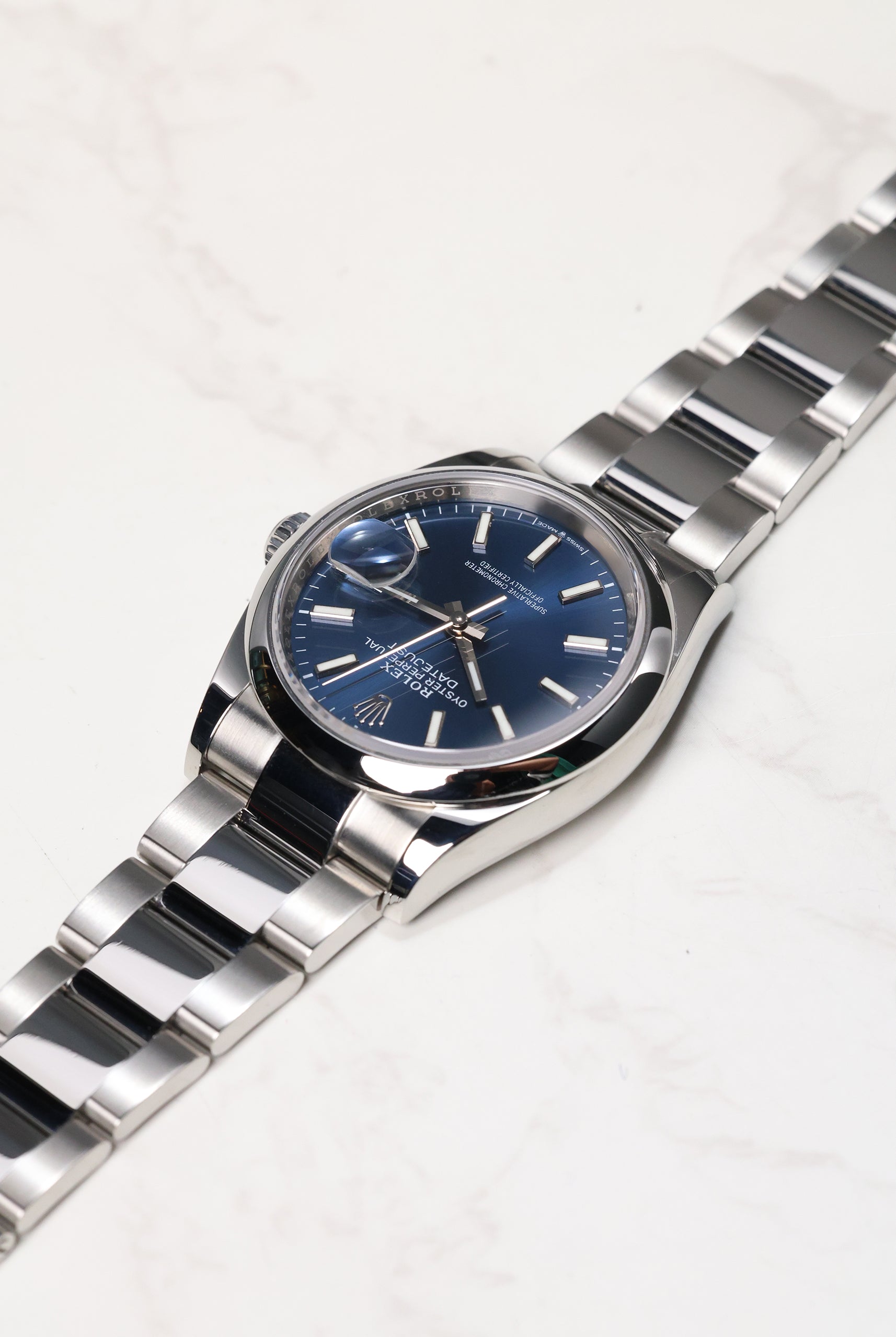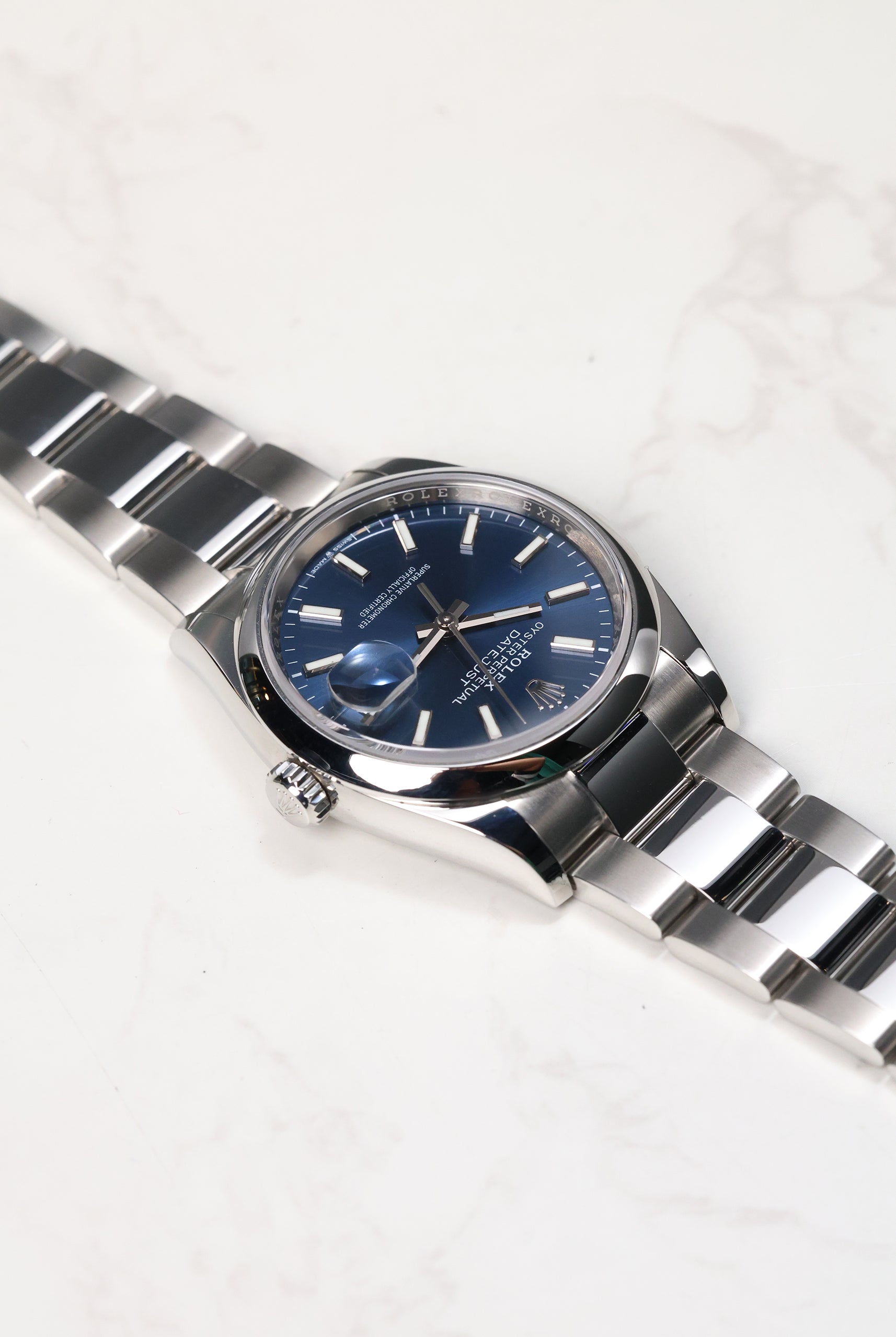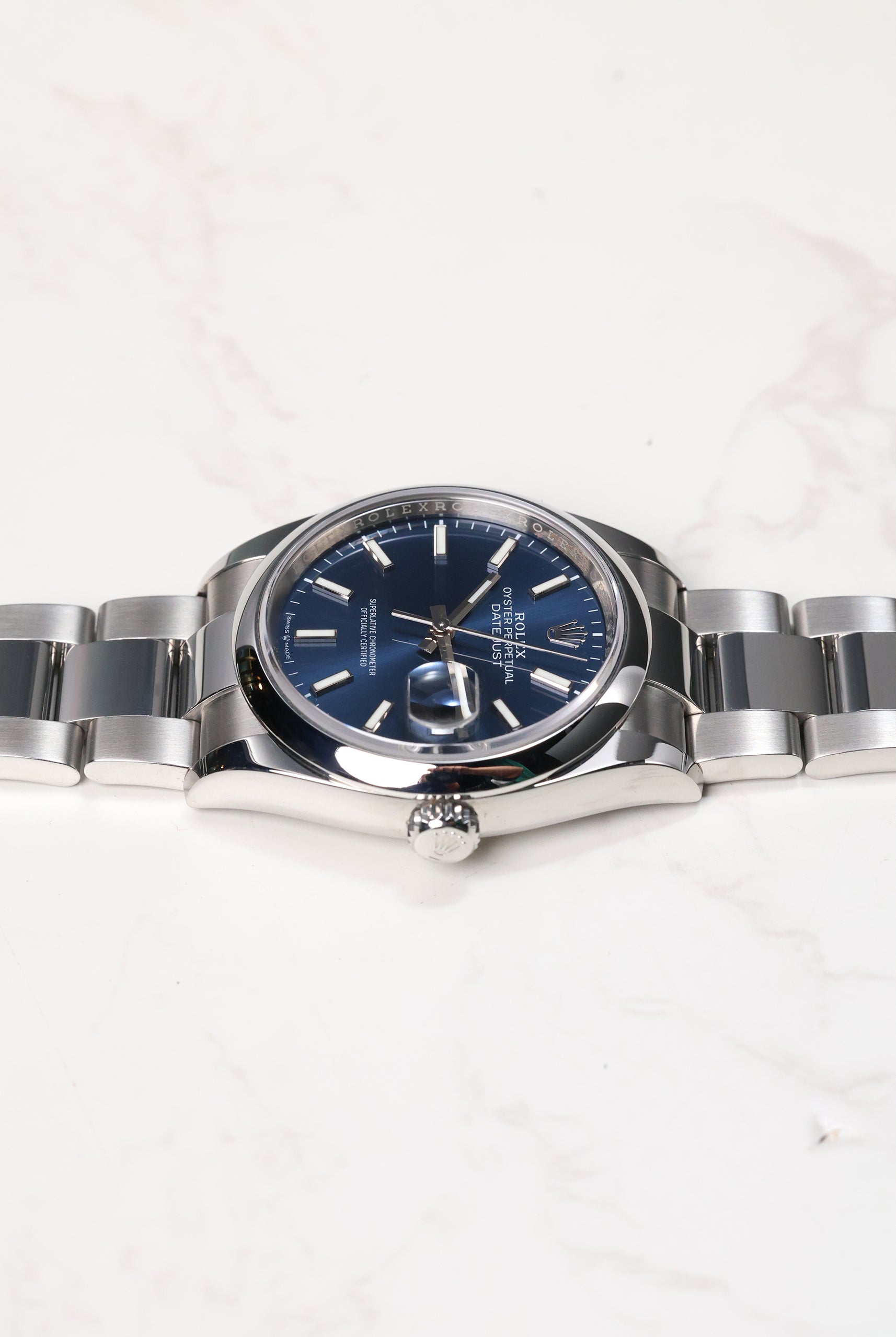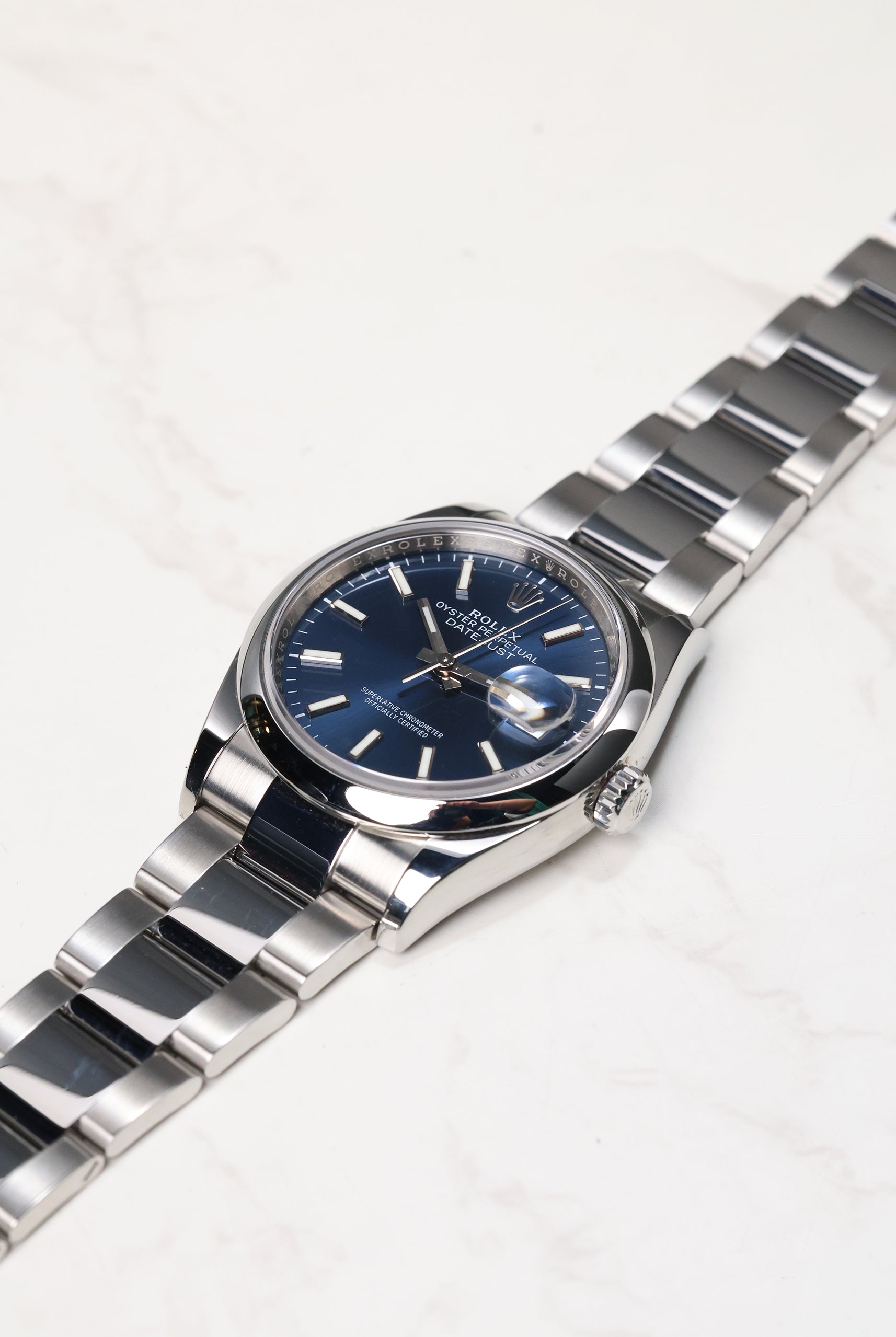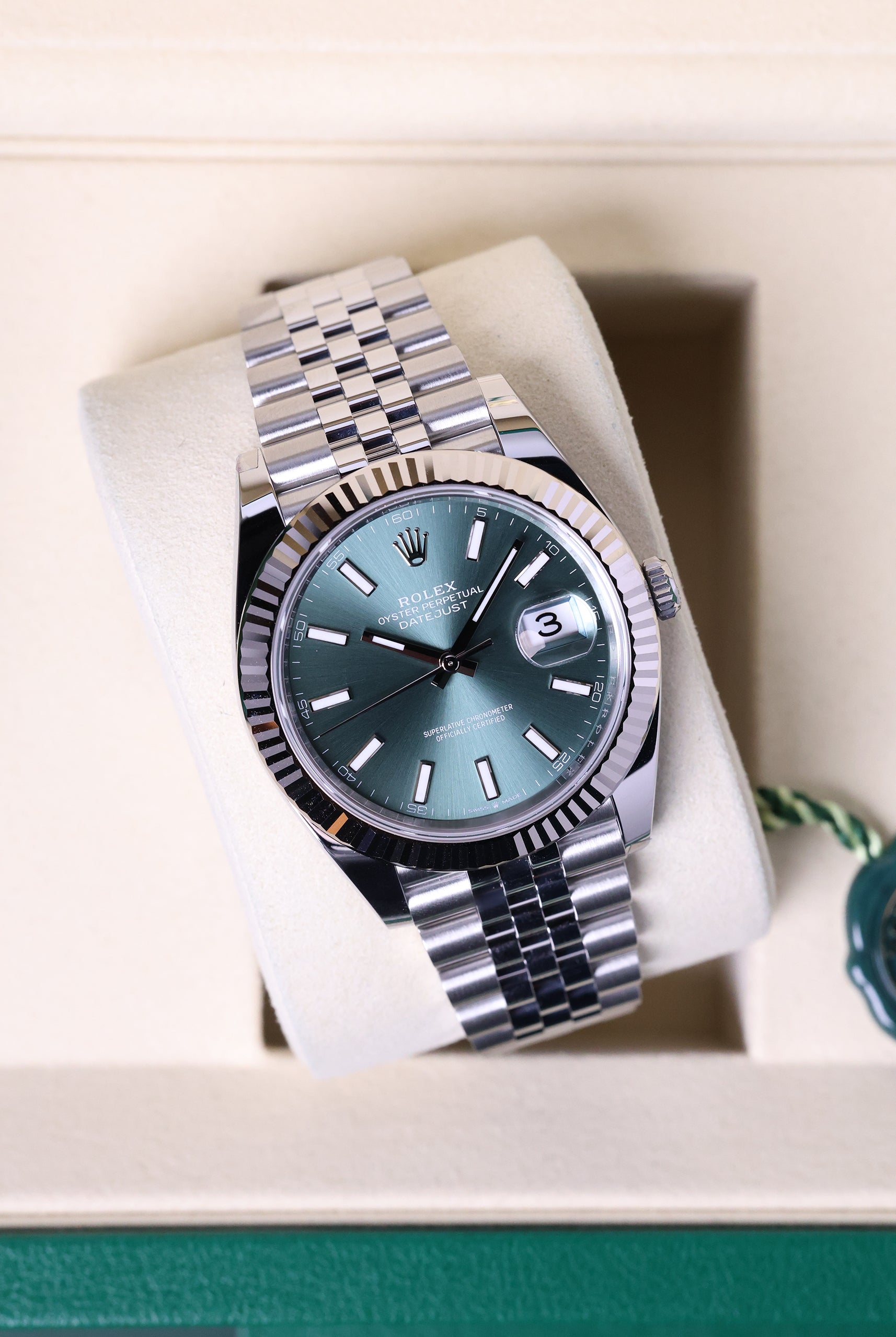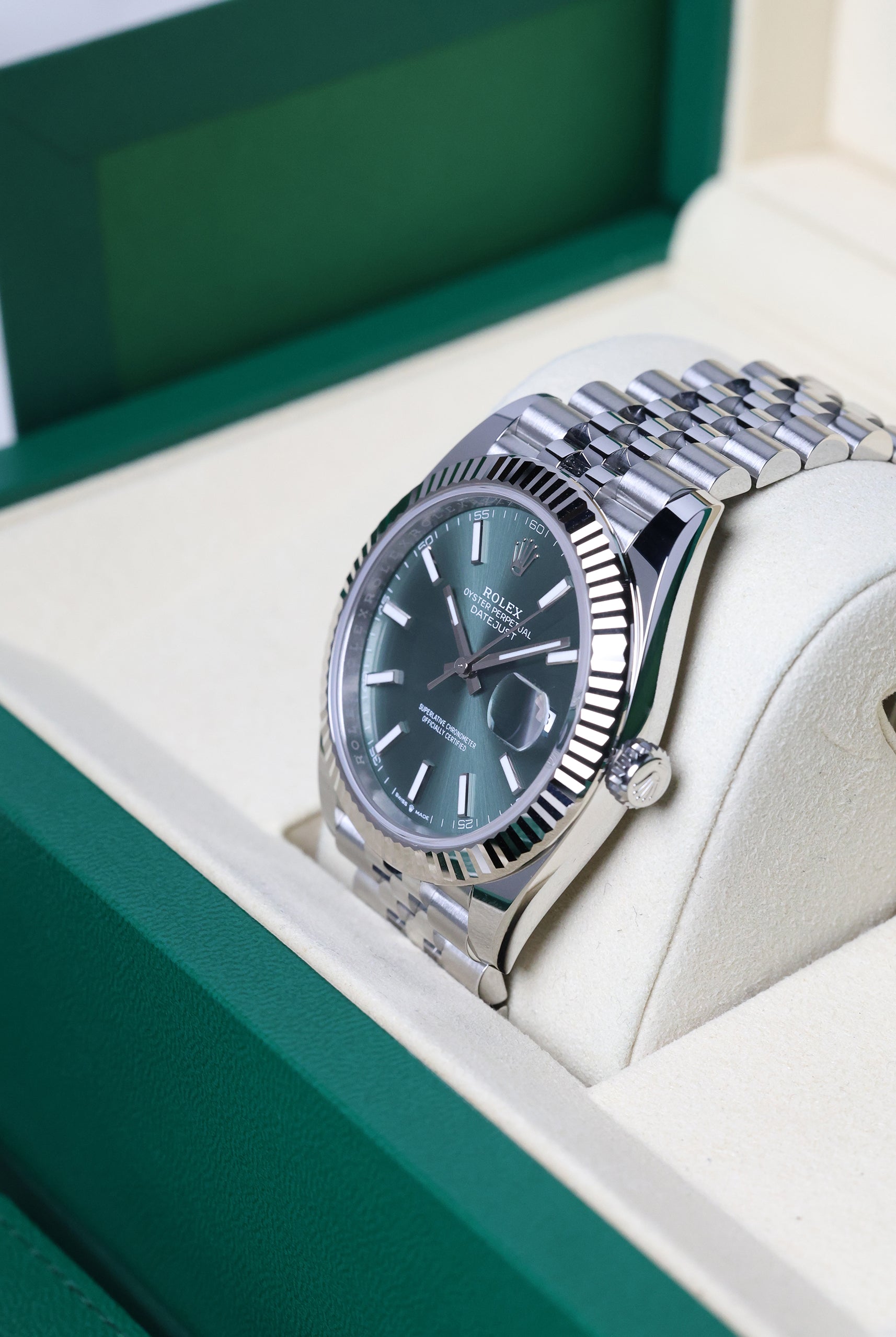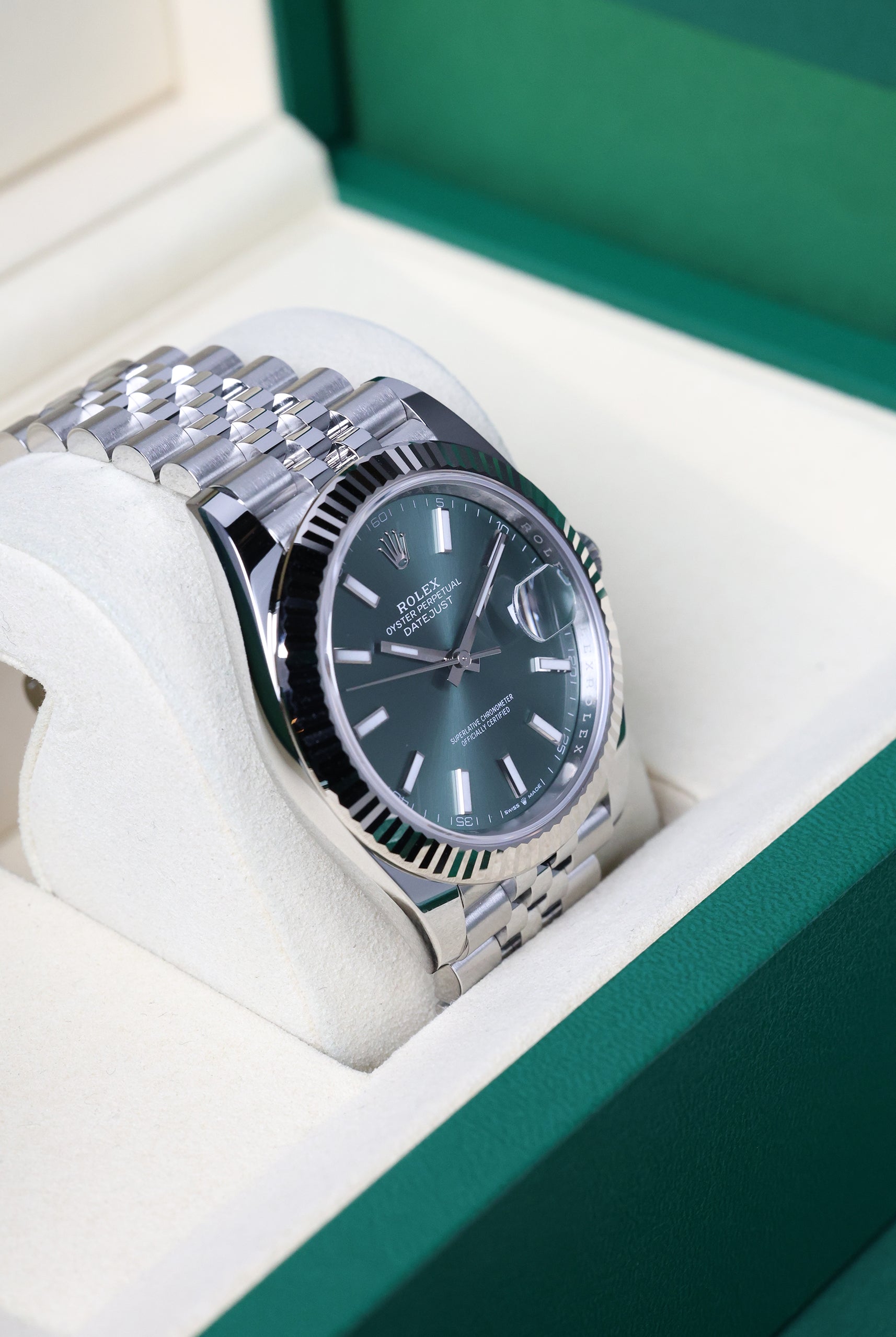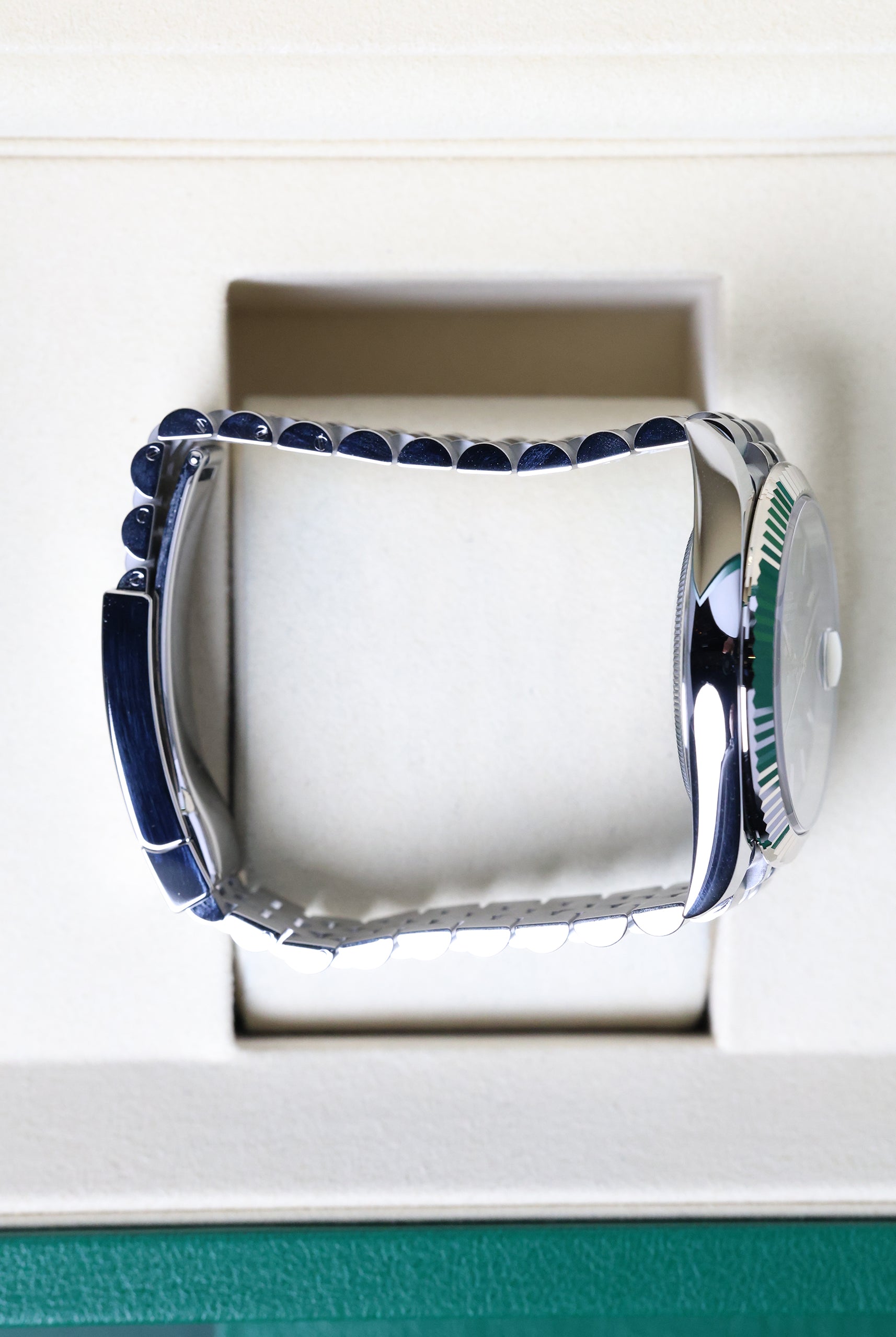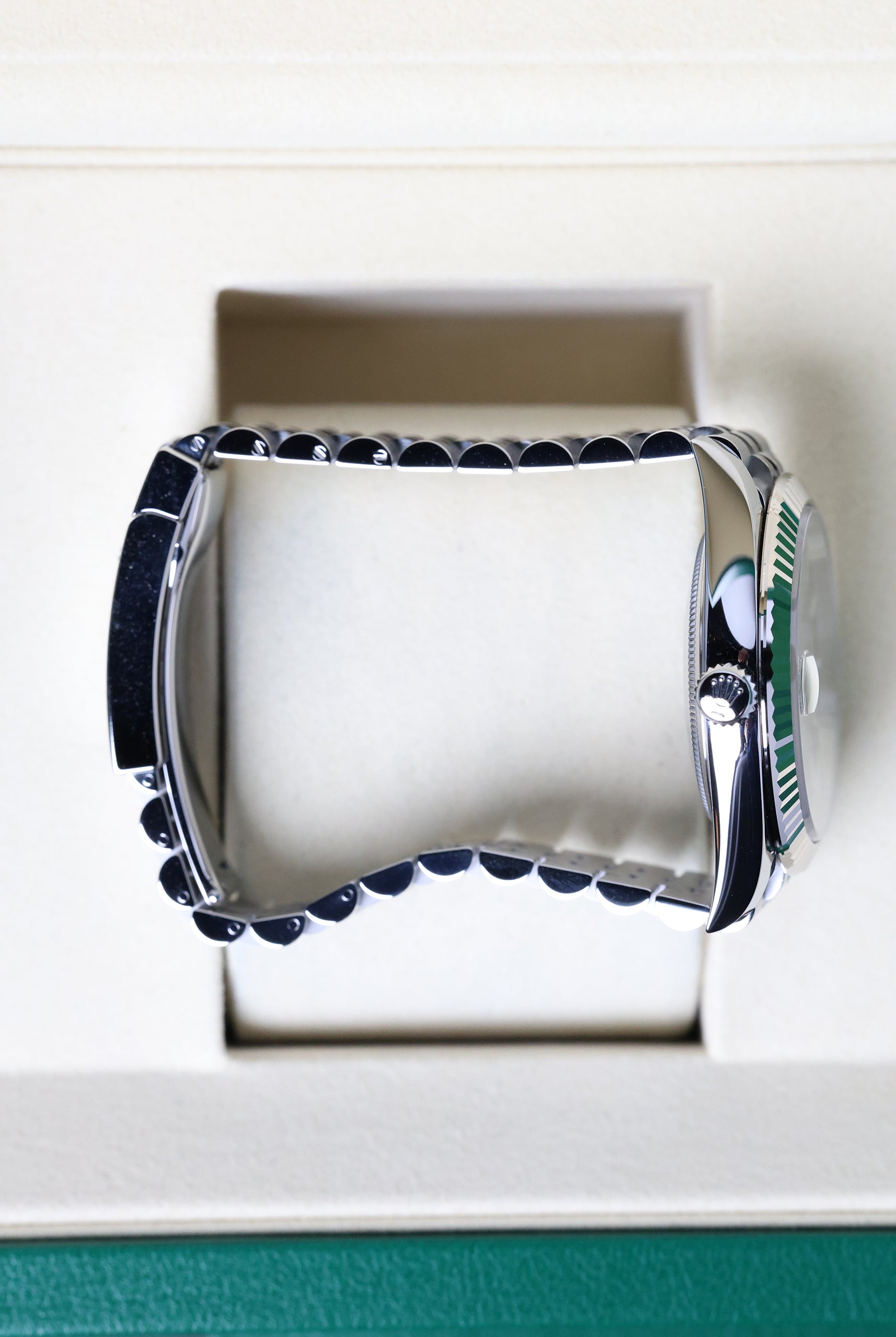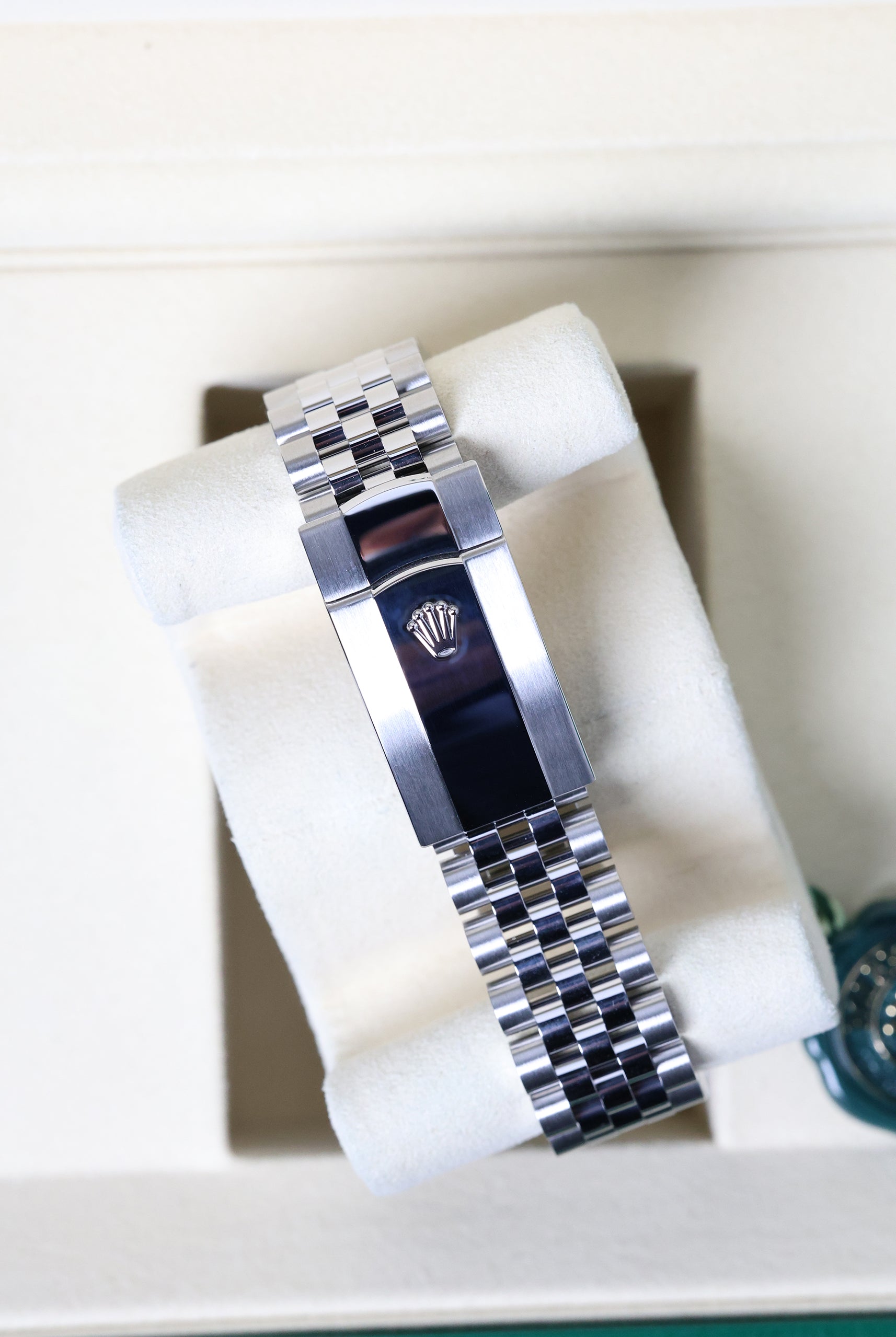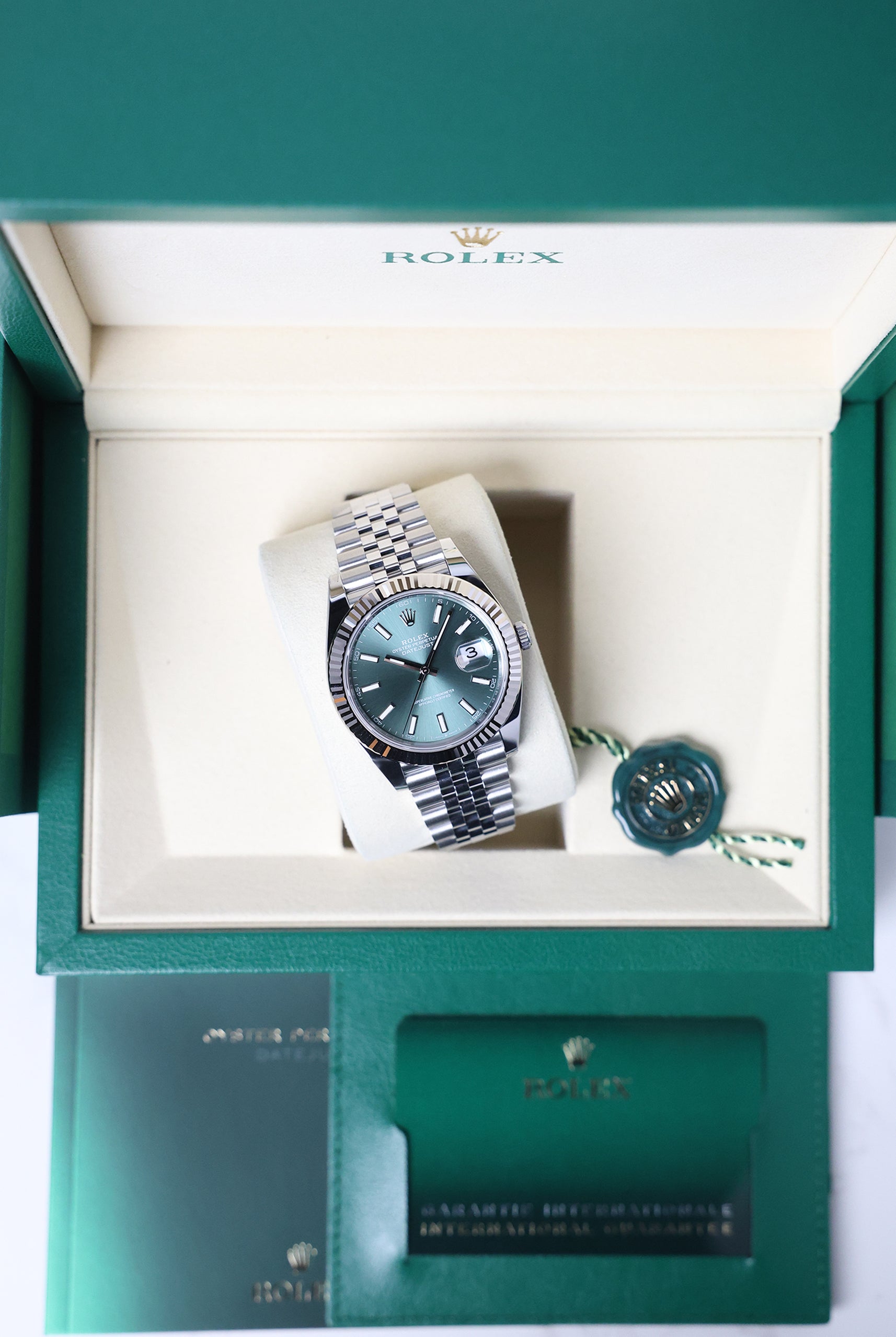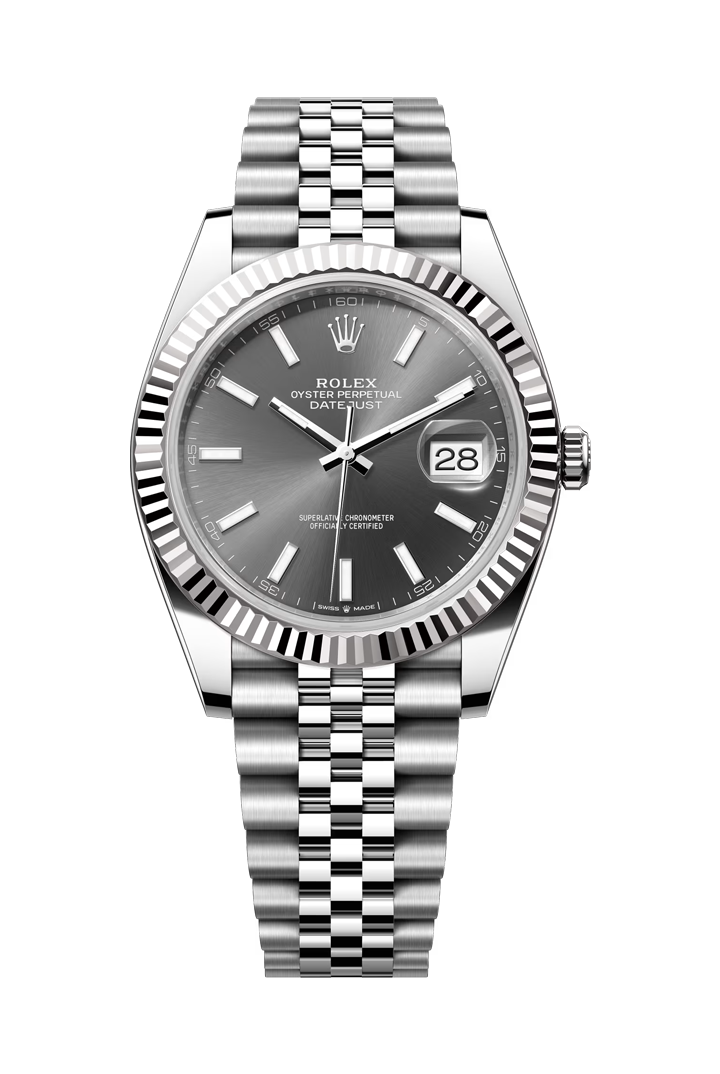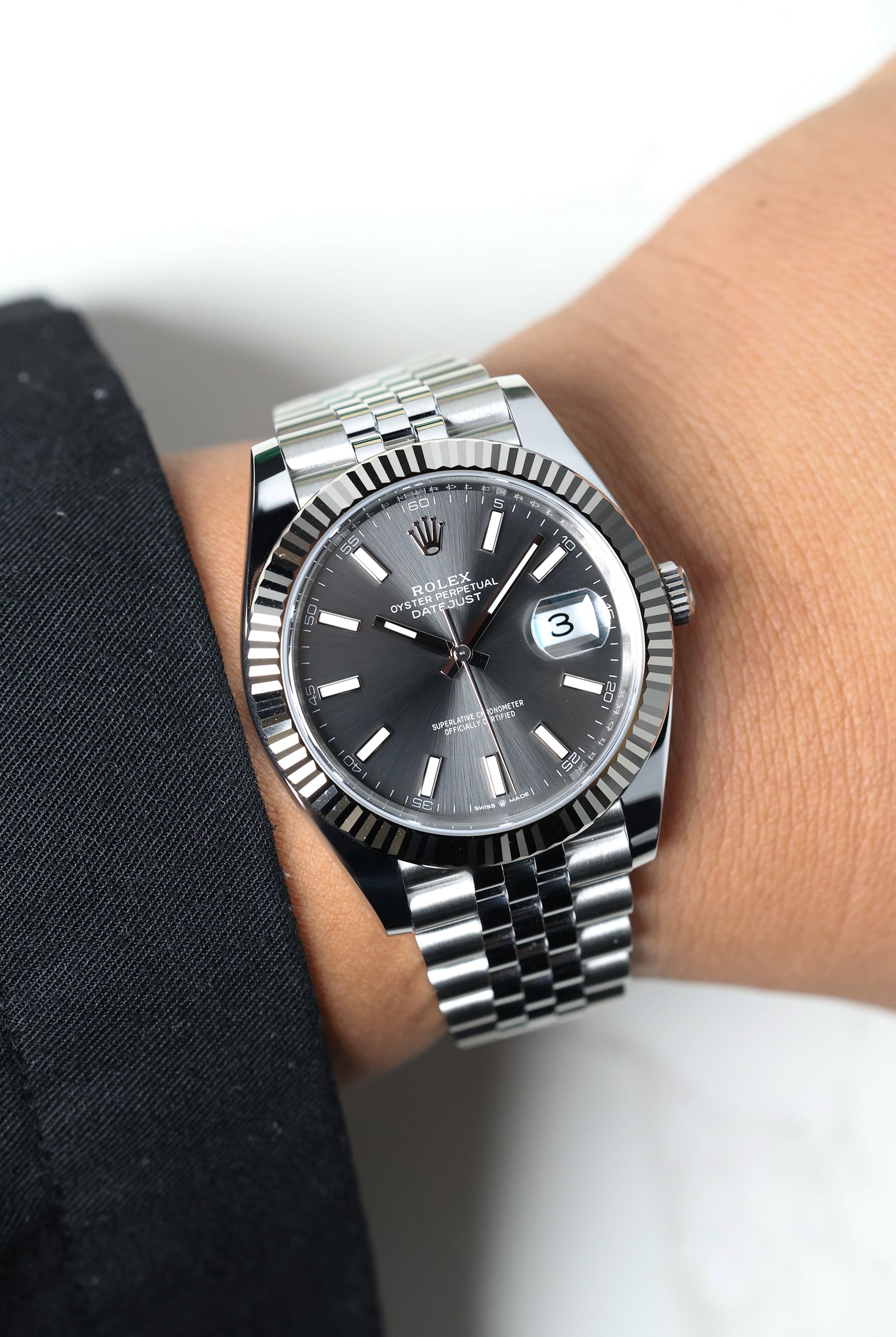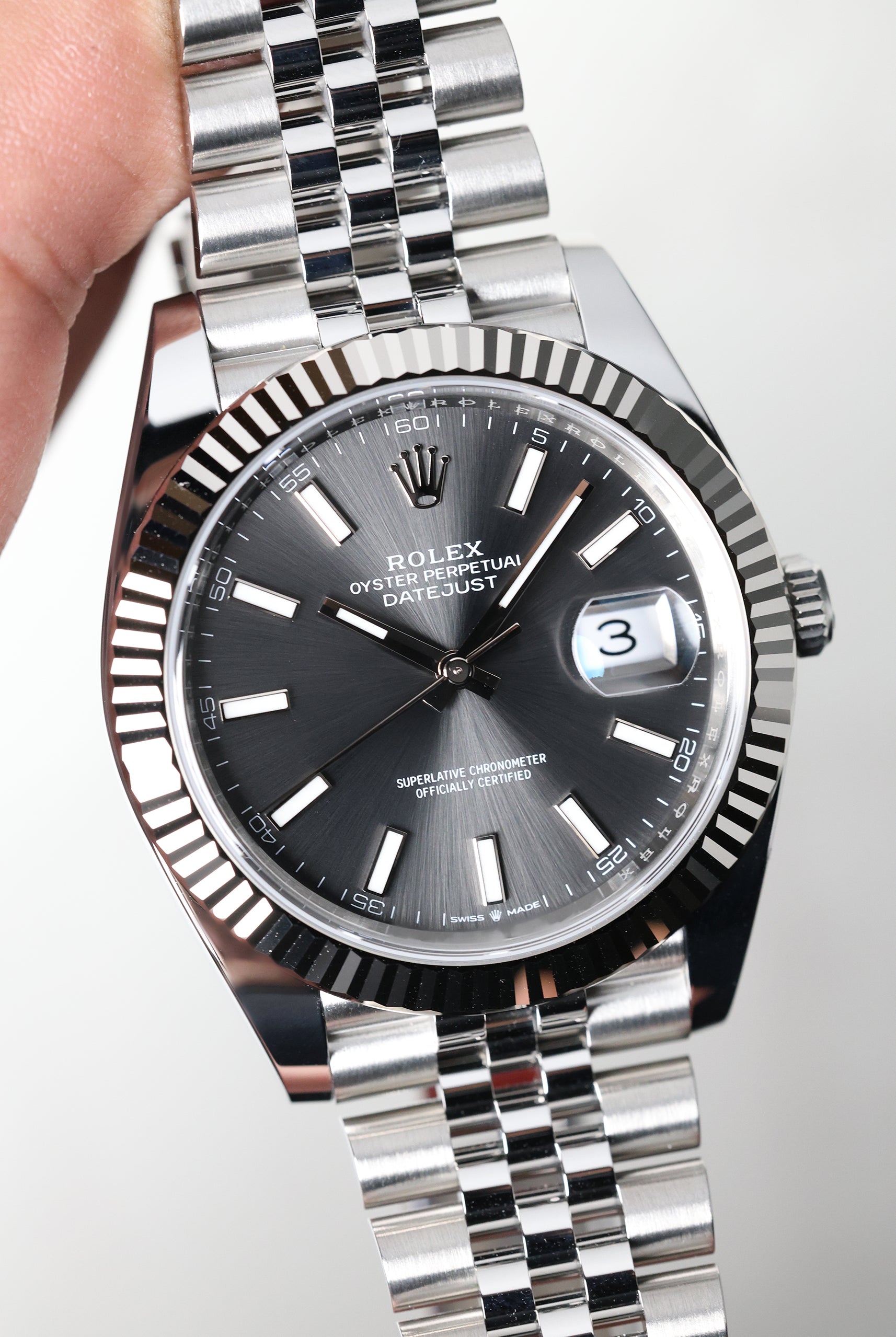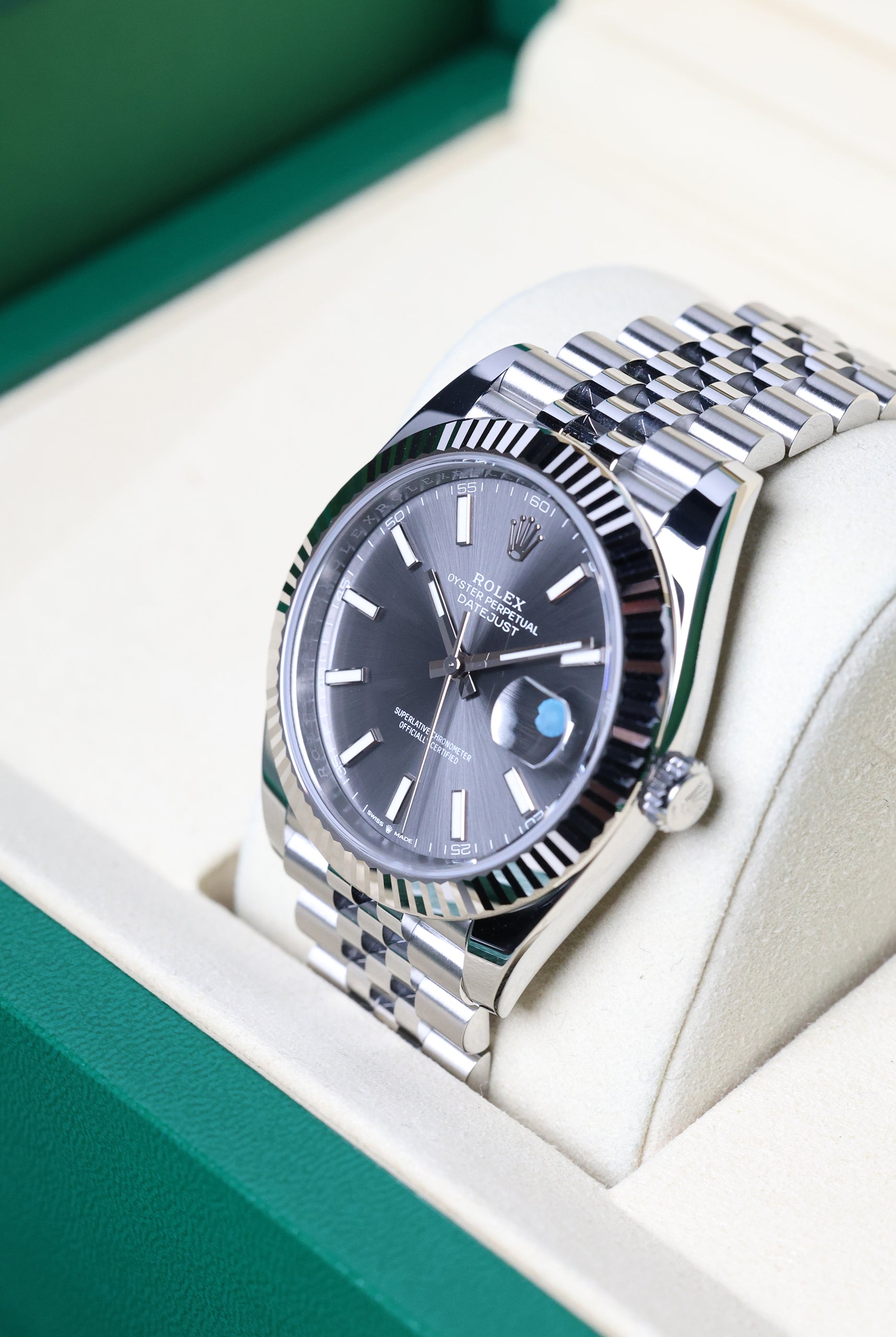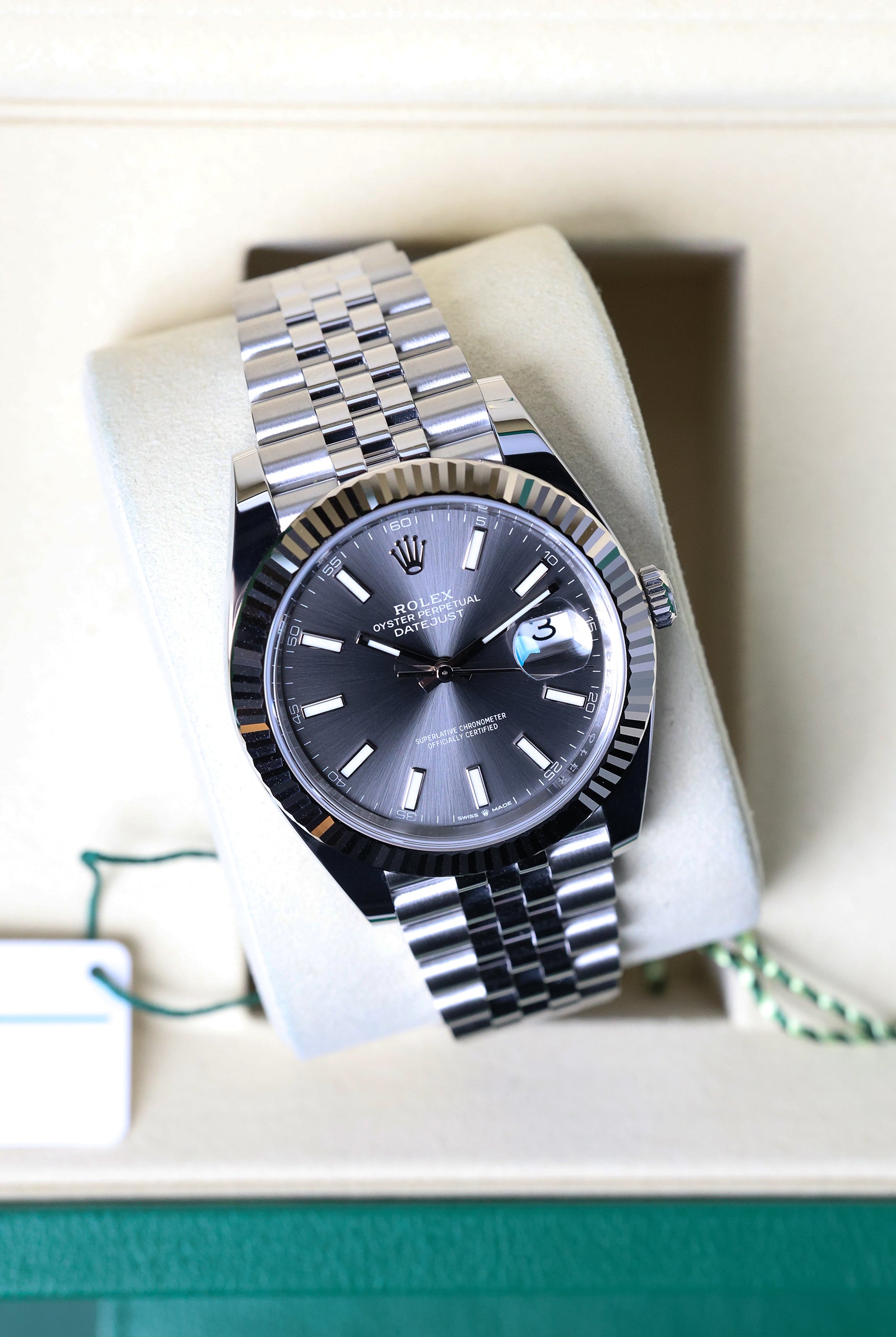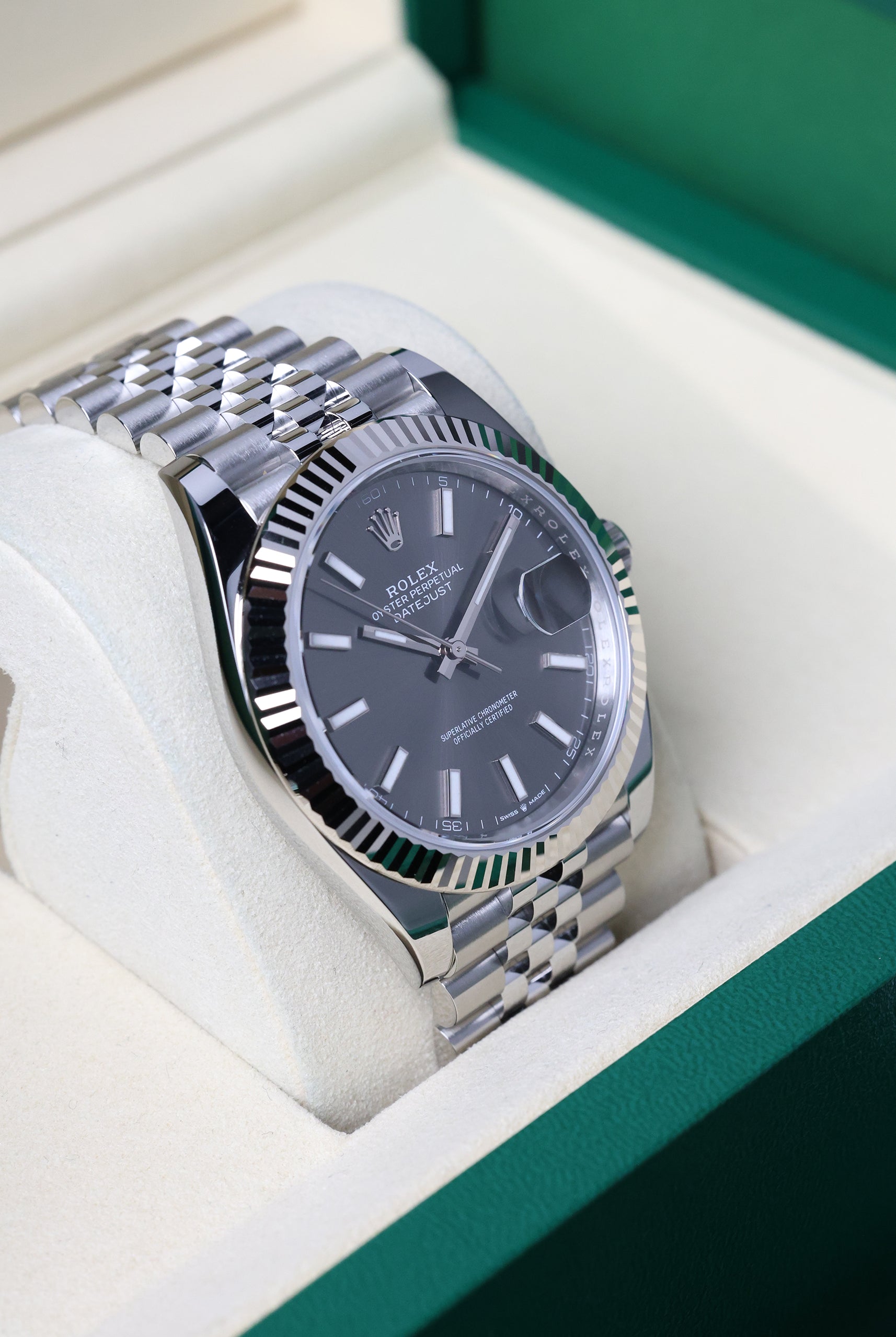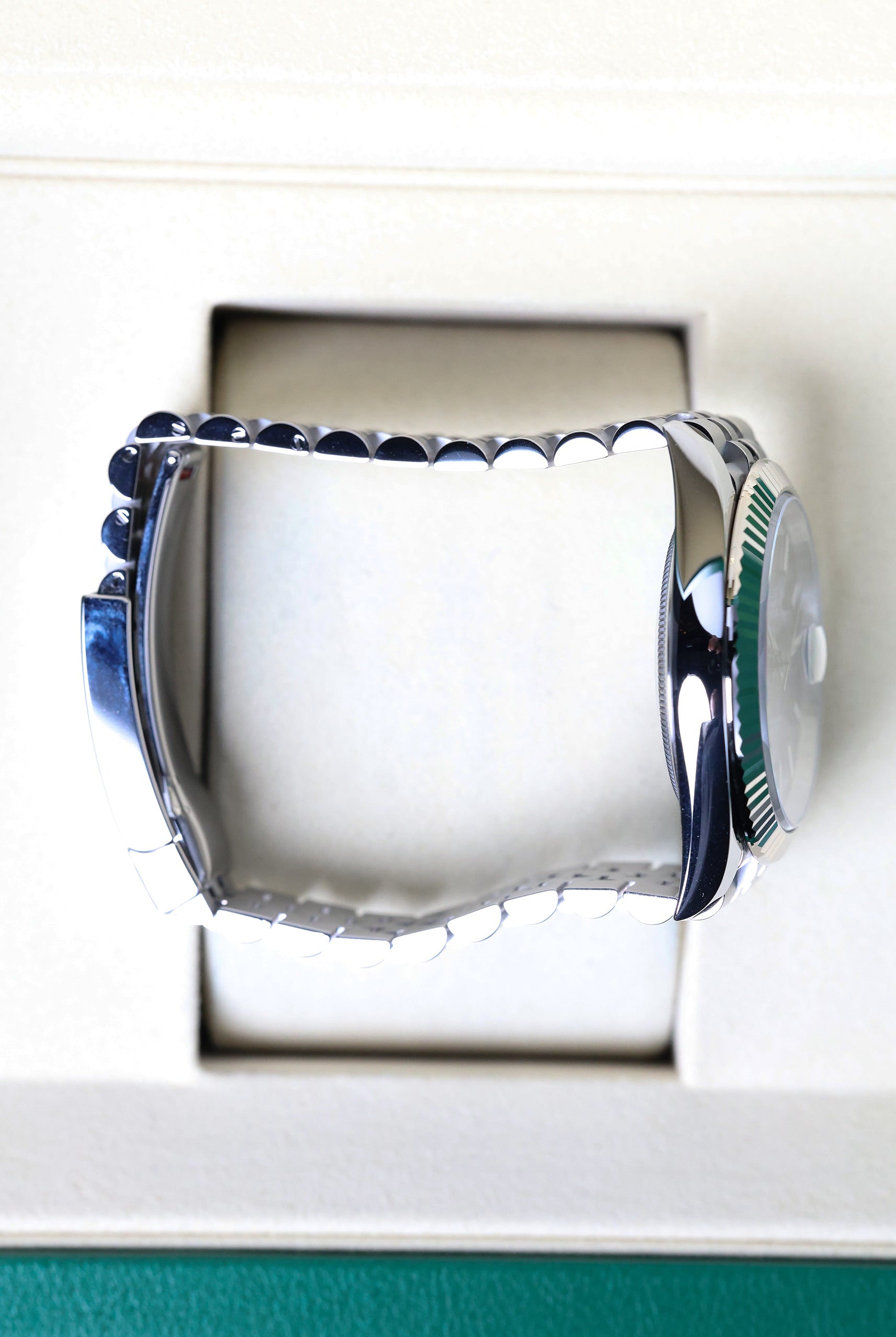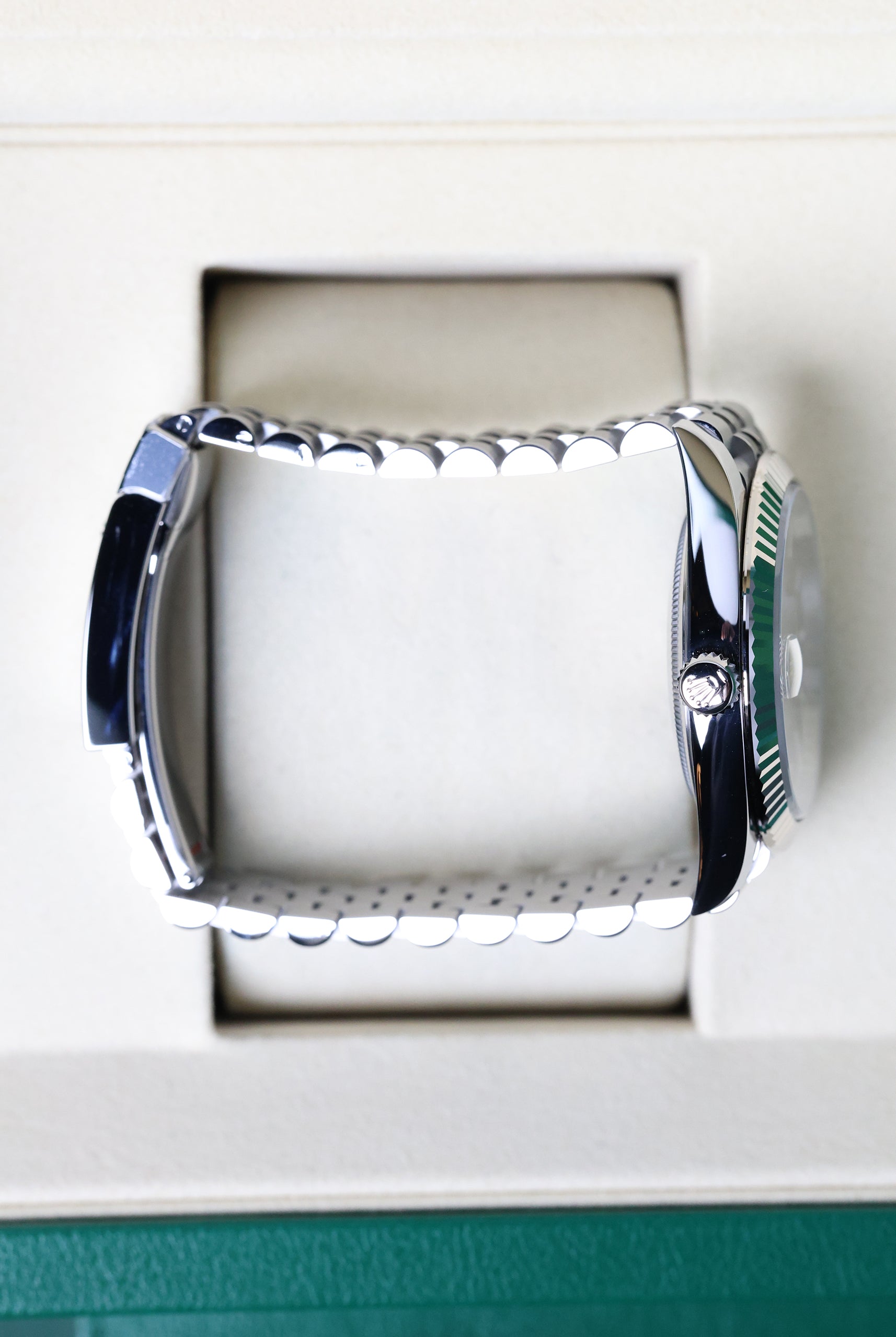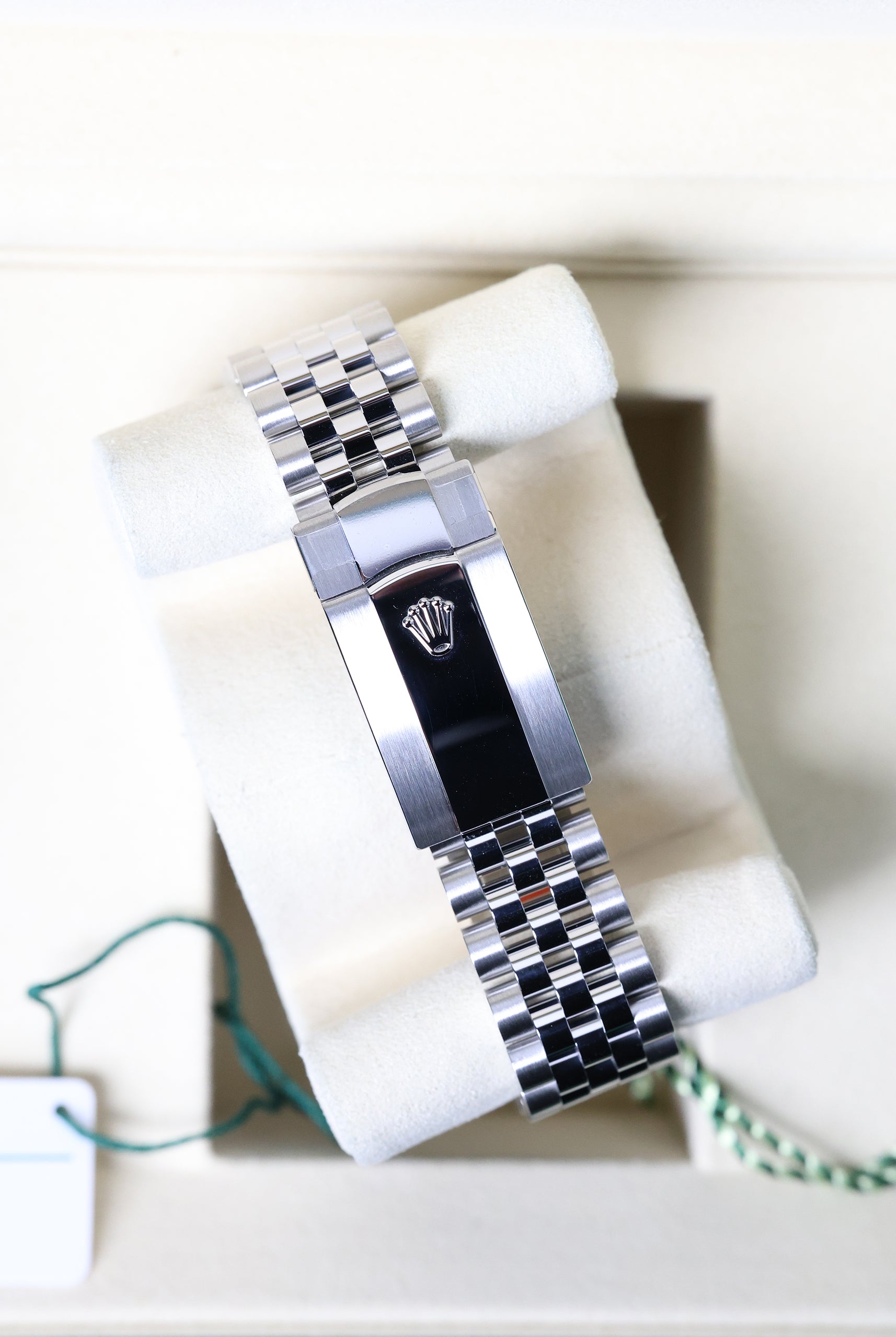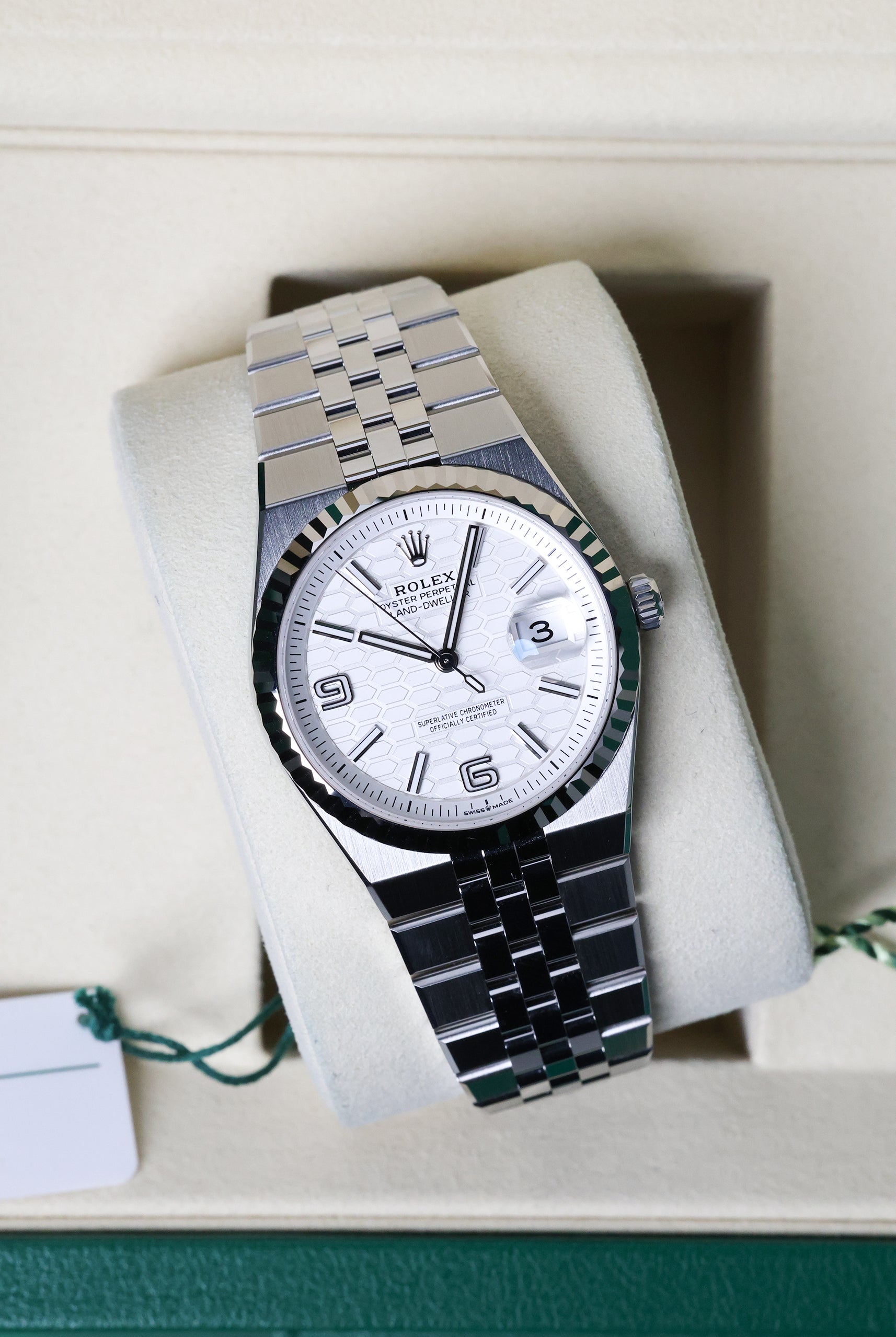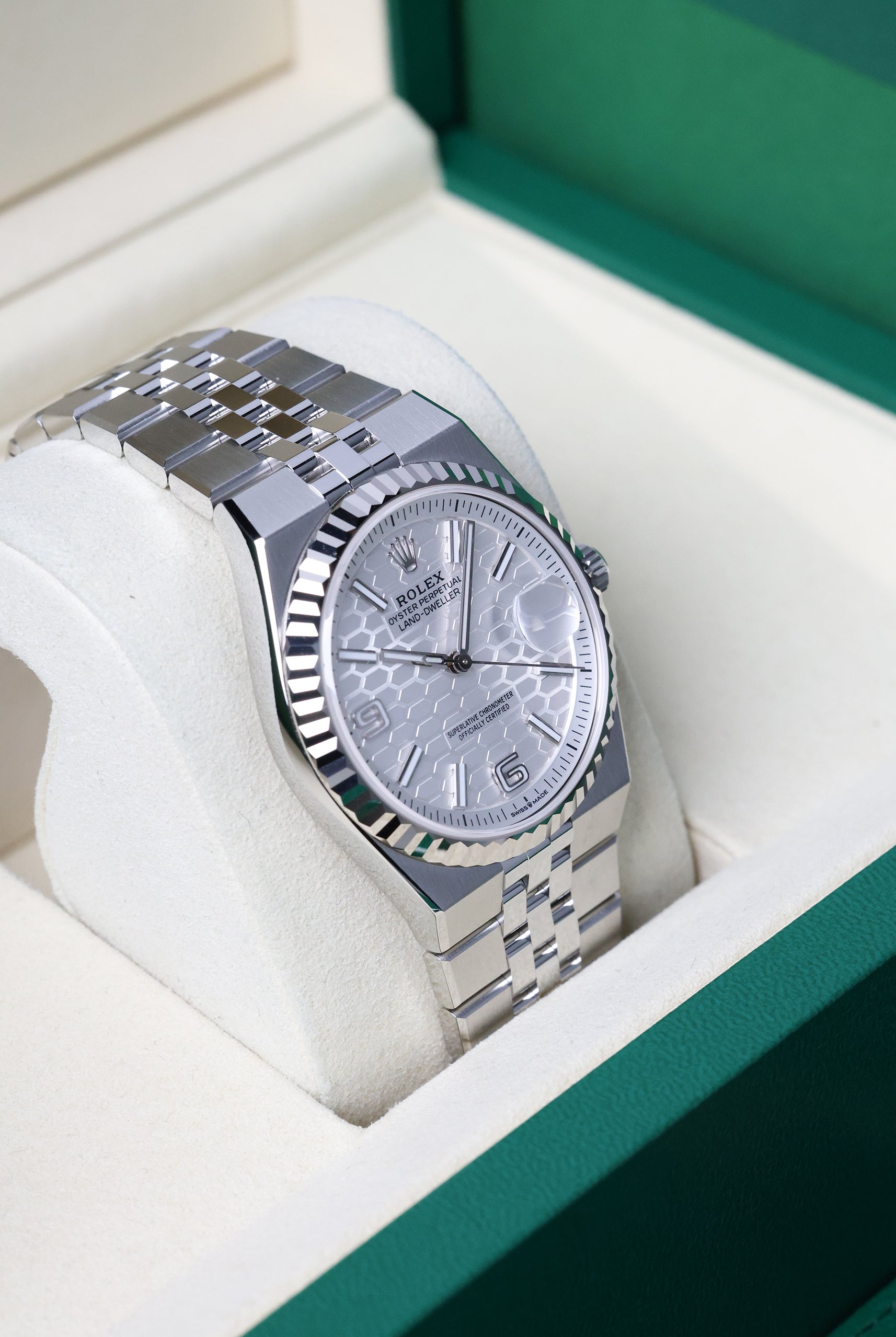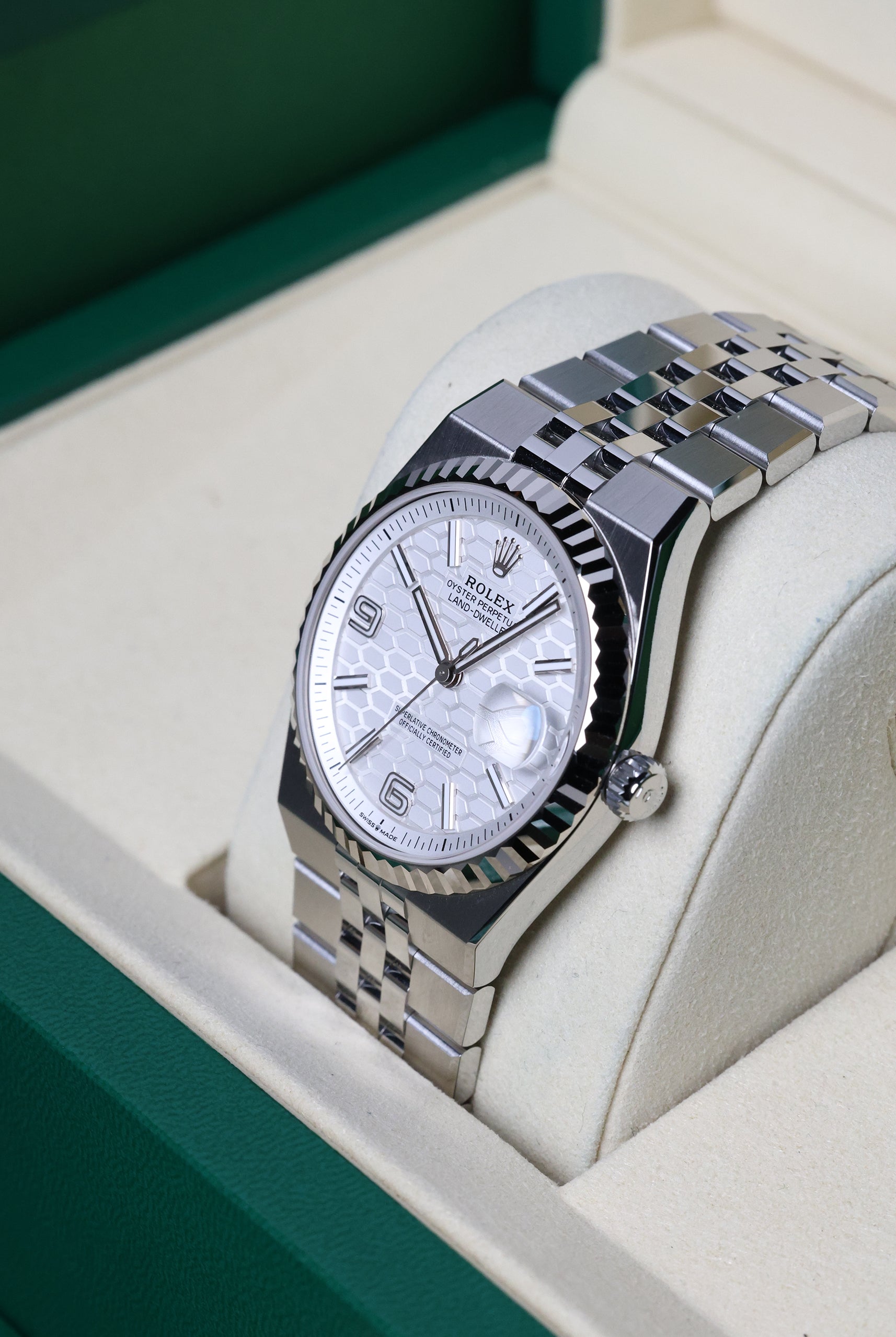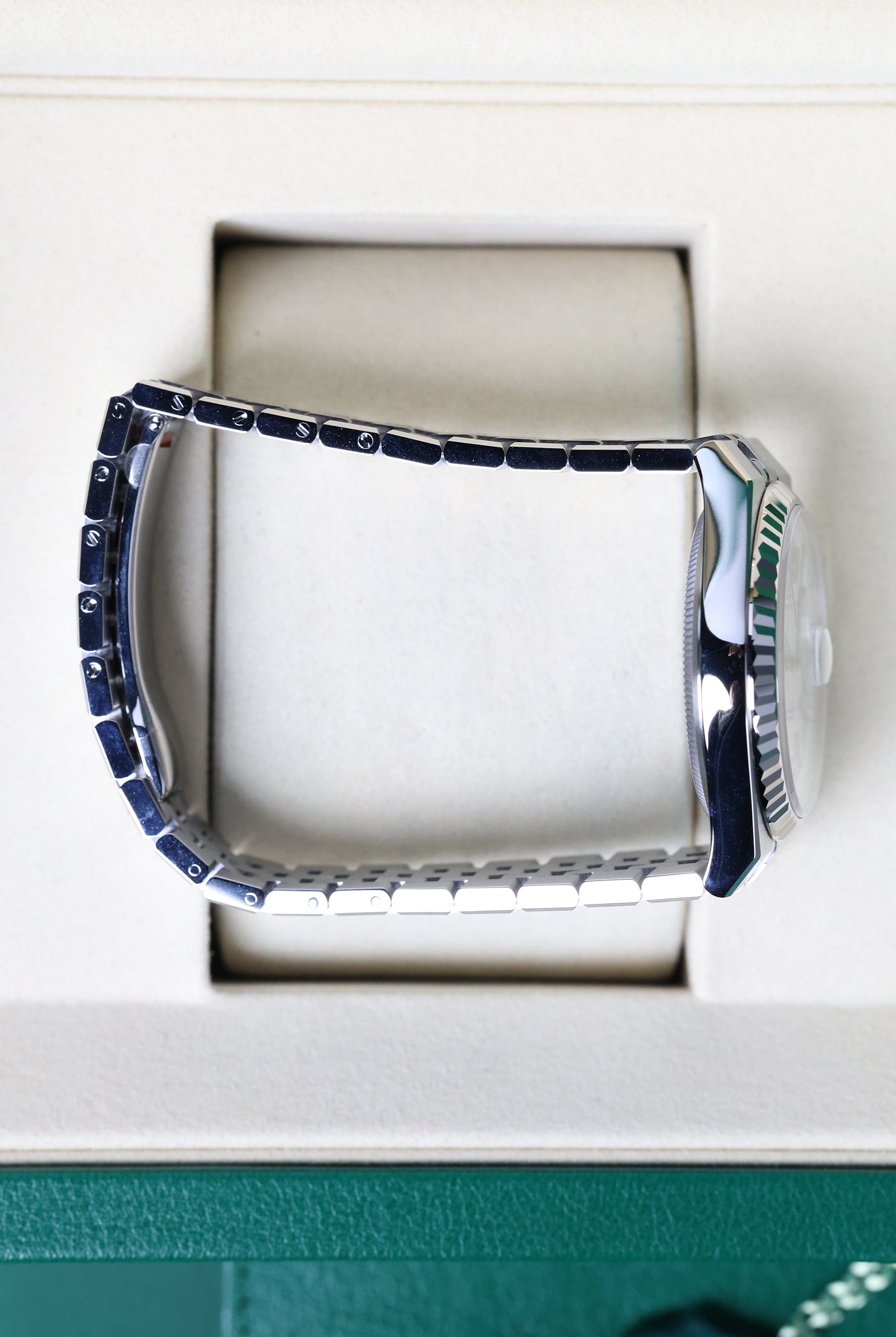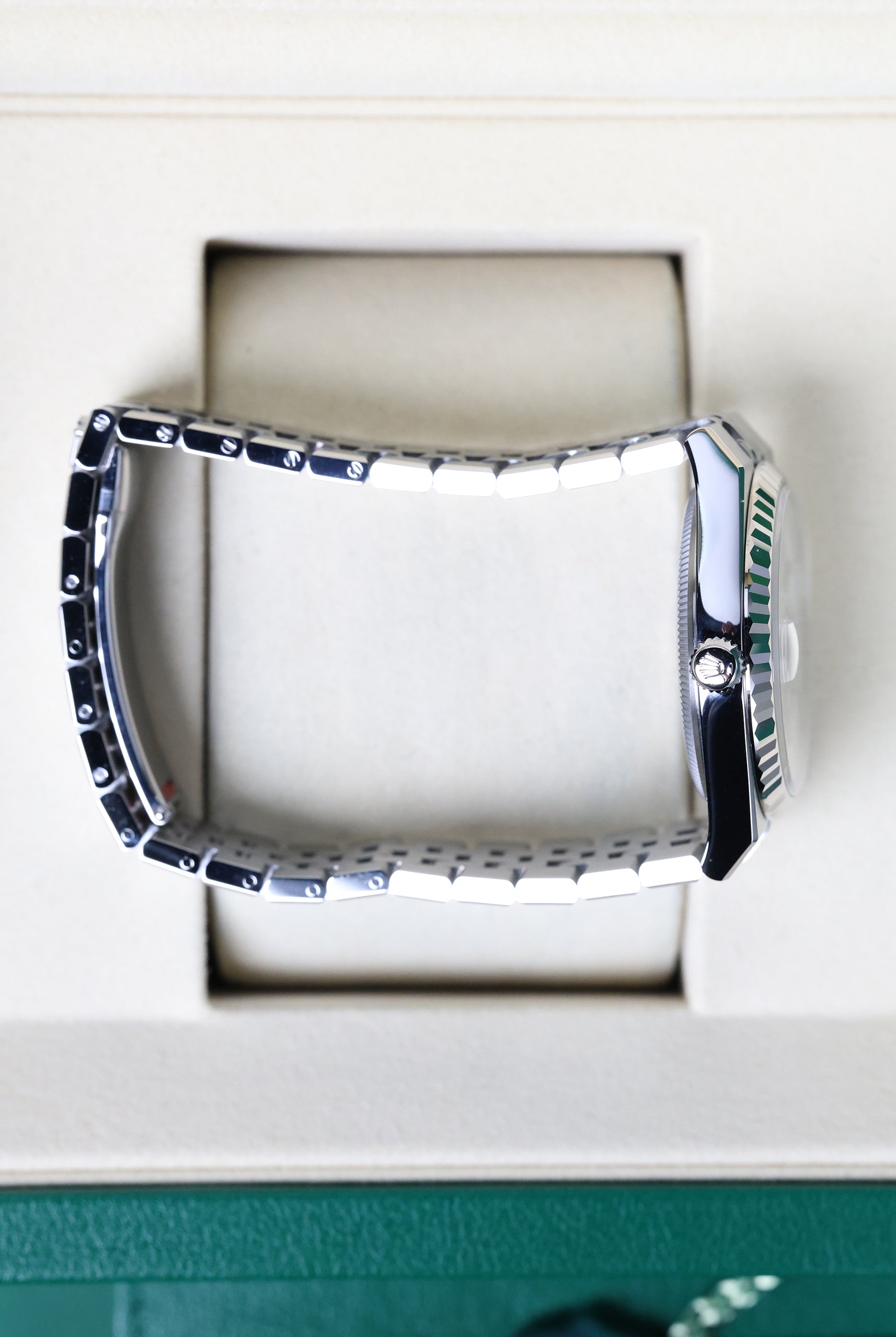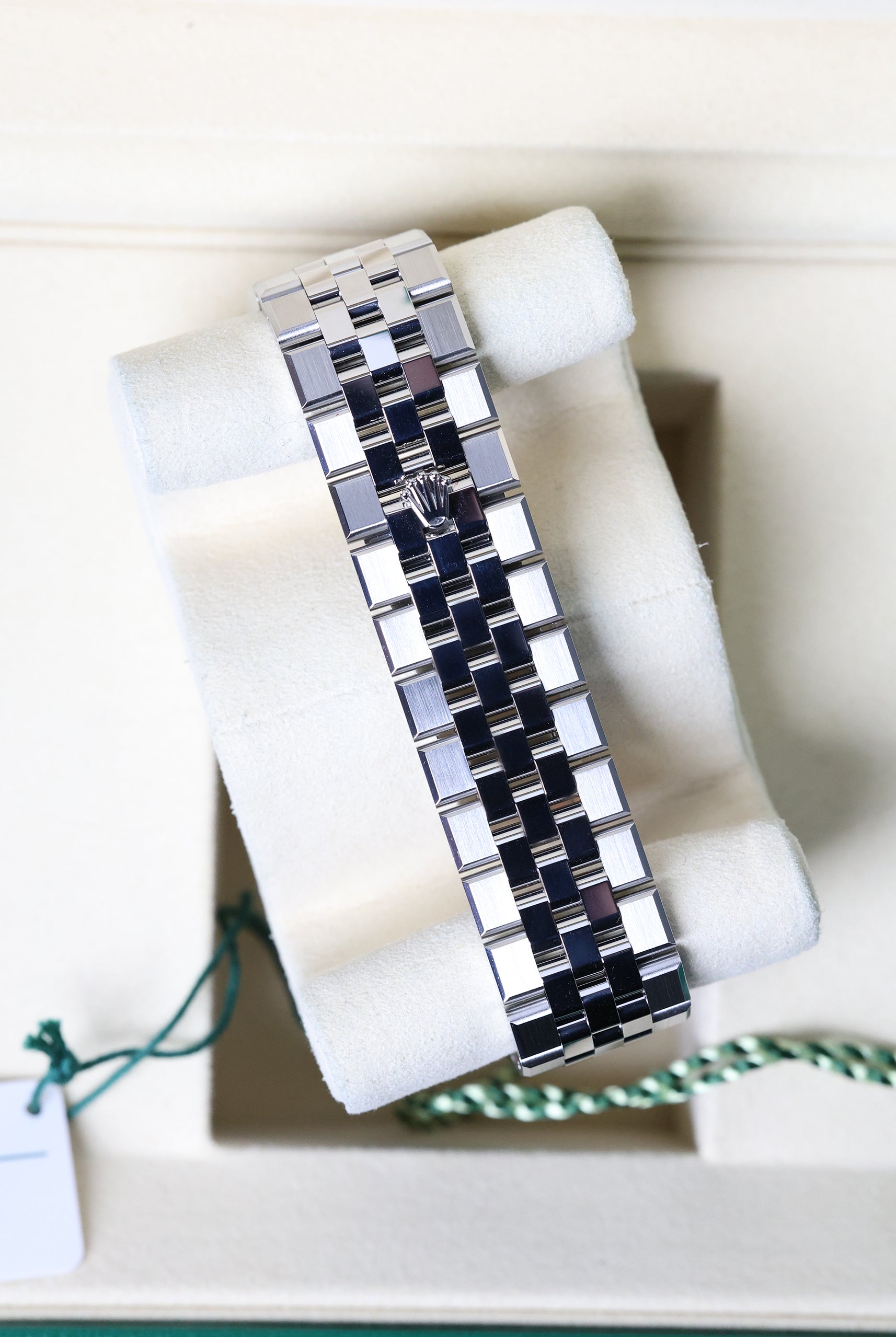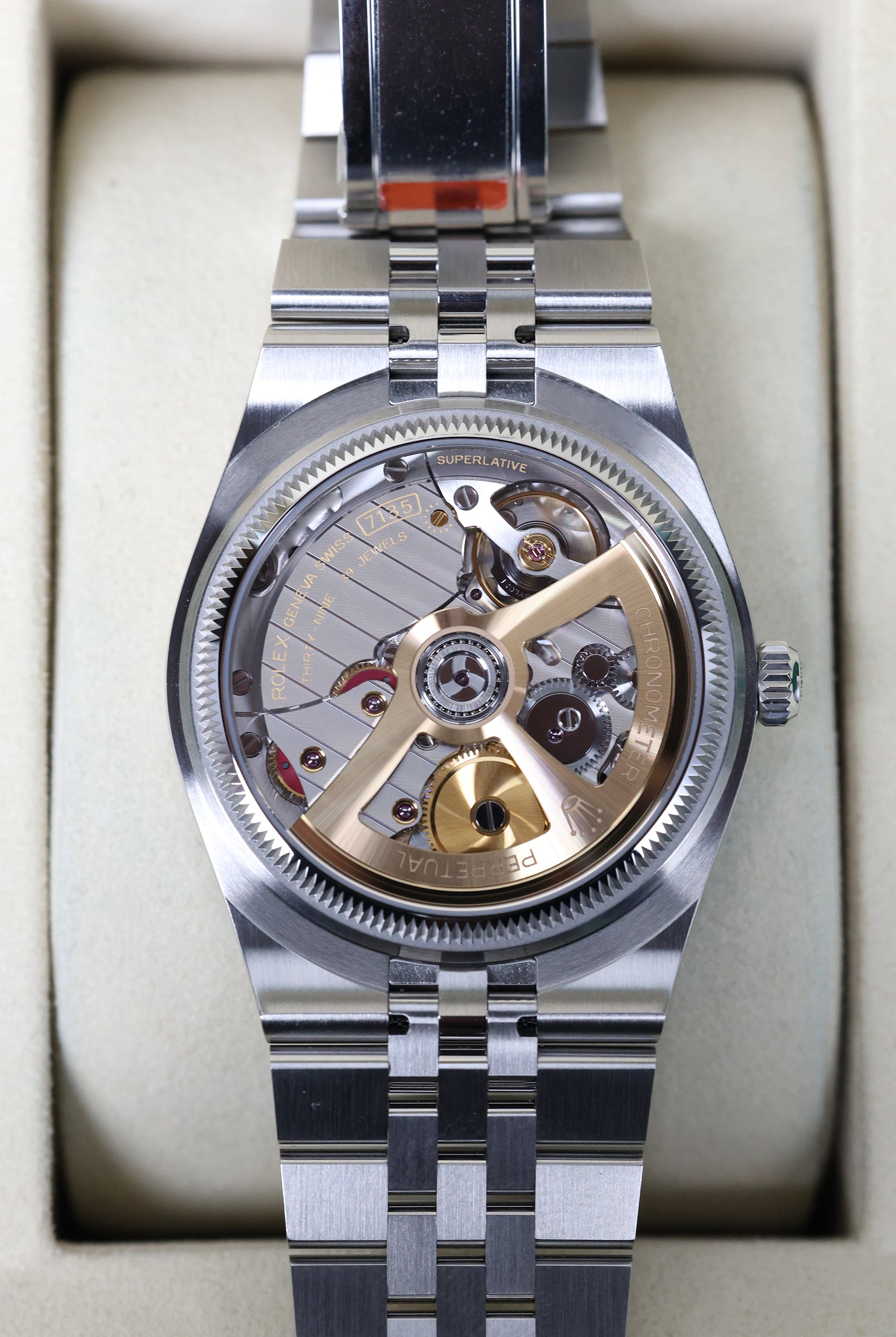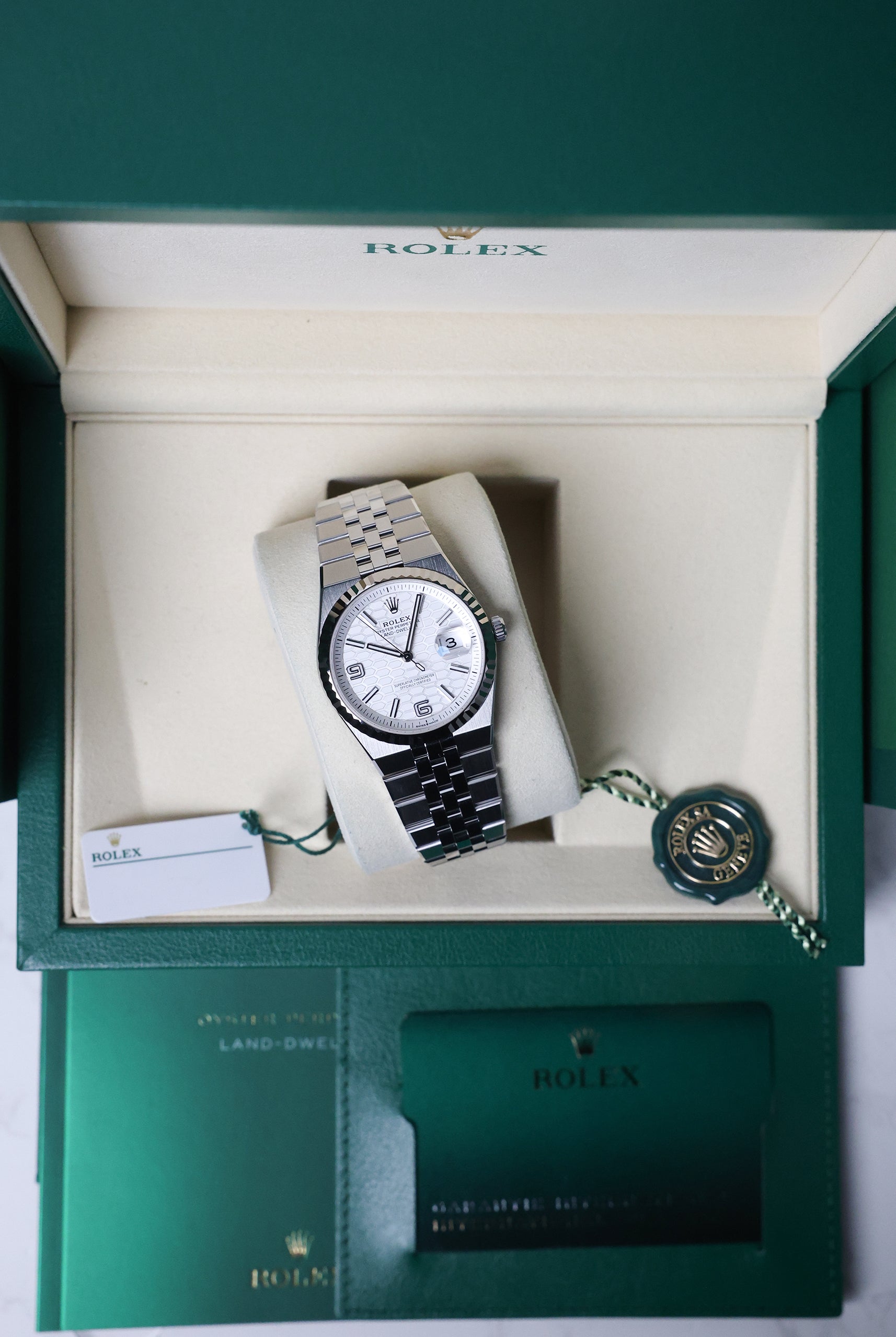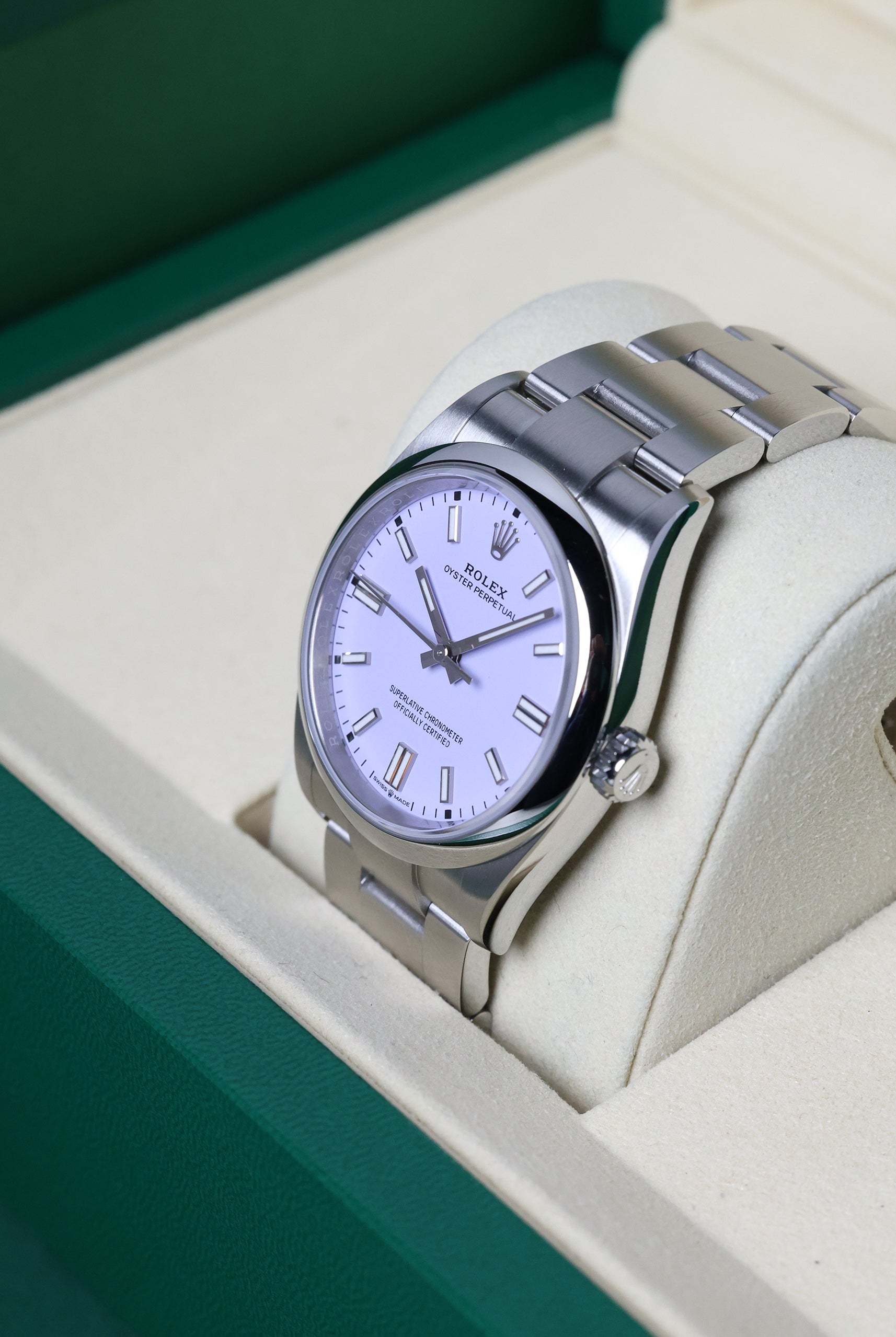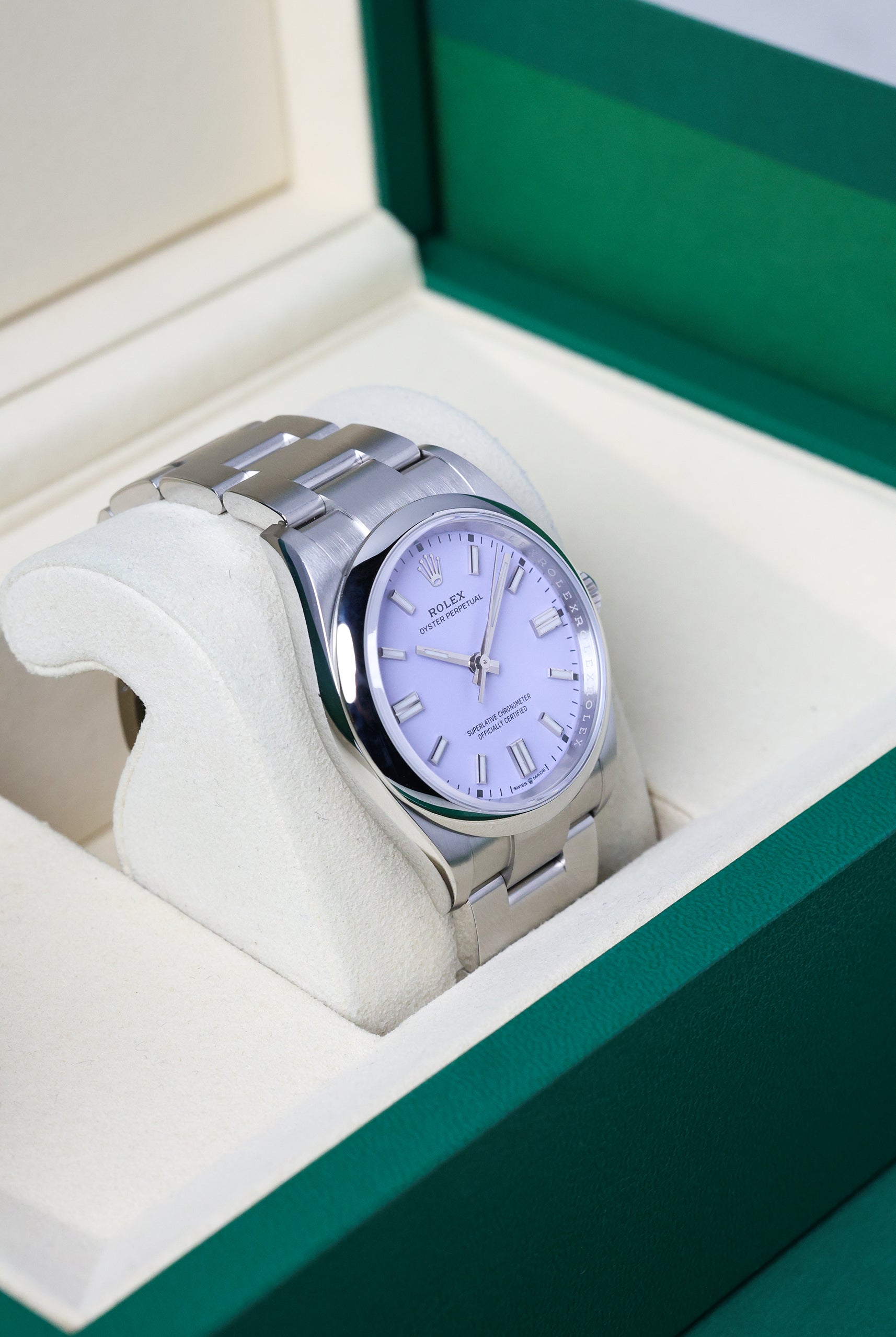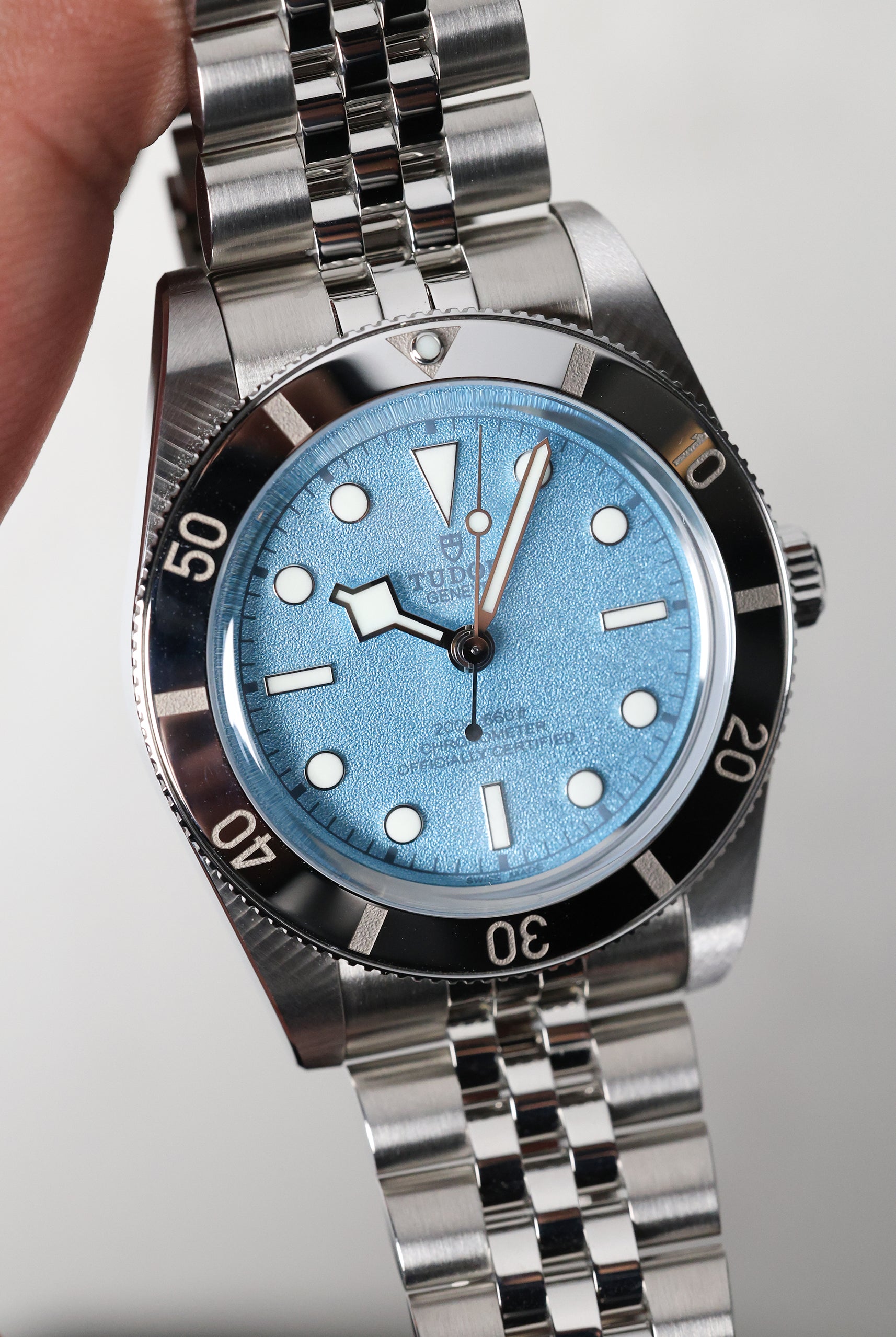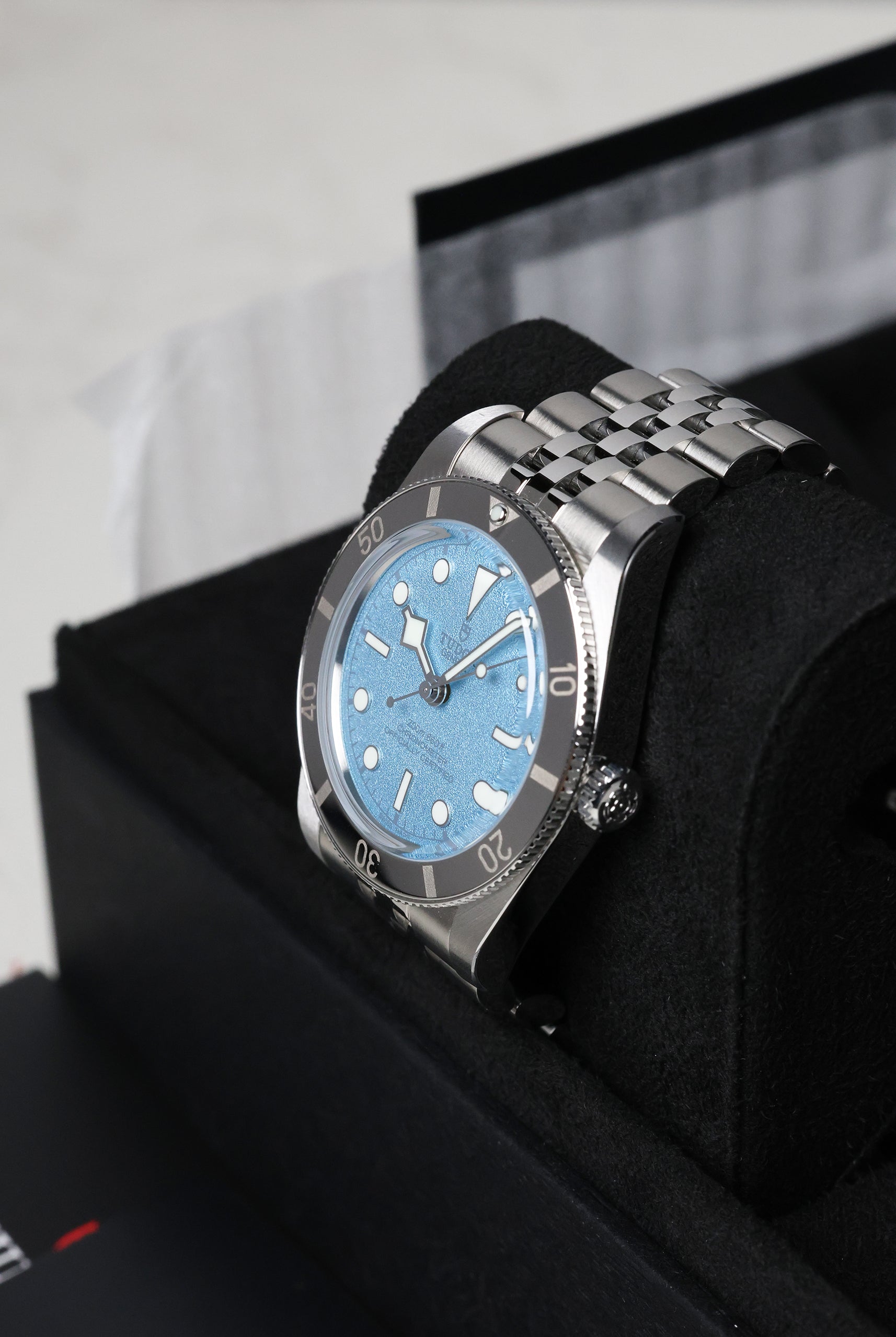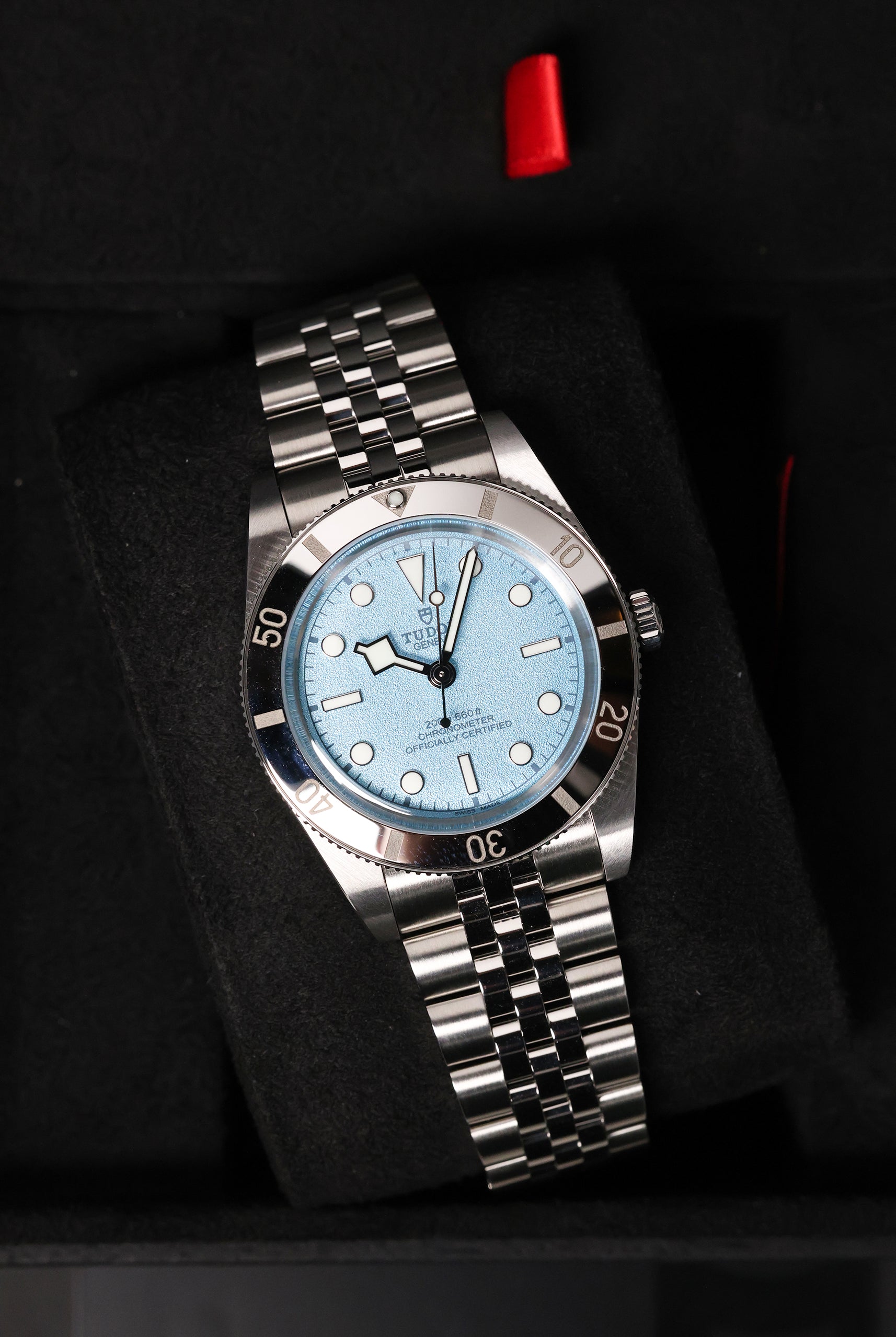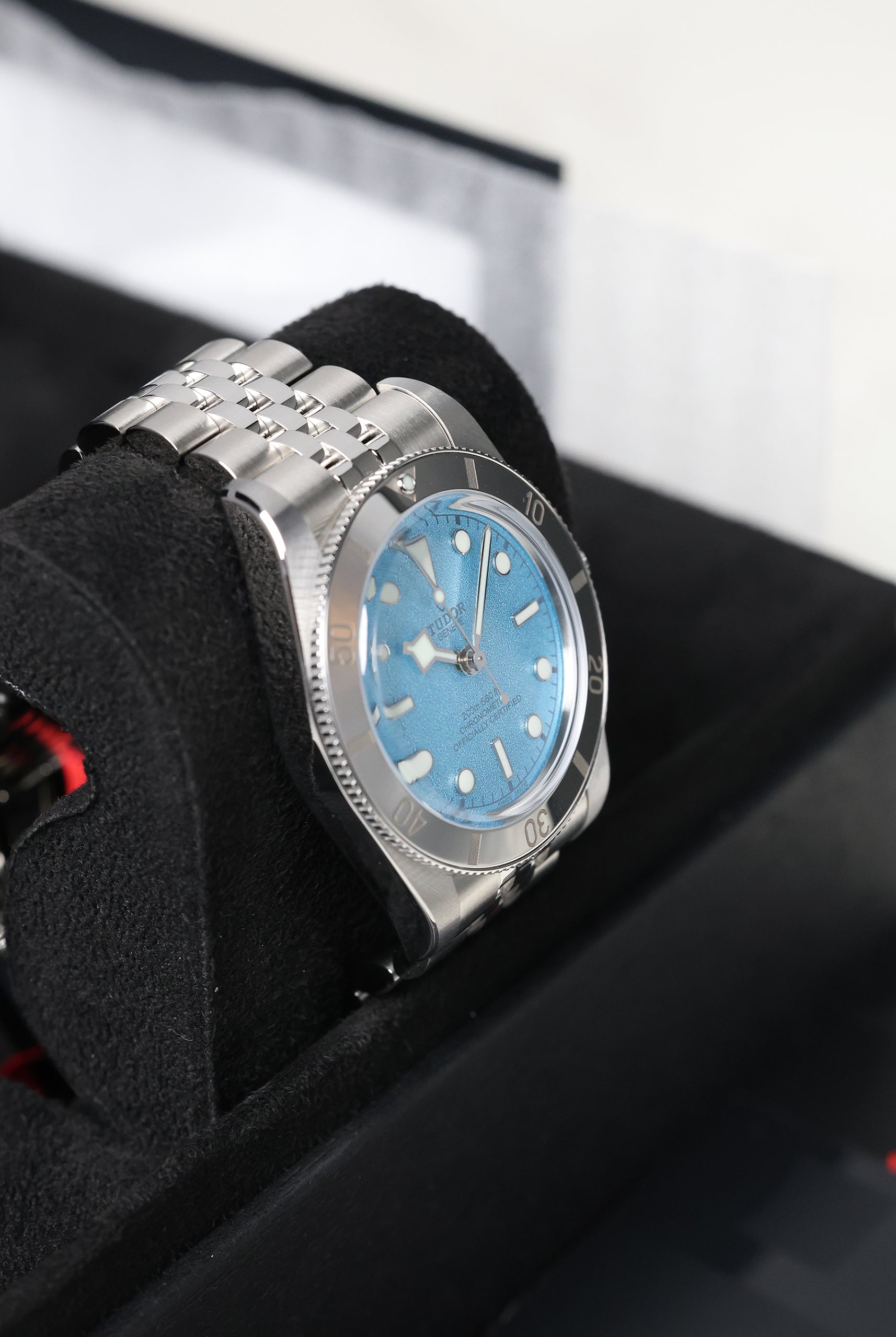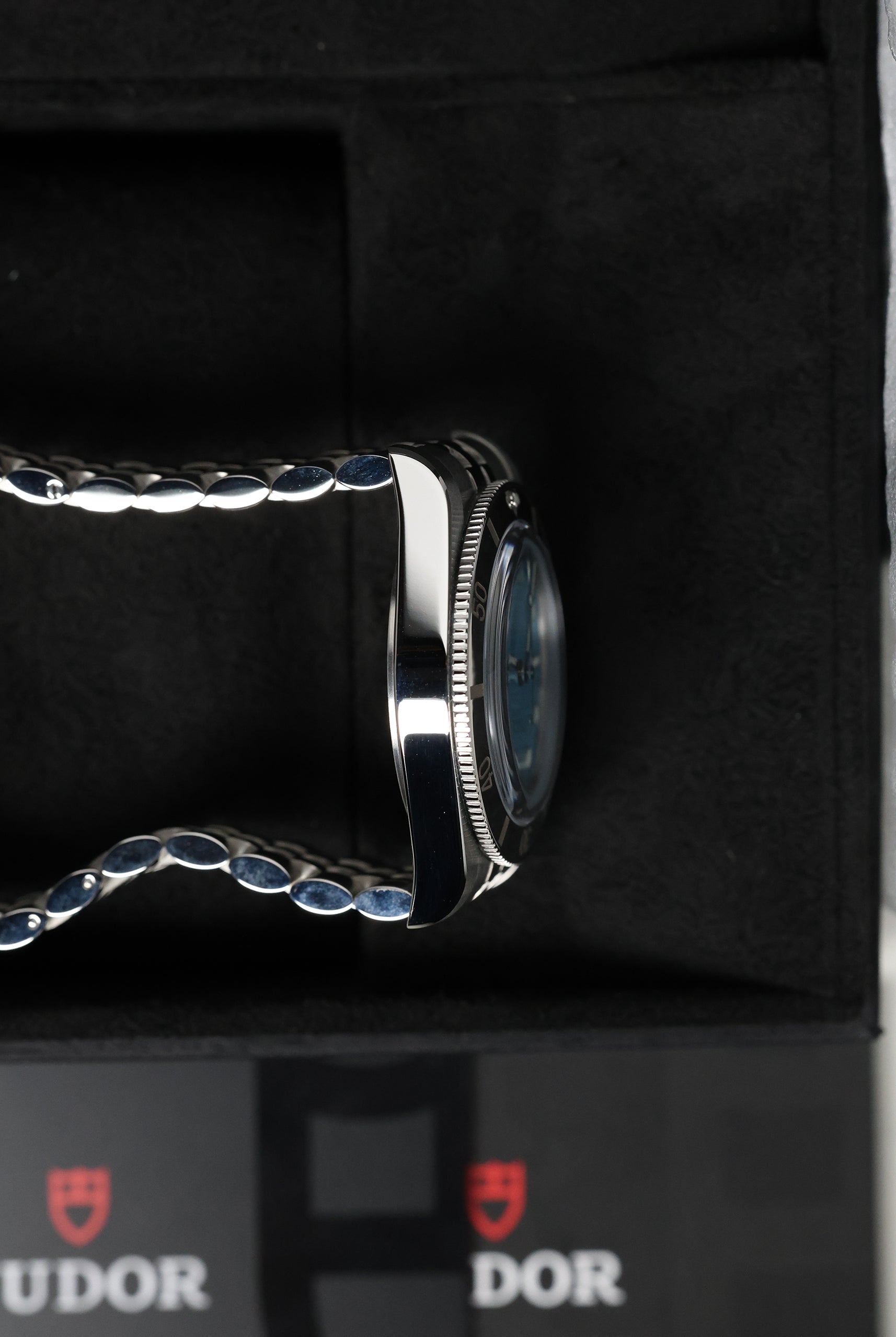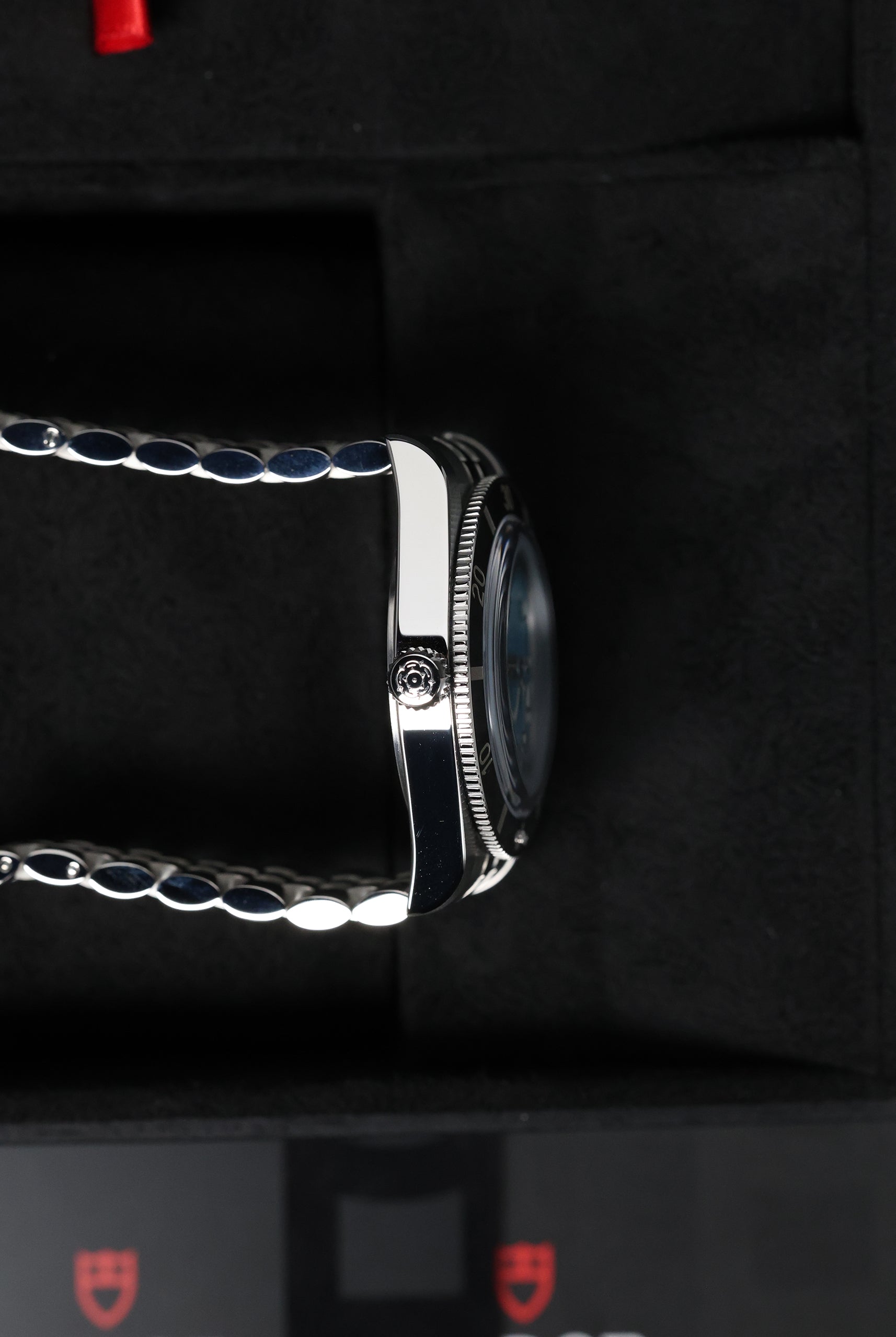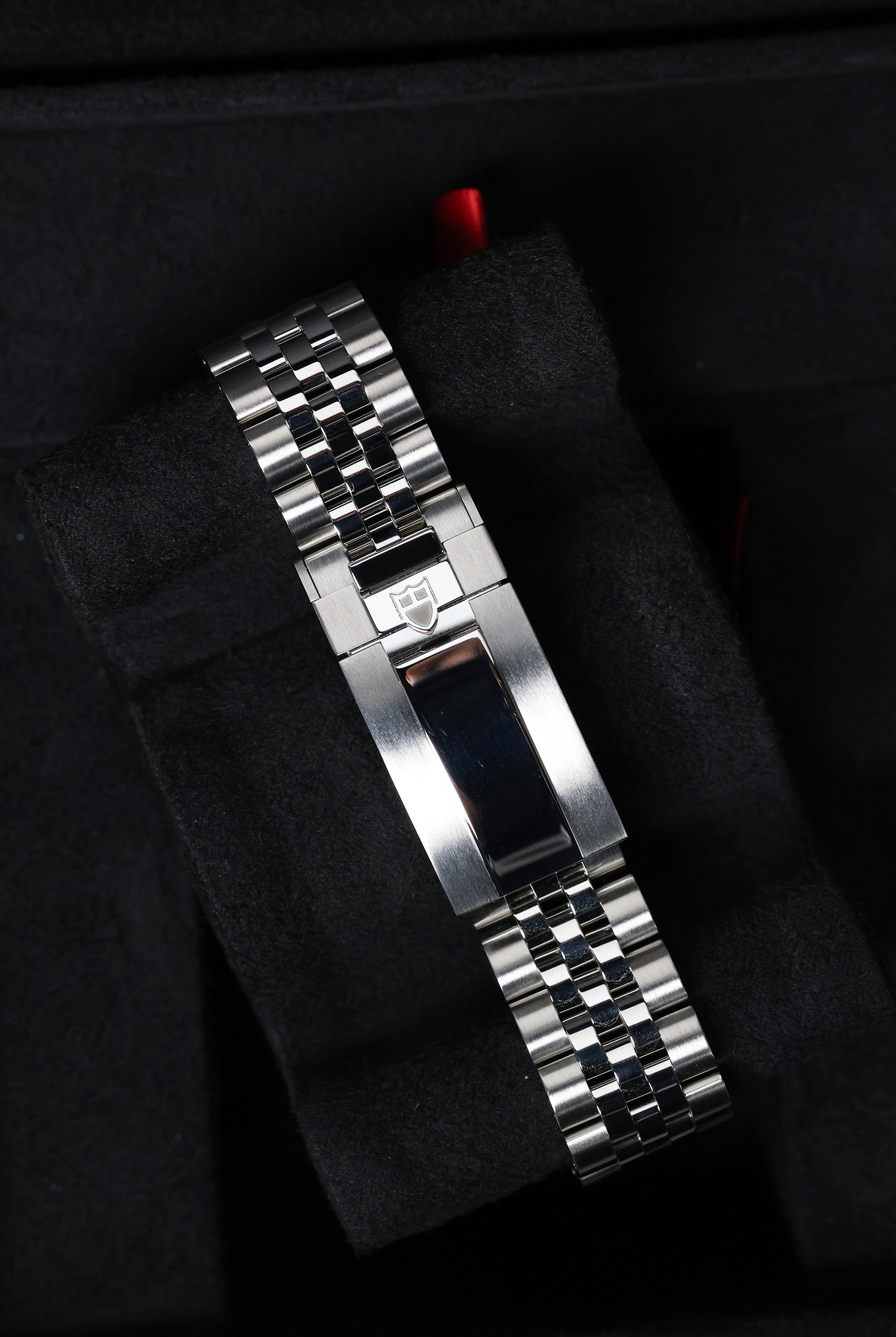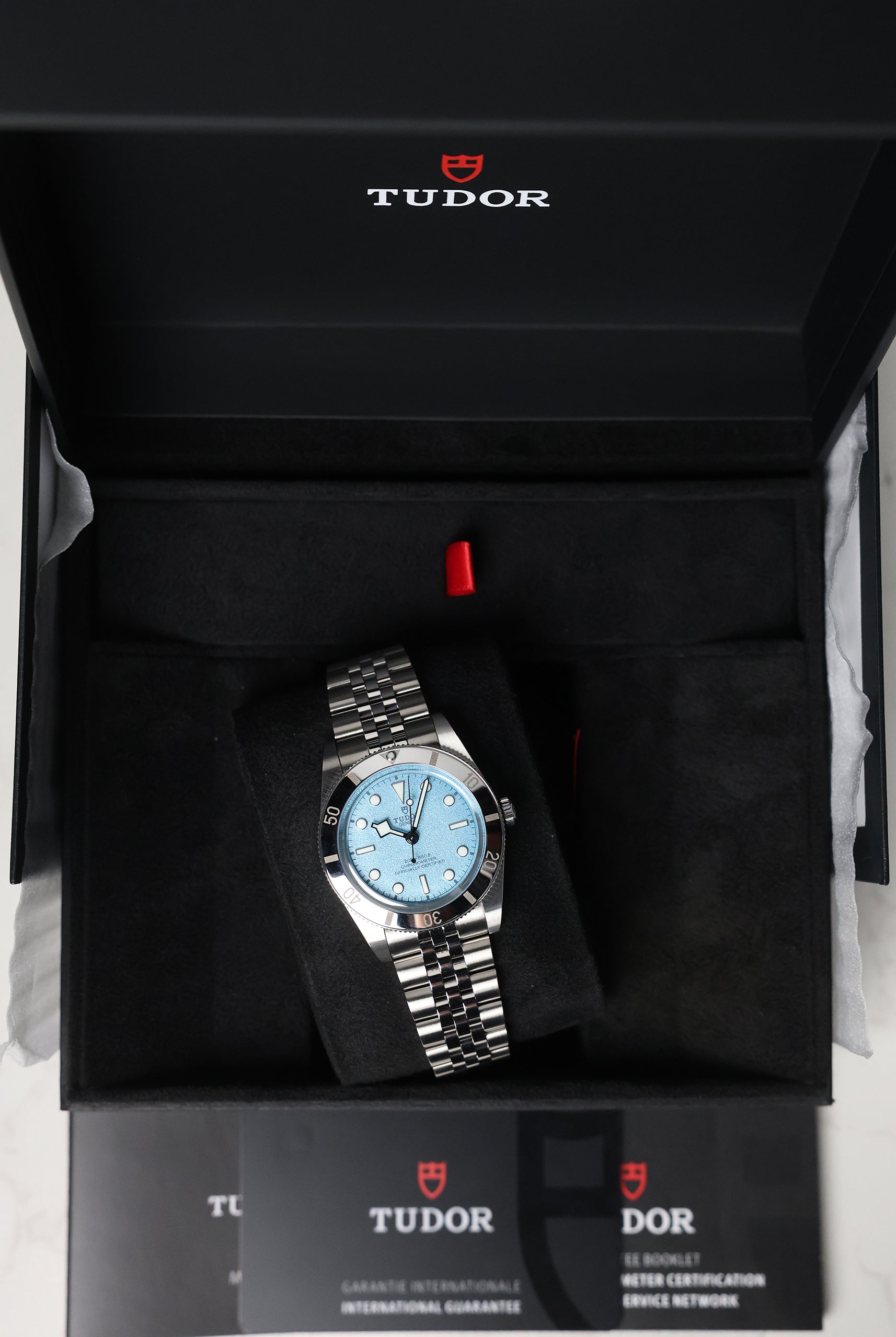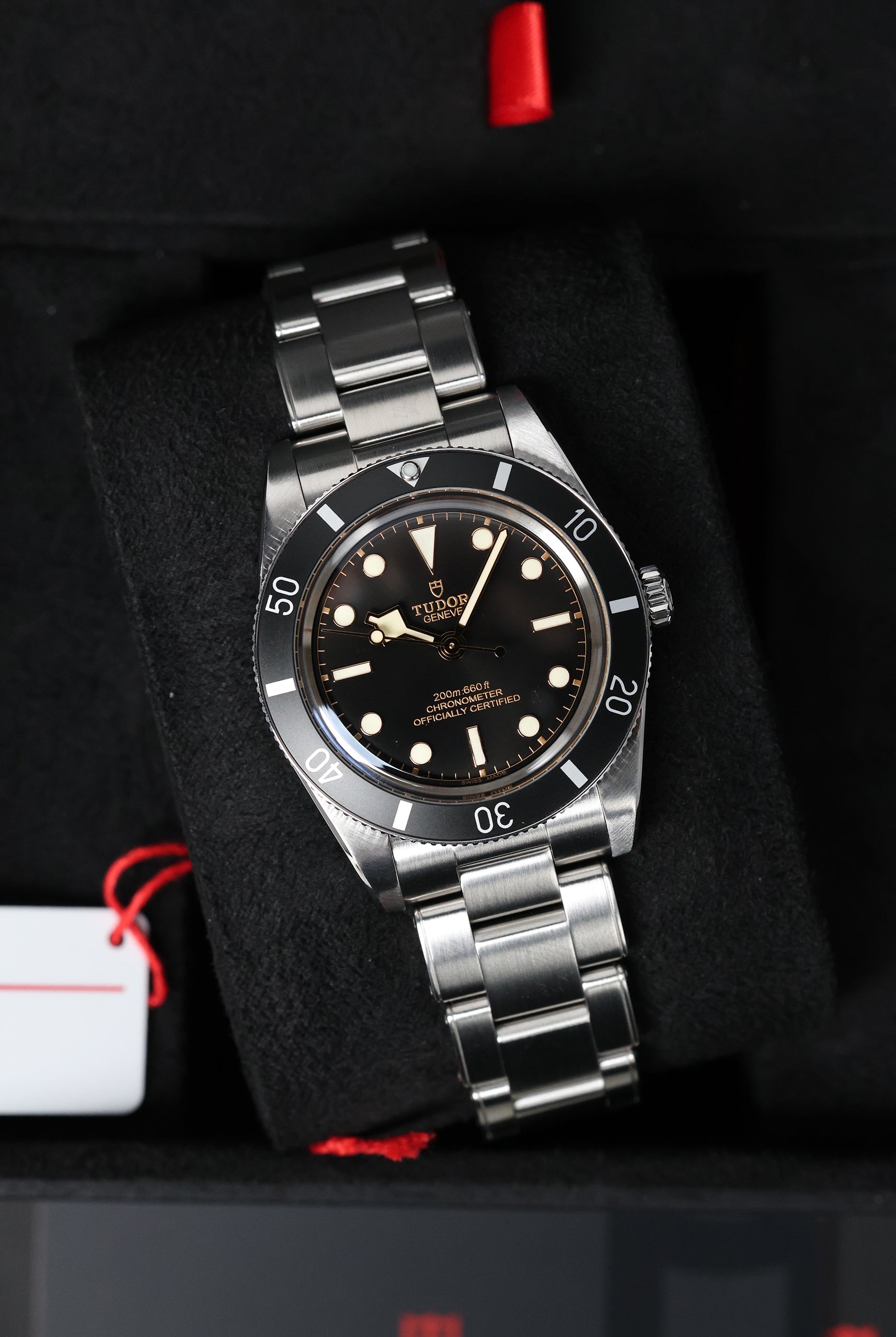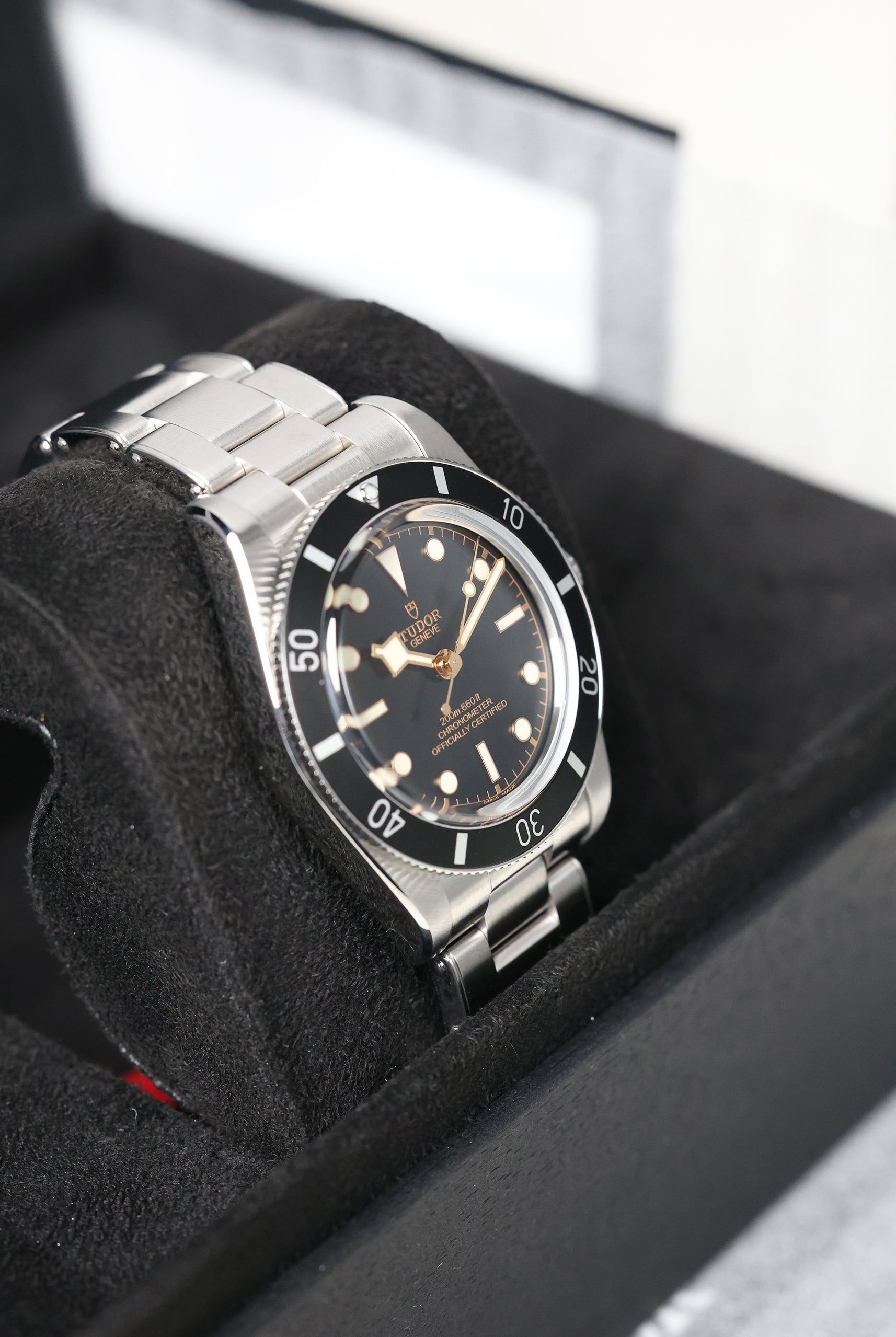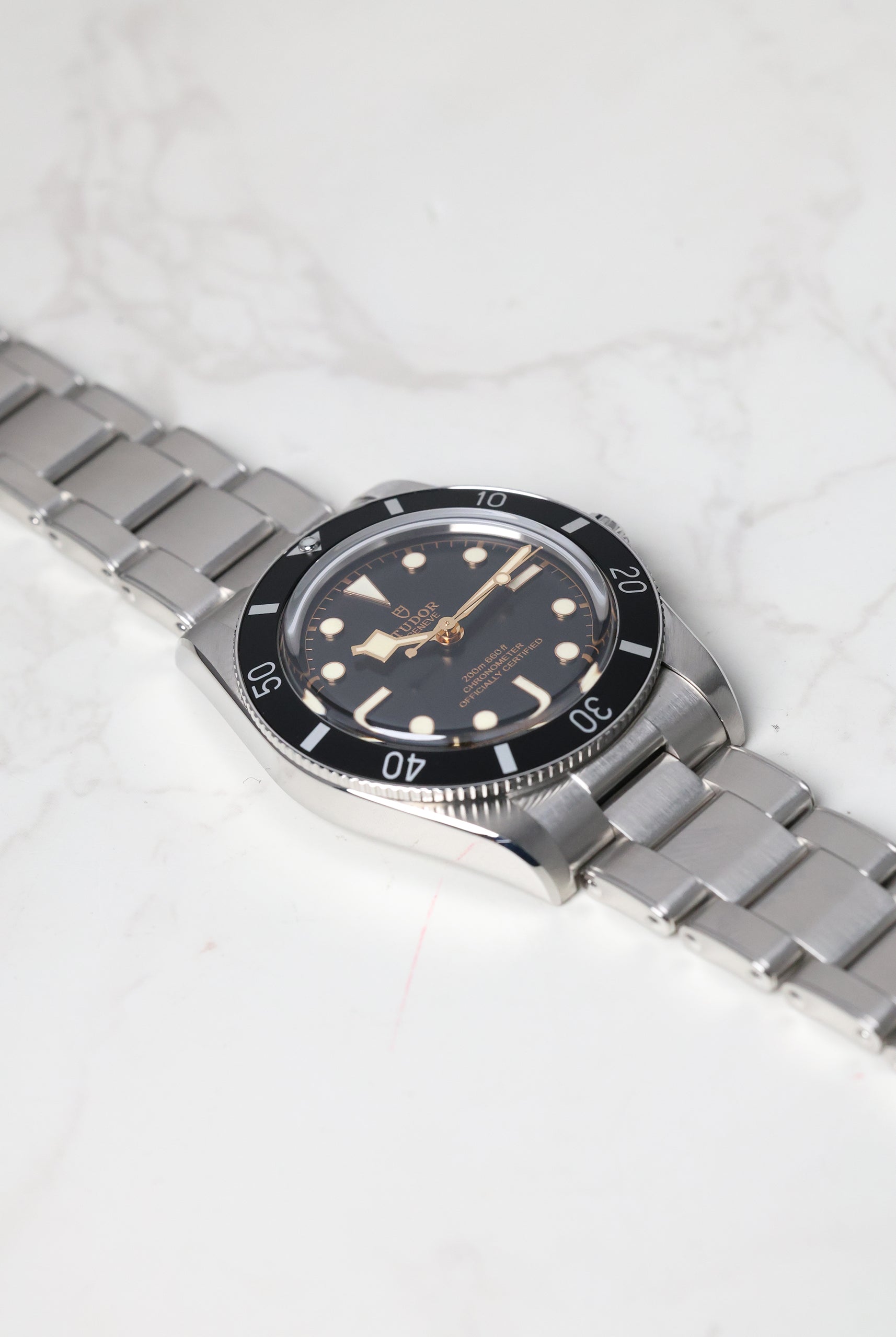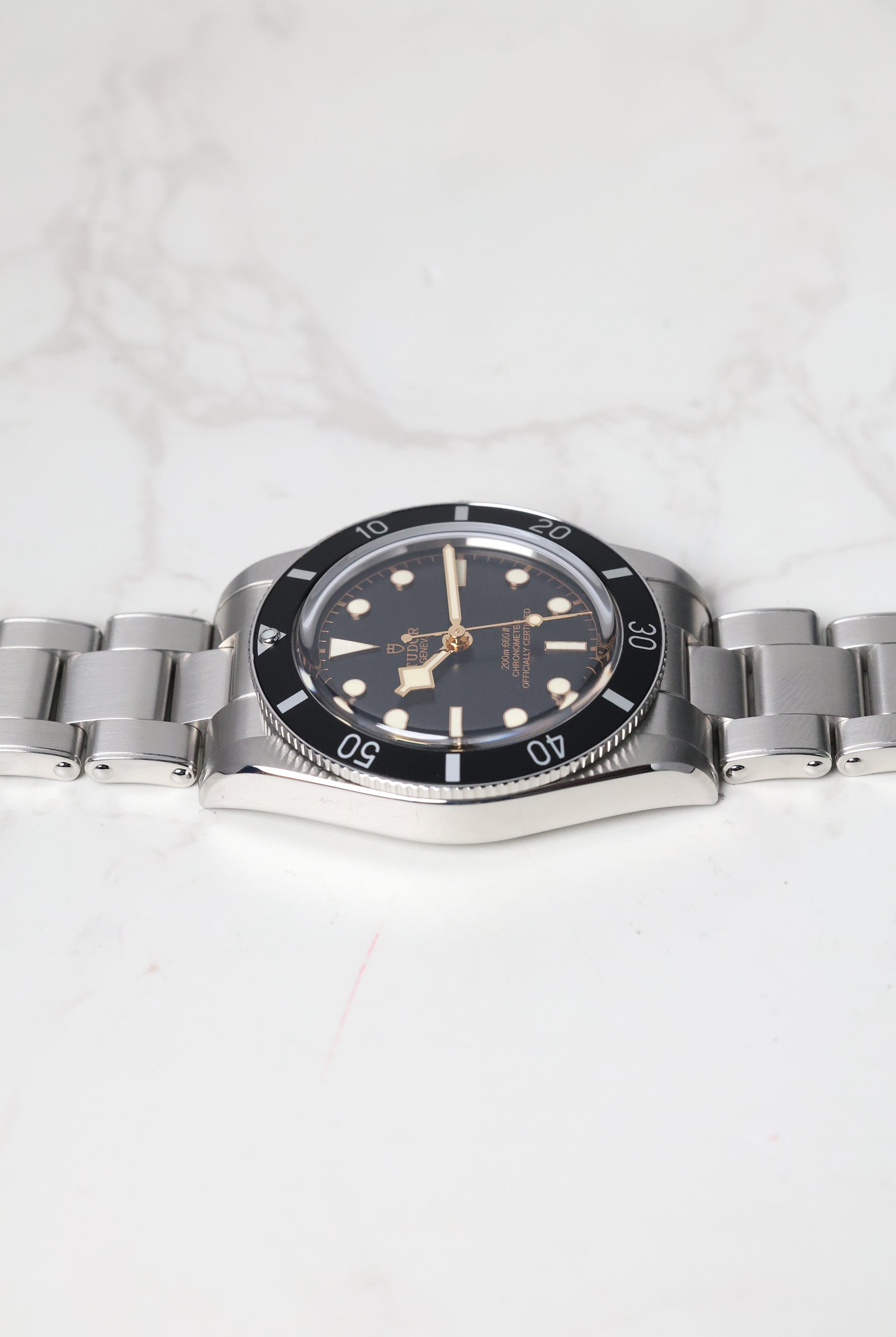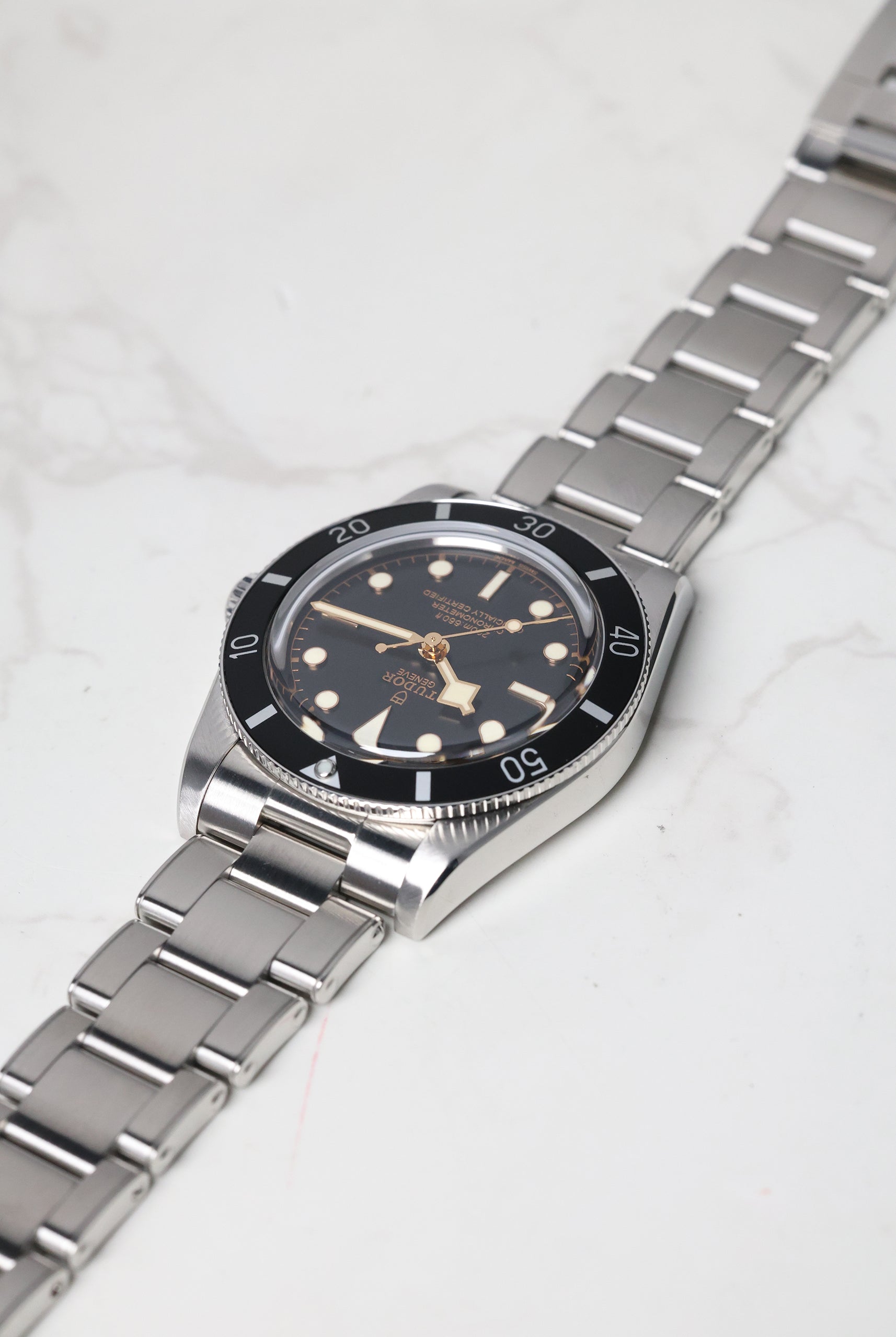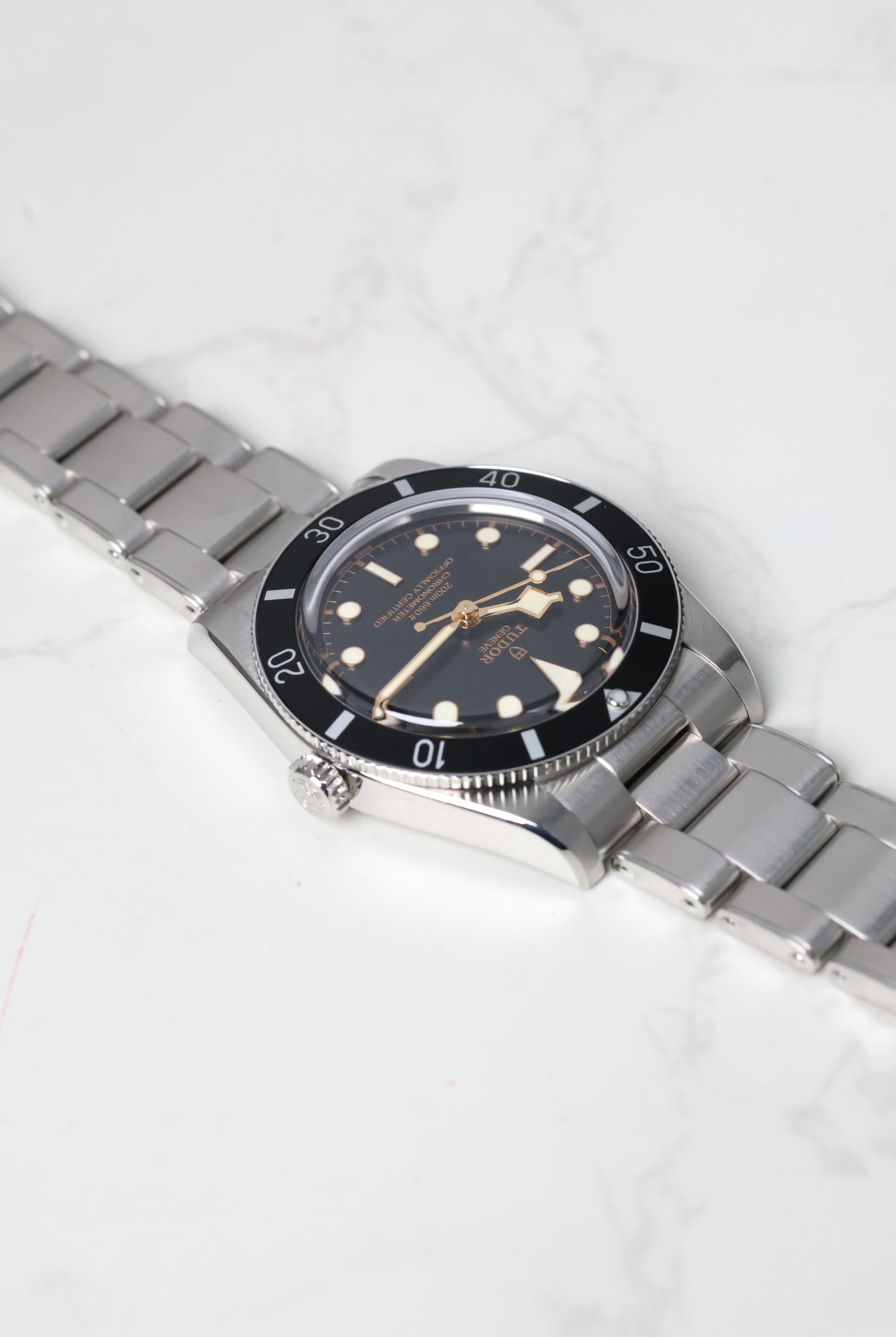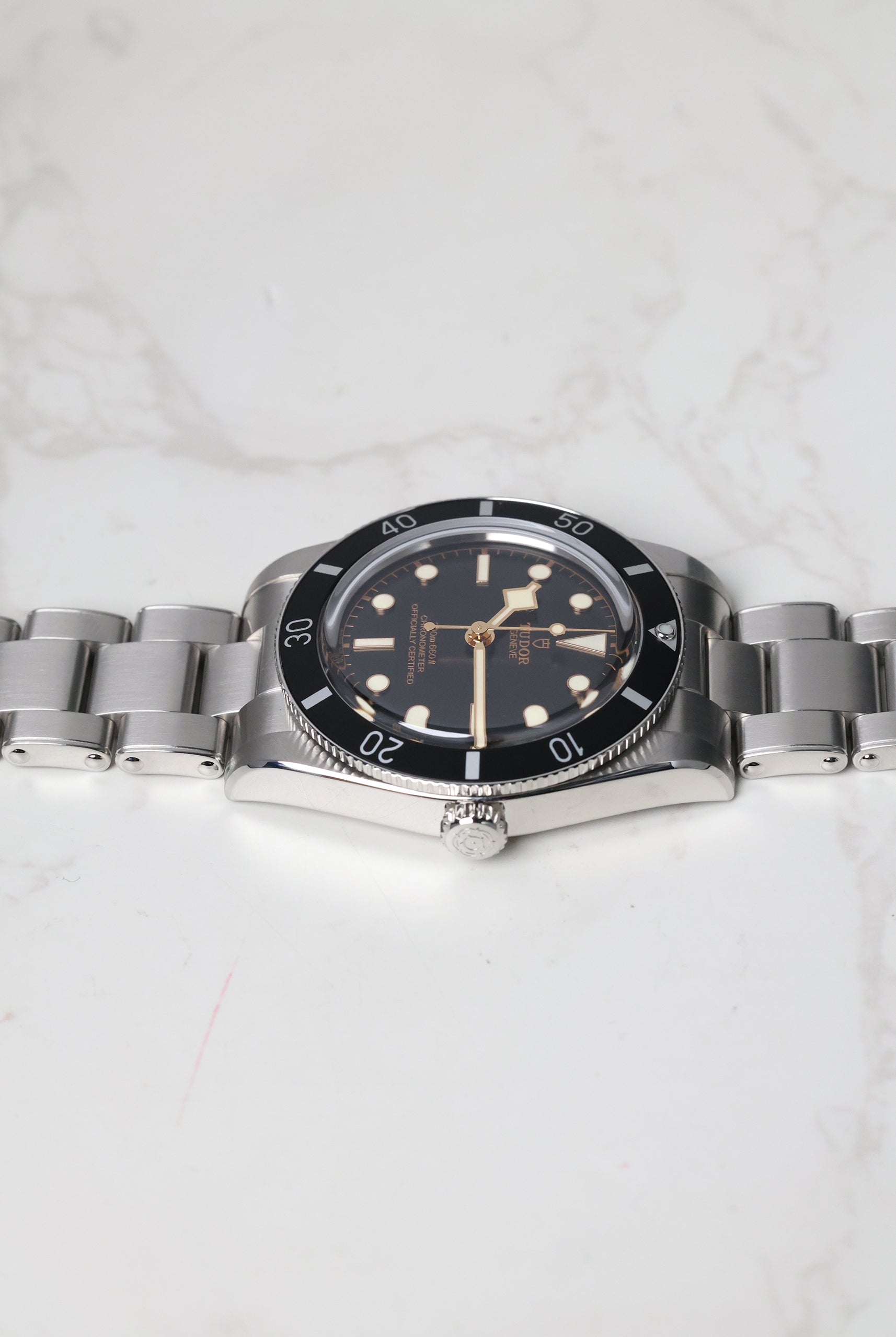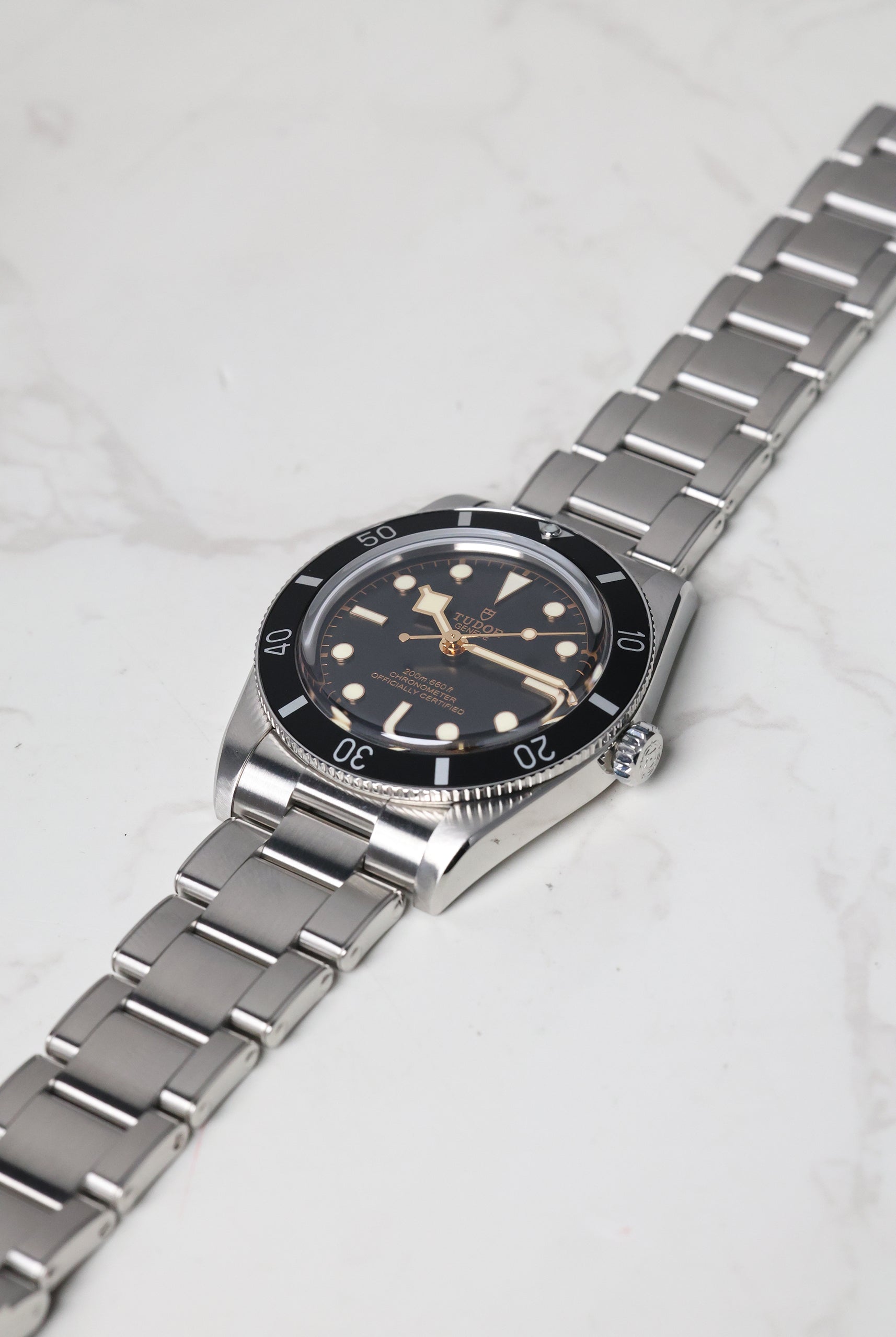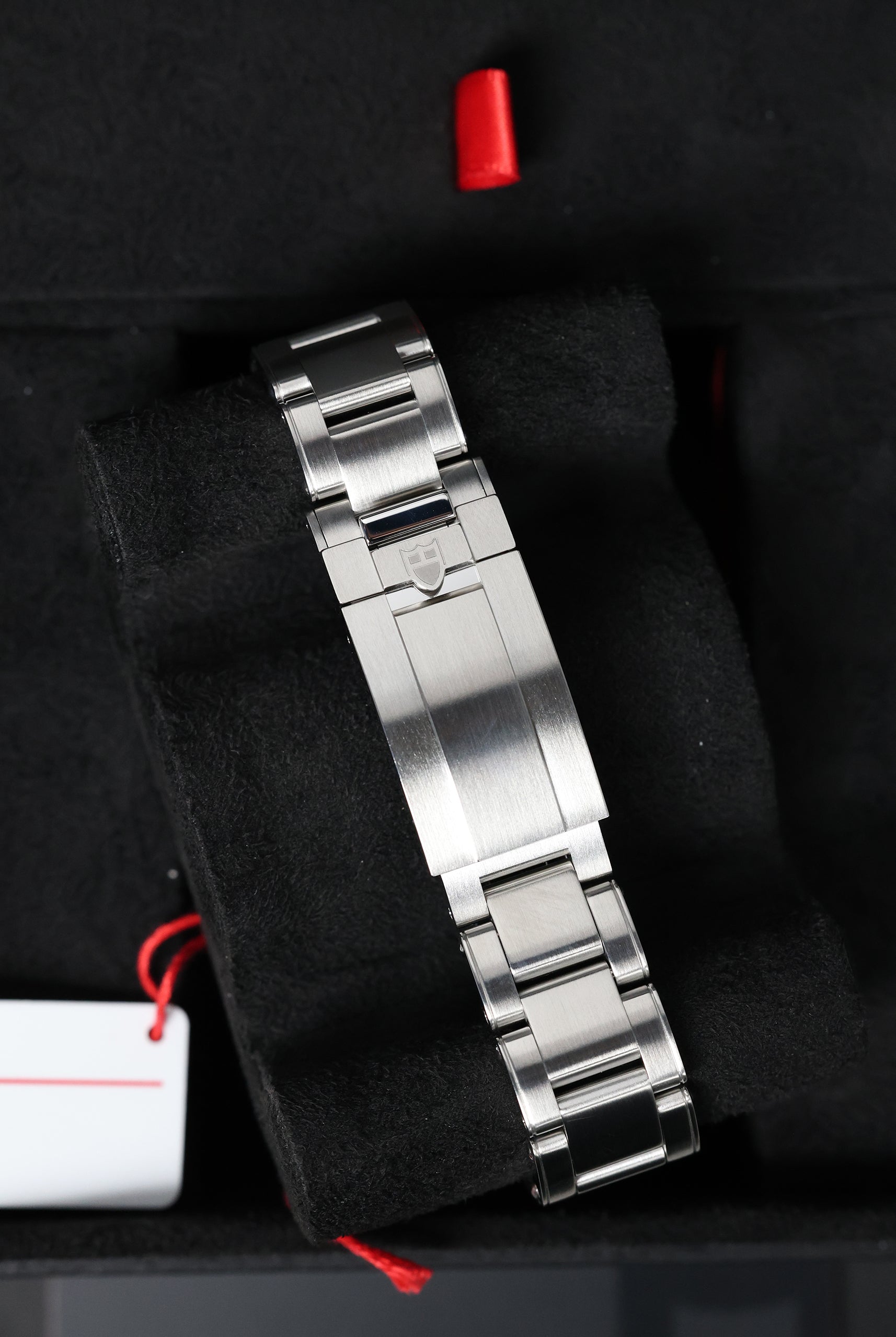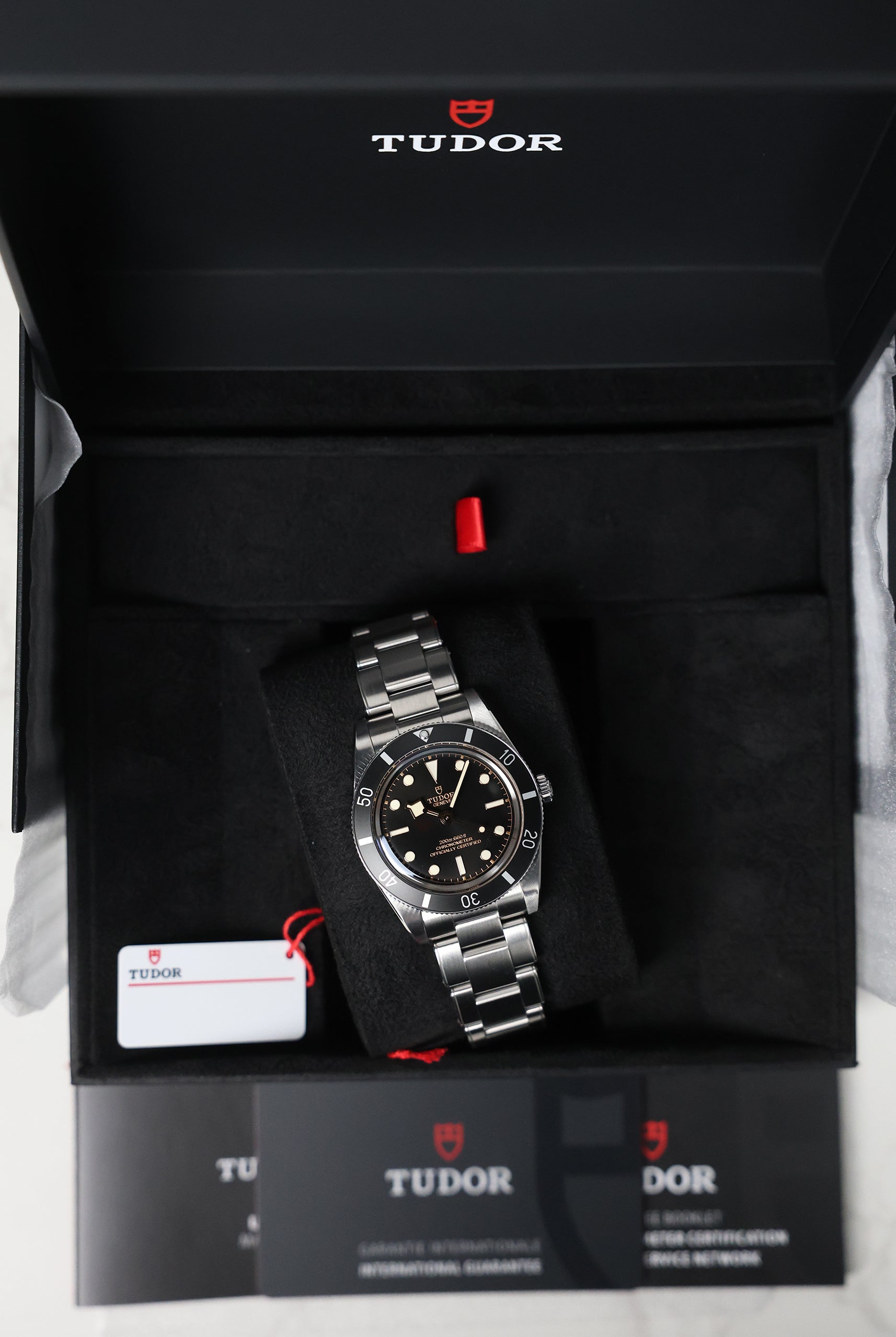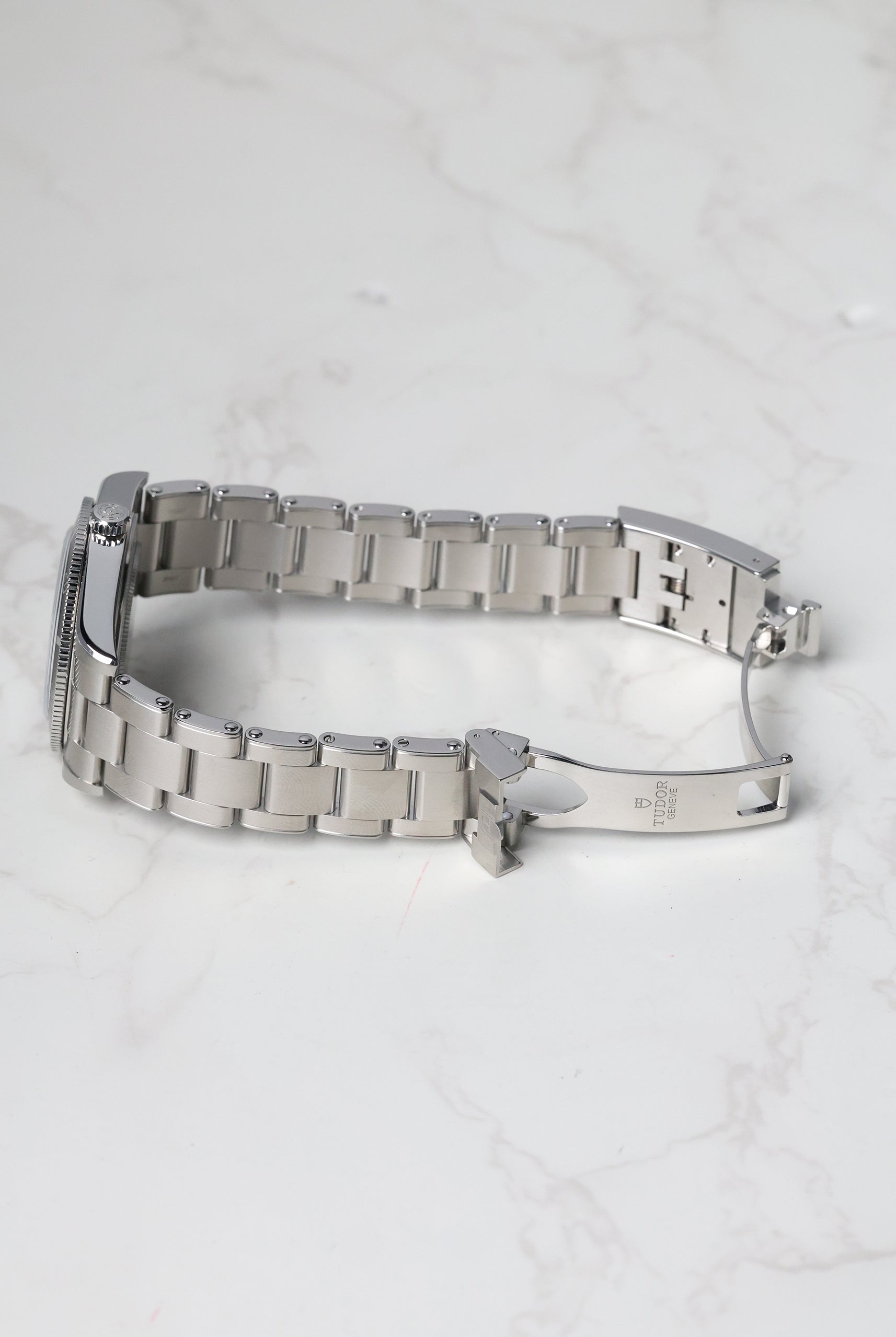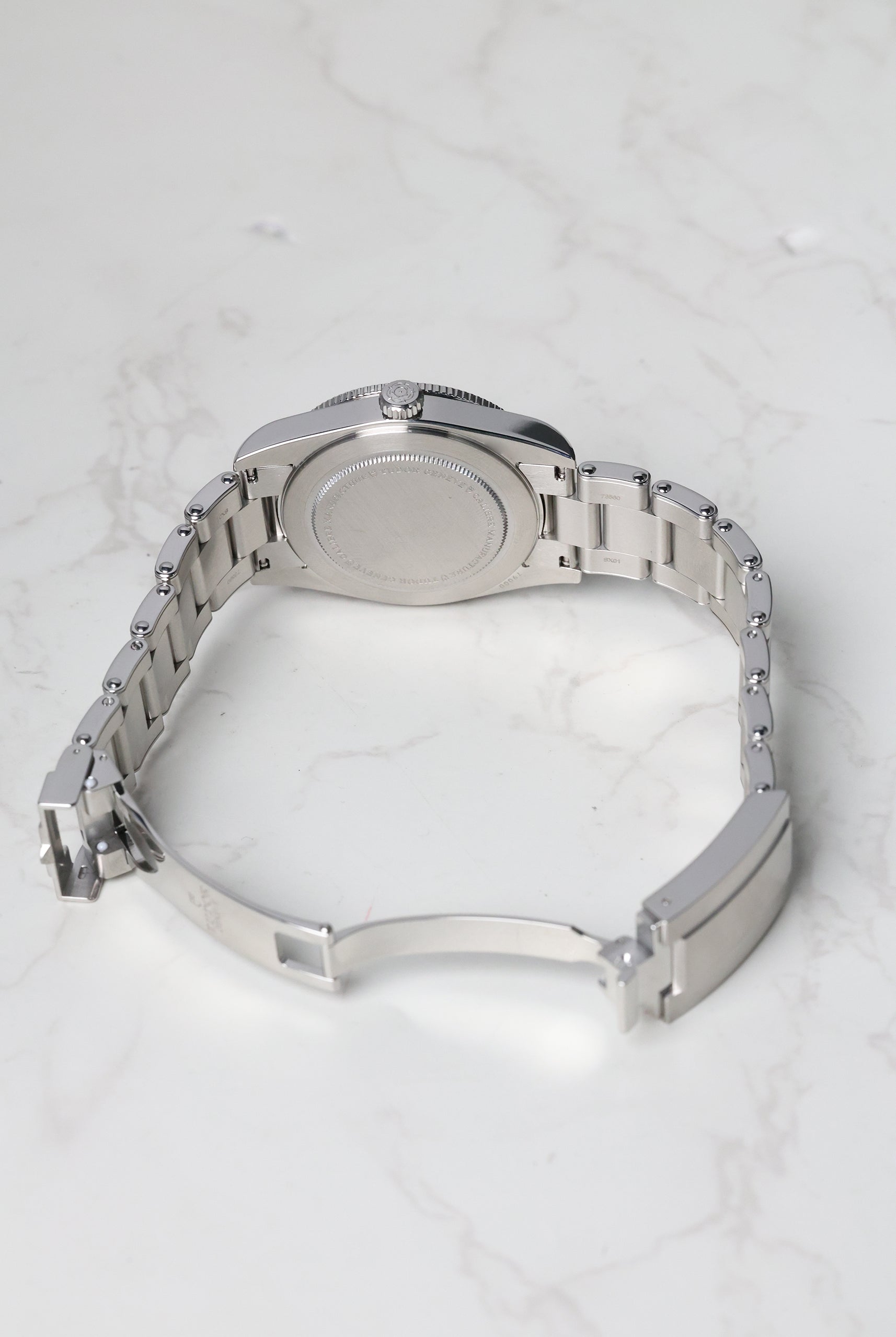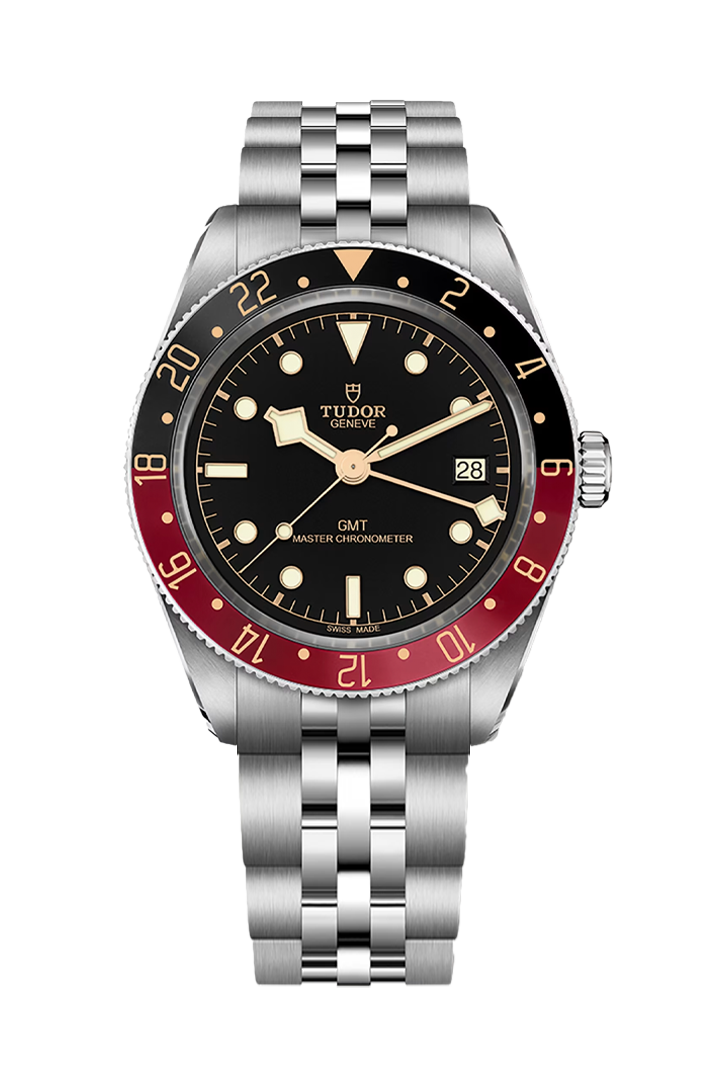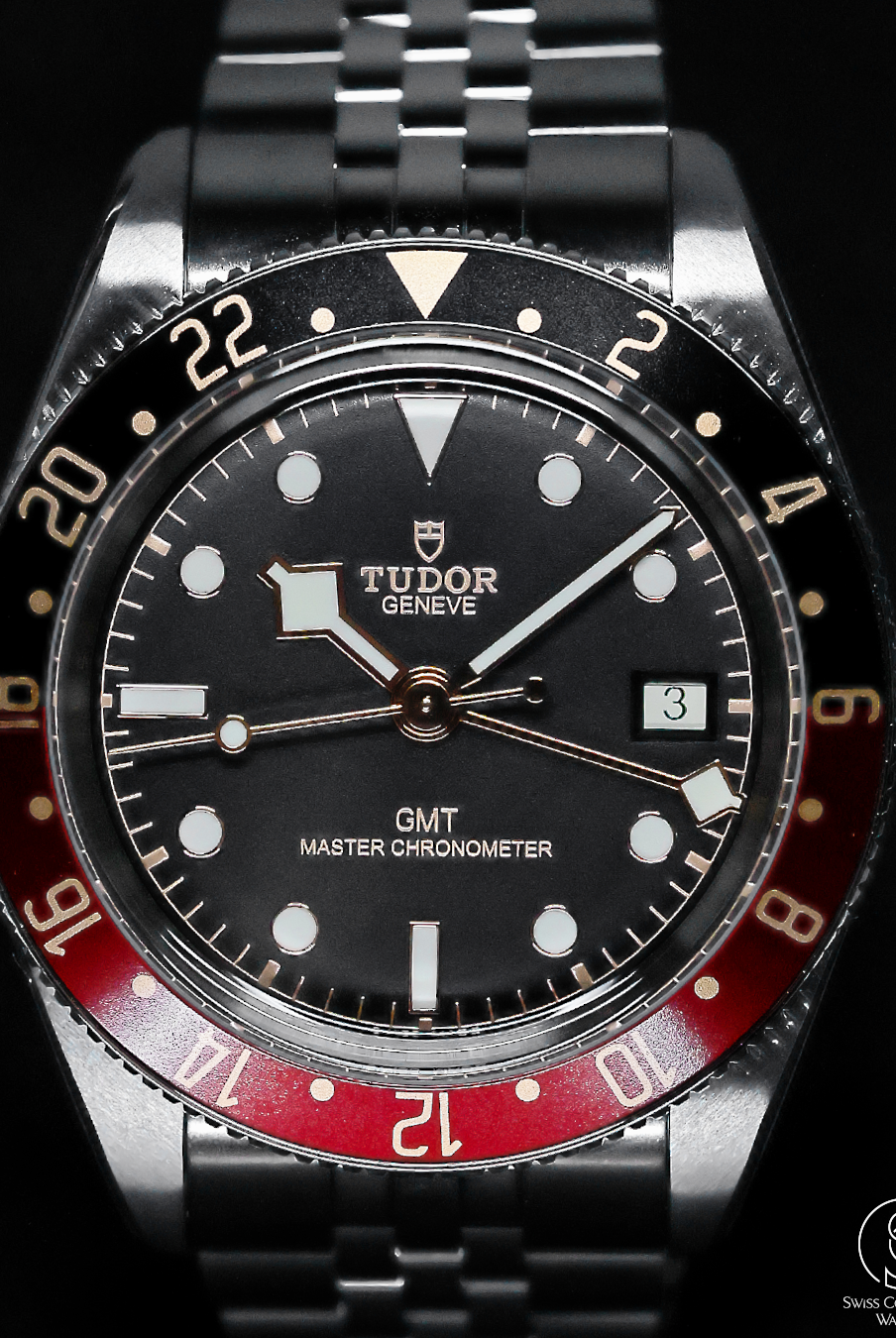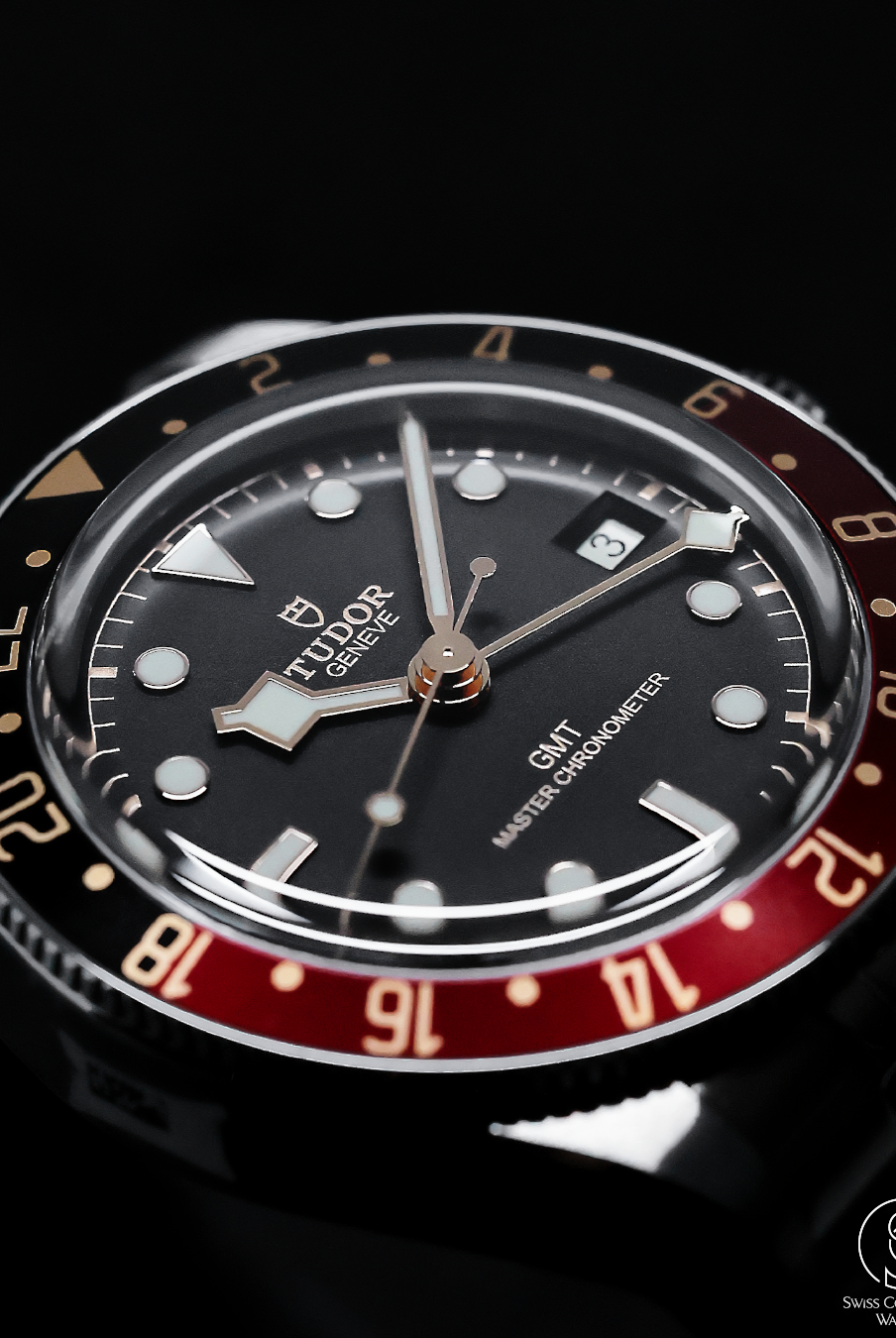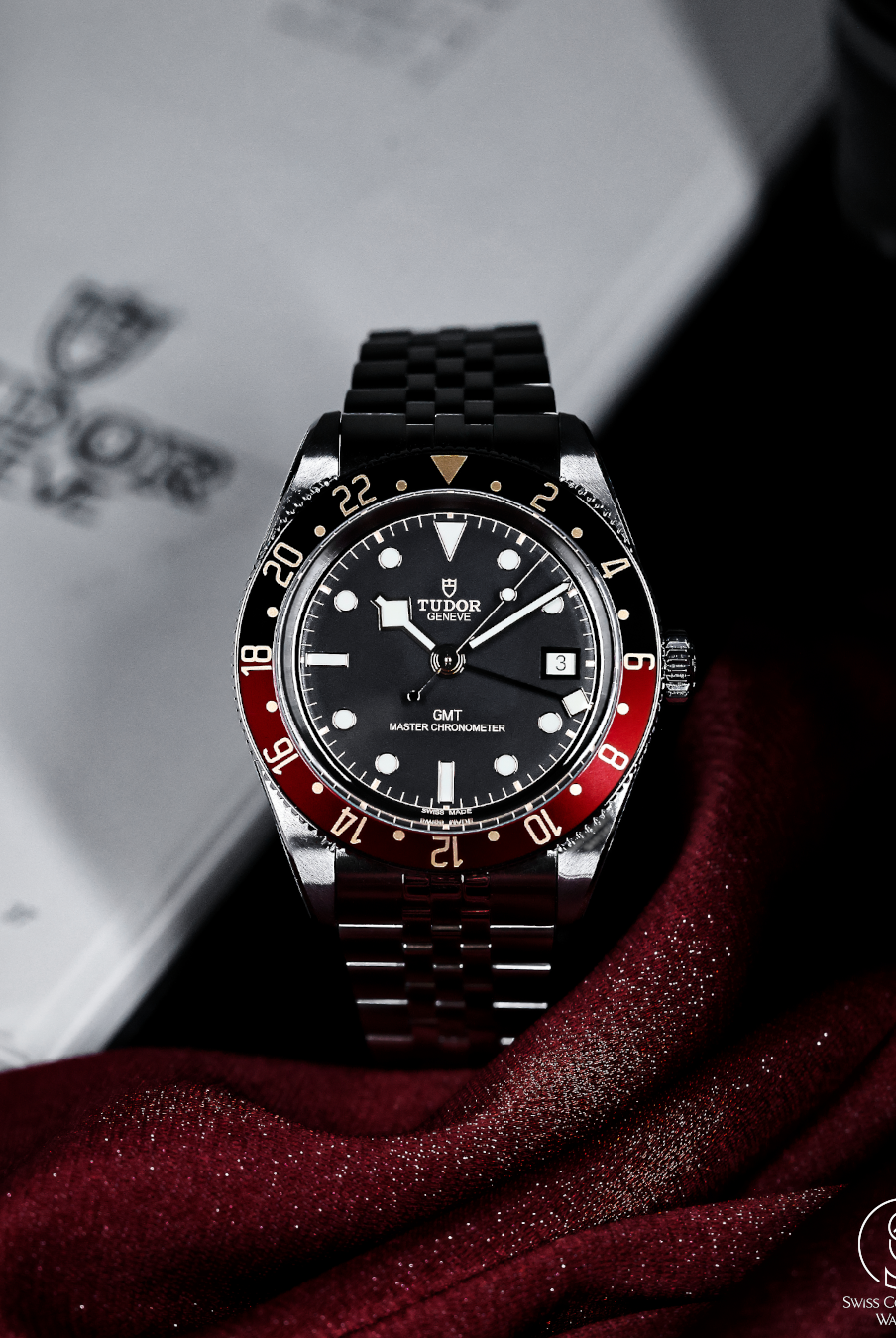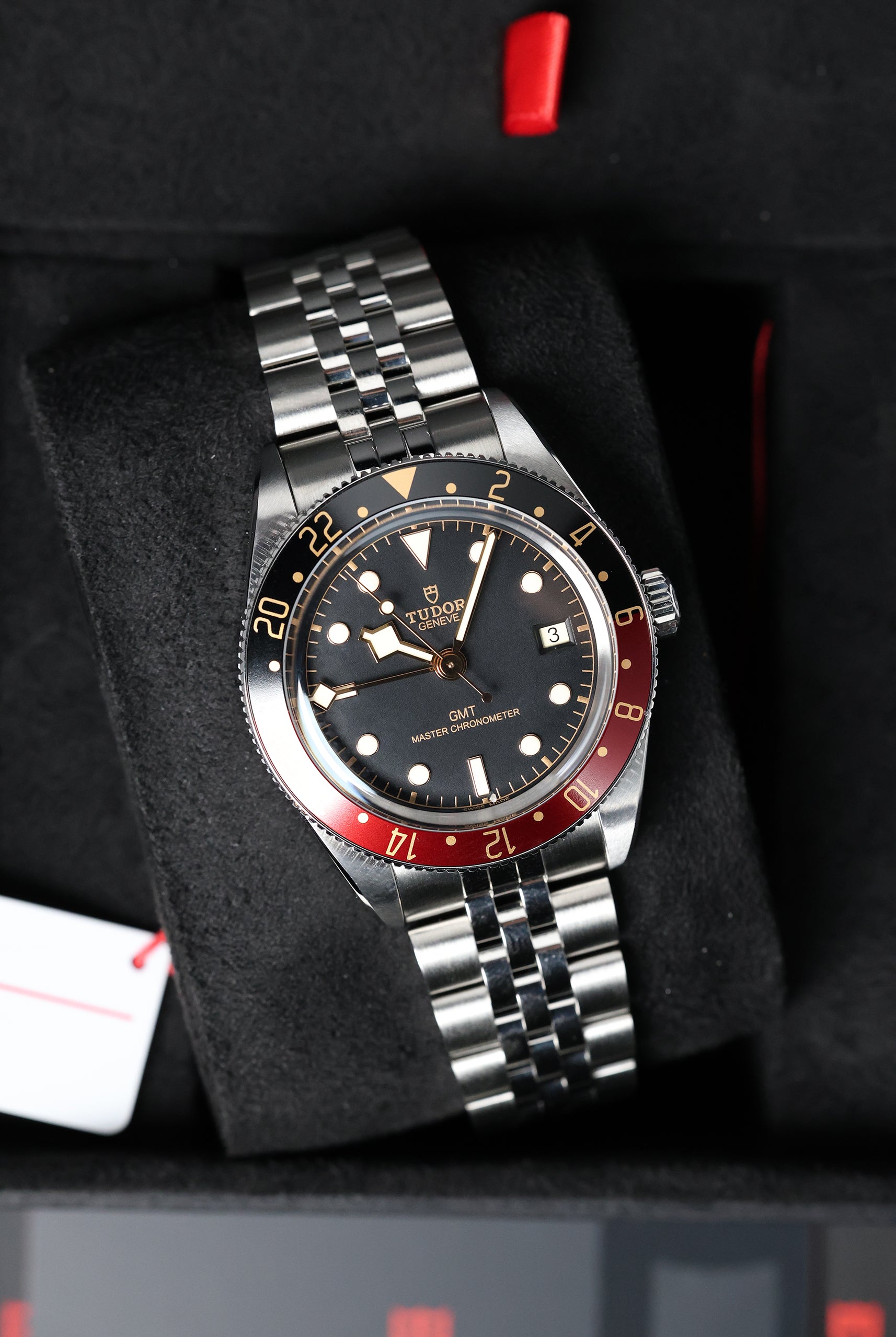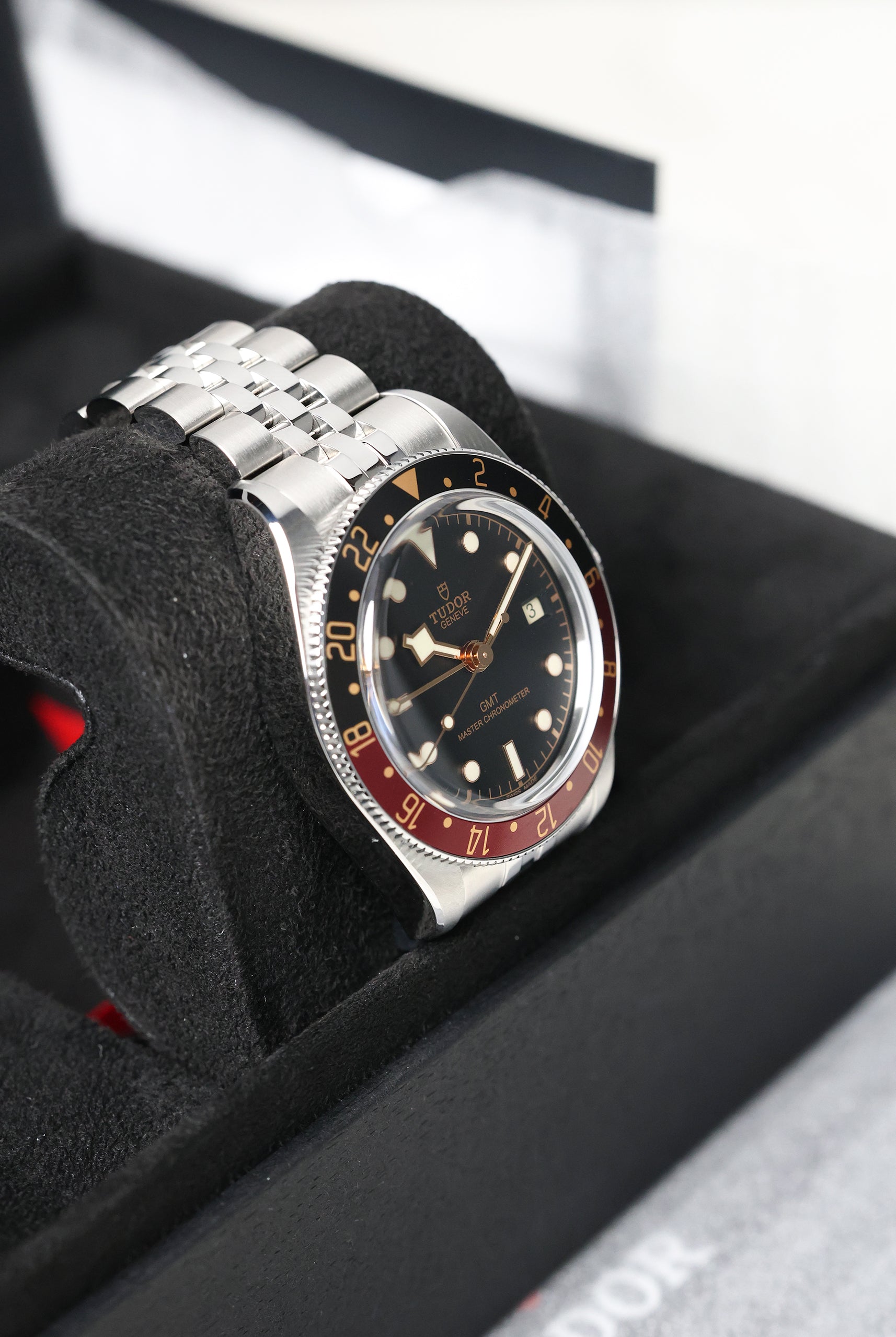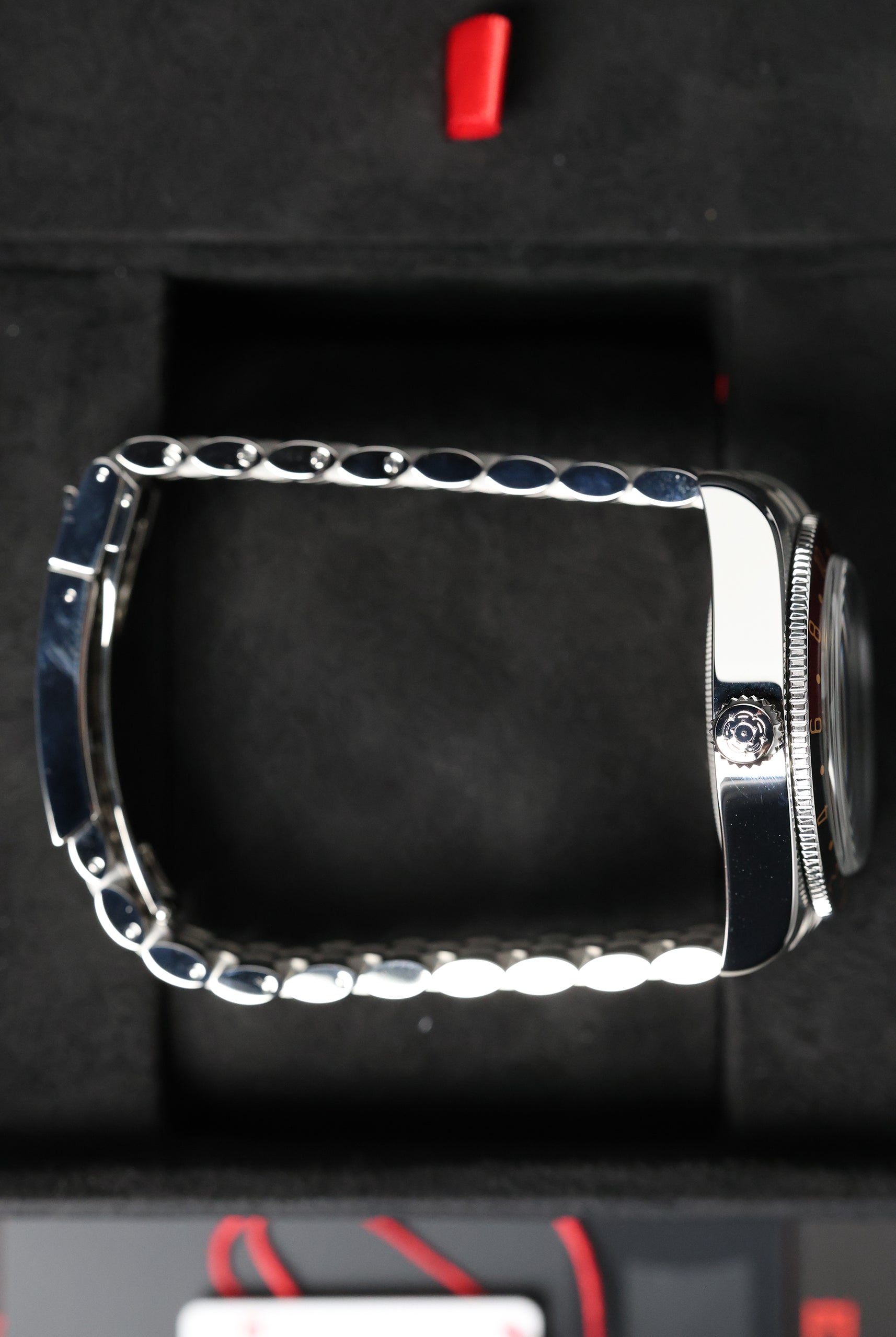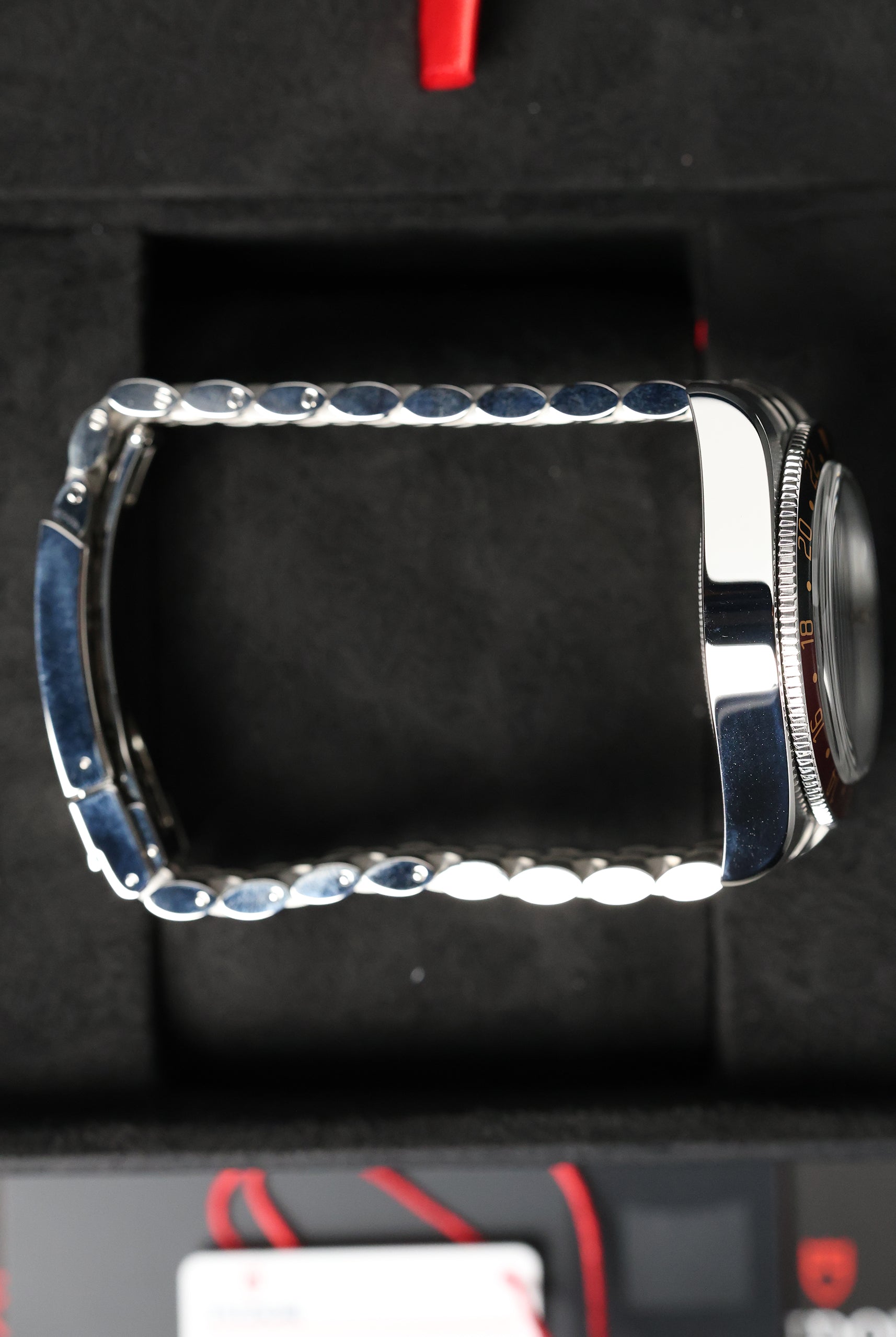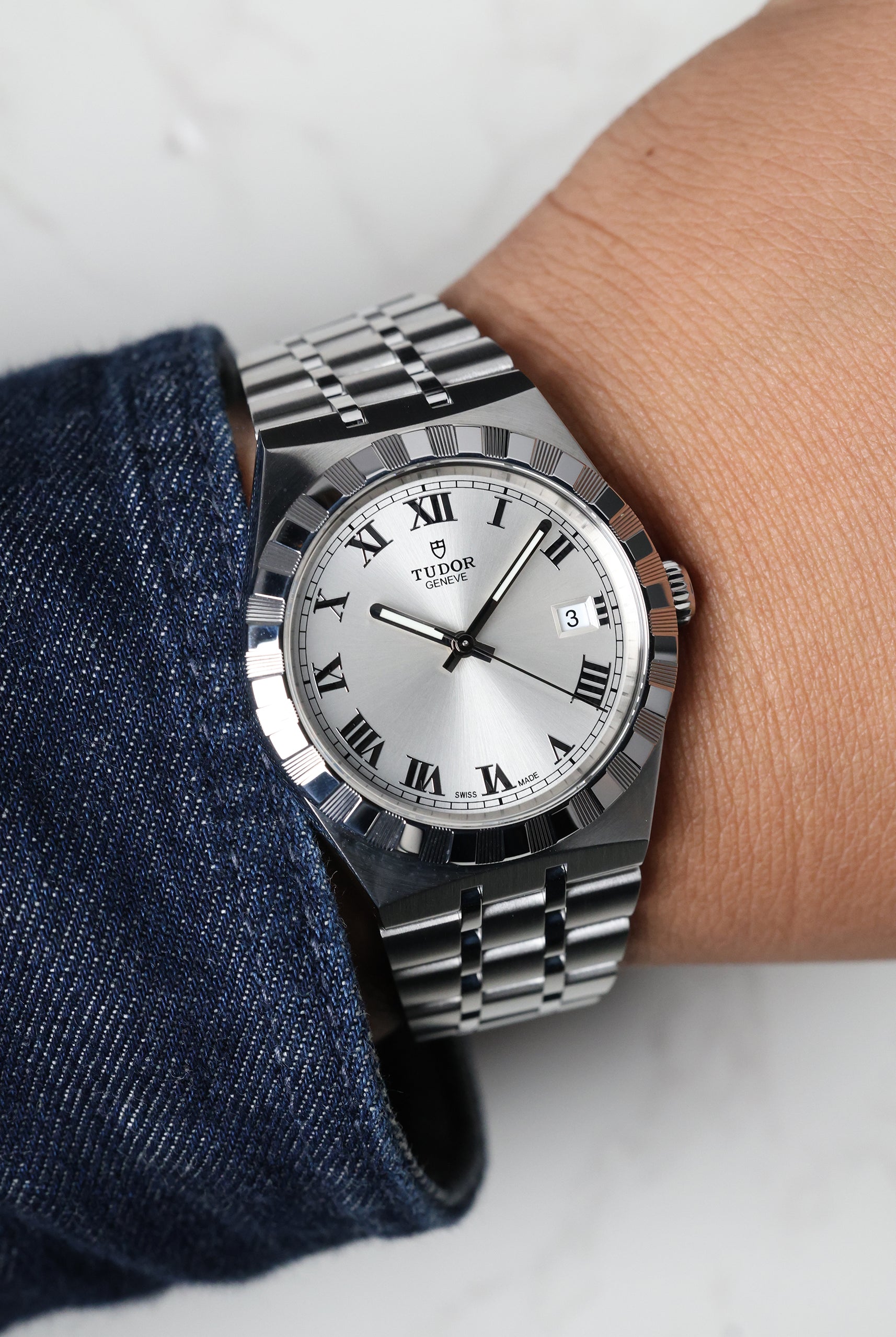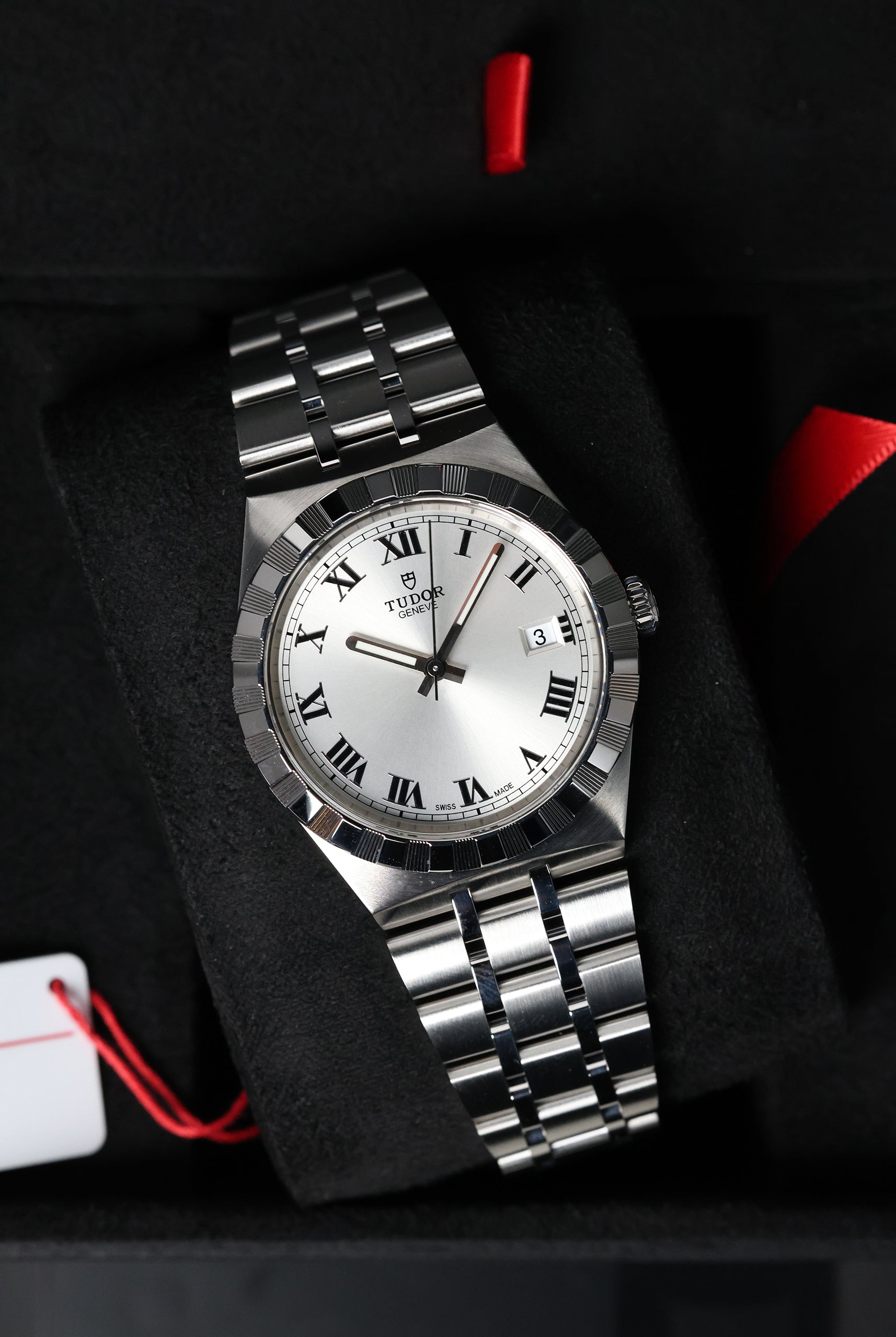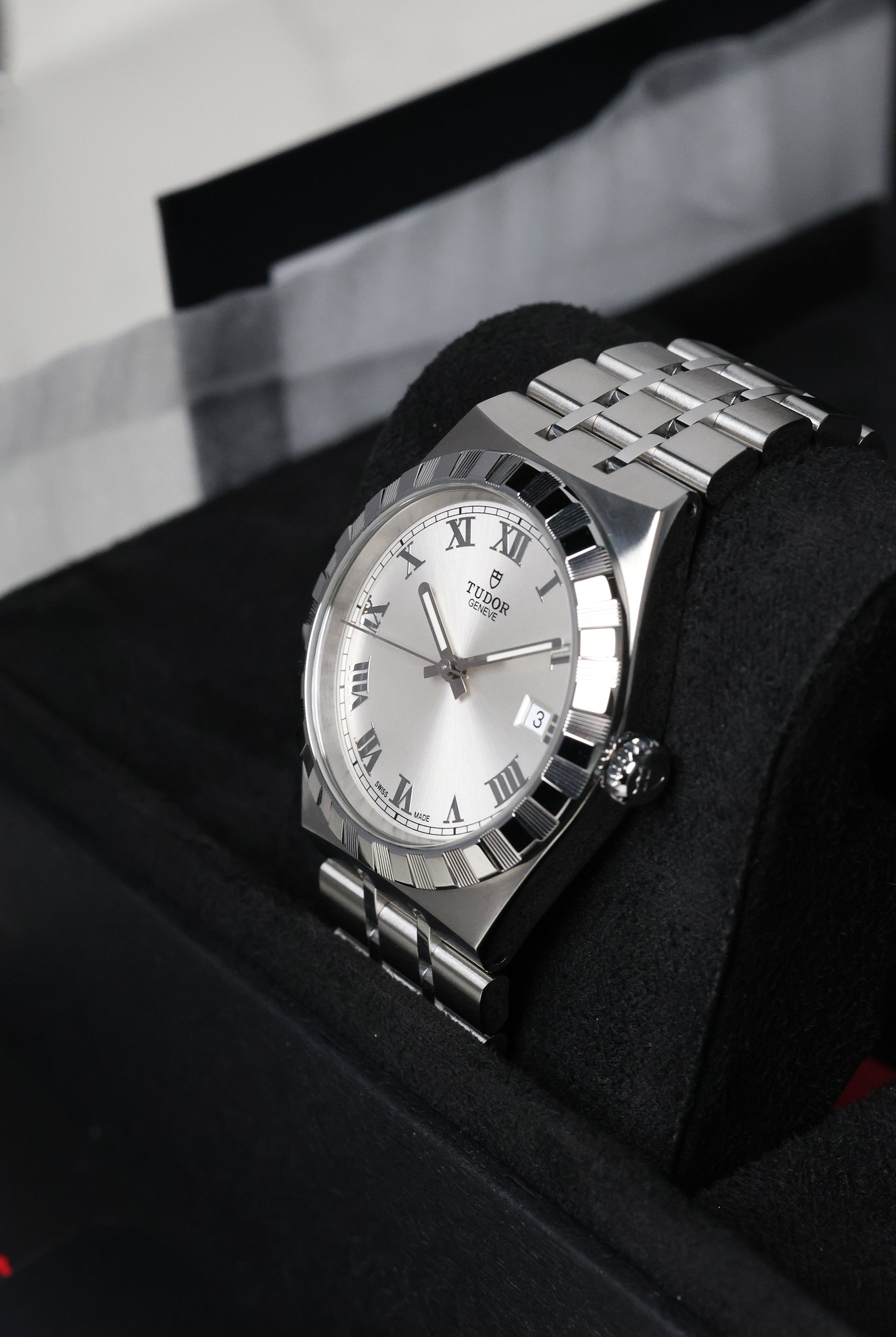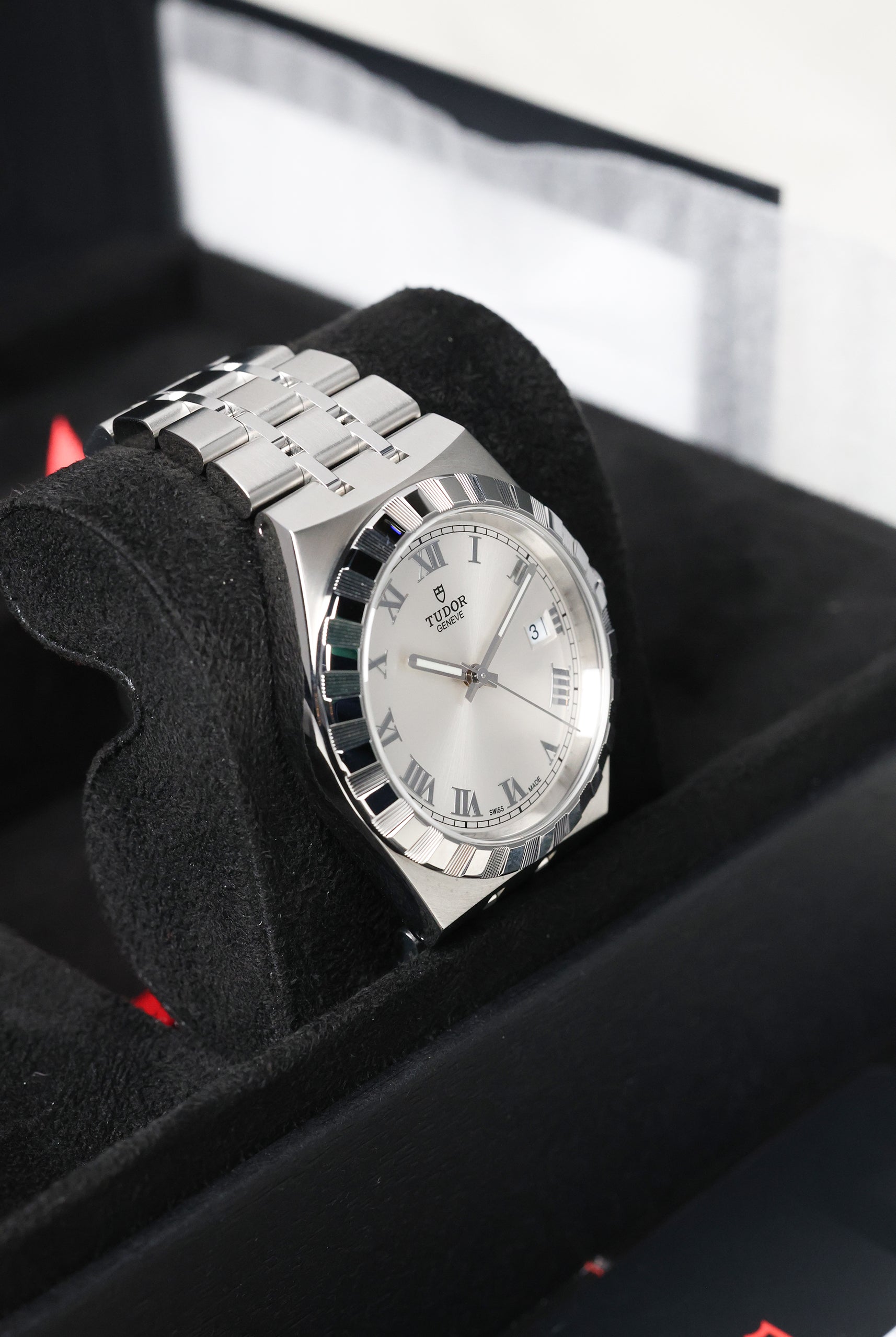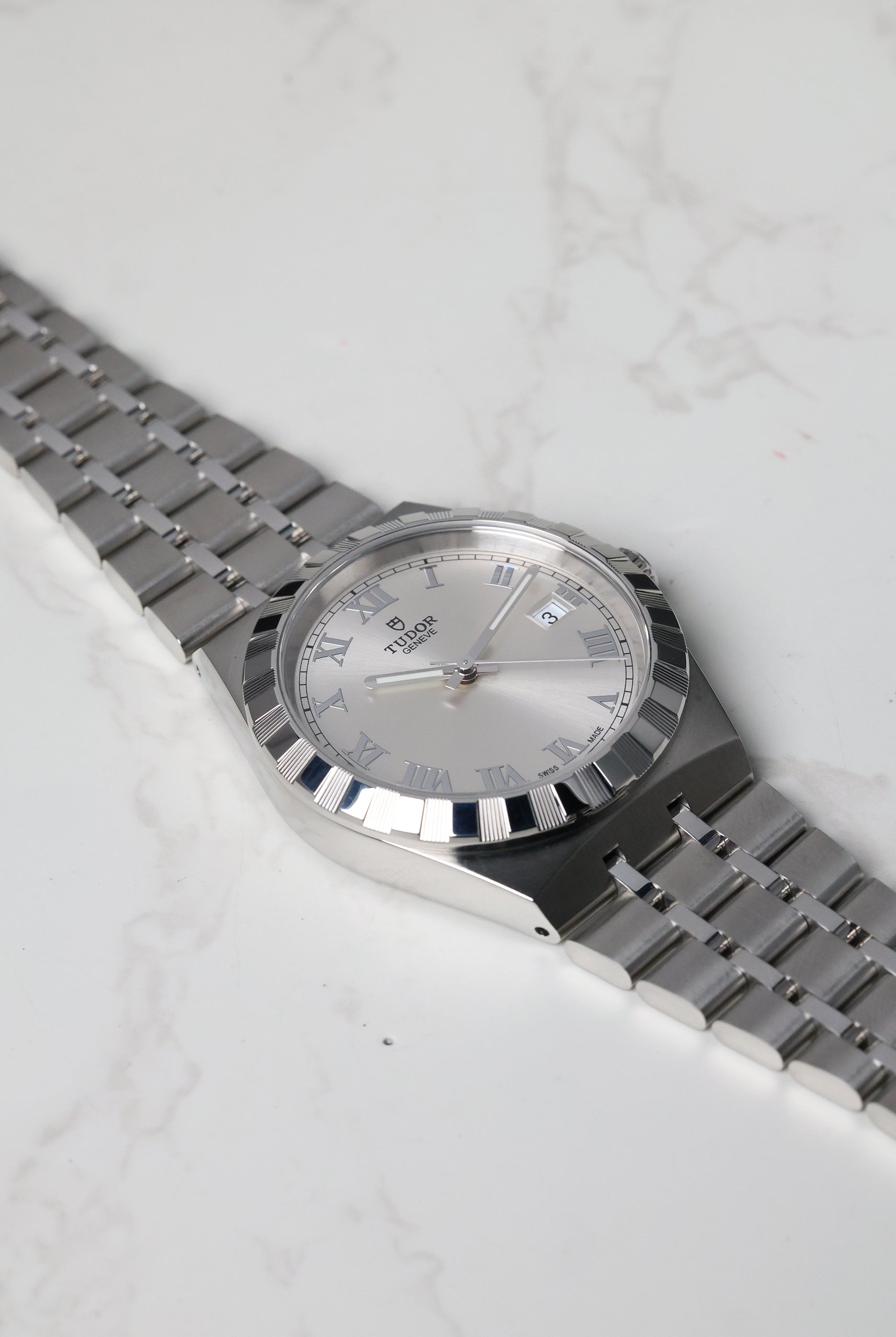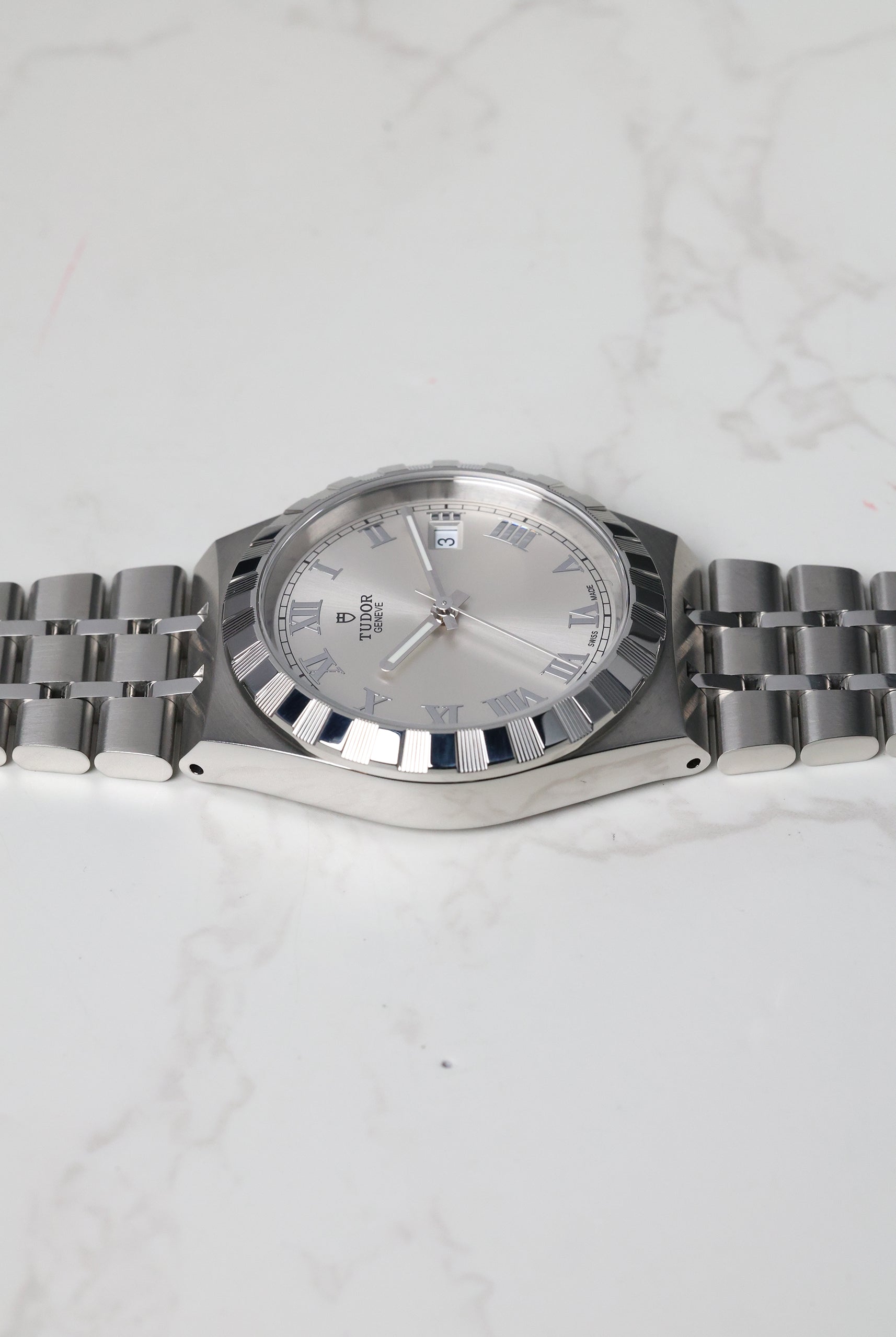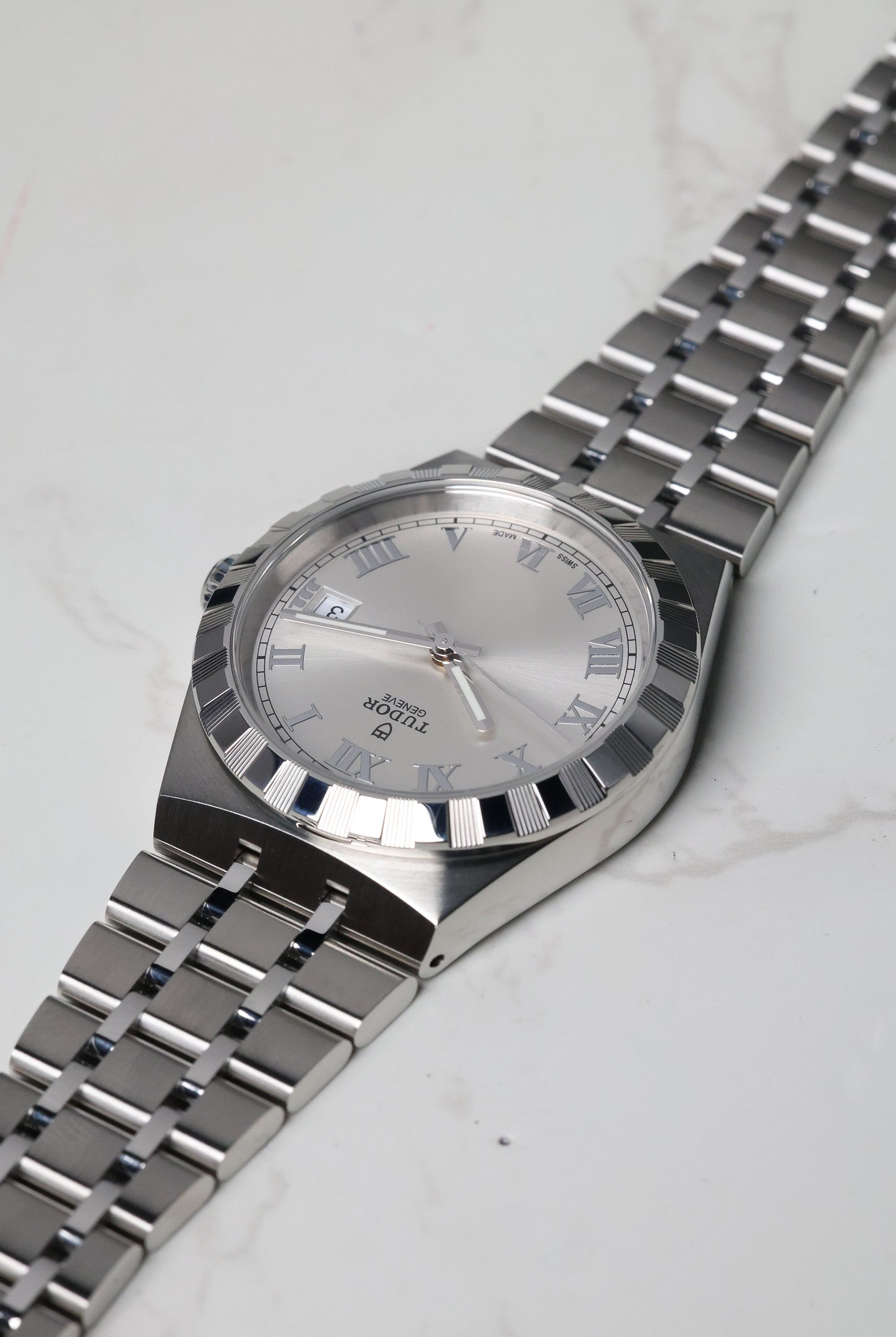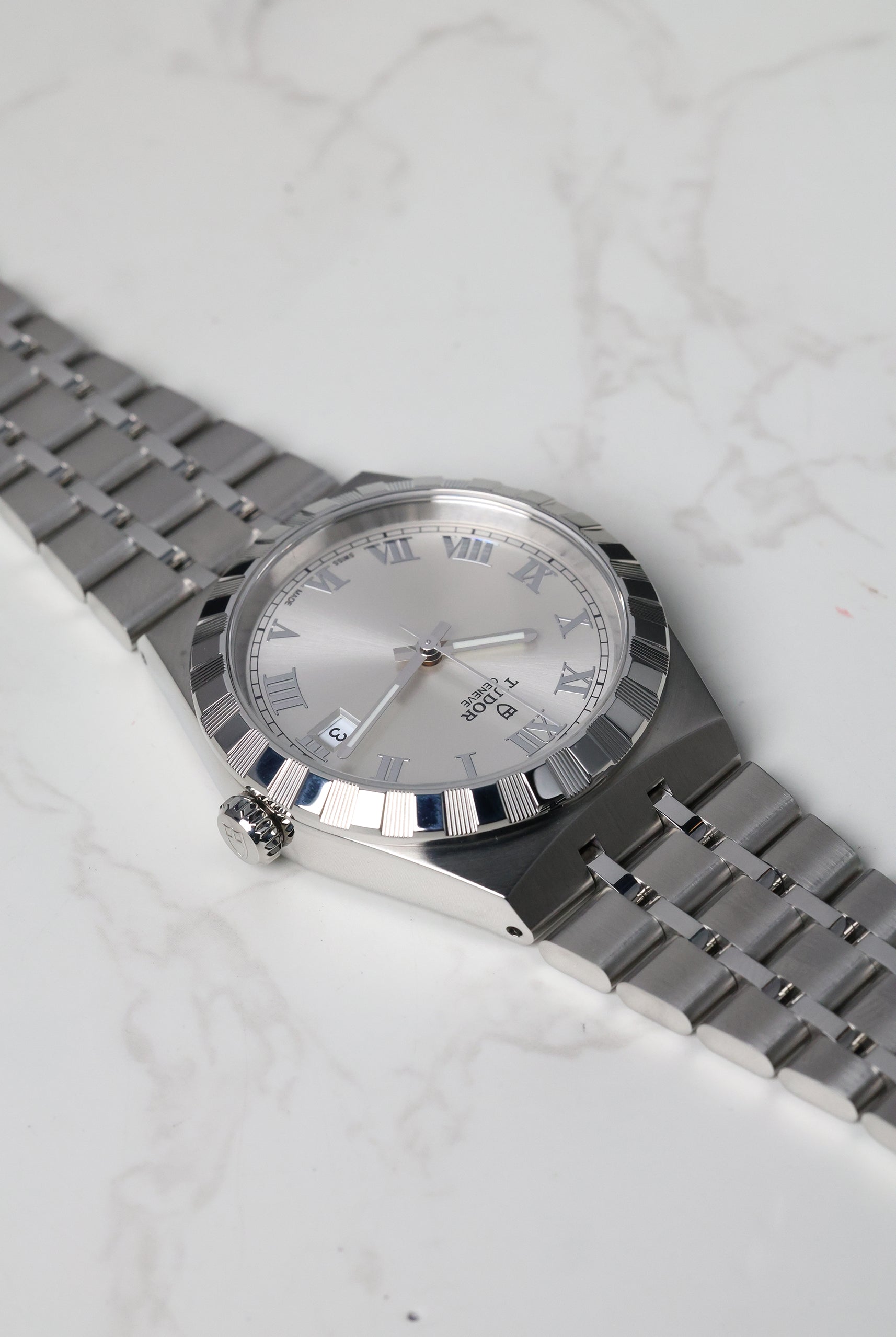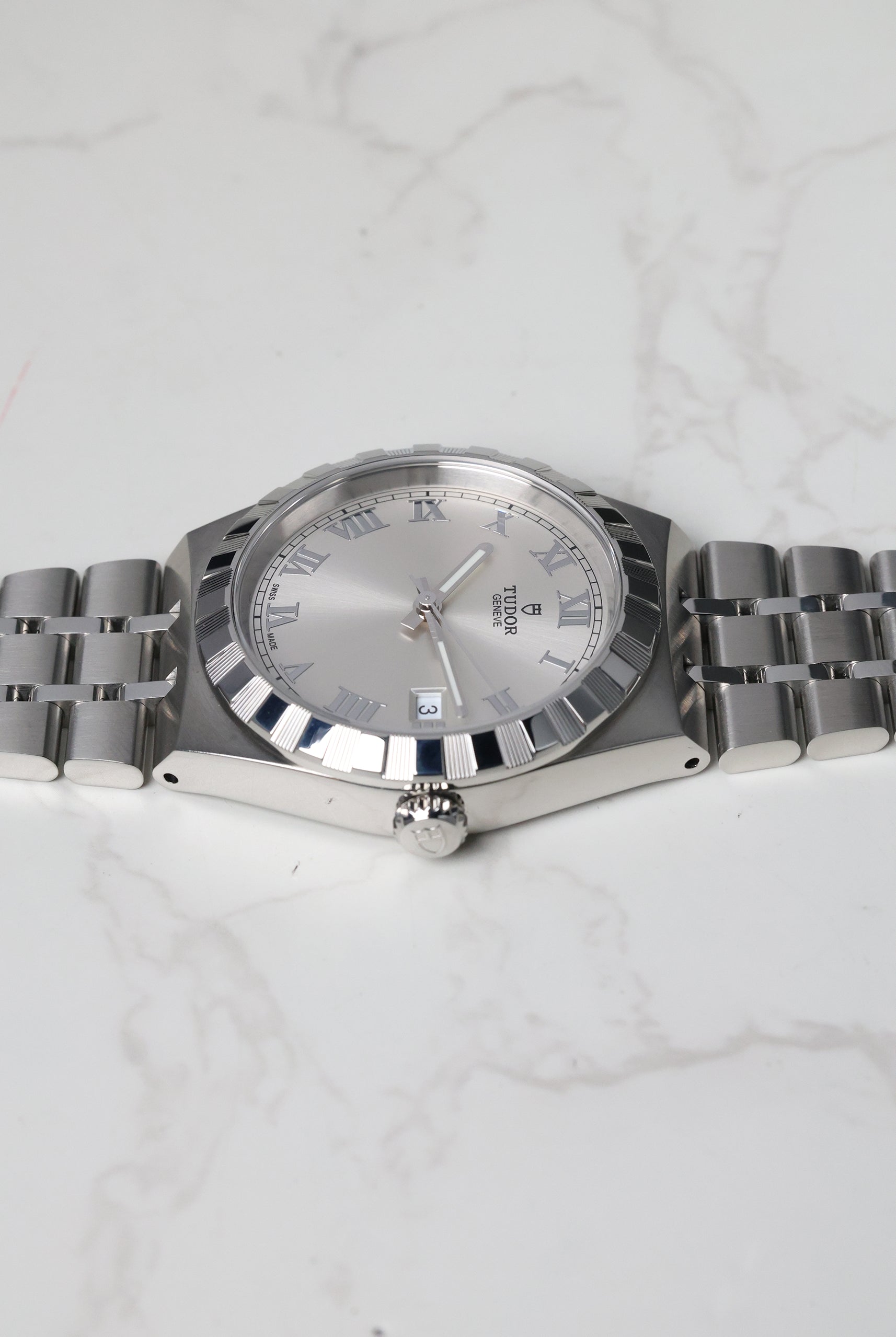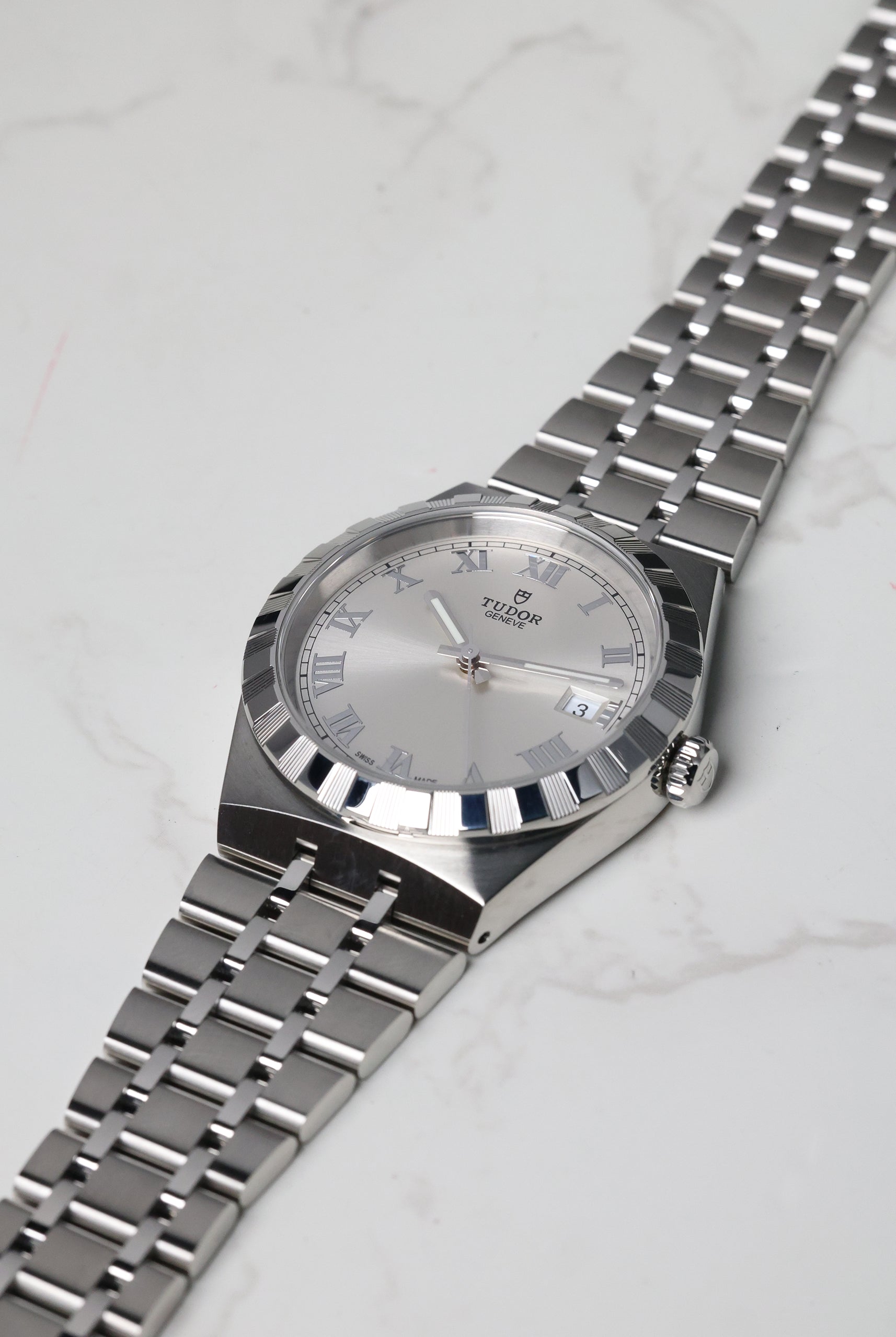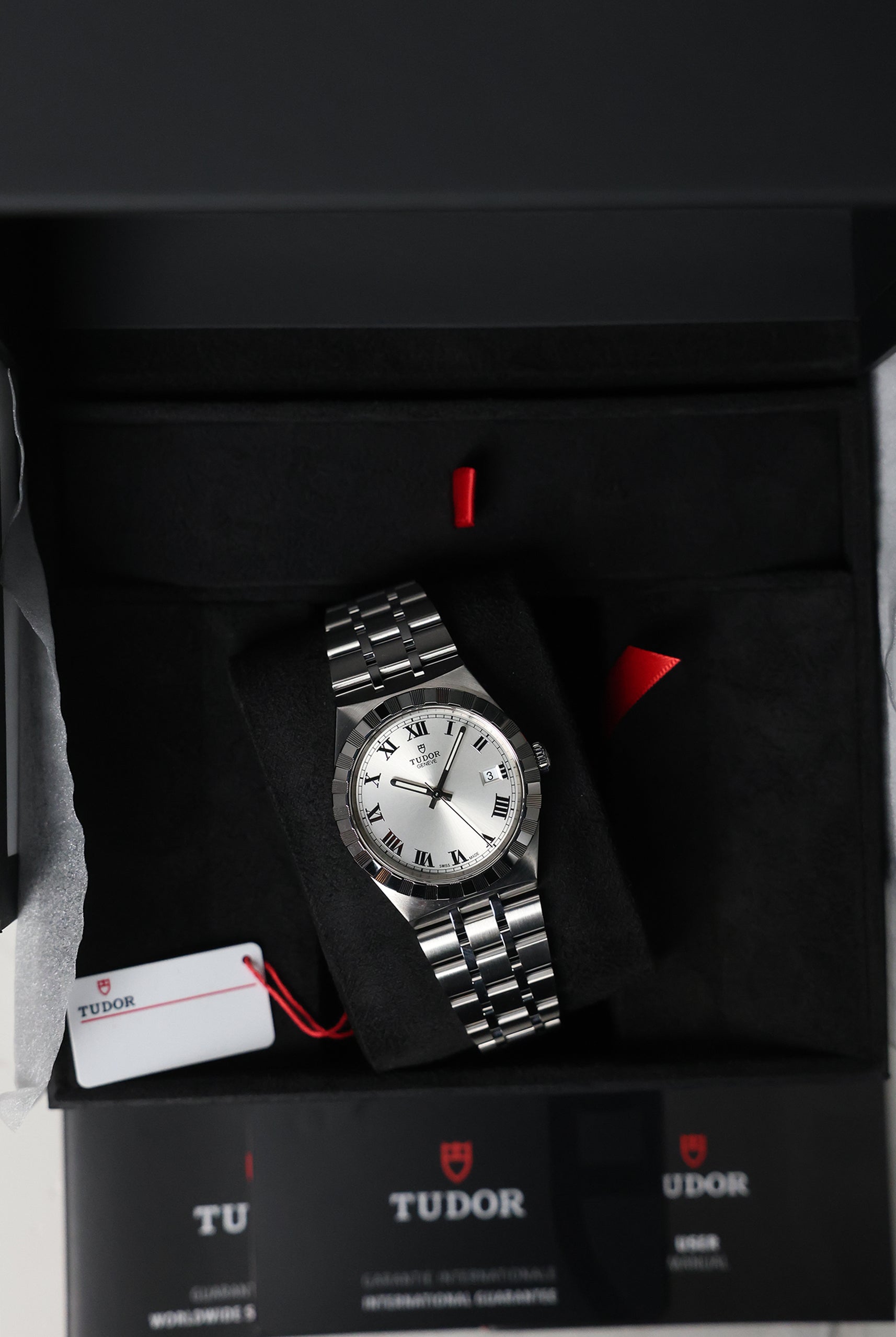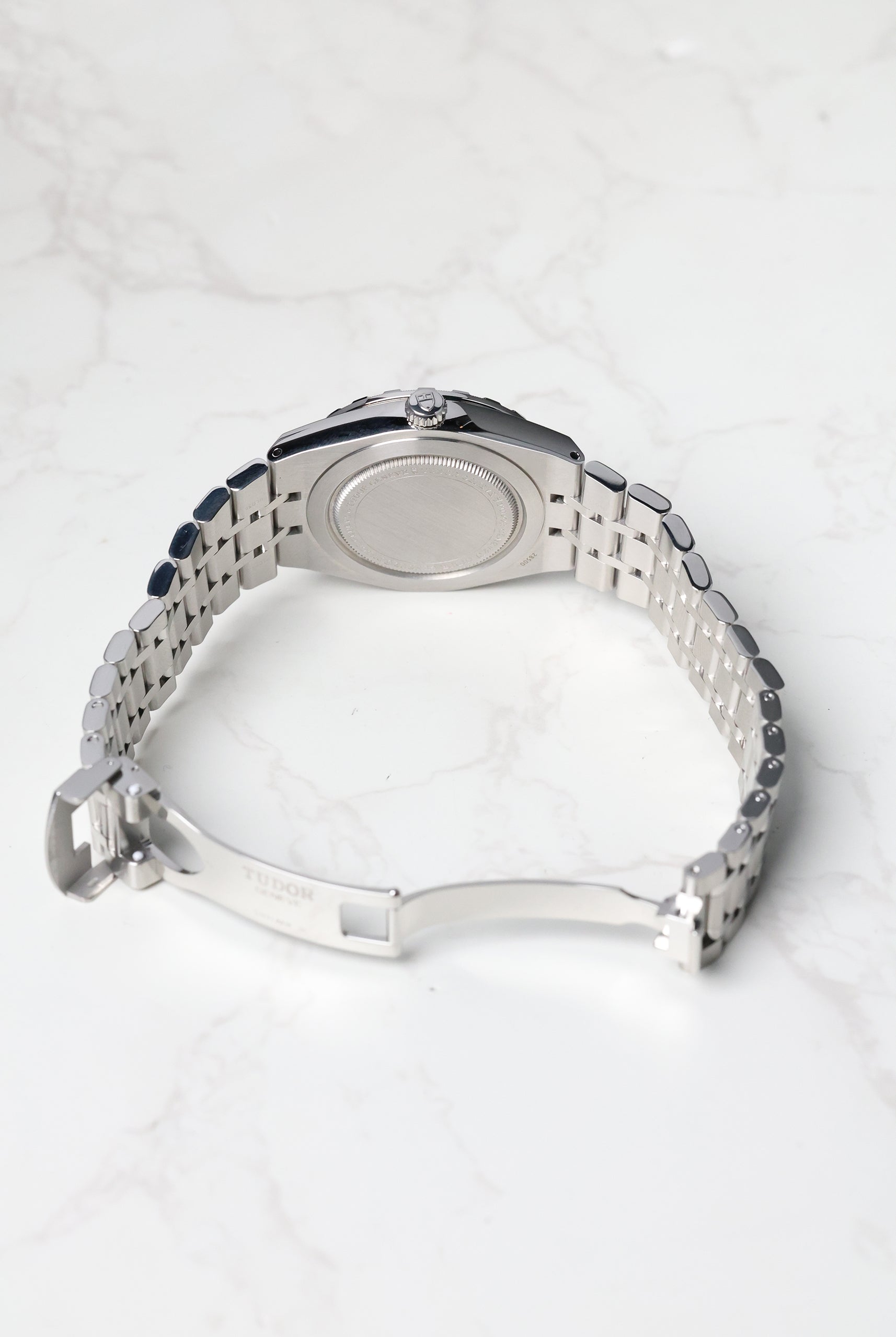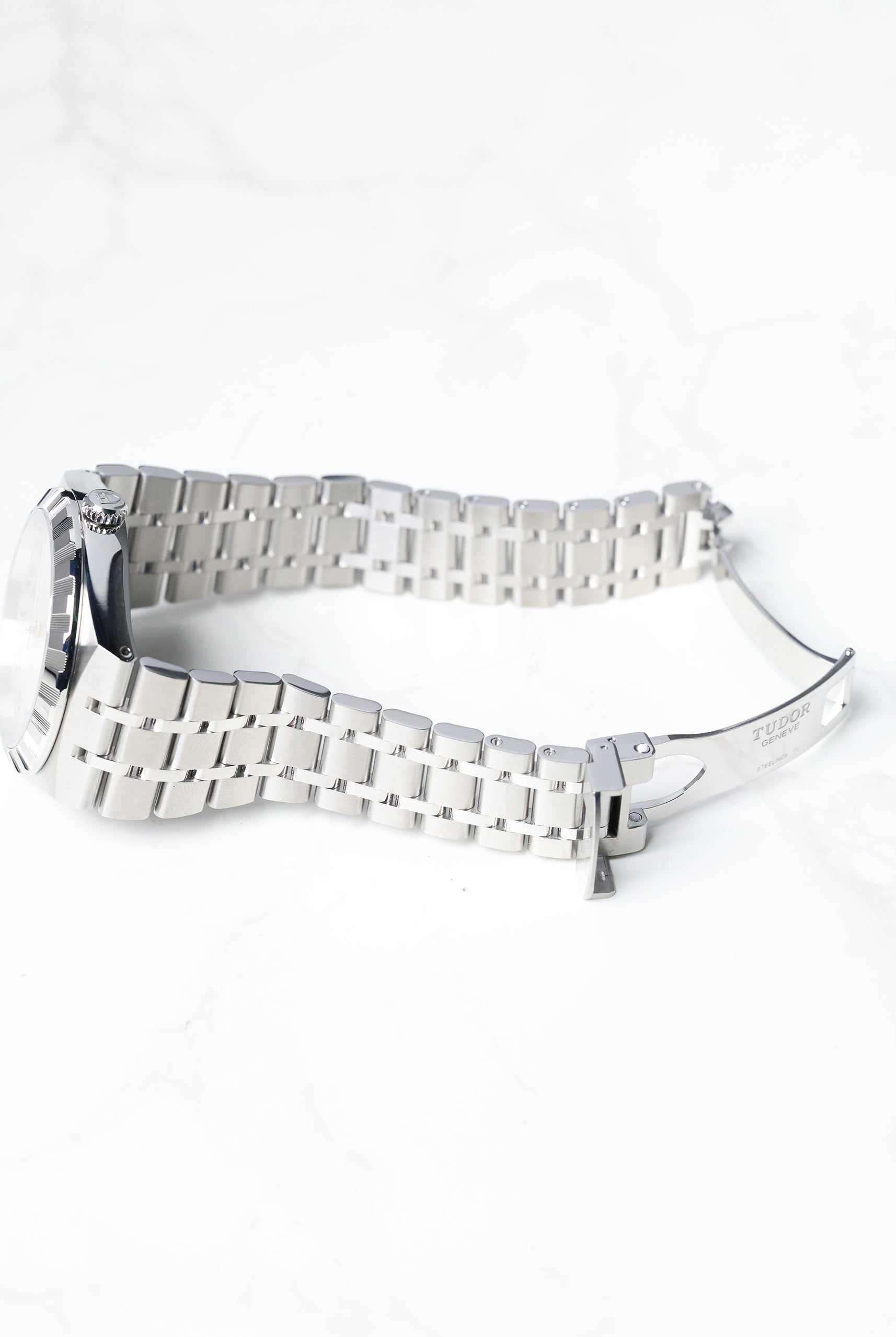

The "tool watch" label gets thrown around carelessly.
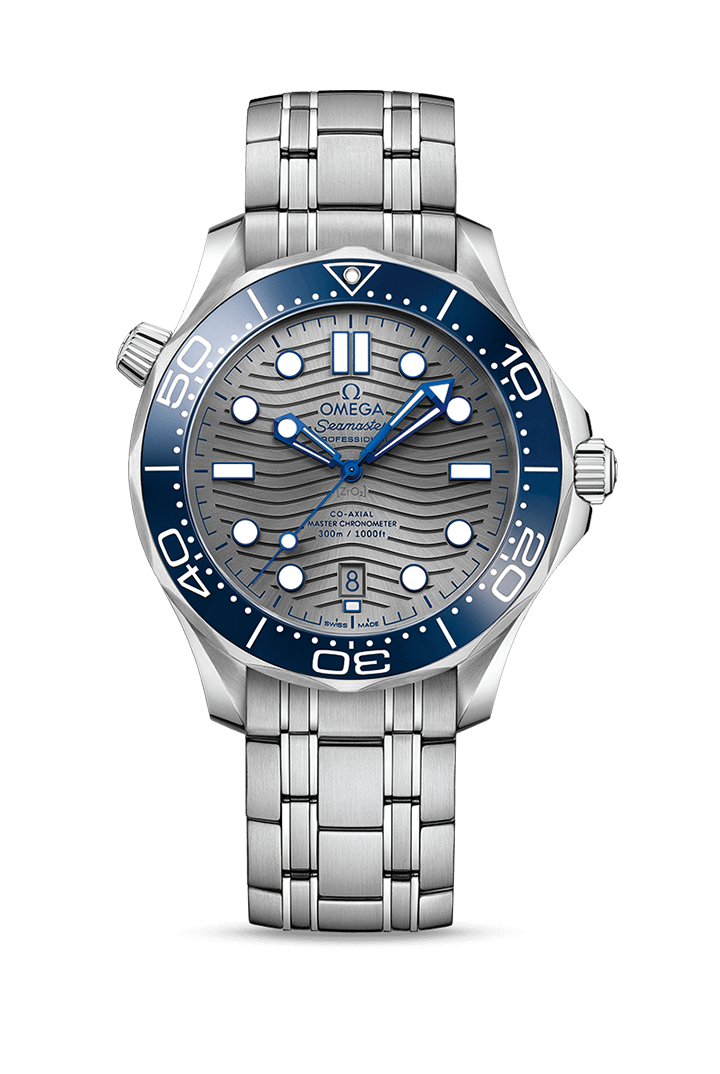
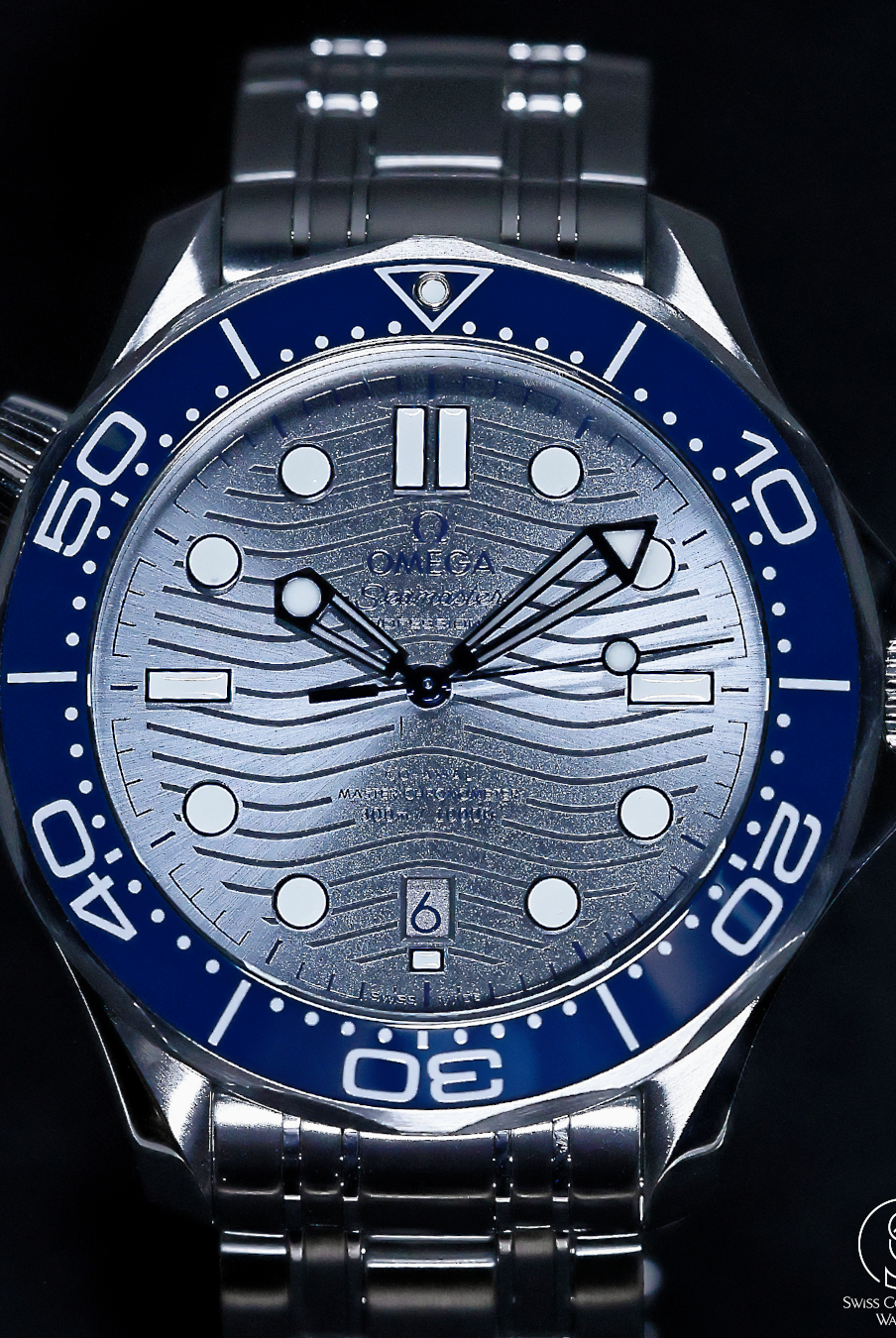
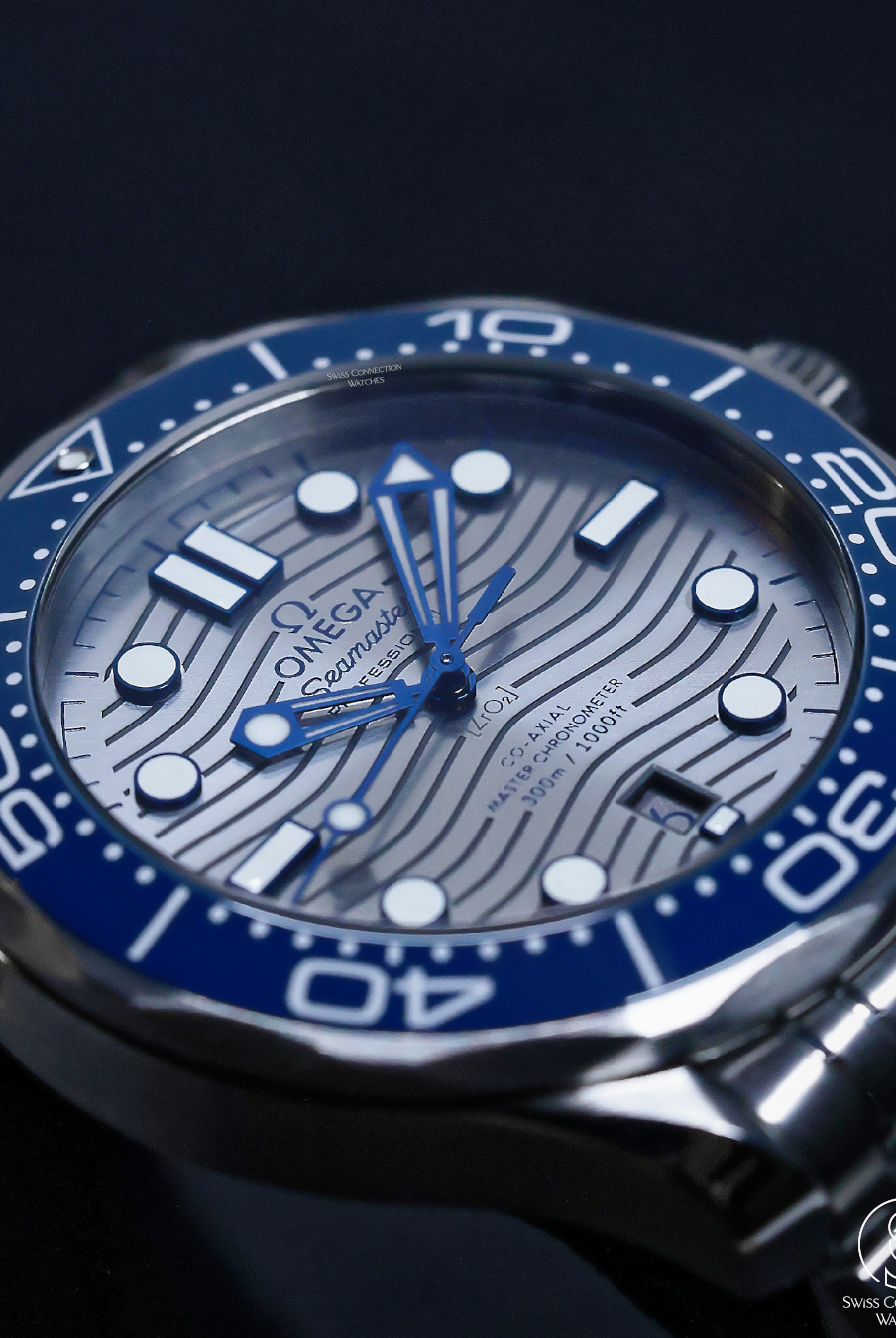
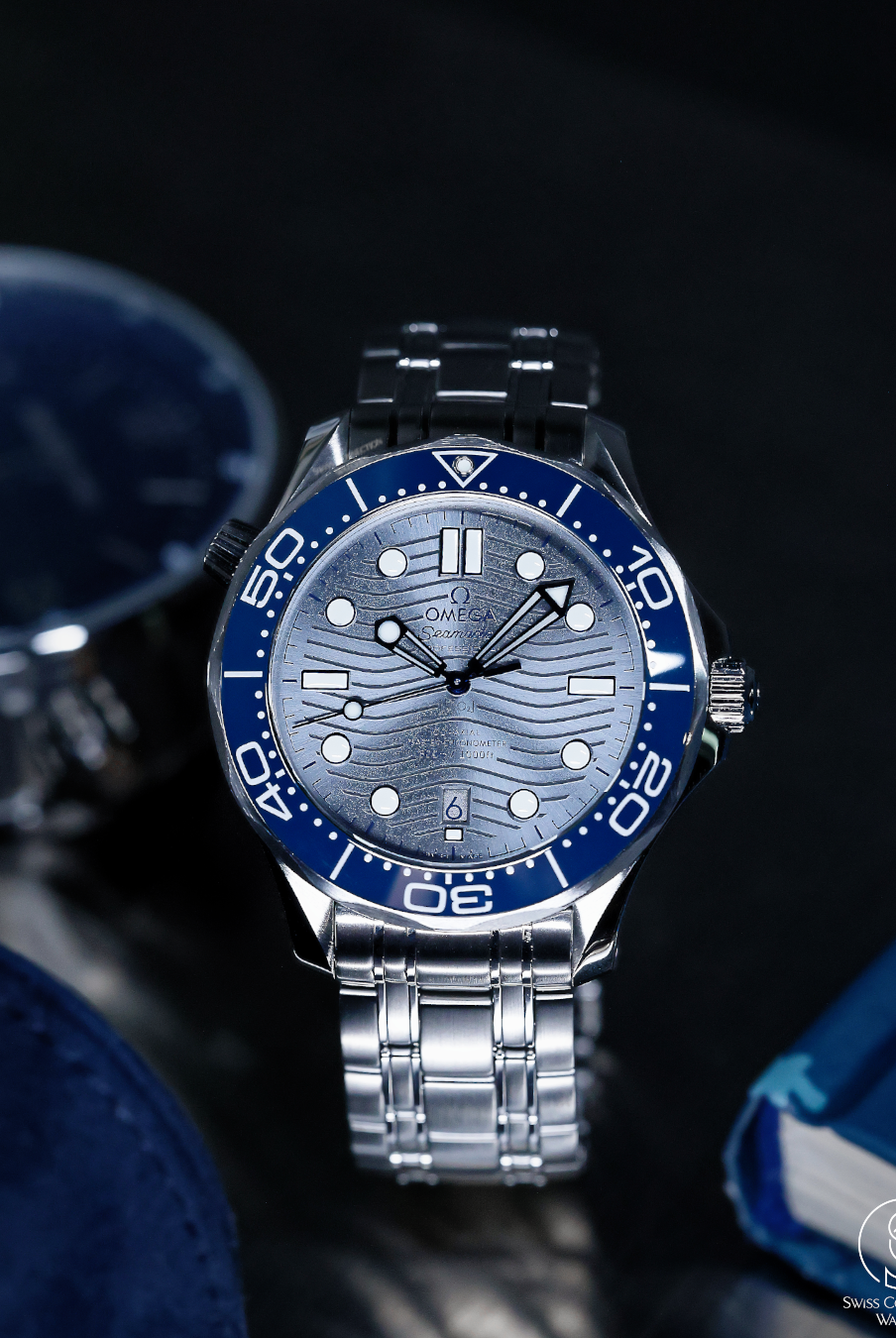
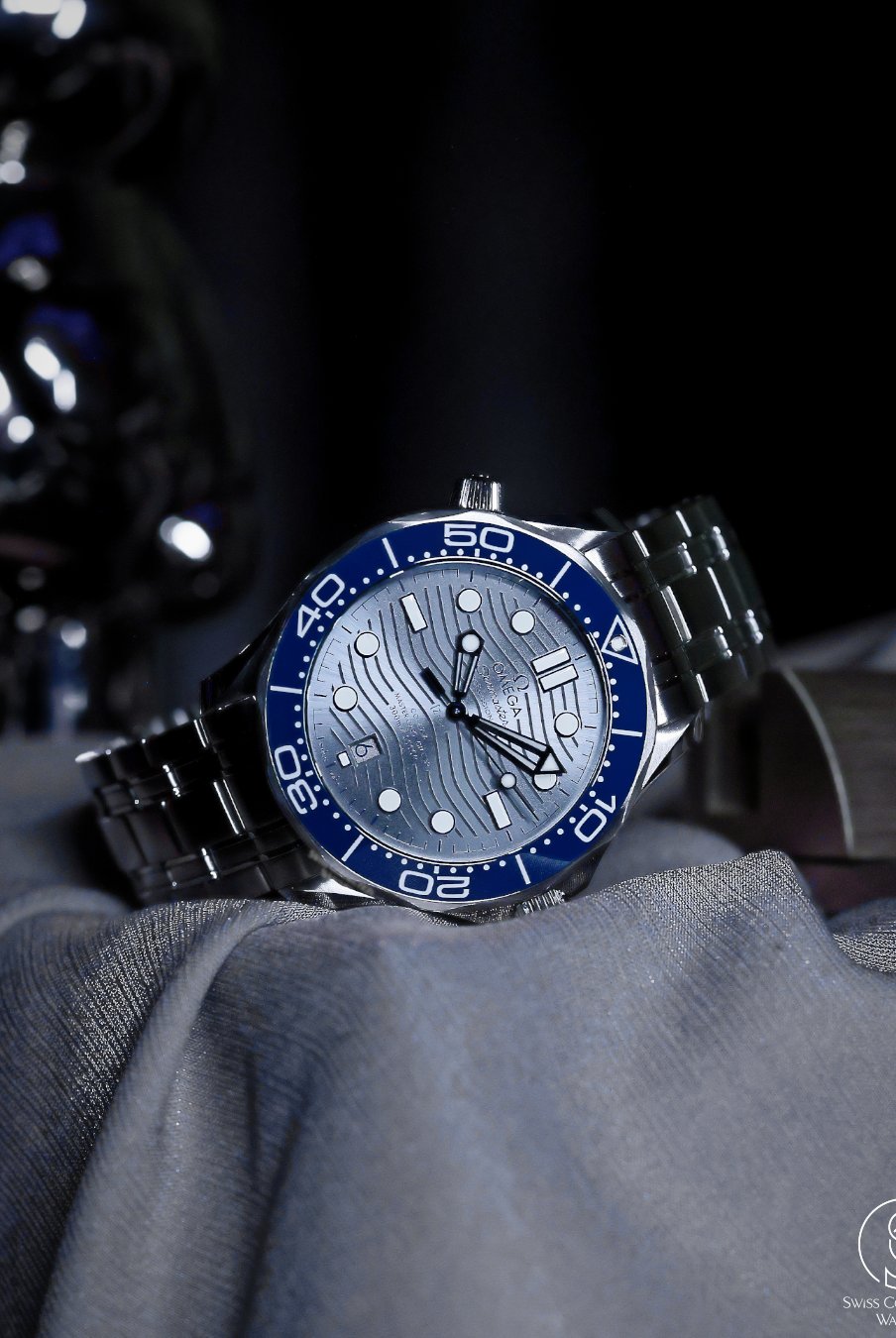
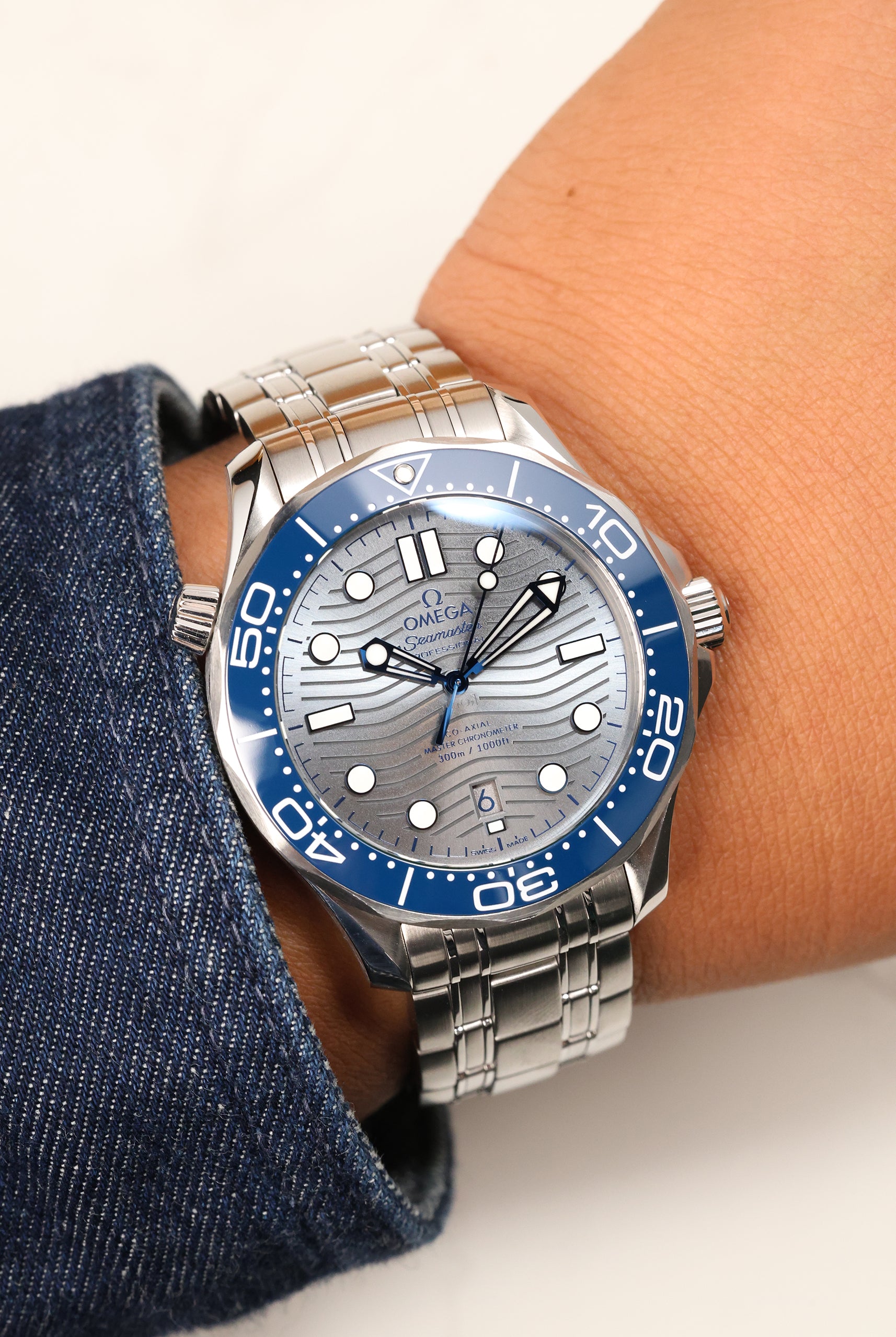
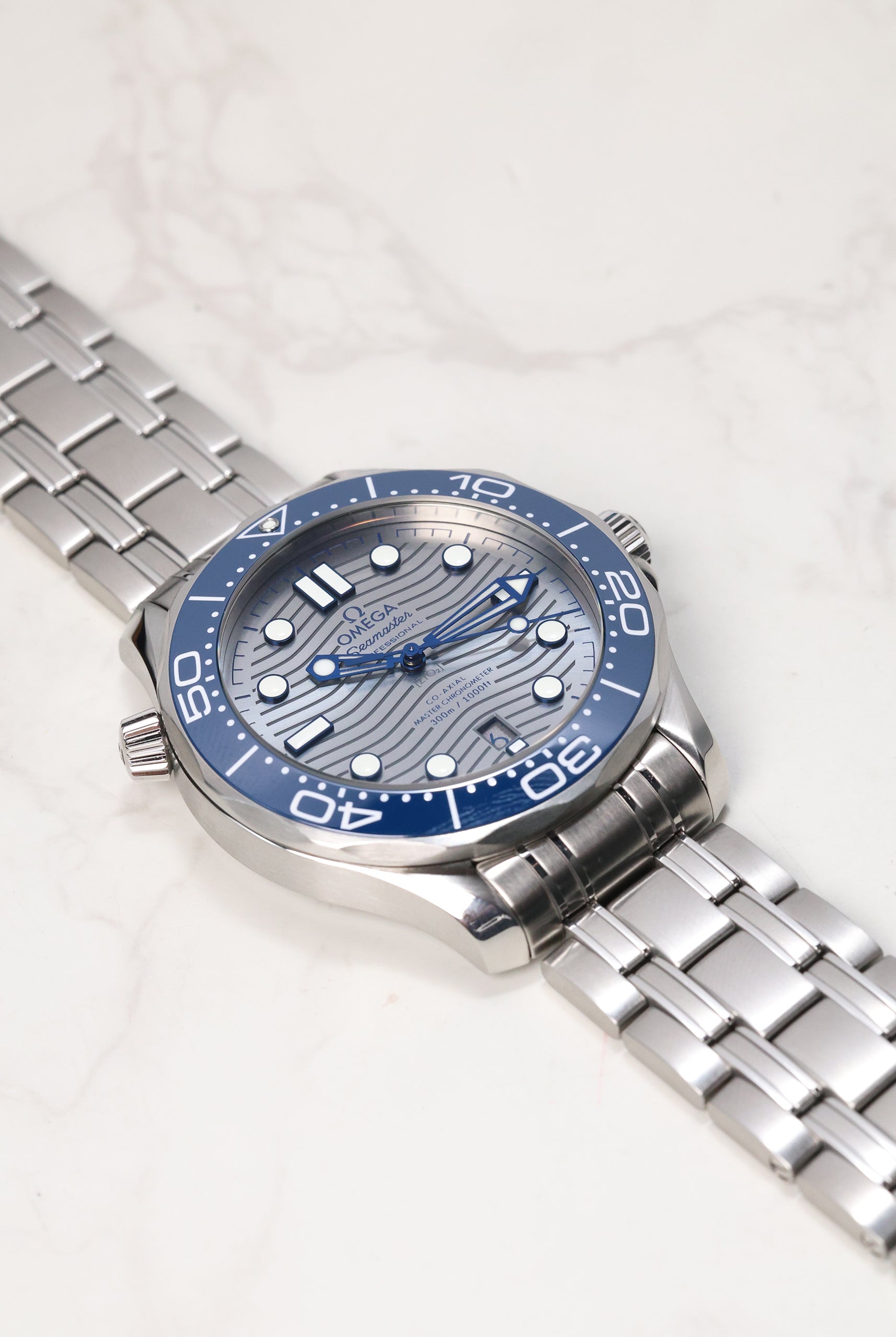
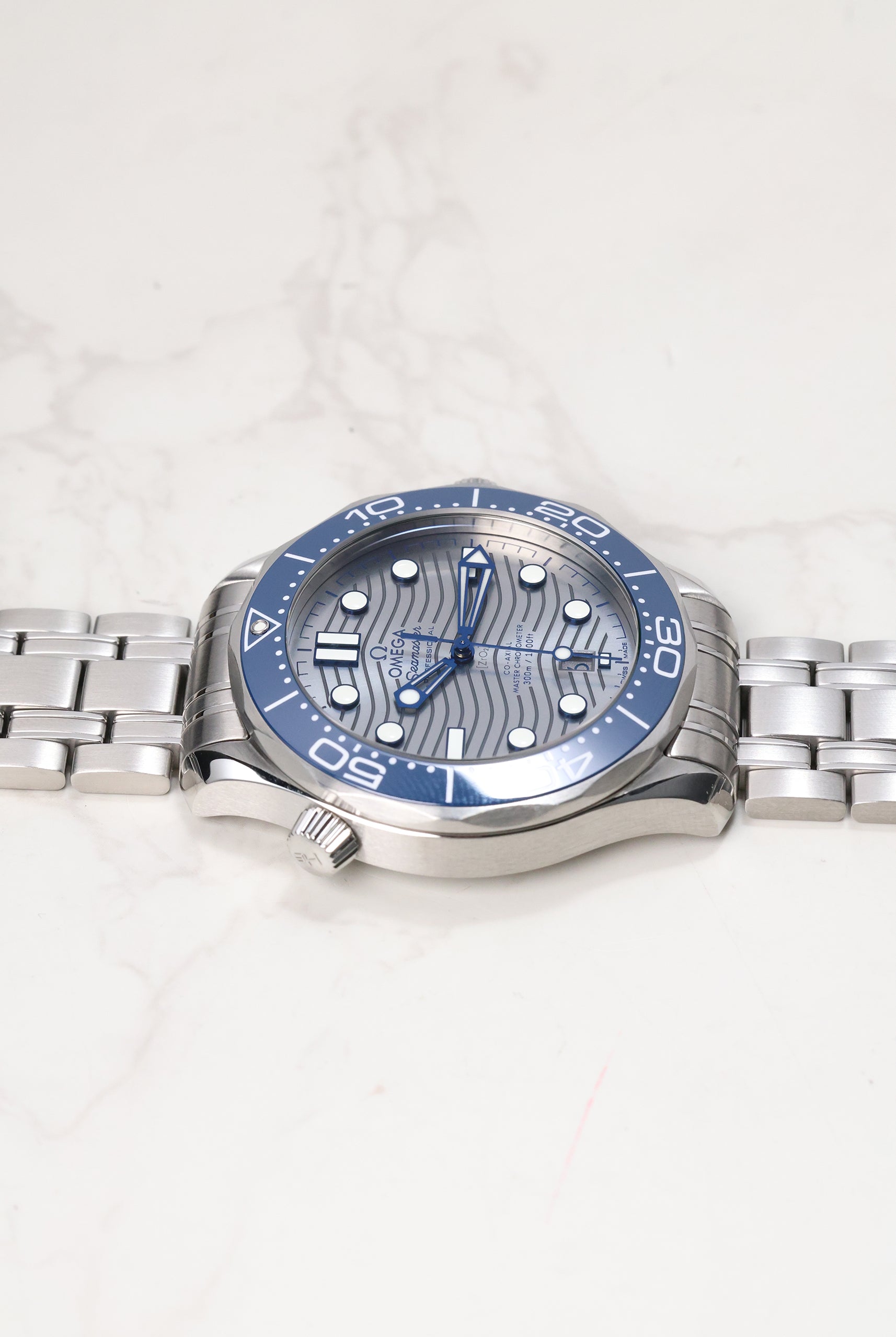
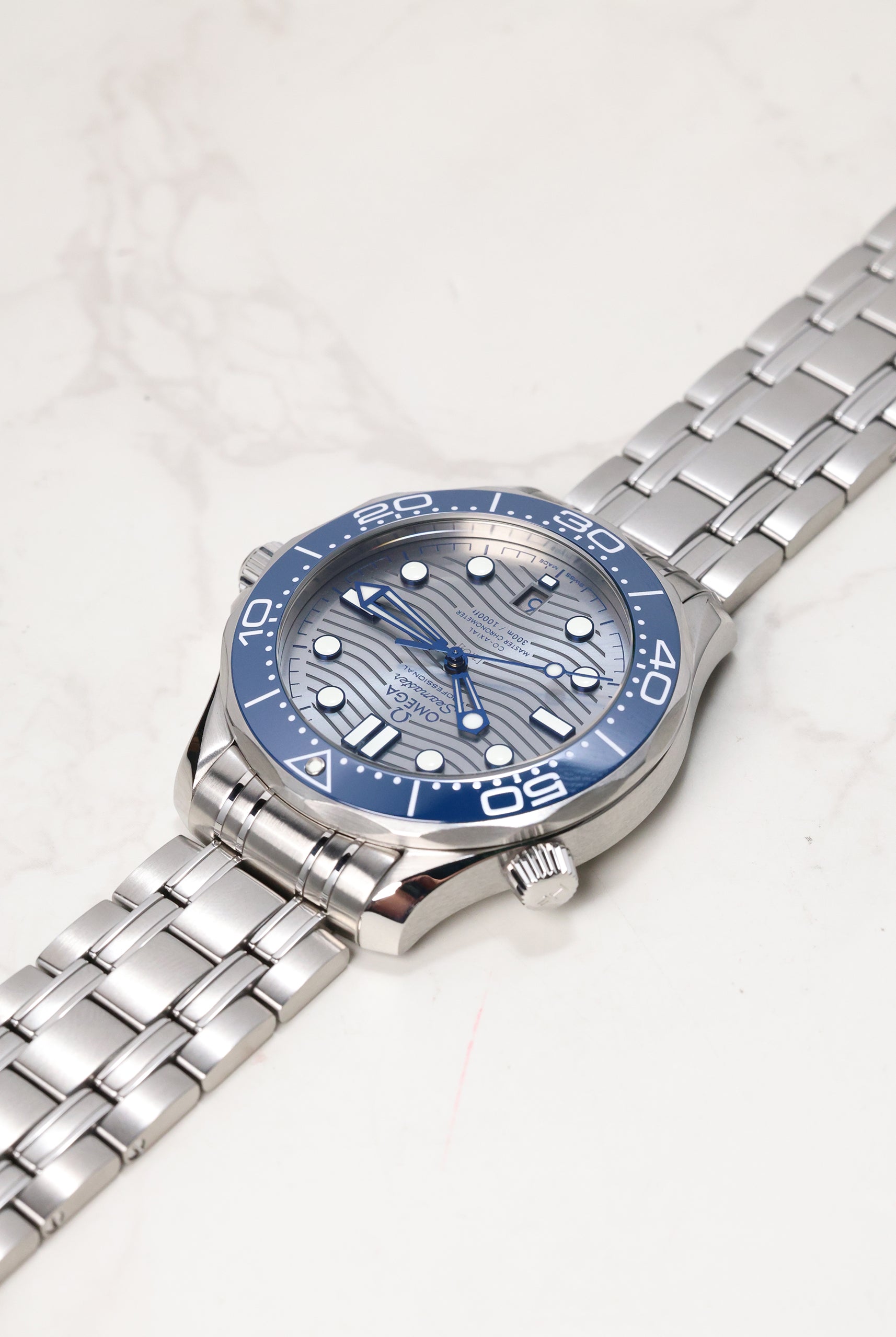
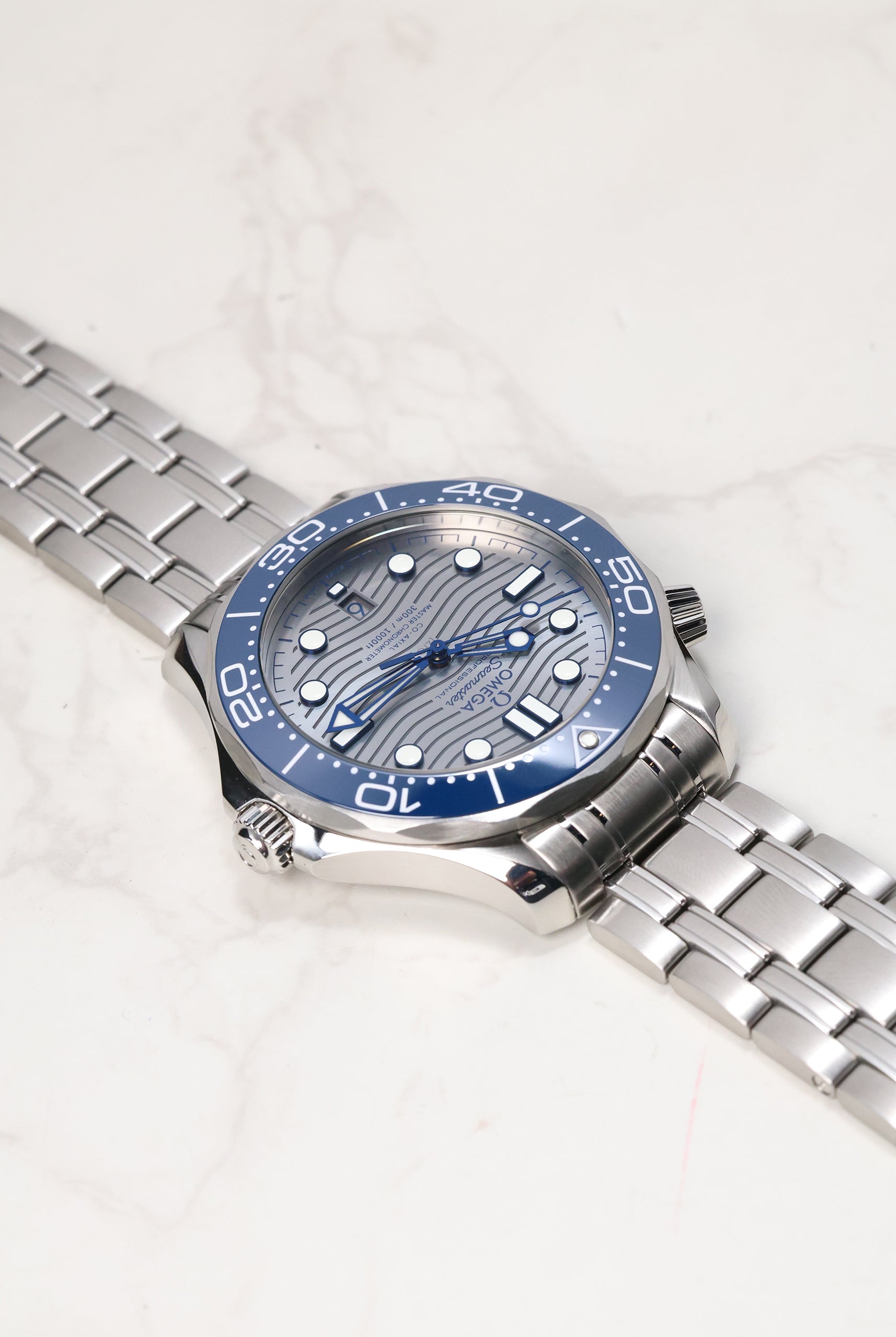
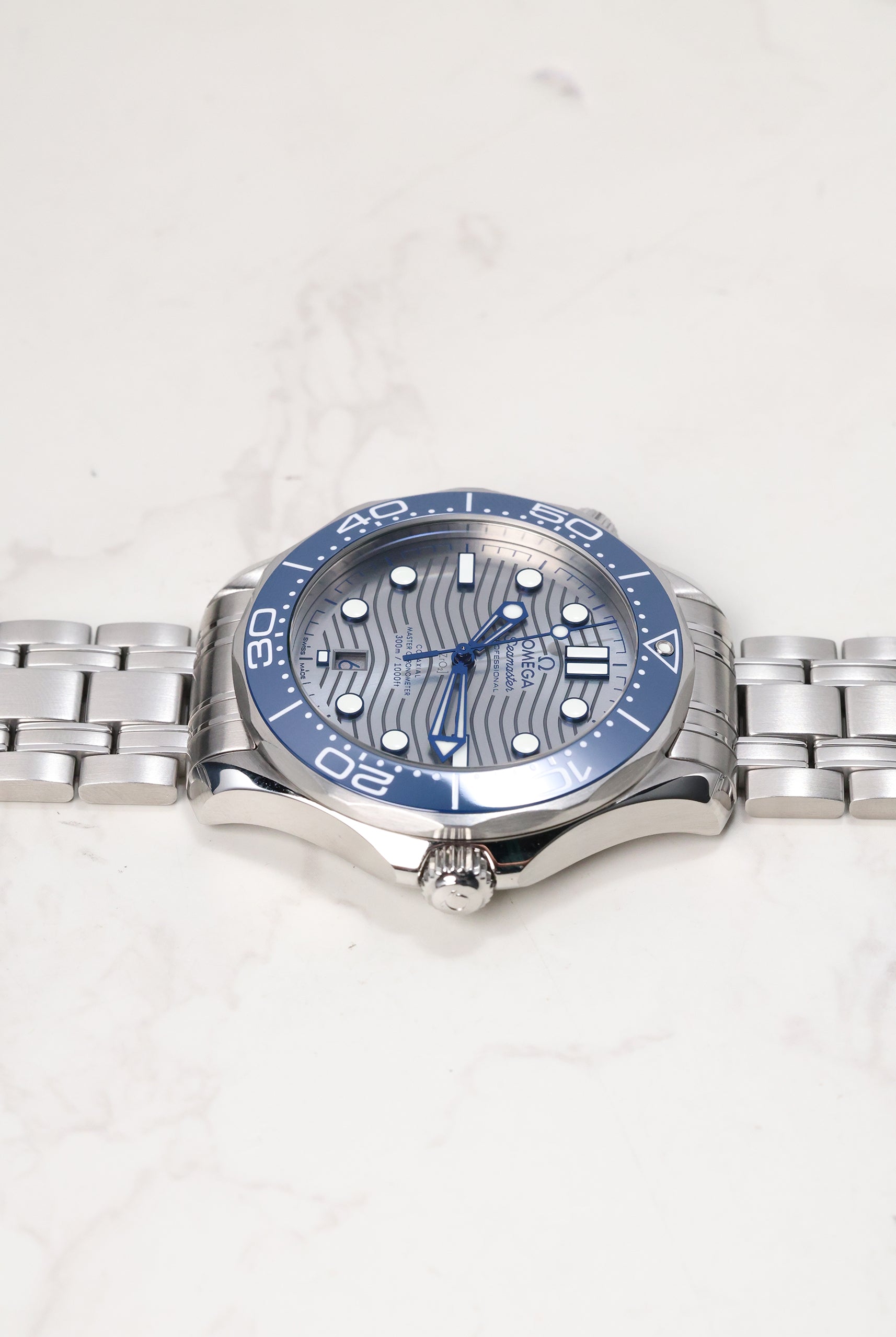
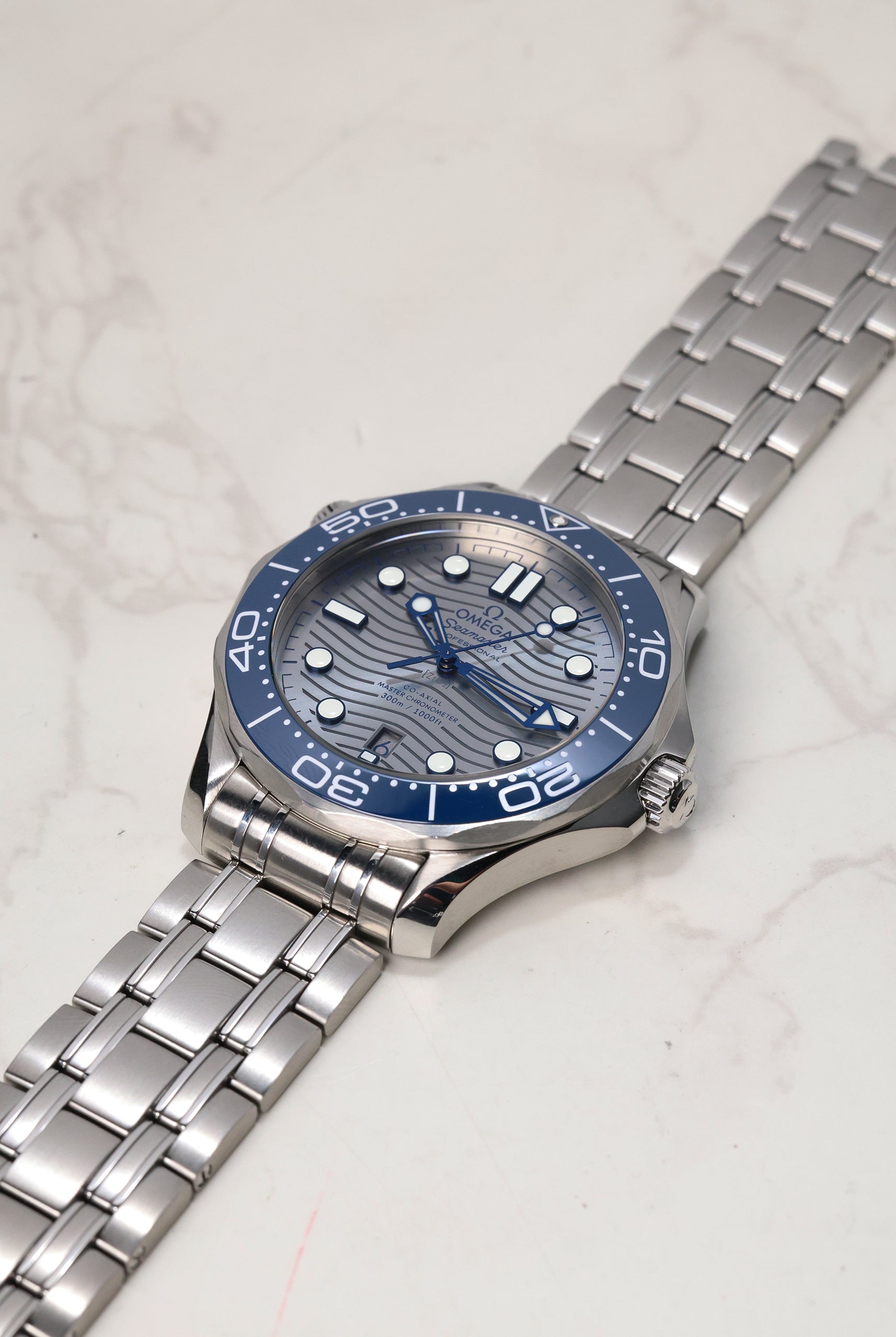
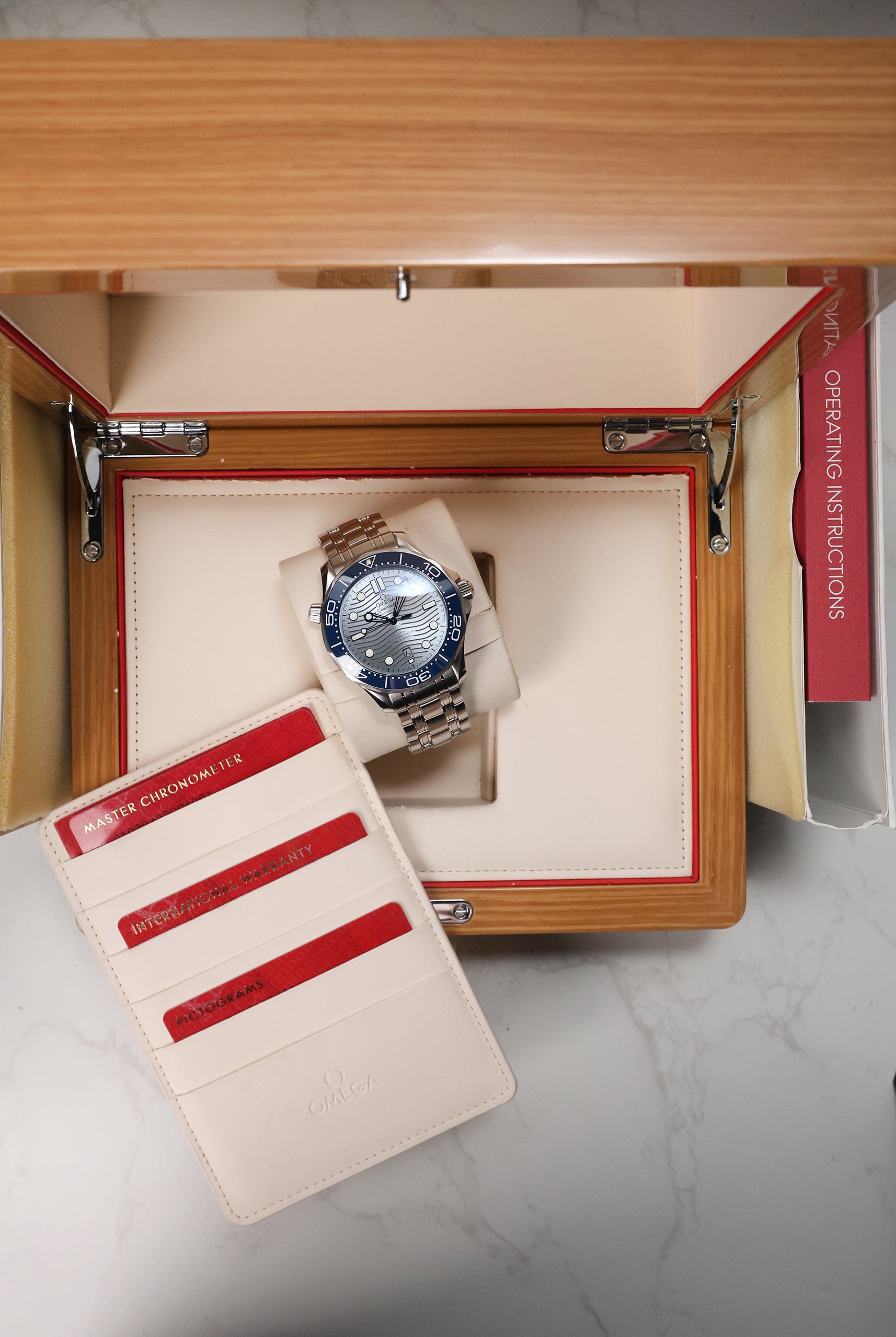
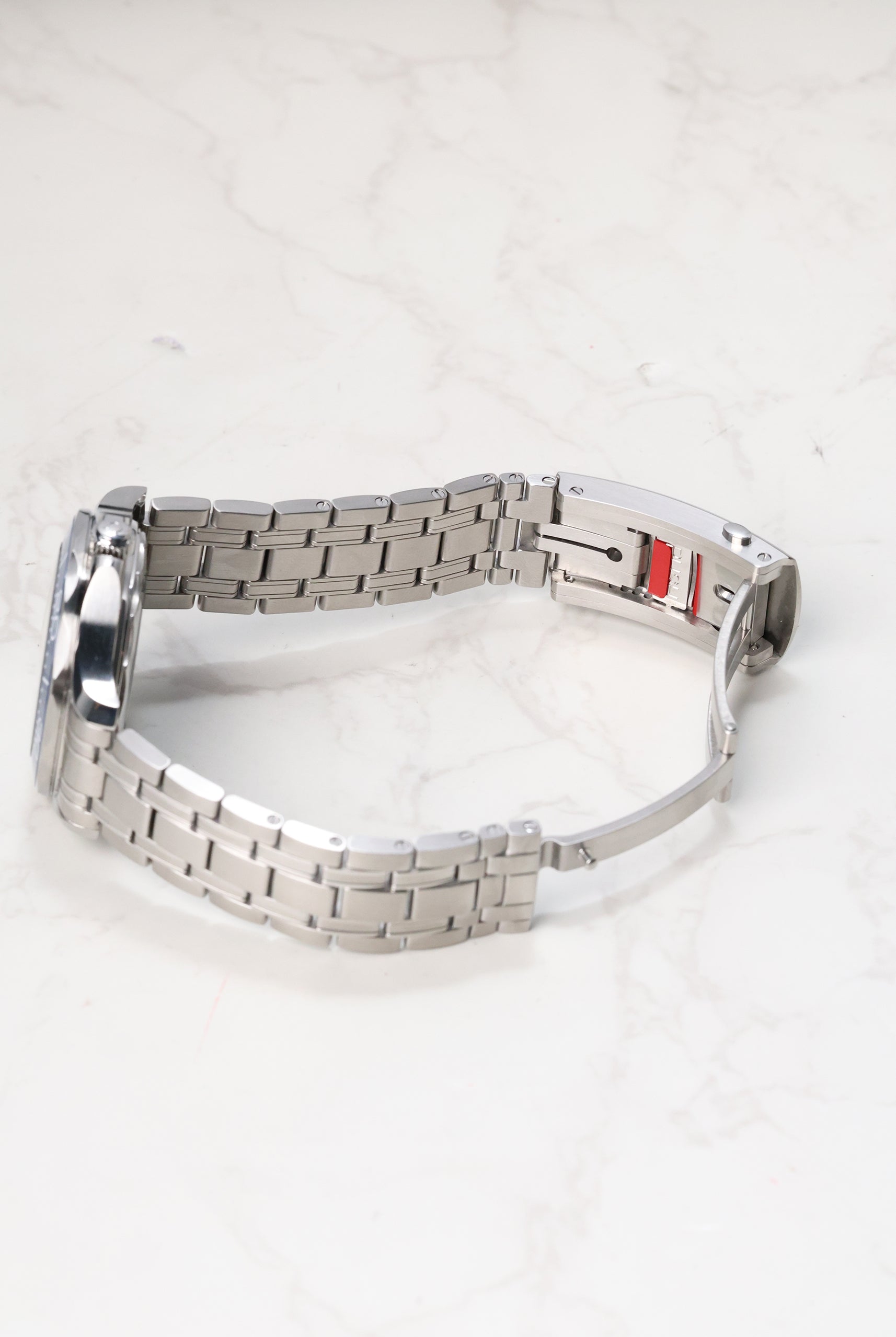
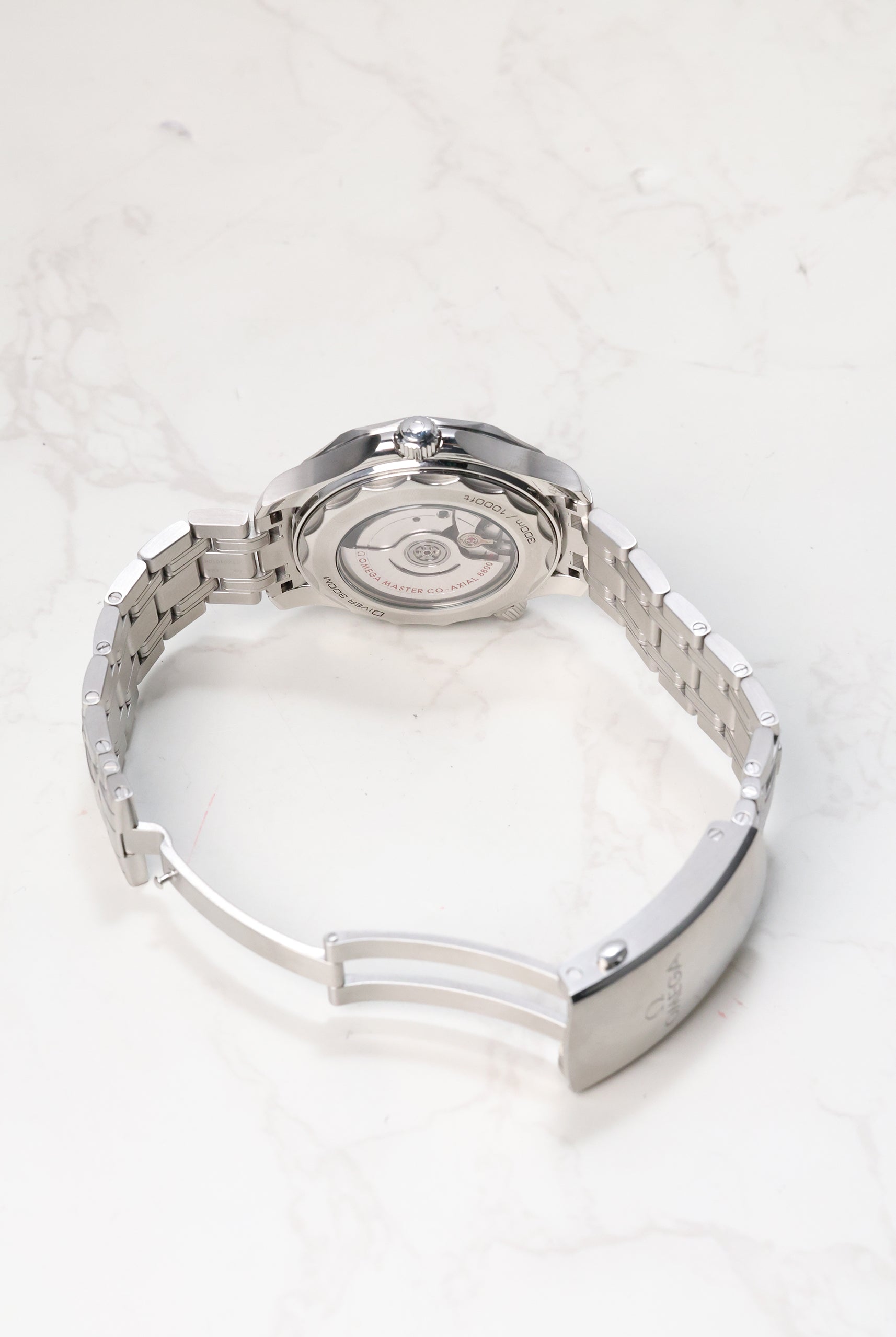
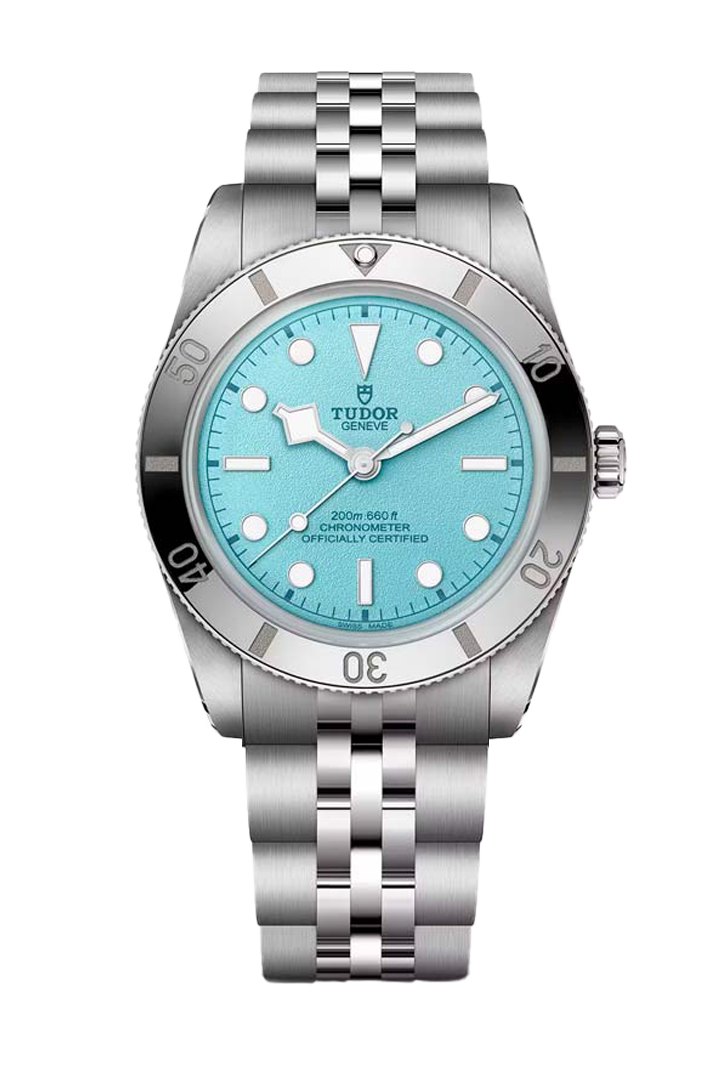
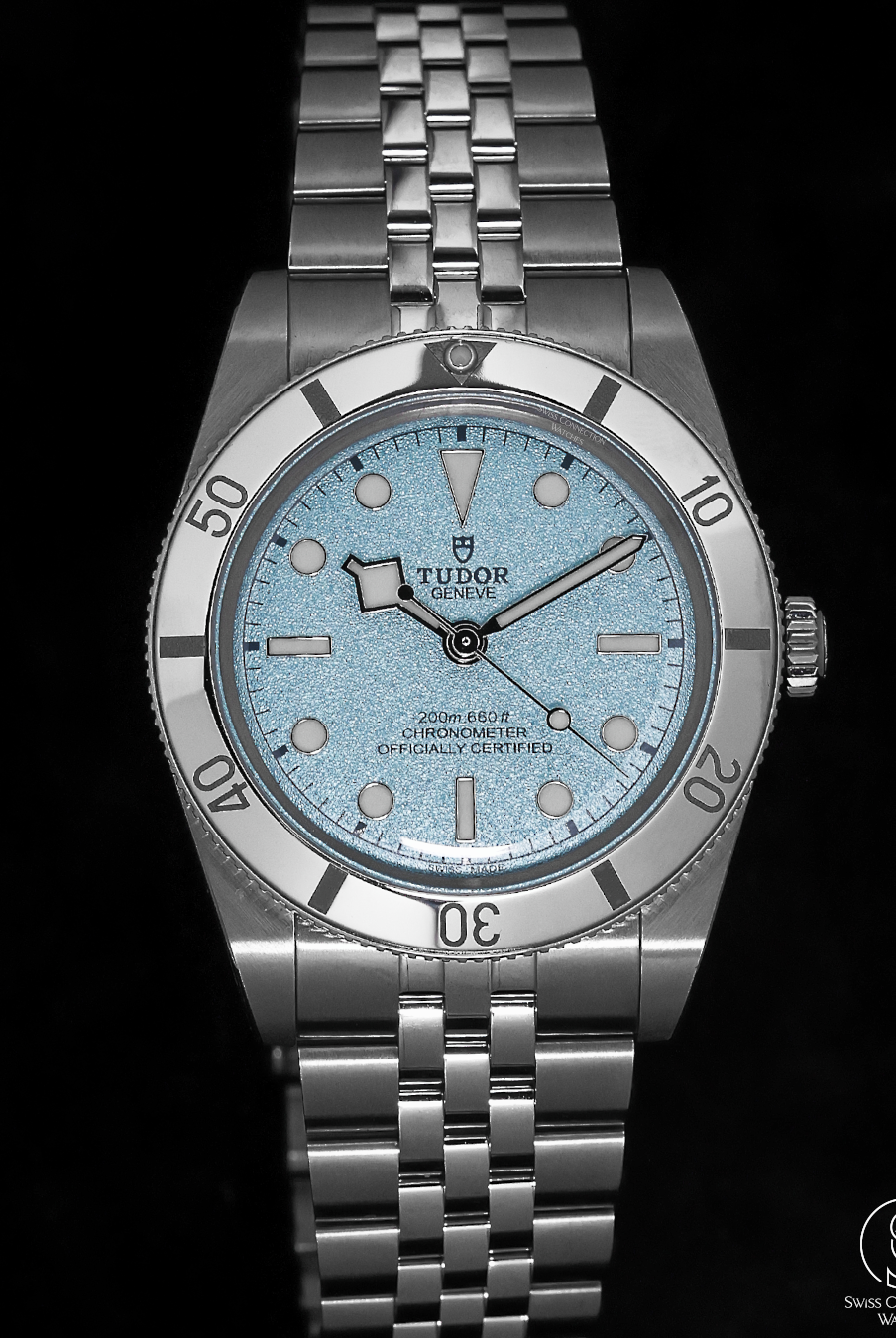
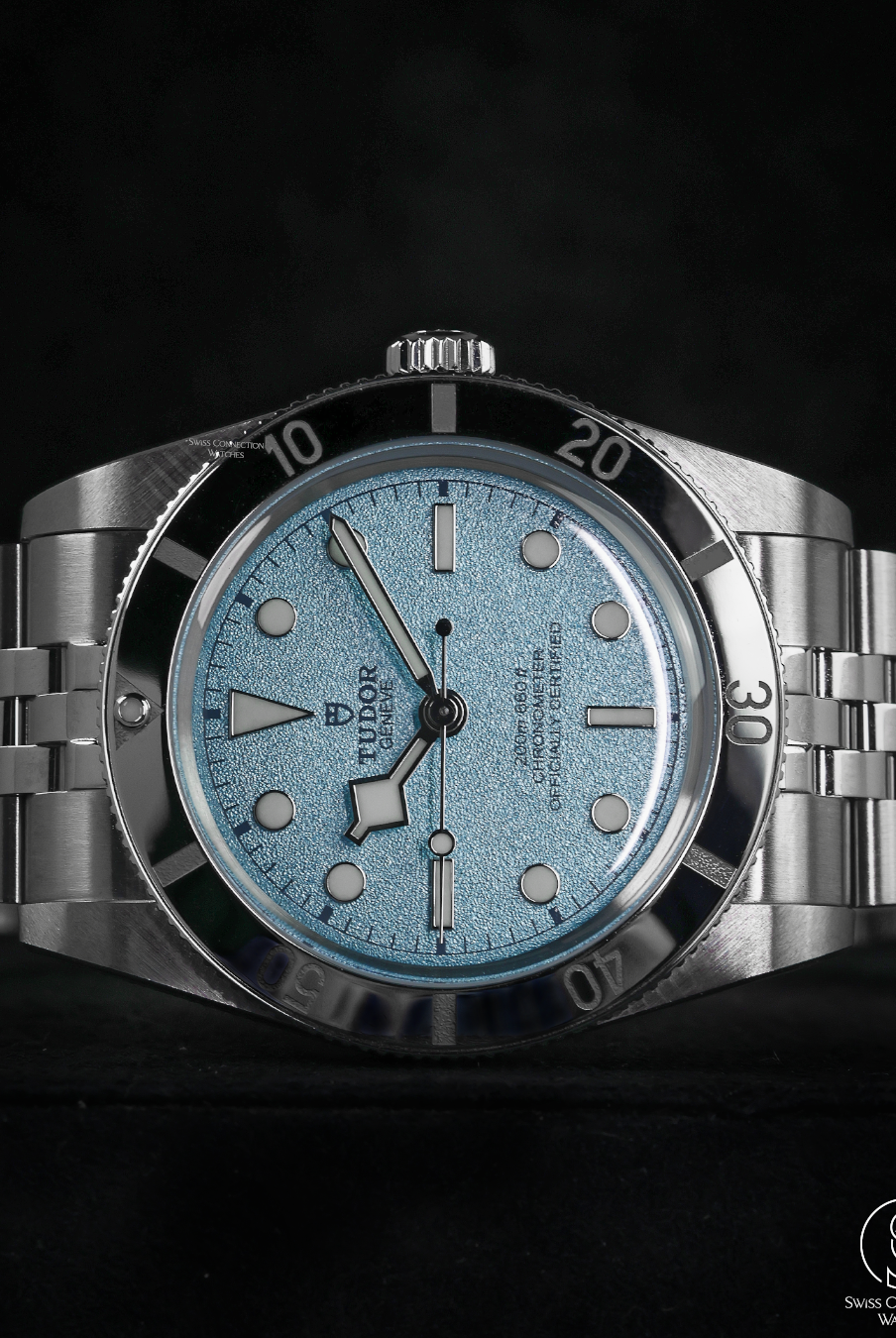
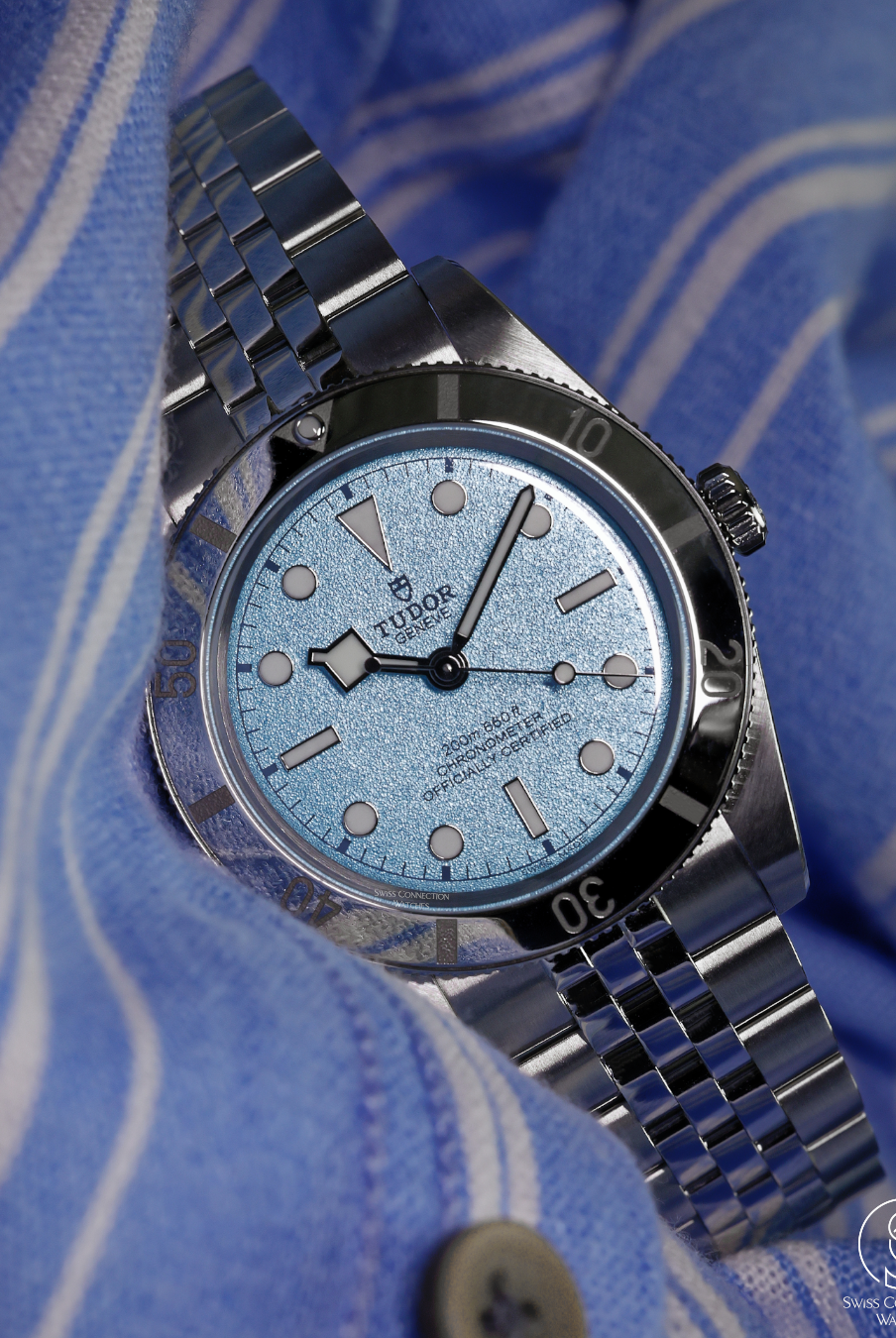
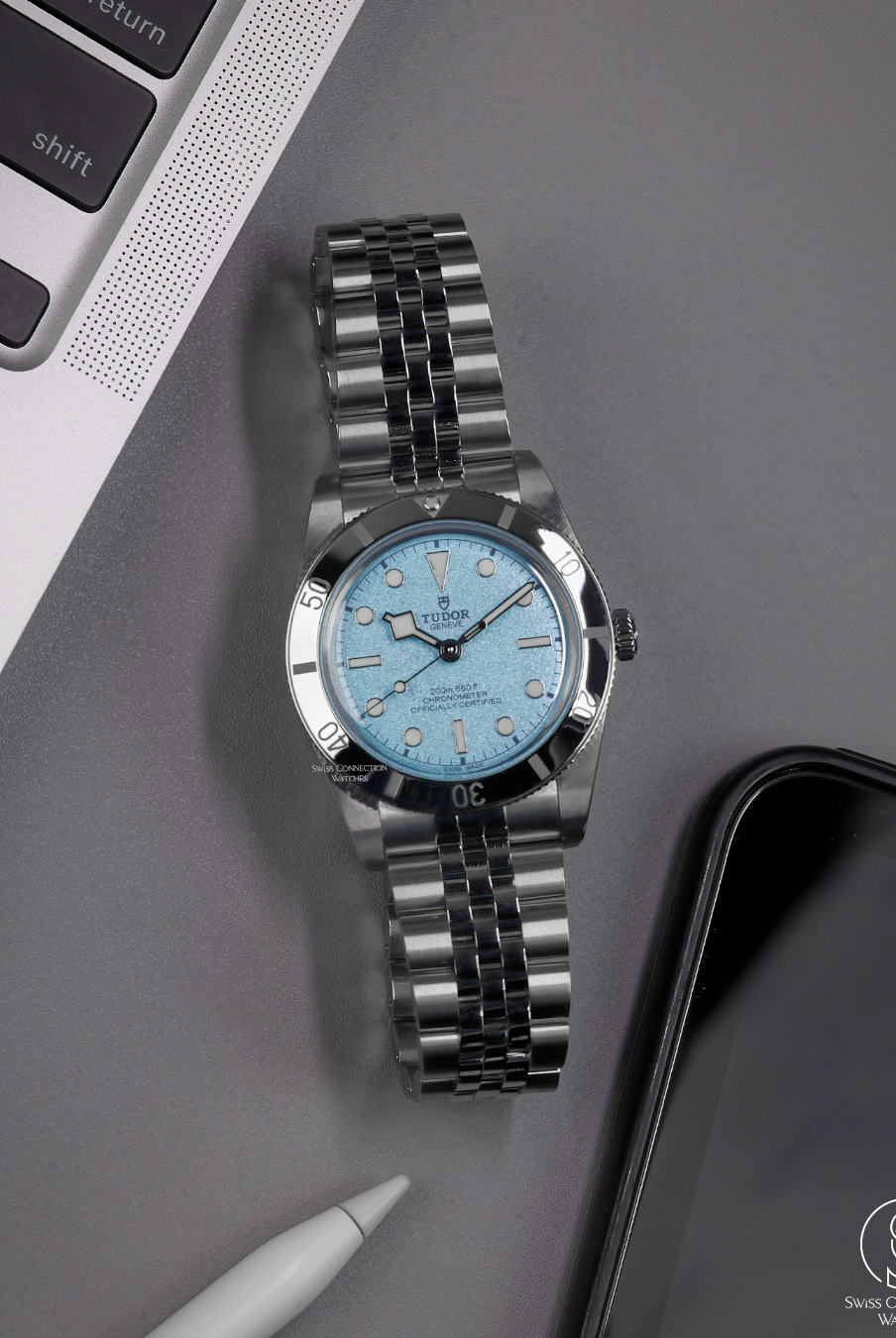
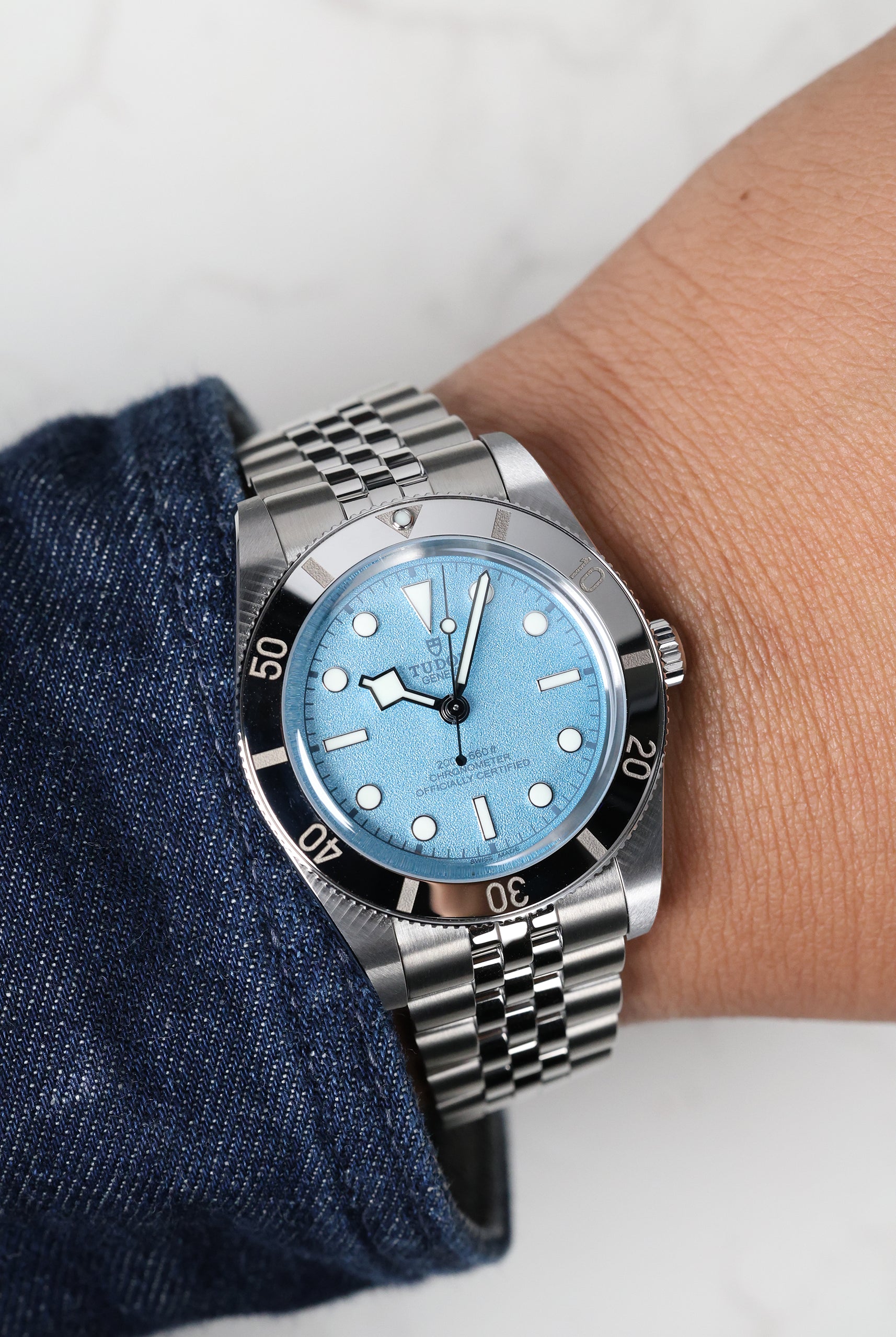
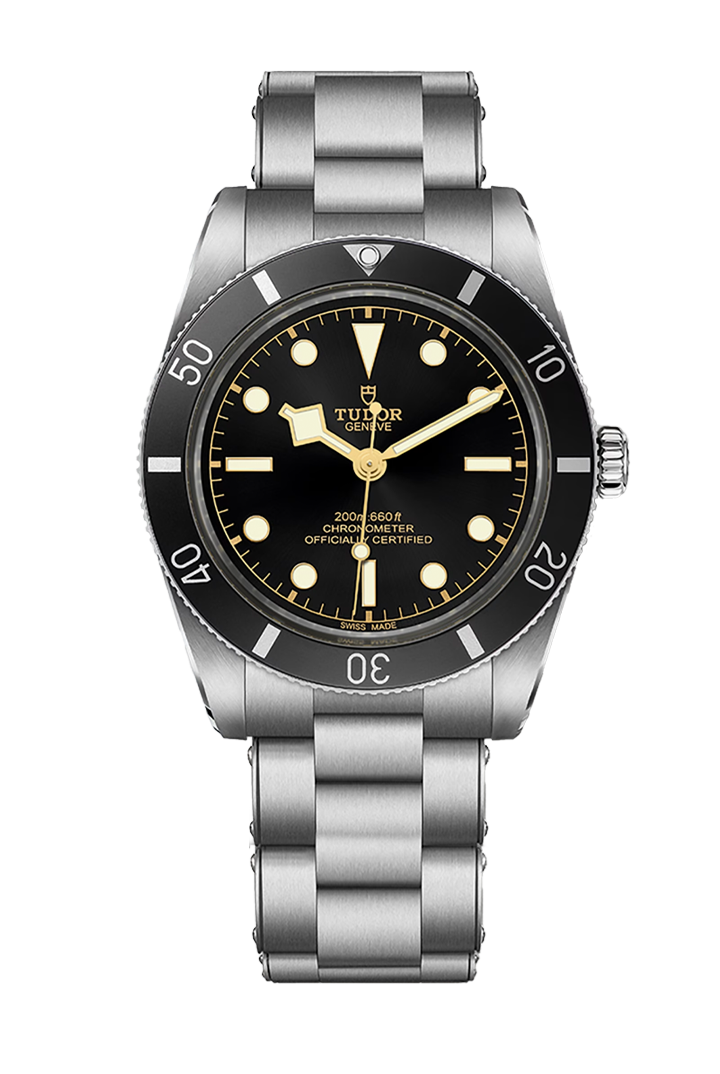
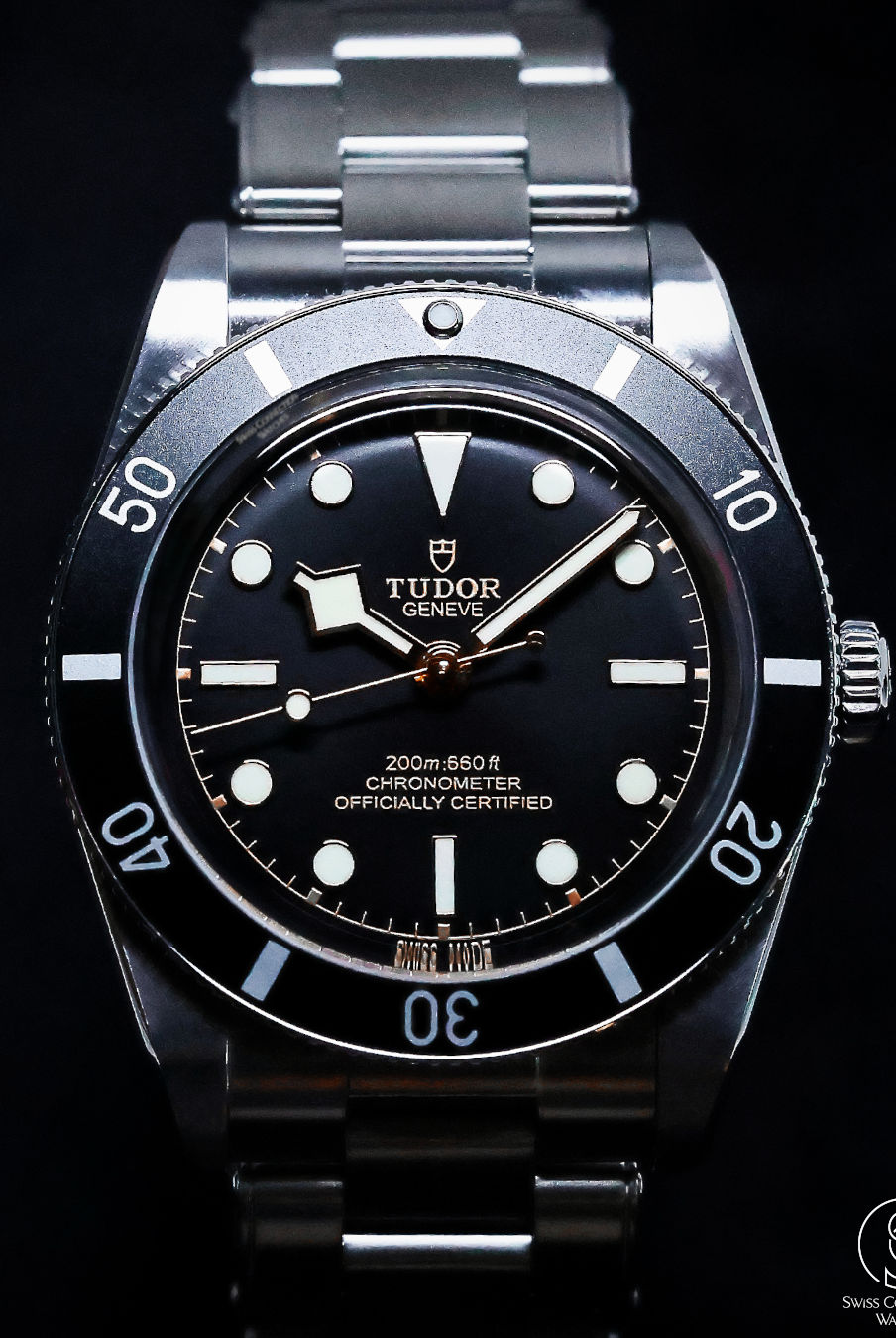
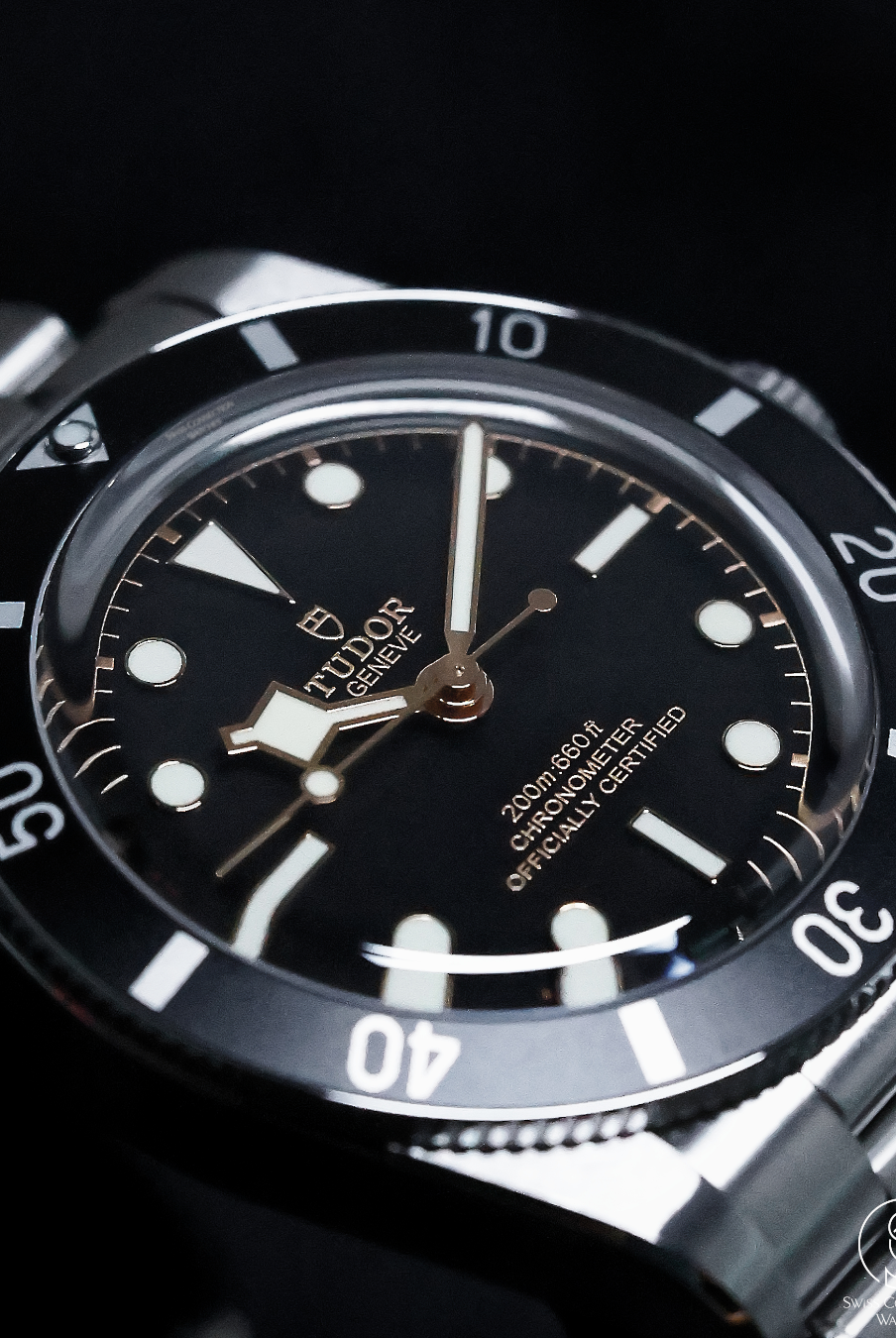
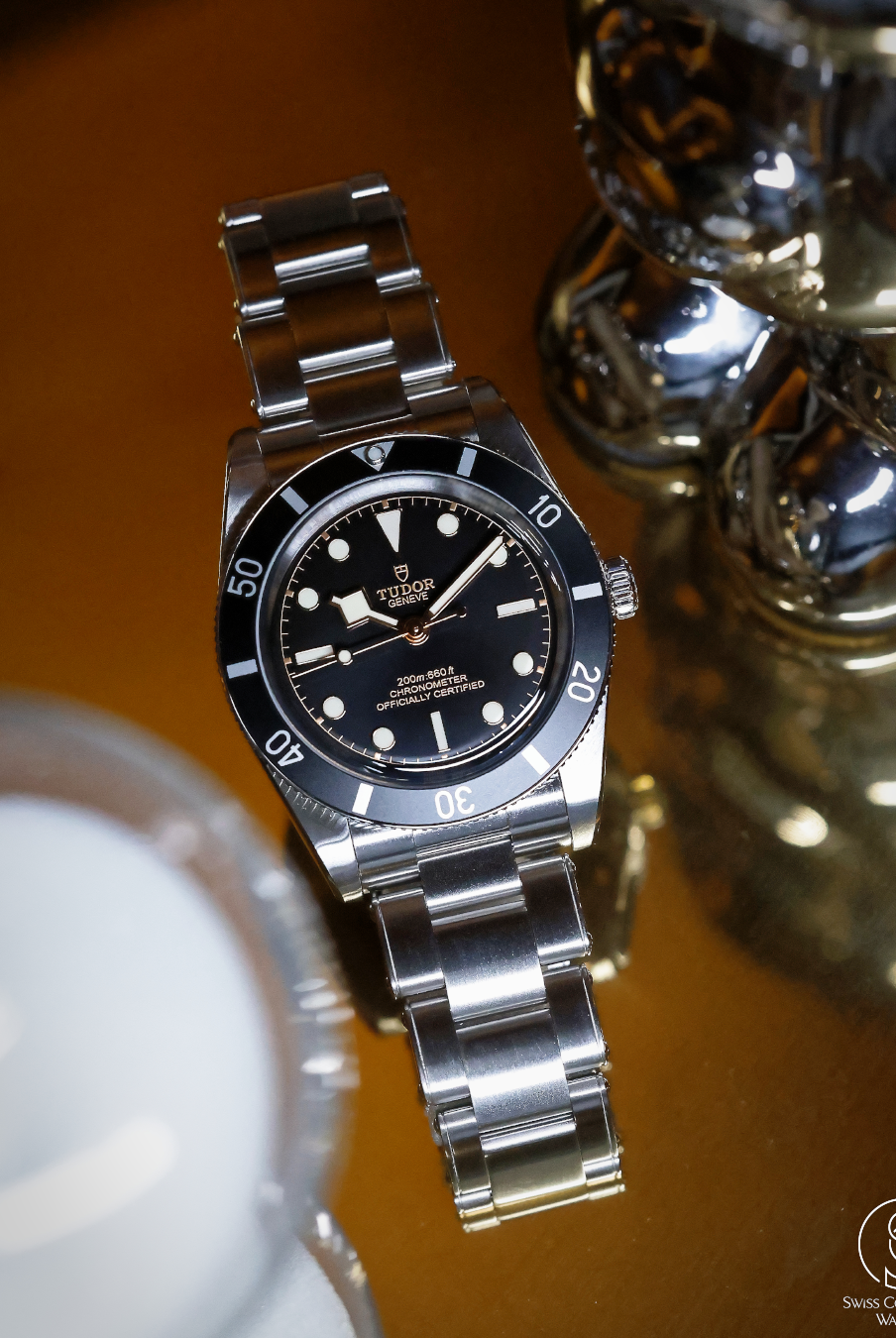
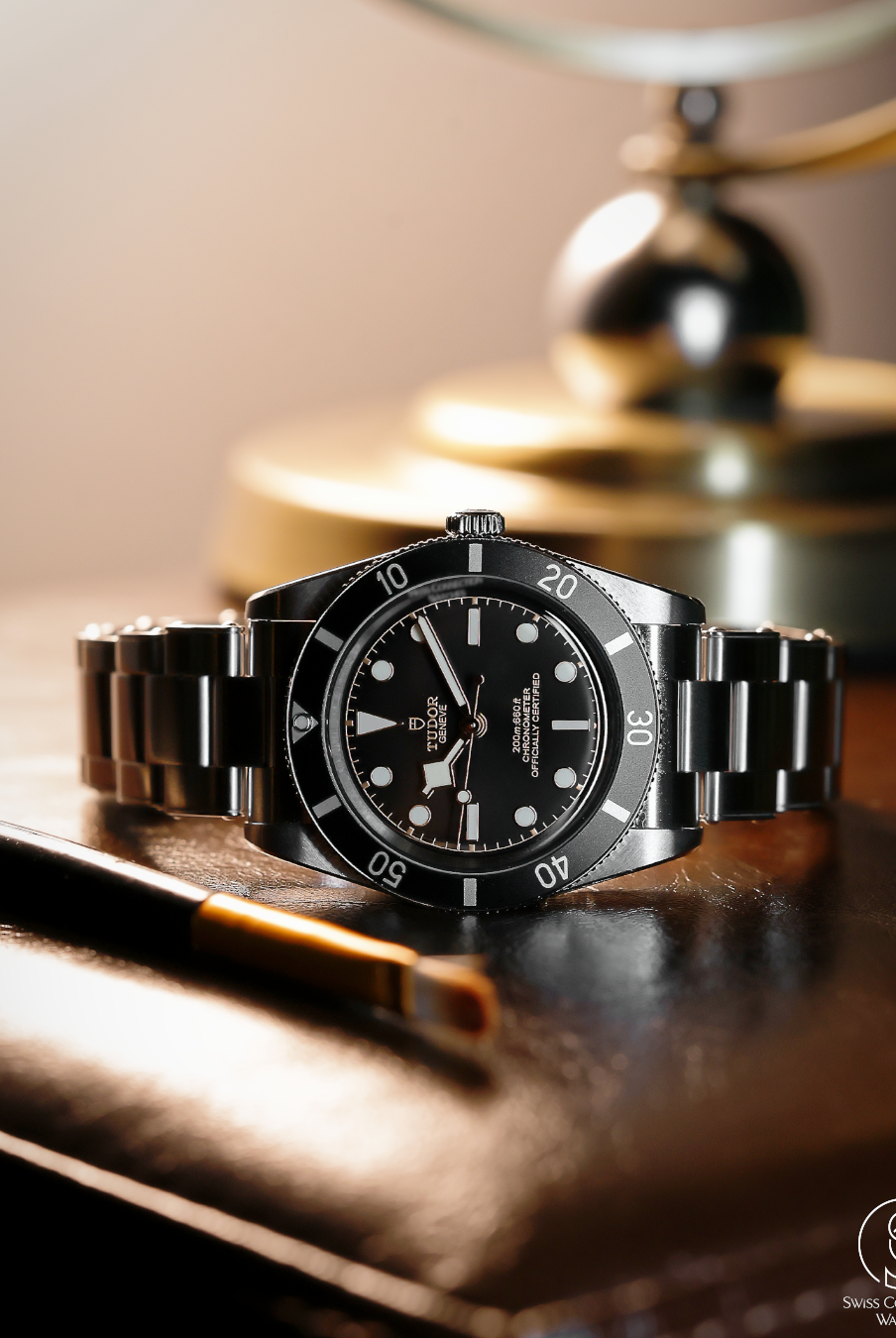
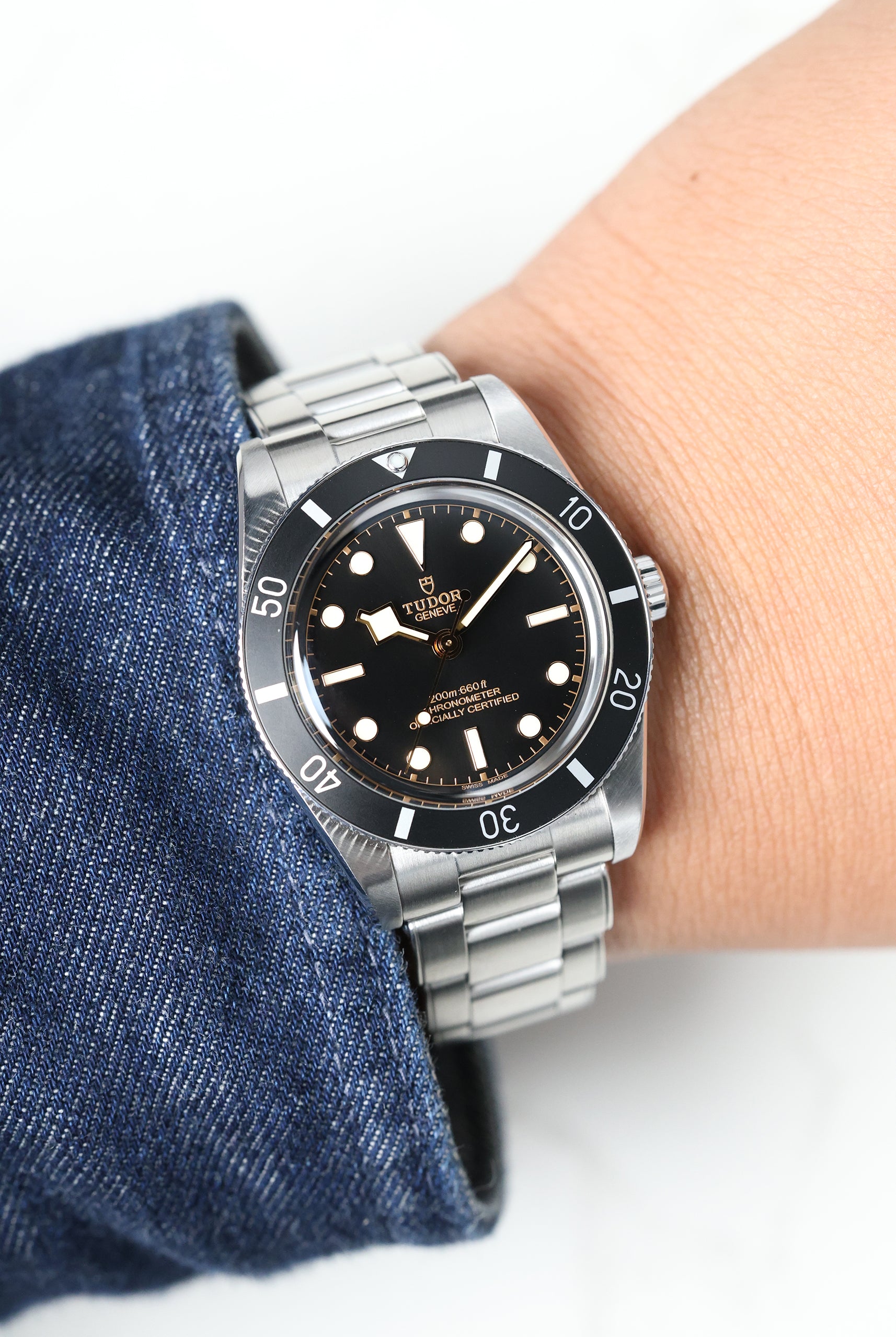
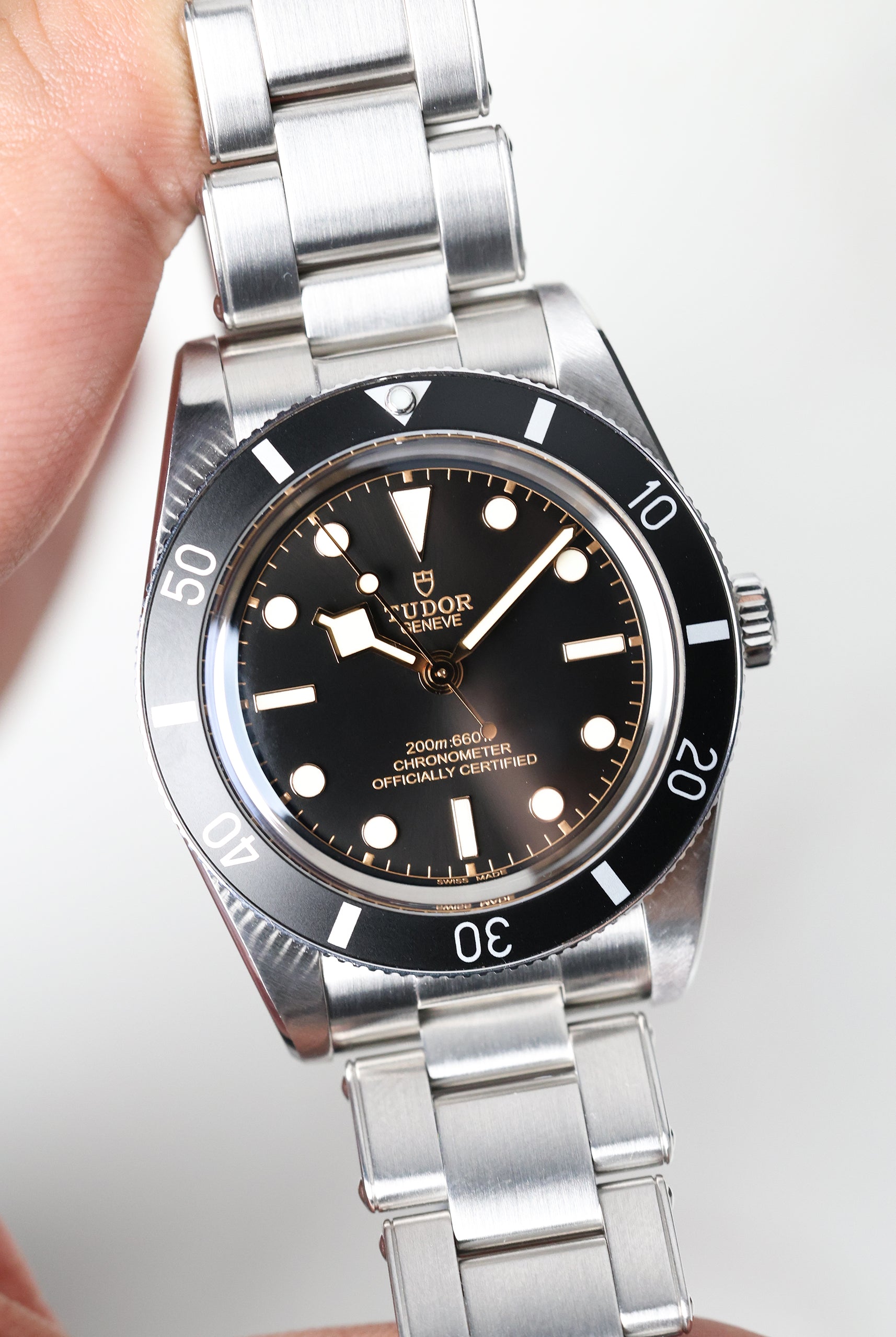
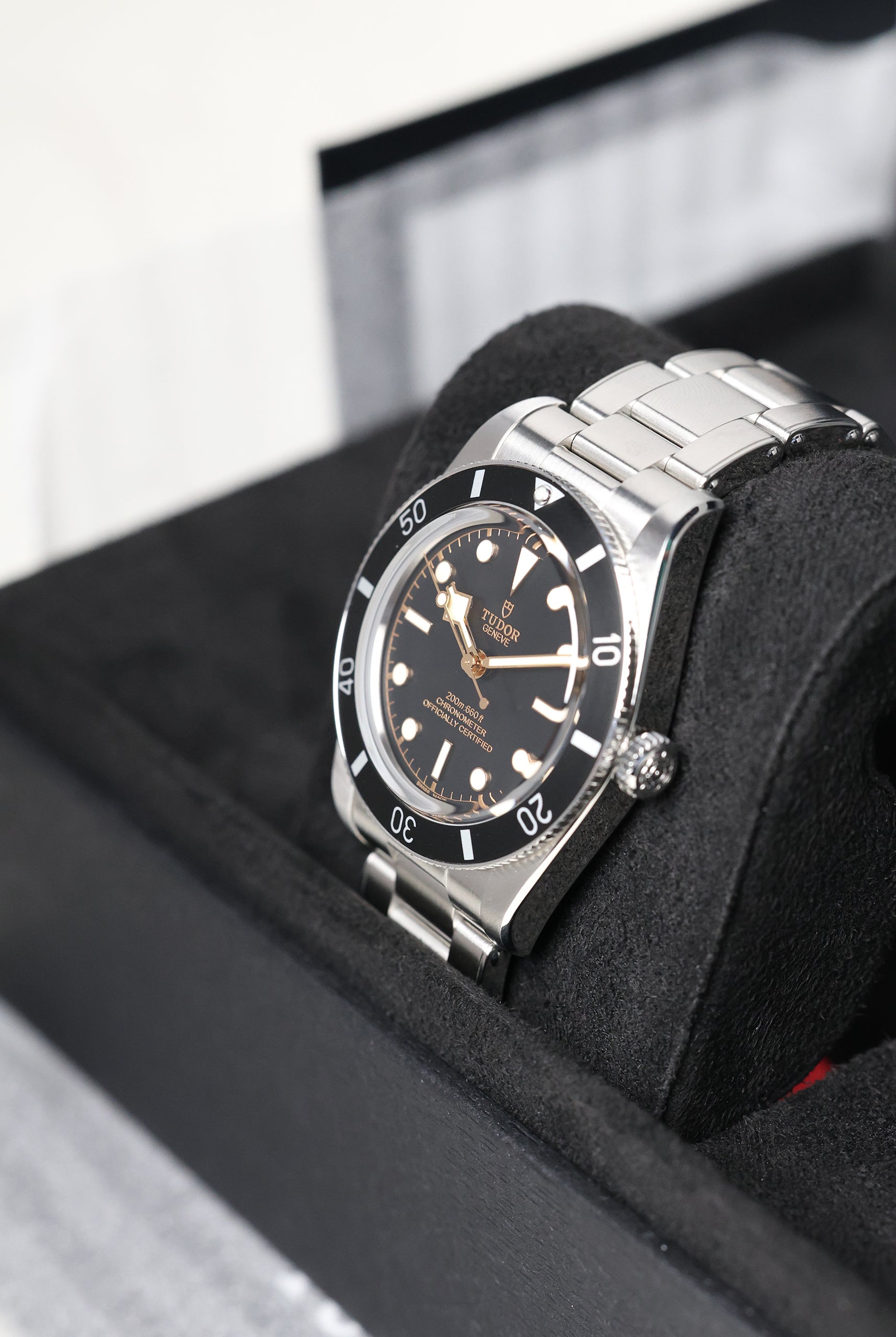
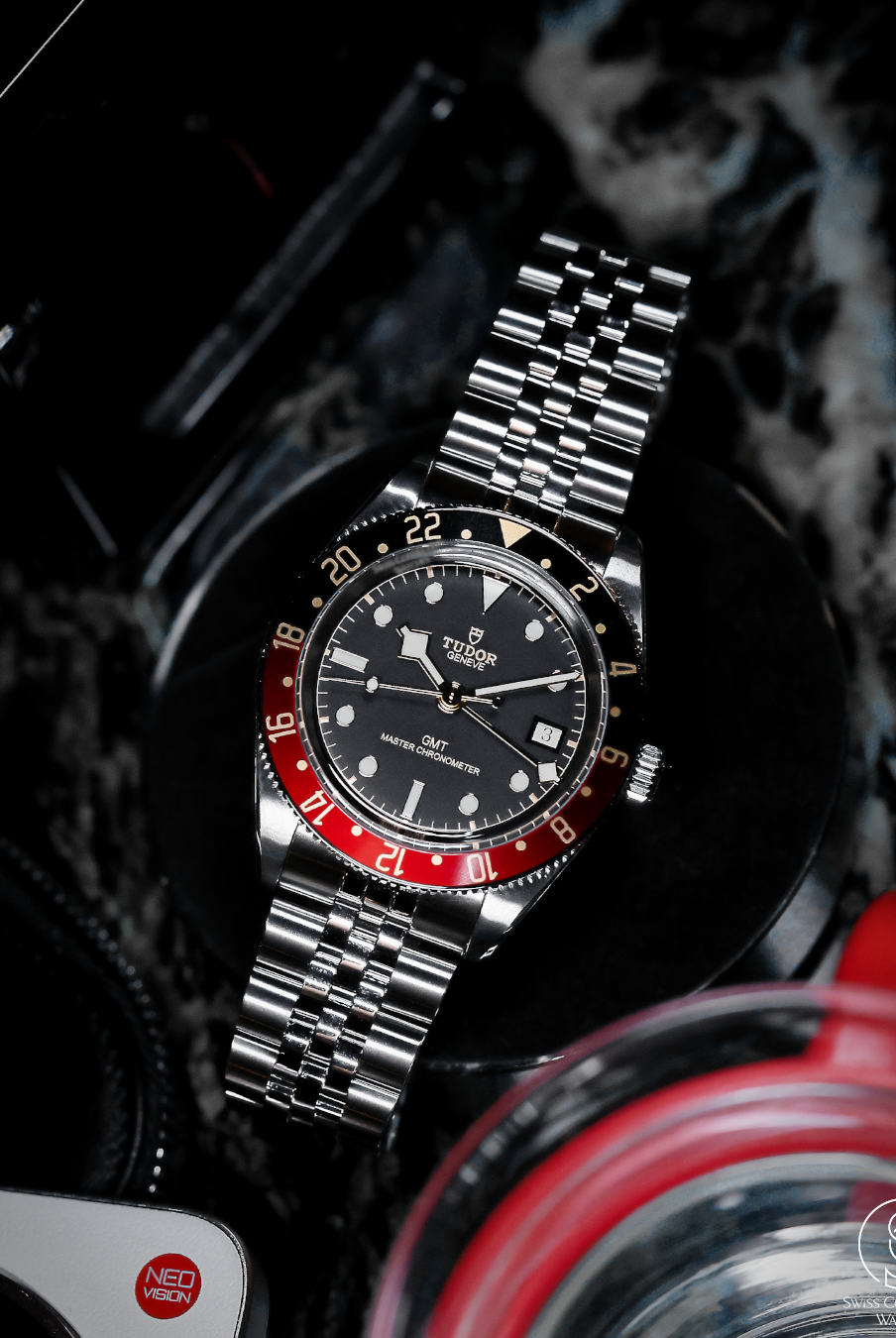
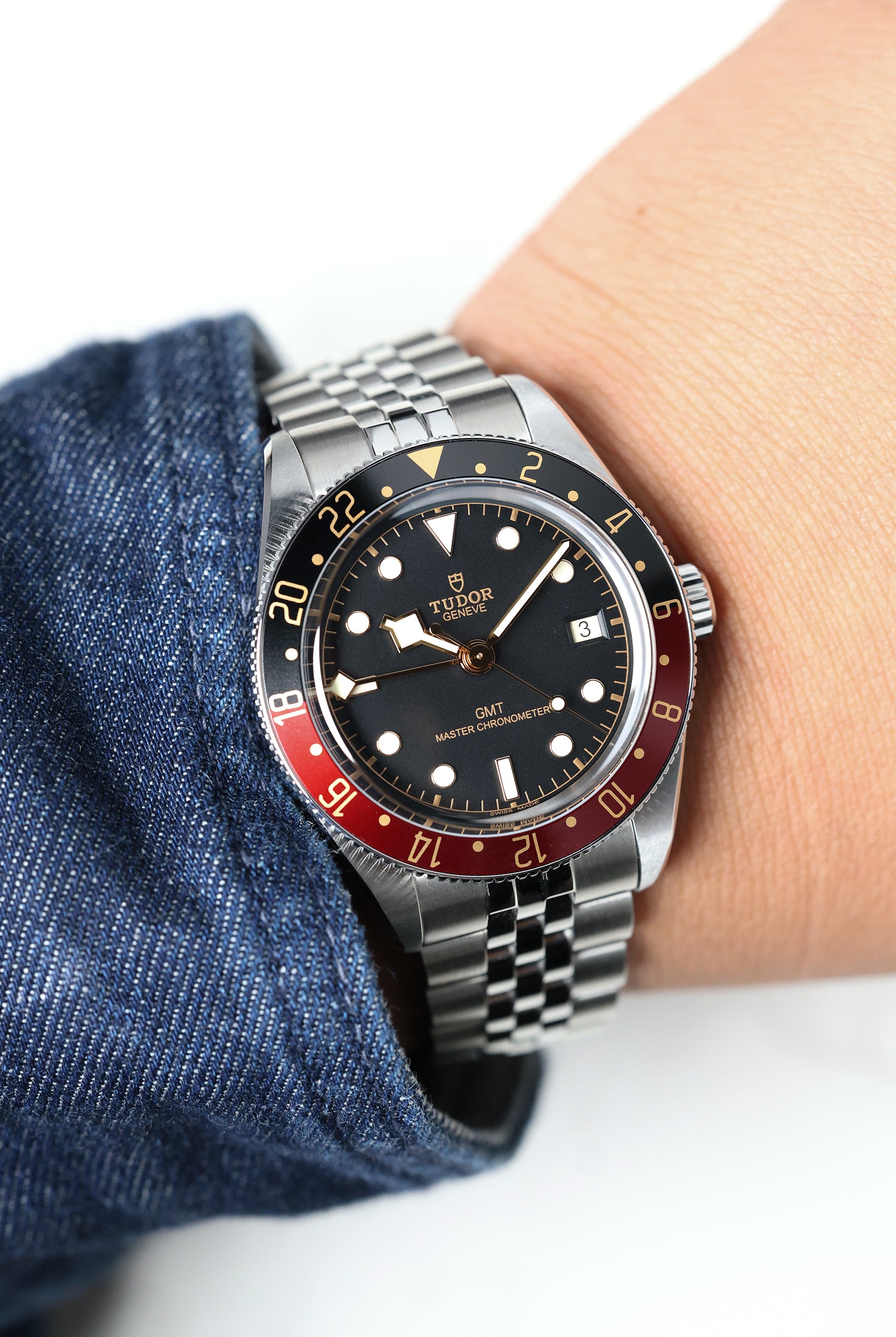
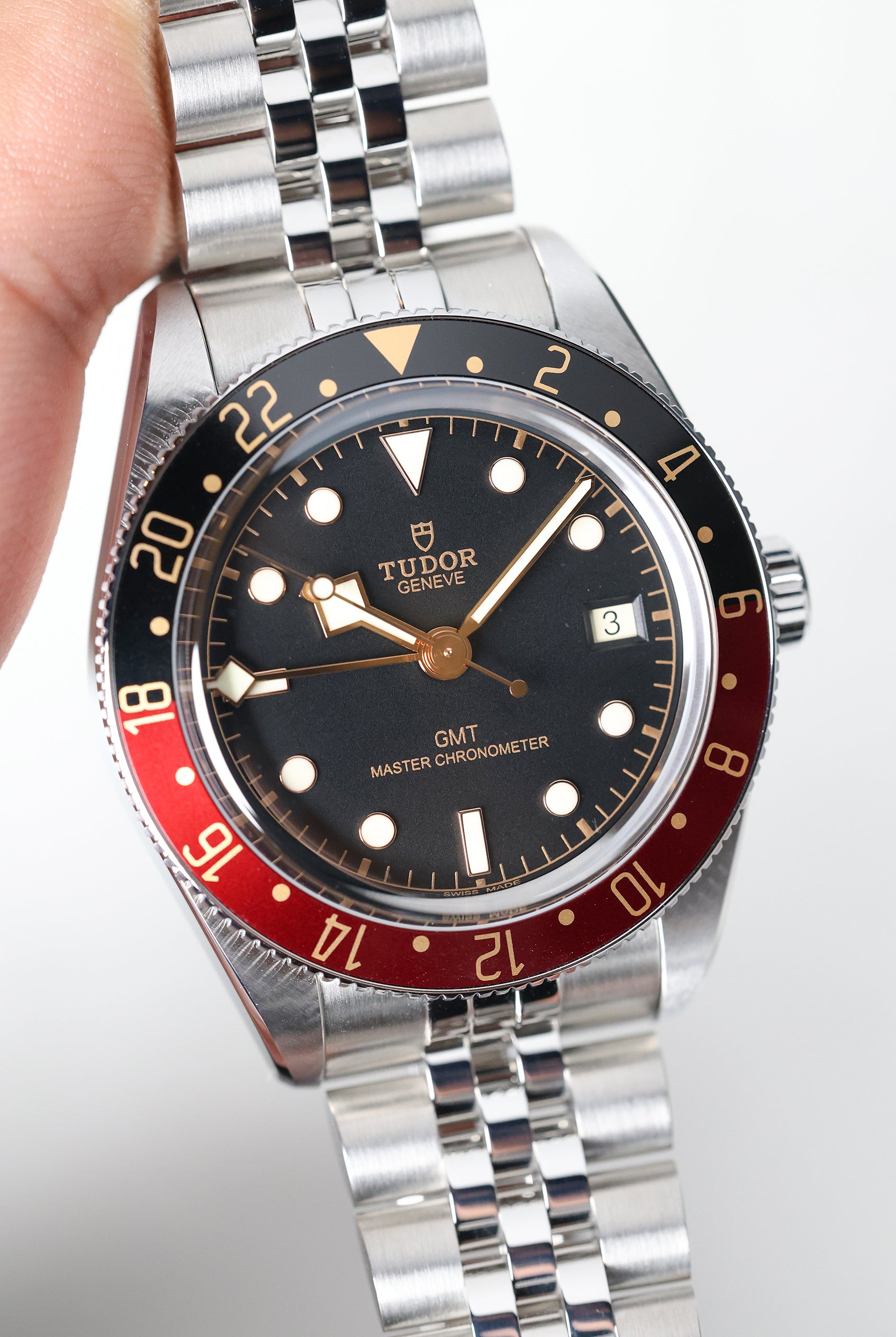
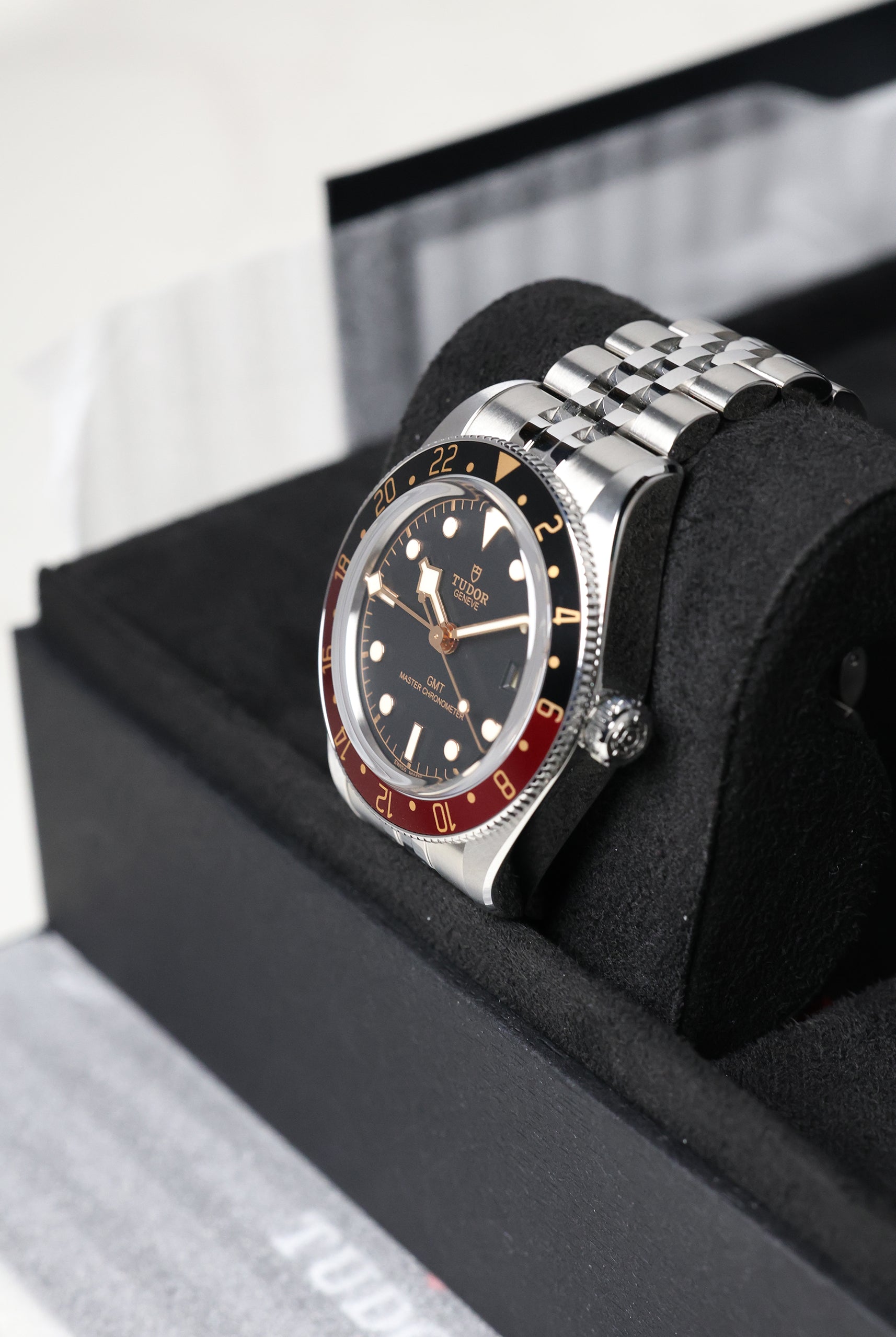
Almost every luxury sports watch sold in 2026 carries some claim to it. The Rolex Submariner, the Tudor Black Bay, the Omega Seamaster Diver — all sit at the centre of the category, and all anchor the bestseller lists of their respective brands. Omega's Seamaster Diver 300M accounts for roughly fifteen percent of the brand's total volume. Tudor's Black Bay saw its market pricing climb more than thirteen percent across last year. Submariner demand has stayed firm even as more speculative references have softened.
None of these watches will ever see the duty they were originally engineered for. Yet they continue to dominate every brand's sales chart.
That contradiction is worth examining. Because what we call a "luxury tool watch" in 2026 has very little to do with the tools it was built to be.
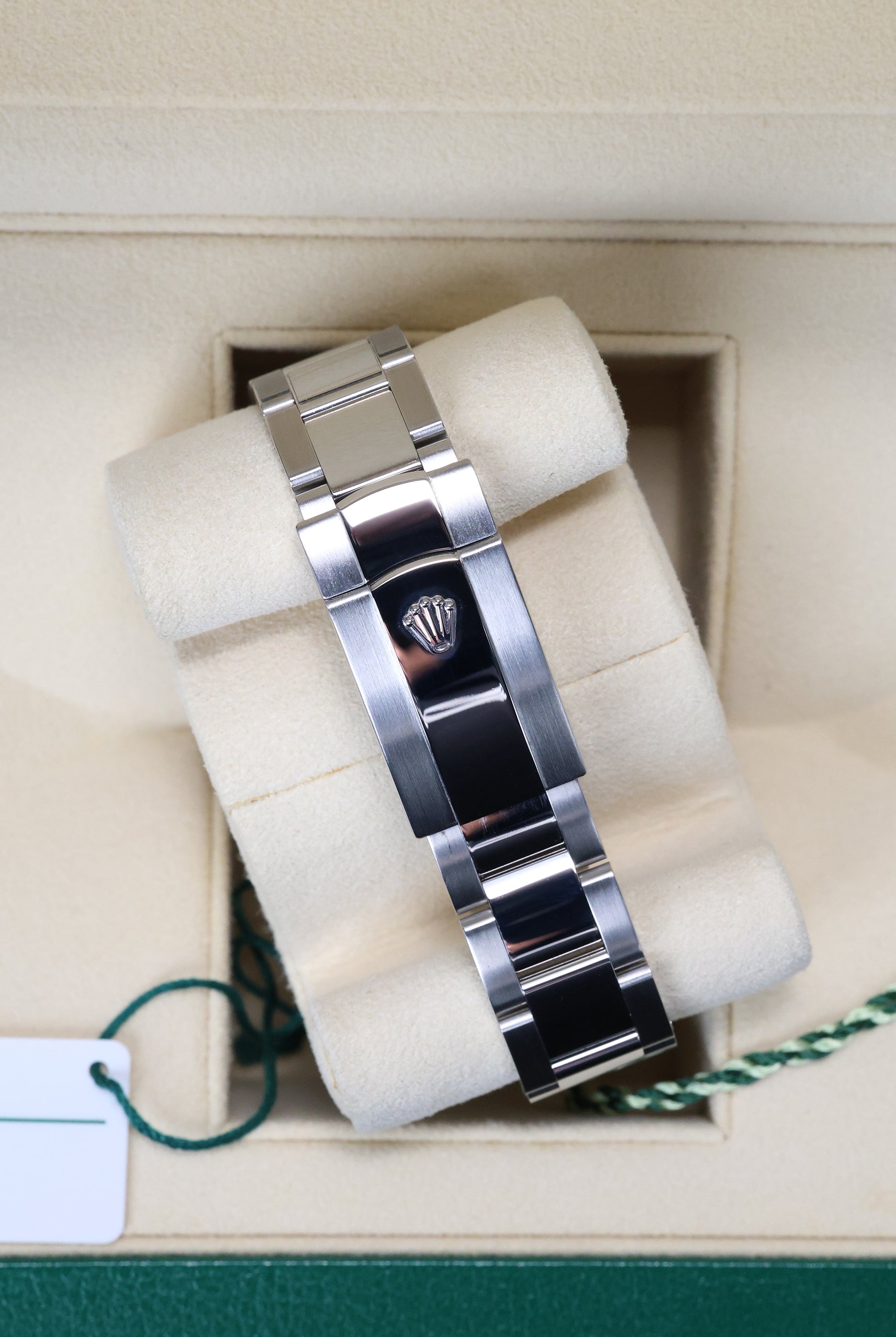
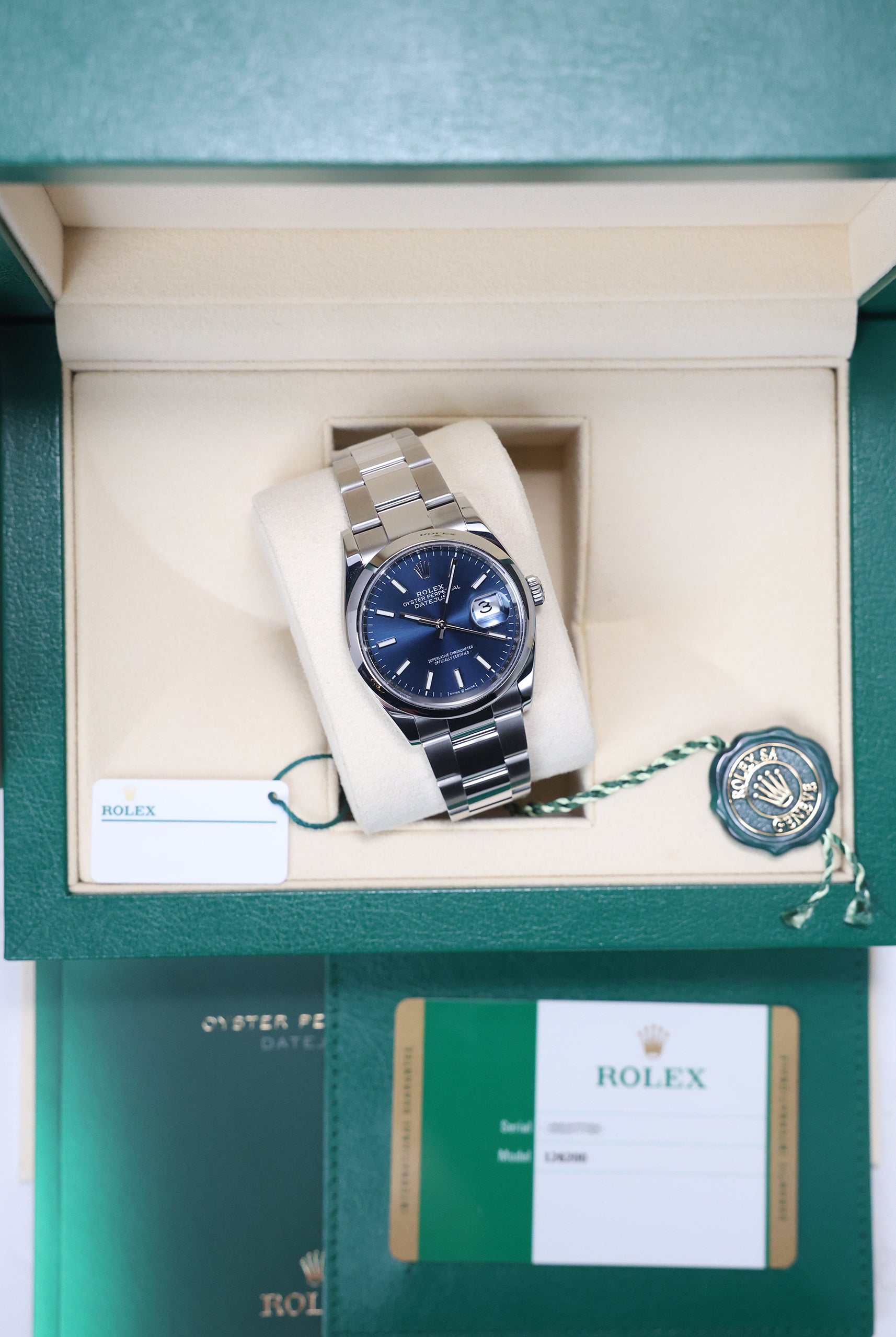
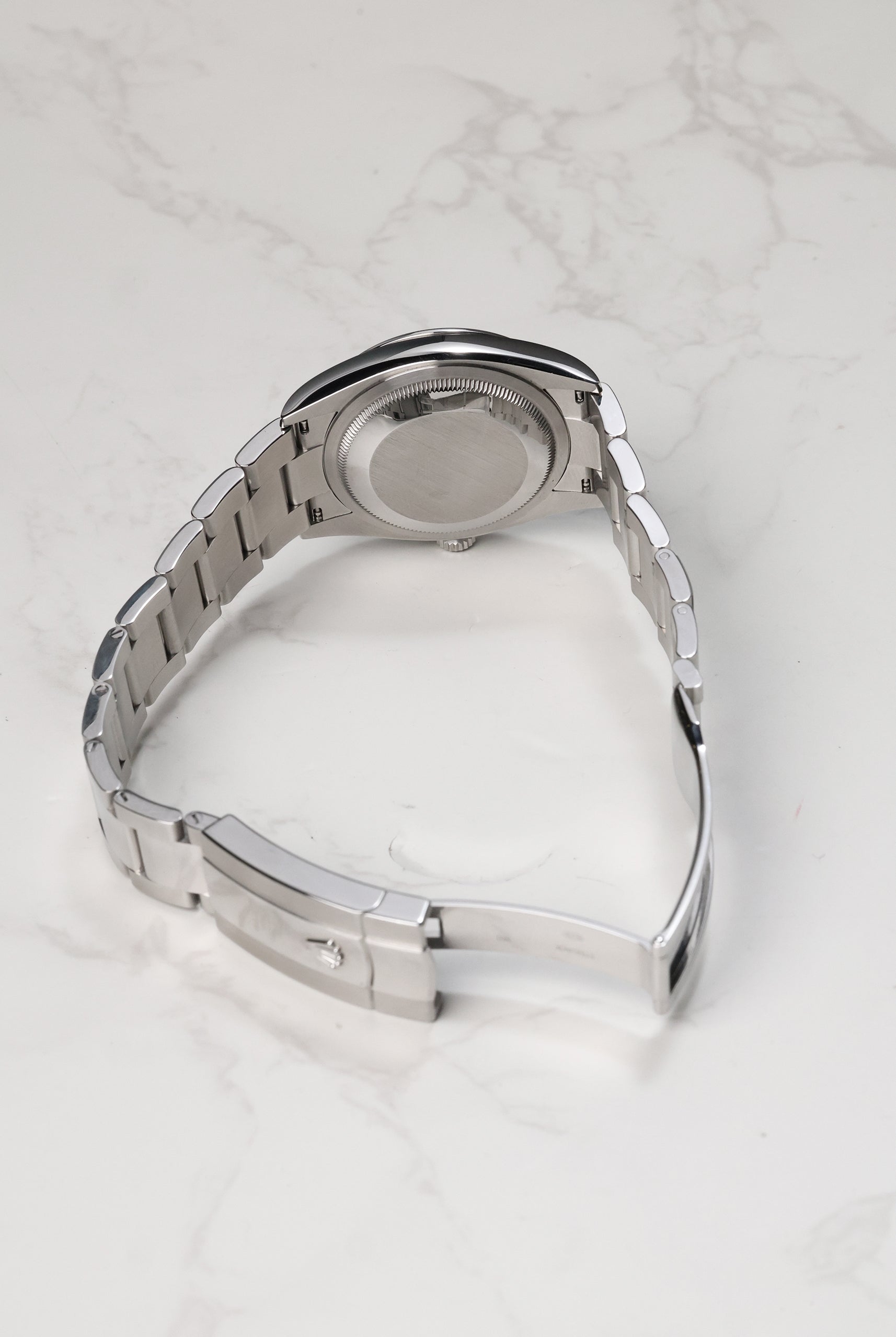
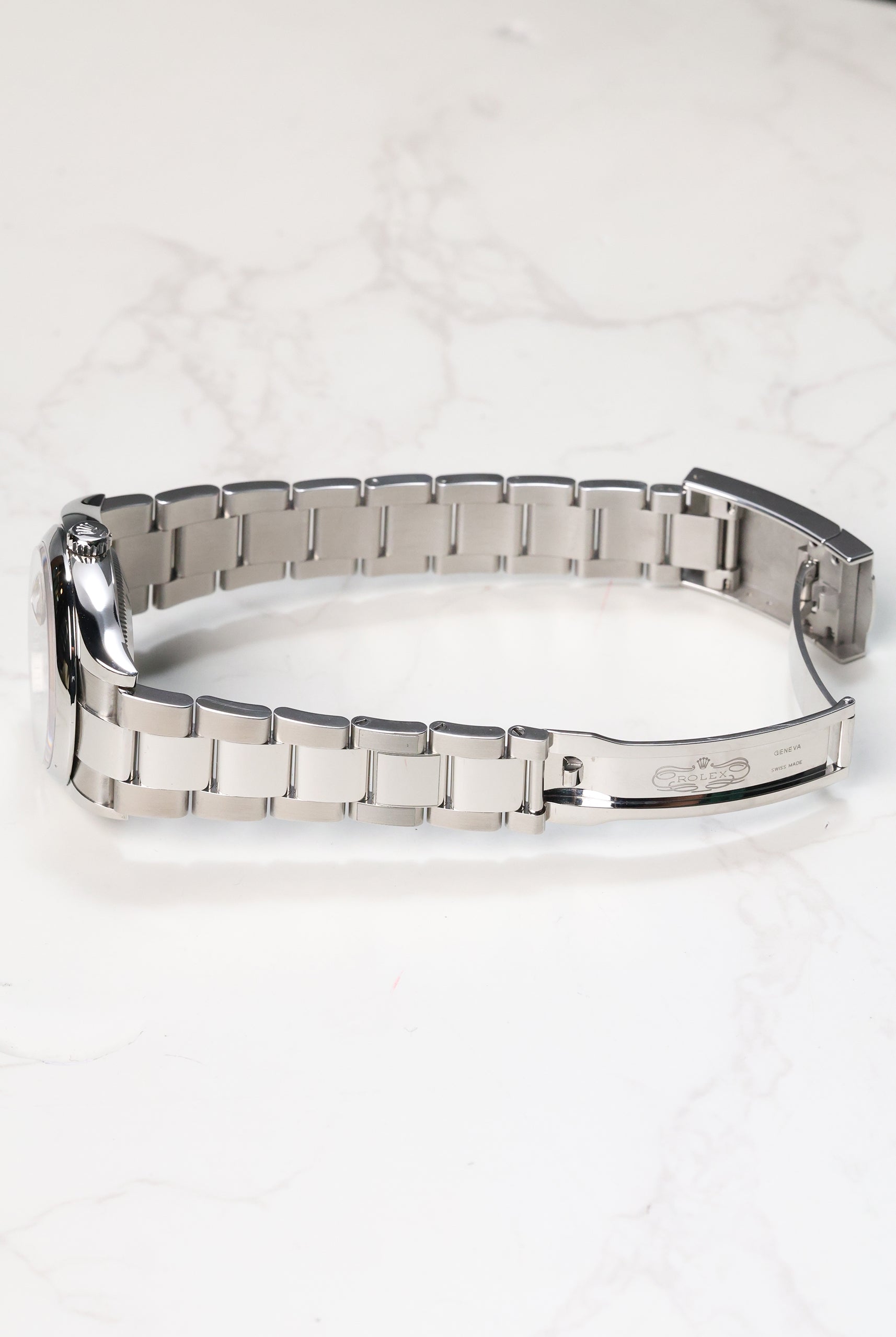
(Rolex Submariner Date 126610LN)
Luxury Was Never Separate from Tools
Before the category split into "luxury" and "tool," it was already both.
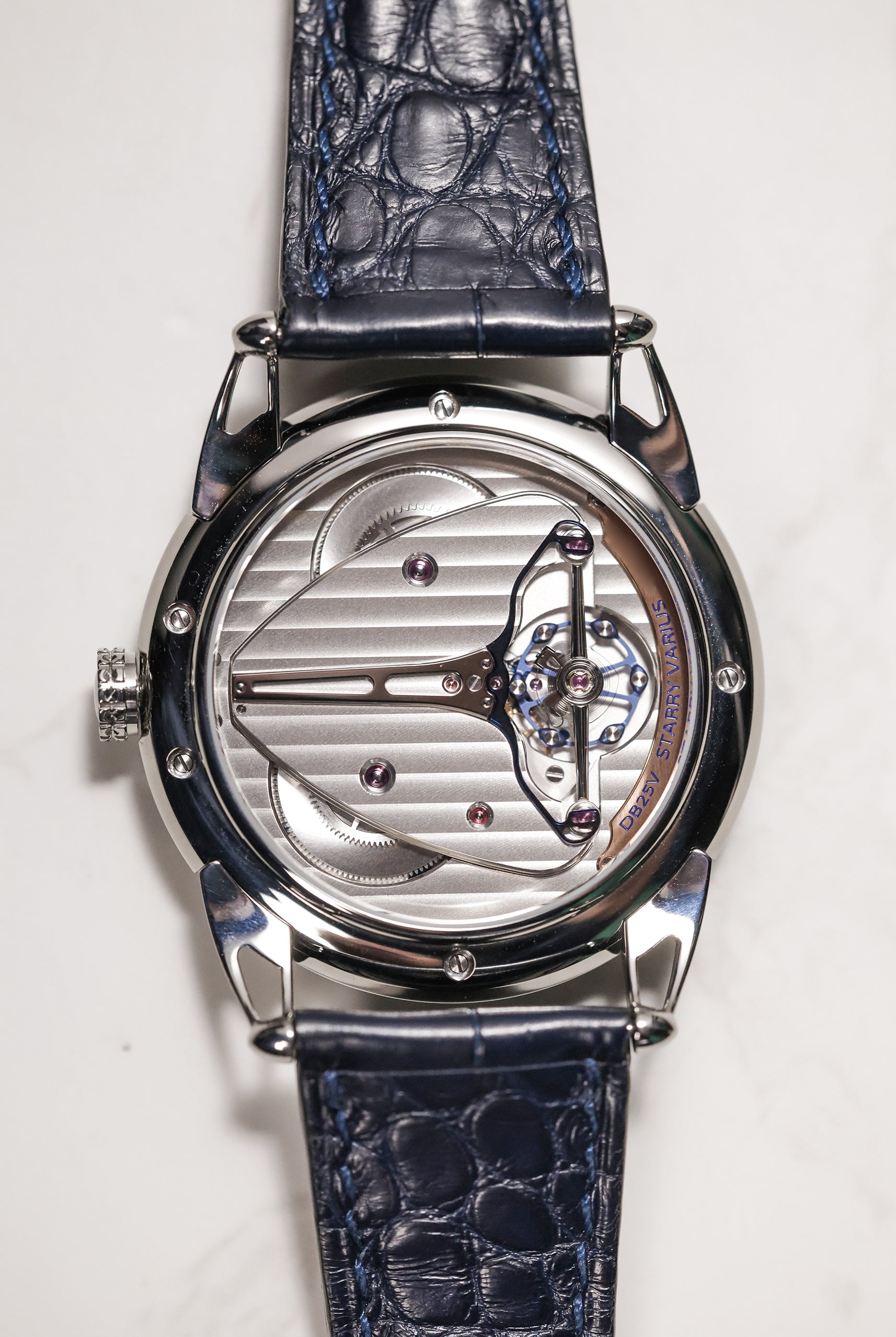
A hand-finished pocket watch in the nineteenth century was a precision instrument first and an object of status second. The Geneva stripes and snailing applied to the bridges were not decoration — they were functional finishes, microscopic textures that trapped dust before it could reach the oils and gears. Solid casebacks hid the movements entirely; the exhibition caseback is a recent convention, less than half a century old in mainstream watchmaking. Gold cases were favoured because gold resists corrosion, extending the life of pieces that took months to produce by hand.
The watch was always a working object. It just happened to be one only a few craftsmen in the world could produce, and only a few buyers could afford.
The mistake most "luxury vs. tool" debates make is treating these as opposing categories. They were never separate. The split that produced the modern tool watch came later, and from somewhere else.
(Audemars Piguet Calibre 4401)
The Capability Shift: Aviation, Diving, the Battlefield
The shift came from need.
In the first half of the twentieth century, aviation, war, underwater exploration, and the railroads demanded more from a wristwatch than haute horology could deliver at its existing pace. Watches had to be produced faster, perform harder, and tolerate scenarios the polished-bridge tradition was not built for.
Pilots needed large cases, oversized crowns, and dial layouts legible at a glance under gloved hands. Divers needed unidirectional bezels, screw-down crowns, and pressure-tested water resistance. Racing drivers needed chronographs that could time events to fractions of a second. Railroad workers, surrounded by high-voltage electrical fields, needed movements that could survive magnetic exposure.
Each of these requirements pushed watchmaking toward durability, accuracy, and ergonomics — at scales the hand-finishing tradition alone could not match. After the Second World War, the tool watch evolved again. It stopped being purely functional and became a symbol of adventure and exploration. The mechanical instrument that had survived the battlefield was now the watch worn for civilian life.
What "Tool Watch" Means in 2026
The modern luxury tool watch isn't used for tools.
The Submariner doesn't dive professionally. The Black Bay doesn't deploy. The Seamaster doesn't navigate. The chronographs of 2026 time nothing more demanding than a parking meter. So what continues to justify the category?
The cleanest test is this: can you wear it hard without flinching? A scratch on the steel case of a Submariner becomes part of the watch's story. Aluminium bezel fade reads as a life lived with the piece. Lume that has yellowed across a decade is, for many collectors, the point.
Now apply that same test to the Audemars Piguet Royal Oak Chronograph. Visually, it sits adjacent to a Submariner — steel case, chronograph function, integrated bracelet, sports proportions. But the hand-applied bevels, the Tapisserie dial, and the mirror-polished centre links of the bracelet do not forgive use. Royal Oak Chronograph owners baby their watches, and they should. It is haute horology dressed as a sports watch.
That distinction is the editorial line. The luxury tool watch is not a category of watch. It is a category of relationship — one in which the owner is allowed to use the piece without remorse.
(Audemars Piguet Royal Oak Chronograph 26240ST)
The Three Principles
Three things define the modern luxury tool watch and explain why the category continues to lead the sales charts of every major Swiss brand.
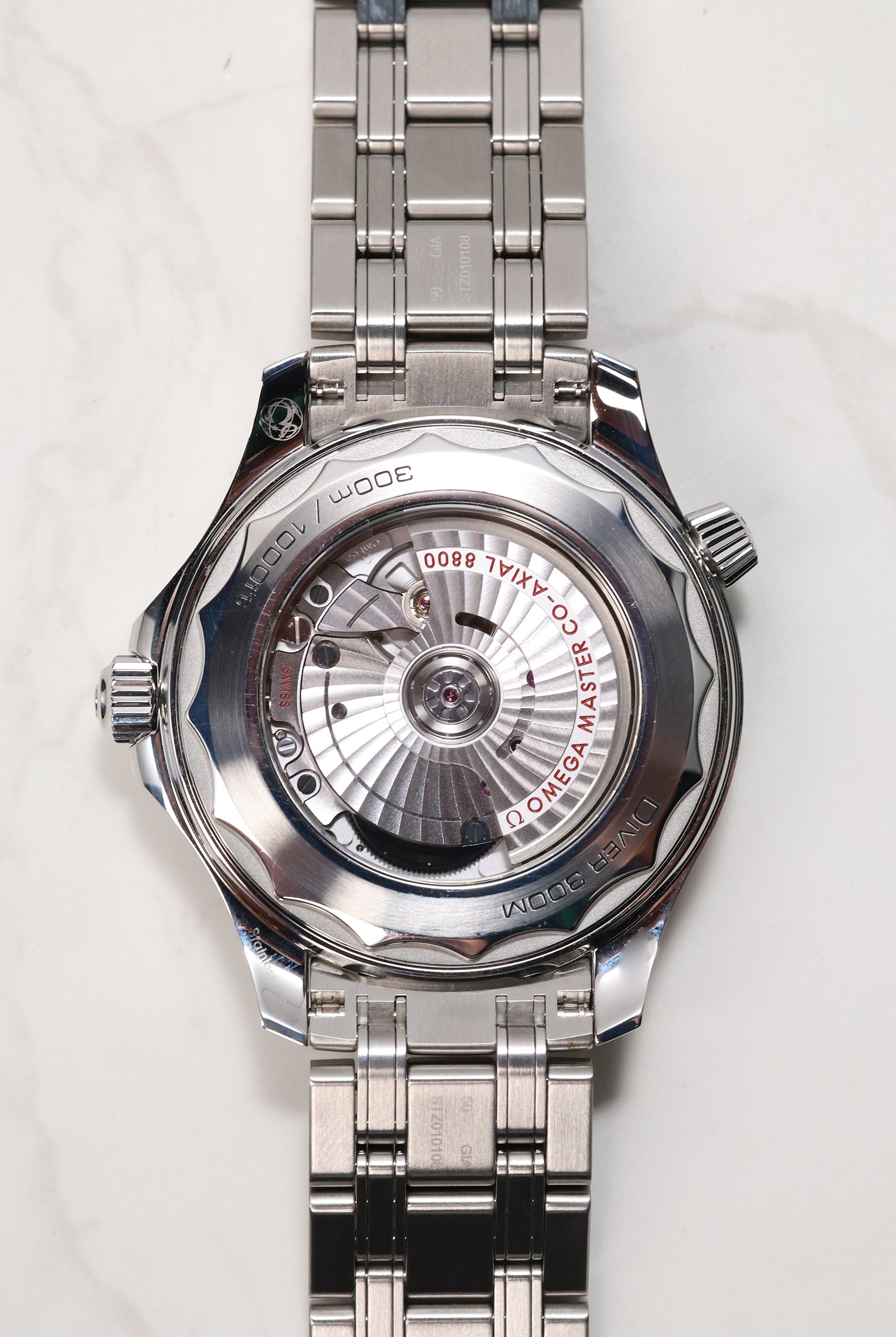
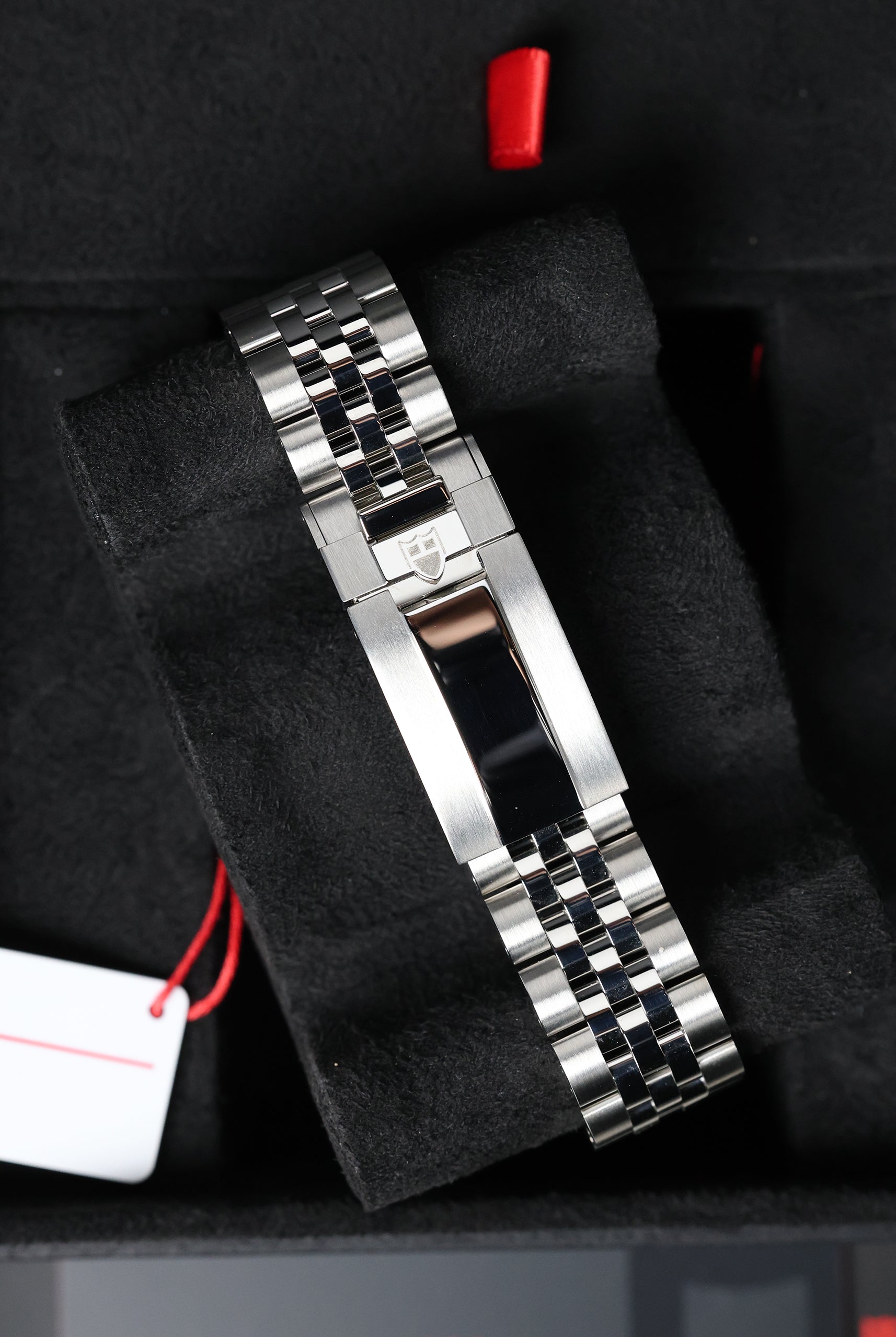
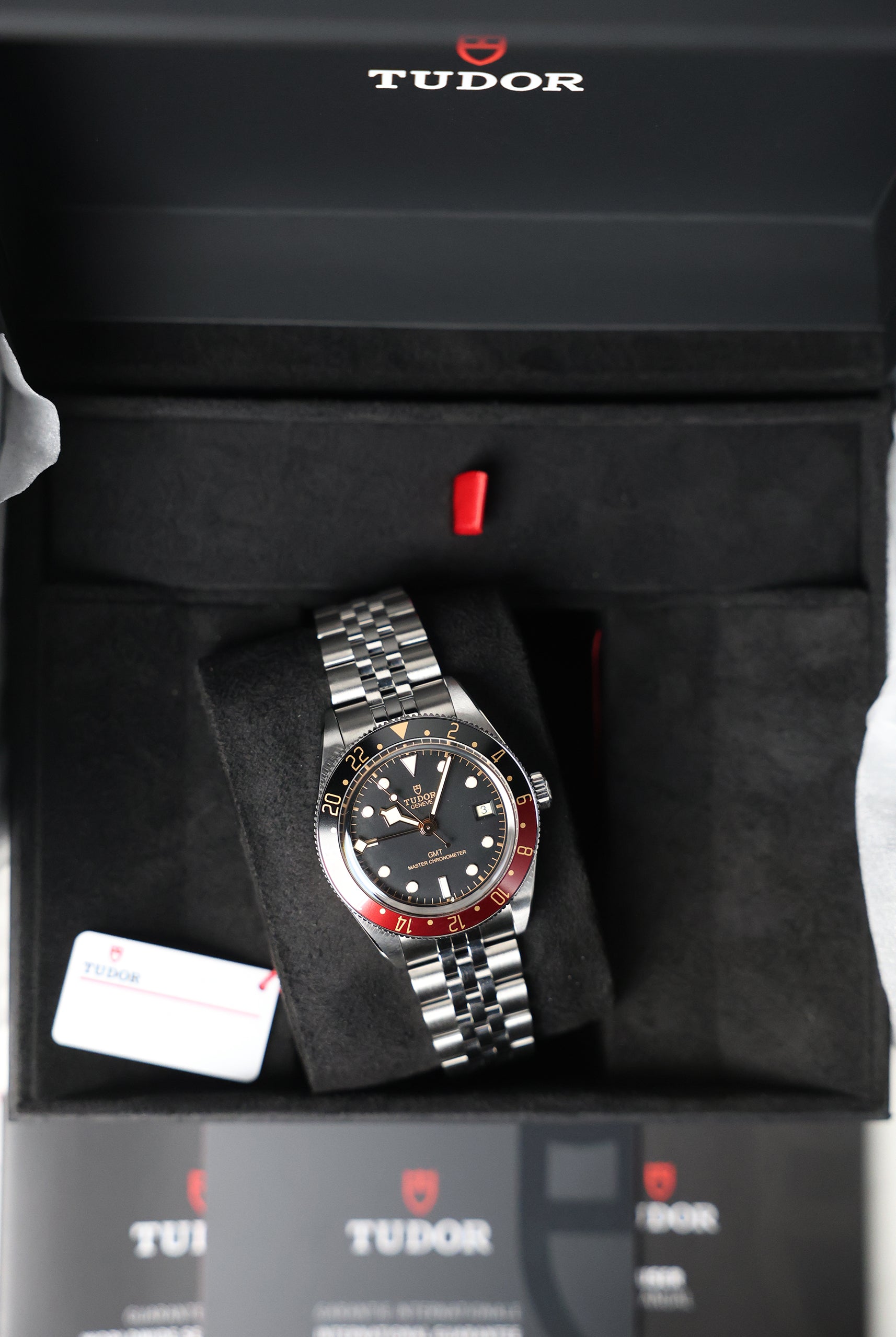
Mechanical honesty. The watch is engineered for the stress it claims to handle, and overengineered against the stress it will actually face. The Submariner is depth-tested far beyond any wrist's reasonable use case. The Master Chronometer-certified Black Bay survives 15,000 gauss when most wrists will never encounter more than a fridge magnet. The watch keeps its promises. It does not ask for kid gloves.
Generational longevity. A mechanical tool watch is built to be serviced and to outlive its first owner. Part availability typically extends across decades. A Submariner from 1985 can be serviced today. A Seamaster from 2005 still wears as intended. A Black Bay from the early 2010s still earns daily wrist time. The watch ages. It does not obsolesce.
Digital resistance. A luxury smartwatch typically operates within a three-to-five year window before its software support quietly ends and the device becomes inert. A mechanical tool watch is exempt from that cycle entirely. It is permanent in a way nothing connected to the cloud can be.
The Object That Stays
The luxury tool watch is not competing with the smartwatch.
The two serve different needs. The smartwatch handles the daily transactional load — notifications, fitness, payments, navigation — and replaces itself every few years as the software window closes. The mechanical tool watch handles something else. It is the deliberate counterweight to digital abstraction. The object that stays when the cloud goes dark.
That is why the Submariner, the Black Bay, and the Seamaster Diver continue to anchor every brand's sales chart in 2026. They are not sold as tools. They are sold as permanence — as the rare modern object that gains, rather than loses, meaning across the years a buyer keeps it.
You may never dive deep. You may never need 15,000 gauss of anti-magnetism. None of that is the point. What you are paying for is a relationship the watch is willing to enter — one in which it is built to be lived with.
Are you considering your next luxury tool watch? Visit us at Menara Hap Seng for a private consultation, or browse our current new and pre-owned inventory online.
Watch the full discussion on YouTube: