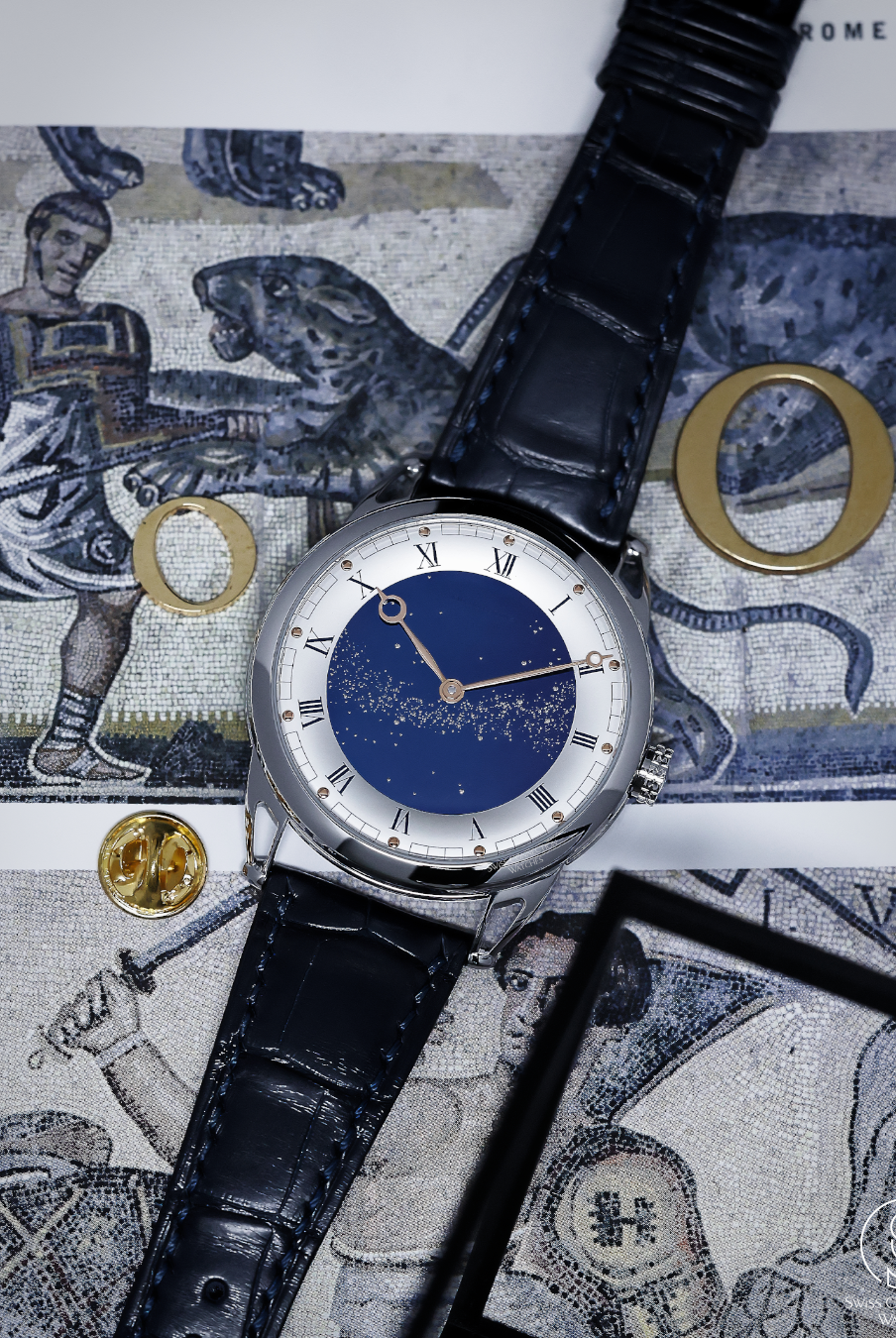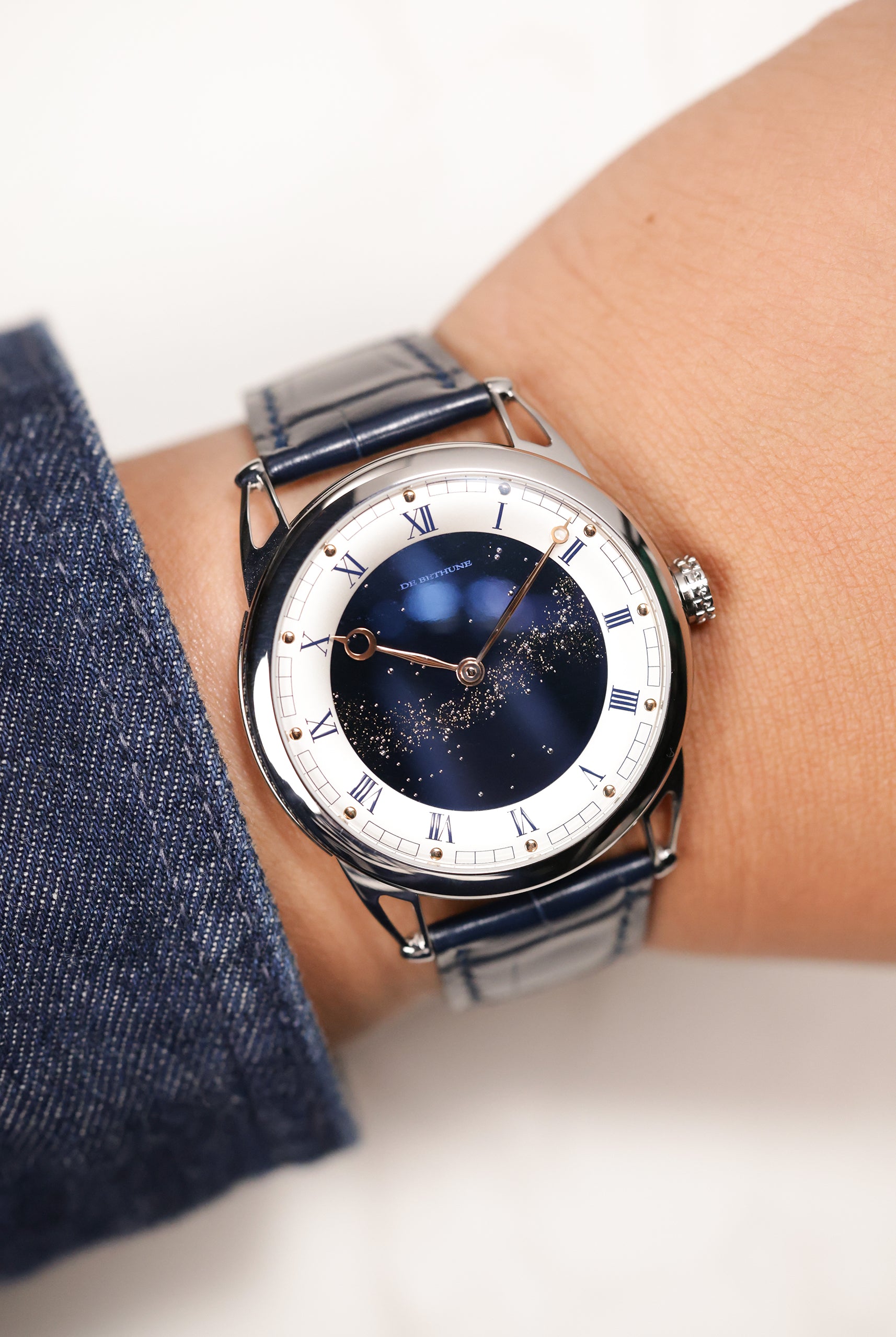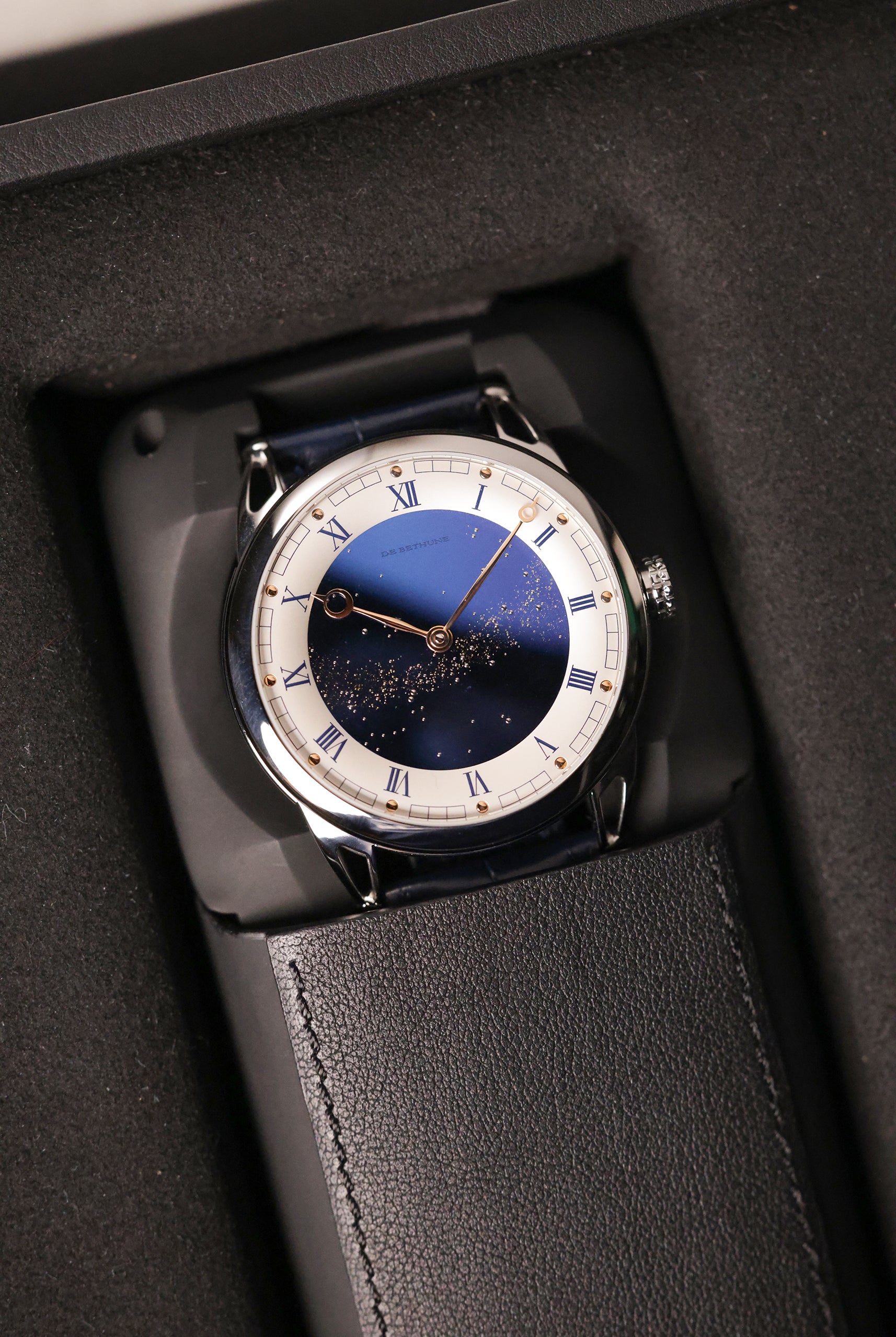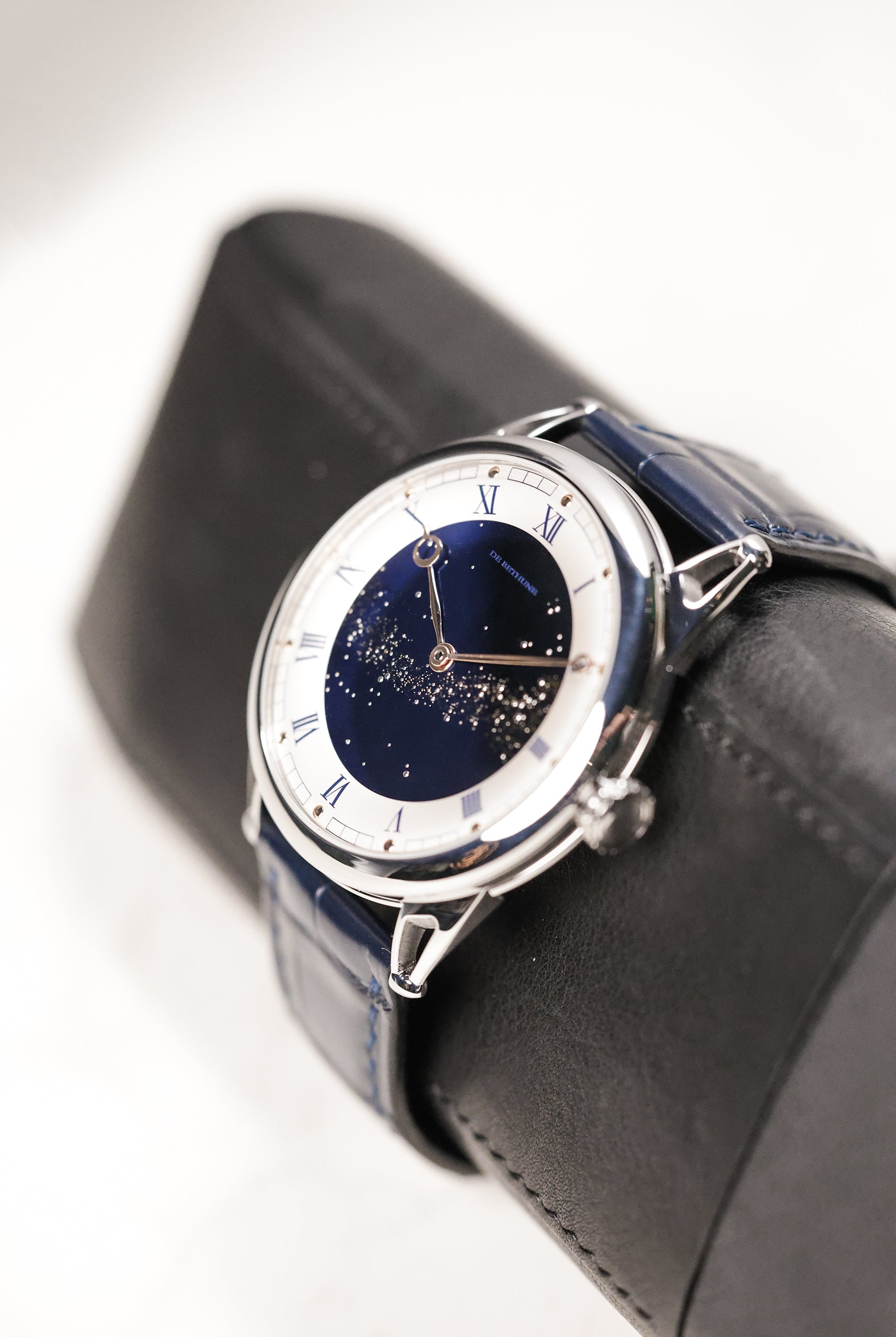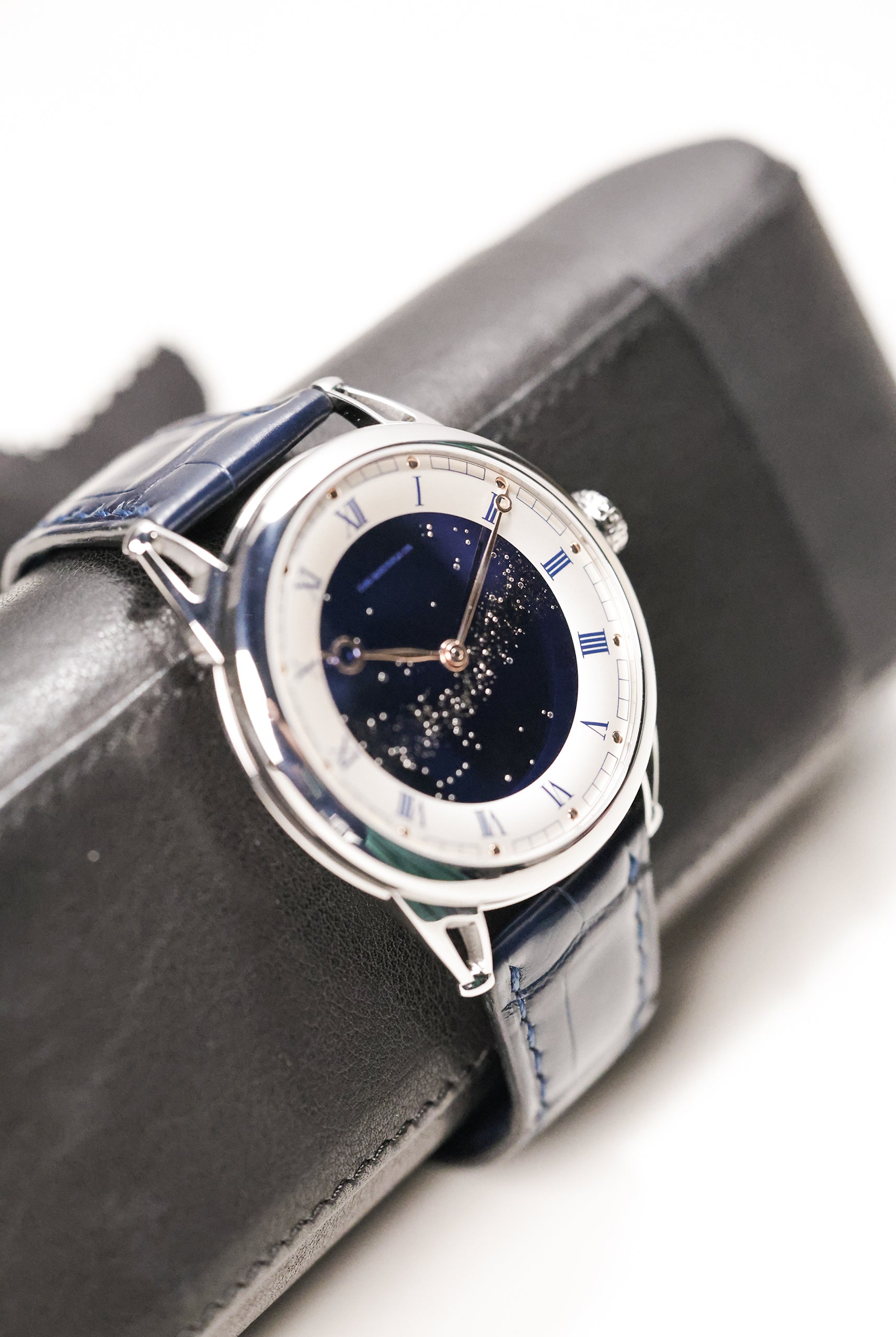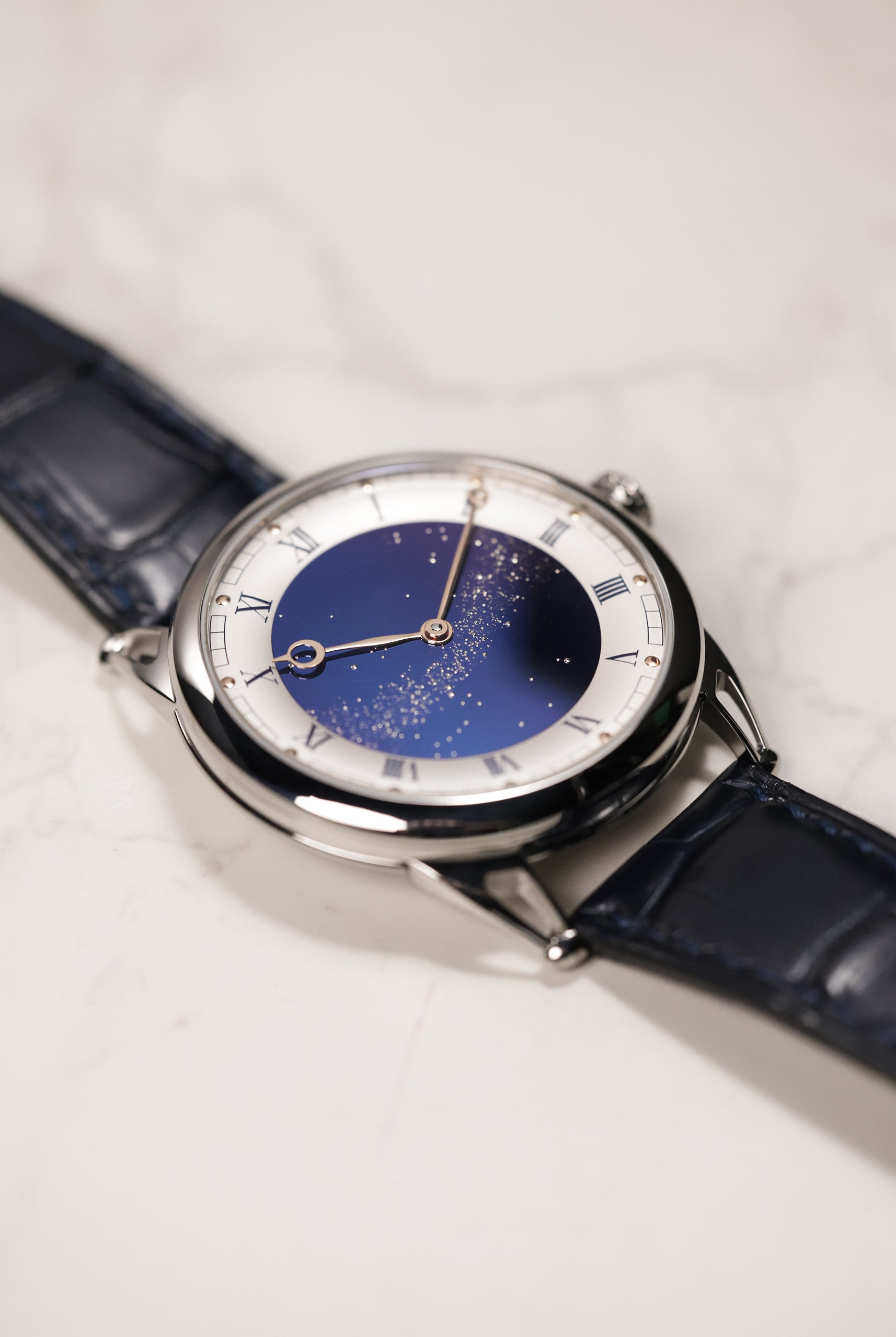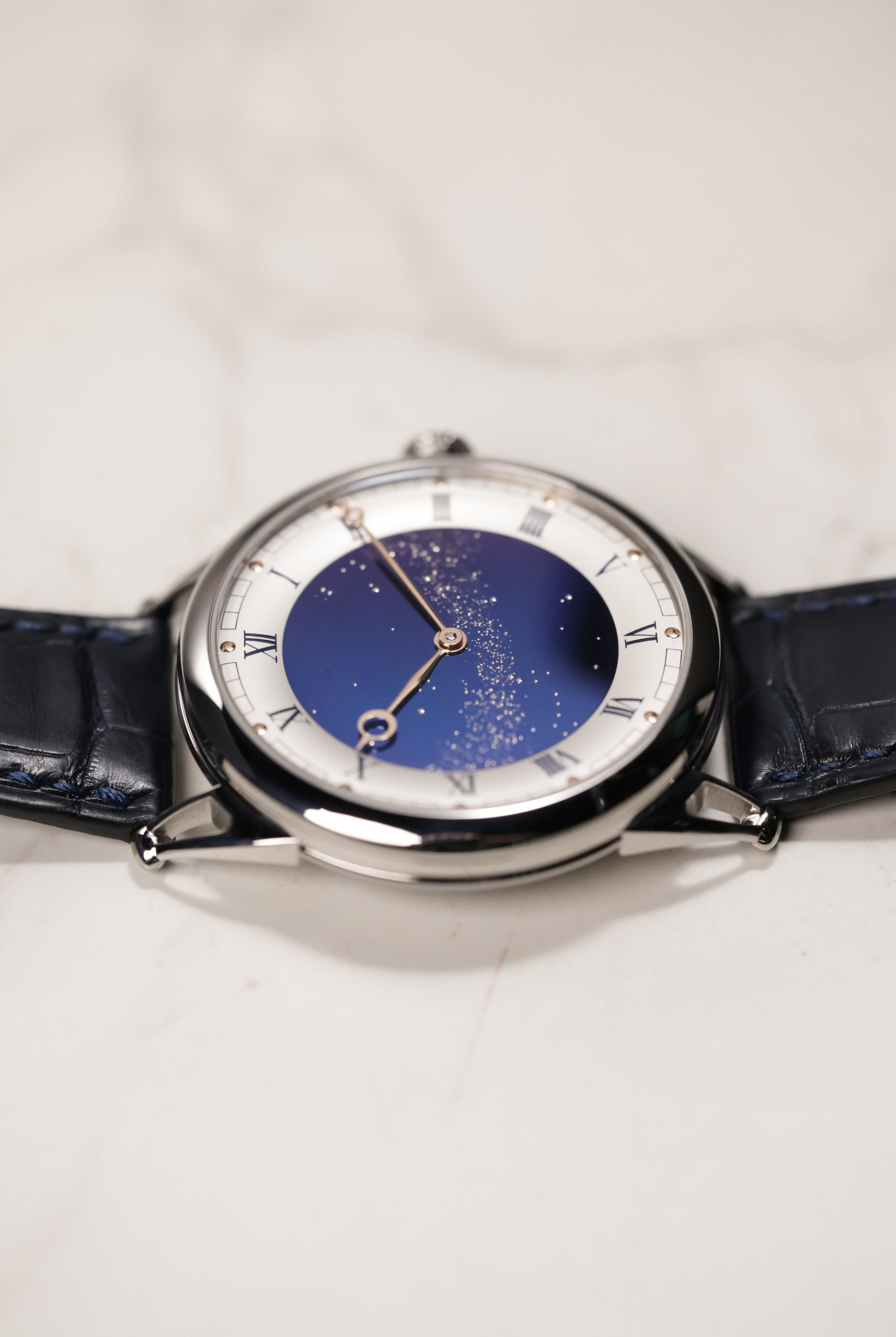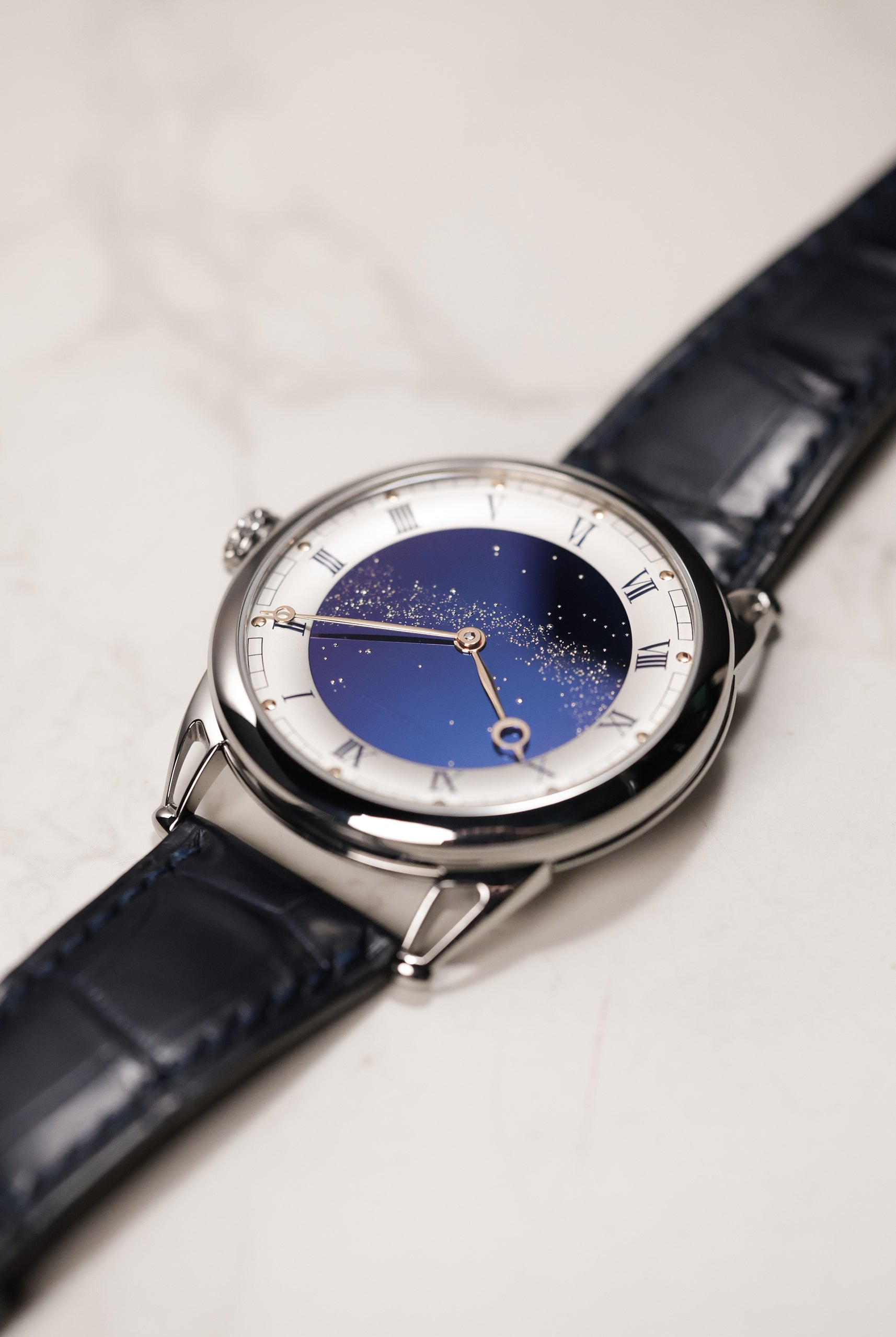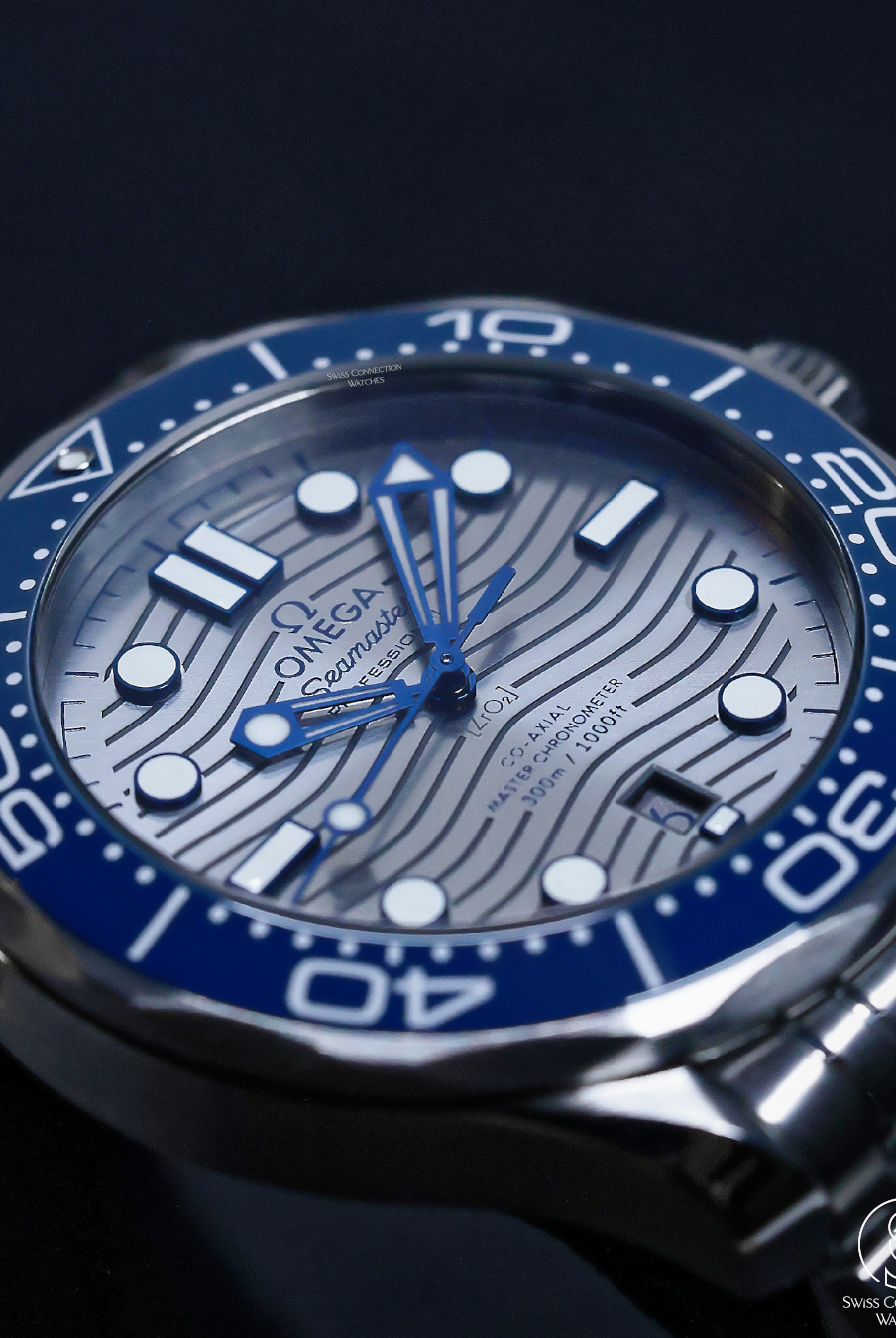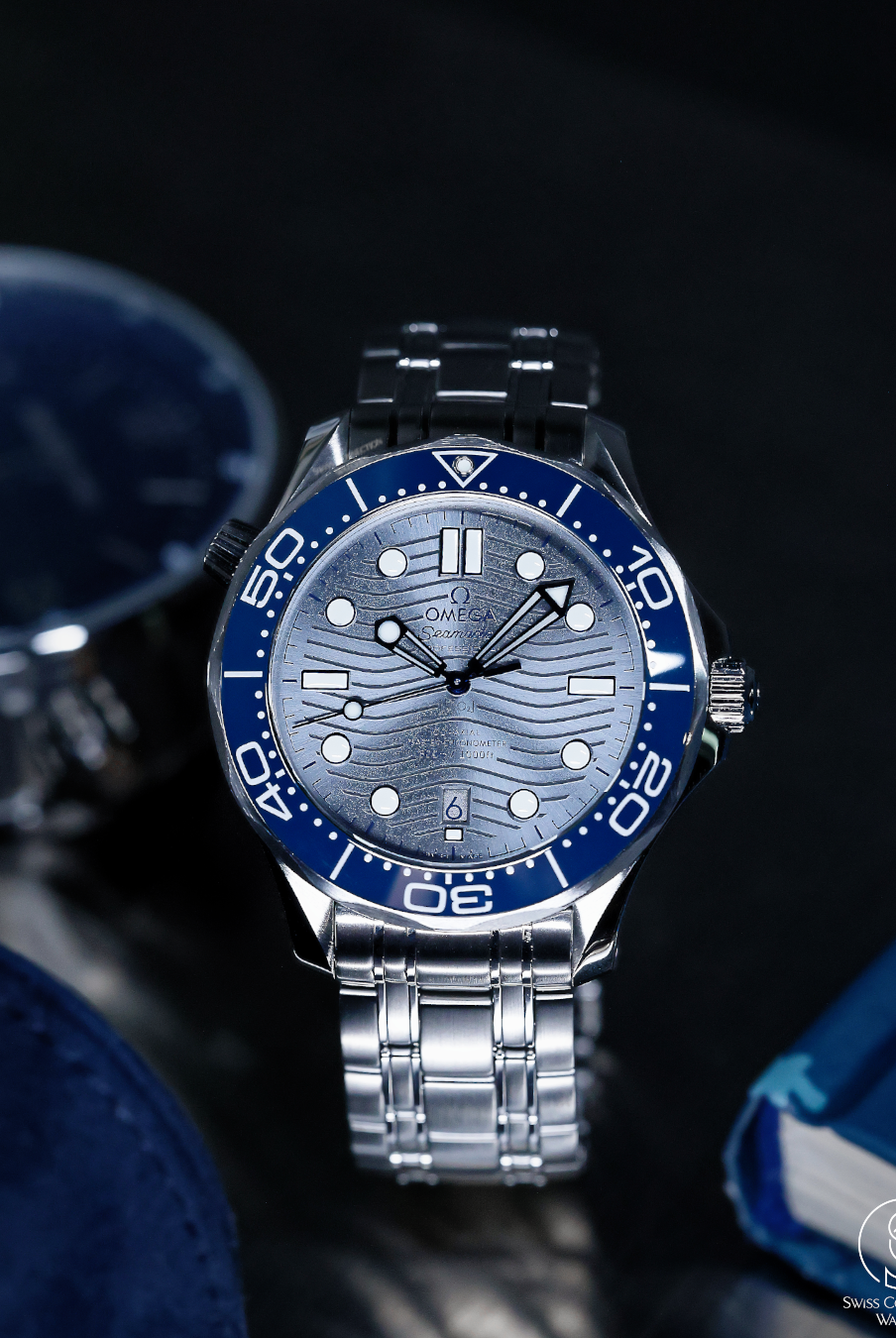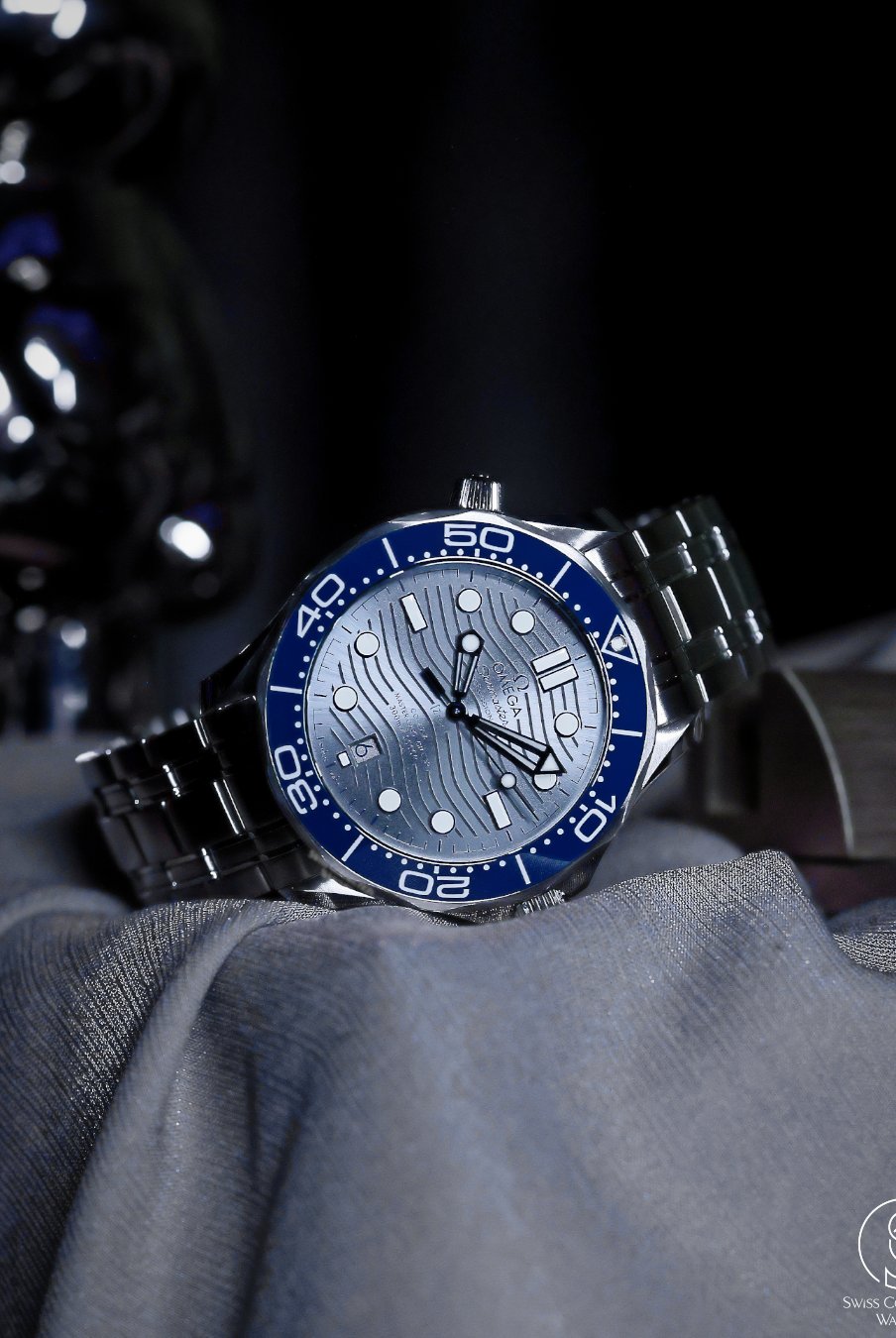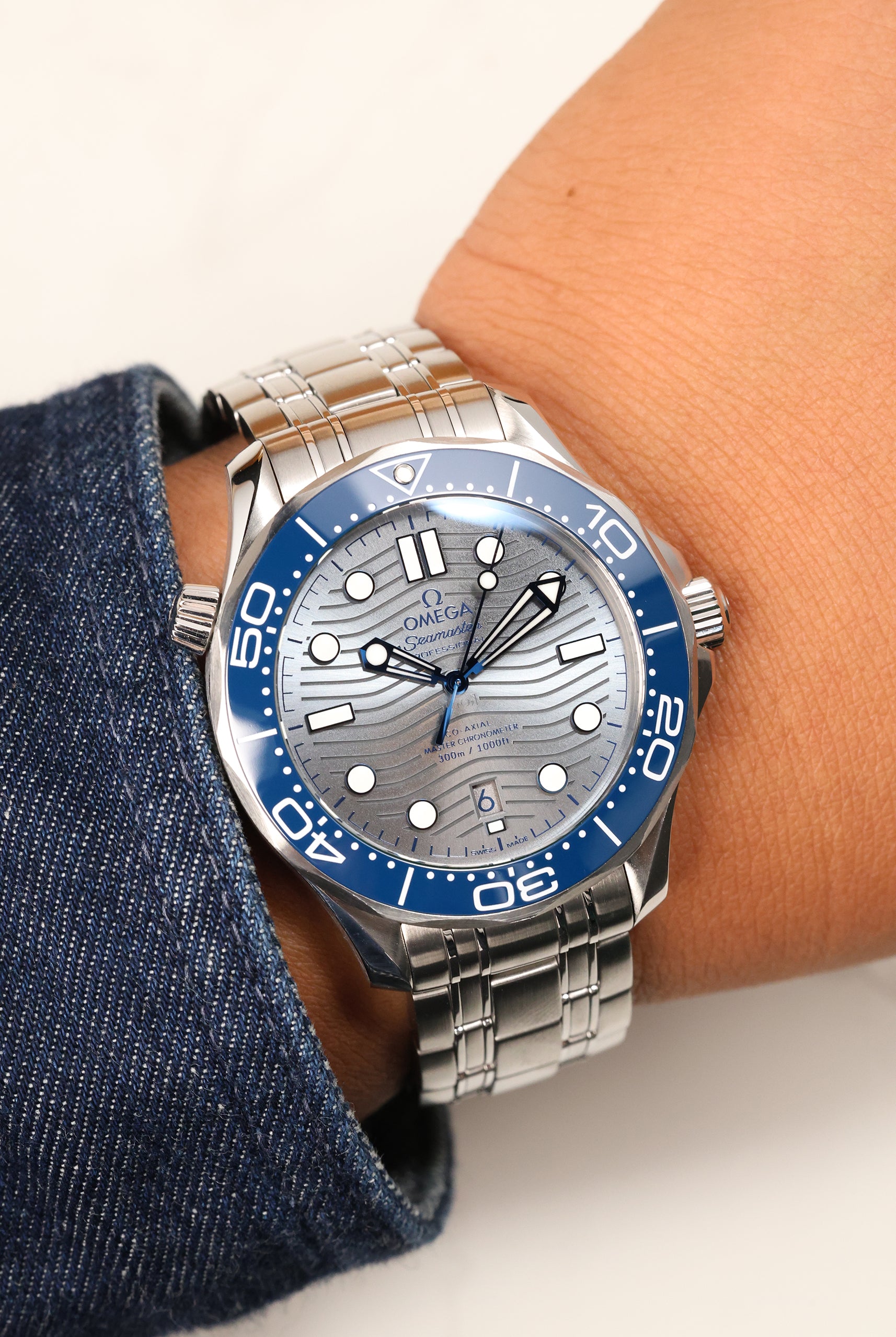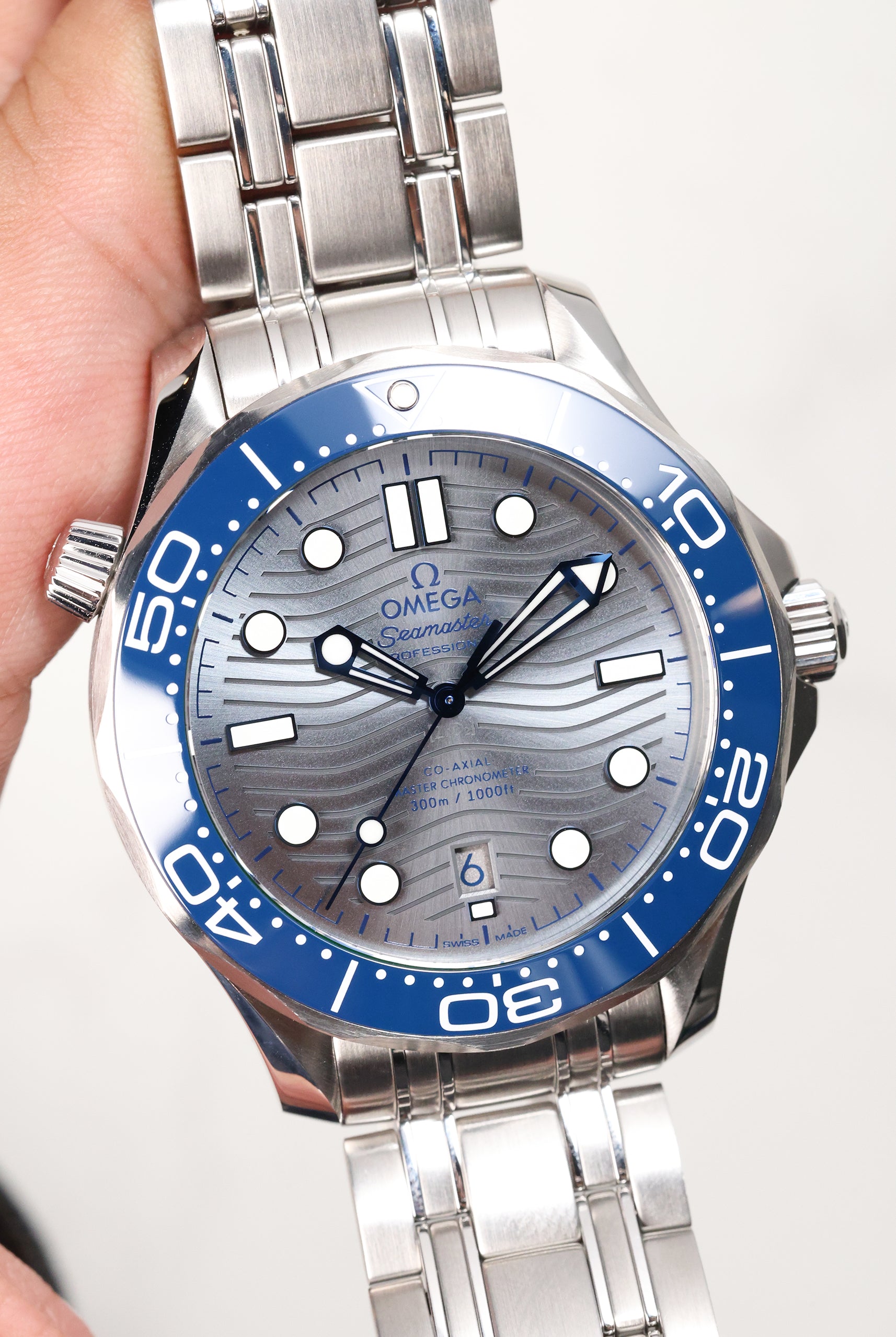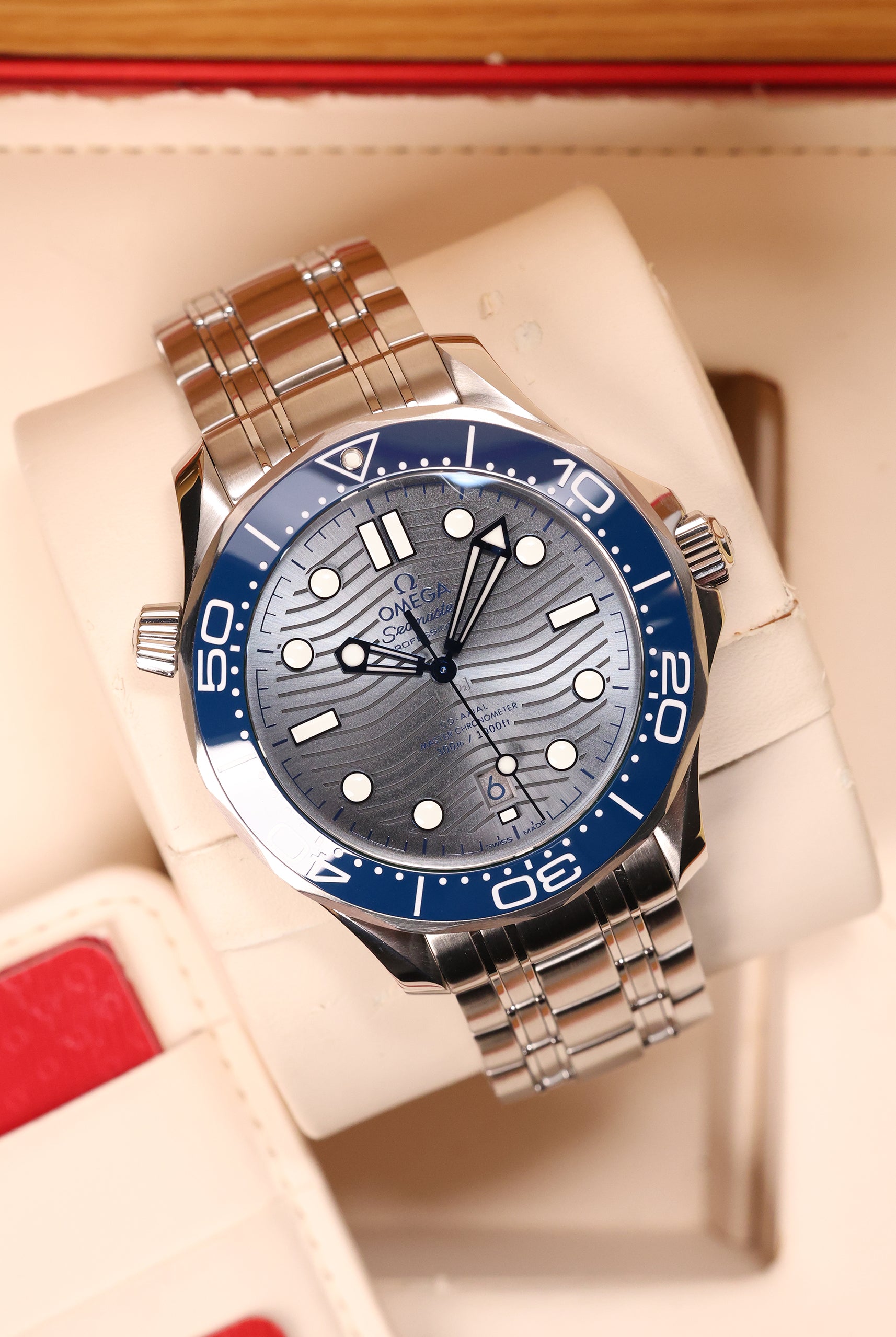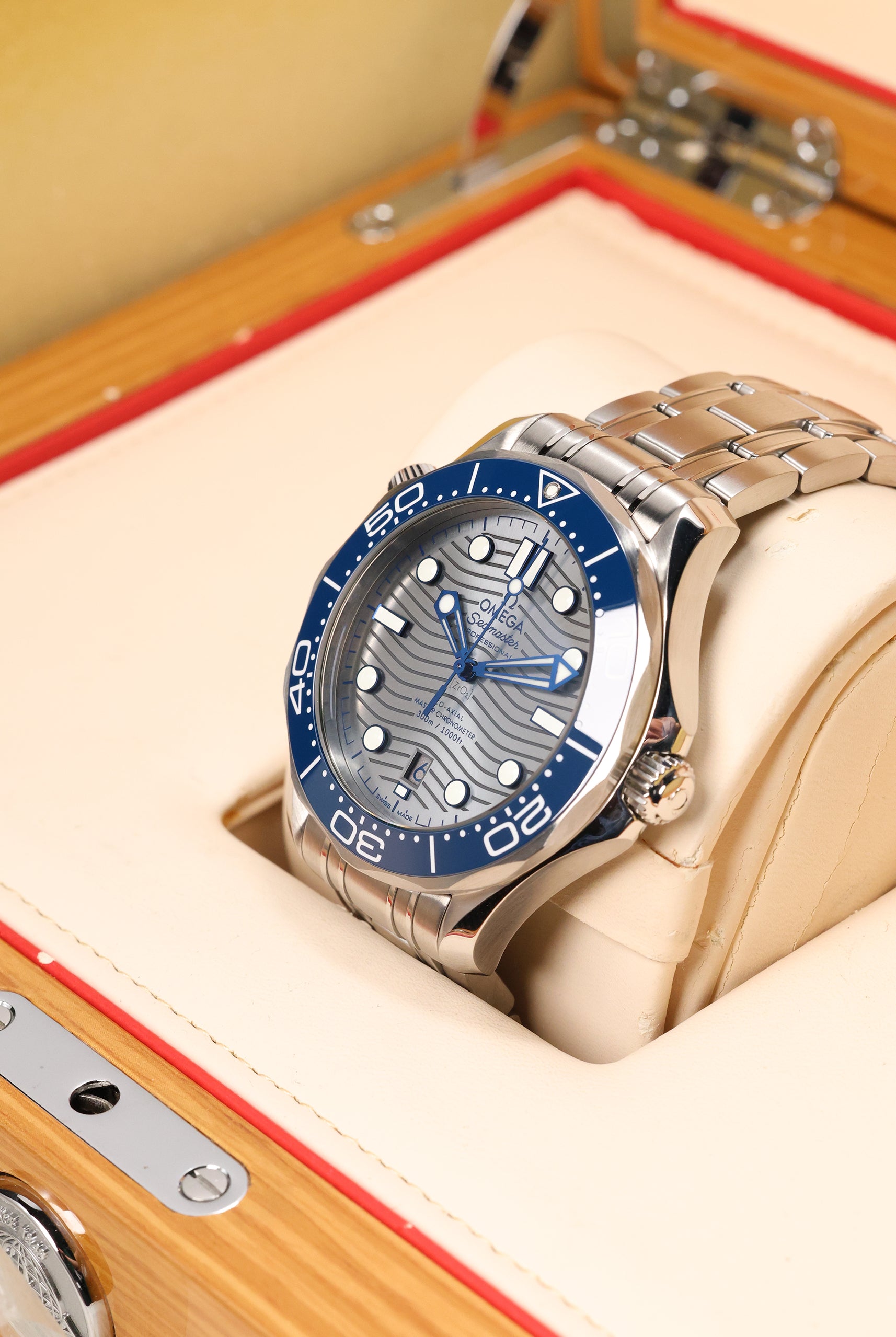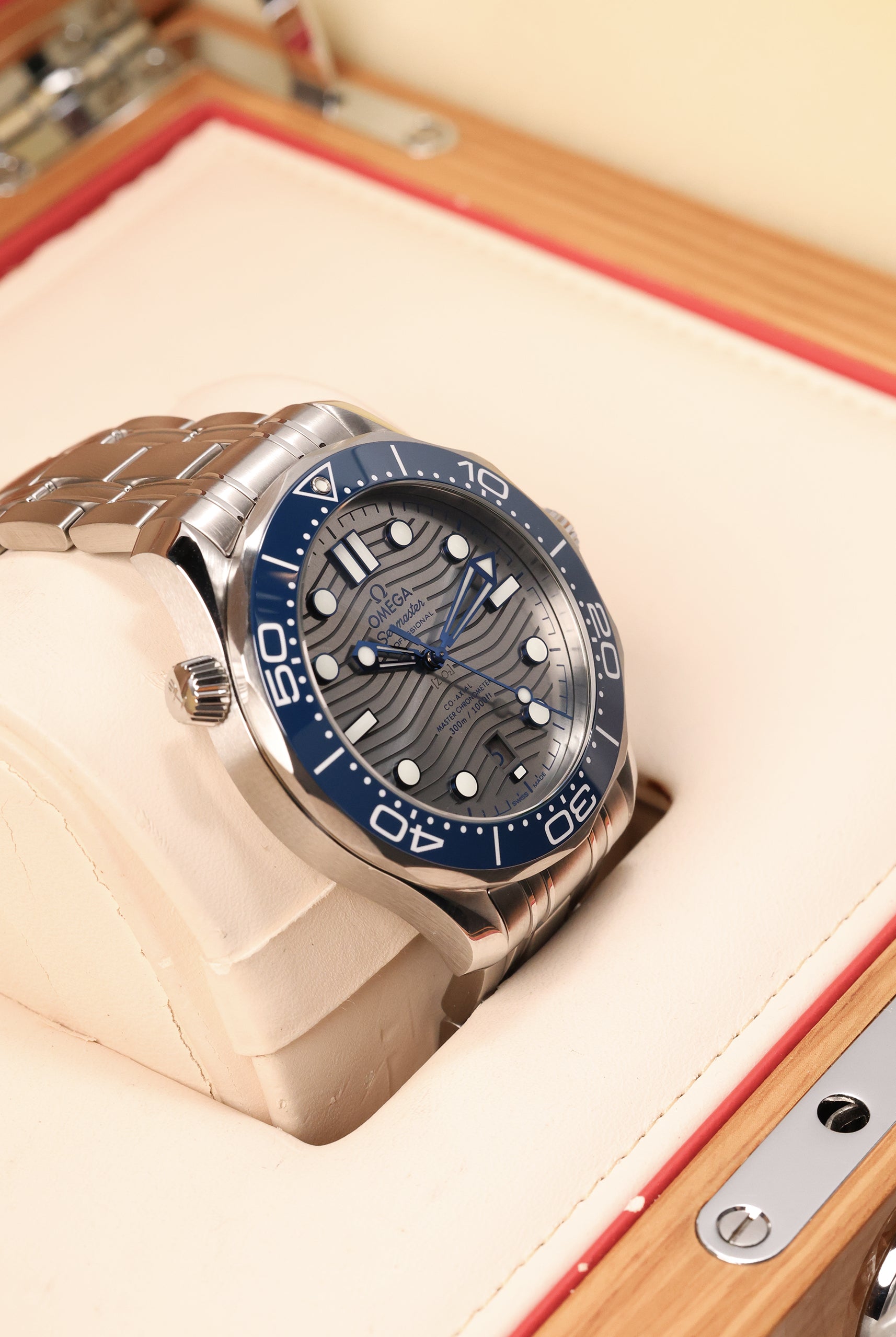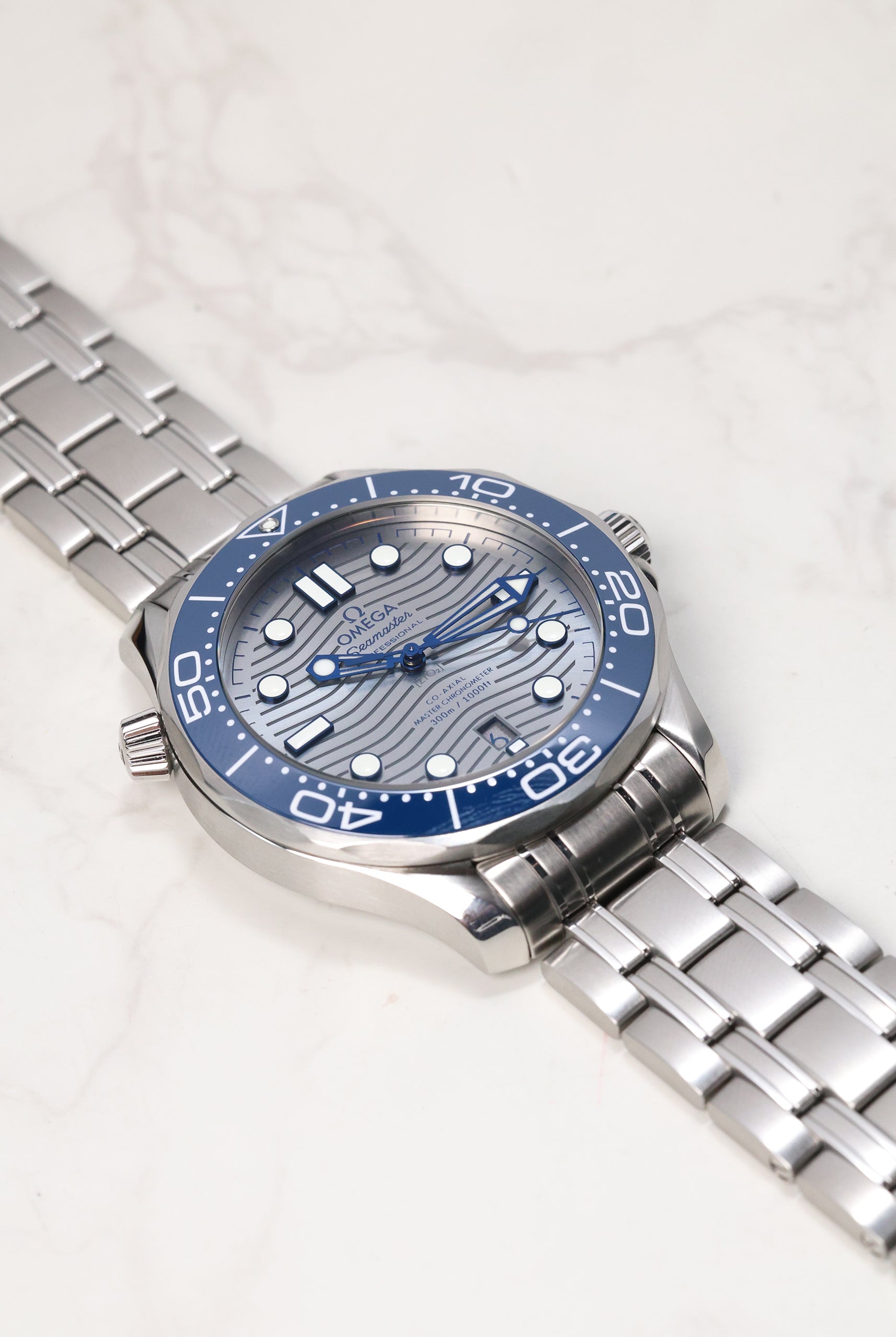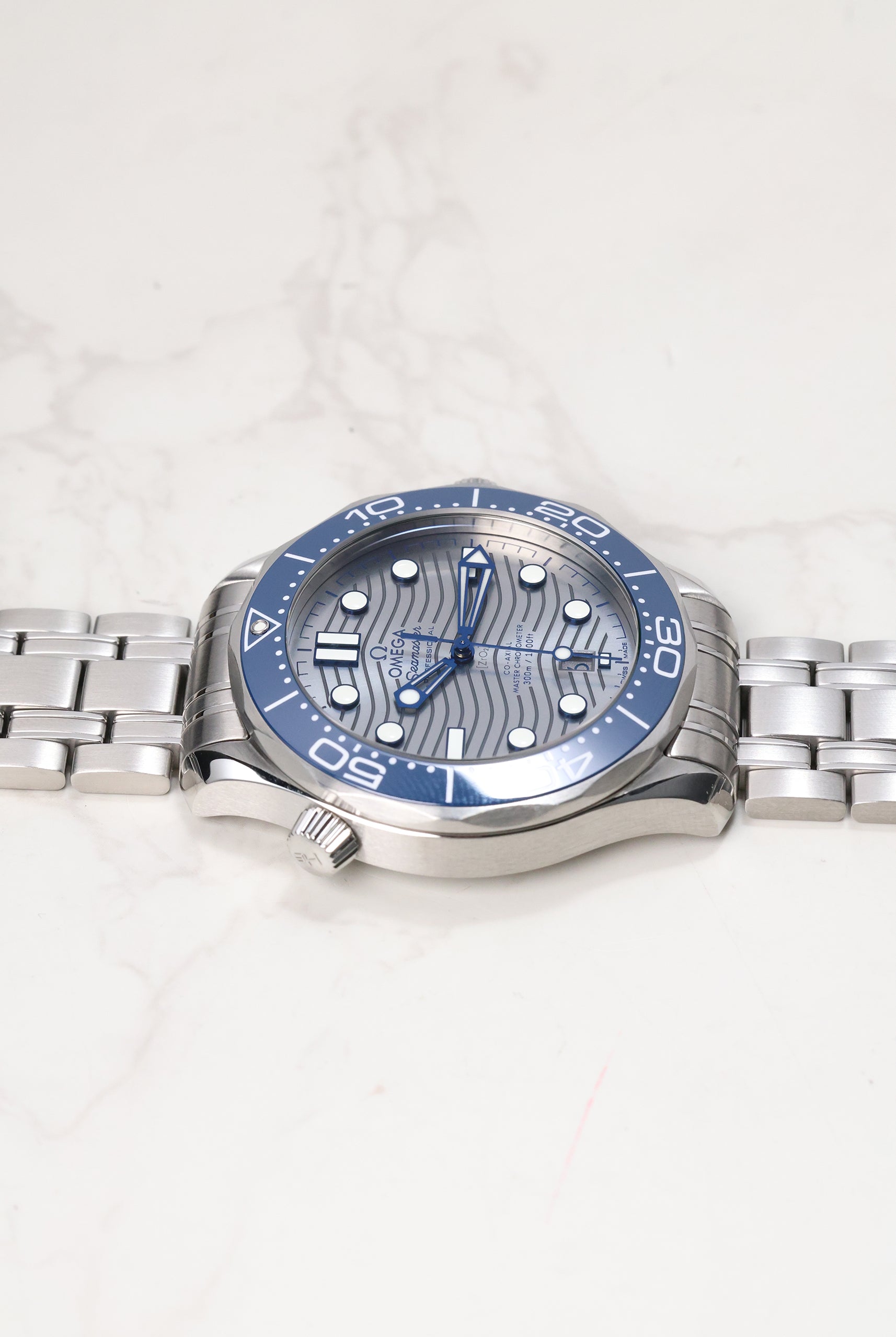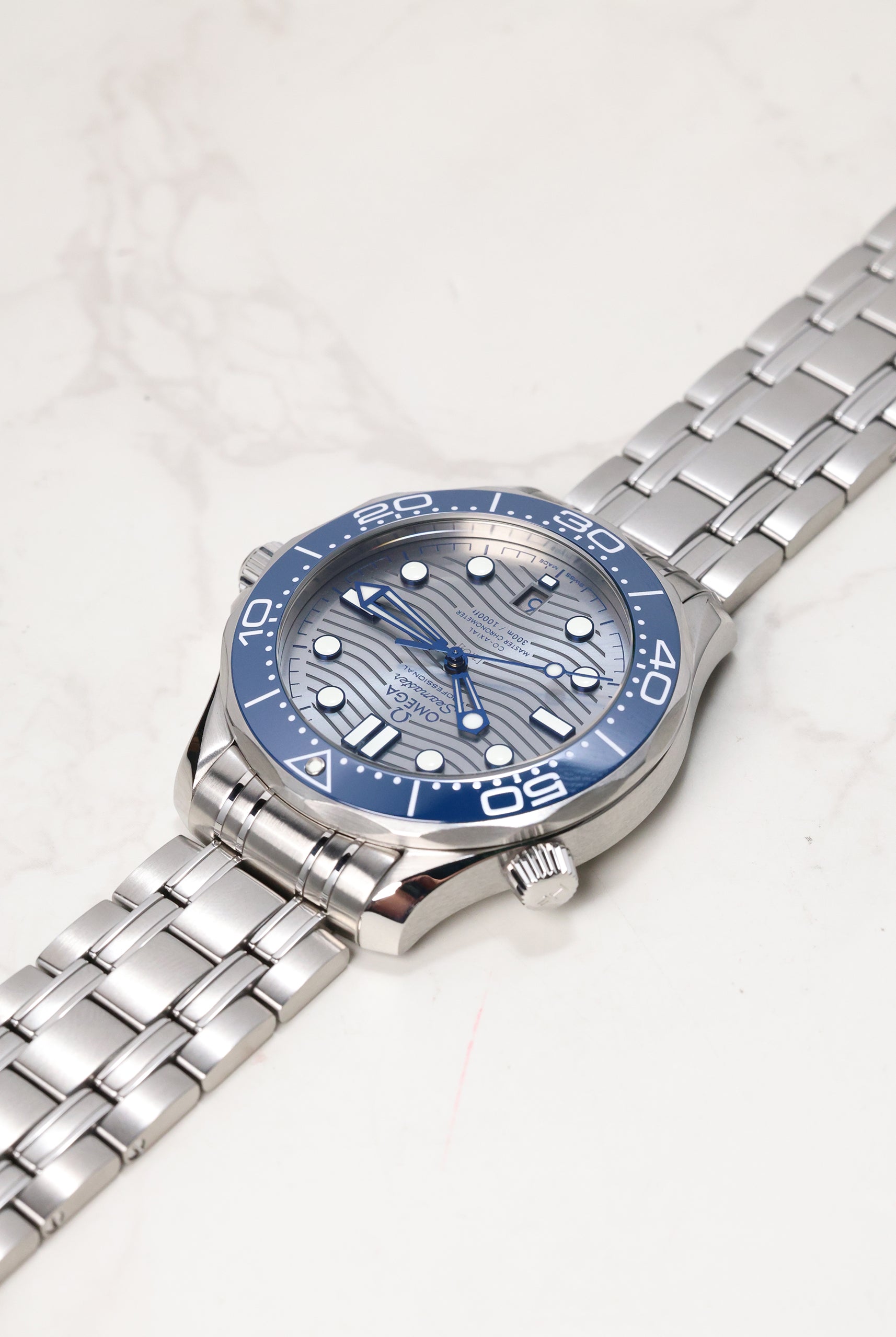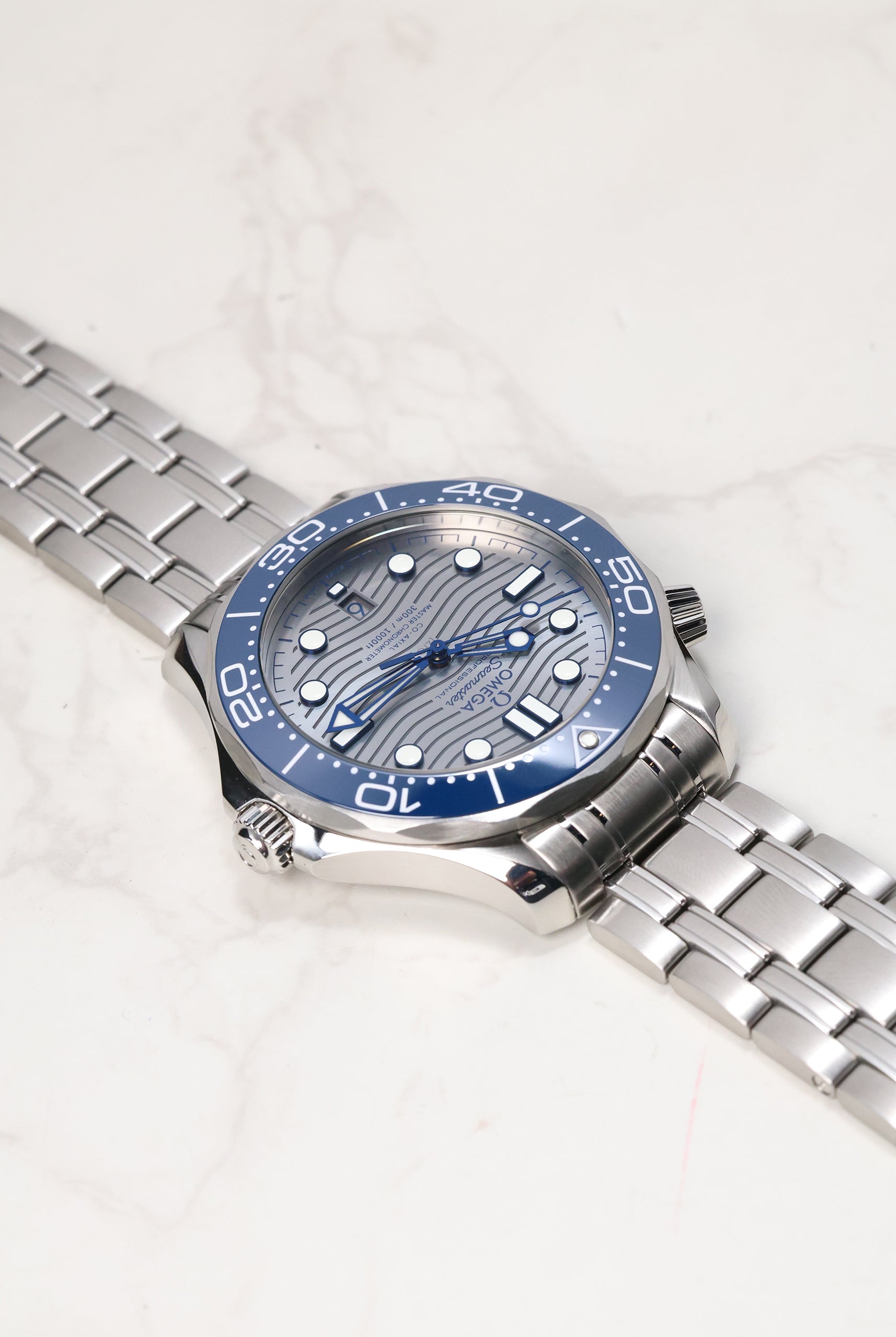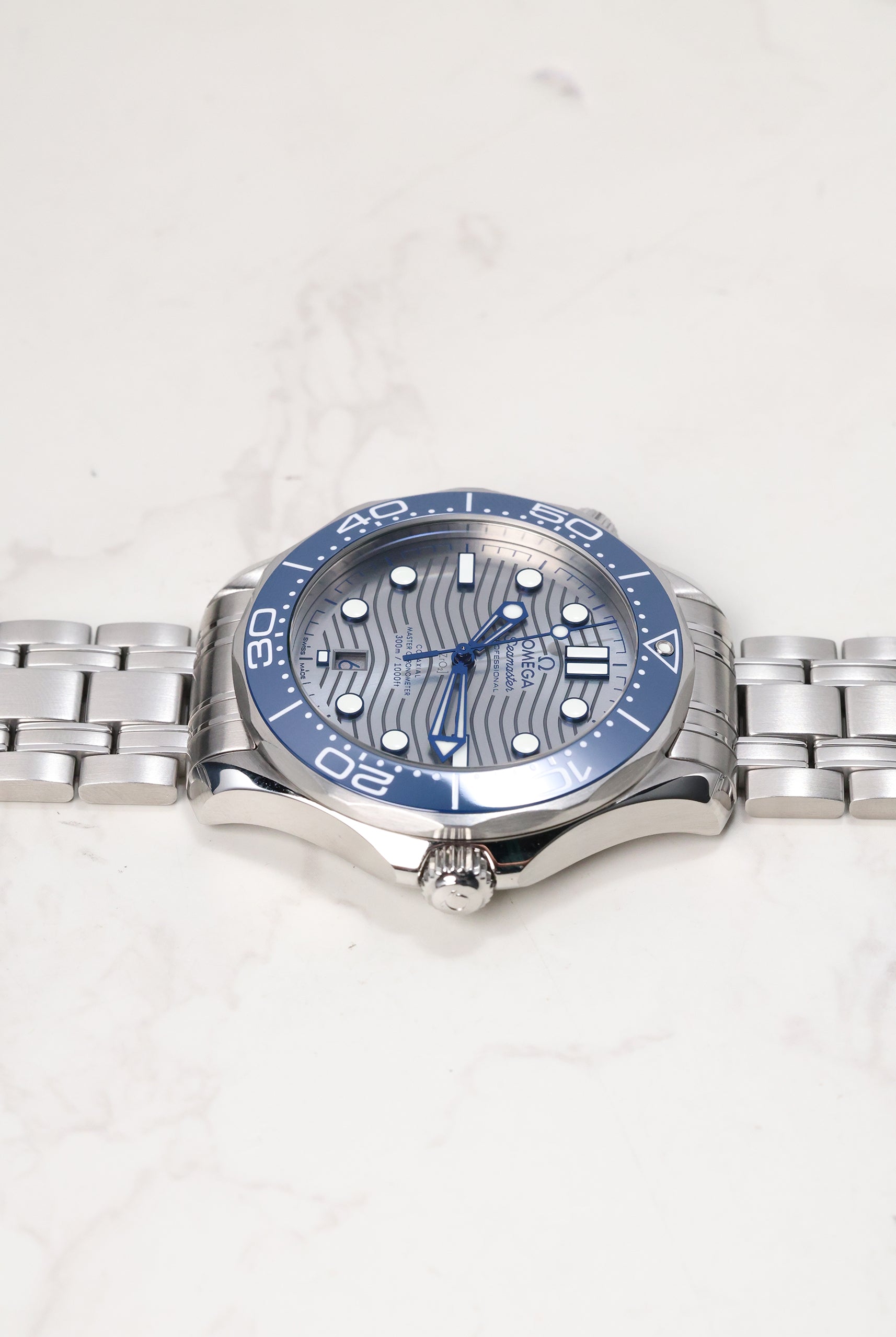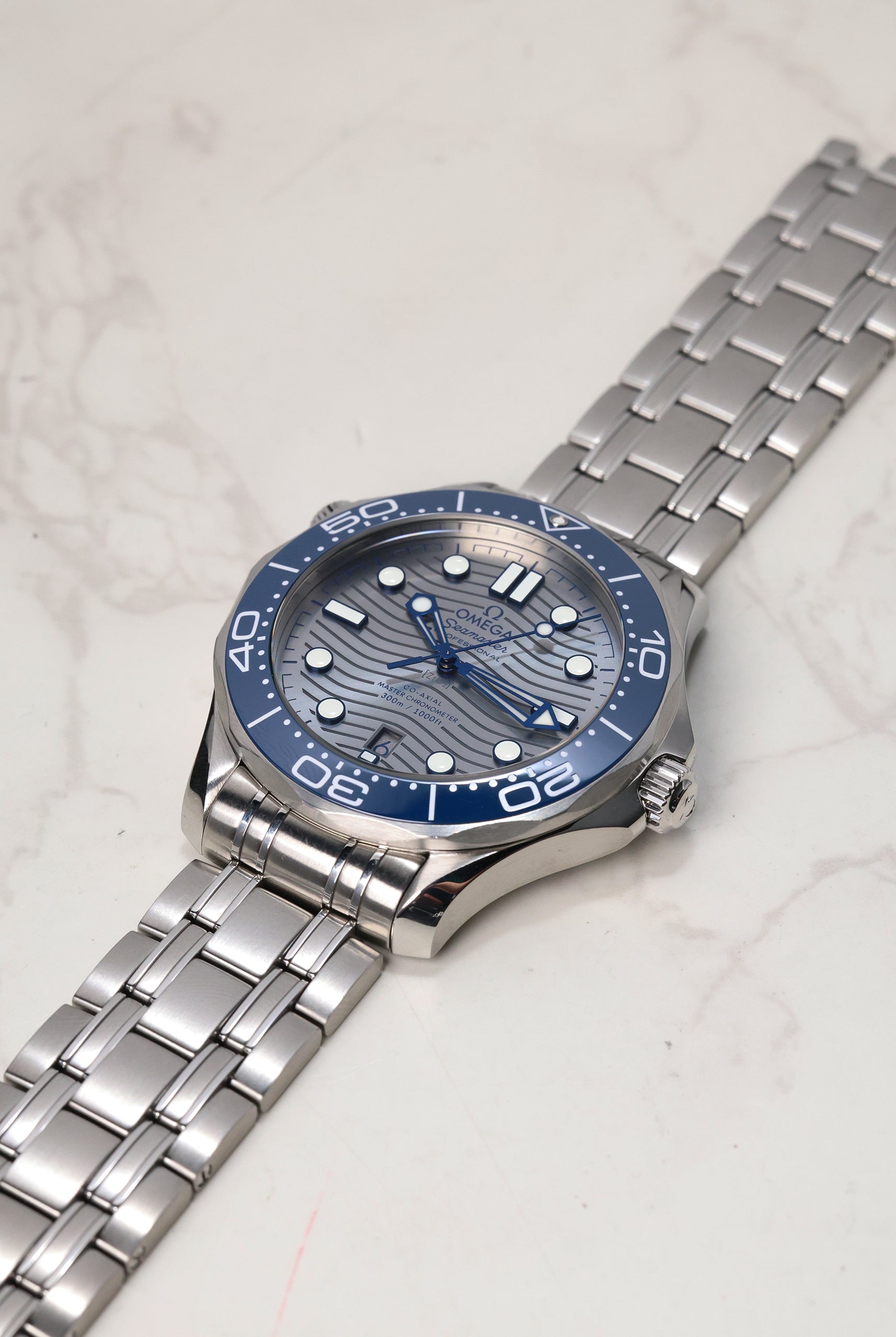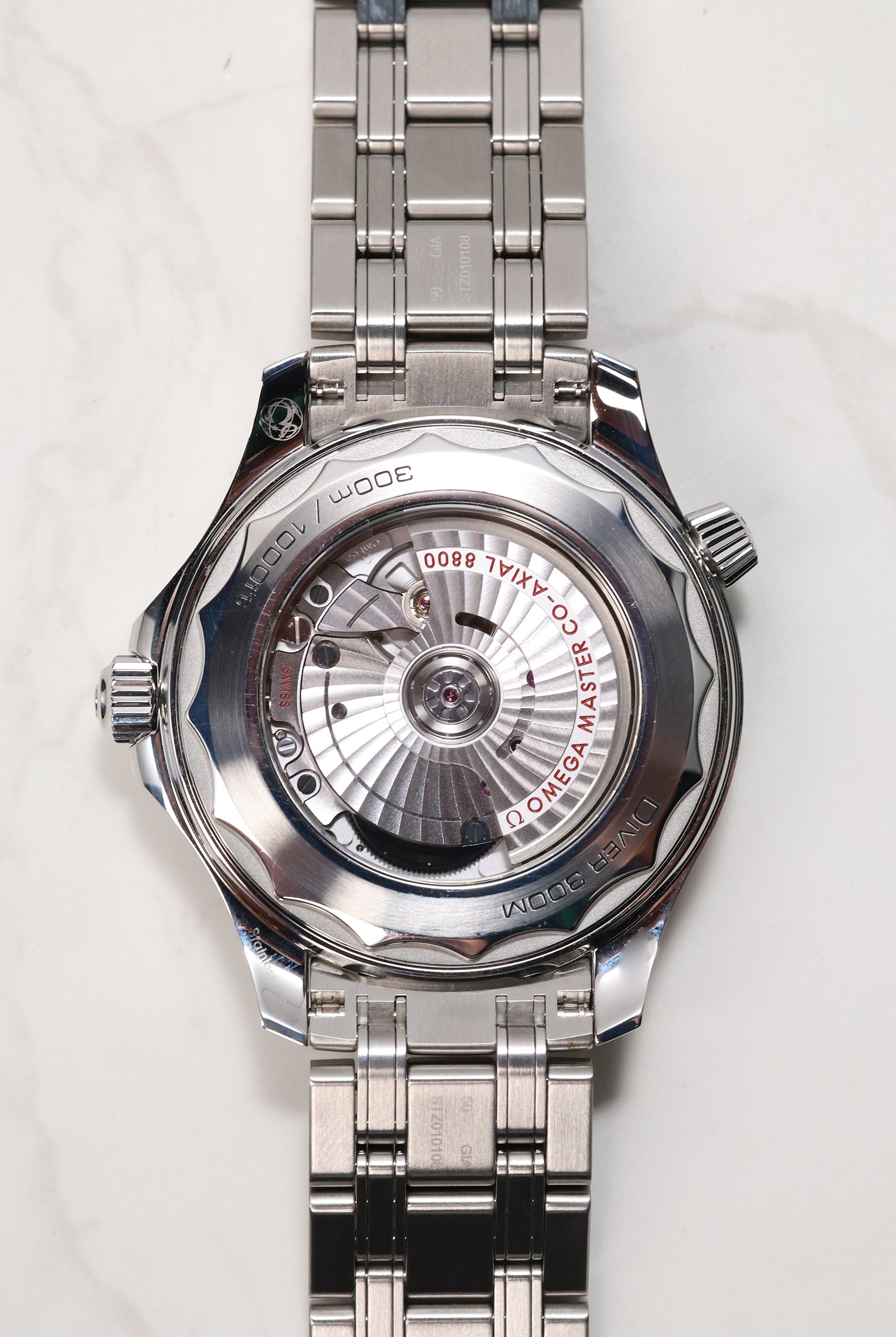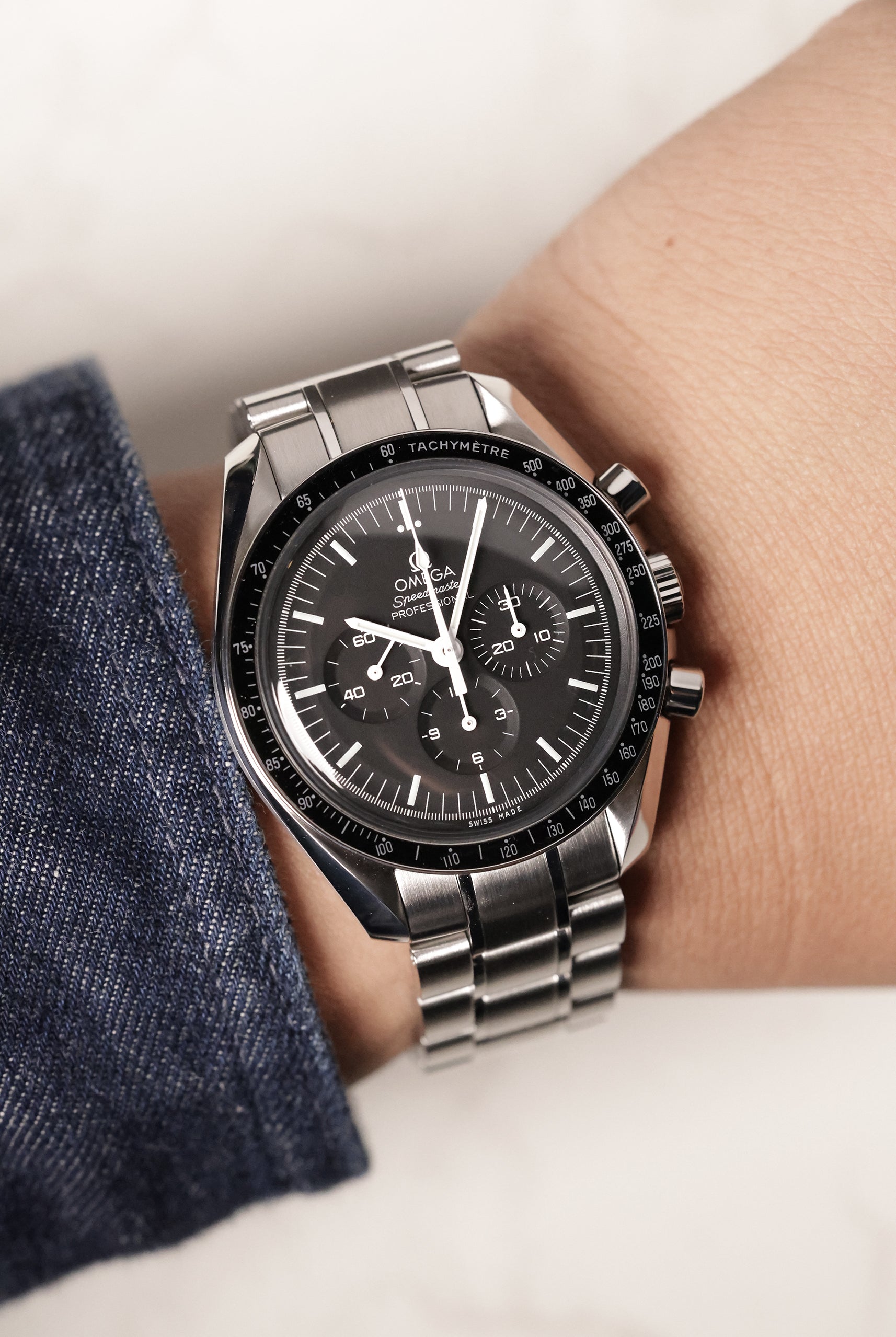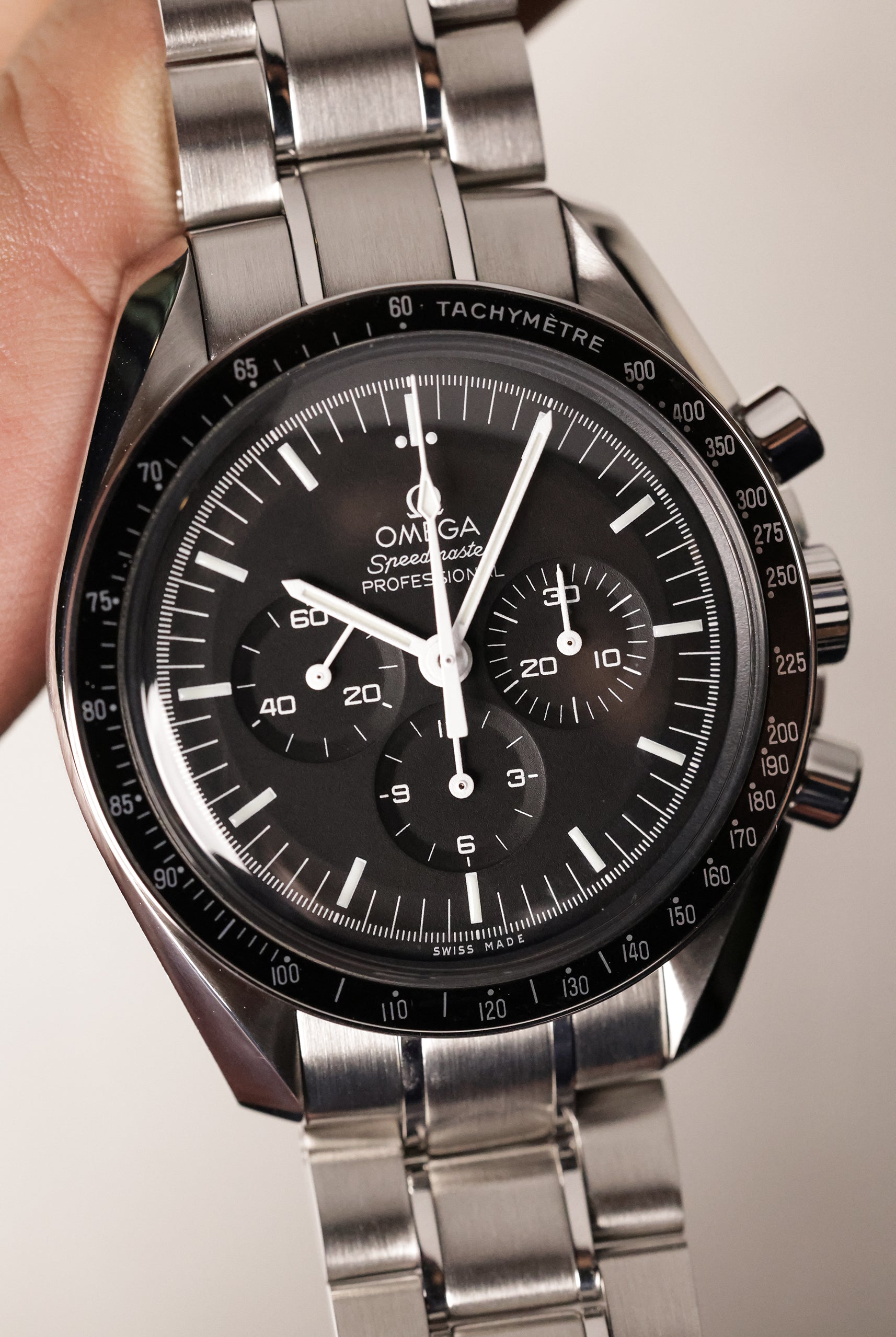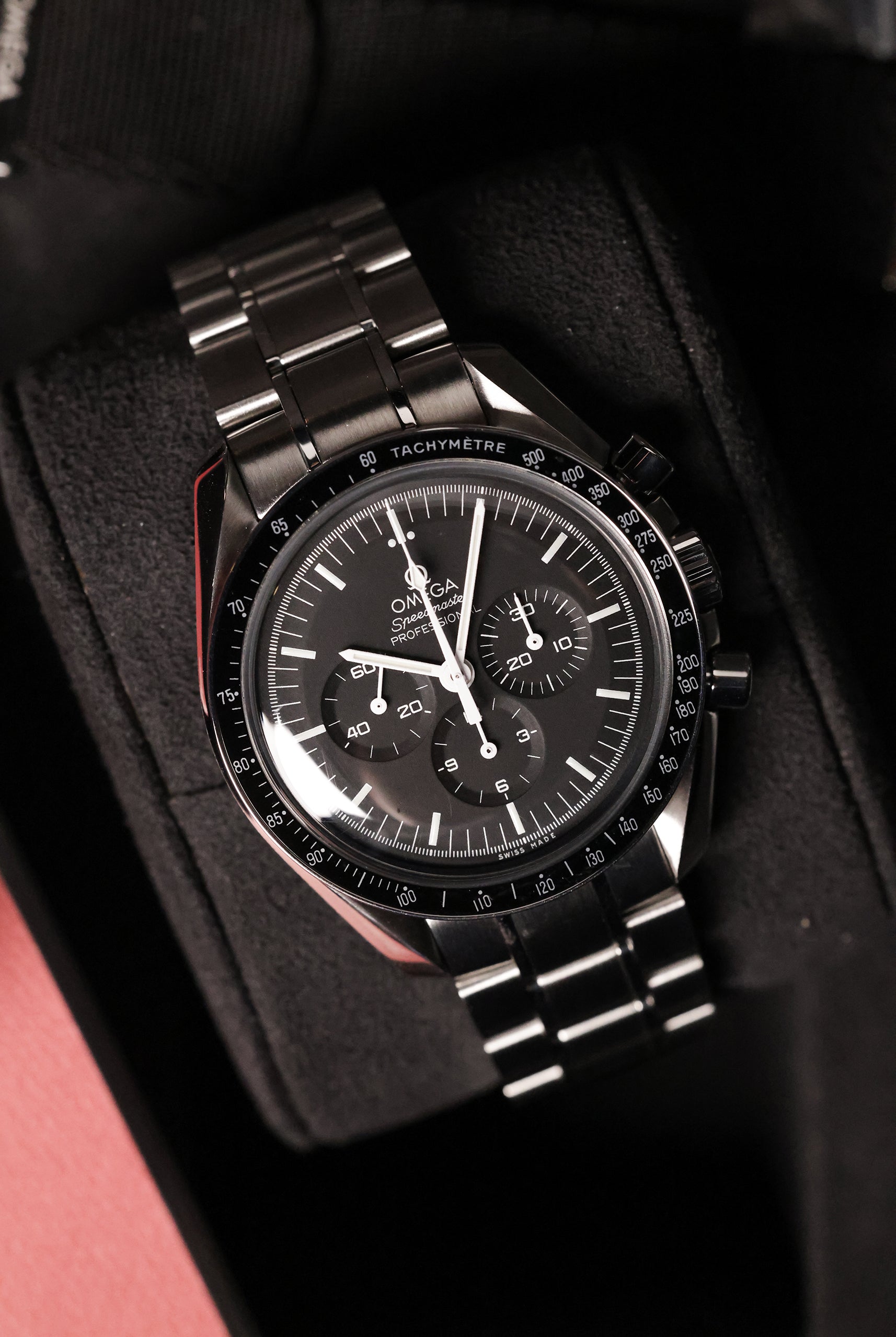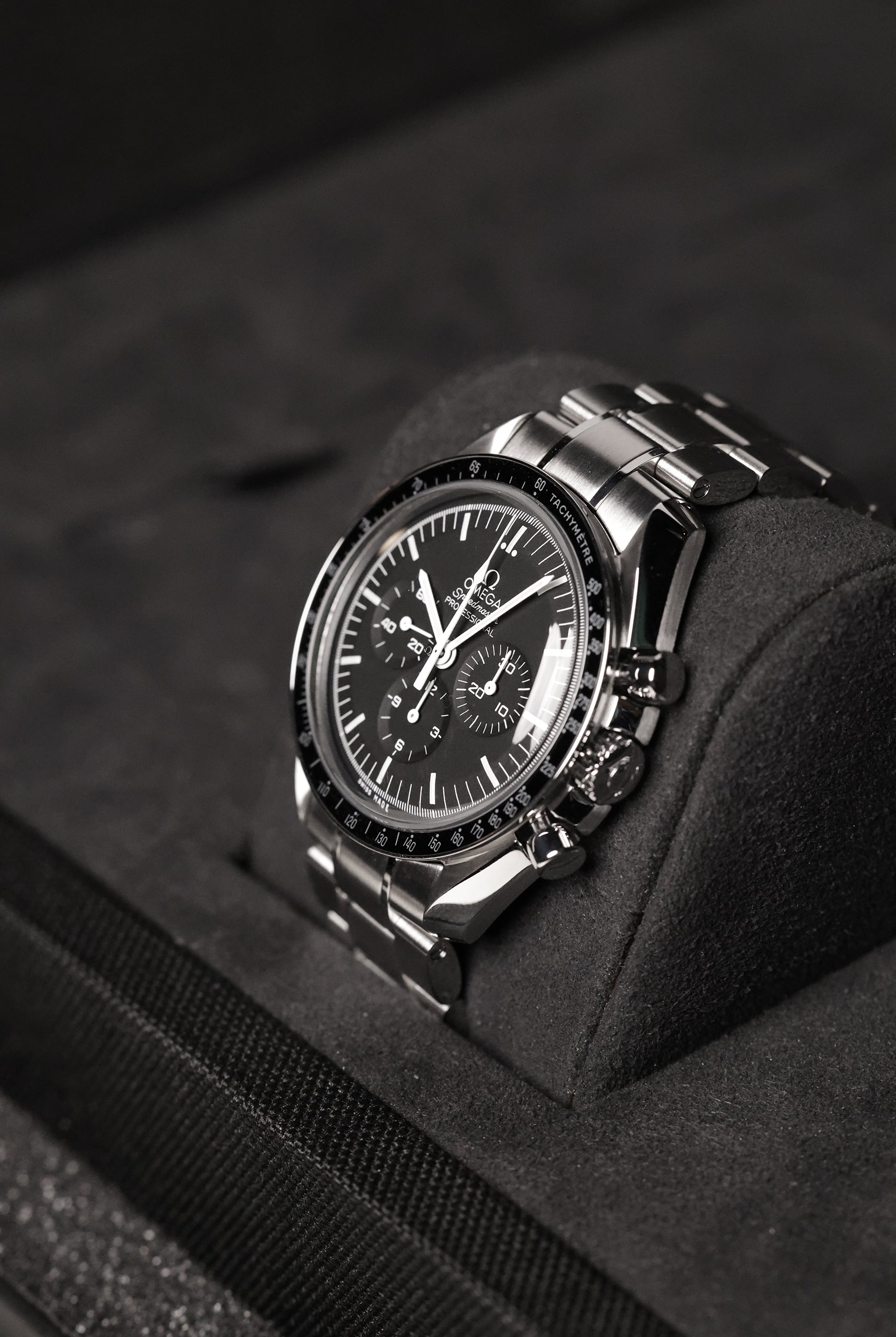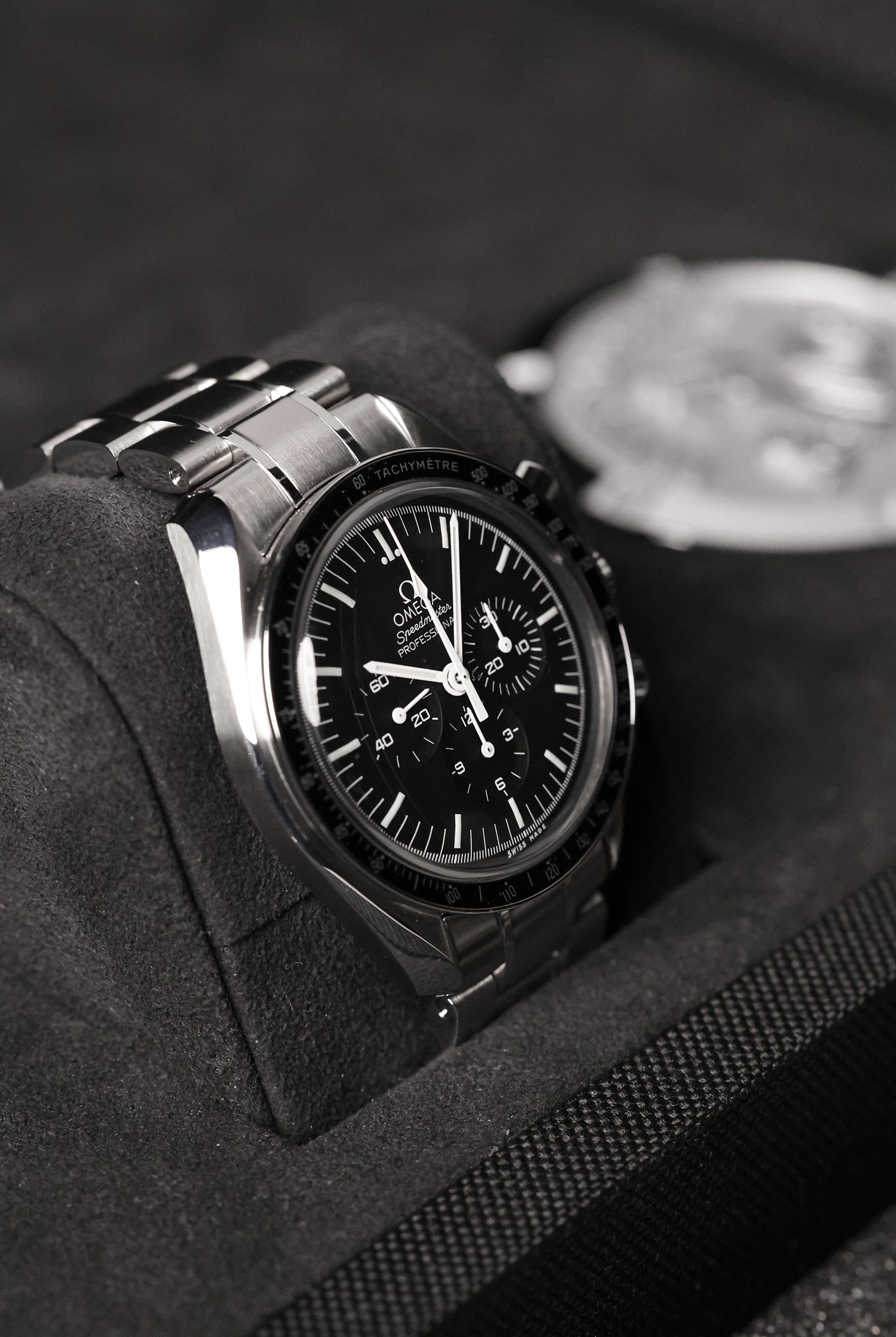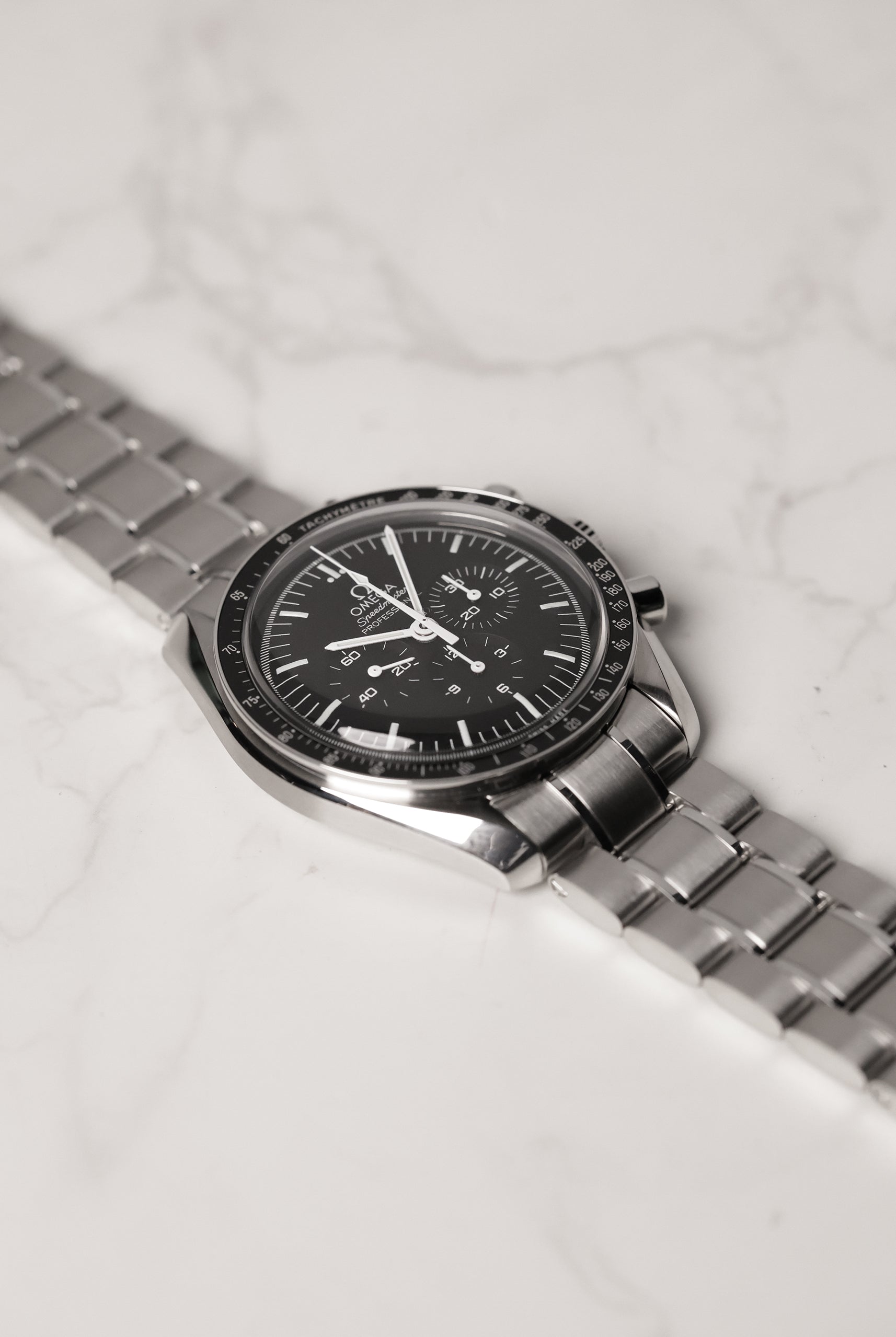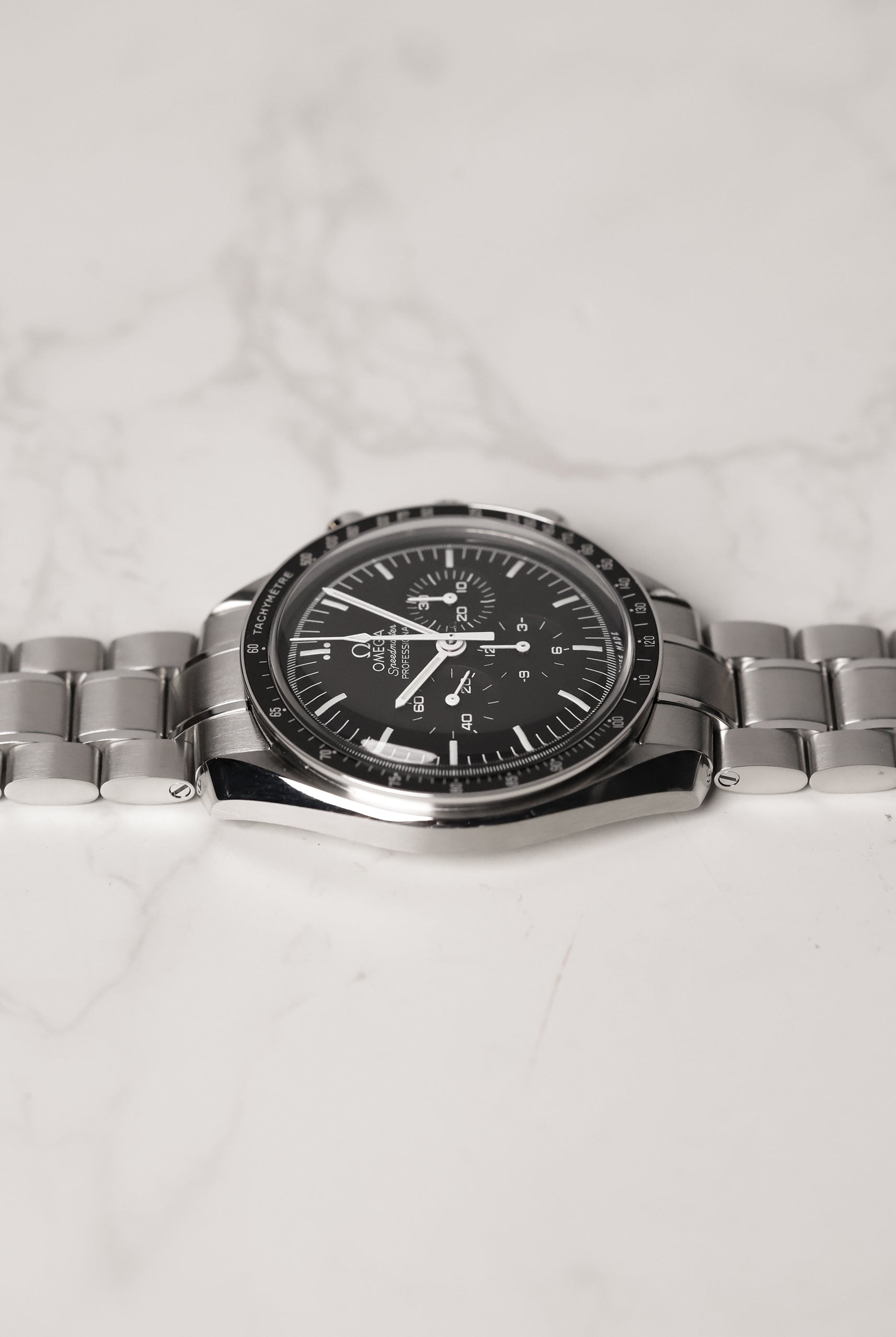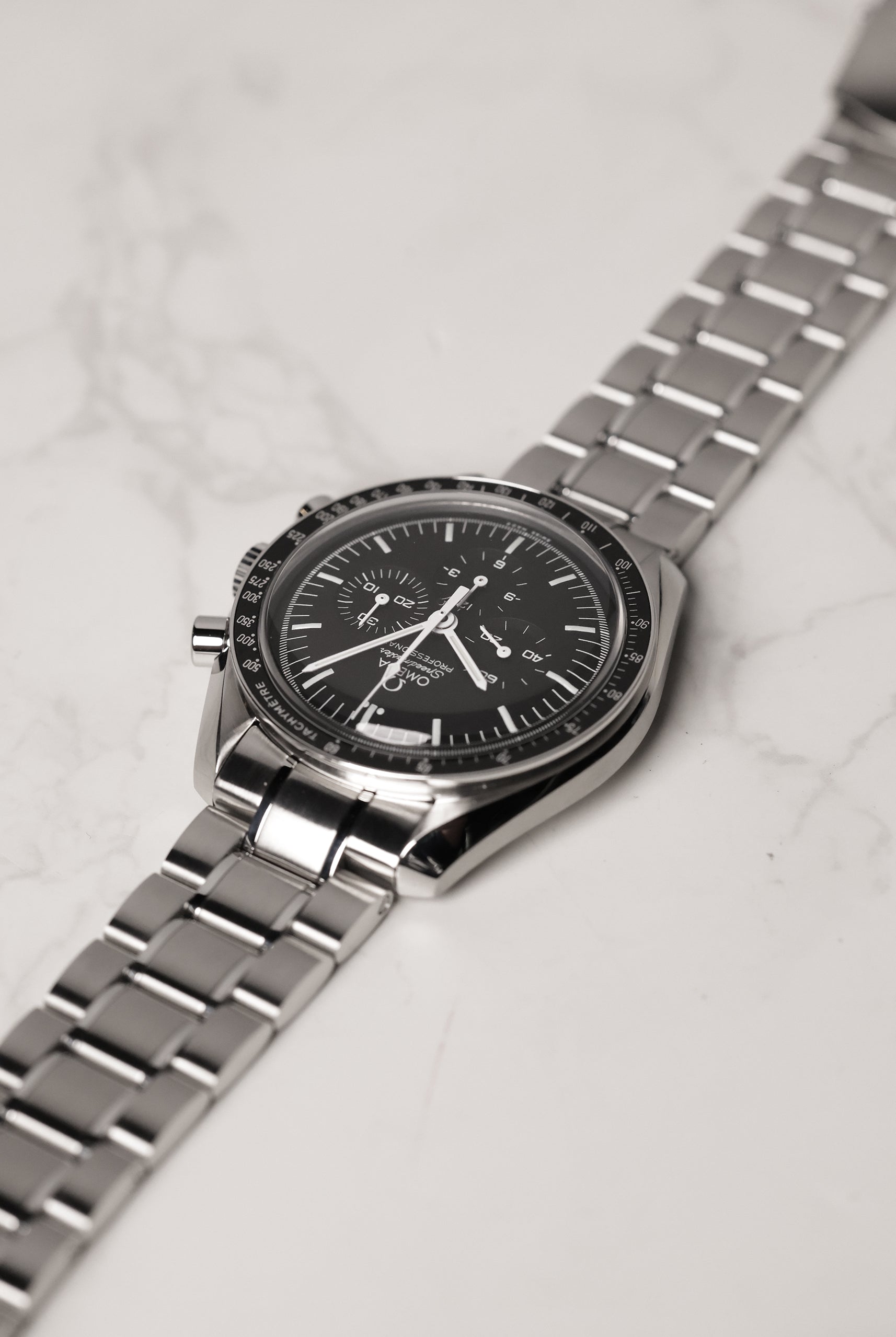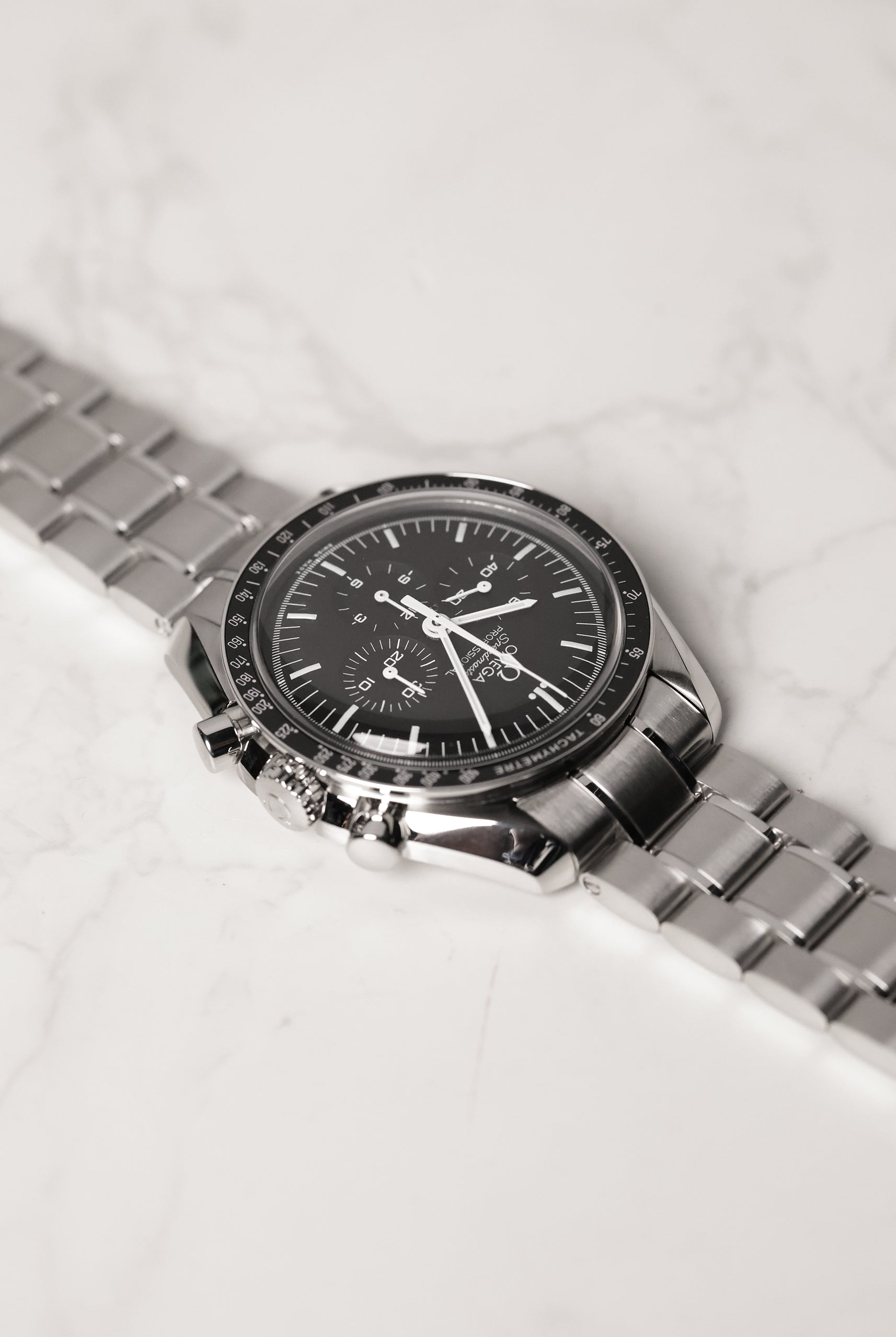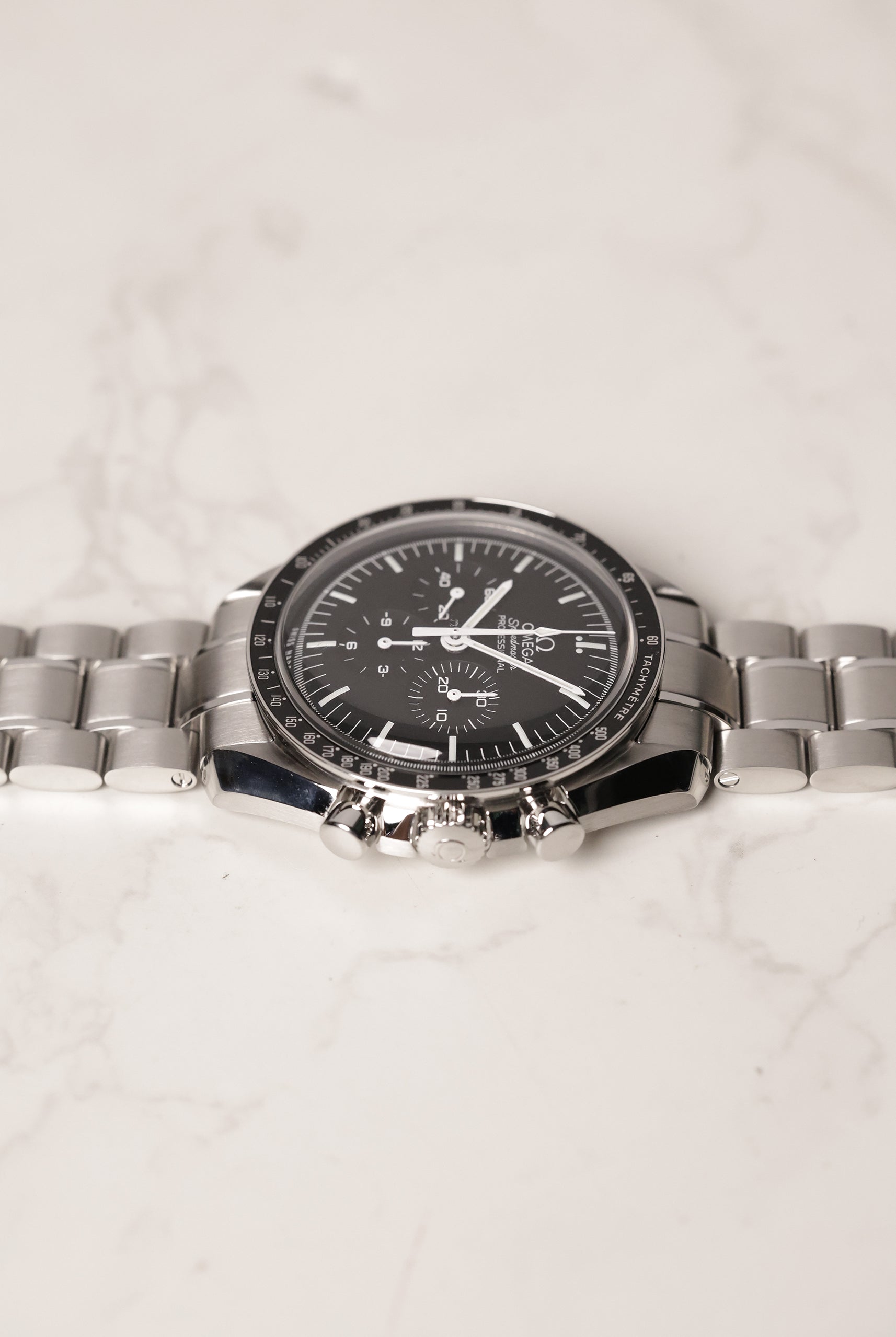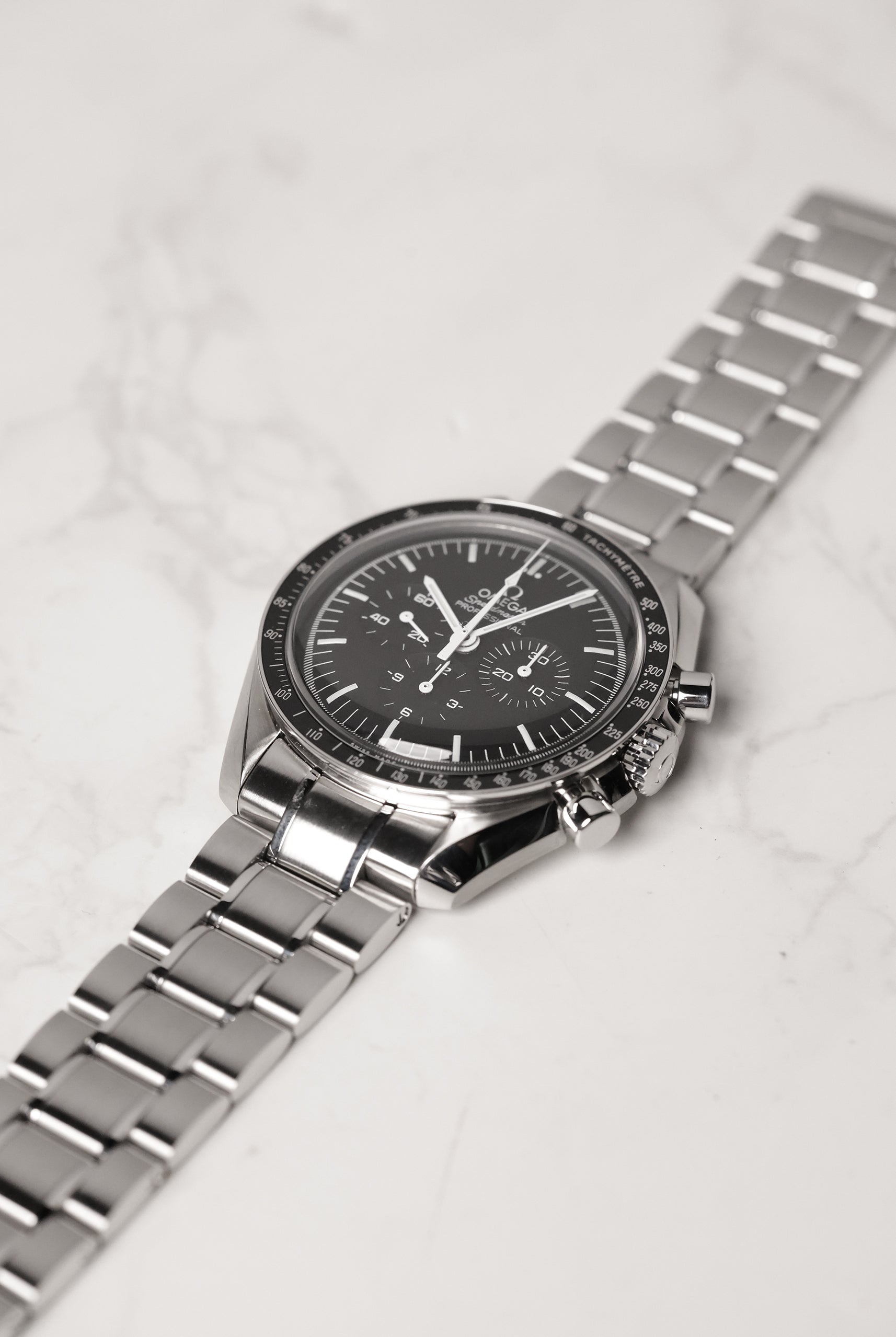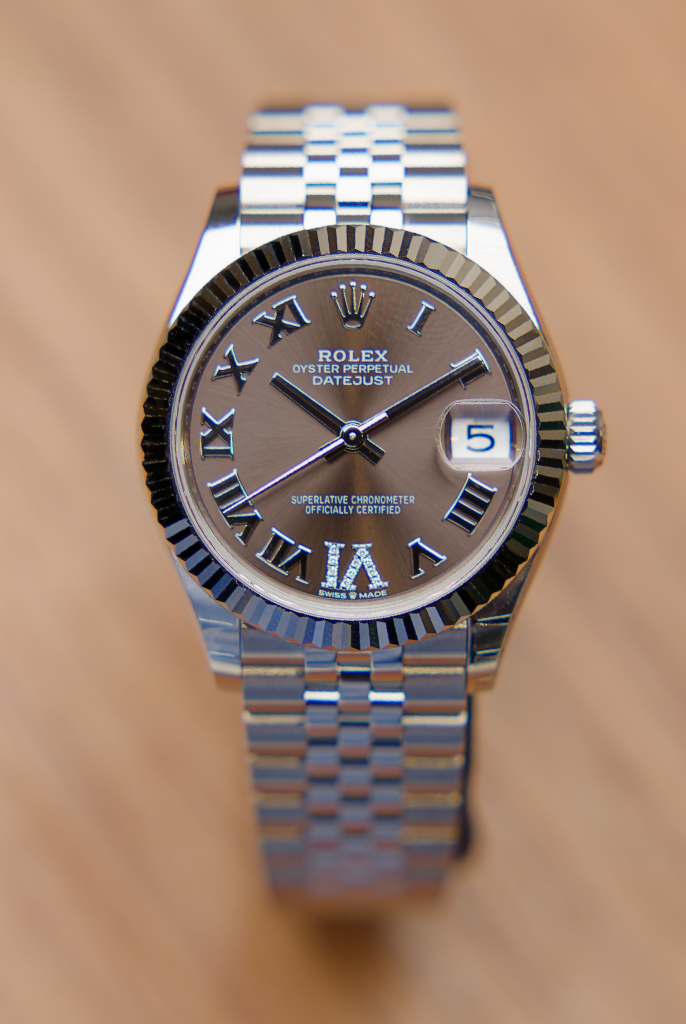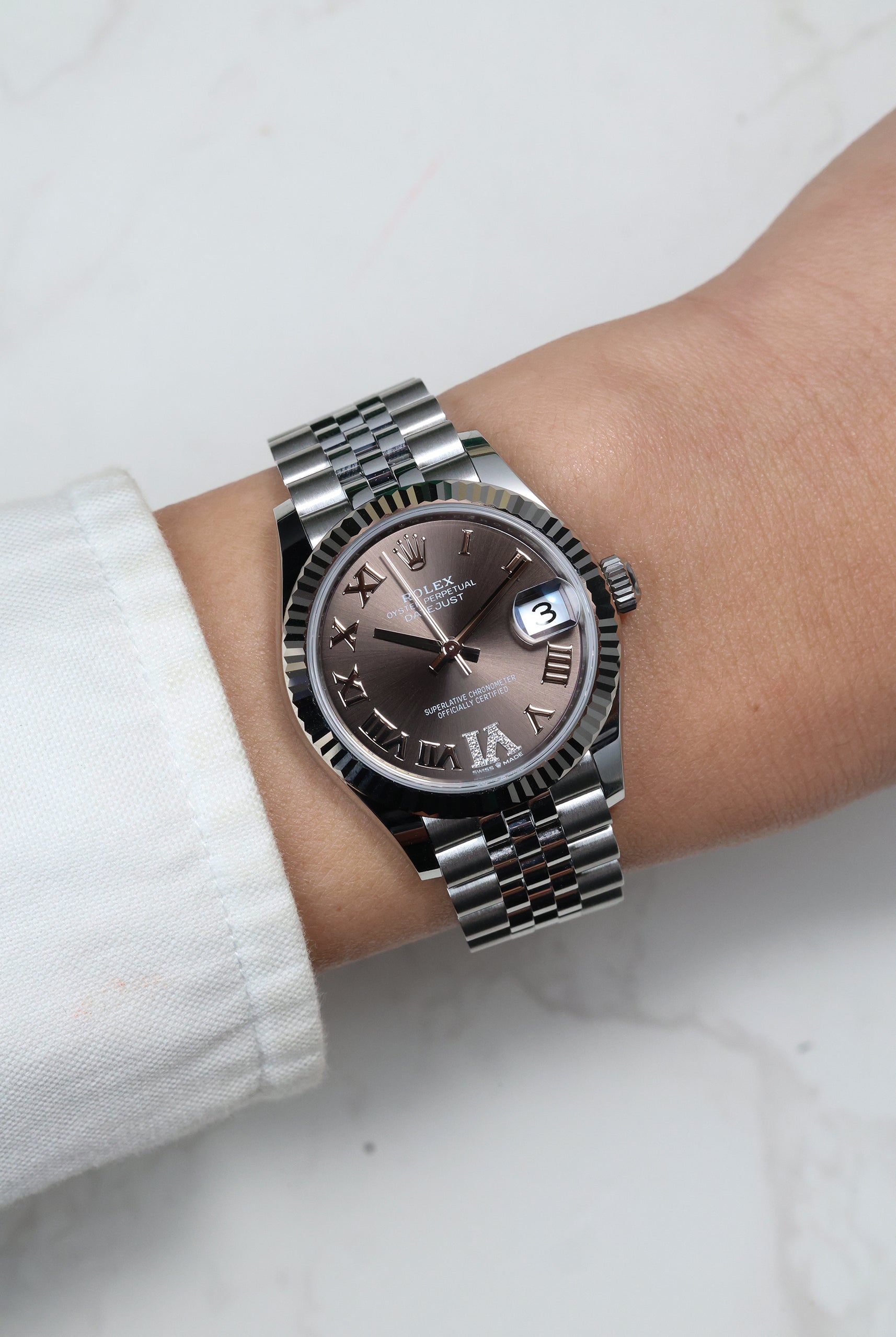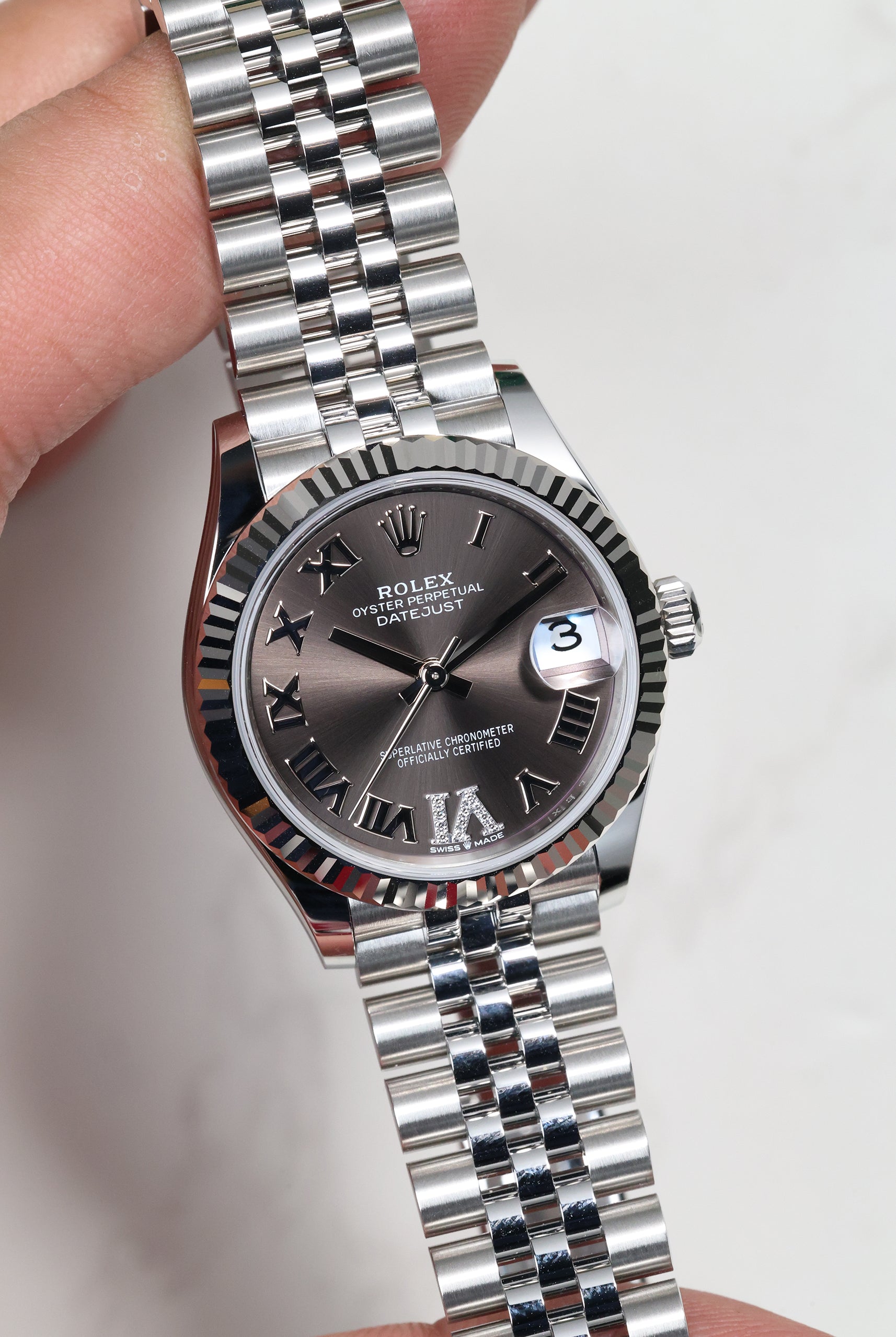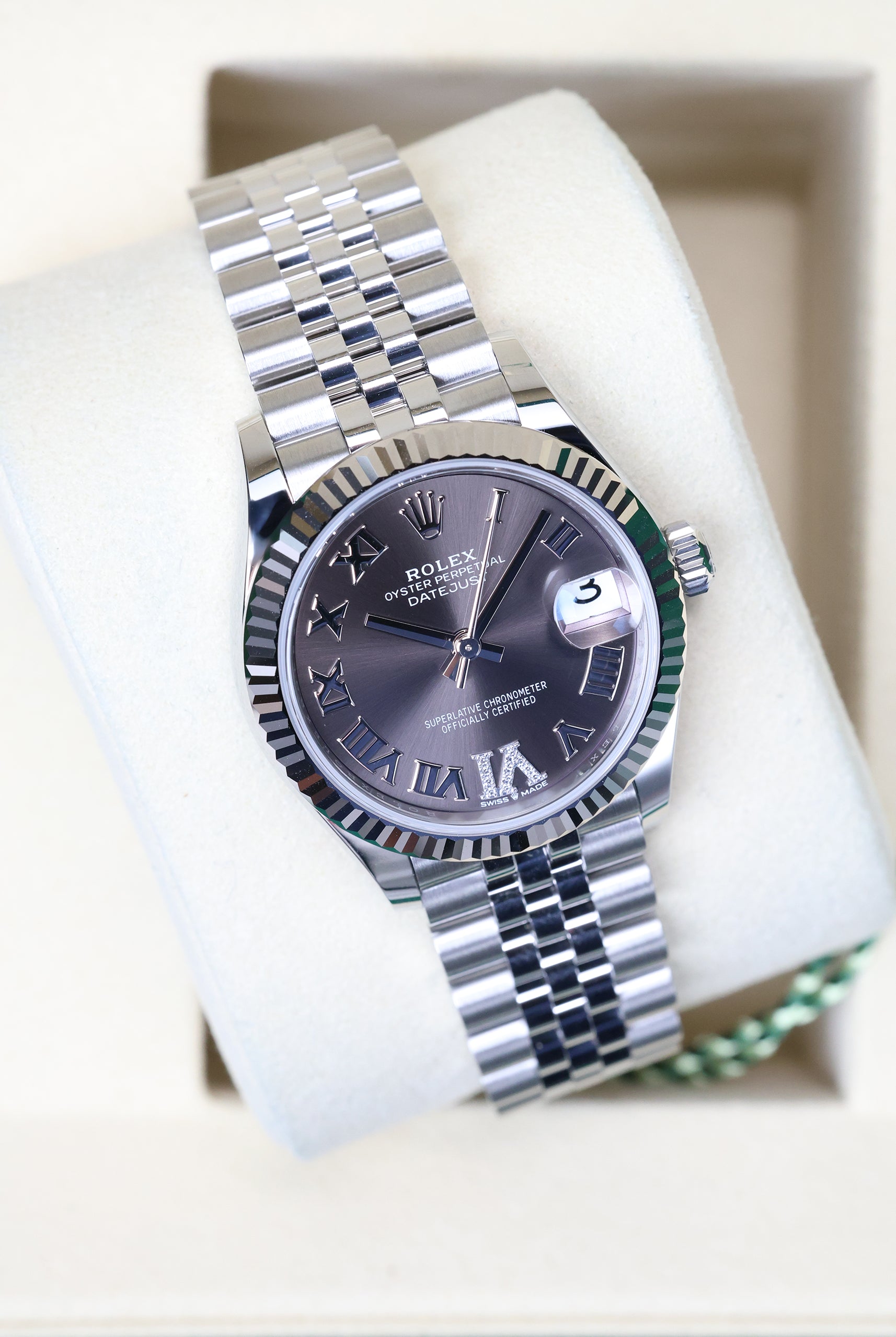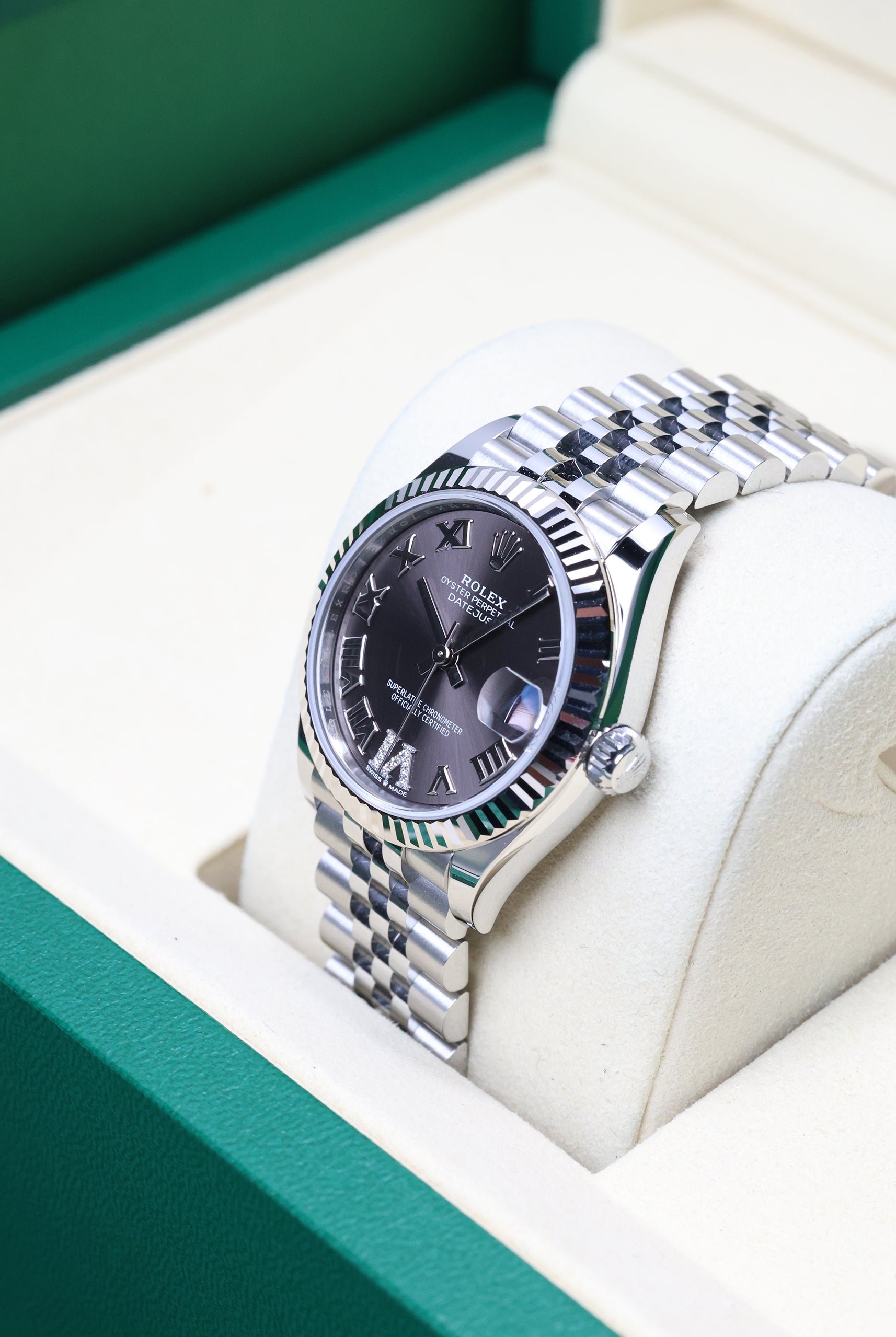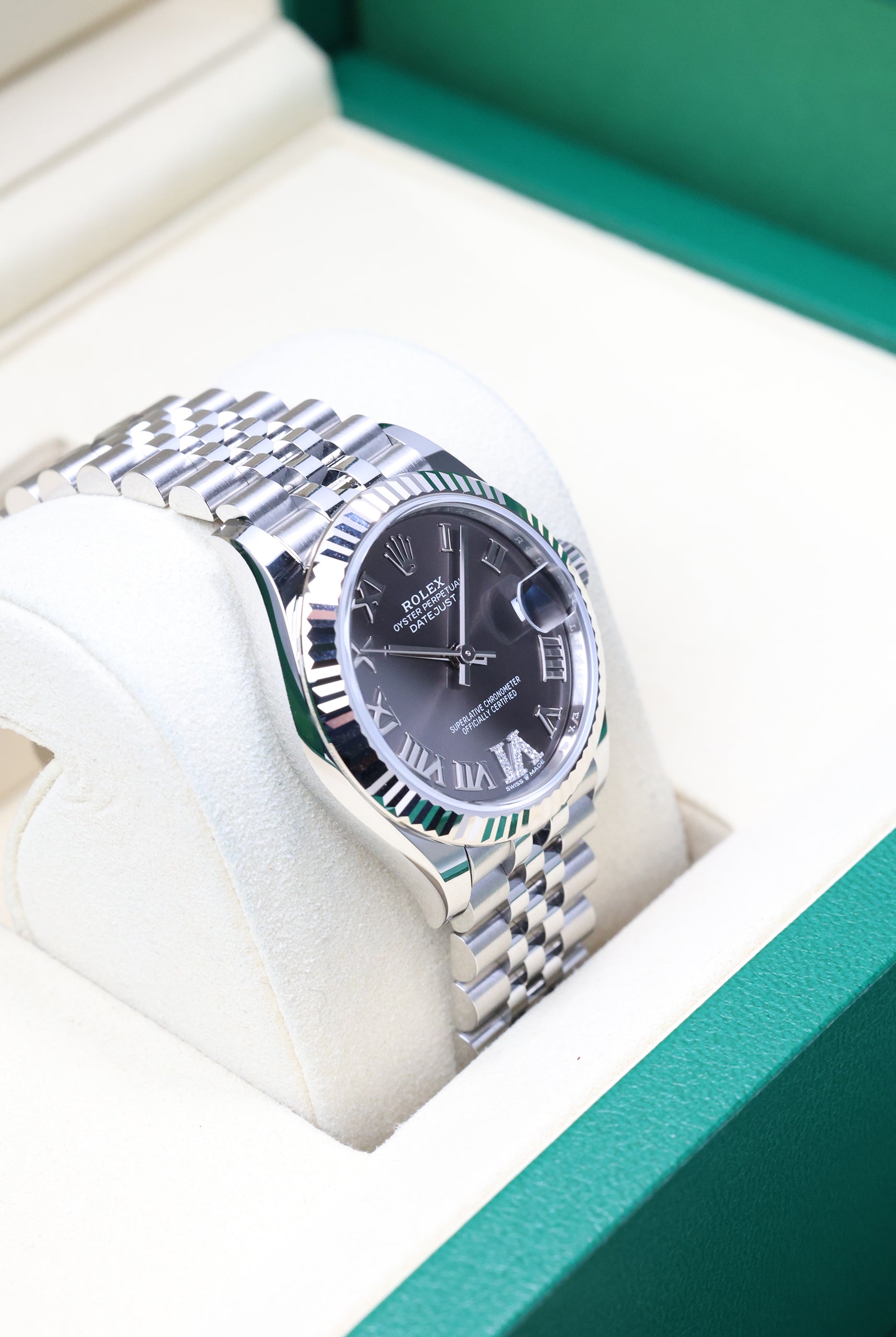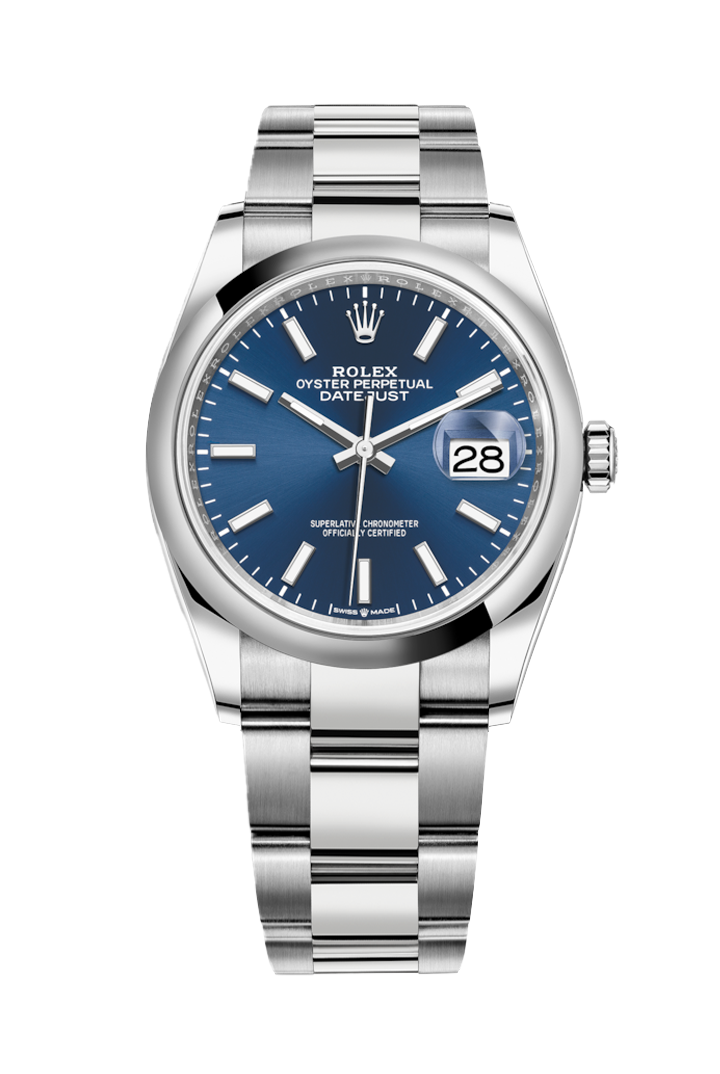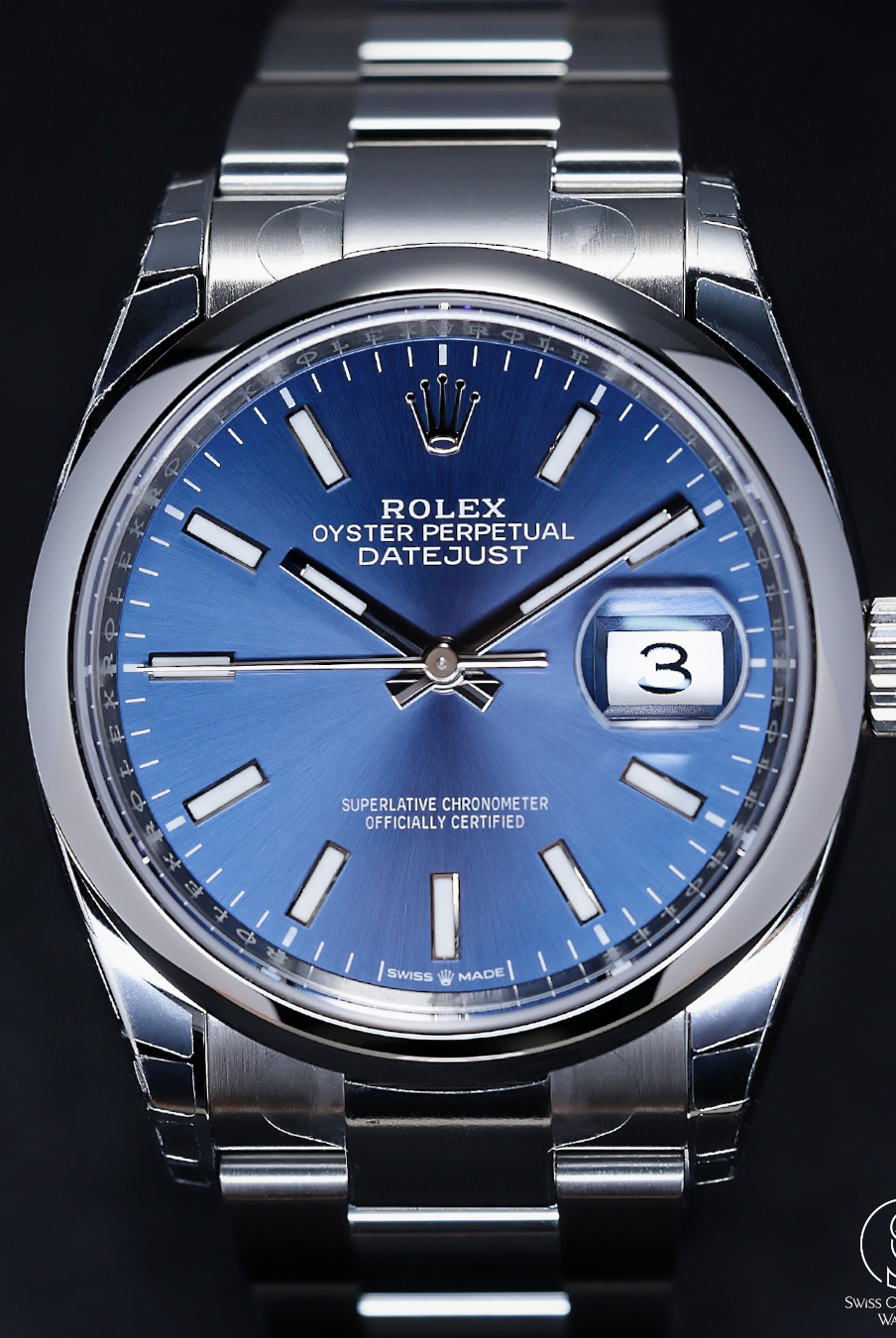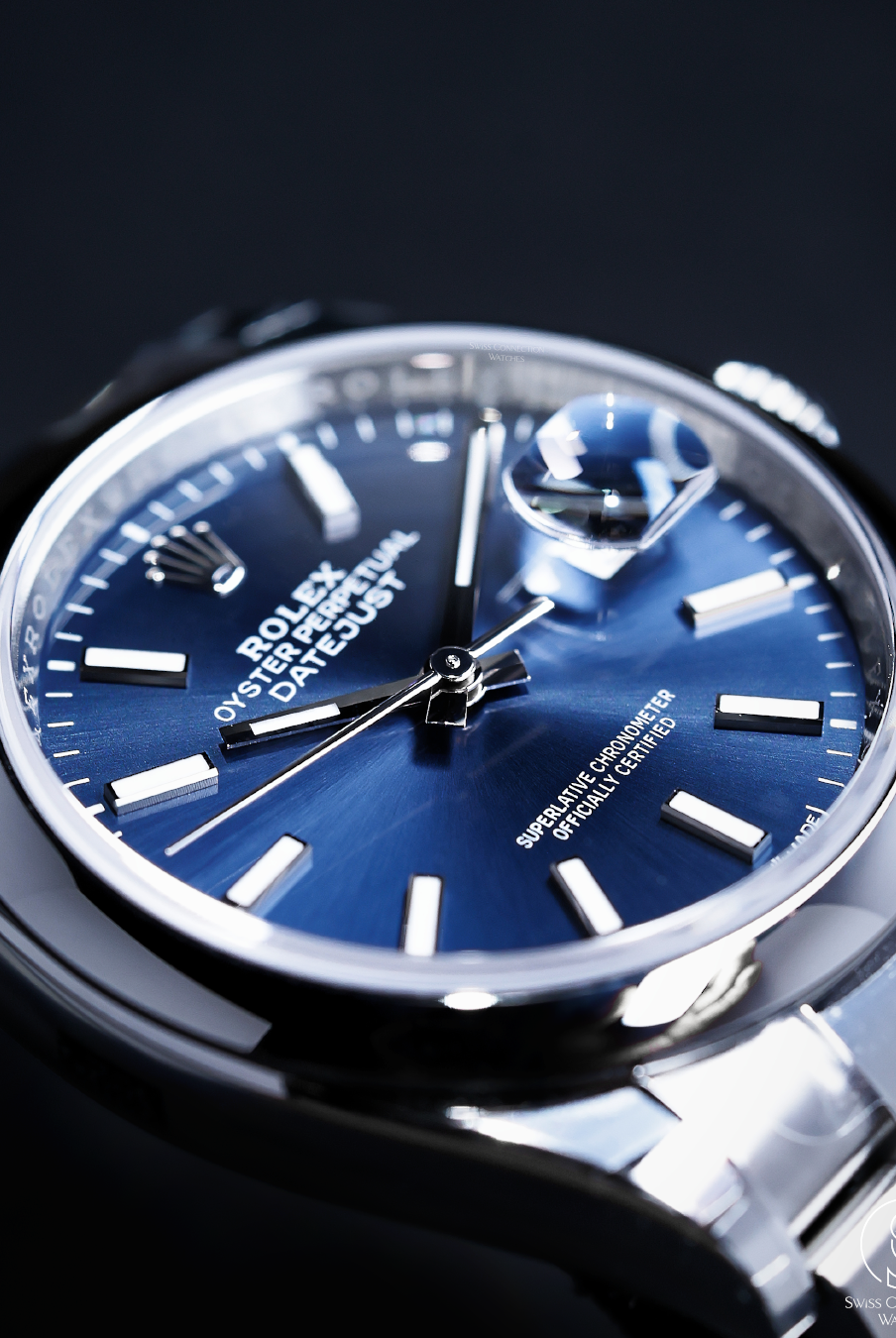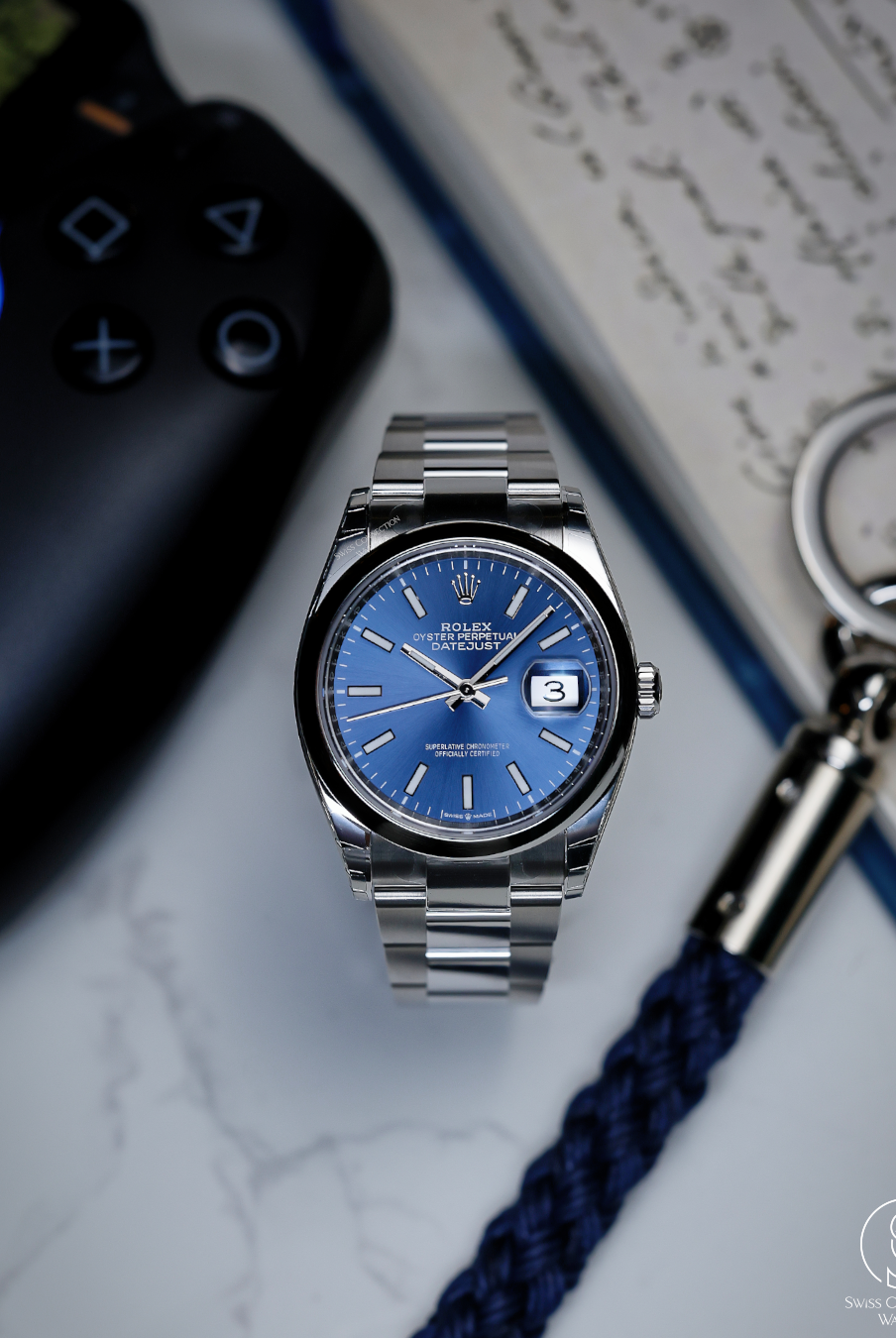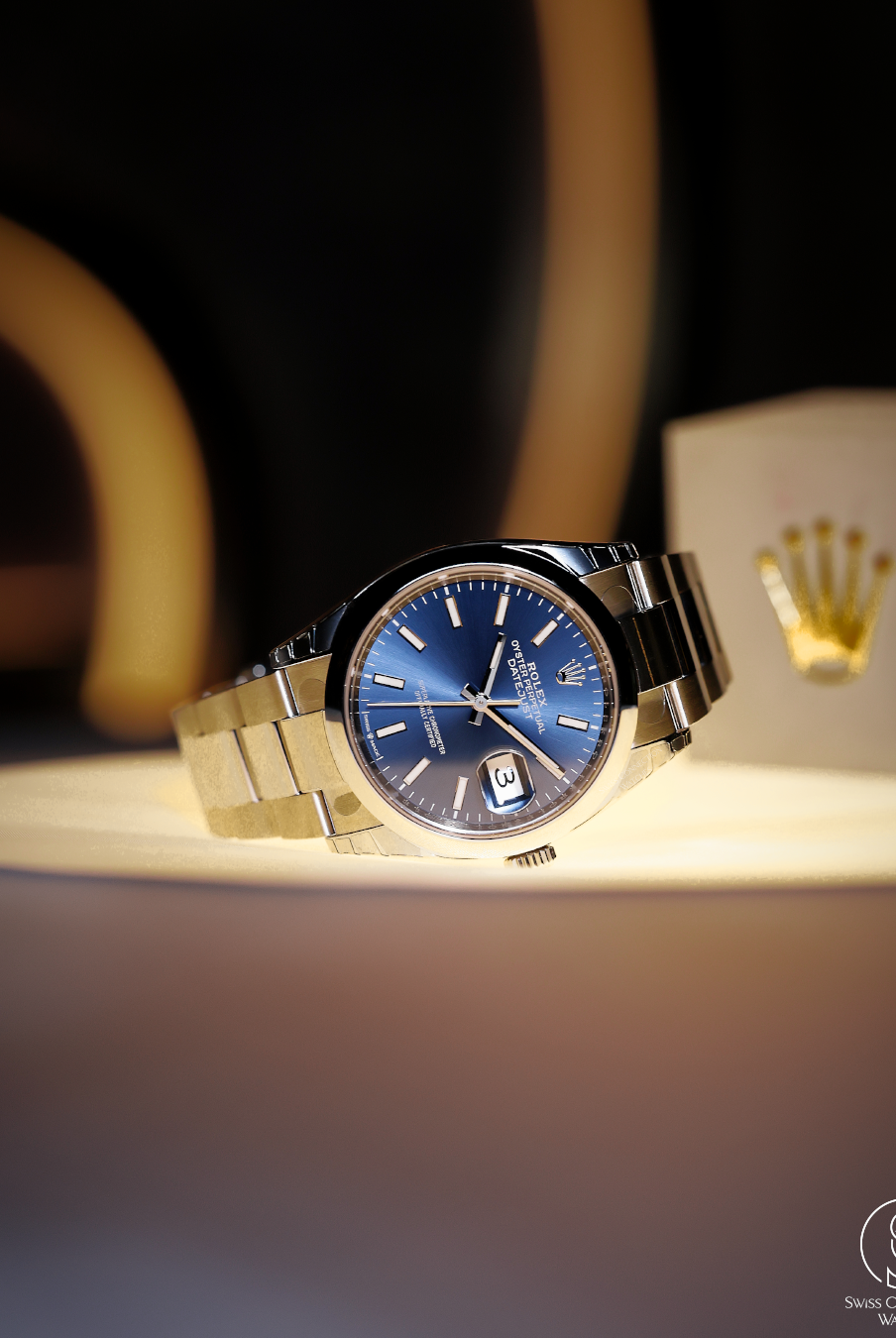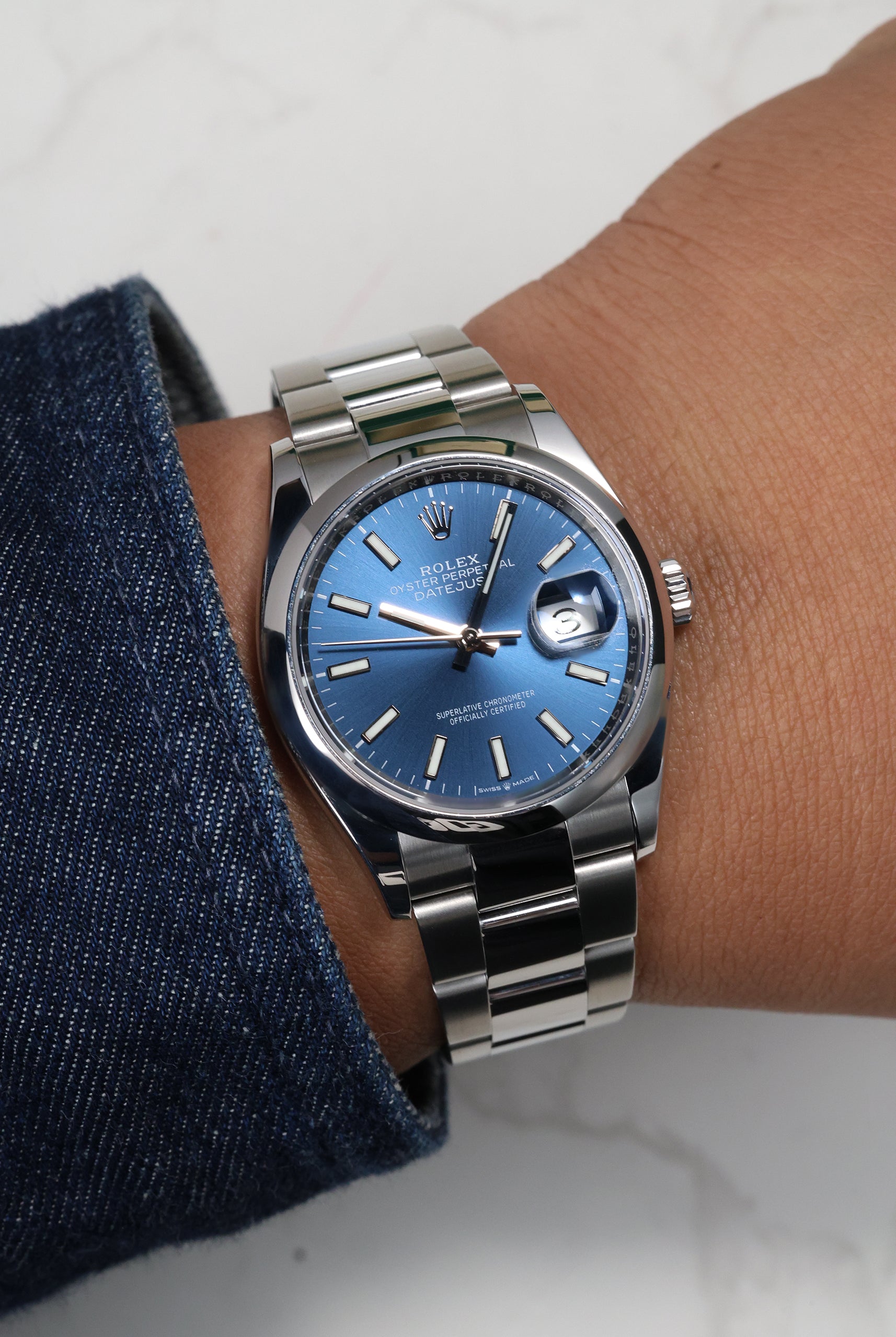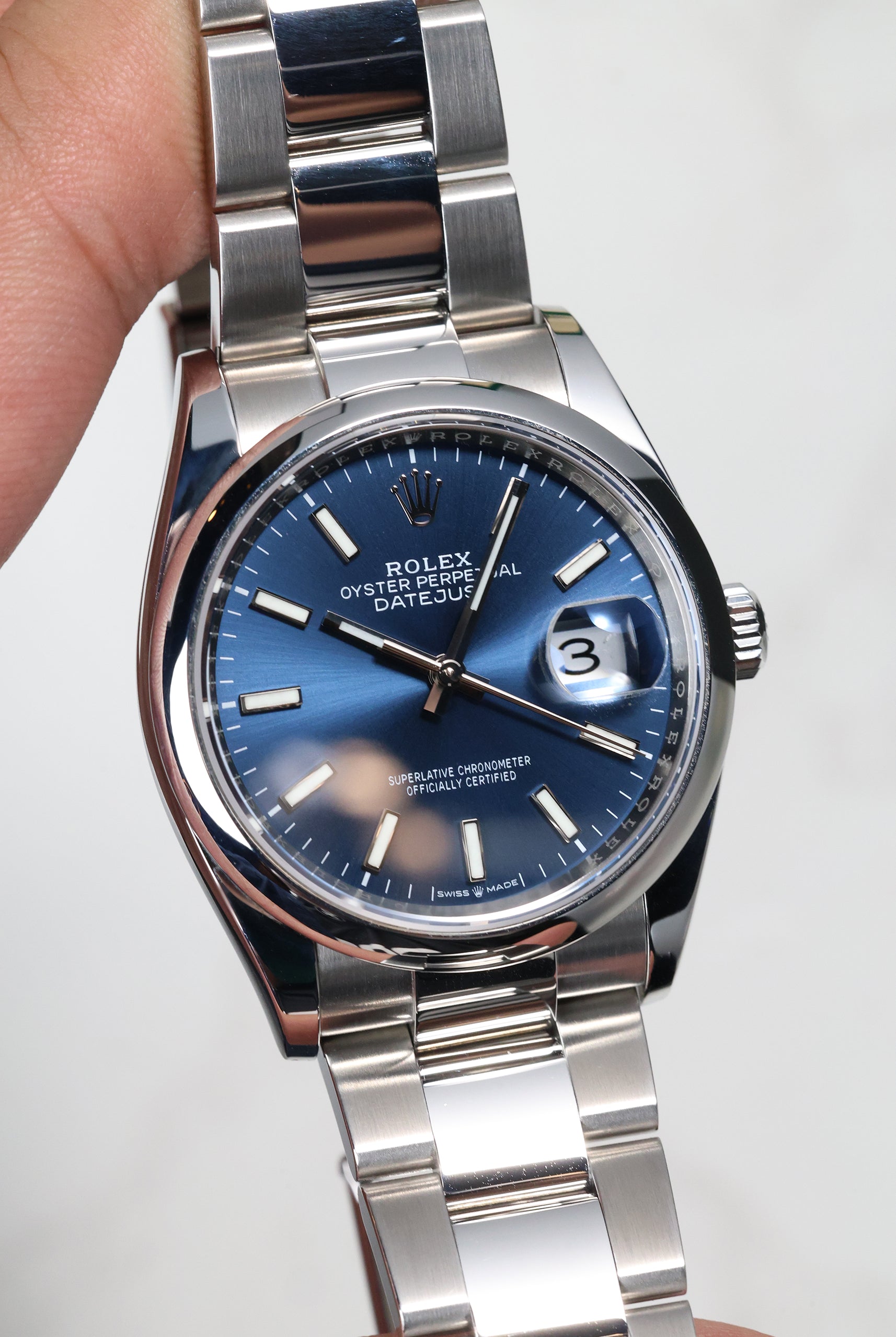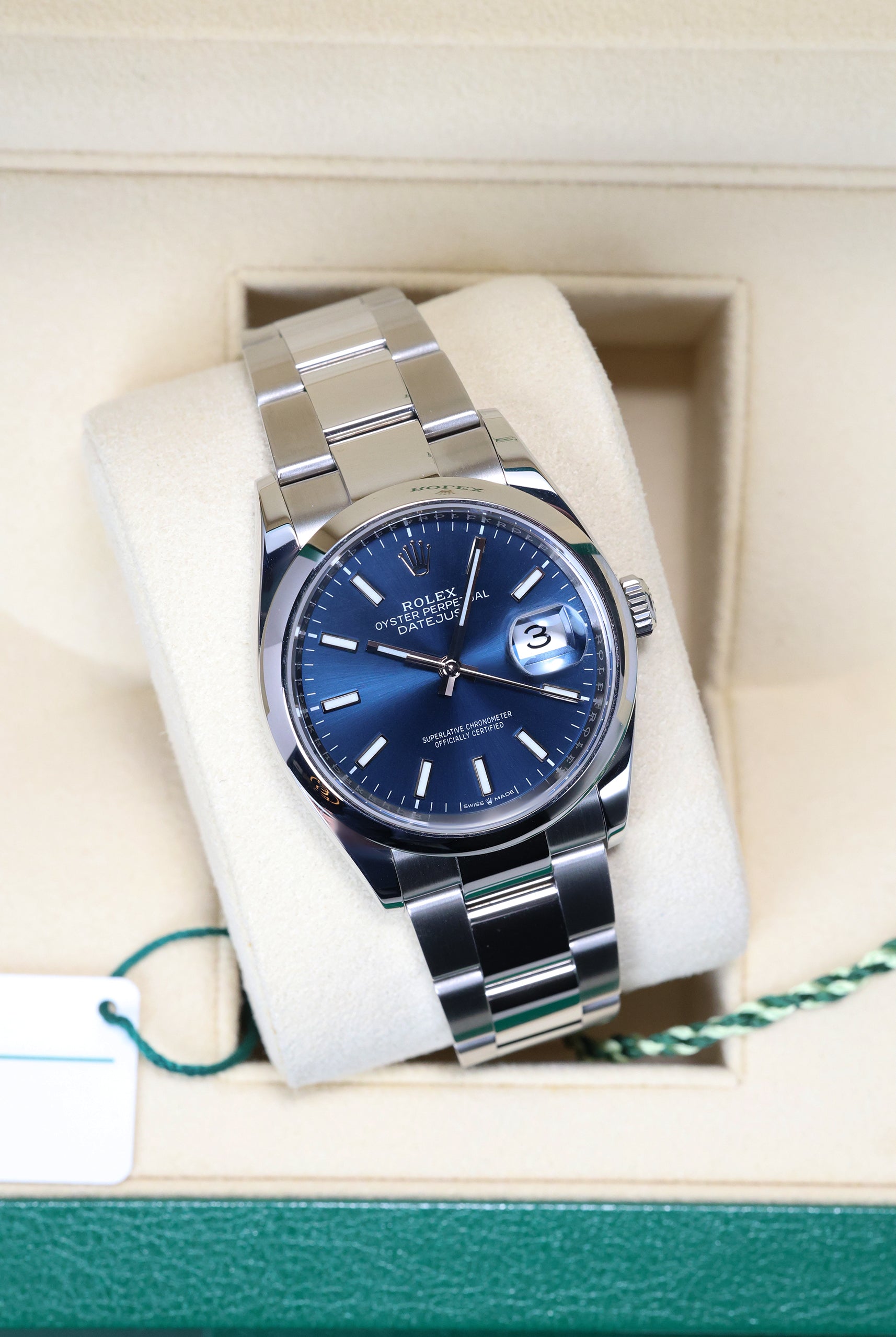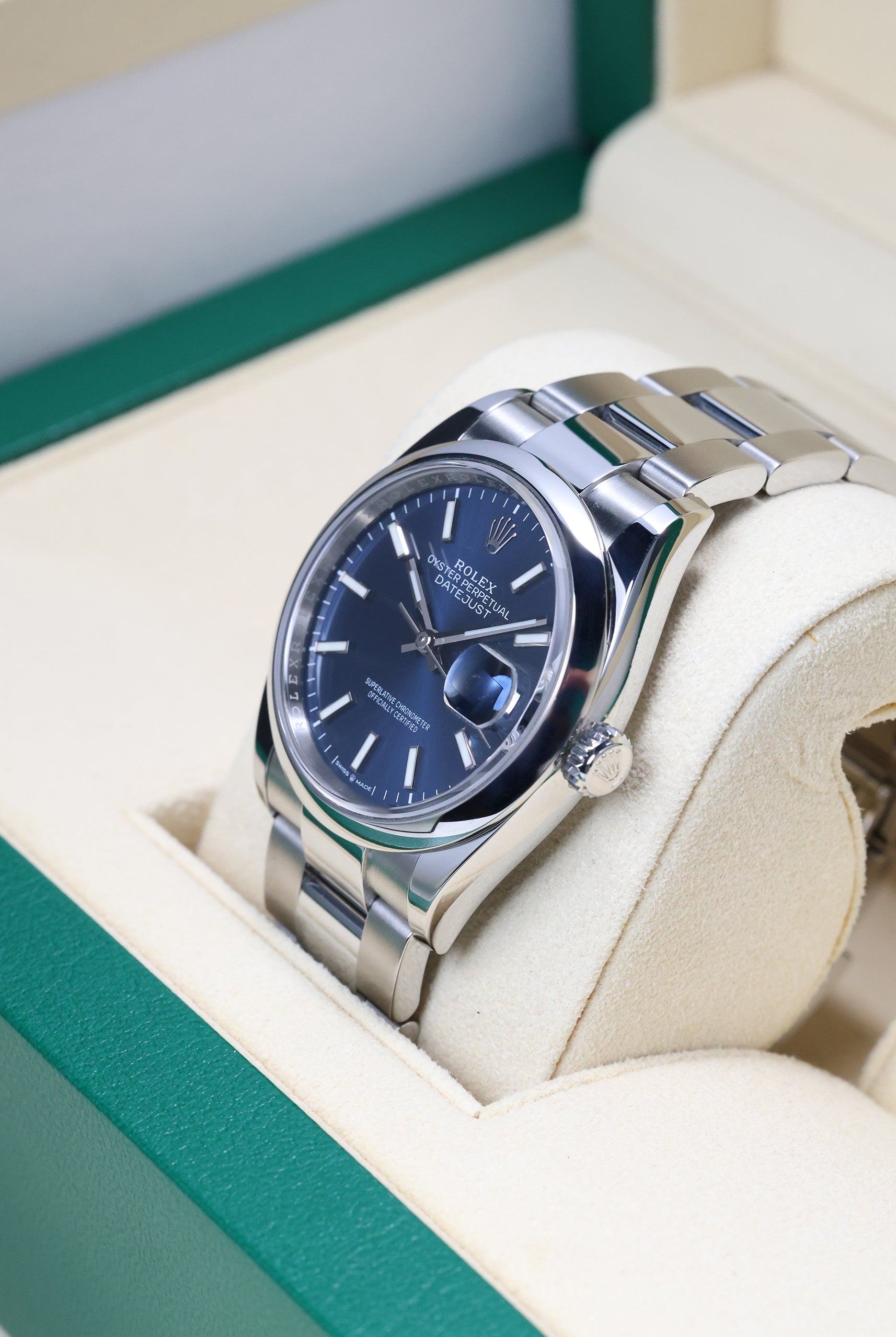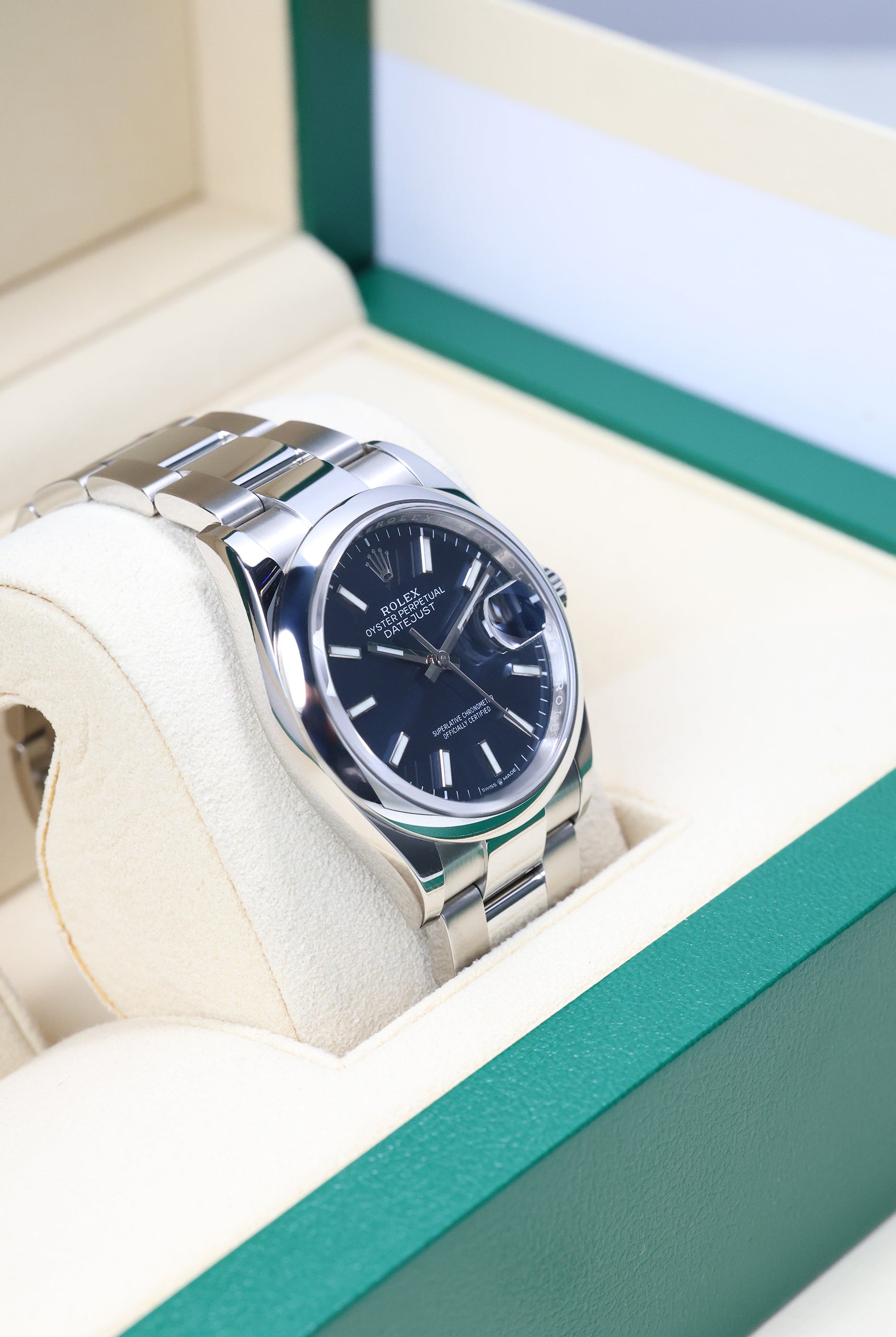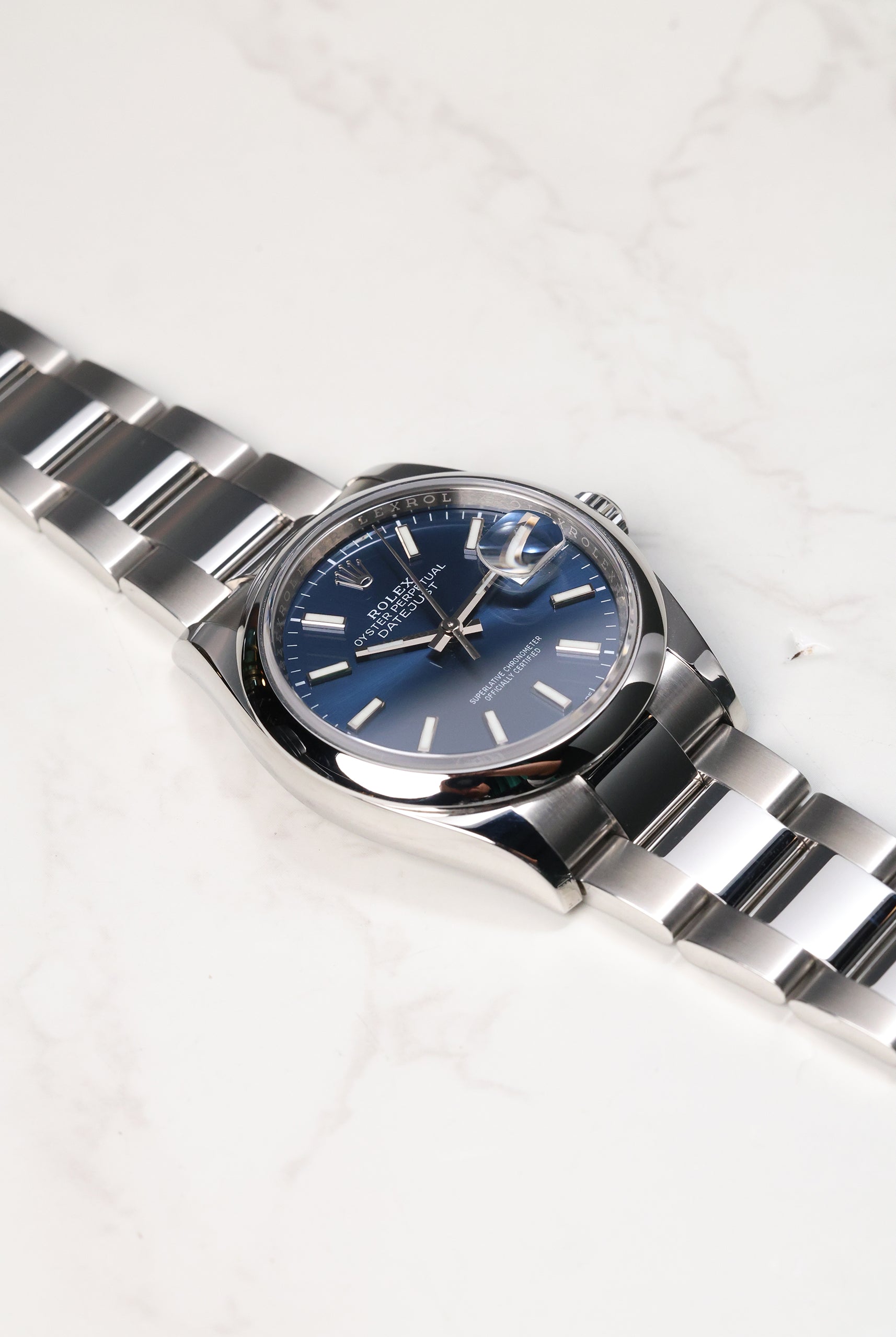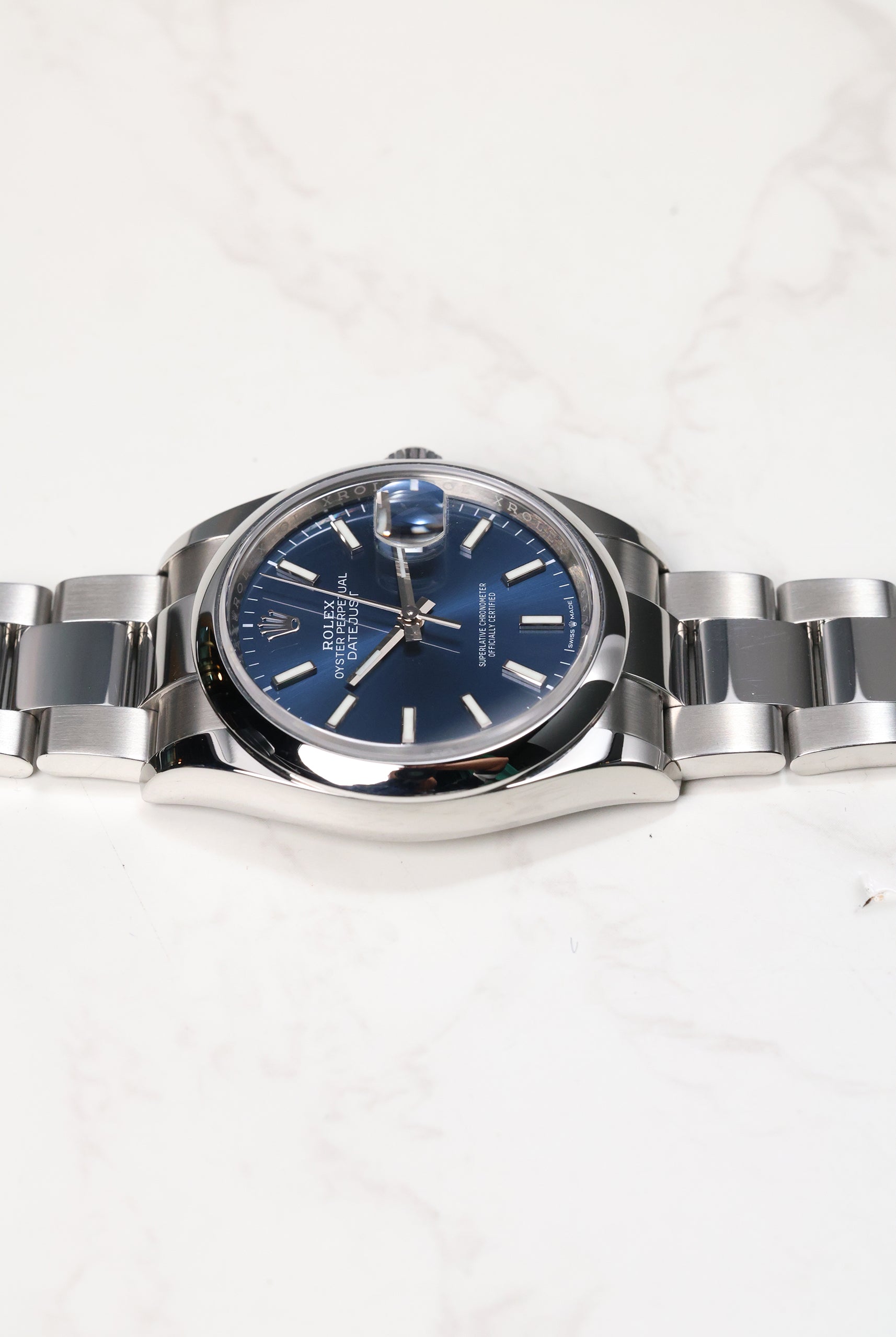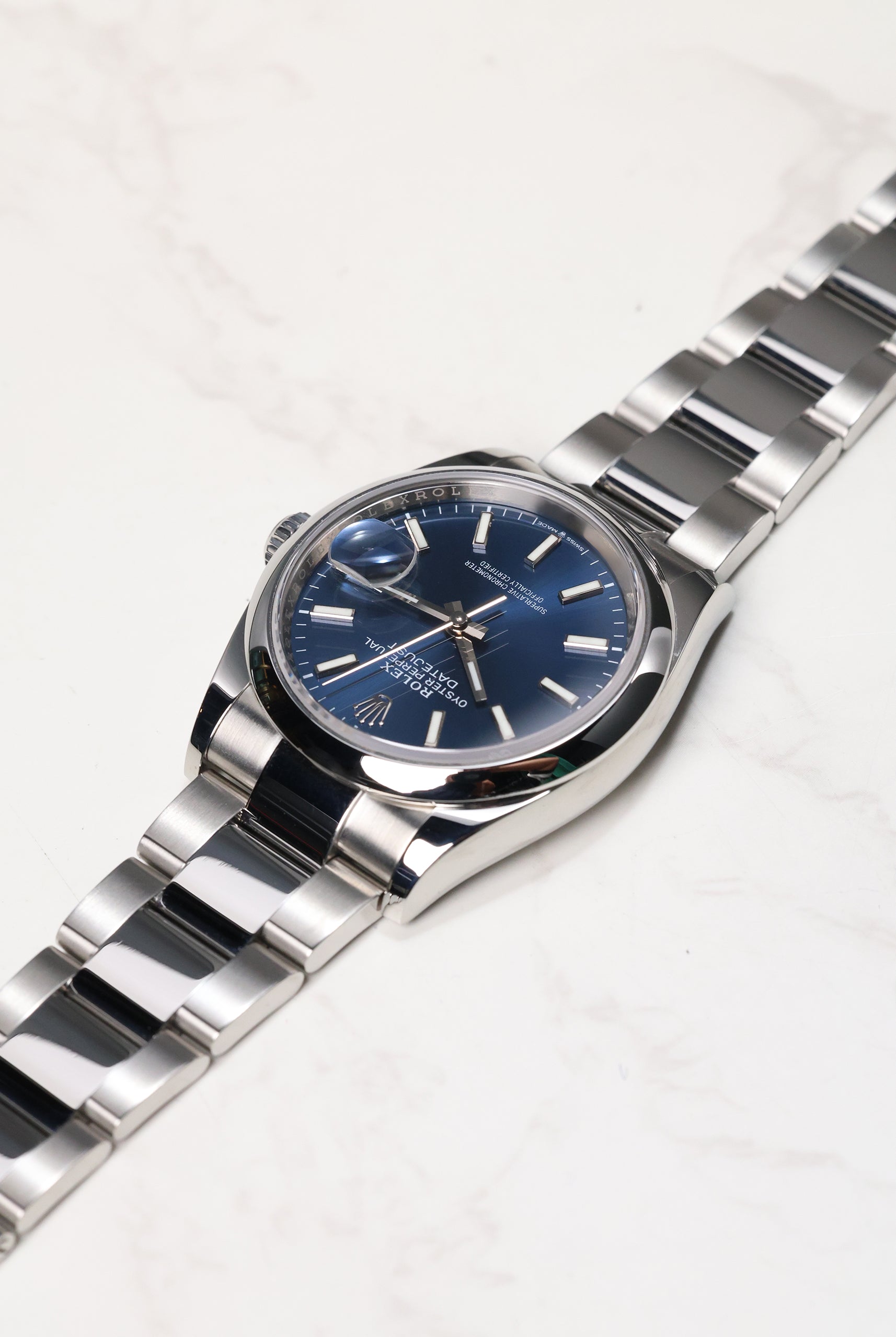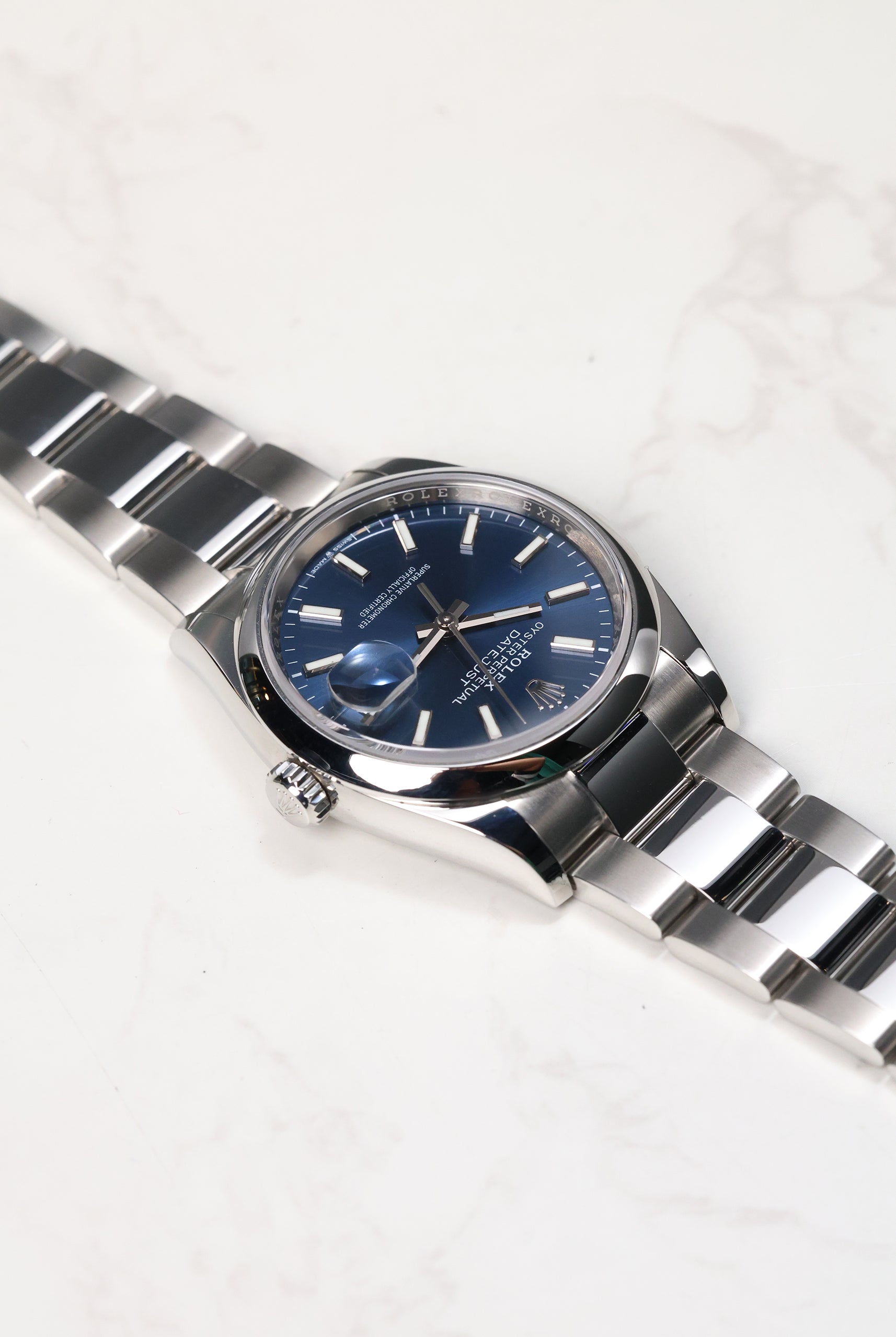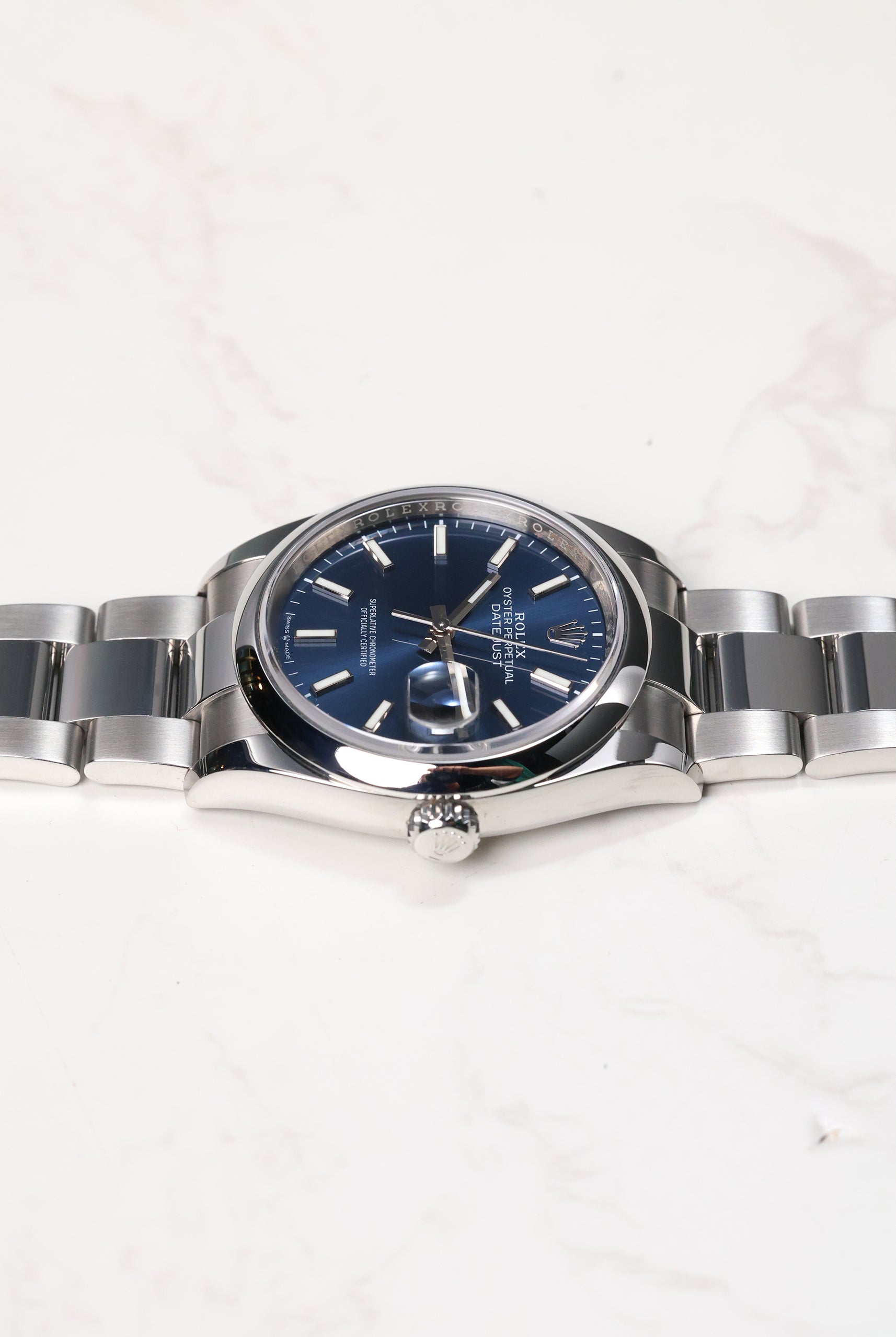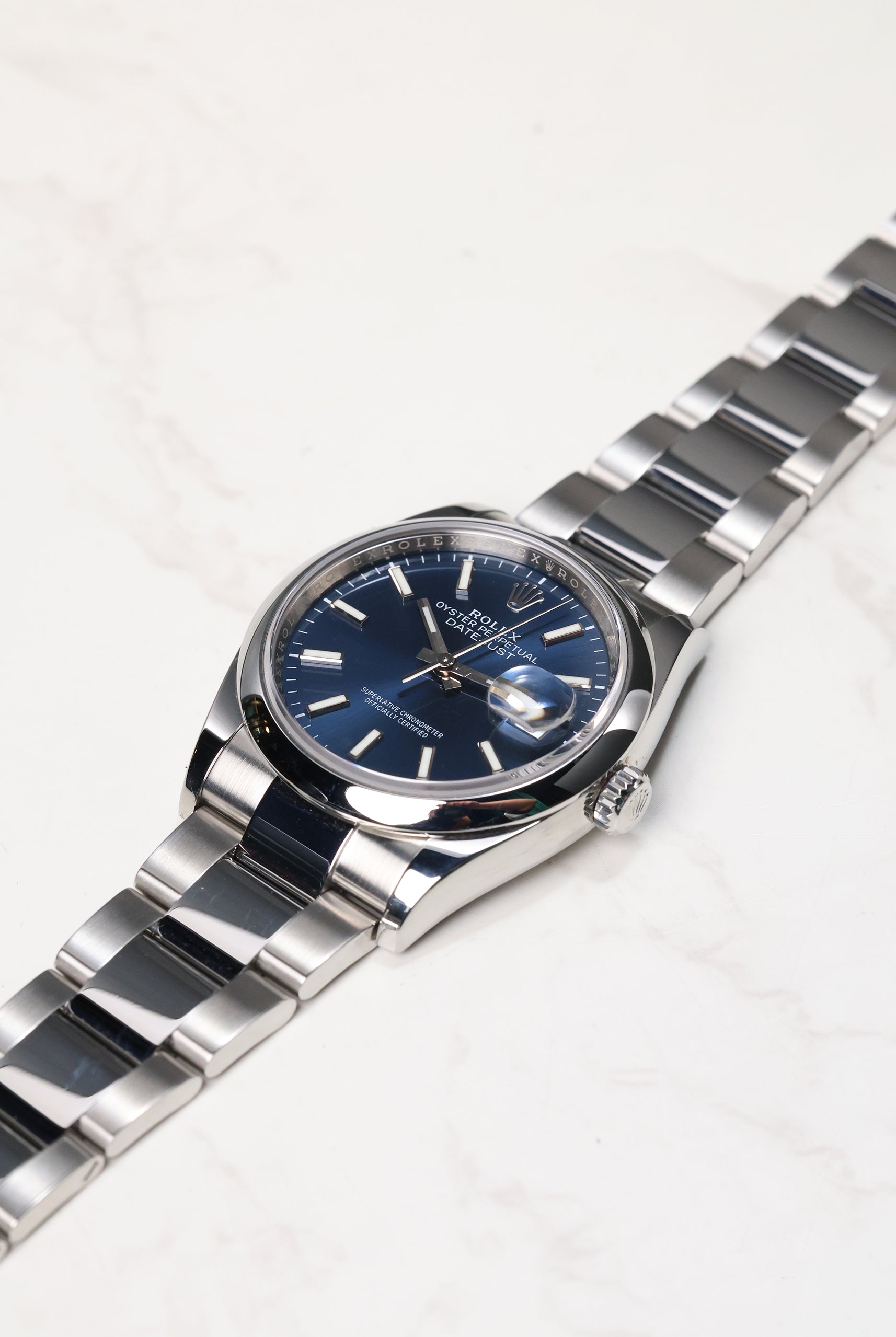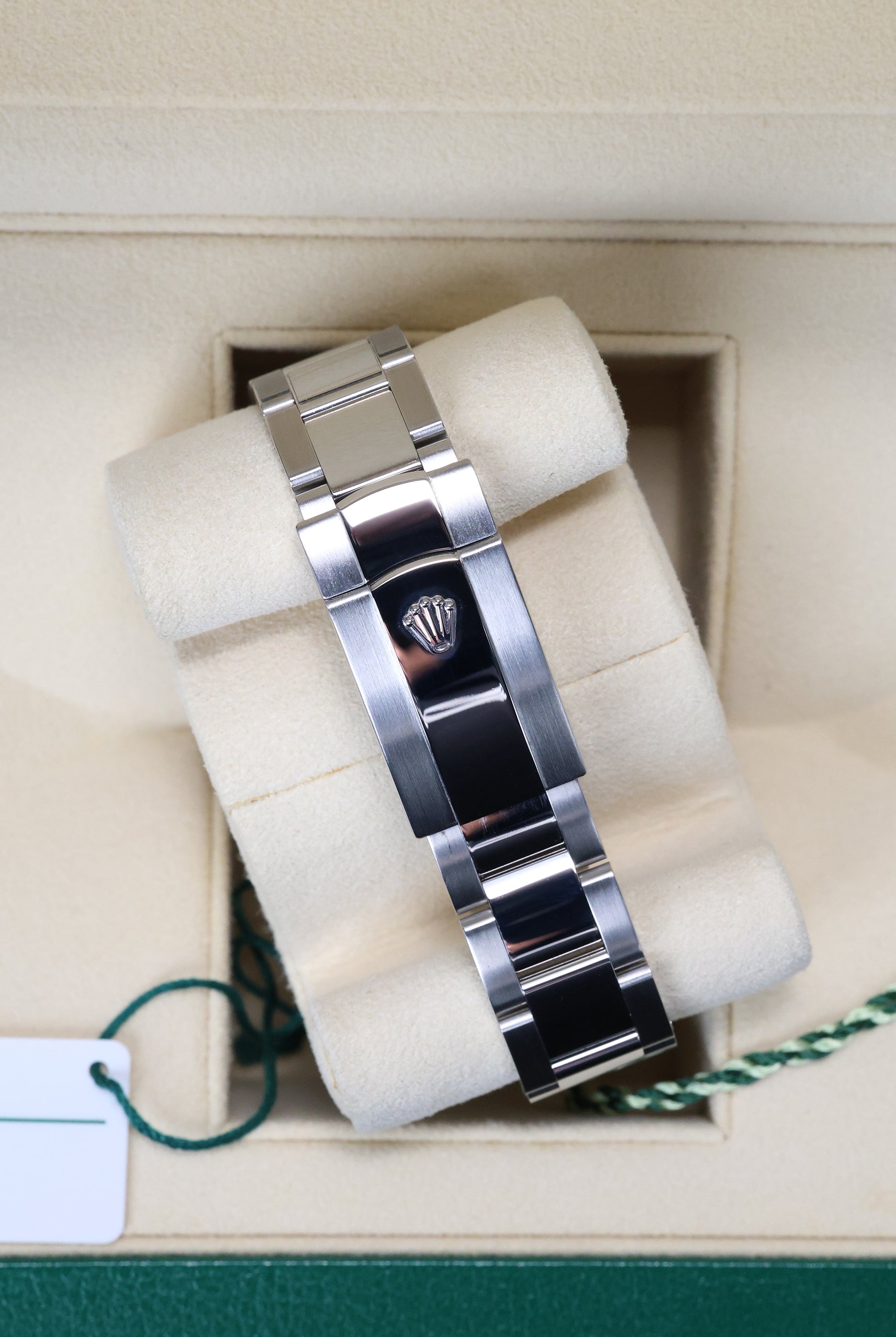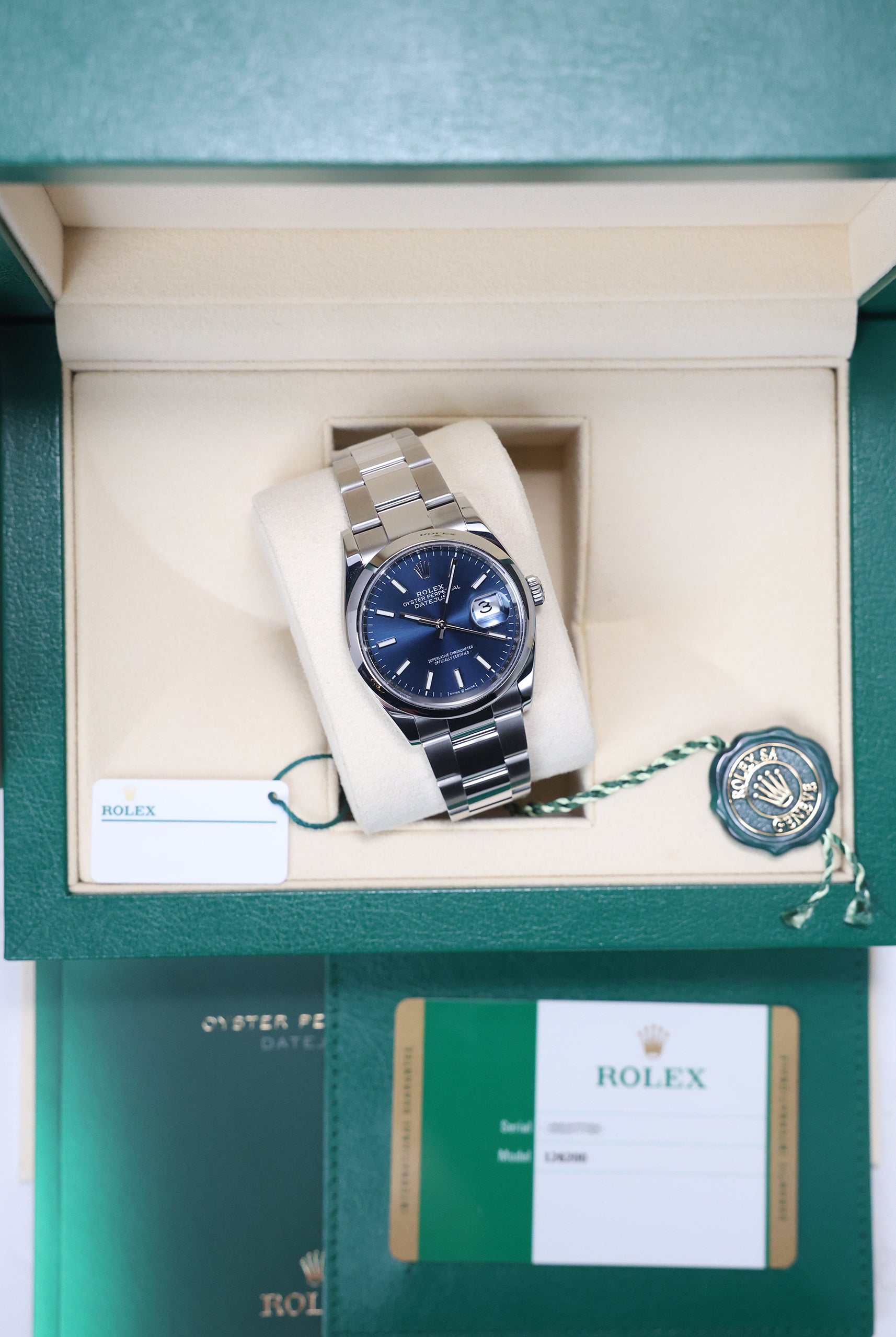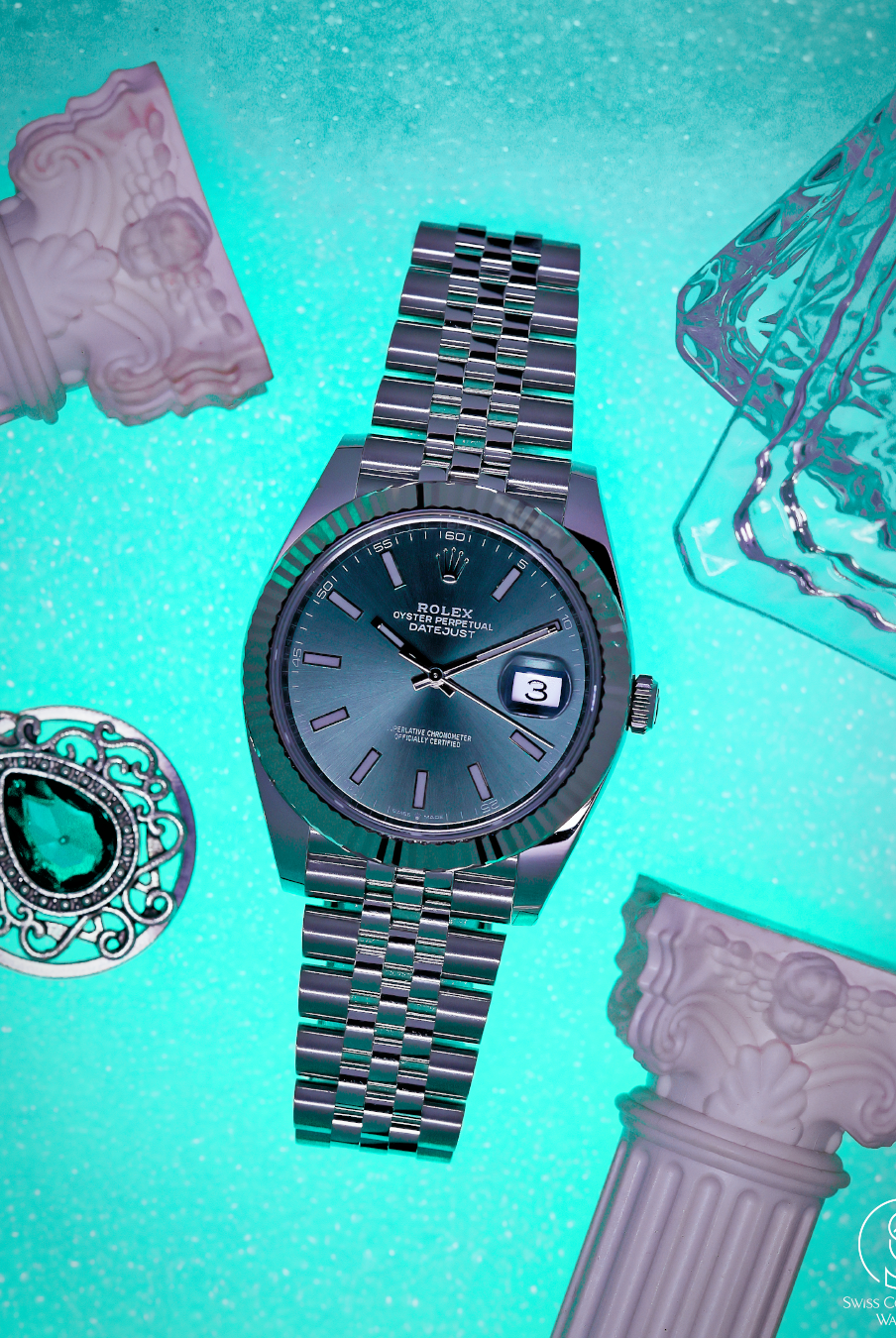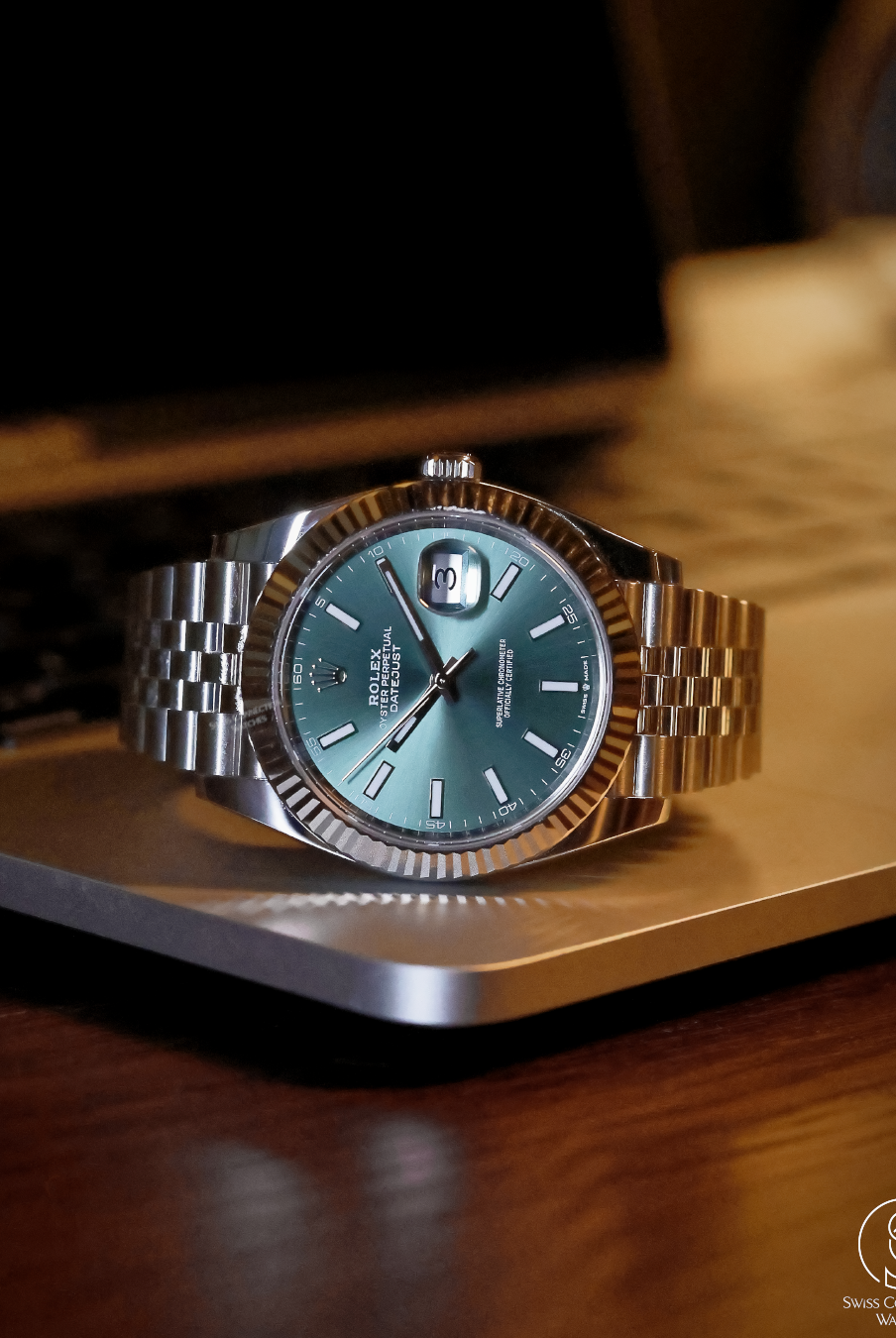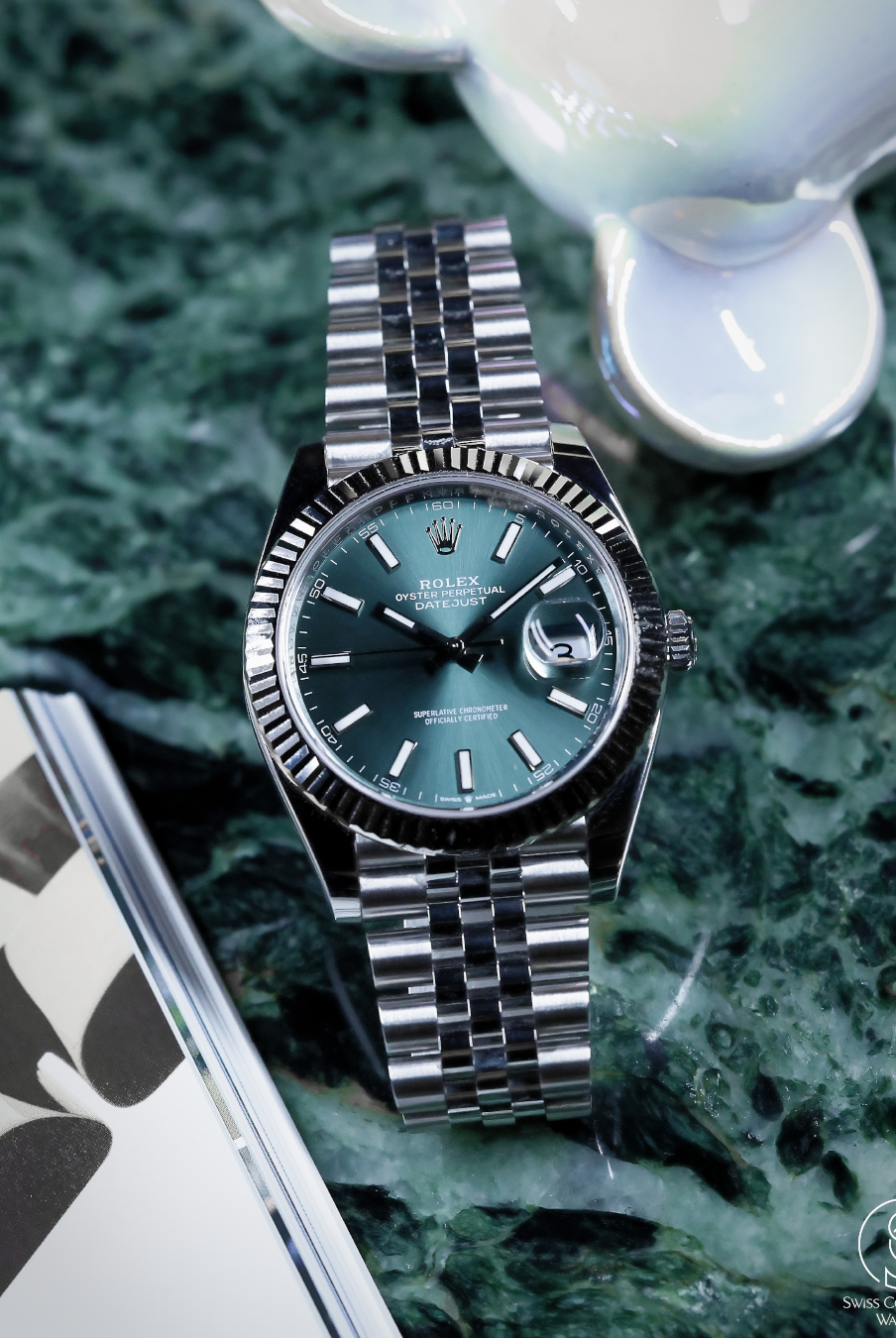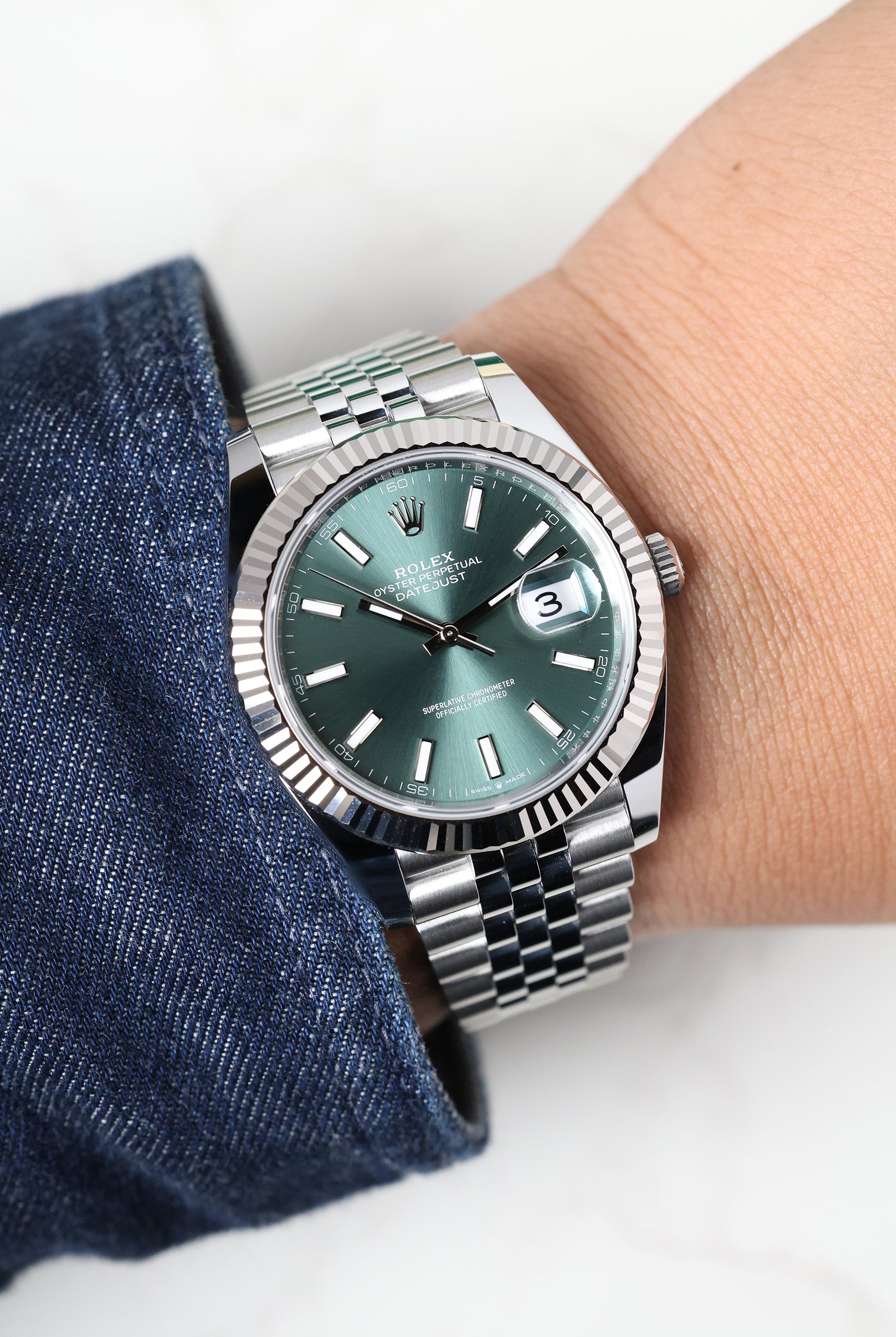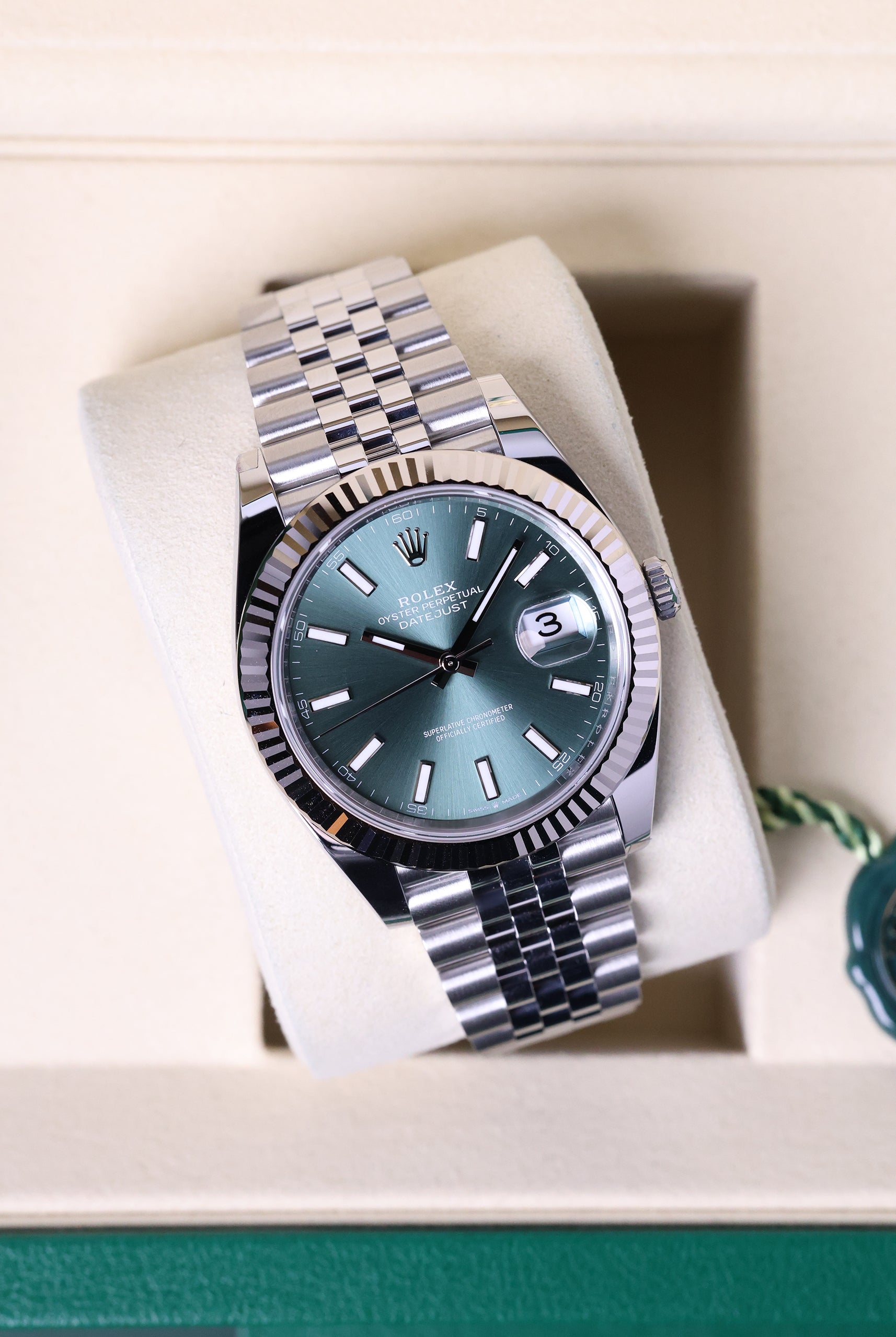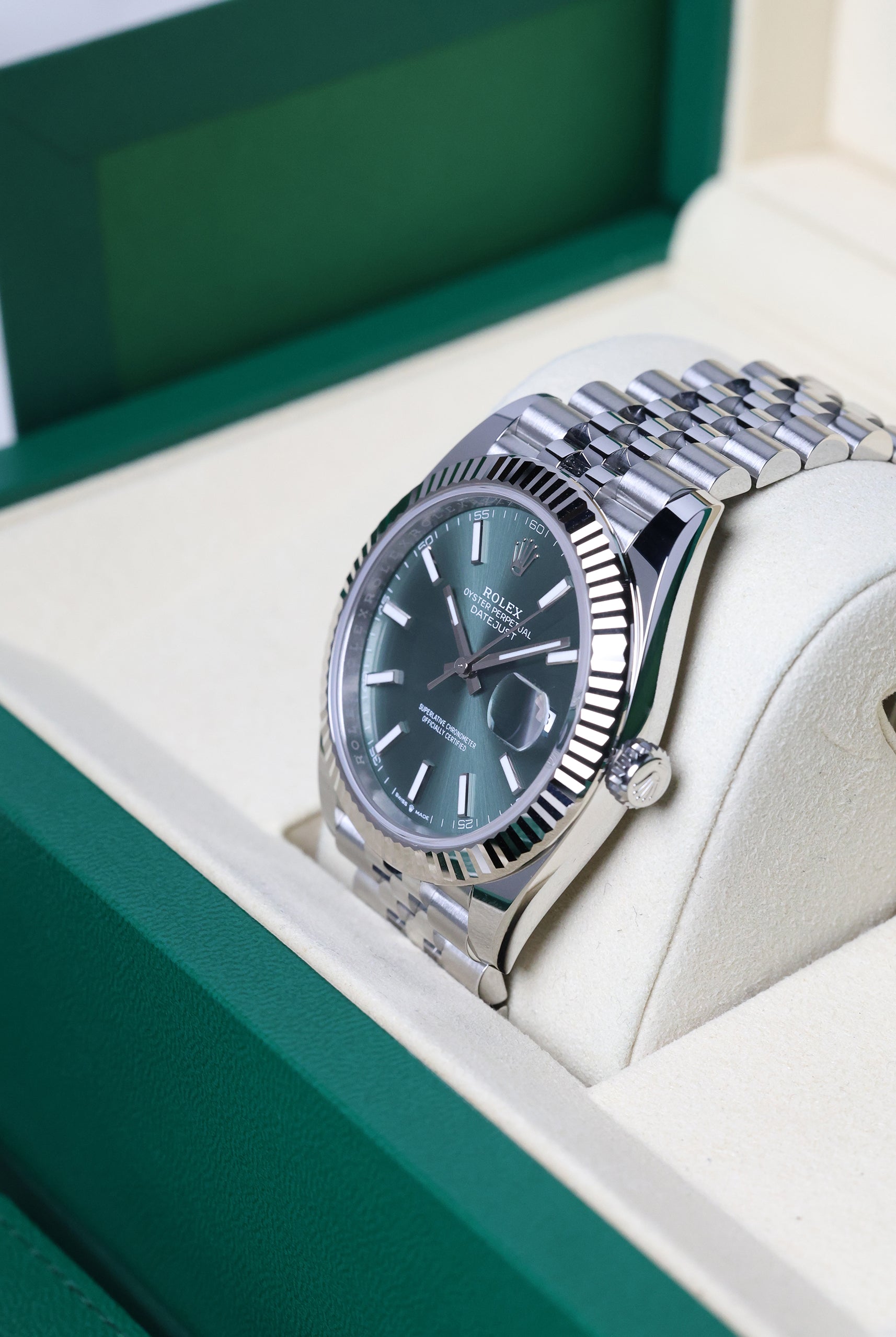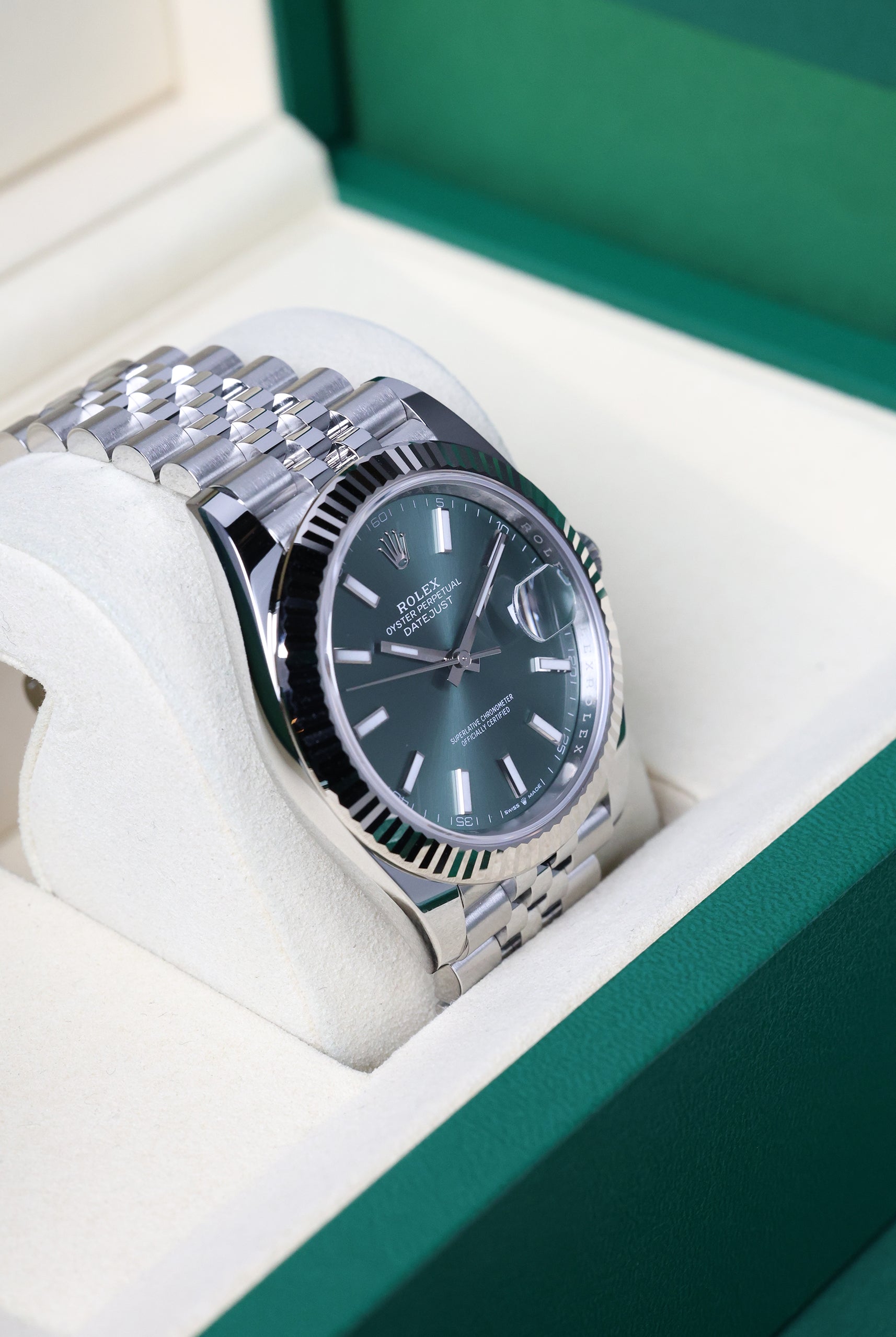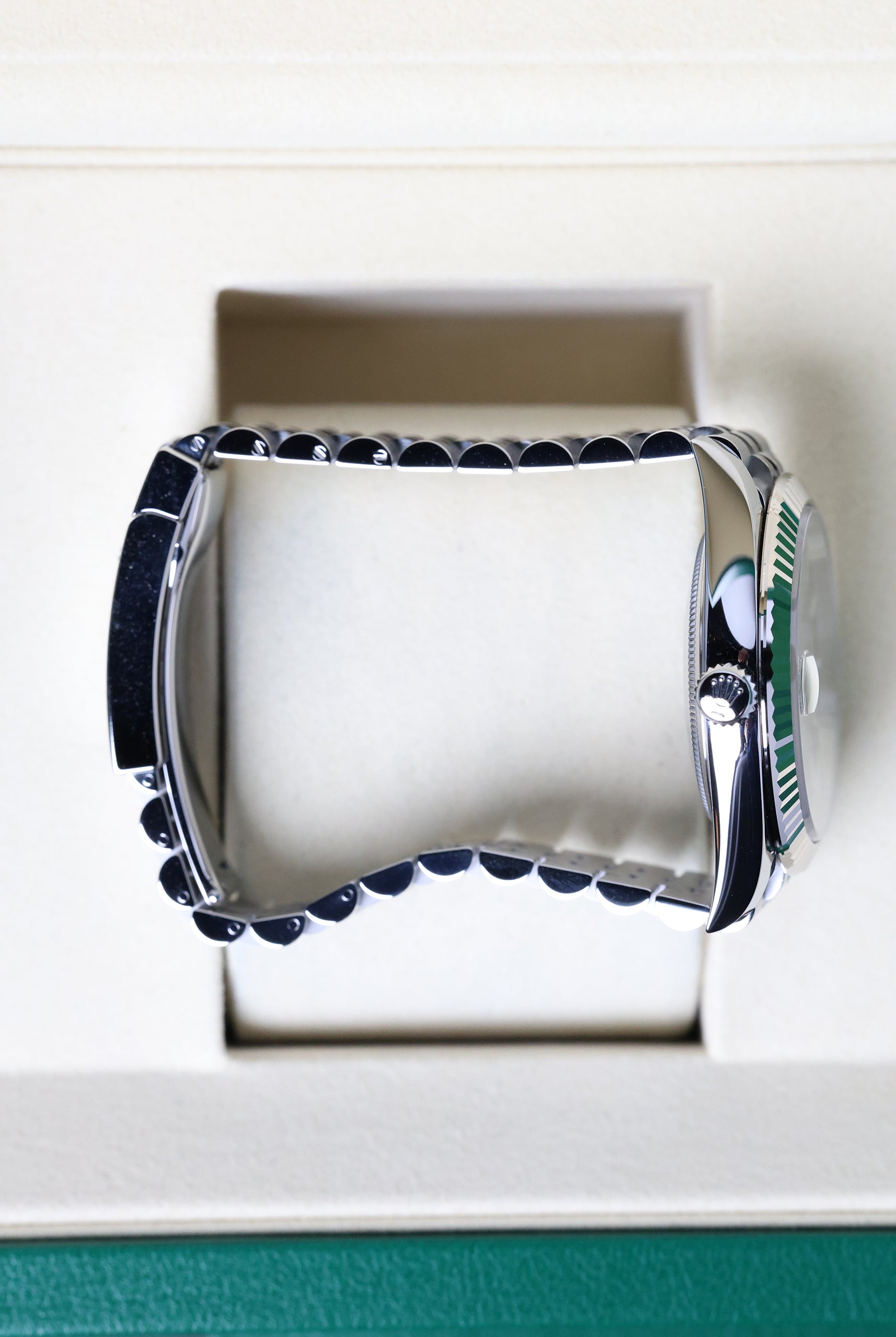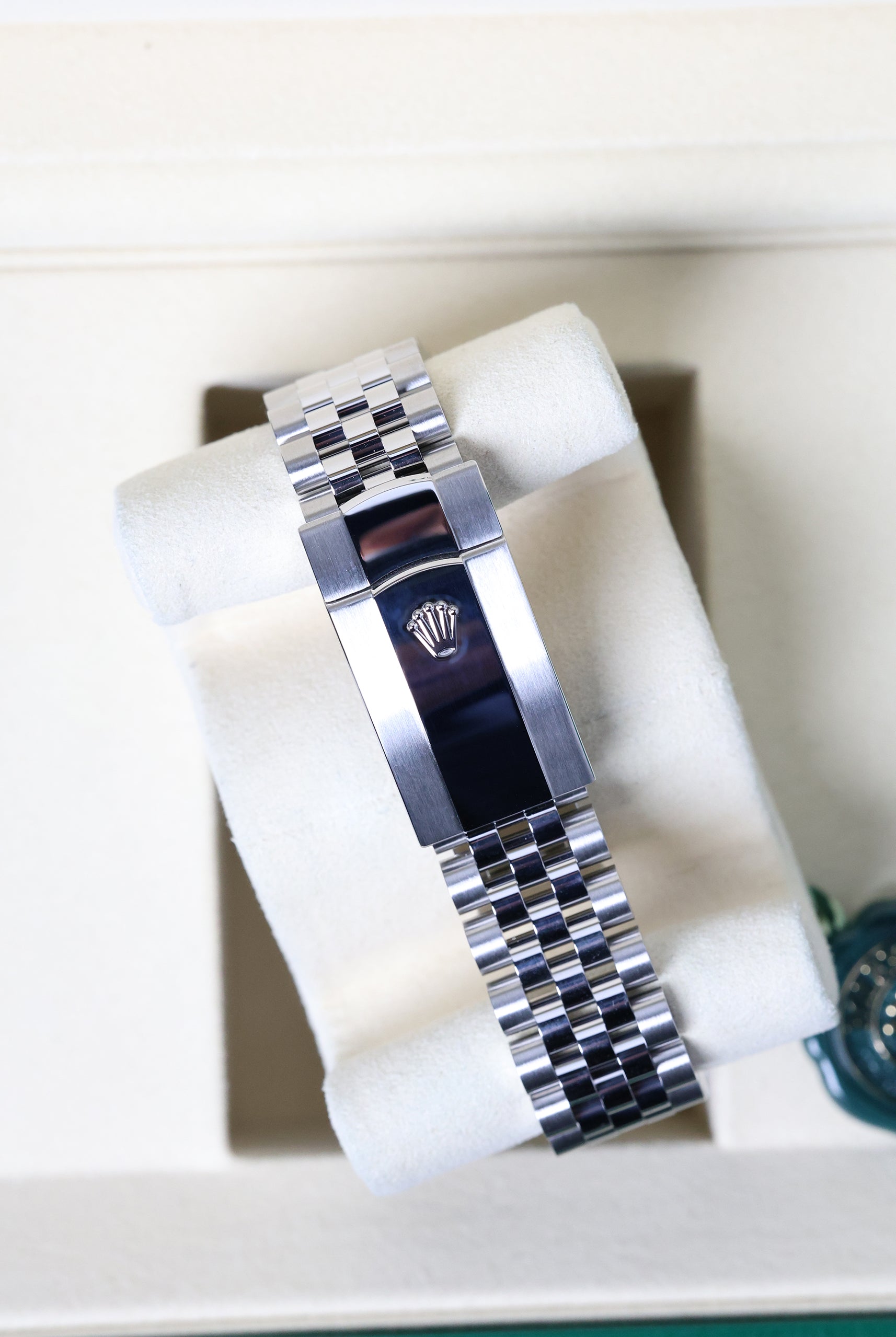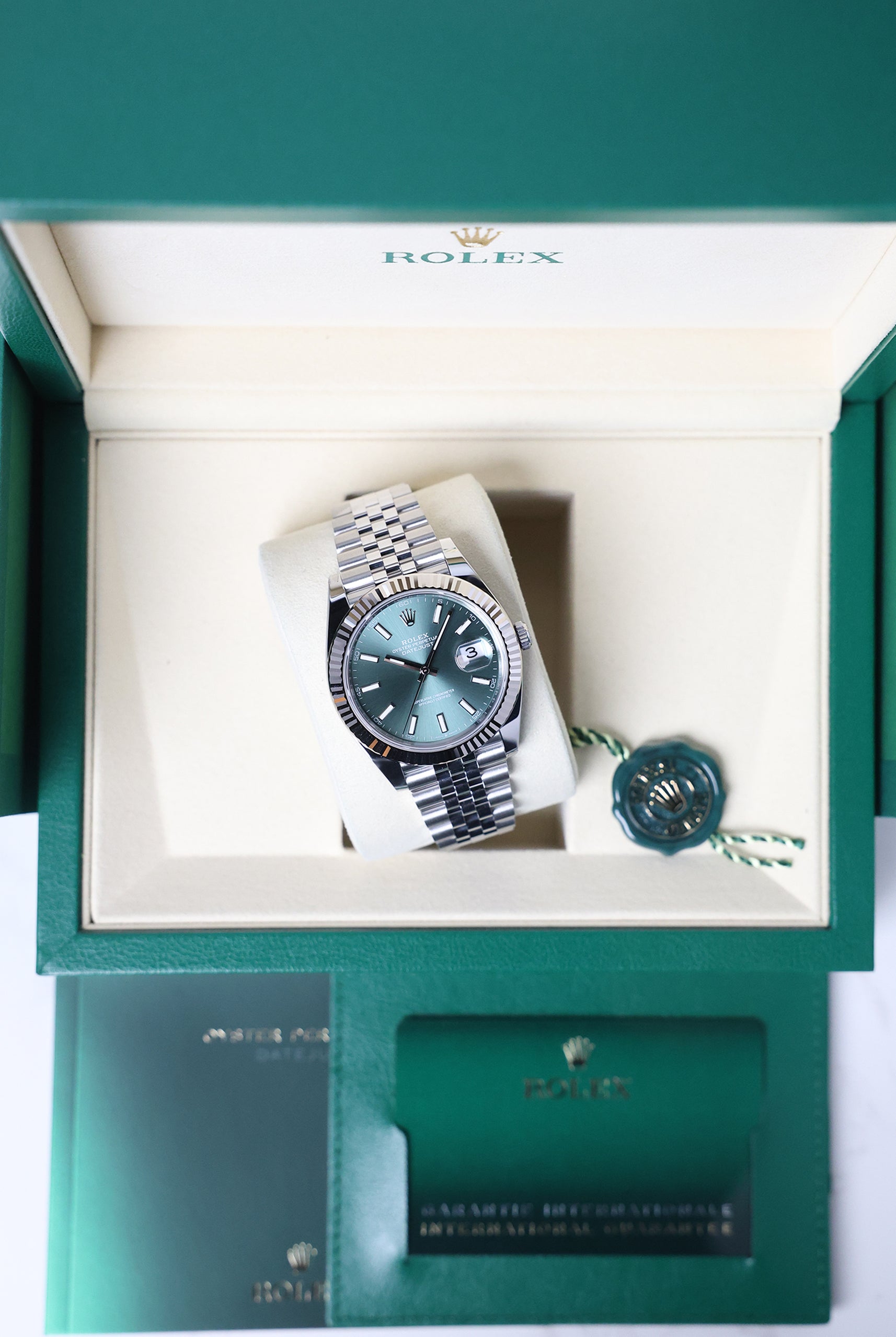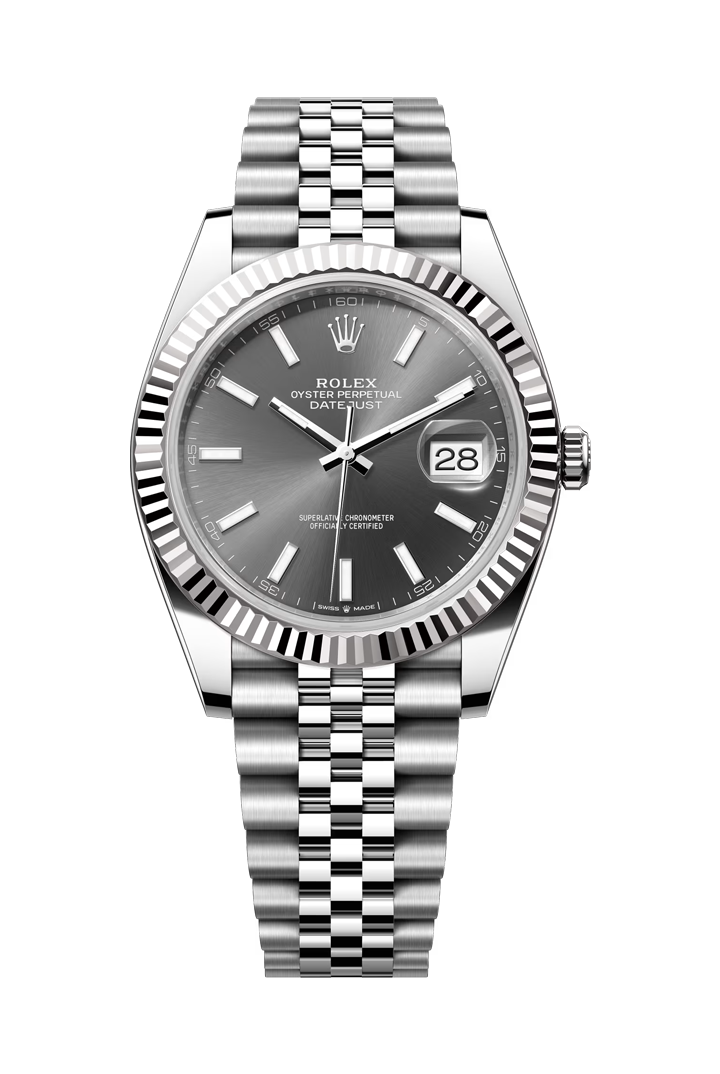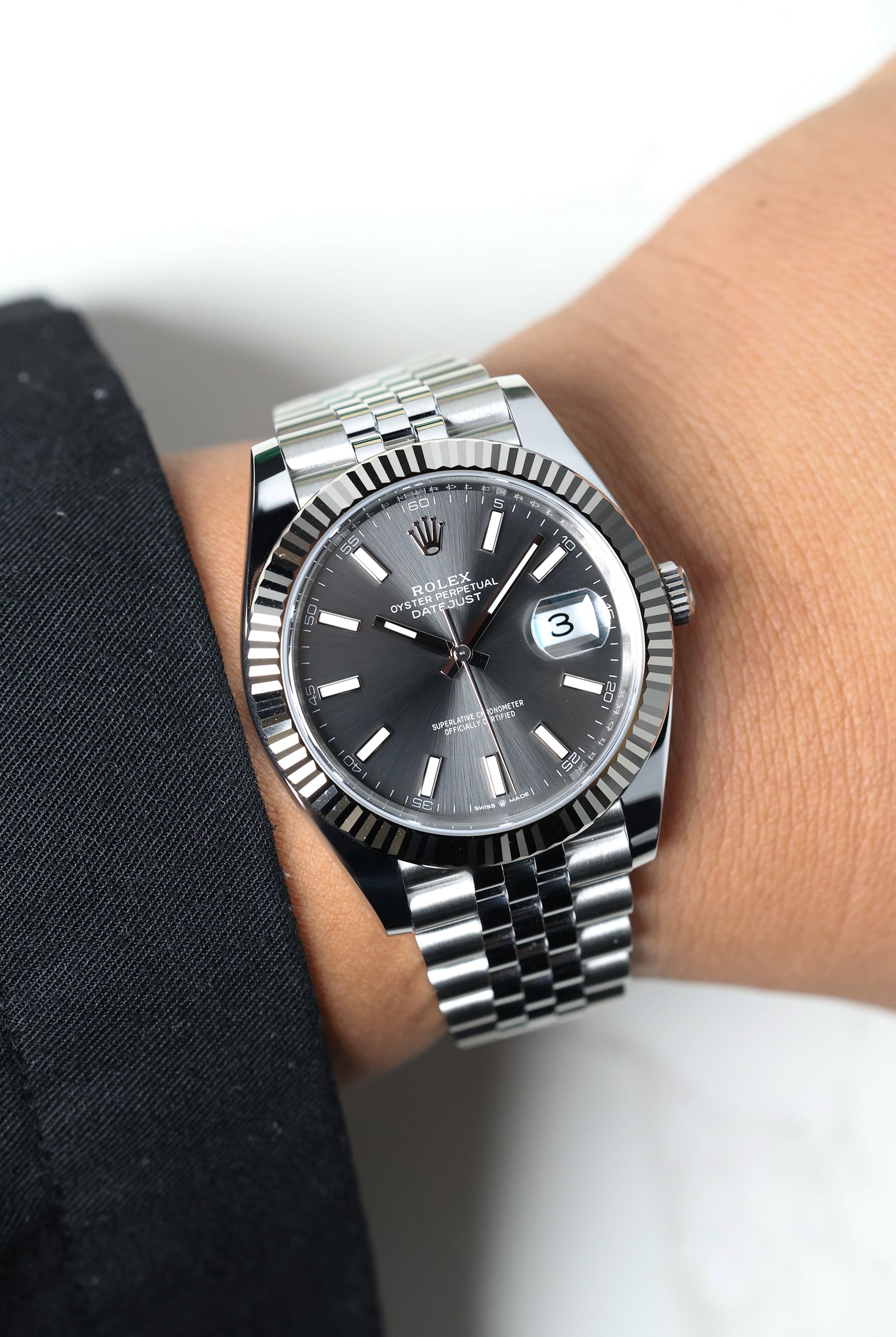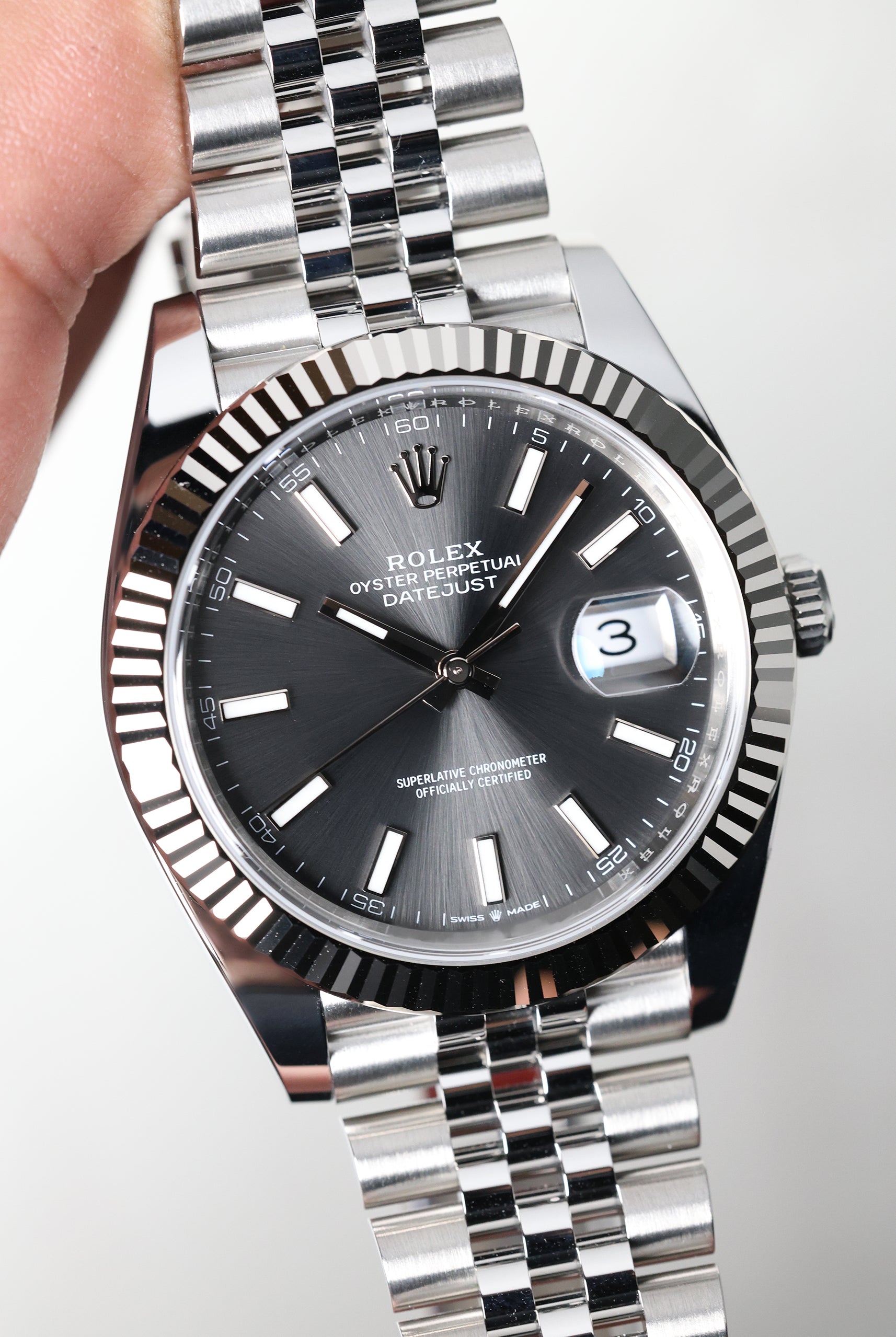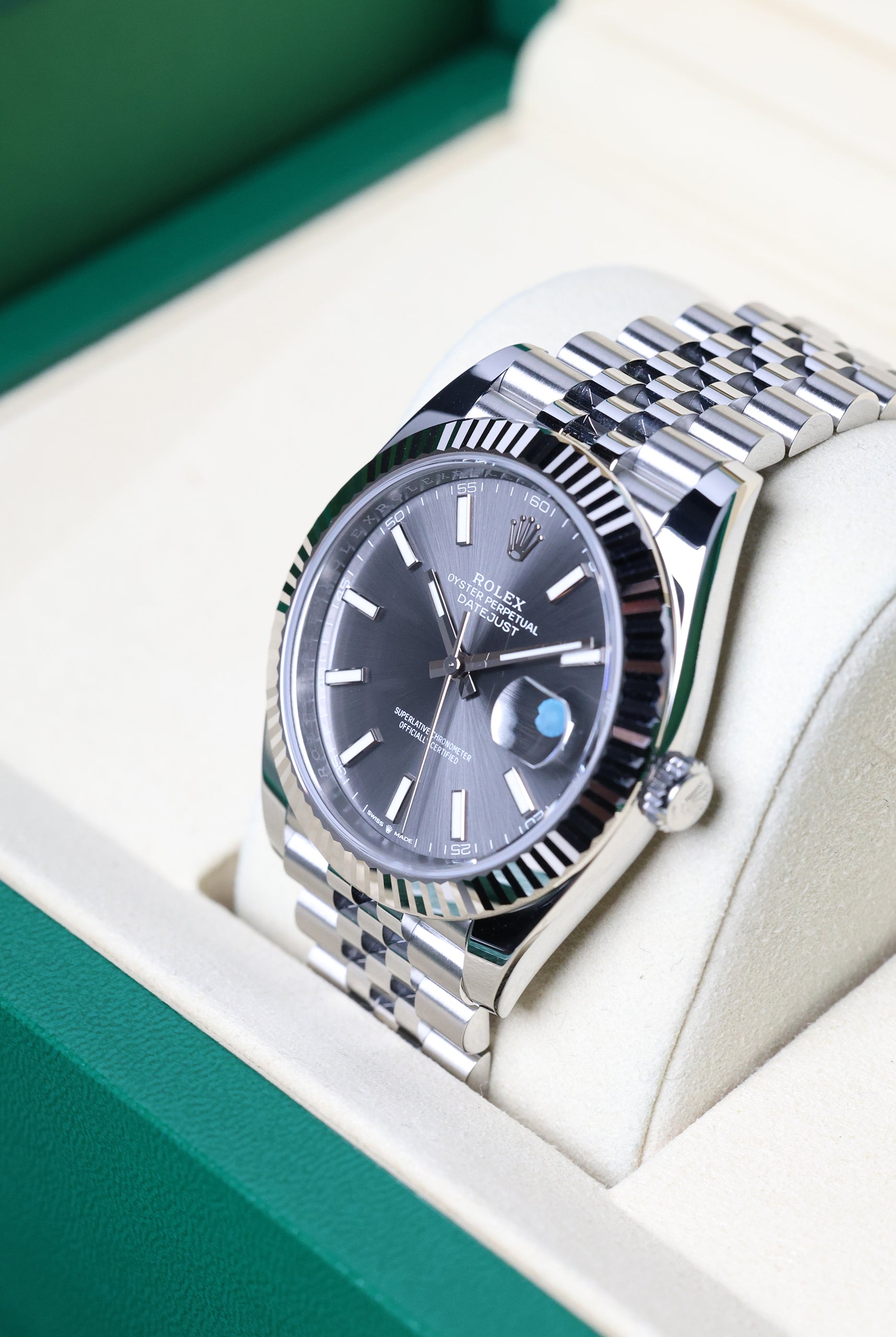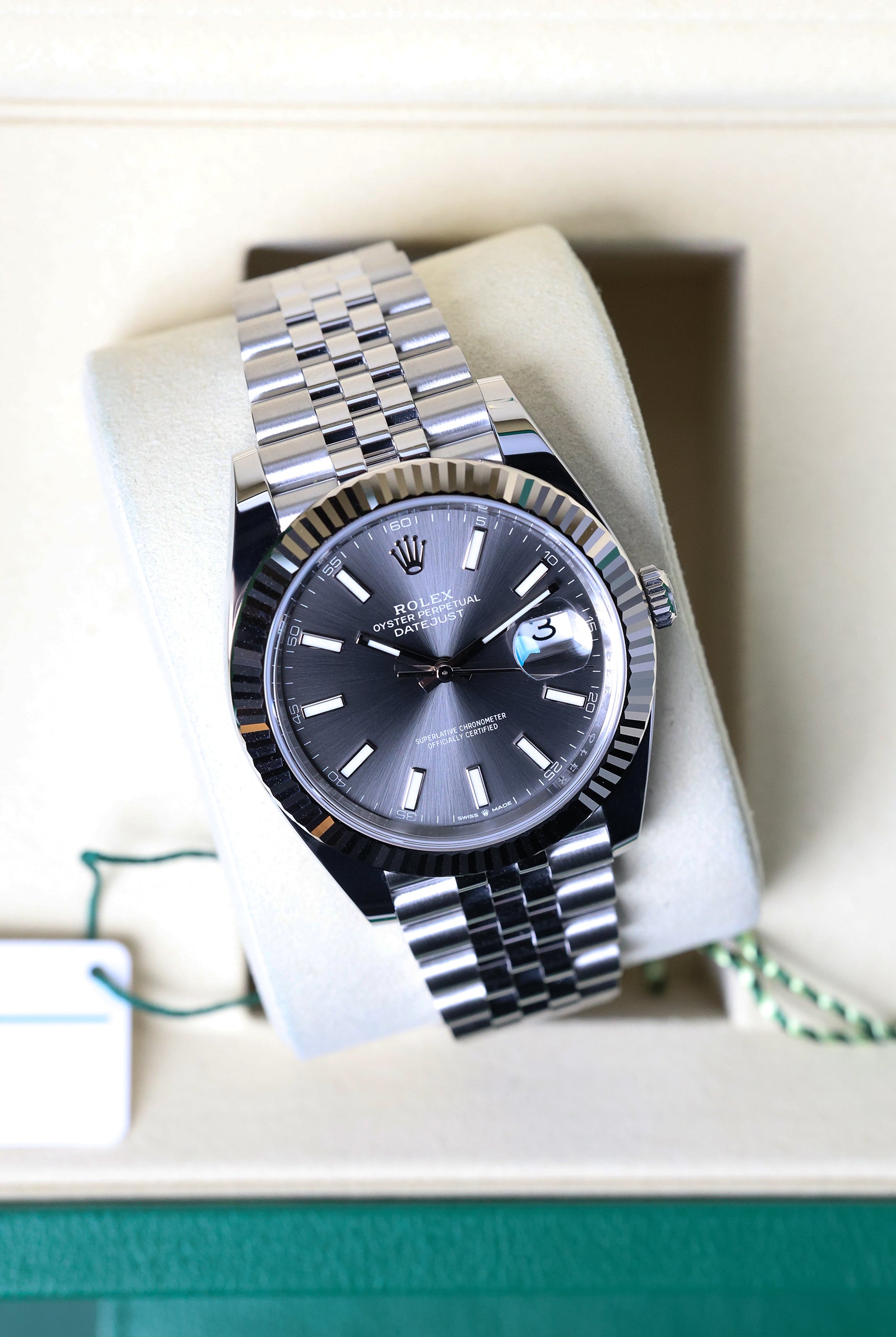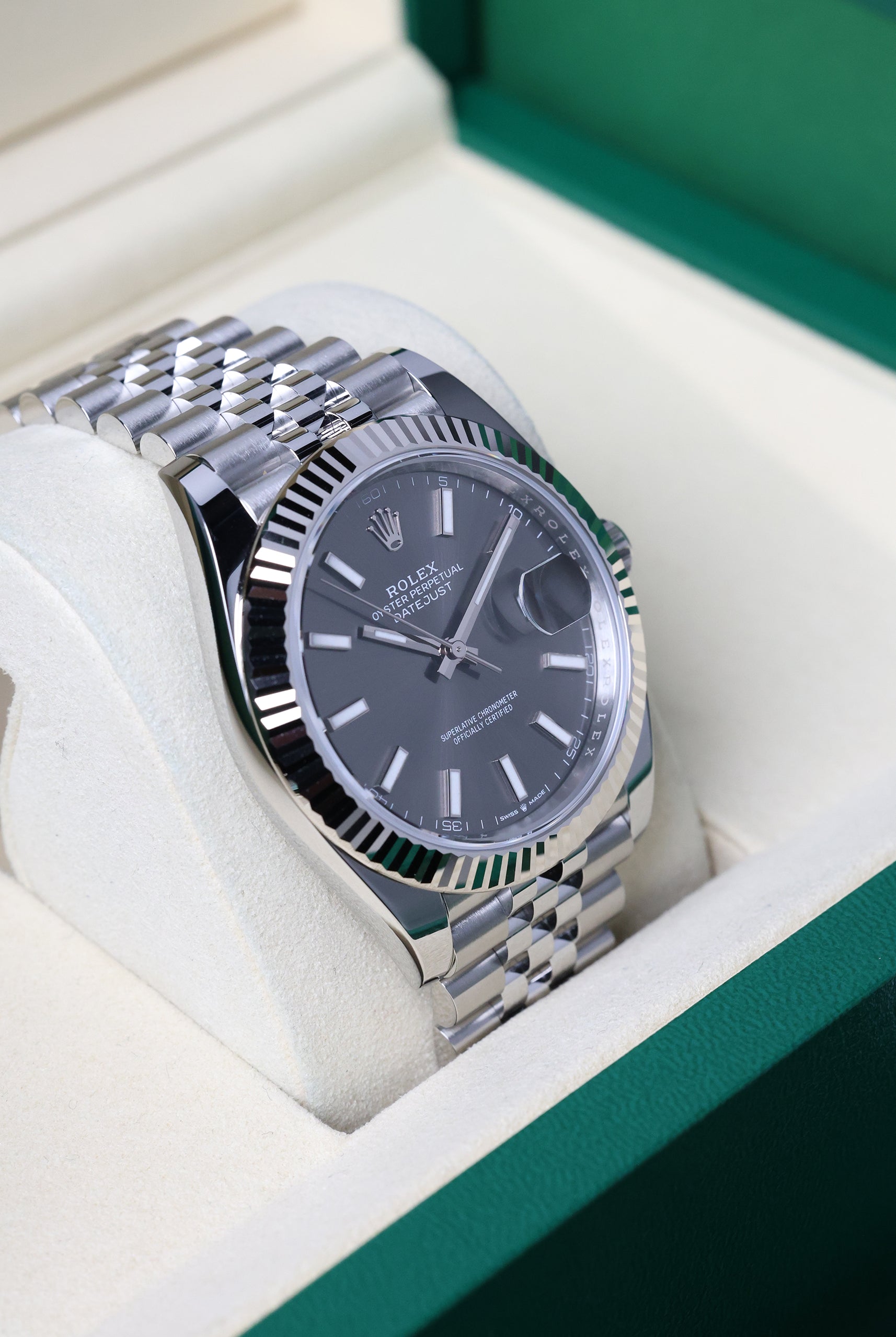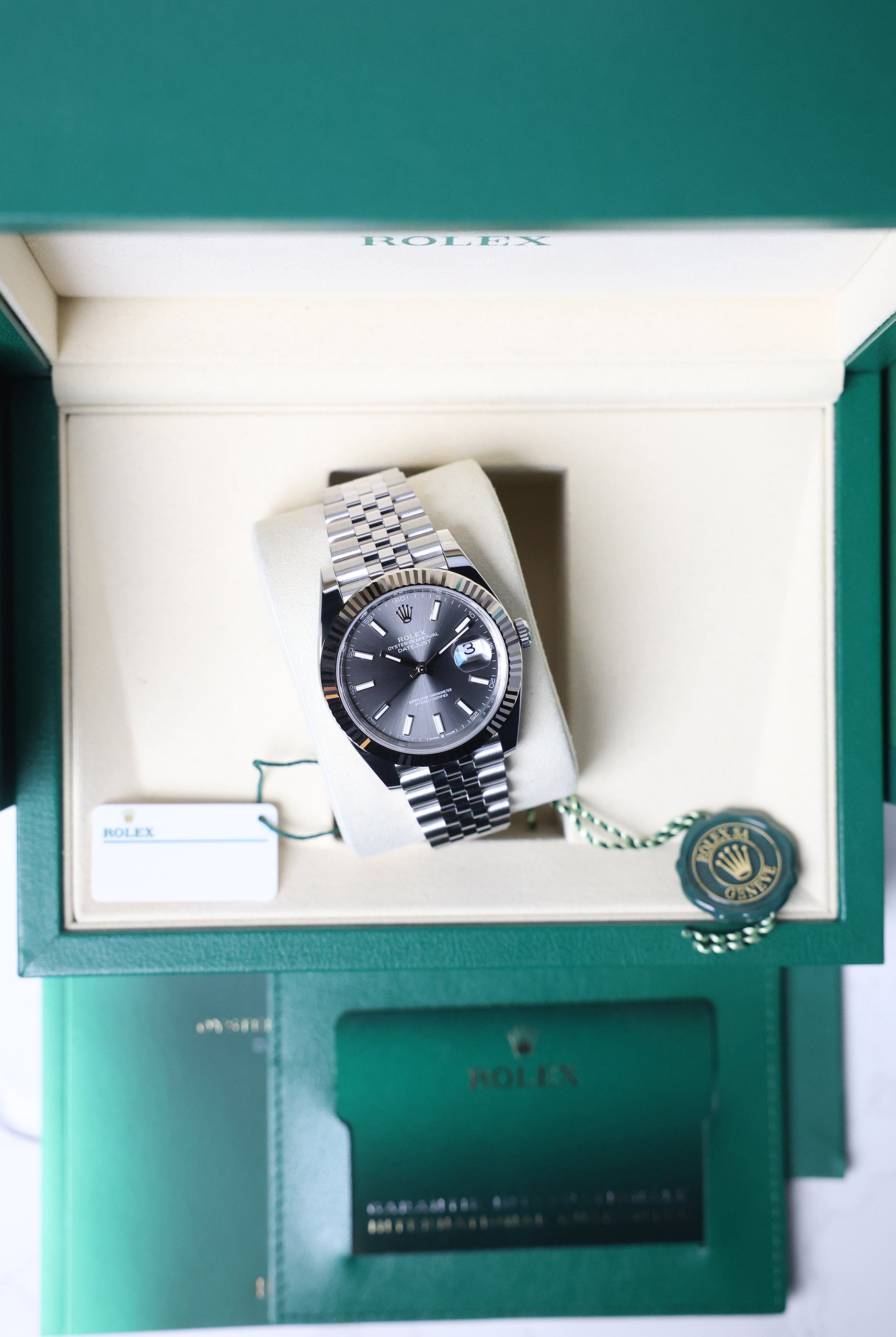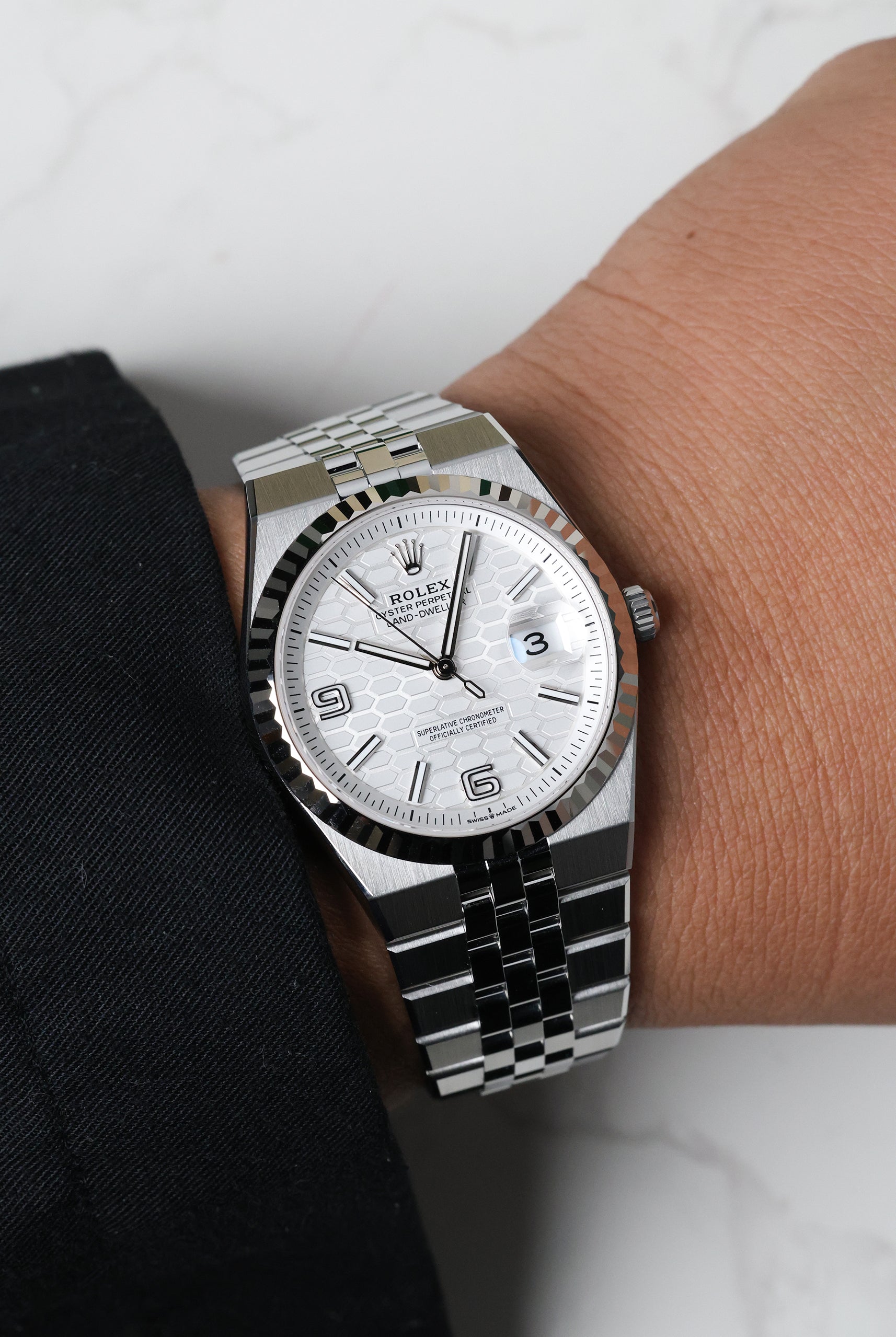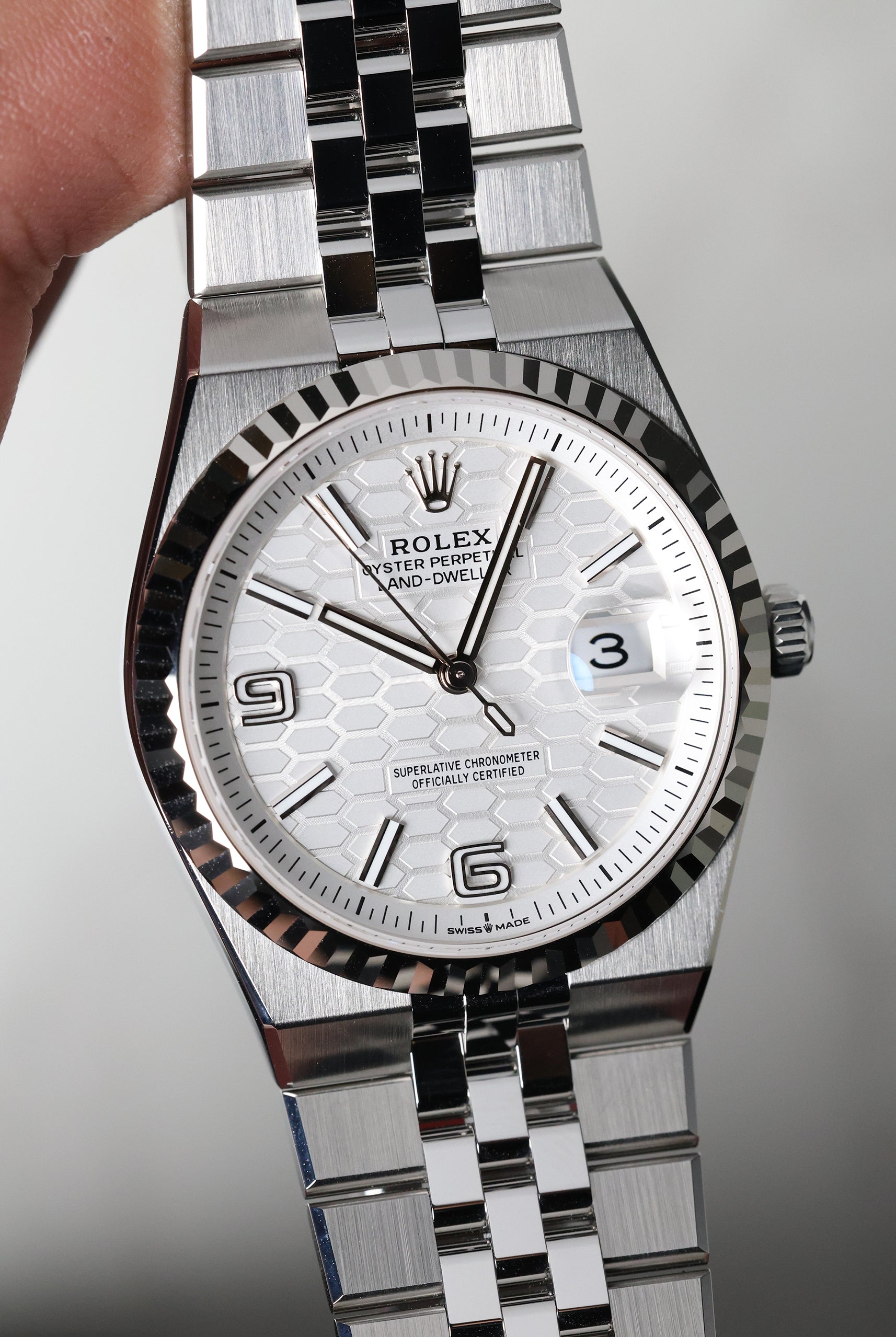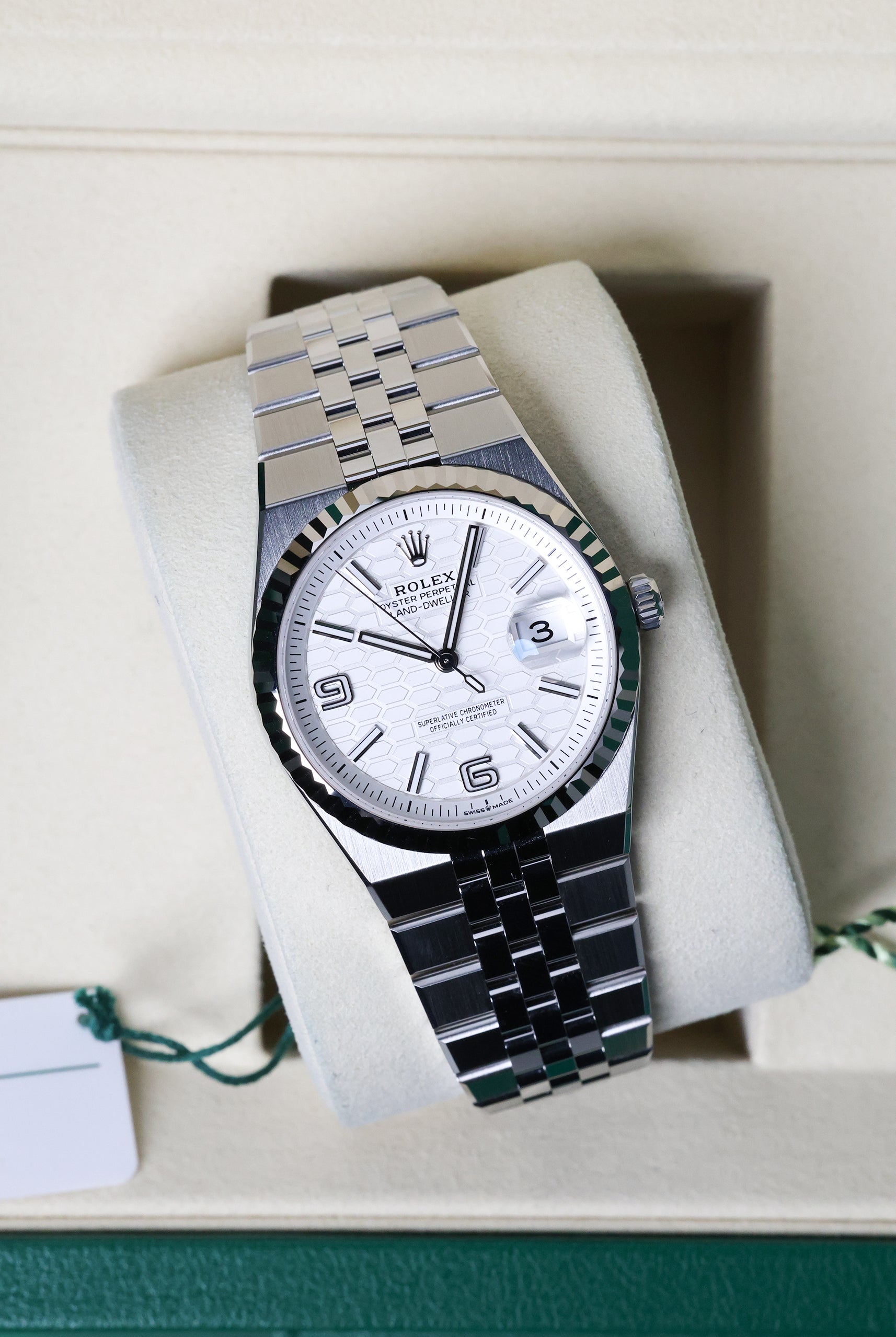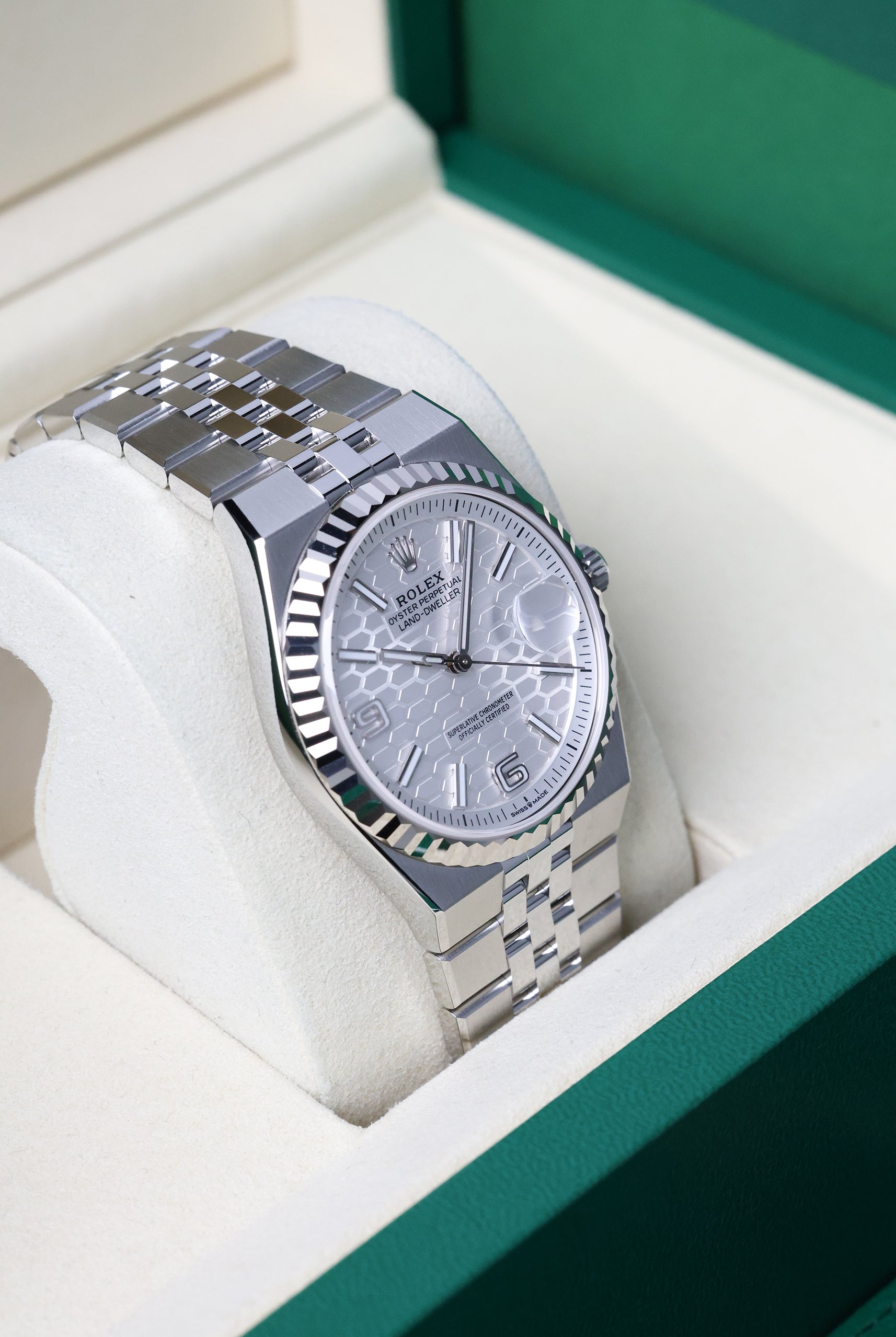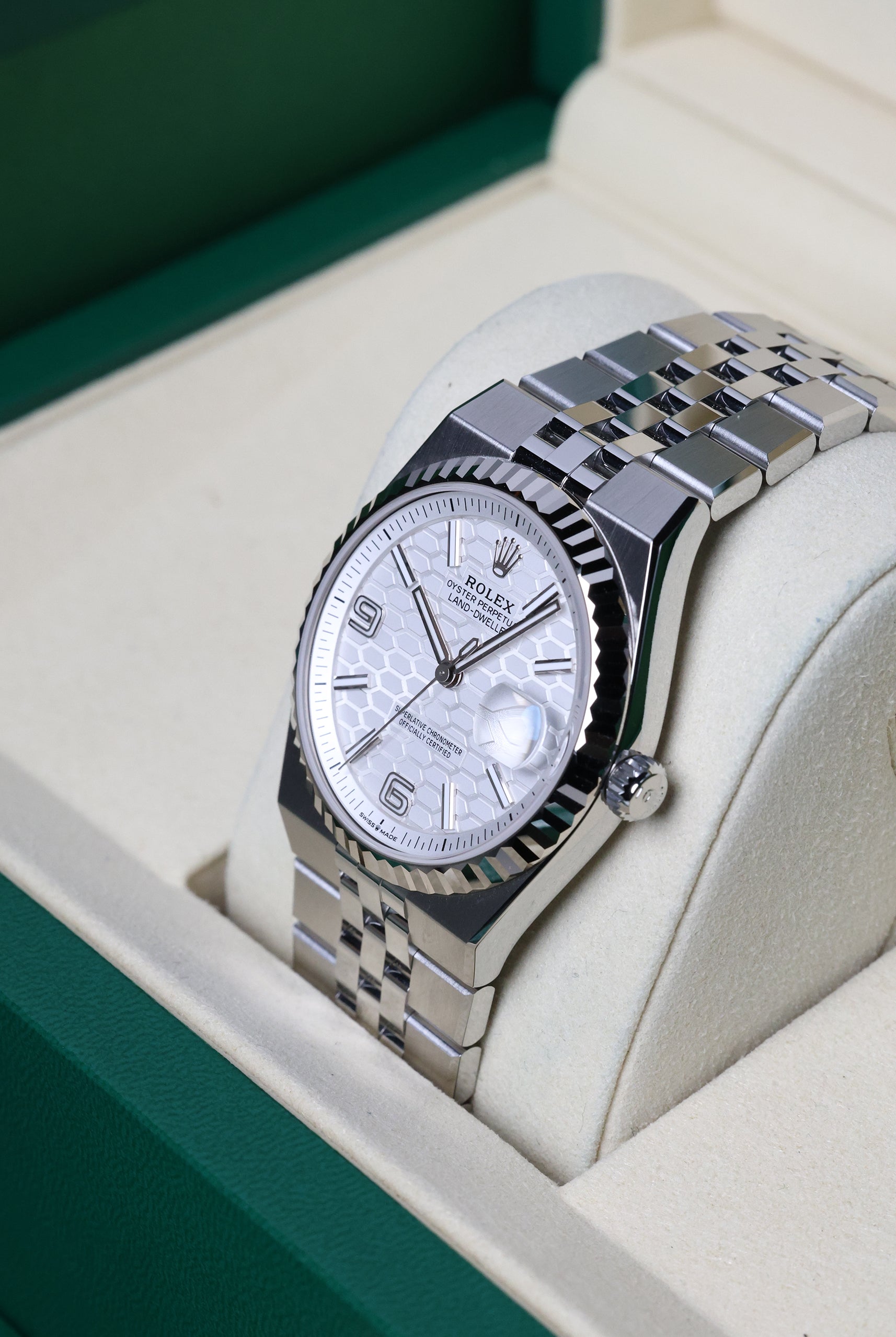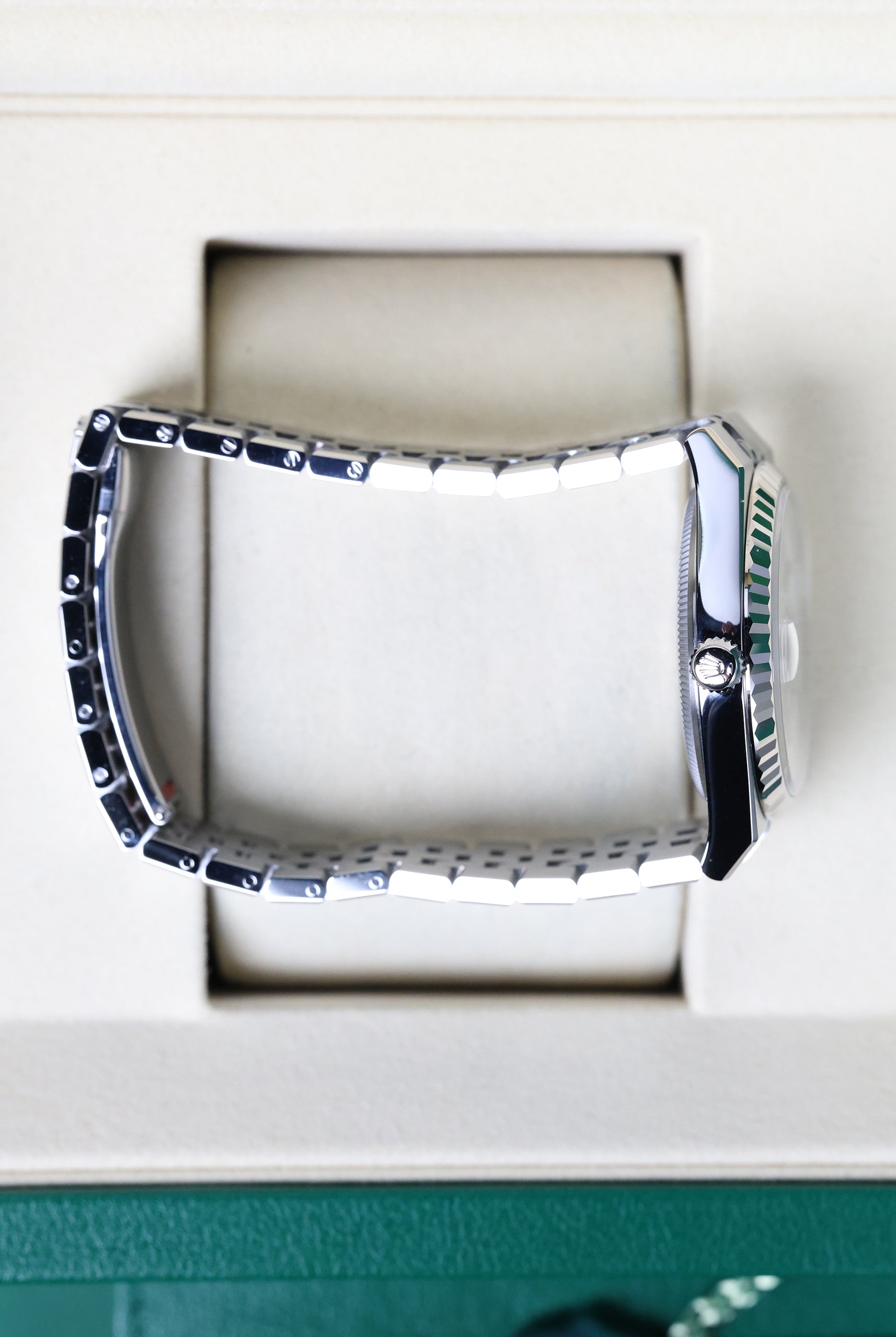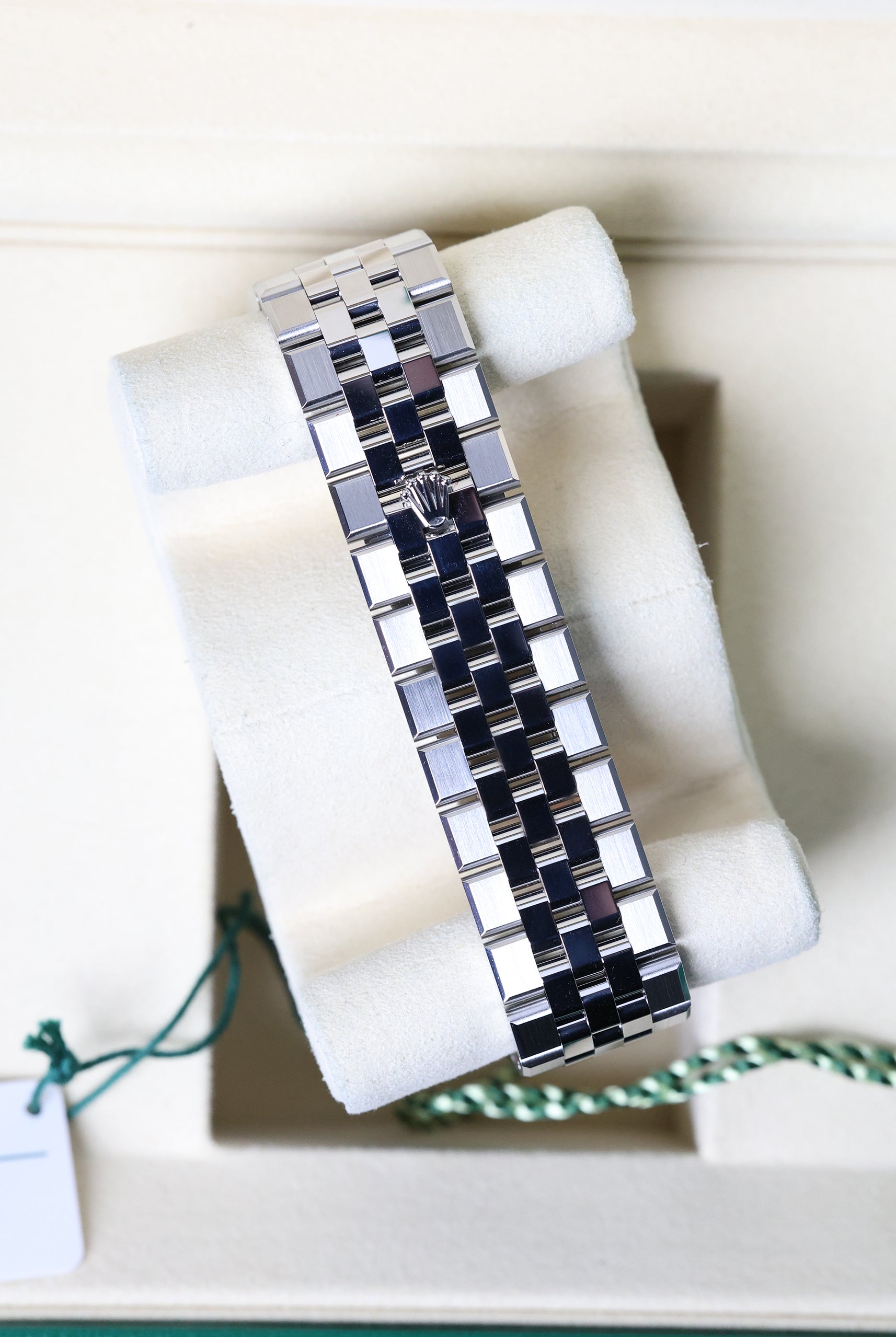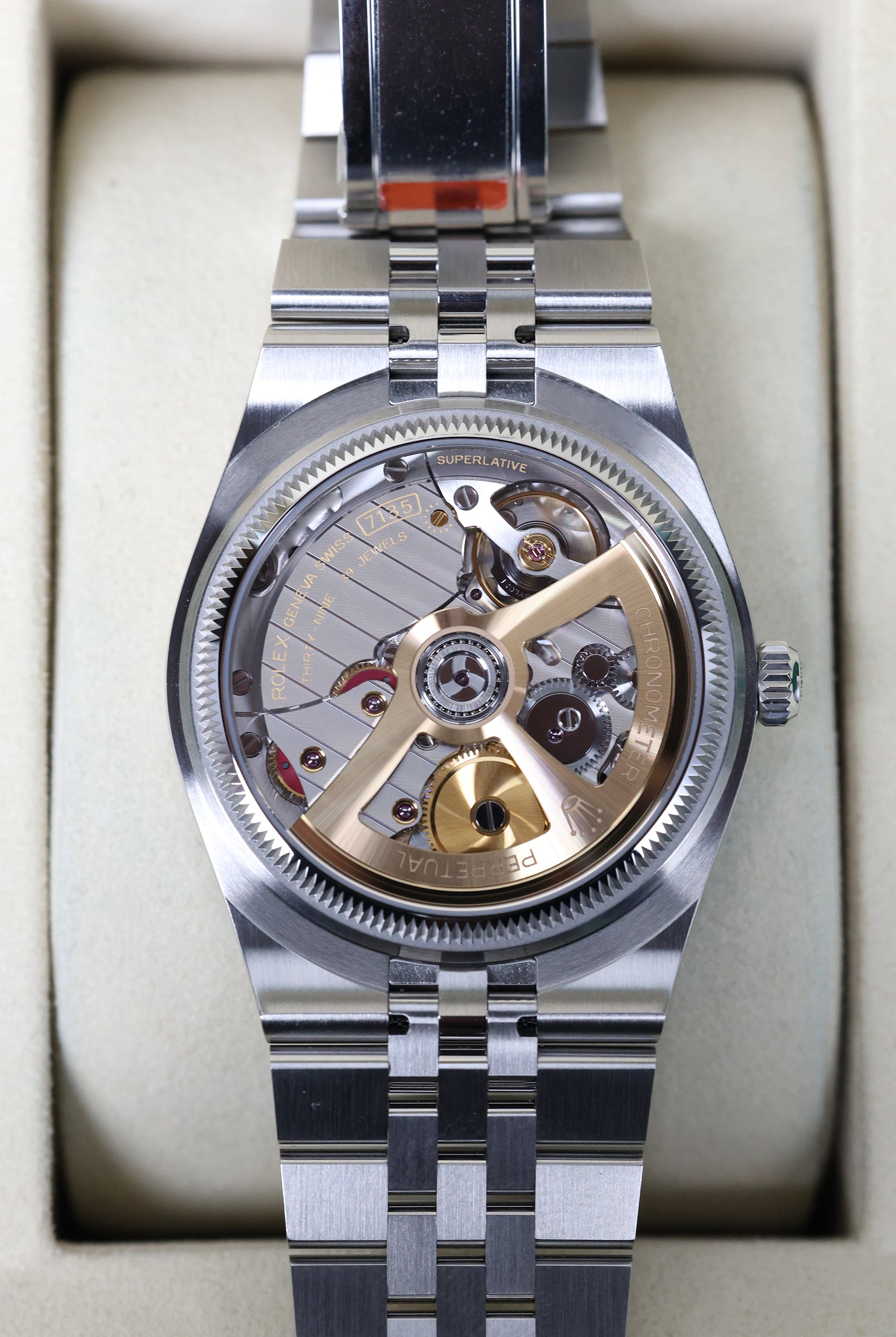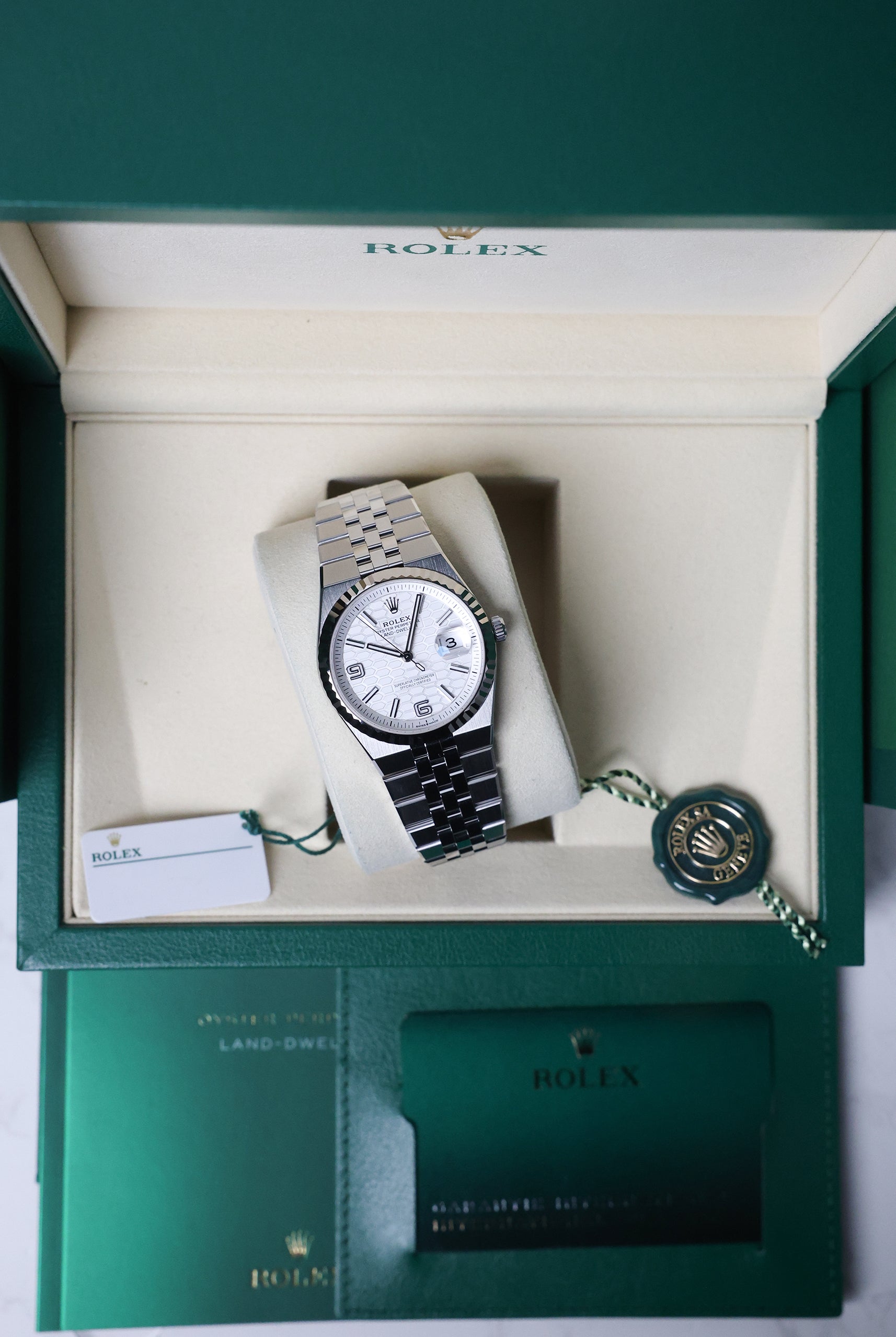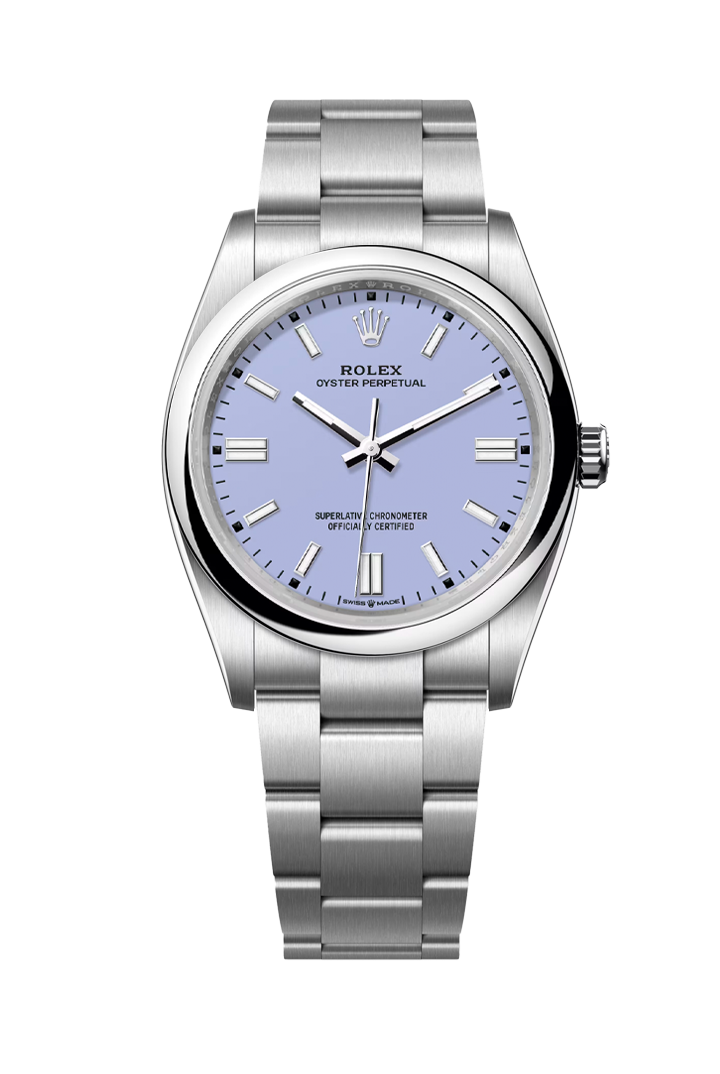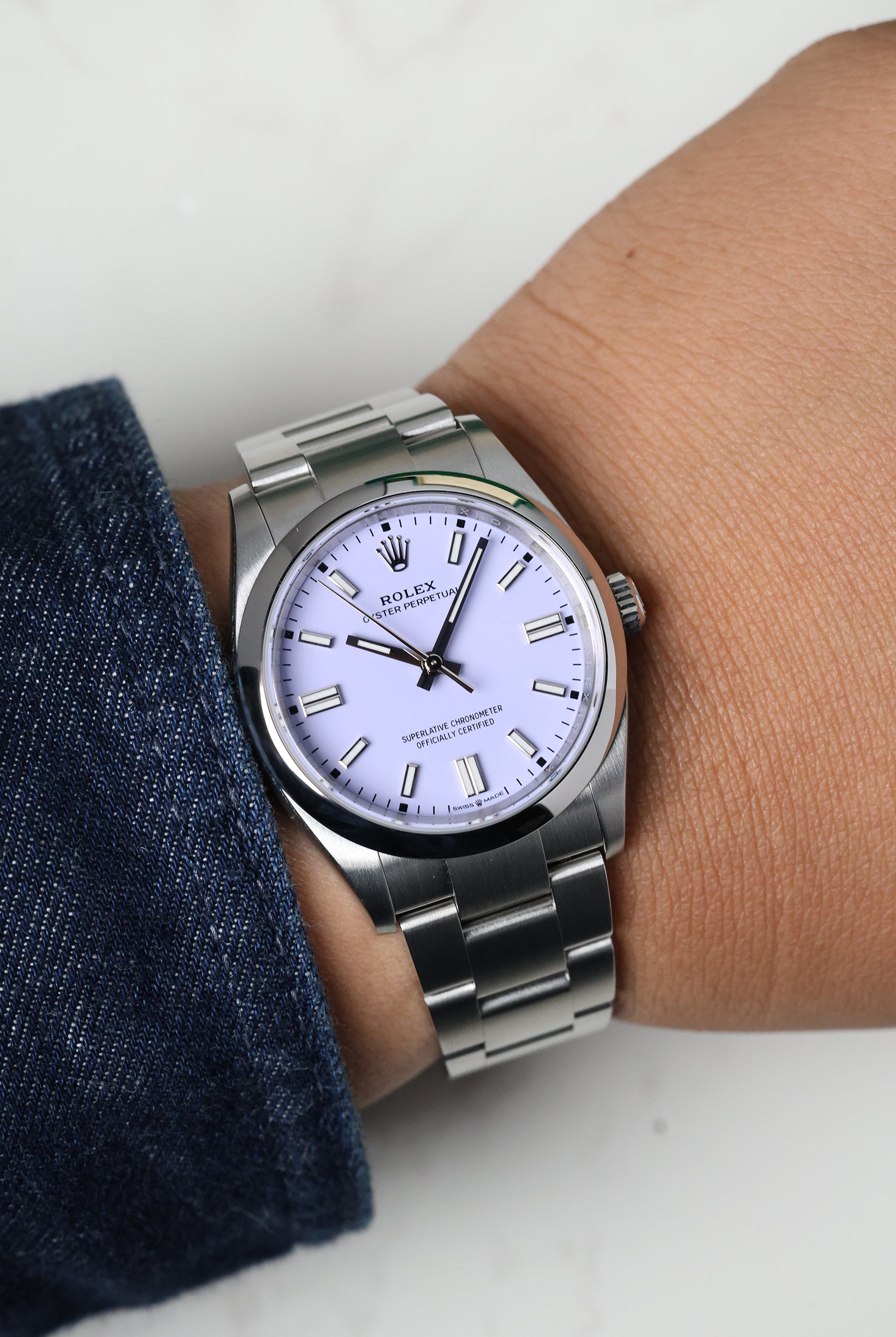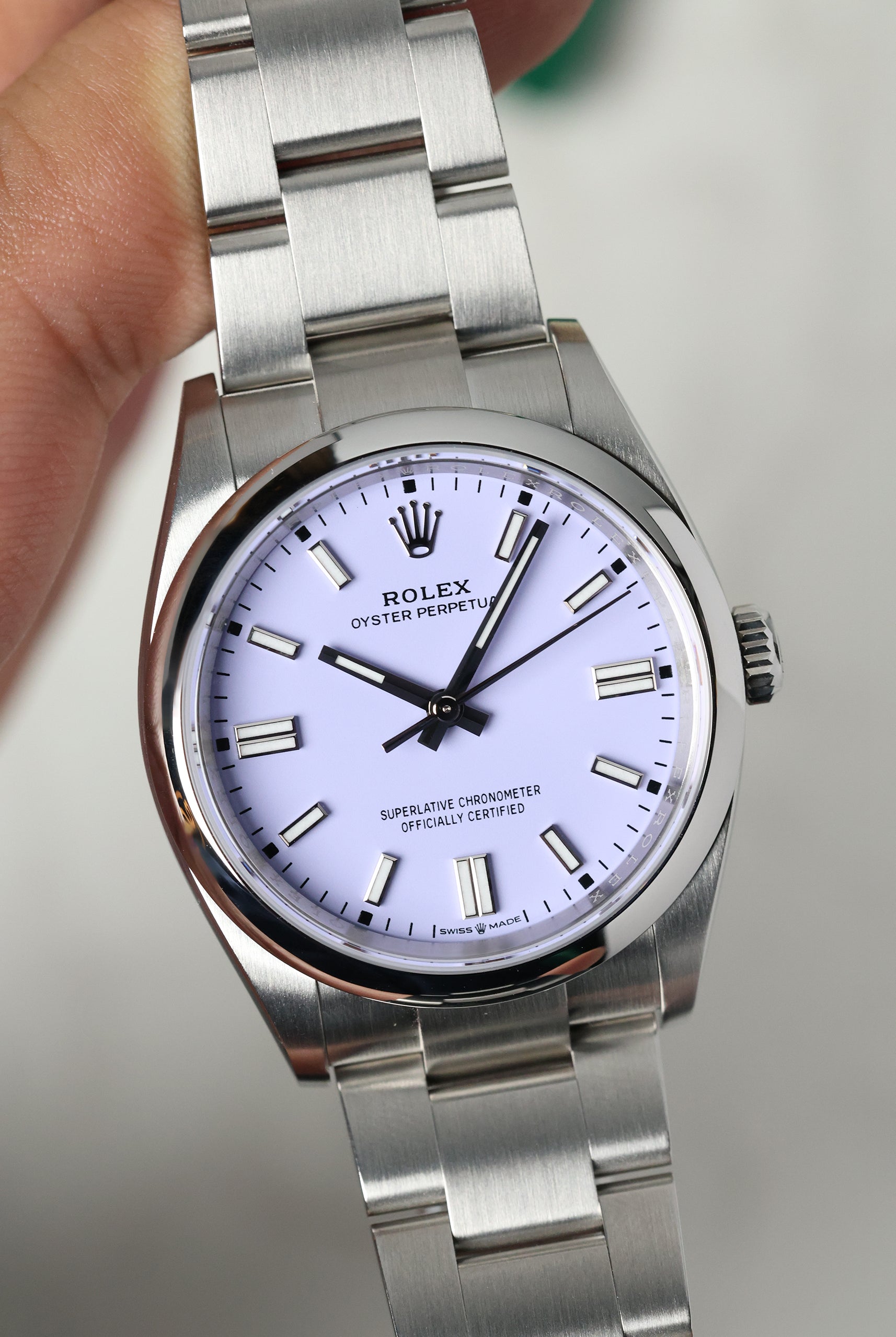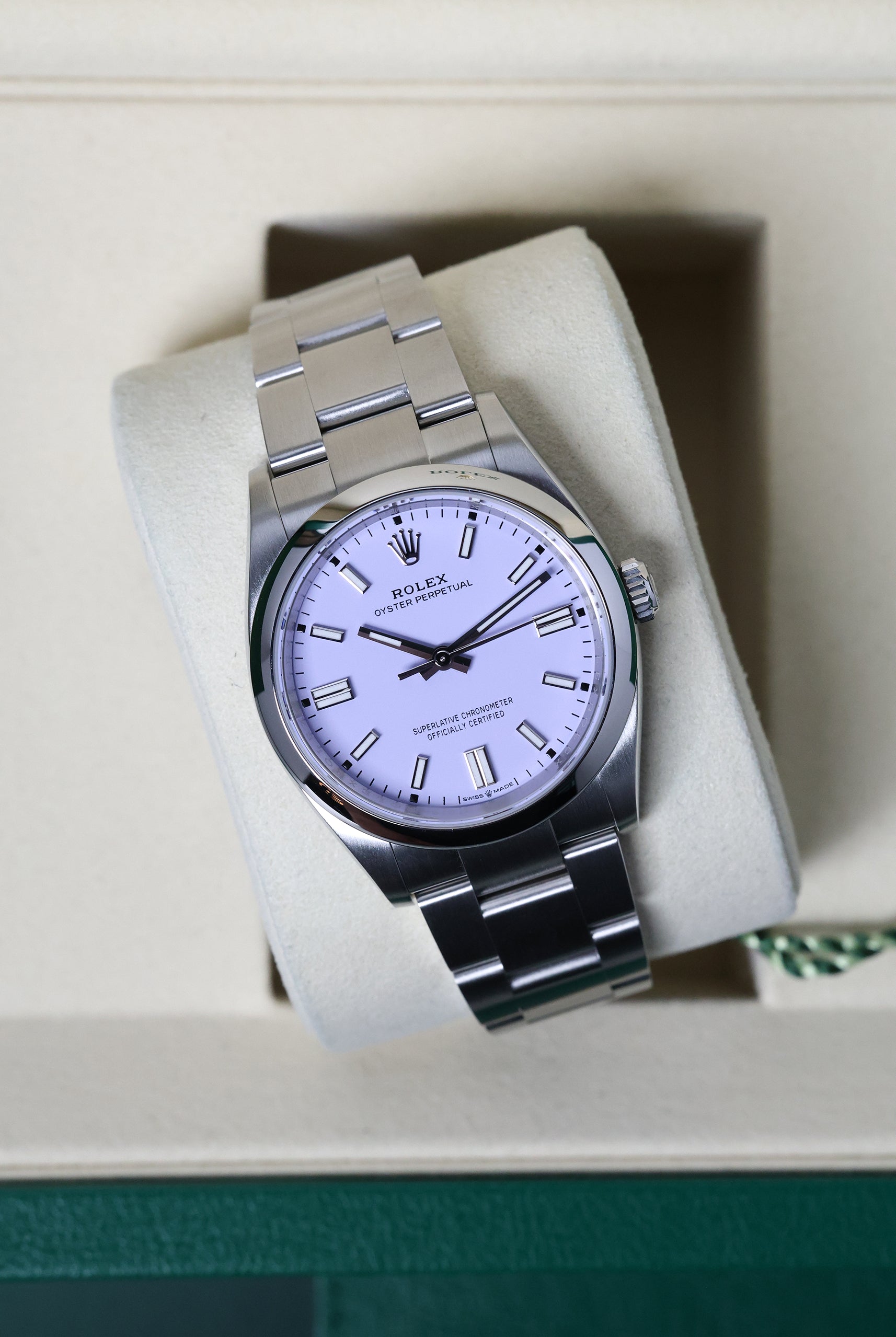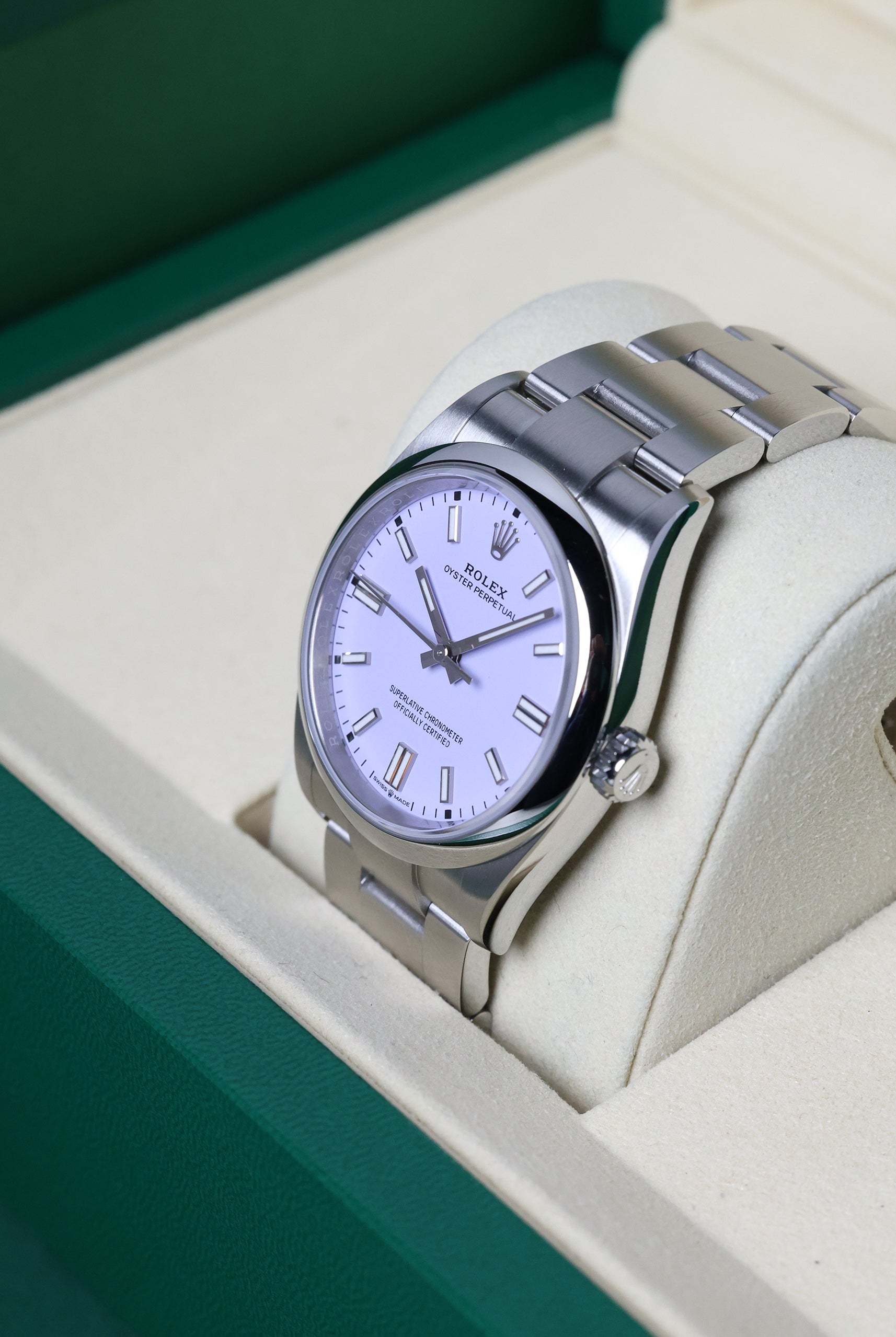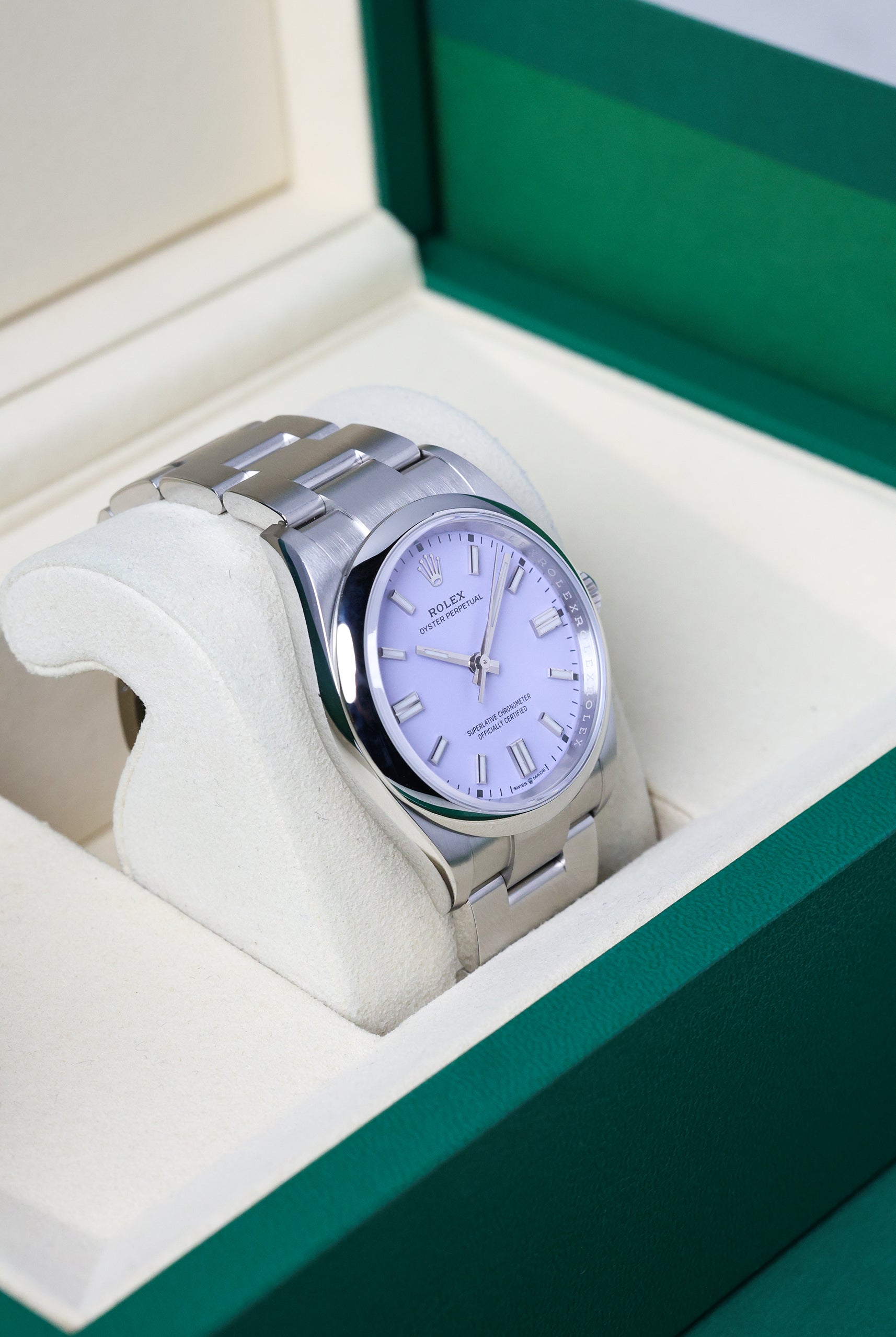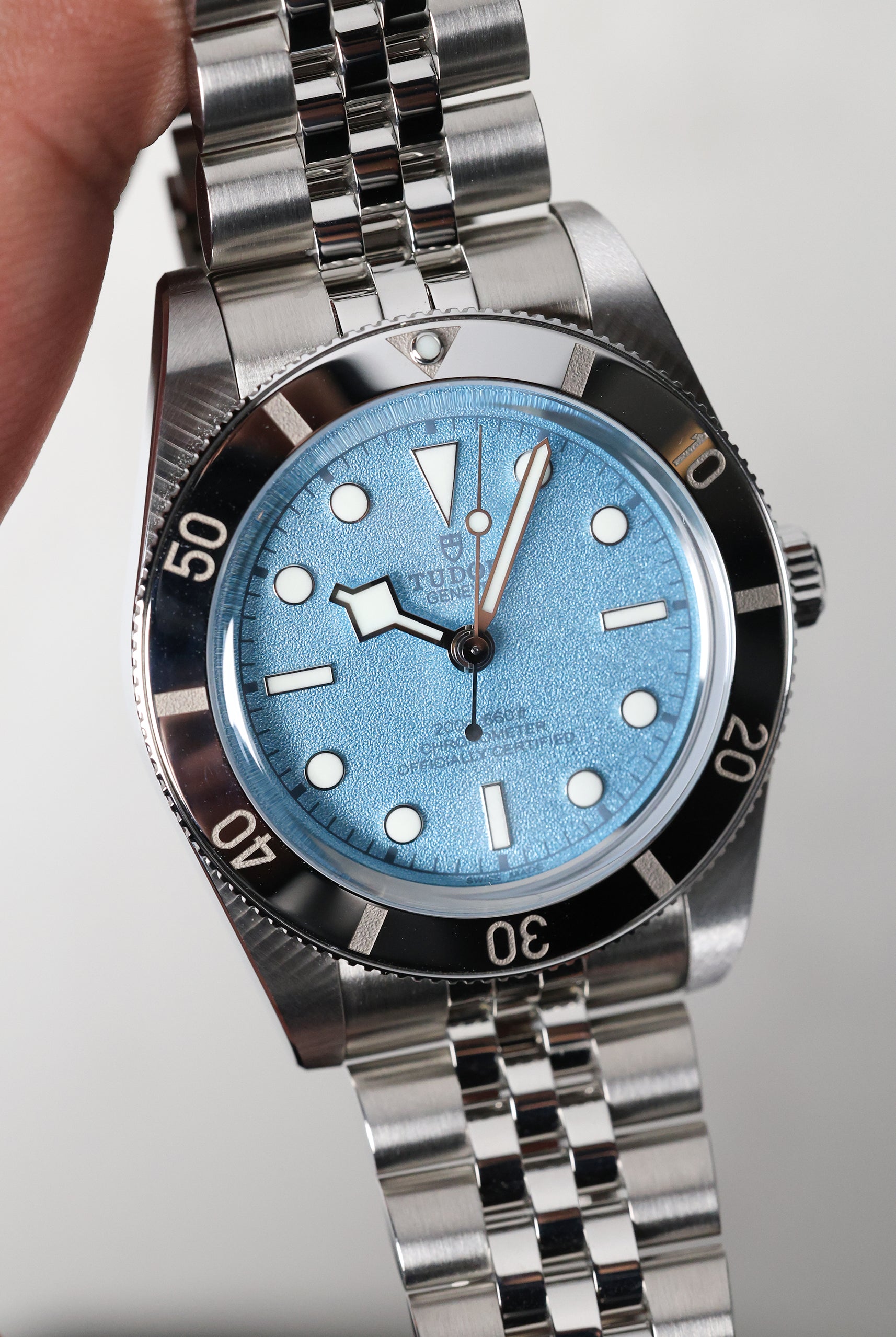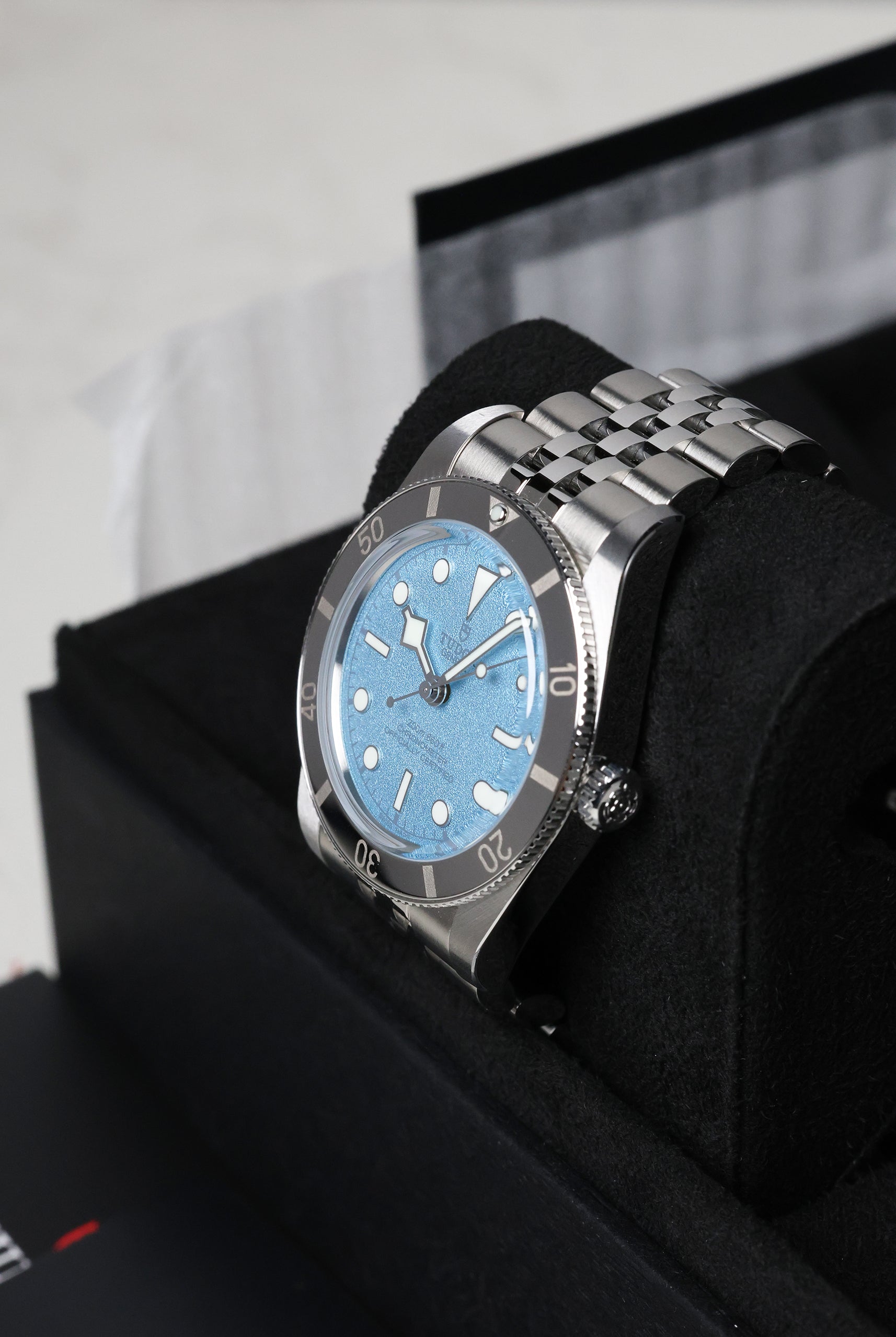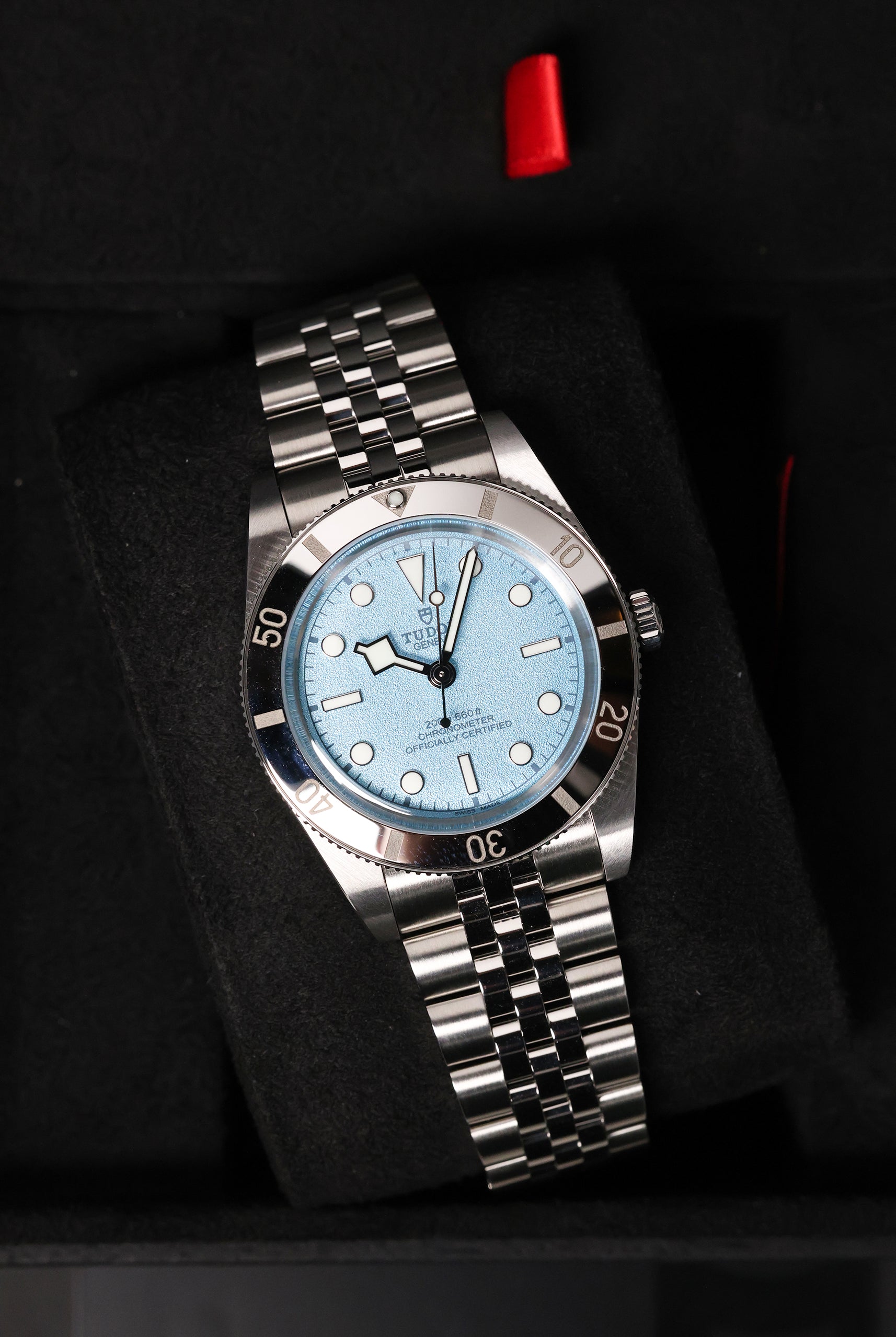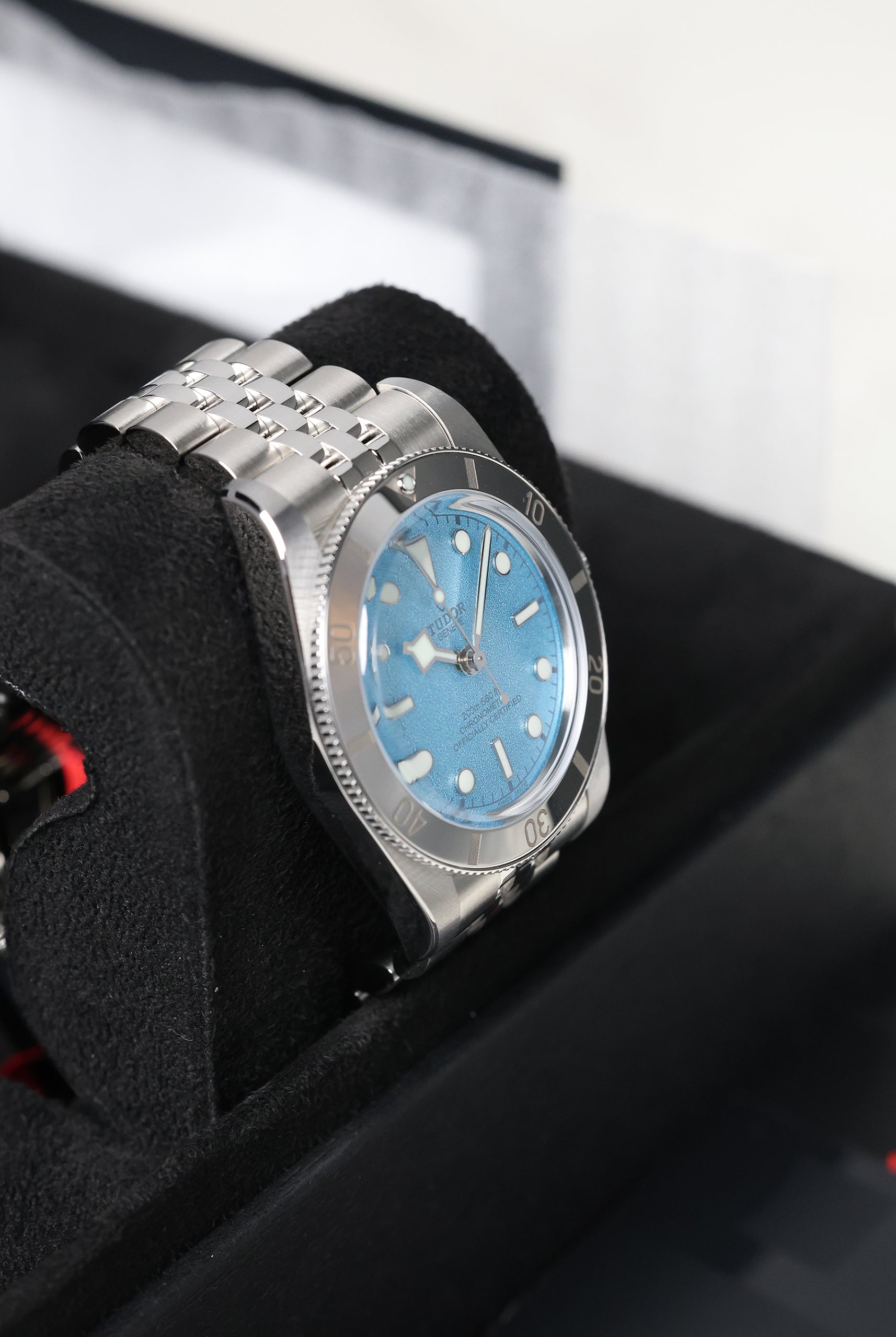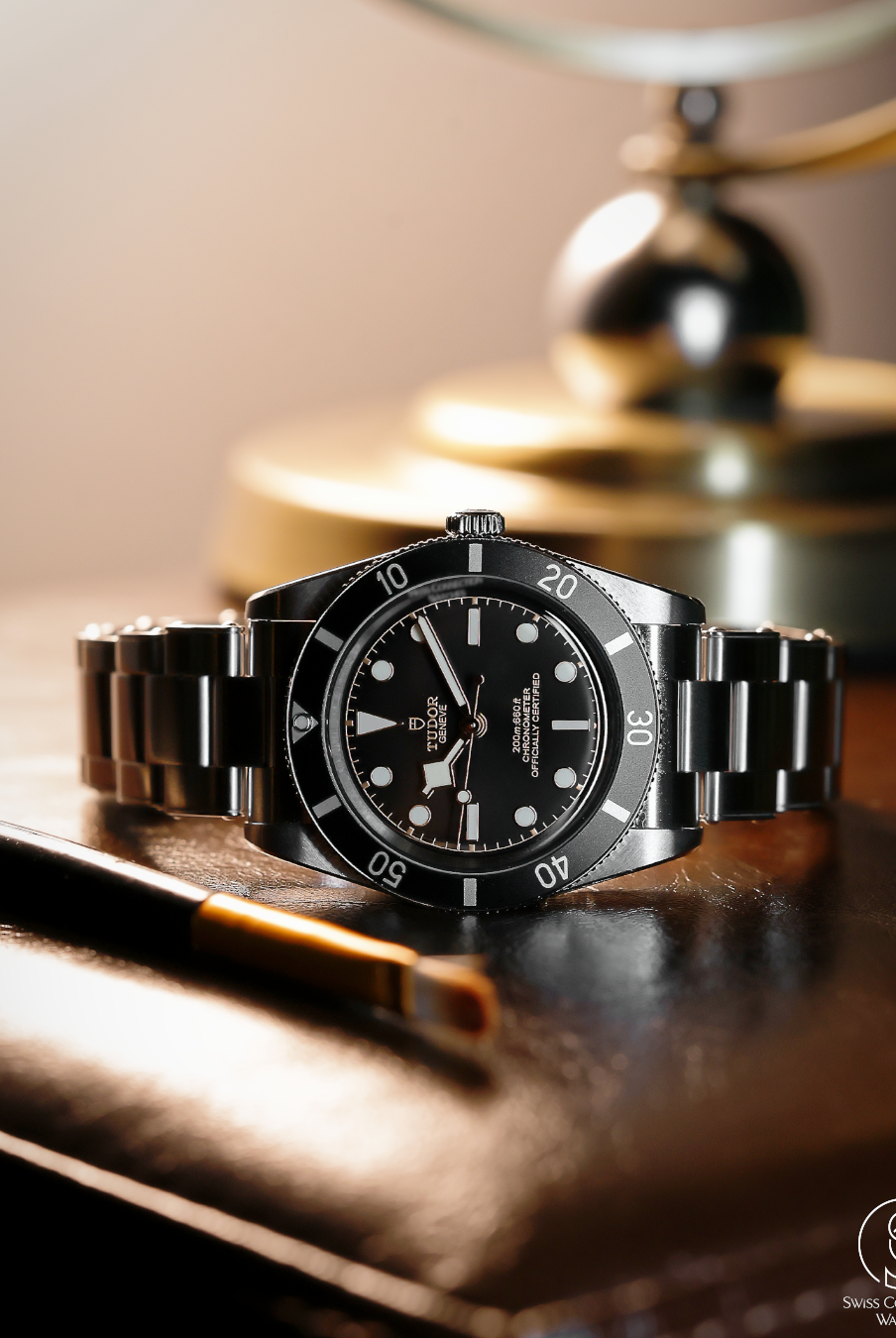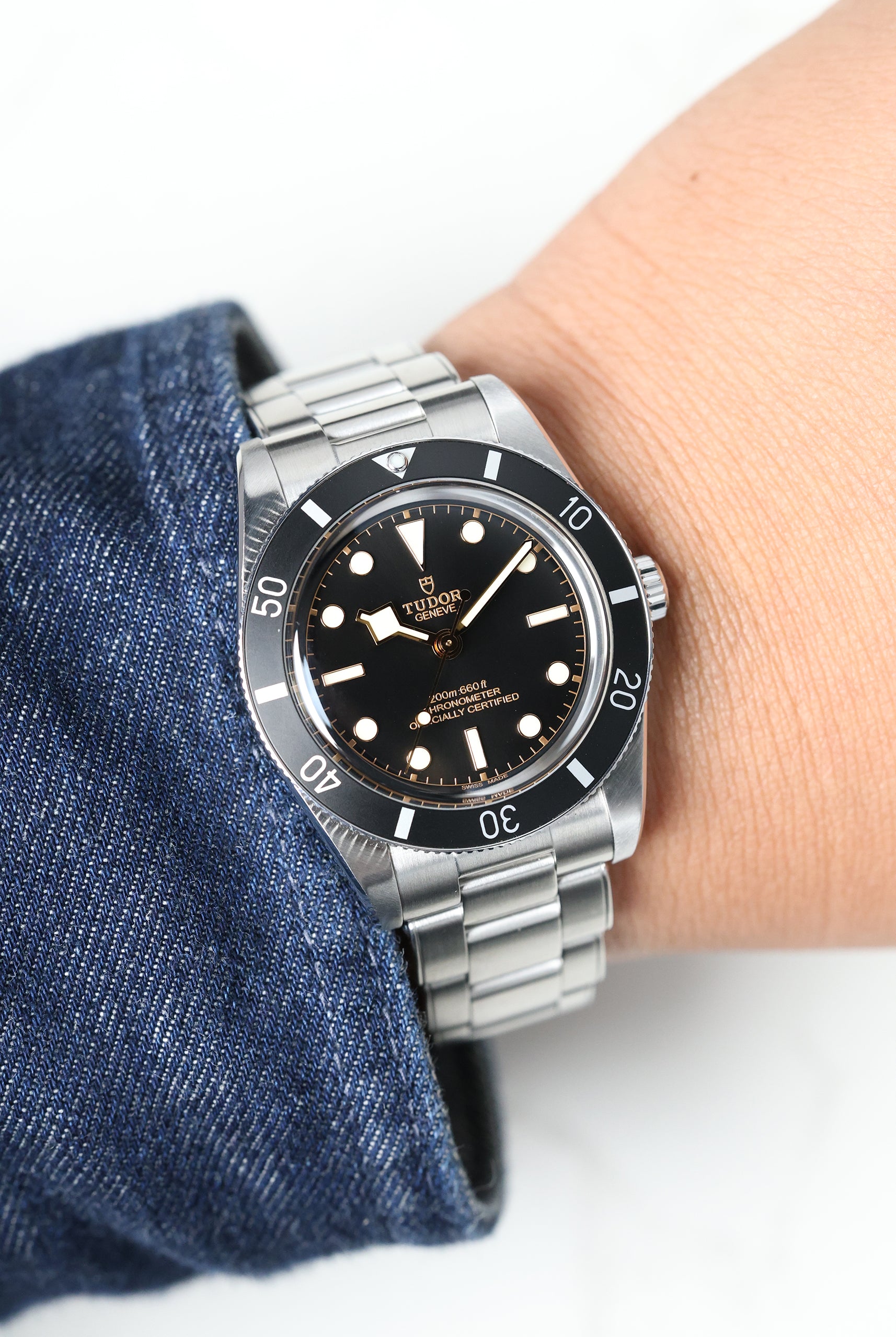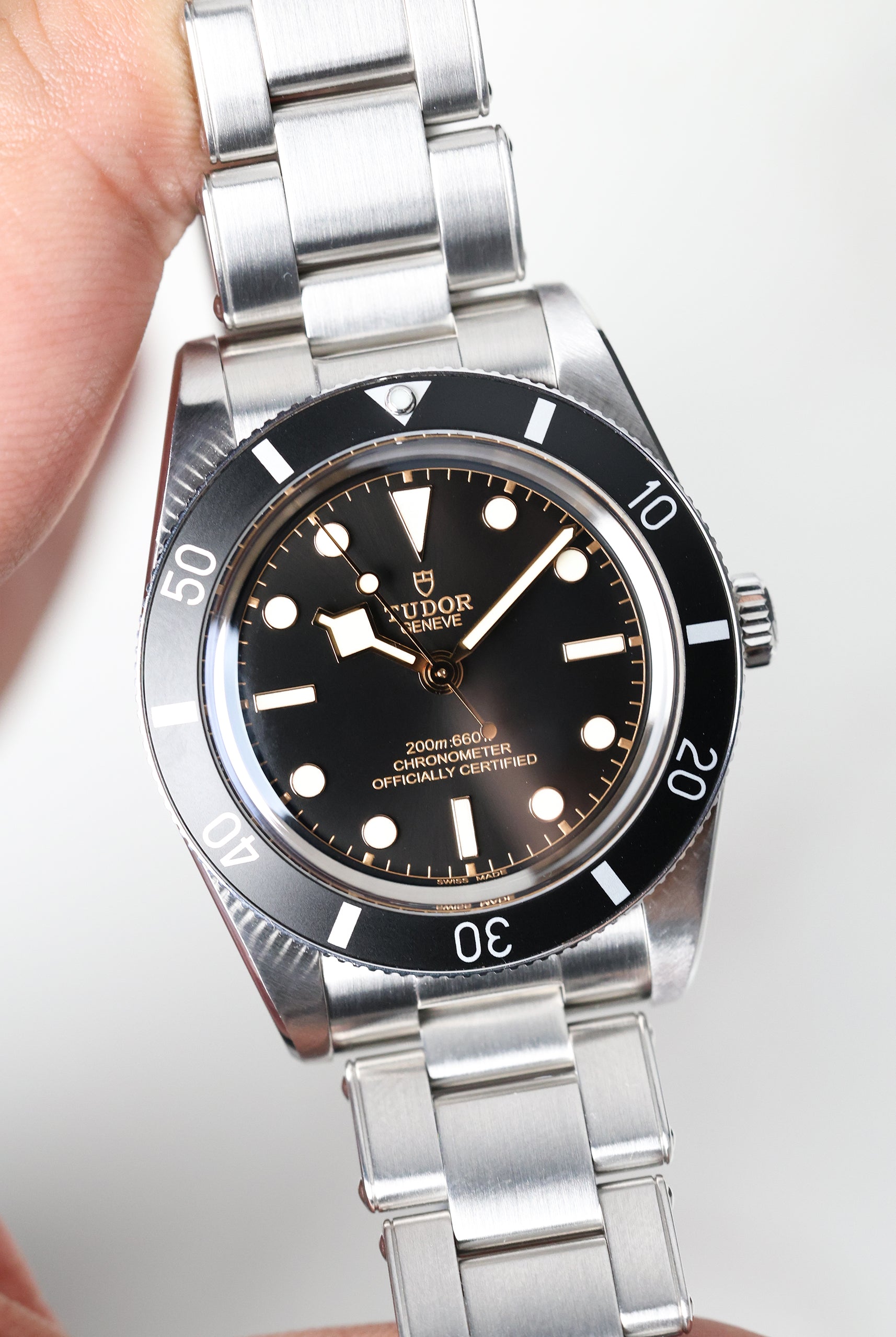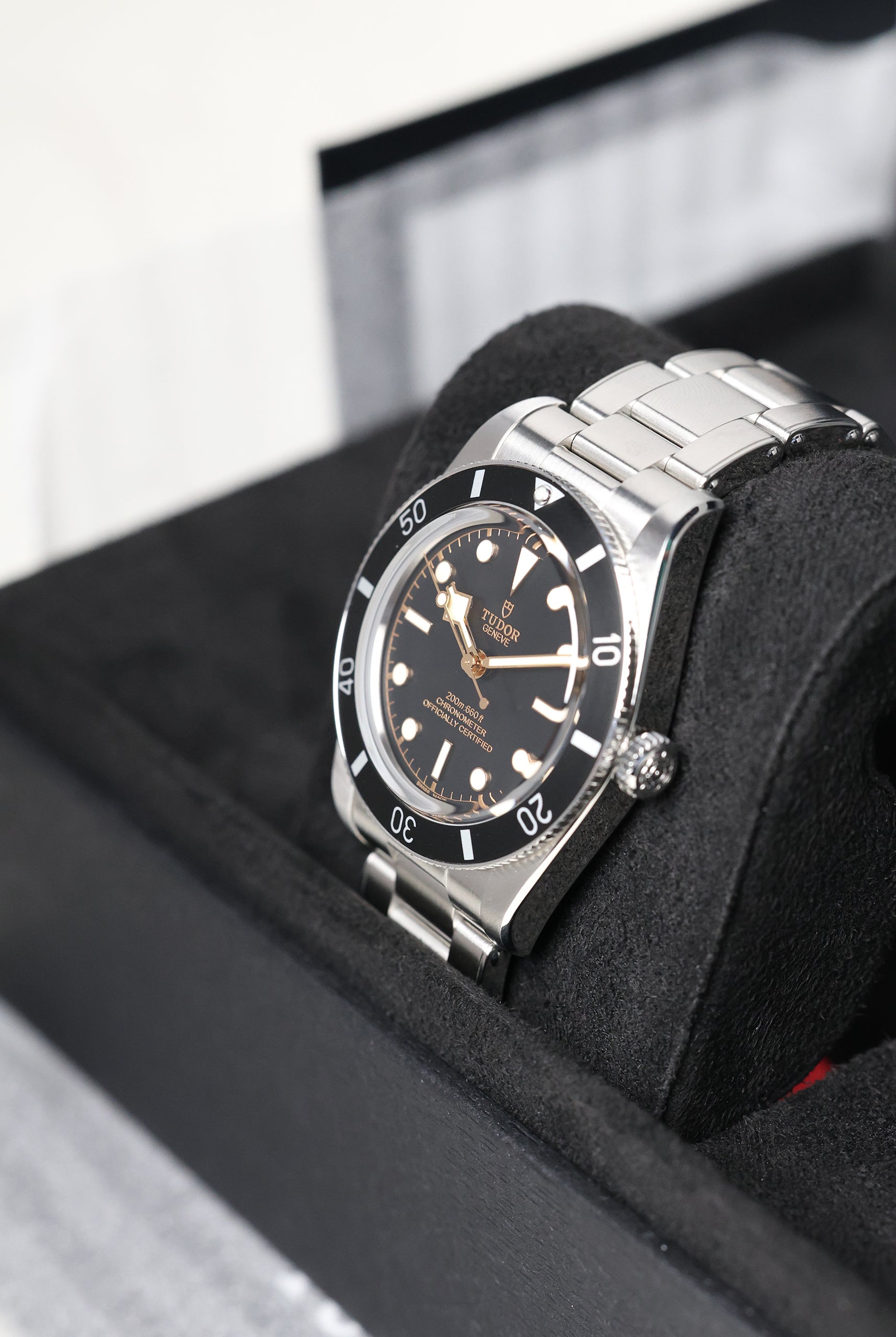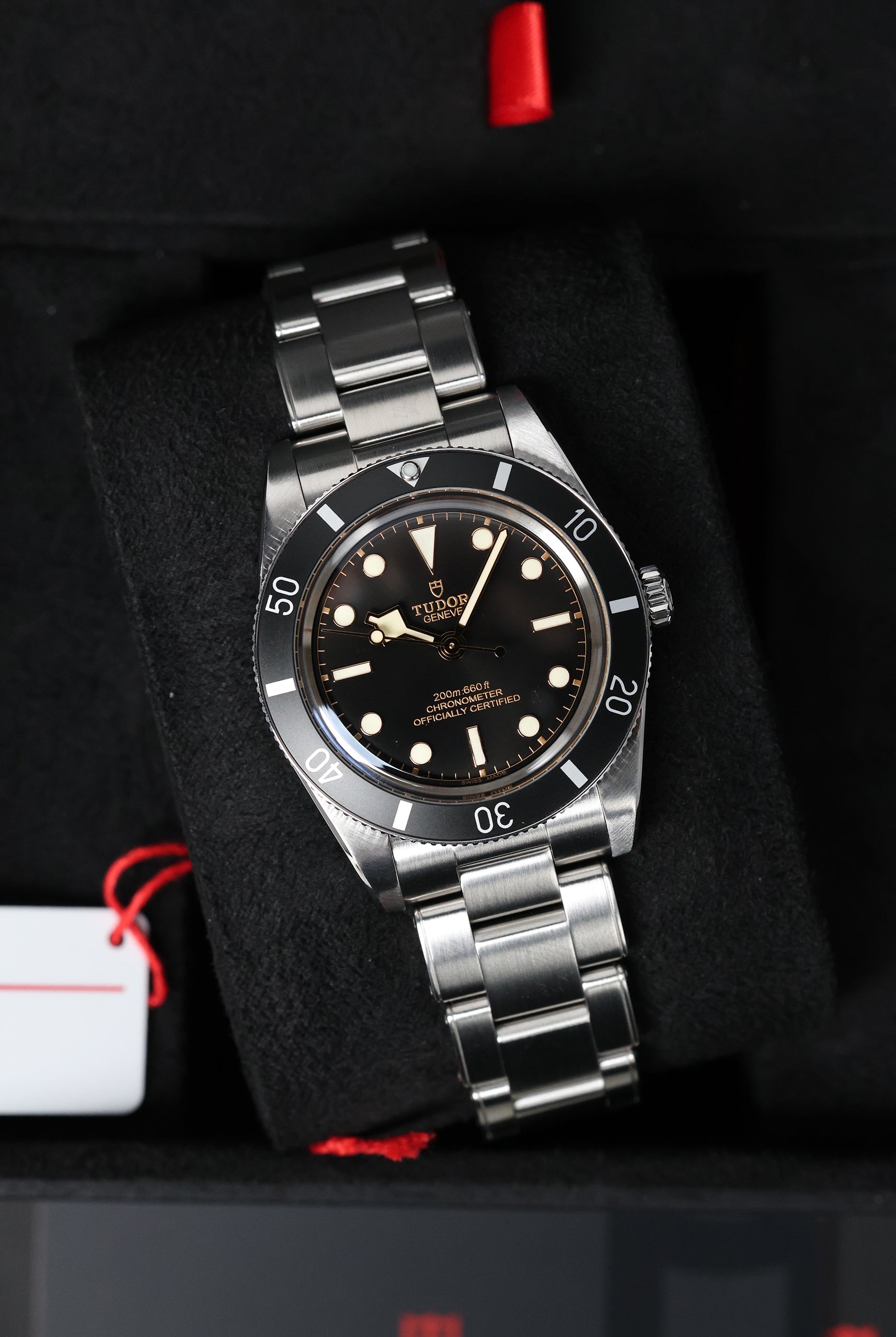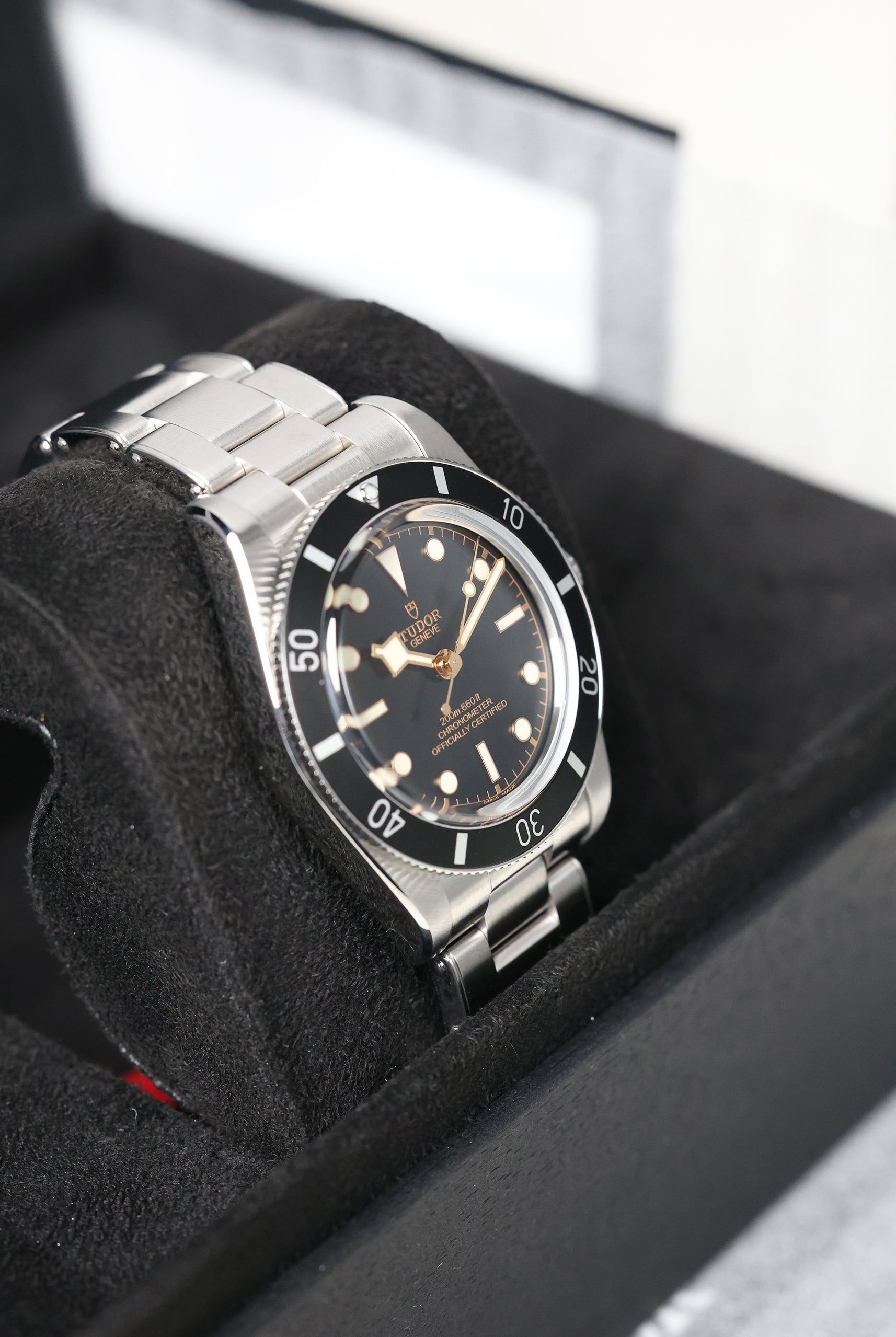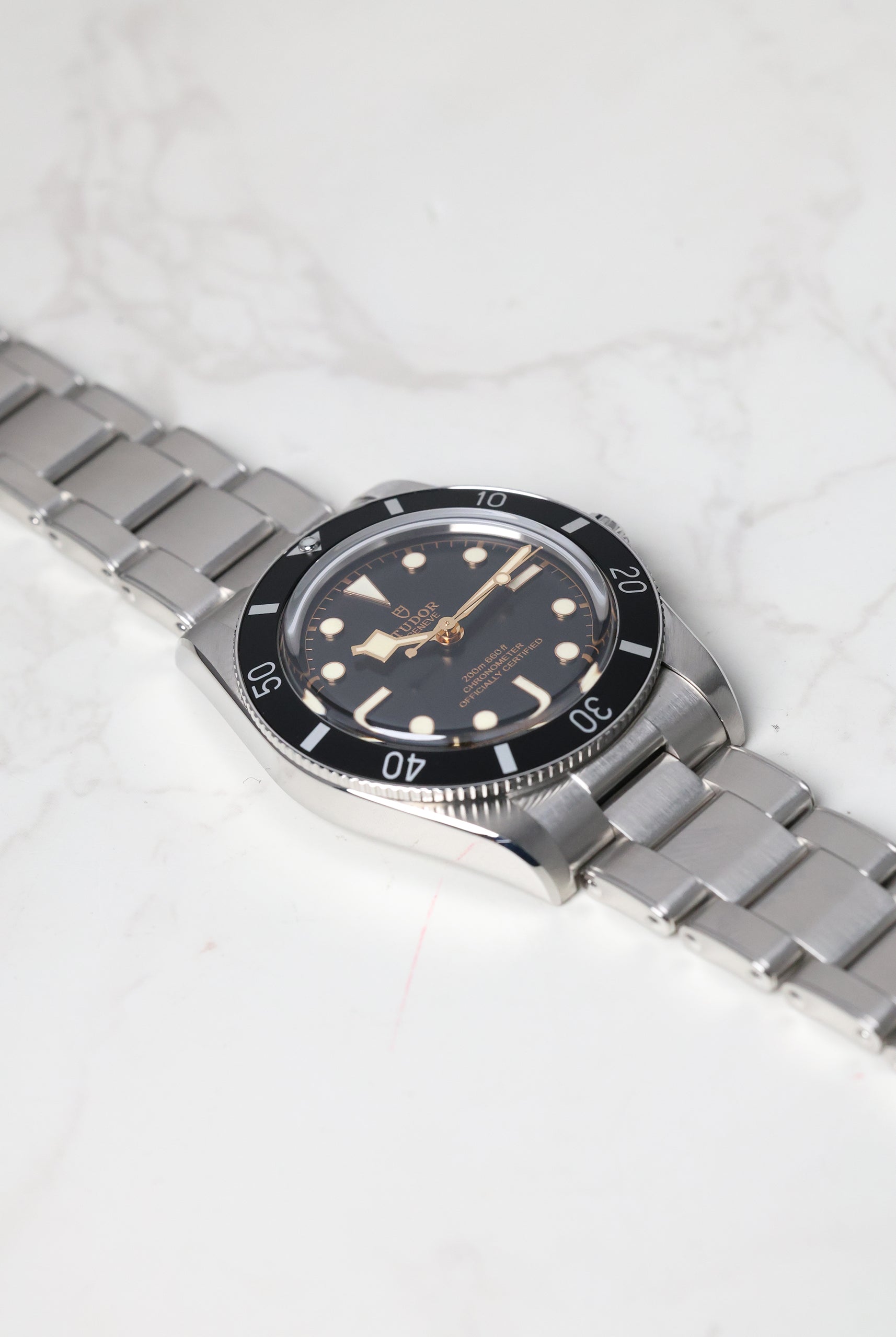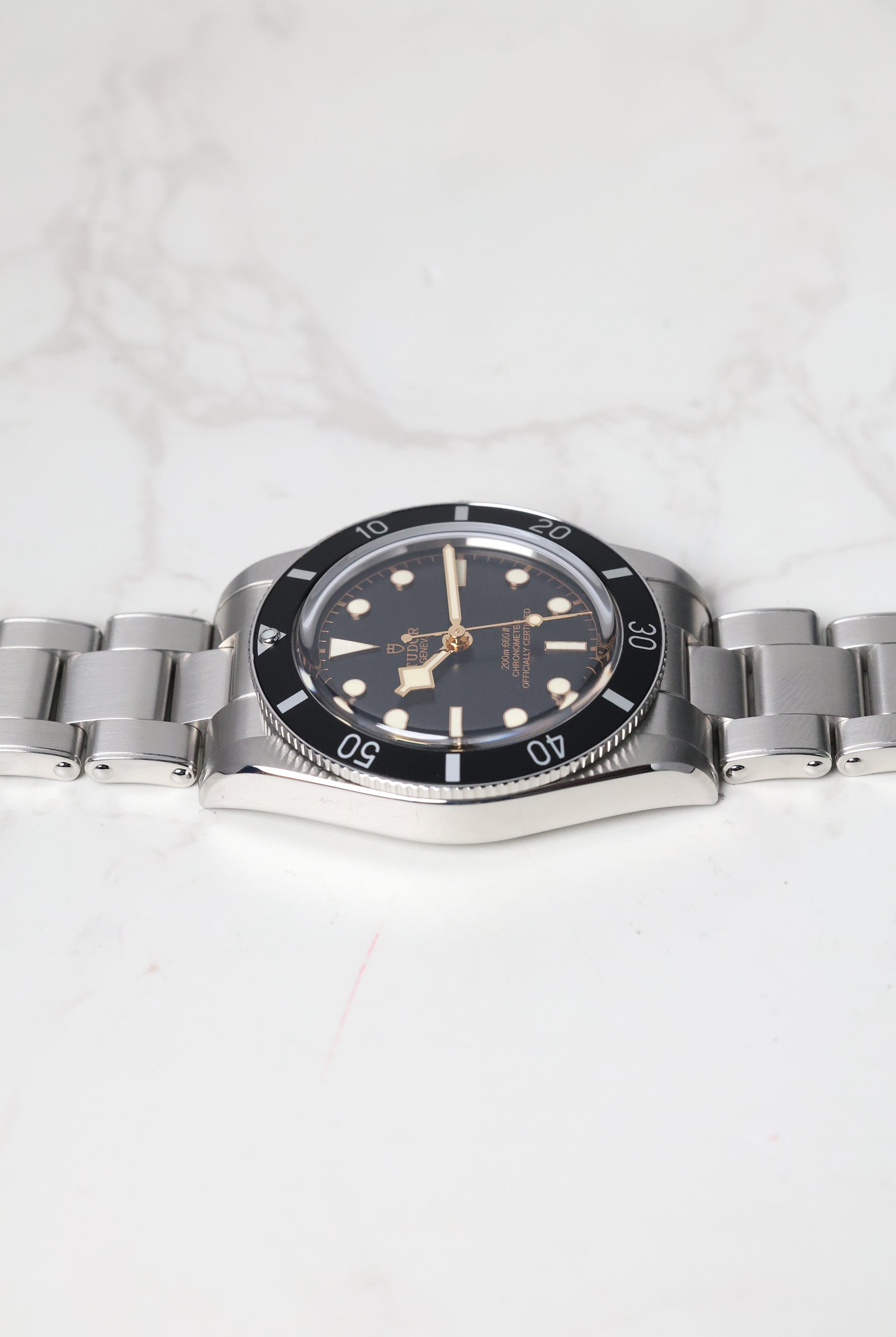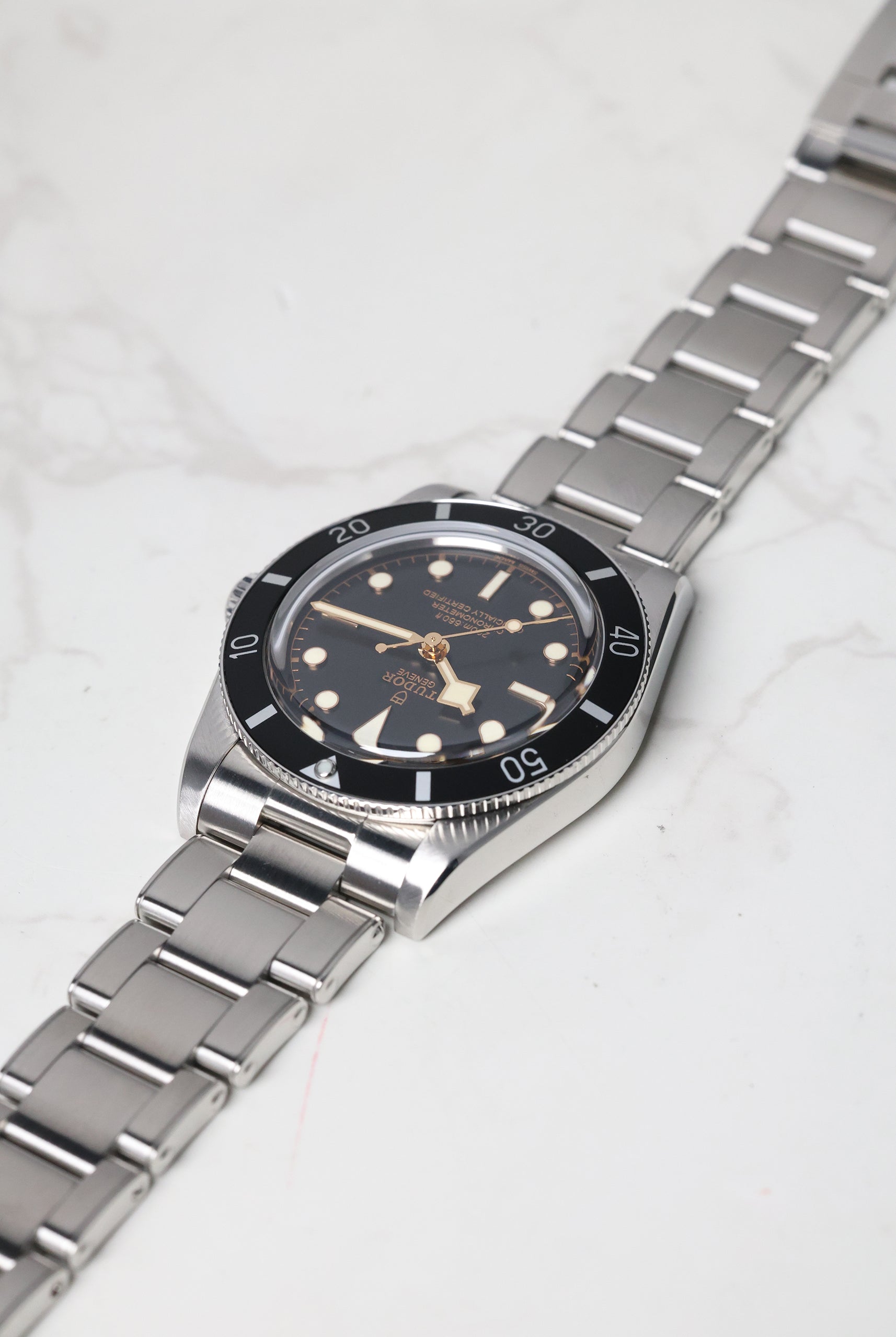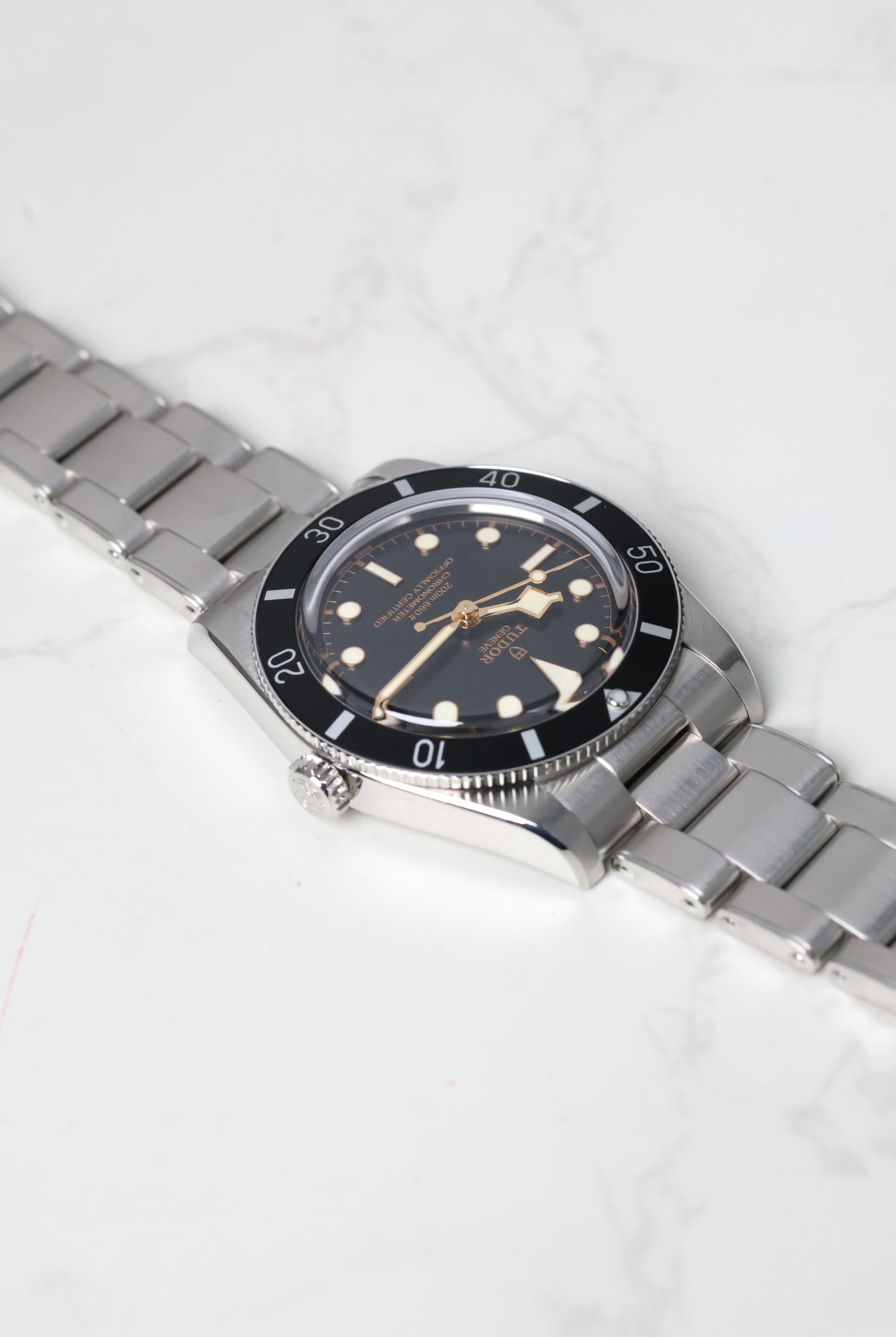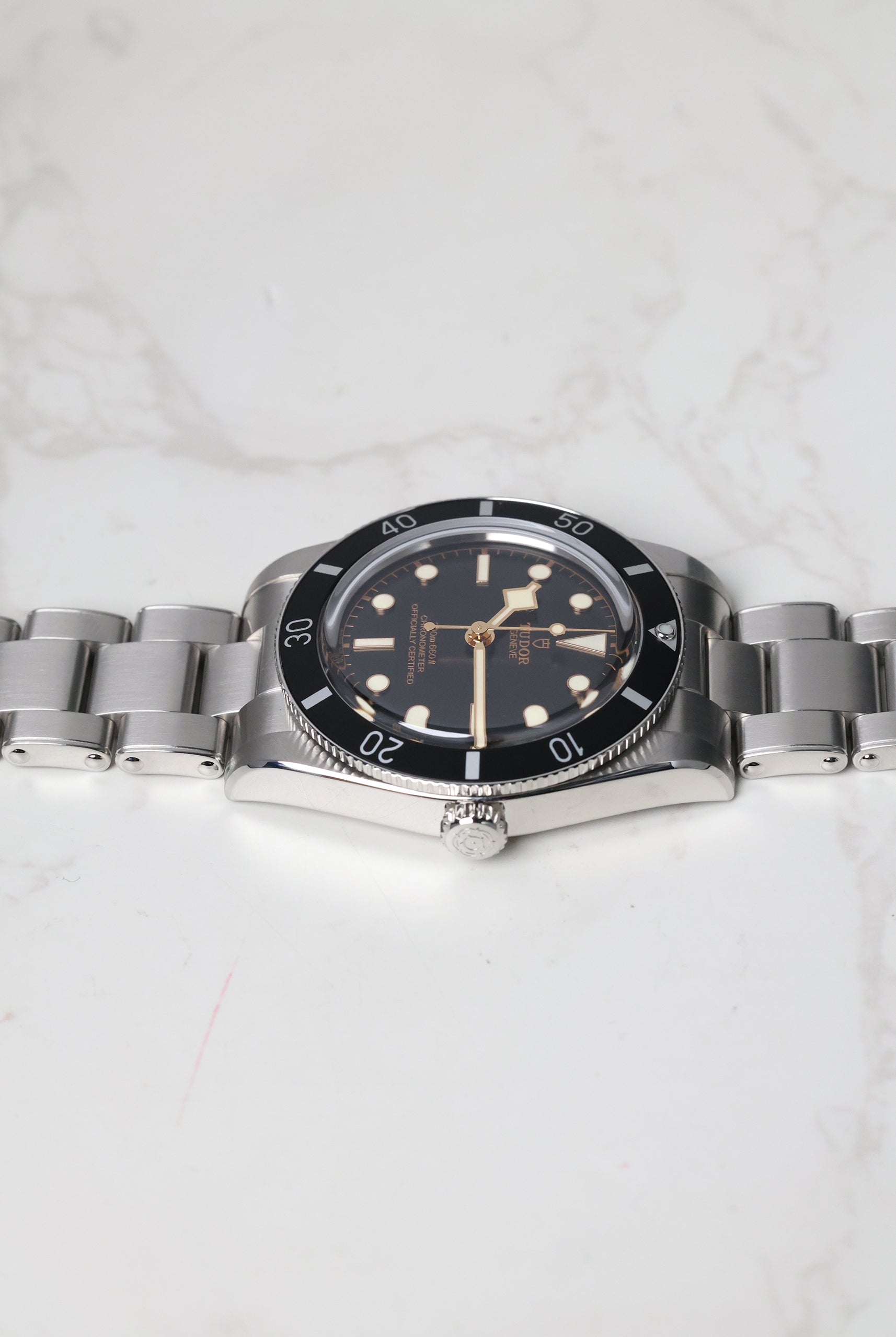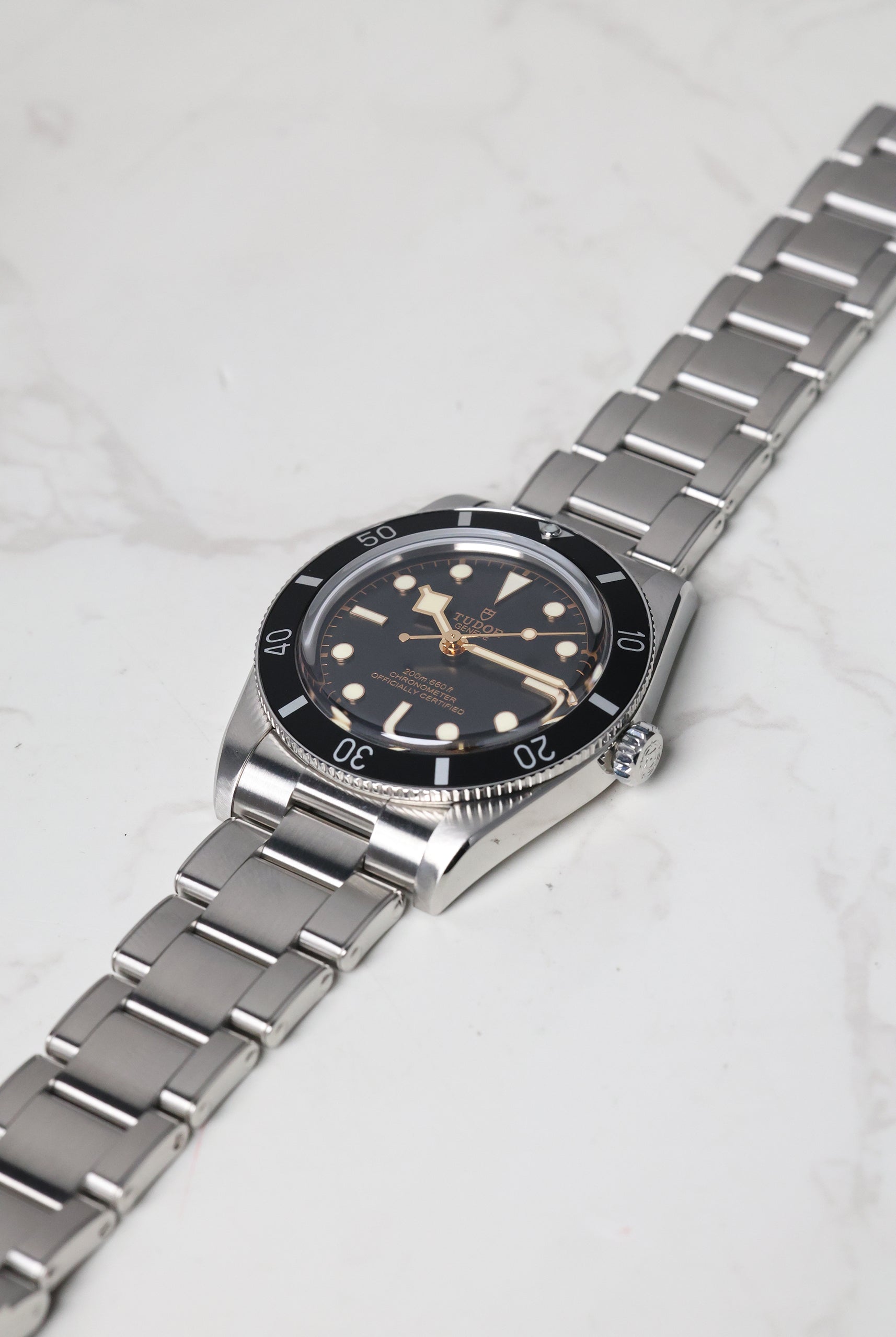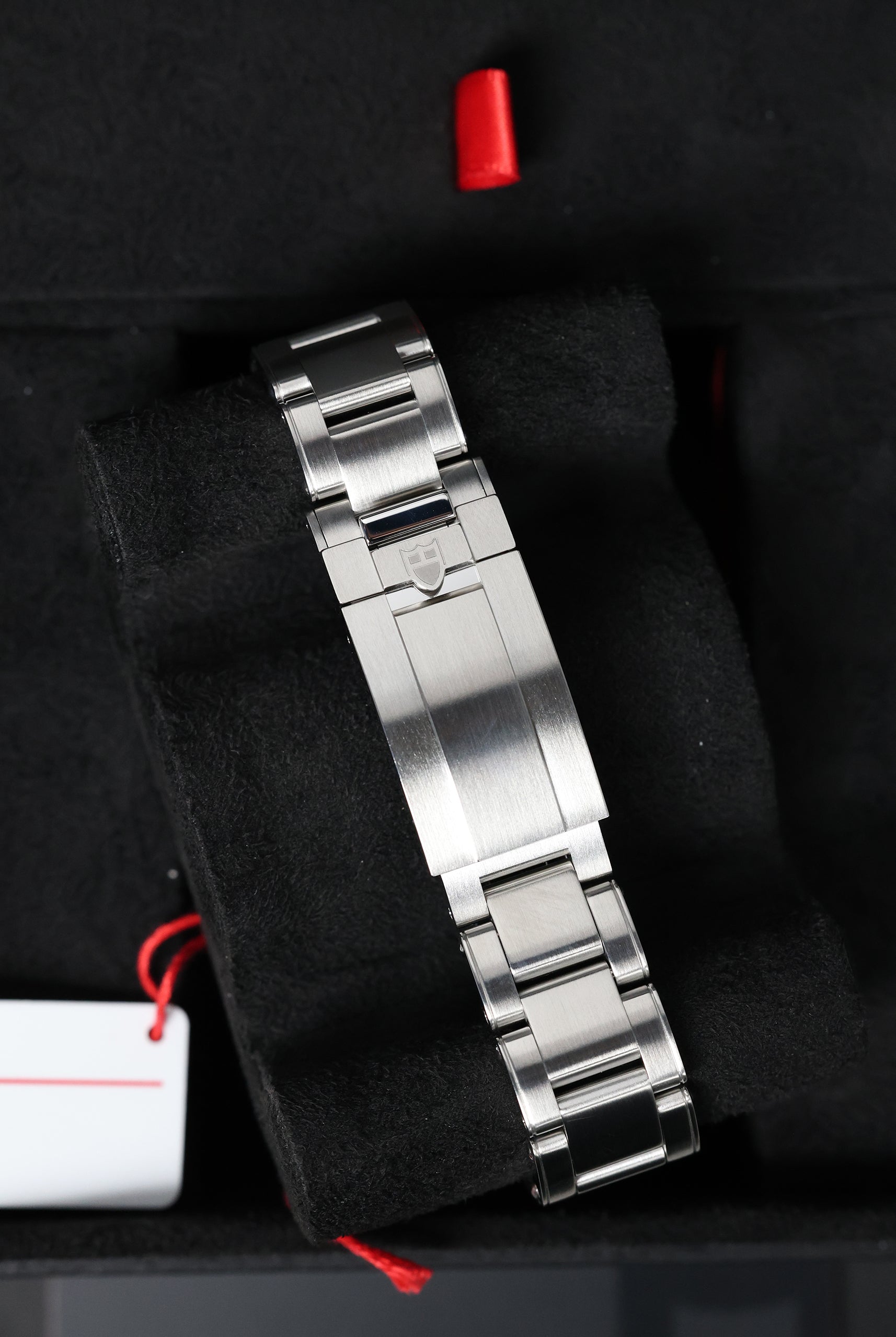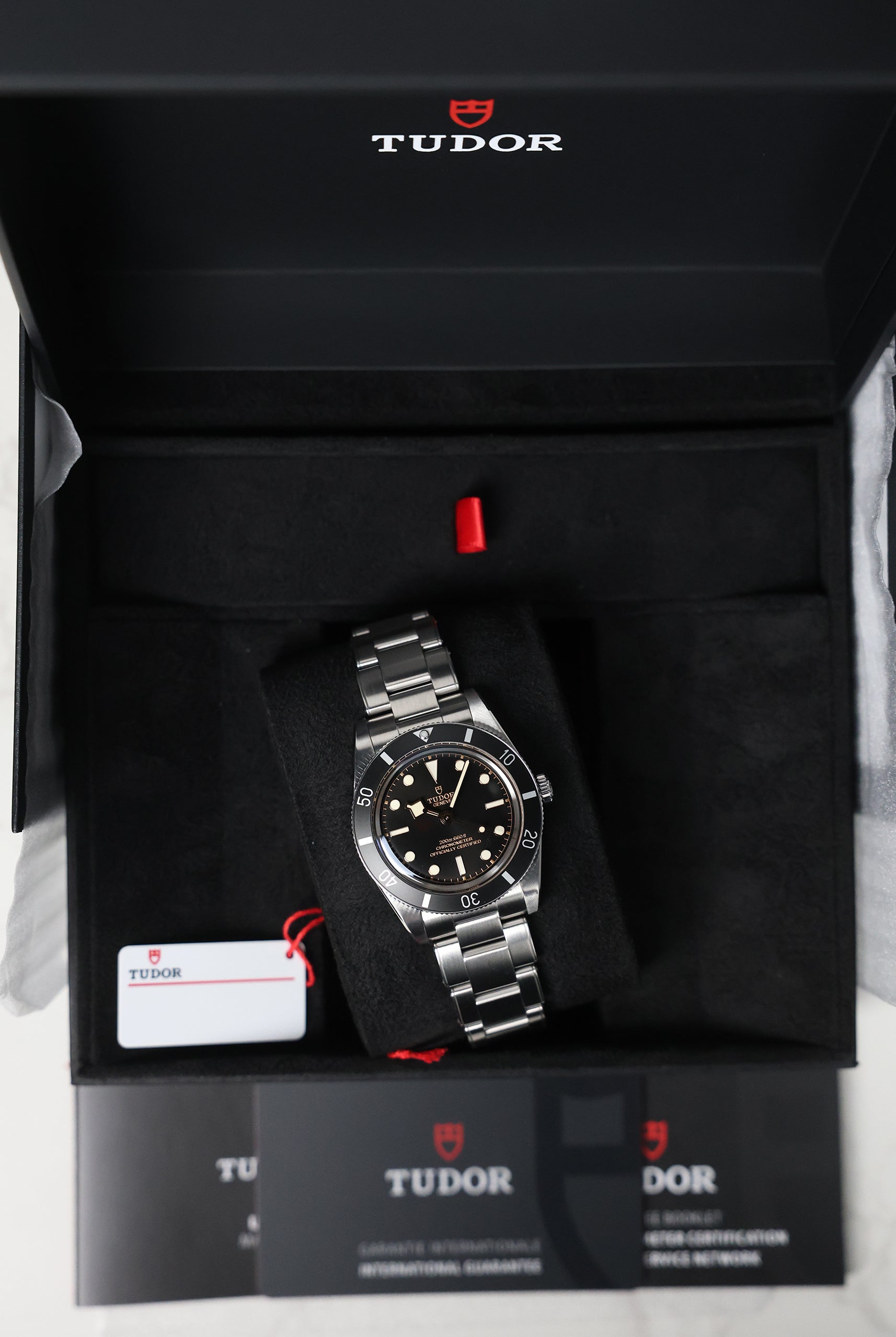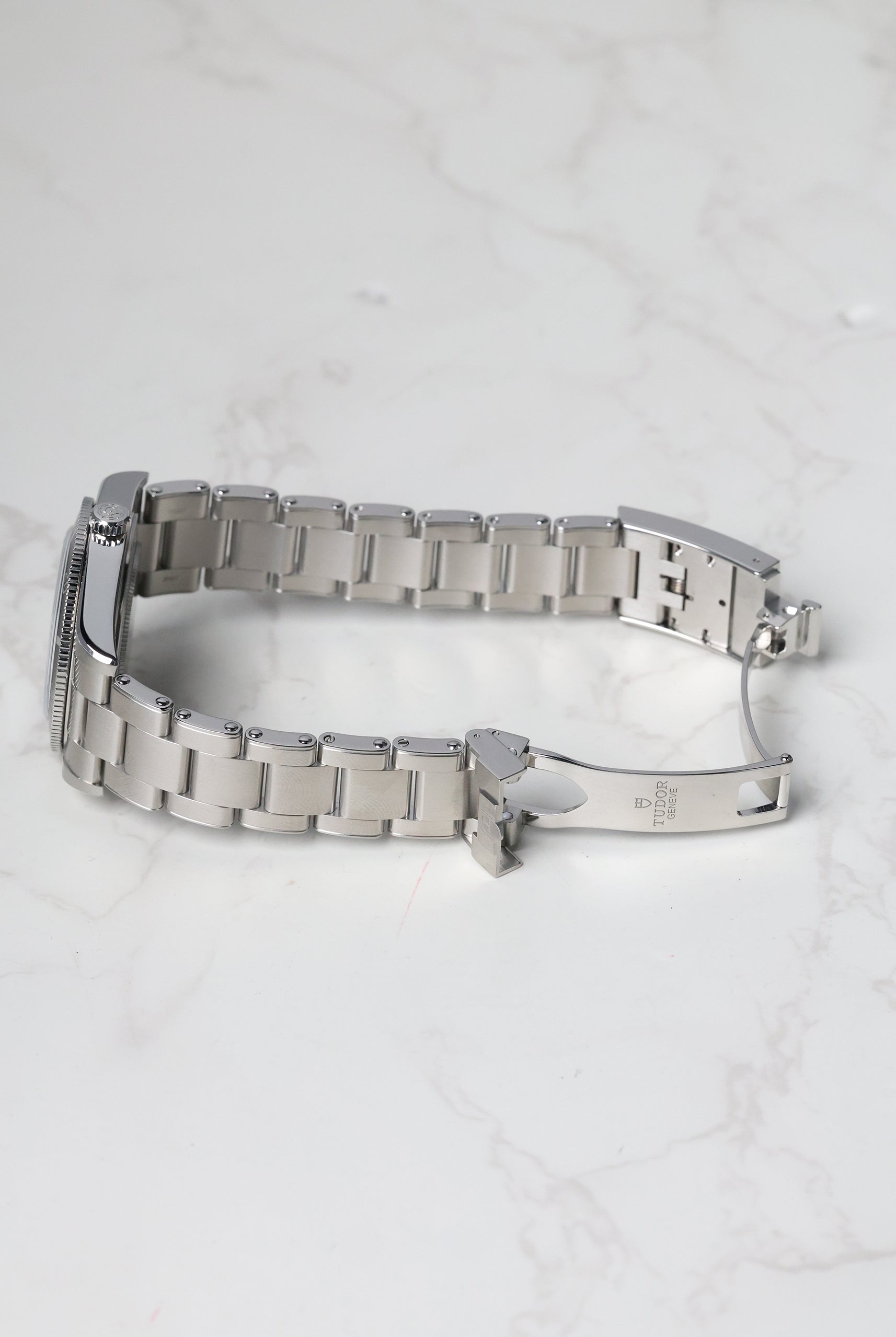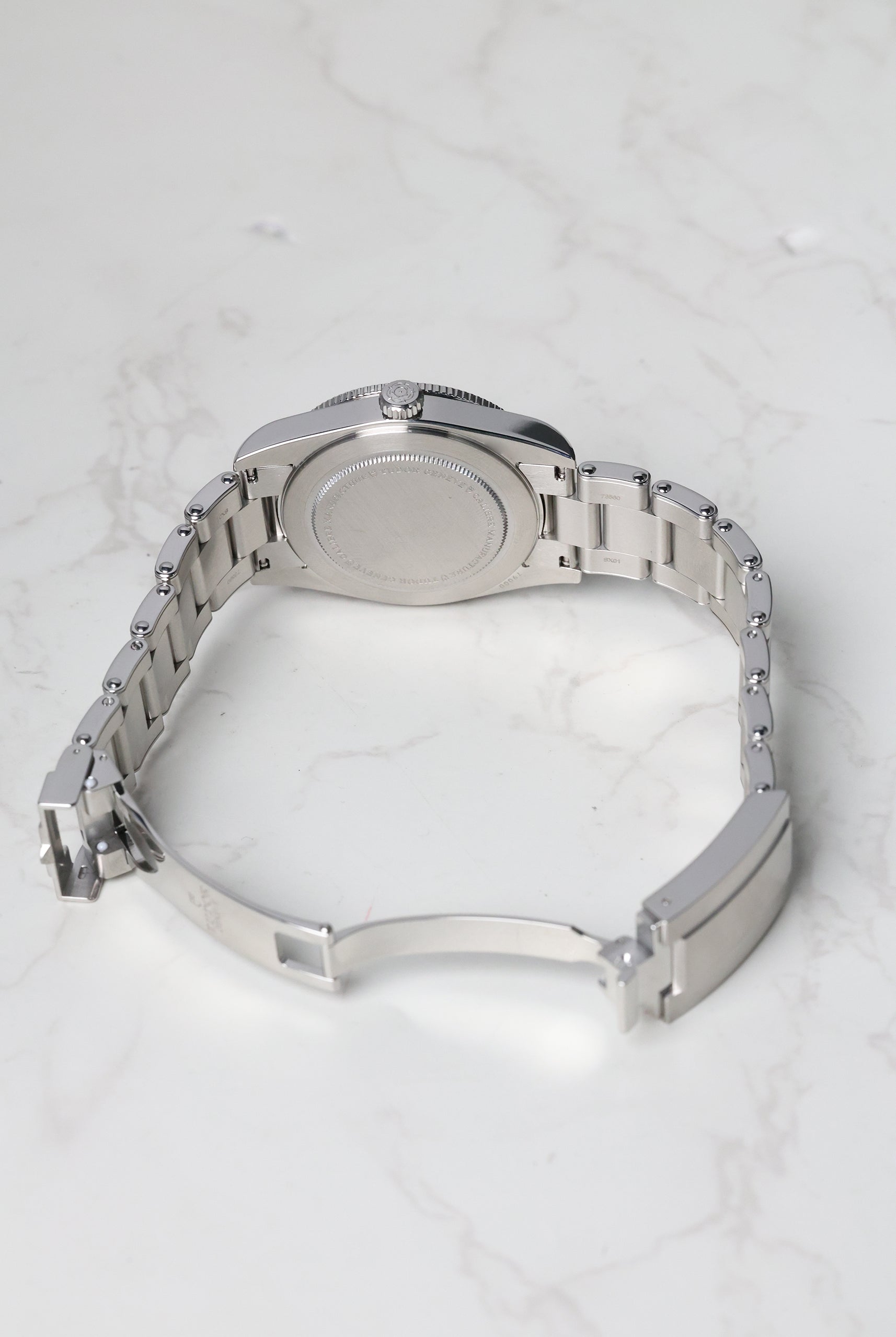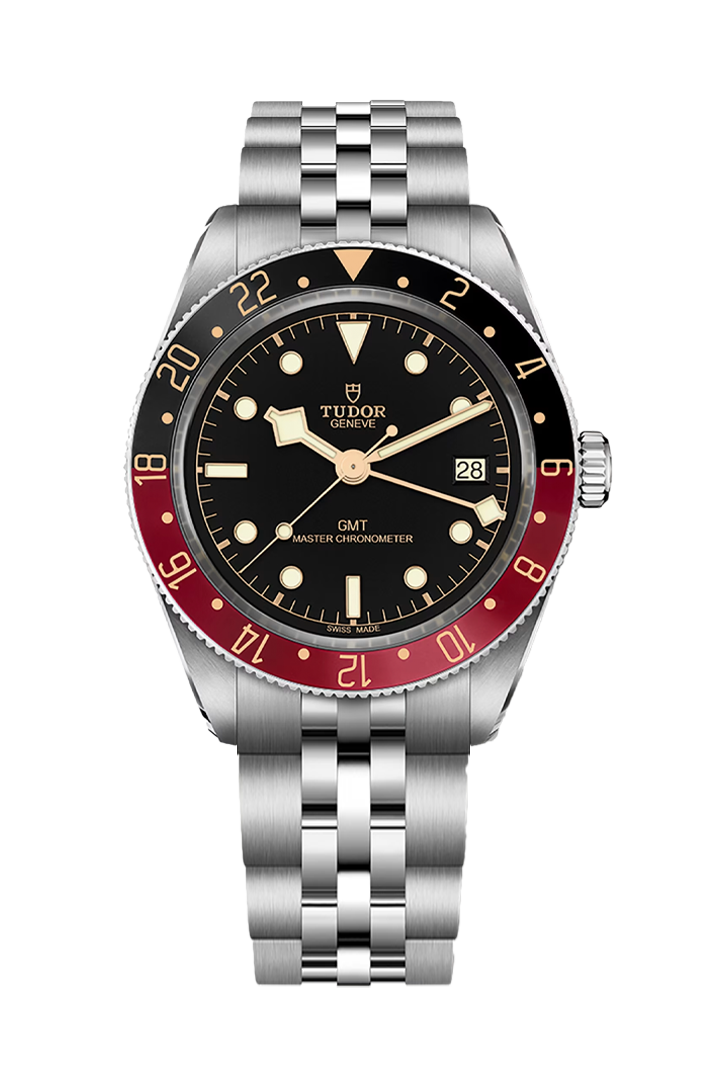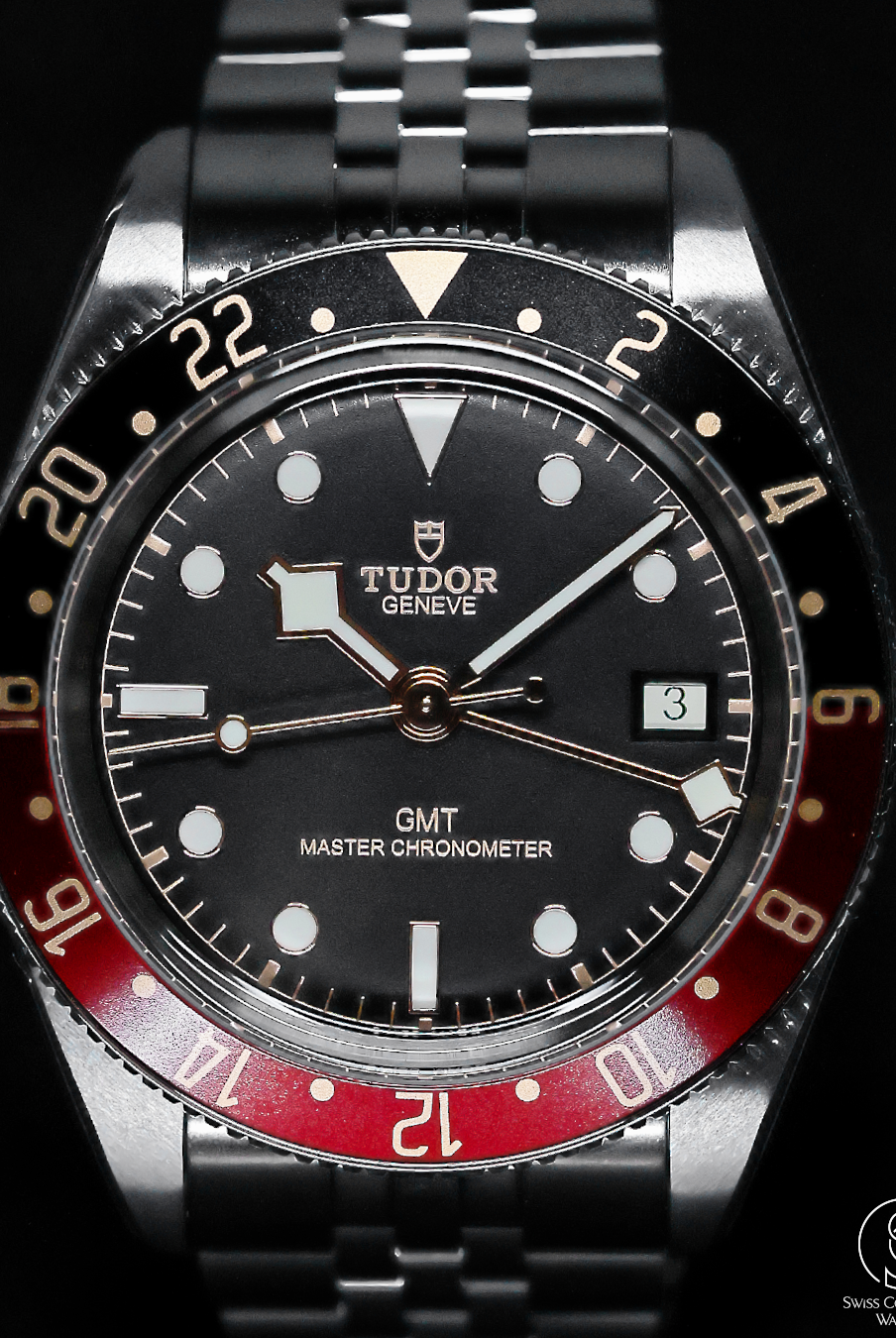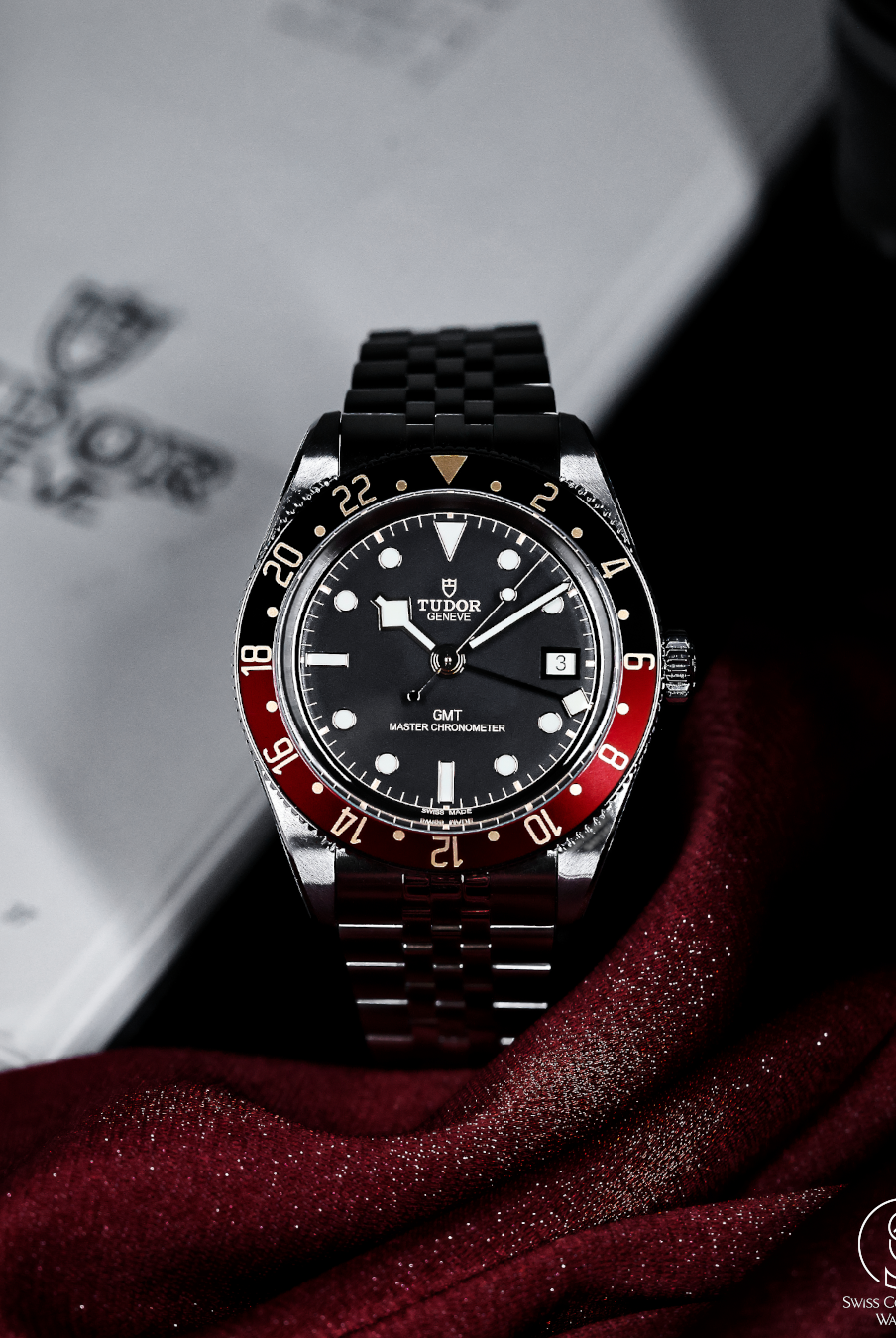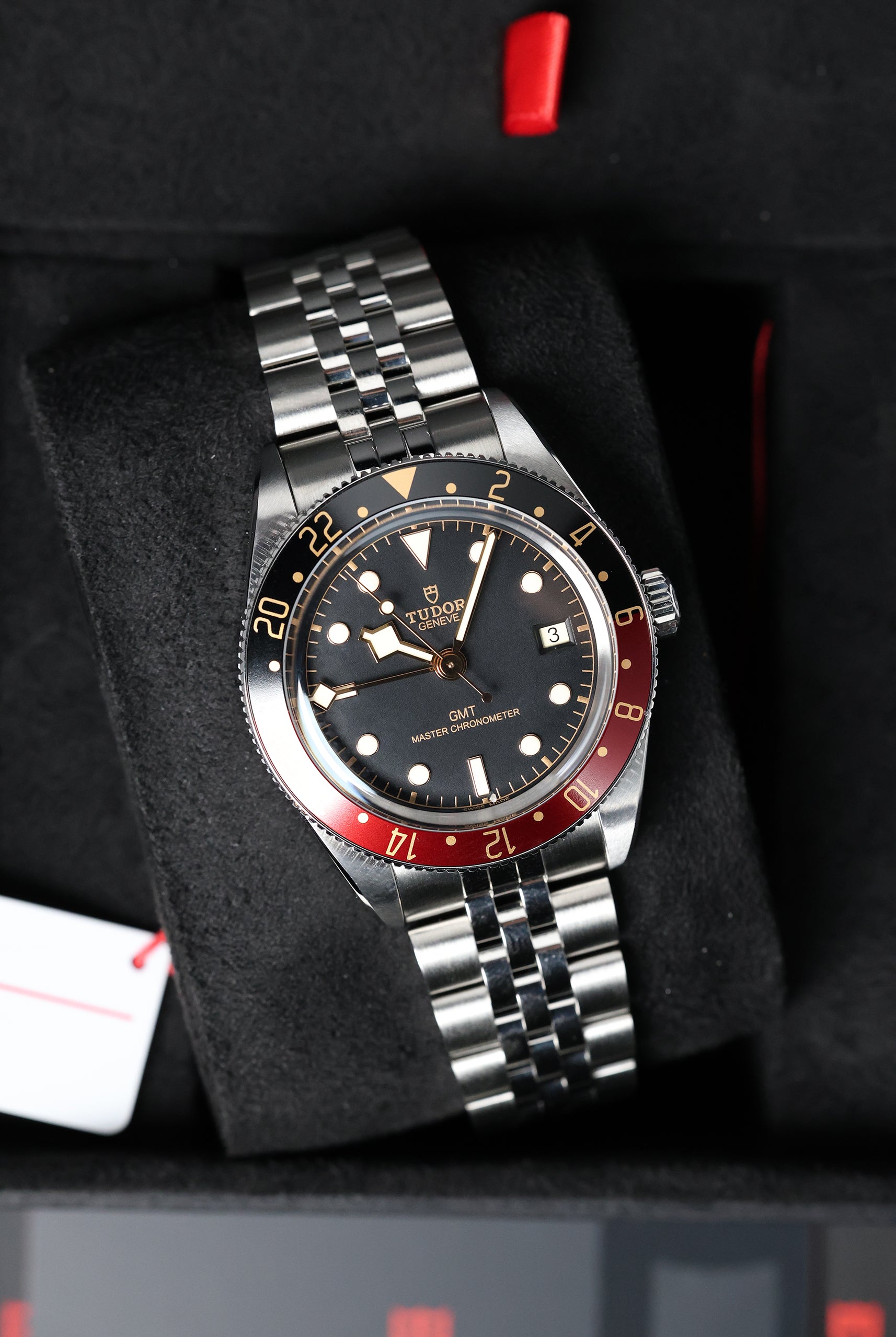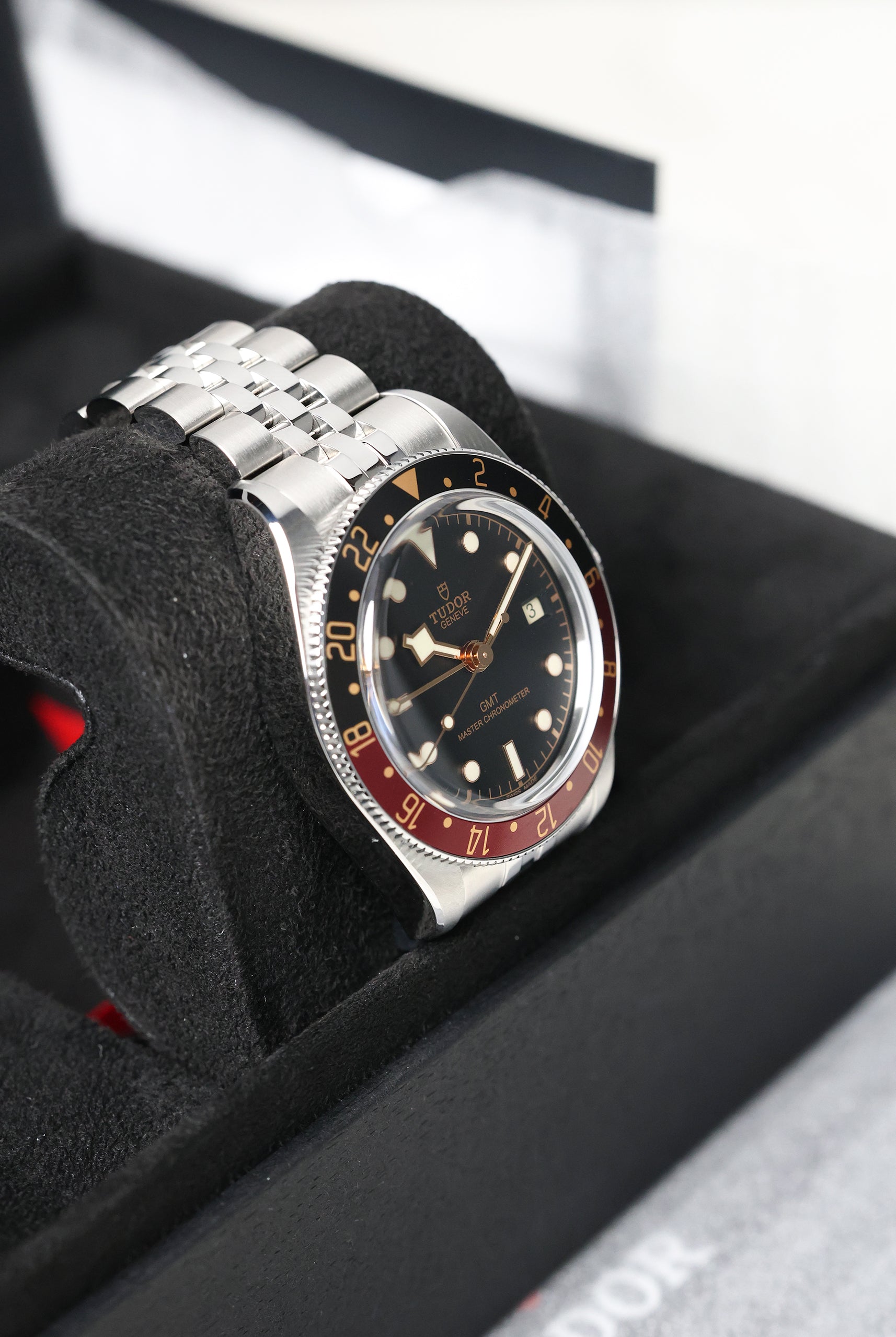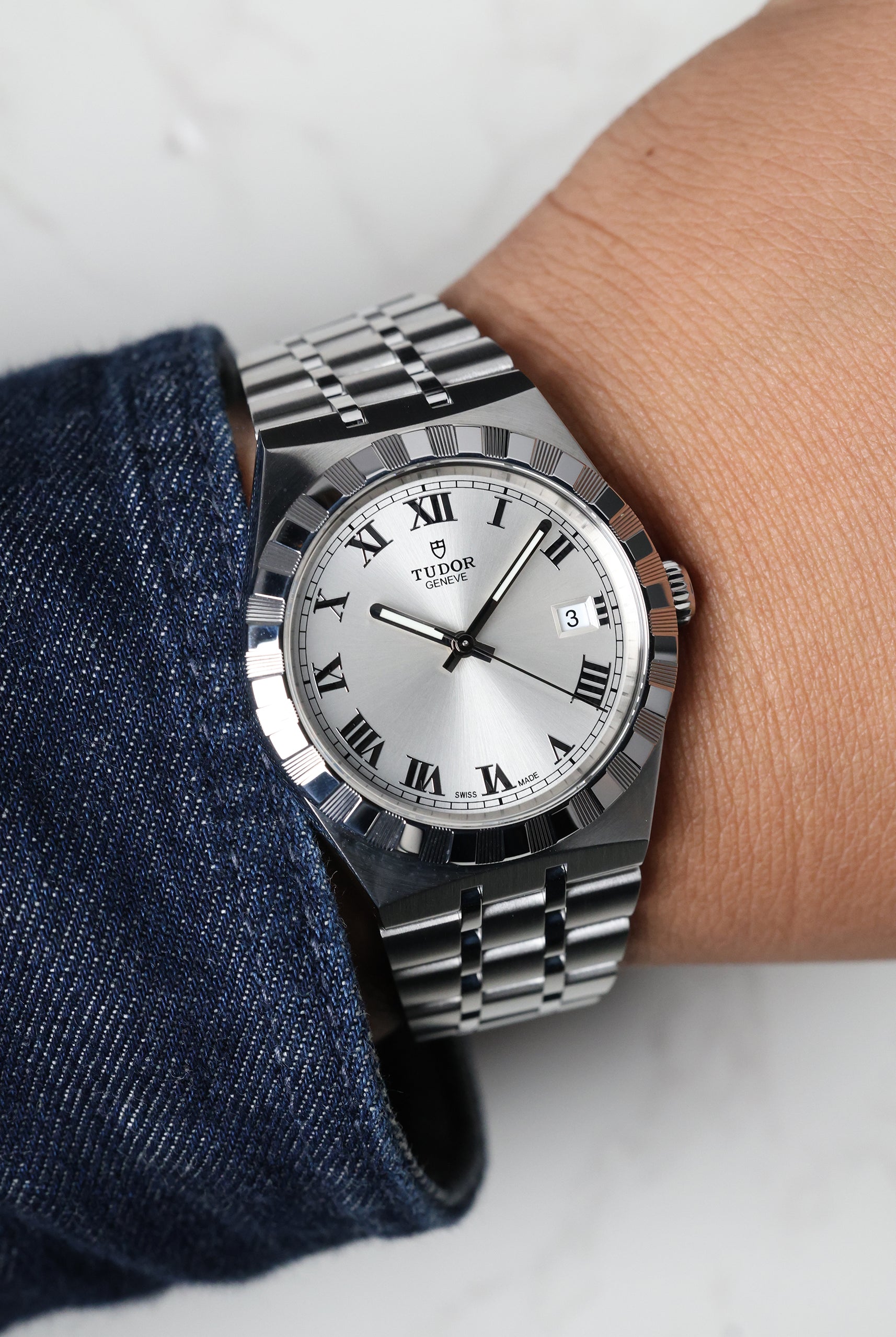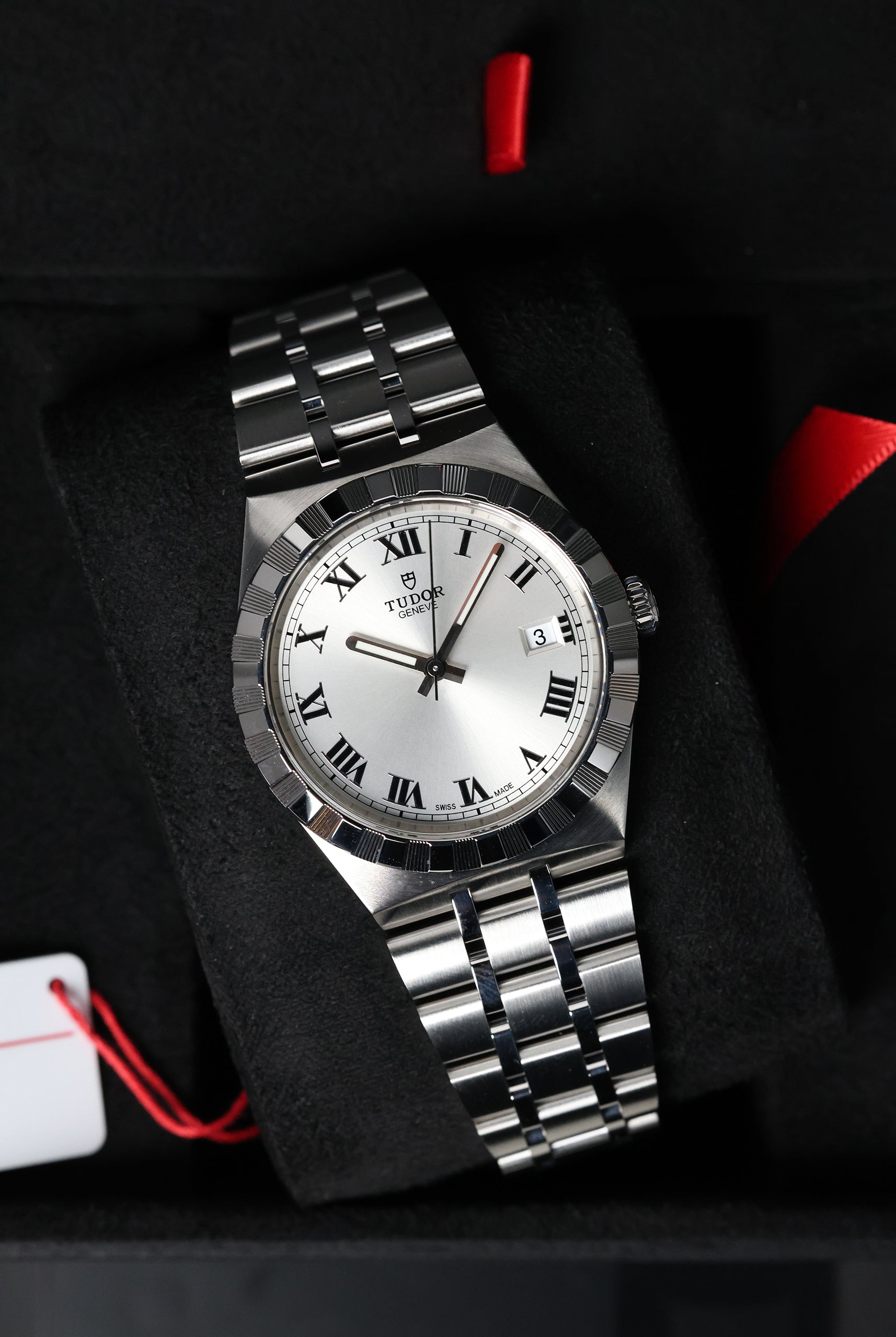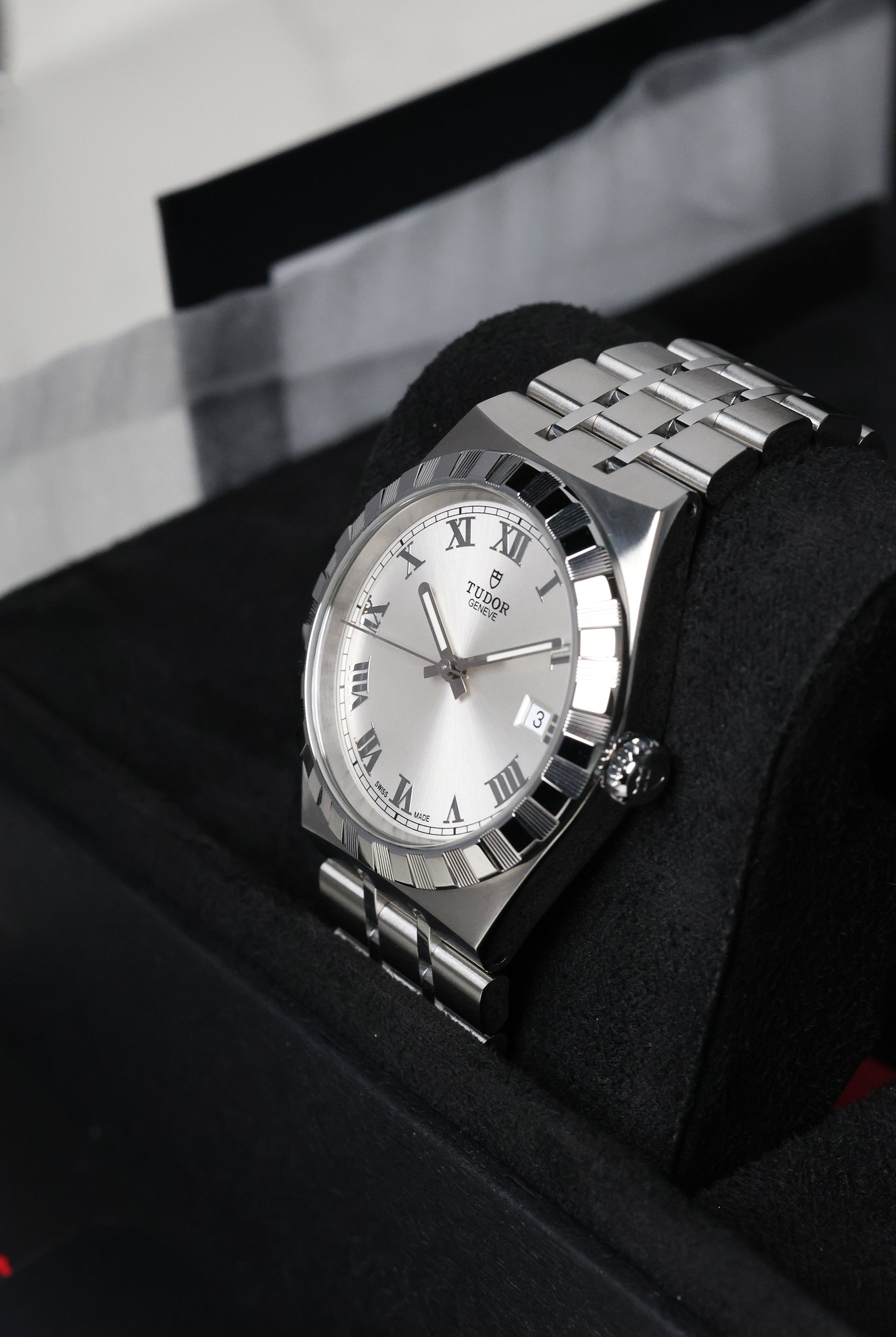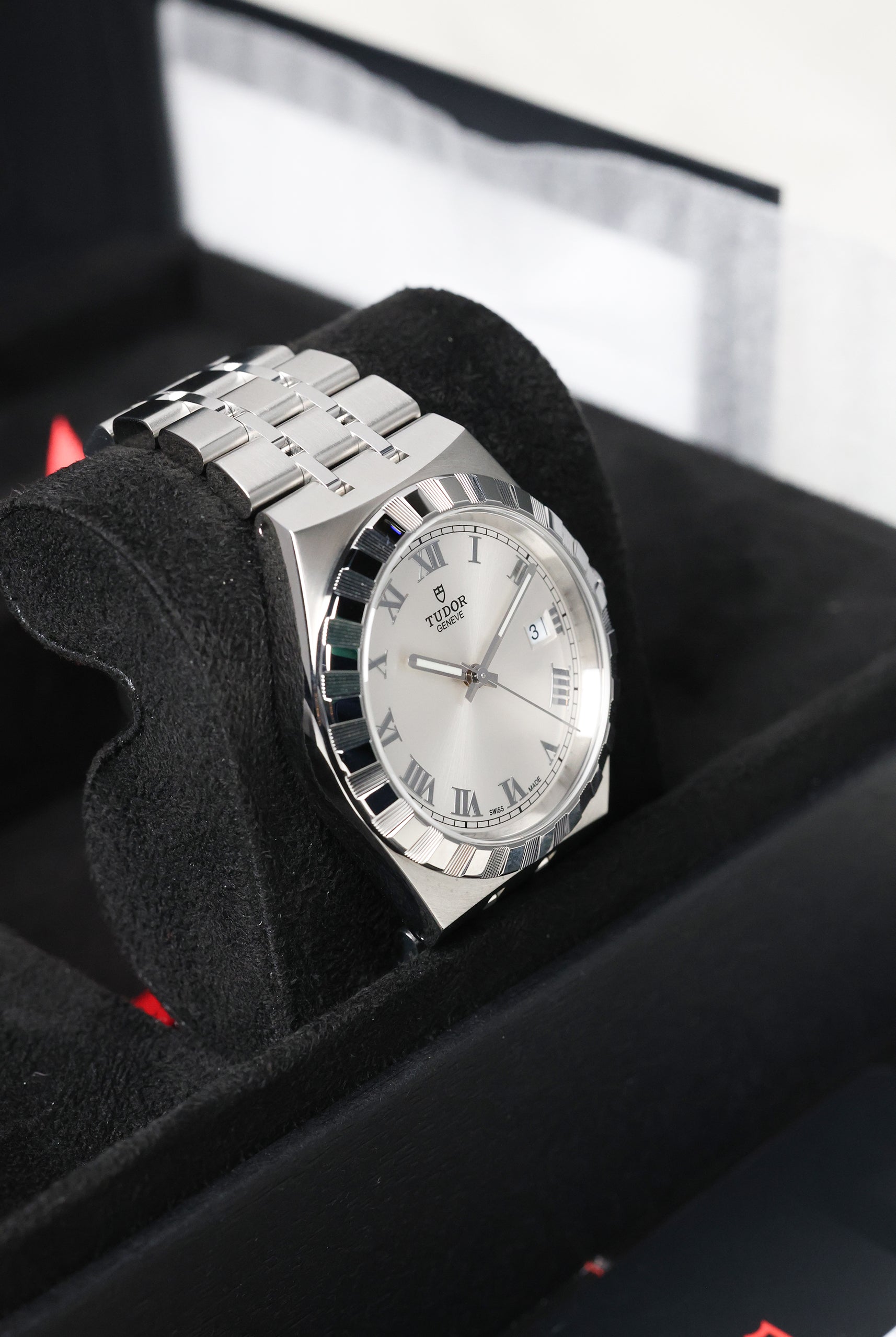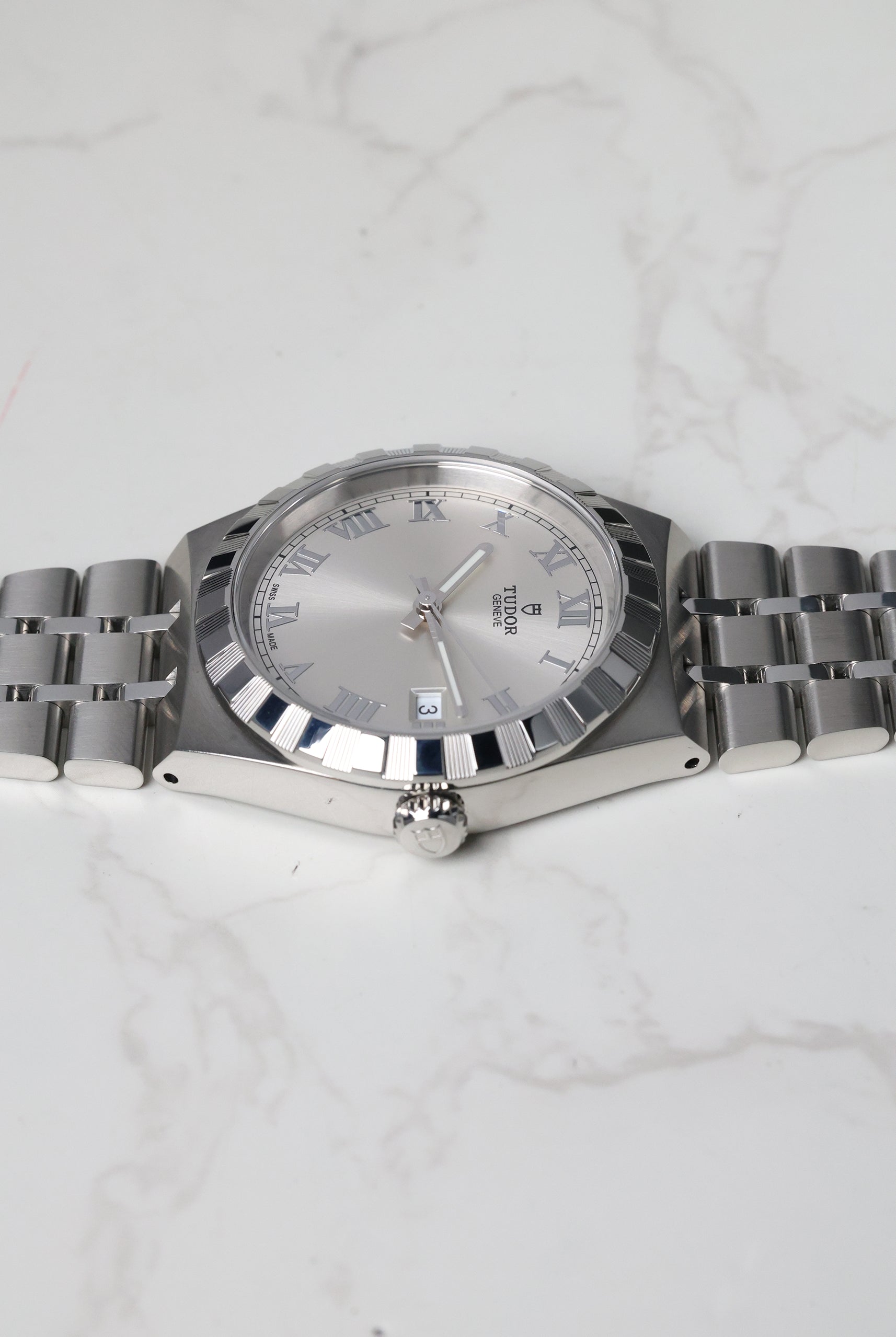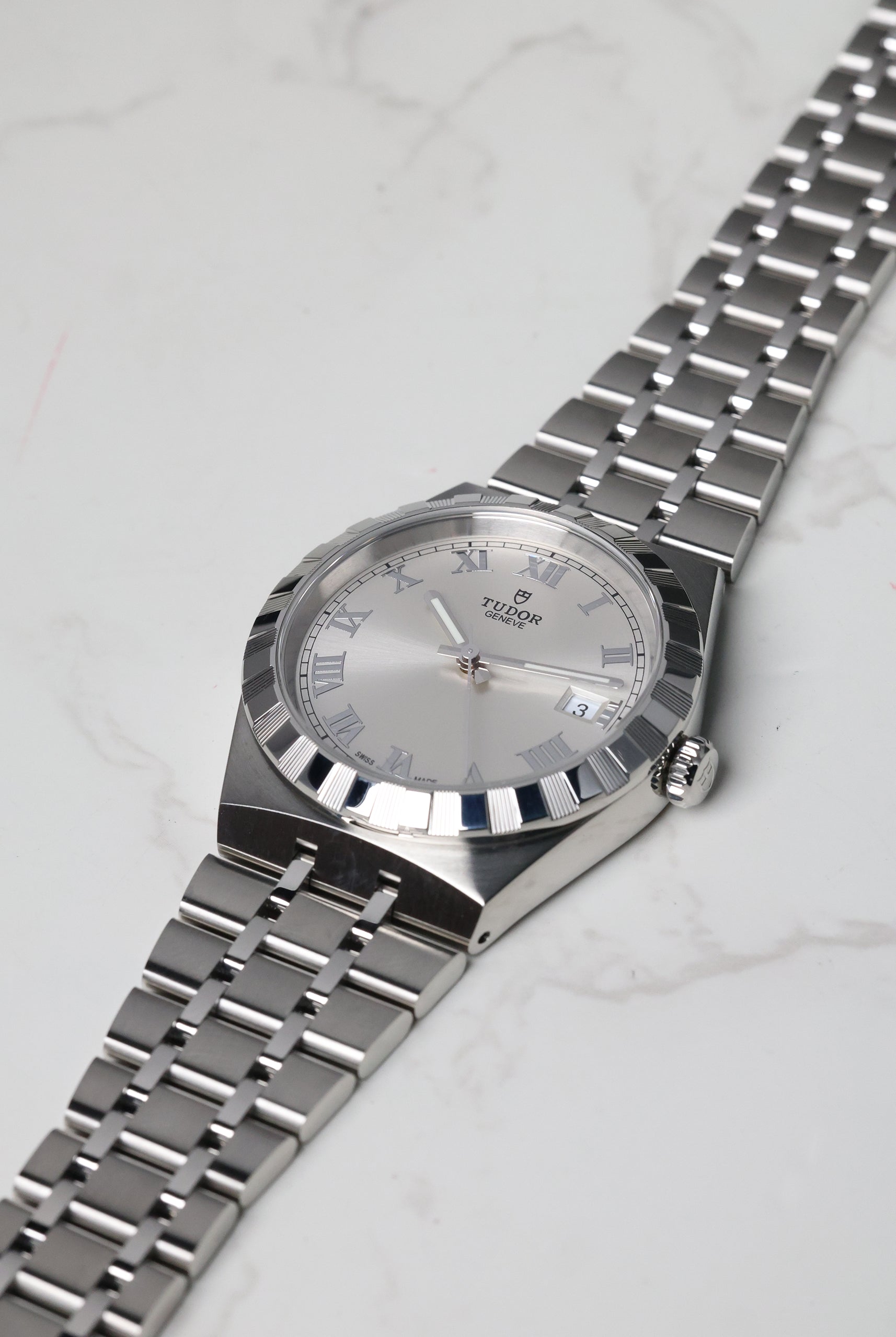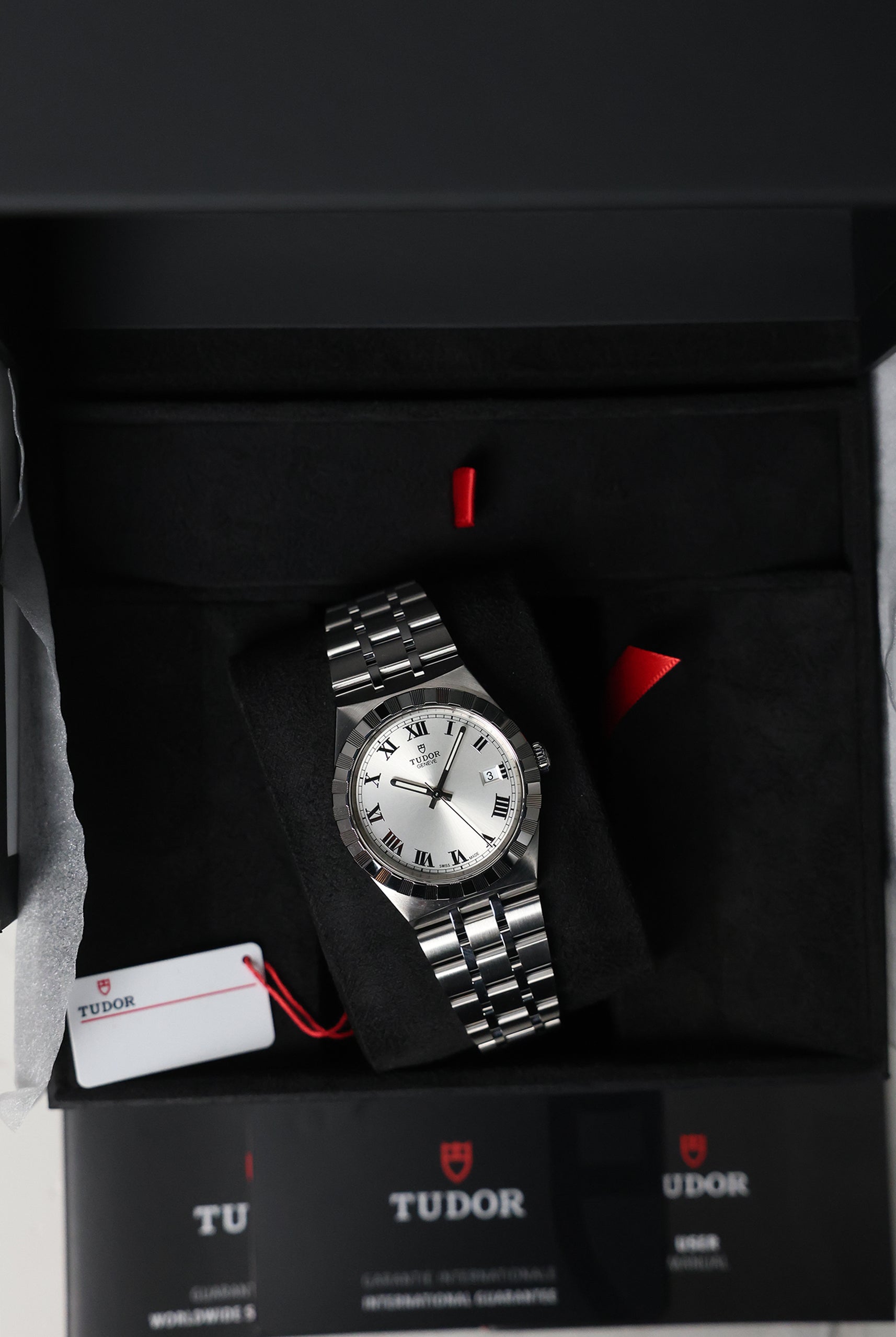

Because a collection isn’t just a lineup. It’s a timeline.
Most watches we buy are logical decisions we later justify with emotion. The watches we keep are often the opposite: emotional decisions we later protect with logic.
Ask any long-term collector what they truly own—not in market value, but in meaning—and you’ll find that “keeper” watches rarely win on specifications alone. They win because they were there. At the right time. With the right people. In the right season of life.
That’s why, when someone says “I’m trimming my collection,” the real question isn't which watches should go? It’s which watches can’t be replaced—even if you could buy the exact same reference again tomorrow?
A Collection is an Autobiography
A collection isn’t merely a gathering of objects; it’s an autobiography told in steel, gold, ceramic, and leather.
One watch might represent the year you took a leap of faith. Another marks a promotion, a wedding, the birth of a child, or the first time you realized you’d outgrown an old version of yourself. Some watches don’t even represent "good" years—and strangely, that can make them even harder to let go. They are the artifacts of your resilience; proof that you made it through.
This is the part the market doesn’t measure well. Because at the highest level, you aren’t collecting products. You are collecting anchors.
A keeper watch doesn’t need to be rare. It doesn’t need to be the “correct” reference according to a forum. It just needs to be connected—to a person, a place, or a chapter you don’t want to forget.
Anecdotes with Private Sellers
In my work, I often sit across from private sellers who are looking for advice on how to thin out their collections. They usually start by showing me the technical merits or the market value of the pieces they are considering letting go.
But I’ve found that the most important question I can ask isn't about the reference number or the condition. It’s this:
"What is the very first thing you remember when you look at this watch?"
This question cuts through the noise of the market. It’s not about how many likes it got on a wrist shot or how many compliments you received from strangers. It’s not even about whether you wear it every day or if it sits in a safe.
If that first memory is a specific person, a difficult hurdle you cleared, or a moment of pure joy, then that watch has stopped being an asset. It has become a marker of time. When a seller pauses, looks at the dial, and starts a sentence with "I remember...", that's when we know whether they are selling a watch, or if they are accidentally trying to sell a piece of their own history.
My Personal Story
A client once asked me a question that sounds simple, but never is: “What’s your favorite watch?” Not the most valuable. Not the rarest. Just the one that matters.
For me, it’s the Rolex Submariner 16610LV from 2008—the “Kermit.” And the reason has nothing to do with green bezels or production cycles.
When I got married, my father bought two Submariners to mark the occasion. He chose the standard 16610LN for me as a wedding gift, and the 16610LV for himself—his way of celebrating together, in his own language.
A few years later, with his blessing, I made the difficult decision to sell my 16610LN to raise the seed capital for my watch business. It was a practical move, but it didn't feel like a transaction. It felt like trust. Behind that decision was a father saying, in the way fathers often do, “I believe in you.” The watch became the tool that helped me start something real.
Not long after, my dad passed away, and his 16610LV was passed on to me. From that moment, it stopped being “a Rolex.” It became a bridge. A reminder. A way to keep him close without needing to say a word.
In the years following, I wore it on every family trip. A wrist shot here and there—not for an audience, but to mark the moment. It genuinely felt like he was joining us. Today, I don't wear it often, but whenever there is a family occasion that truly matters, that is the watch I choose. Not because it matches the outfit, but because it matches the meaning.
That’s what a keeper watch is. It doesn’t just tell time. It holds it.
The New Provenance
There’s a quiet shift happening with collectors today, and it’s a healthy one. We travel more. We document more. And many collectors now take wrist shots not to show off, but to remember. A watch in a new city; a watch at a dinner table; a watch under a mountain sky.
It looks casual, but it’s actually a form of Personal Provenance. Not the kind you get from a dusty archive or a certificate, but the kind you build yourself.
An Exercise for the Intentional Collector: If you want to make this habit even more meaningful, try this: When you take that photo, open your Notes app and write one line:
-
Where you were.
-
Who you were with.
-
Why that day mattered.
Ten seconds of effort now becomes a treasure ten years later.
Why This Matters
In a world where collecting can easily become "noise"—the next release, the next upgrade, the next “must-have”—it’s worth remembering what actually lasts. Most watches will come and go. But the watches we keep share one trait: they are tied to a real chapter of life.
You can love a watch and still sell it. And you can wear another watch only twice a year, yet know you’ll never let it go.
At its best, a collection is a timeline you can wear. And sometimes, the most valuable thing a watch can do isn’t tell you what time it is.
It’s remind you that your time meant something.