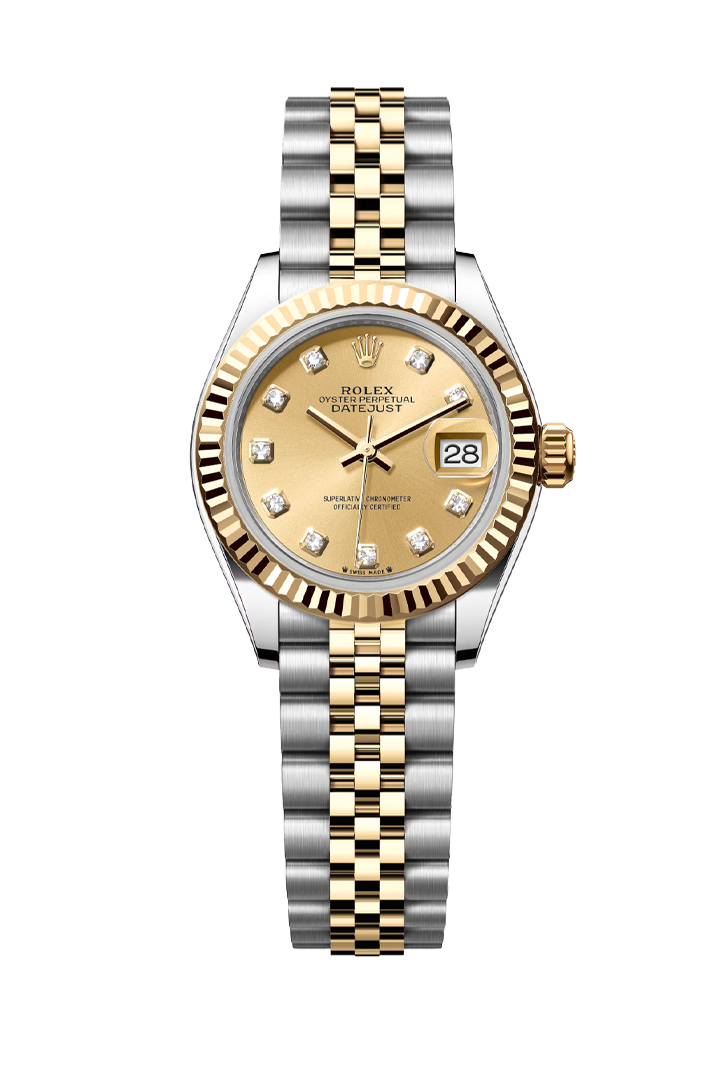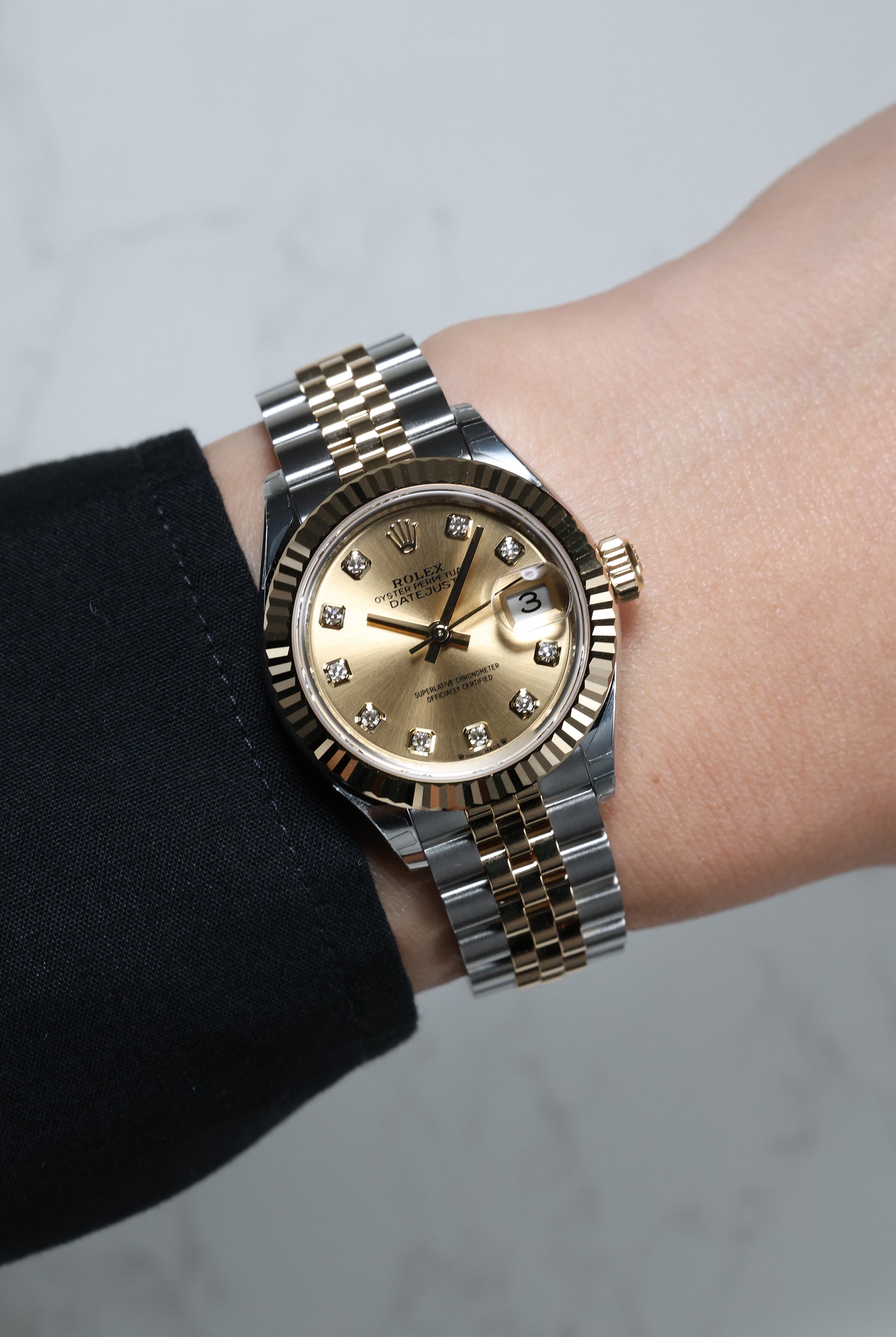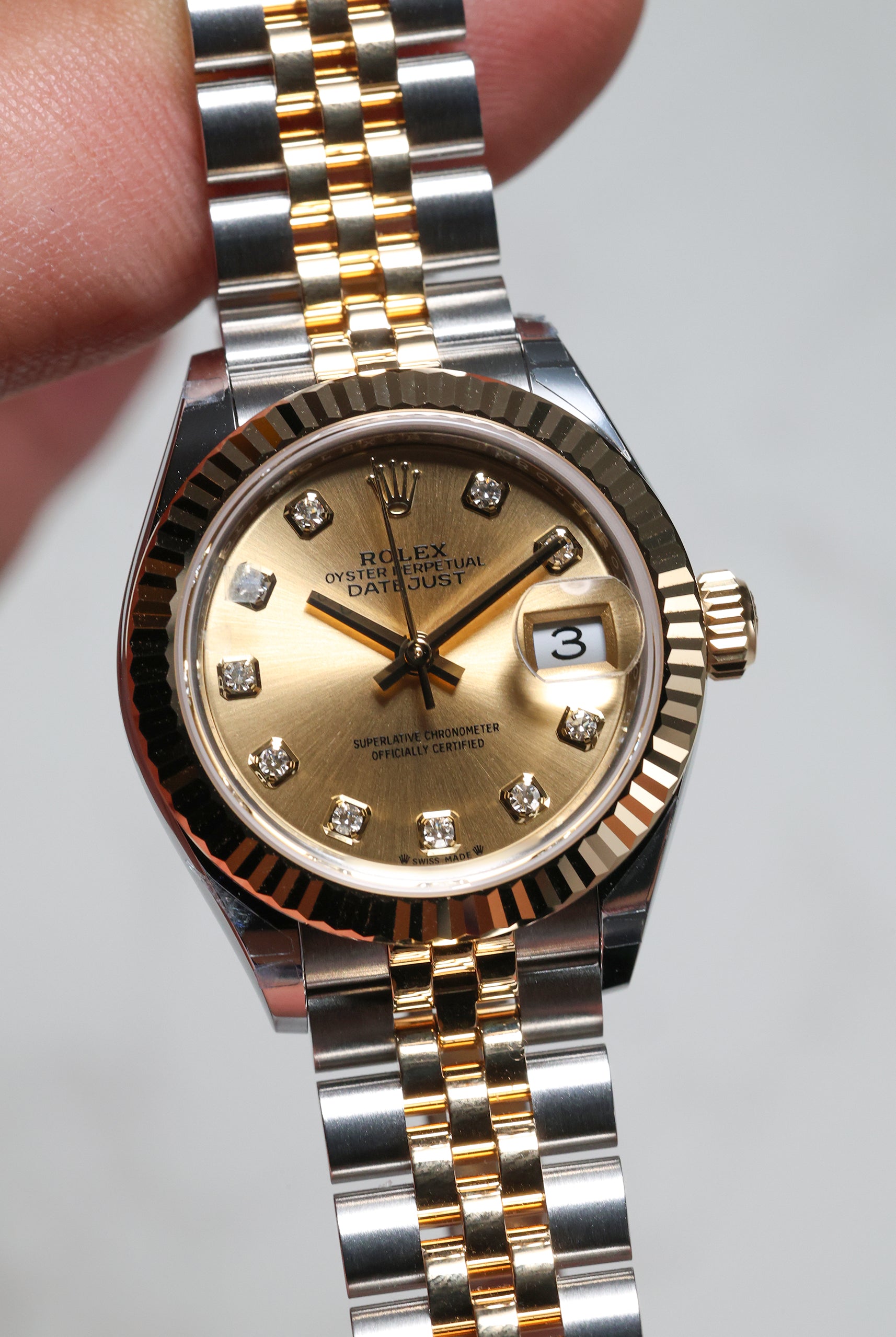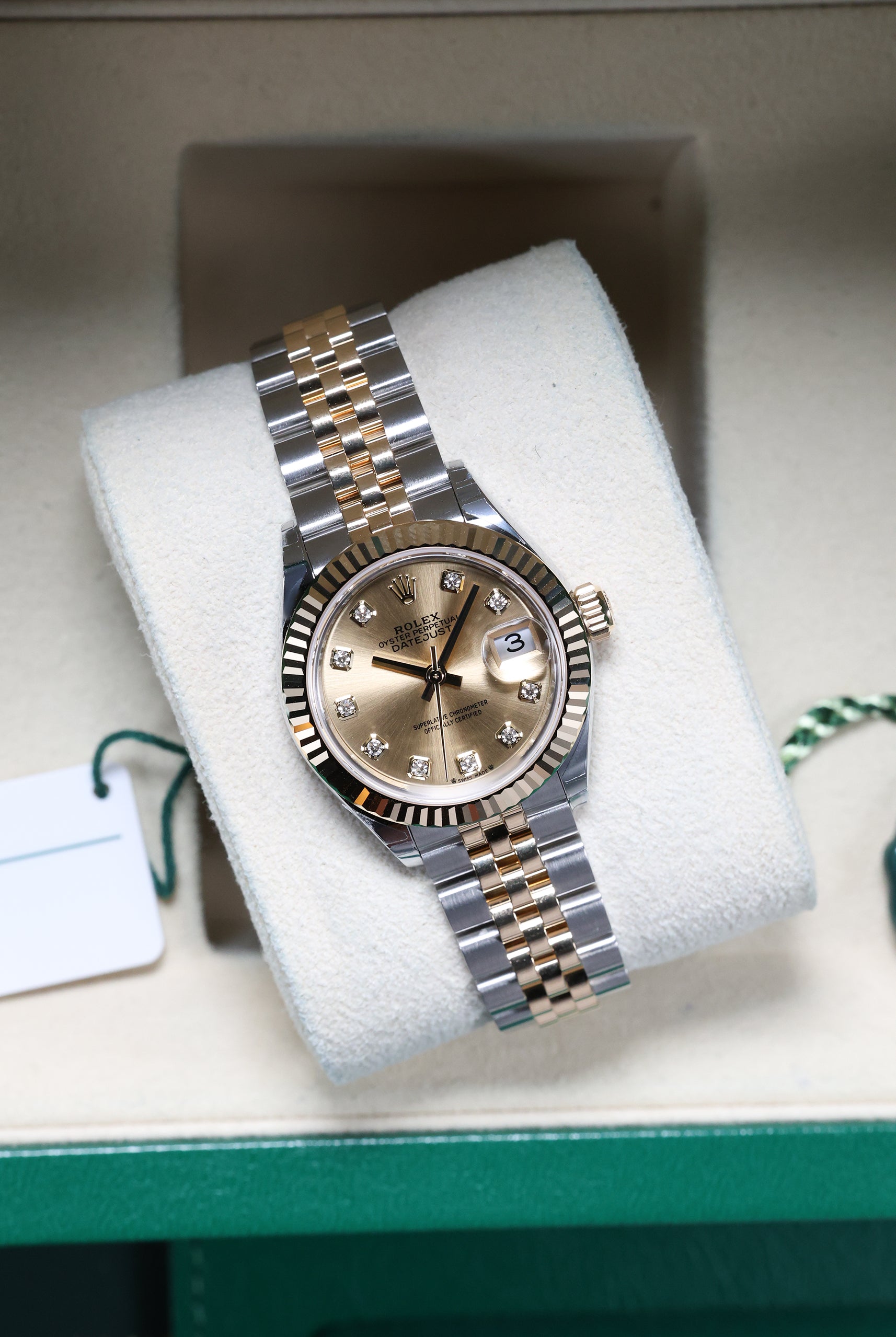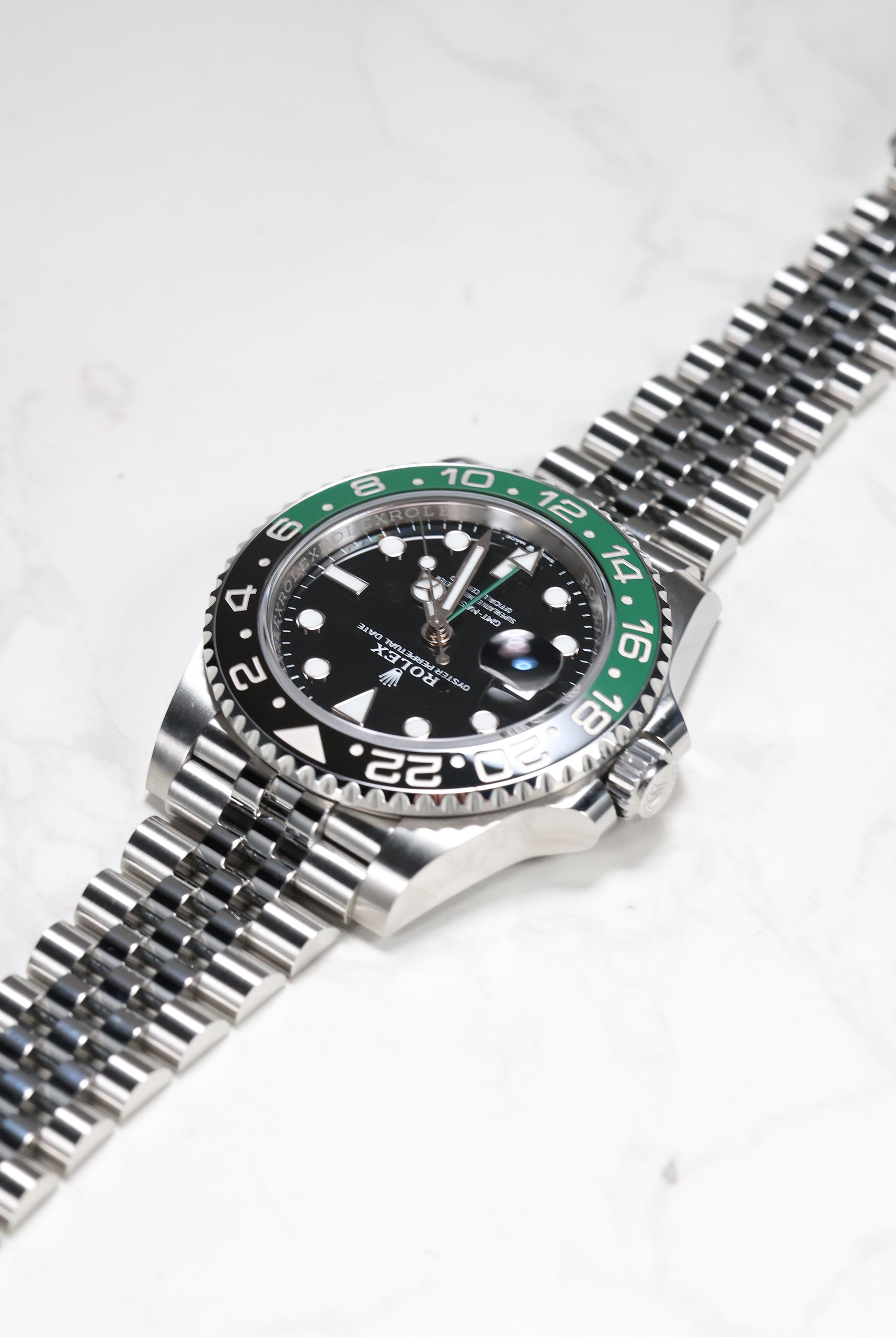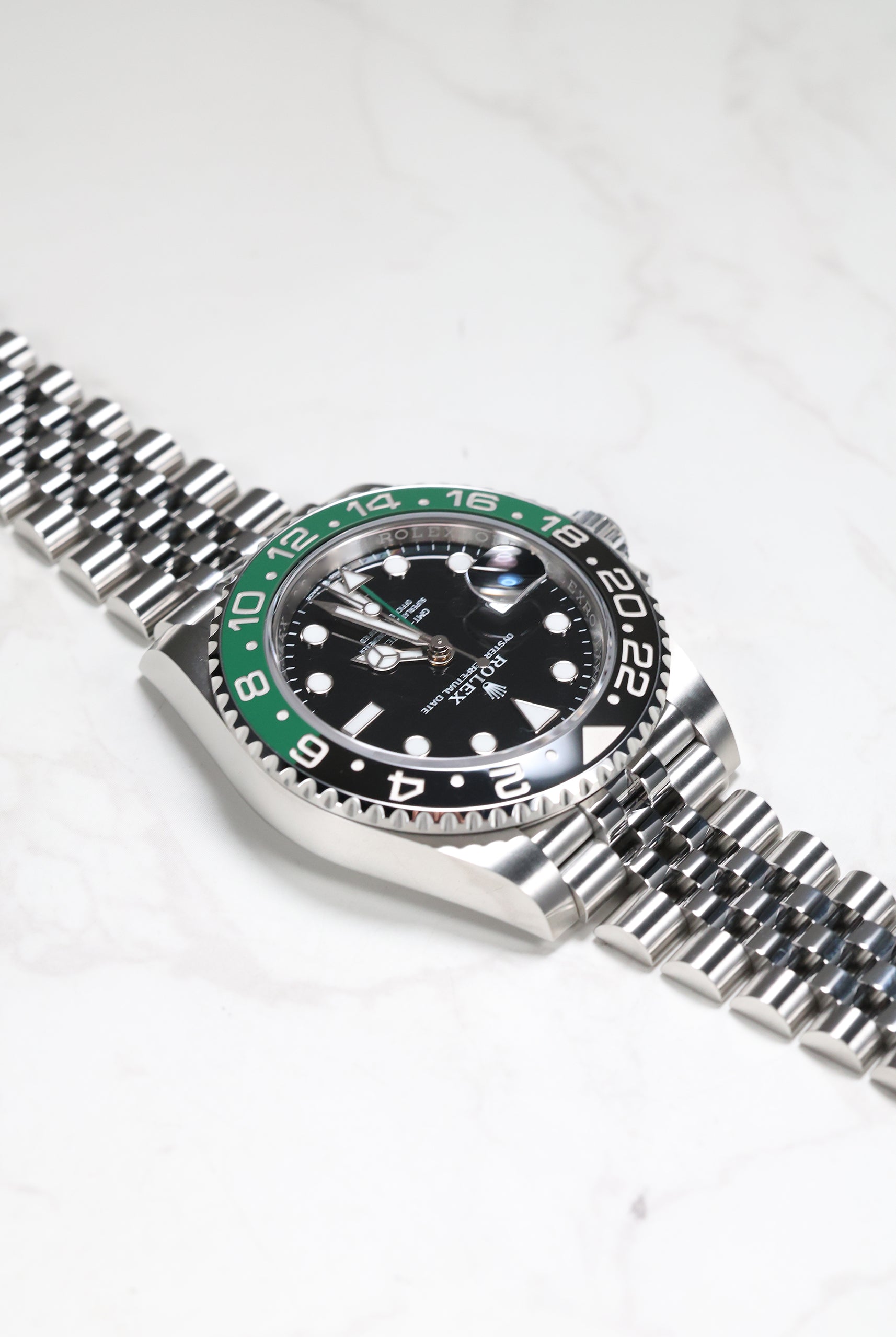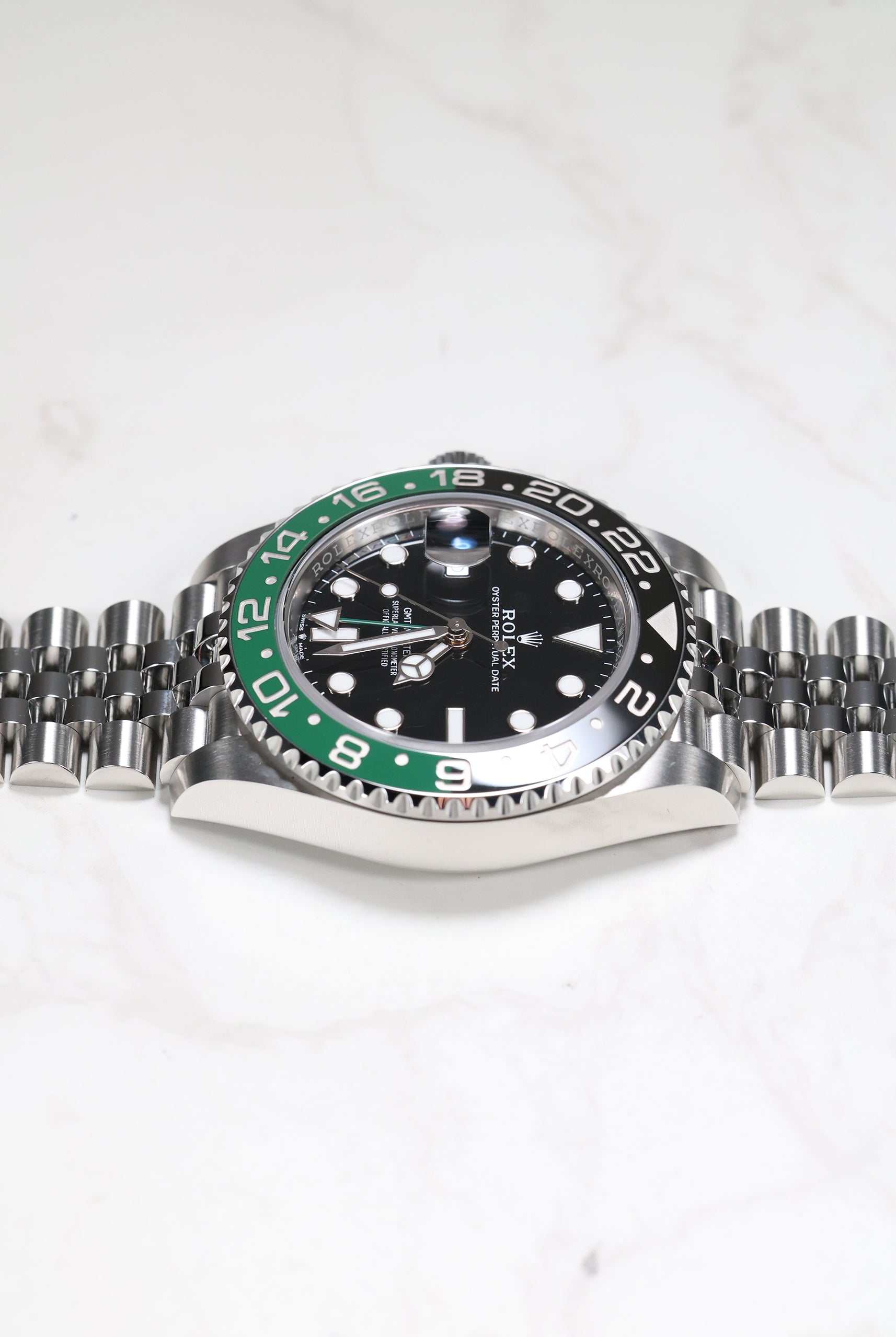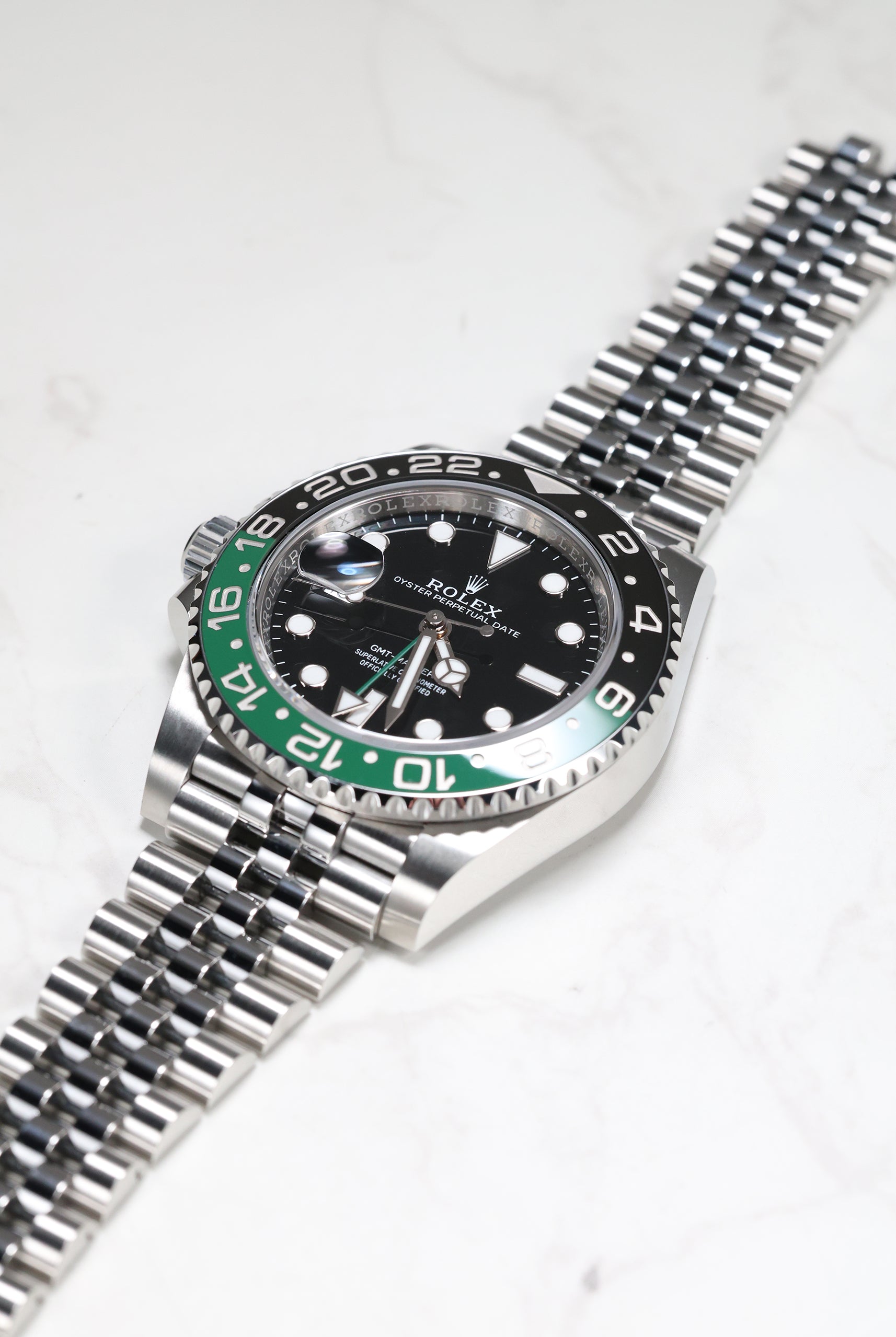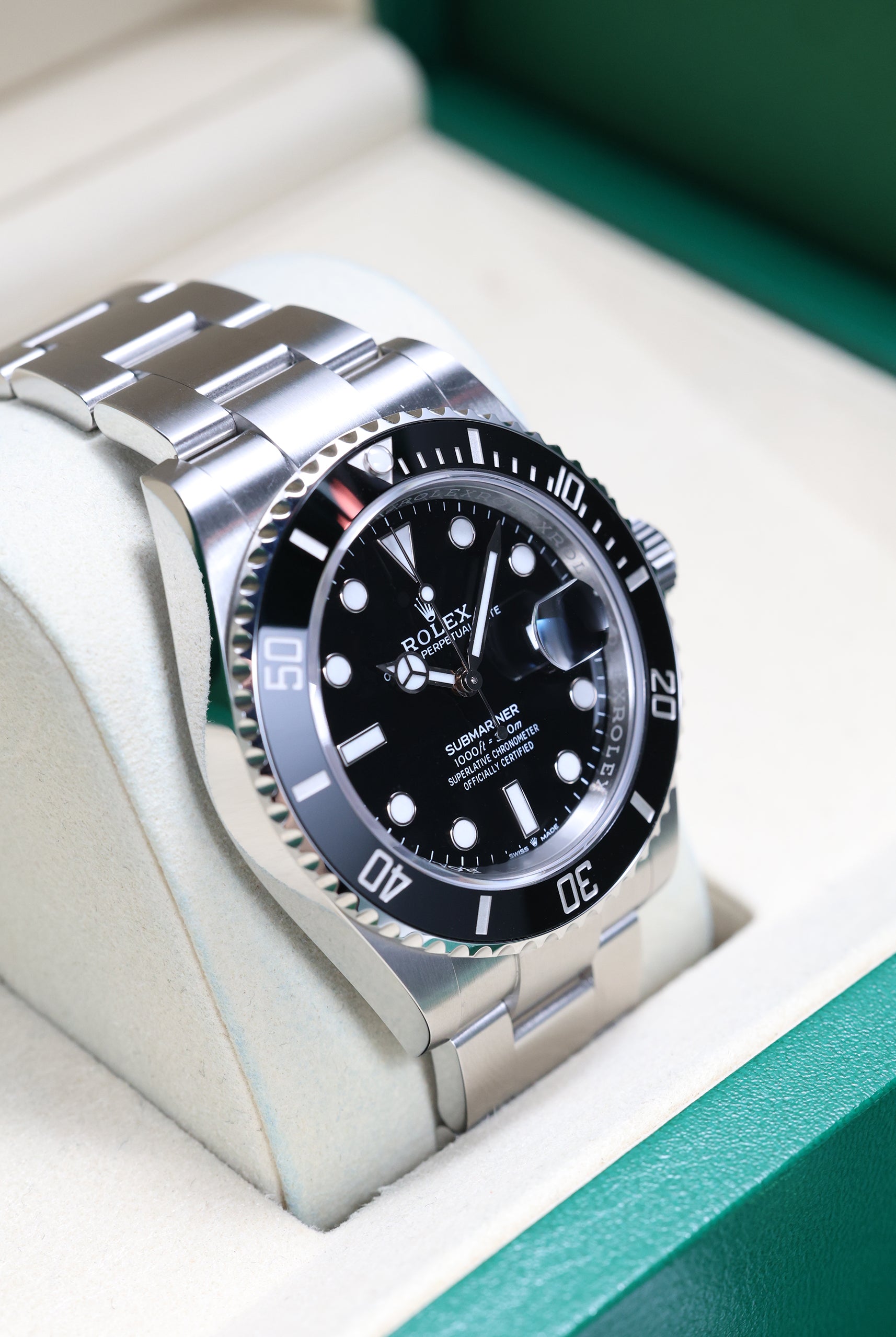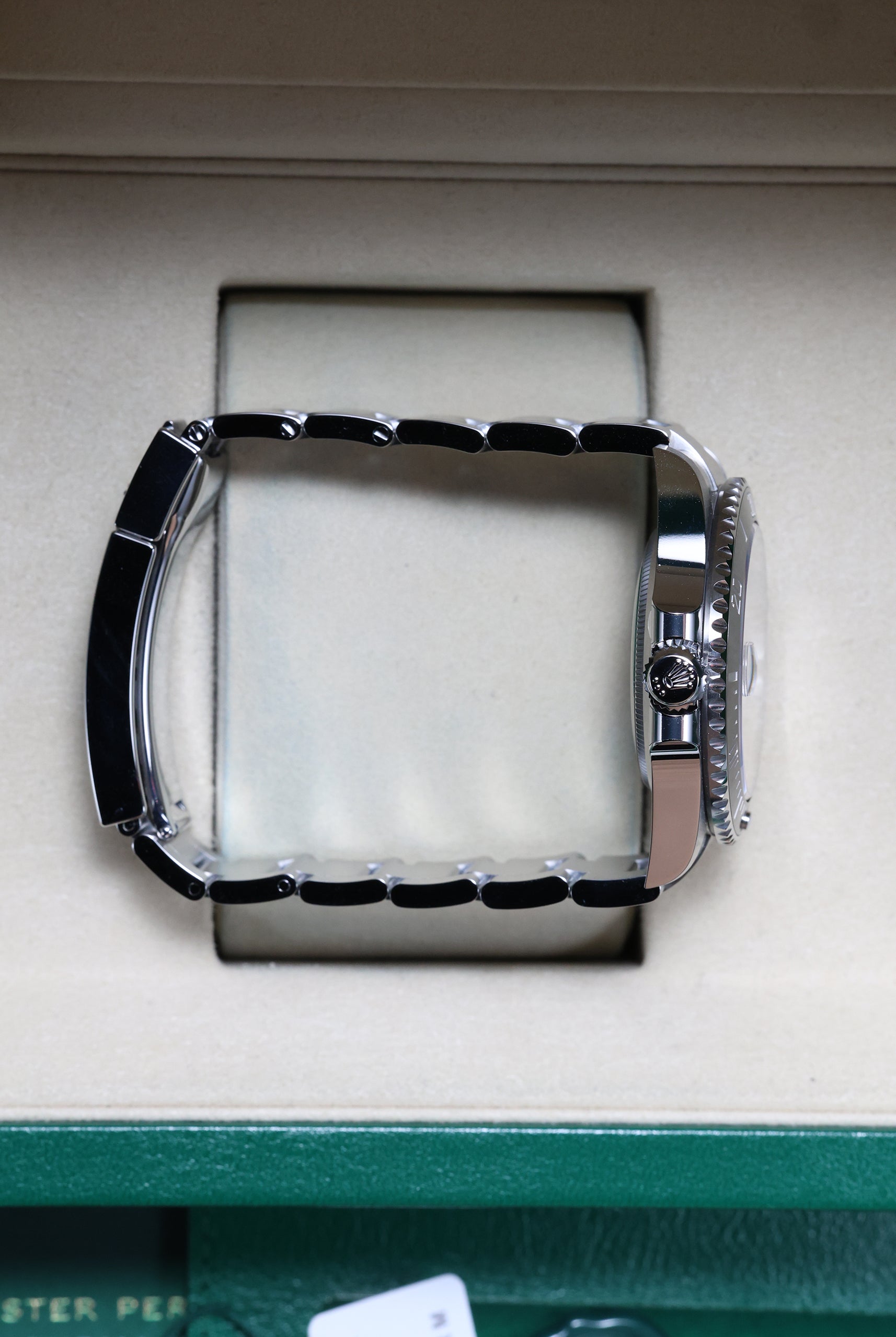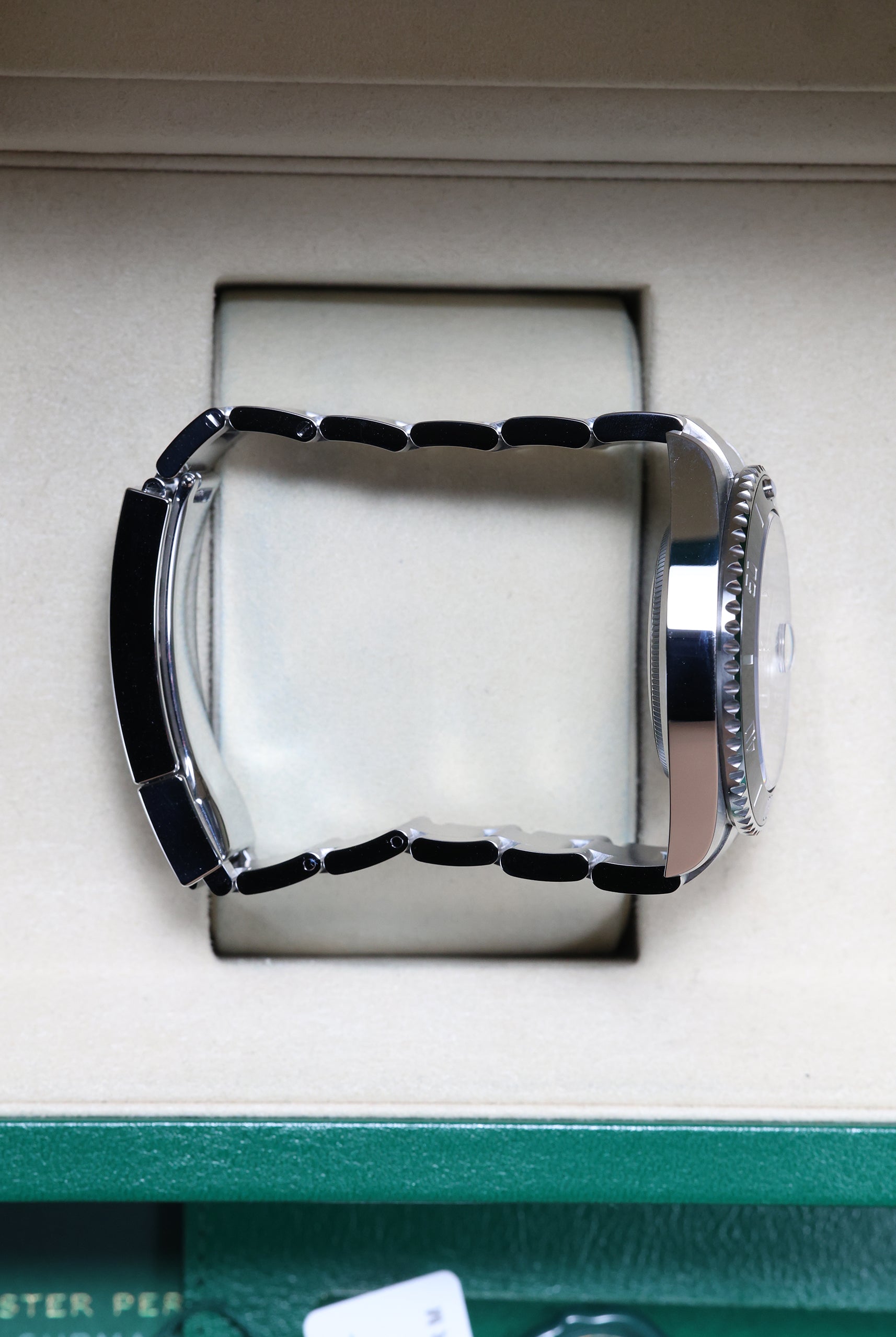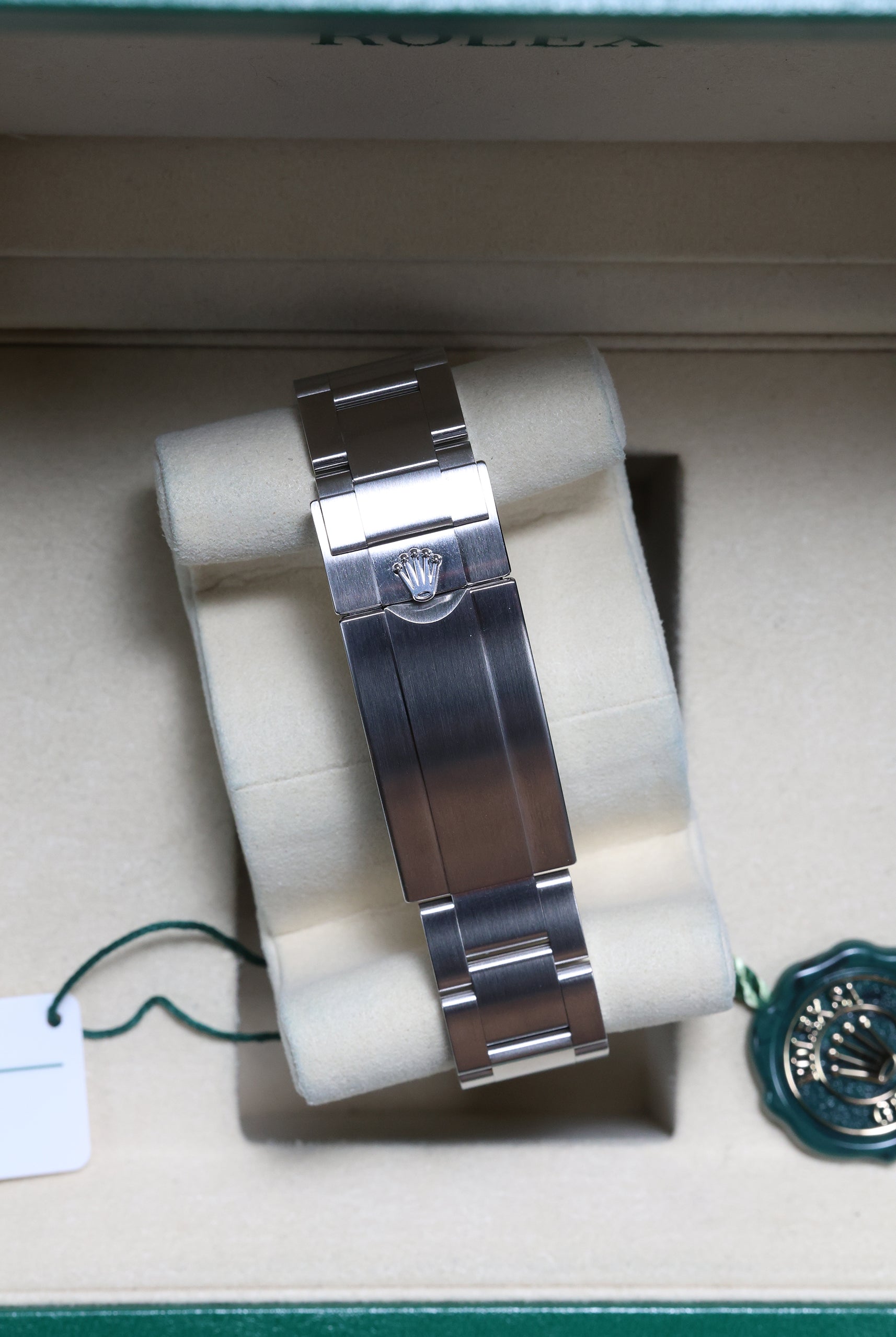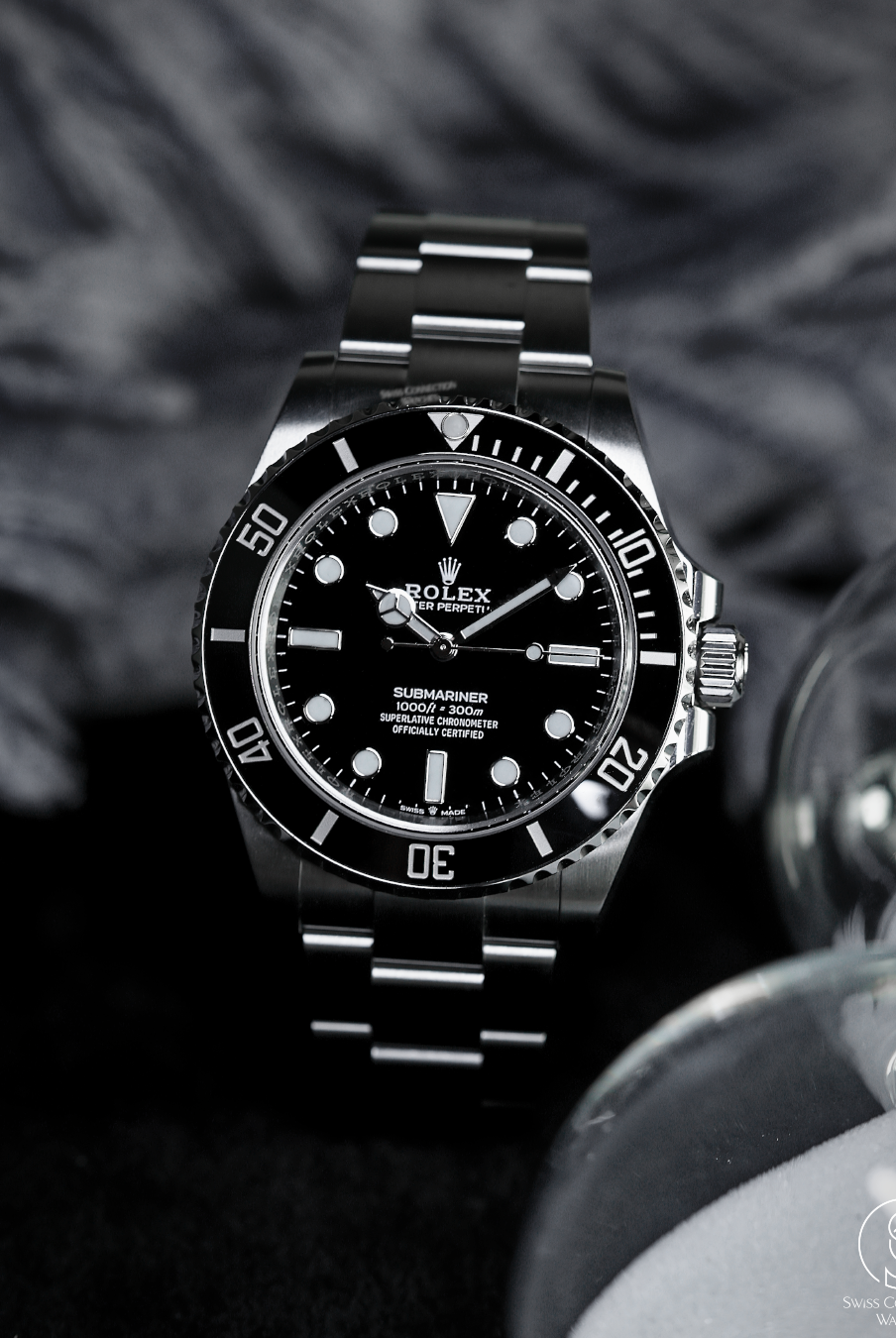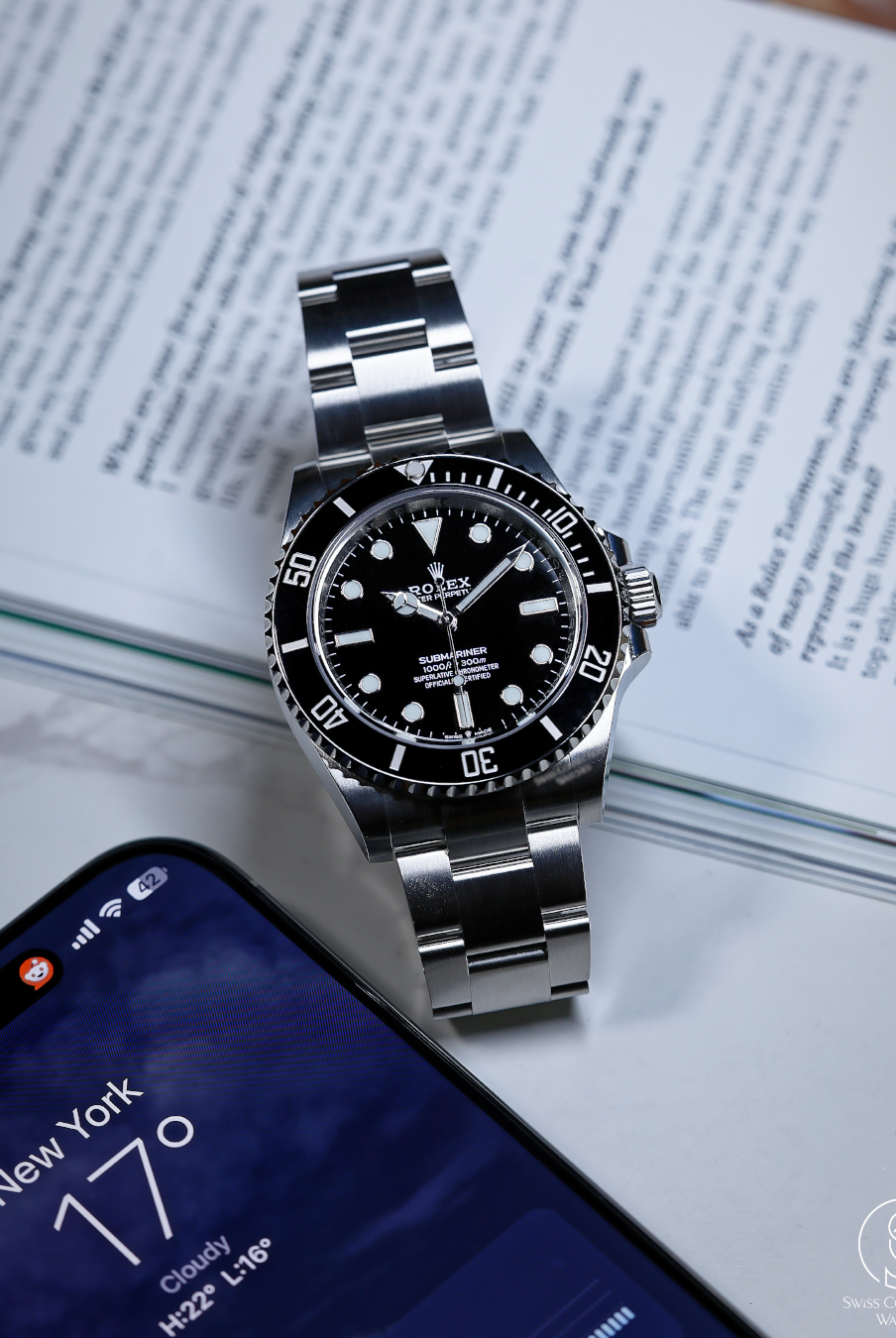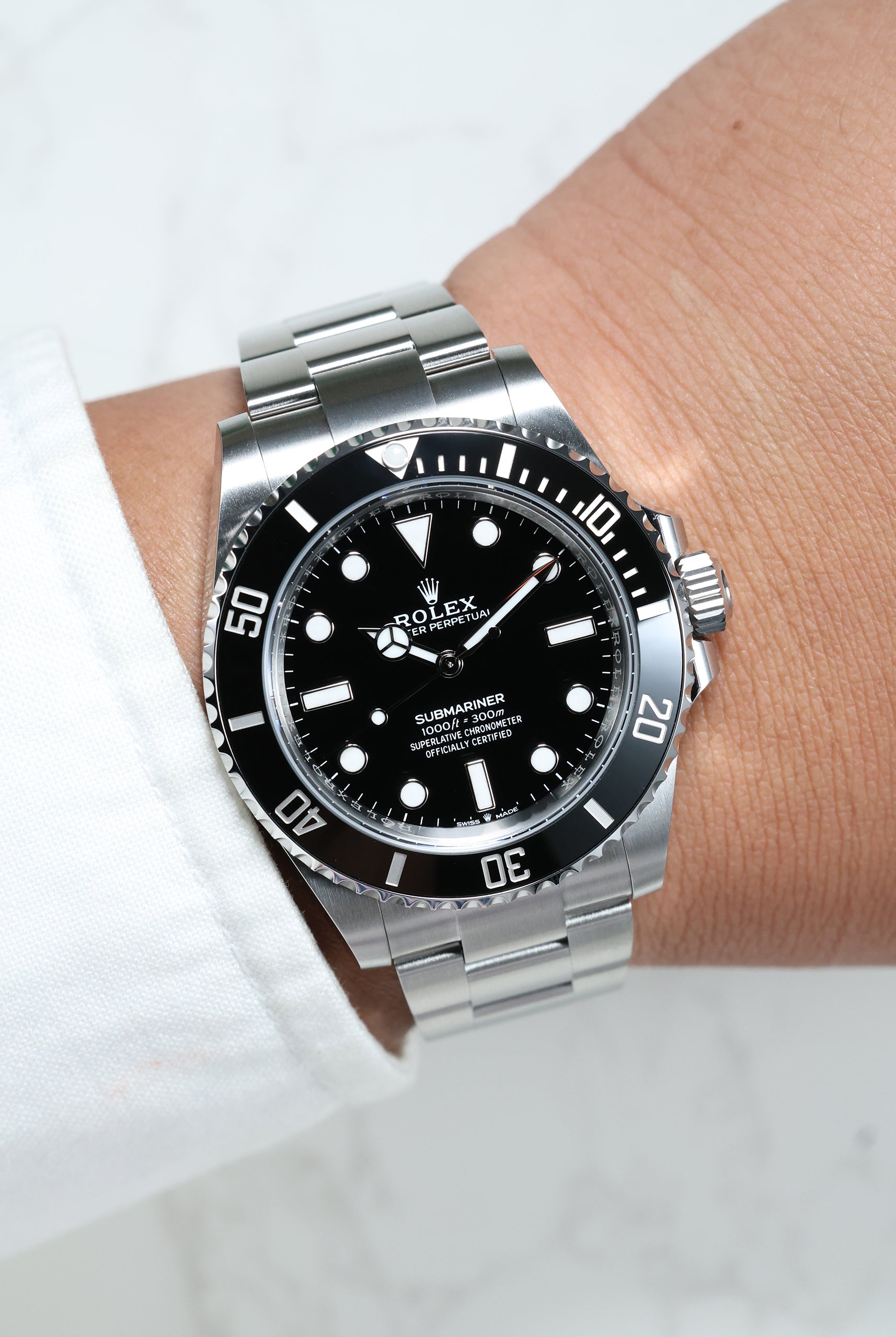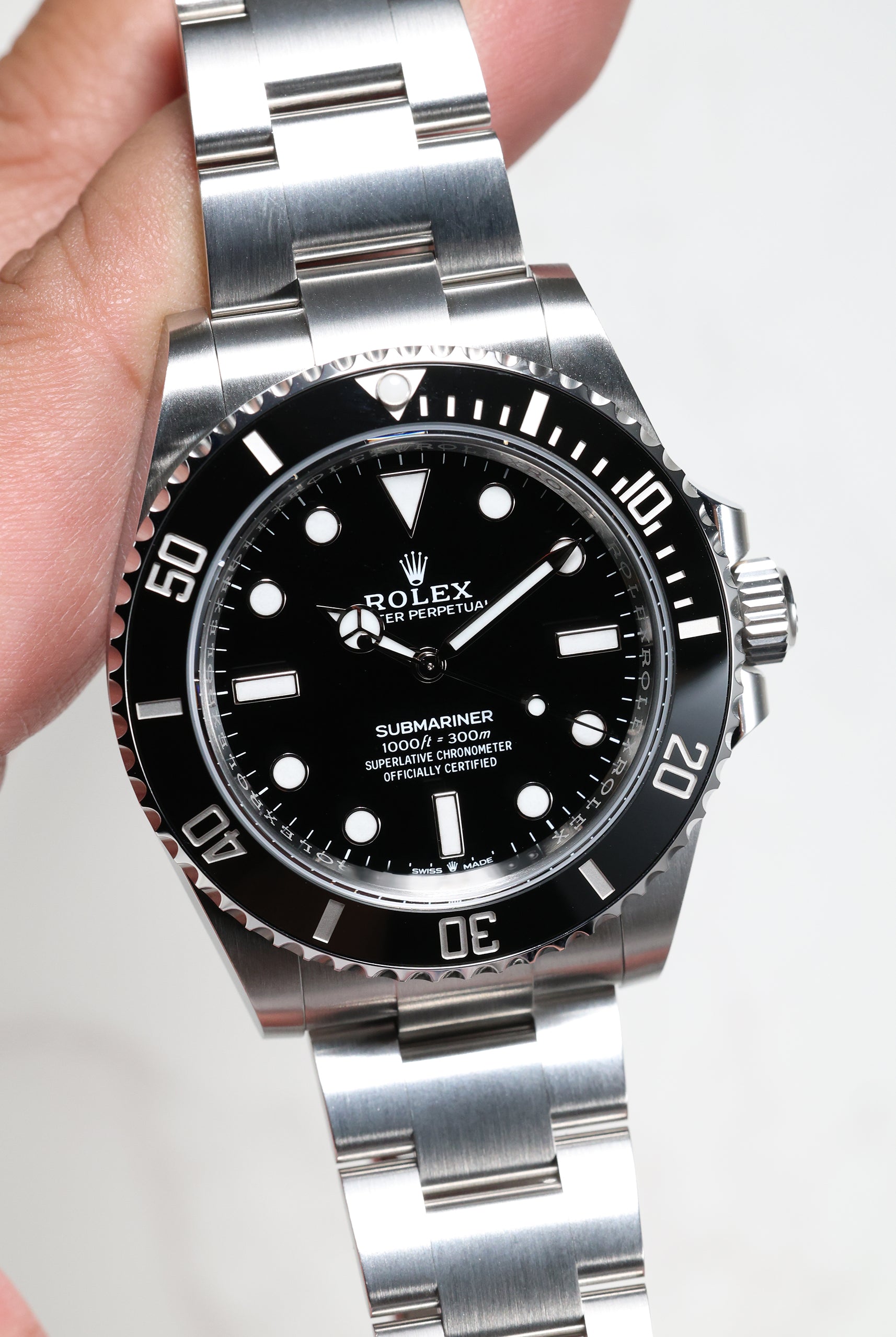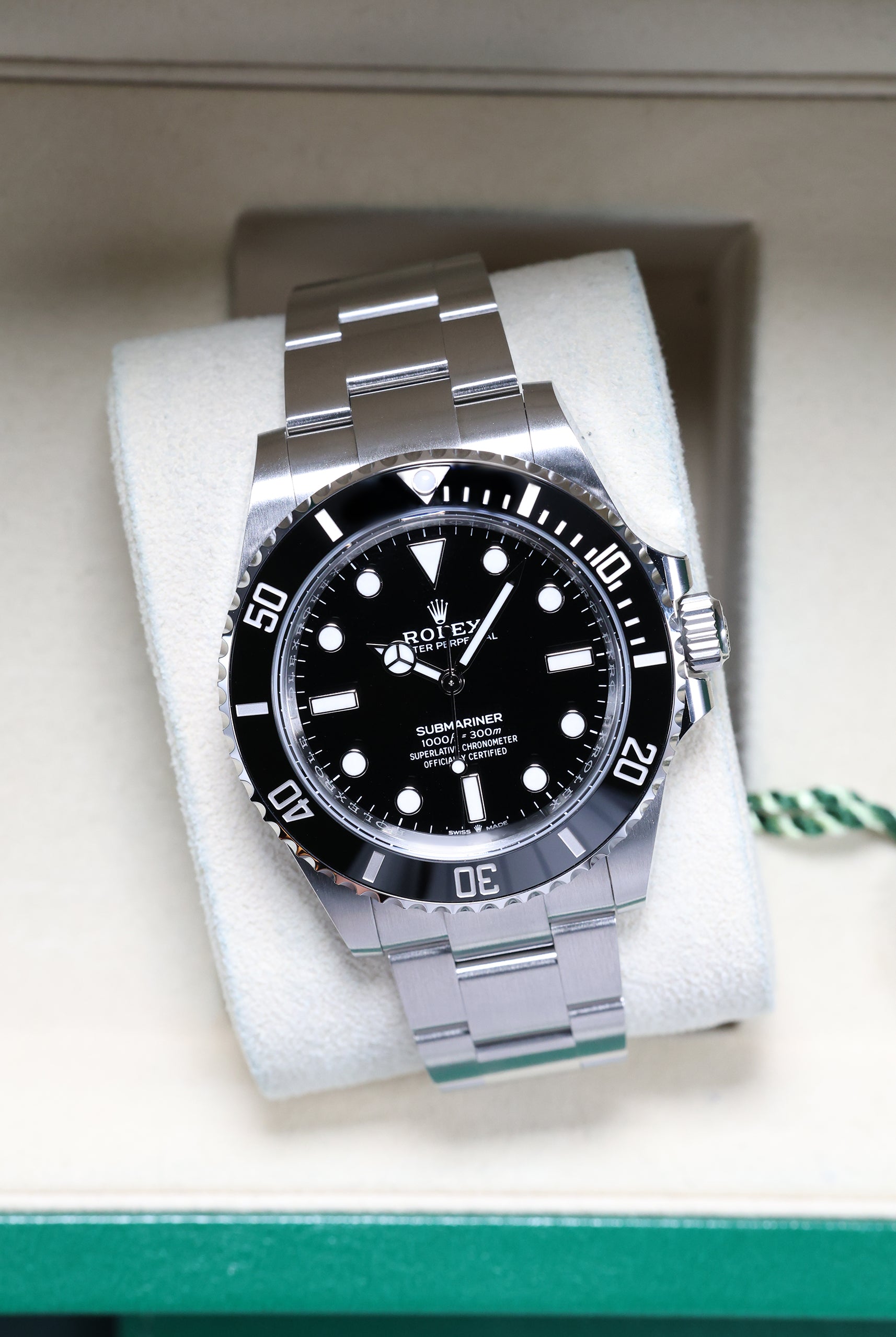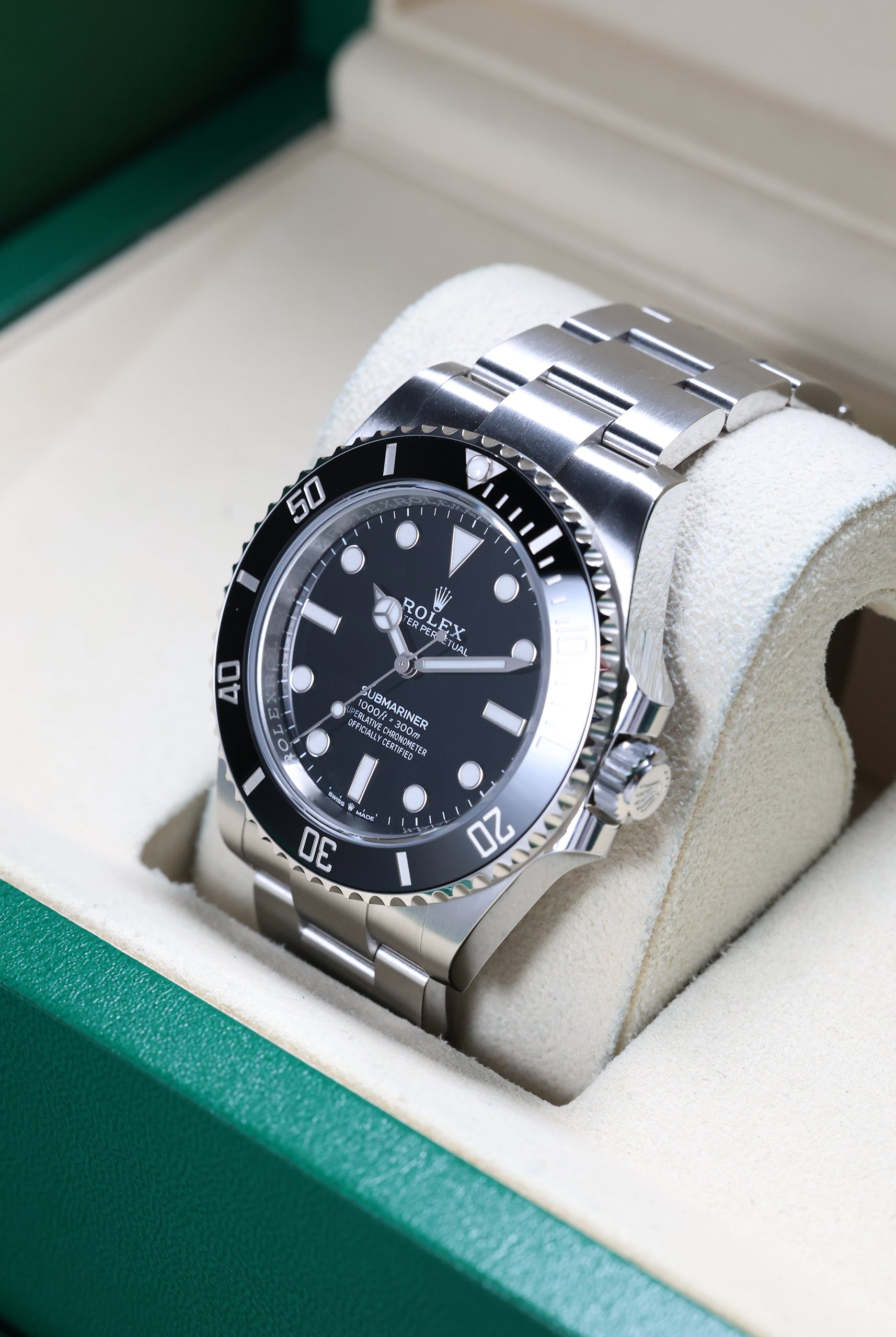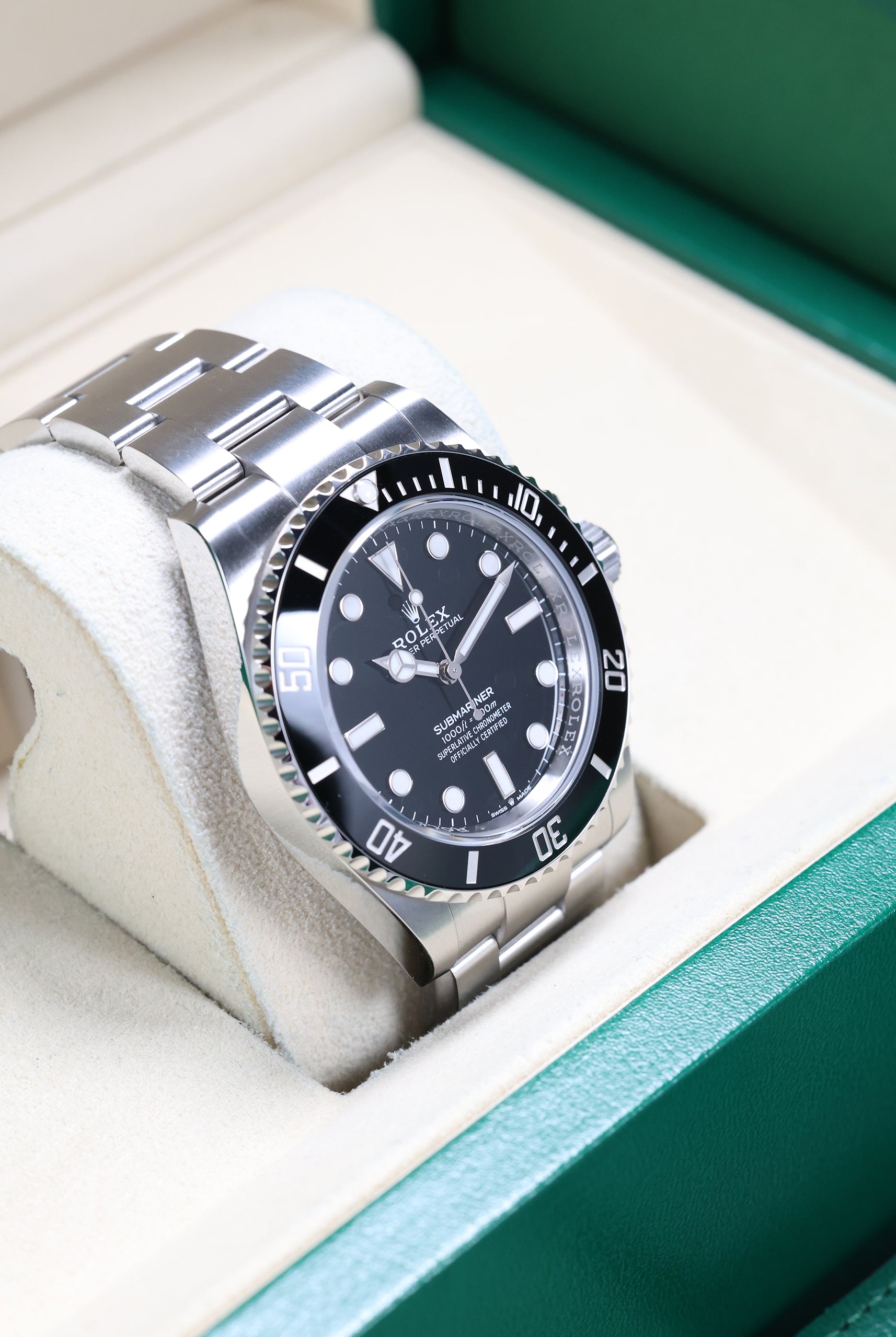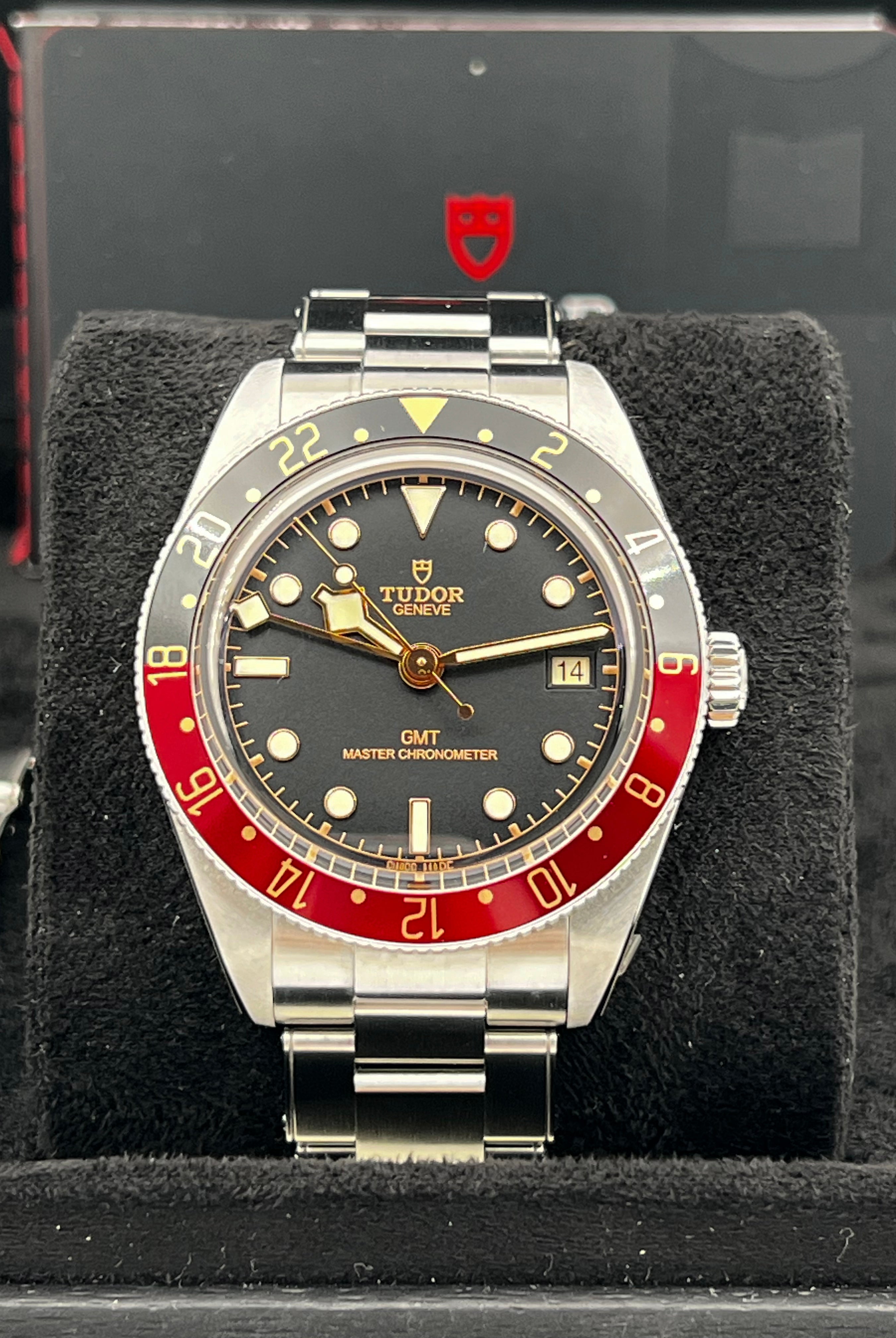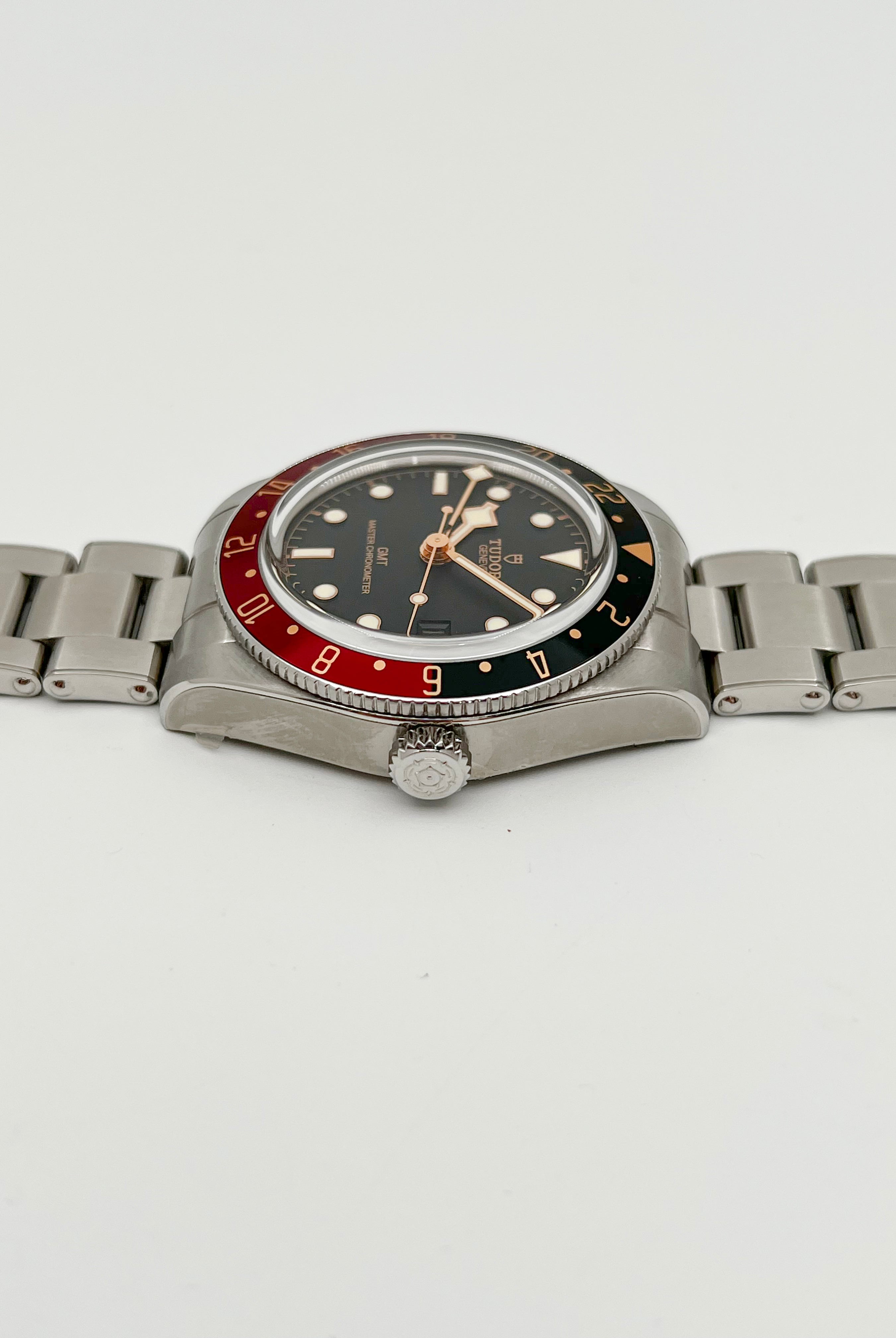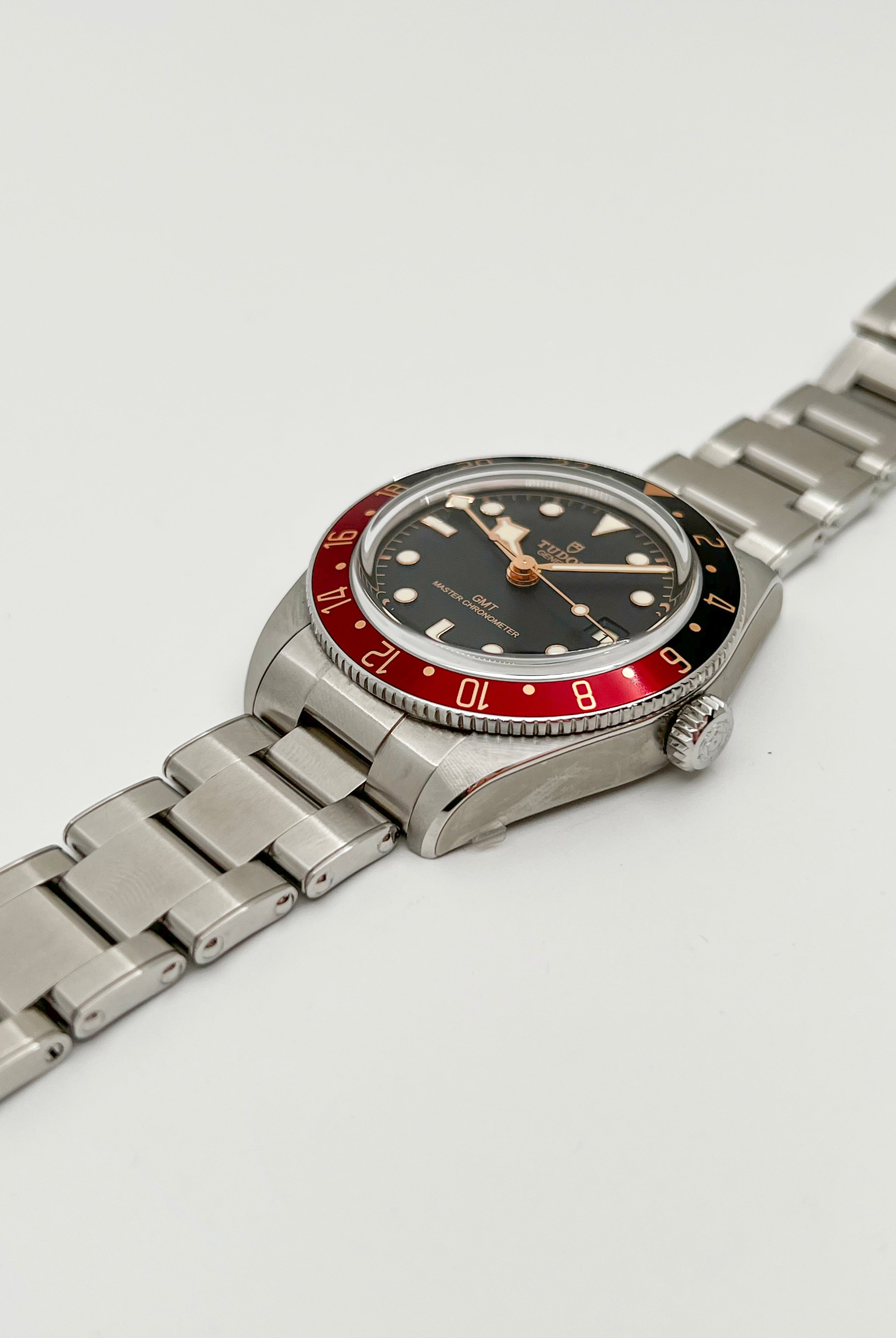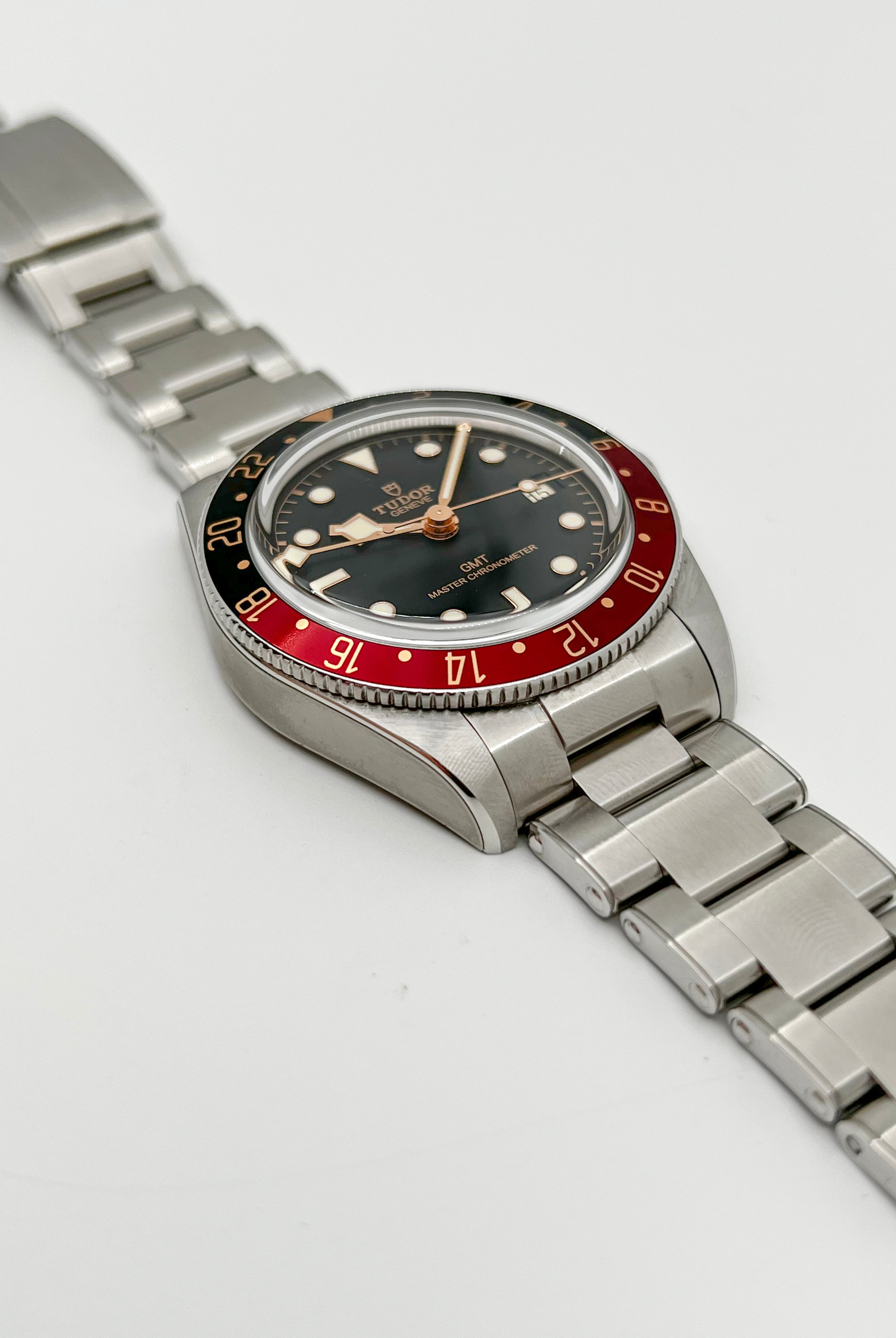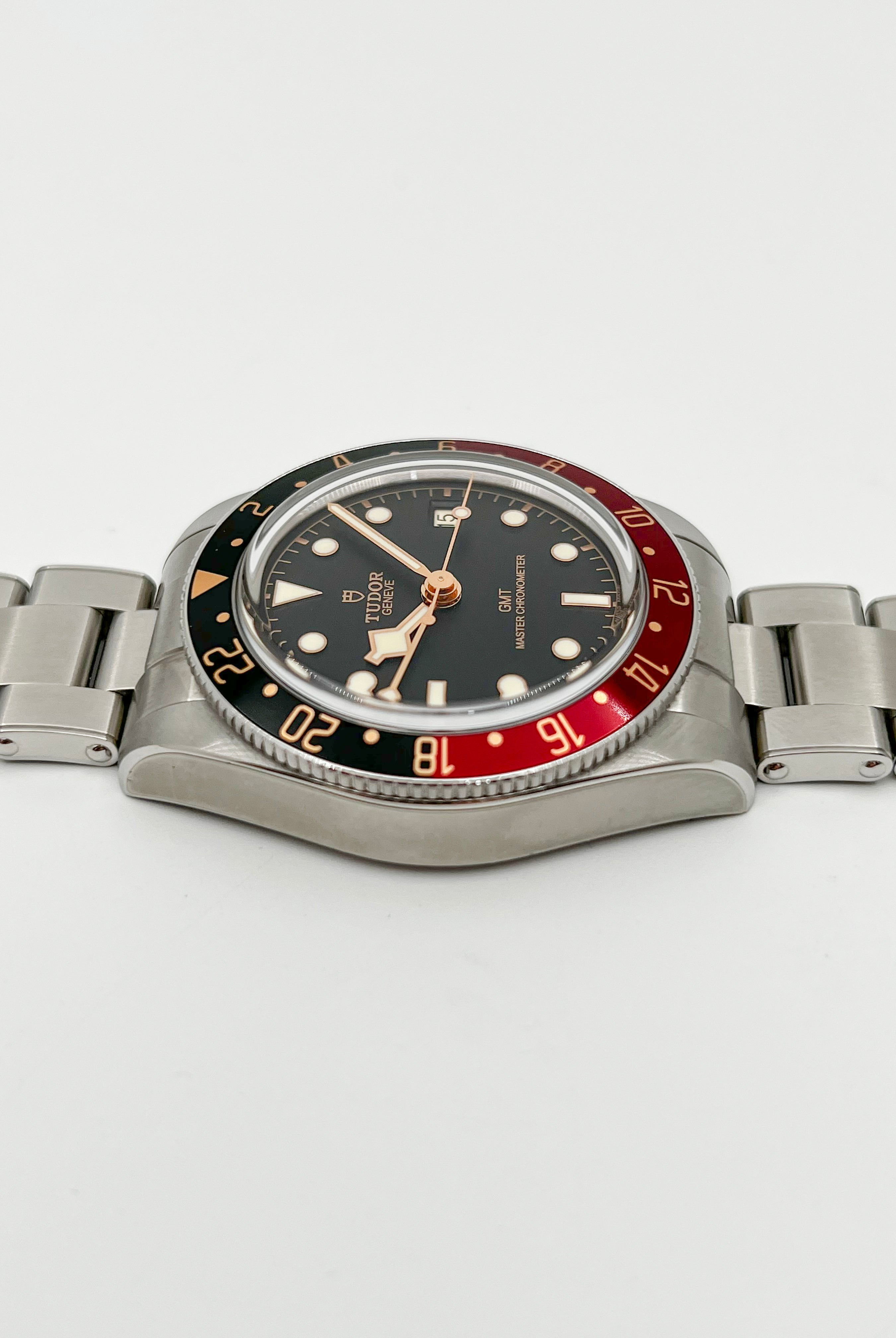

Analyzing the Shift: Why the Next Generation is Trading Technical Tooling for Singular Design.
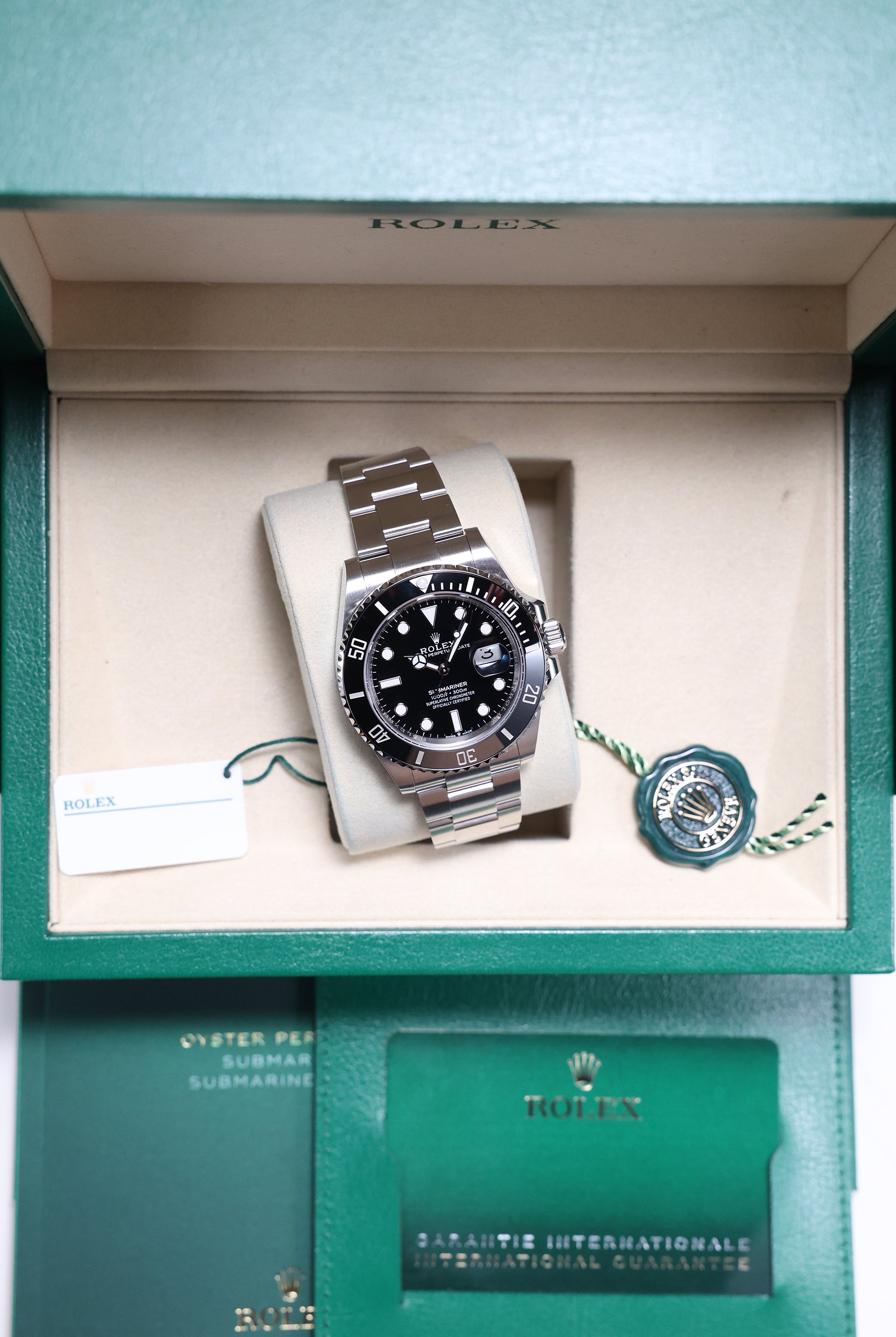
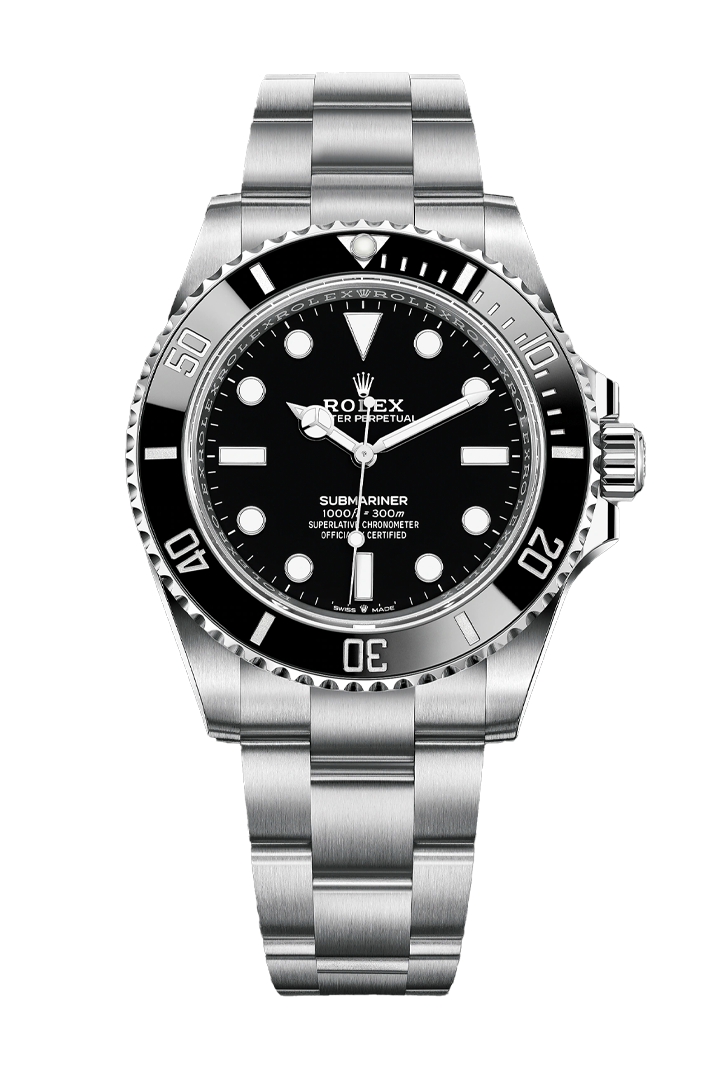
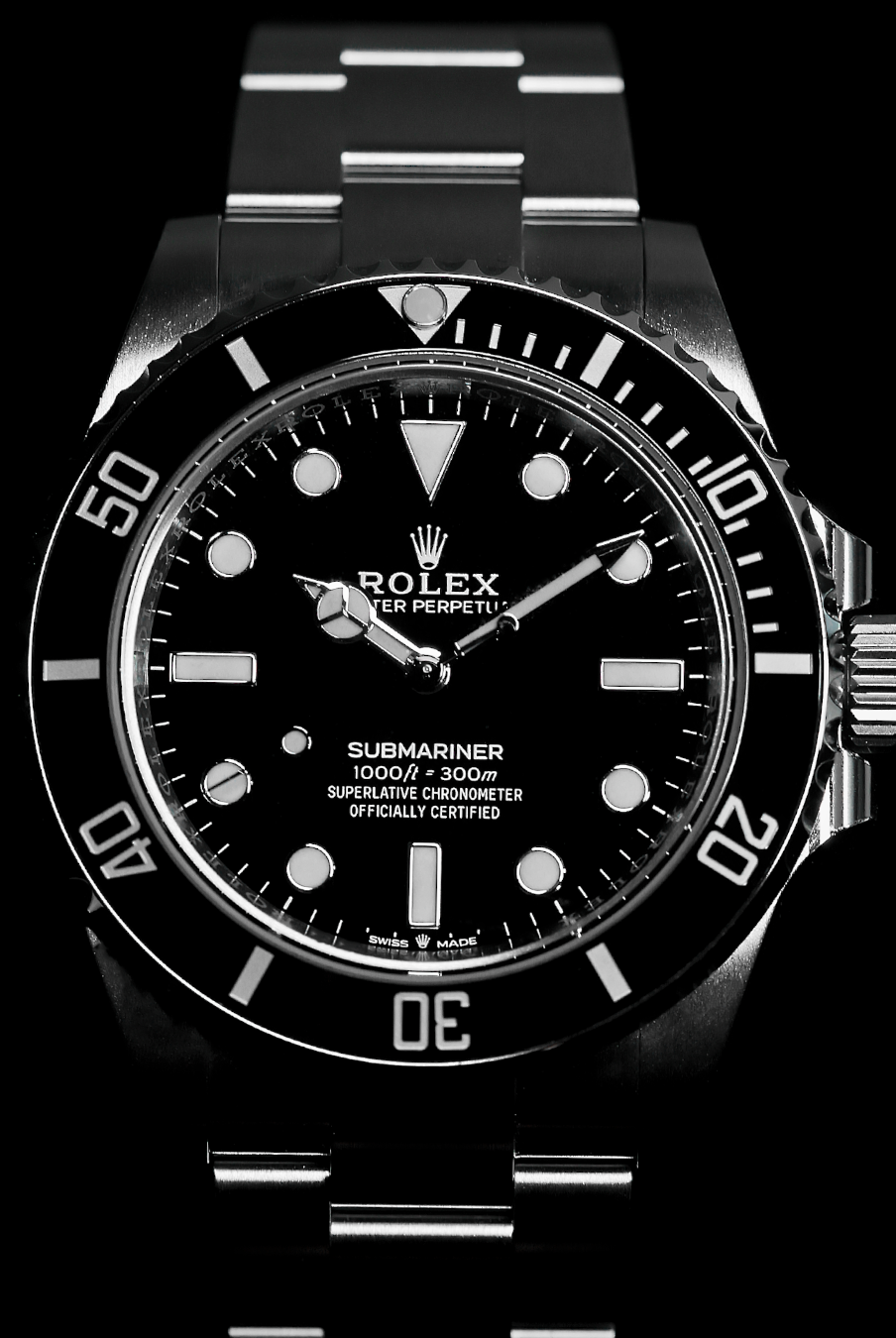
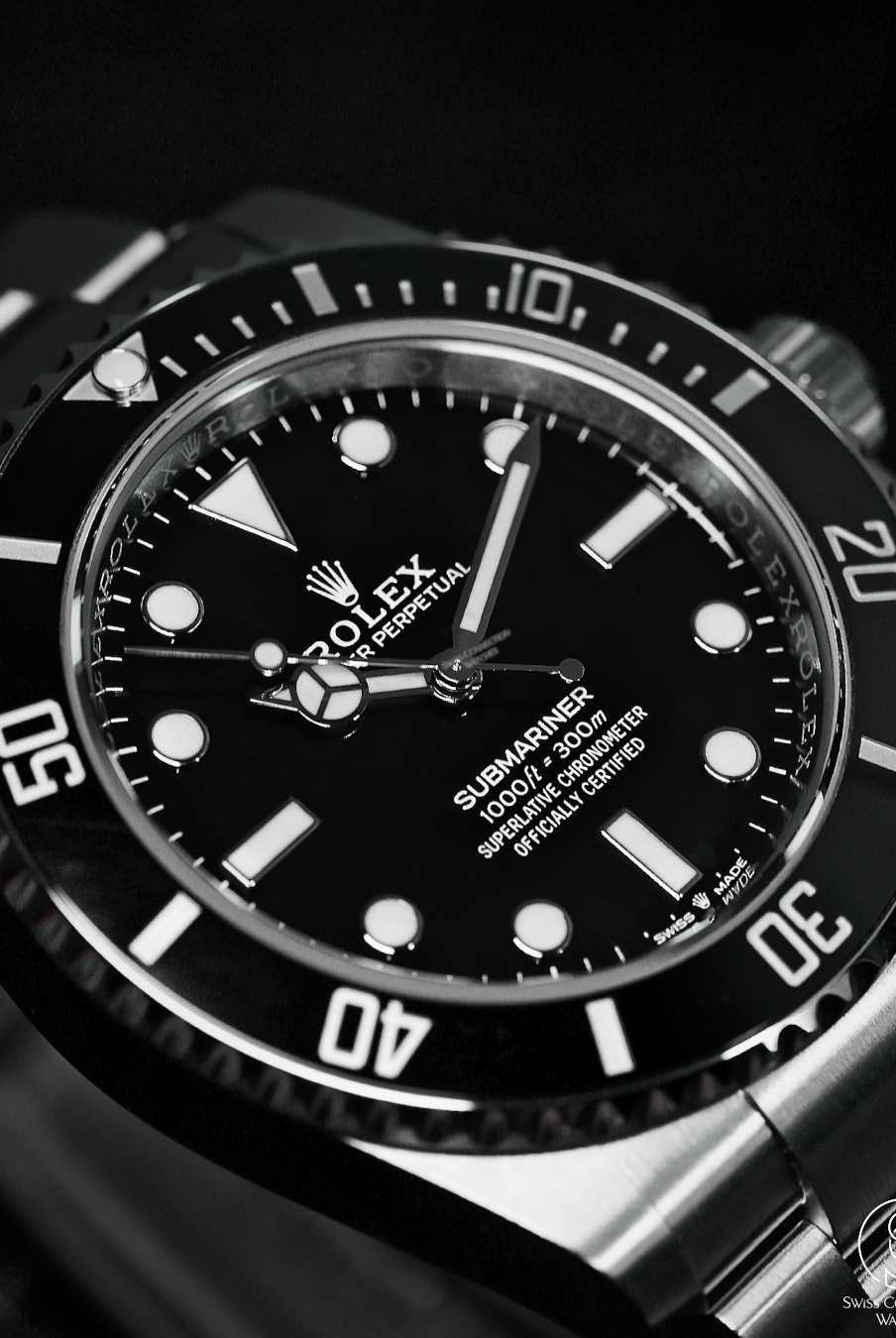
The "First Watch" or the "One-Watch Collection" has long been a territory dominated by the Crown. For decades, the conventional wisdom was simple: if you want a serious timepiece that signals success and holds its value, you buy a Rolex. Specifically, you buy a GMT-Master II.
However, the tide is turning. In our latest review, we dive into a fascinating rivalry that isn't about power reserves or depth ratings, but about identity. As a new generation of collectors enters the market, the Cartier Santos is emerging as a compelling alternative to the Rolex GMT-Master II.
The Origins of Aviation: Two Different Flight Paths
To understand why these two watches are being cross-shopped today, we must look at where they began. Both are icons of aviation, but their approaches are worlds apart.
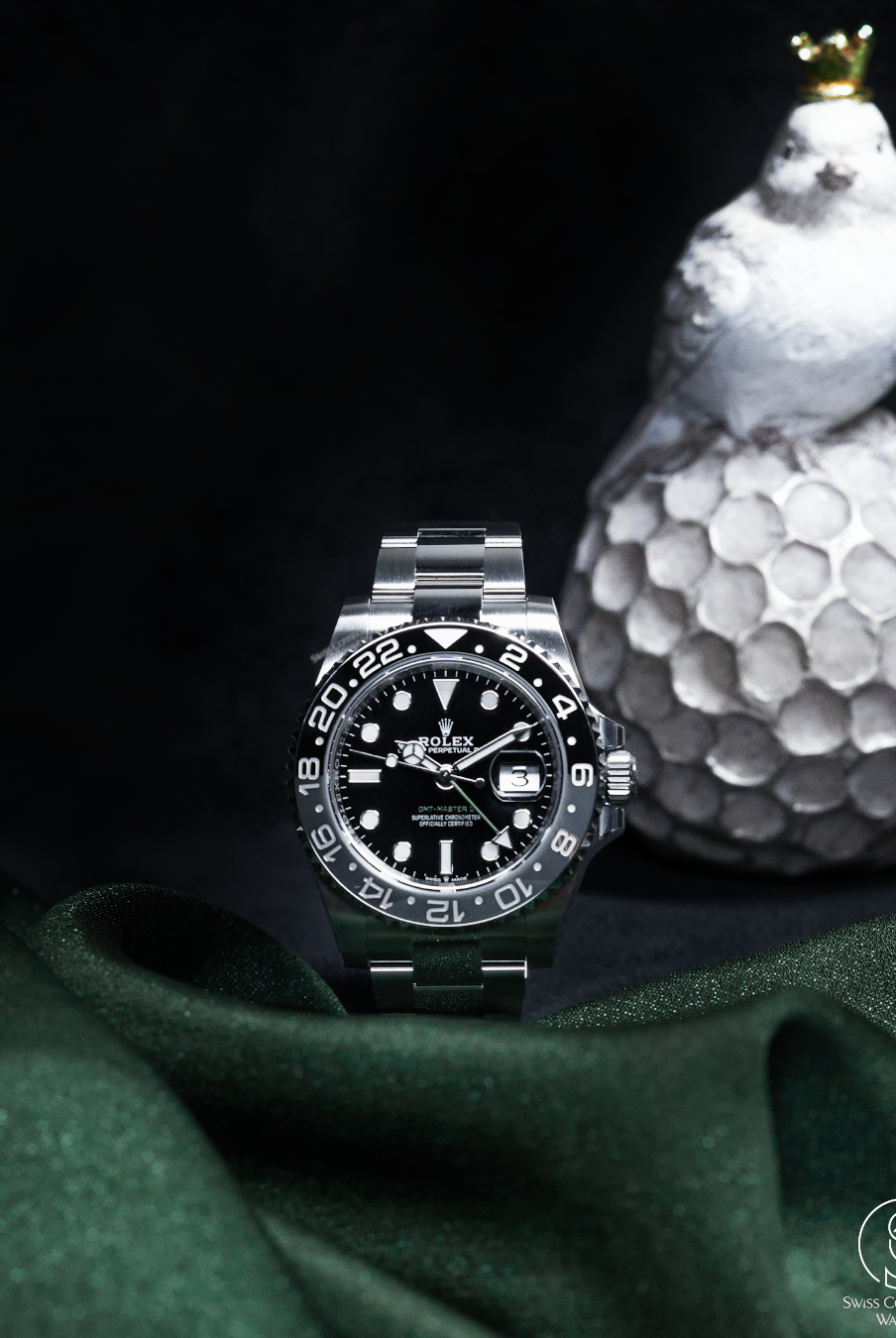
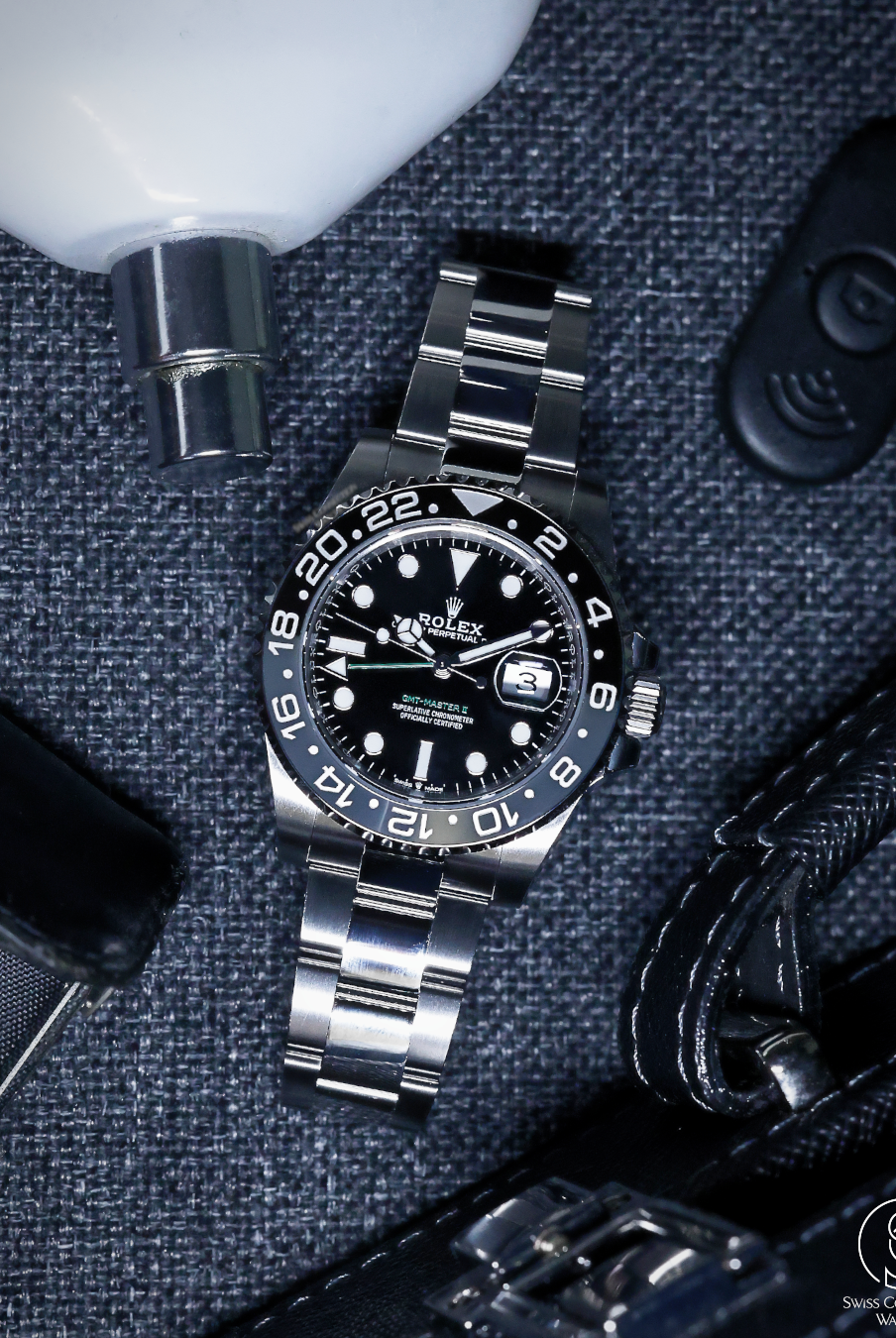
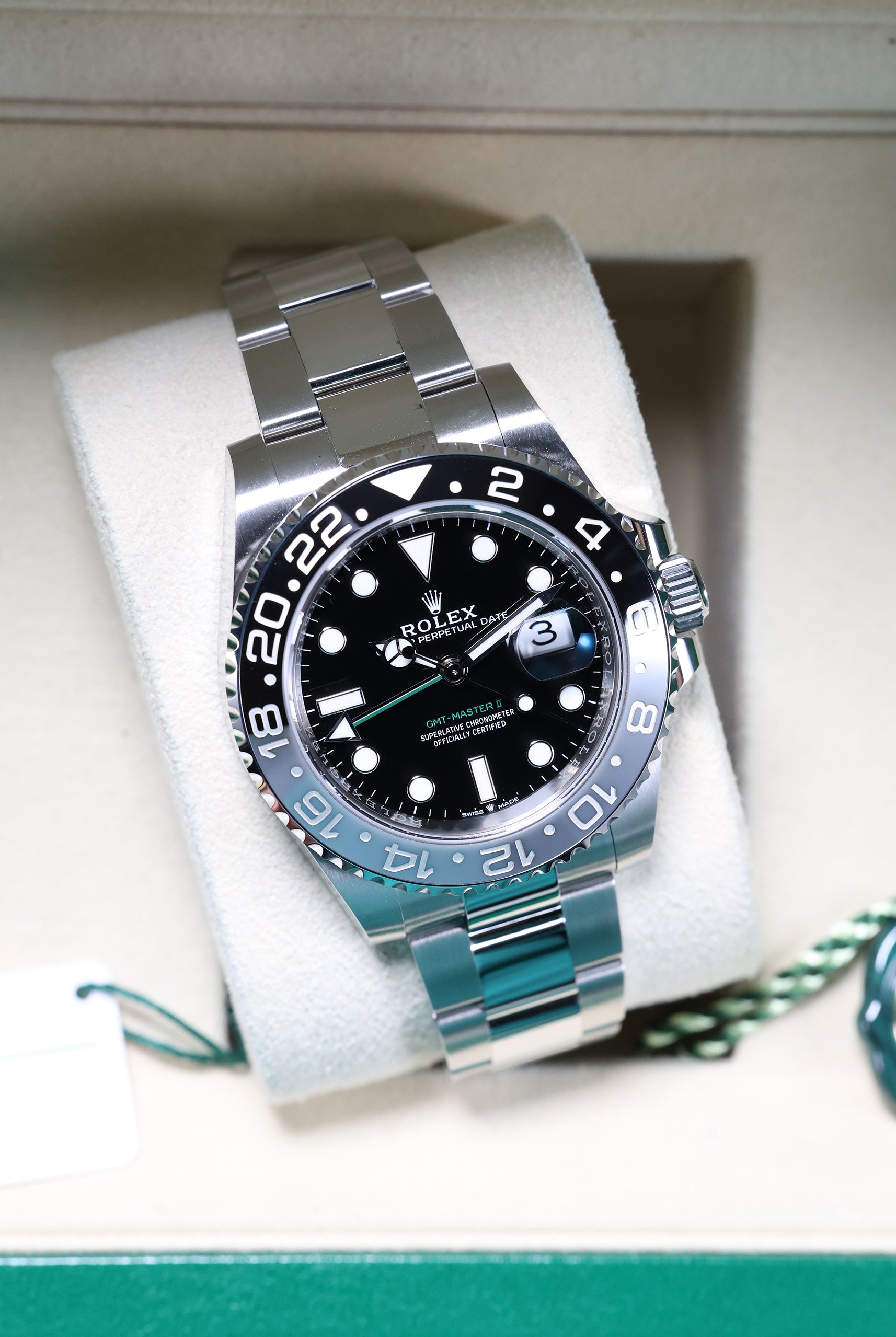
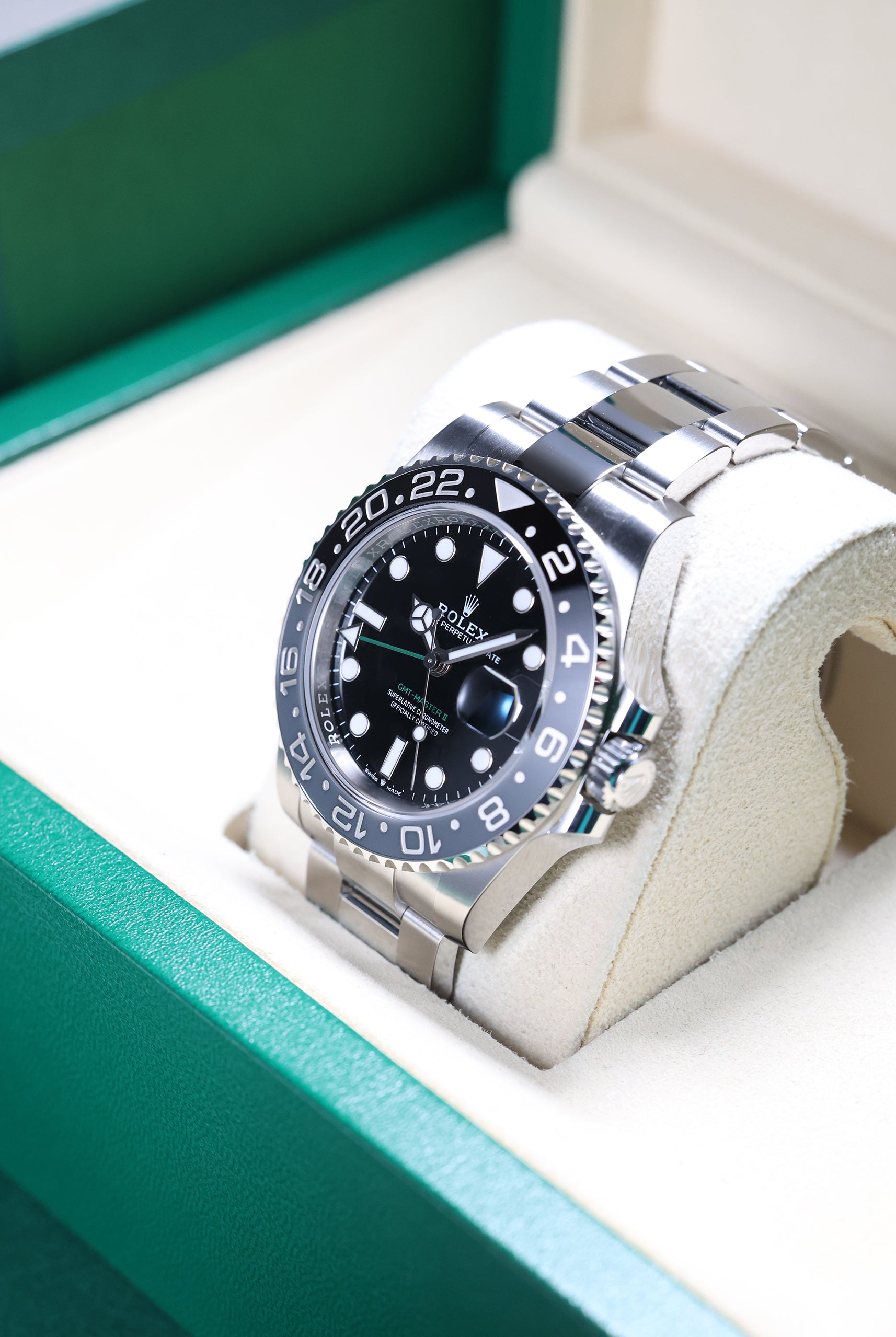
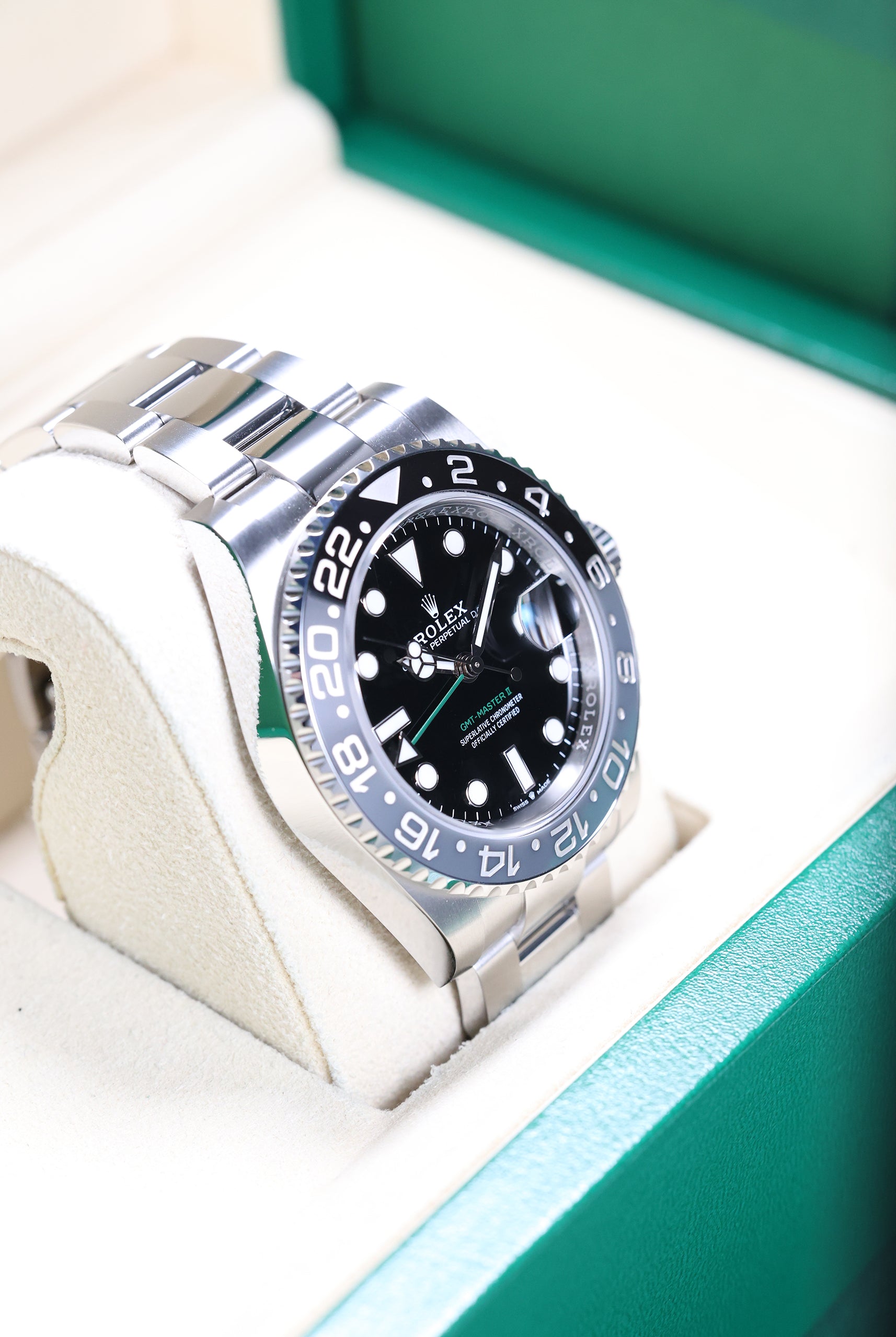
The Rolex GMT-Master: The Professional Standard
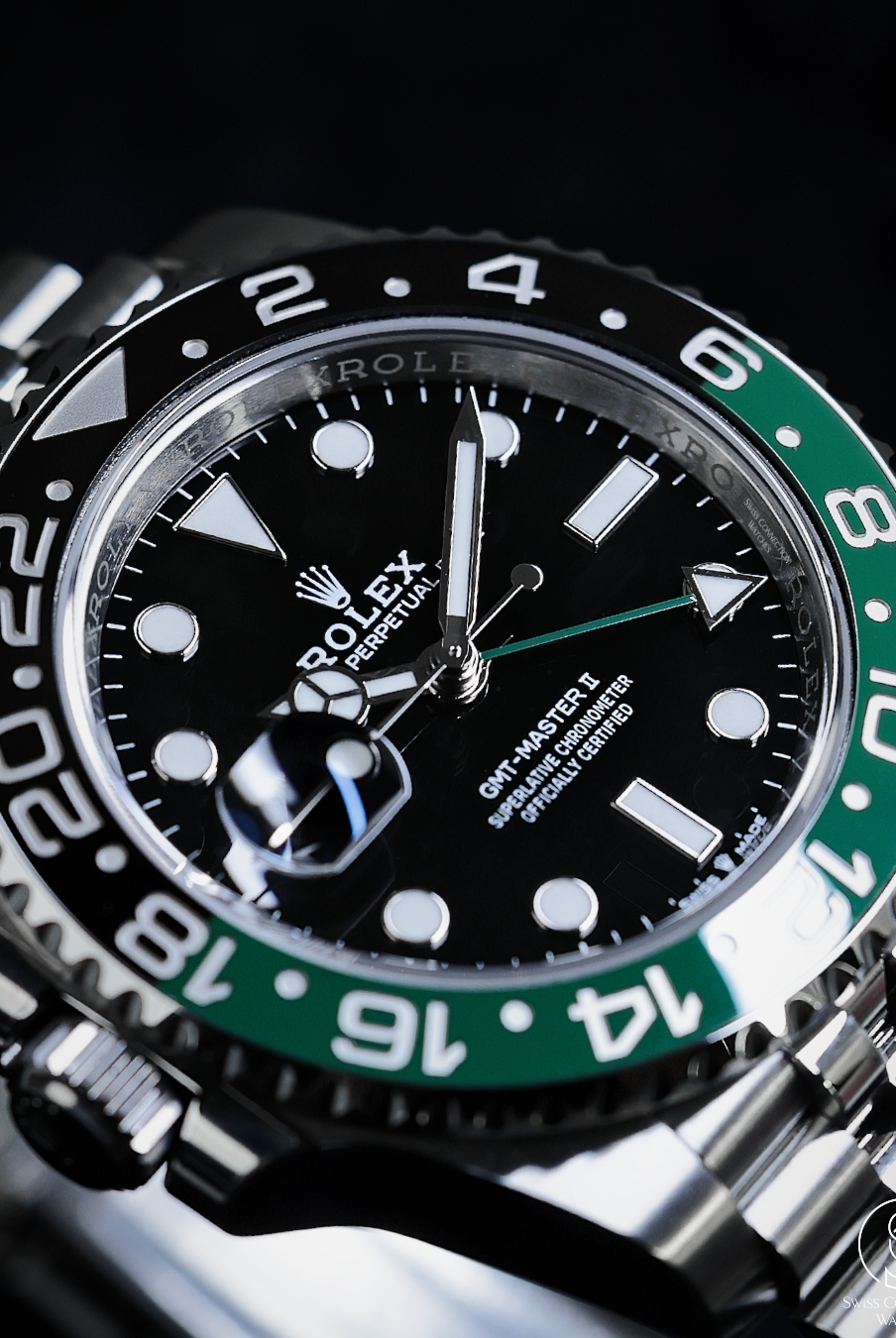
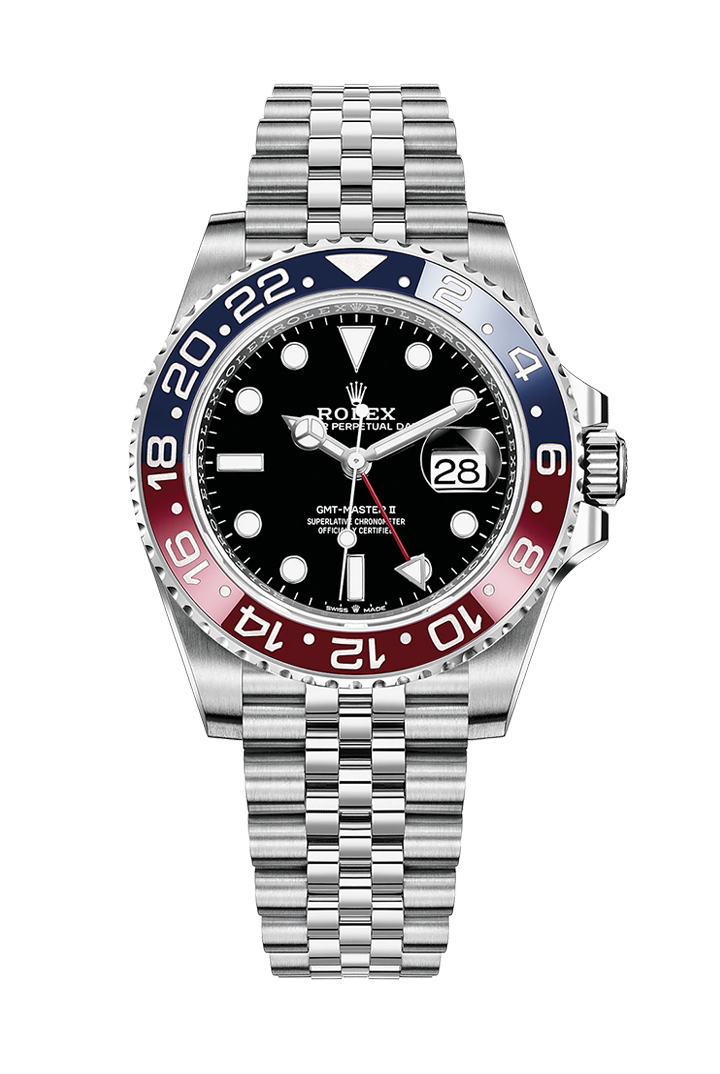
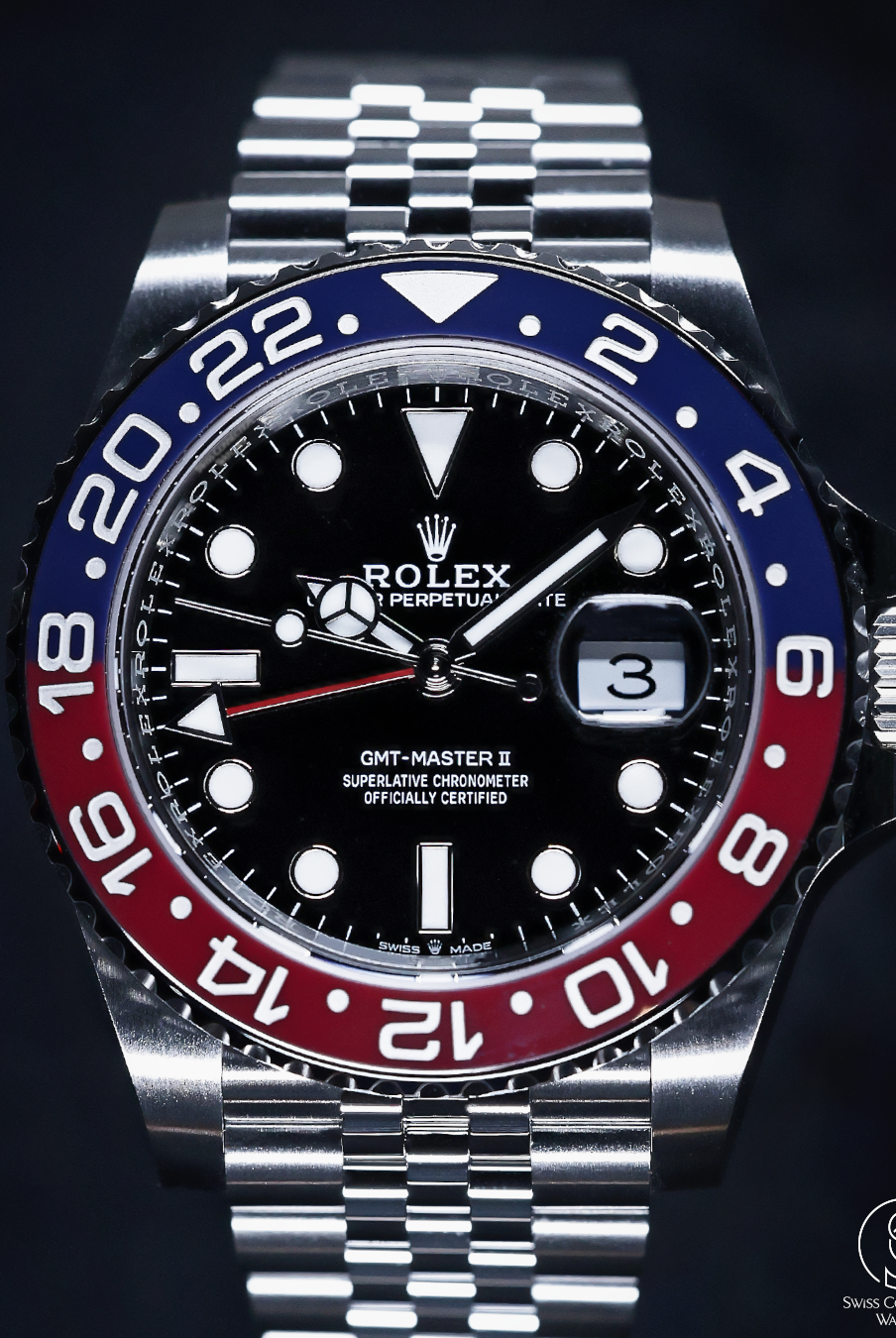
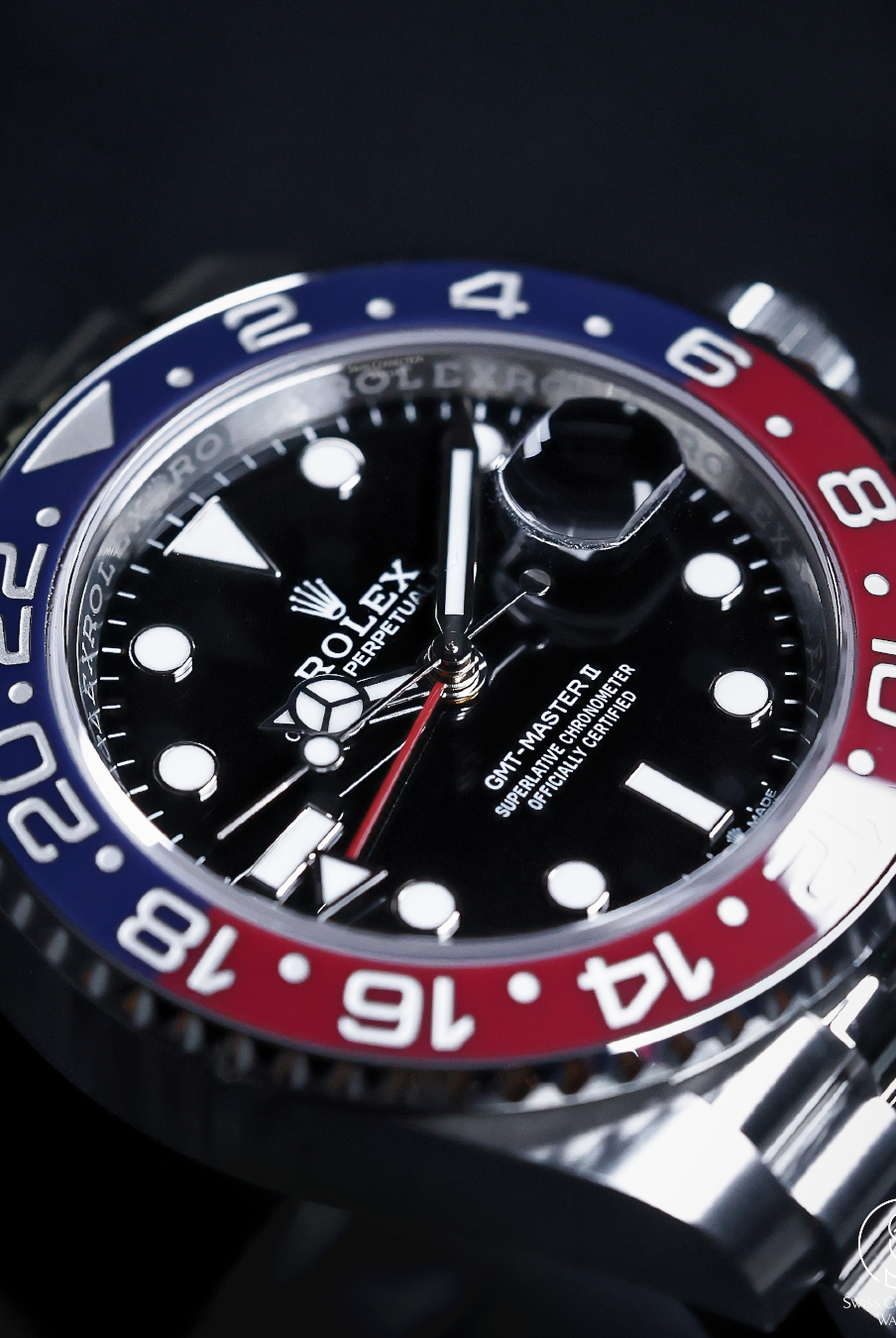
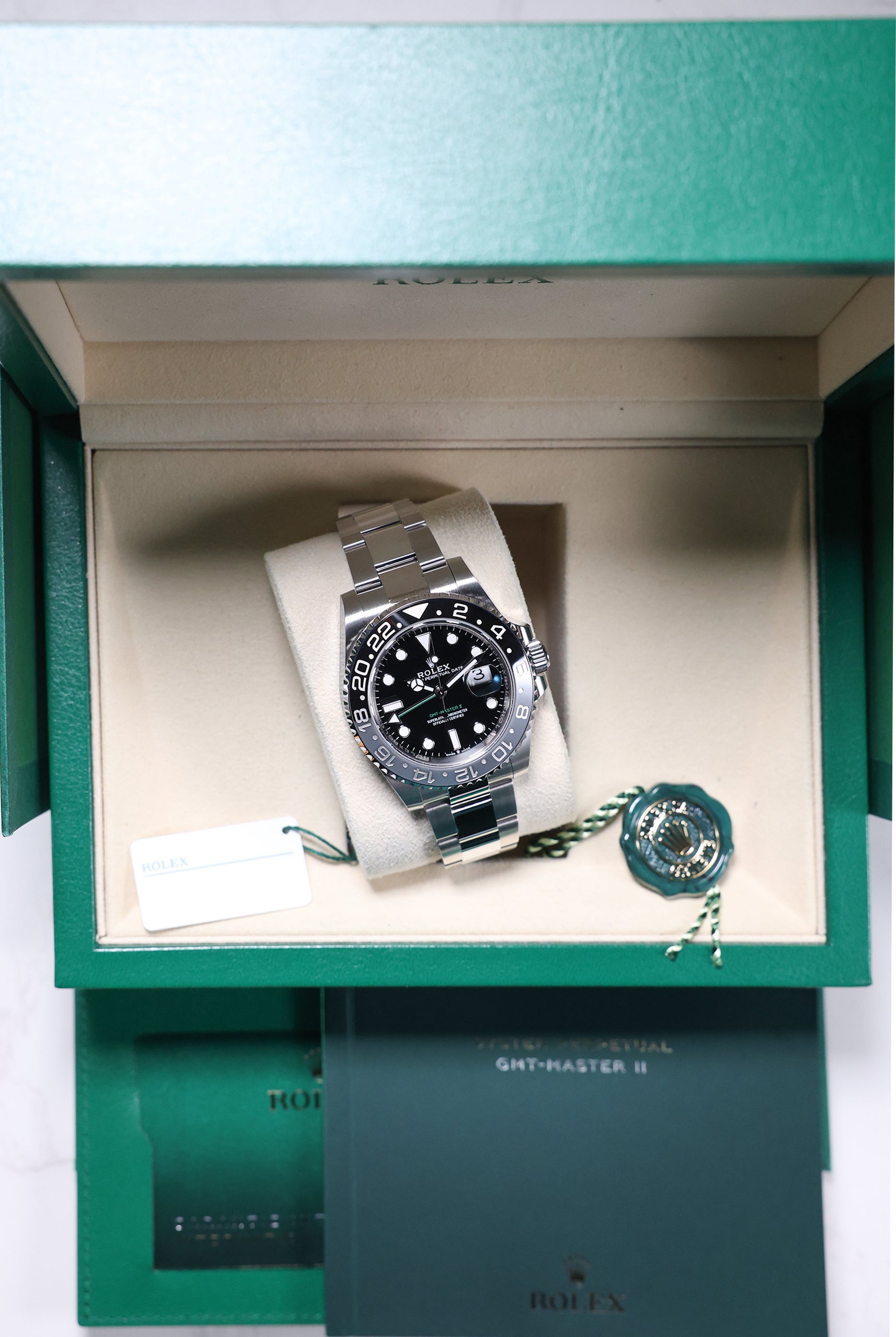
The GMT-Master arrived in 1955, born from a collaboration with Pan Am. Pilots needed a way to track multiple time zones as transcontinental flight became the norm. Rolex responded with a tool of uncompromising utility: the rotating 24-hour bezel.
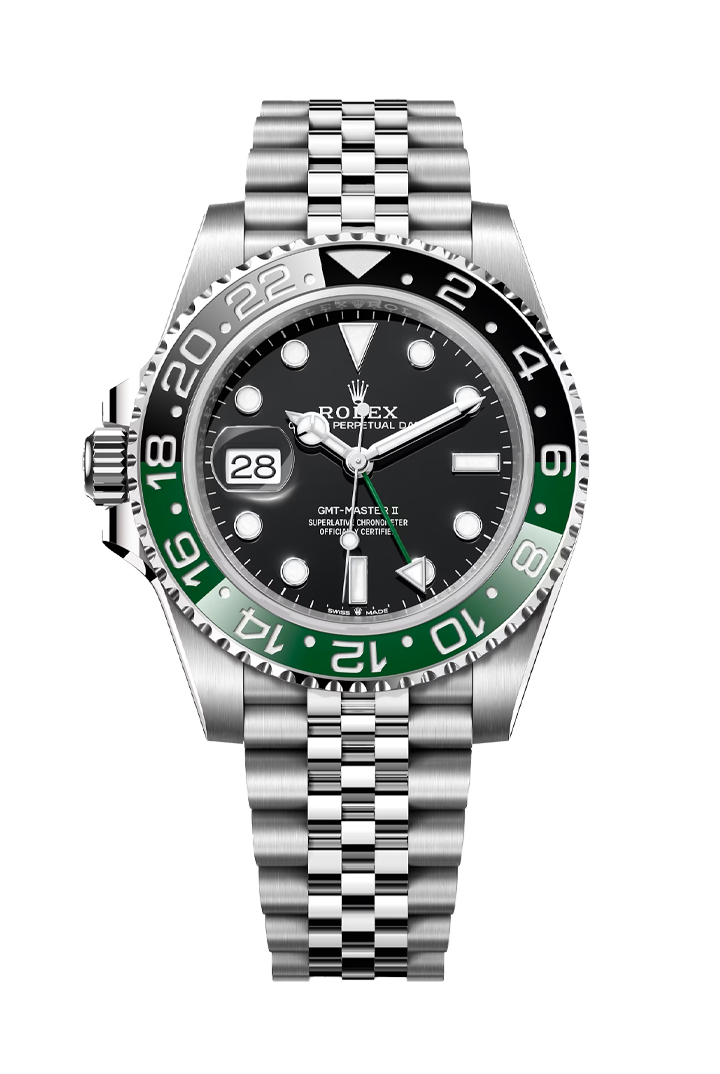
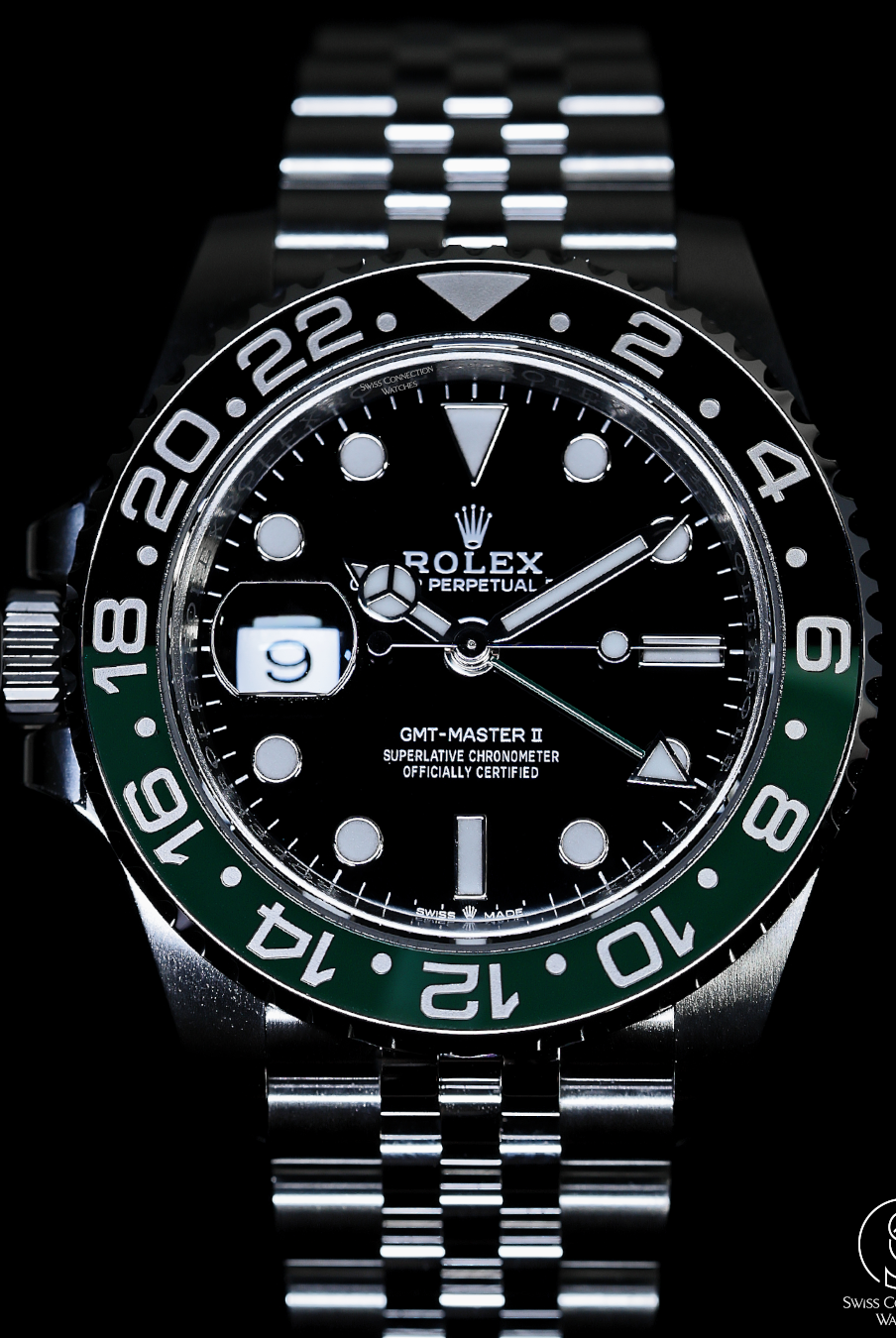
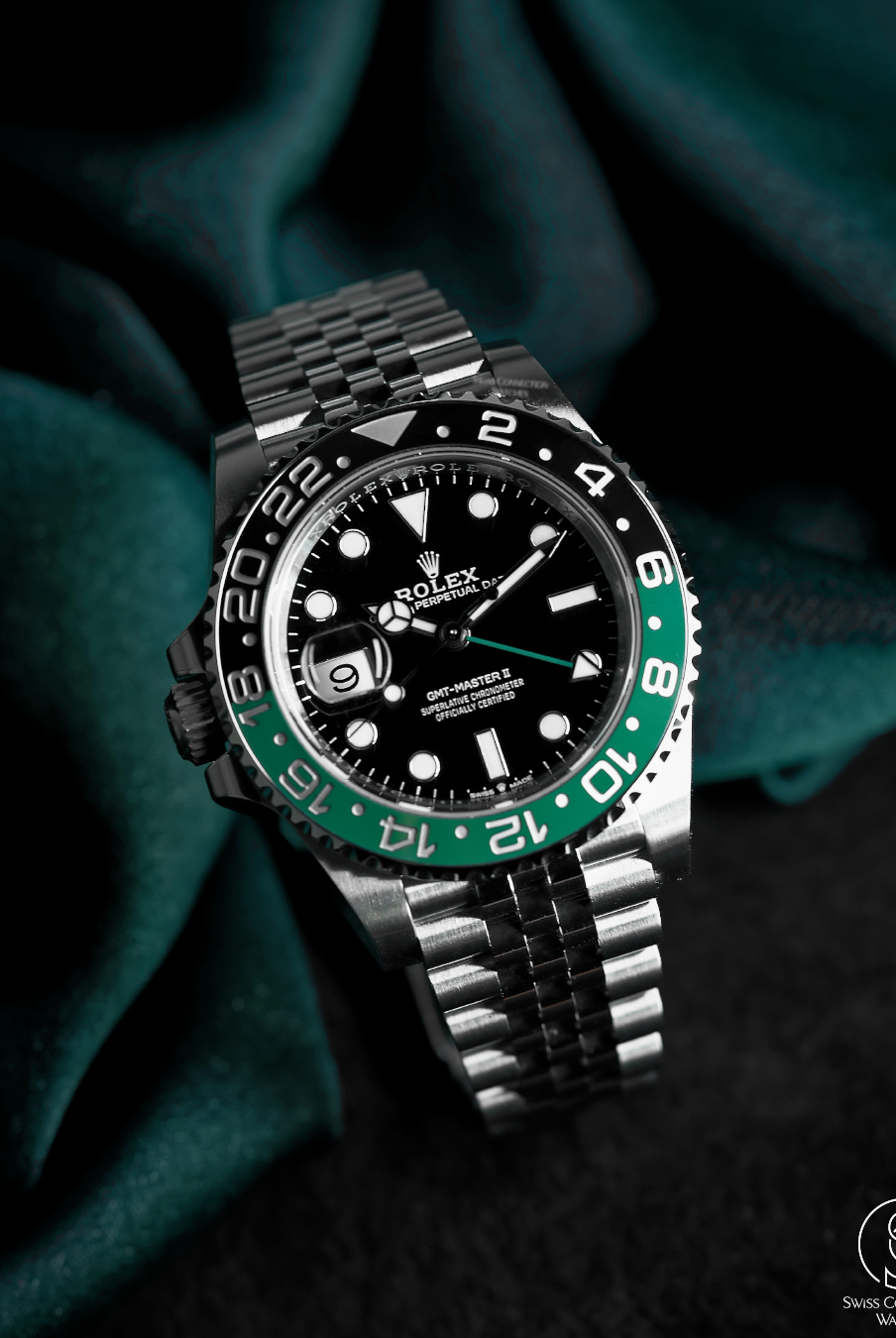
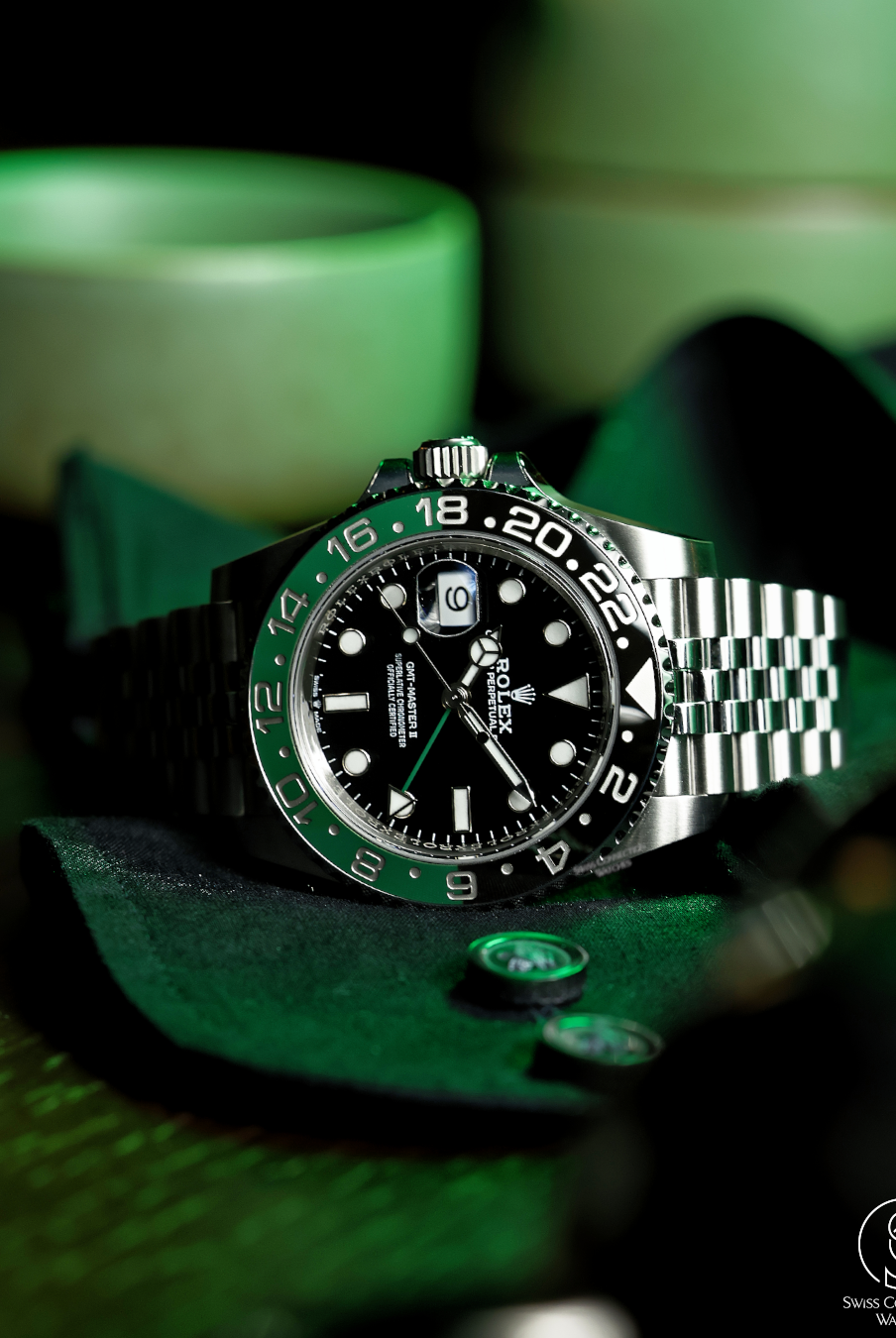
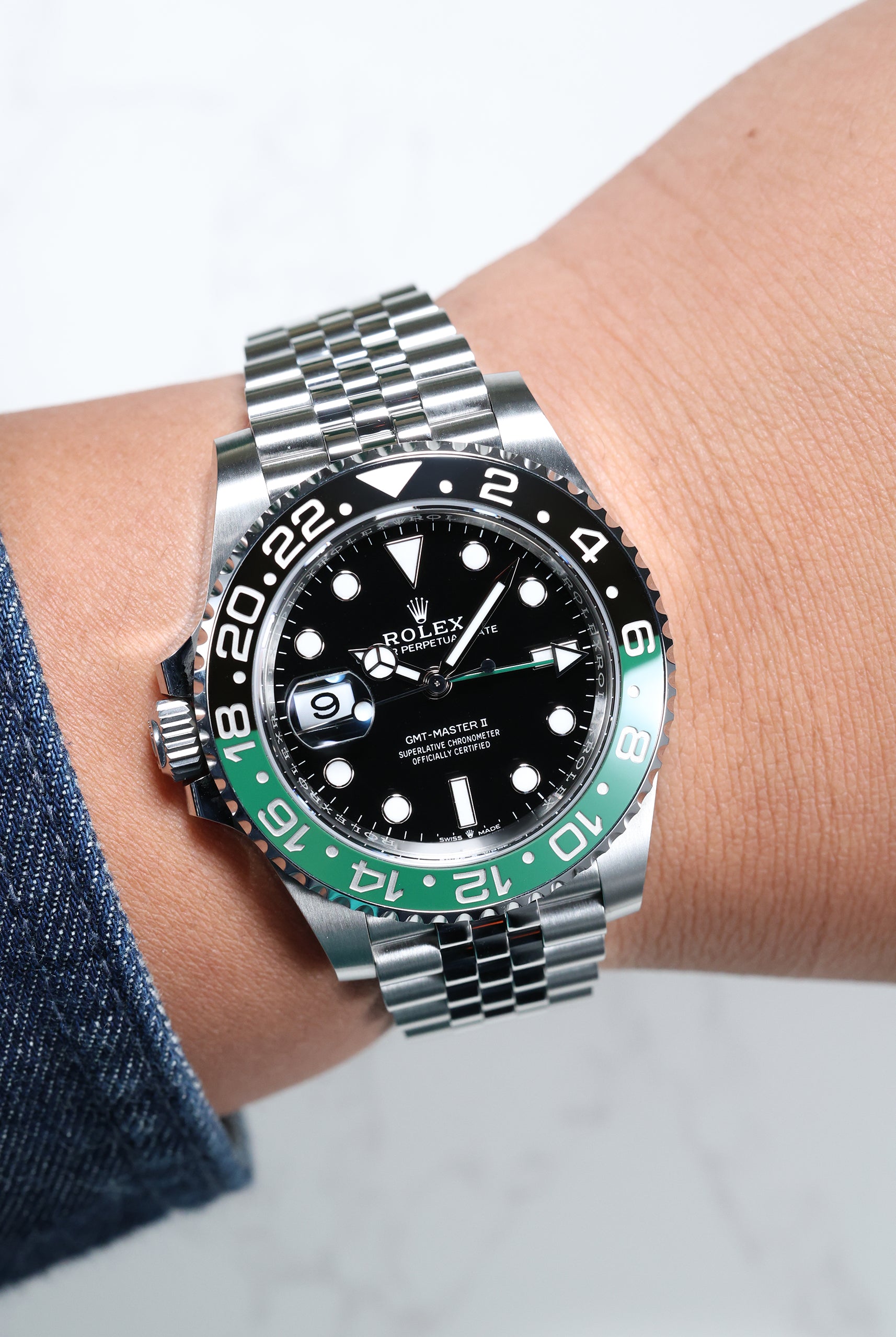
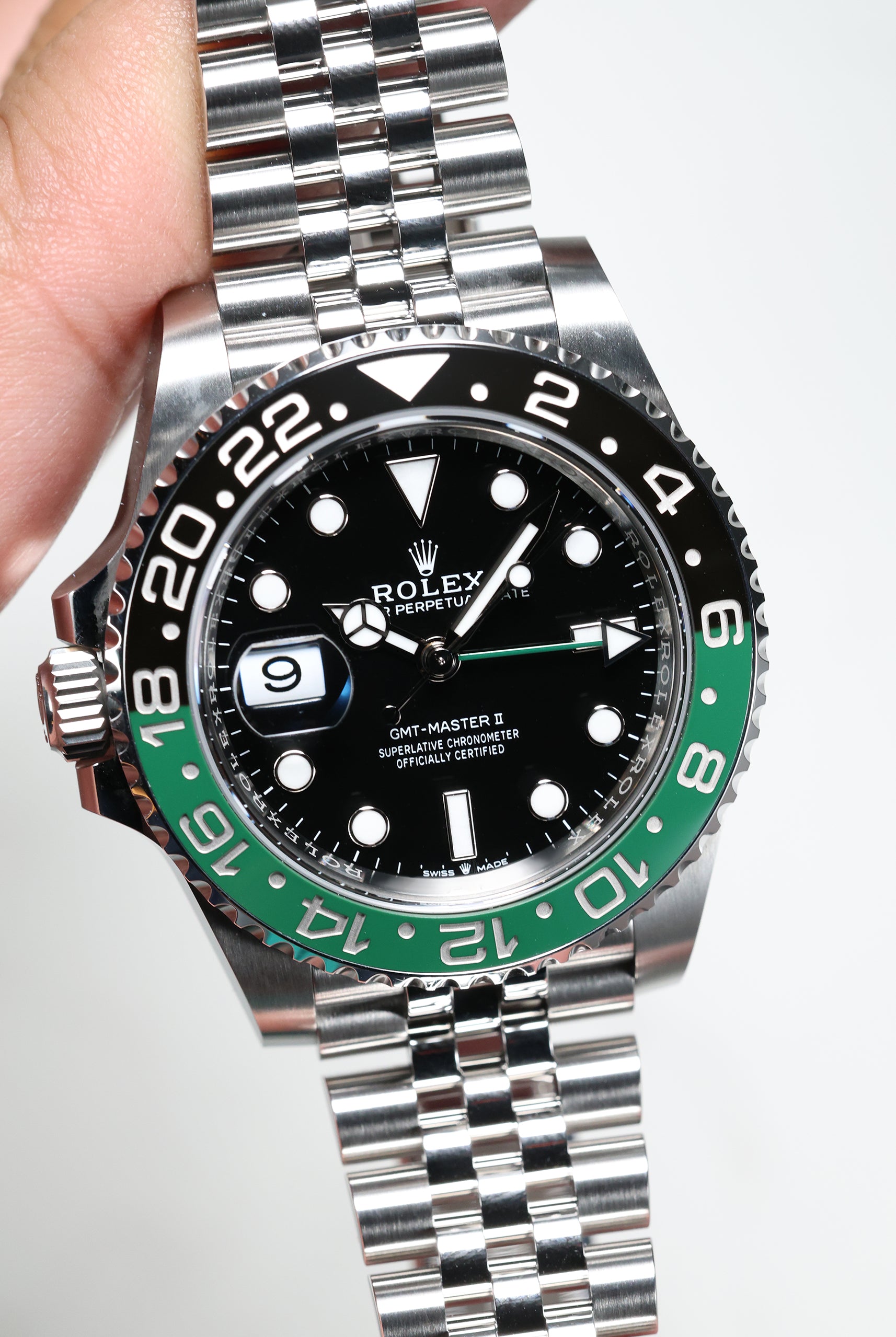
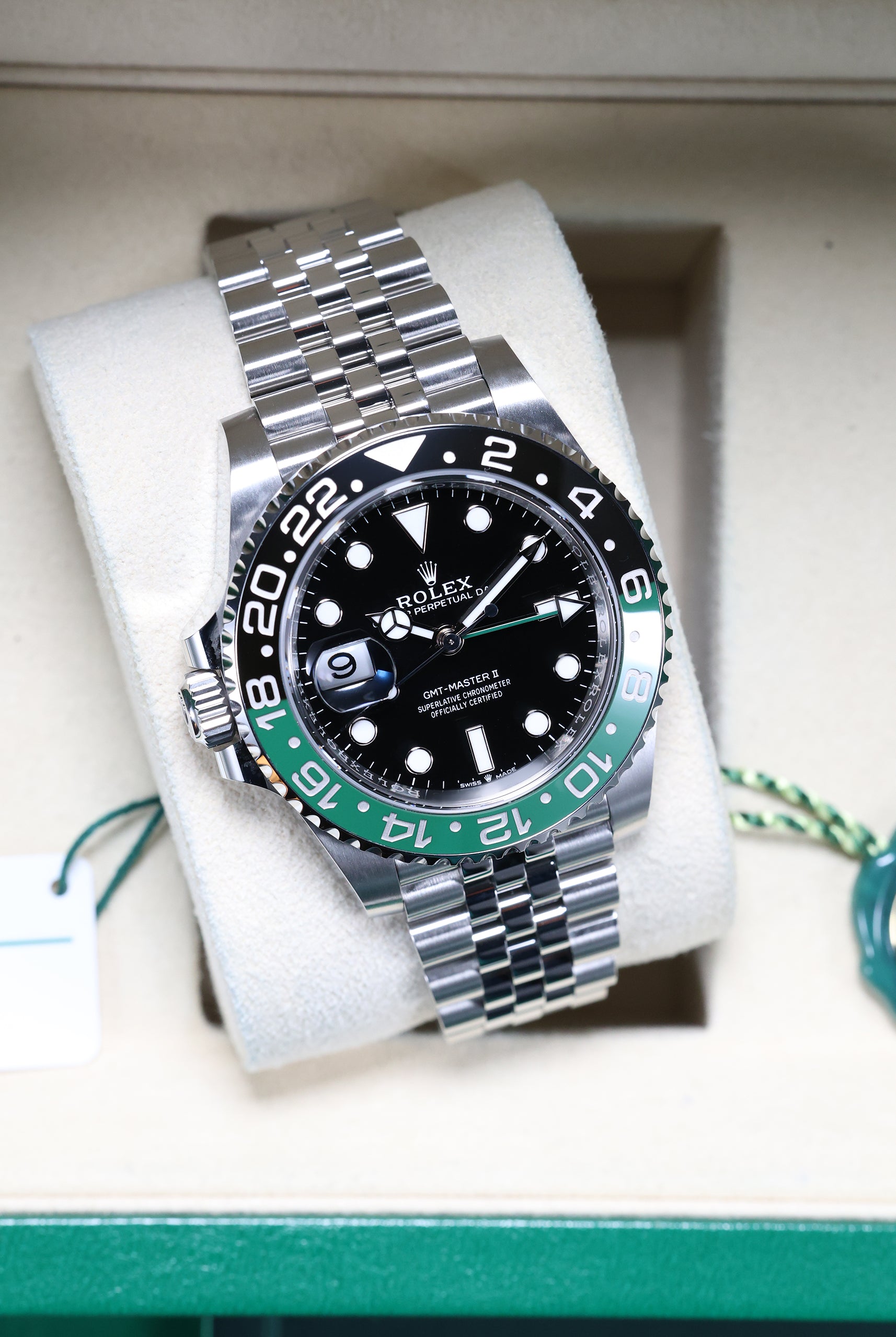
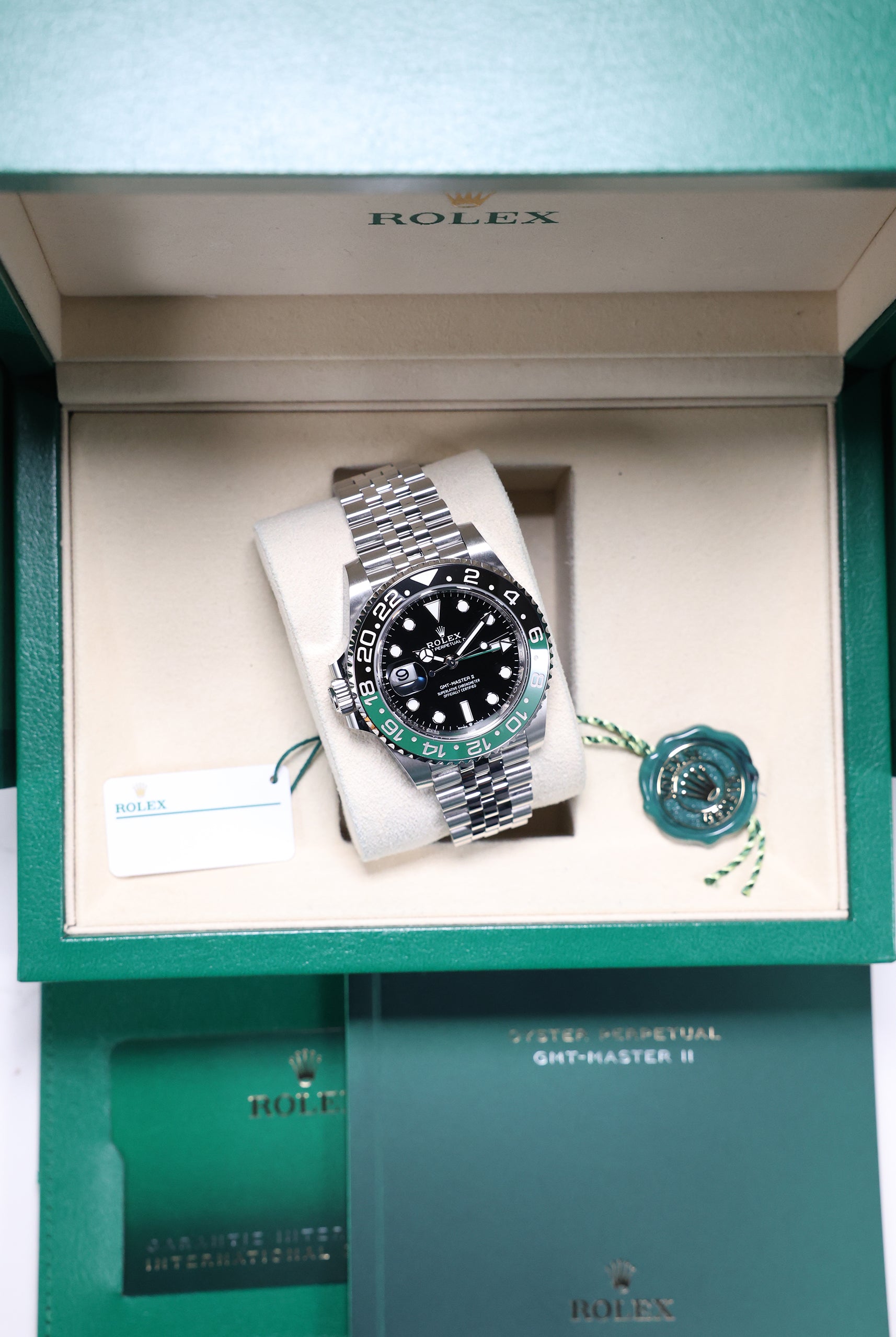
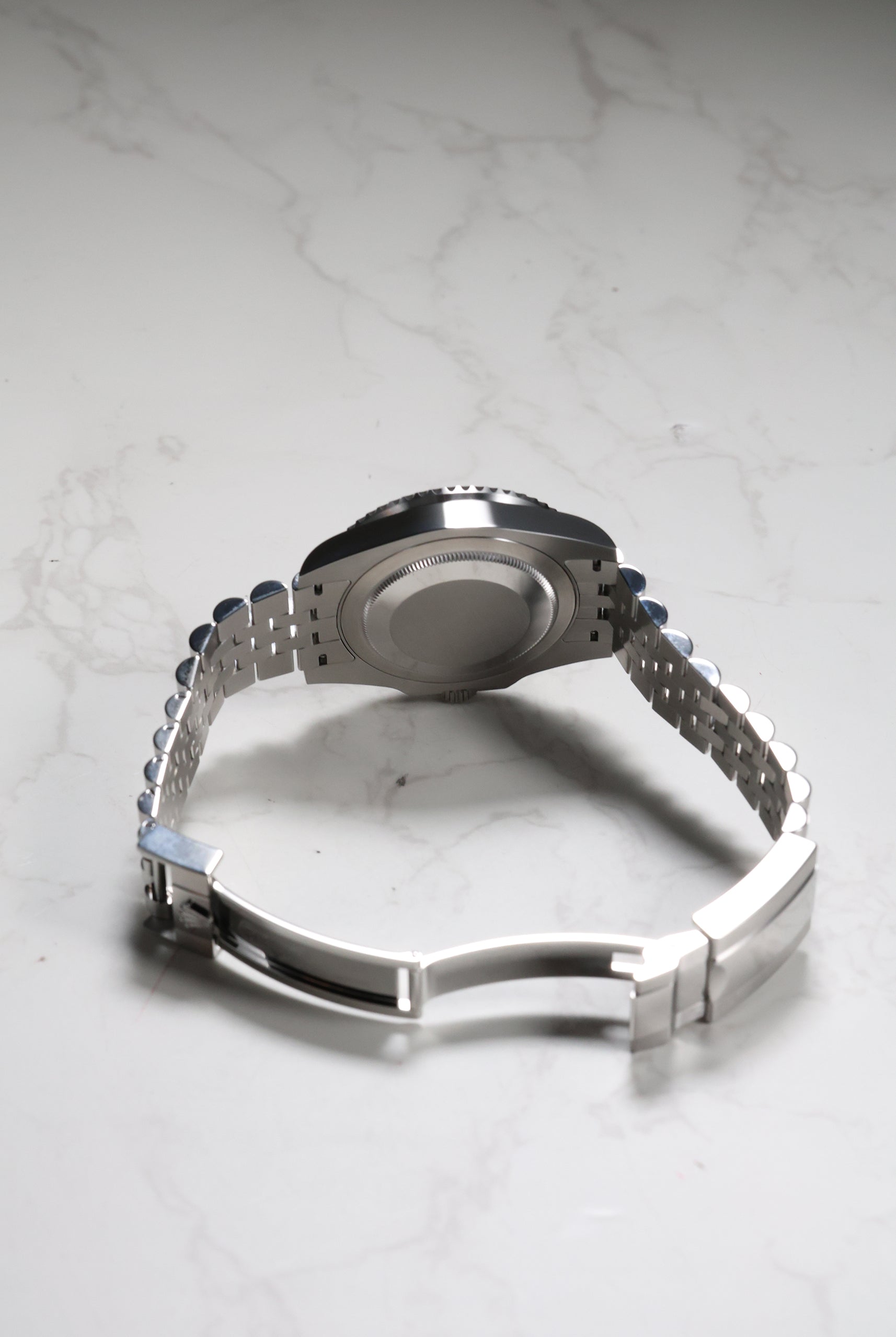
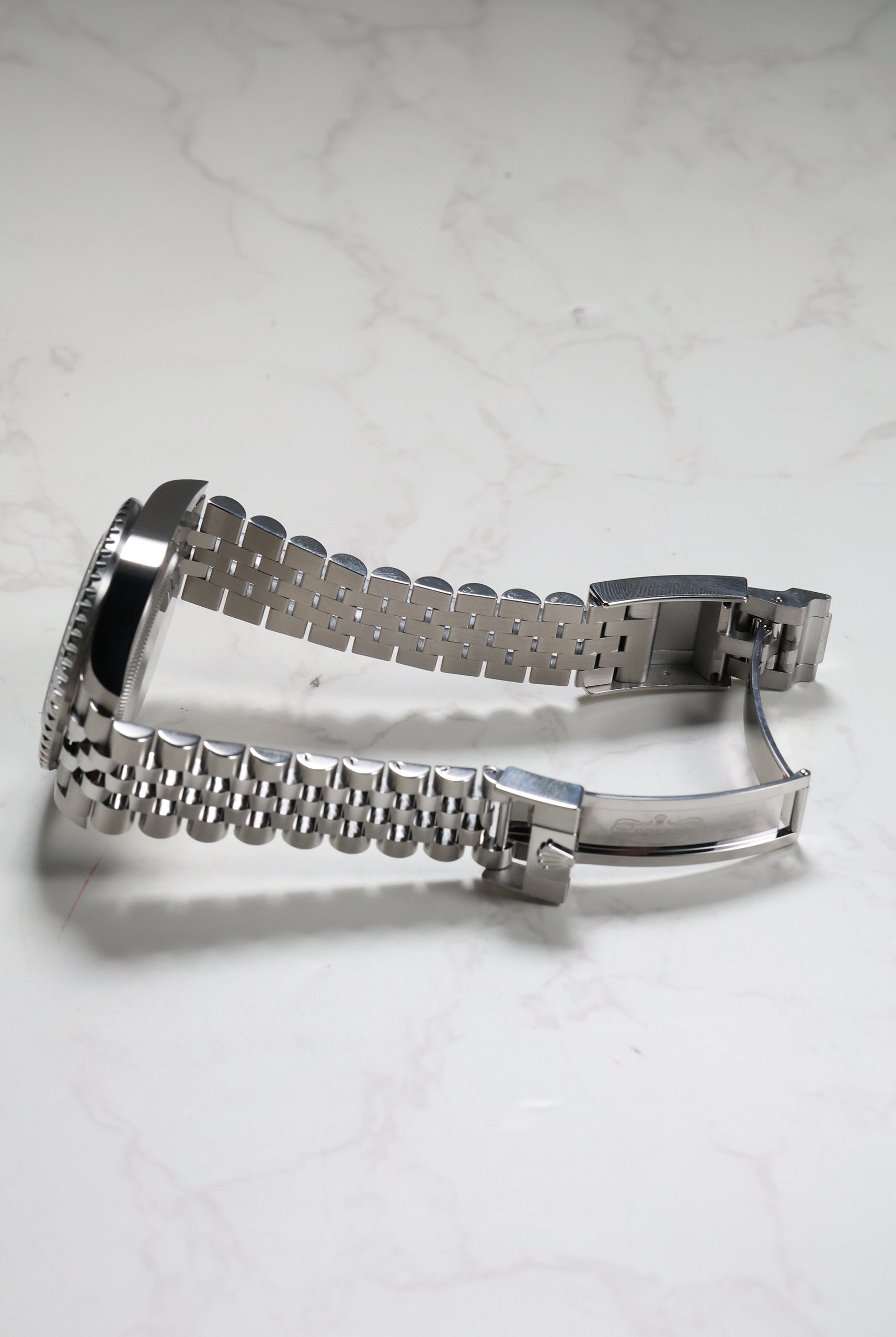
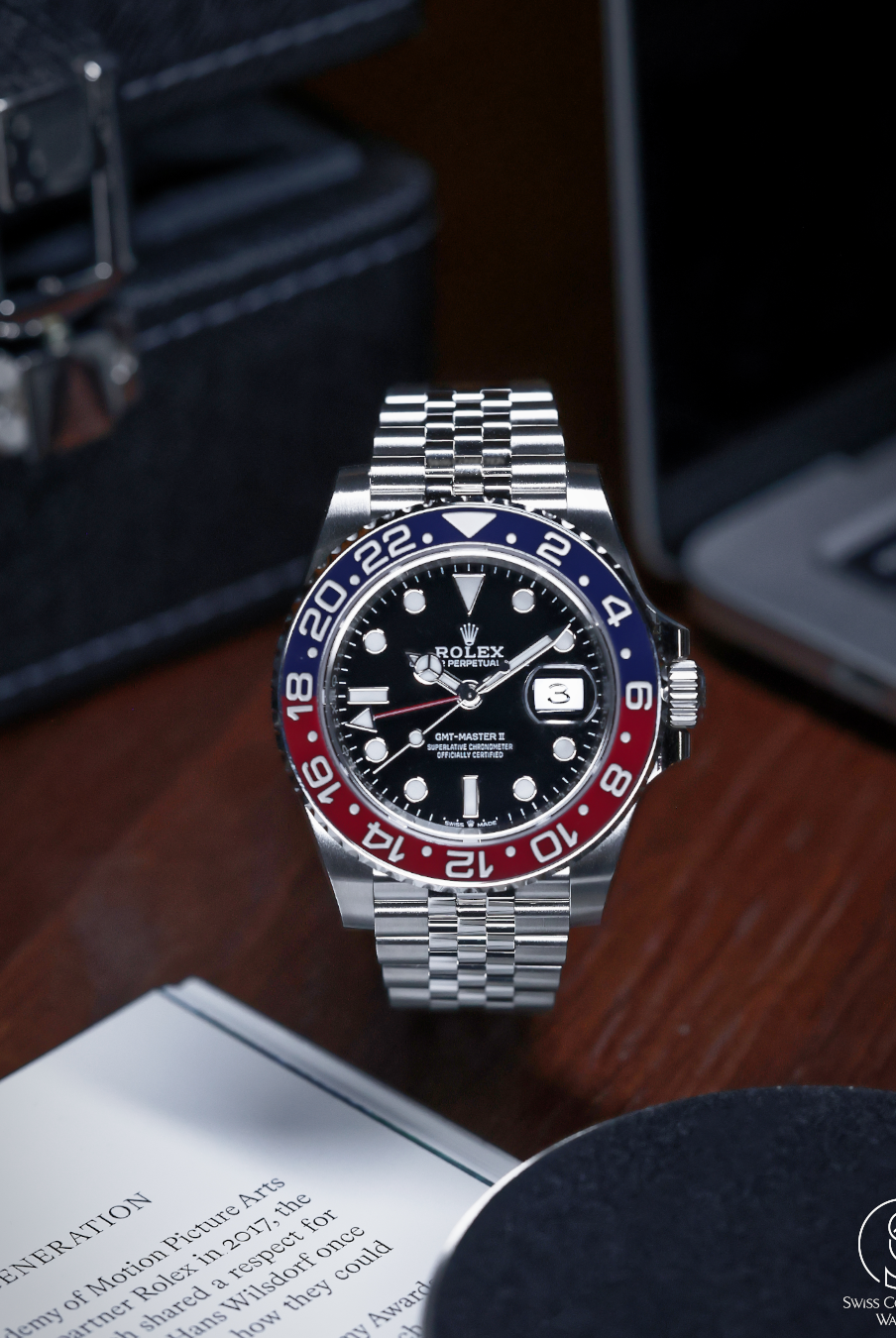
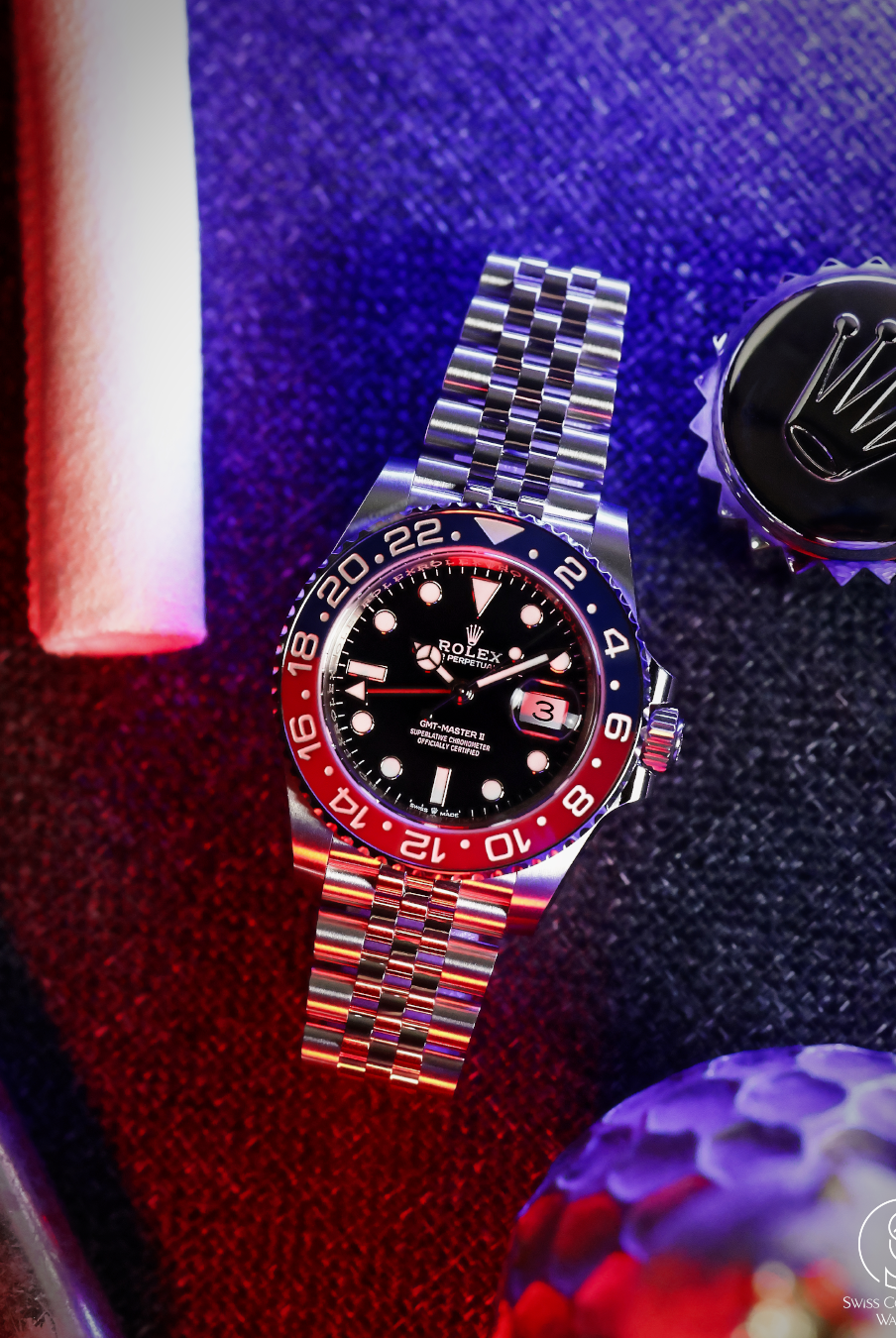
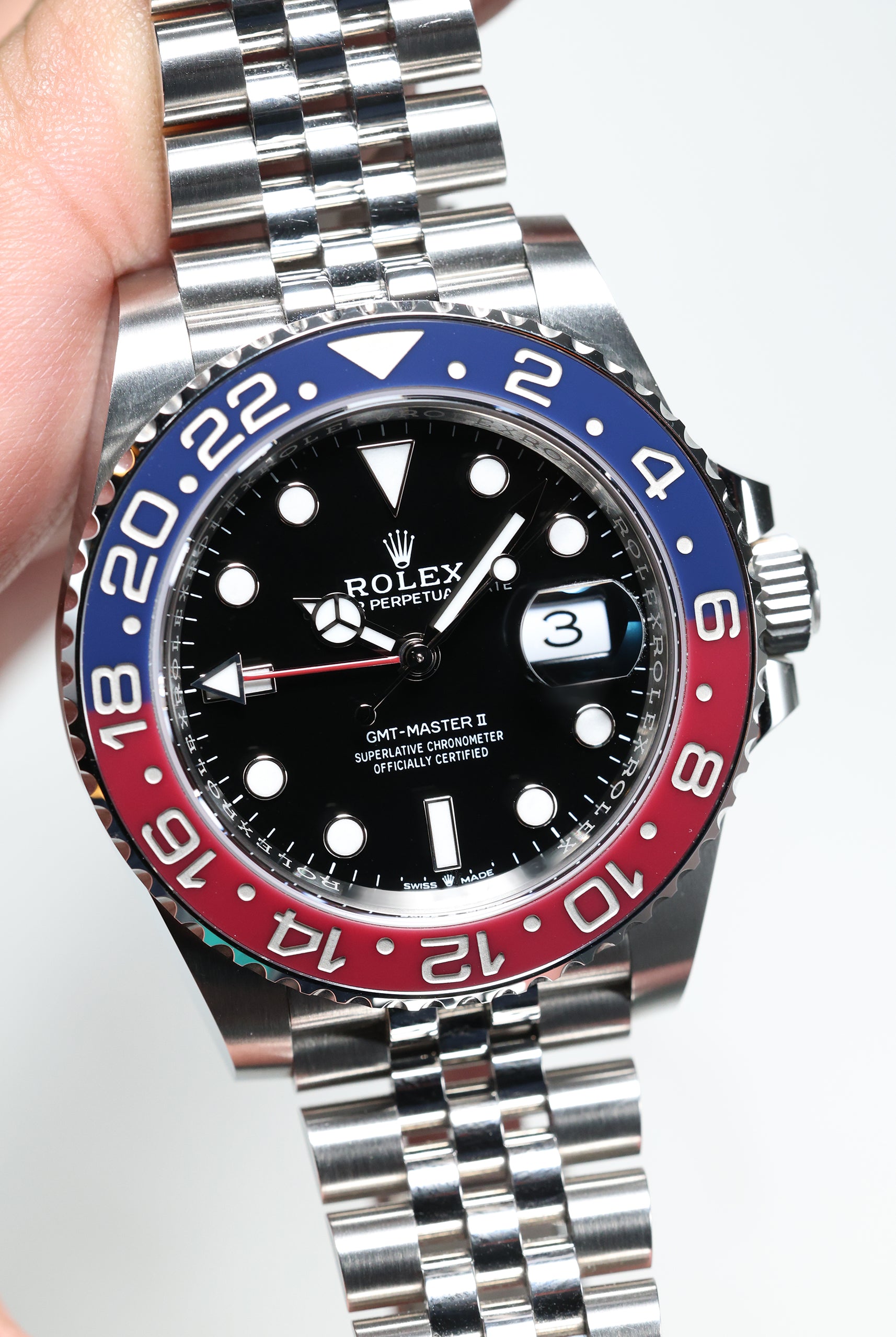
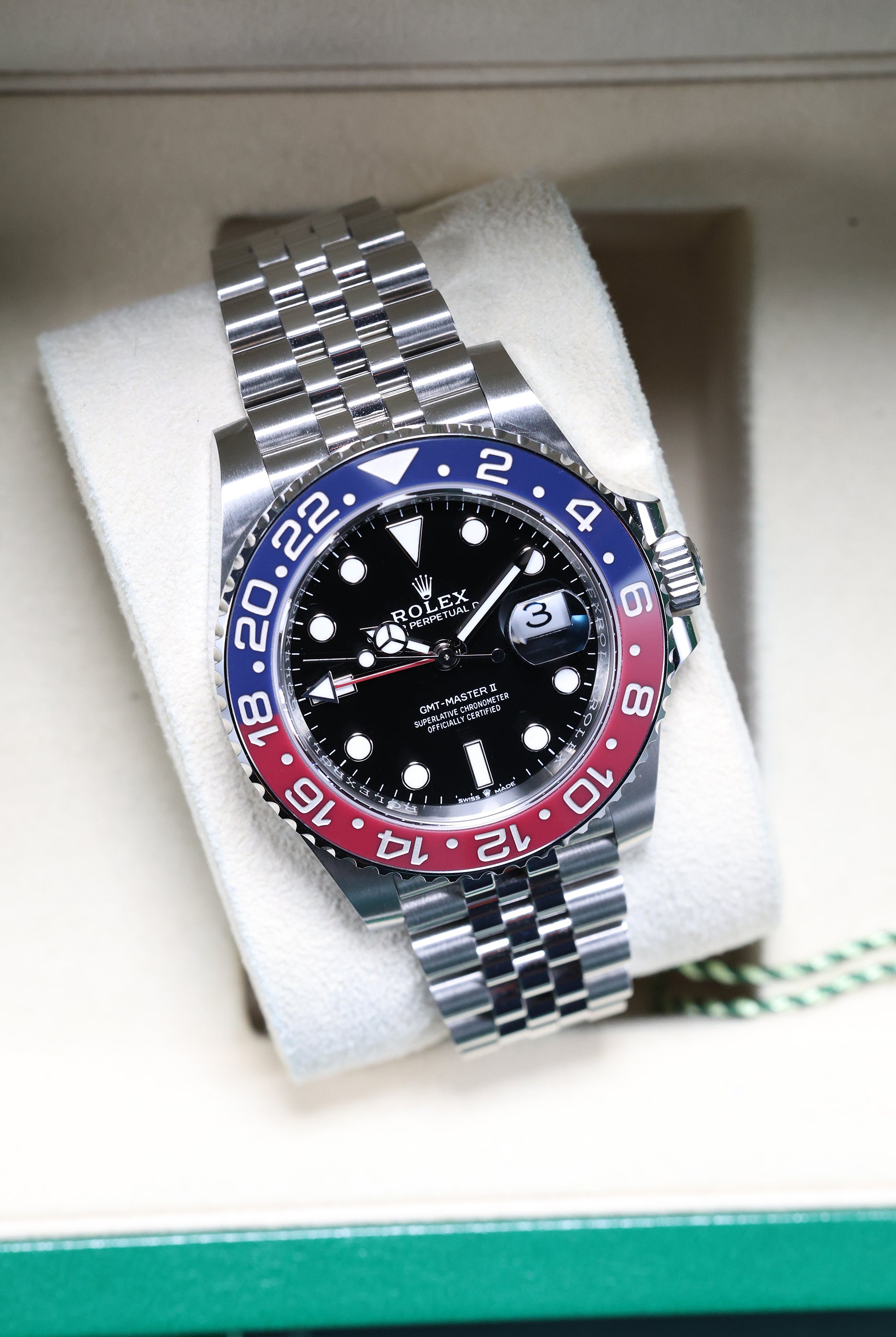
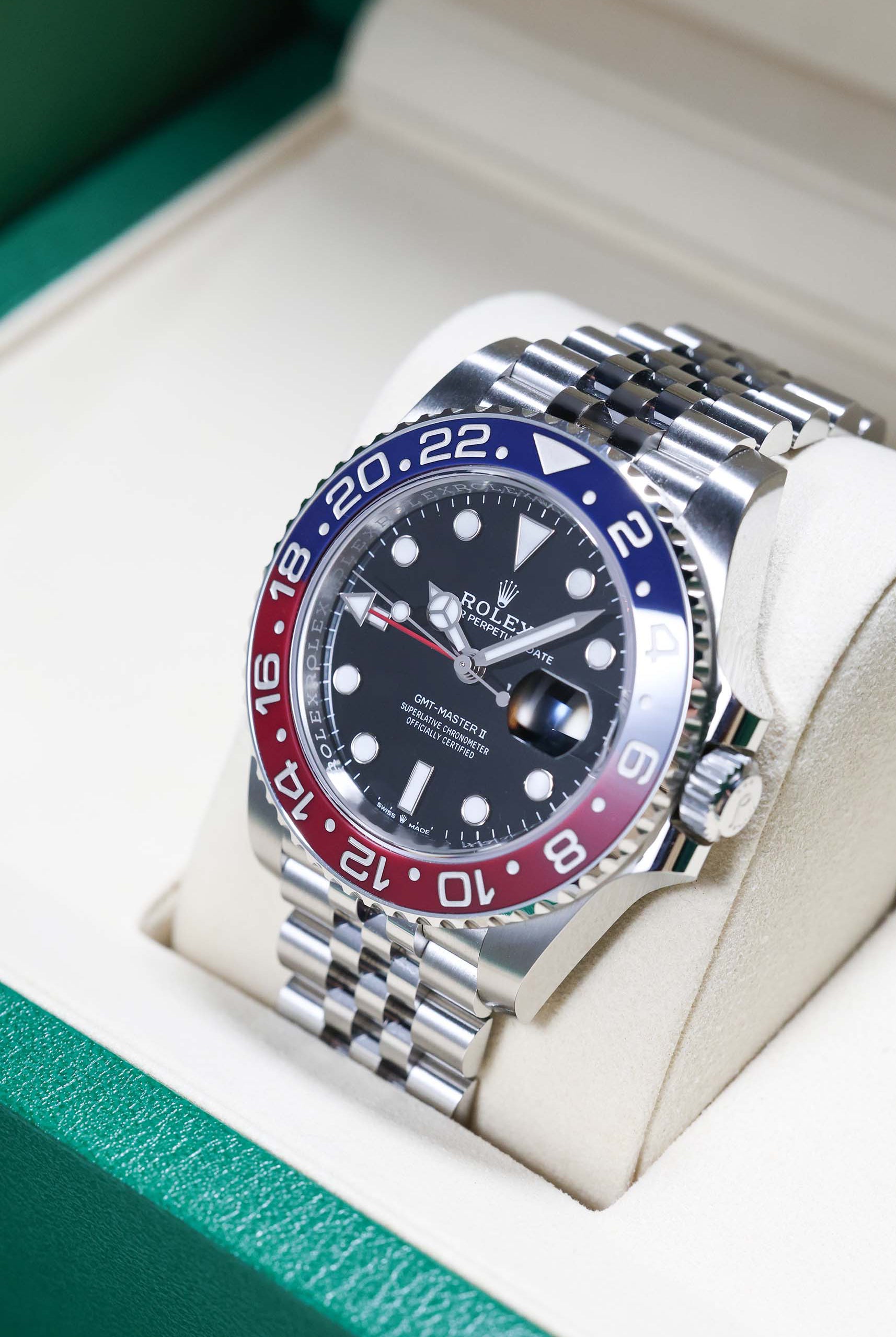
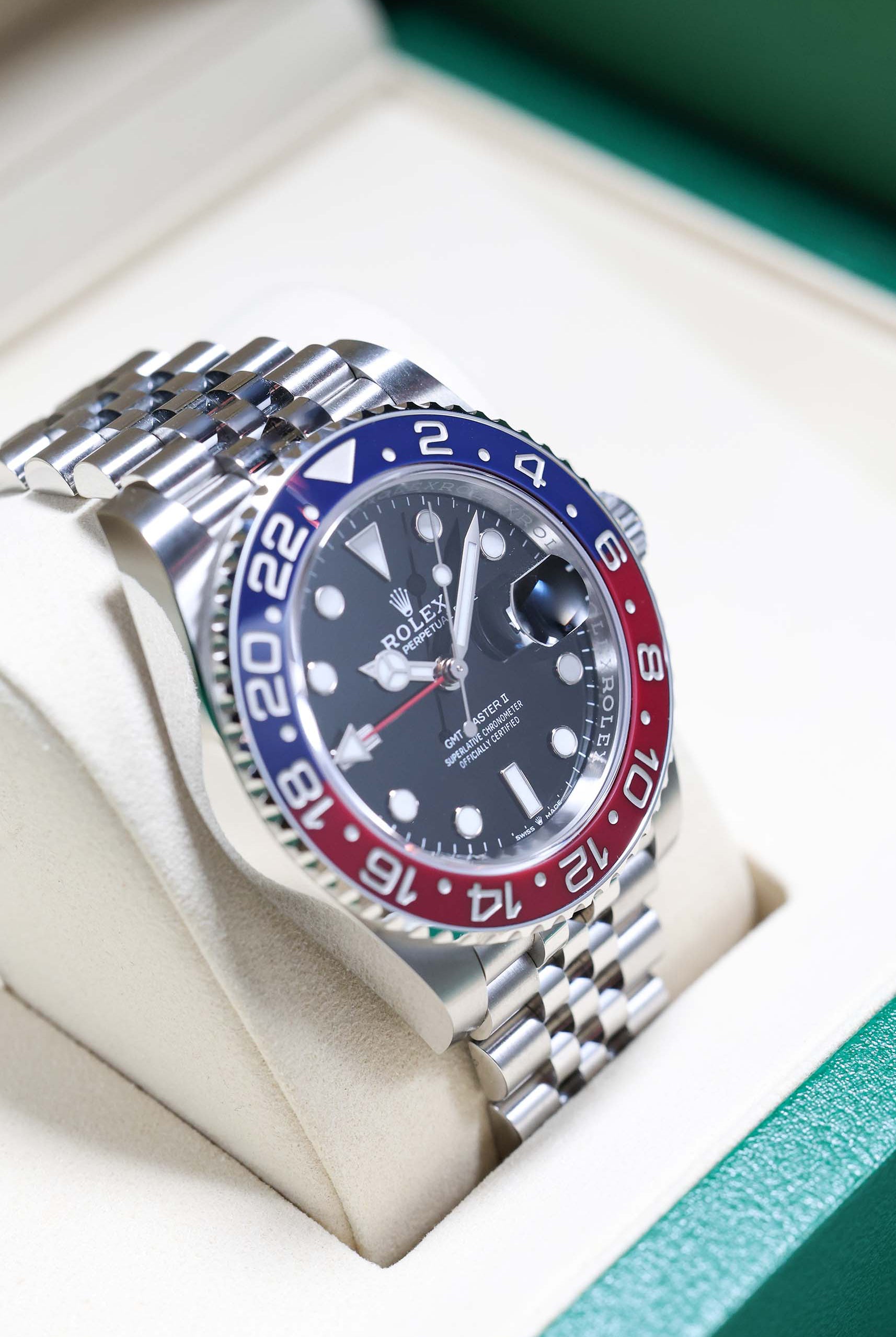
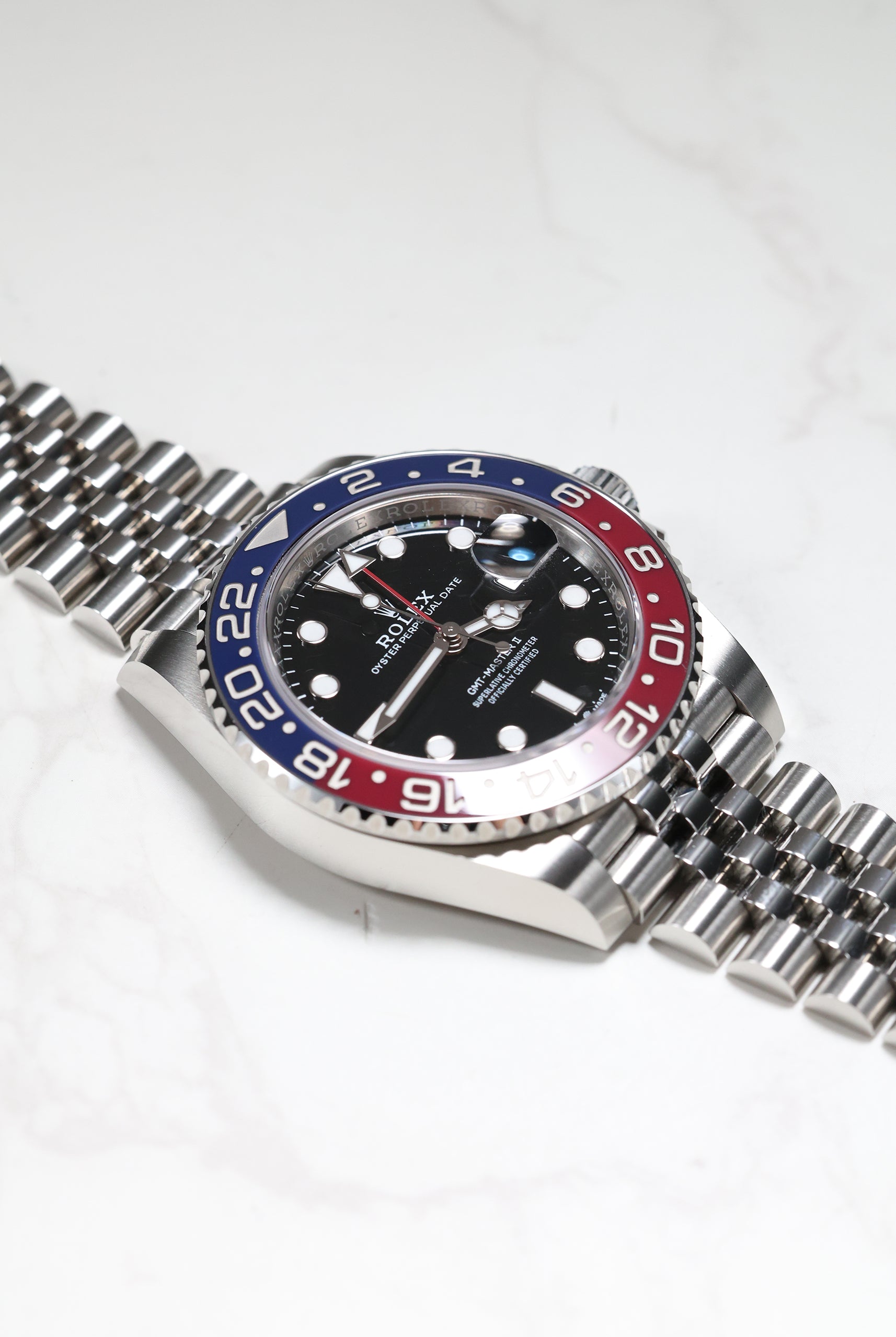
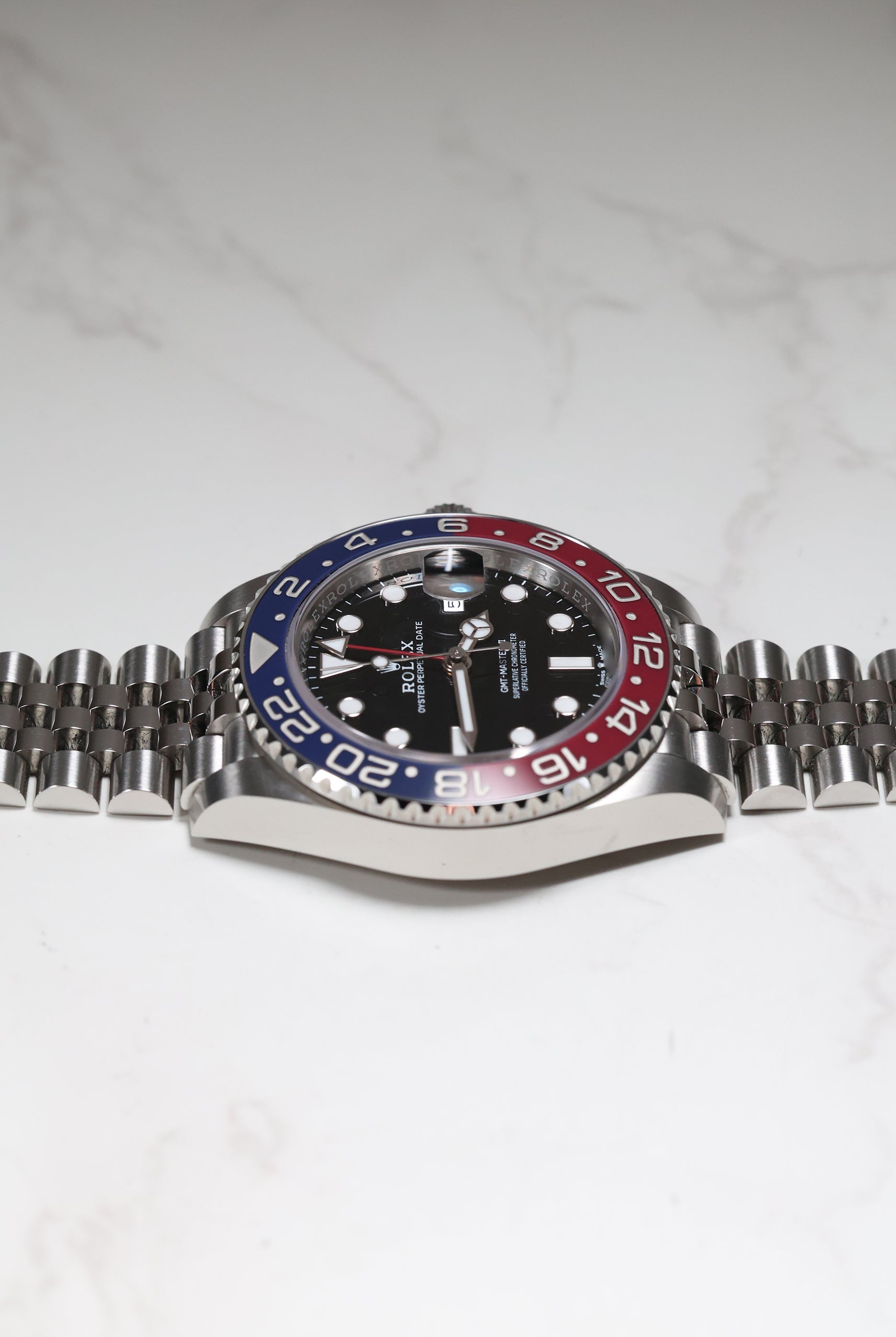
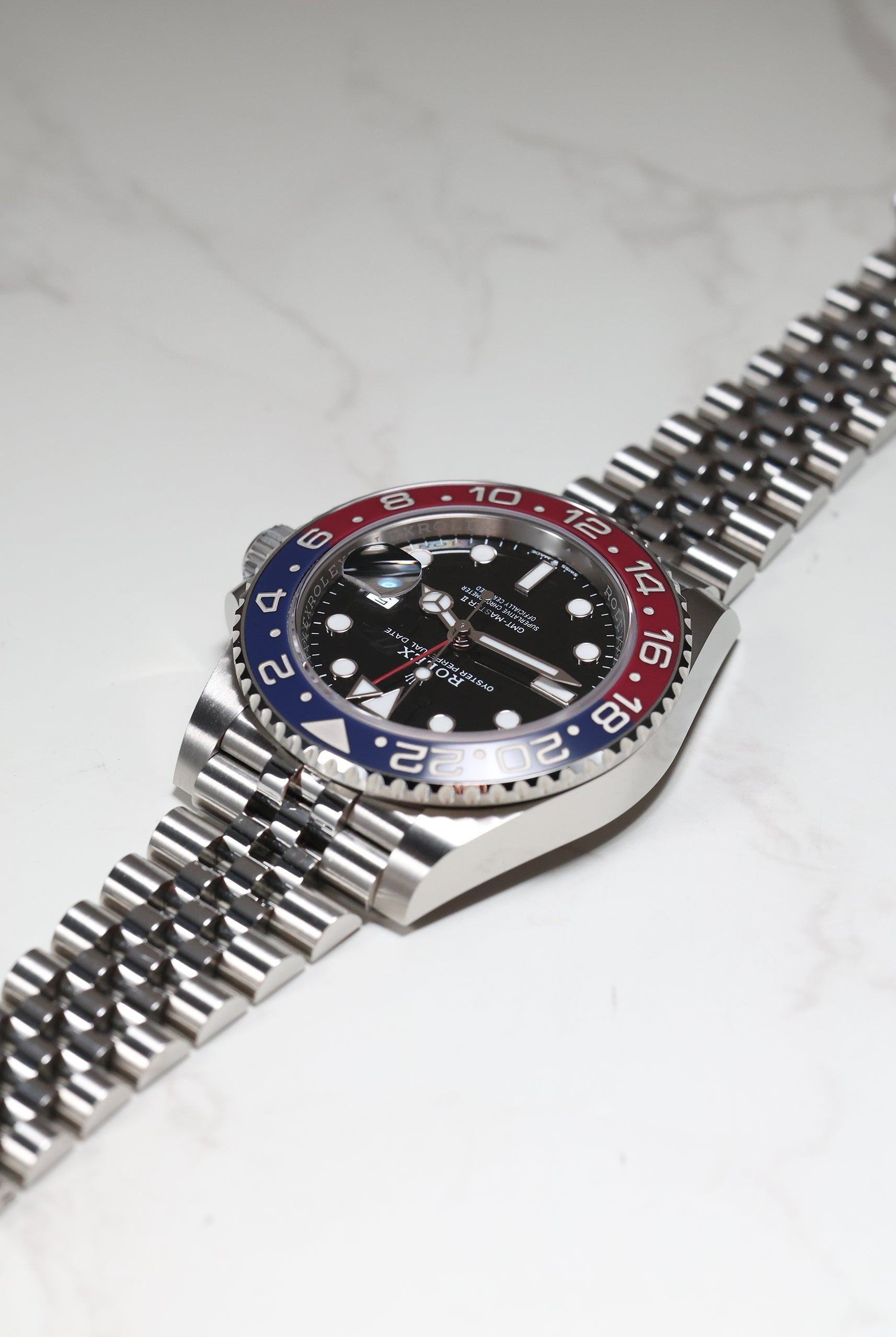
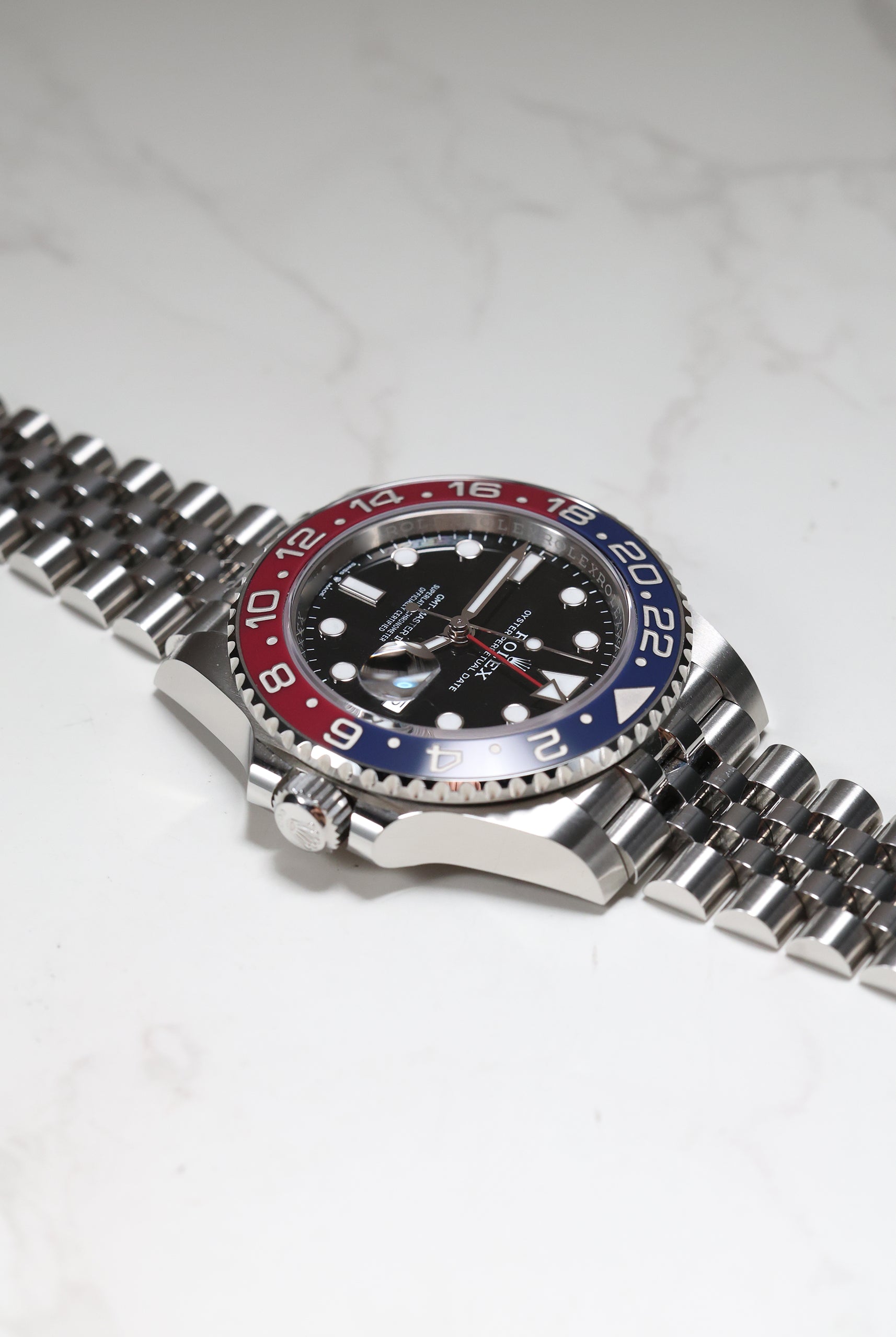
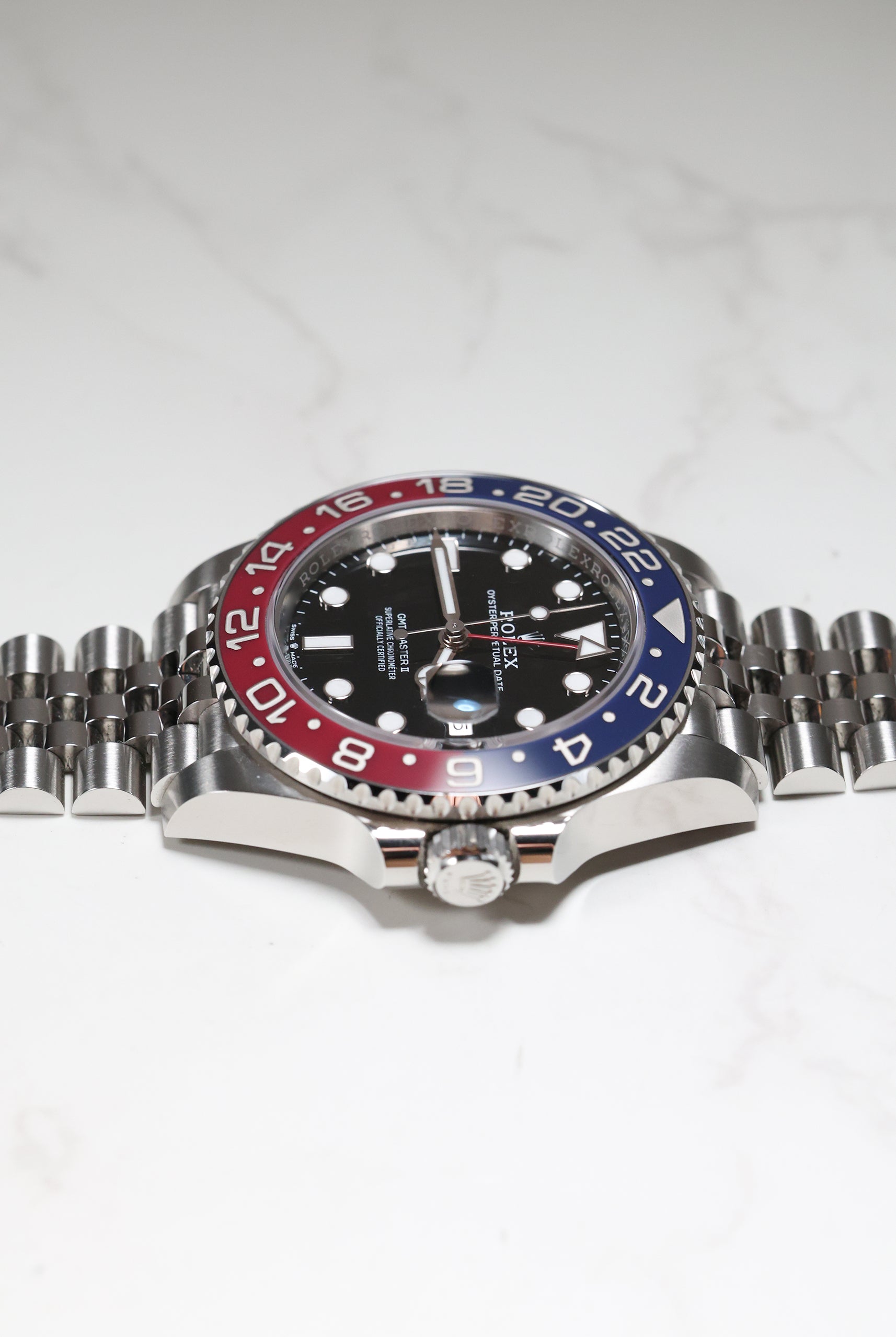
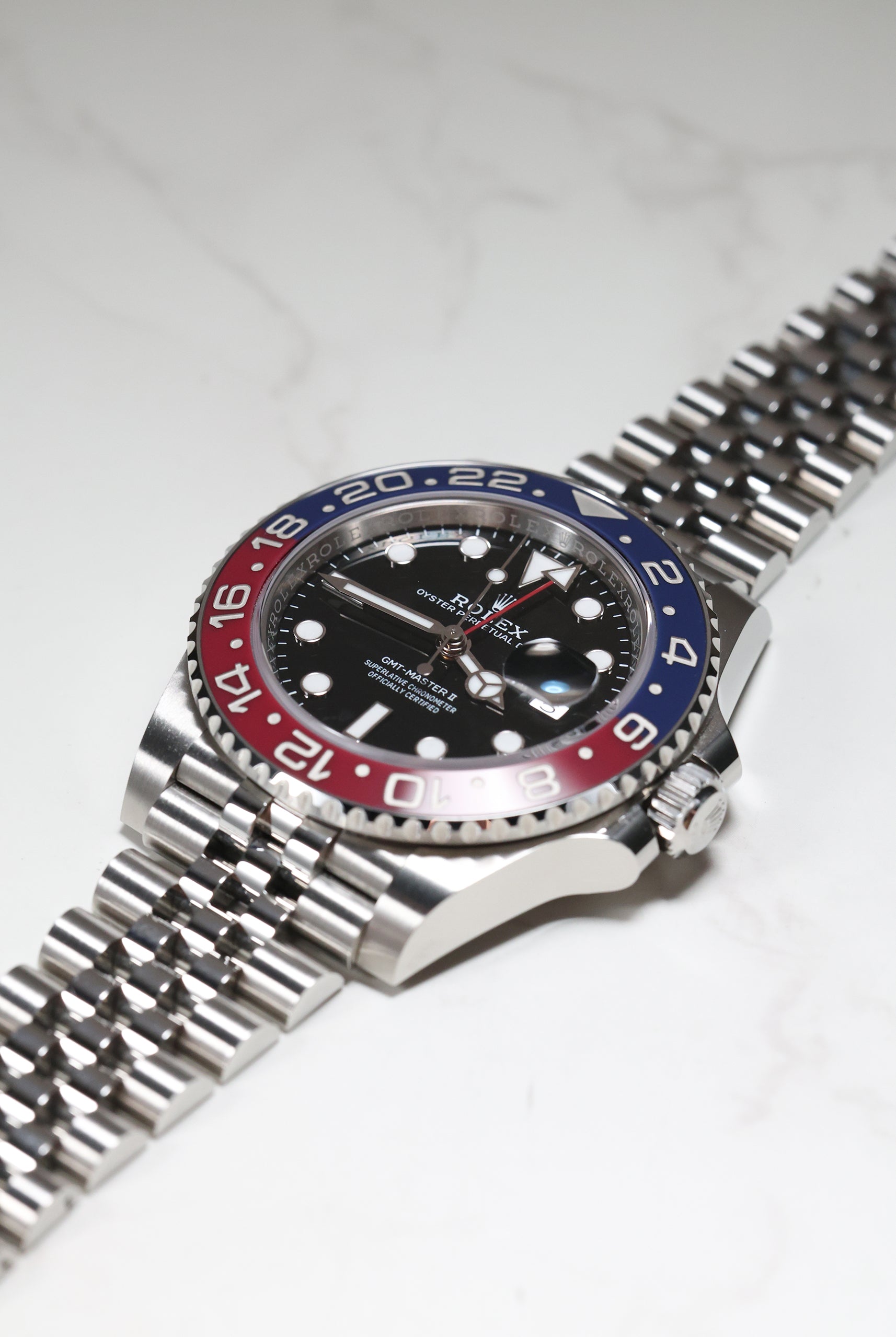
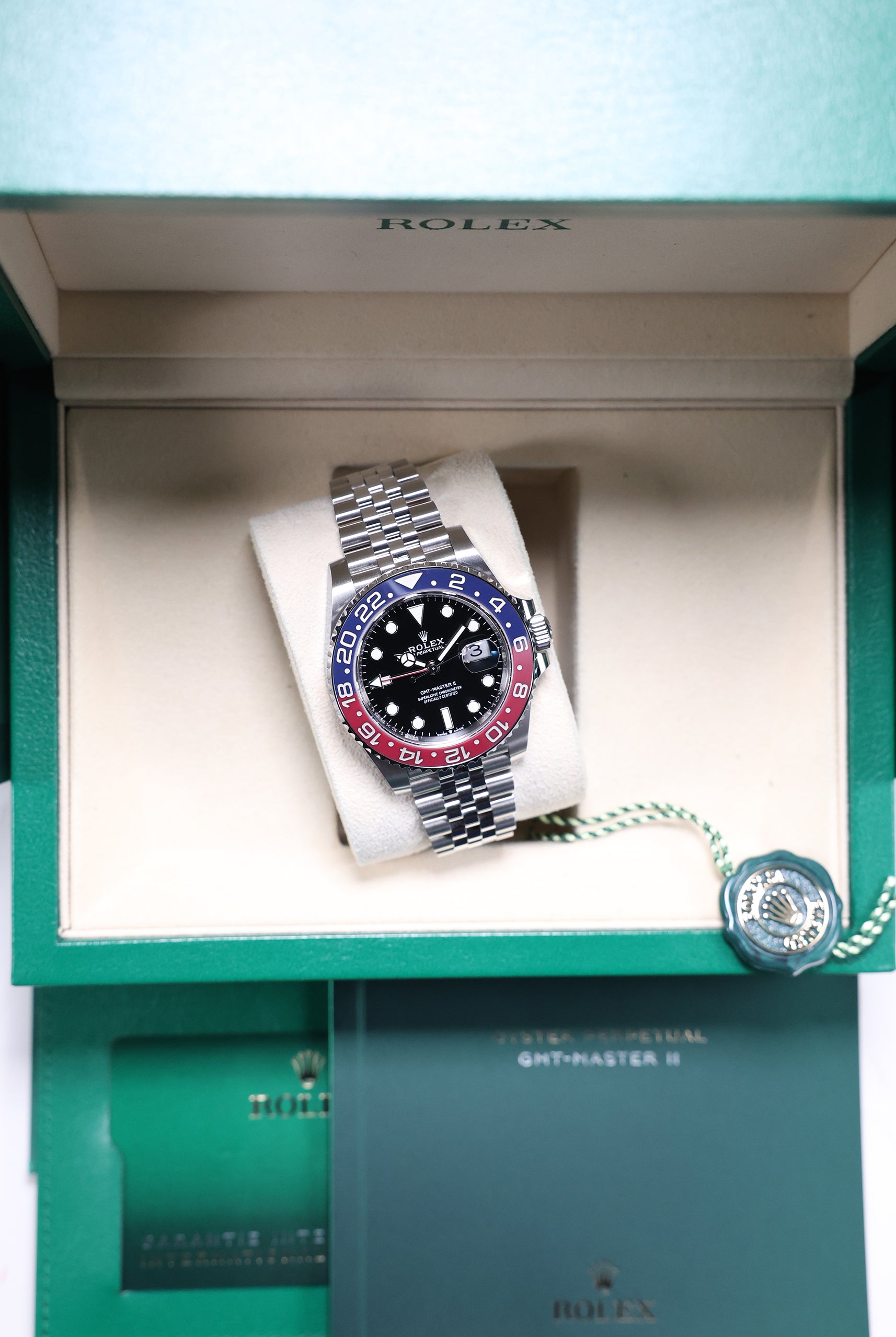
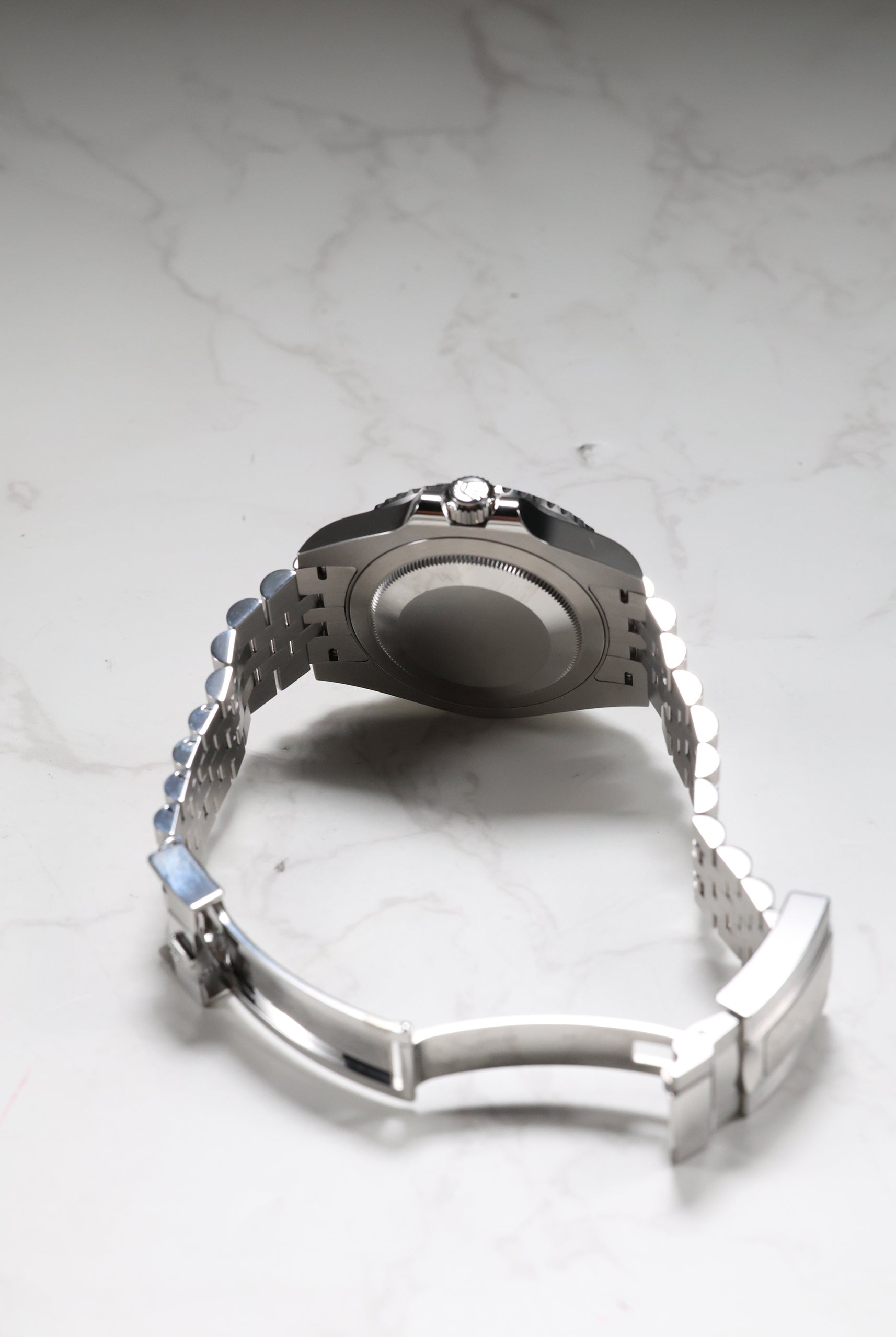
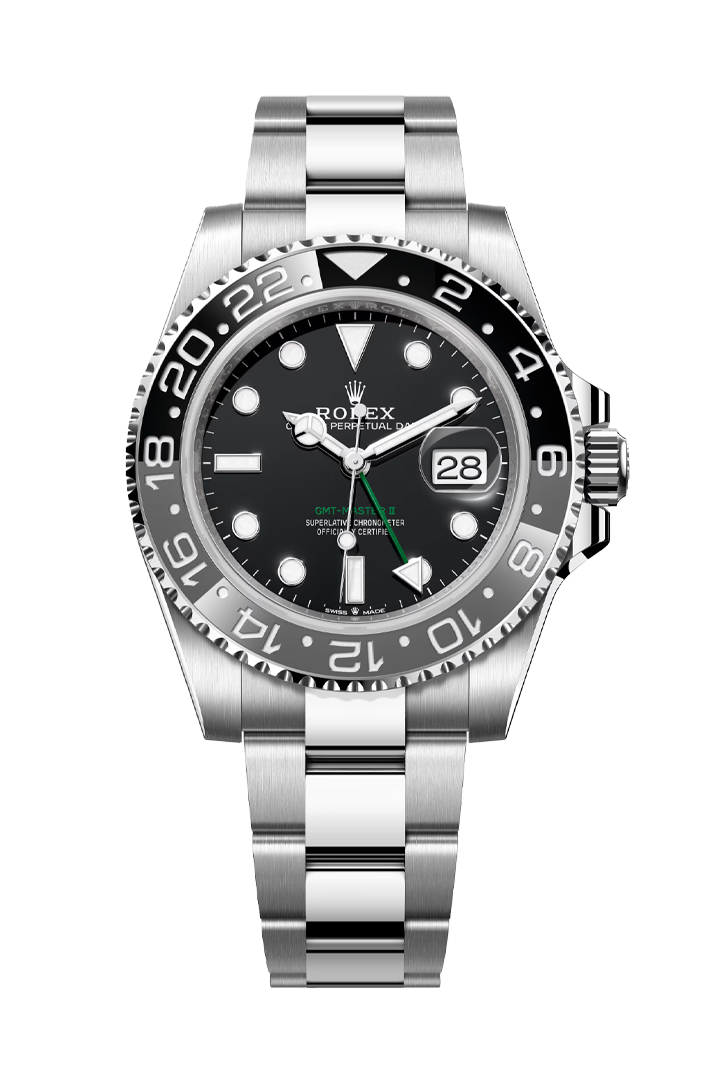
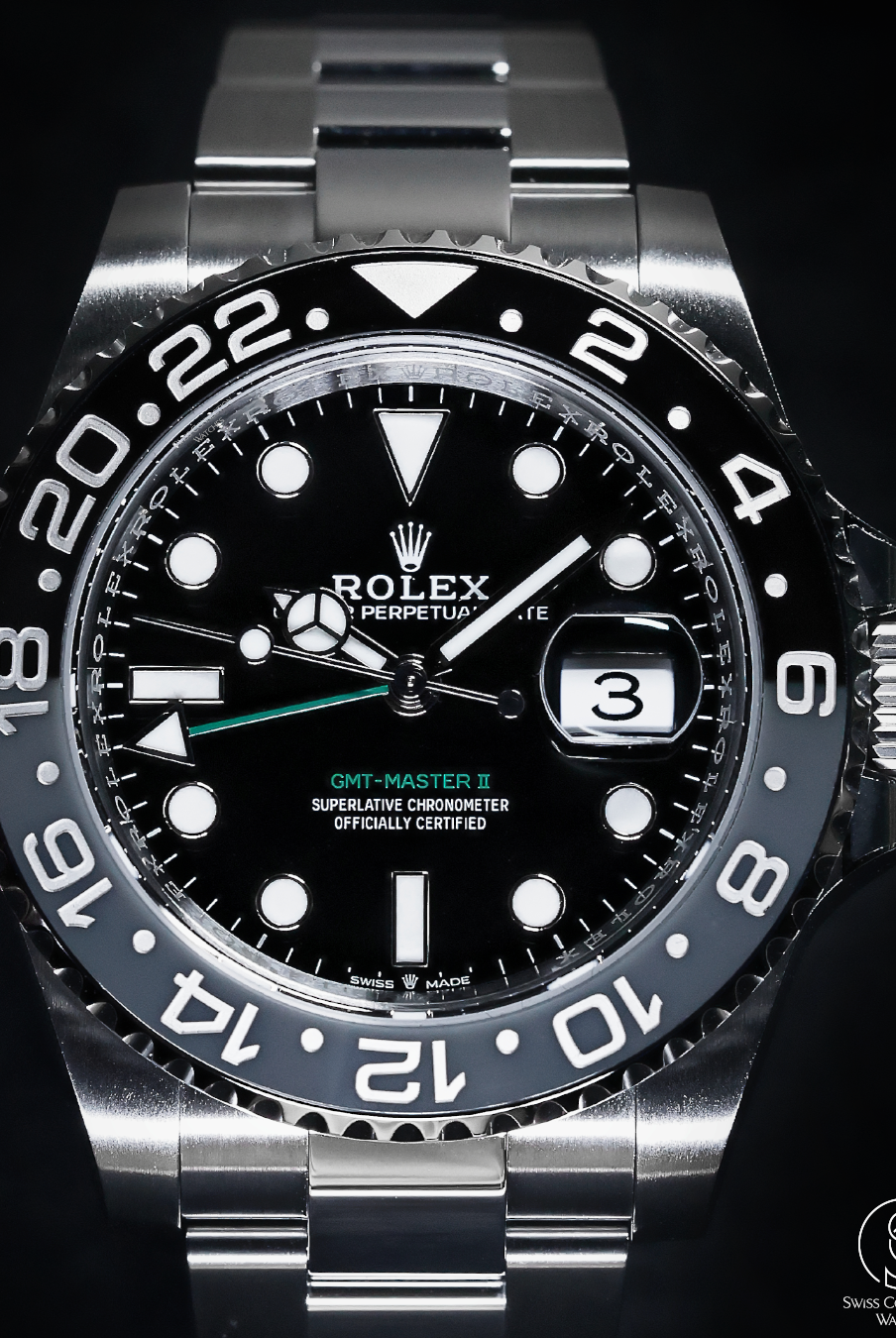
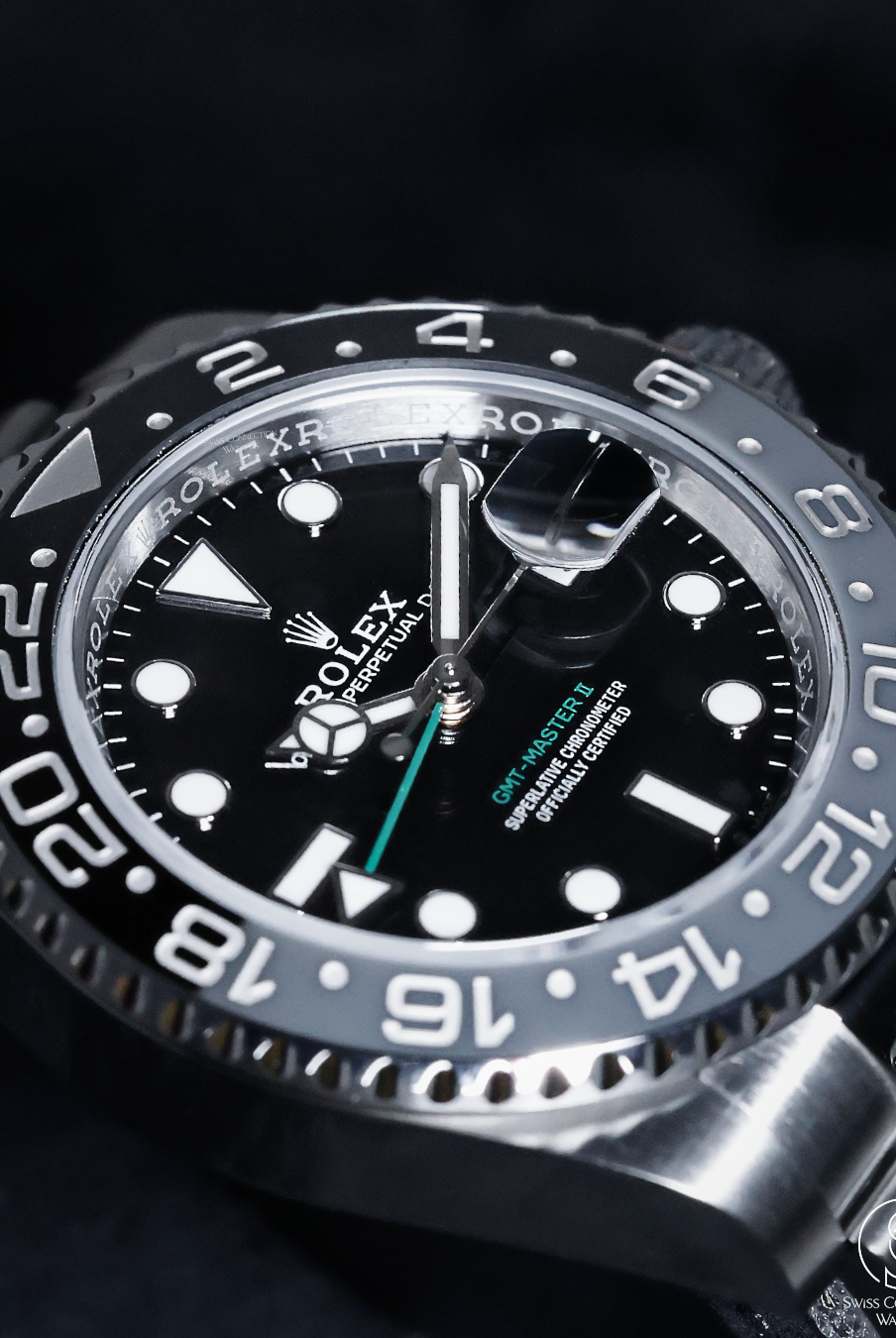
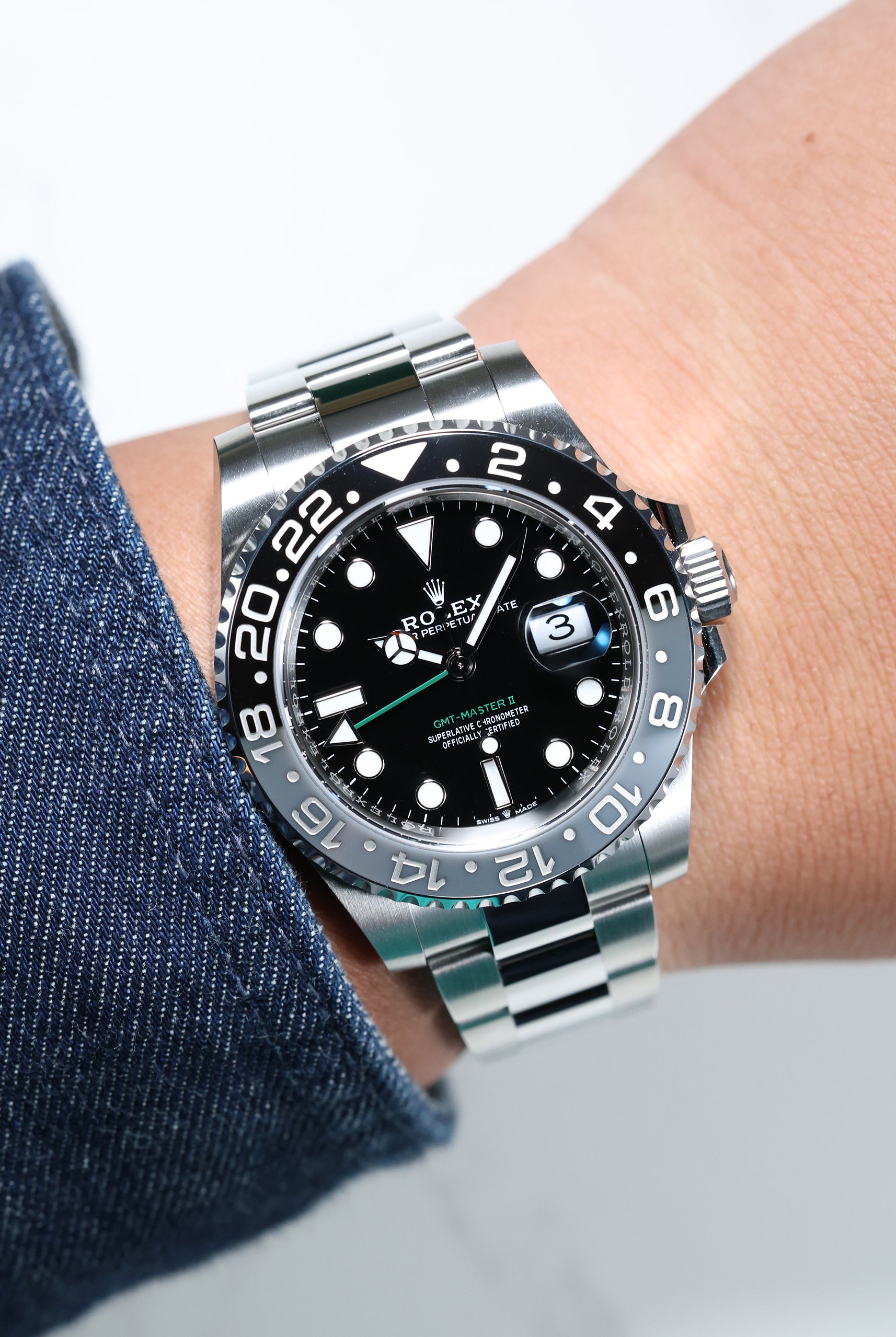
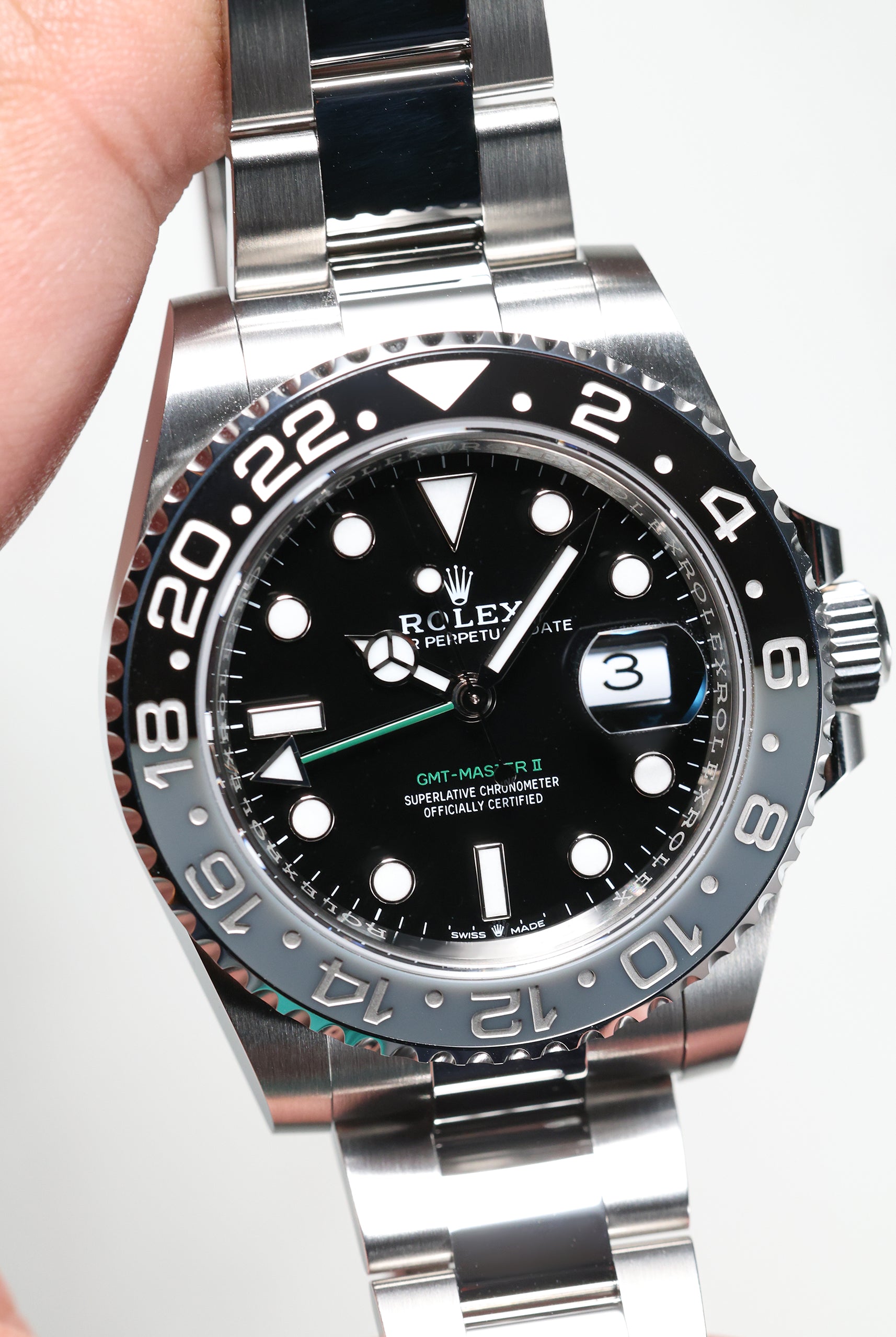
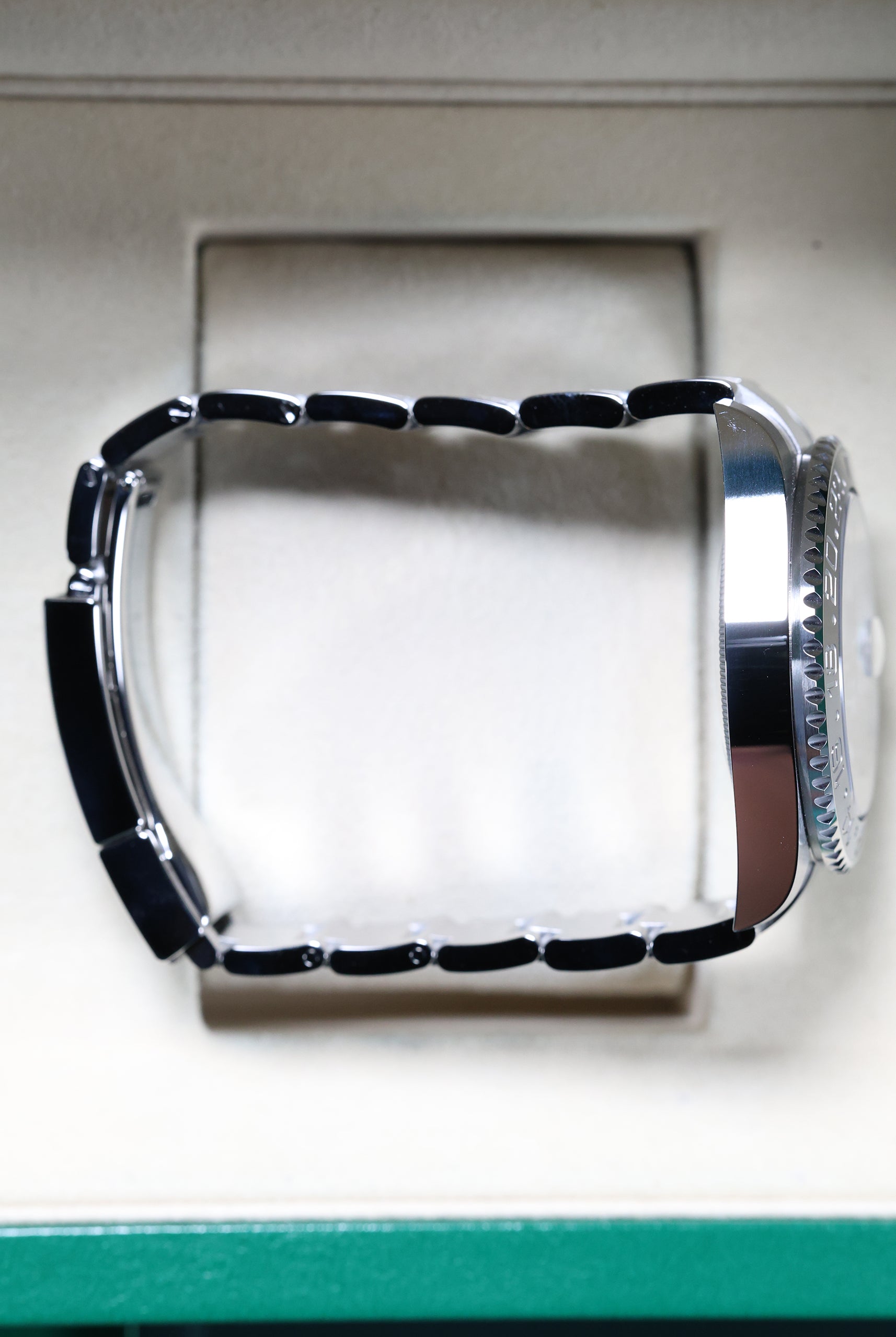
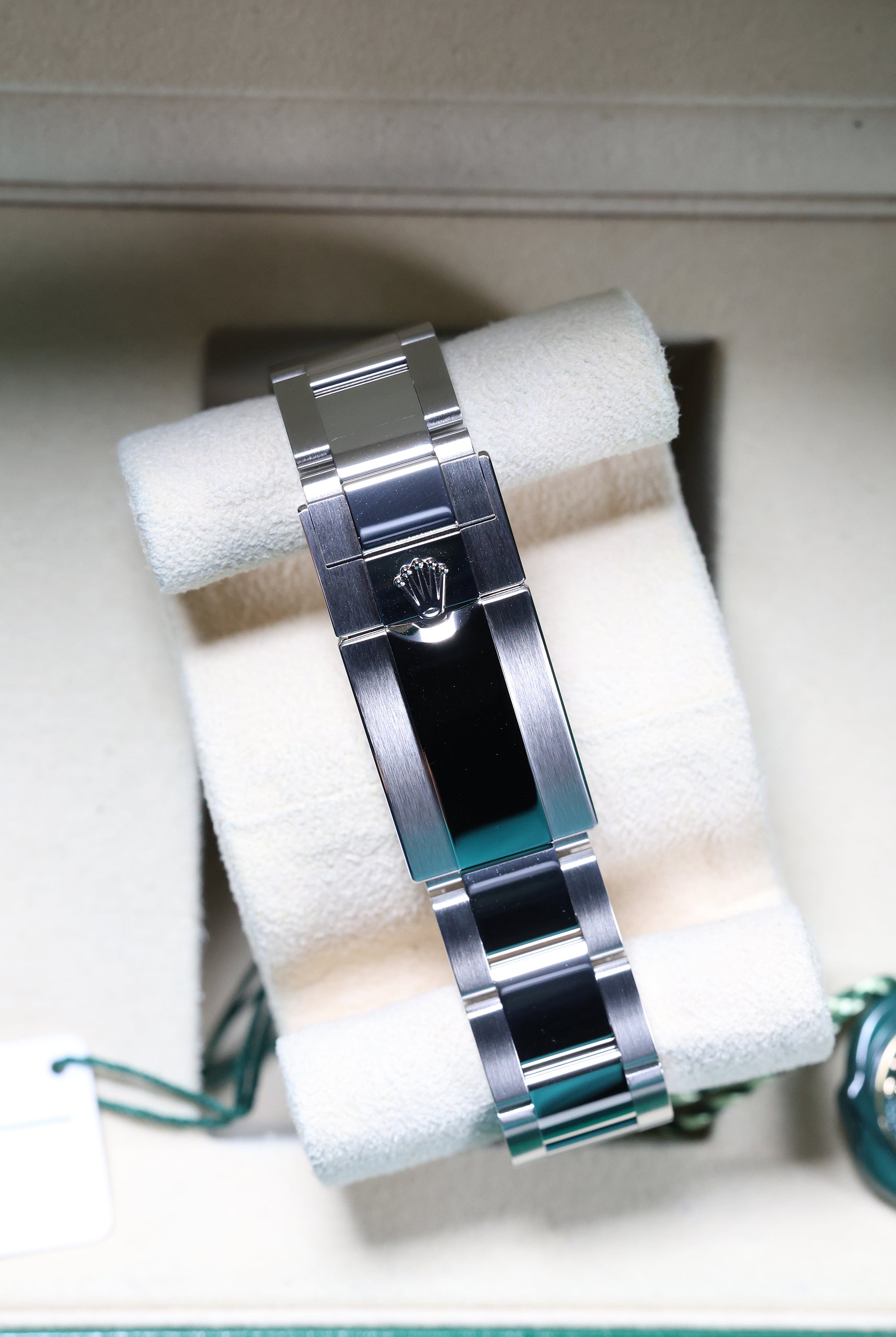
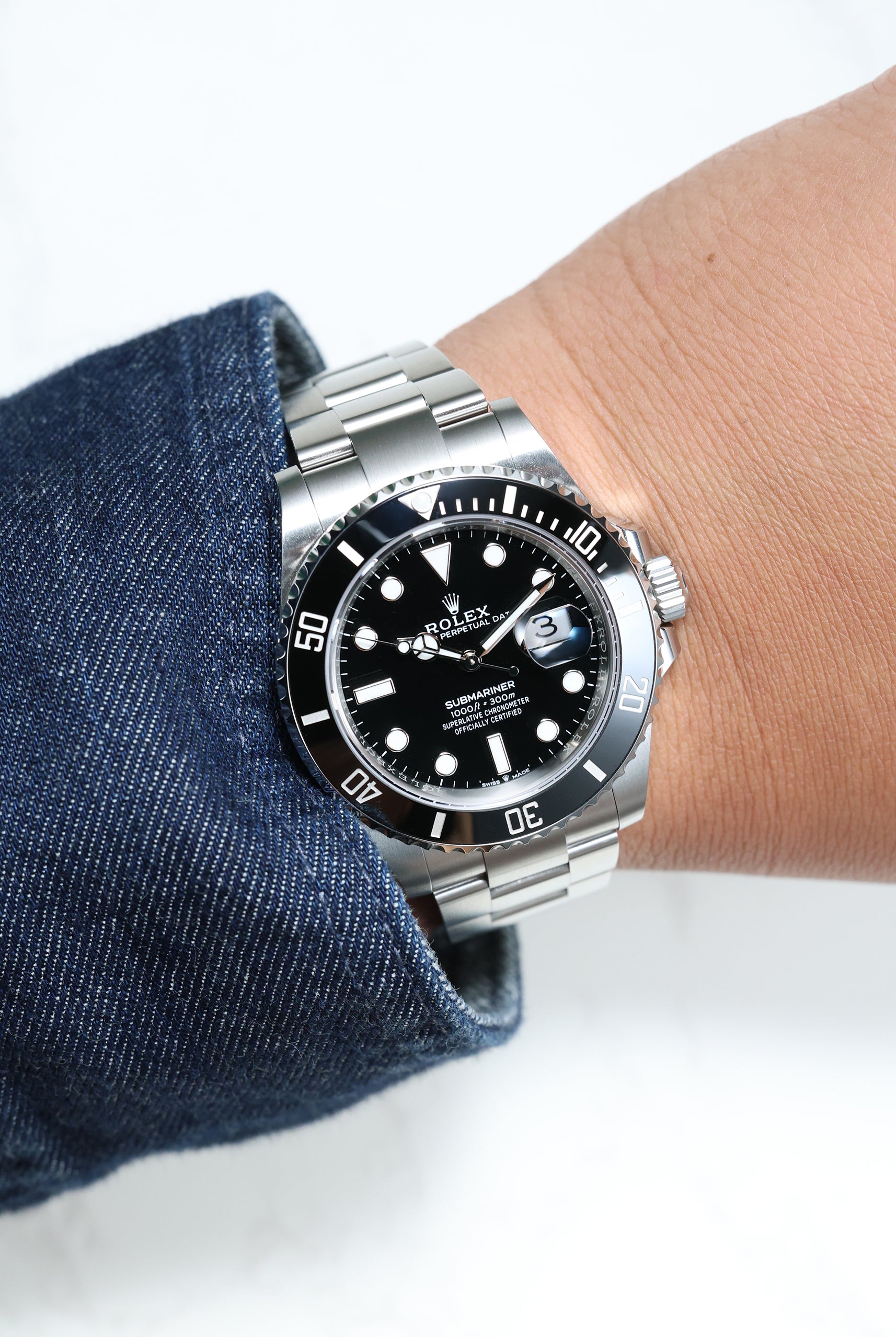
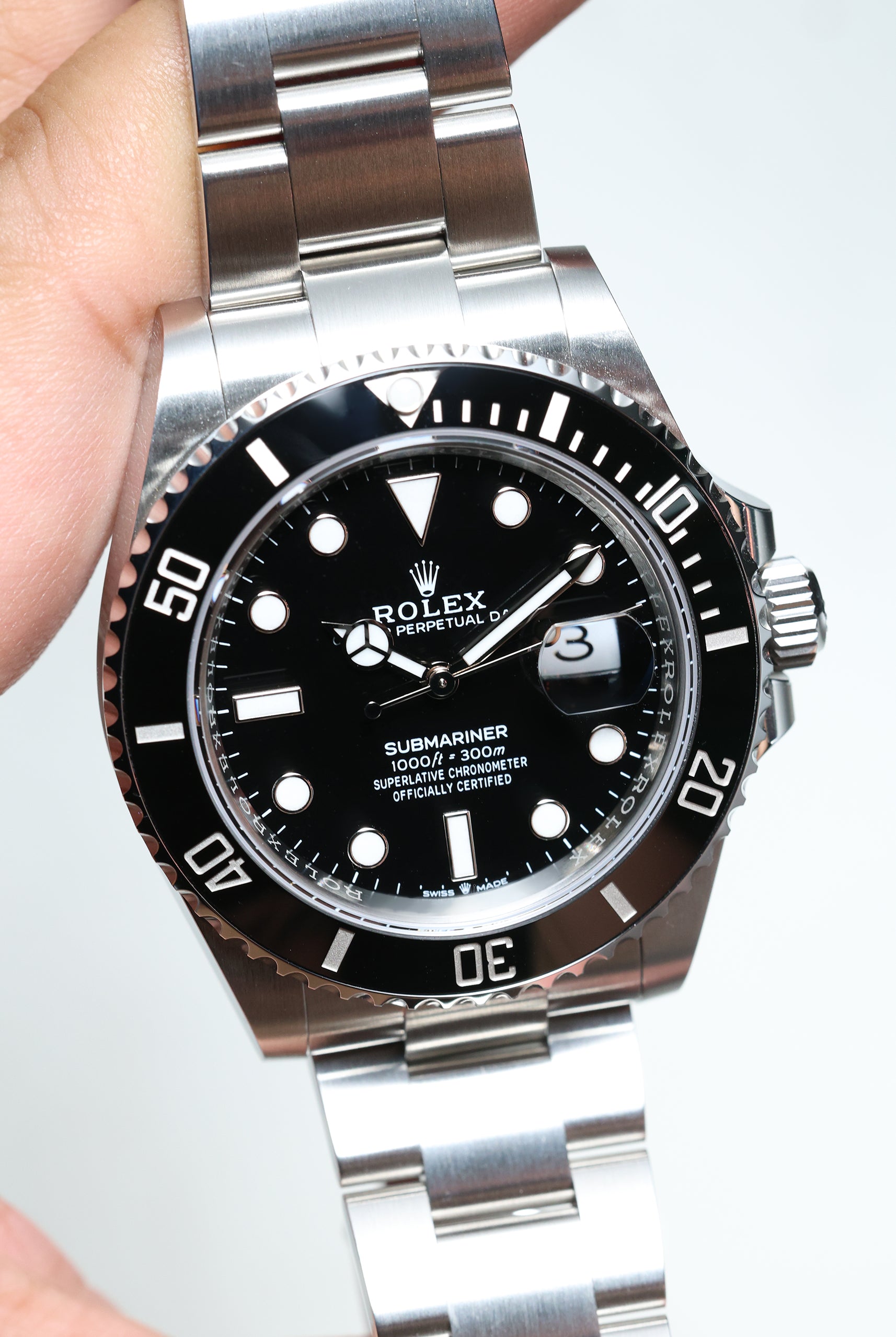
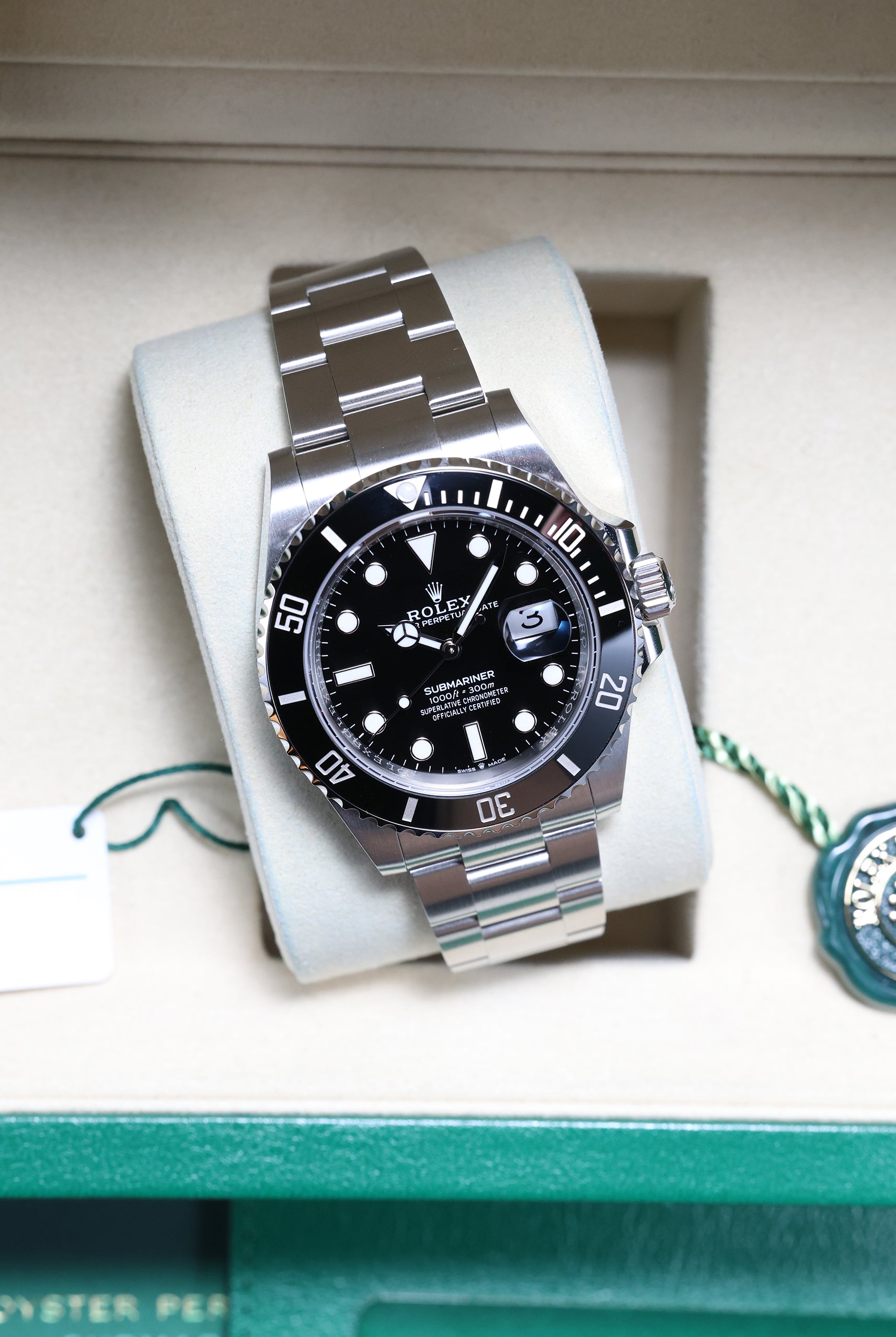
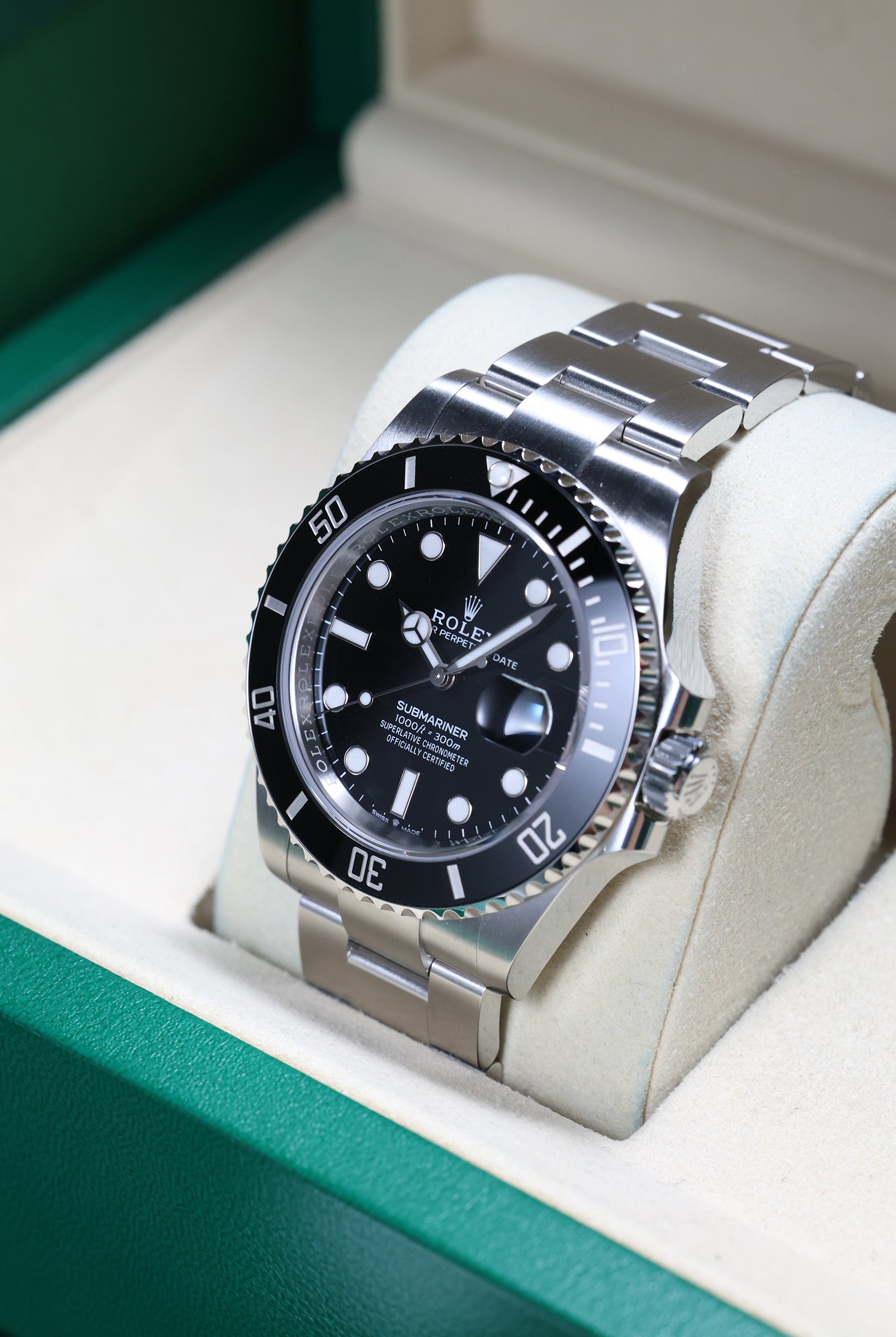
Among Rolex models, the GMT-Master II has long been the default "do-everything" watch—sporty enough for daily wear, refined enough for business, and globally recognized as the archetypal travel companion. It remains the gold standard because it represents a "functional hero"—a watch built to survive the rigors of global travel while maintaining a legendary status, exceptional brand equity and historically resilient resale.
The Cartier Santos: The Birth of the Men's Wristwatch
The Santos preceded the GMT by half a century. In 1904, Alberto Santos-Dumont complained to Louis Cartier about the impracticality of using a pocket watch while flying. Cartier’s solution was a square watch with integrated lugs, designed specifically for the wrist. While the Rolex was forged in the cockpit of professional aviation, the Santos was born from high-society innovation. Its exposed screws and industrial-yet-elegant Roman numerals offer a singular design that feels as fresh now as it did over a century ago.
How They Wear in Real Life
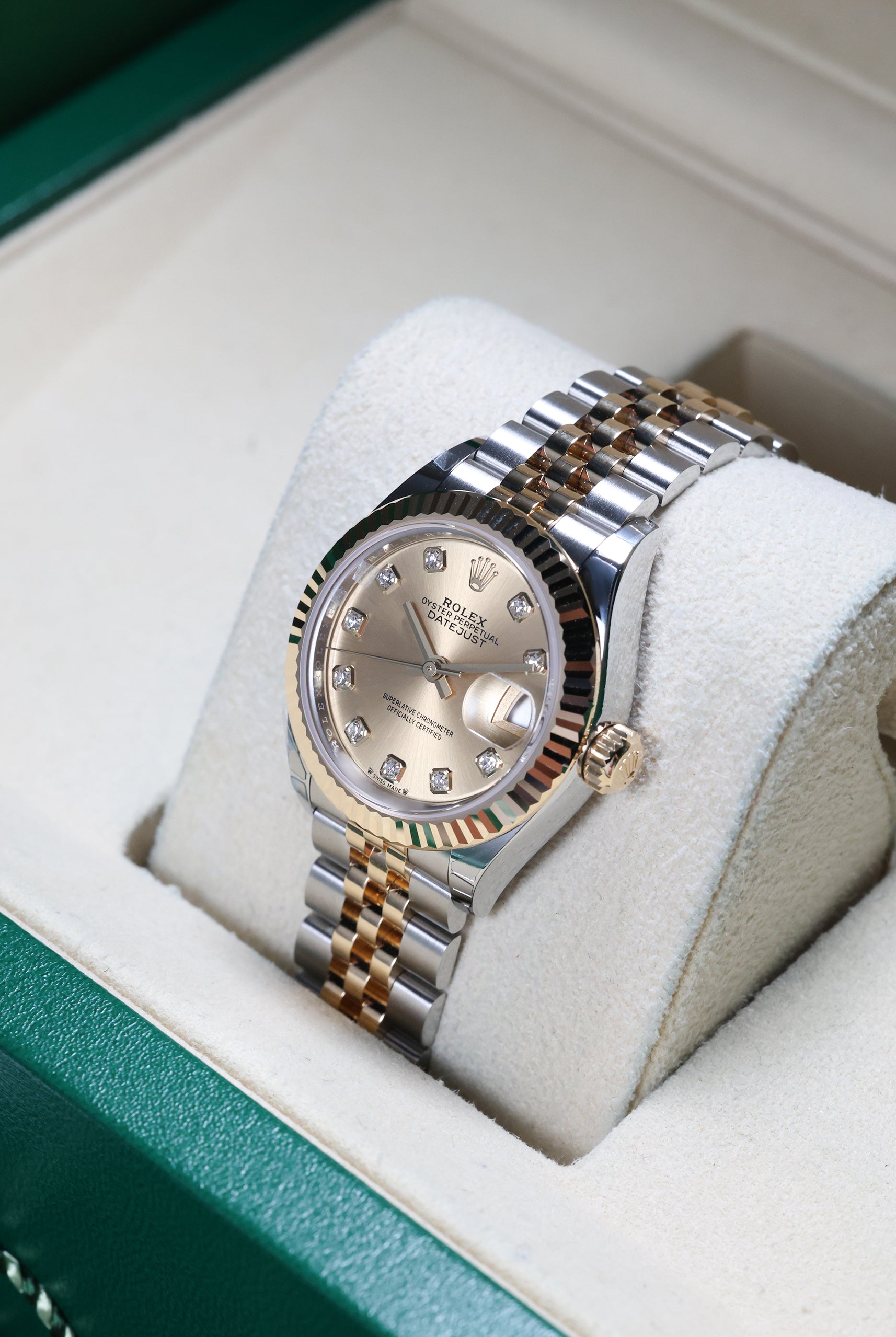
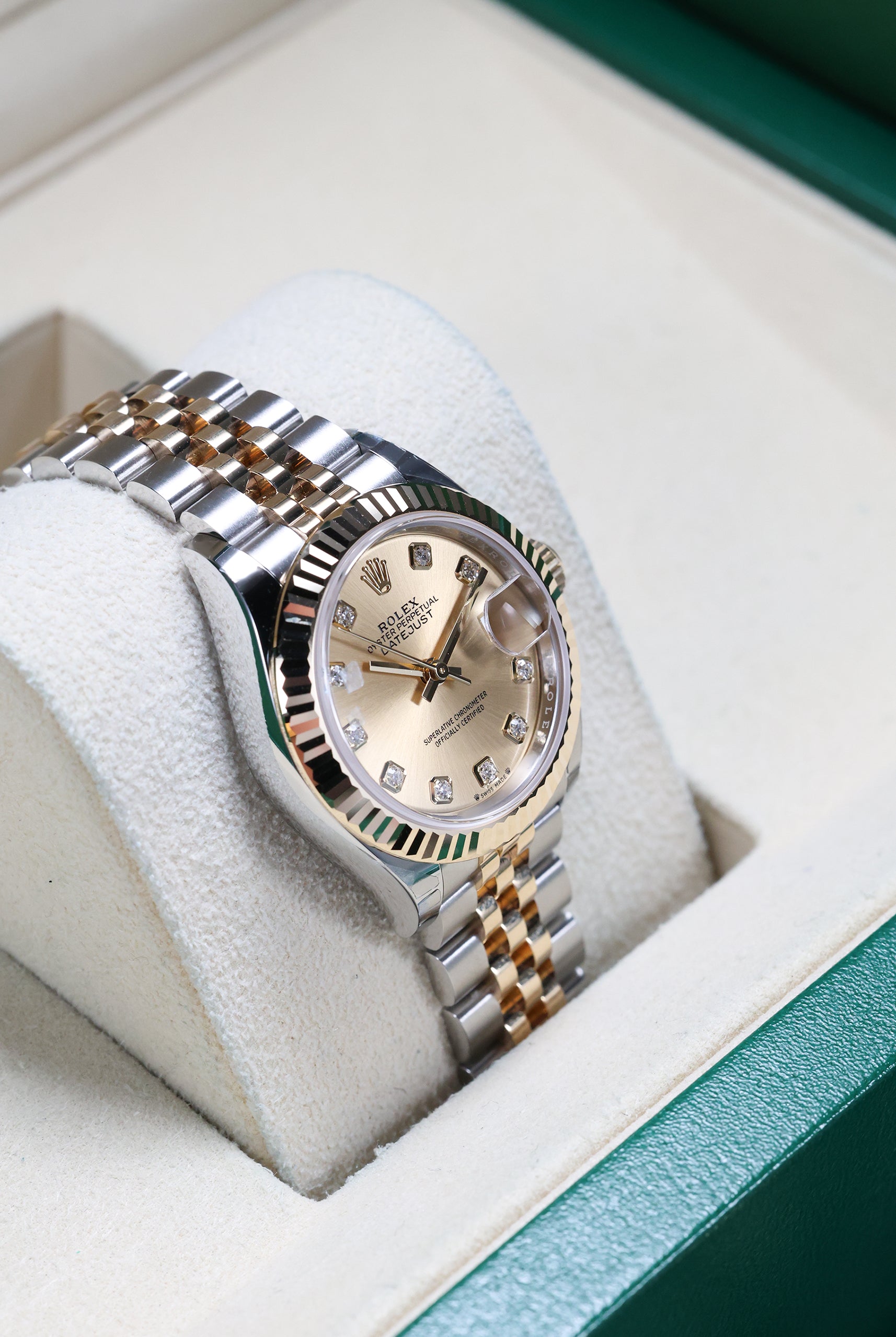
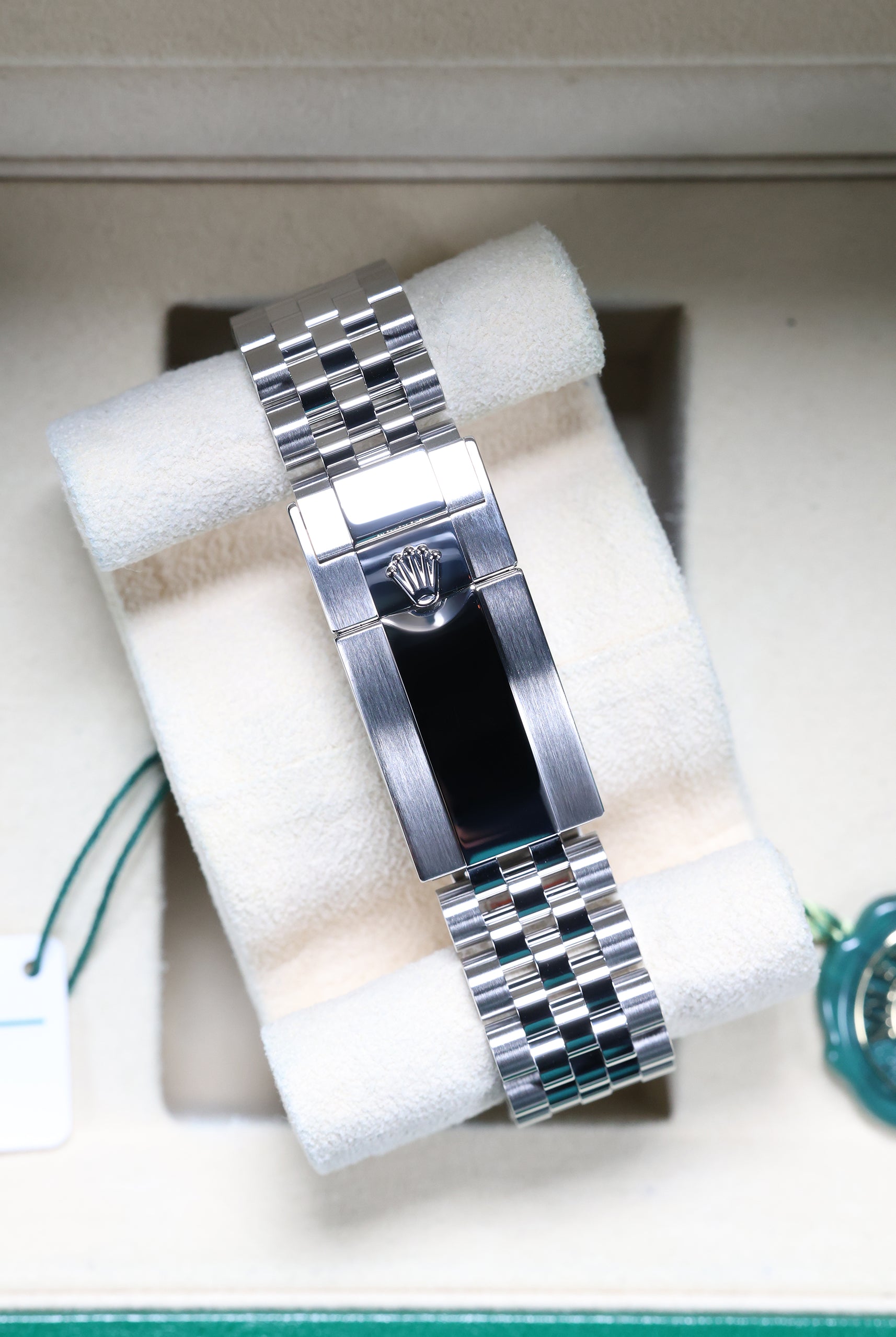
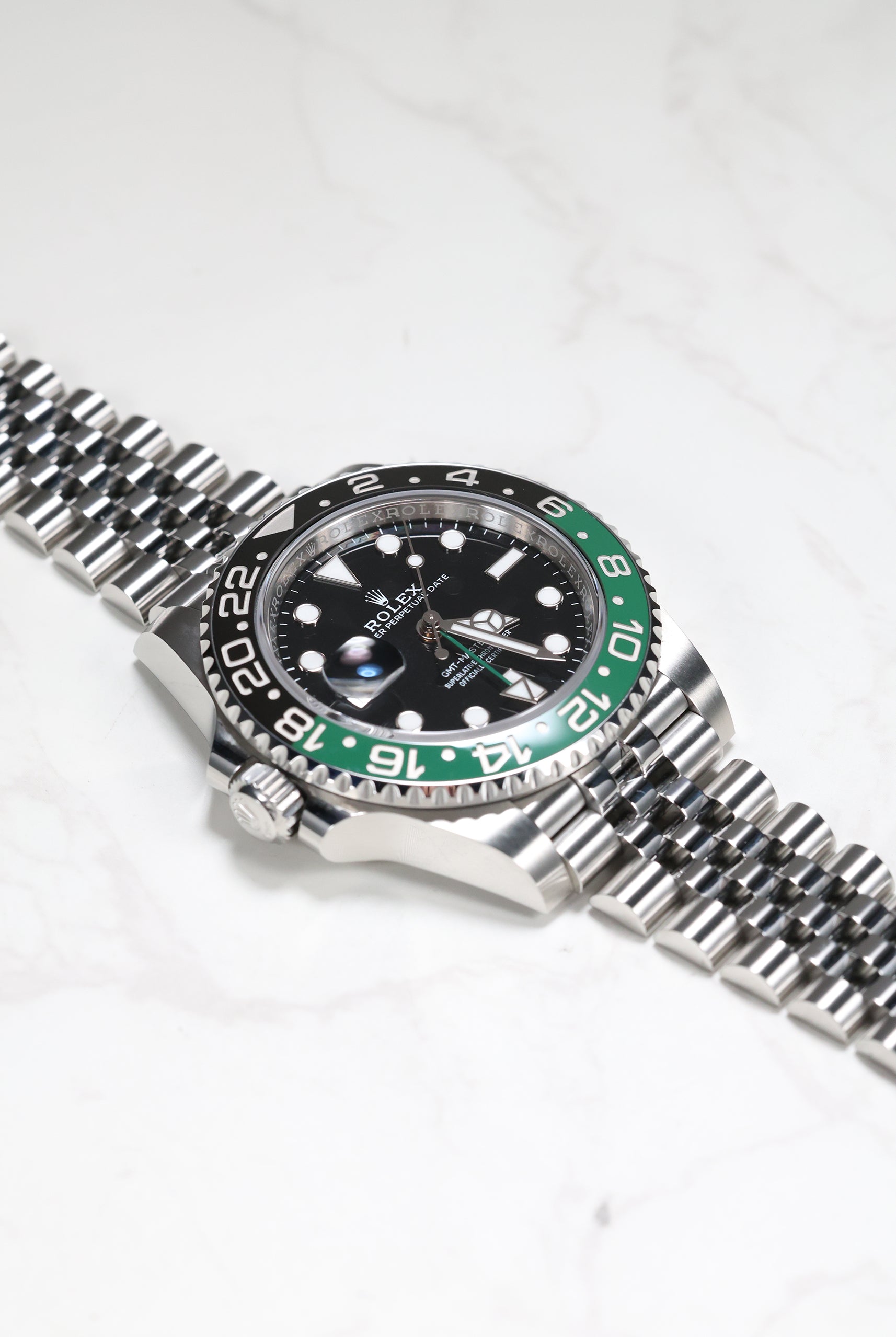
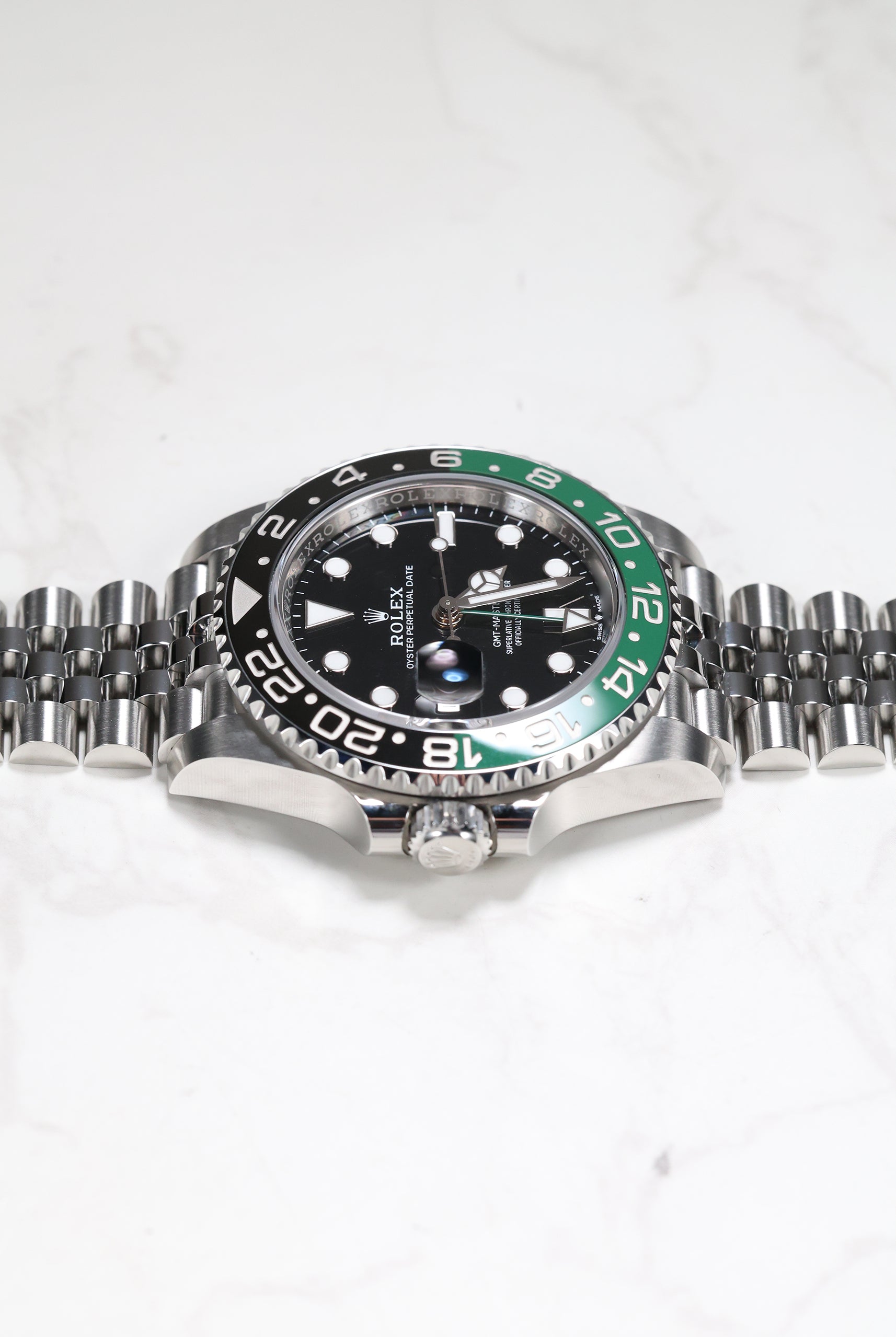
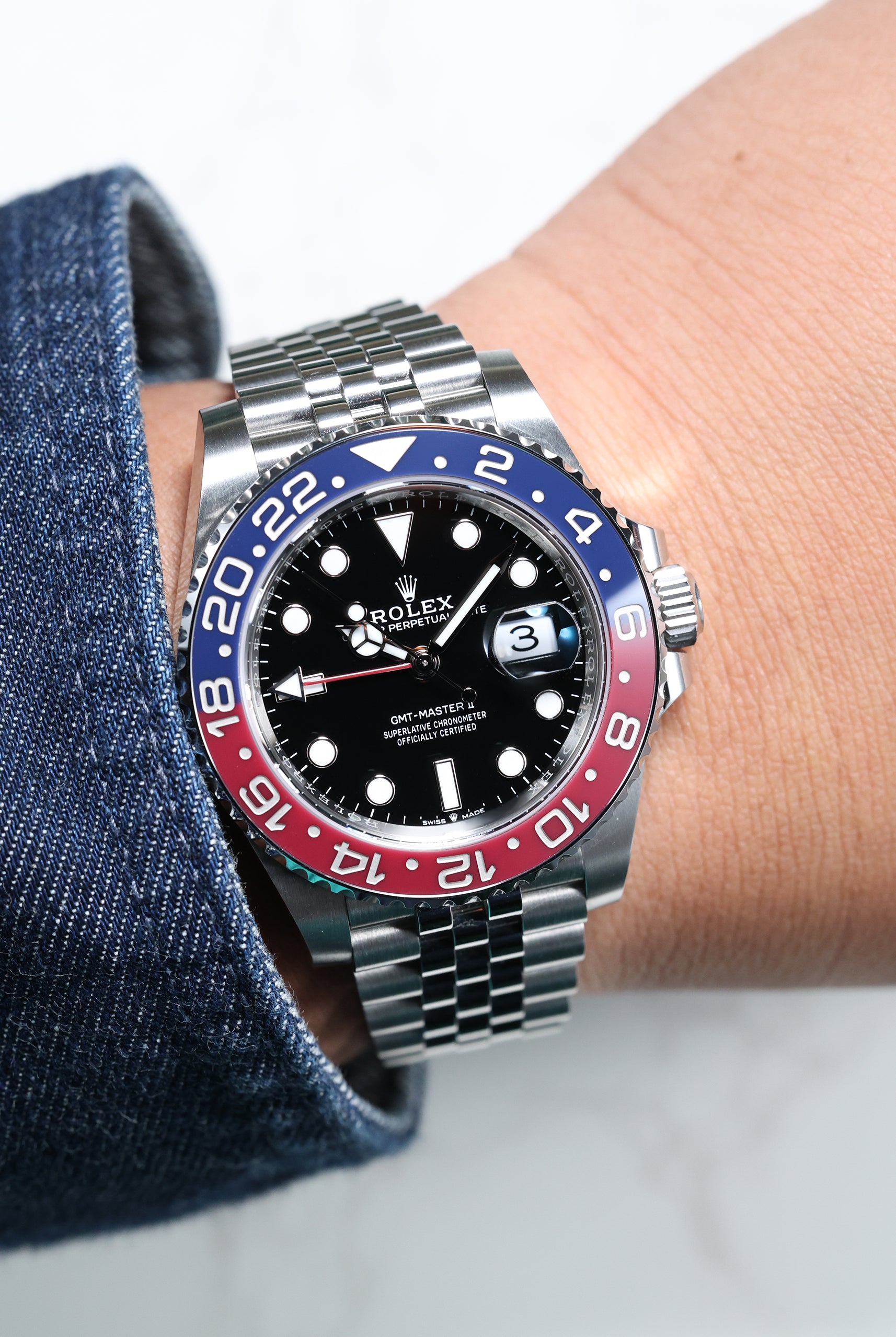
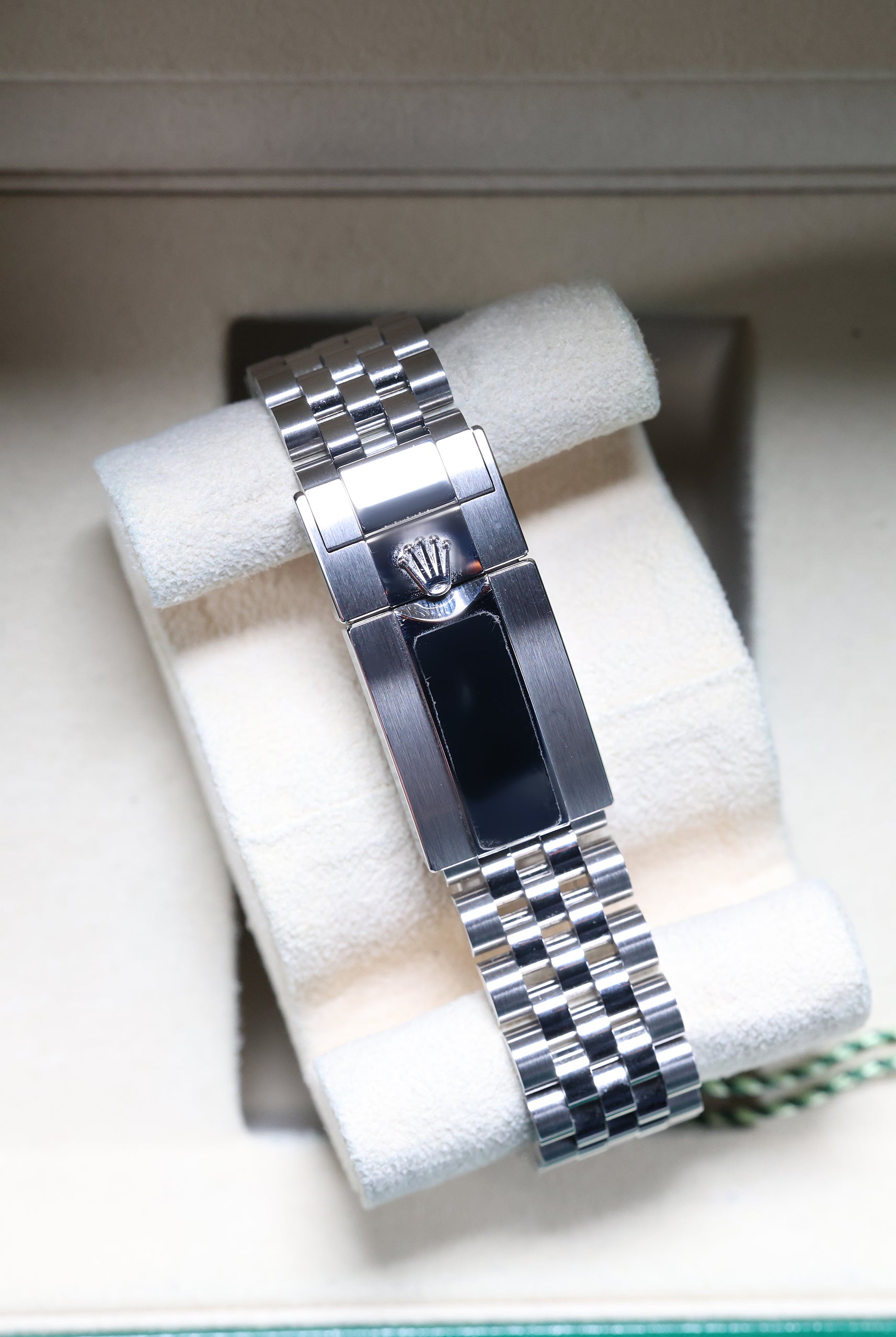
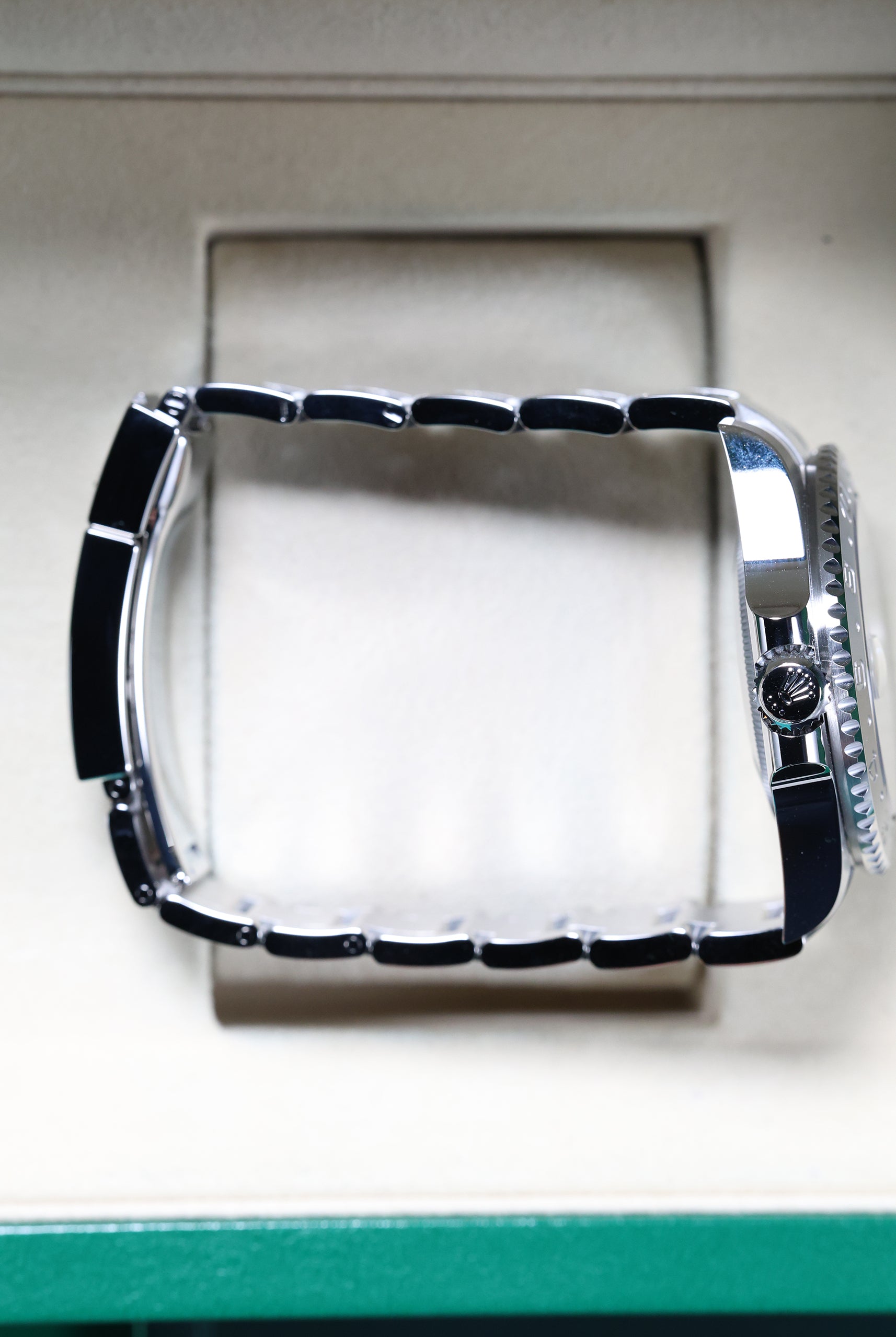
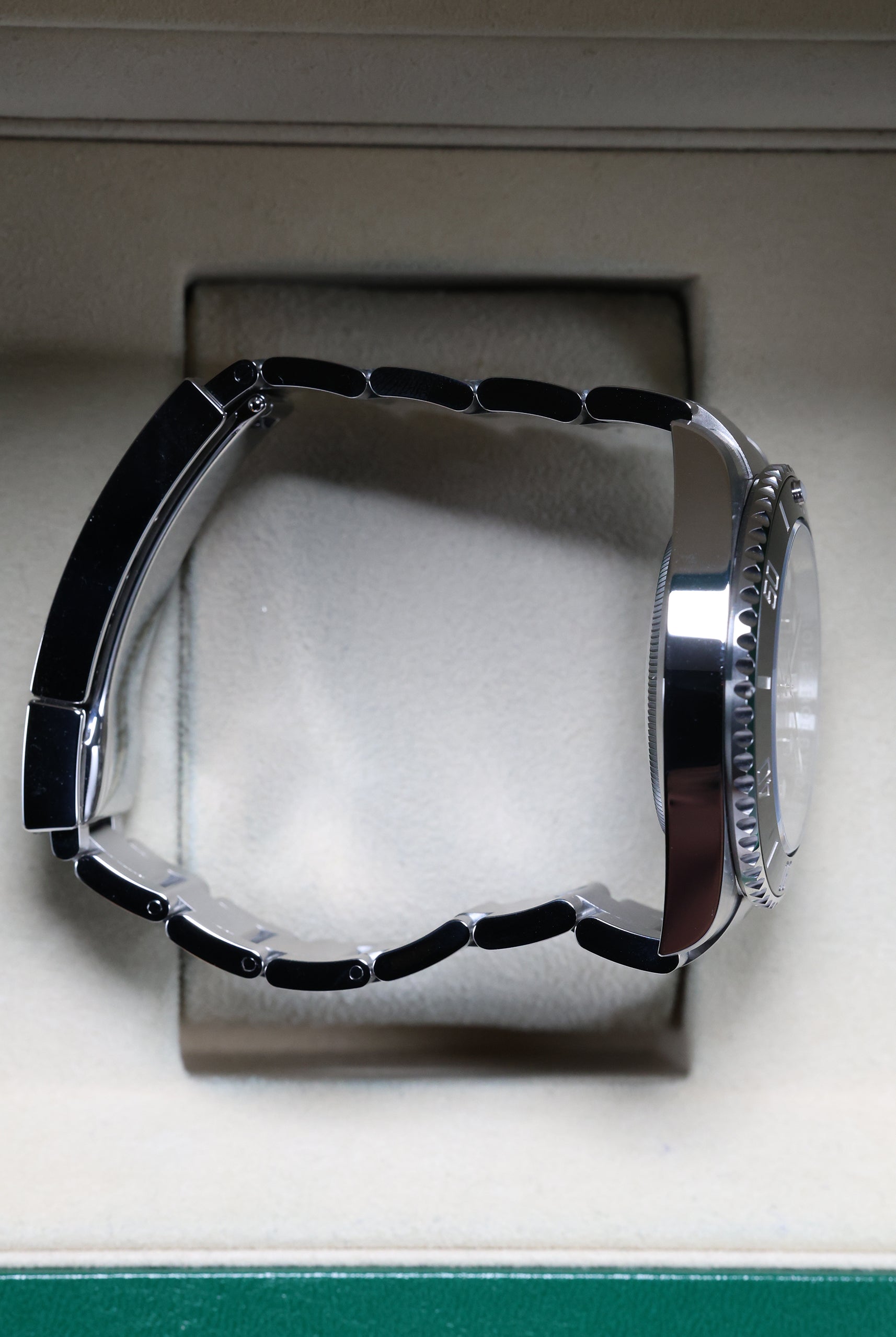
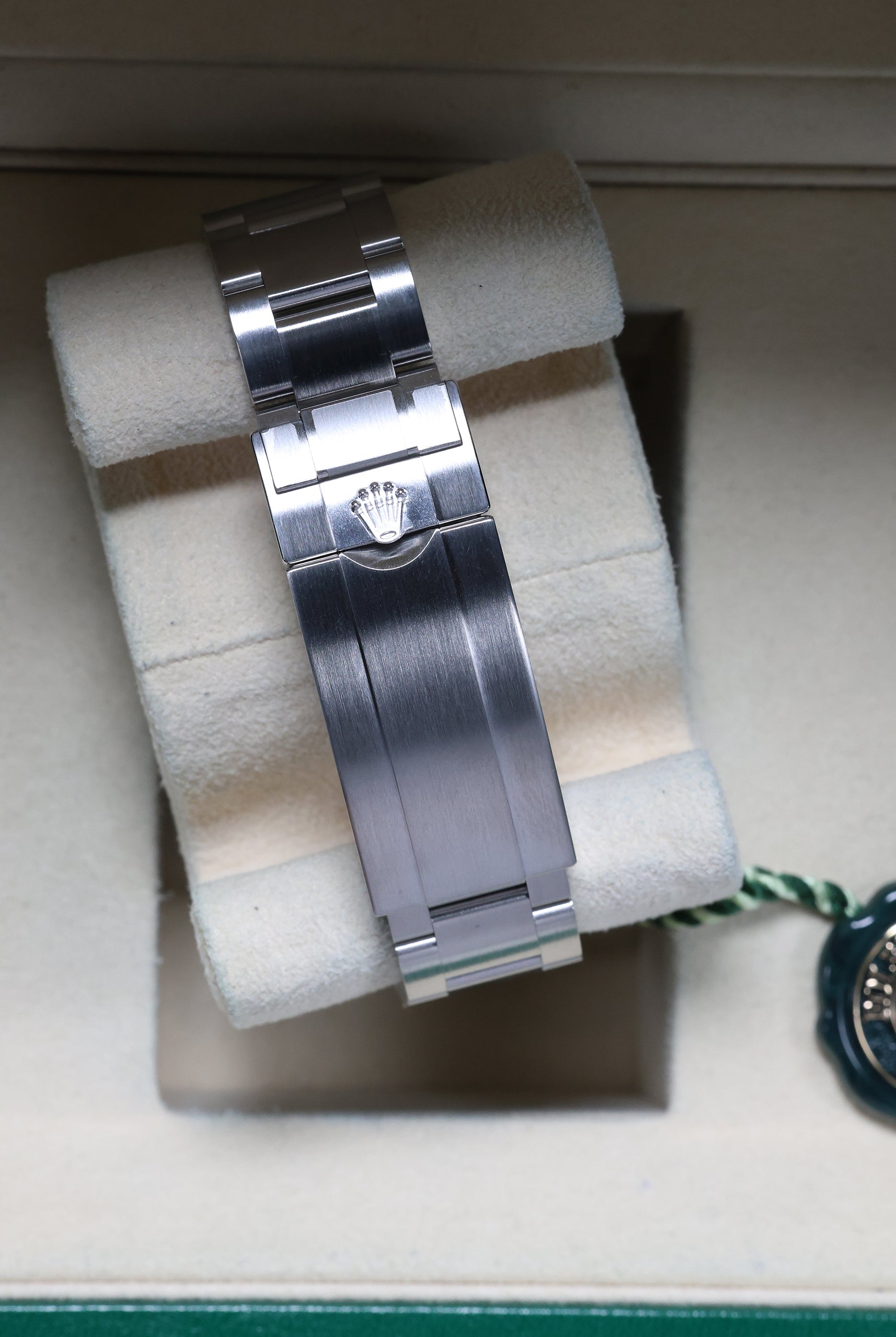
On the wrist, these two present entirely different physicalities. The GMT is the heavier, louder presence—a substantial piece of kit that feels like a tool and sits with the height of a true sports watch. Its level of dressiness is dictated by the bracelet; the Oyster is rugged and athletic, while the Jubilee adds a dash of mid-century flash.
The Santos, by contrast, is flat and remarkably ergonomic, curving to the wrist and sliding effortlessly under a shirt cuff. It is a chameleon that thrives with tailoring, especially since it ships with both a bracelet and a leather strap, allowing you to change the watch’s entire personality in seconds without reaching for a tool.
Outcome vs. Identity: Choosing Your Perspective
The decision between these two often comes down to what the buyer wants their watch to achieve in the world.
The Outcome-Driven Buyer
Rolex continues to dominate for buyers seeking certainty and universal recognition. For this collector, the GMT-Master II is the ultimate "outcome"—a masterpiece of technical durability that doubles as a globally recognized asset. It occupies a league of its own in terms of brand equity. However, the path to obtaining a specific Rolex model often involves a more procedural buying experience—one that doesn’t always align with how younger collectors want to engage with luxury.
The Identity-Driven Buyer
Cartier is resonating with those who want their first great watch to say something specific about who they are. We are increasingly seeing first-time buyers choose a steel Santos even when their budget allows for a sport Rolex—not because it’s cheaper, but because it feels more intentional.
These collectors value uniqueness of form and clarity of design over technical movement specifications. In a world of digital saturation, the Santos offers a "singular design" that translates perfectly to the modern eye. It suggests a buyer who is looking for a design pillar rather than a technical tool—someone who values individuality and unmistakable visual identity over the safety of the status quo.
This generational shift is not isolated to one rivalry — it shows up across the broader watch landscape. As we discussed in our editorial “Why Cartier Is Winning 2025 and Why Gen Z Is Fueling the Rise,” younger collectors increasingly gravitate toward watches with strong, recognizable design language and personal resonance. That same shift helps explain why many first-time buyers today are just as comfortable choosing a Santos — a watch that speaks of identity and intention — as they are considering a GMT-Master II, a piece rooted in utility and universality.
The Conclusion: A Statement of Intent
Choosing between a GMT-Master II and a Santos is no longer just about which watch is "better." It is a choice of philosophy.
The Rolex is the watch you buy when you want certainty and universal recognition; it is the definitive, versatile tool-watch. The Cartier is the watch you buy when you want to define your own style—it is a foundation piece for the modern collector who values design as much as heritage.
Which flight path will you take?
Explore our curated selection of Rolex and Cartier timepieces and find the icon that defines your next chapter.
For the full head-to-head breakdown and to see these icons on the wrist, watch our latest review: