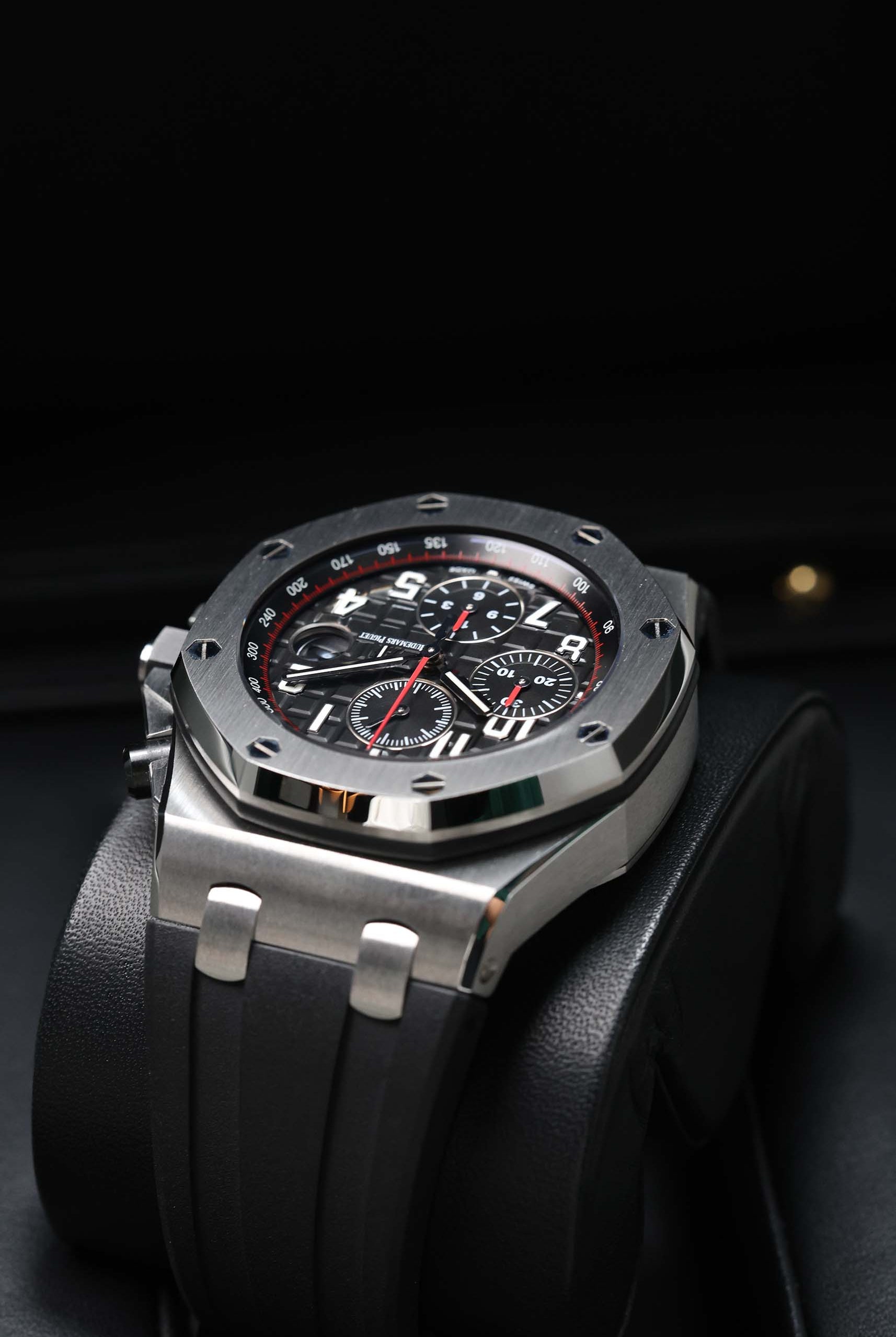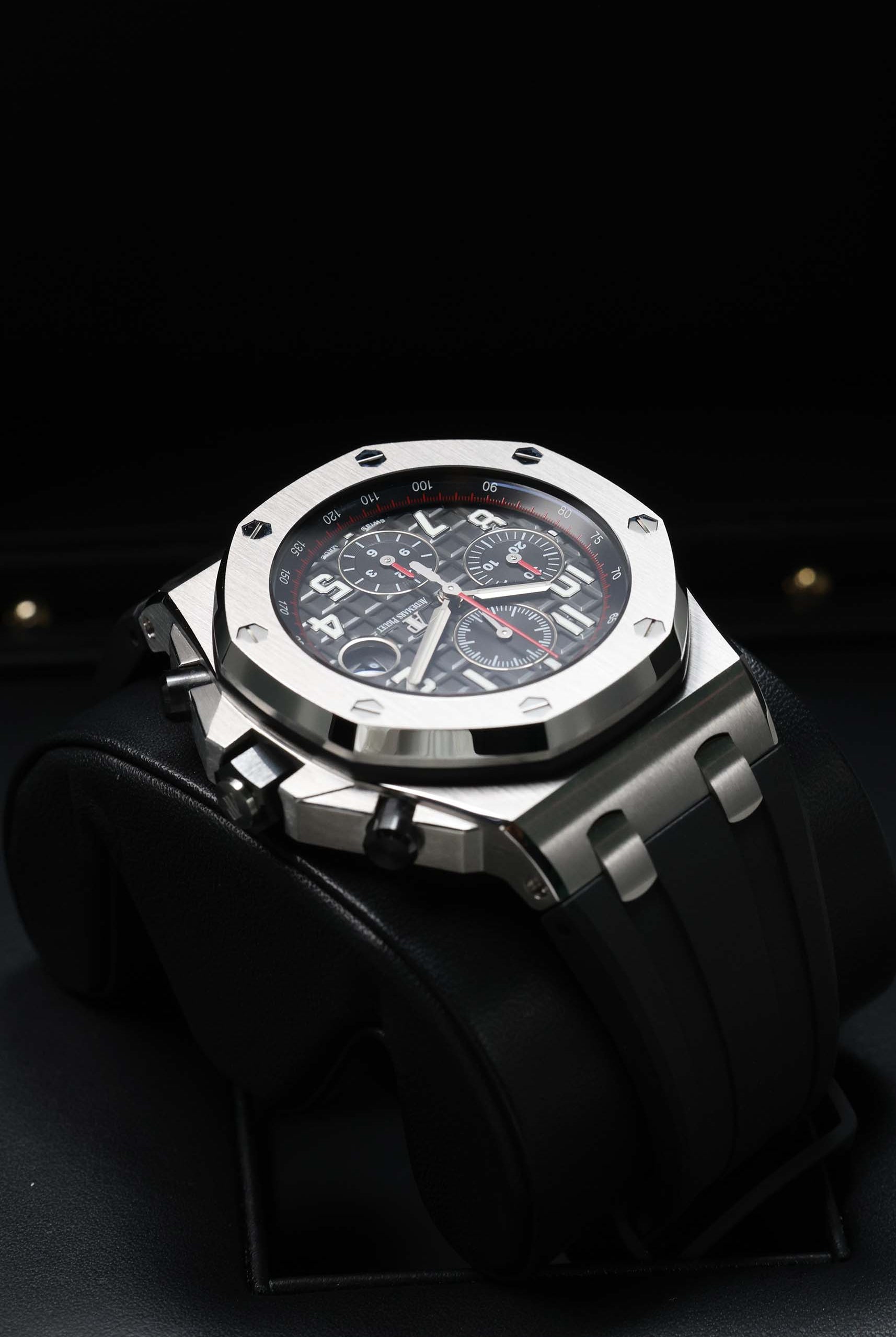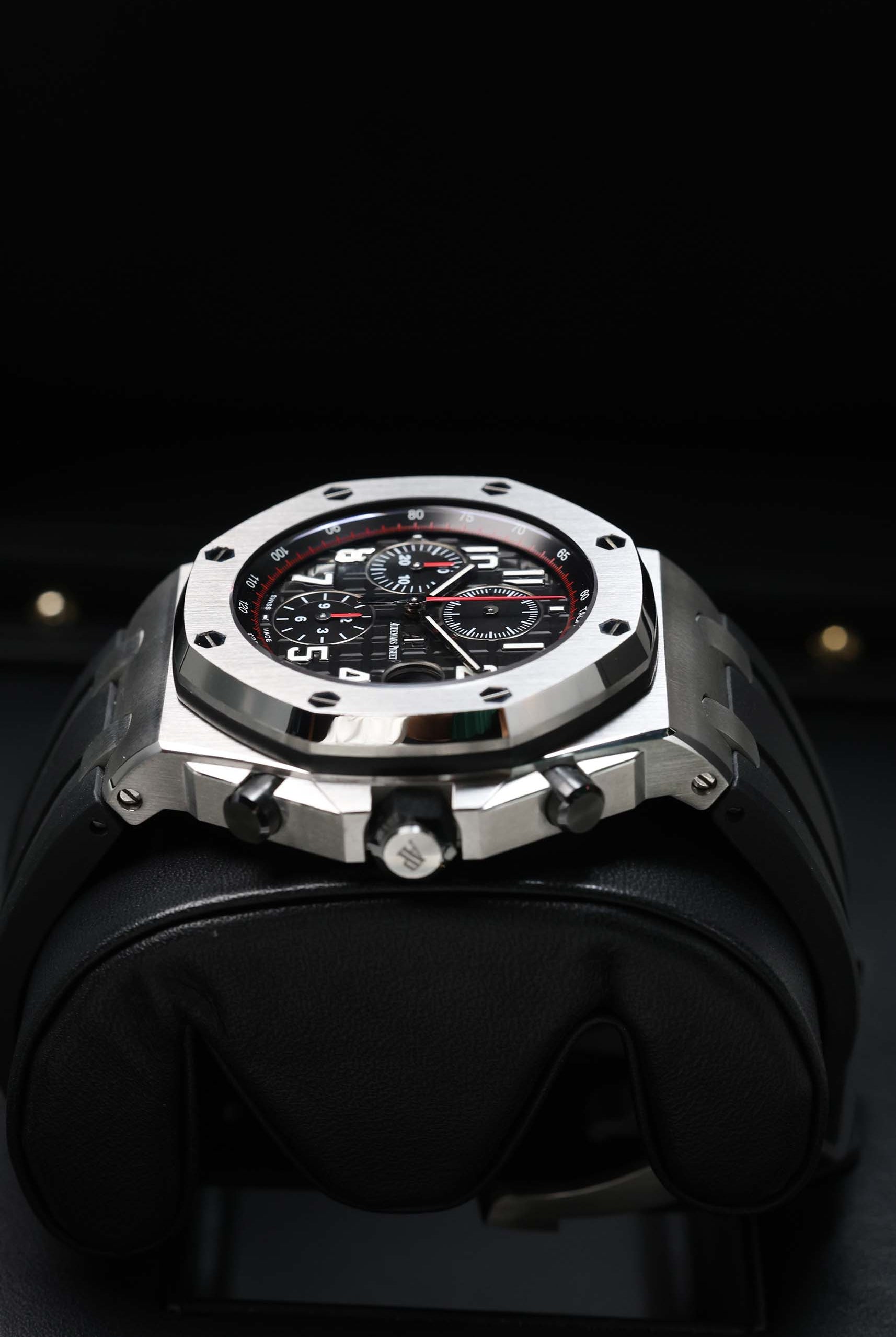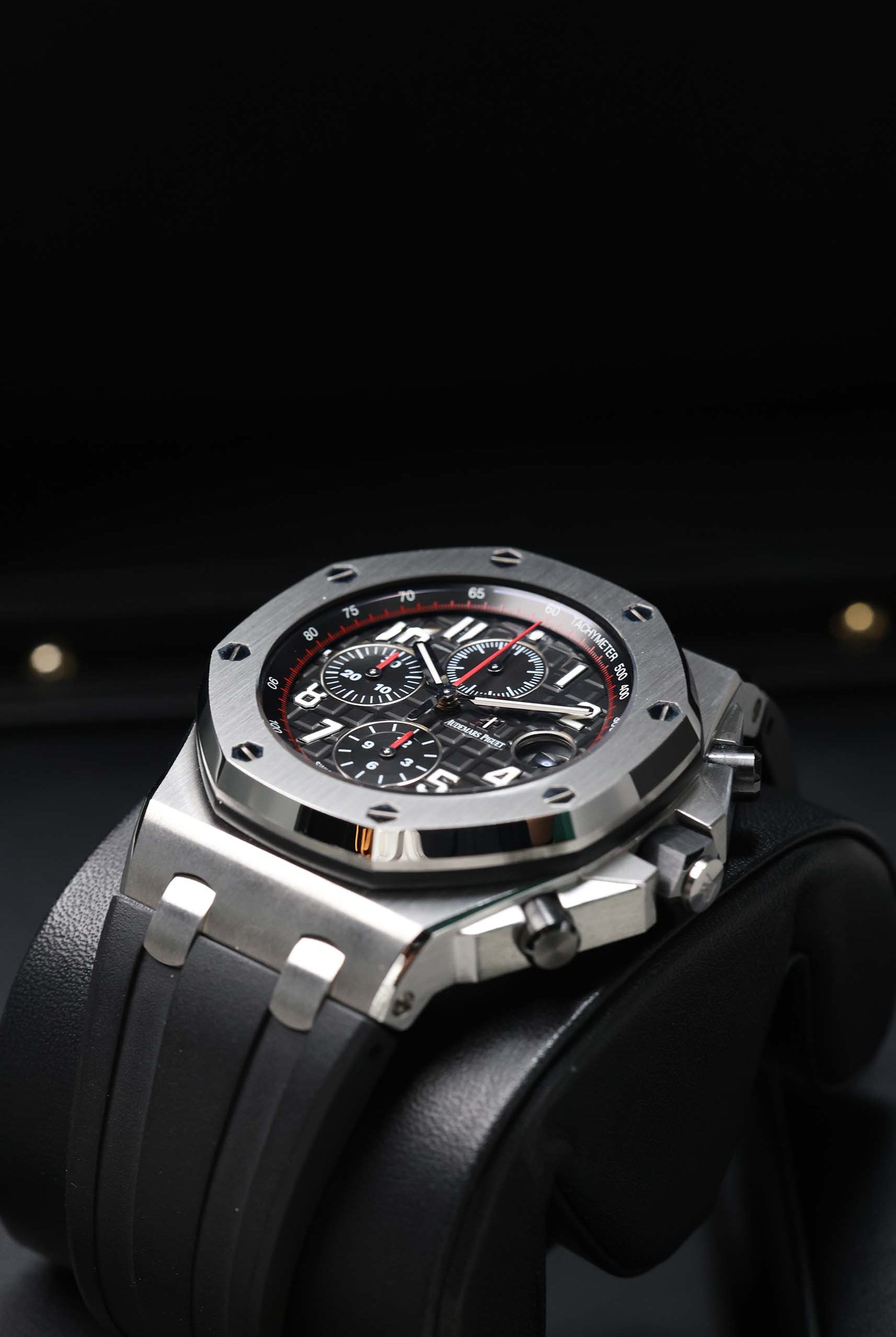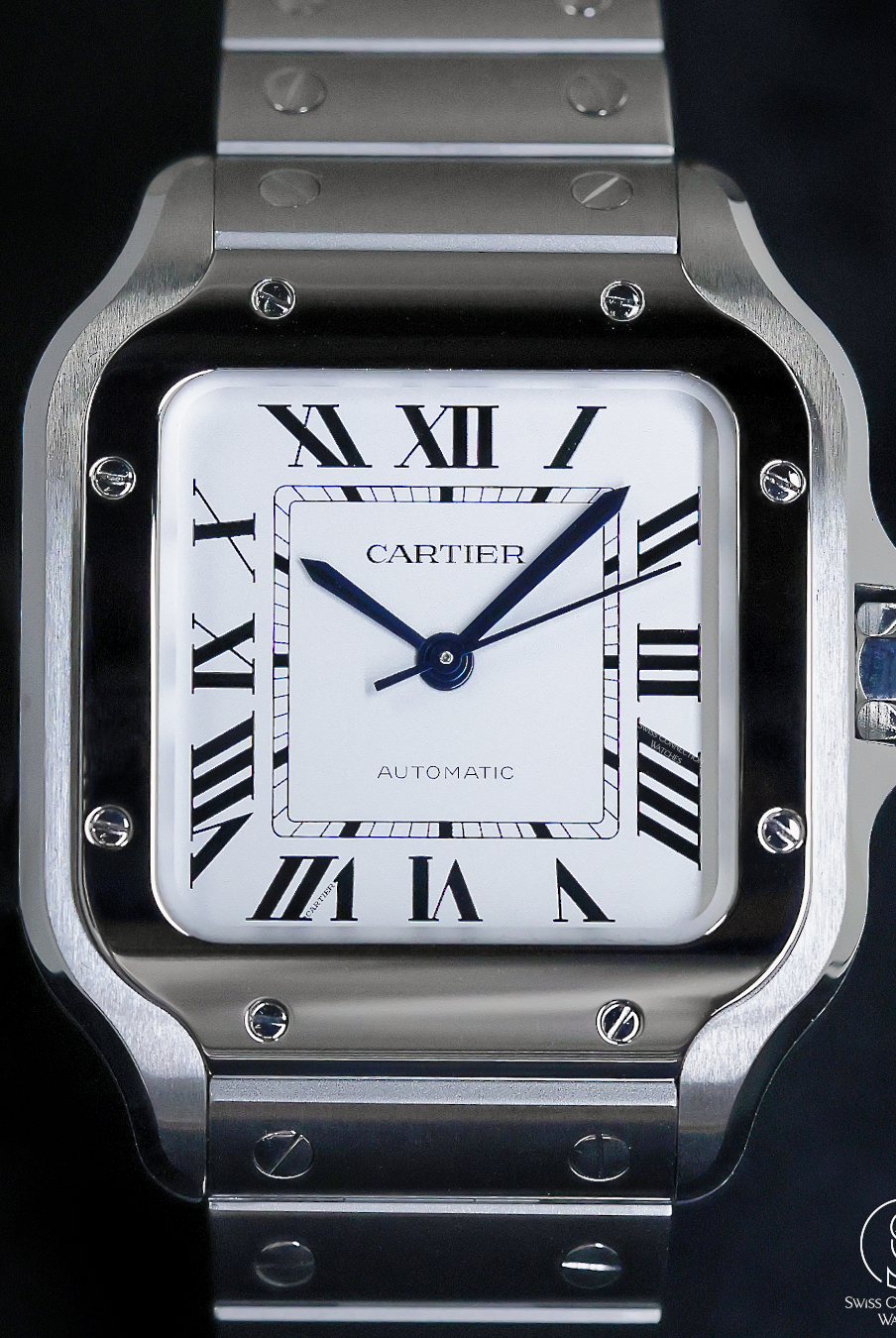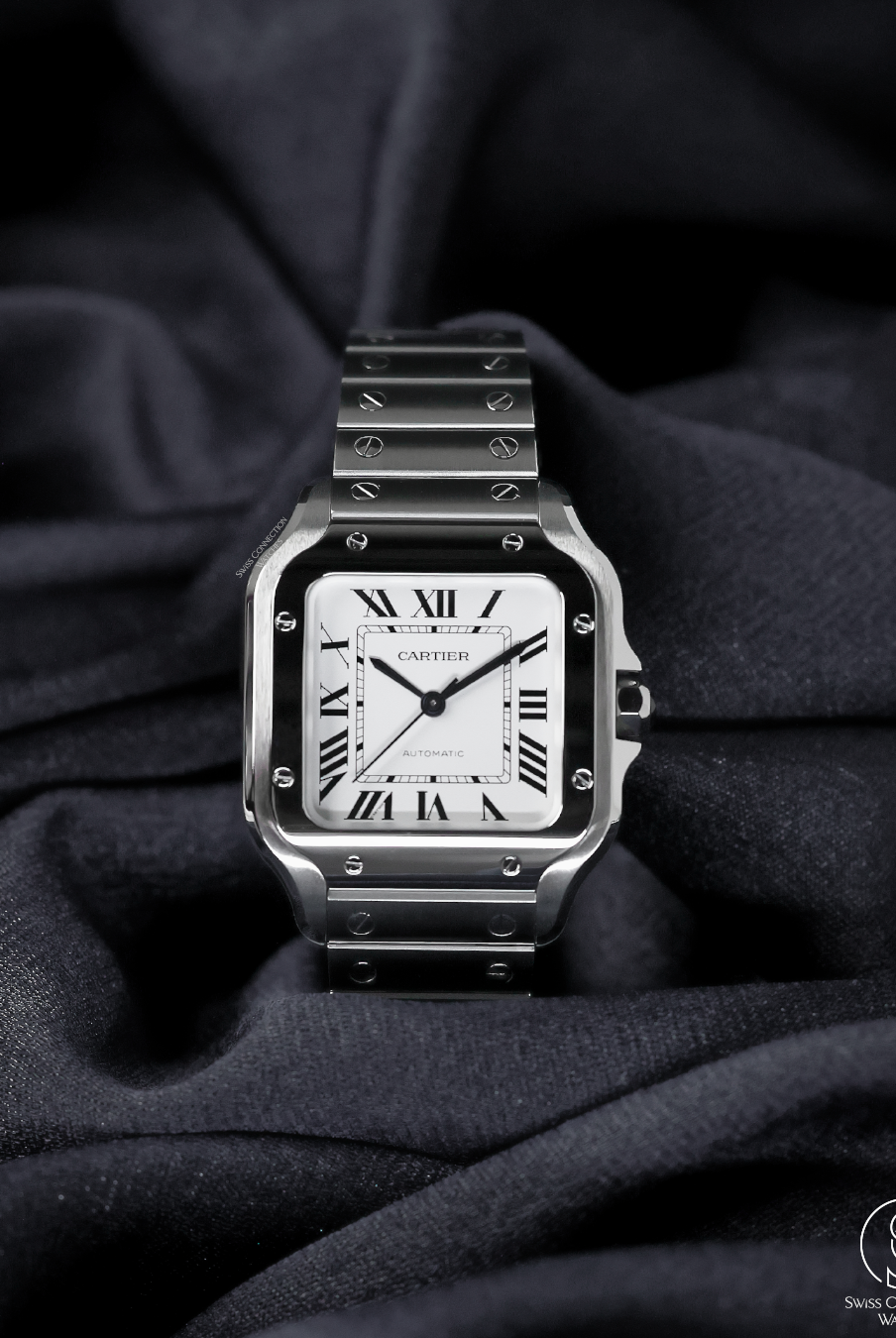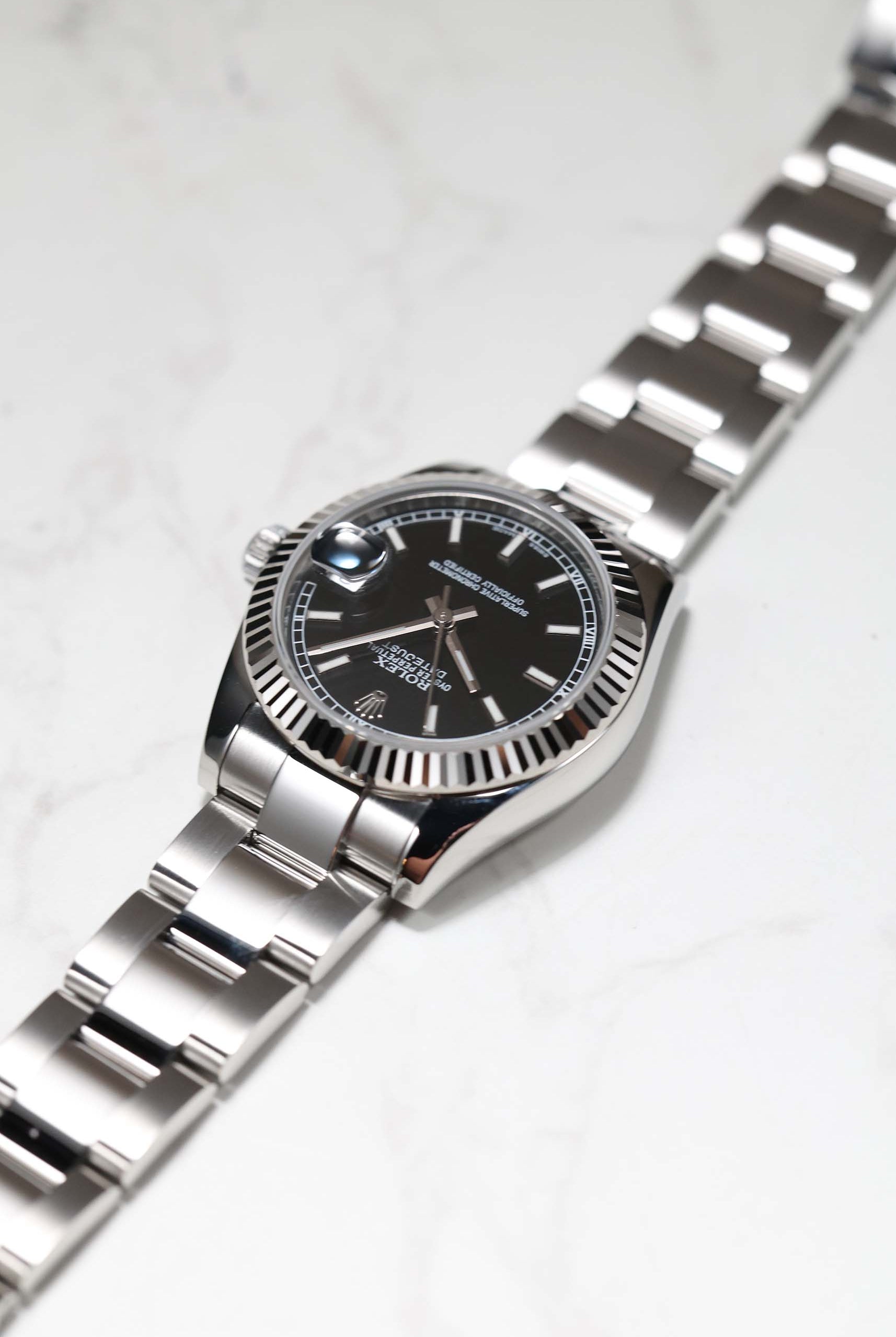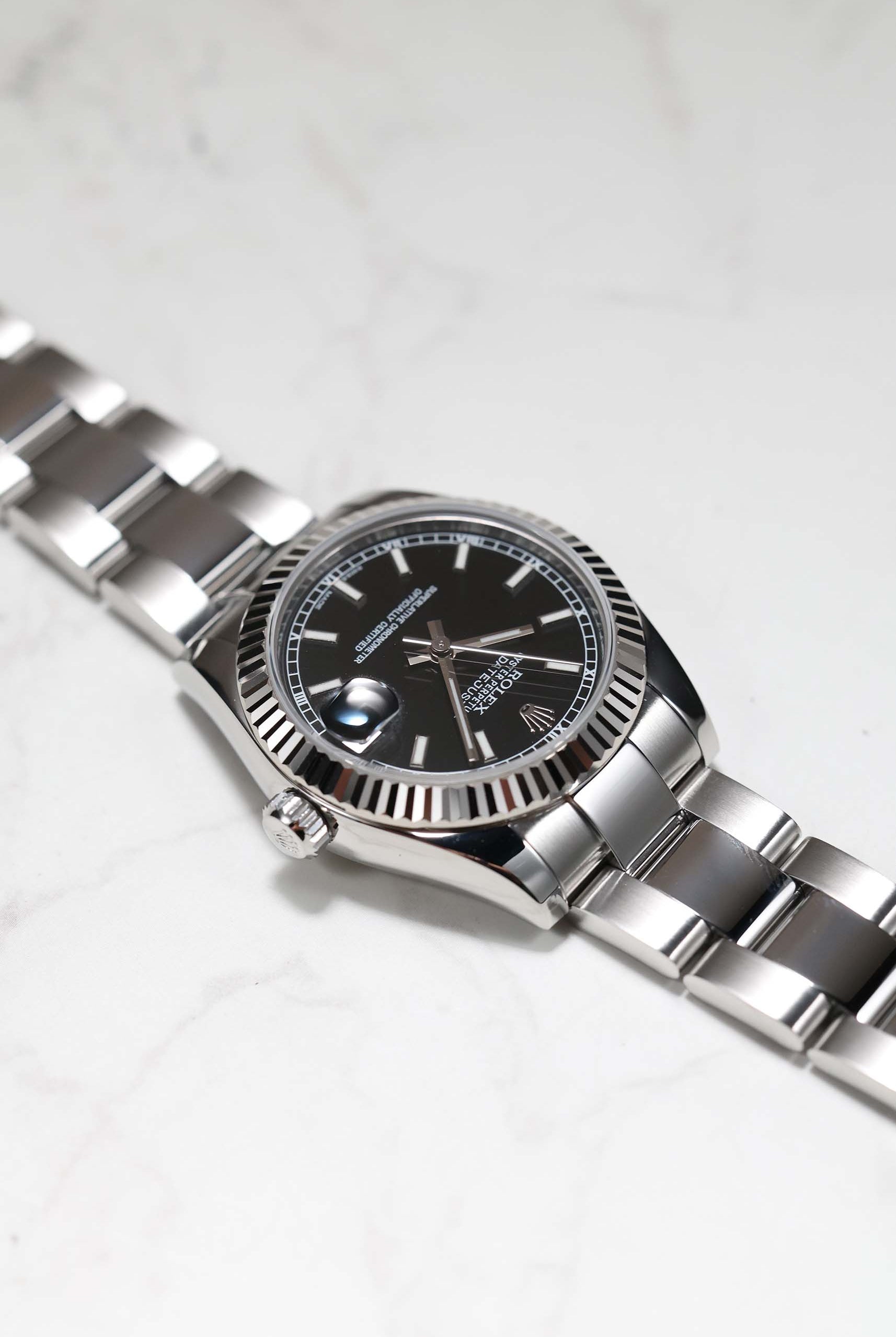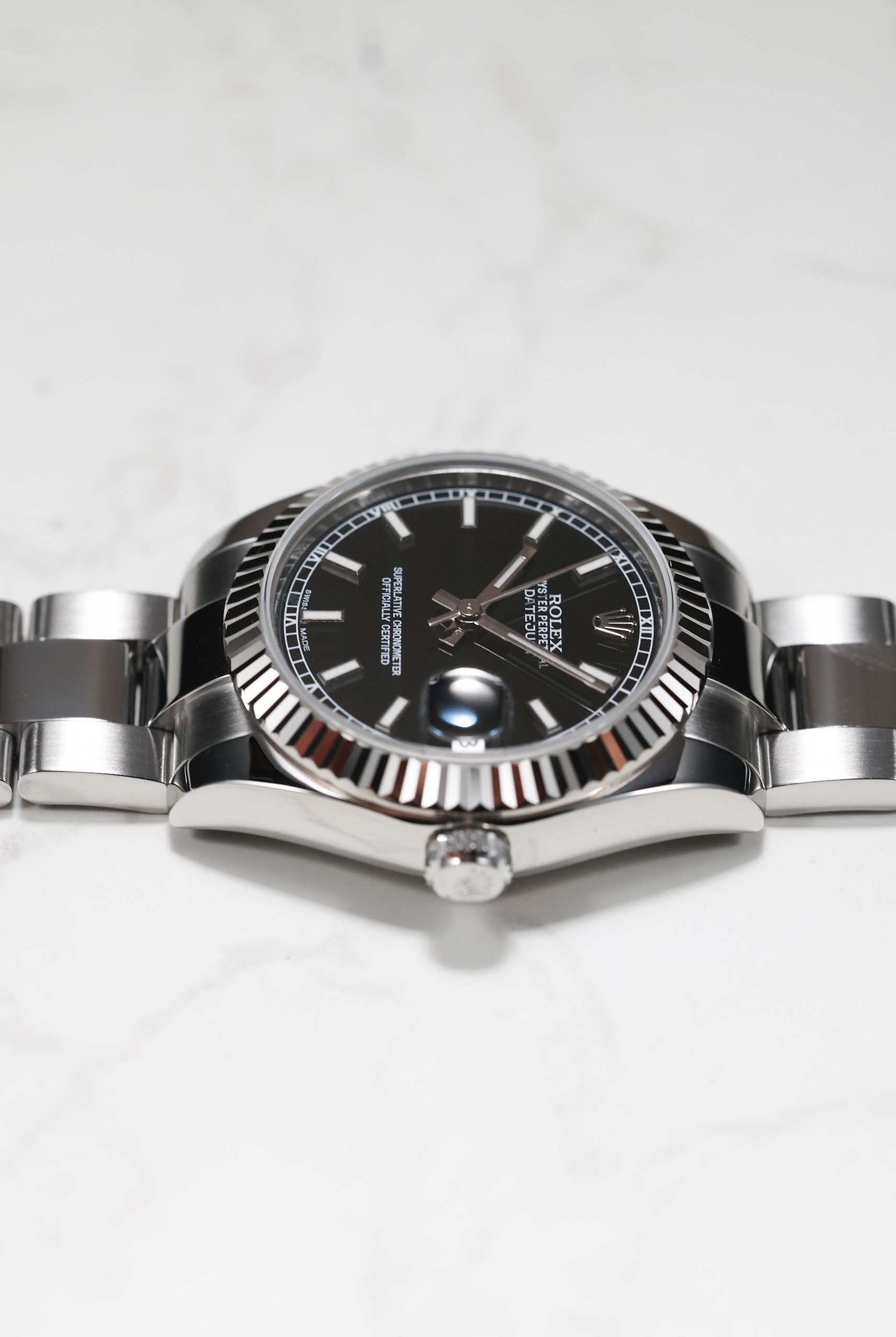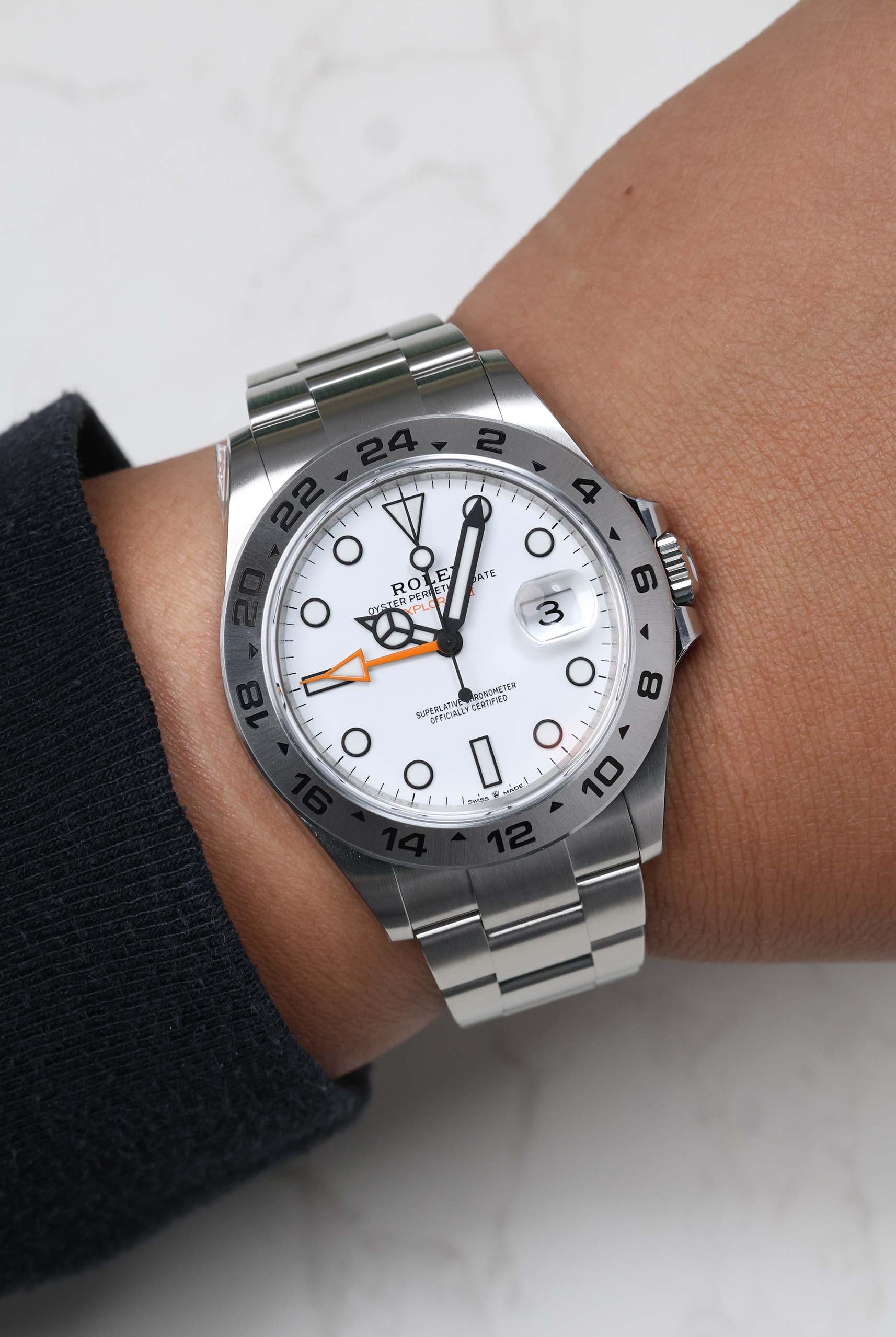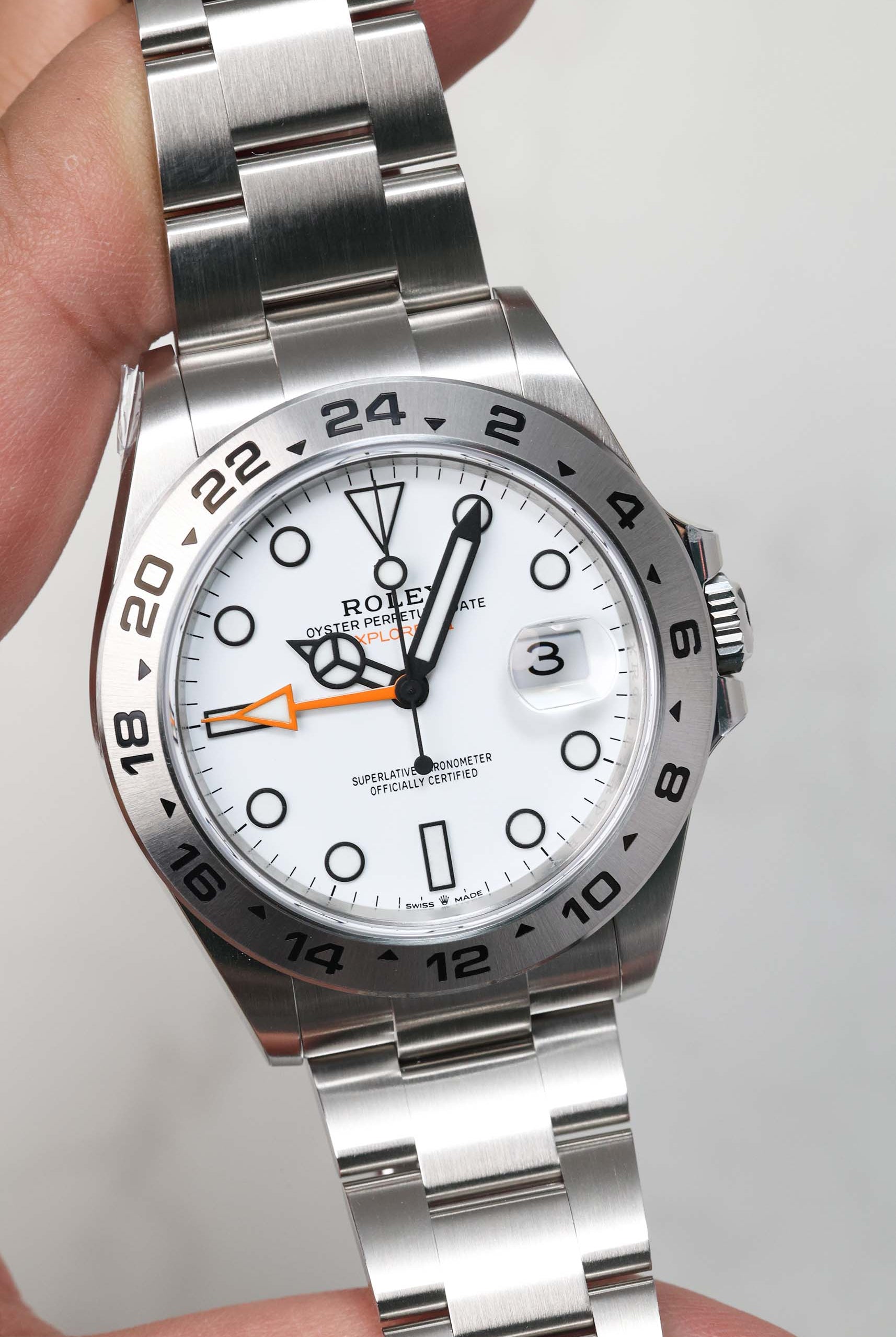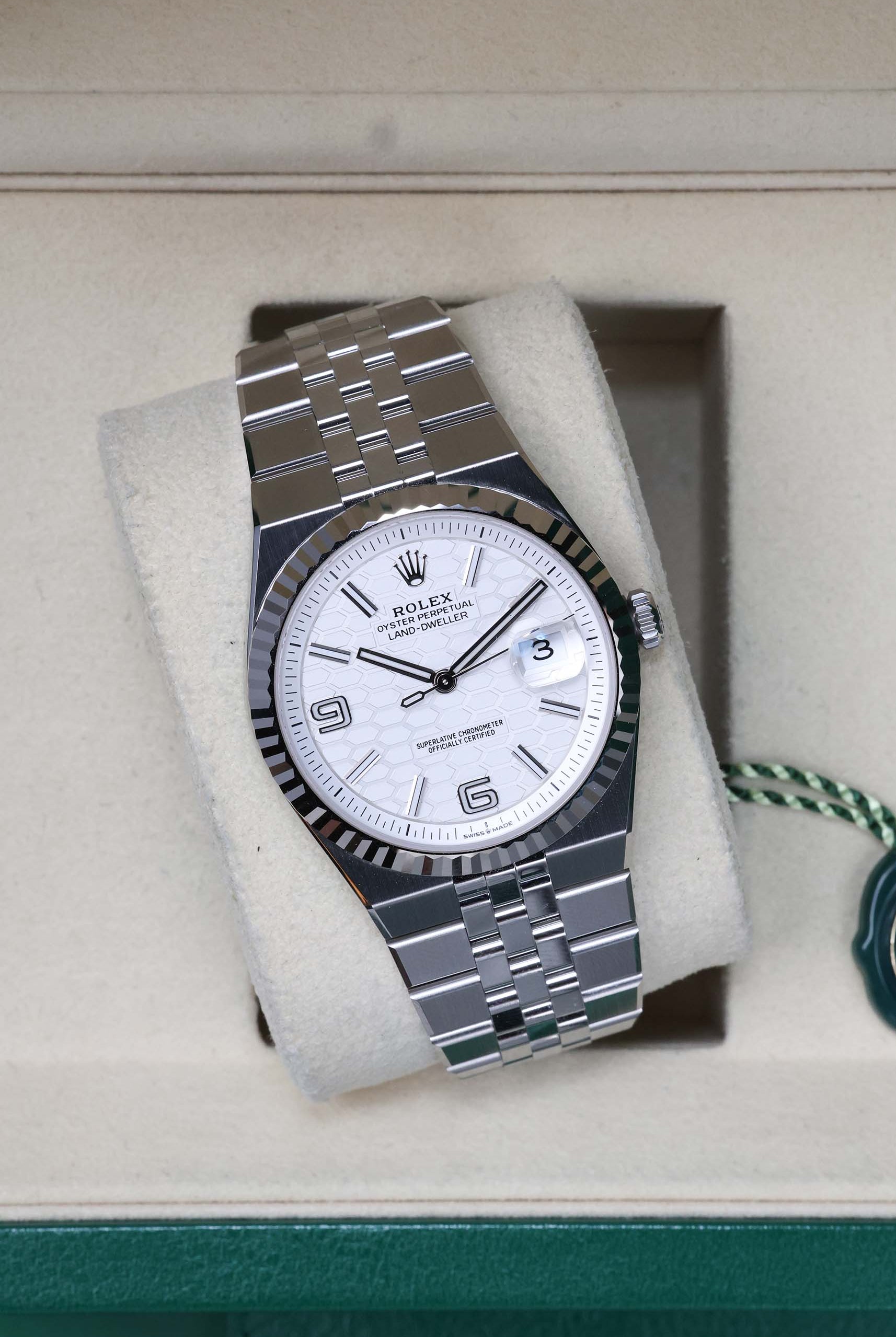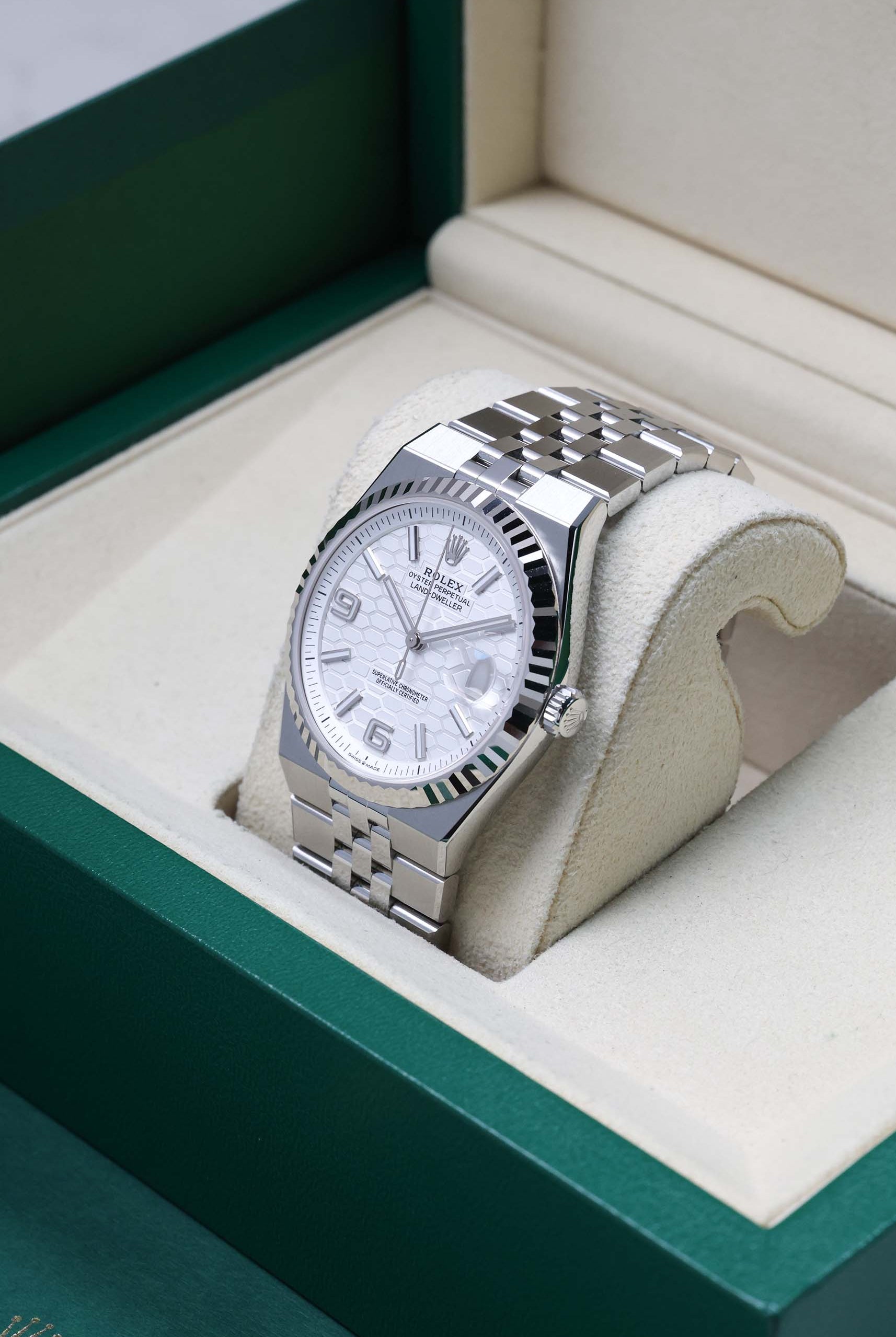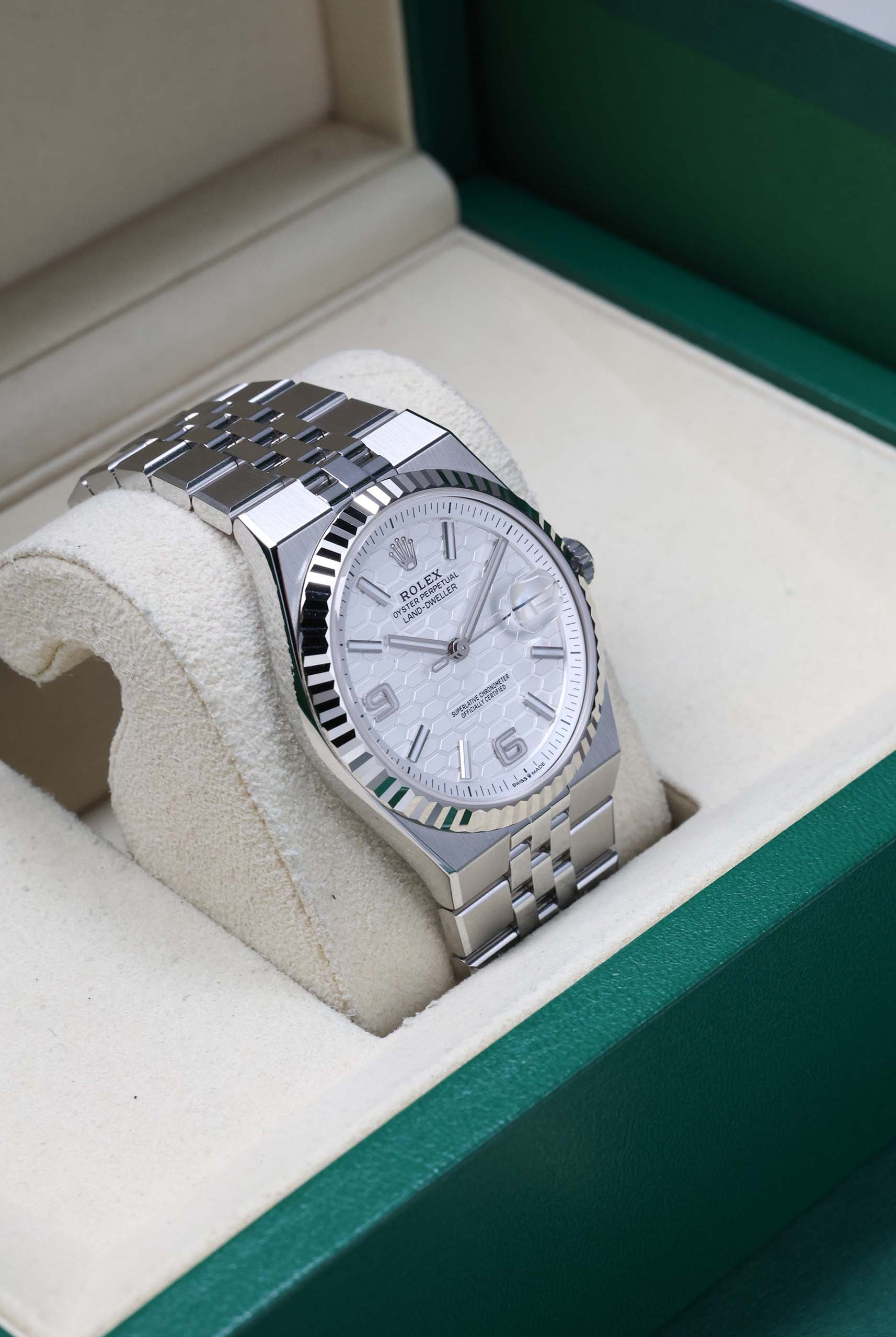

The turn of the year has always mattered in watchmaking. But 2026 feels different.
After years defined by hype cycles, speculative buying, and frantic release calendars, the industry is settling into something quieter—and more meaningful. This will not be a year that rewards speed. It will reward preparation.
For collectors, 2026 presents a rare alignment: major centenaries, milestone anniversaries, and a maturing release strategy that demands discernment rather than reaction. The calendar ahead is not something to chase—it’s something to navigate.
Here’s how we see the year unfolding, and what truly deserves your attention.
1. The Centenary Year: When History Returns to the Foreground
2026 is, above all, a Century Year—a moment that forces the industry to look backward before it moves forward.
-
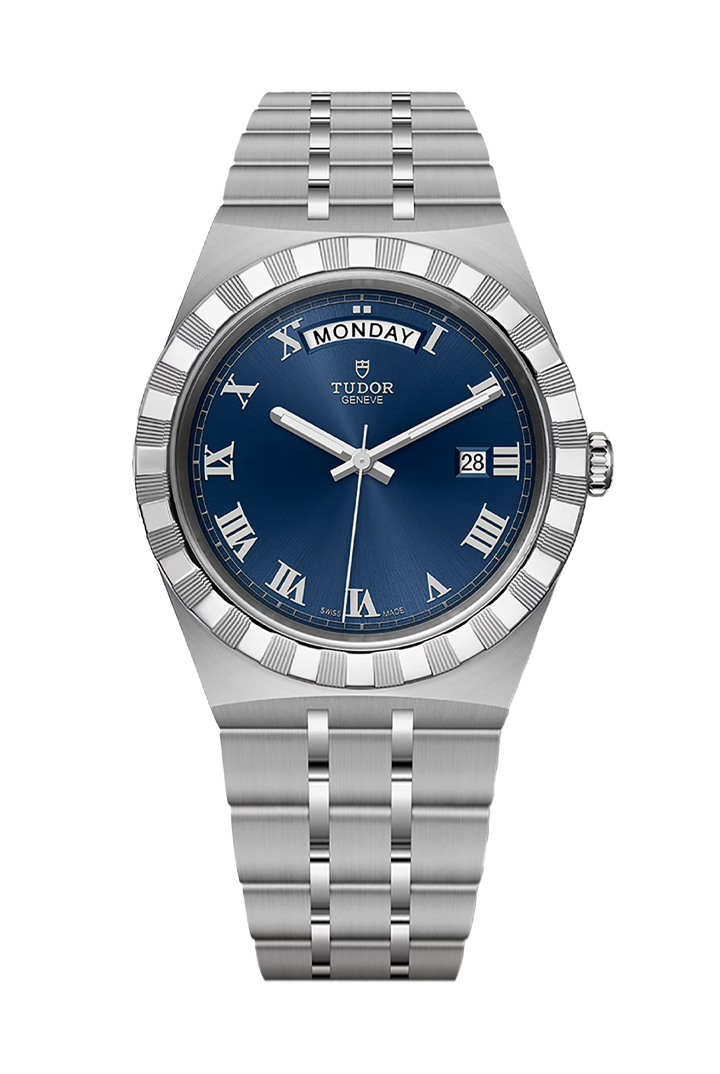
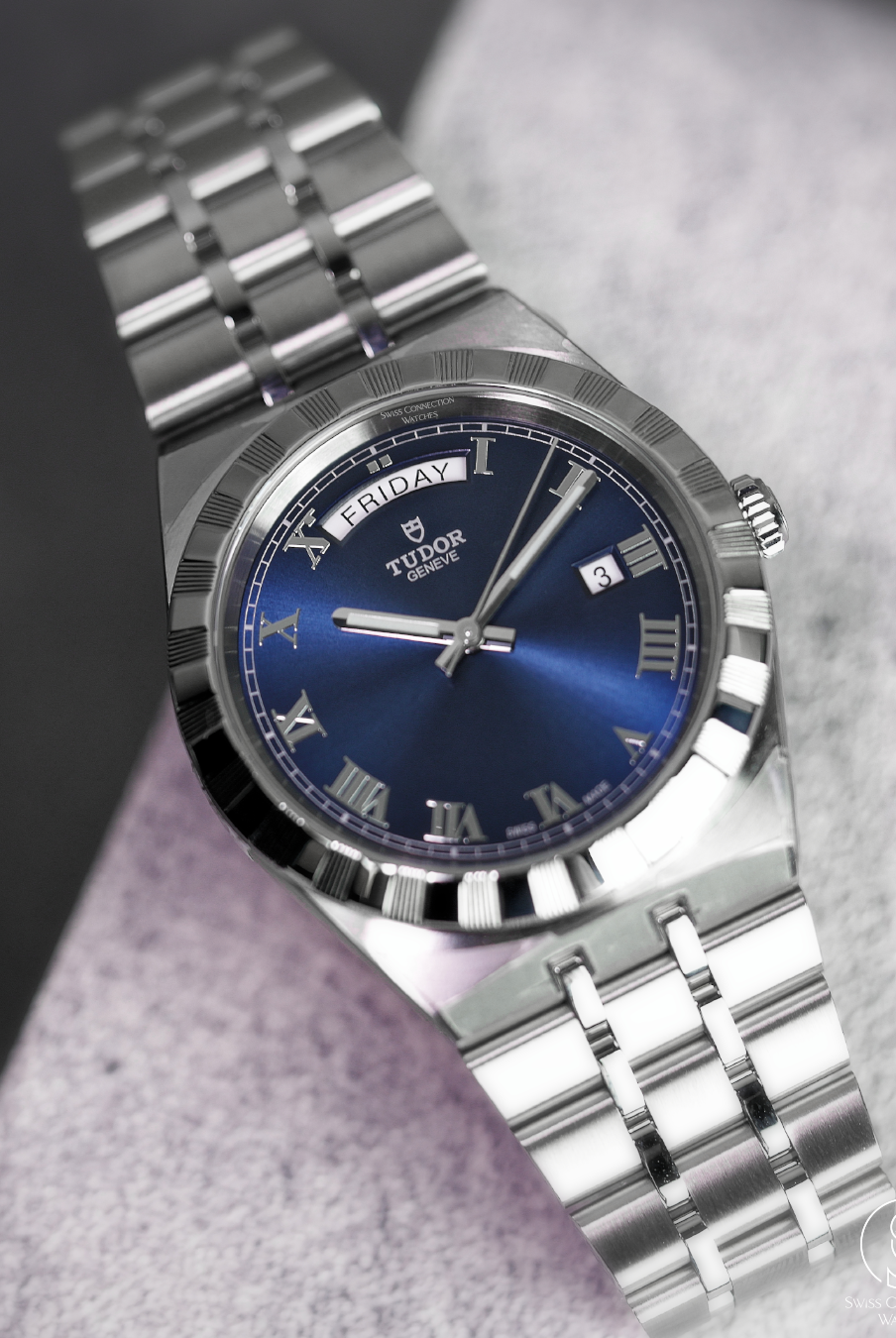
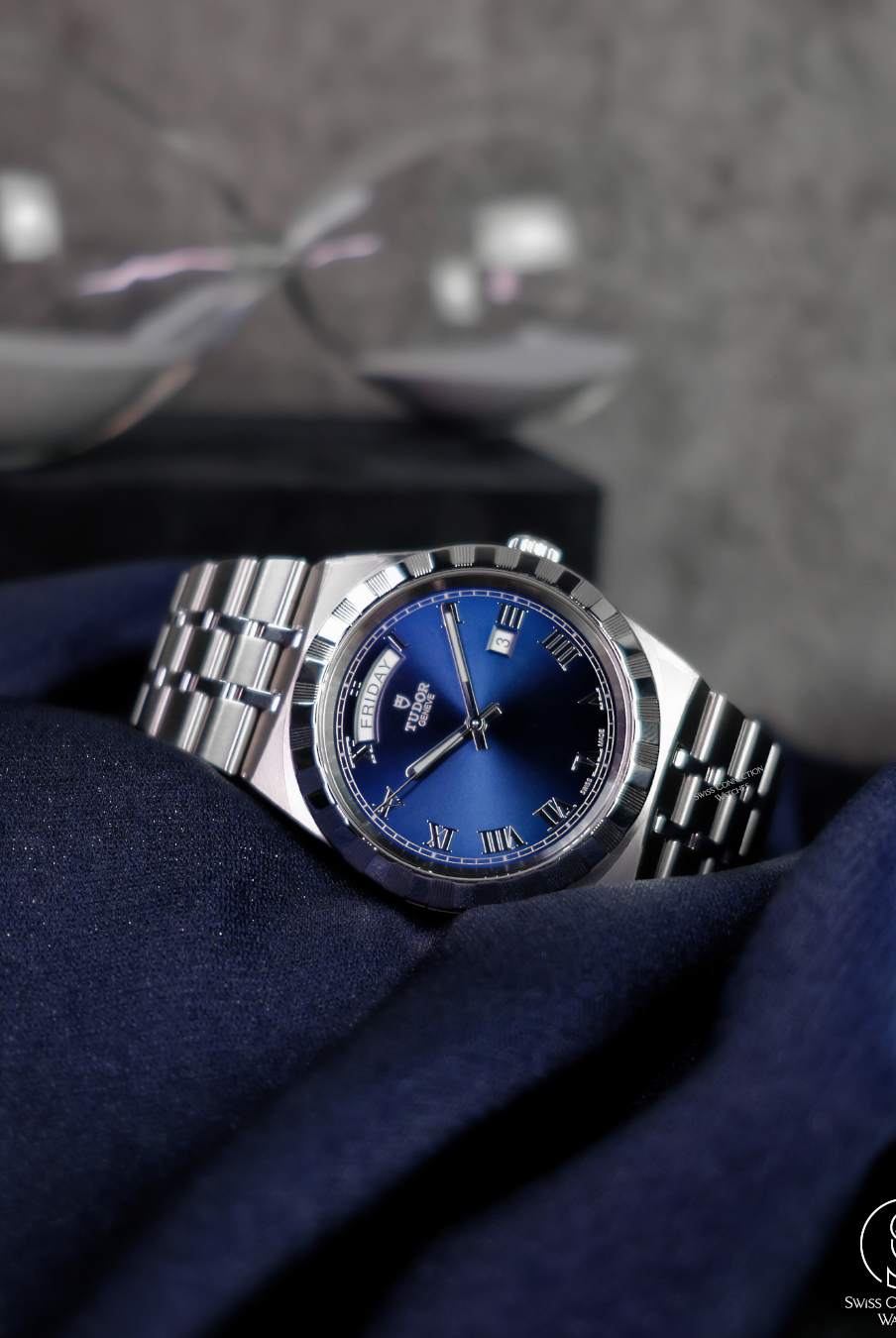
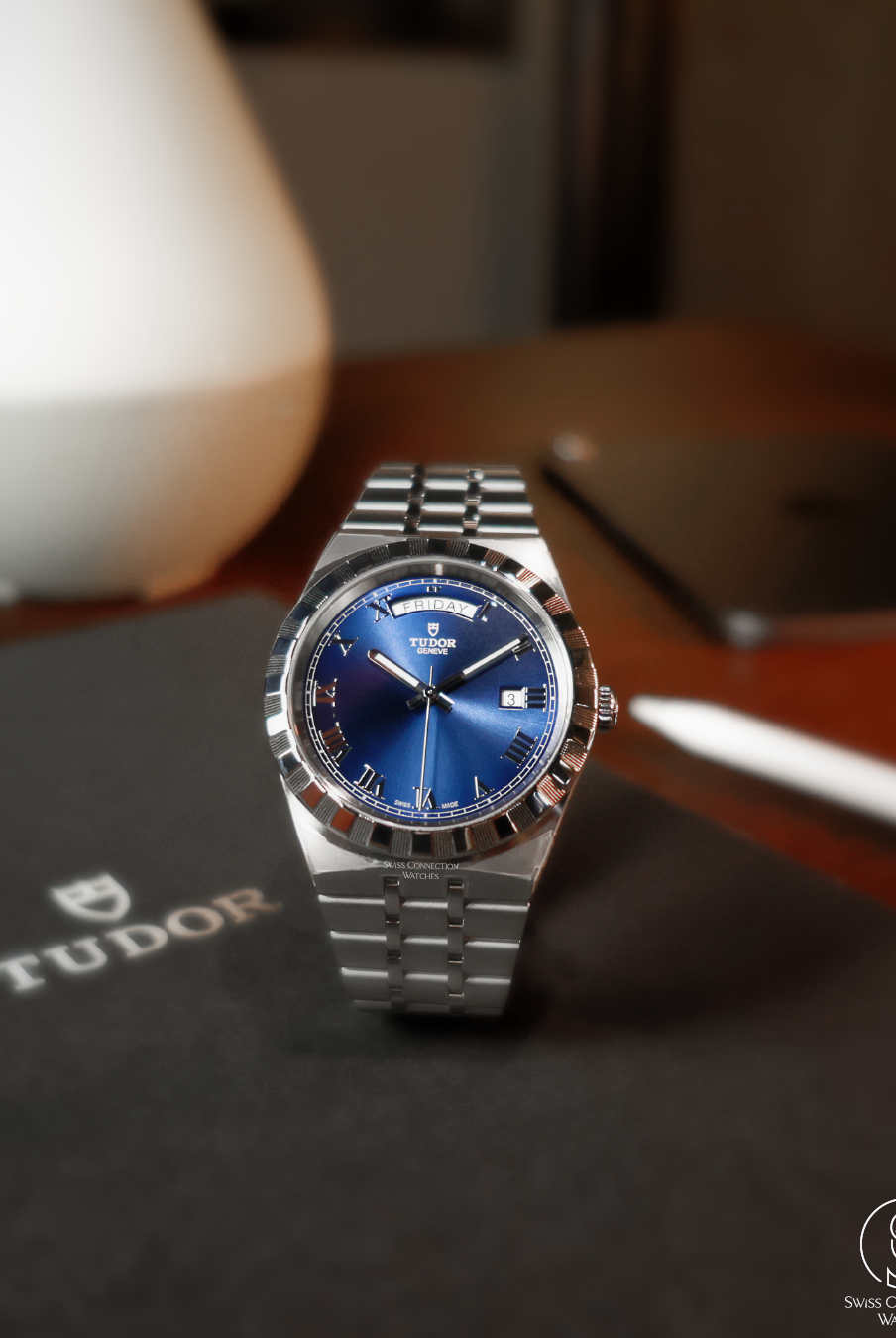
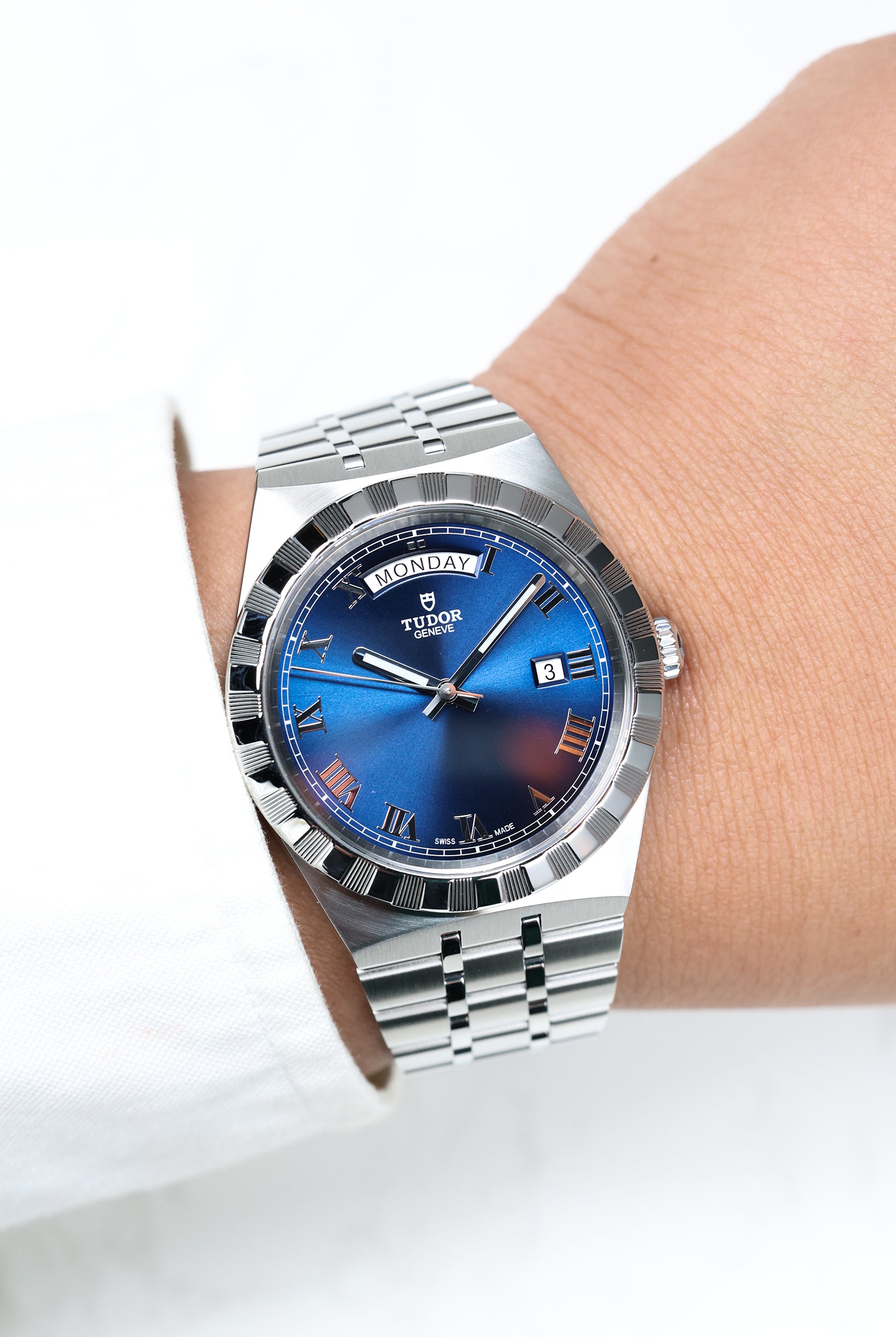
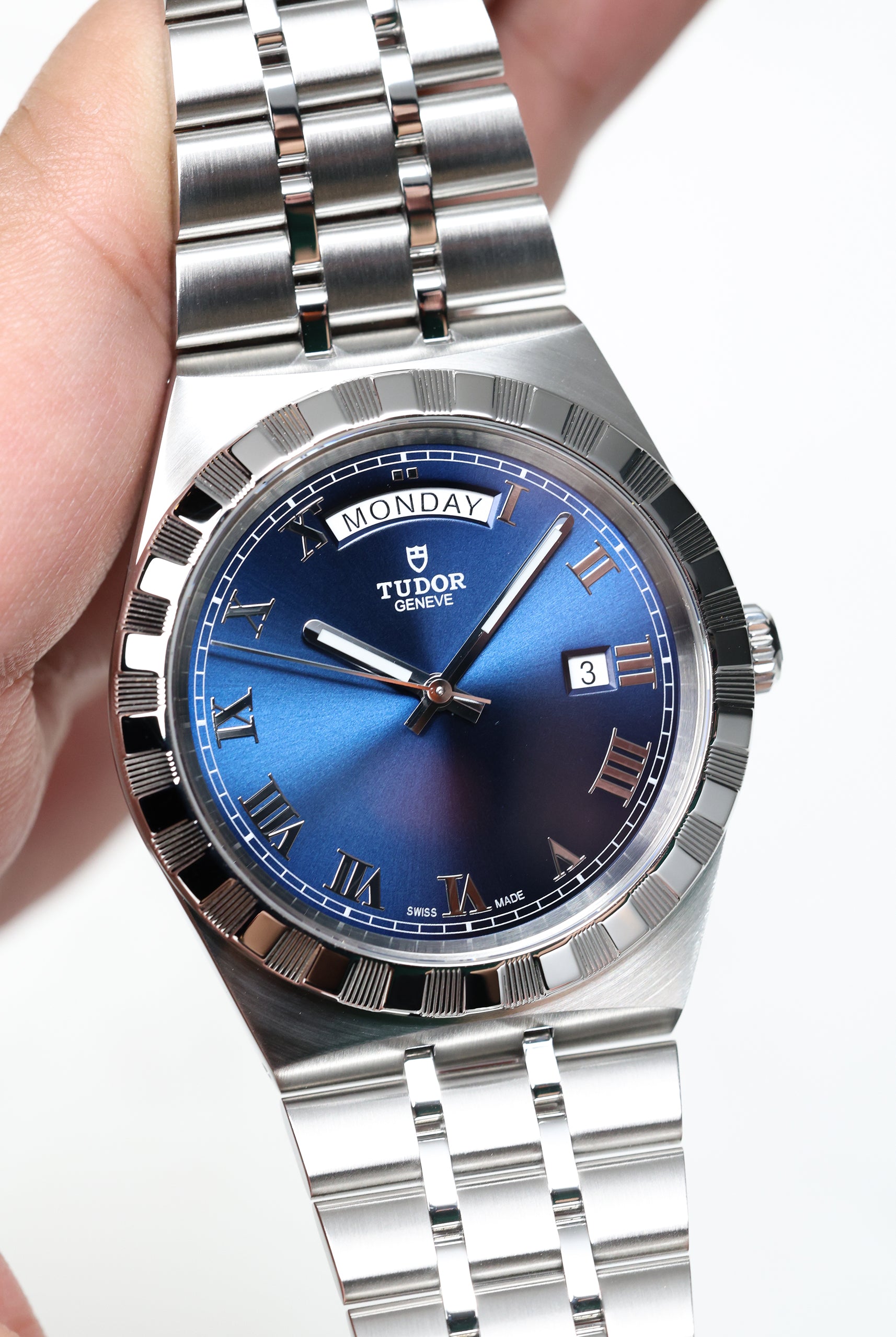
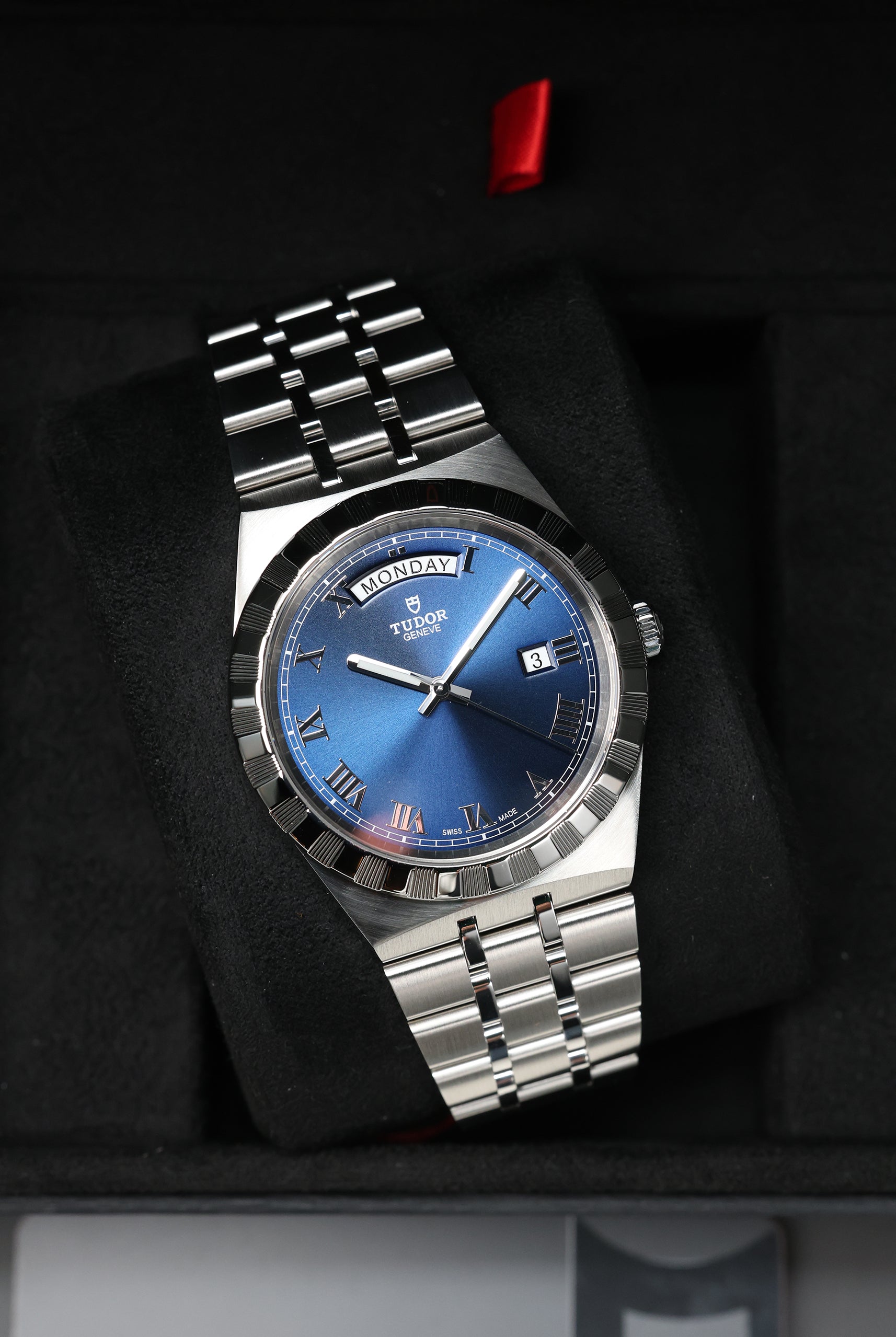
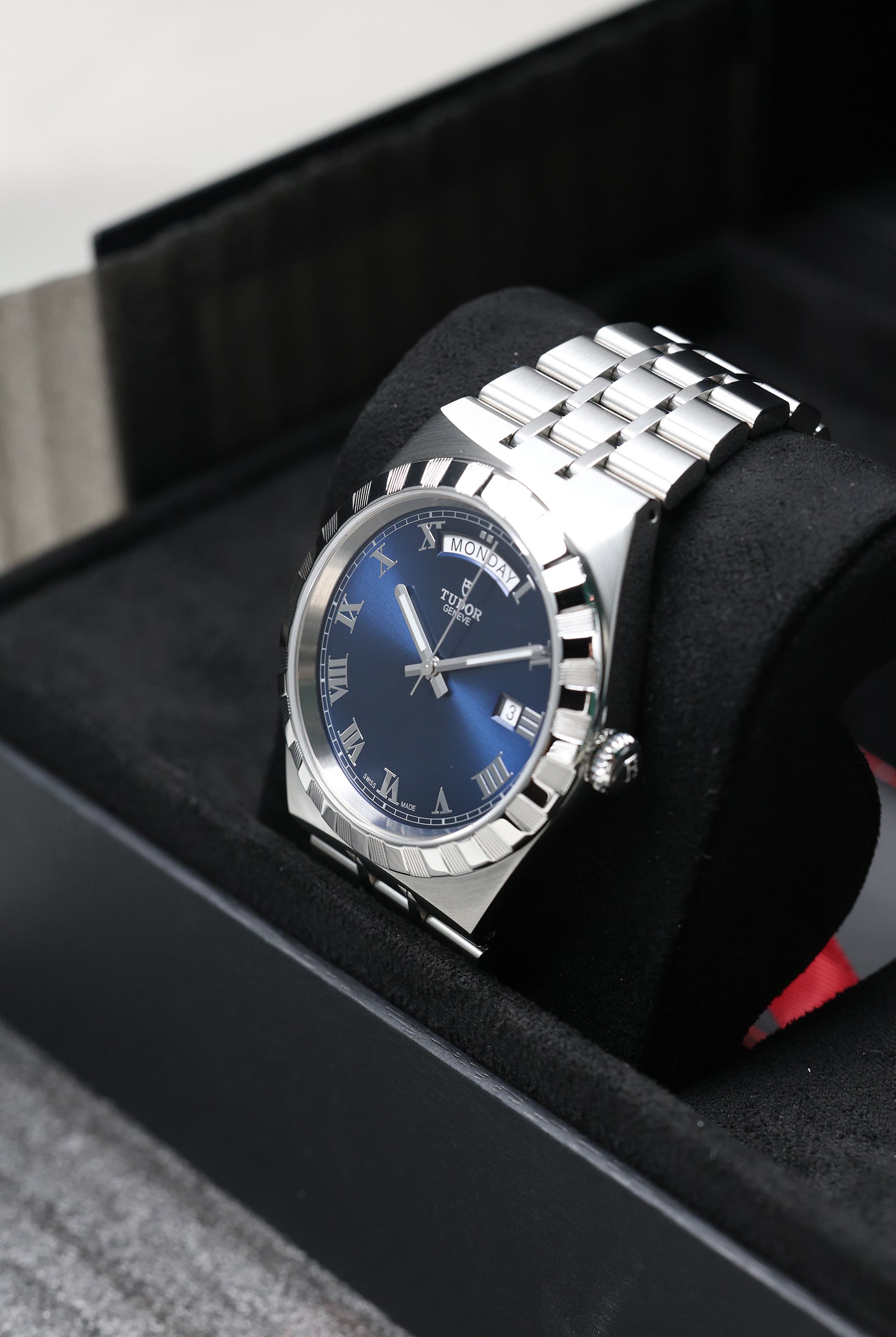
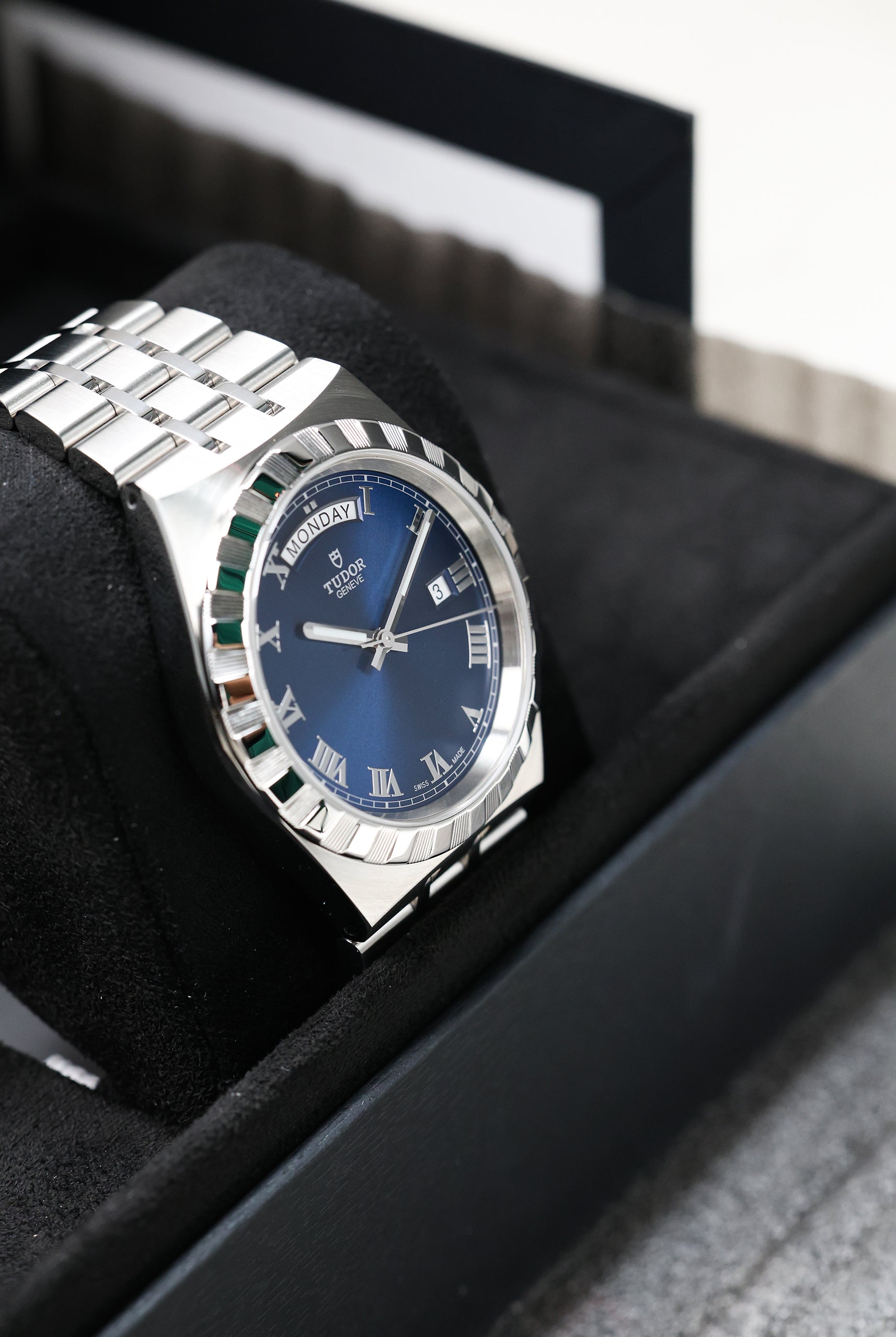
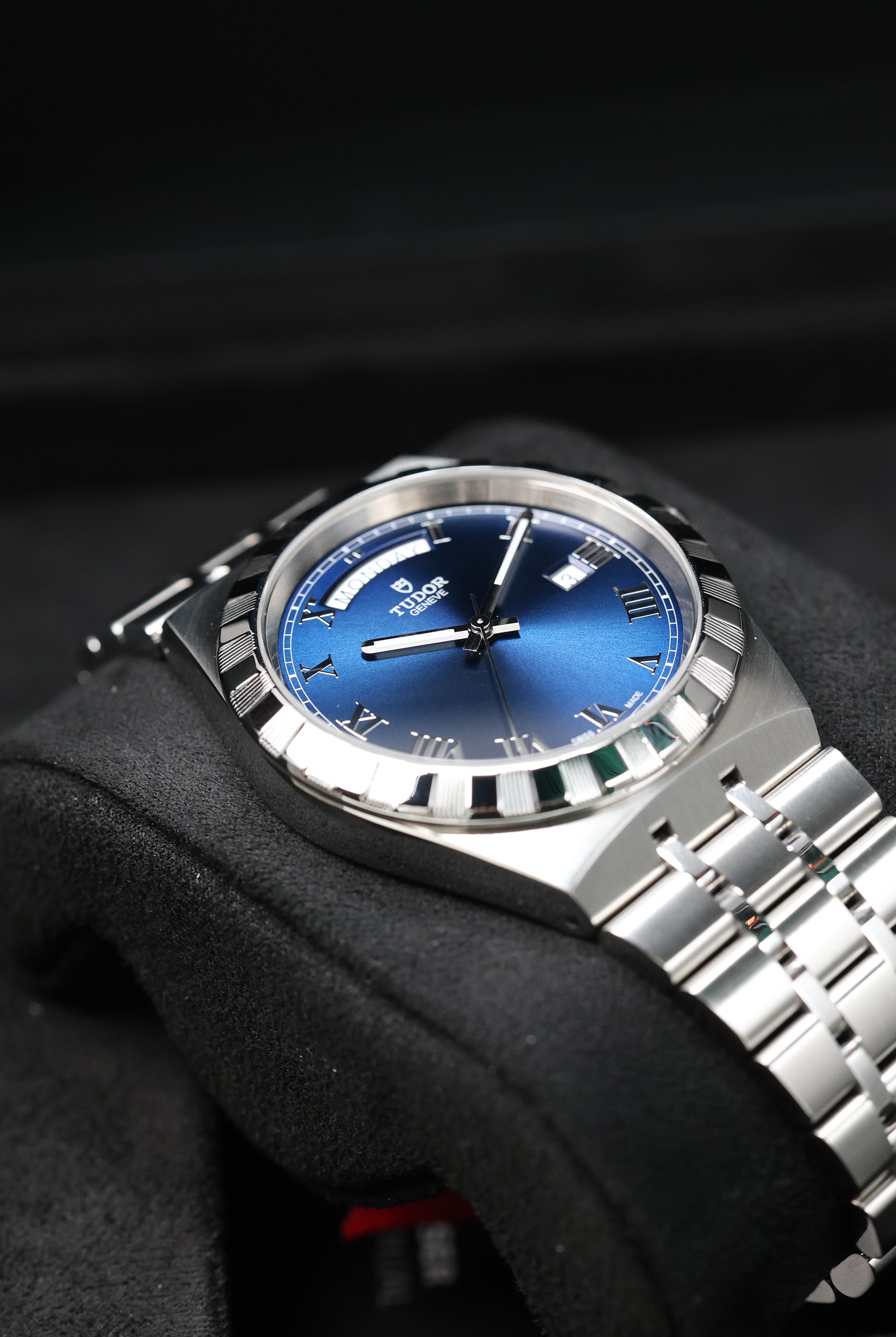
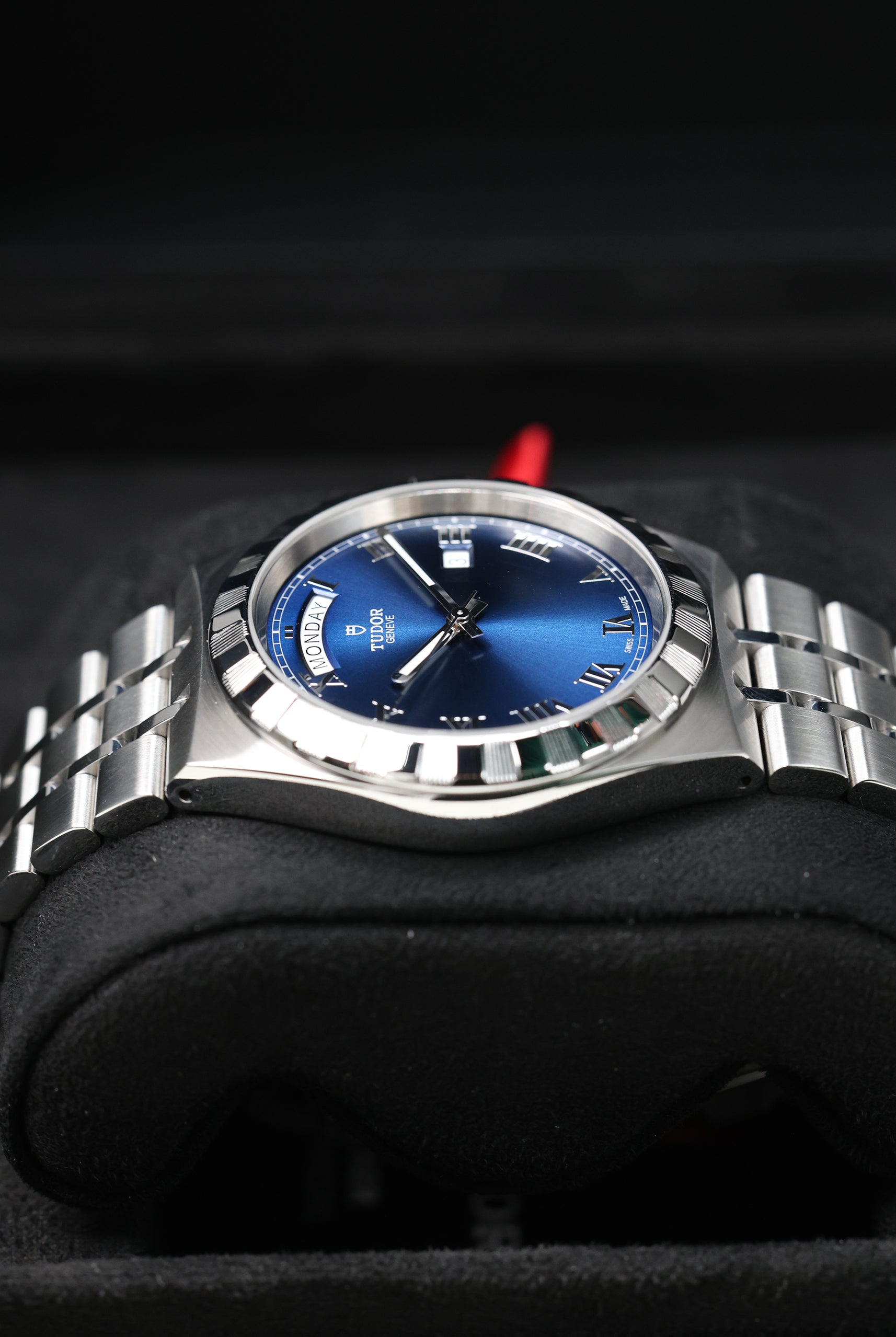
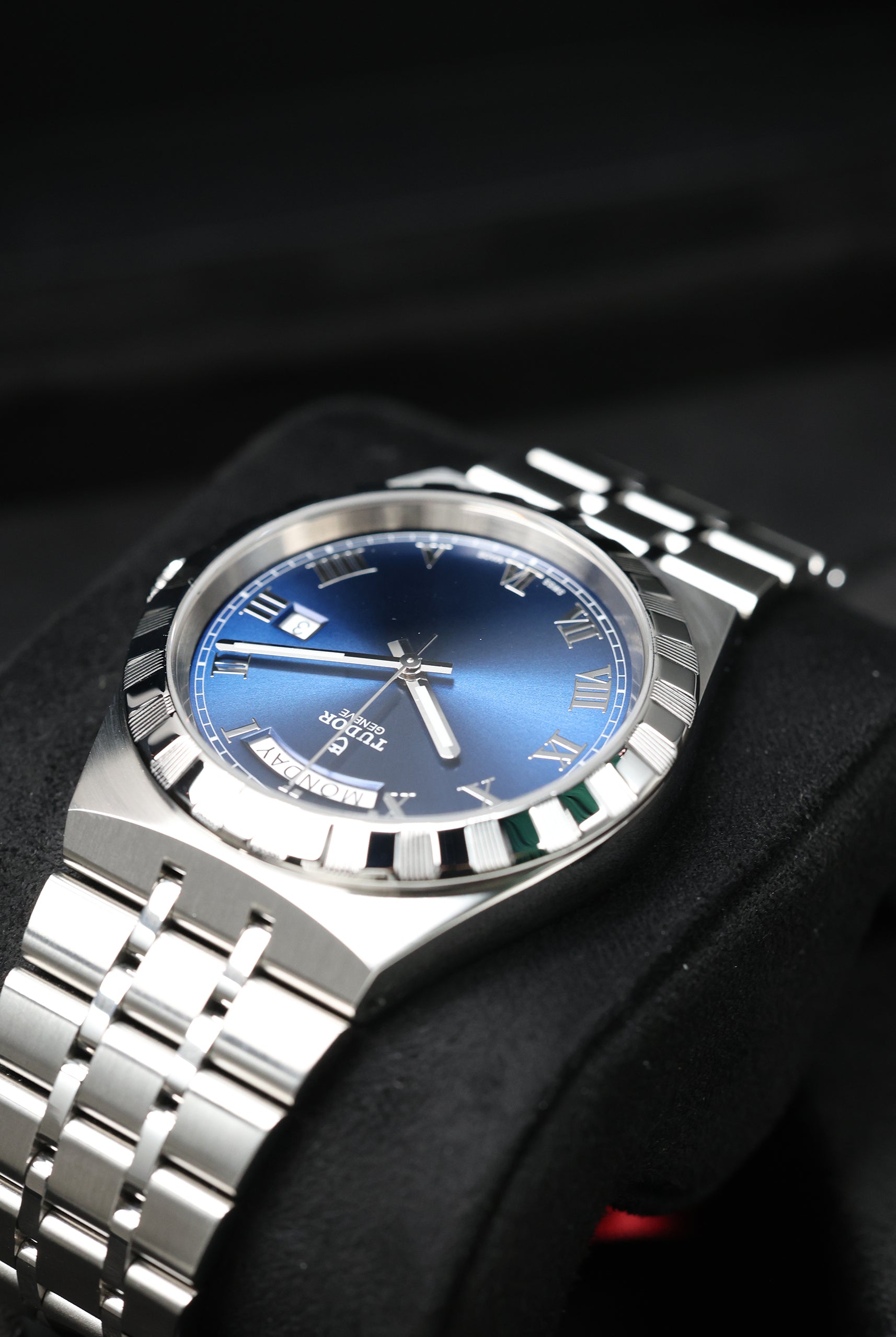
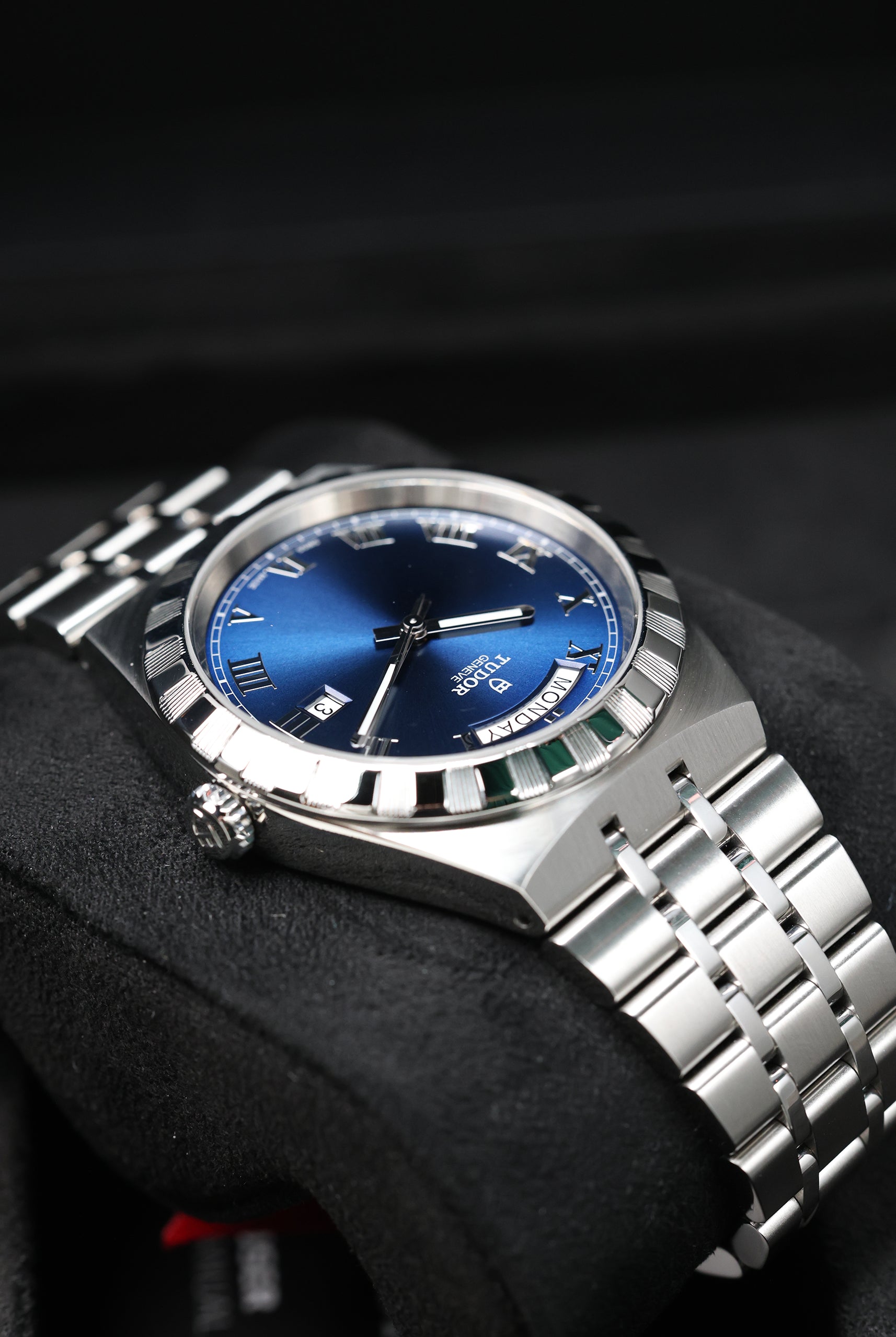
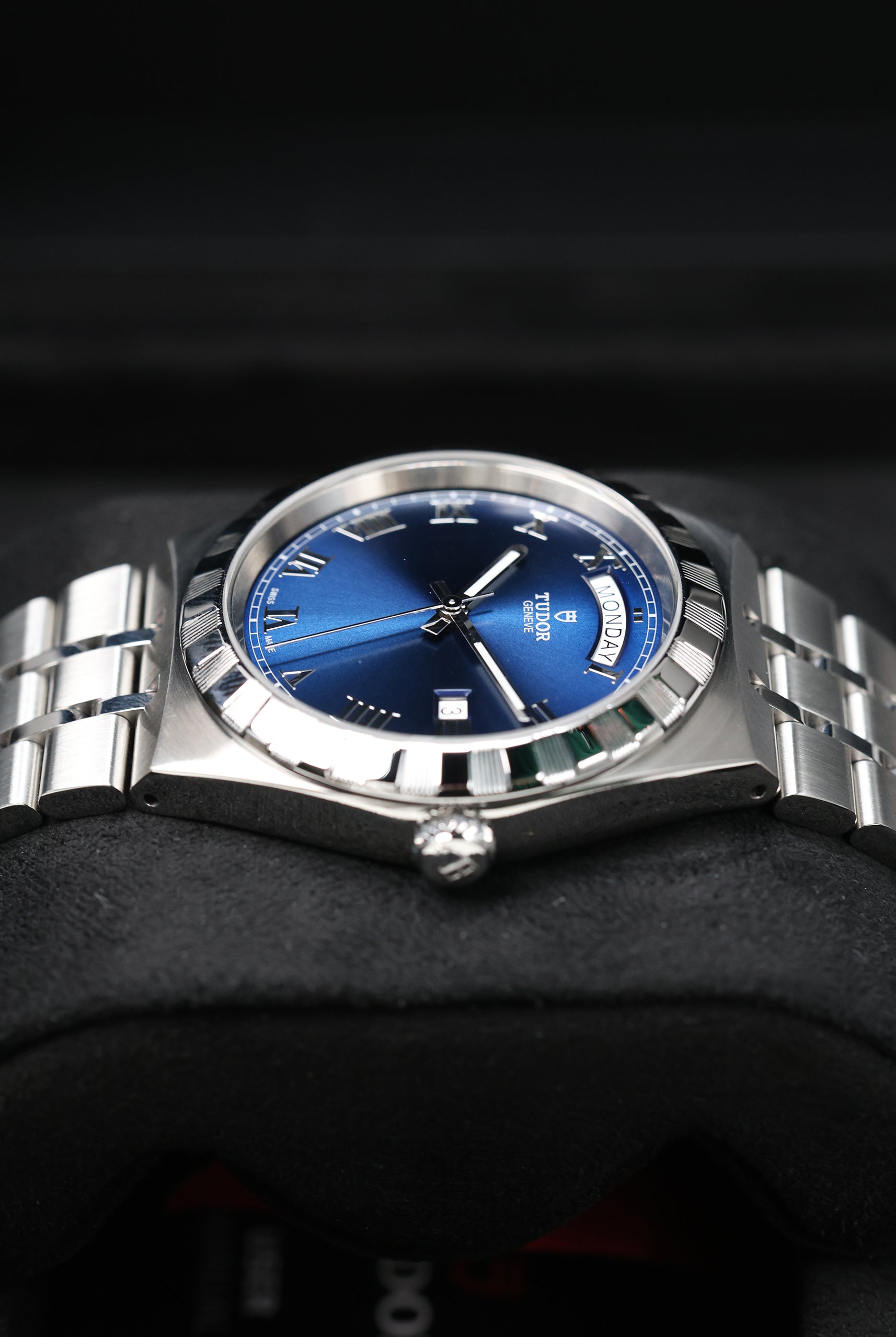
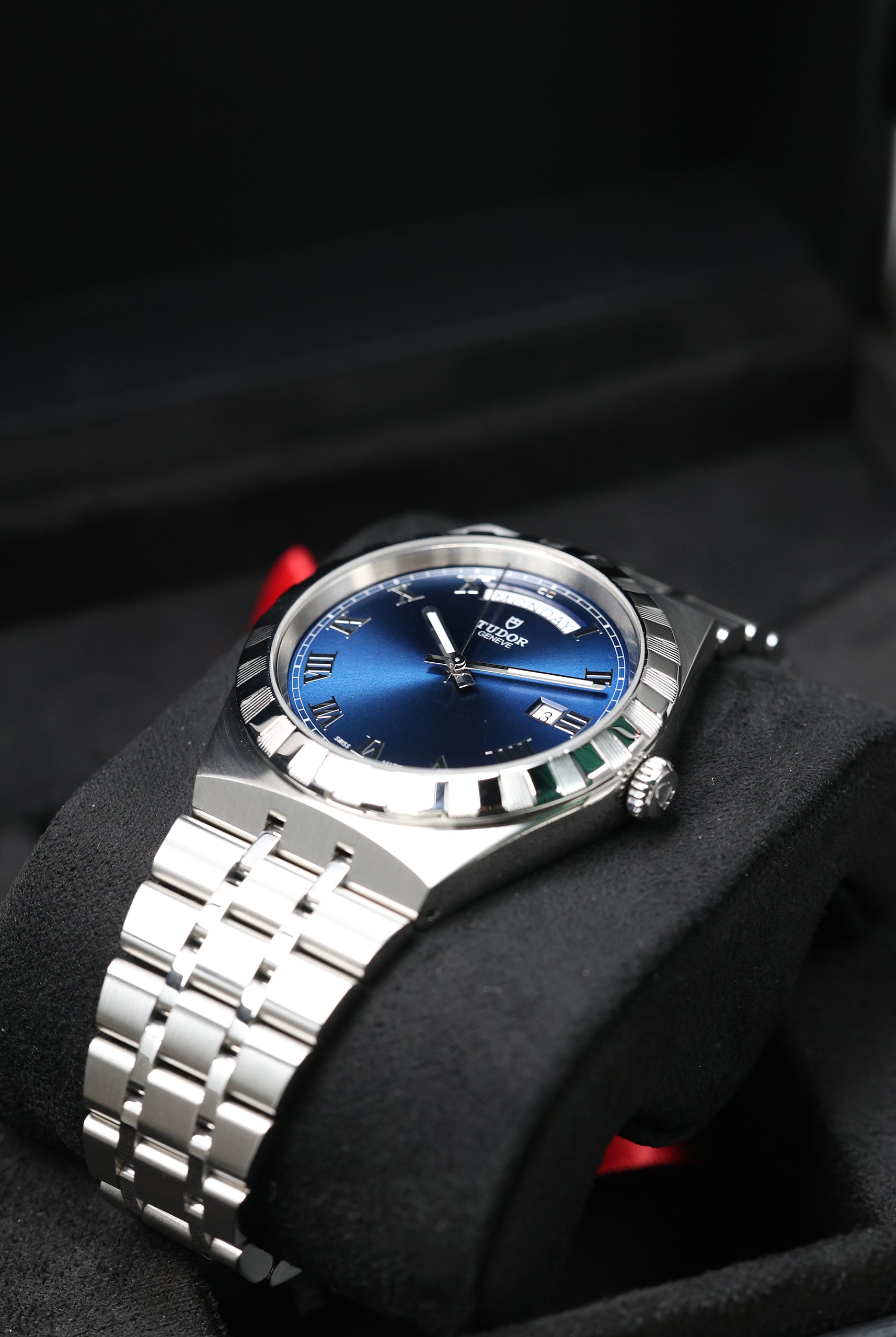
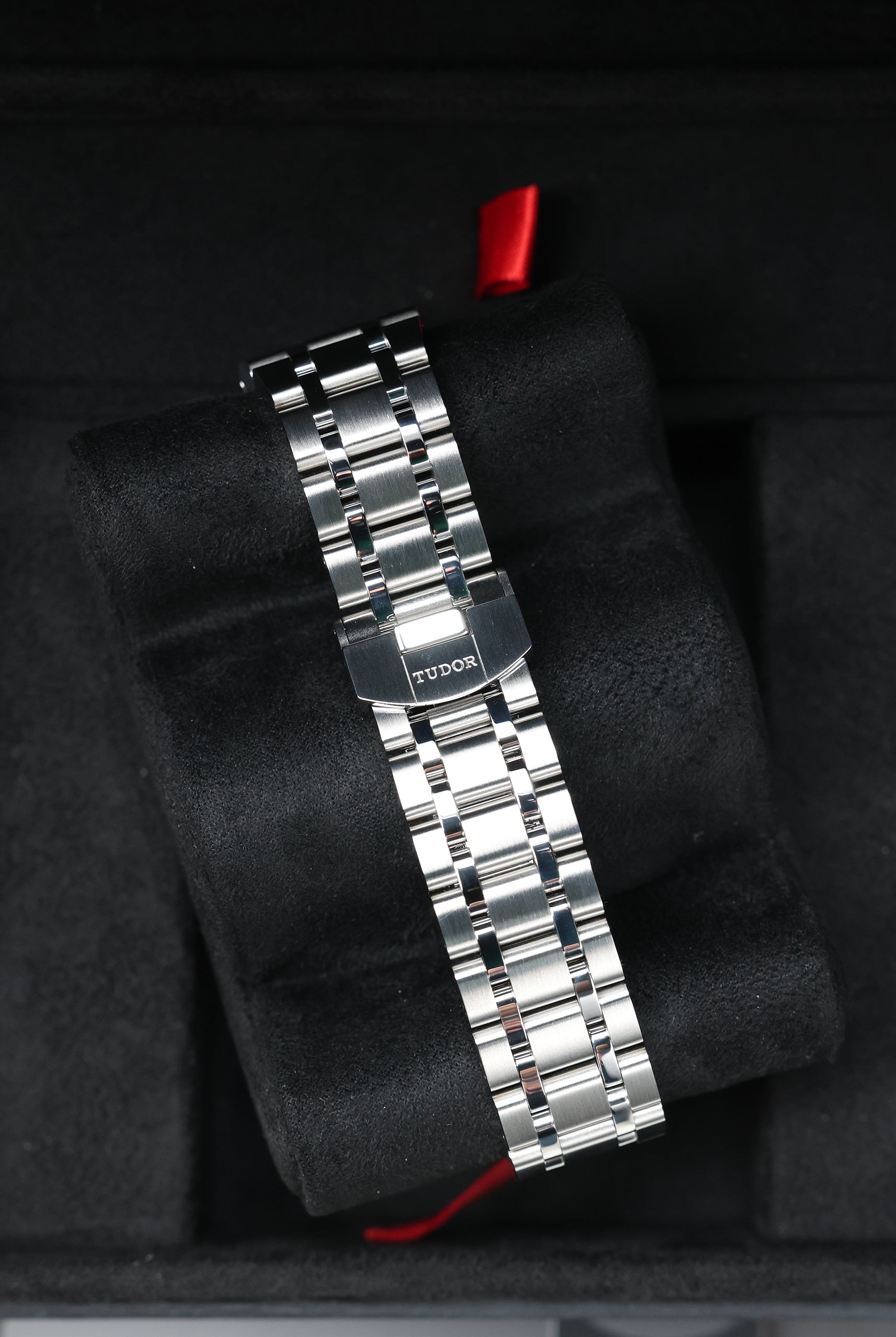
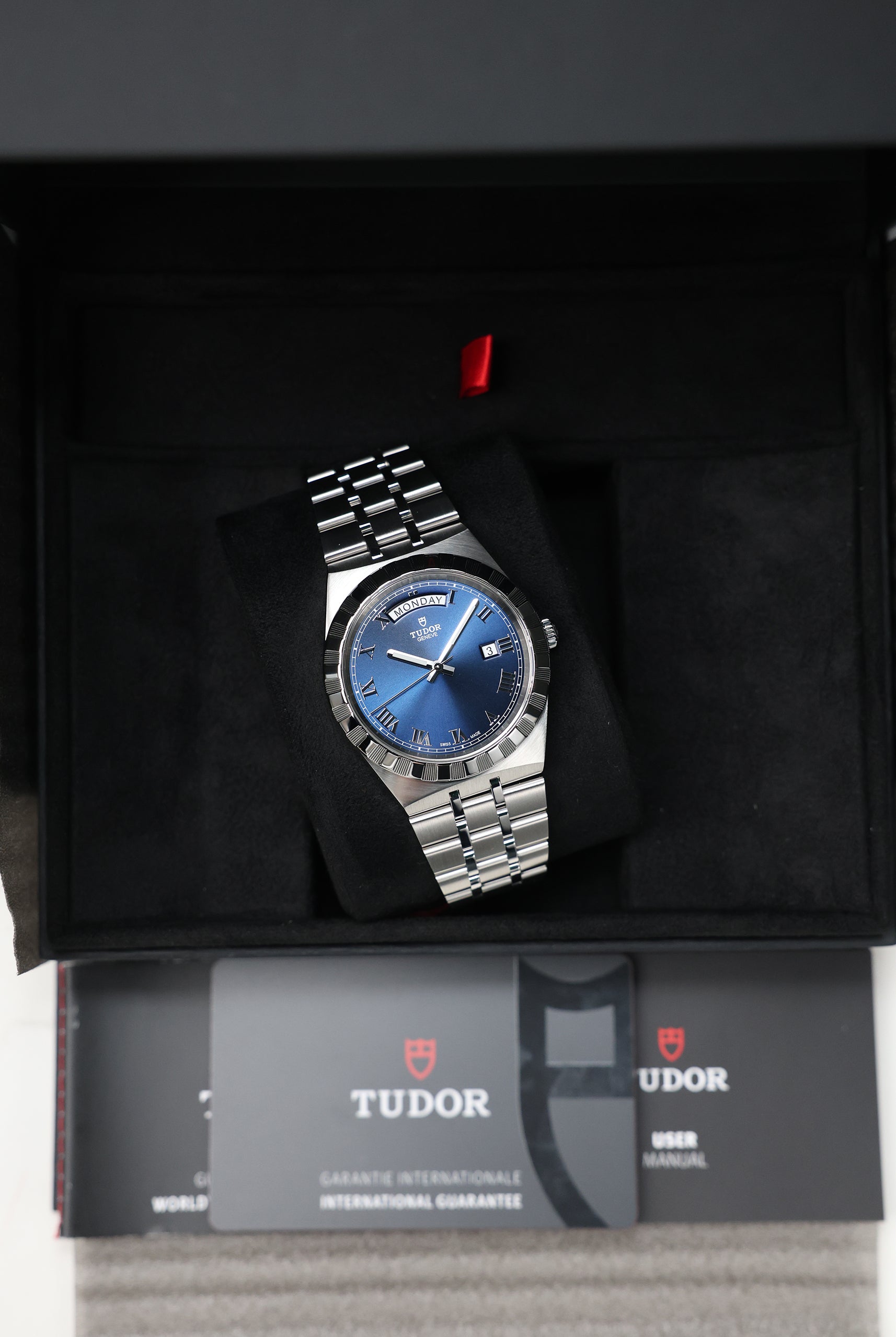
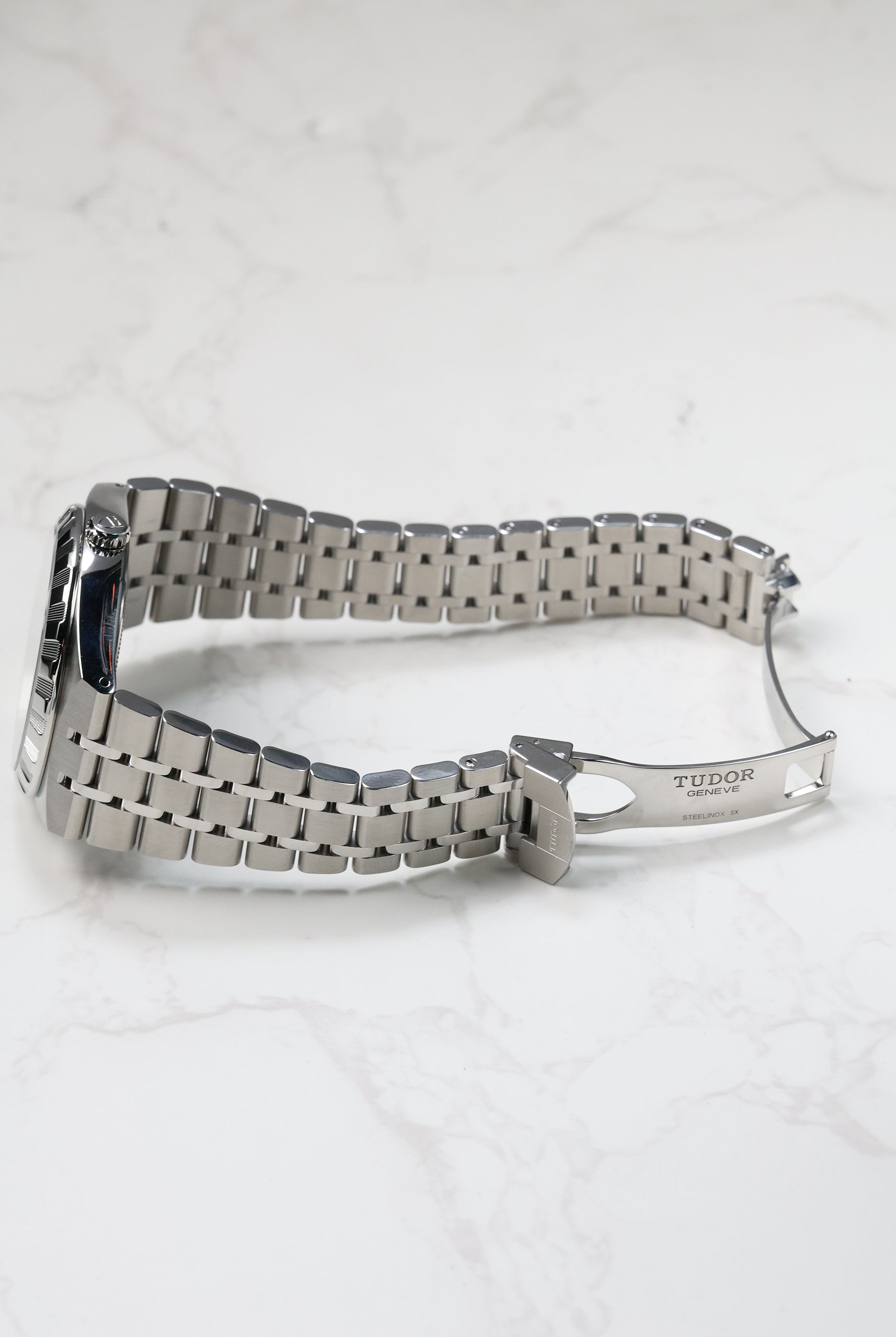
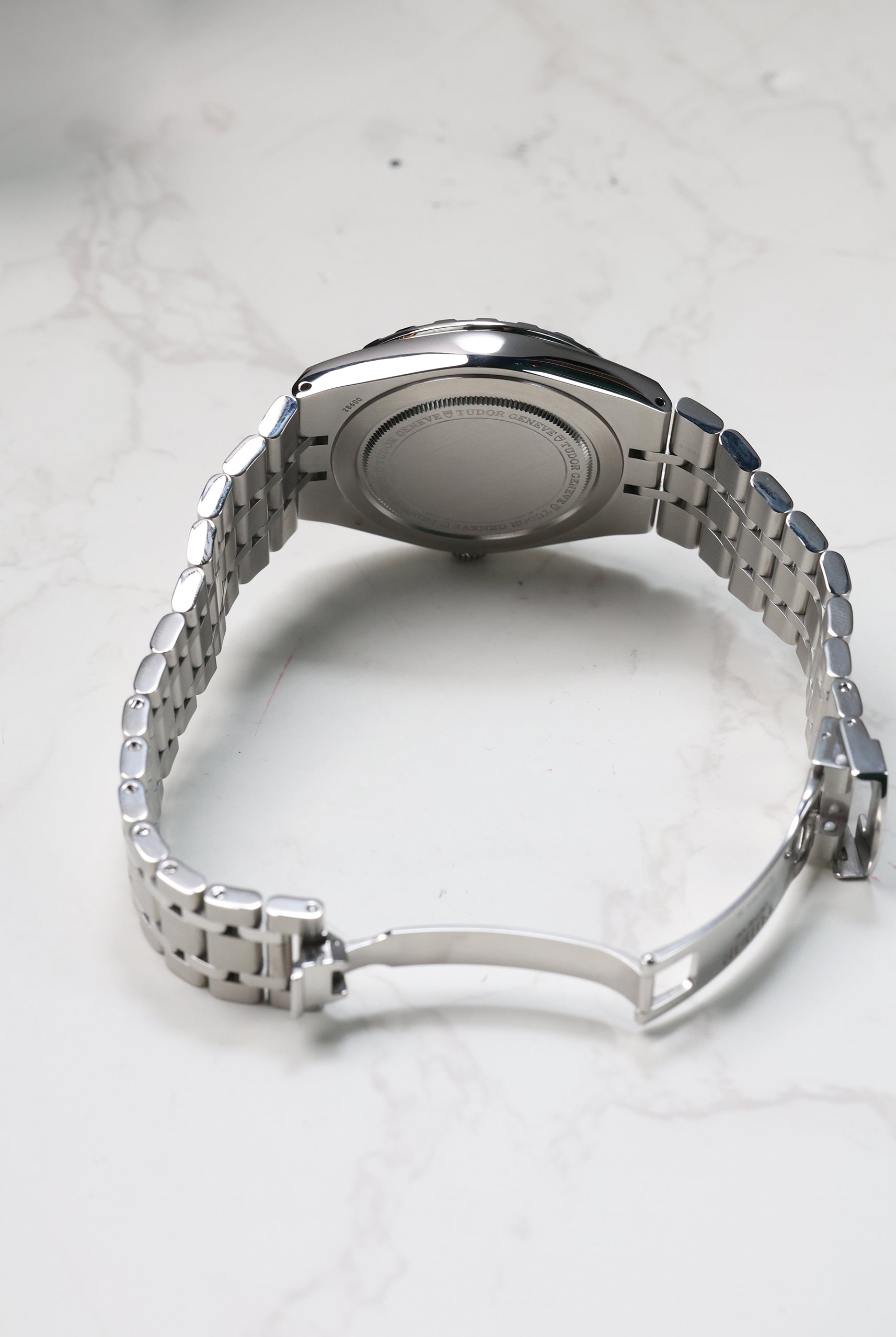
Tudor at 100 (1926–2026): Registered in 1926, Tudor reaches its centenary after a decade of defining its modern identity. Having successfully stepped out of Rolex’s shadow, we expect a release that doesn’t merely reference history, but consolidates Tudor’s position as a modern professional tool-watch brand. Whether that takes the form of a milestone Black Bay or a deeper archival revival, expectations are high.
-
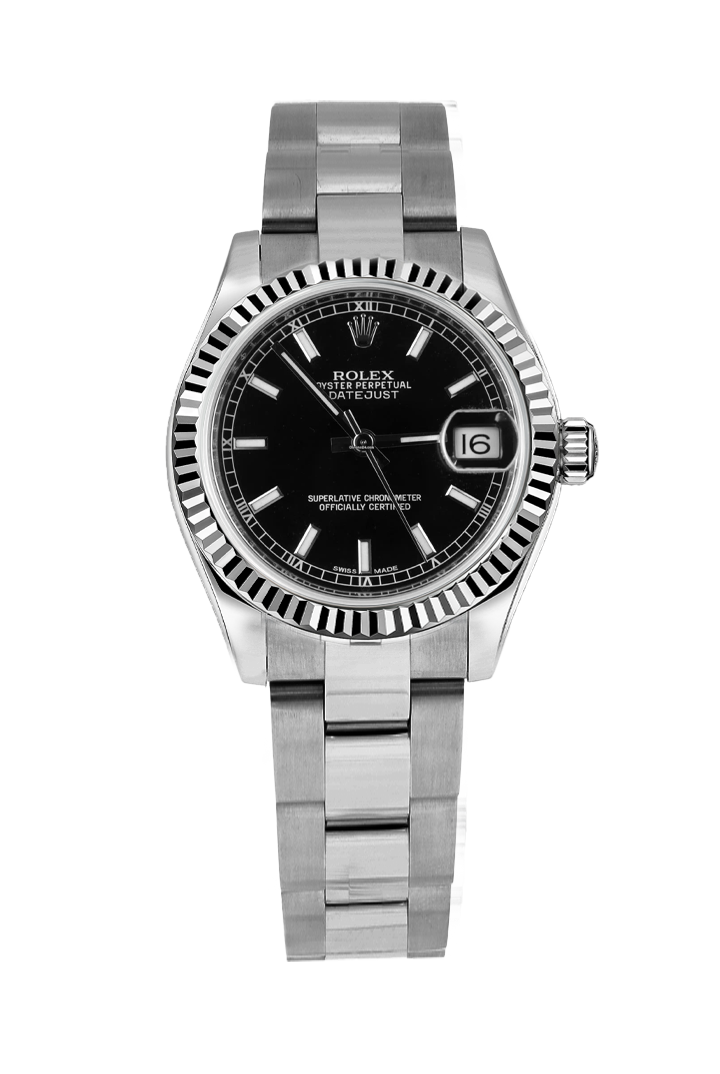
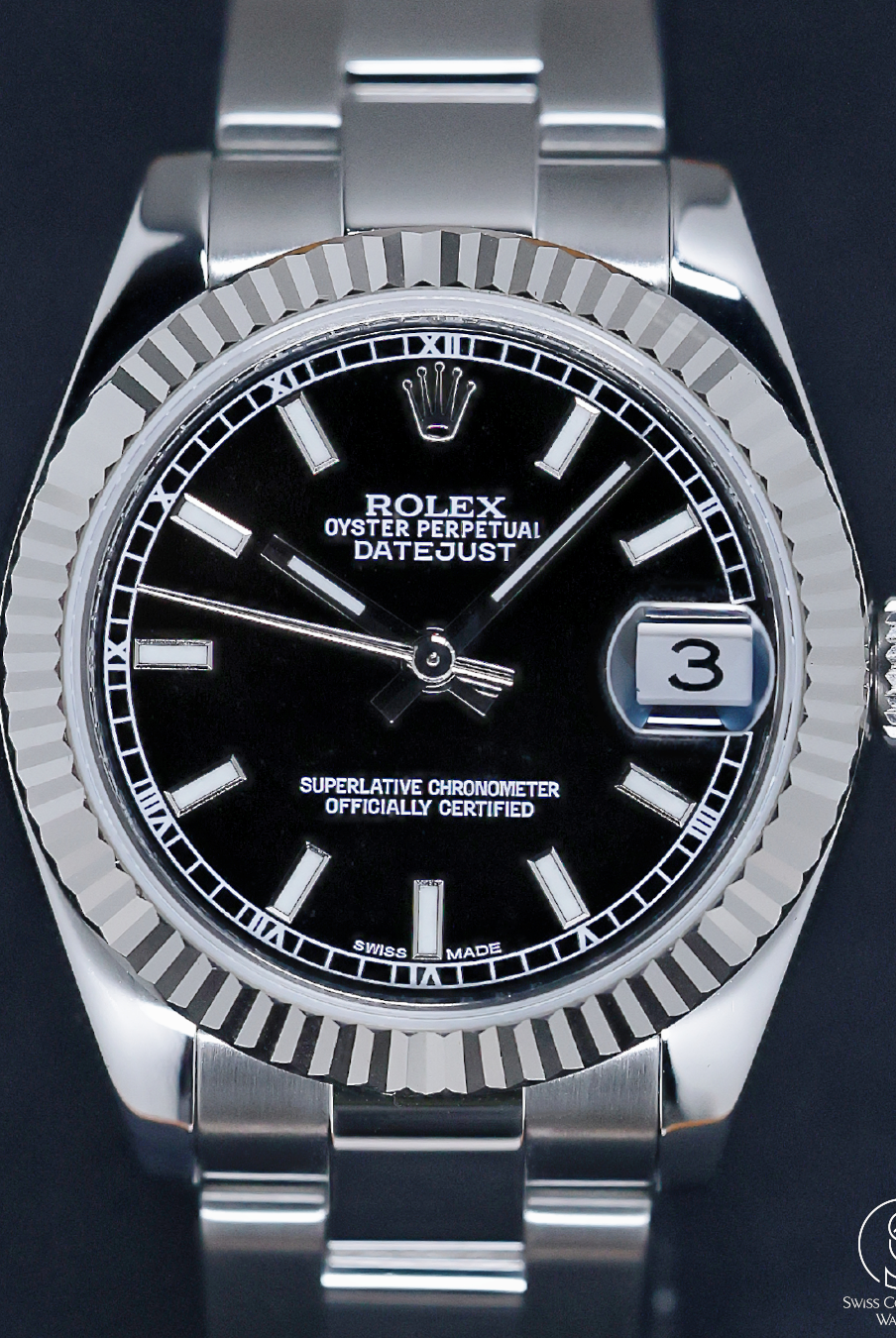
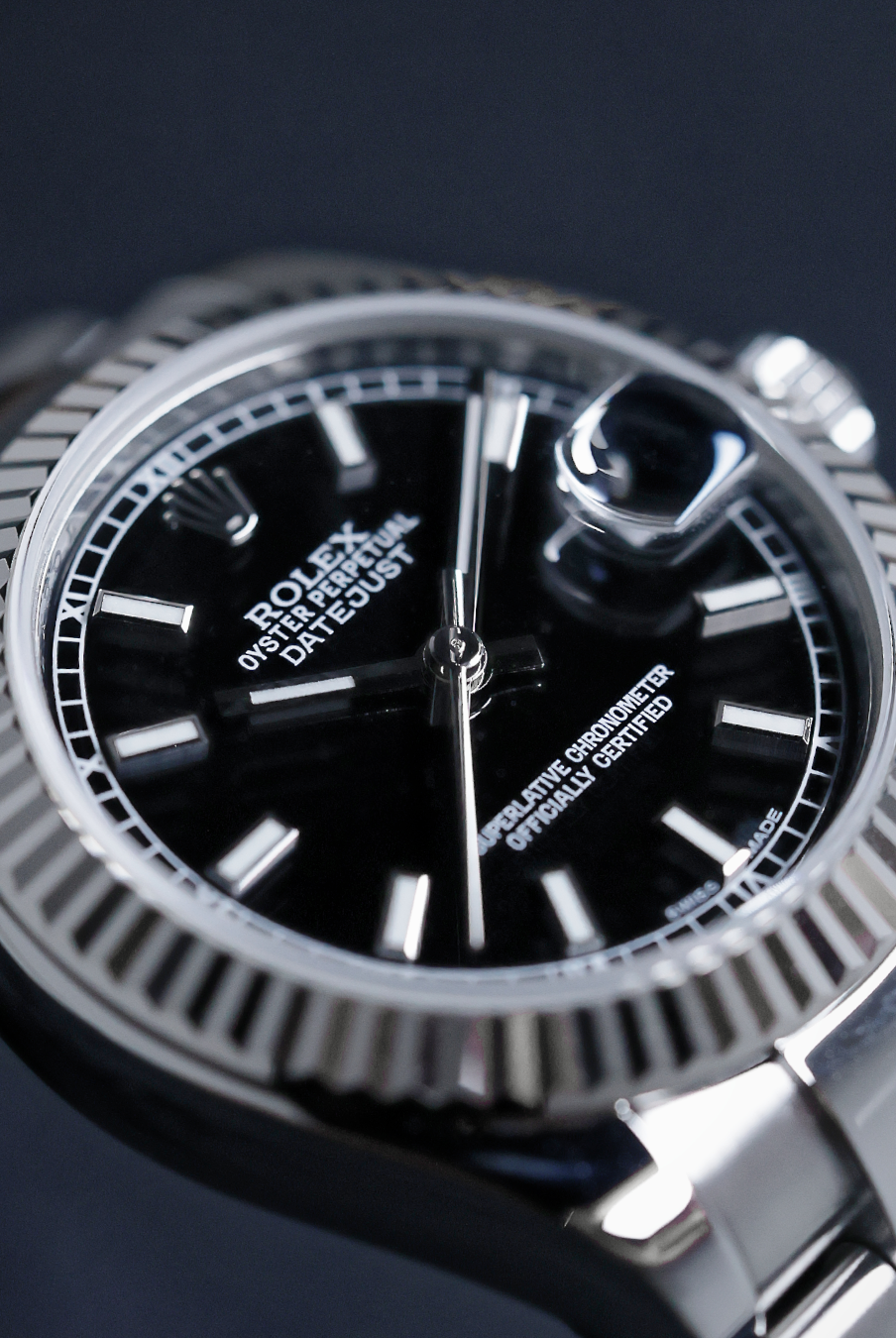
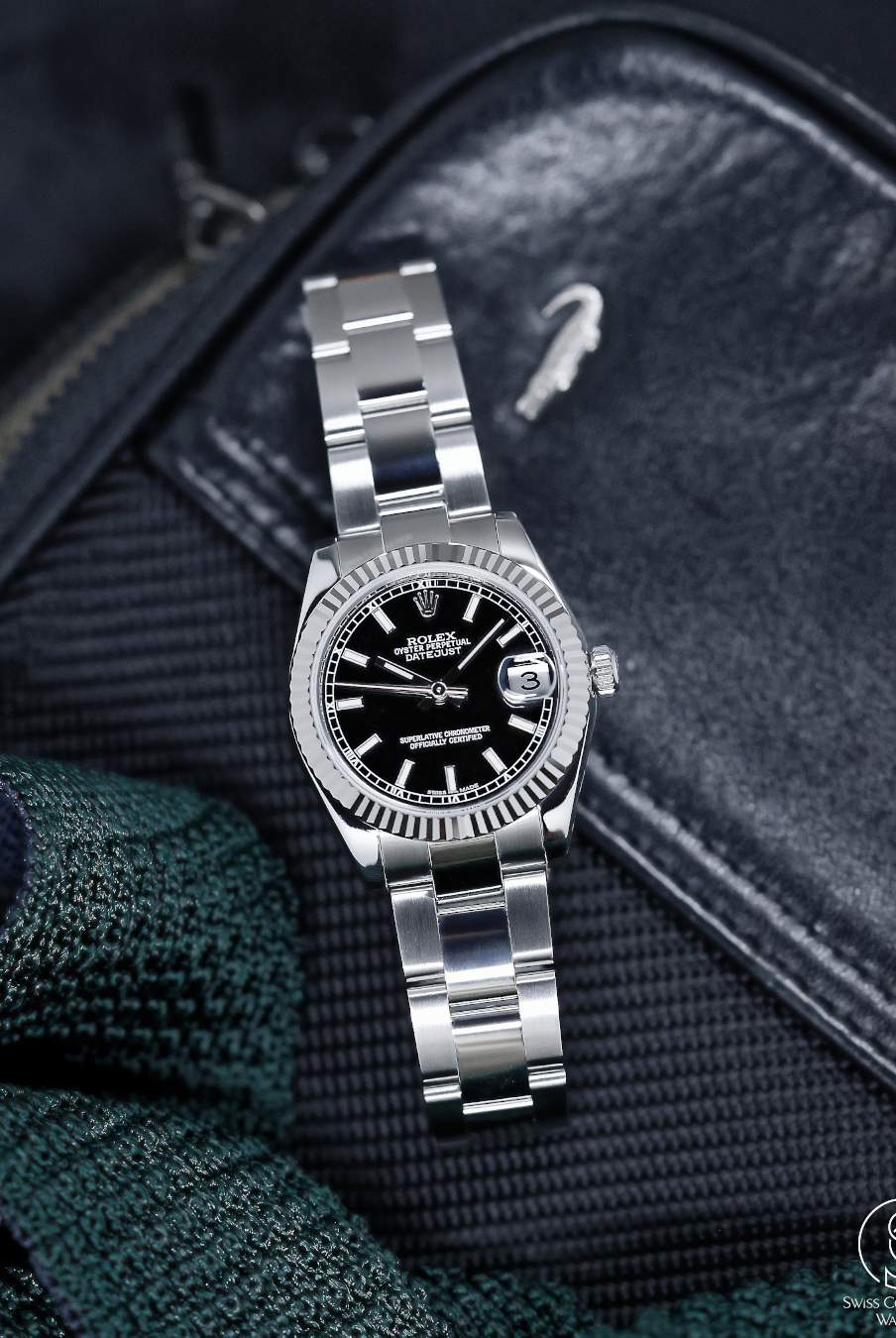
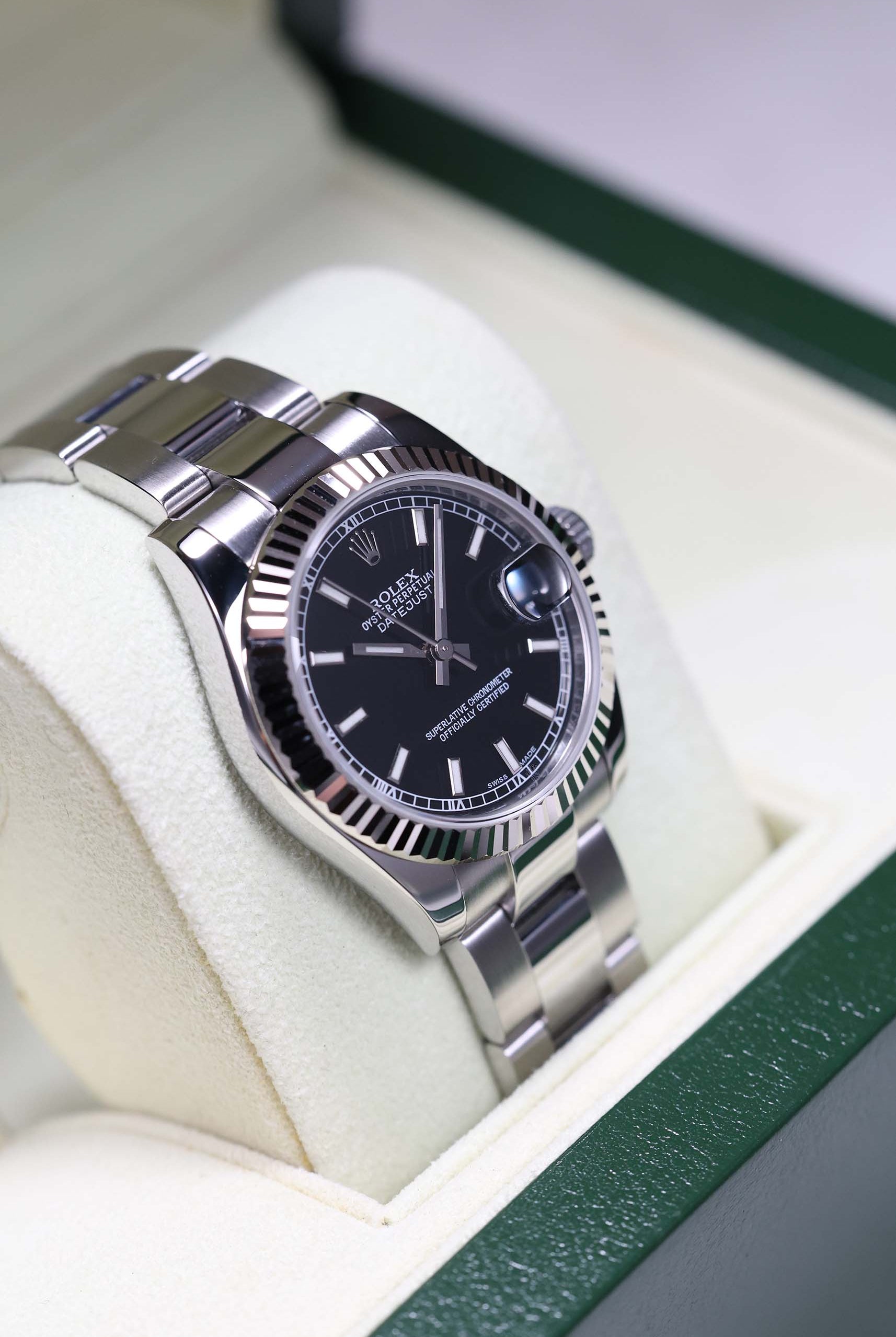
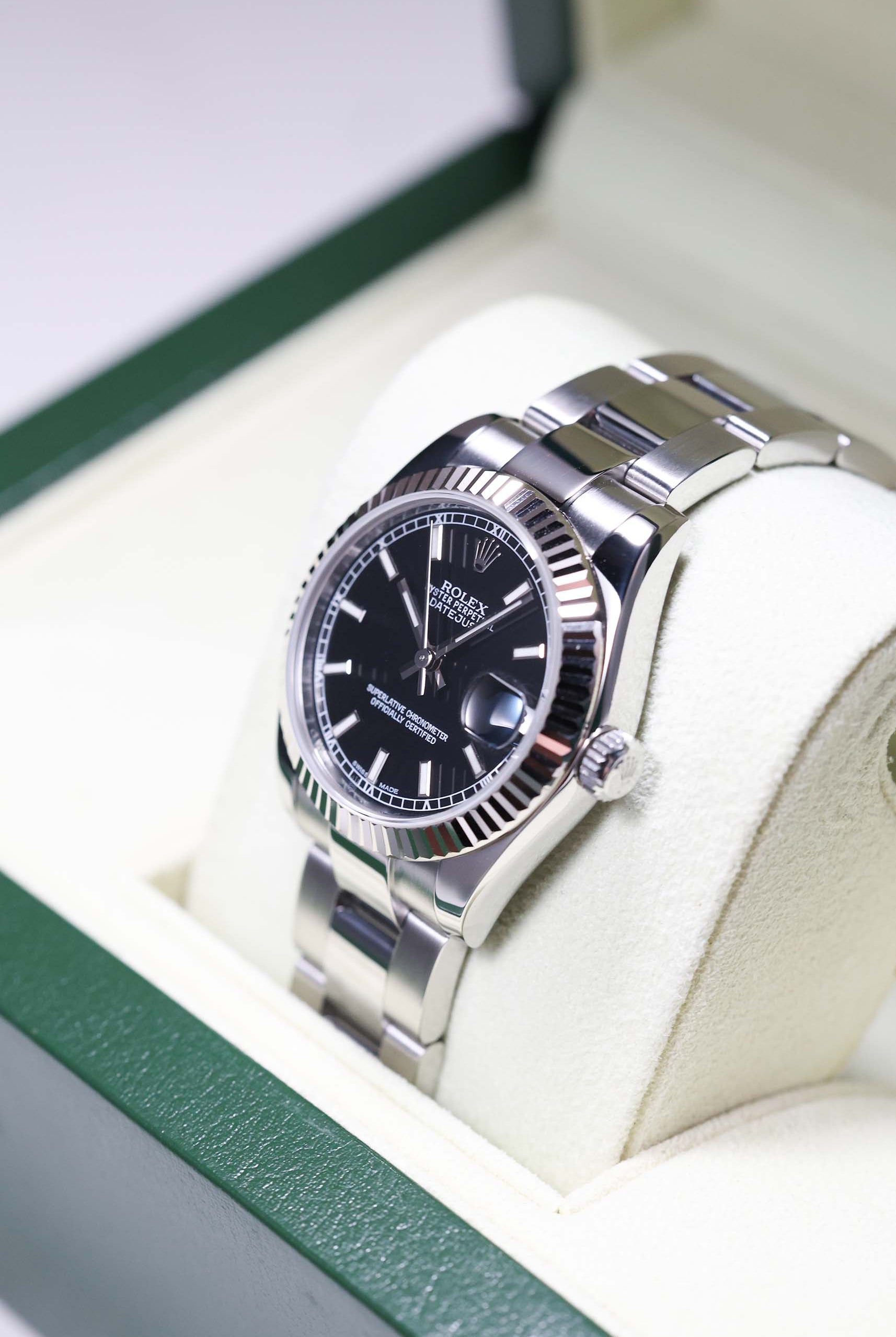
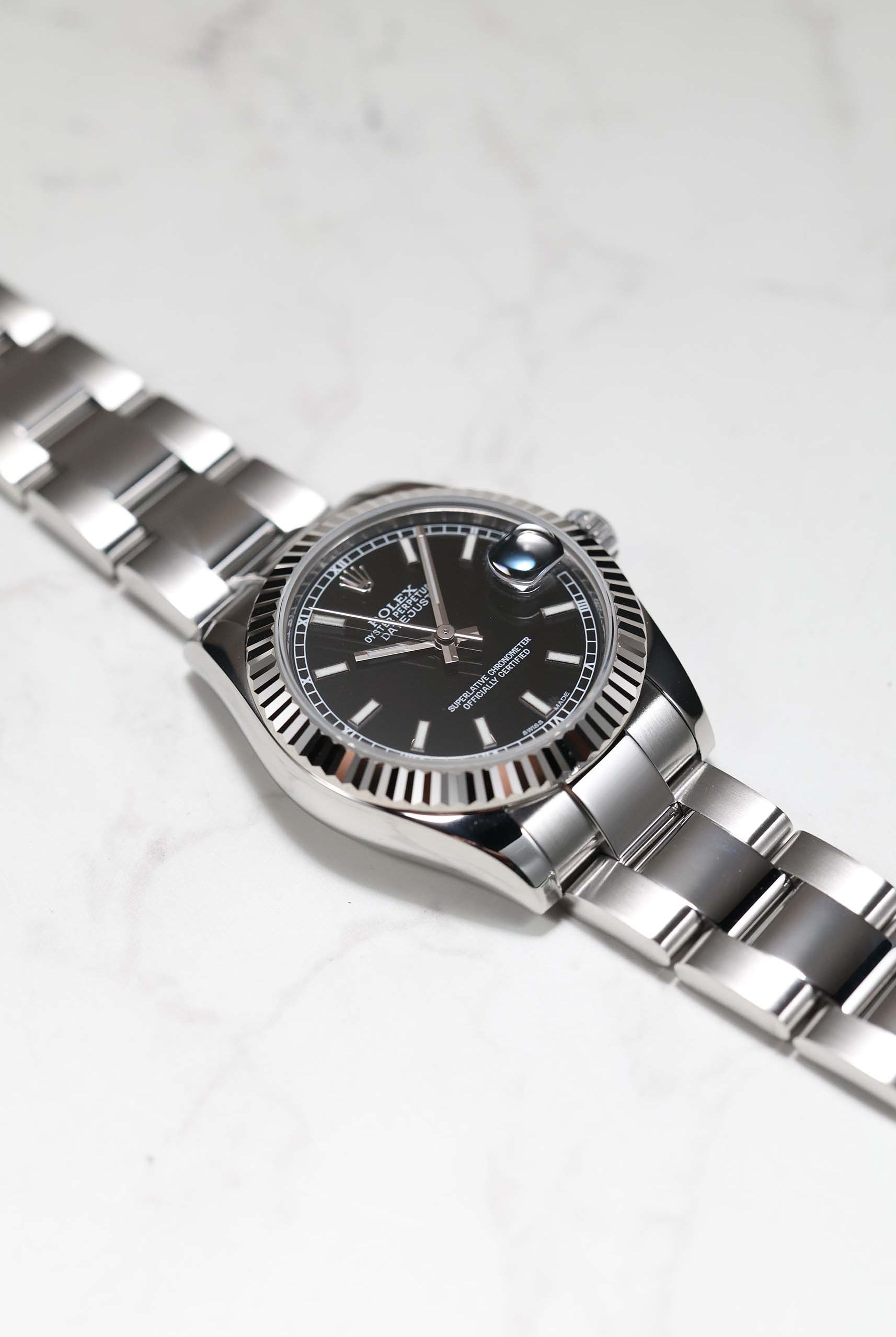
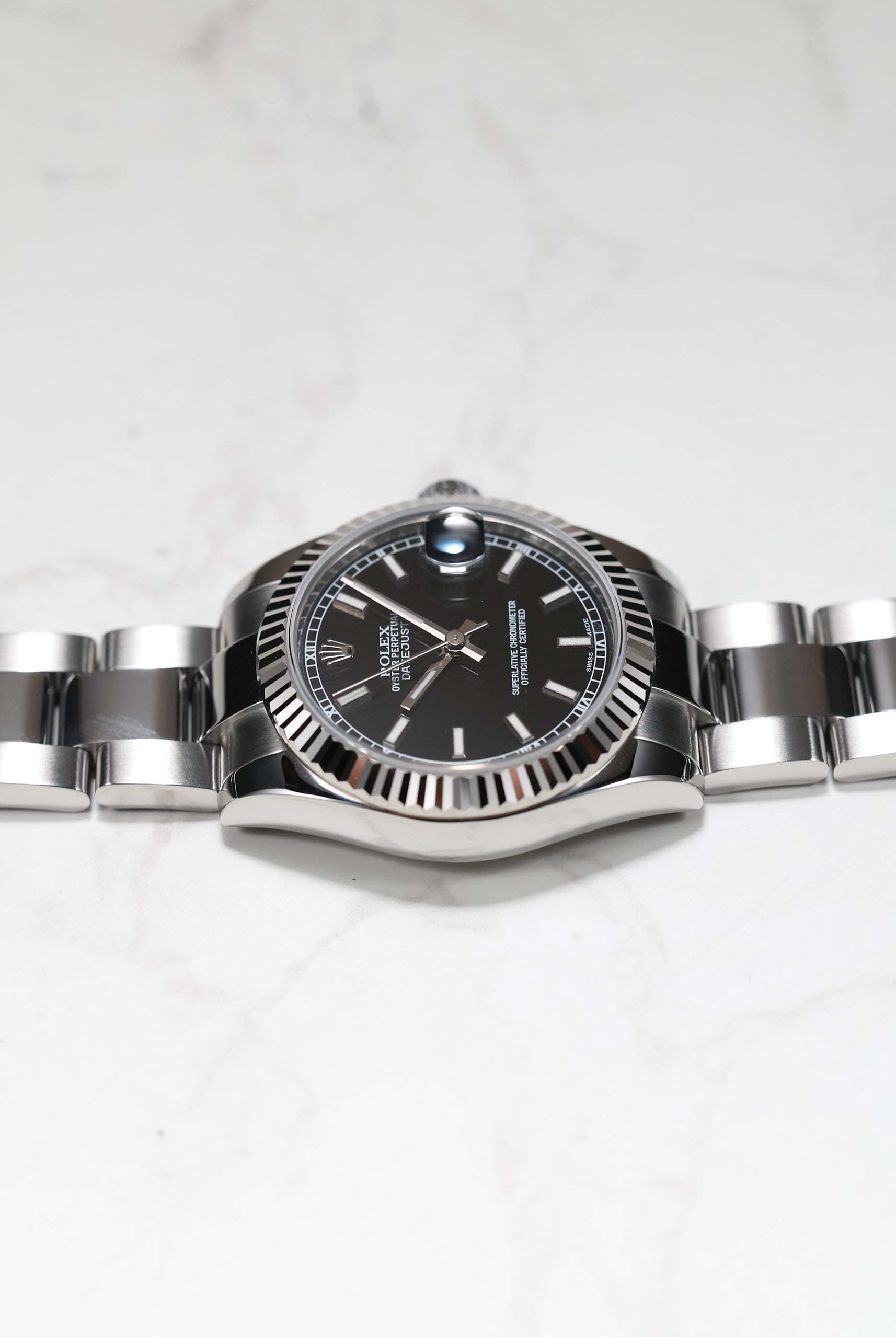
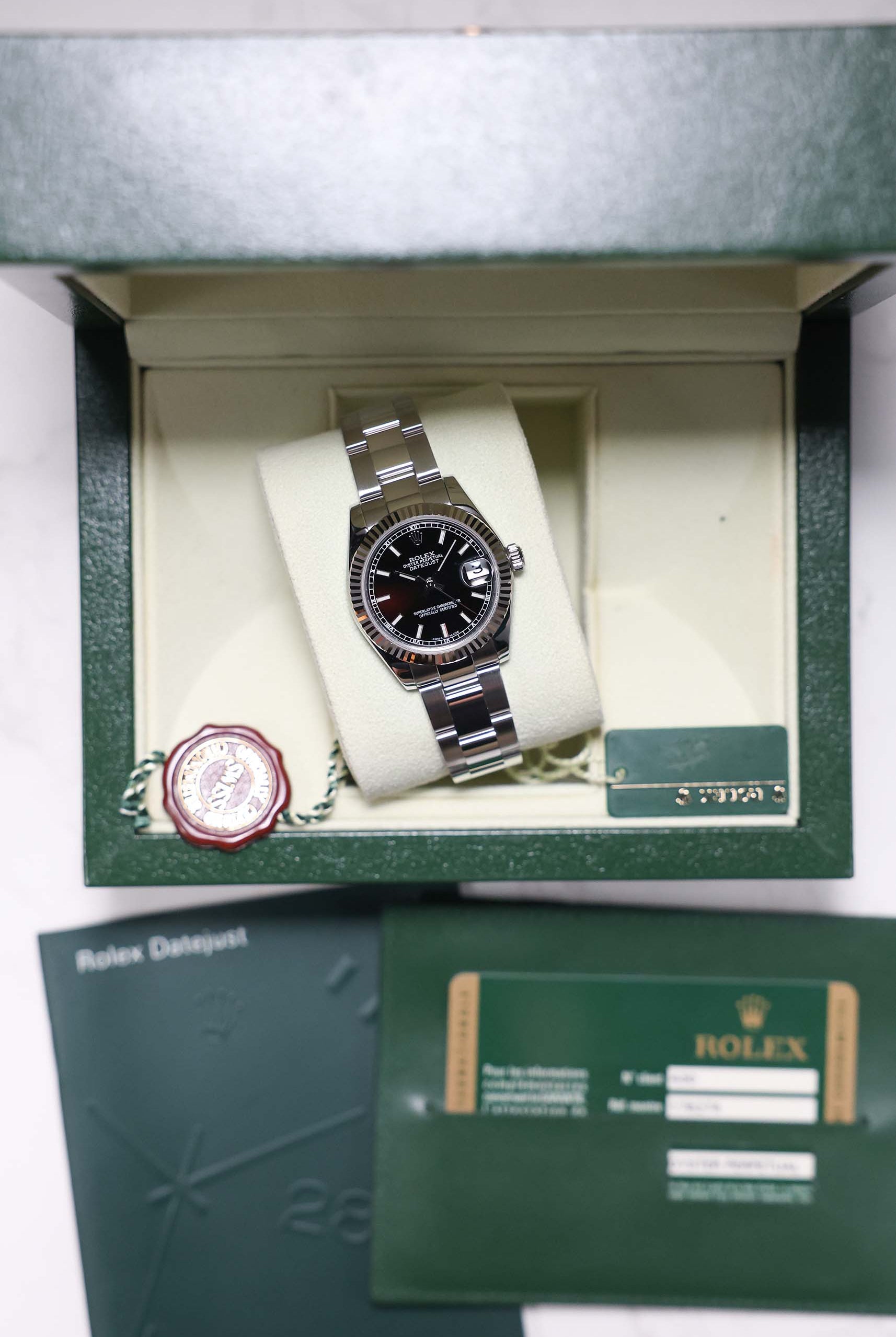
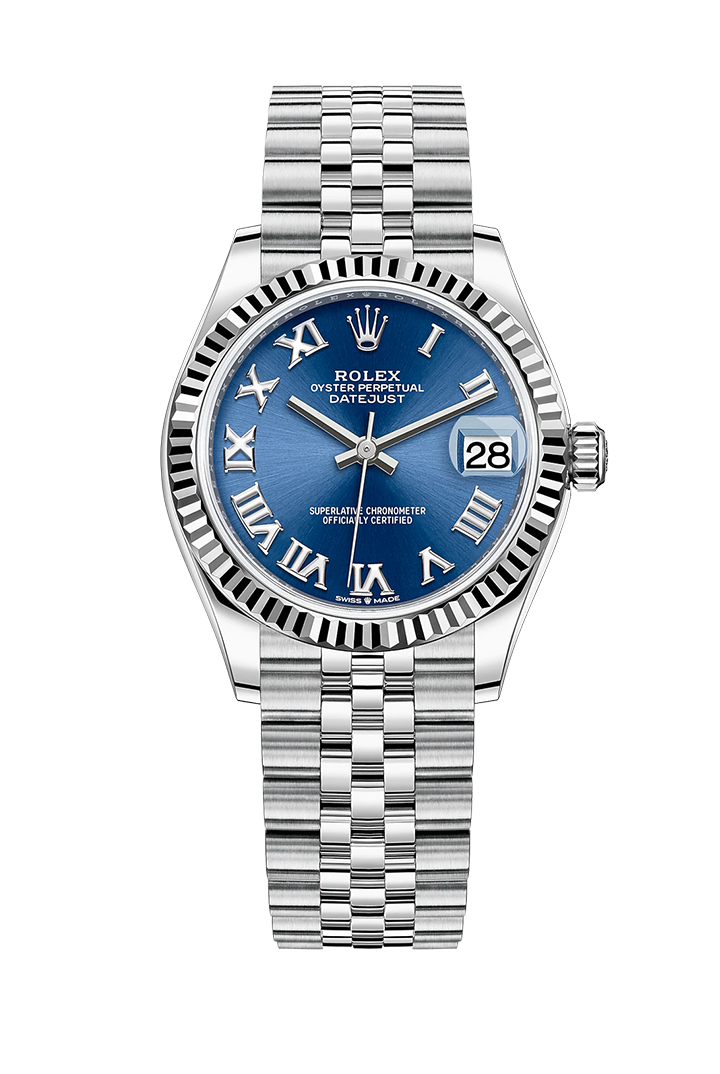
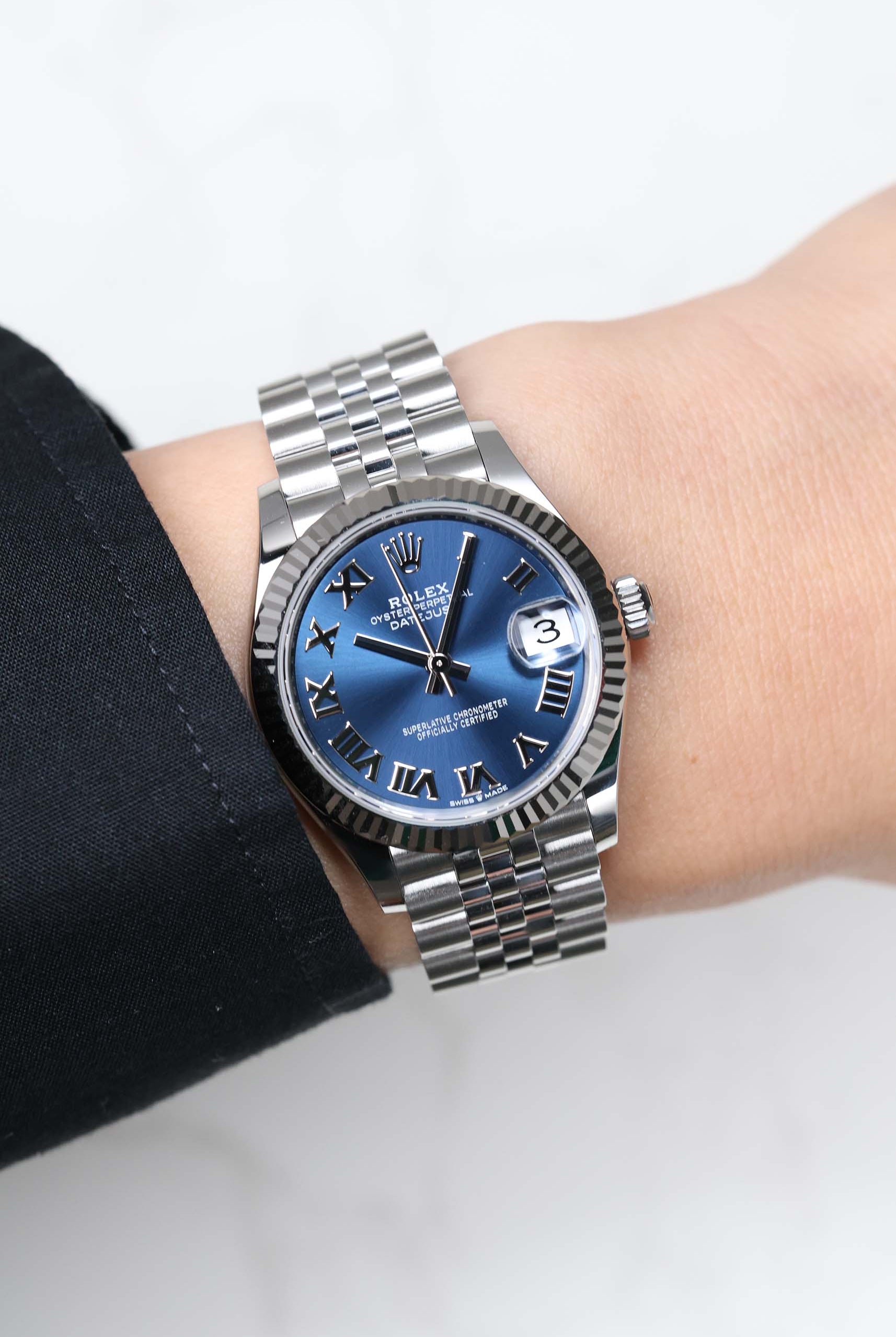
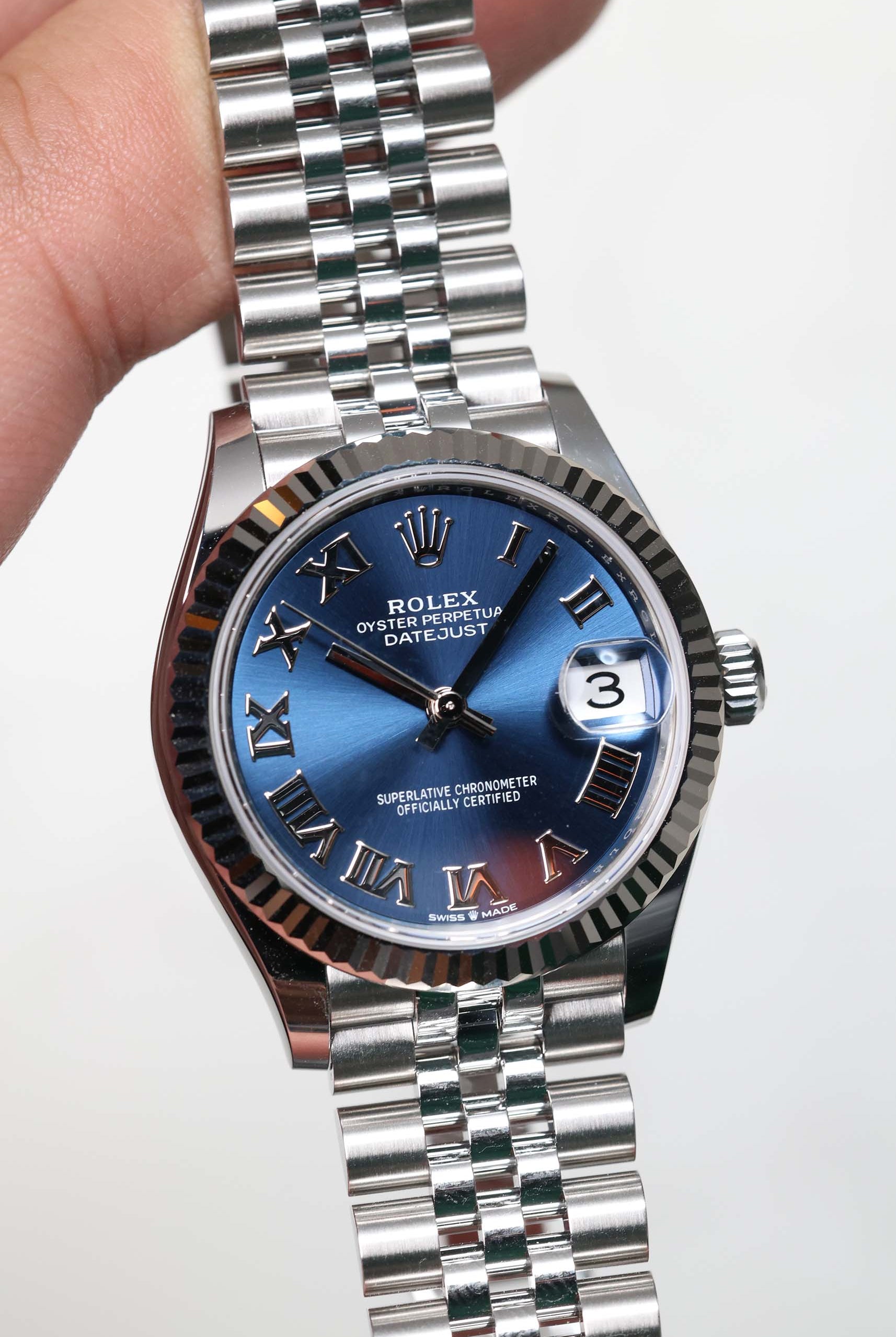
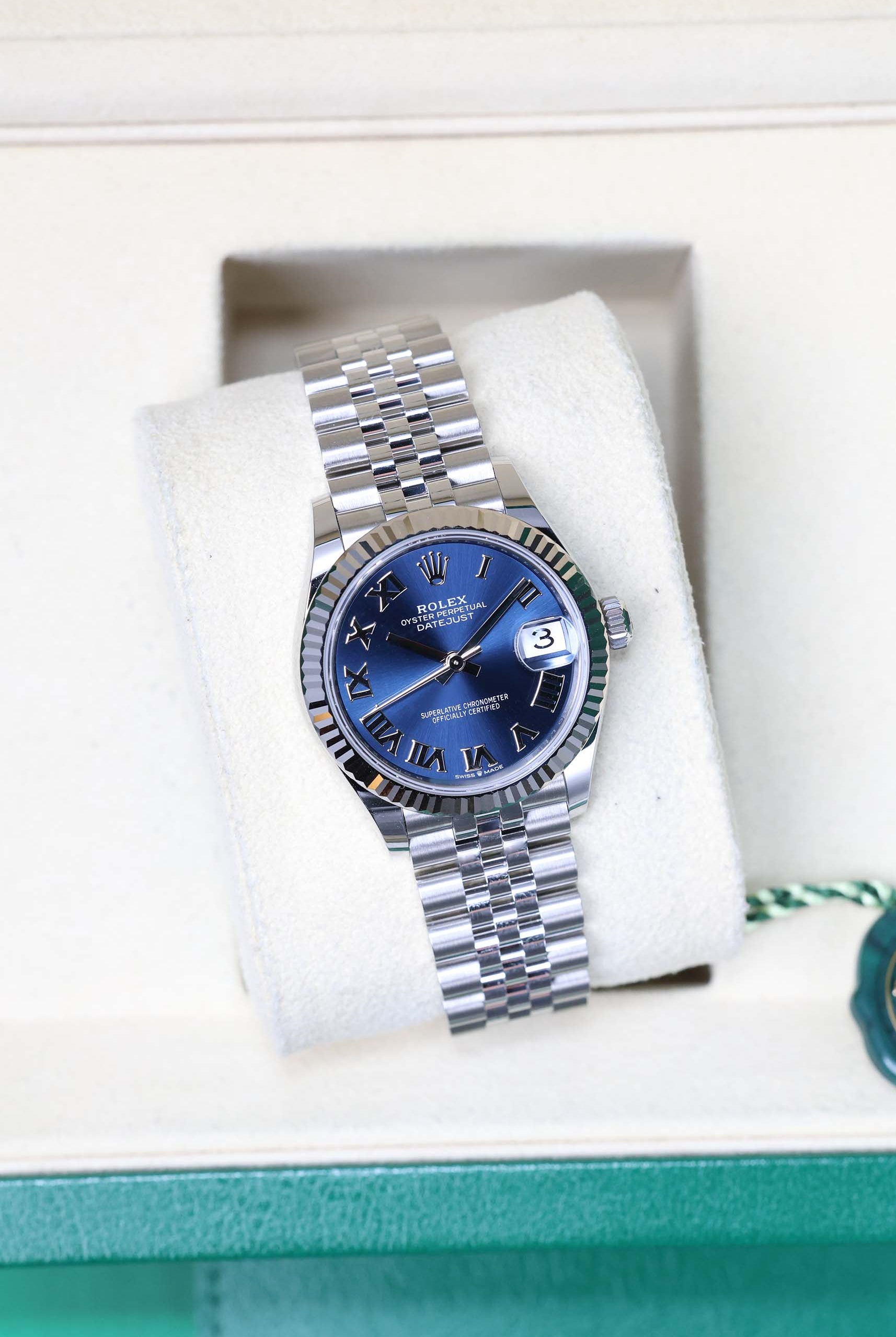
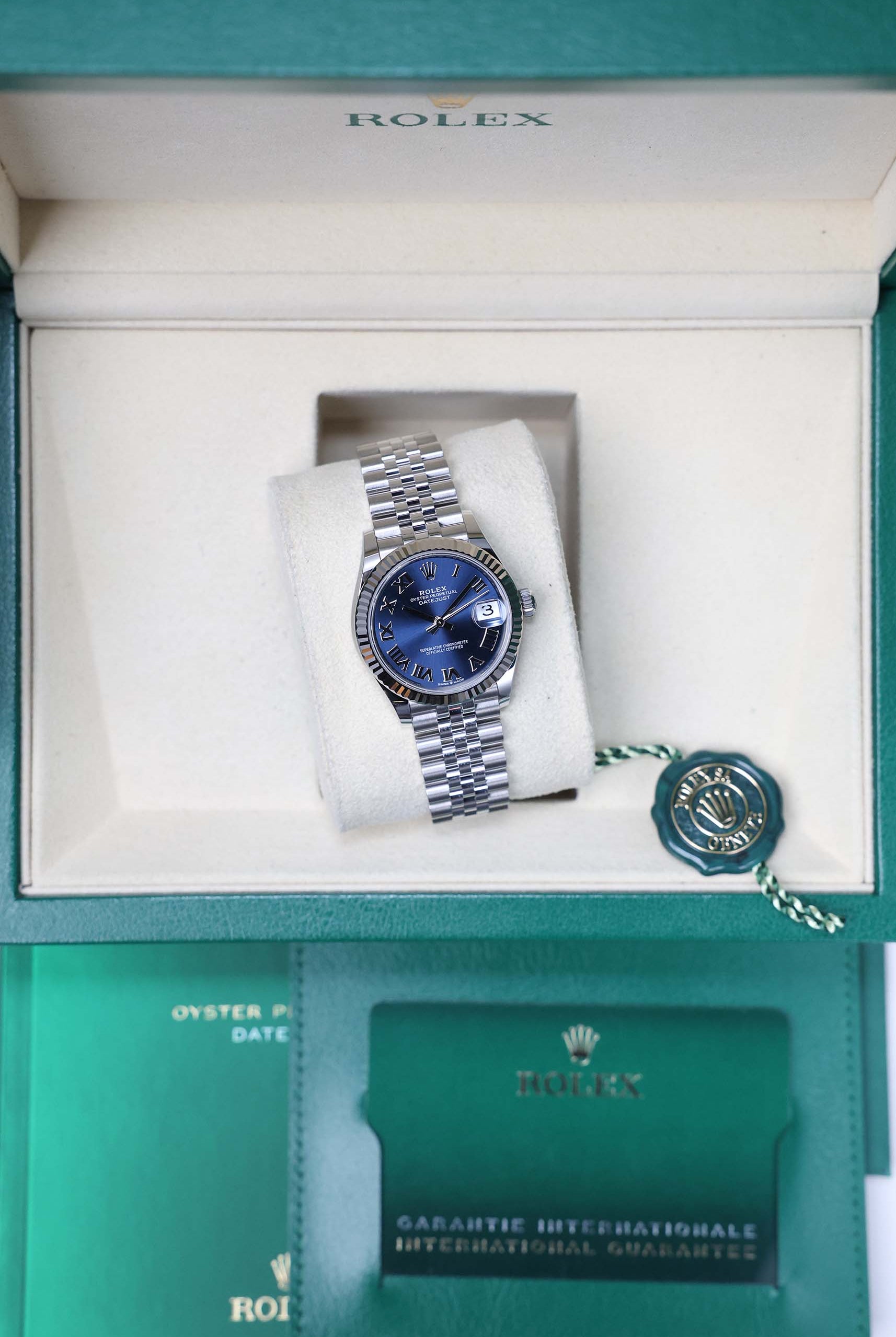
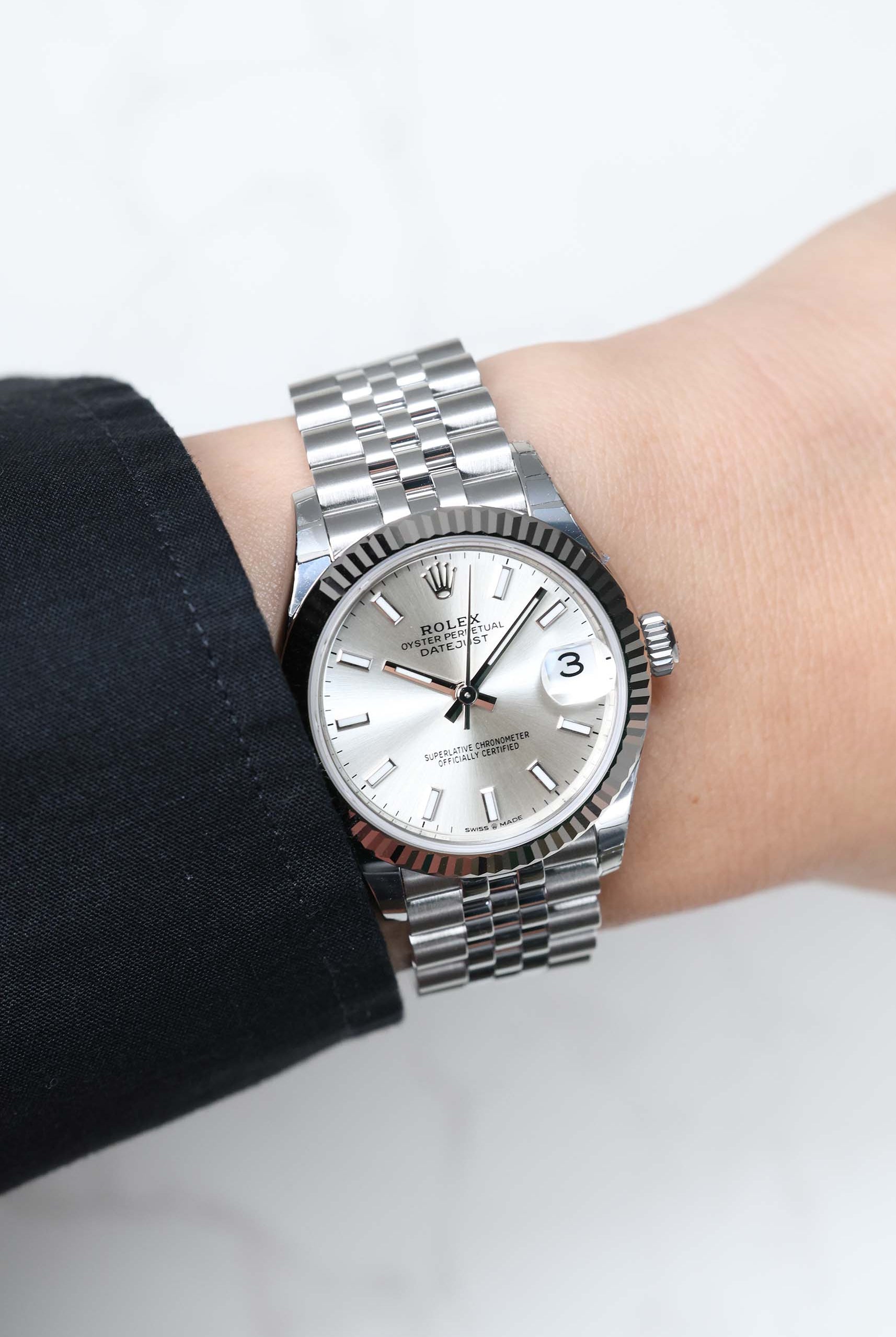
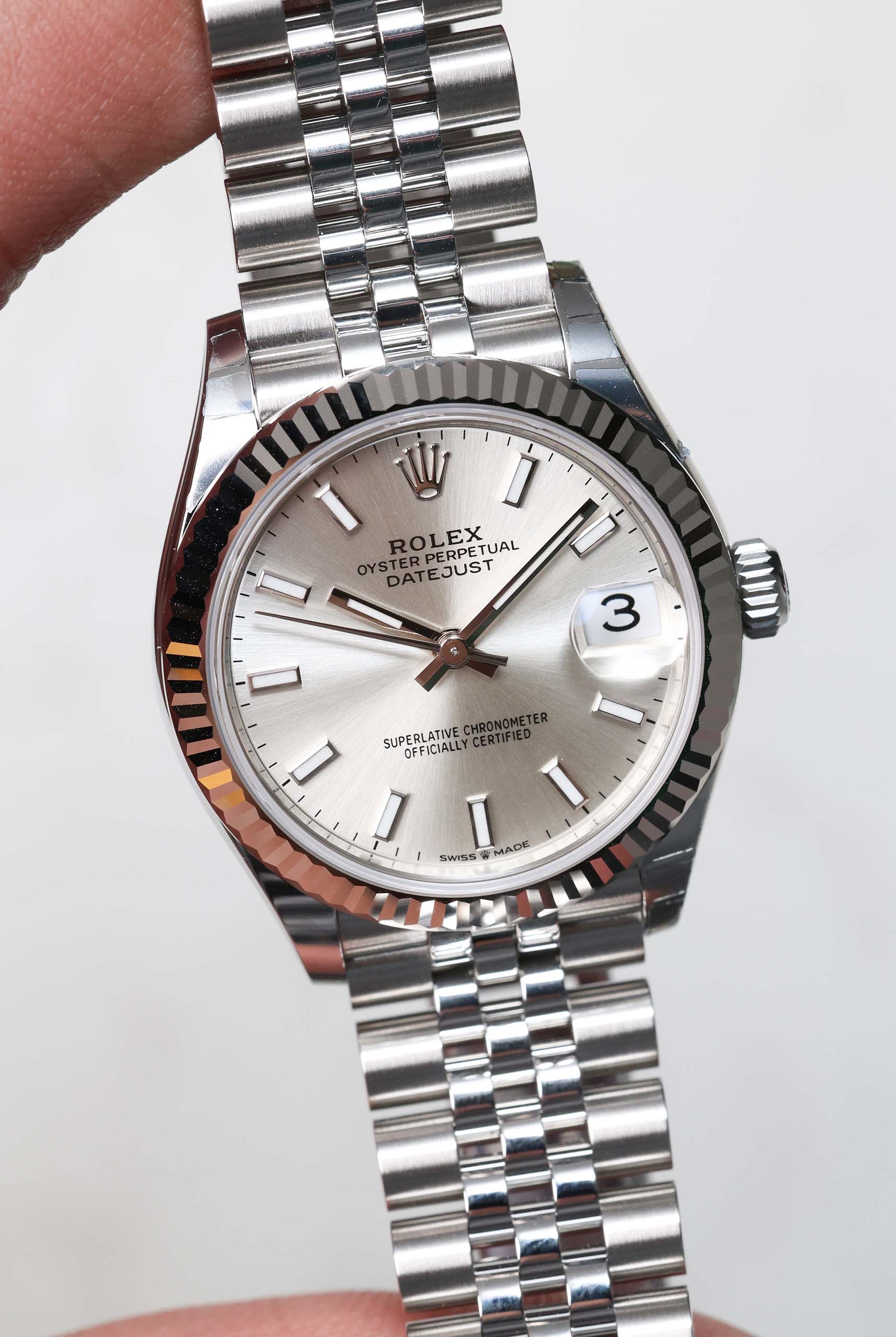
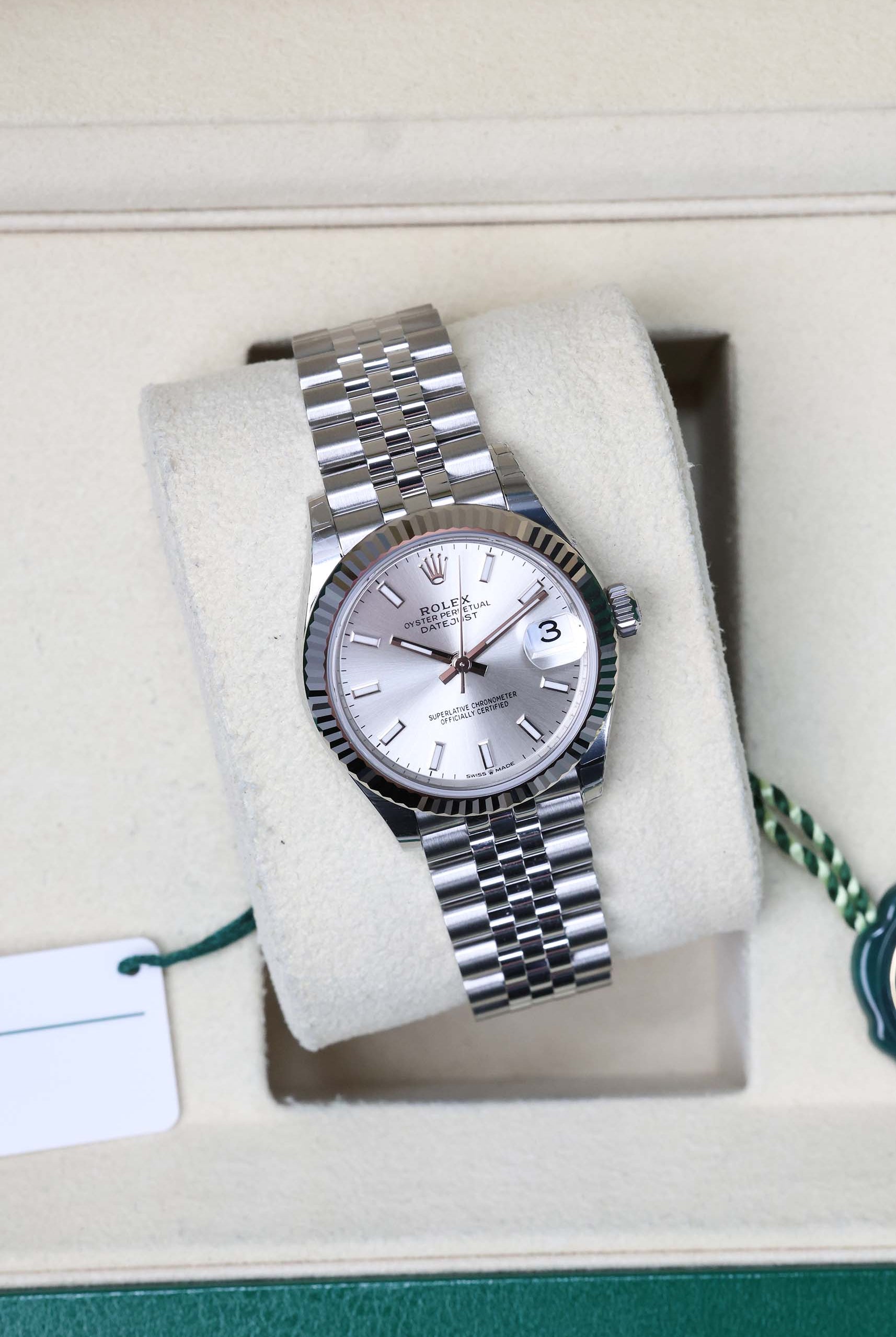
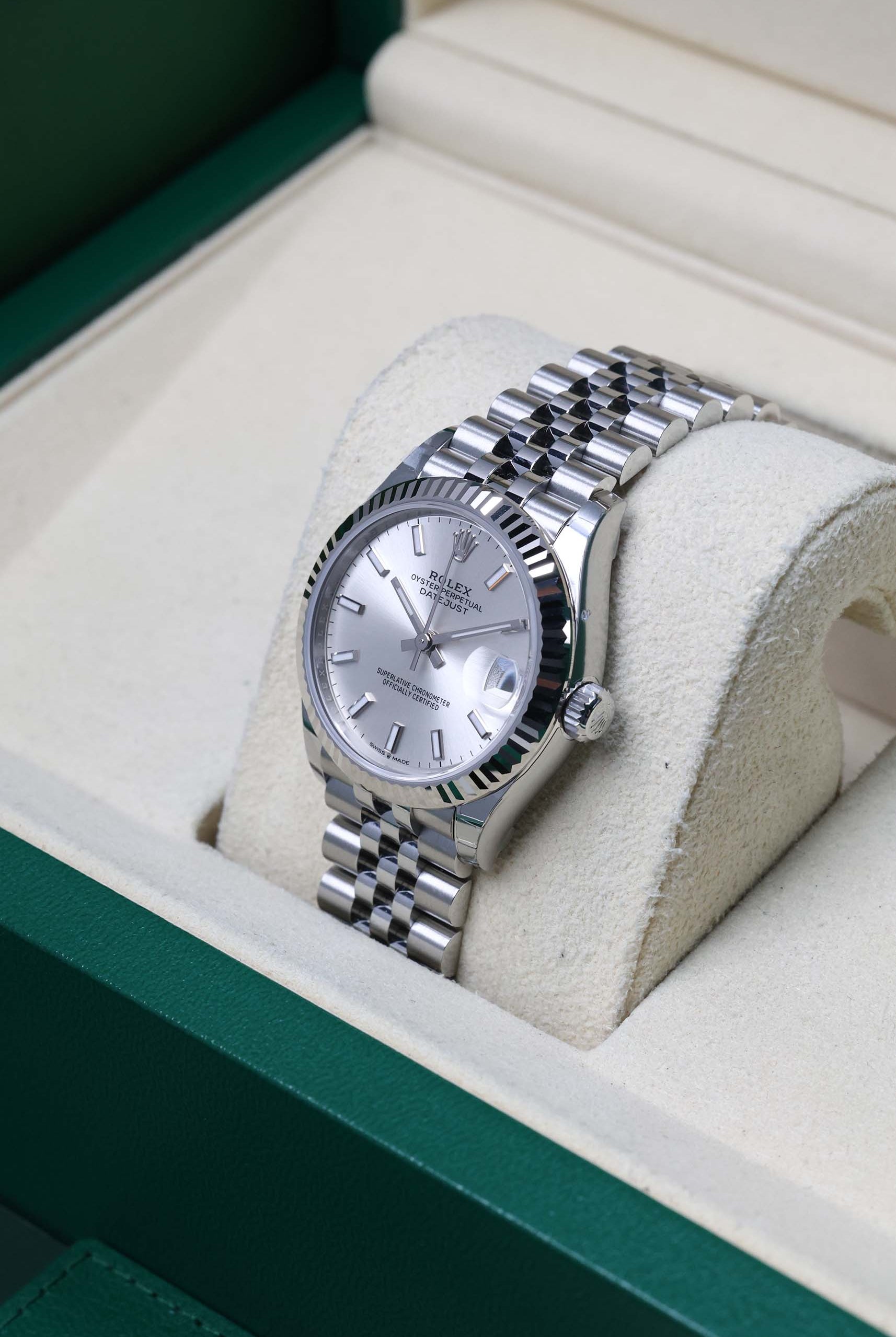
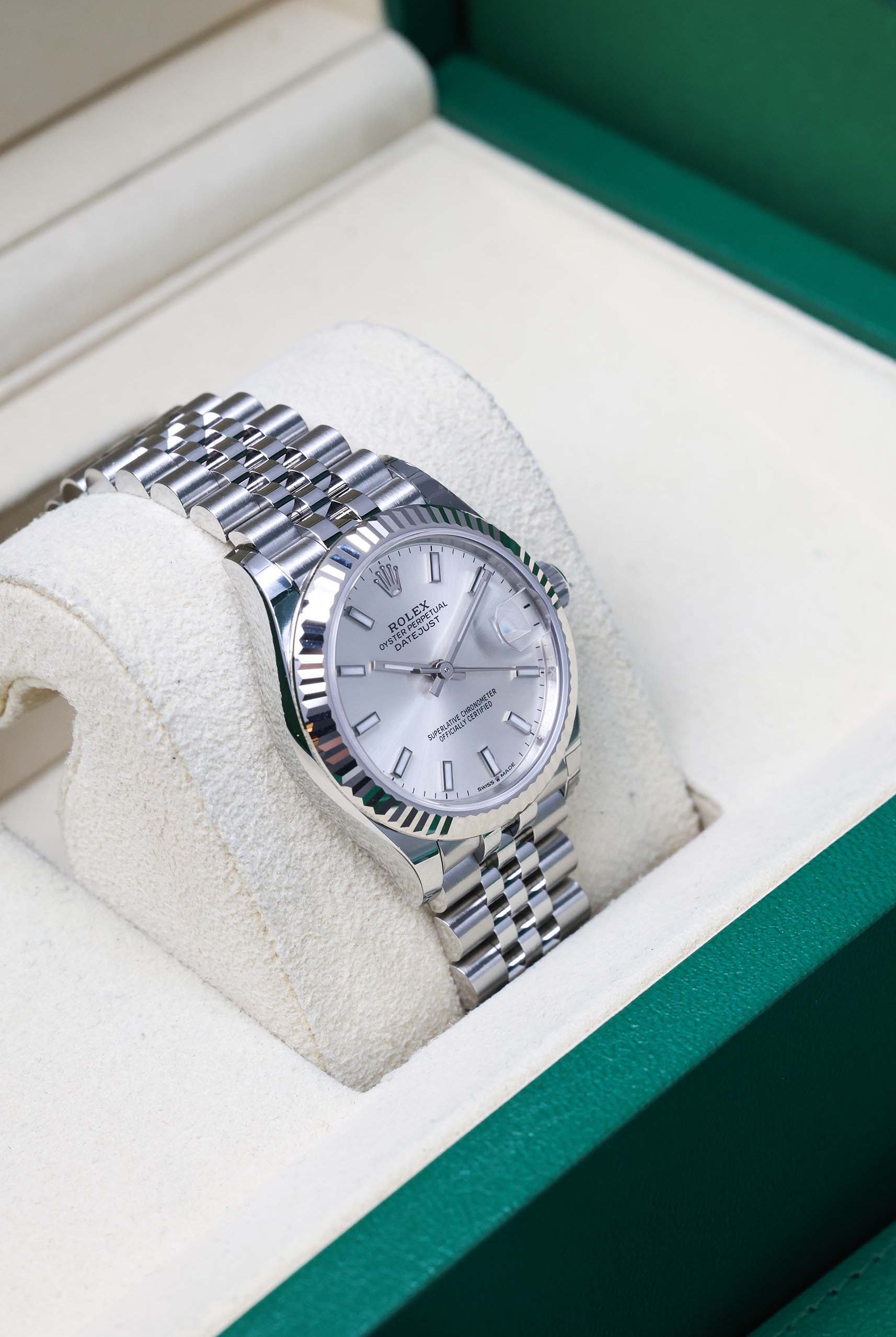
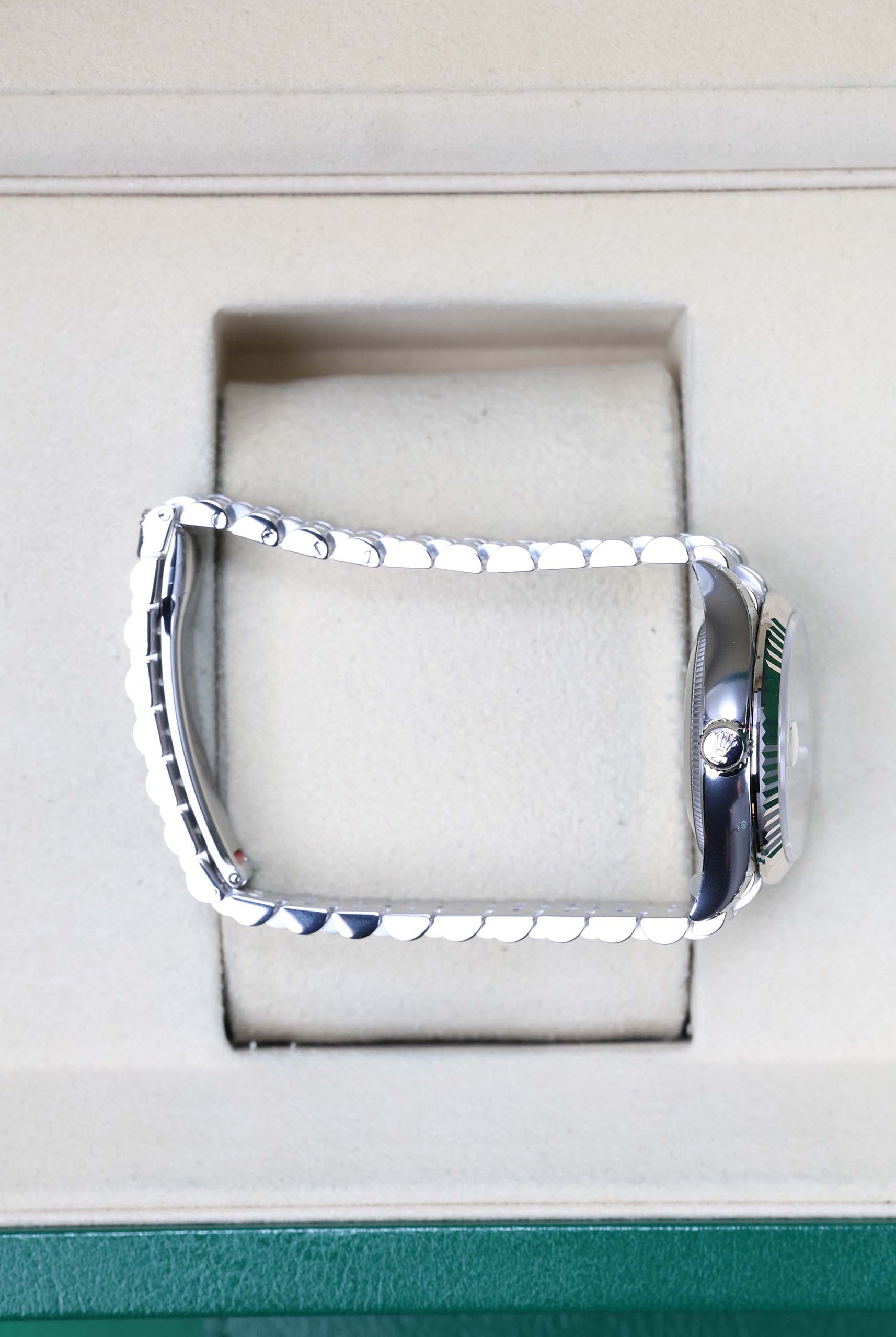
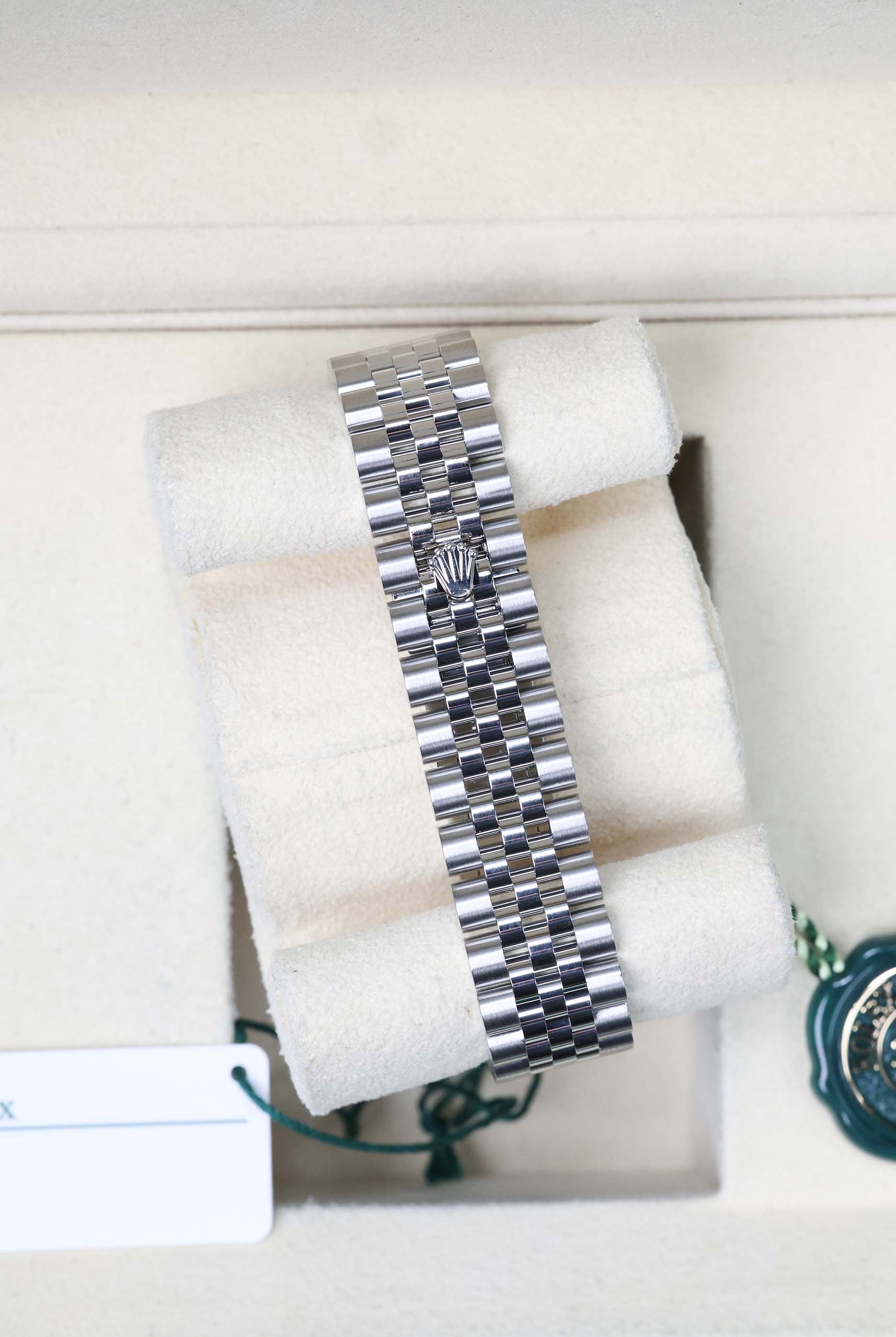
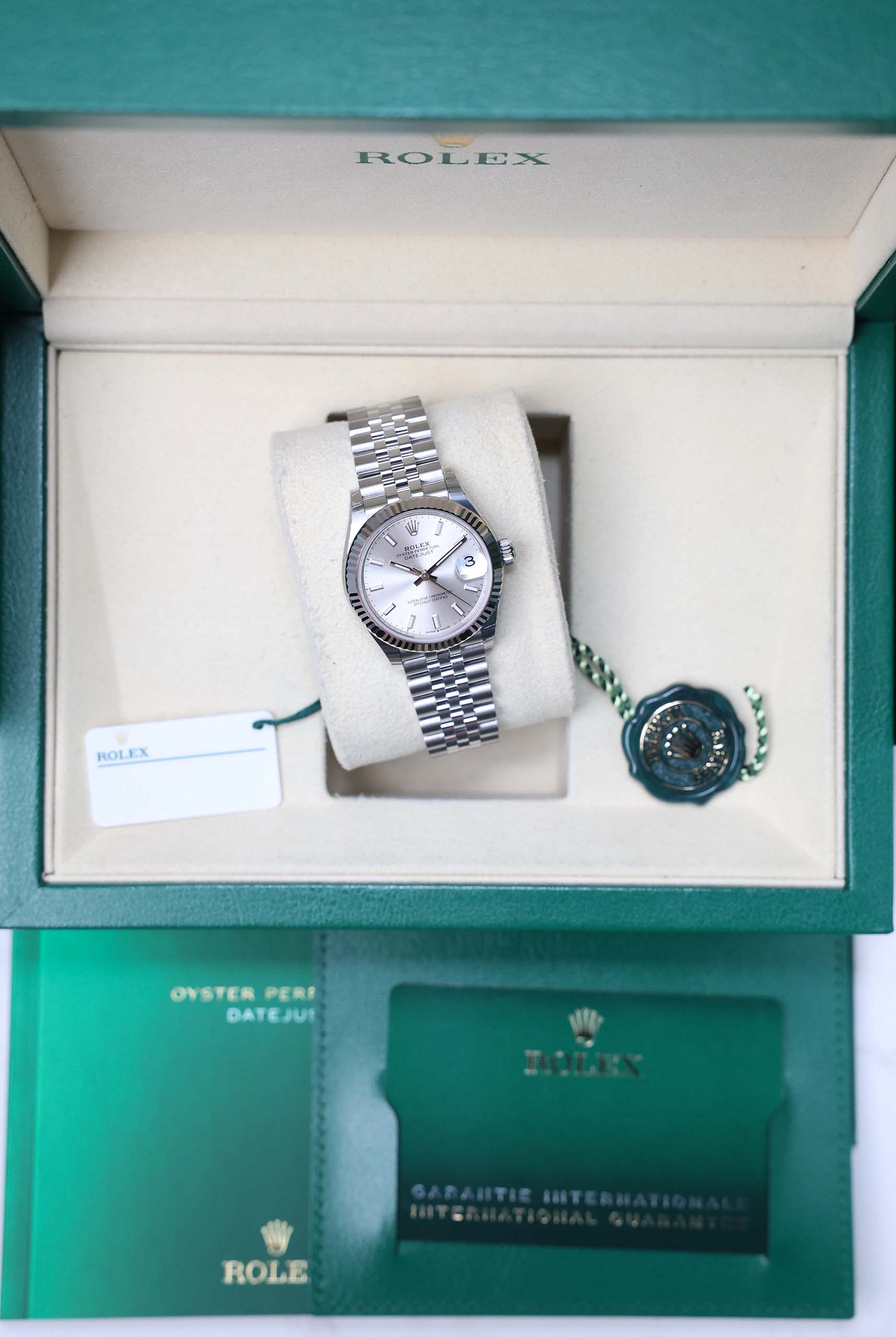
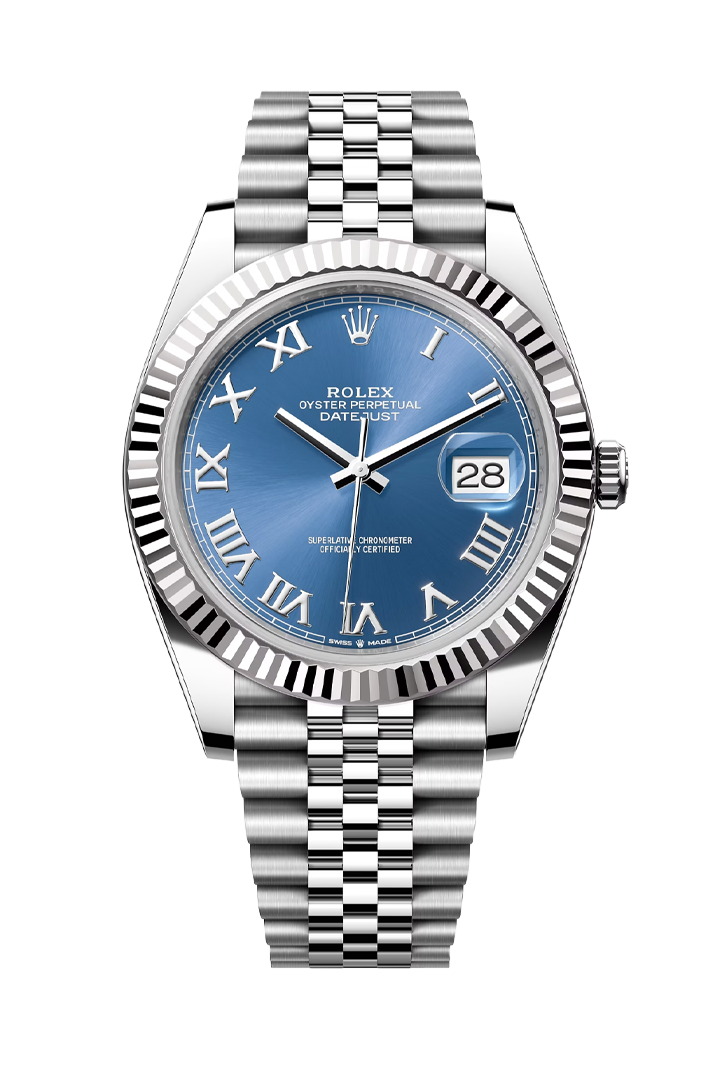
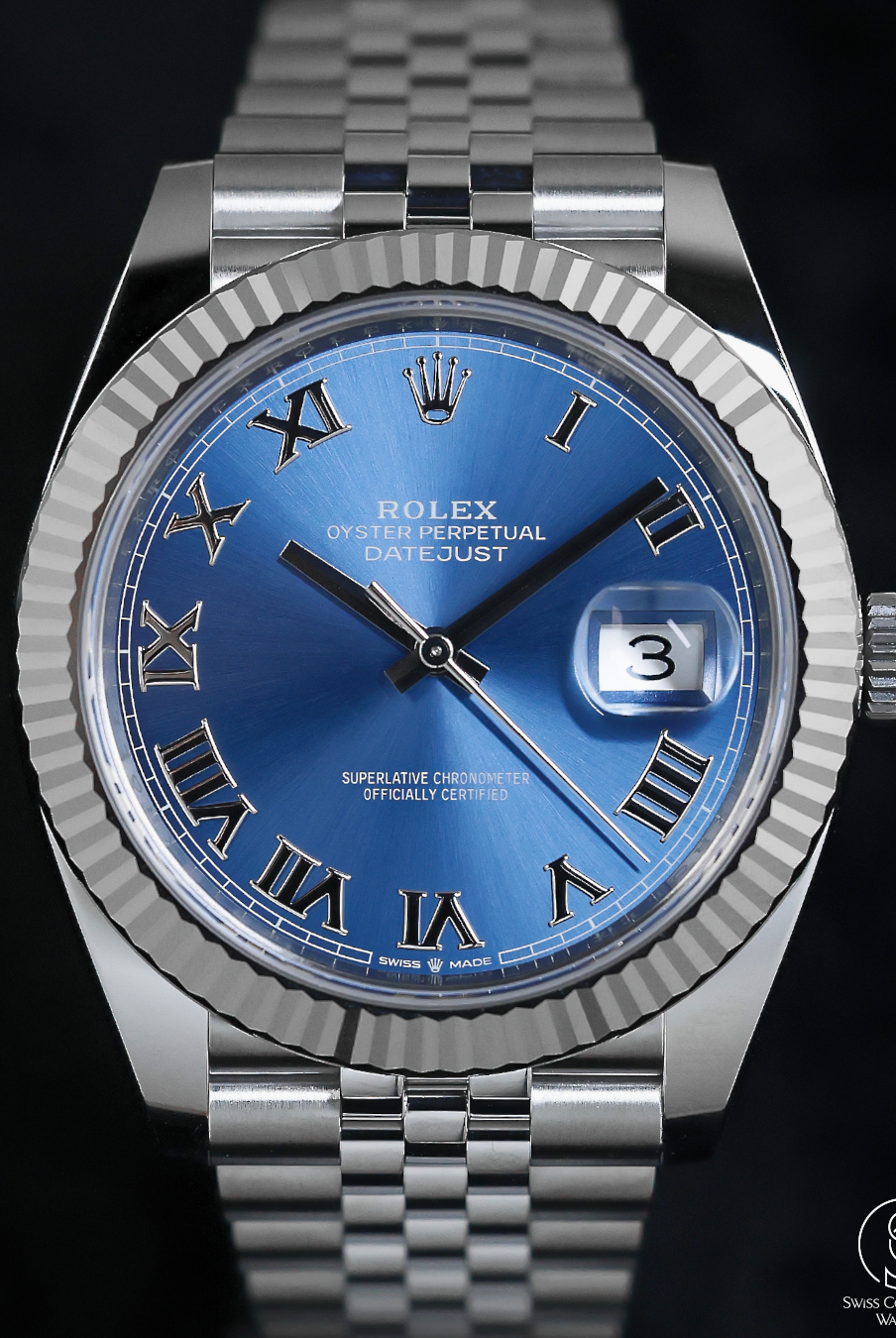
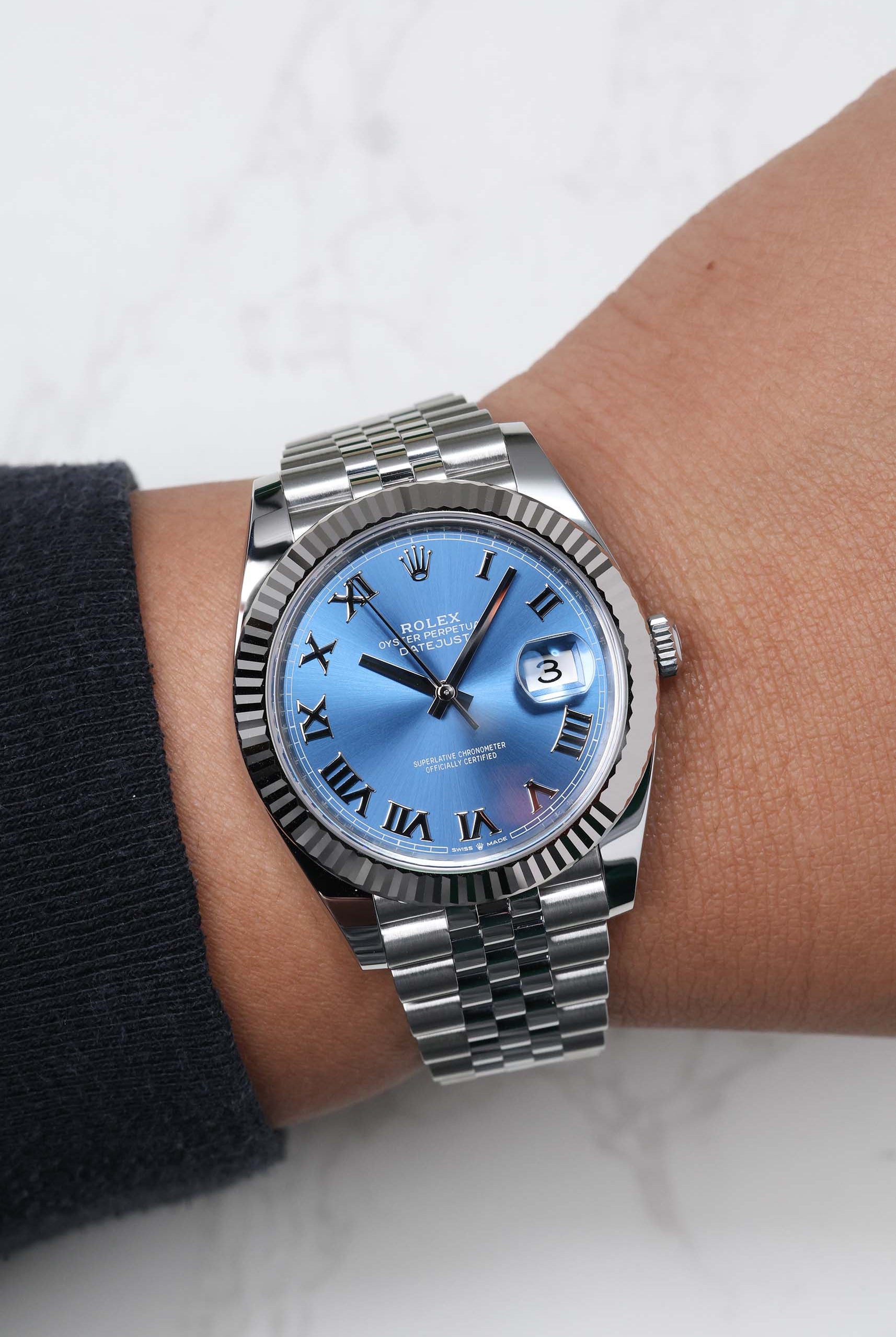
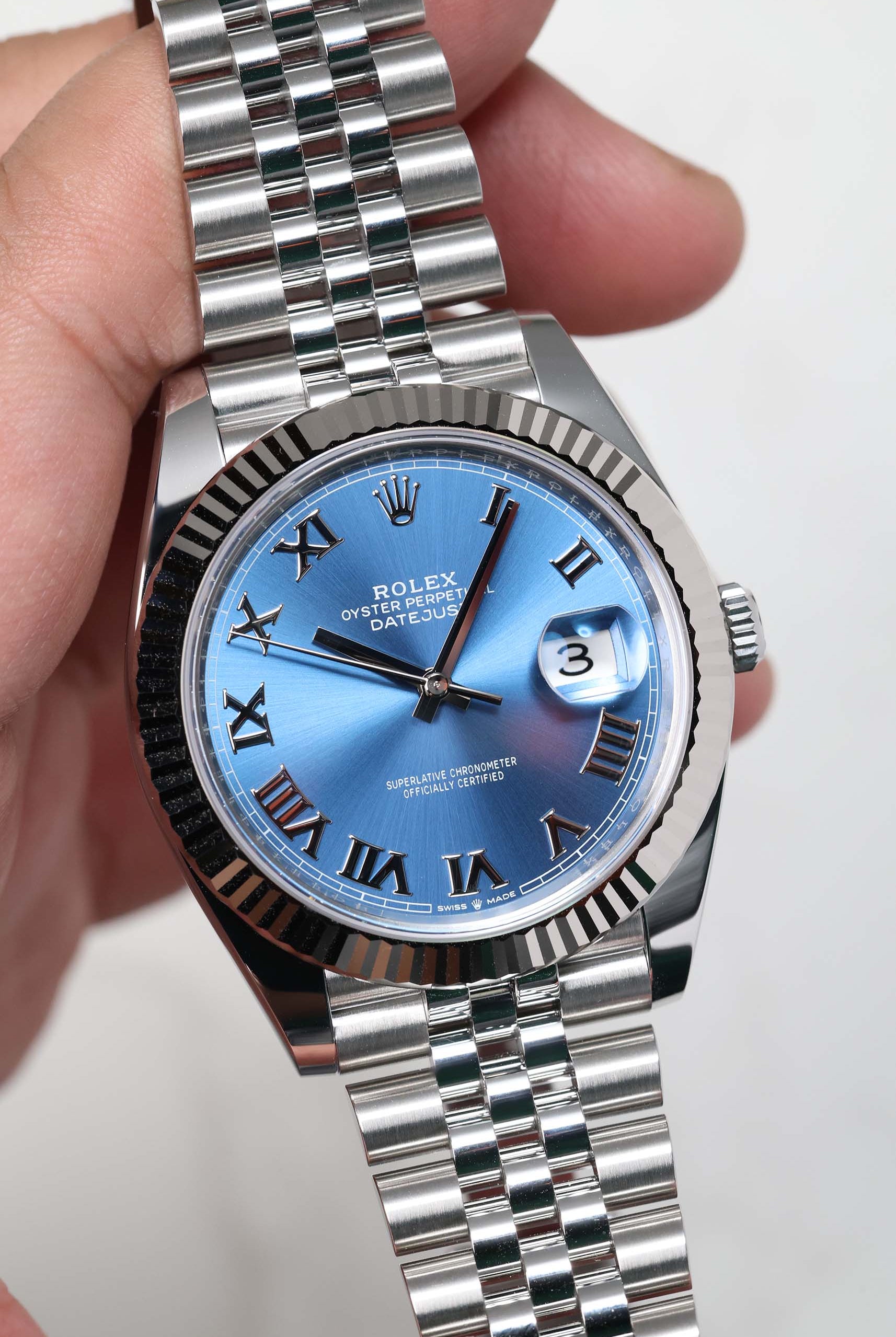
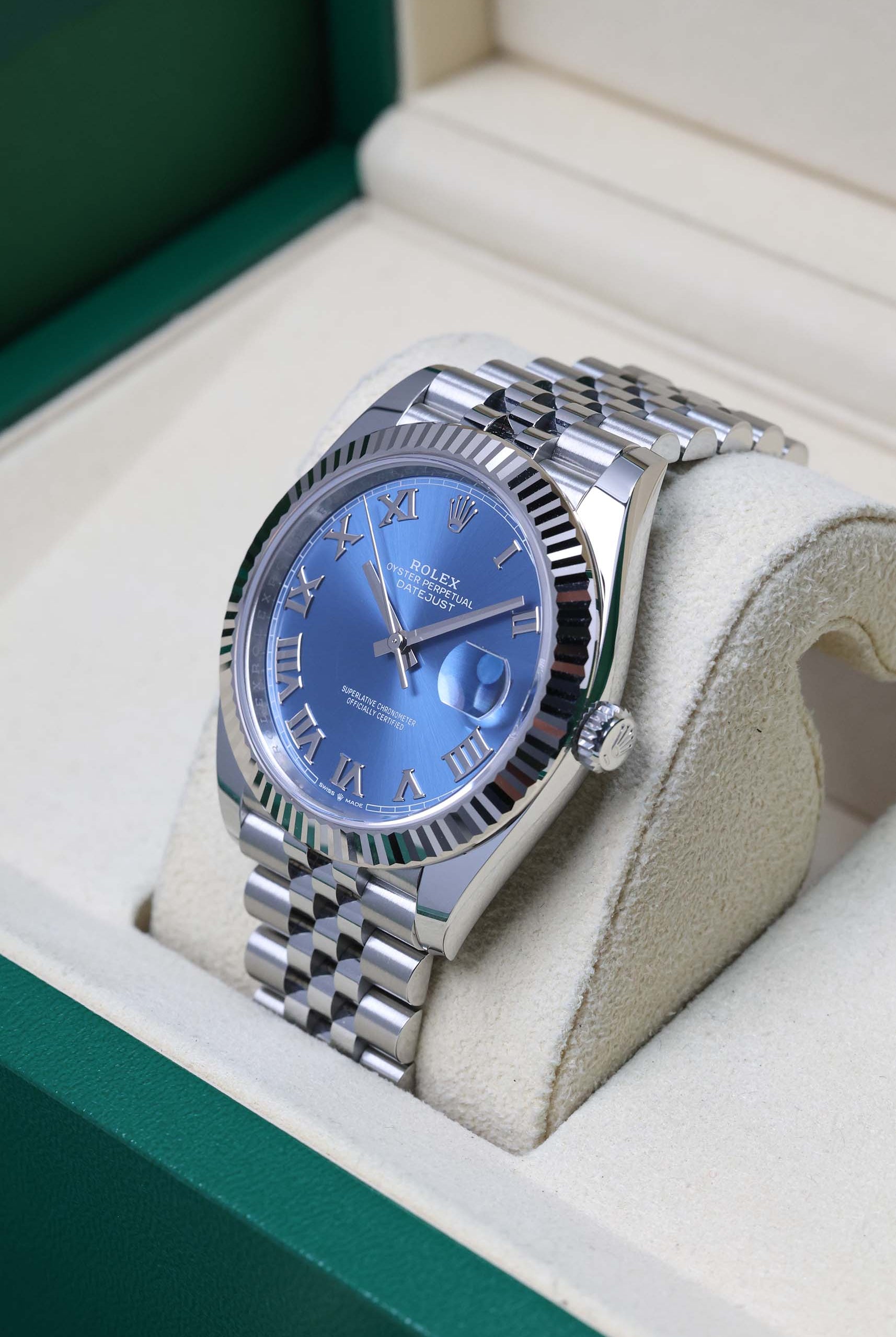
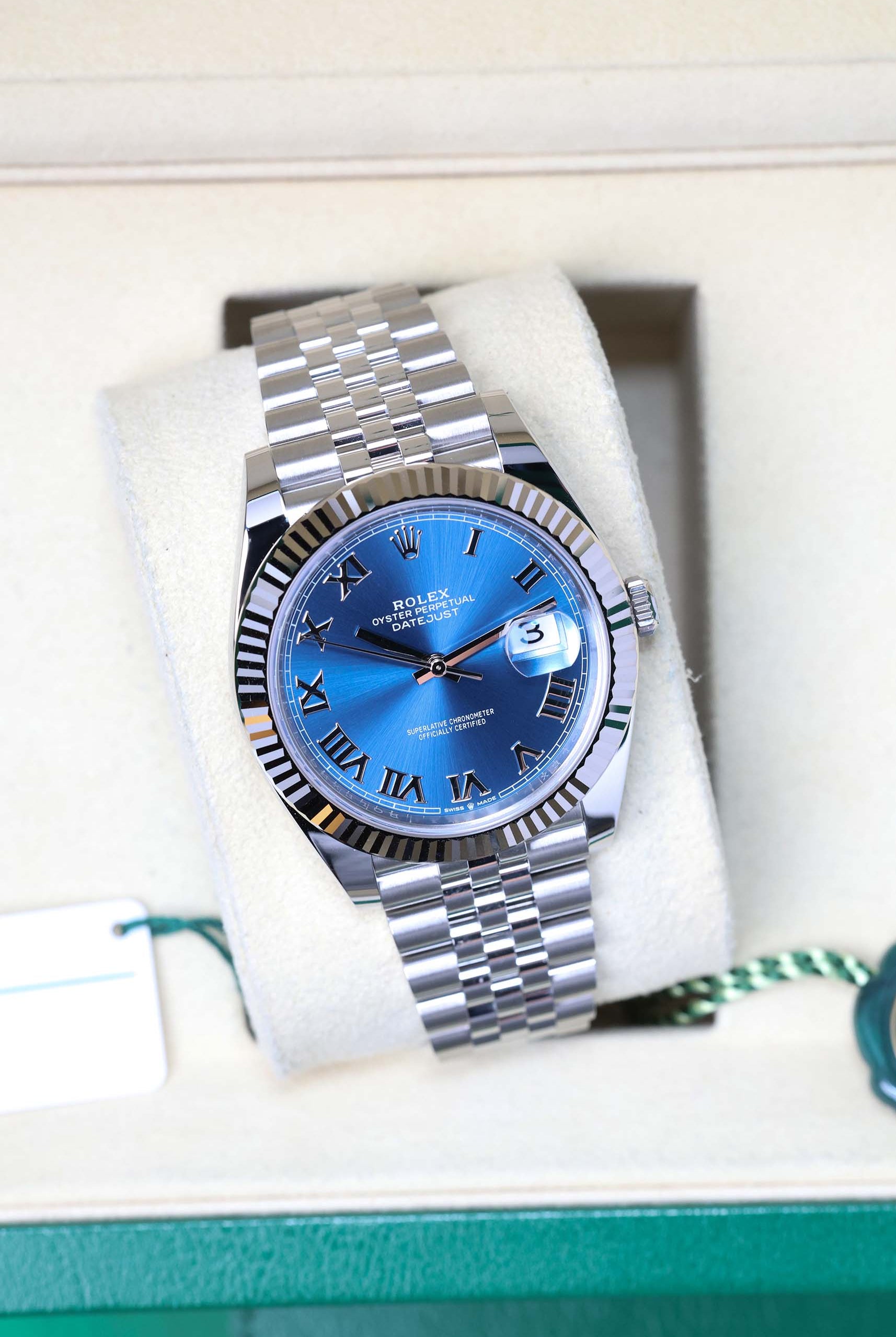
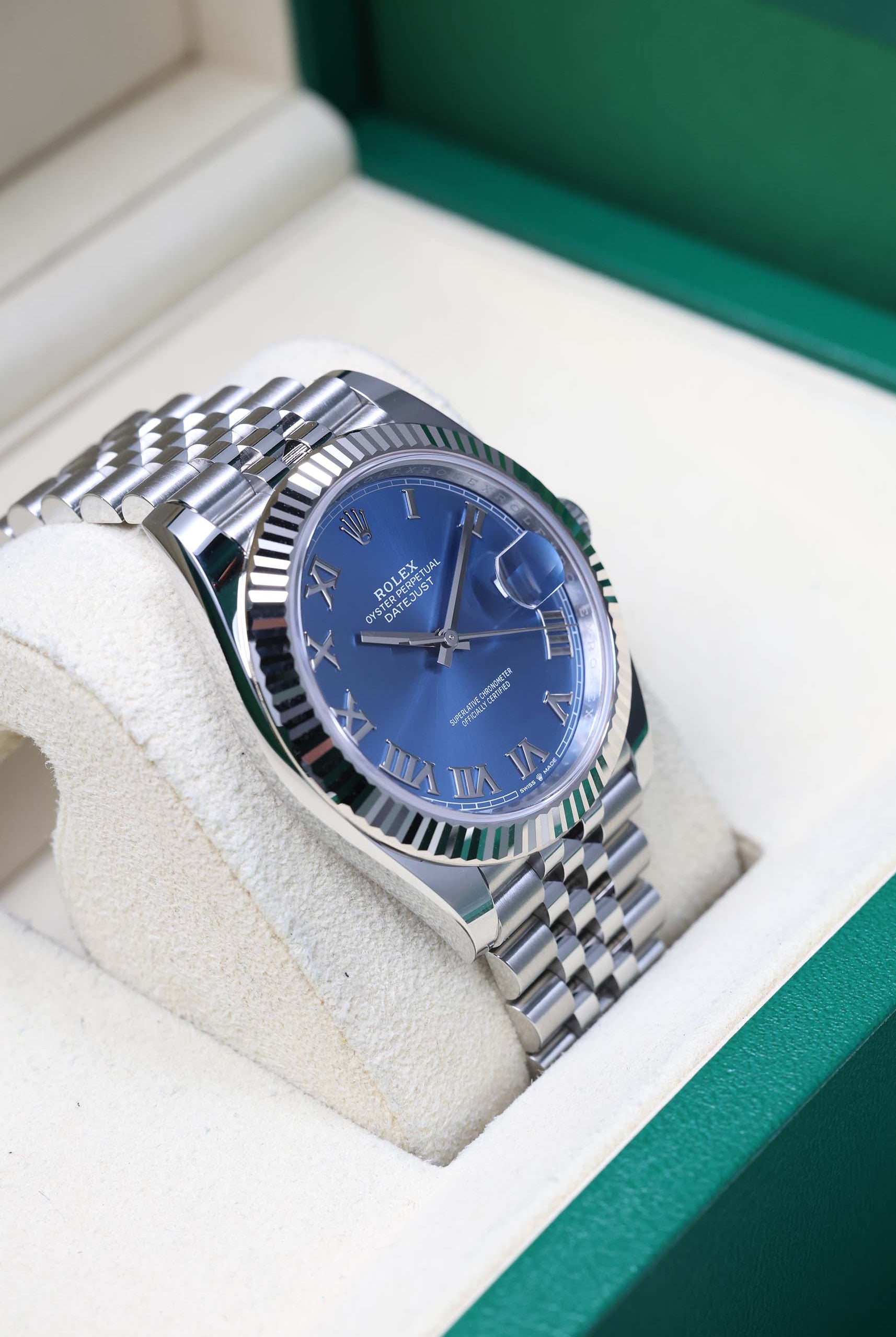
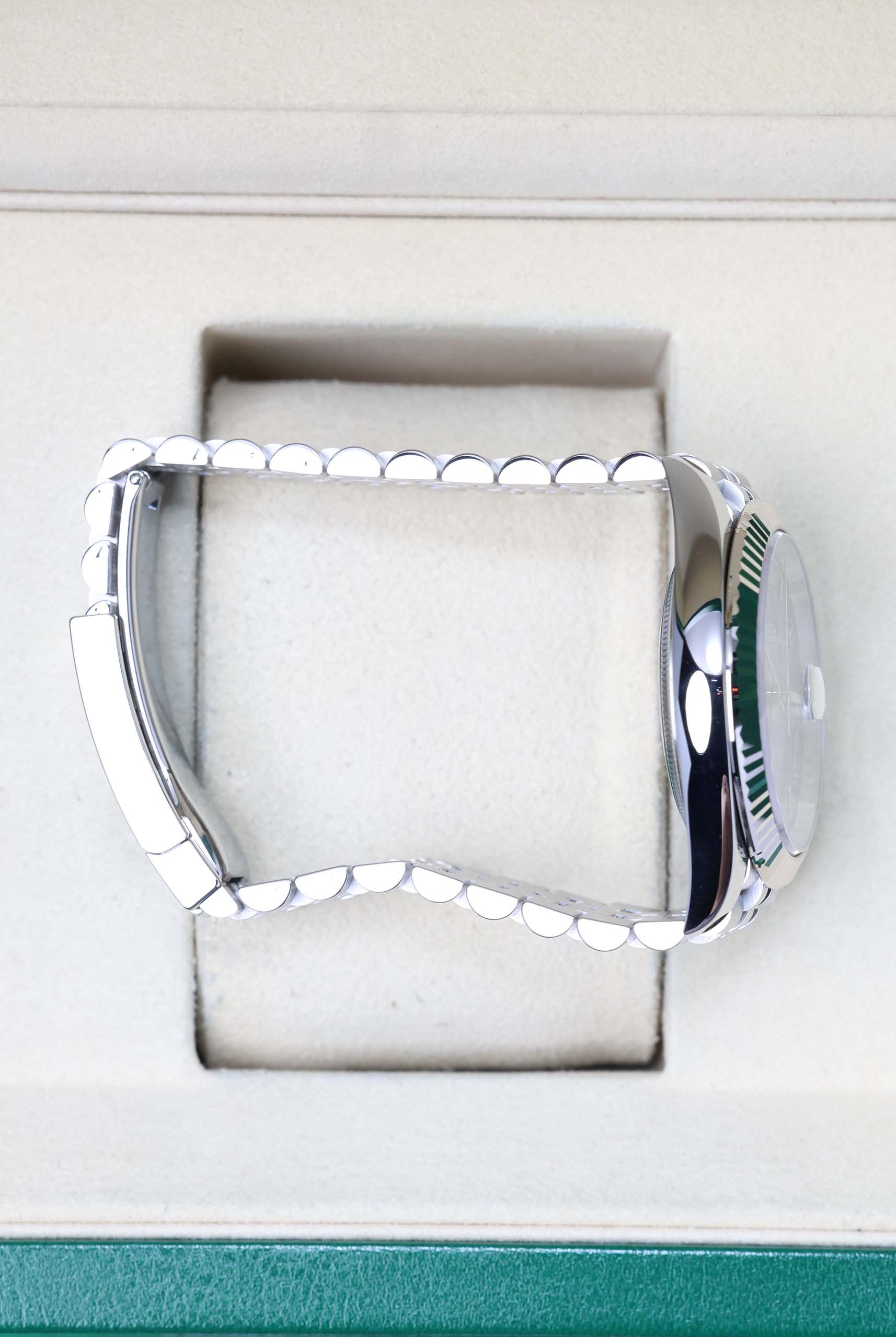
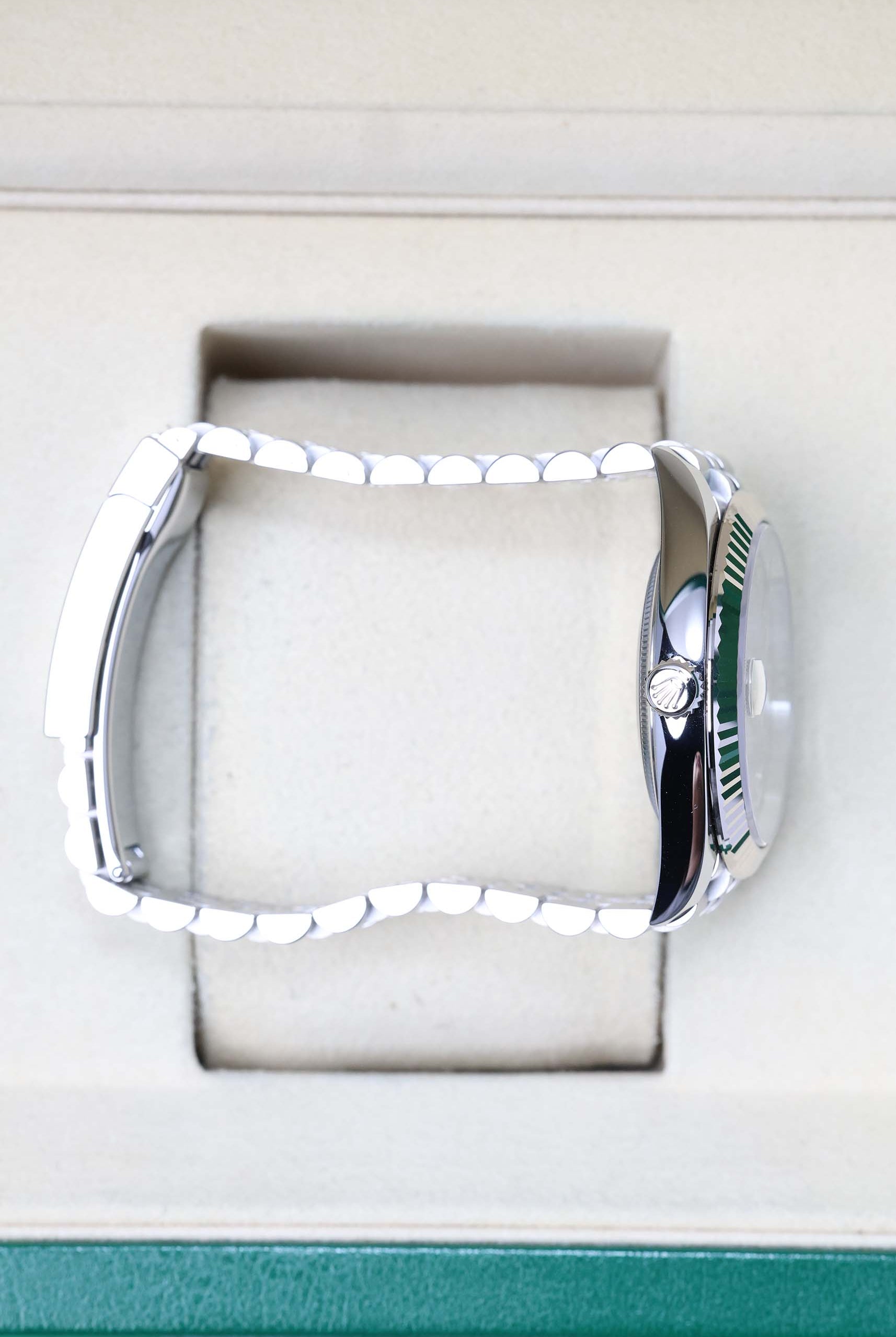
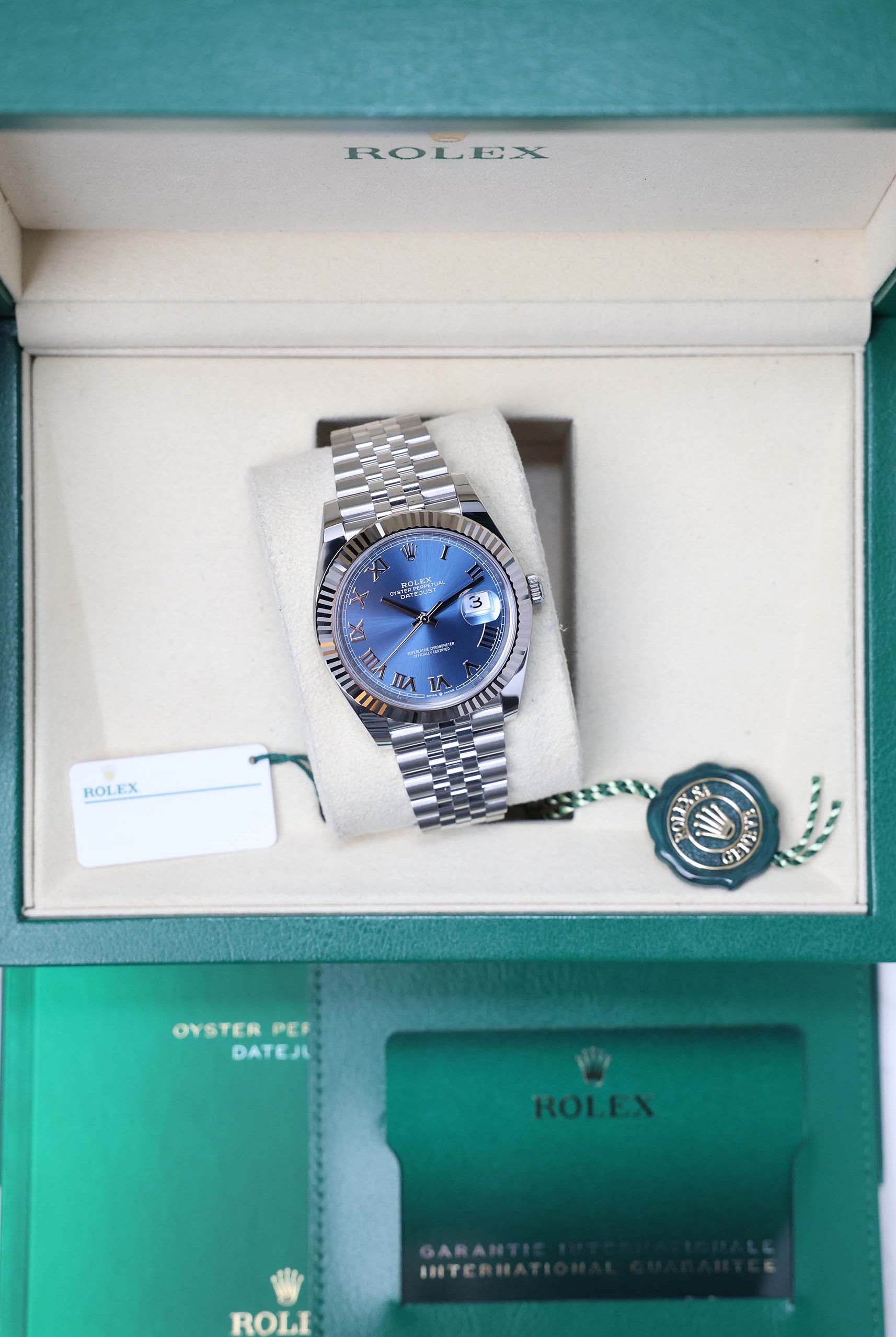
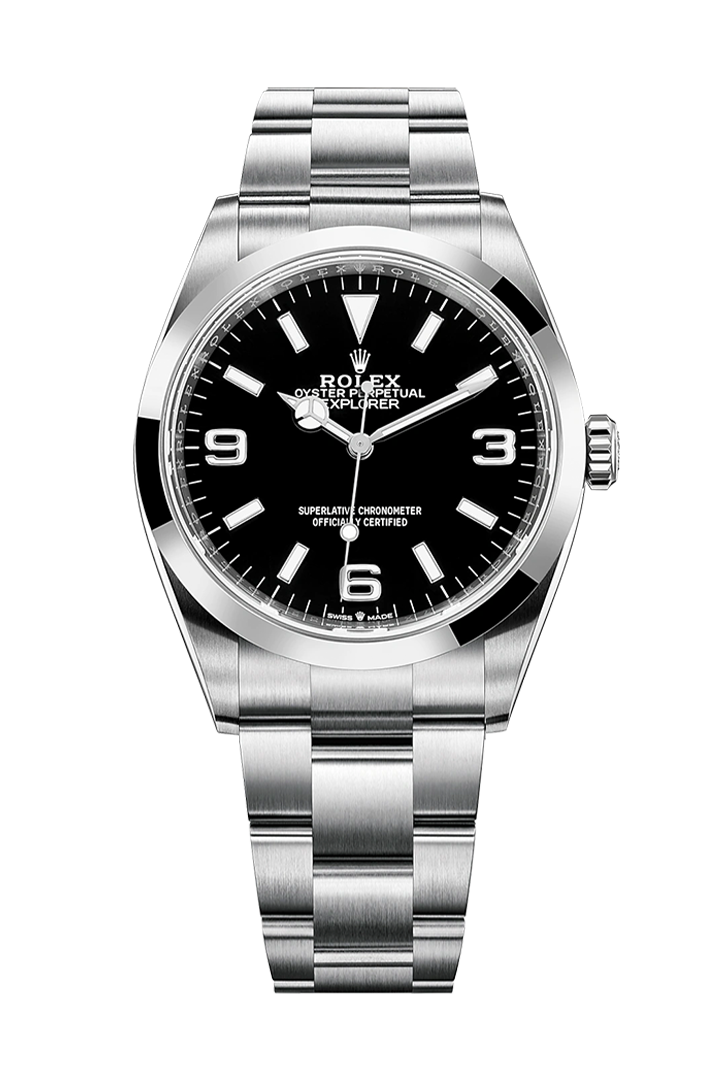
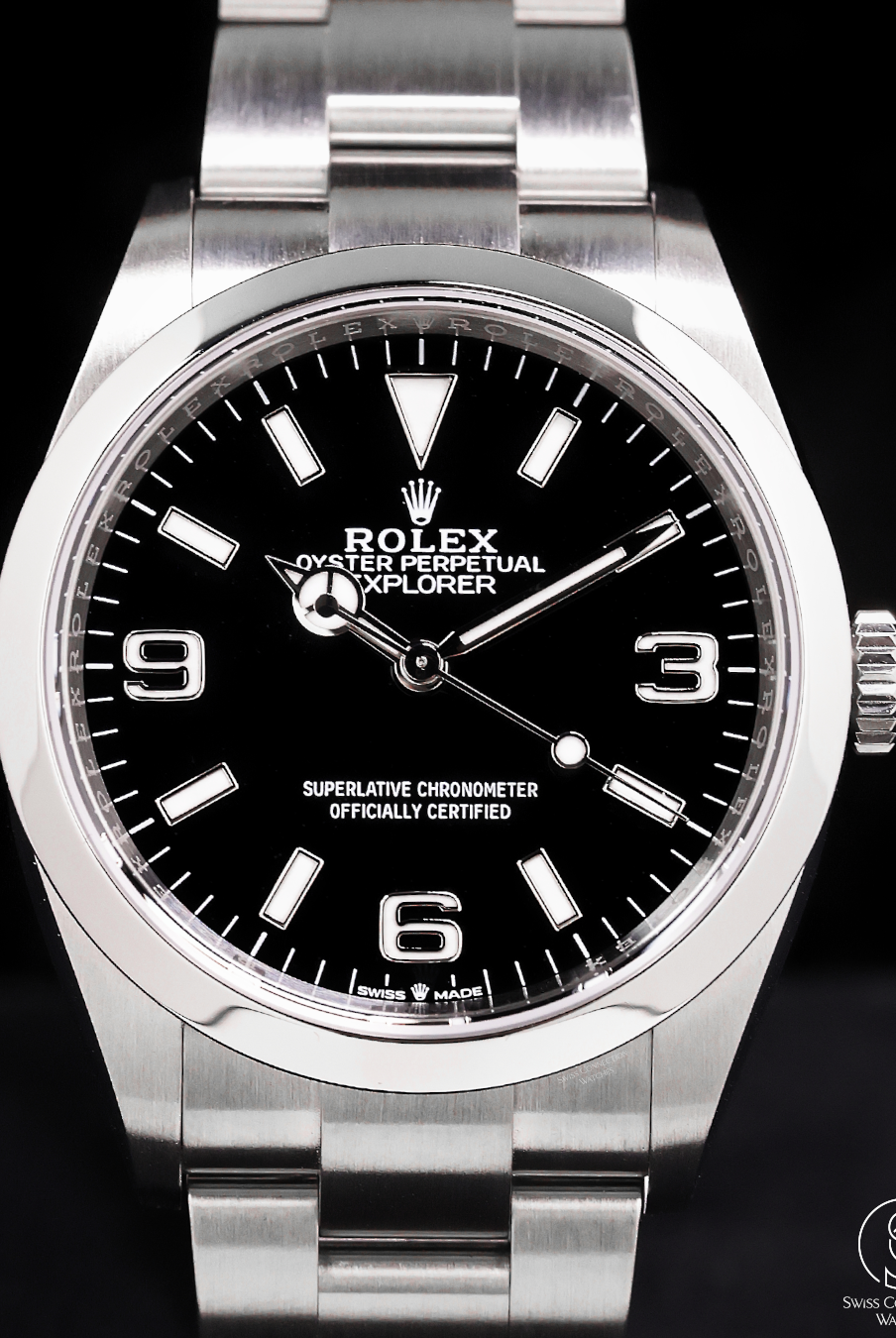
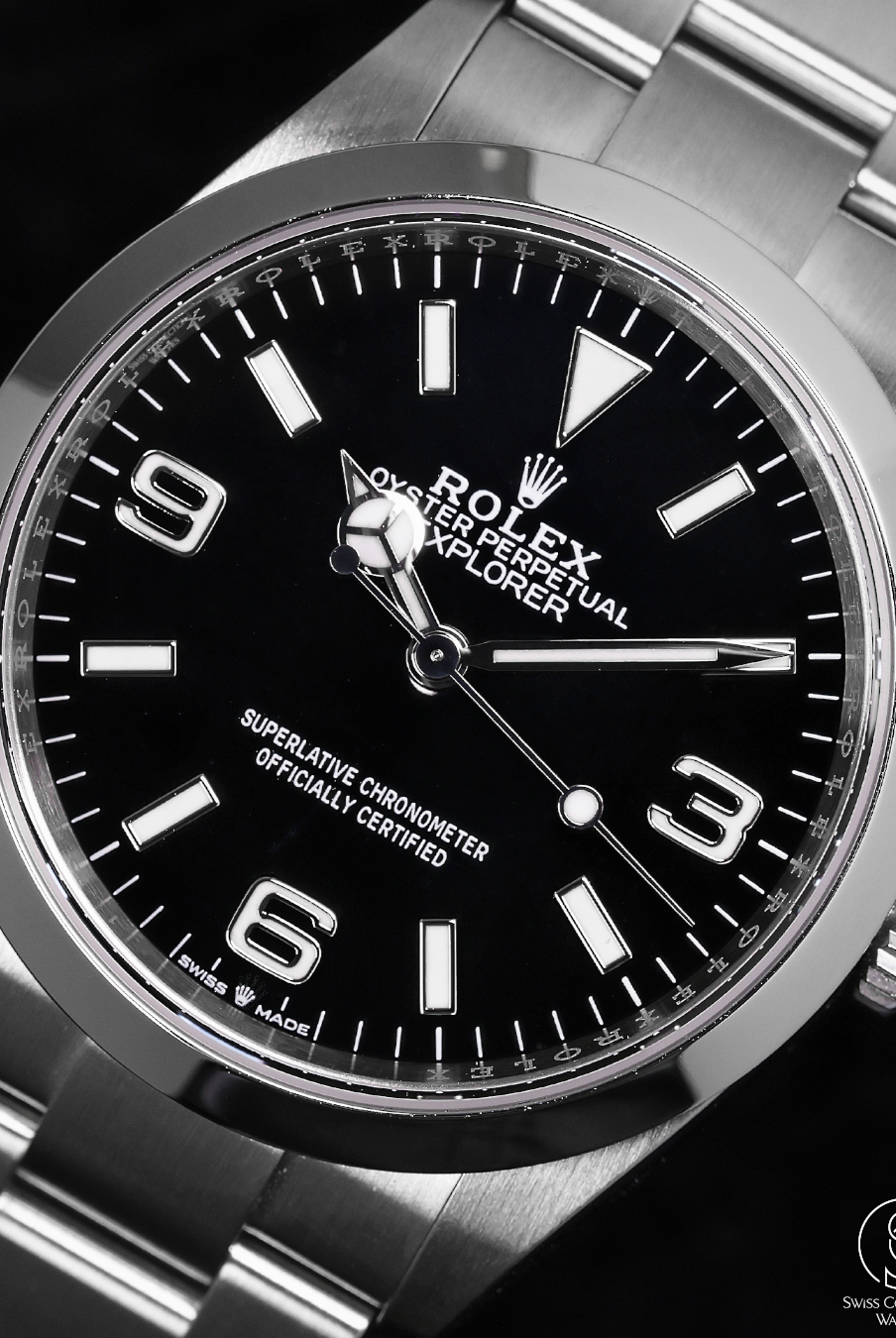
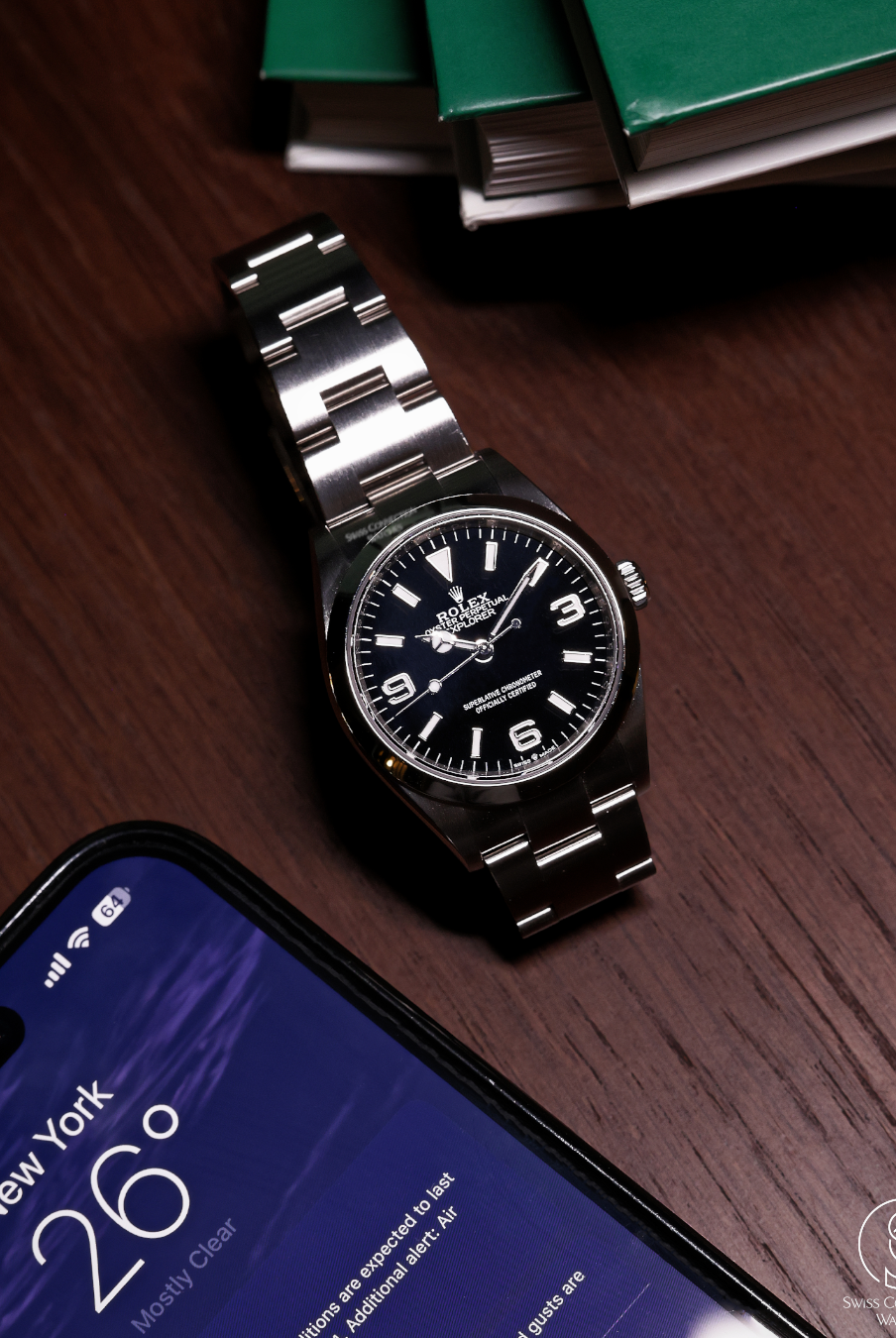
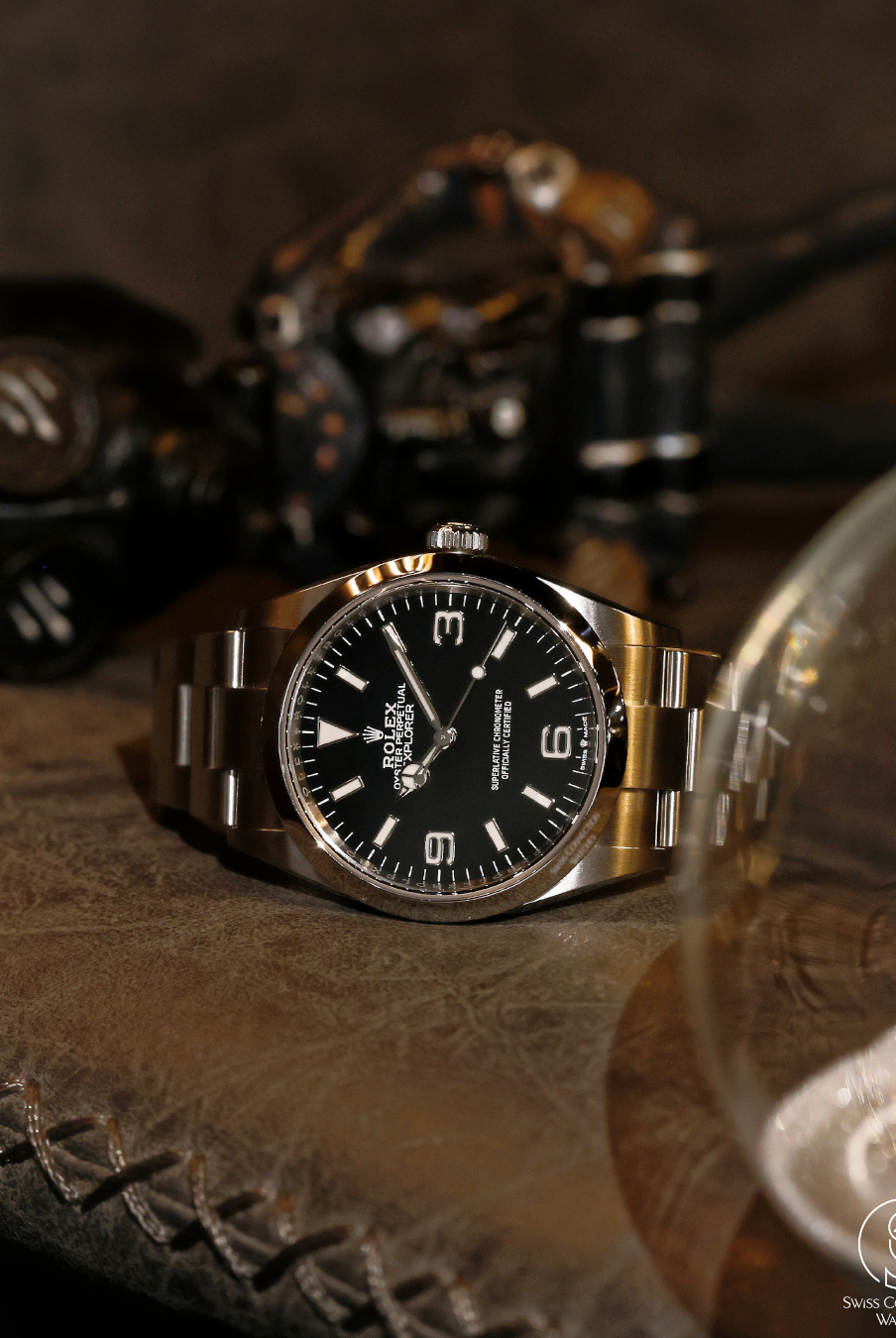
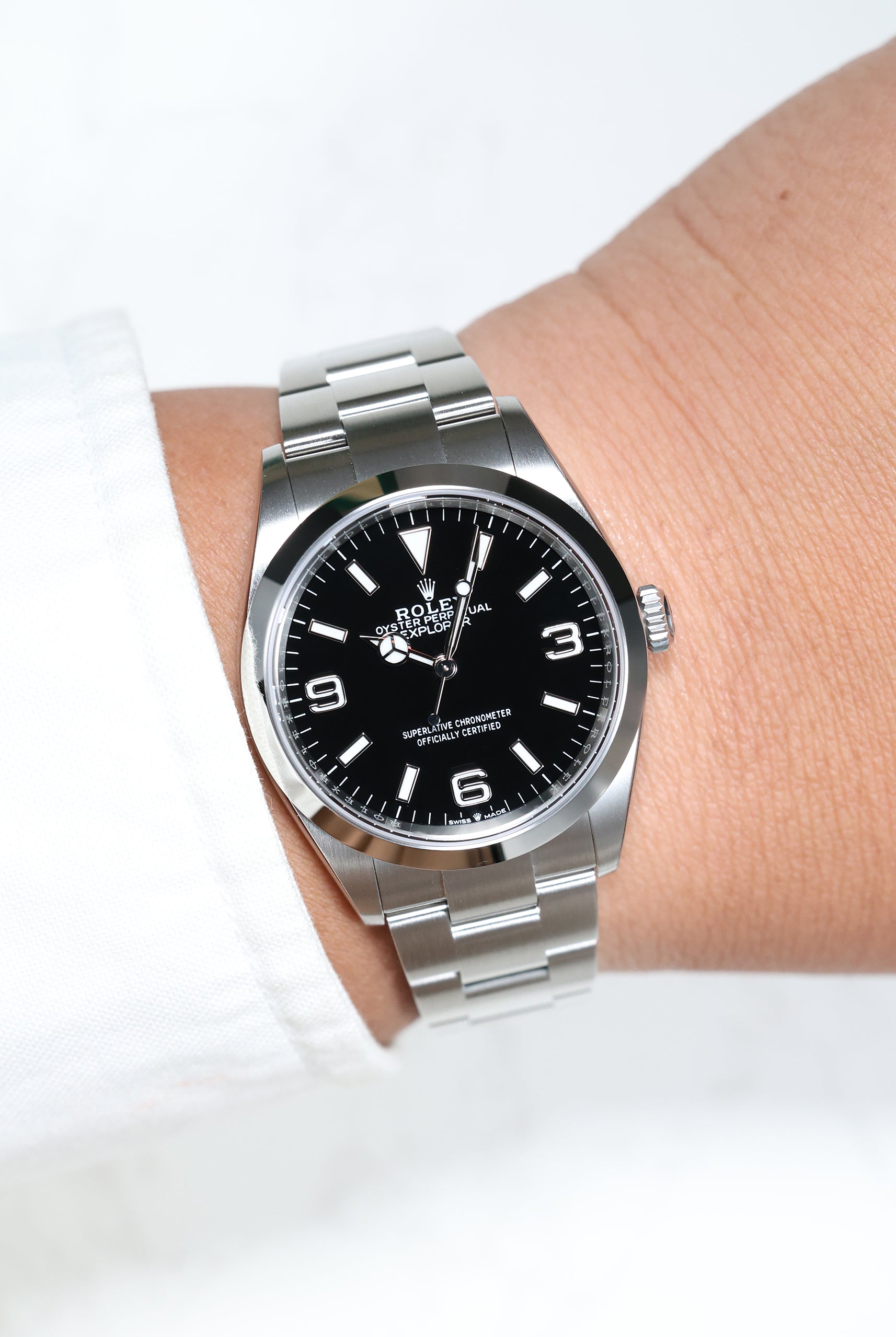
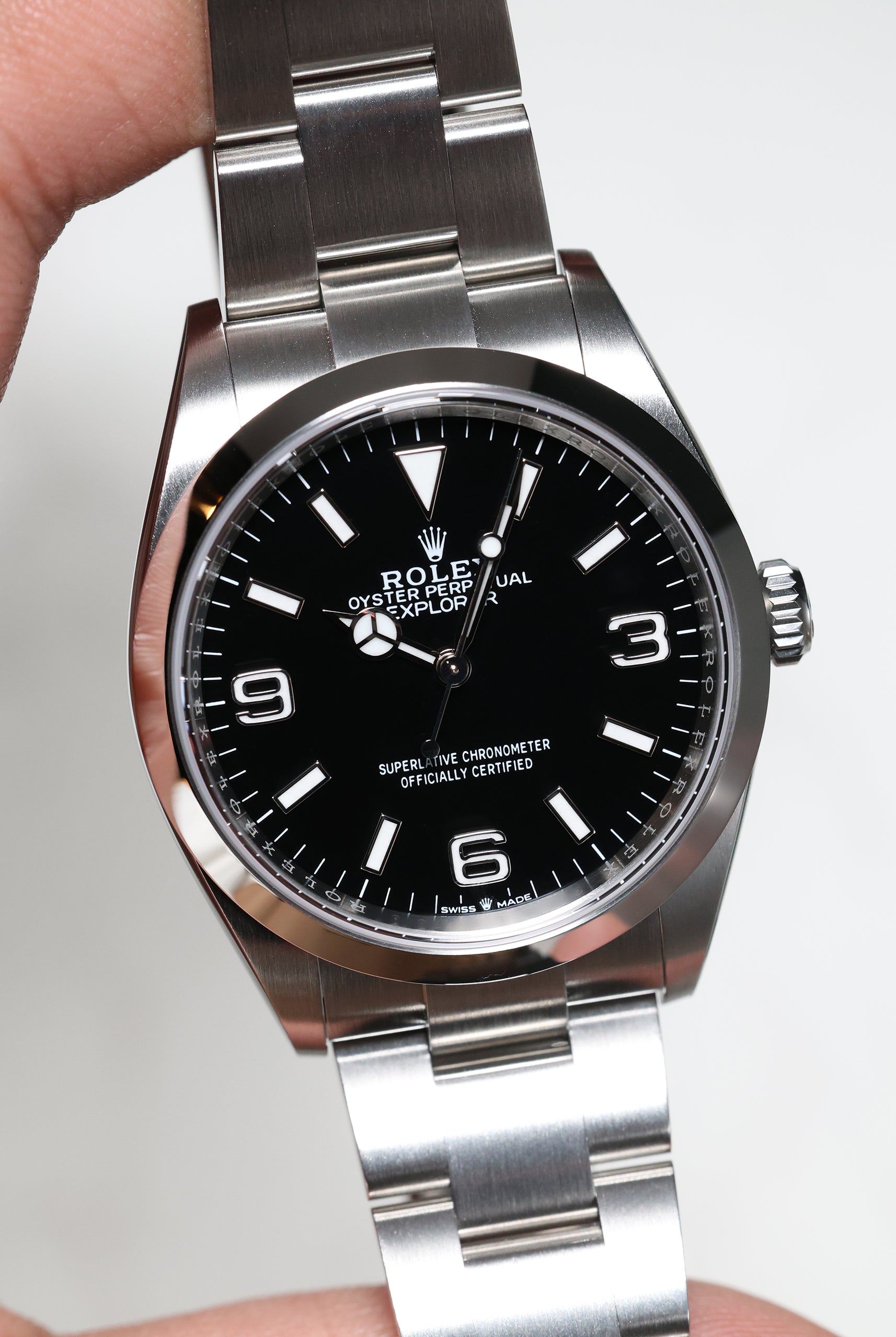
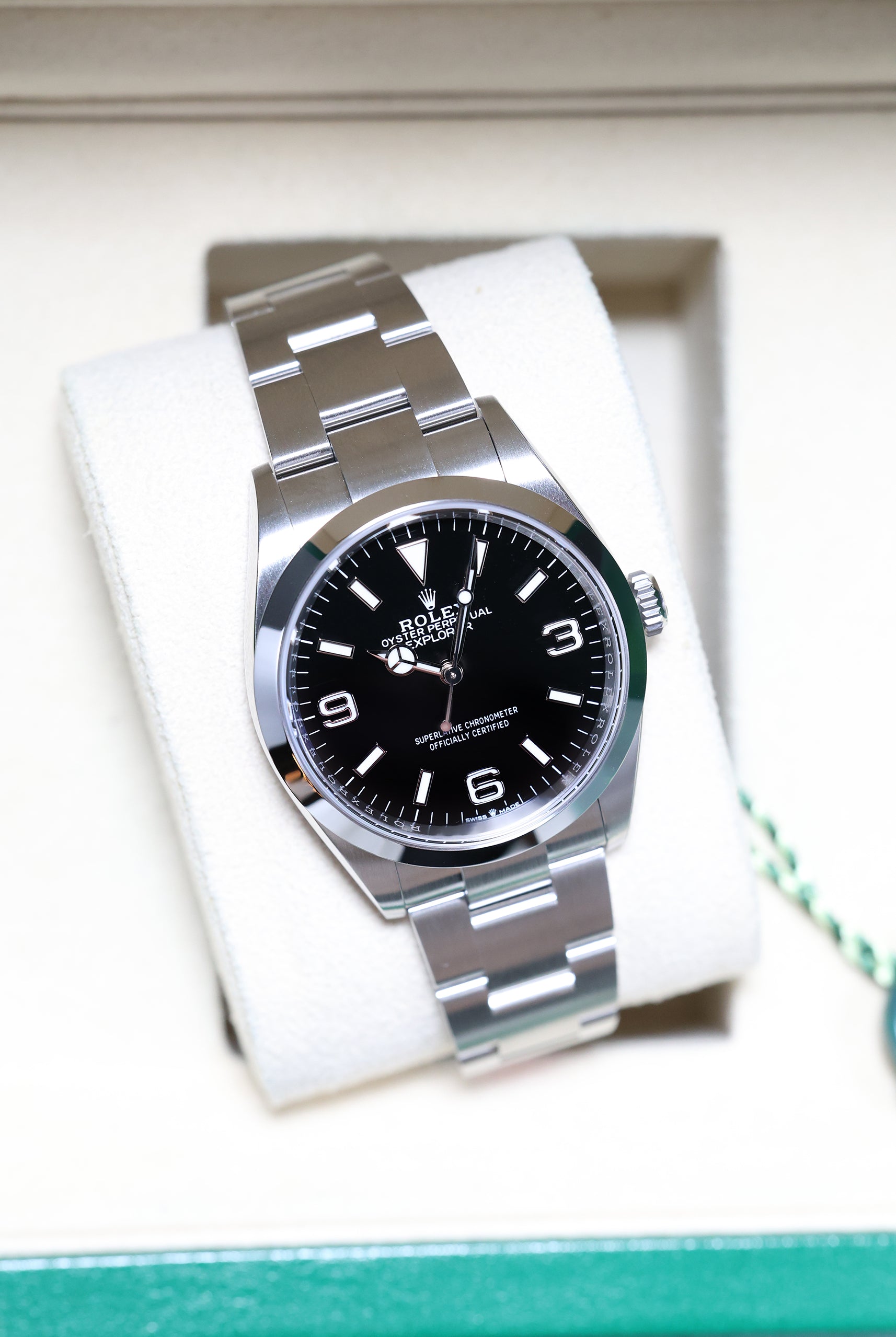
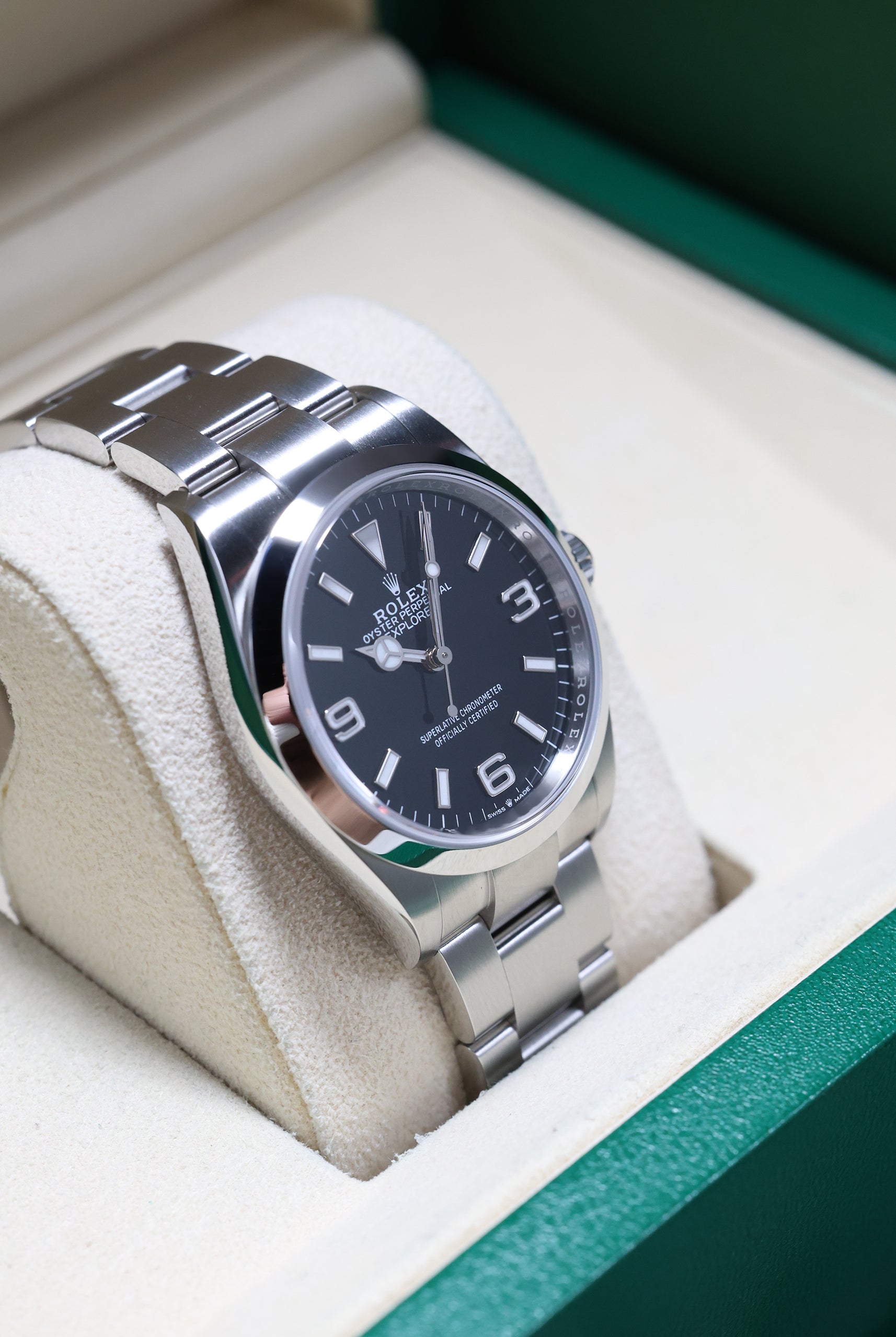
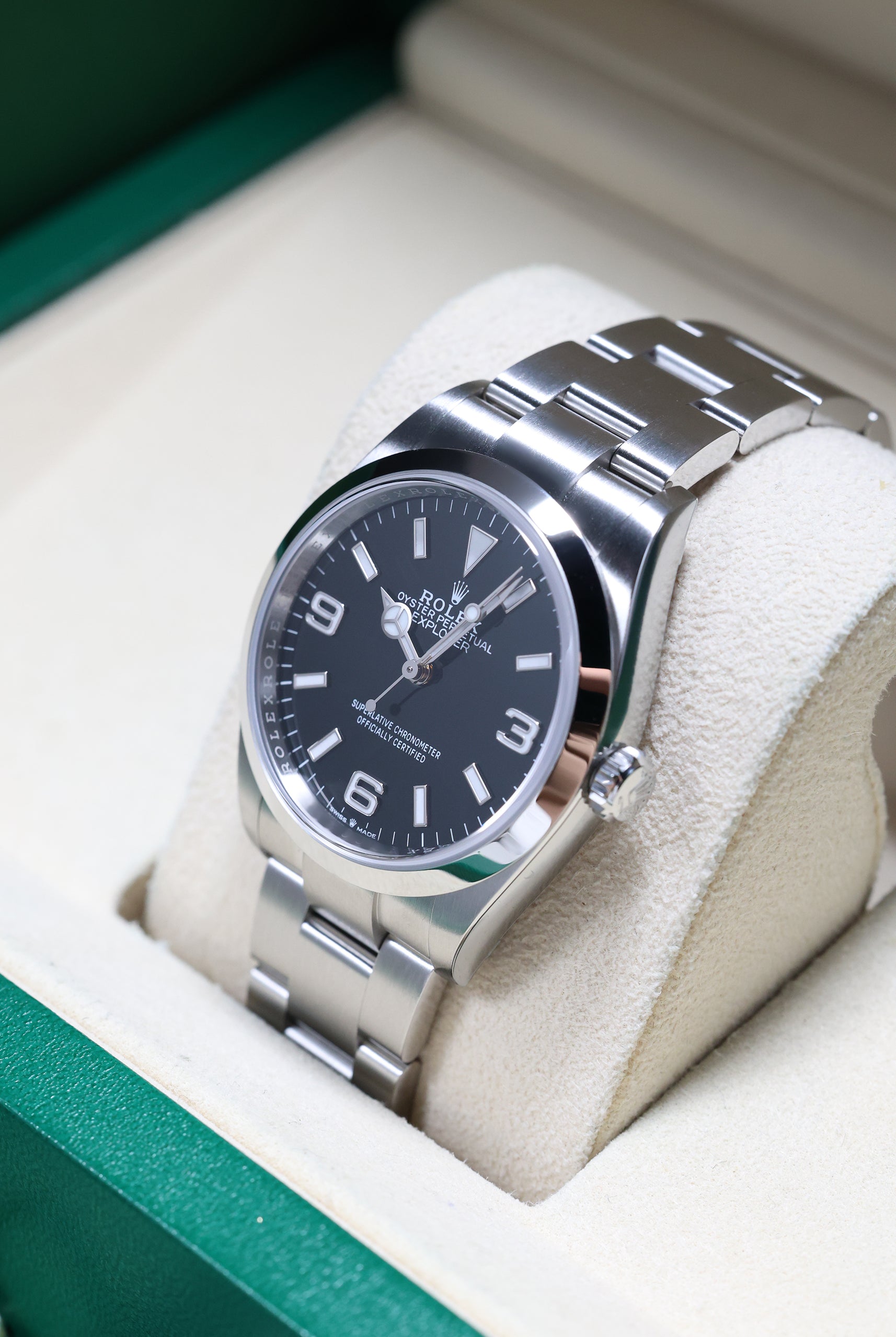
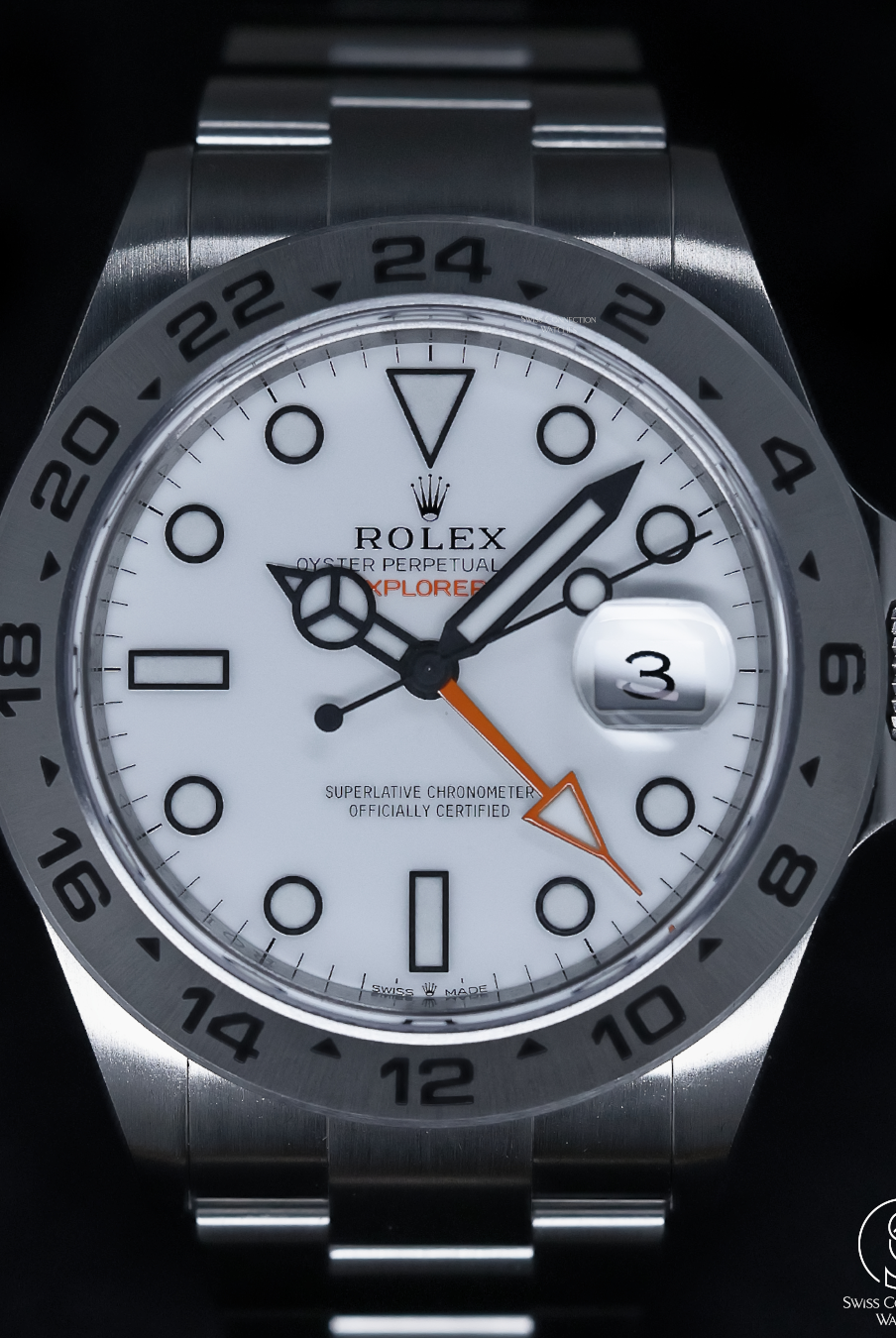
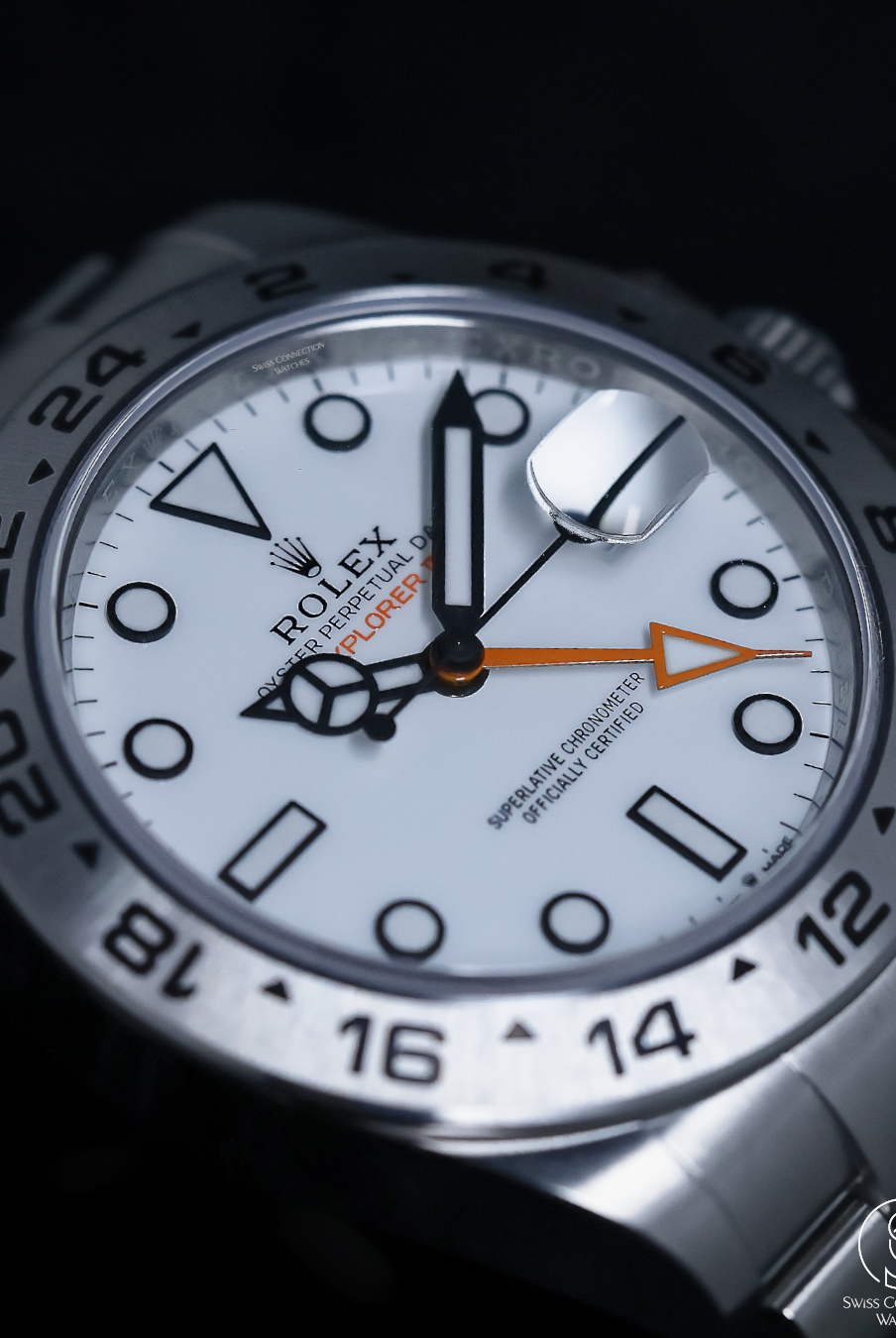
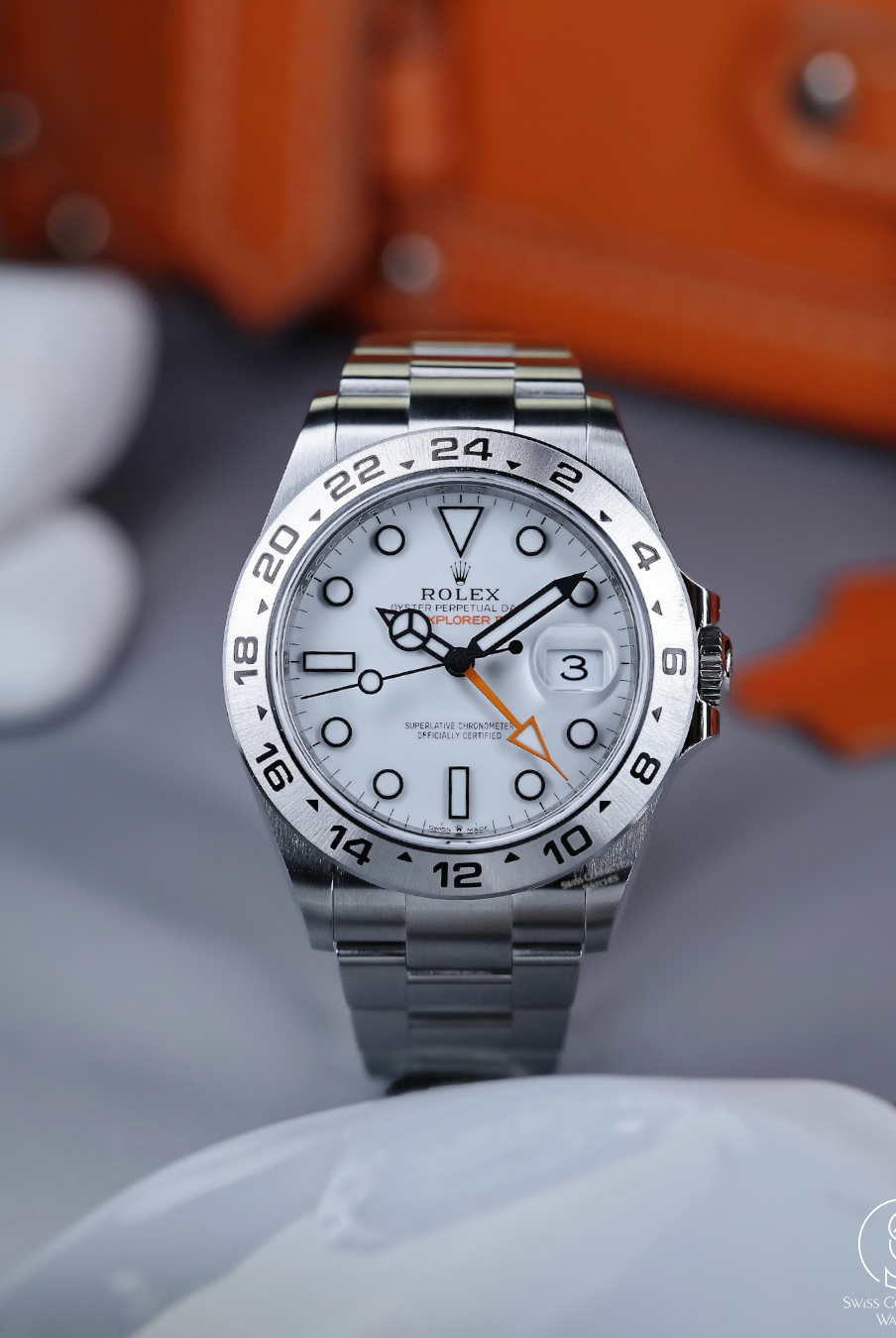
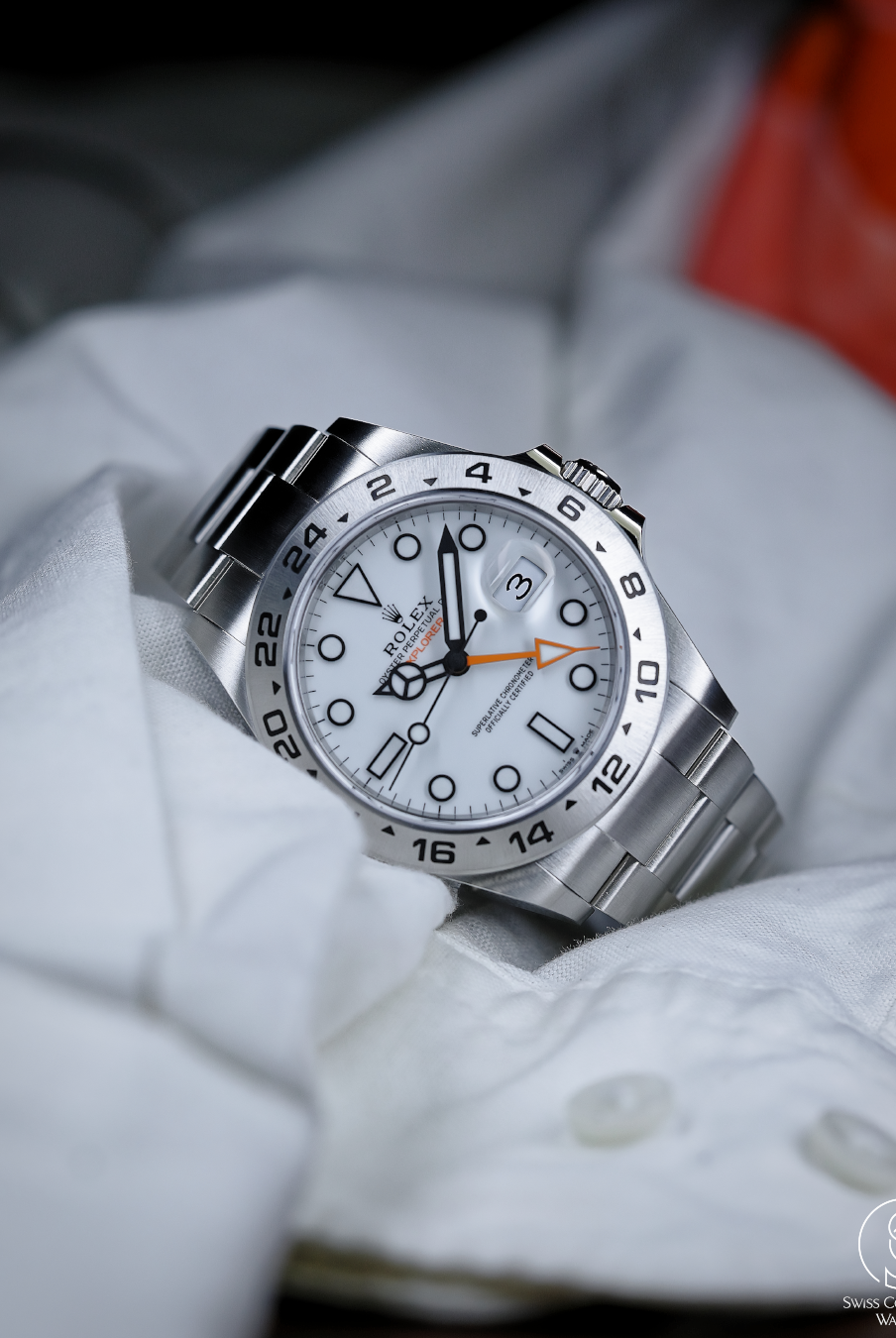
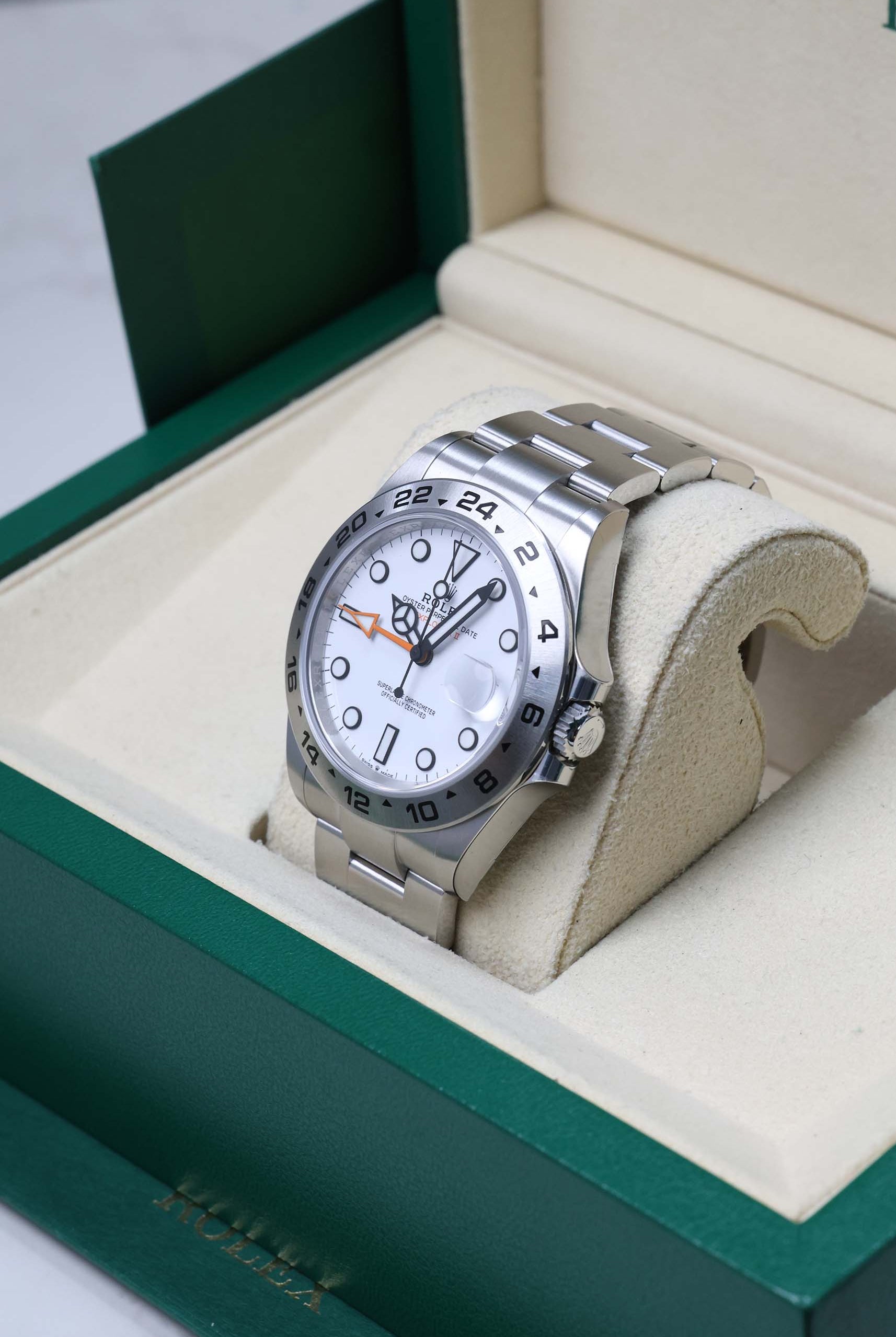
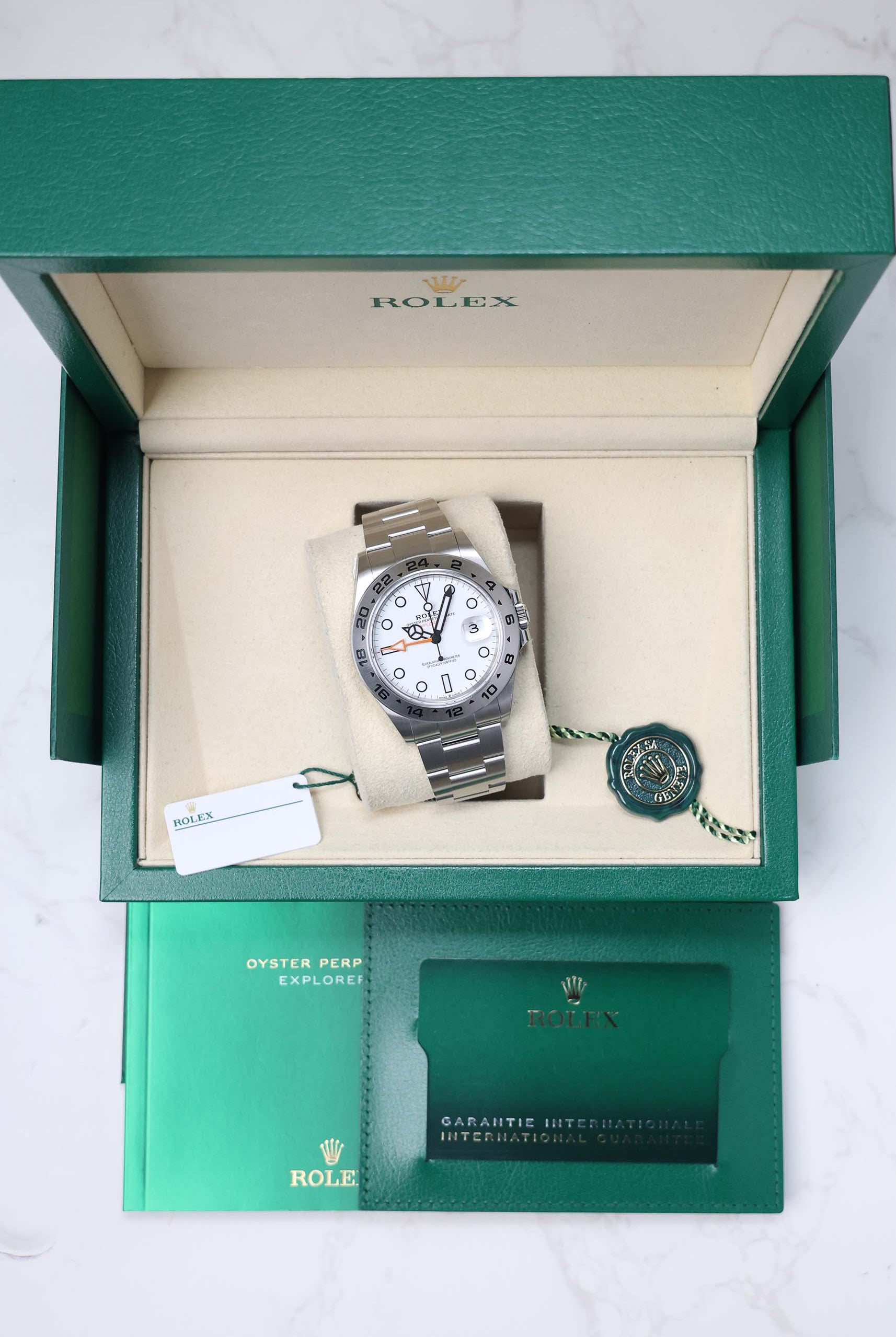
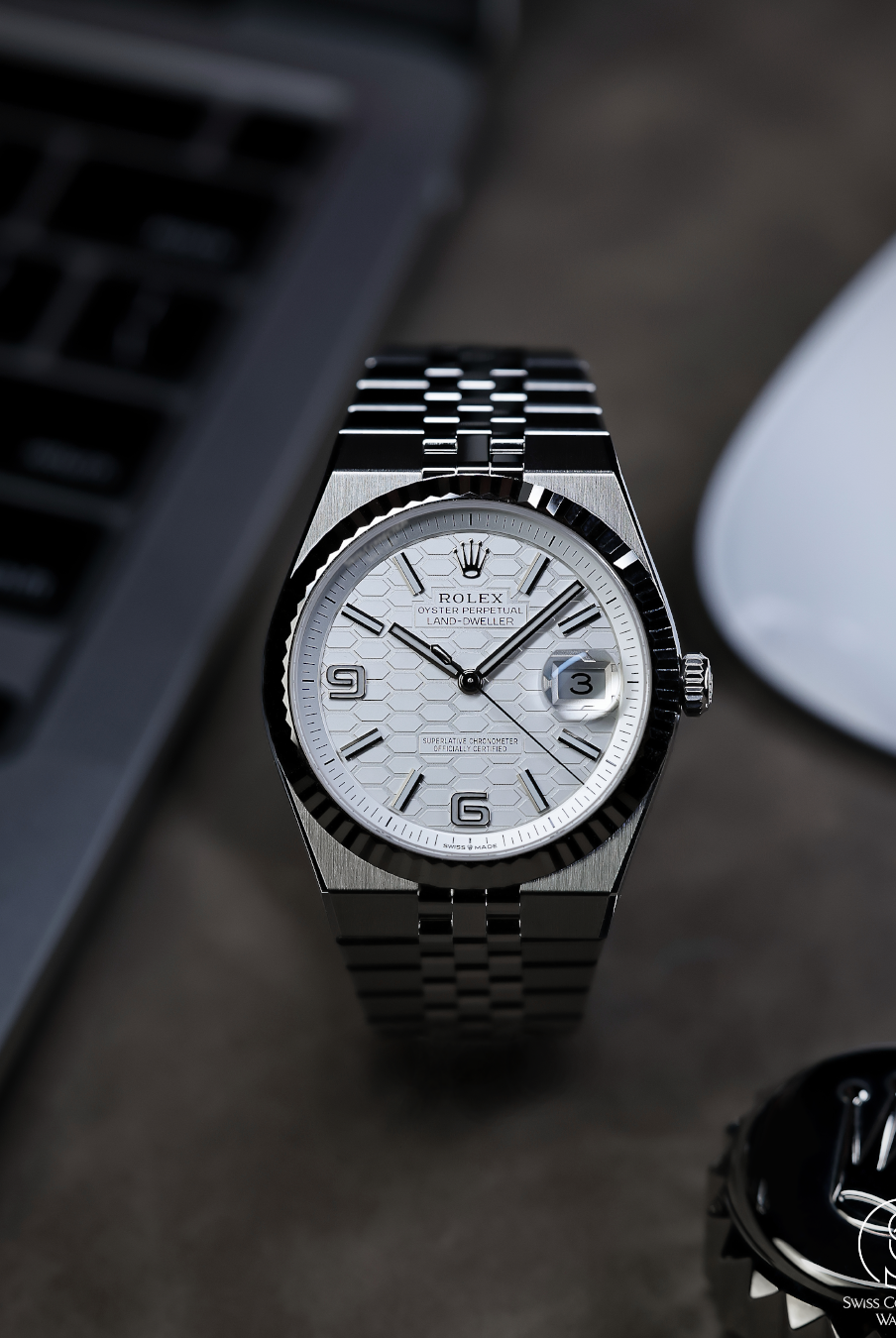
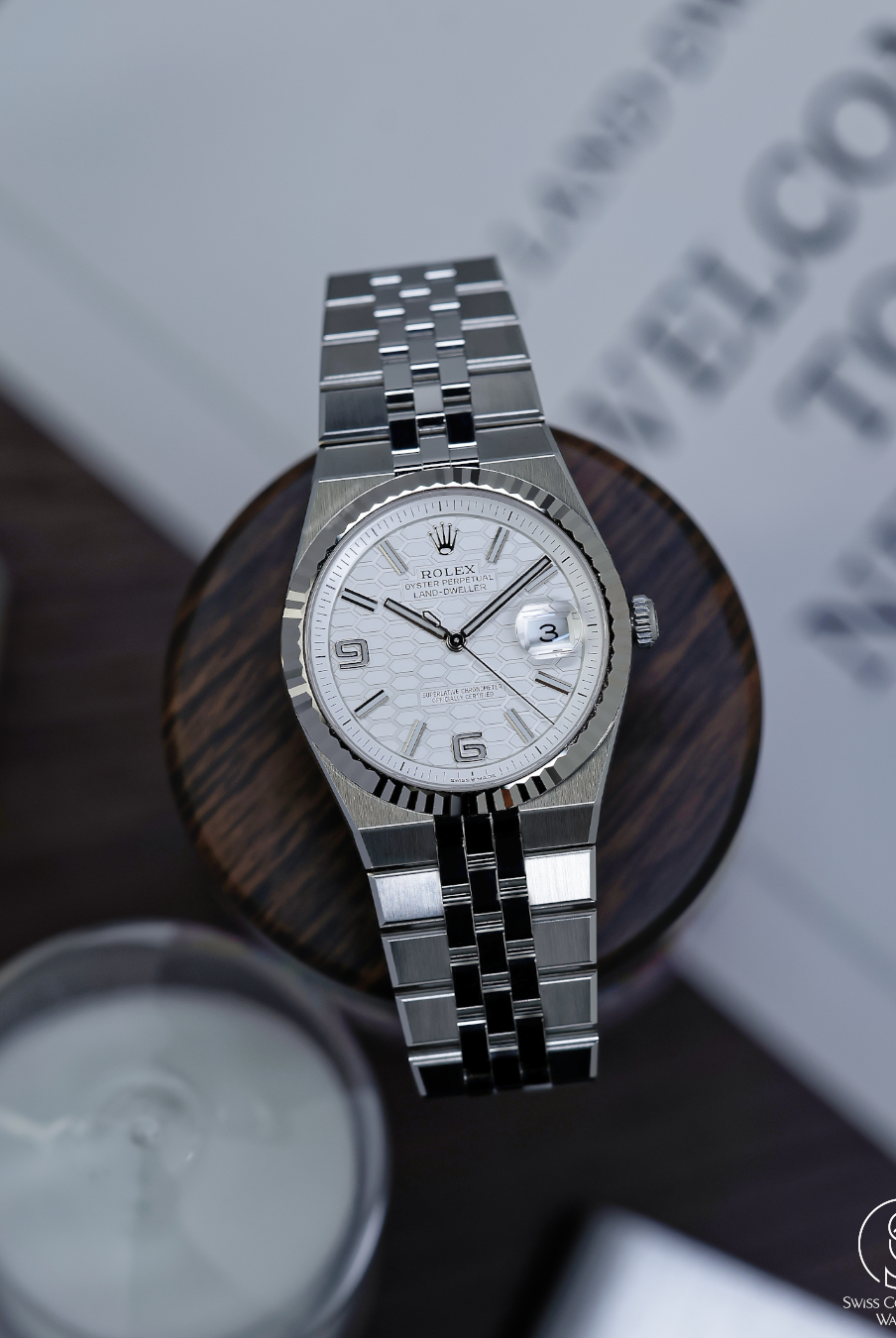
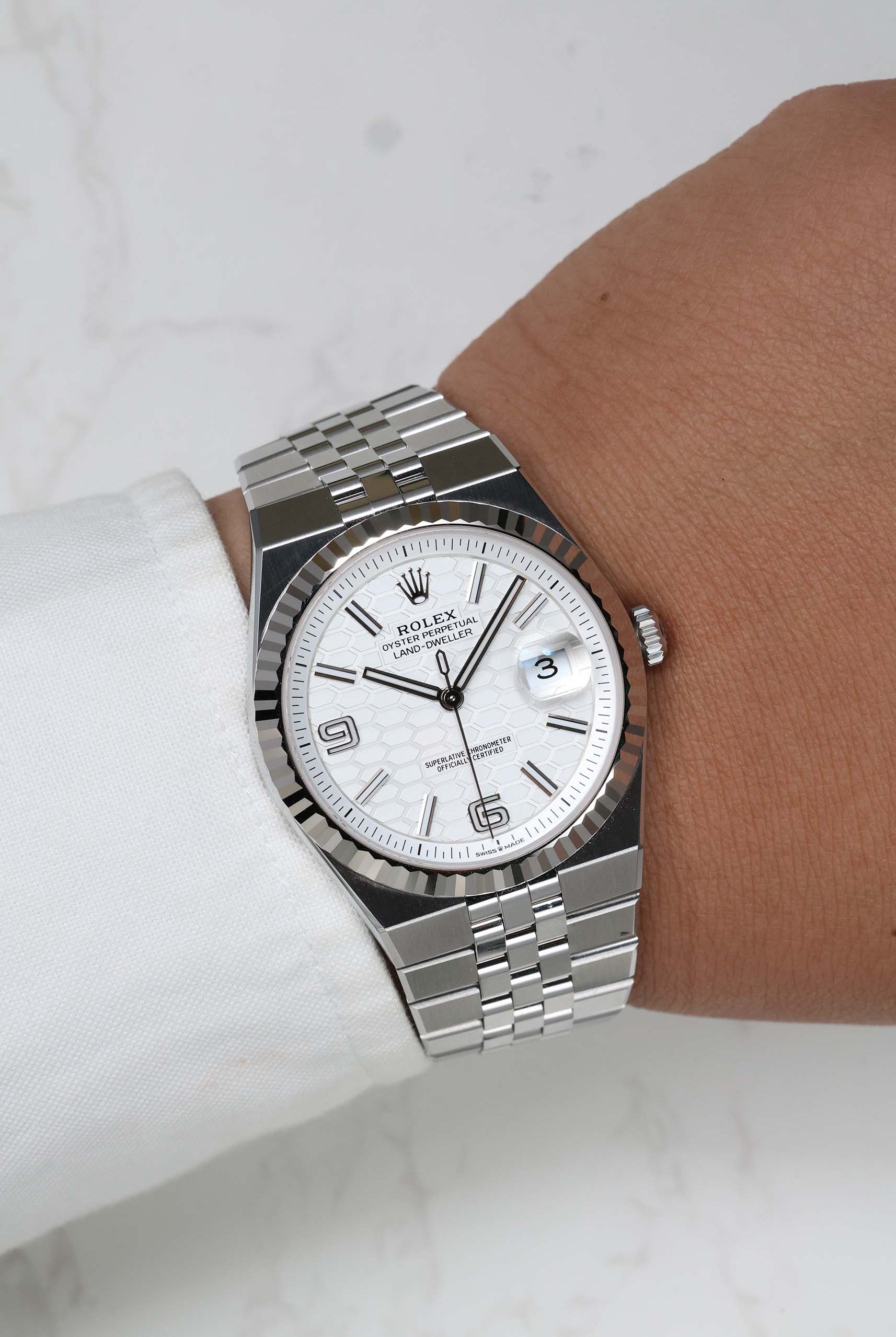
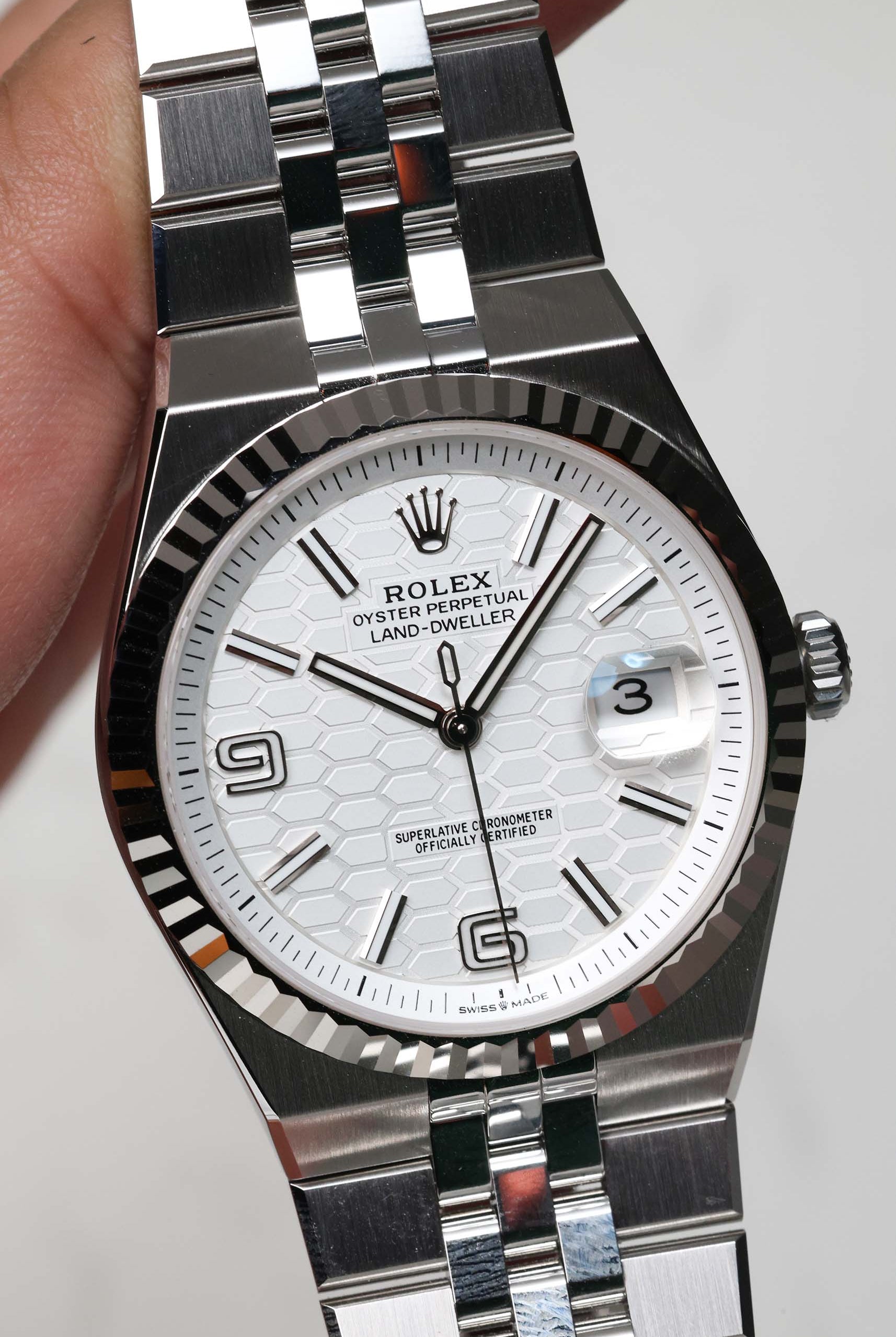
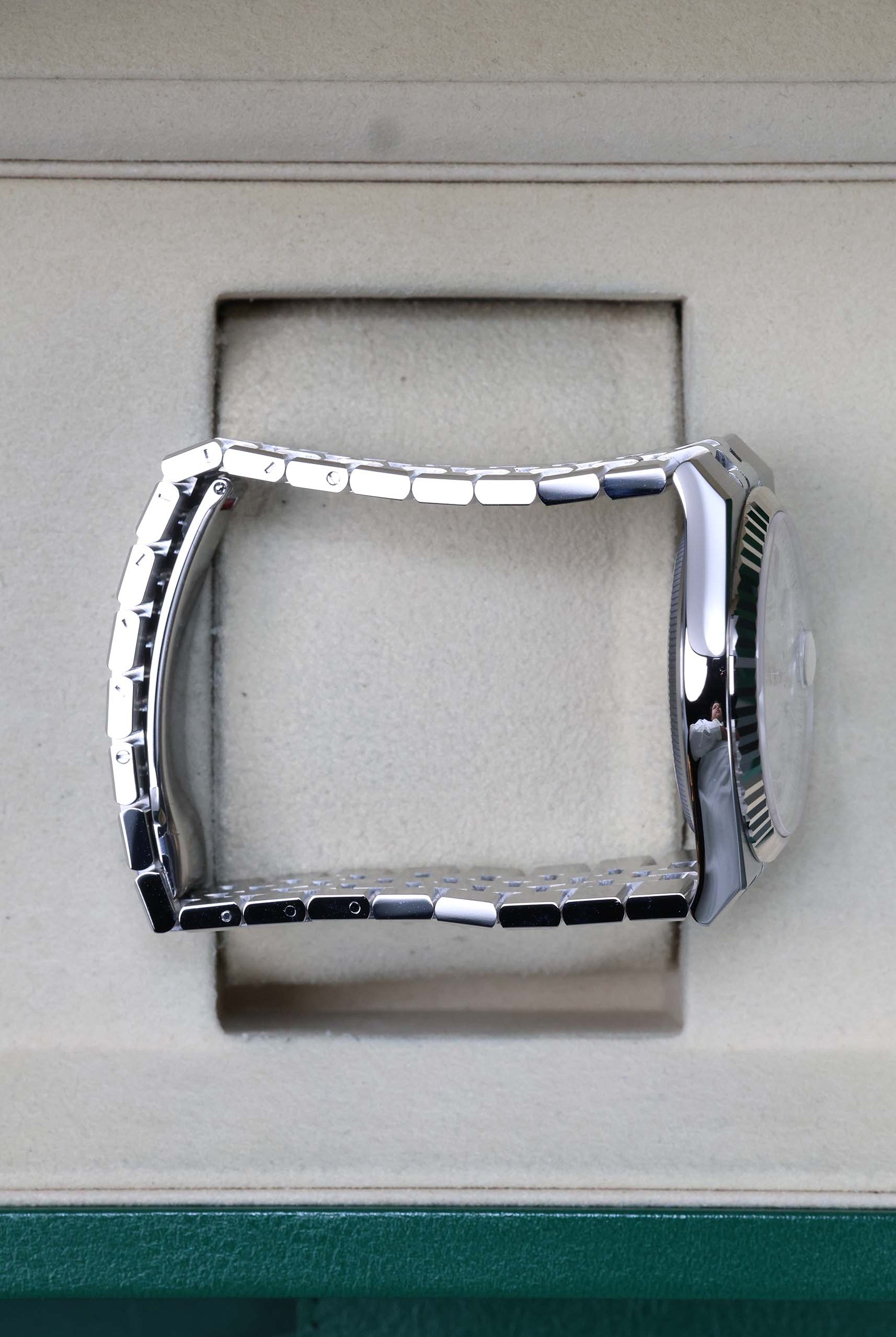
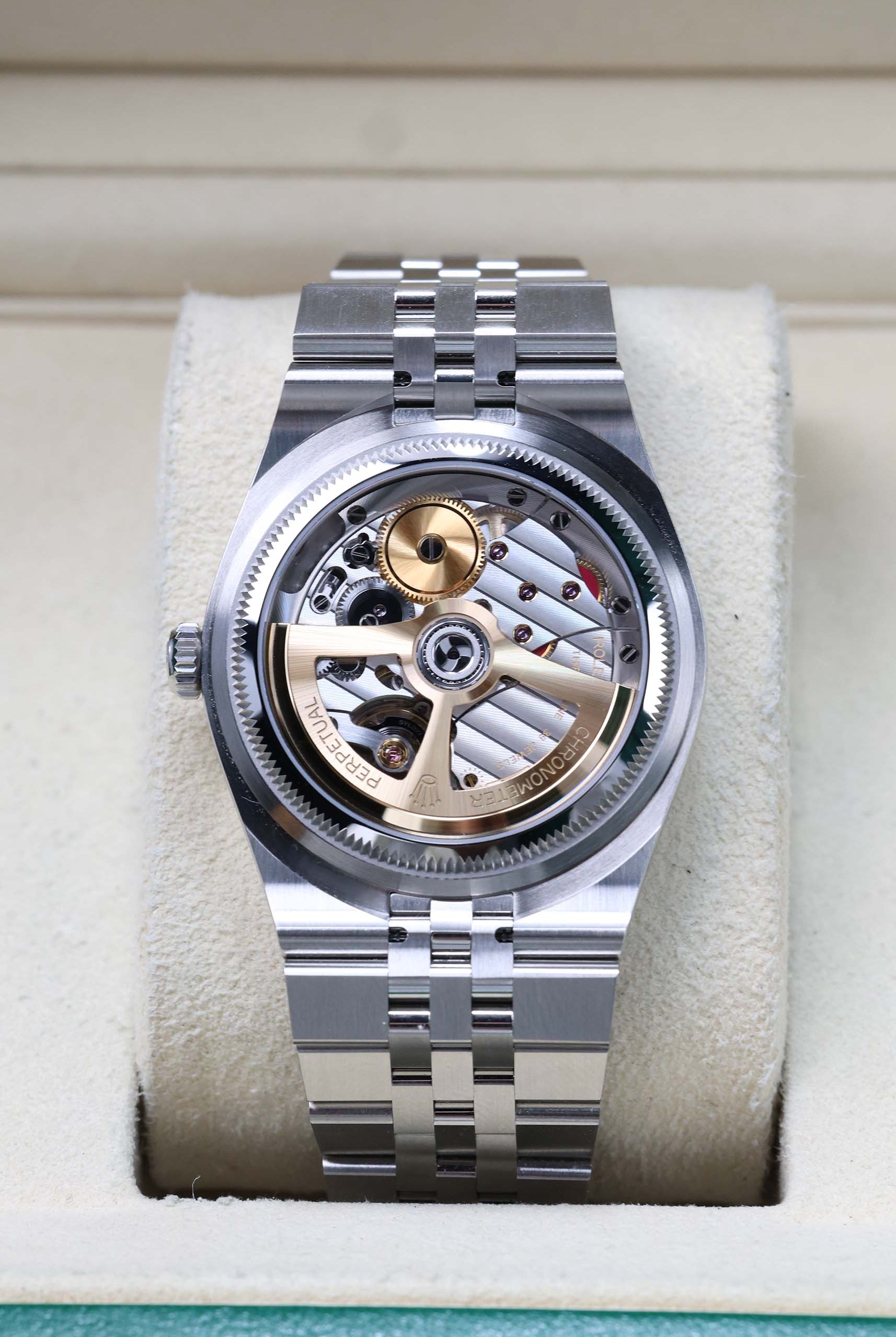
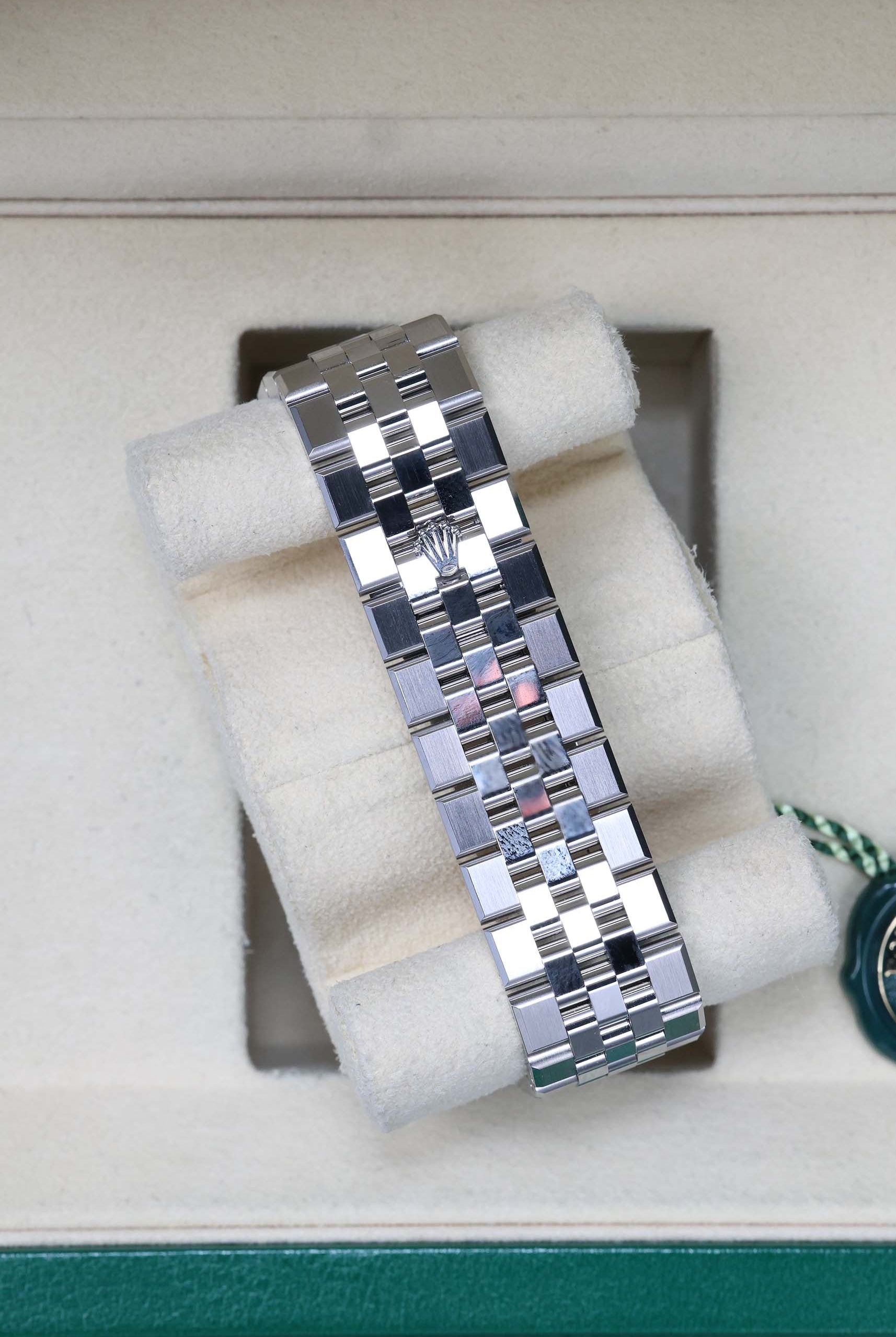
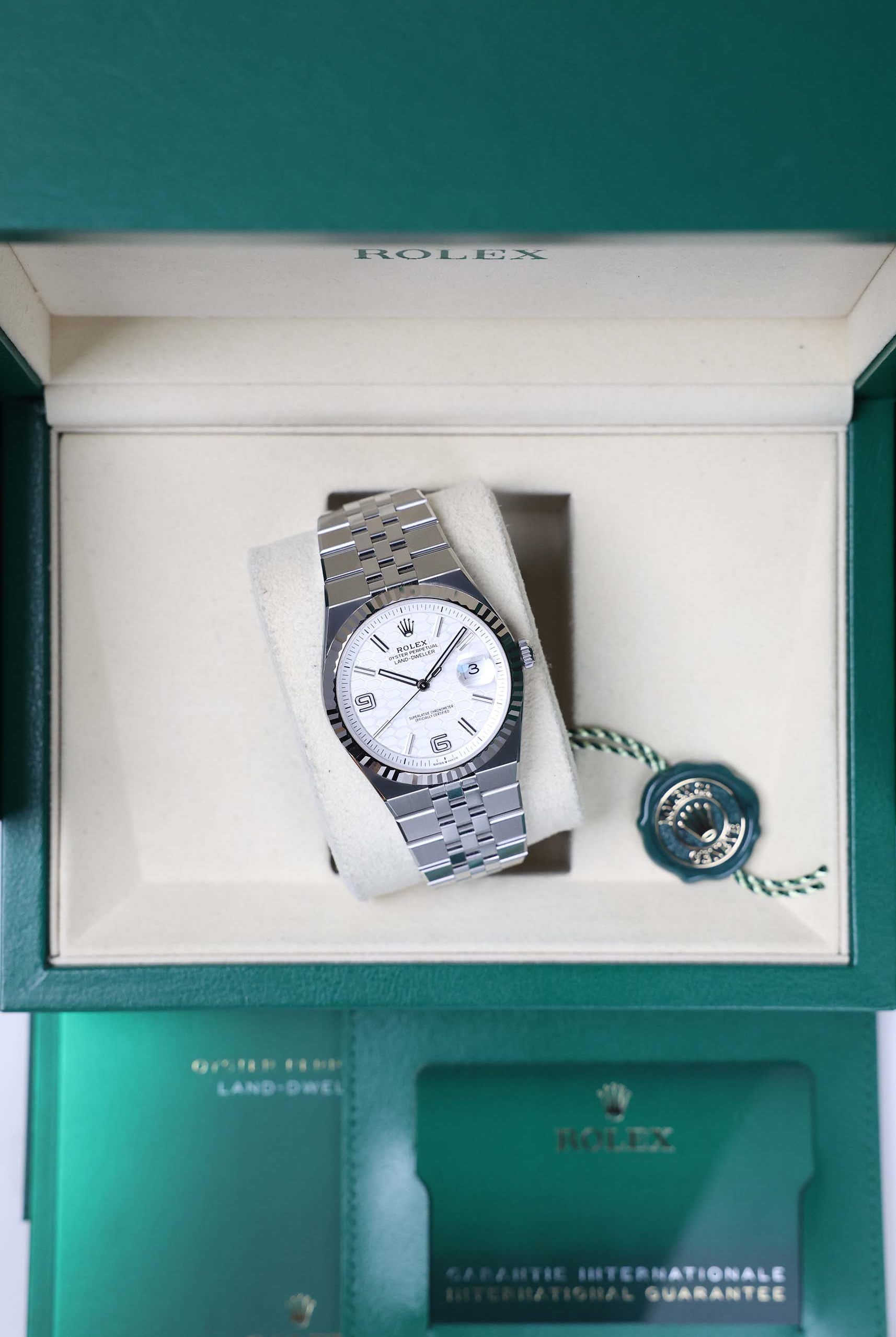
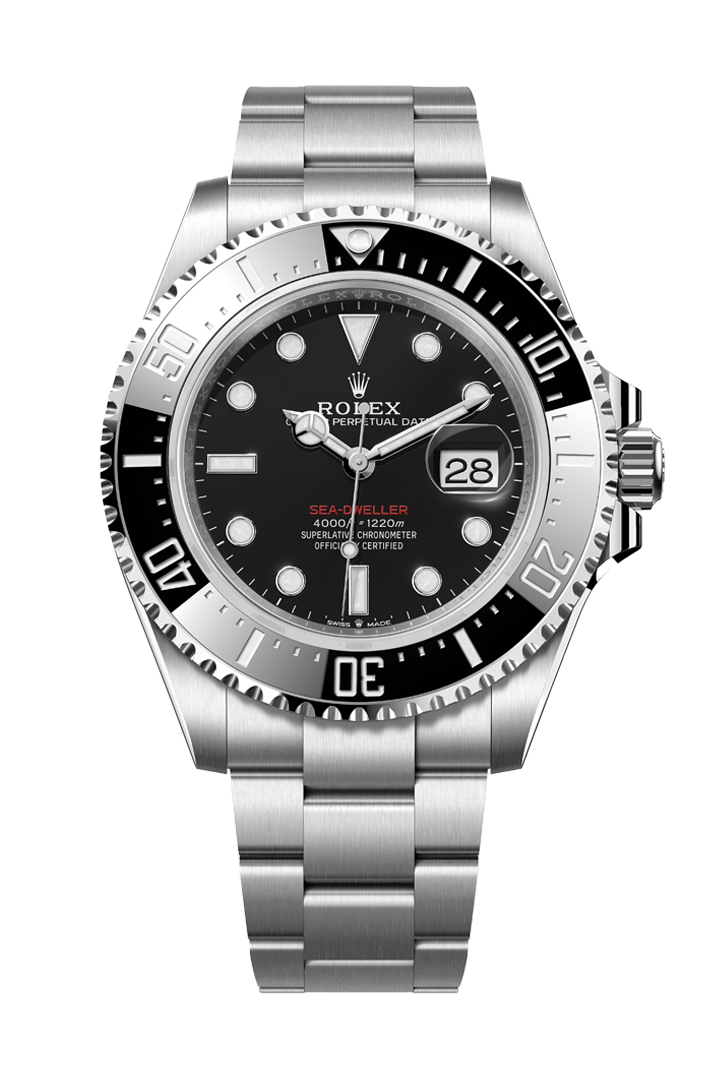
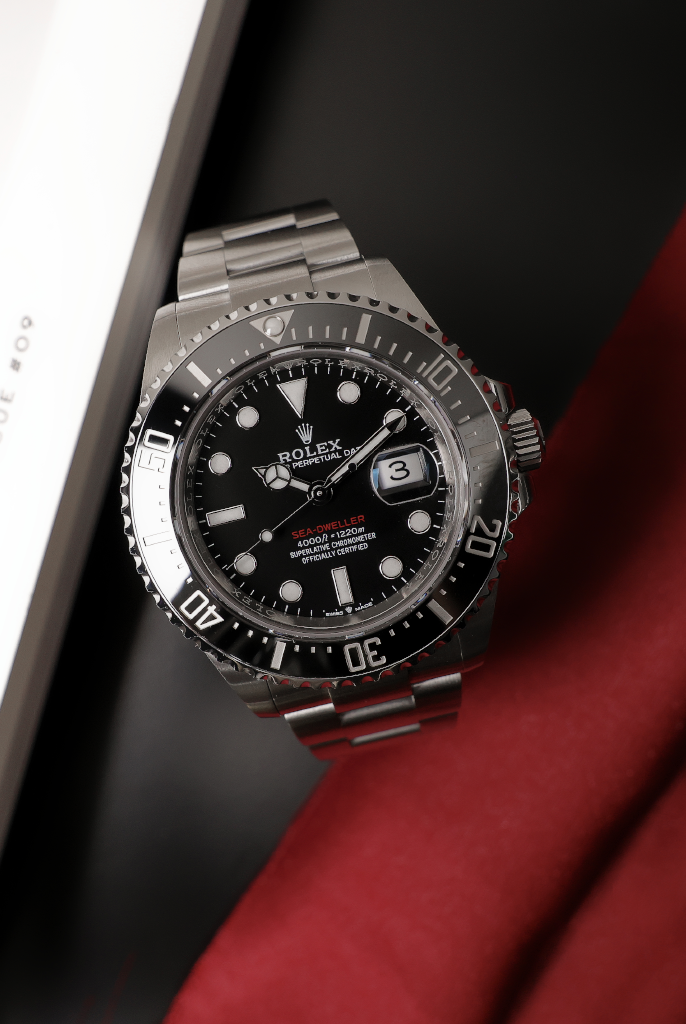
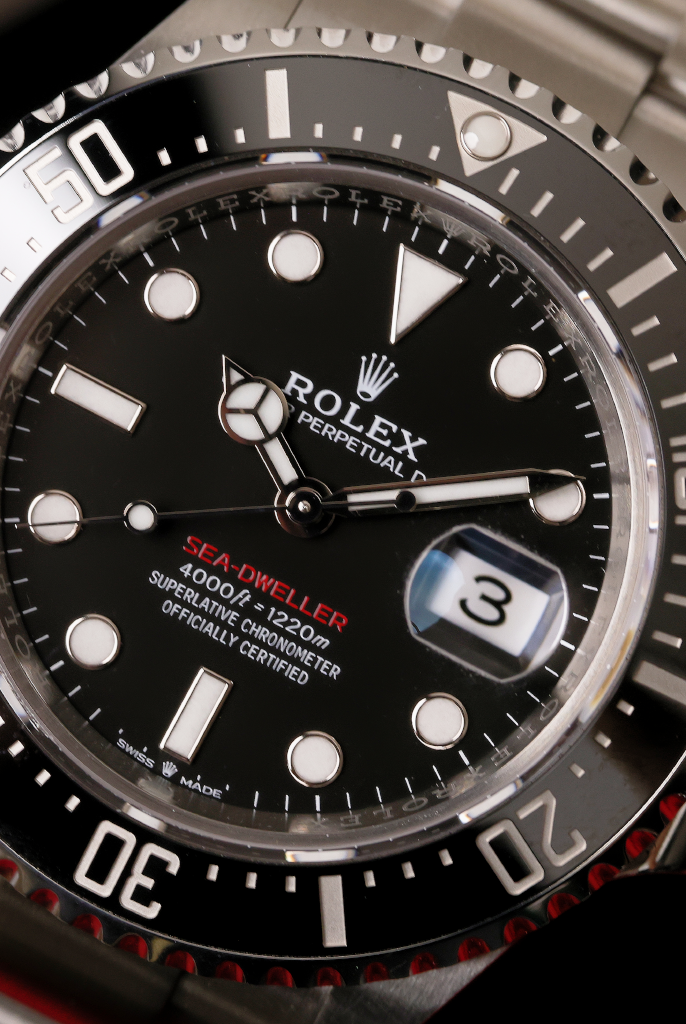
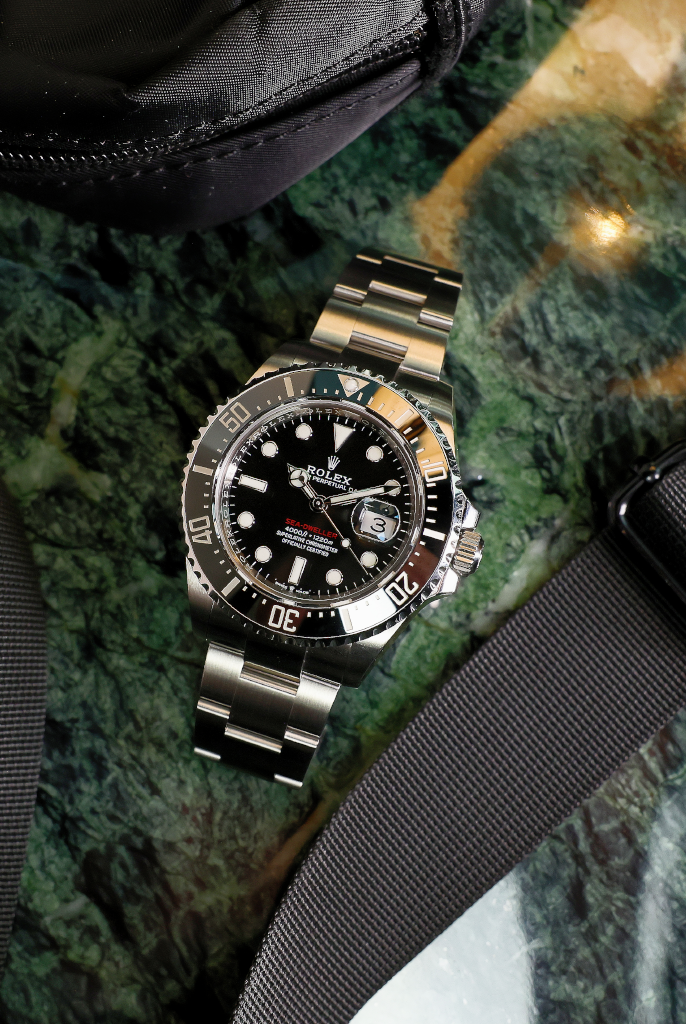
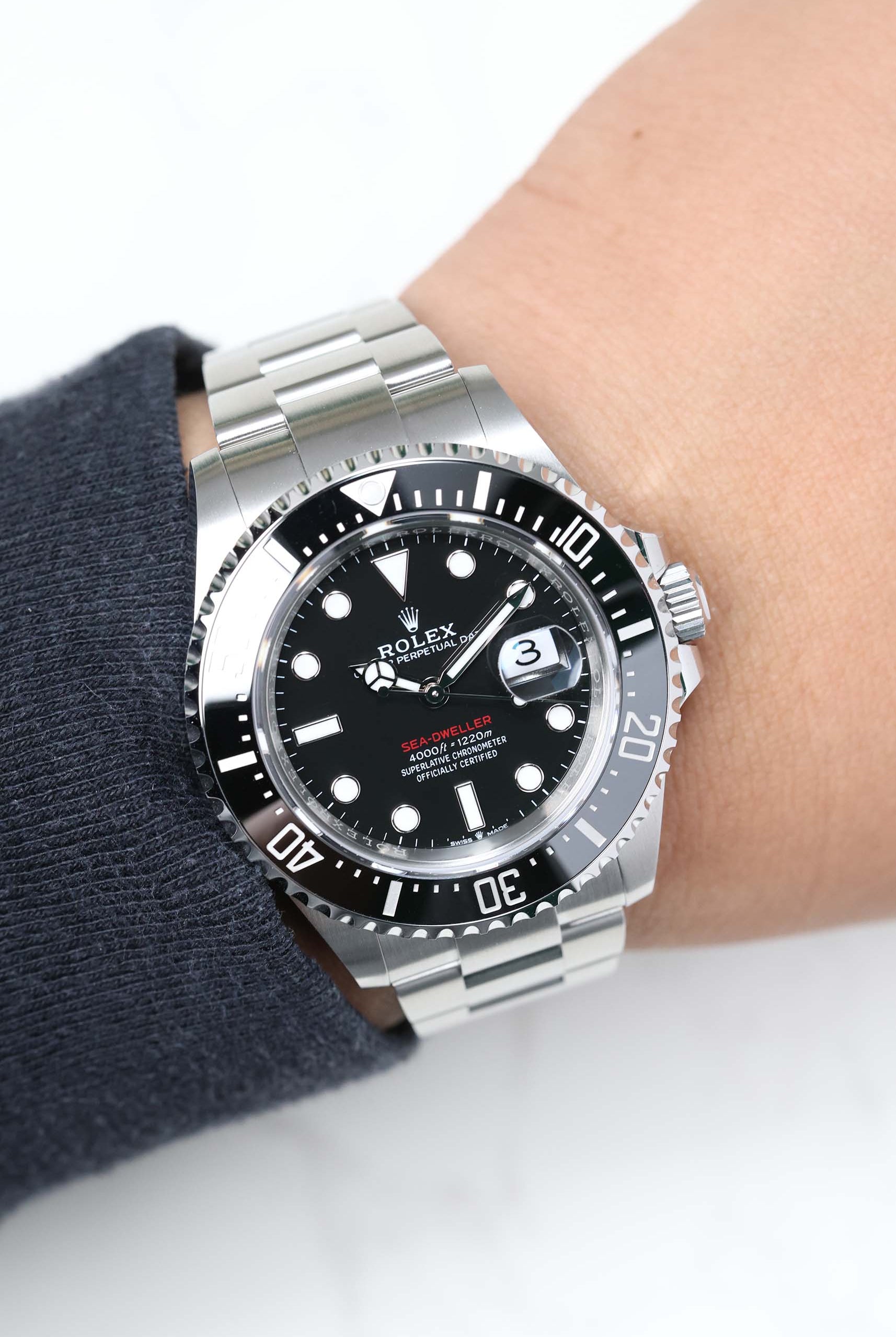
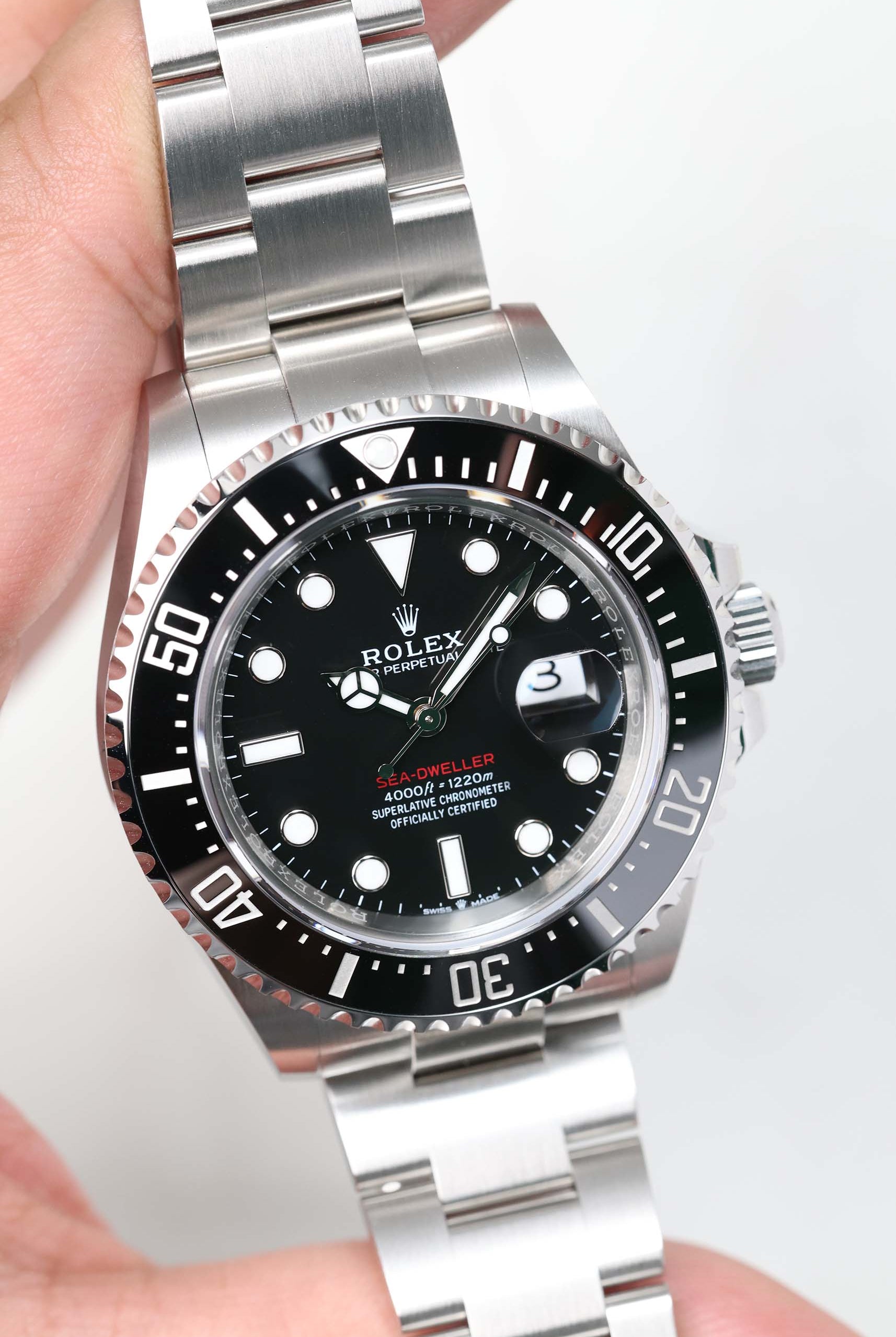
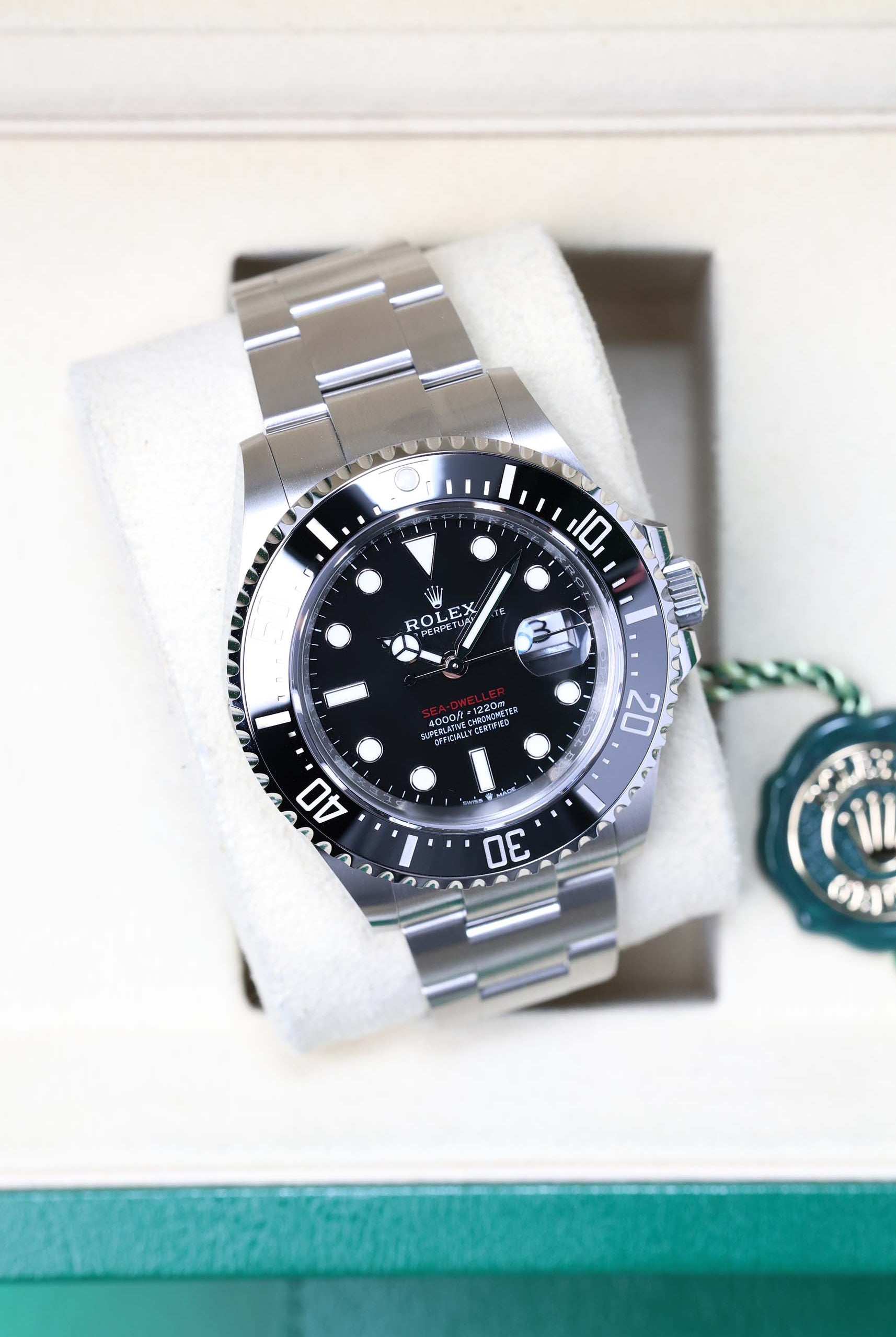
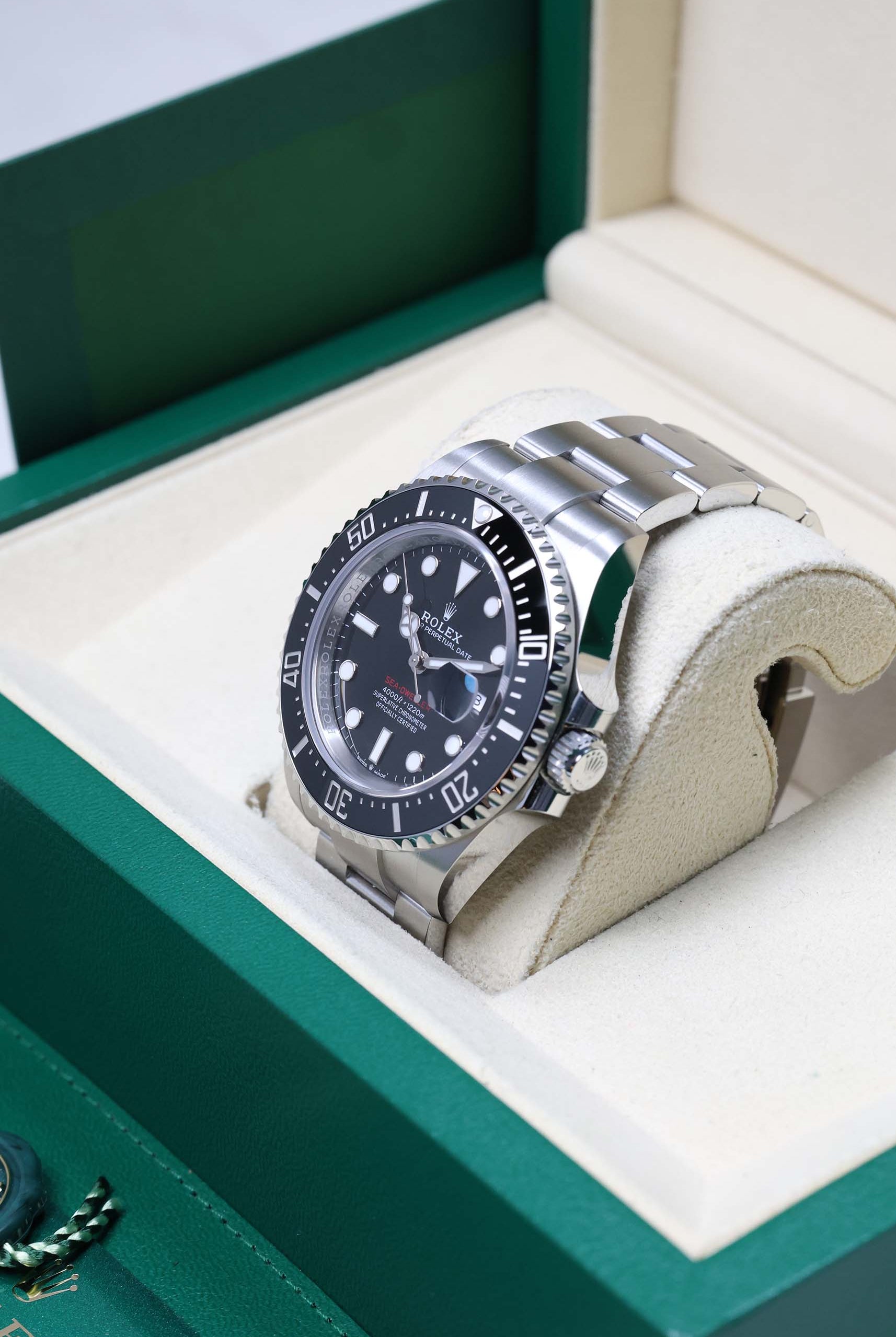
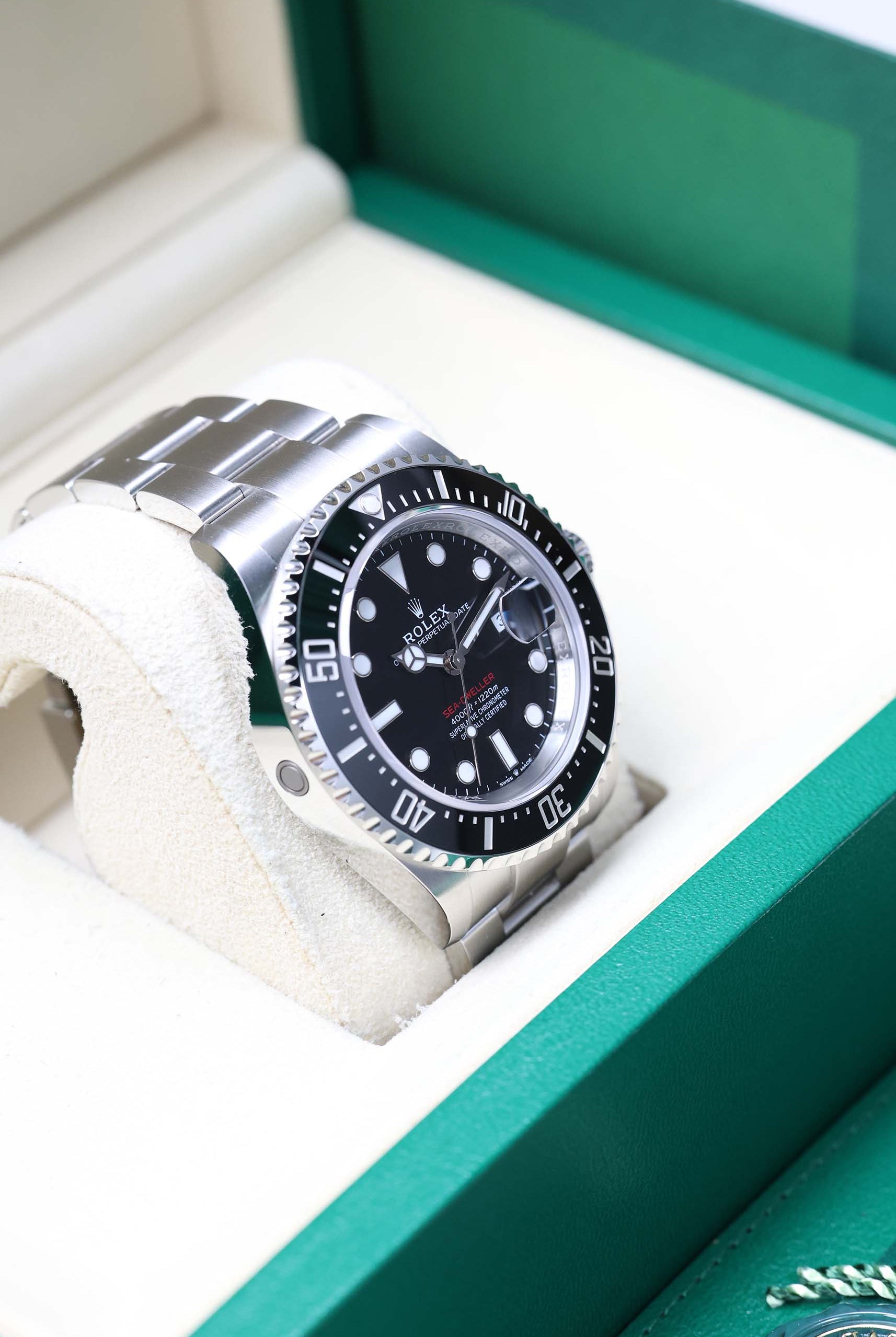
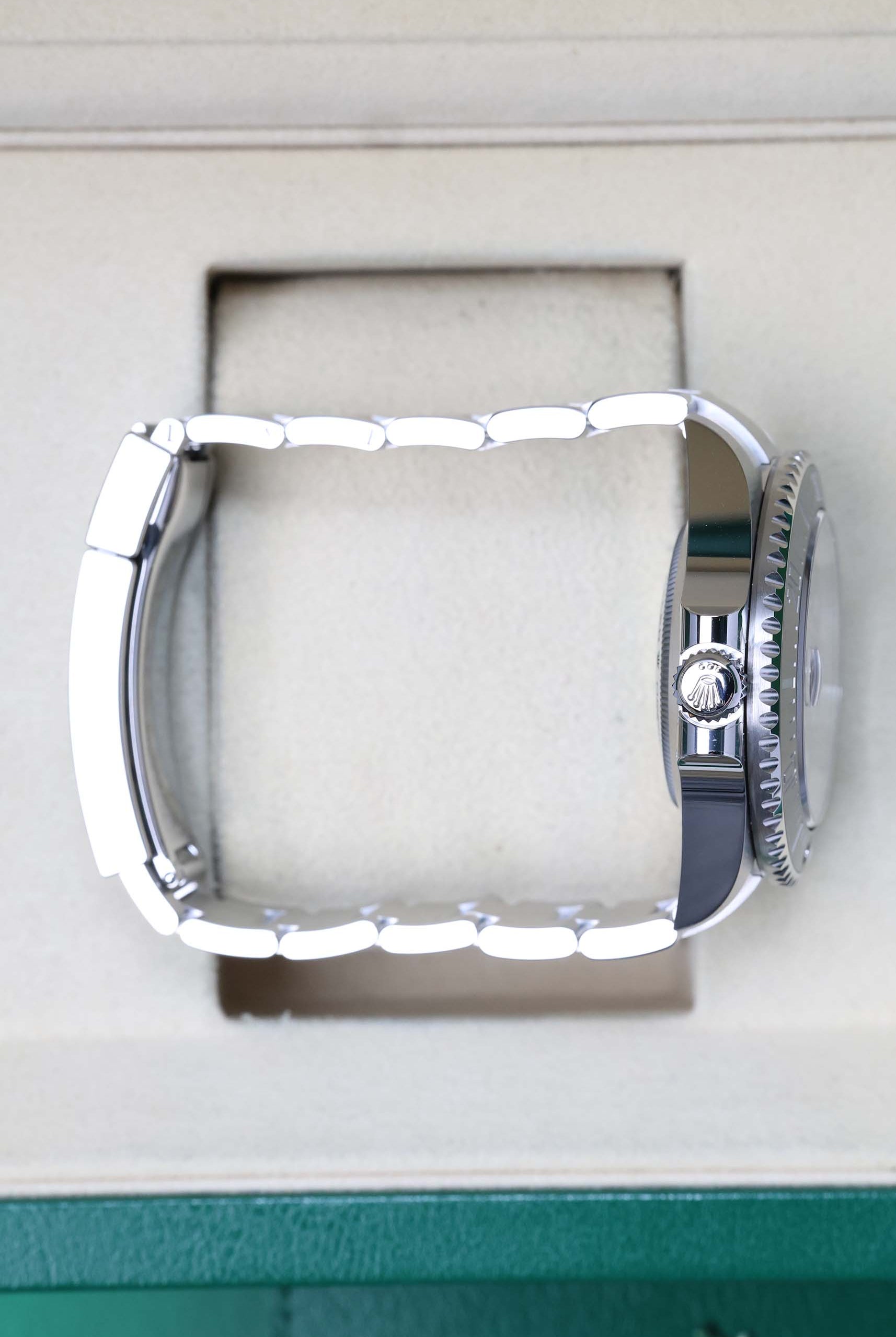
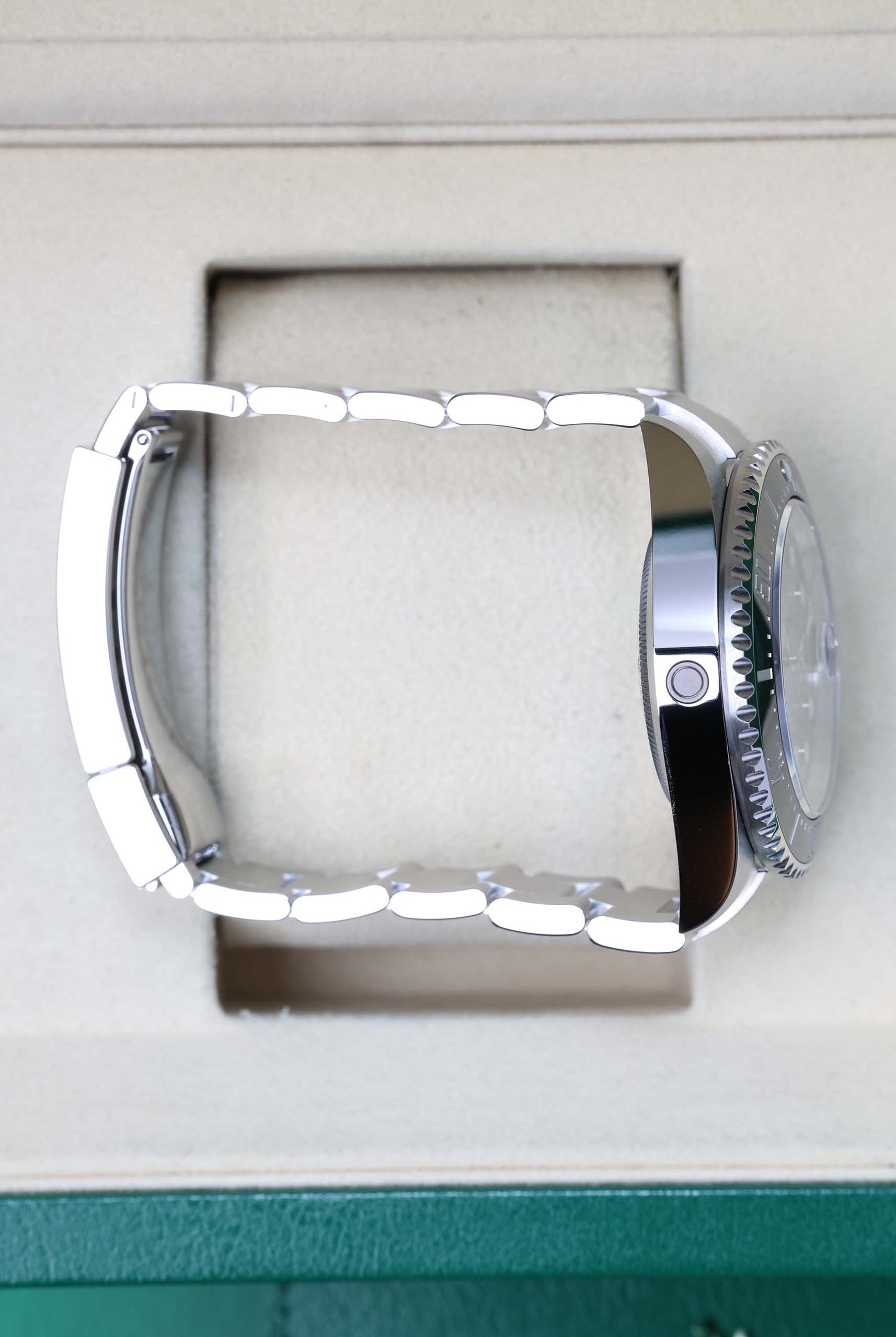
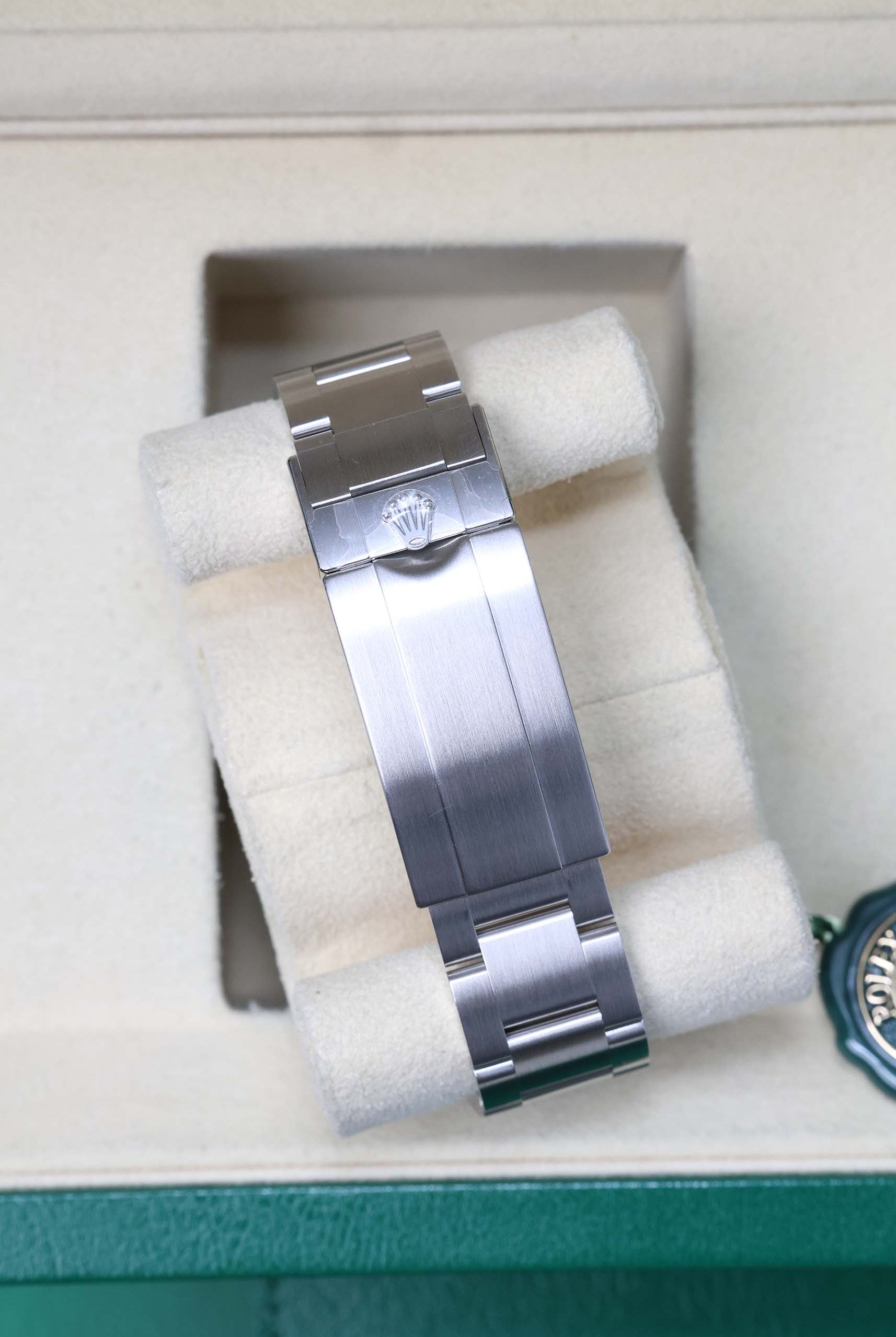
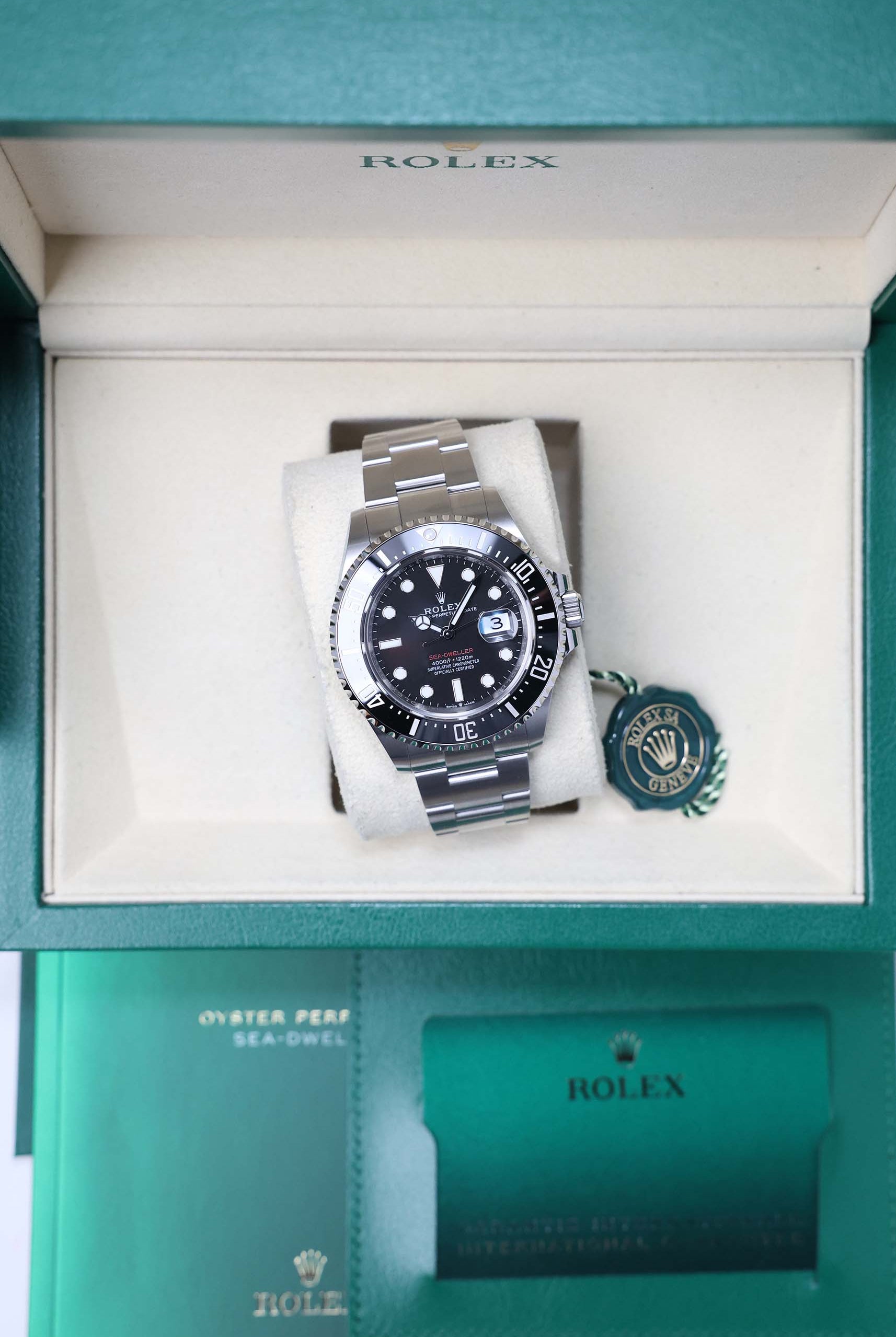
The Rolex Oyster at 100: 1926 marked Rolex’s most important technical breakthrough: the waterproof Oyster case. Rolex rarely shouts about anniversaries, but this one is foundational. We’re watching closely for evolution within the Oyster Perpetual and Submariner lines—a design language shift that acknowledges a century of water resistance without falling into nostalgia for its own sake.
-
The Nautilus Turns 50 (1976–2026): With the 5711 discontinued, Patek Philippe now faces a delicate question: how do you celebrate the world’s most famous sport watch without repeating the past? Whatever emerges in 2026 will shape Nautilus collecting for the next decade.
-
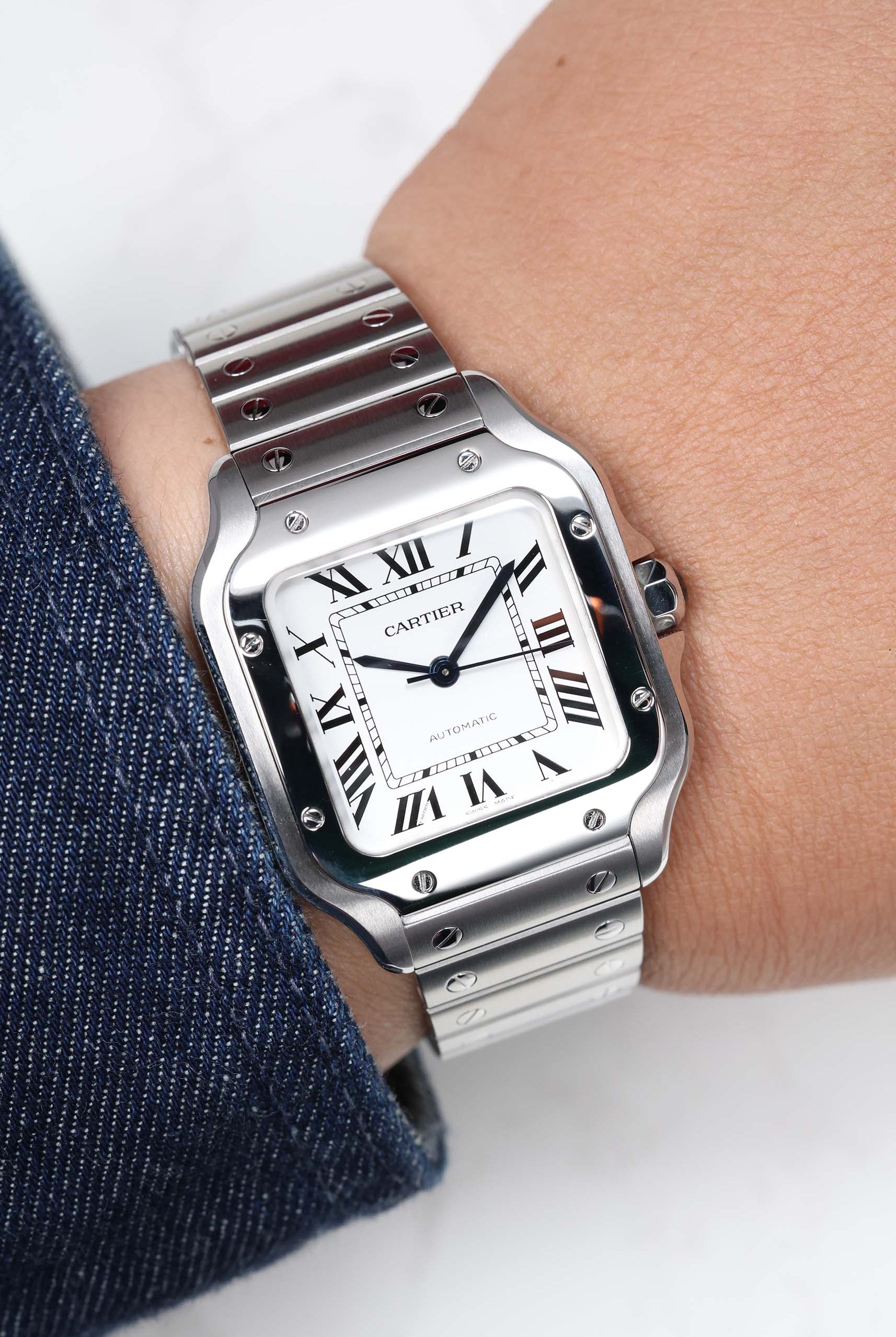
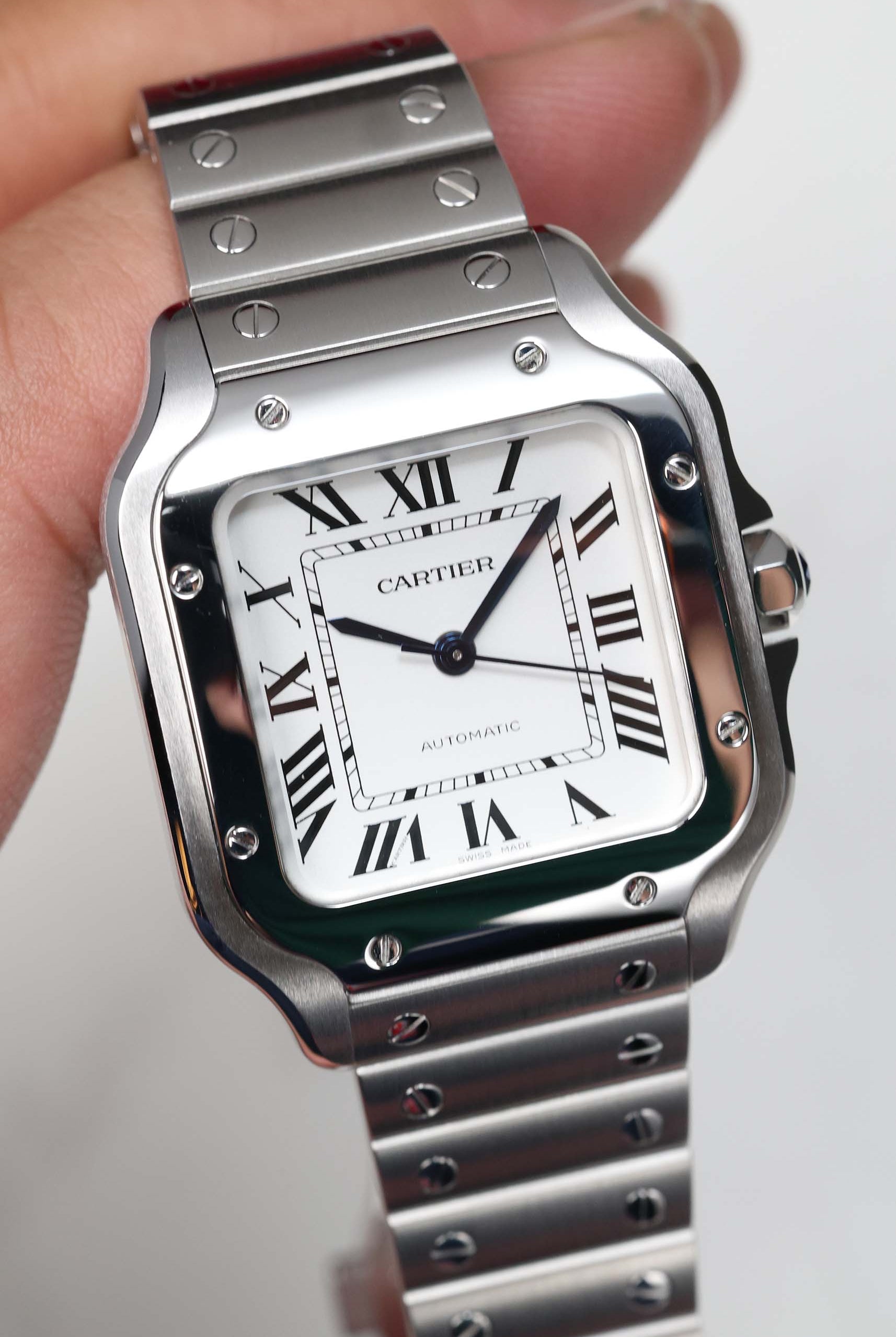
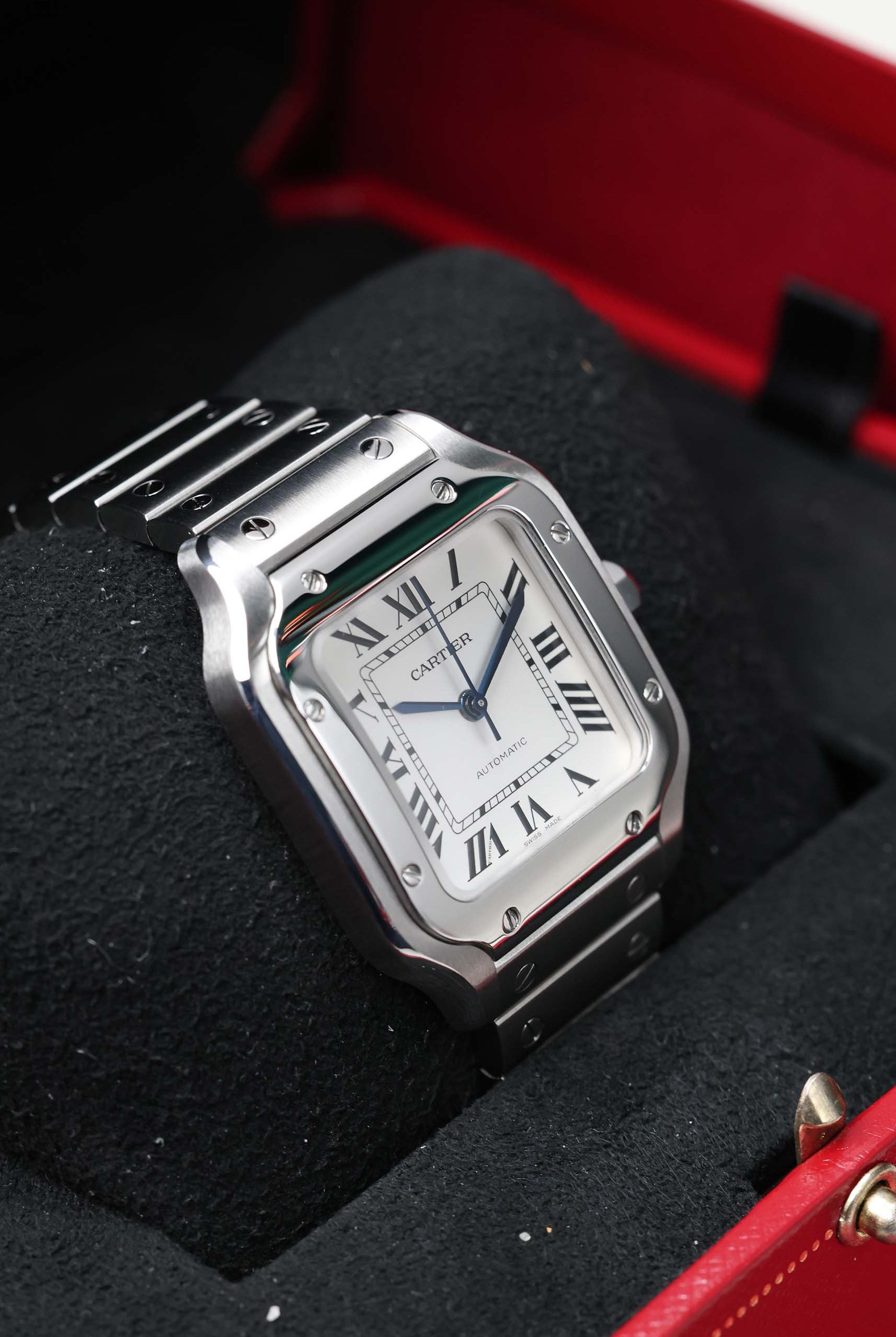
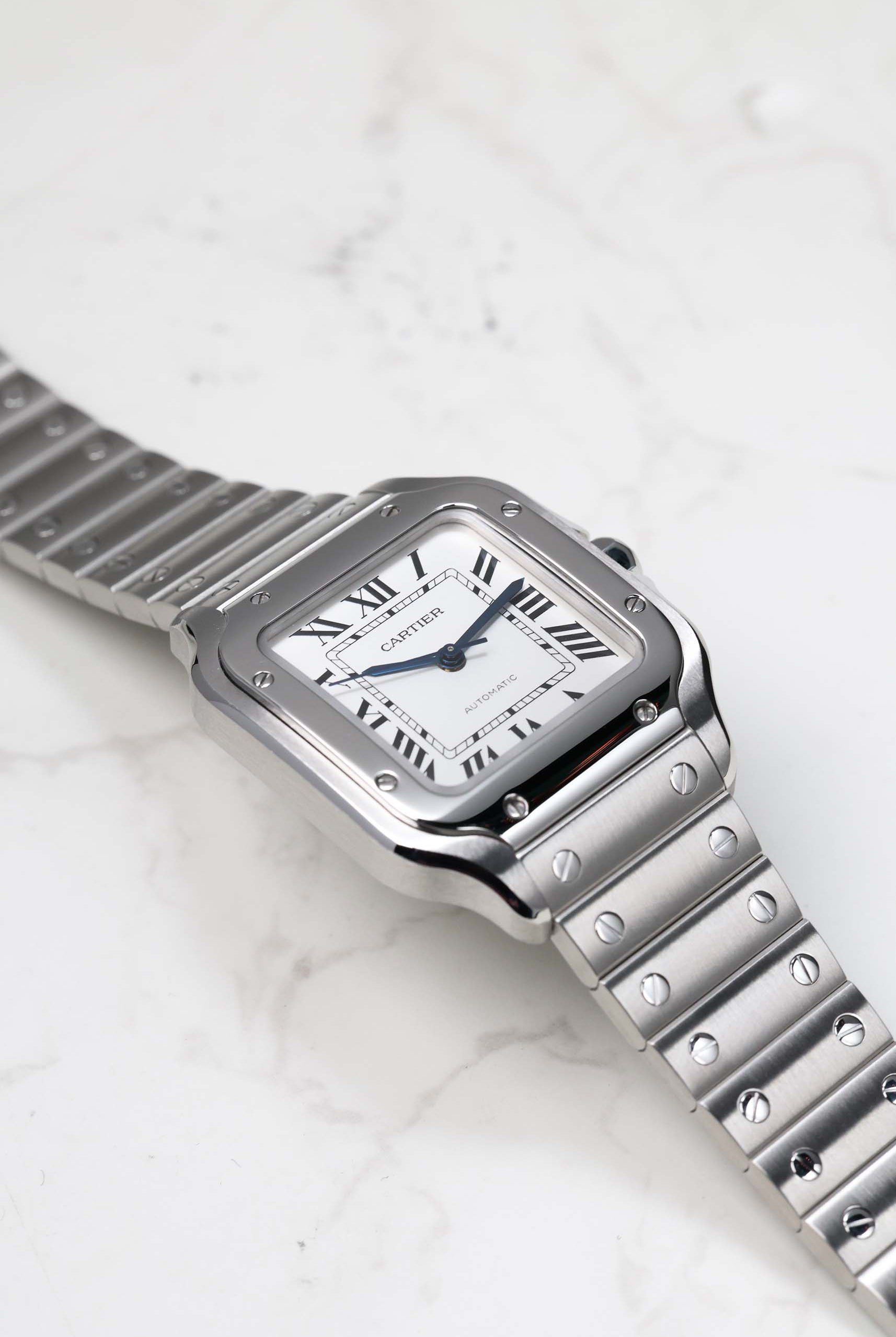
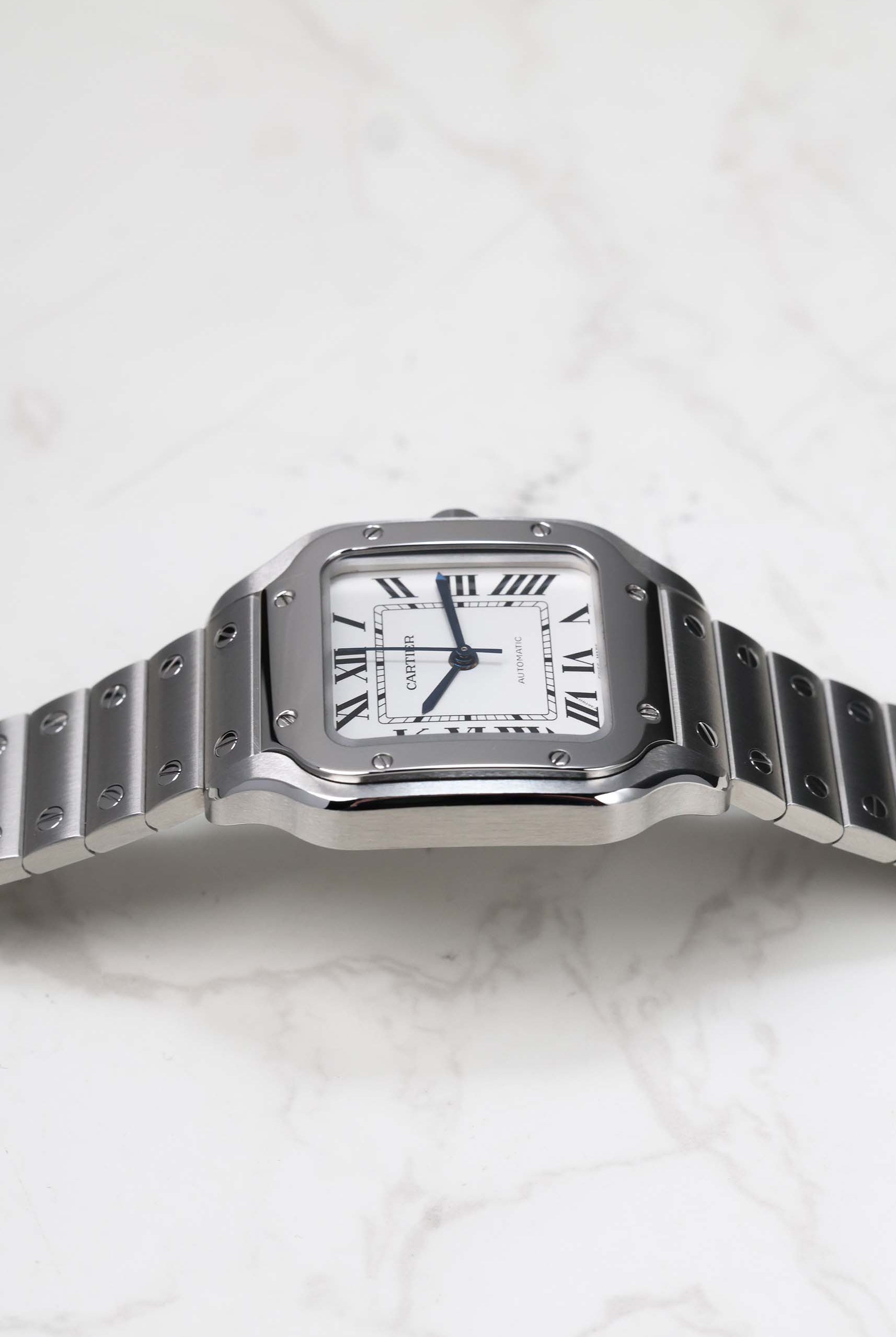
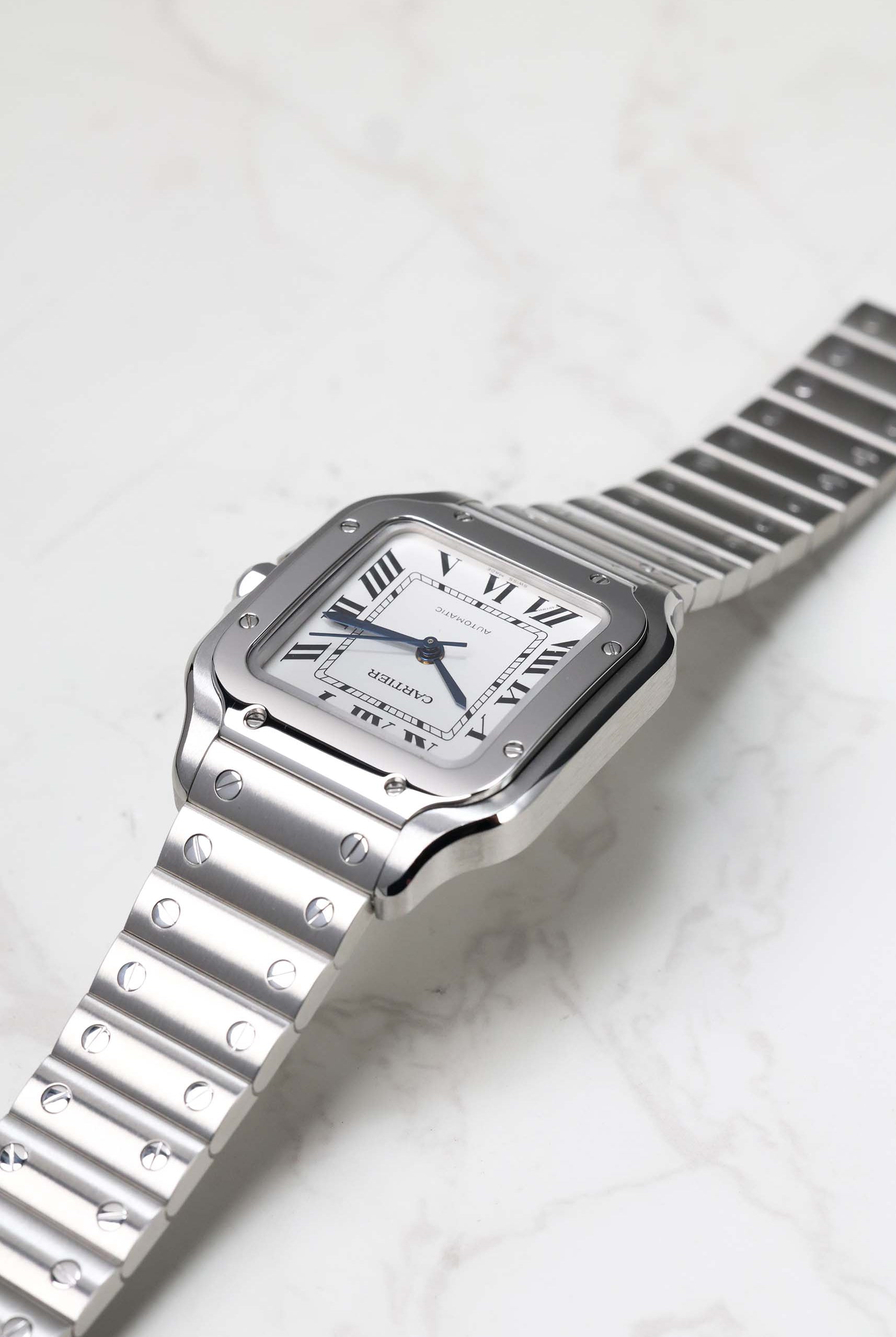
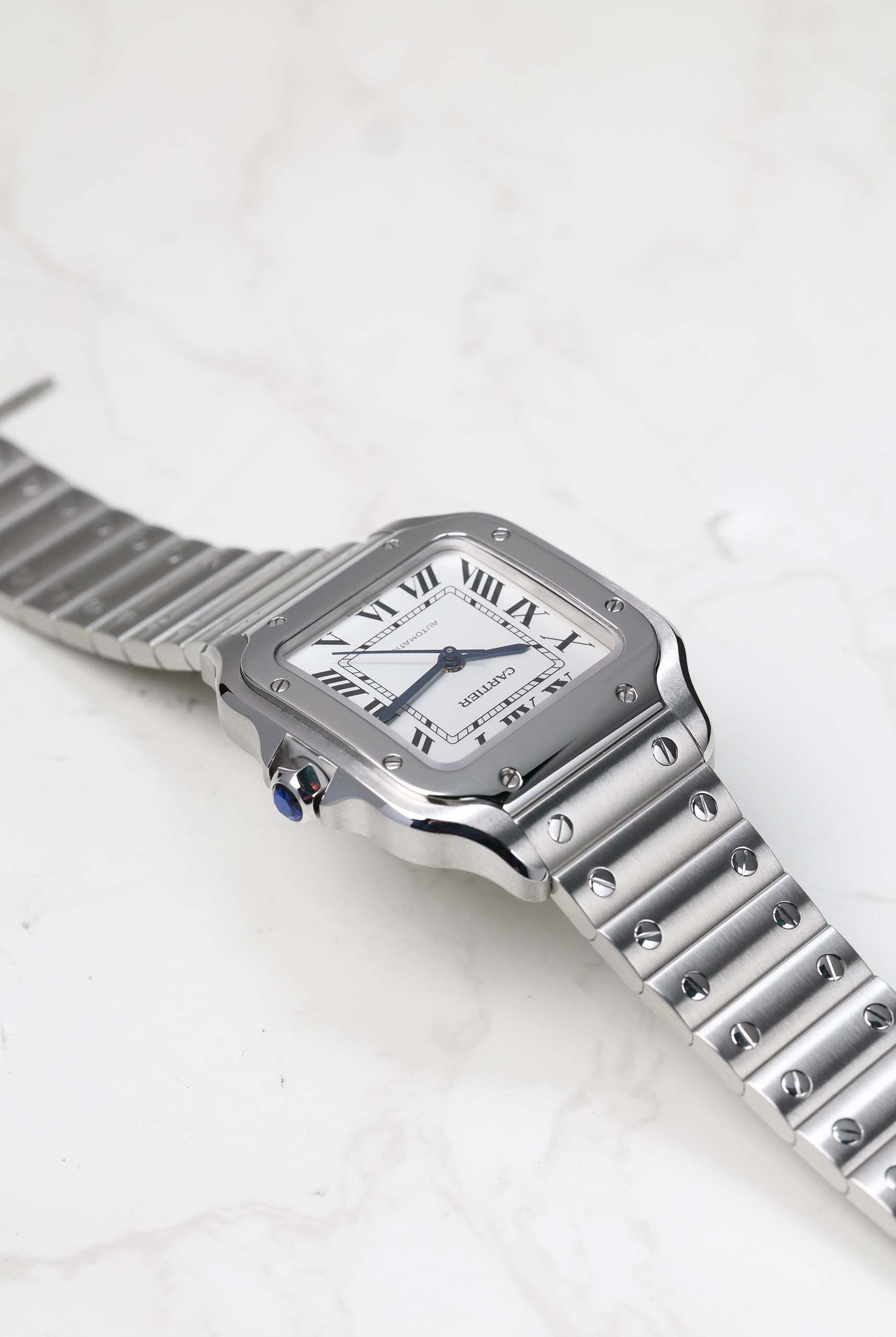
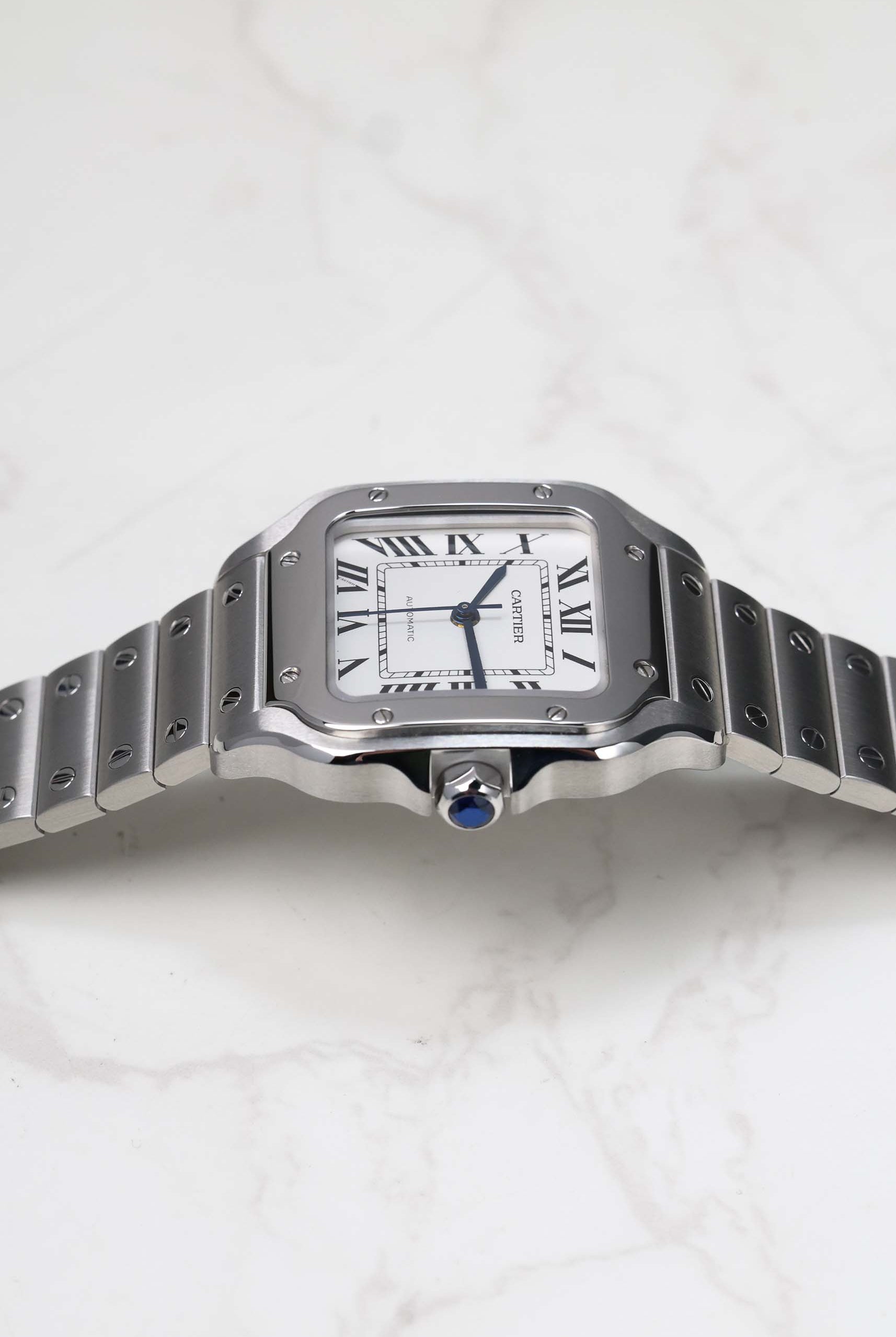
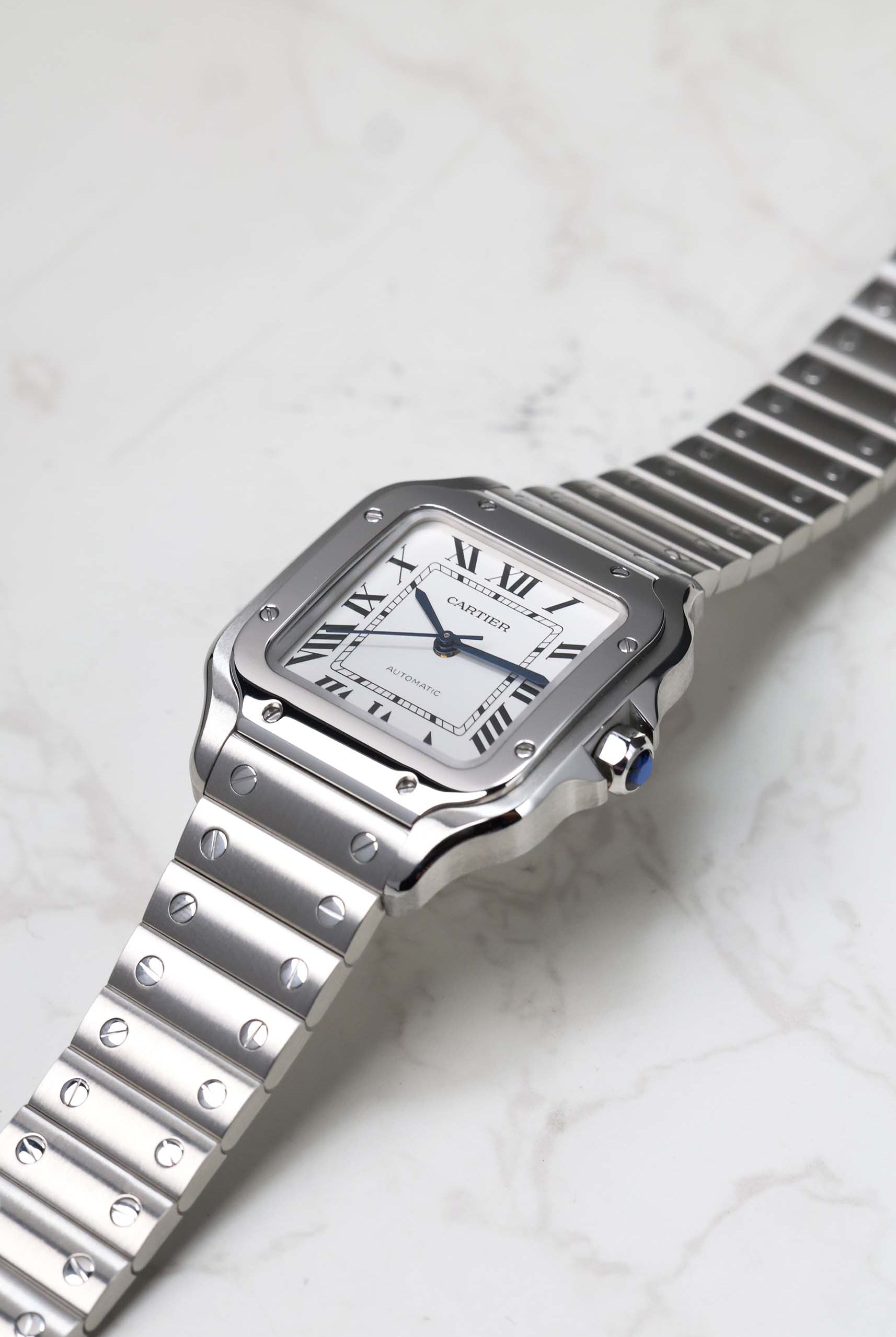
The Neo-Vintage Generation Turns 30 (1996–2026): The Vacheron Constantin Overseas, Cartier Tank Française, and Patek Philippe Annual Calendar (Ref. 5035J) all mark 30 years—officially graduating from “modern classics” to historical pillars.
Collector Takeaway: Not every anniversary will produce a meaningful watch. In 2026, discernment matters more than commemoration.
2. The Big Stages: Where the Year Is Decided
-
LVMH Watch Week (January 19–21): The year begins with energy and experimentation. LVMH brands set the tone—materials, colors, chronographs—but rarely define long-term value. Consider this a trend barometer, not a buying signal.
-
Watches & Wonders Geneva (April 14–20): Still the undisputed mainstage. This is where Rolex, Patek Philippe, Cartier—and now Audemars Piguet’s renewed fair presence—define the market’s direction. The watches unveiled here will shape demand, discourse, and value trajectories for years.
-
Geneva Watch Days (Early September): Where Watches & Wonders is polished and corporate, Geneva Watch Days is intimate and human. This is where independents thrive, where watchmaking feels alive, and where collectors moving beyond mainstream narratives should be paying attention.
-
GPHG (November): The “Oscars of Watchmaking” don’t introduce watches; they validate them. Awards here often mark the moment a niche release becomes a long-term reference point.

3. The Structural Shift: Rolling Releases and Constant Noise
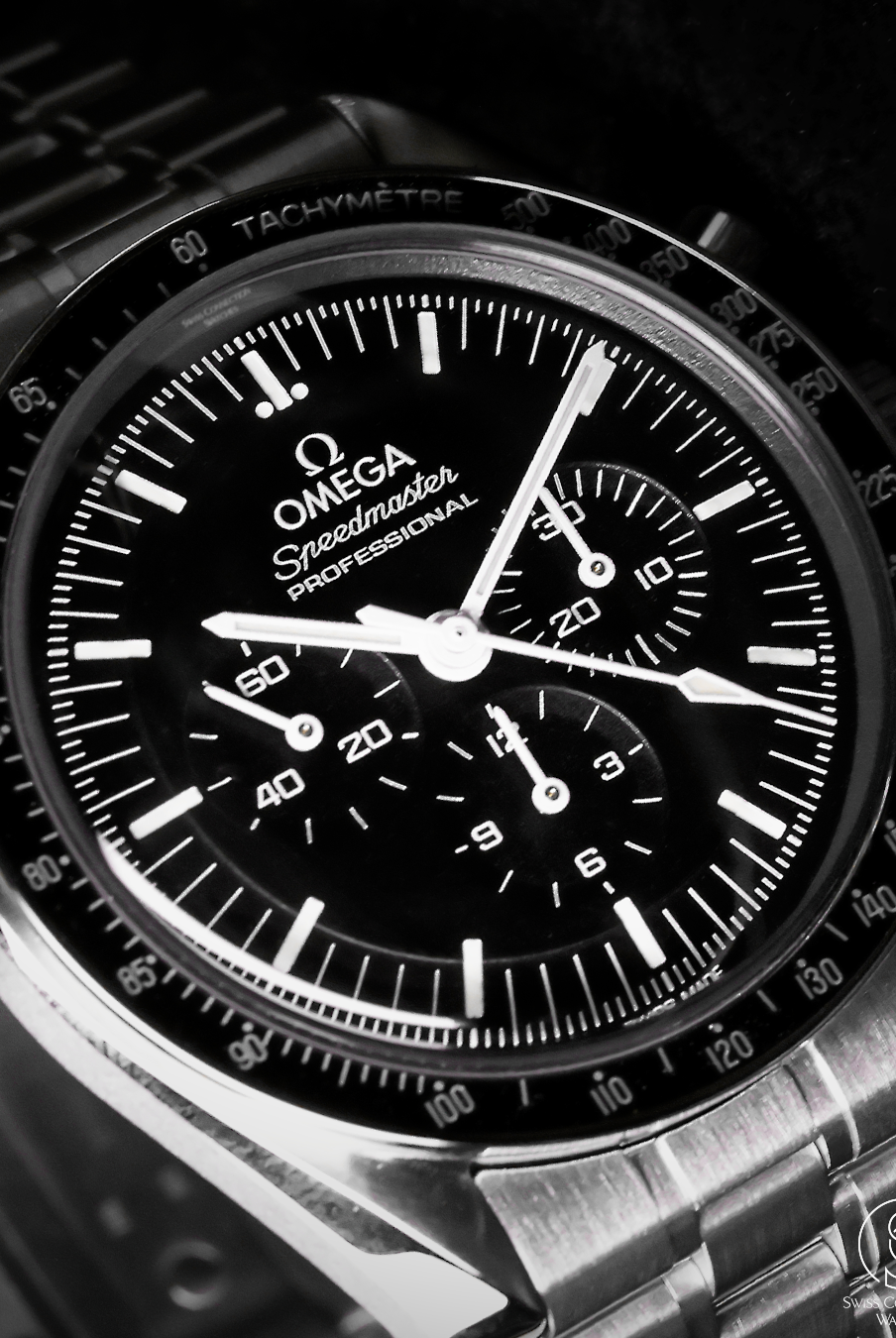
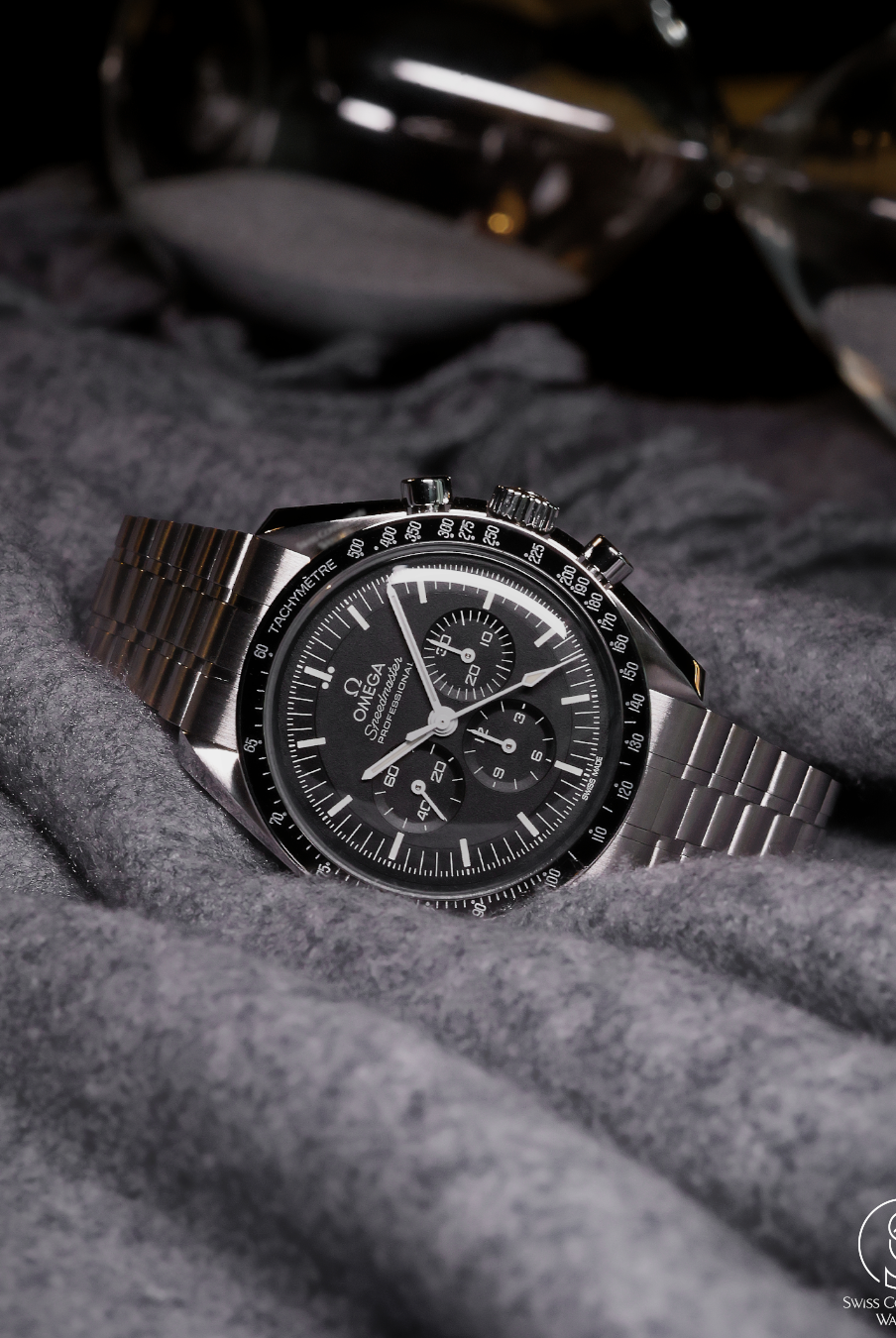
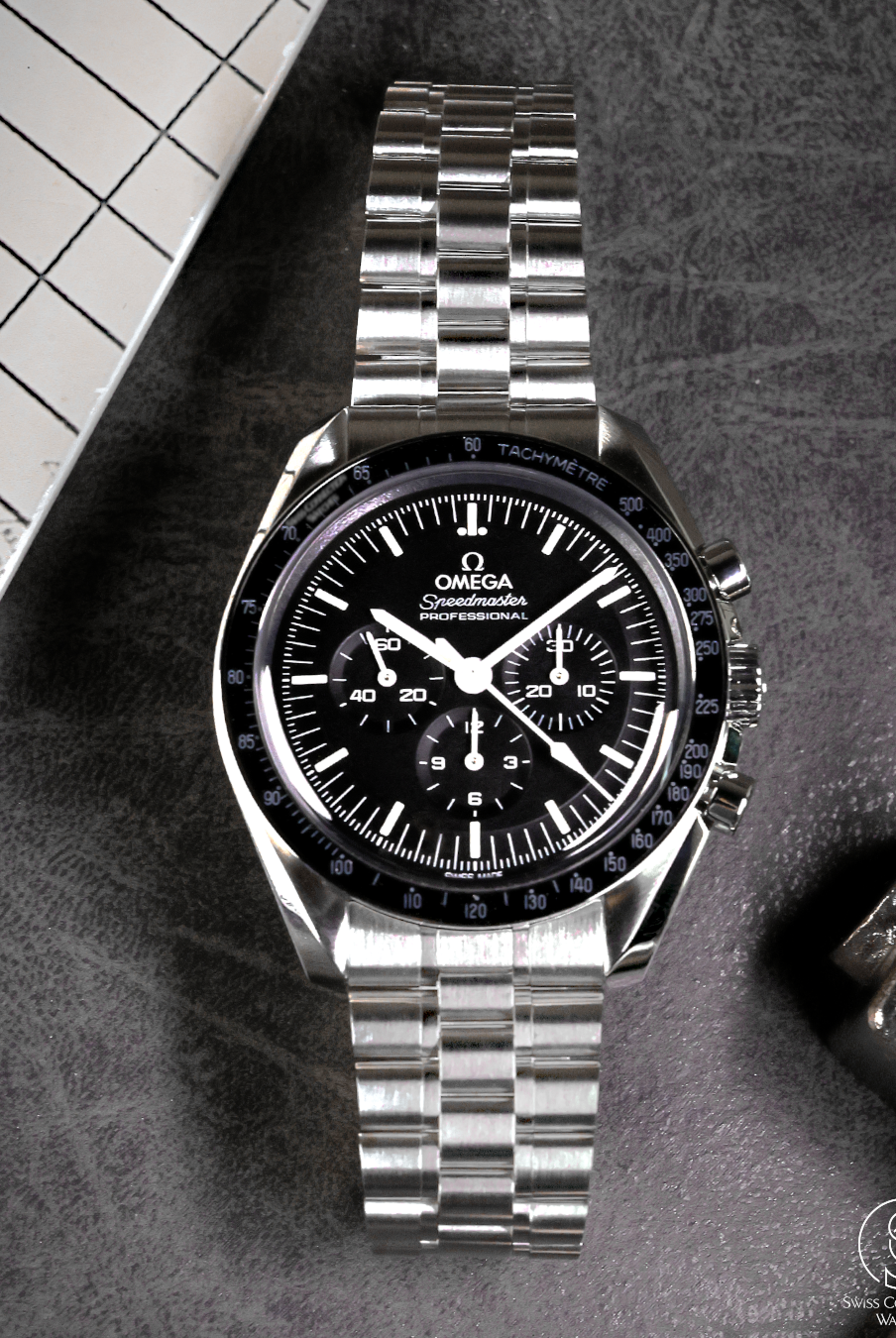
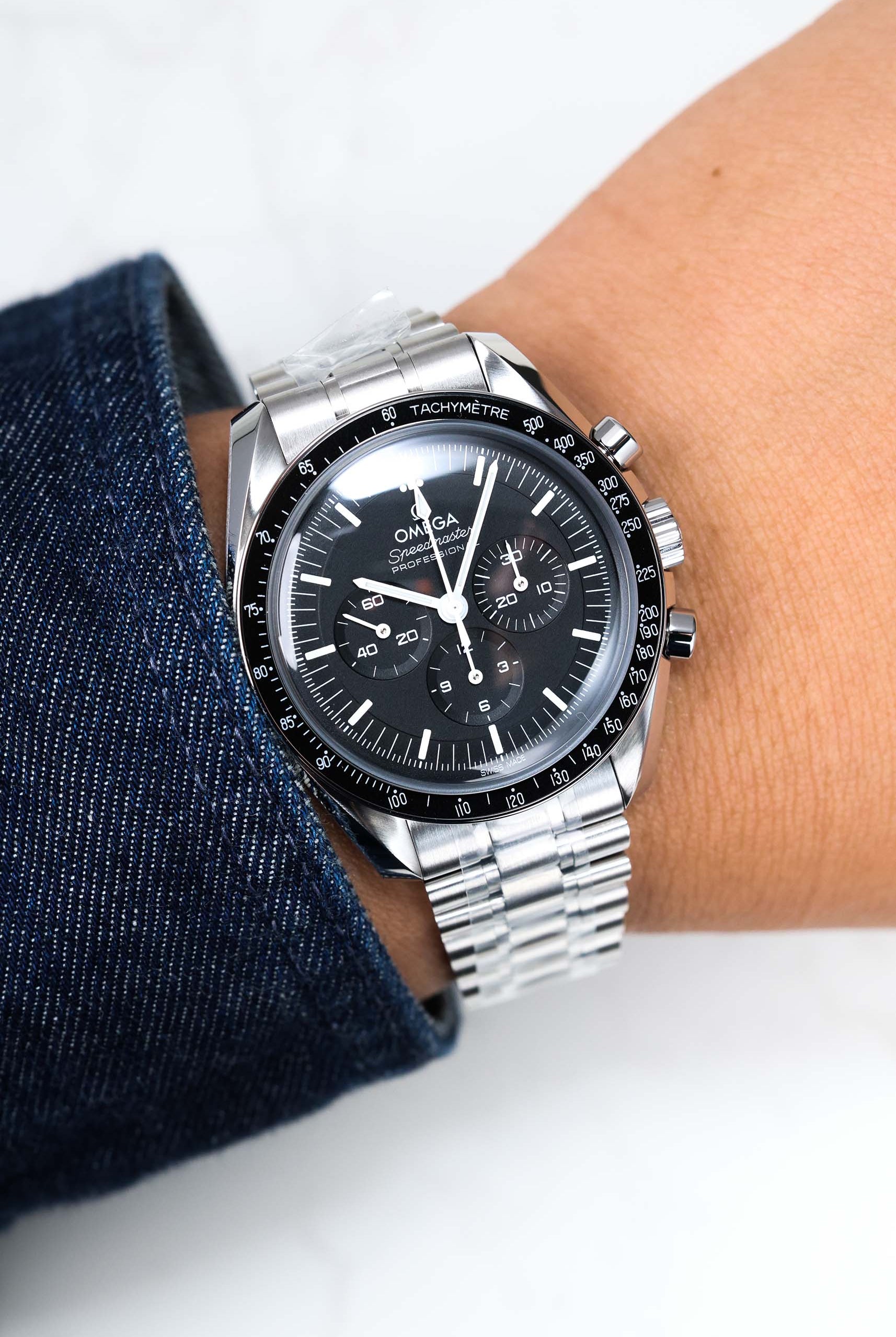
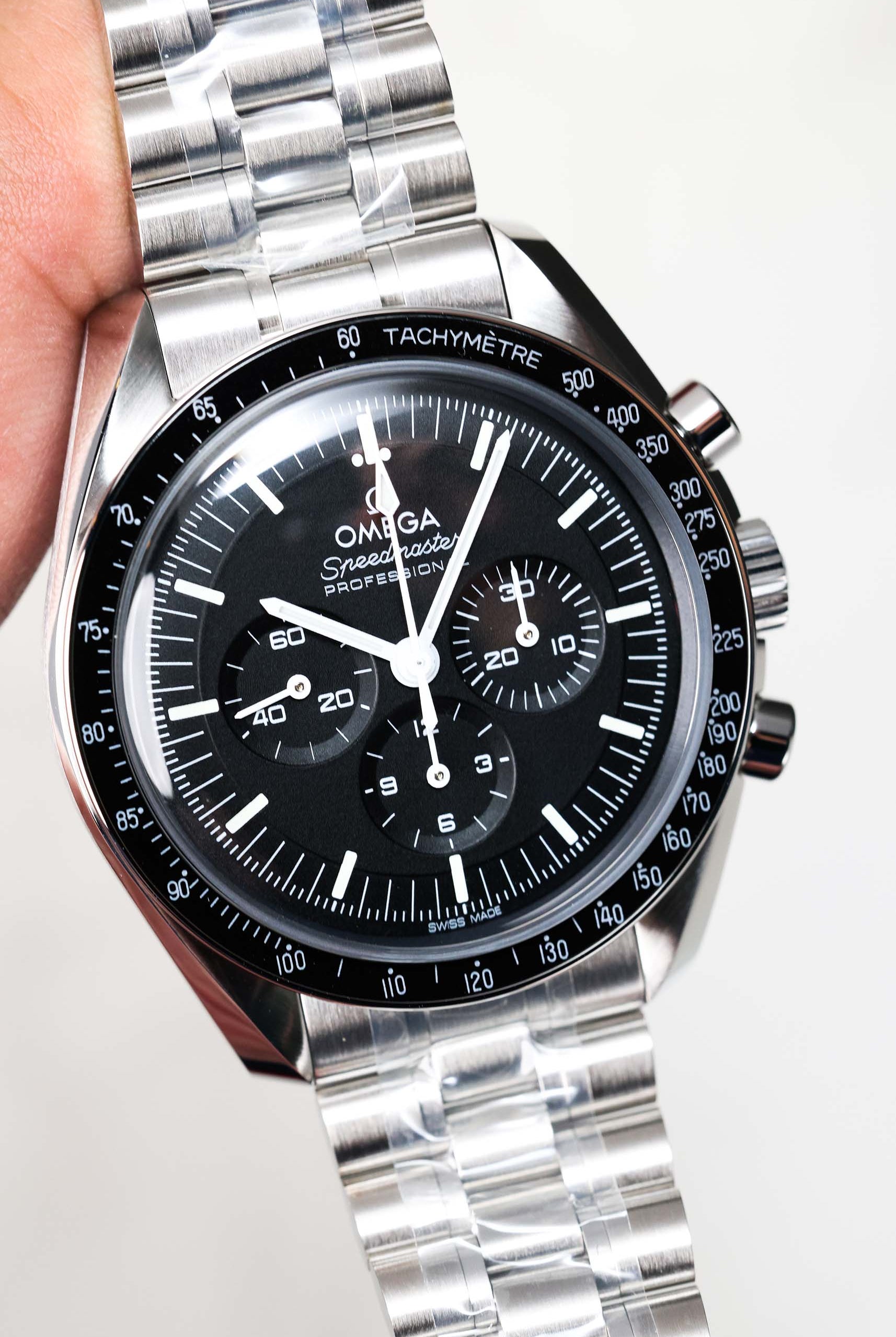
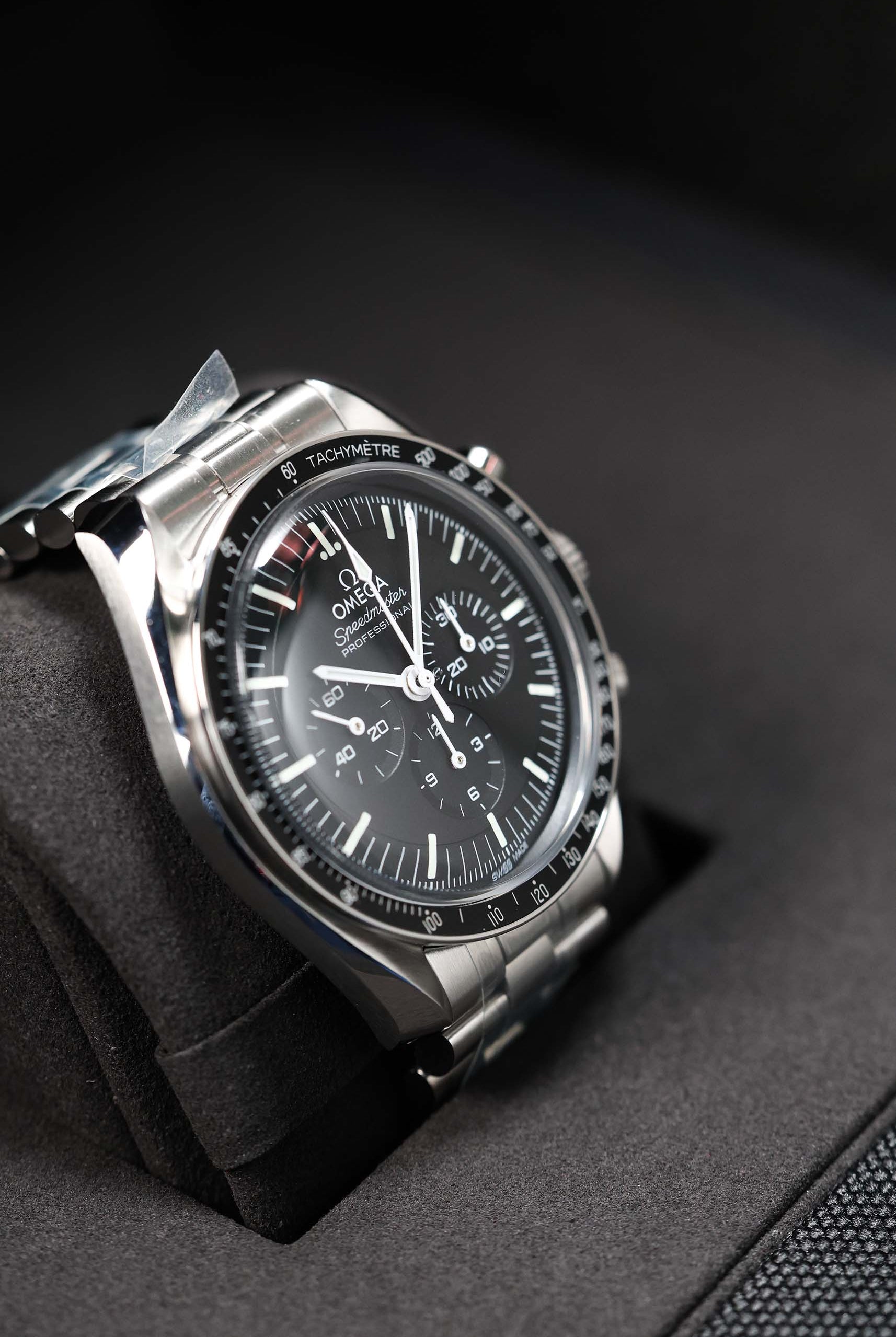
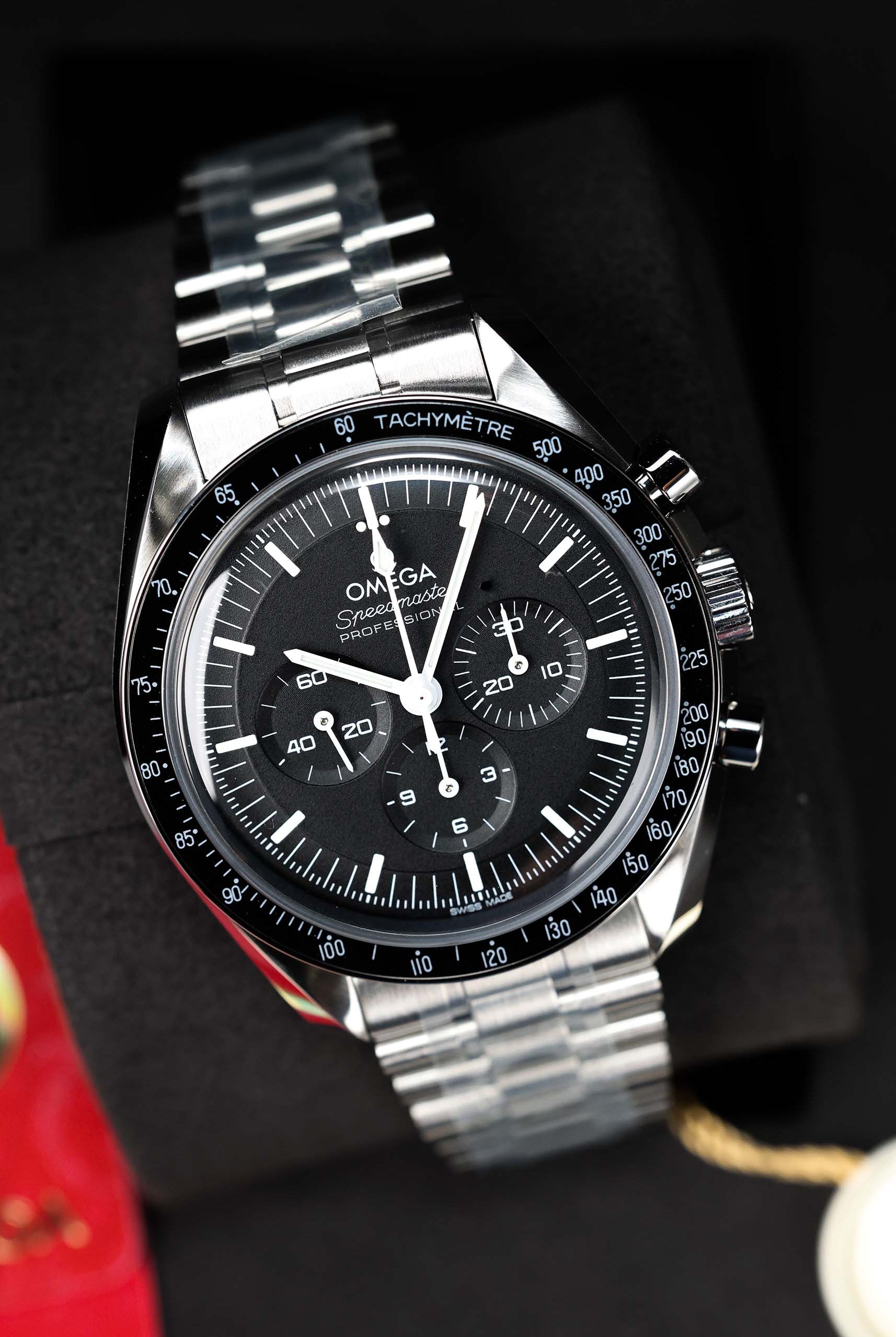
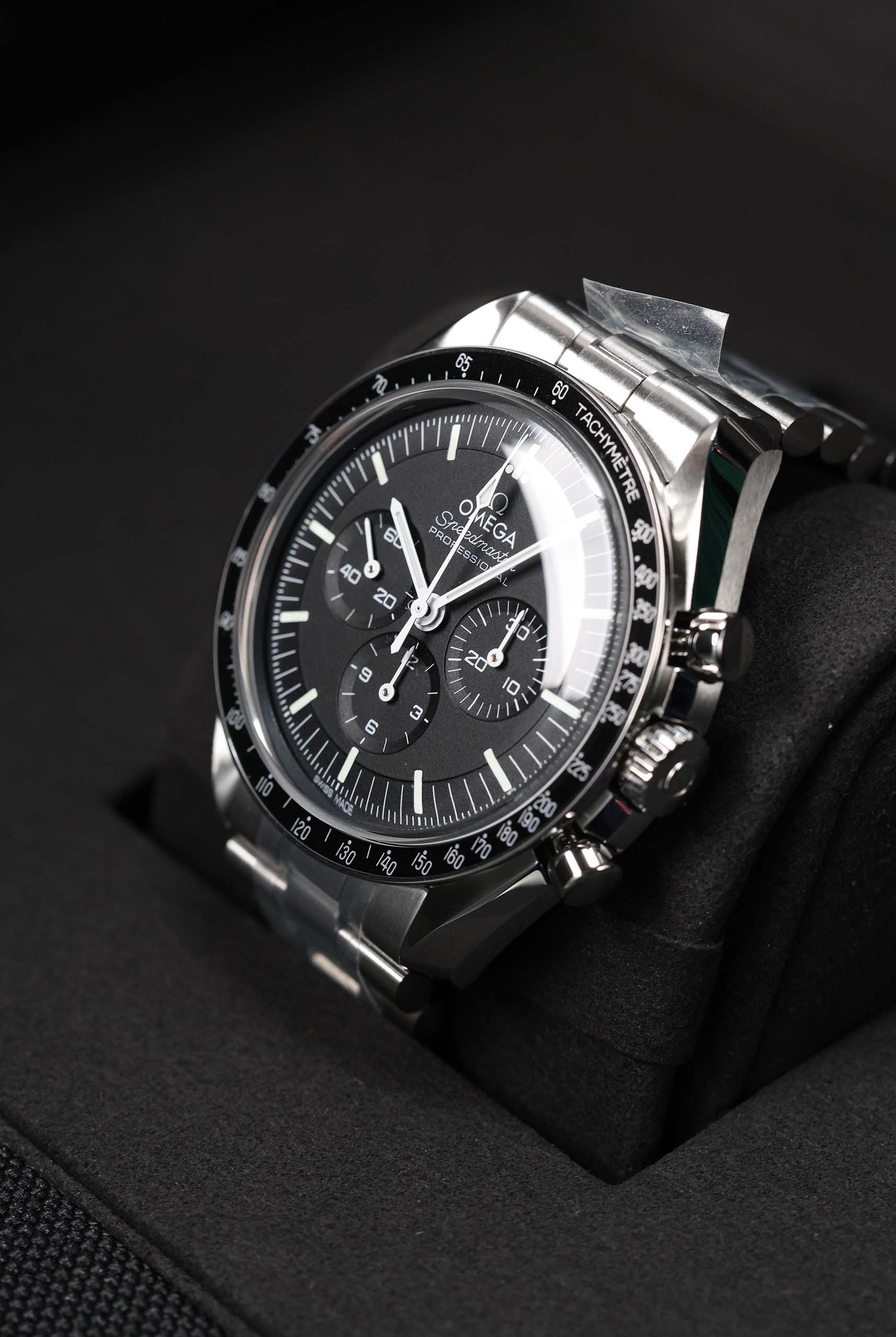
The era of the single annual reveal is fading. Brands like Omega have embraced rolling releases, introducing meaningful novelties throughout the year. For collectors, this changes the game. There is no longer a single “moment” to wait for—which makes patience harder, not easier.
Our advice remains simple: Ignore quarterly noise. Let consensus form. The right watches reveal themselves over time.
4. The Economic Reality: The Price of Waiting
January price increases are now tradition. Rolex has already moved; others will follow through Q1. In a high-inflation environment, hesitation often carries a silent cost. The “wait and see” approach frequently results in paying 4–6% more for the same watch a few months later.
As we have observed regarding the evolving pre-owned vs. new buyer mindset, buying intentionally doesn’t mean delaying forever—it means knowing why and when you’re buying.
Closing Thoughts: Discipline Is the Real Advantage
2026 will not be defined by the loudest launch or the fastest sell-out. It will belong to collectors who think long-term—who look past anniversary engravings and instead ask a harder question: Does this watch move the brand forward?
This philosophy of looking beyond the surface is what defines the next era of collecting. It is why the Rolex Perpetual 1908 is more than just a dress watch—it is a signal of intent. It is why the cultural momentum behind Cartier is not just a Gen Z trend, but a return to architectural timelessness.
Legacy will matter. Innovation will matter more. And the strongest collections will be built not by chasing everything, but by choosing carefully. As we enter the new year, our perspective is clear: 2026 isn’t about owning more watches. It’s about owning the right ones.
In 2026, the advantage won’t belong to the fastest buyer—but to the one who knows exactly why they’re buying.