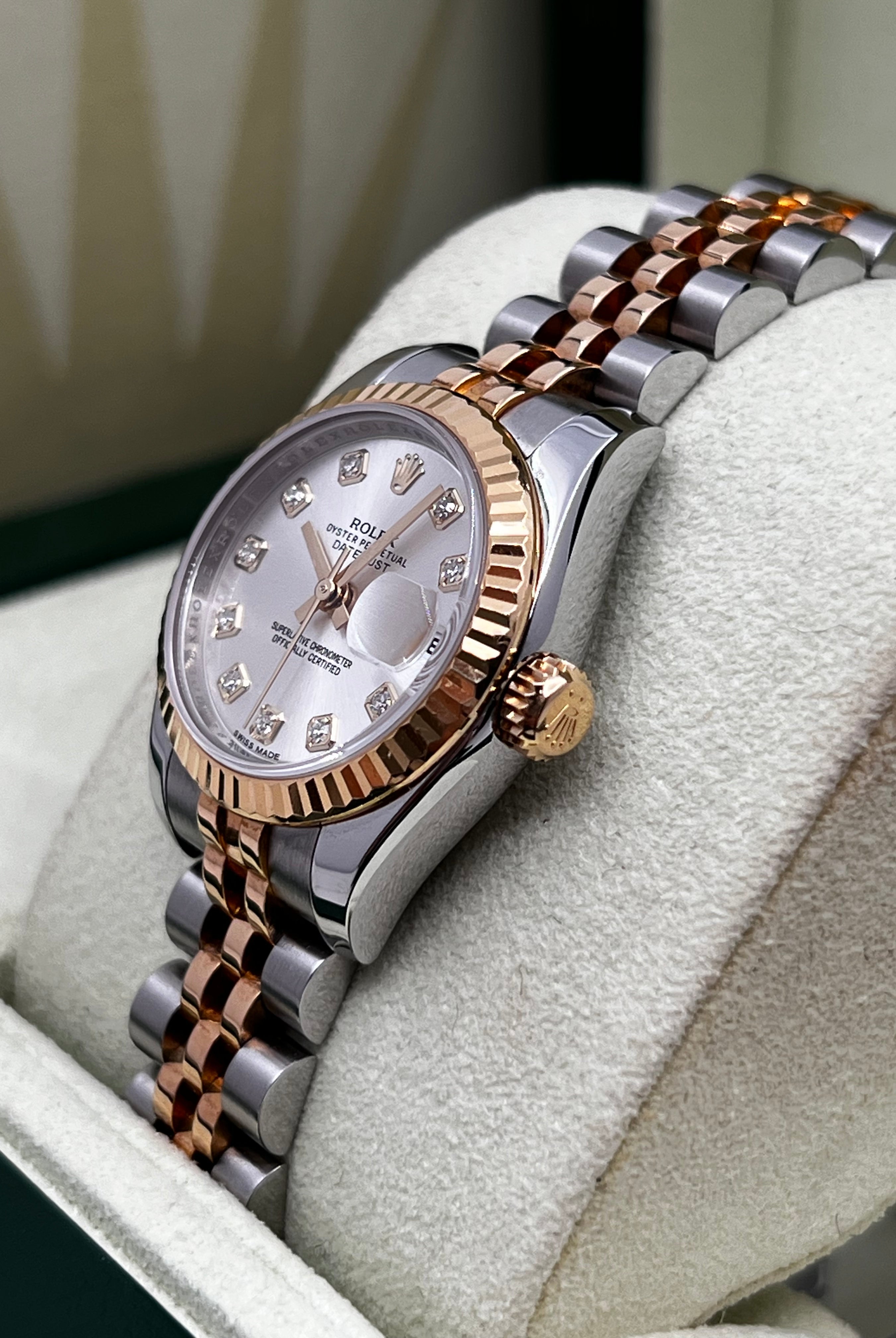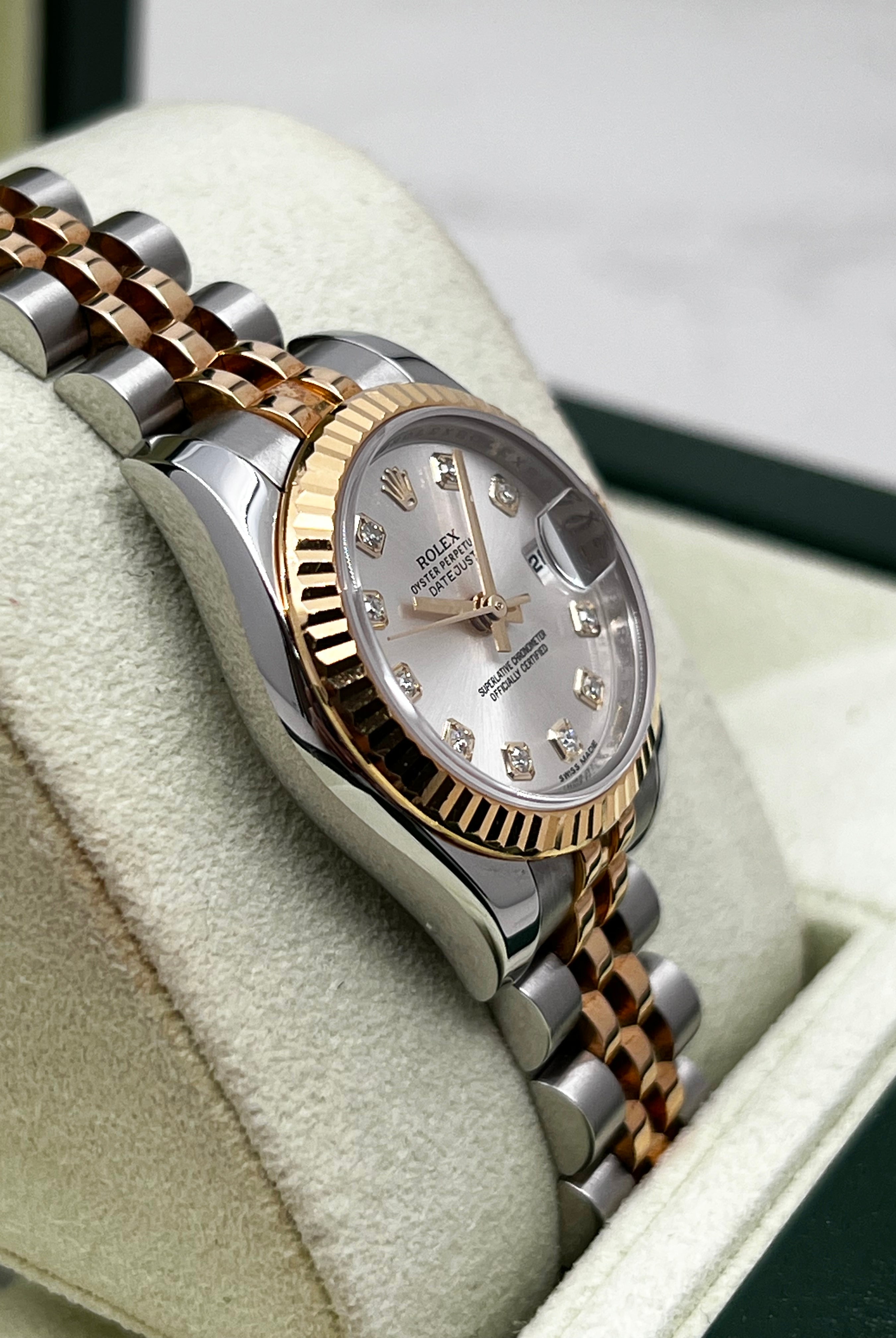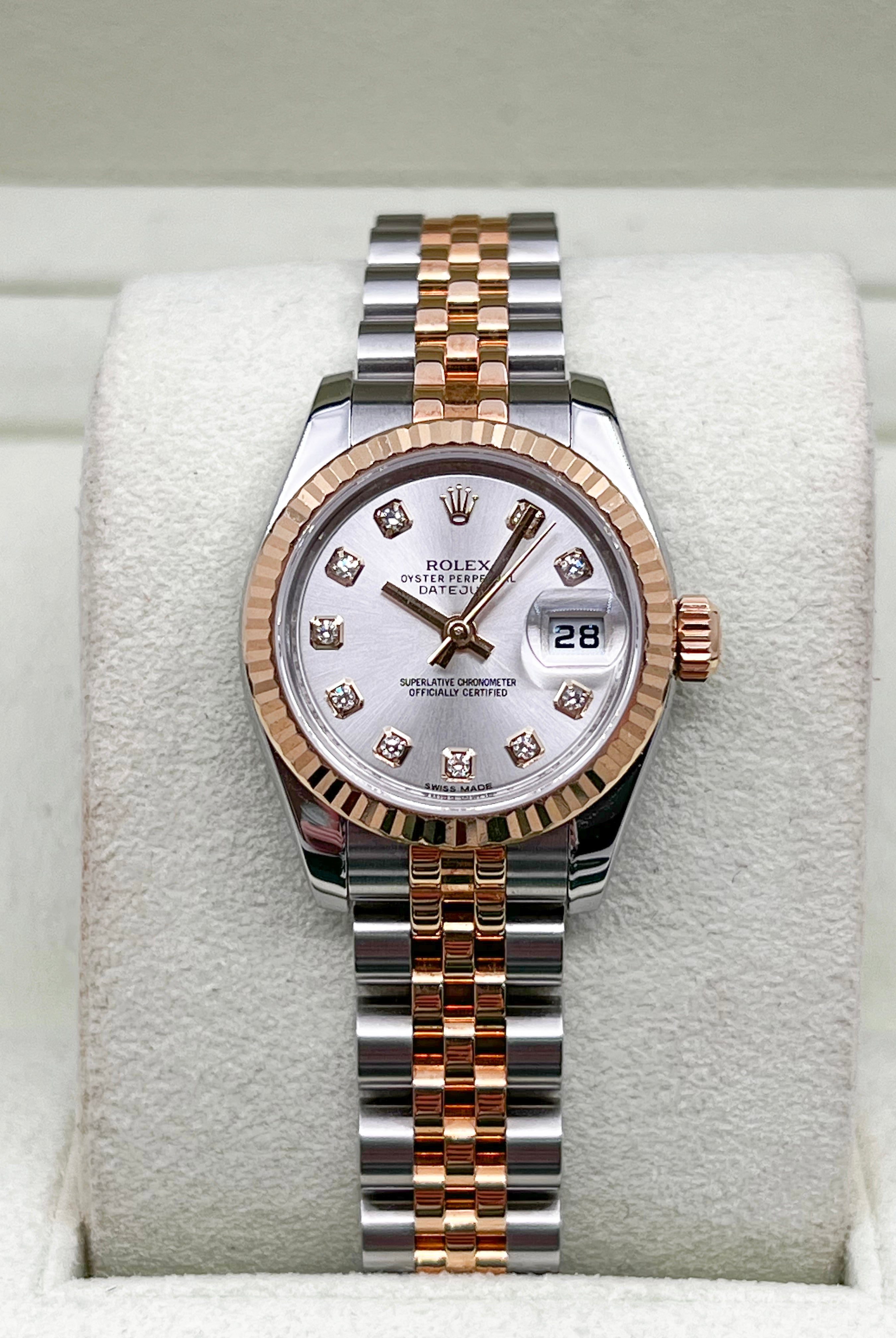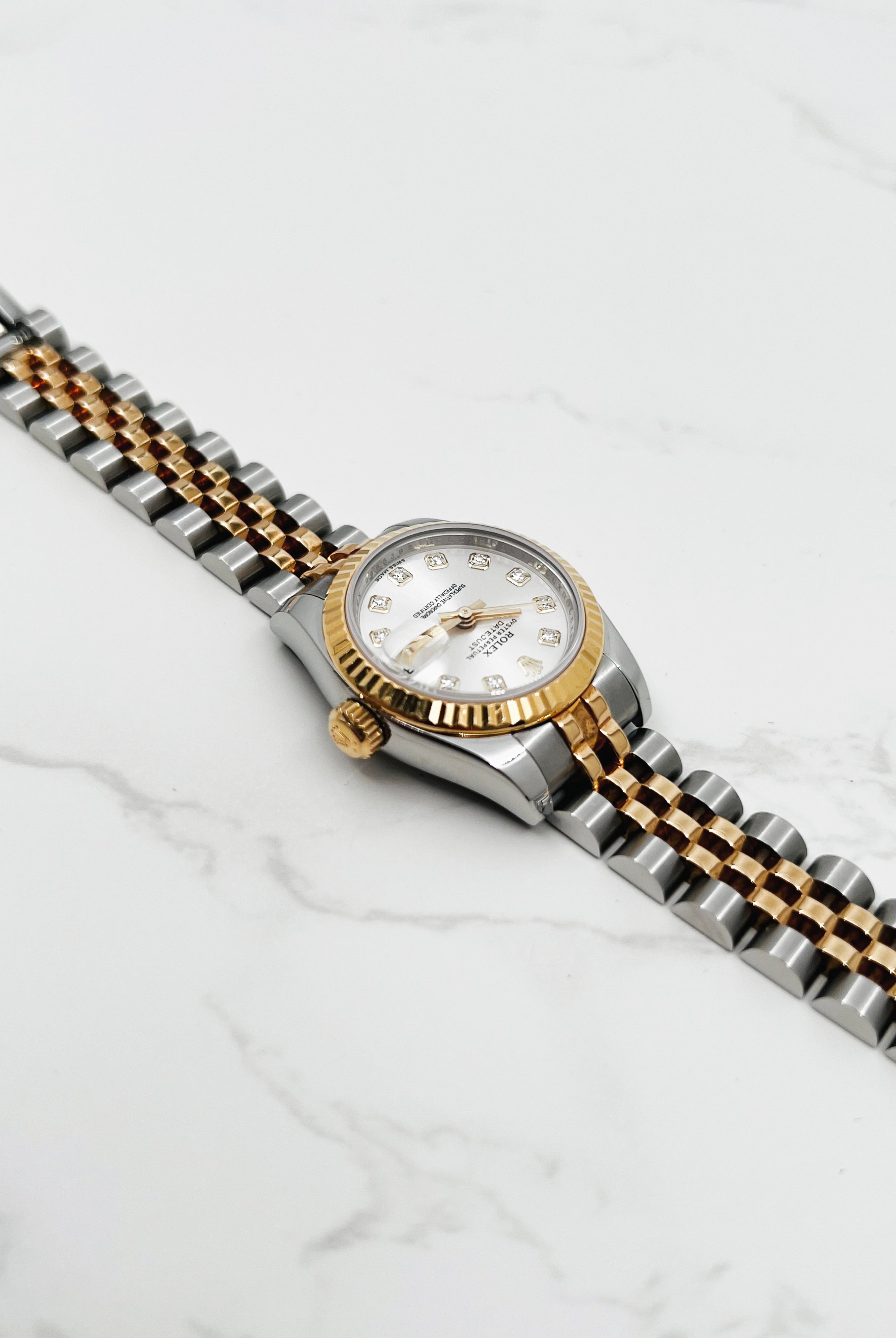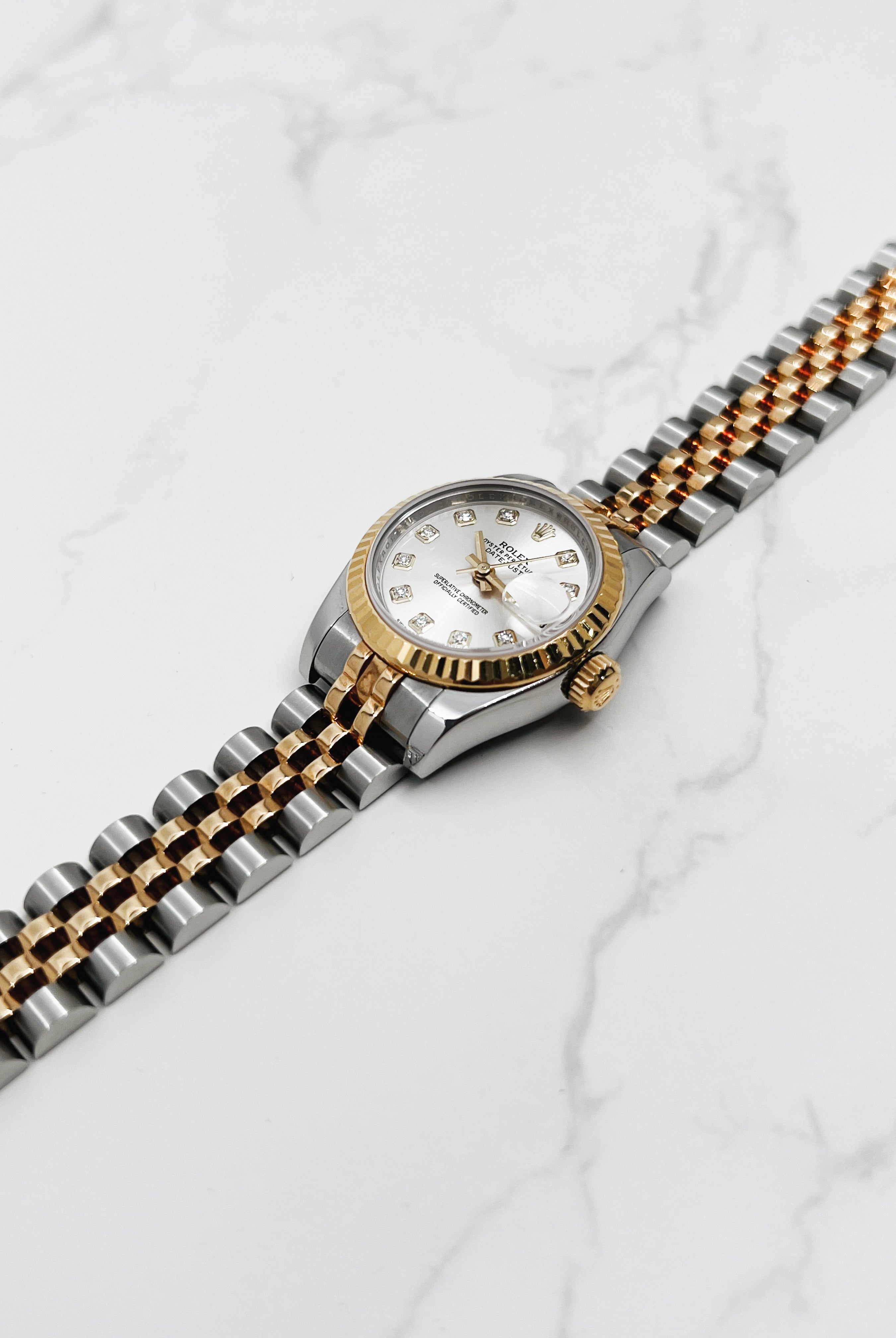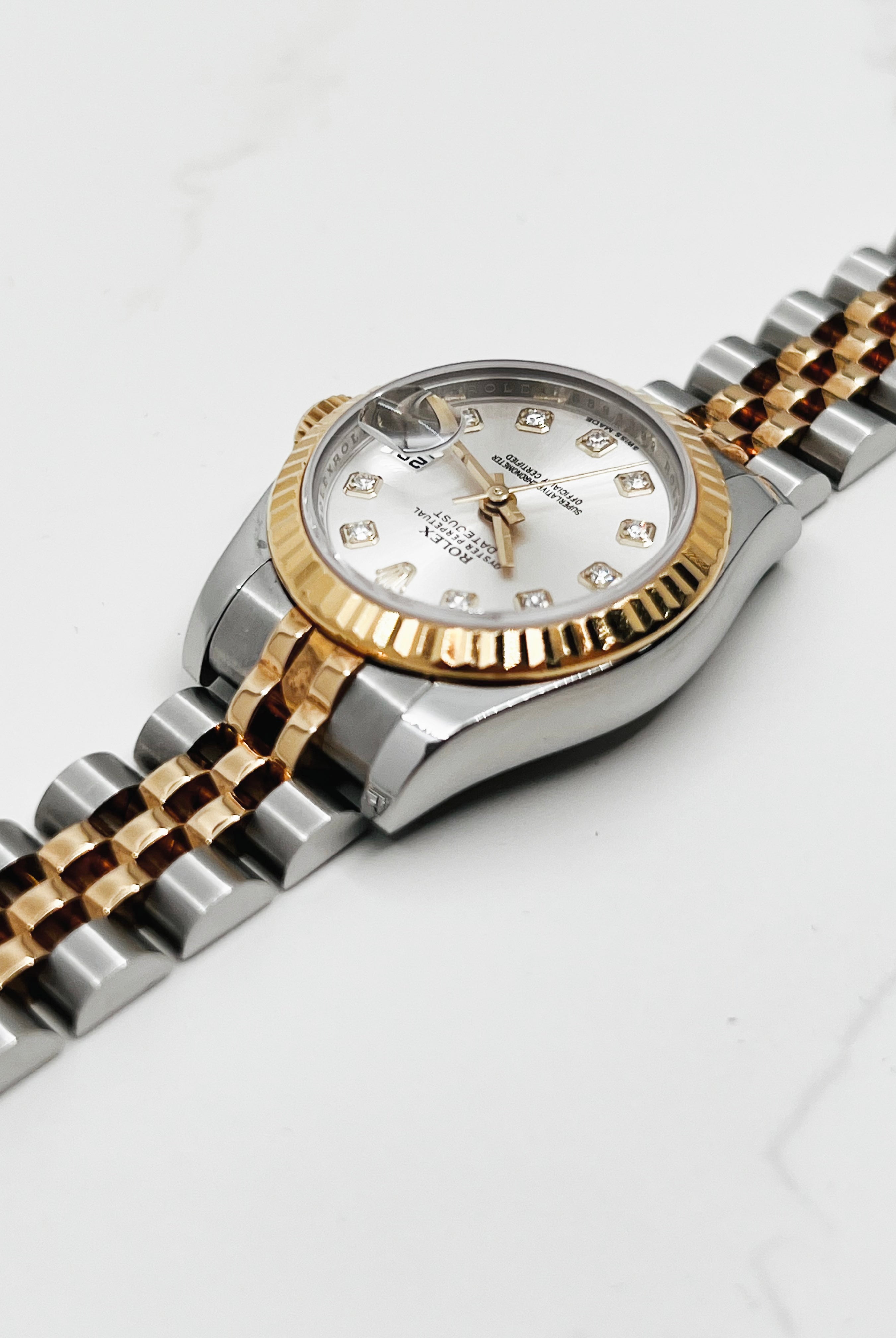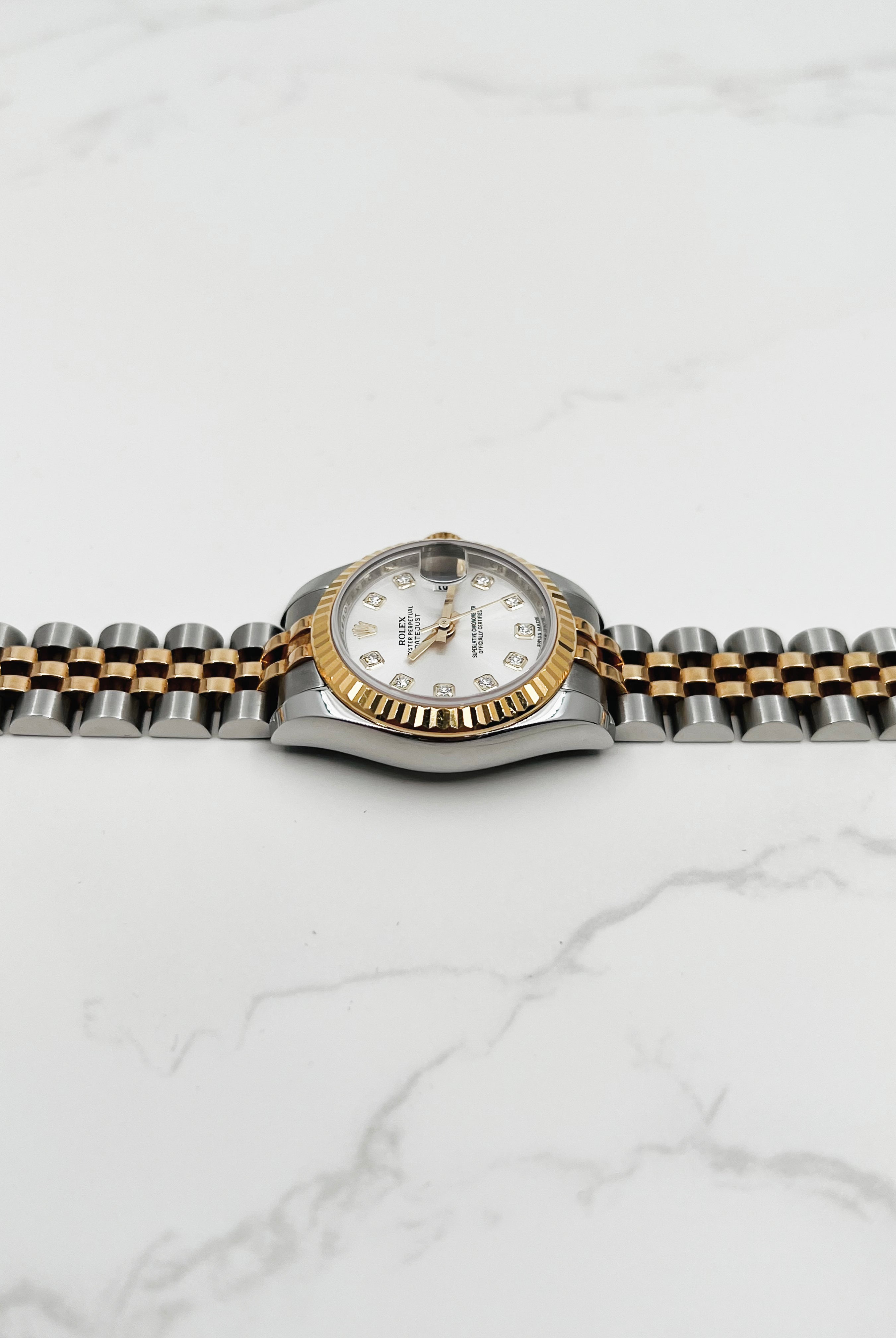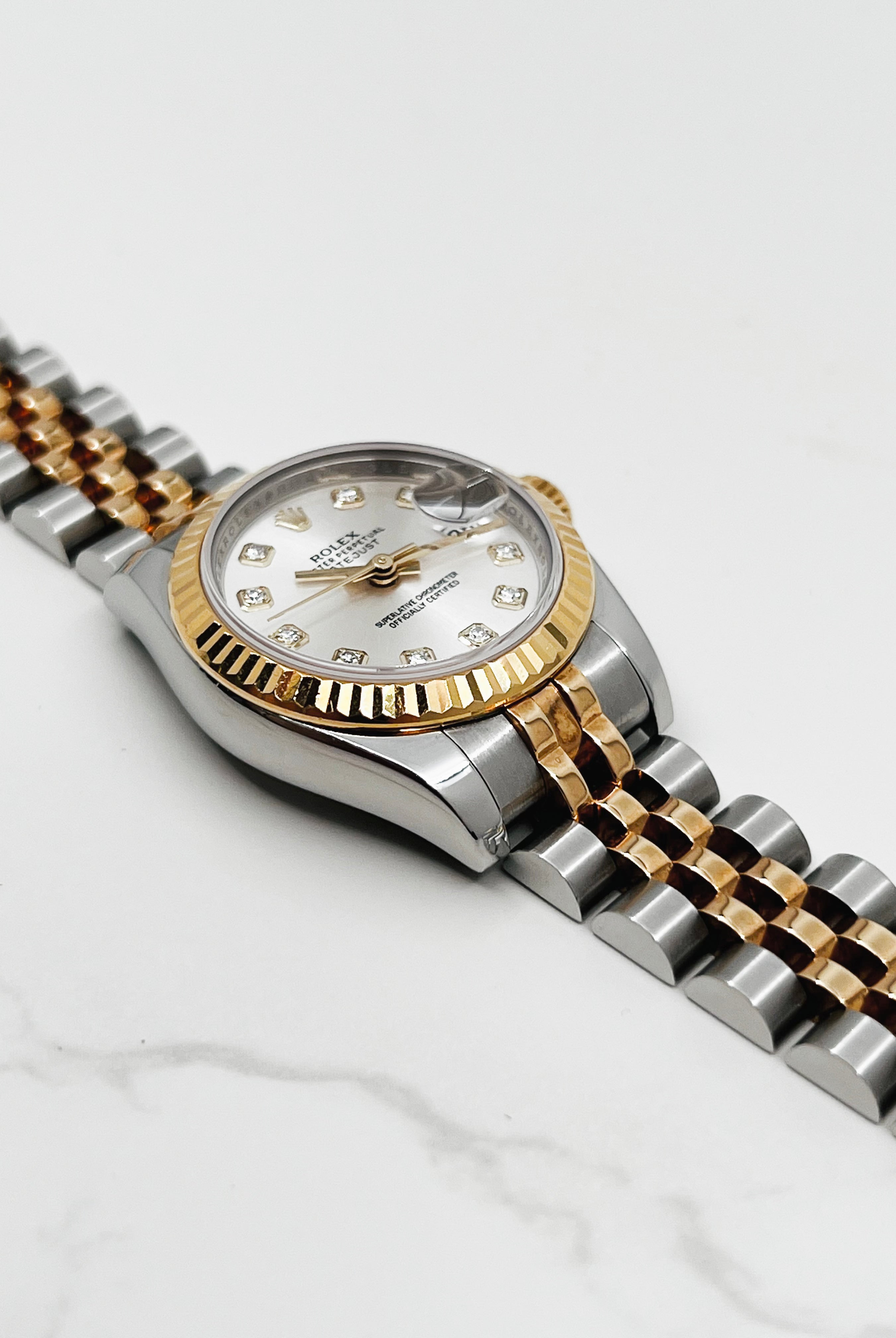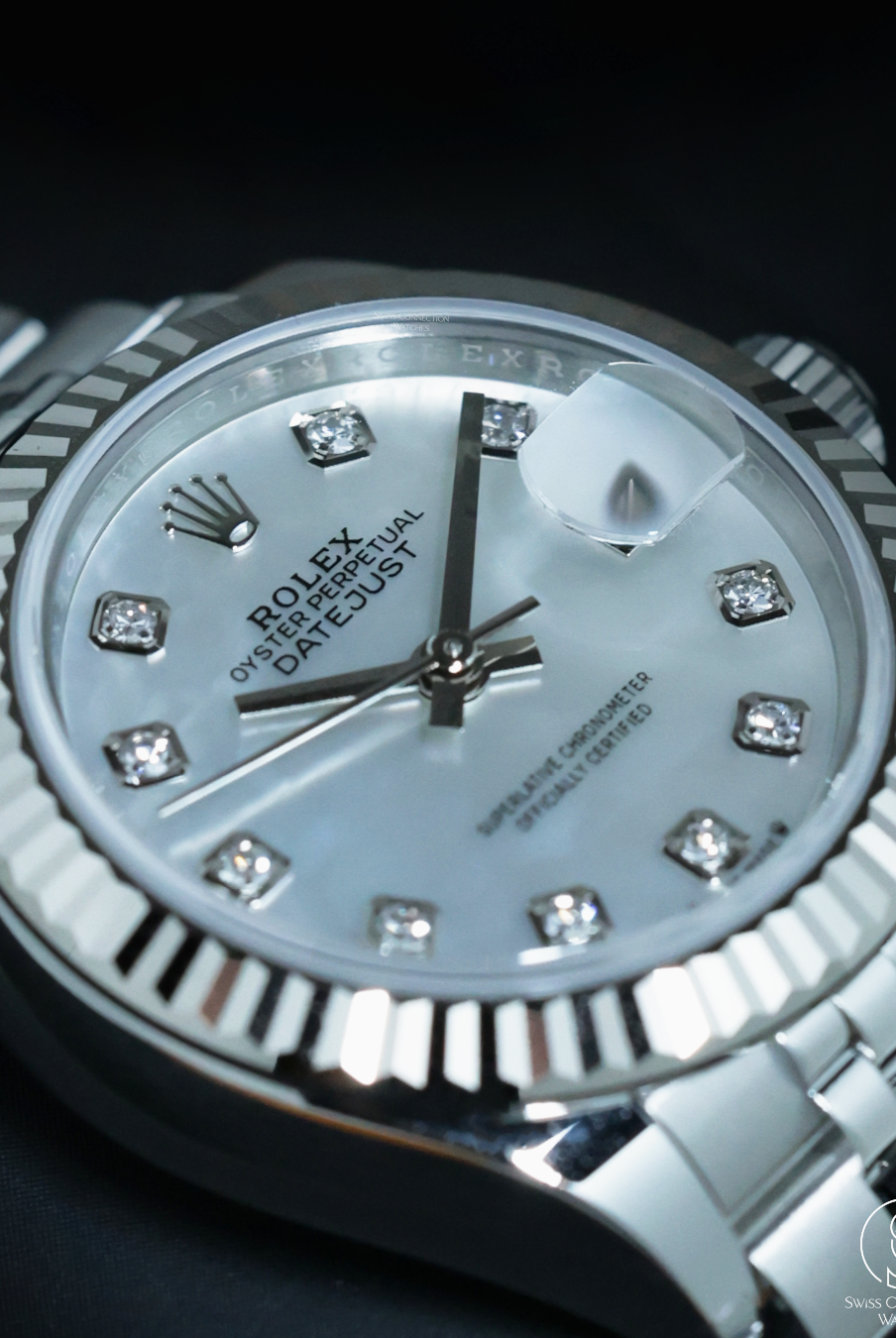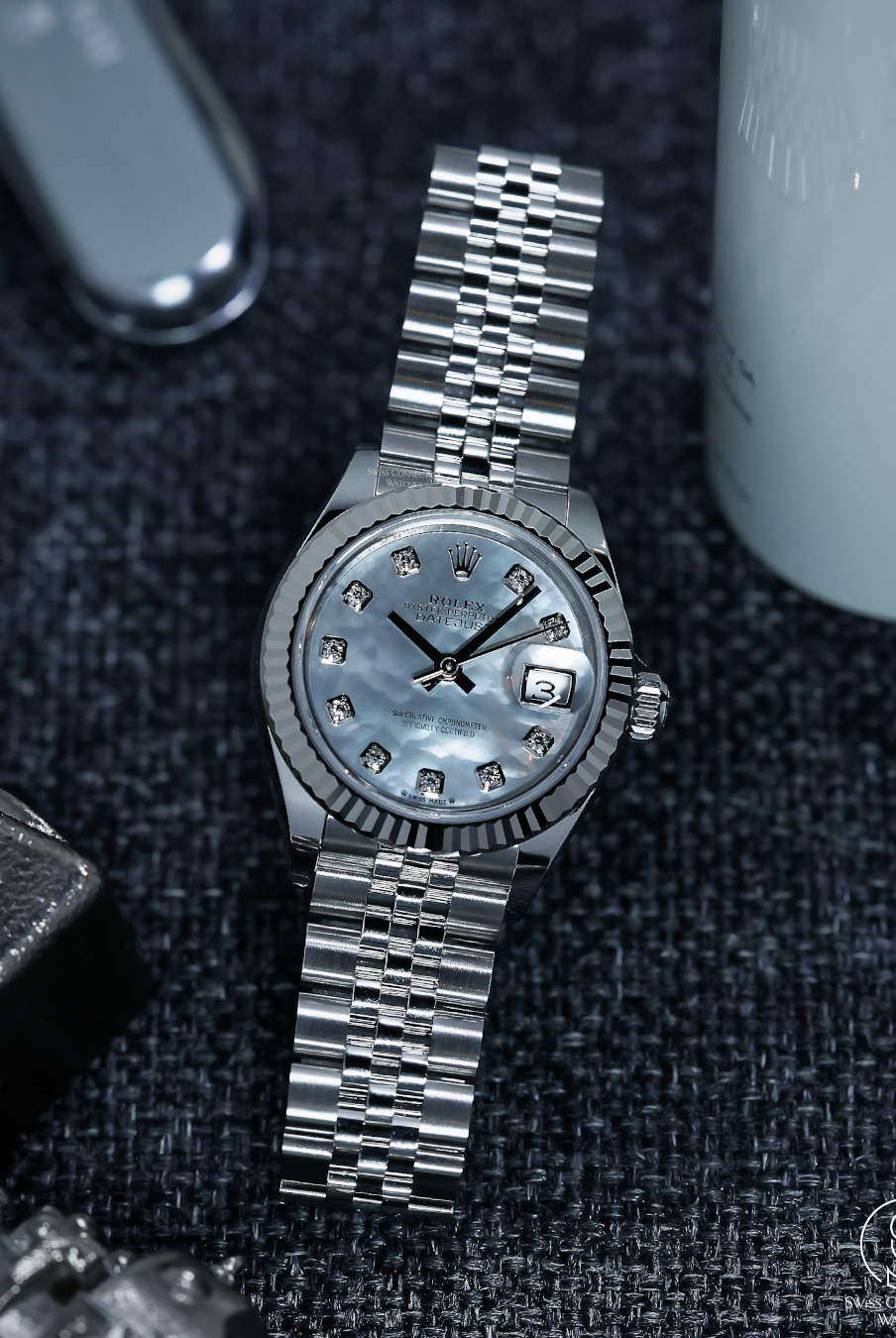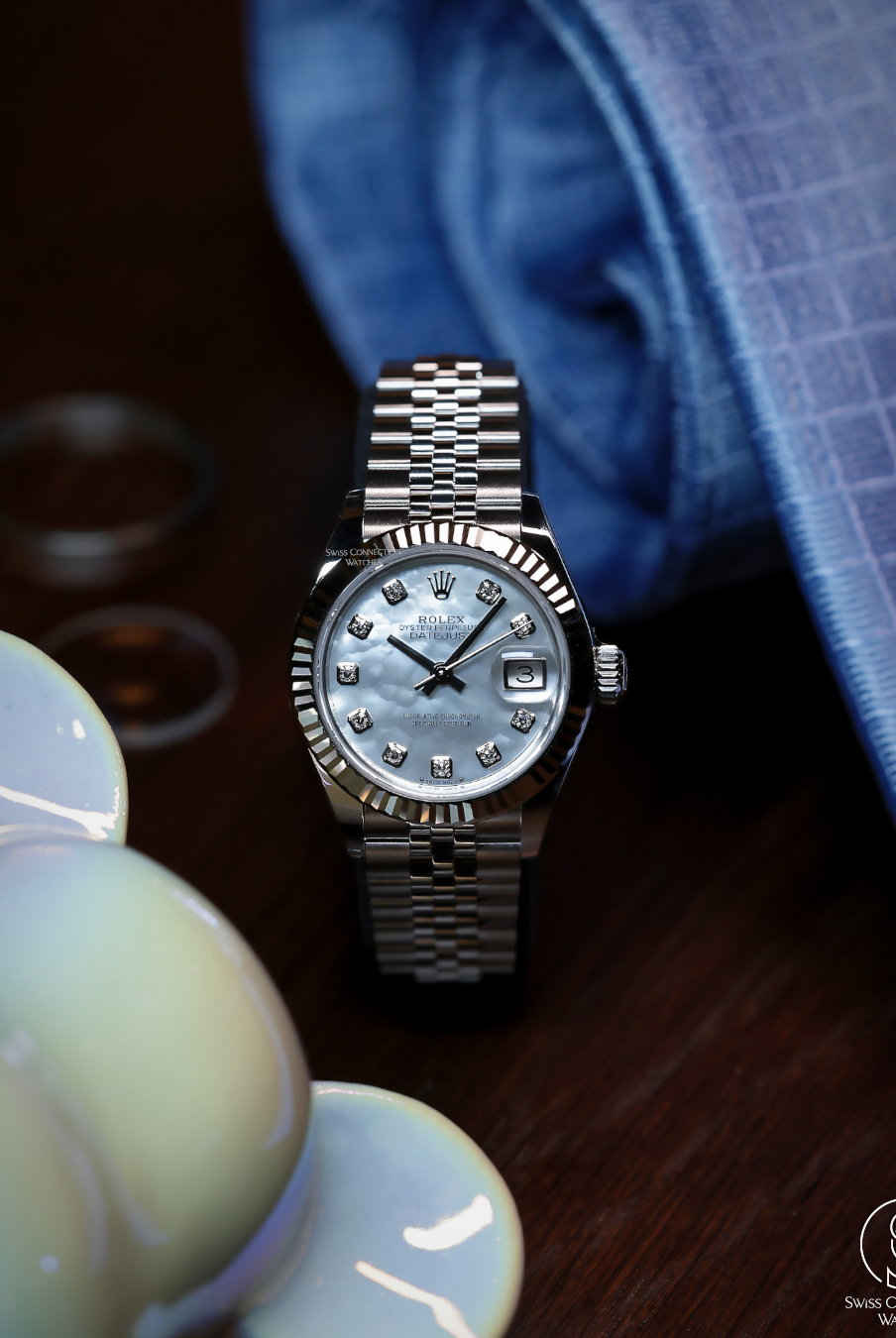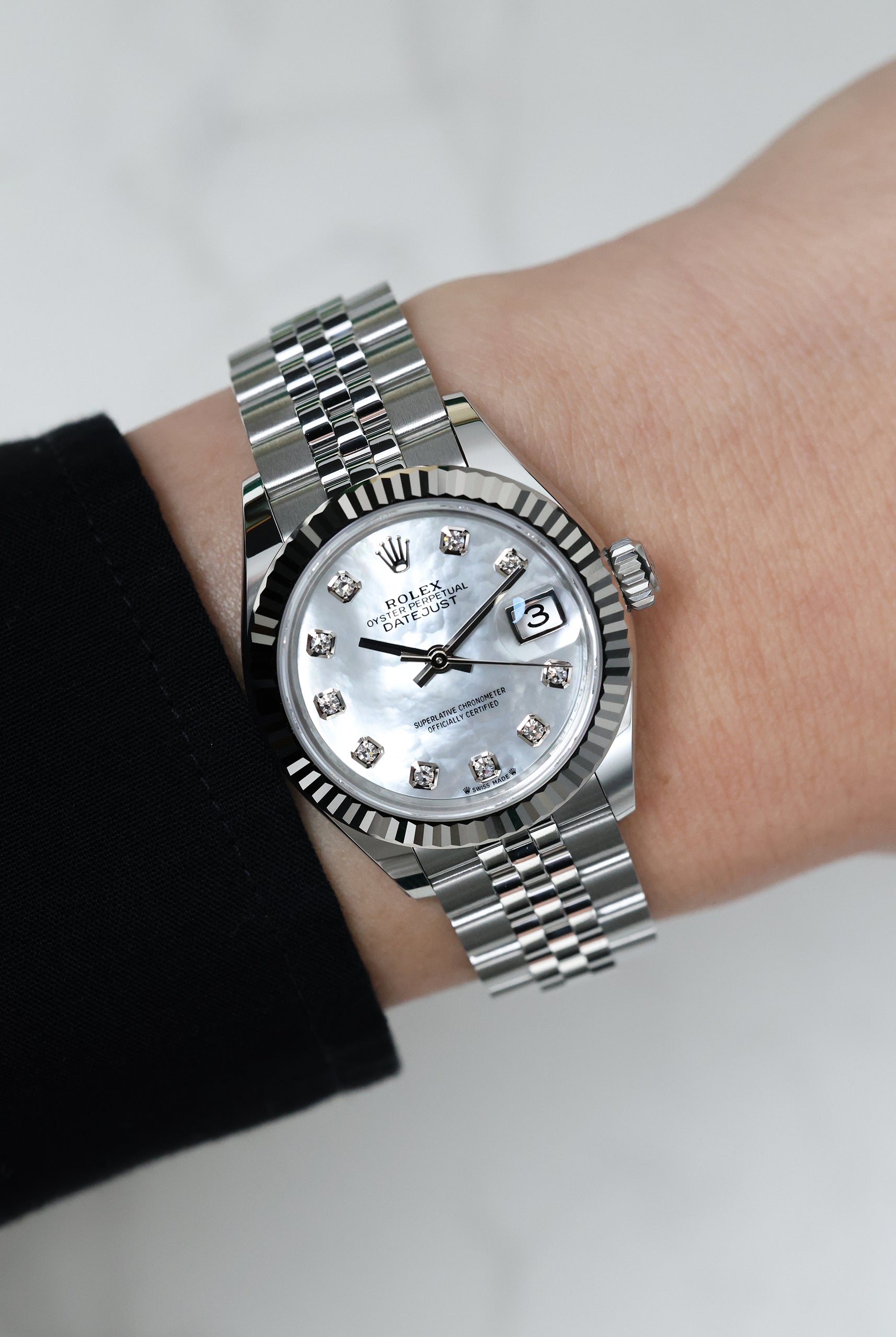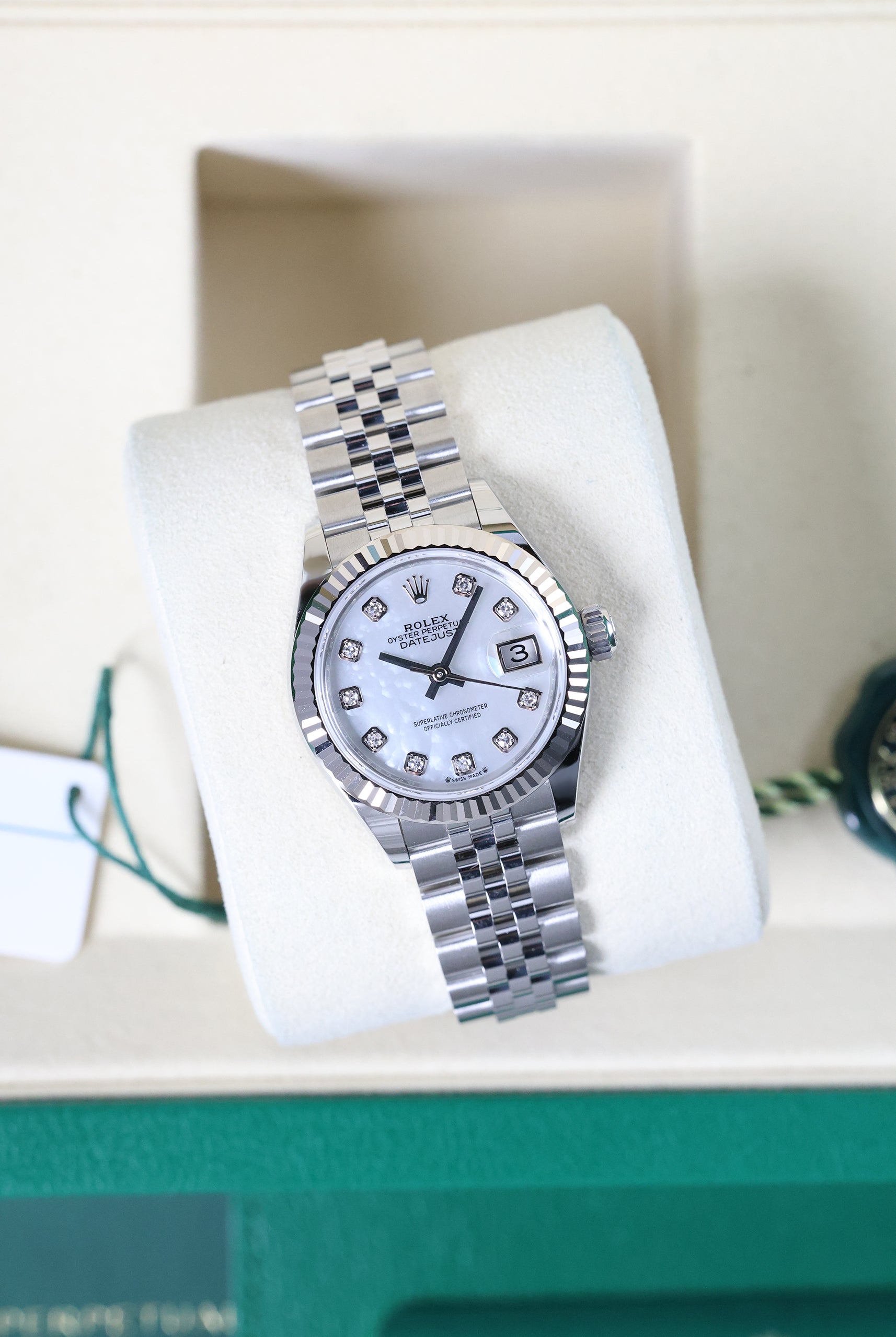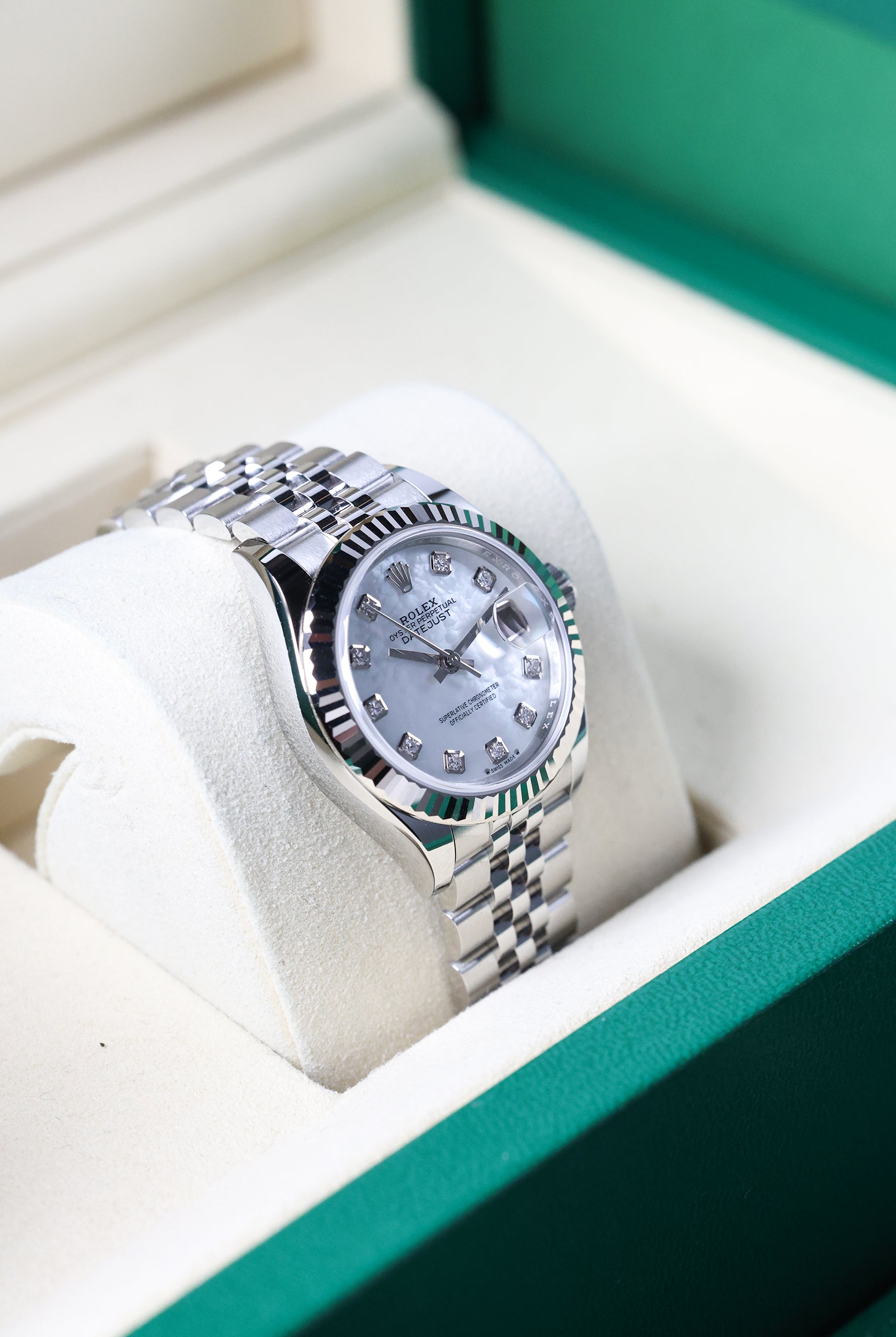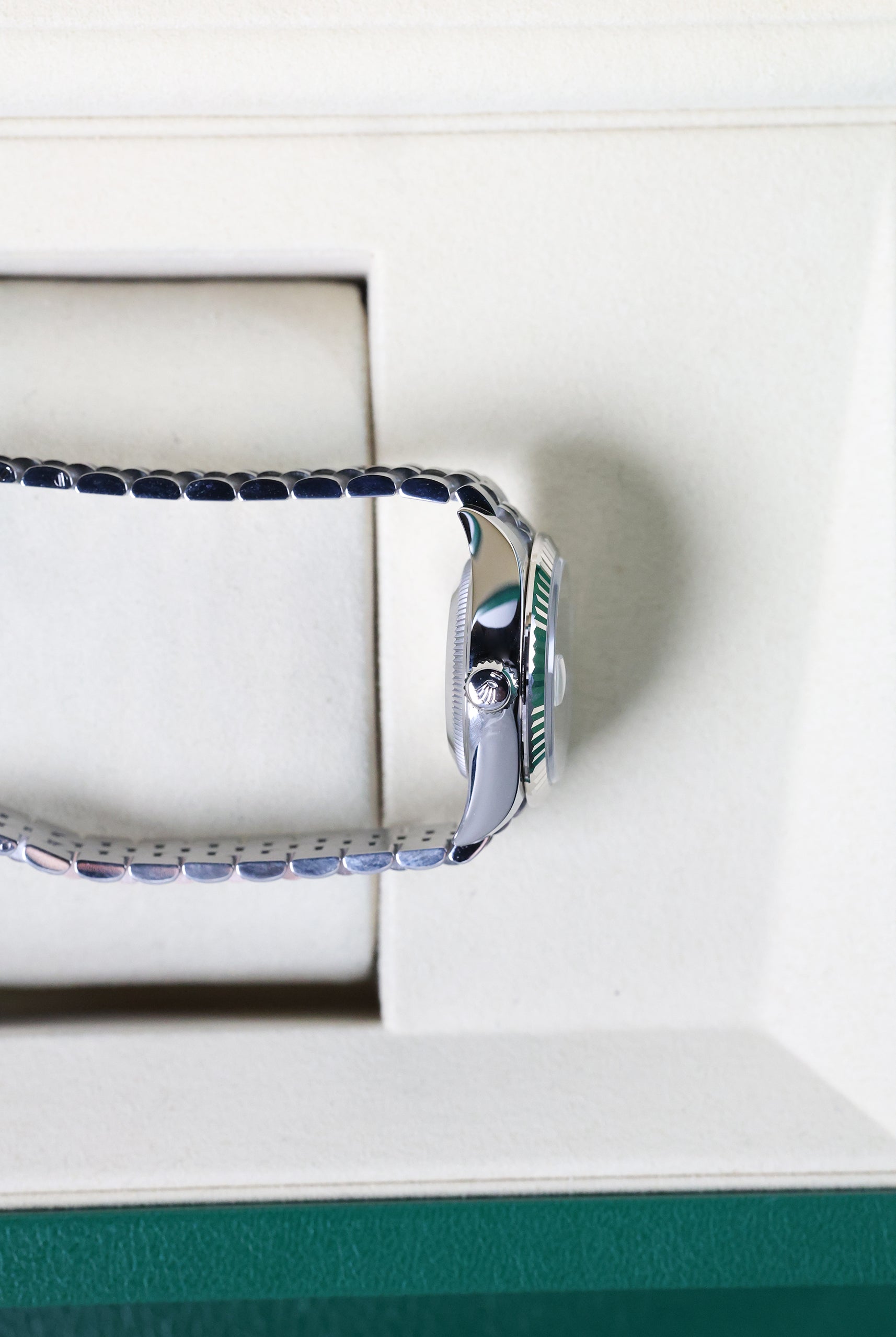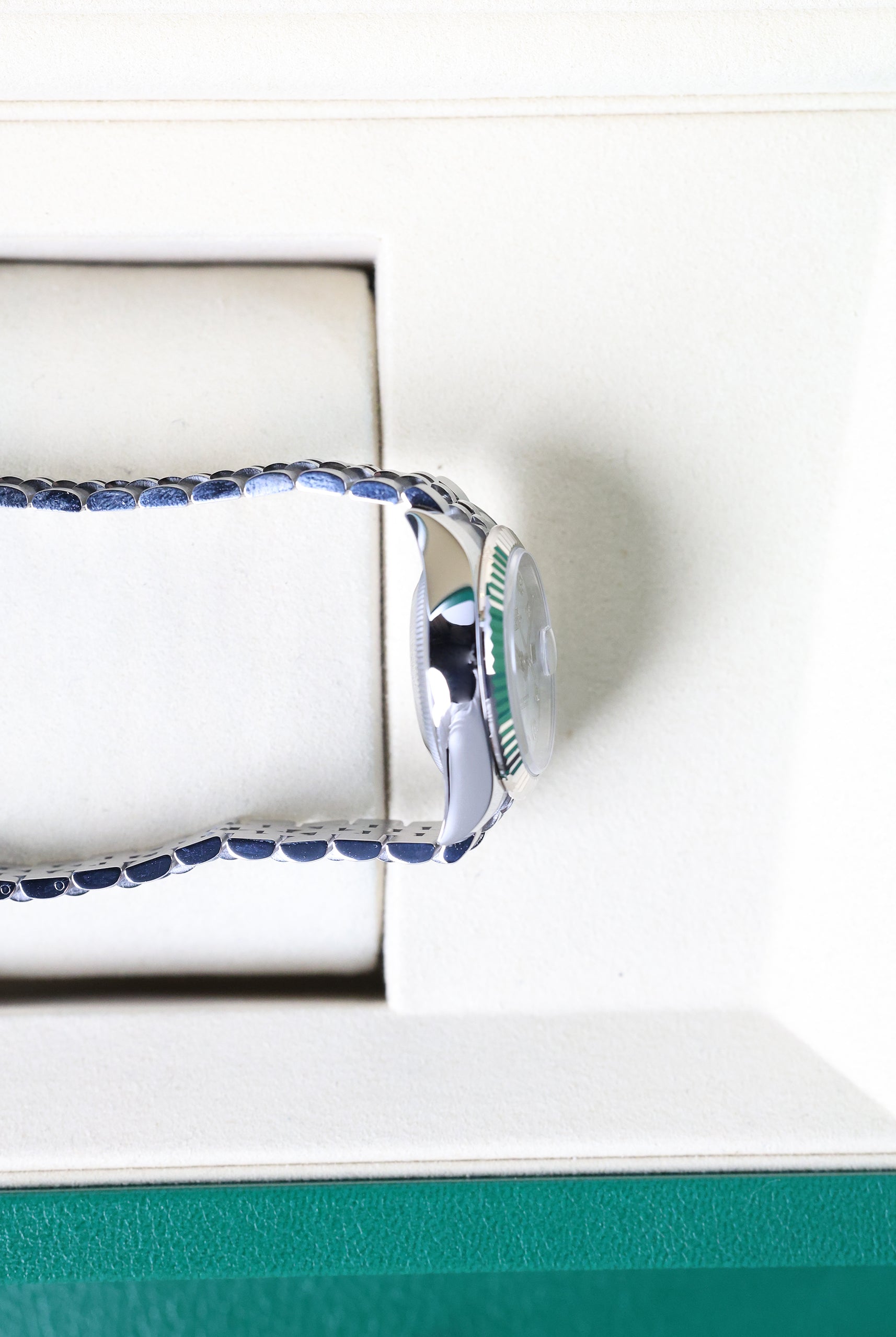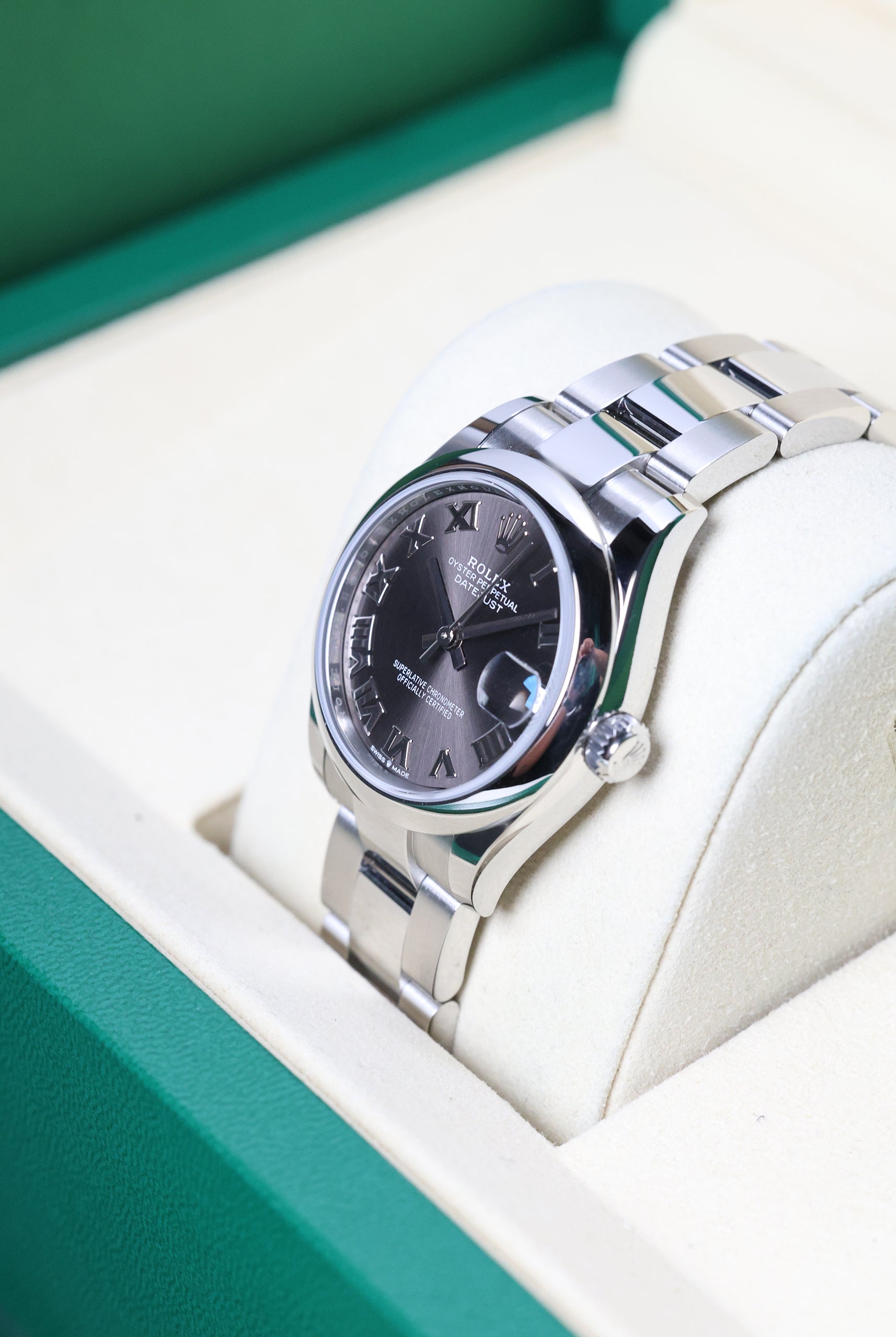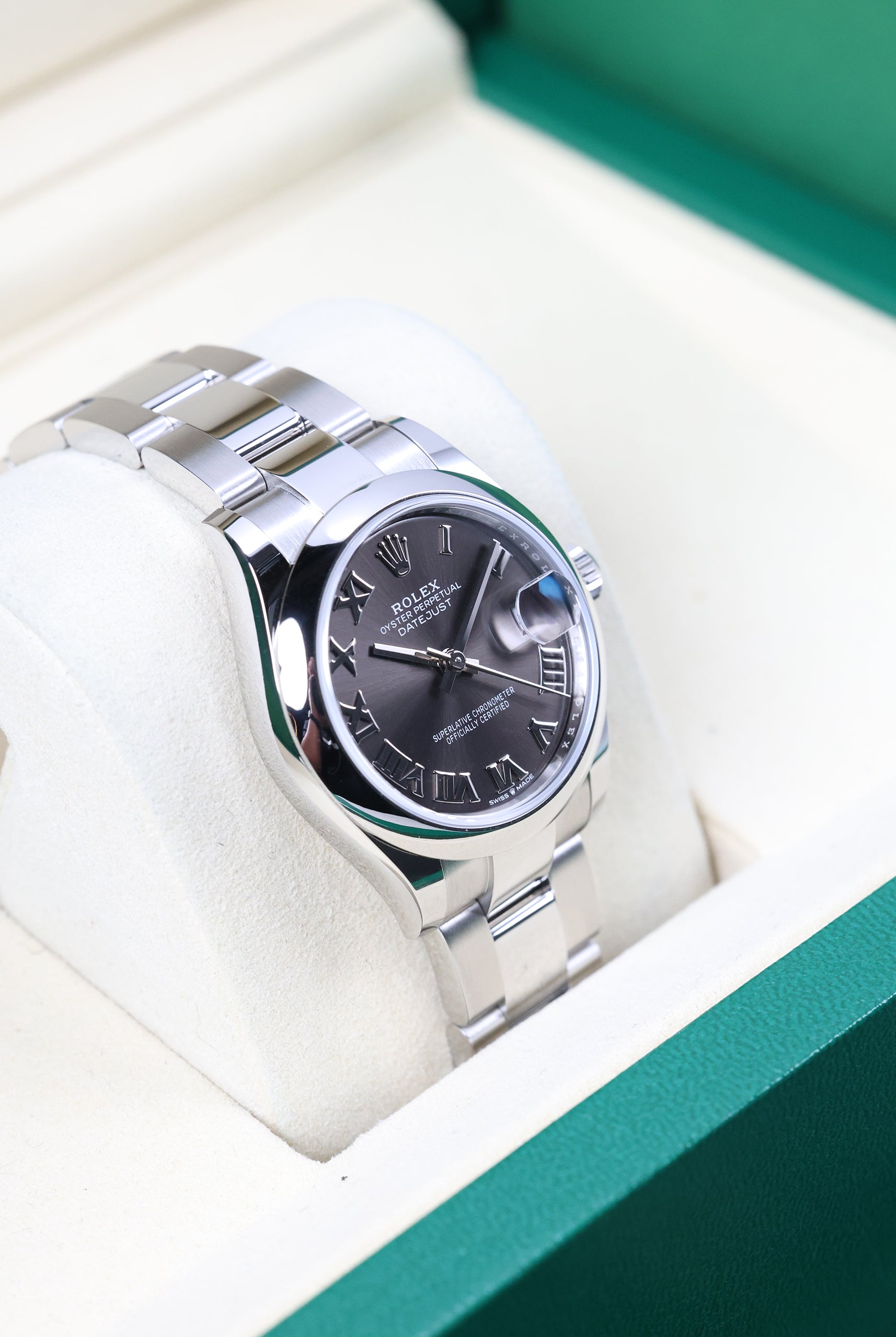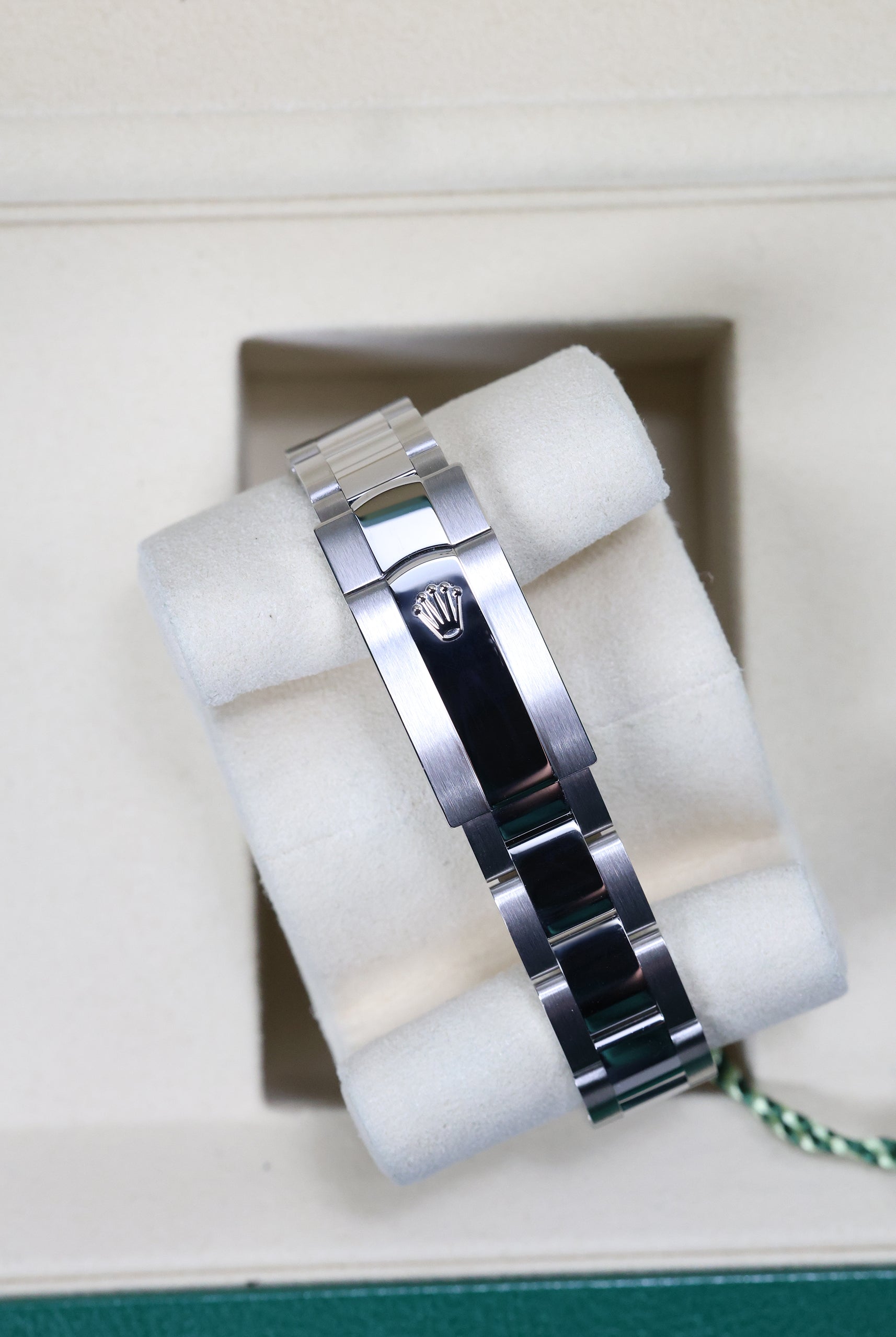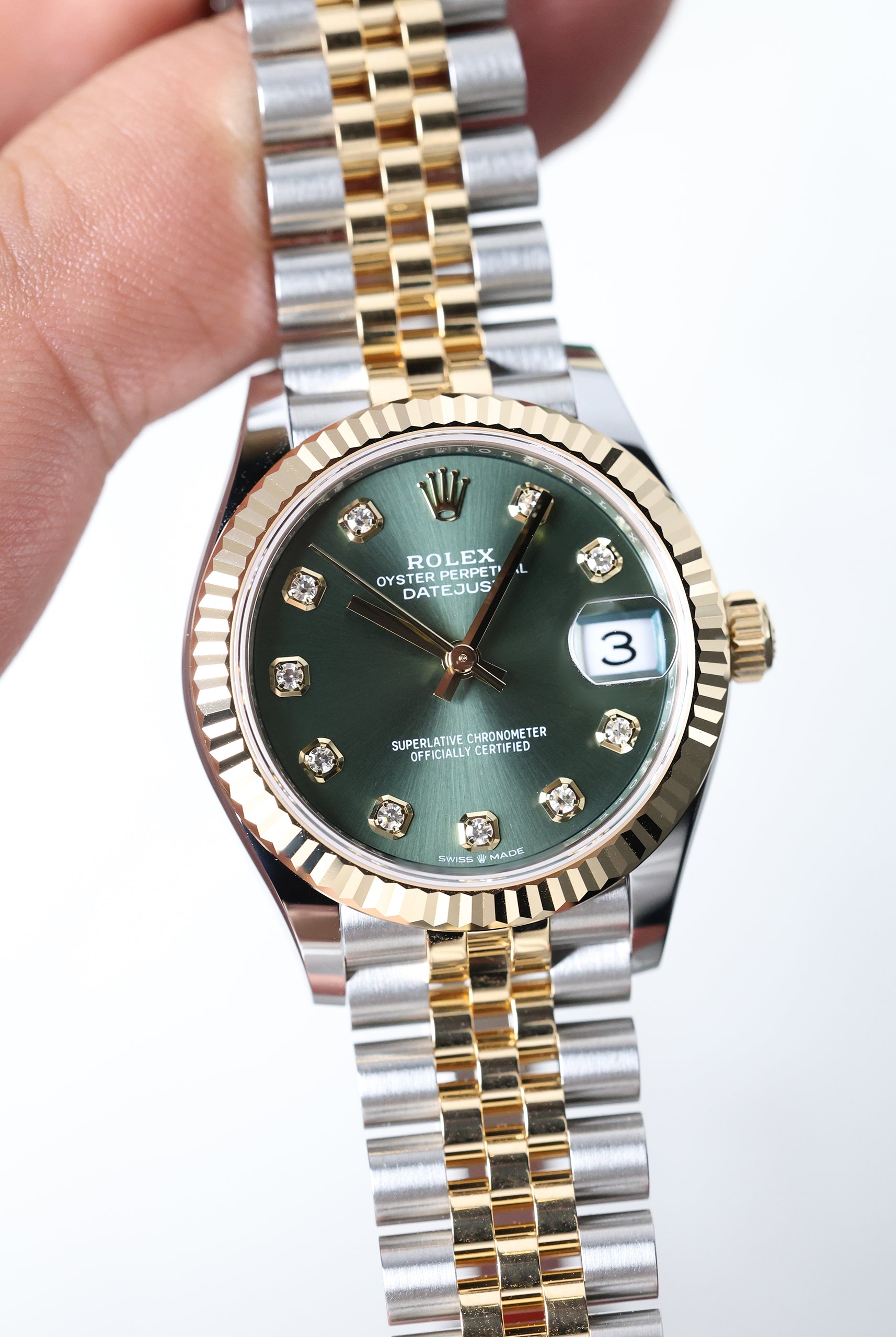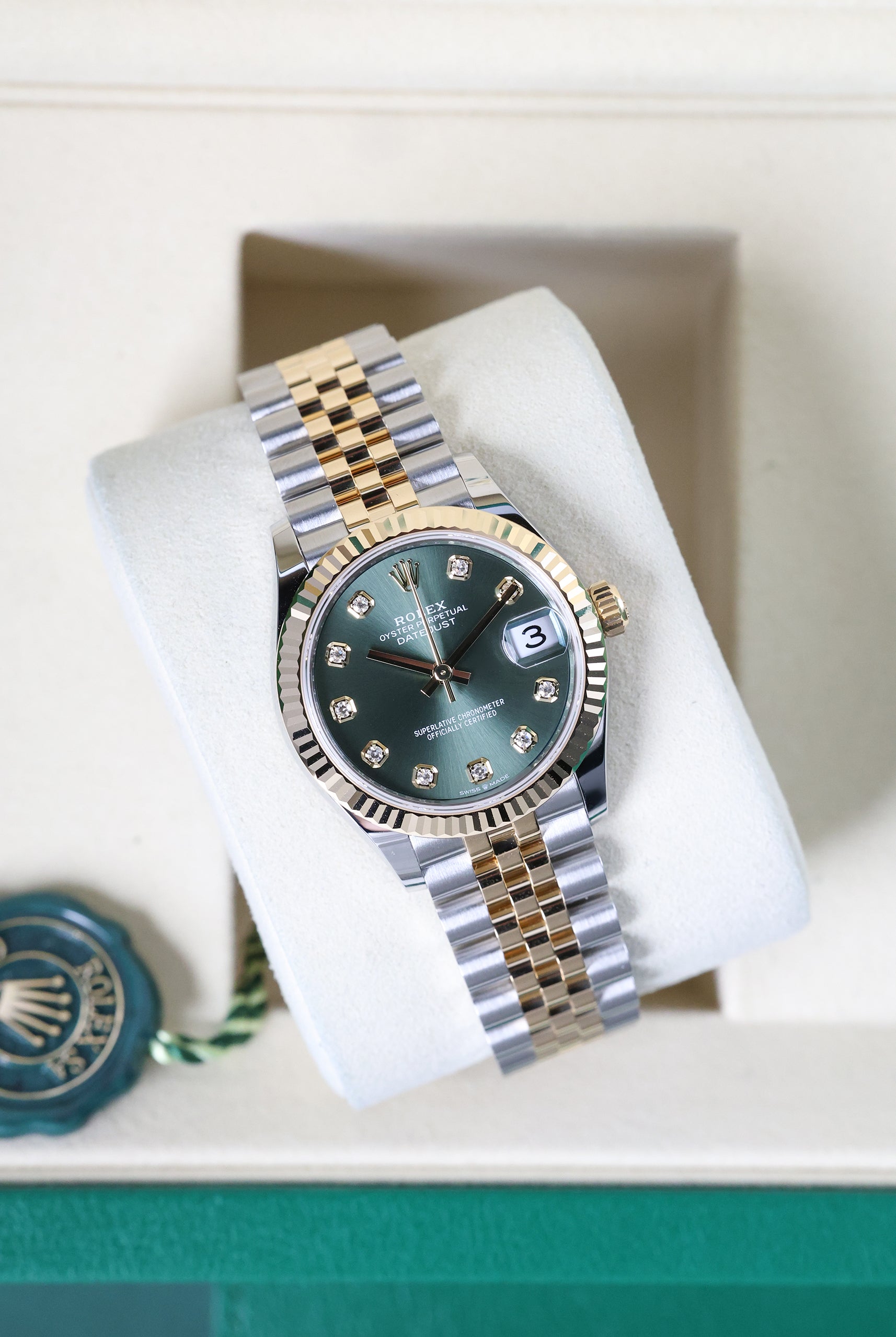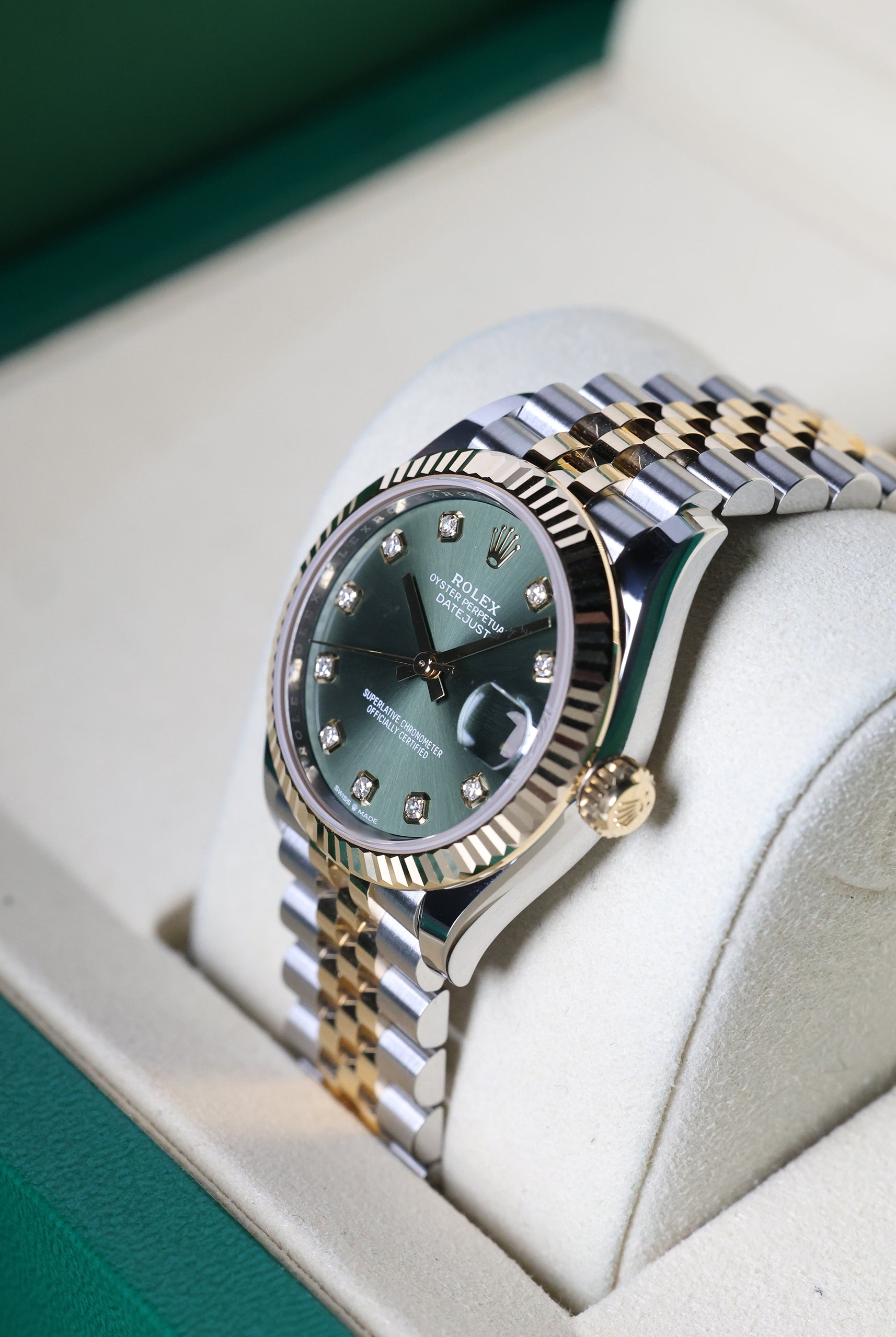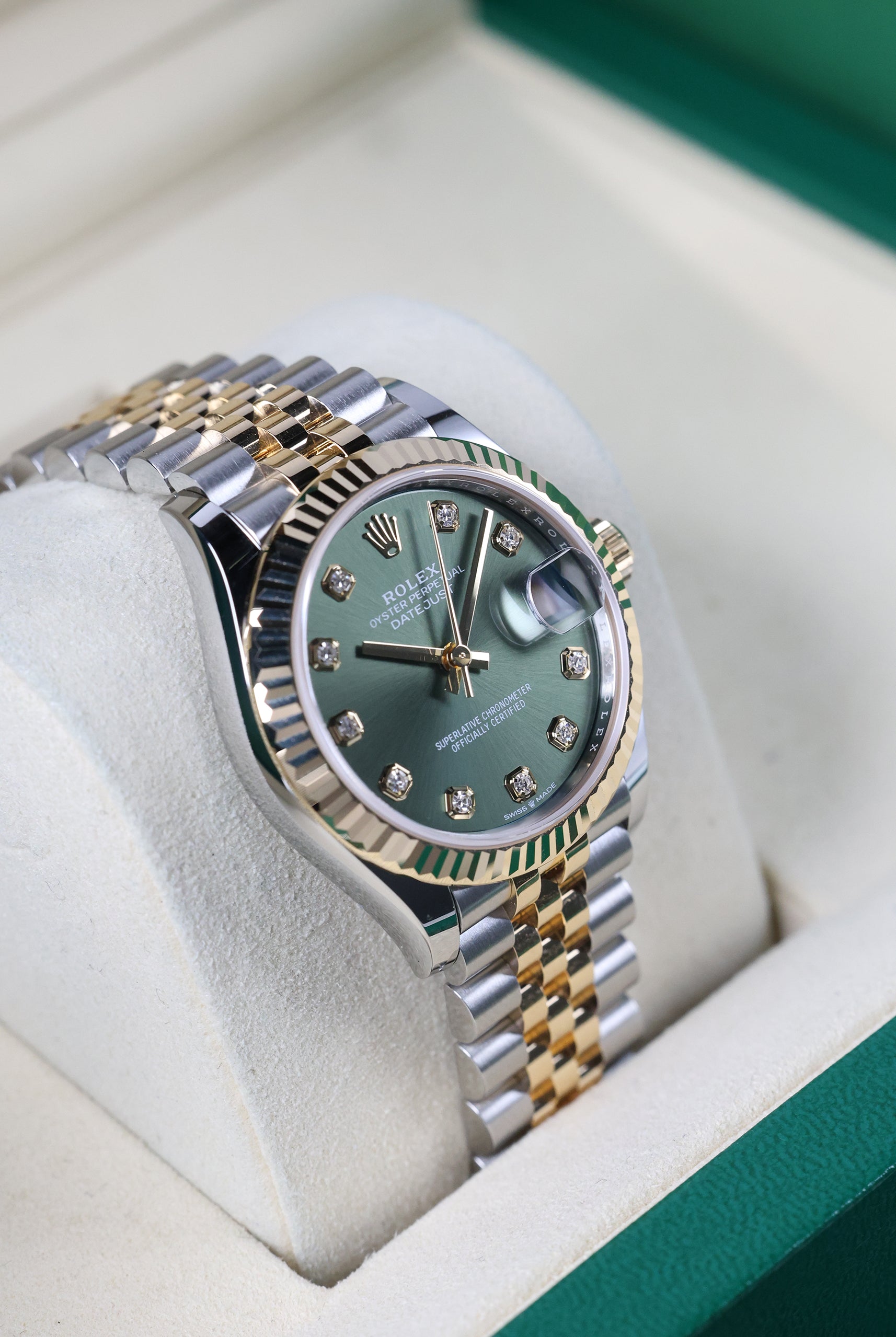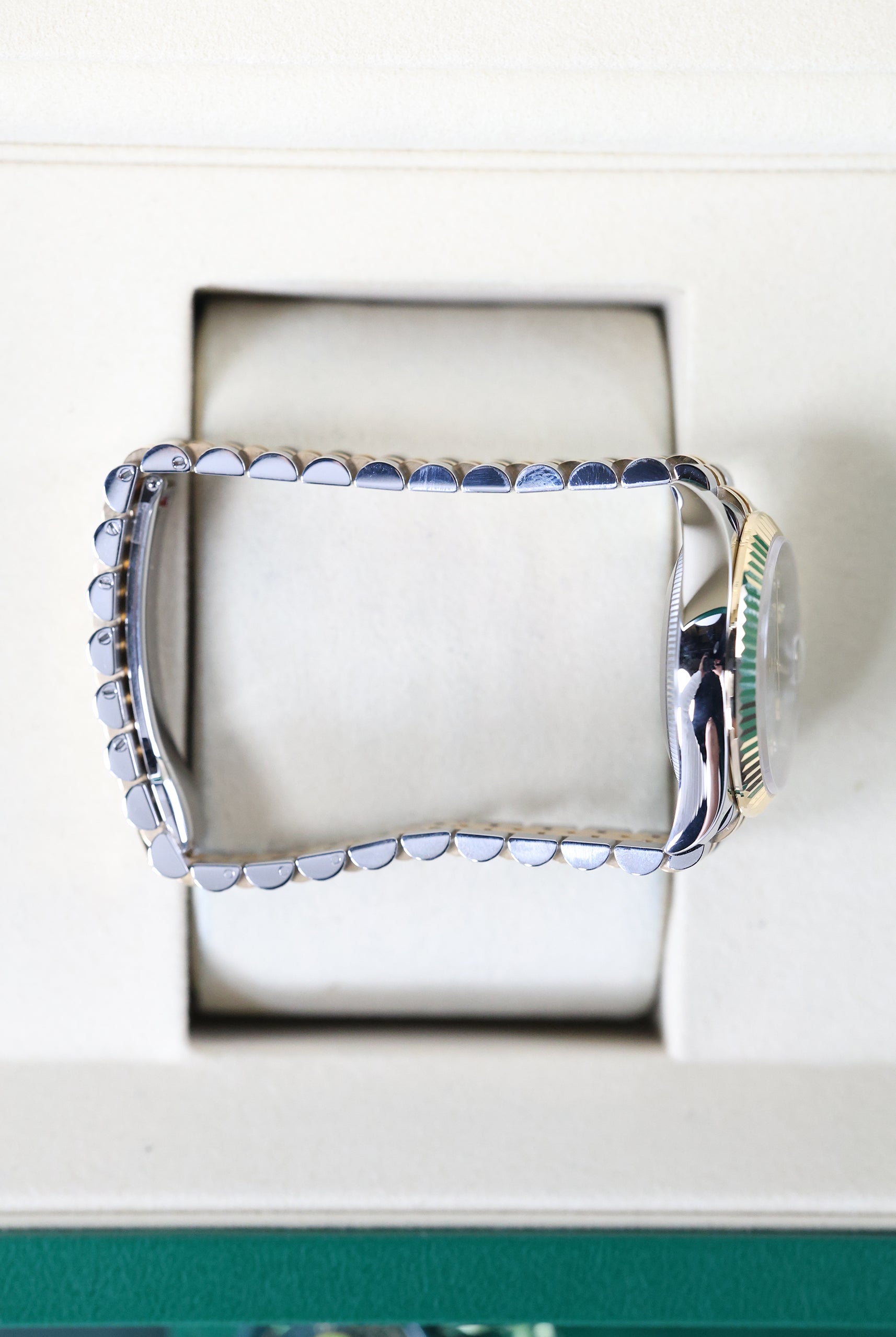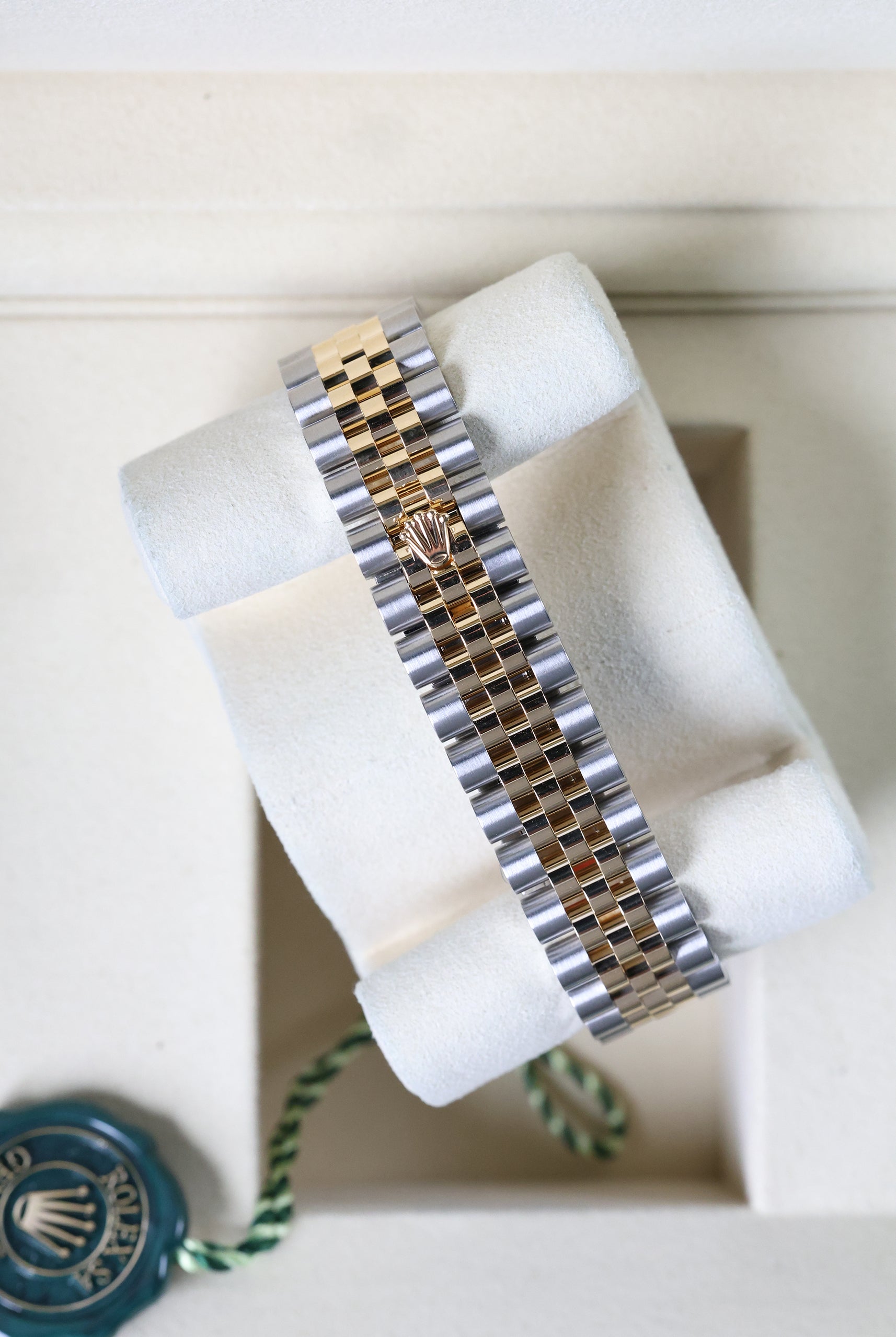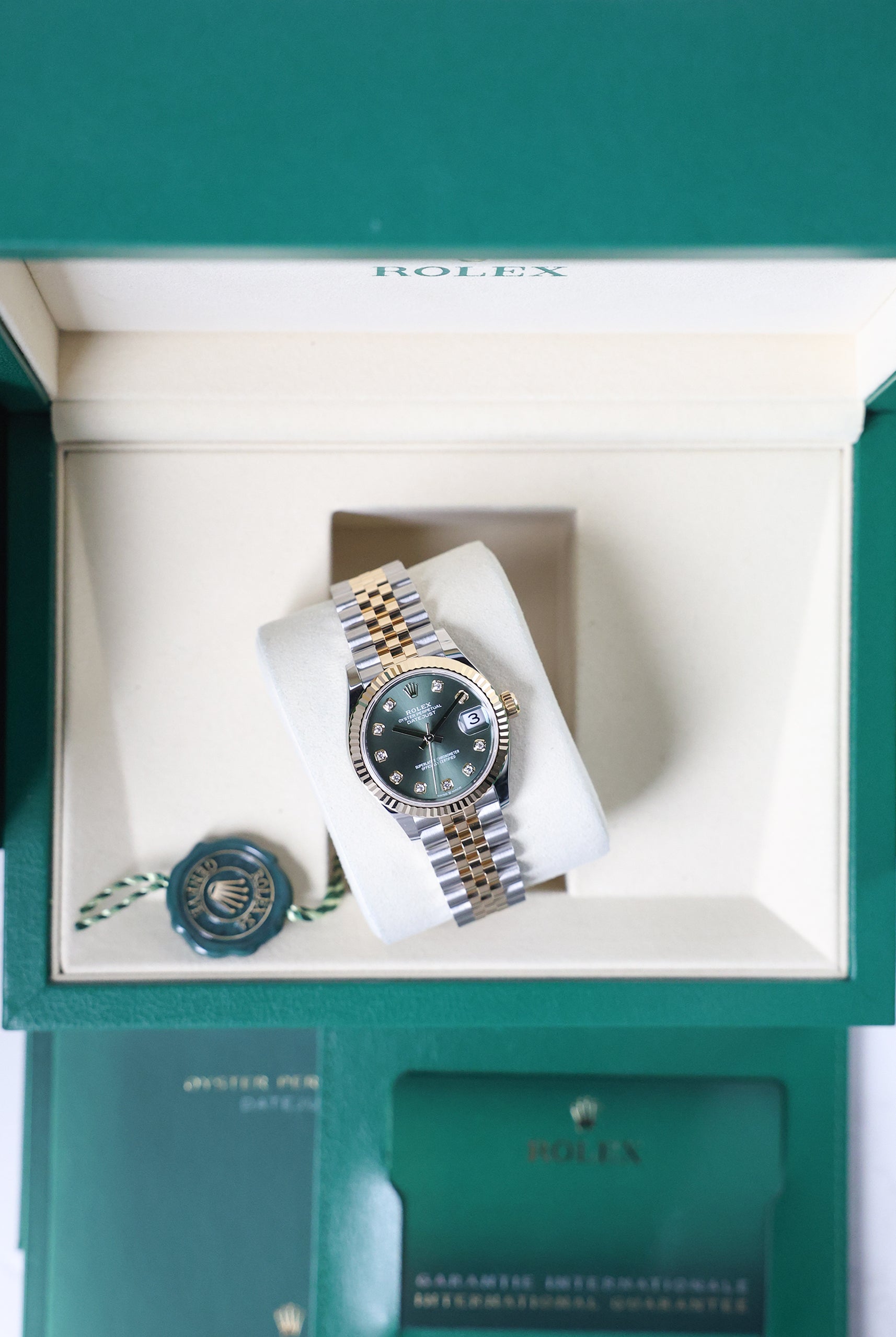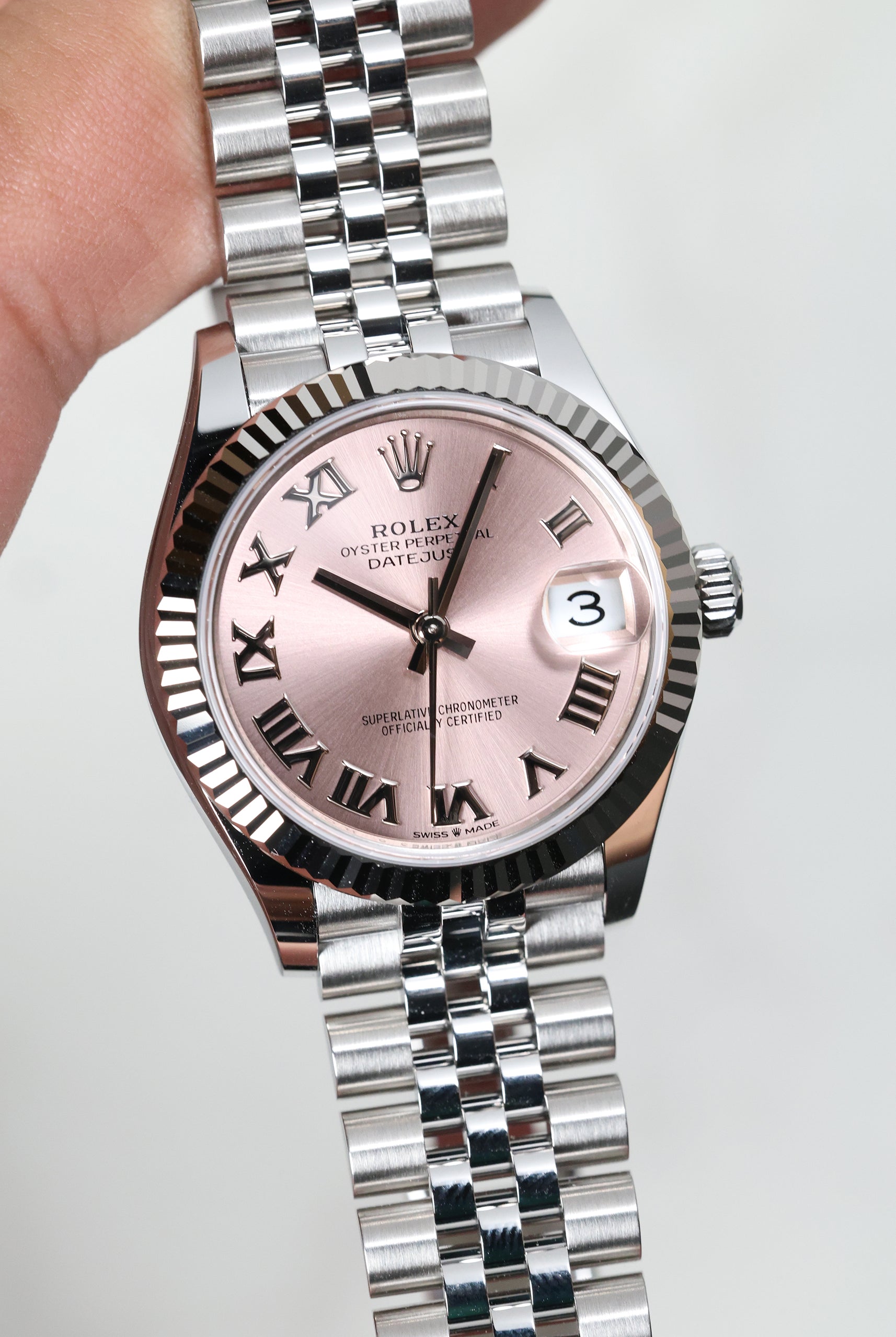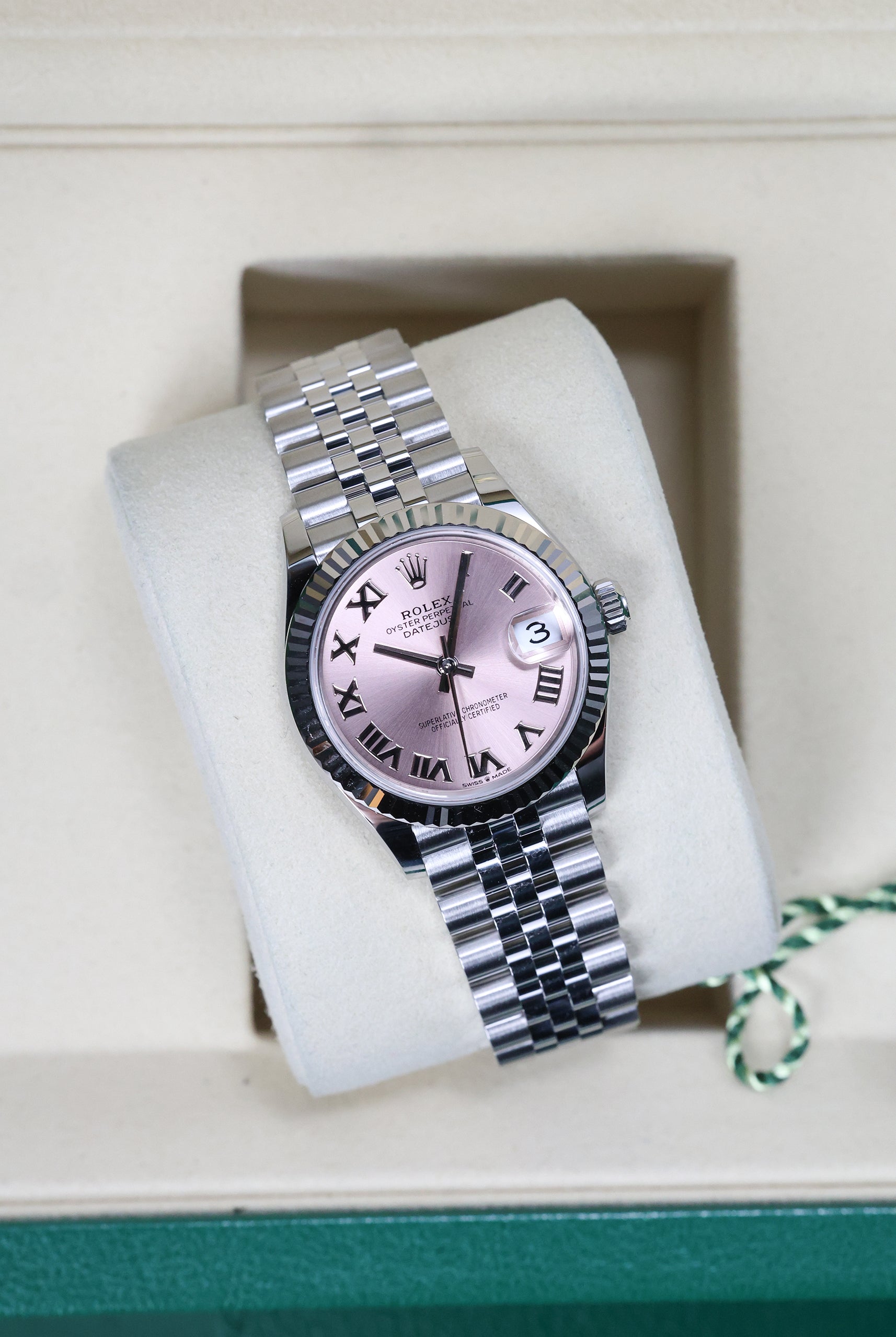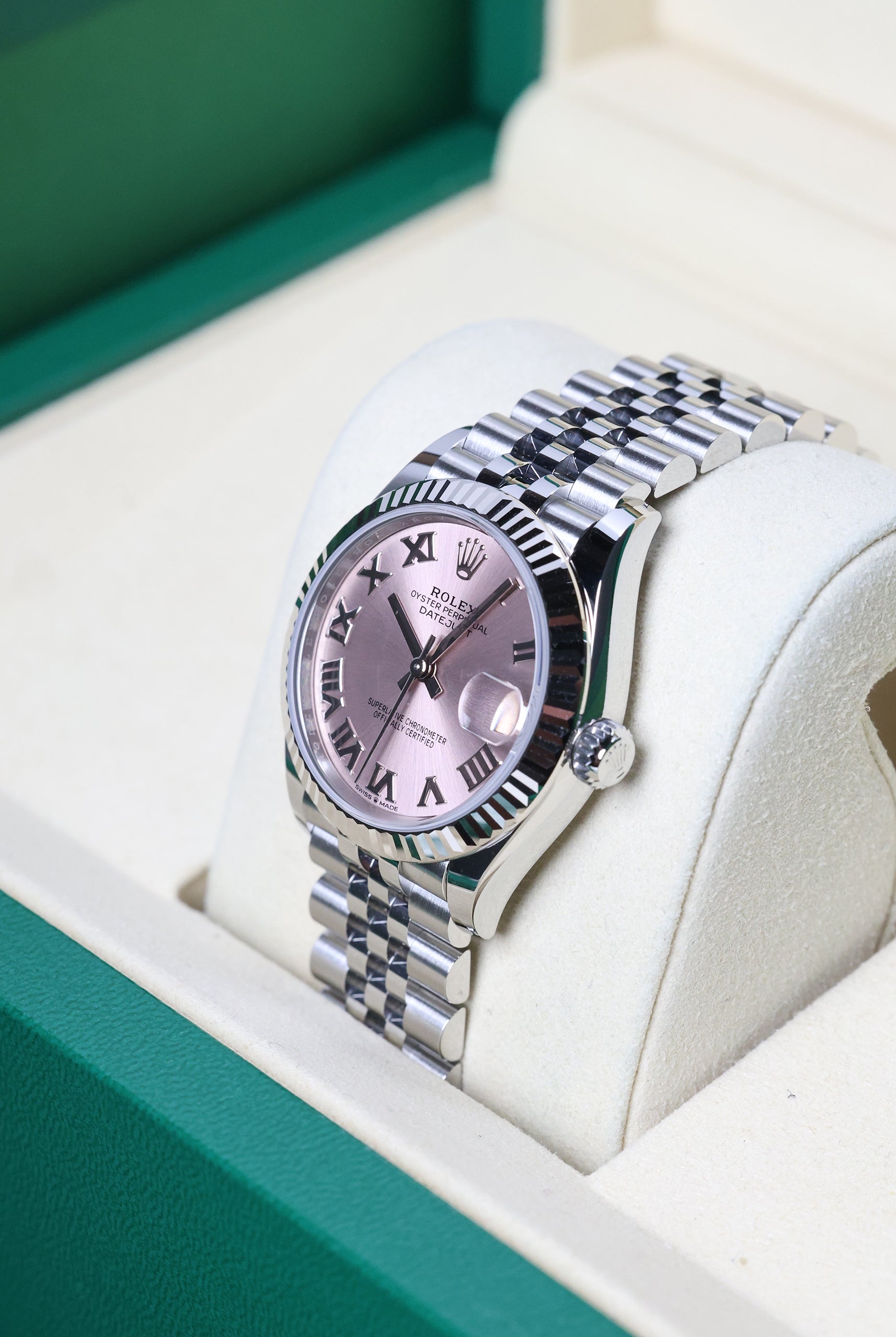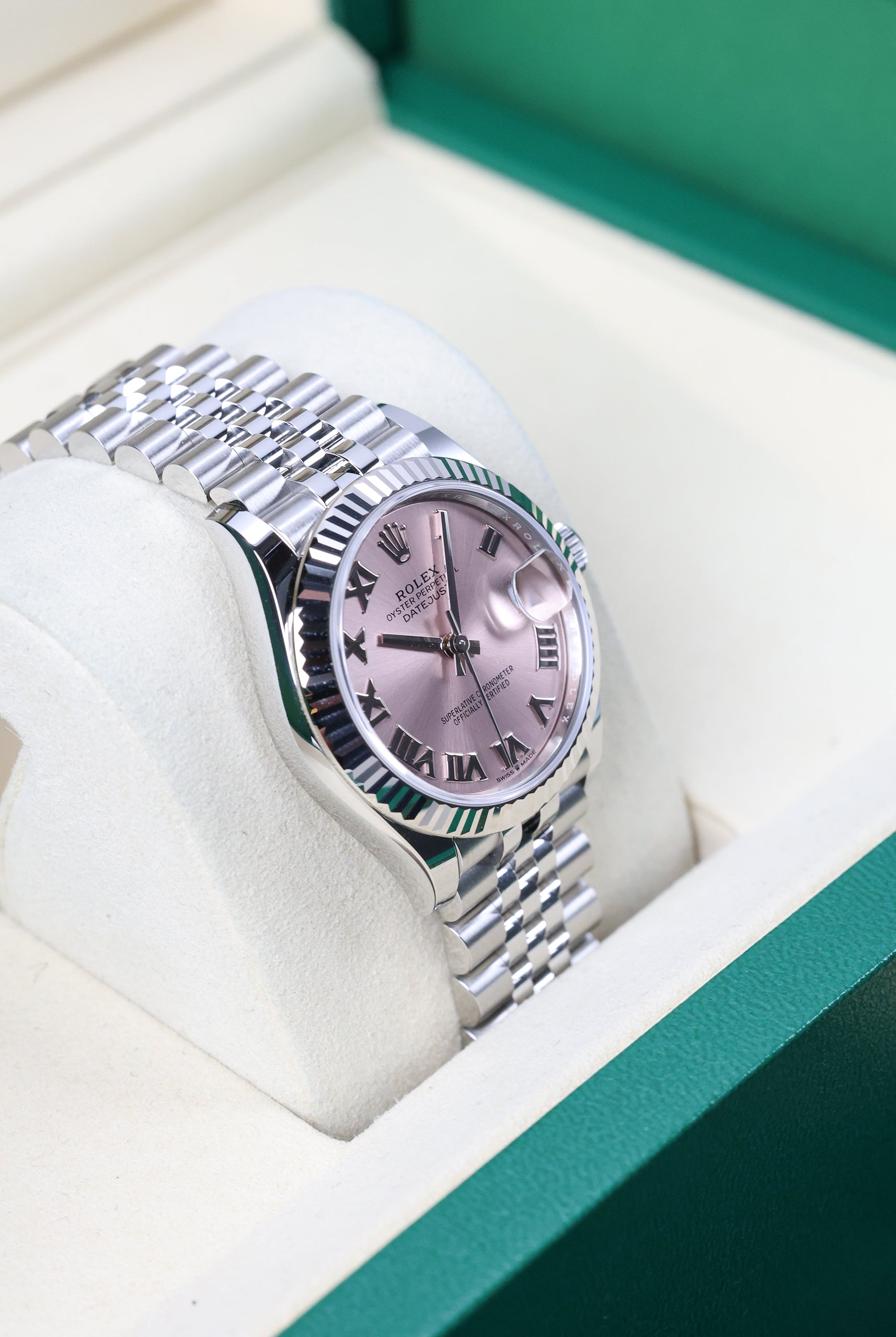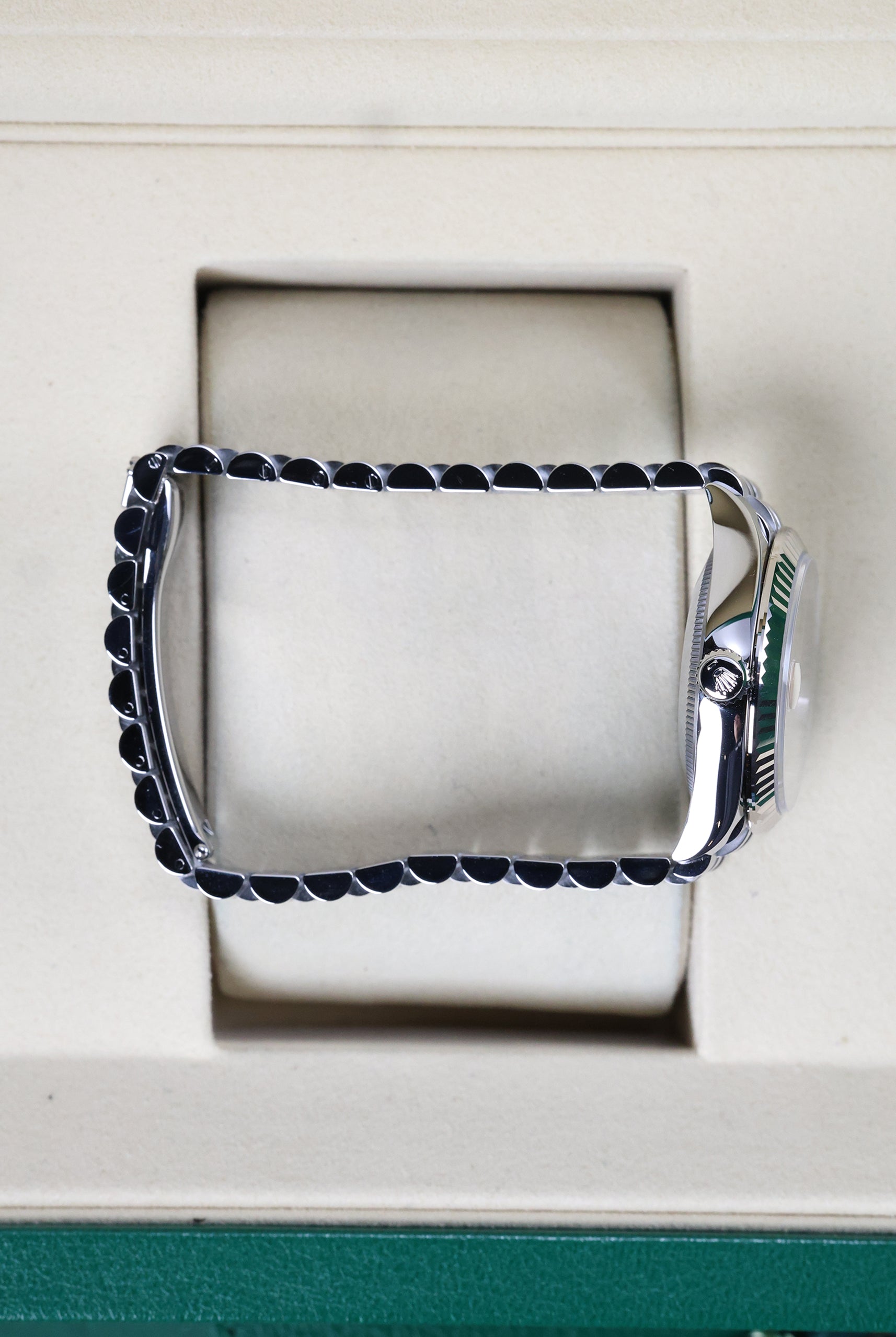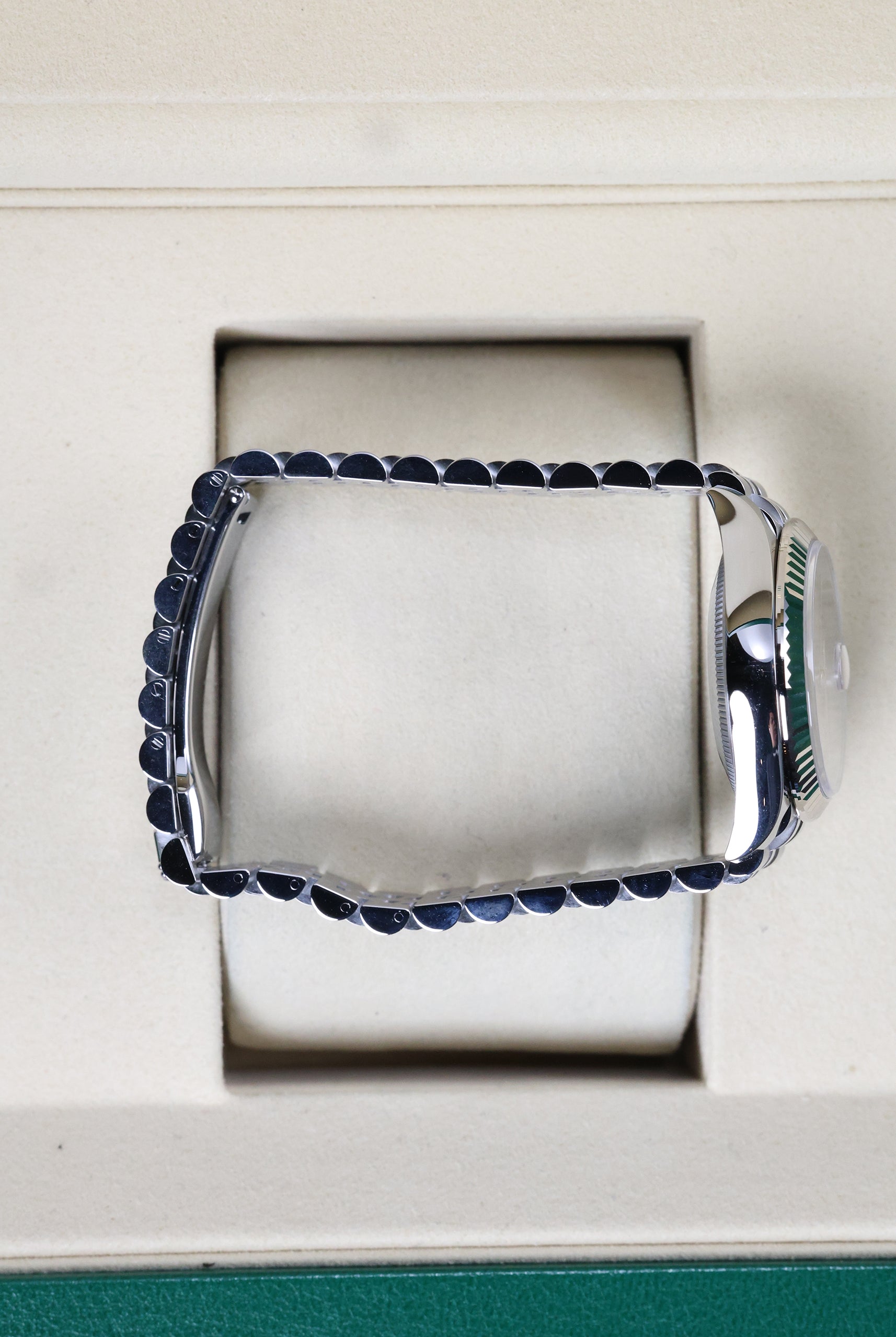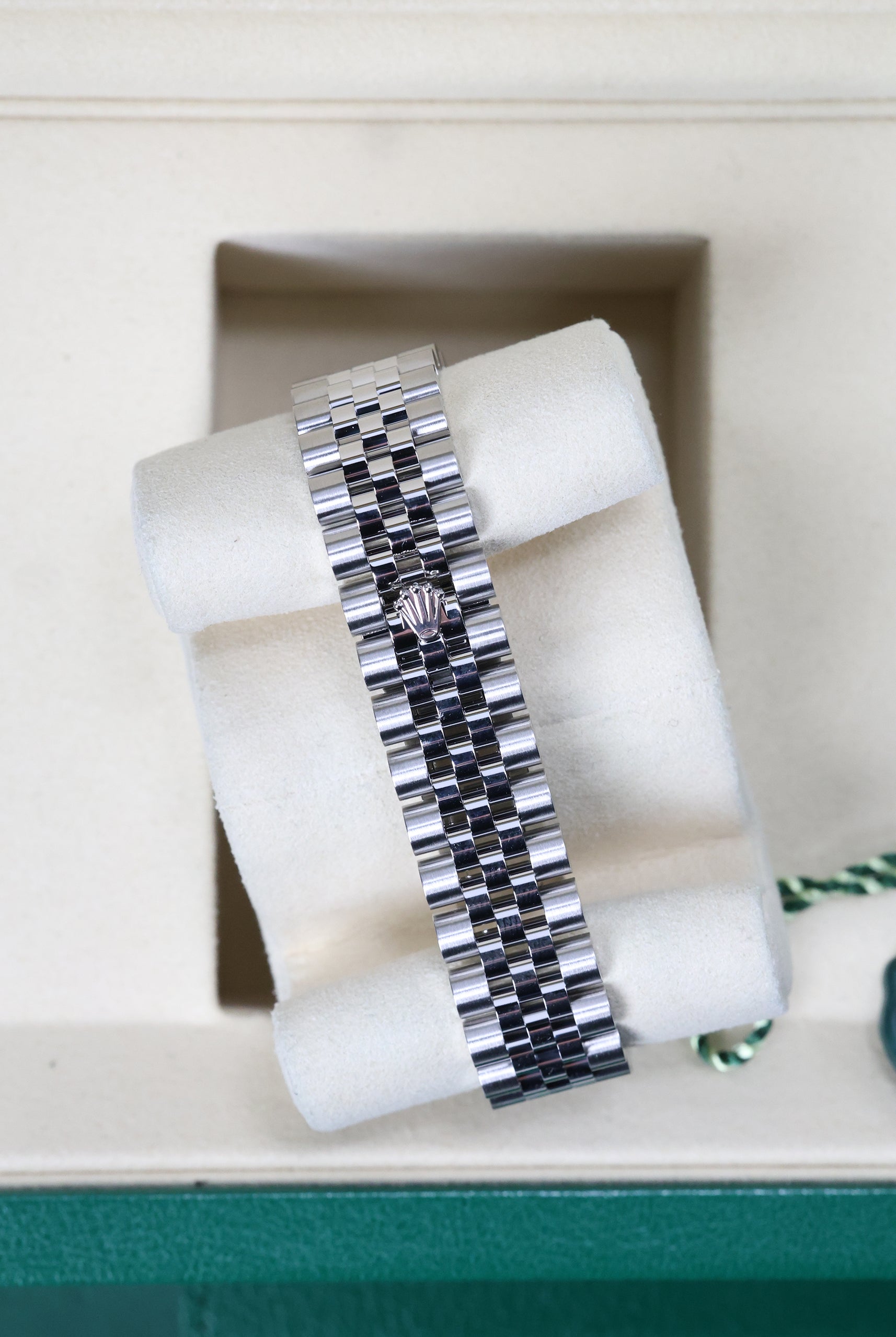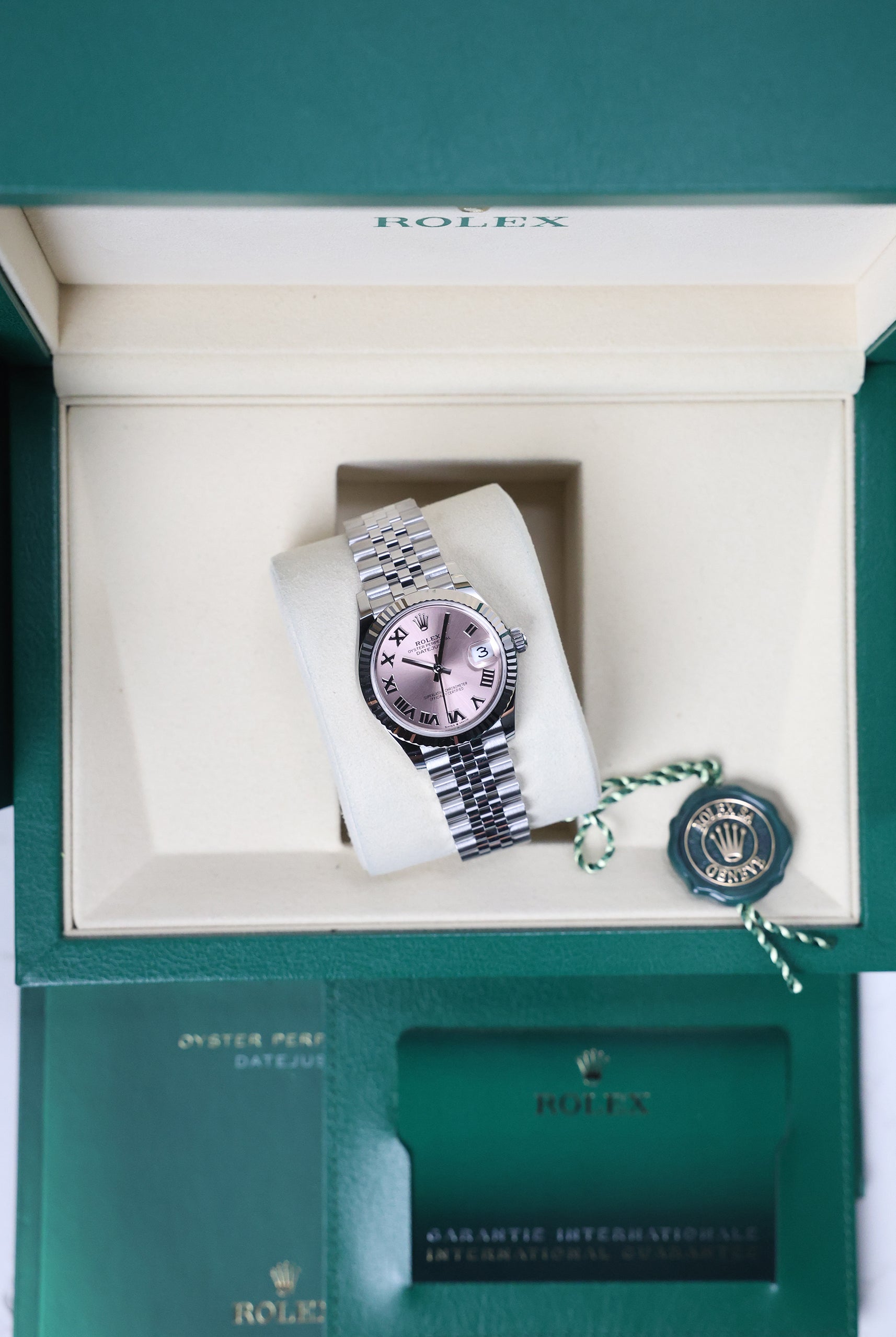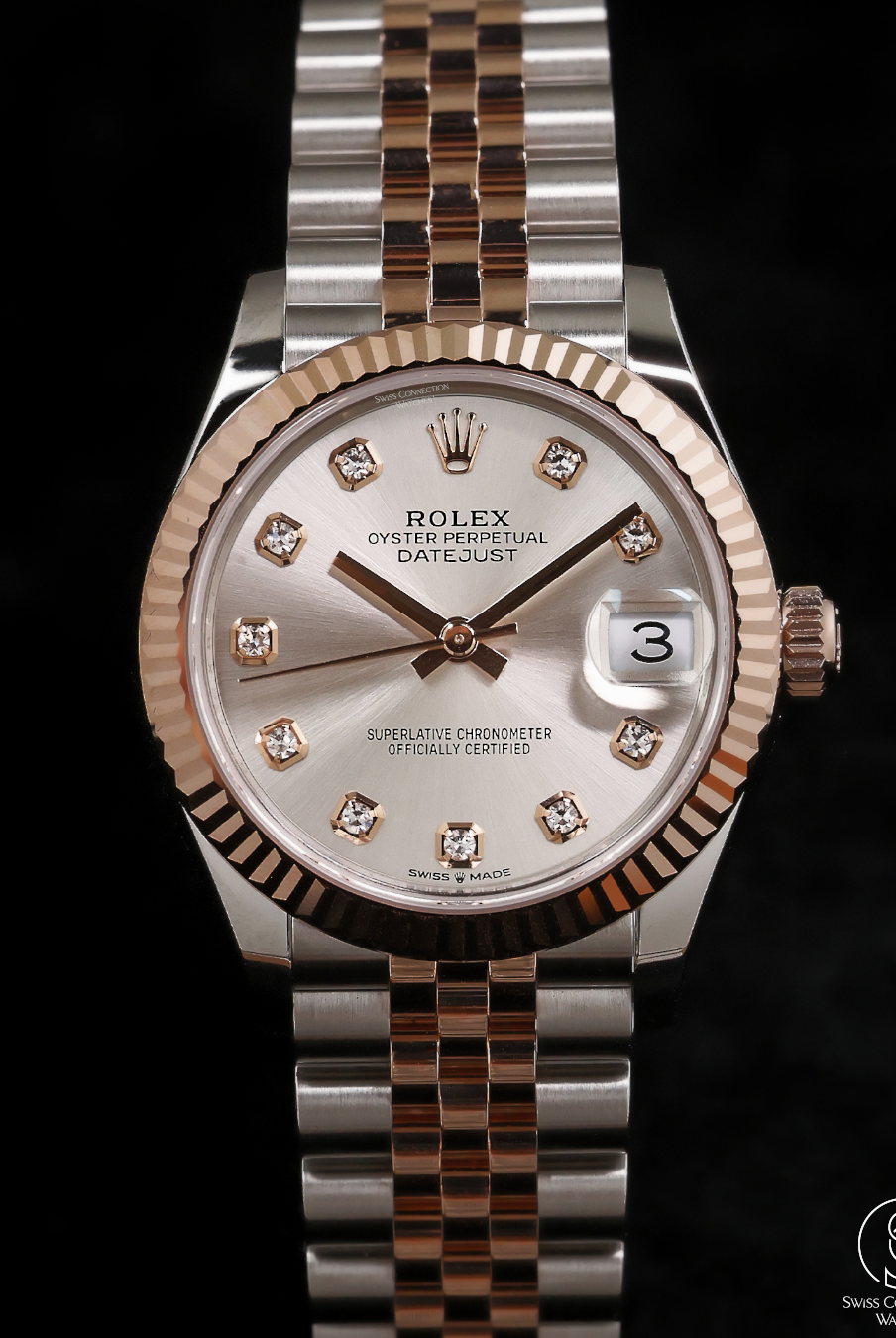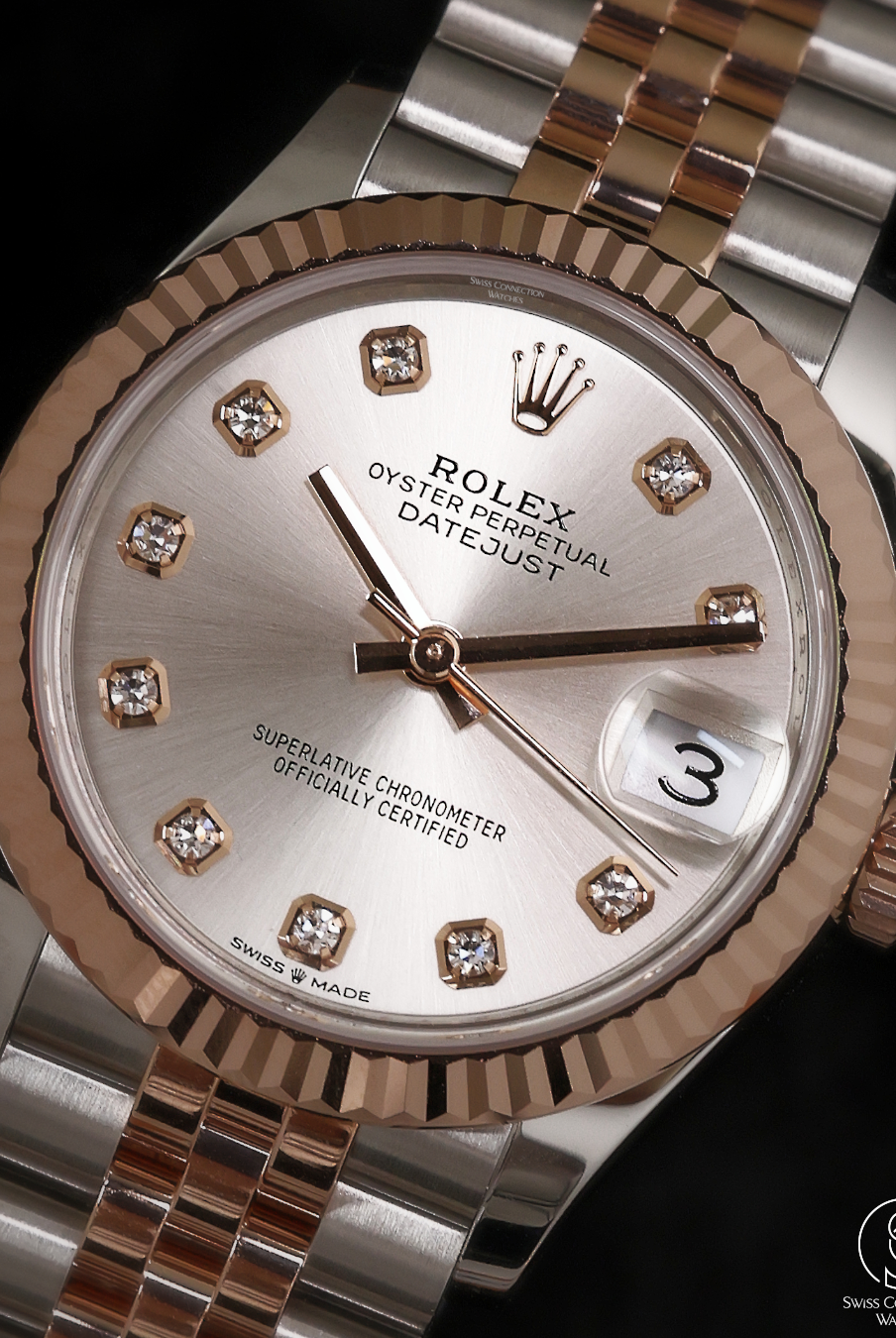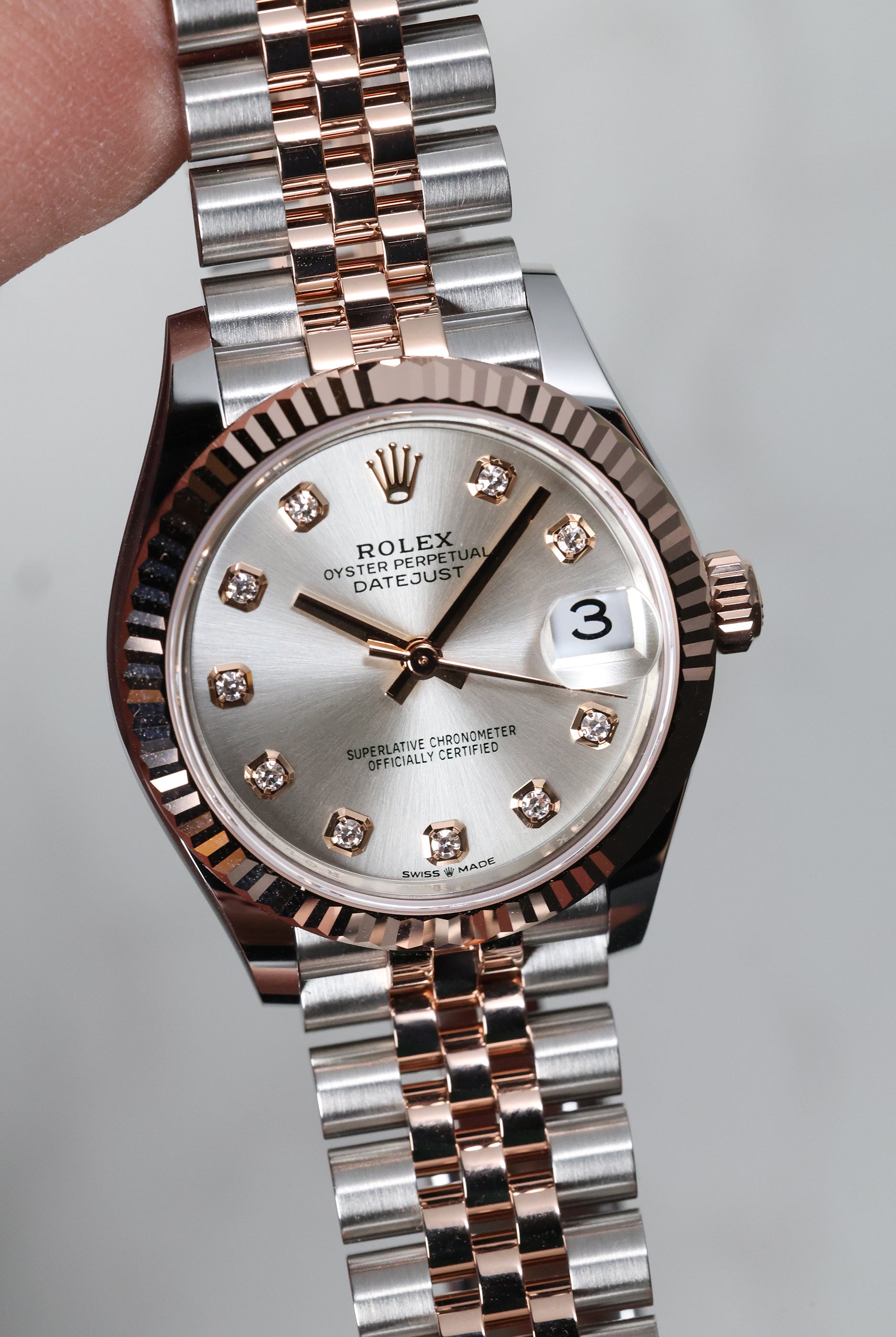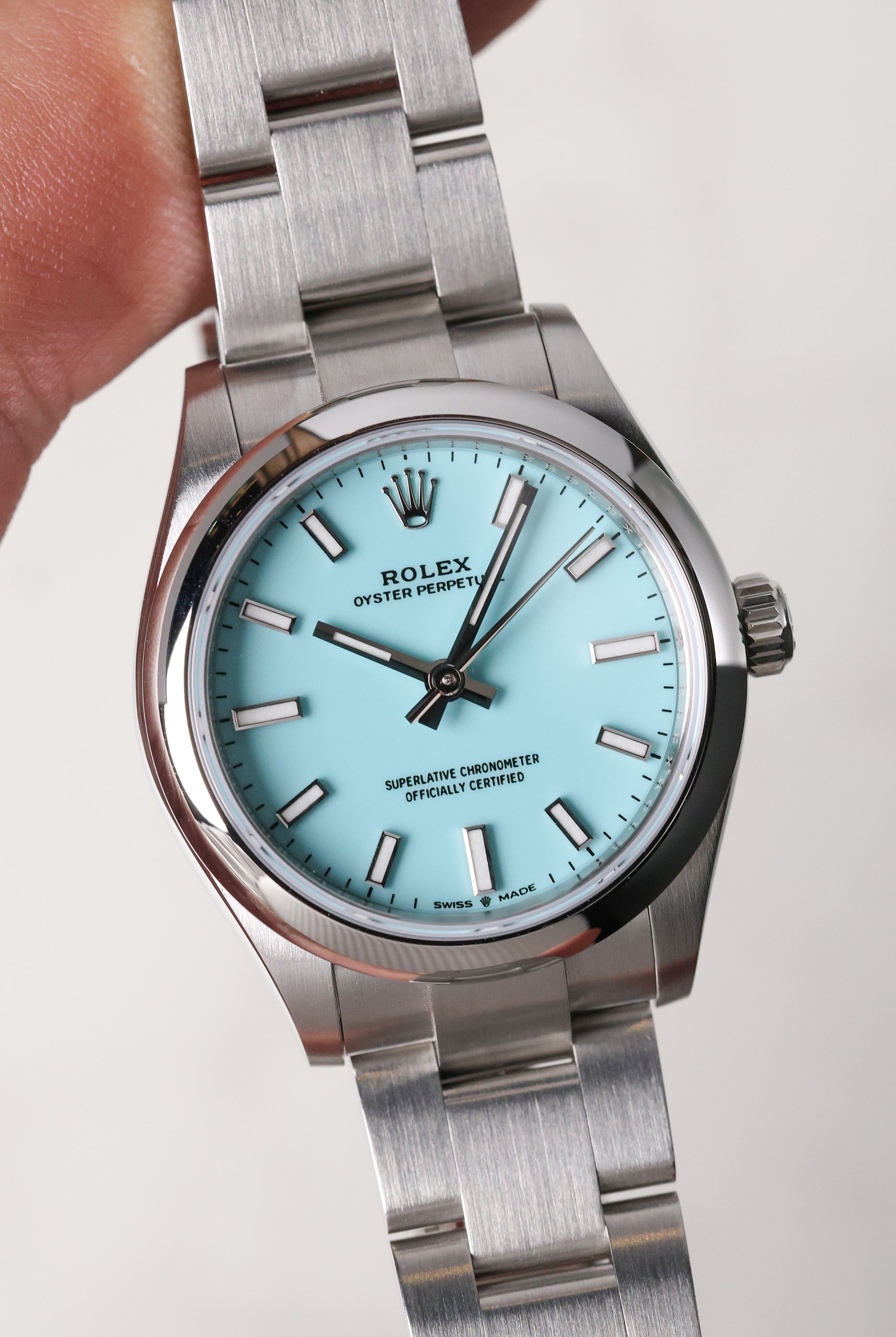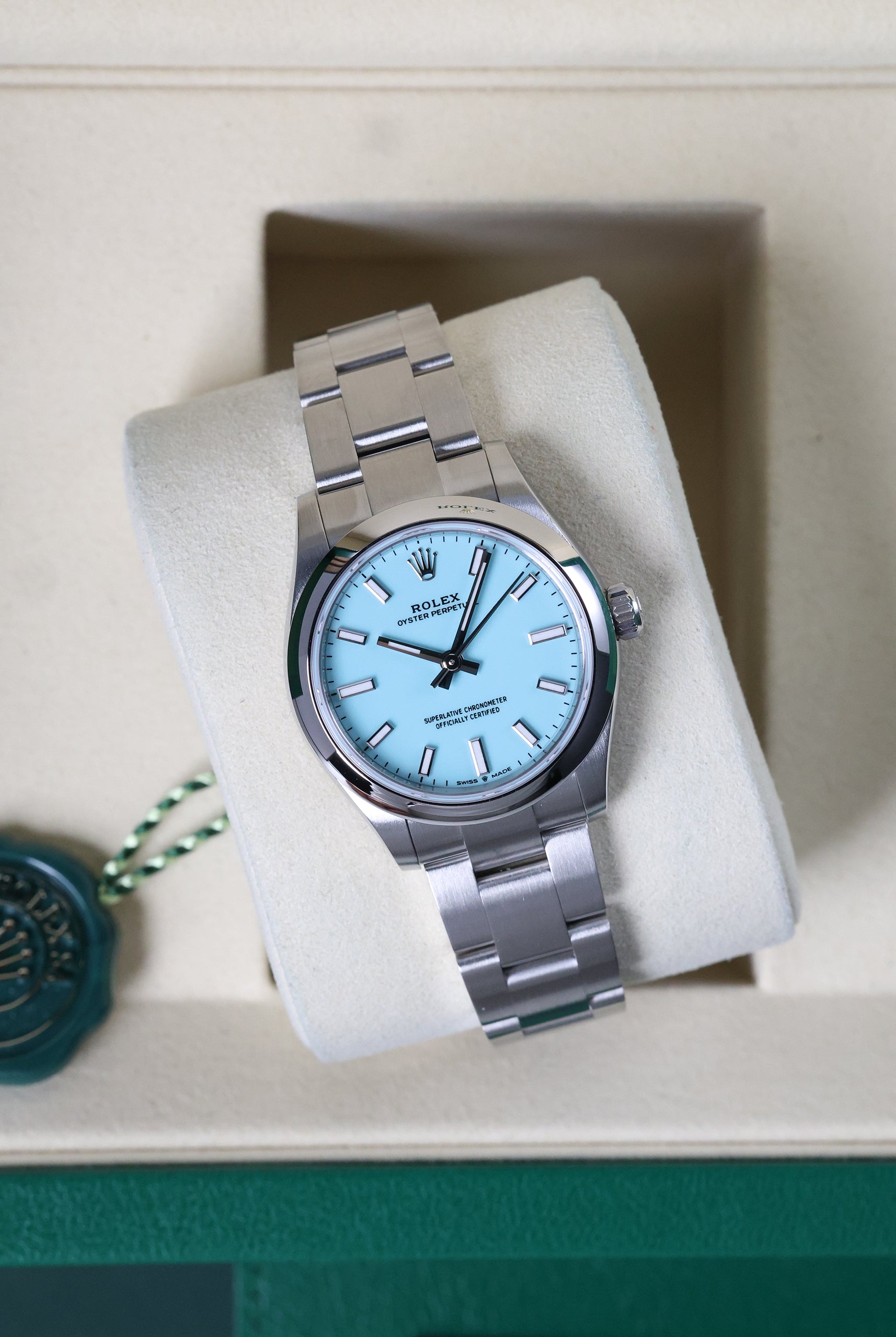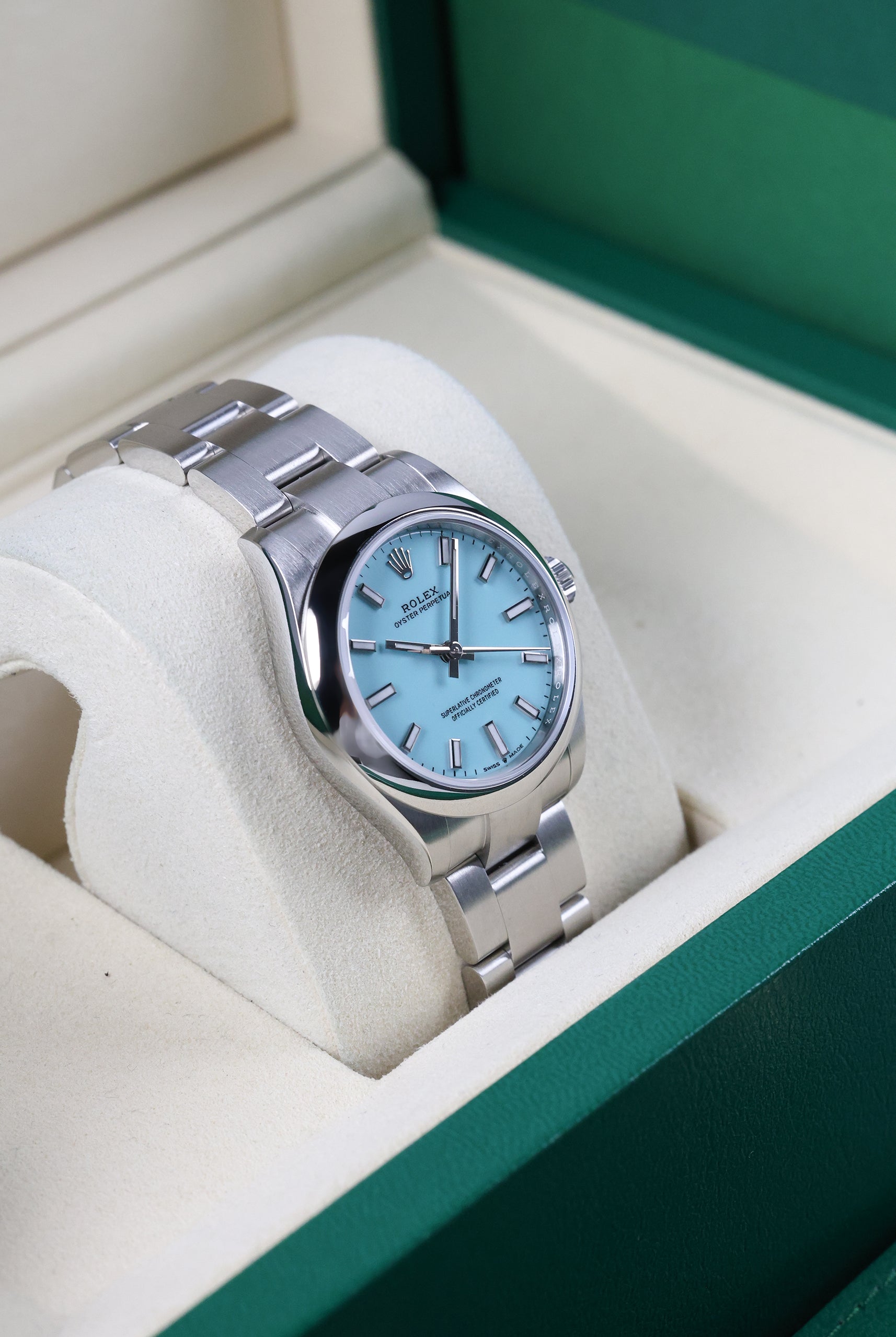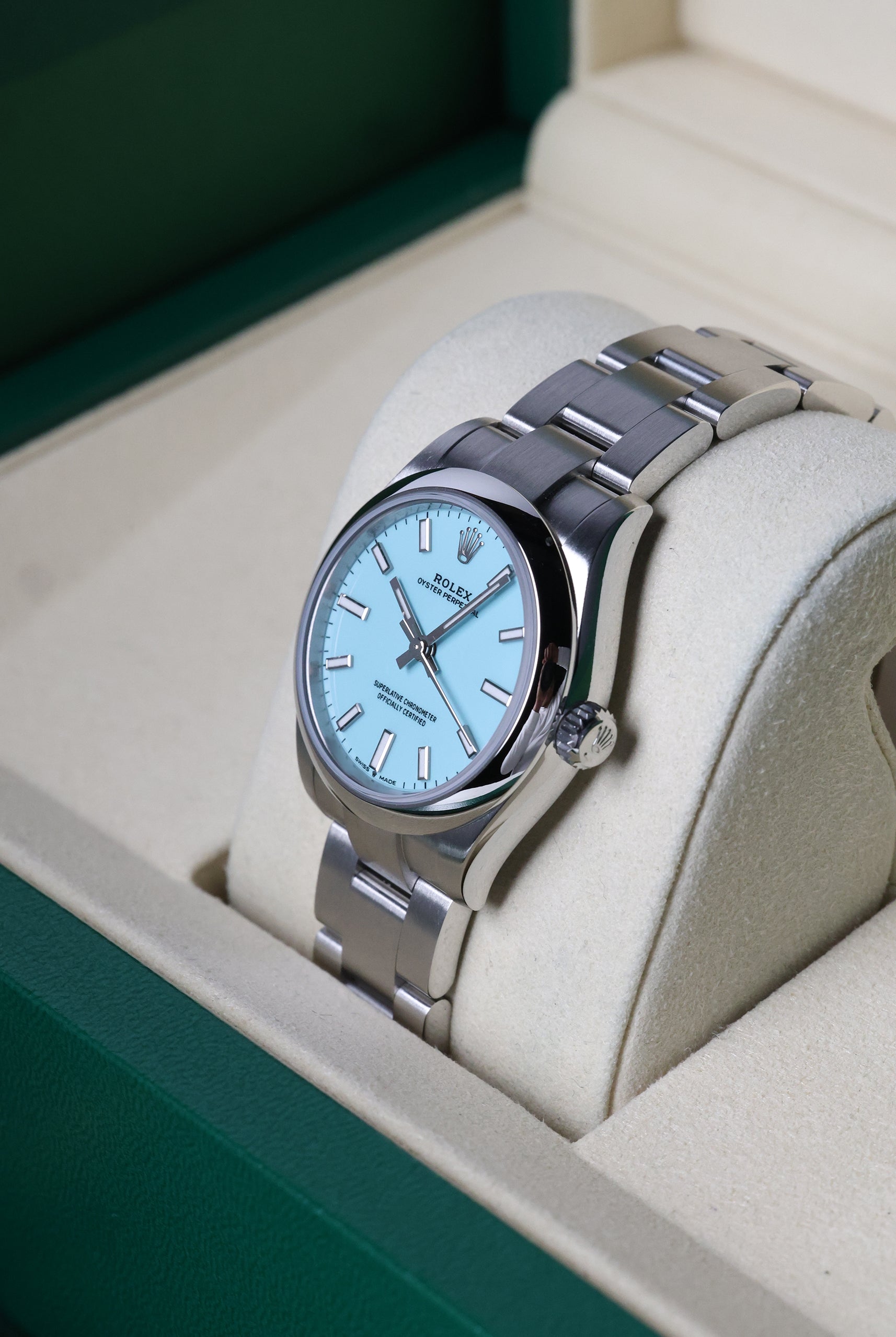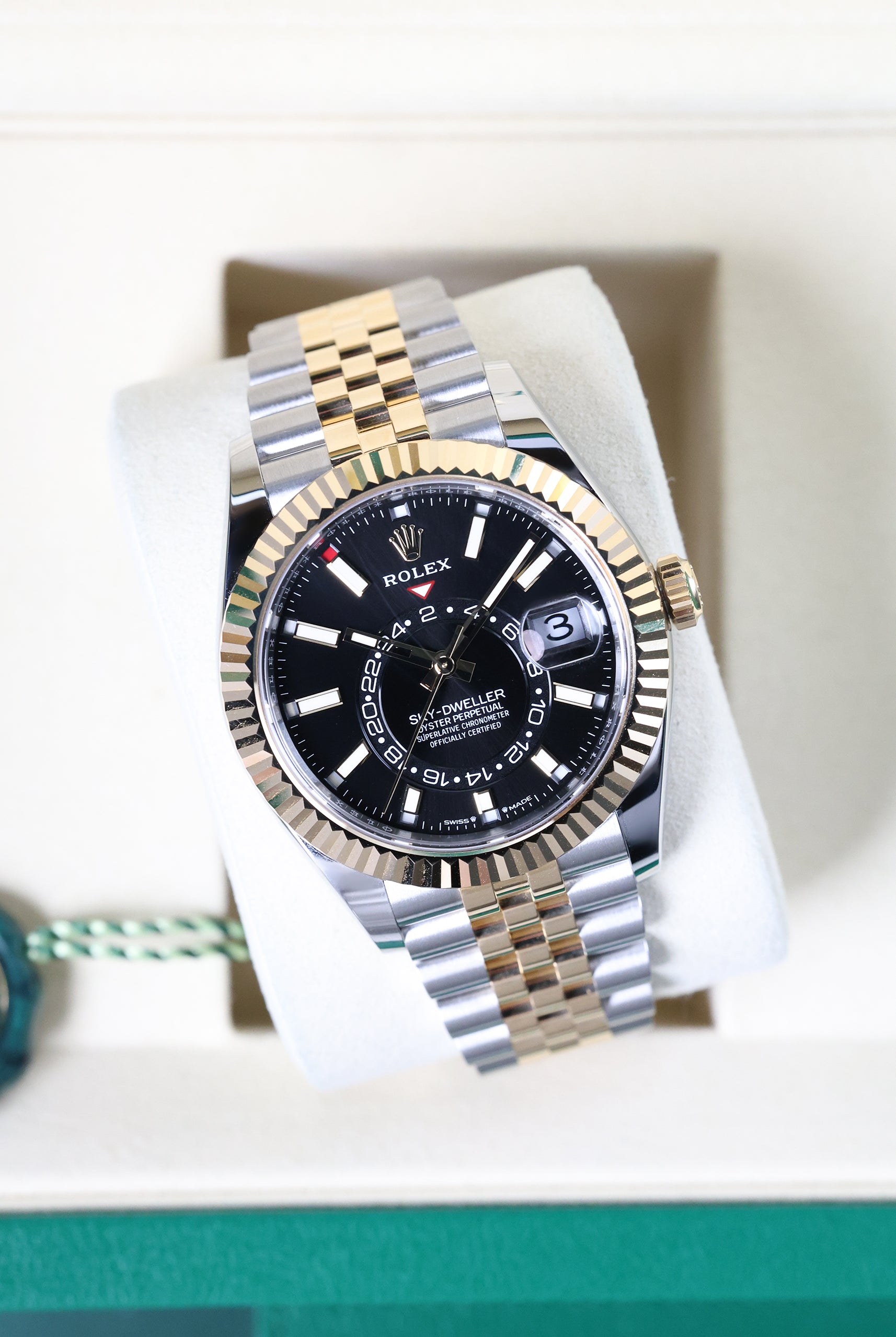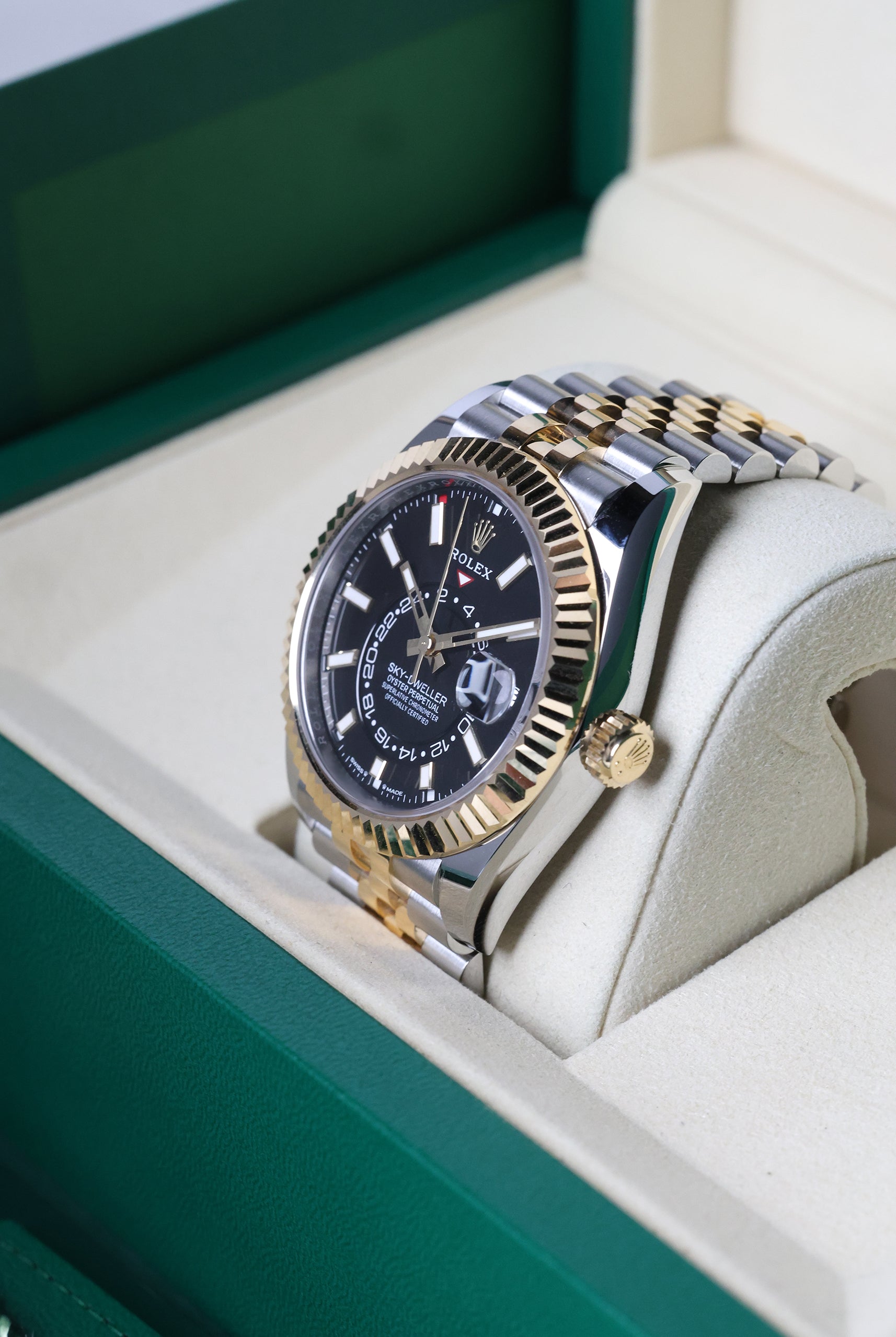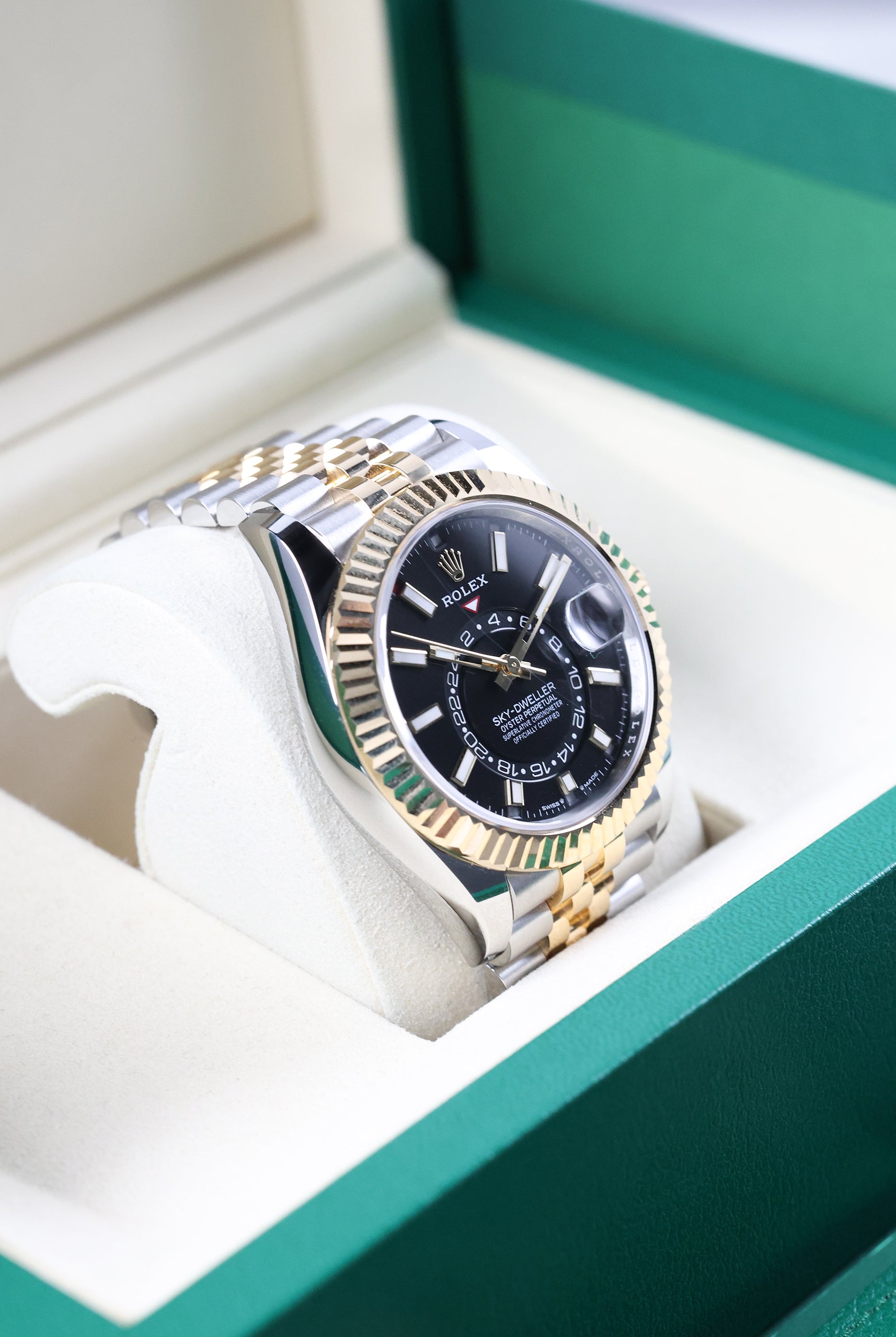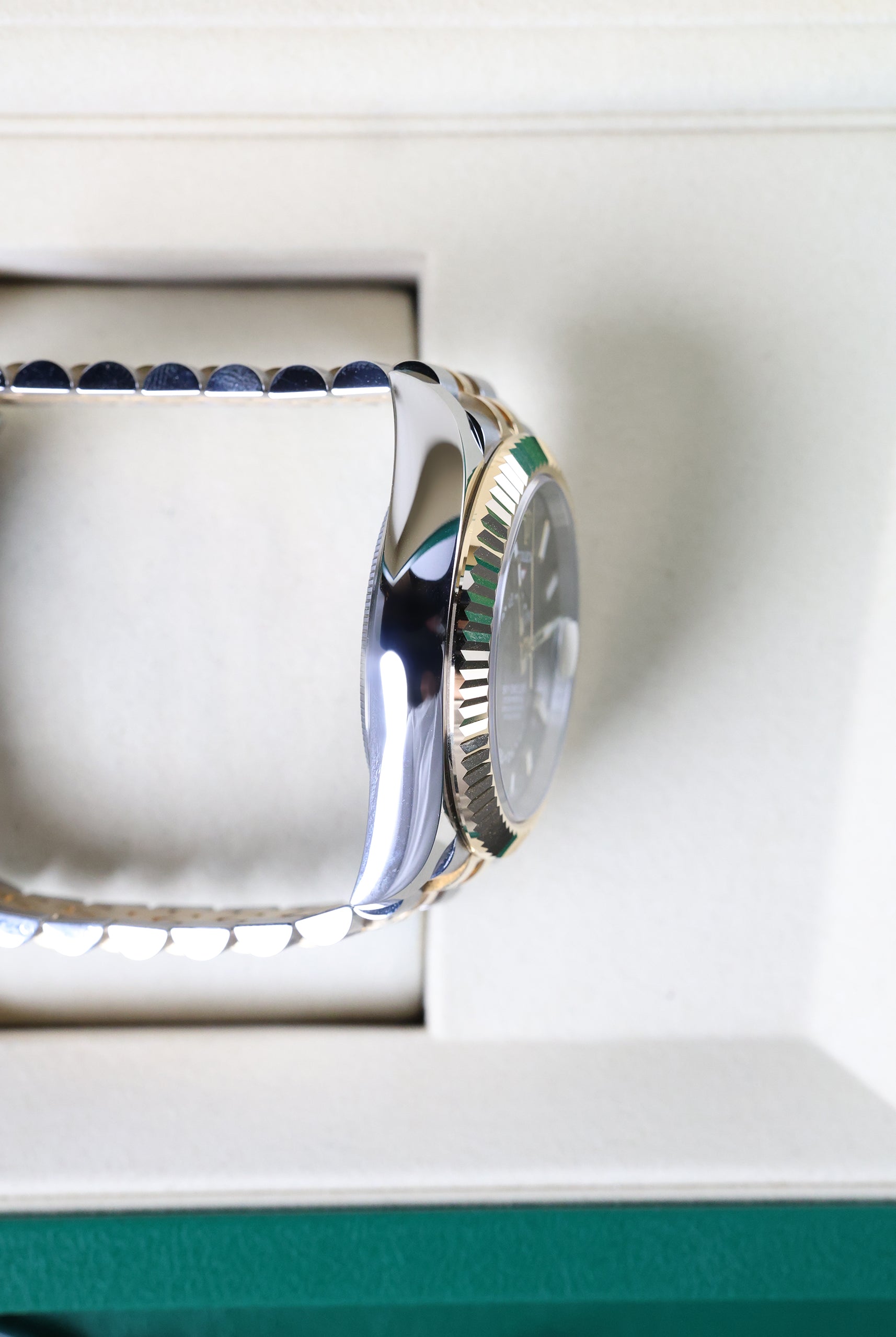

Every Rolex certified as a Superlative Chronometer is now measured against a second that Rolex itself helps produce.
That fact is buried in the Oyster Story — the centenary content Rolex released alongside their documentary on May 12th. Fifty-six million people watched that film in its first week. Far fewer read past the footage of summits and ocean floors to the section that actually changes something. We're writing this because that section is worth understanding — particularly if you own a Rolex, or are considering one.
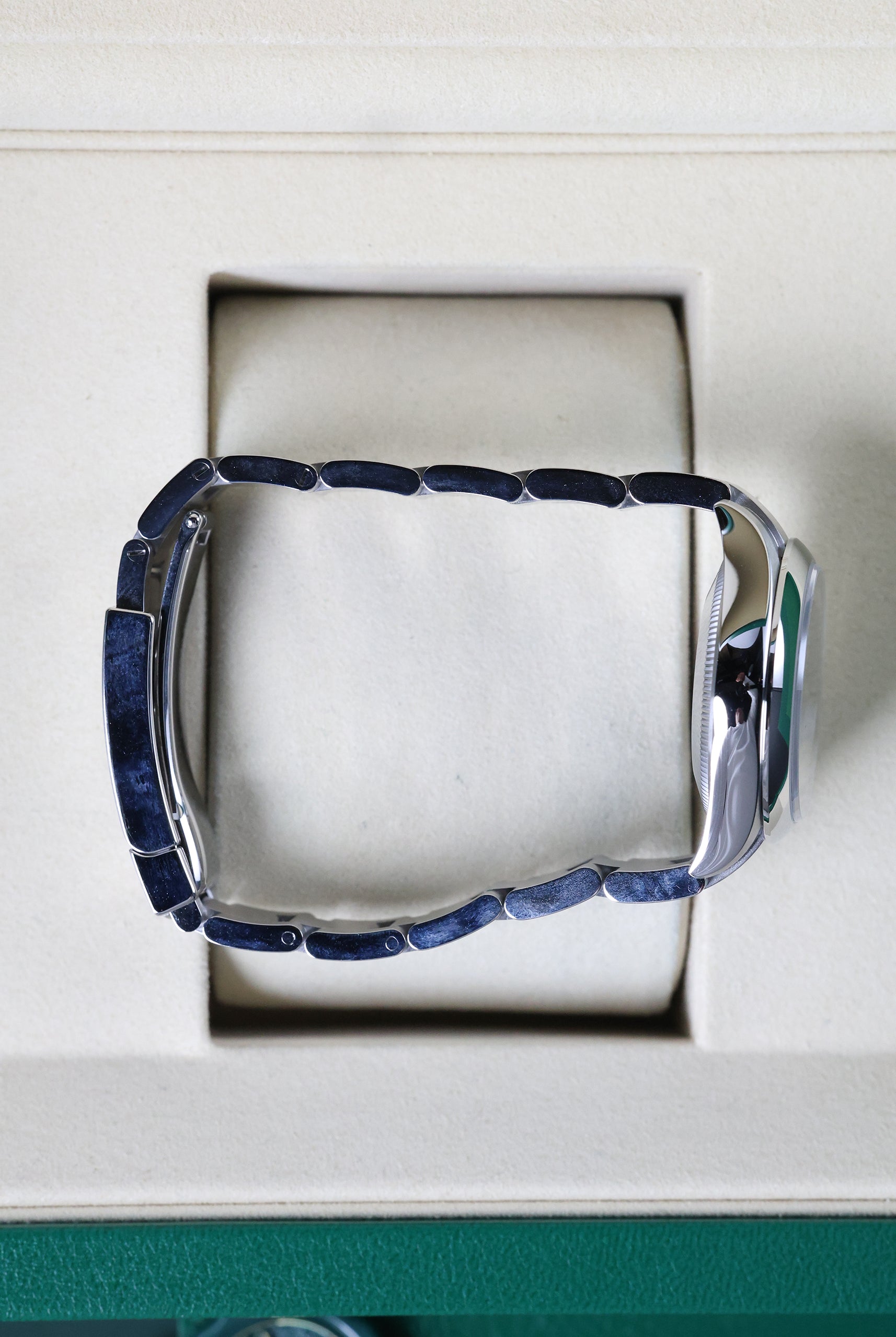
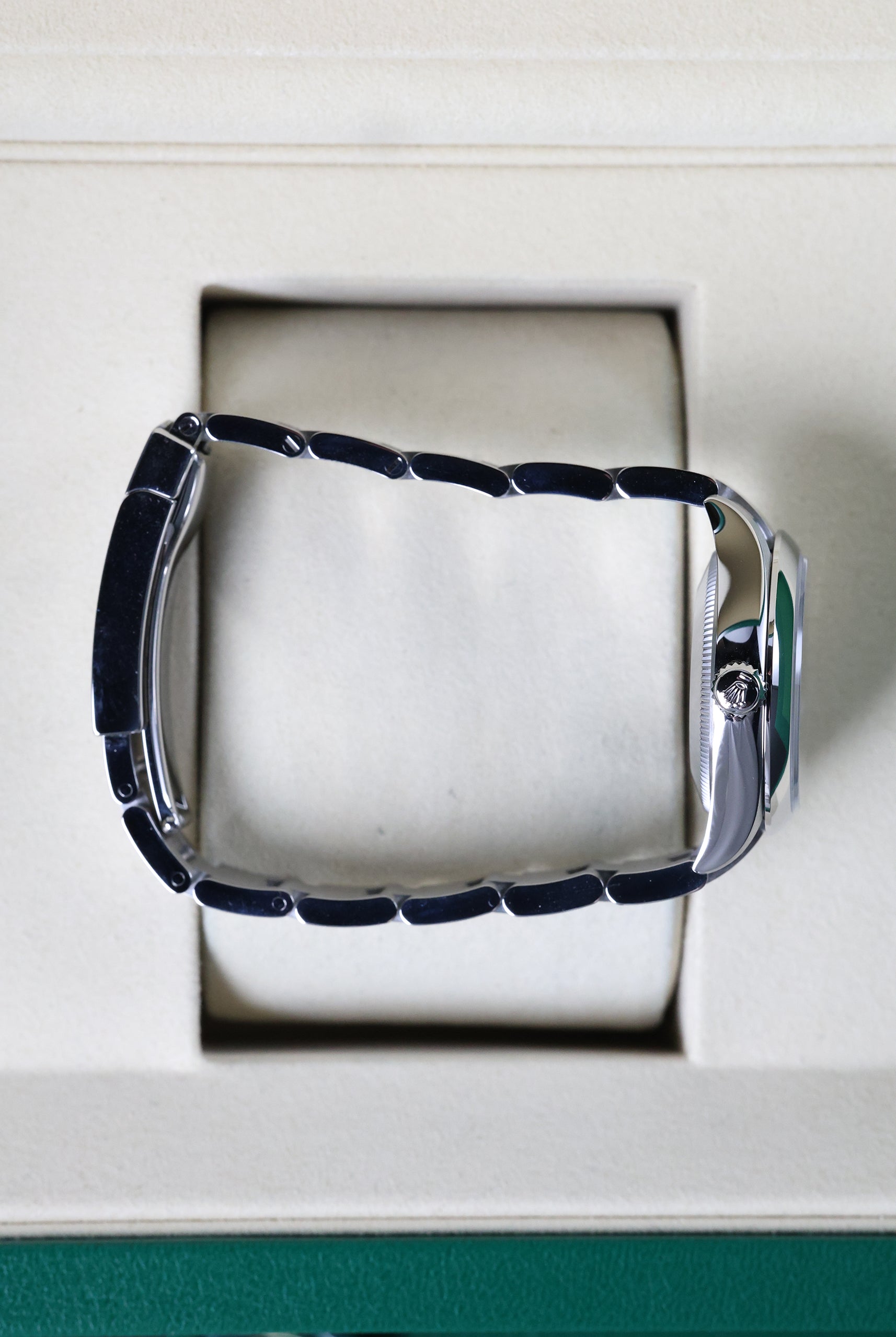
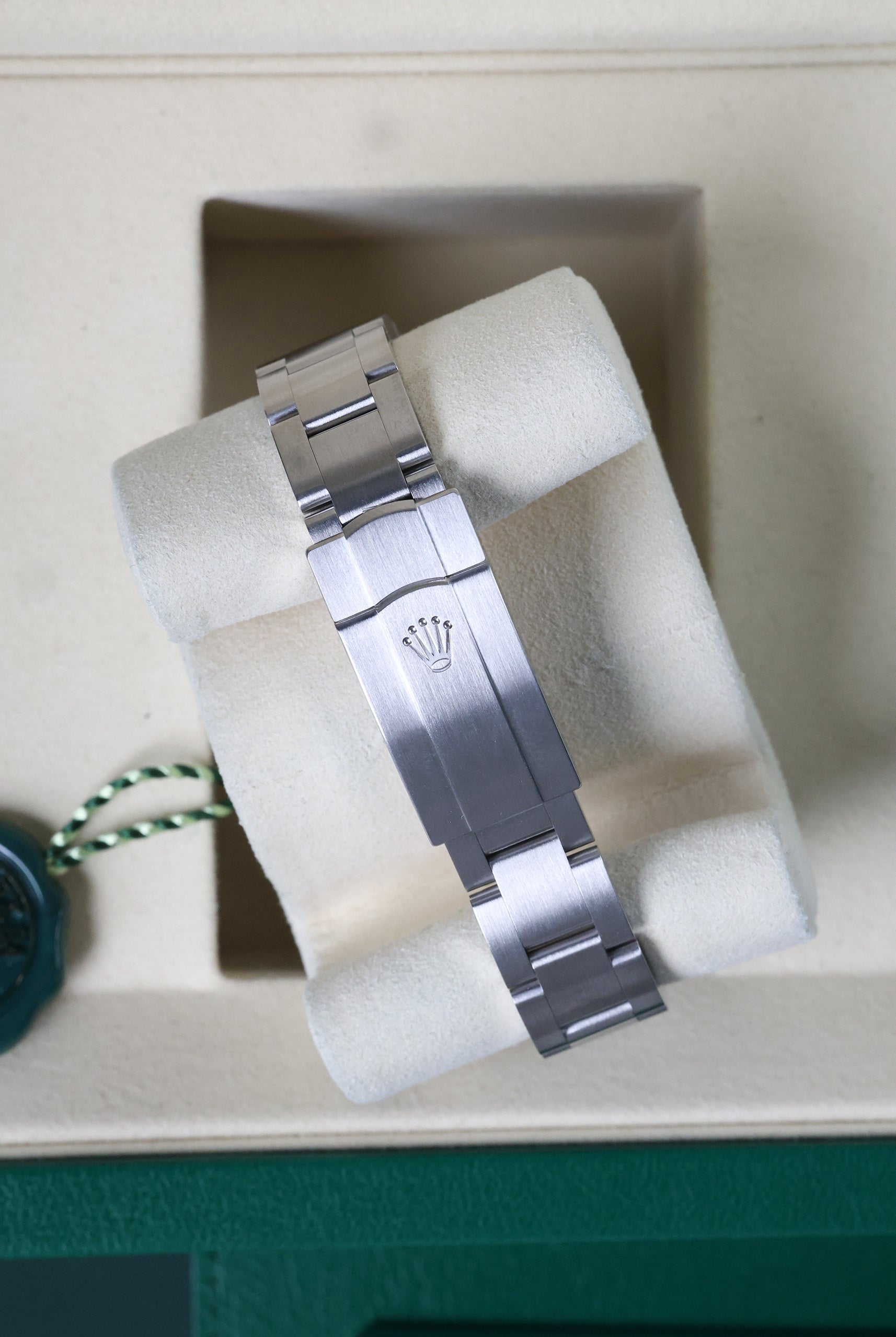
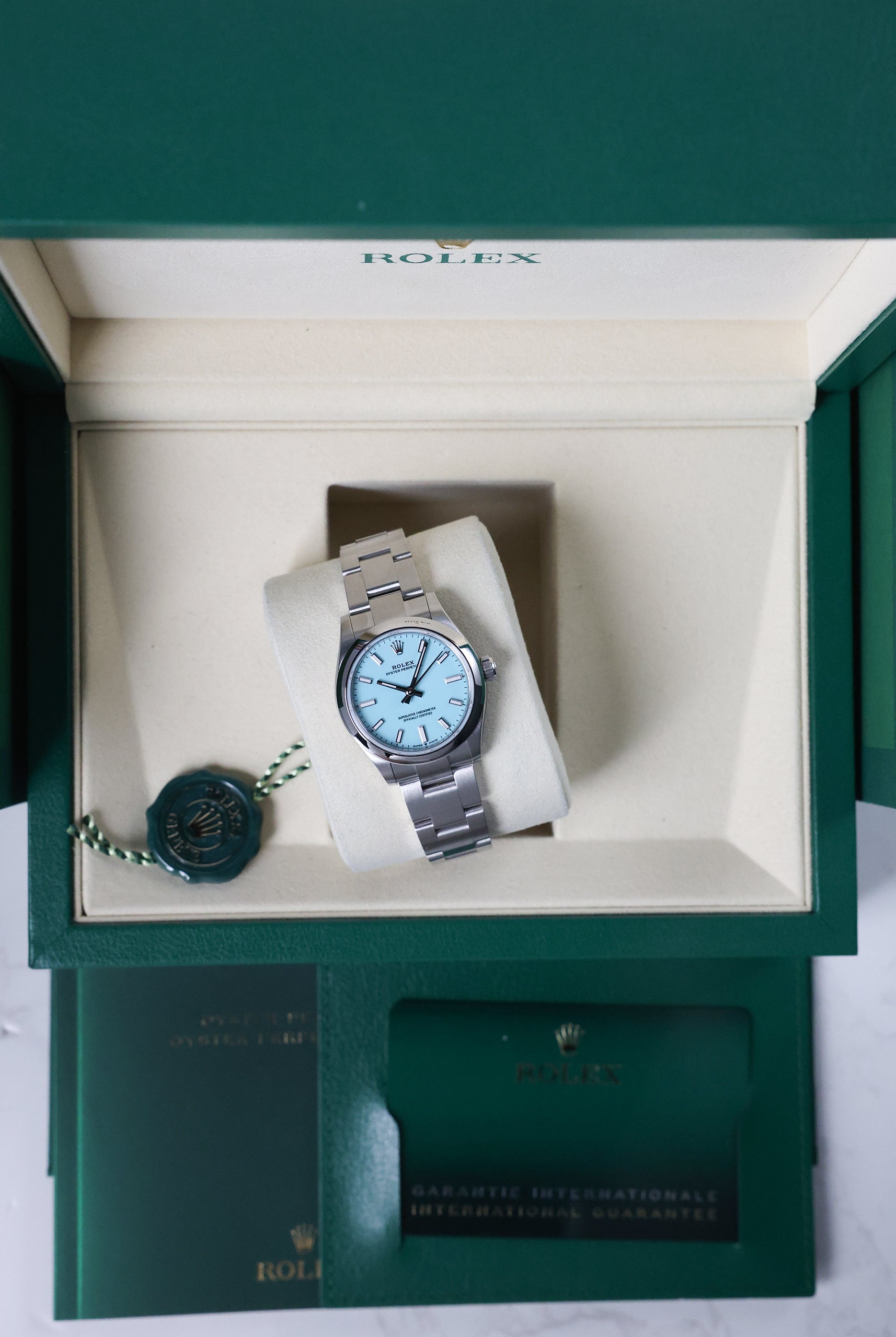
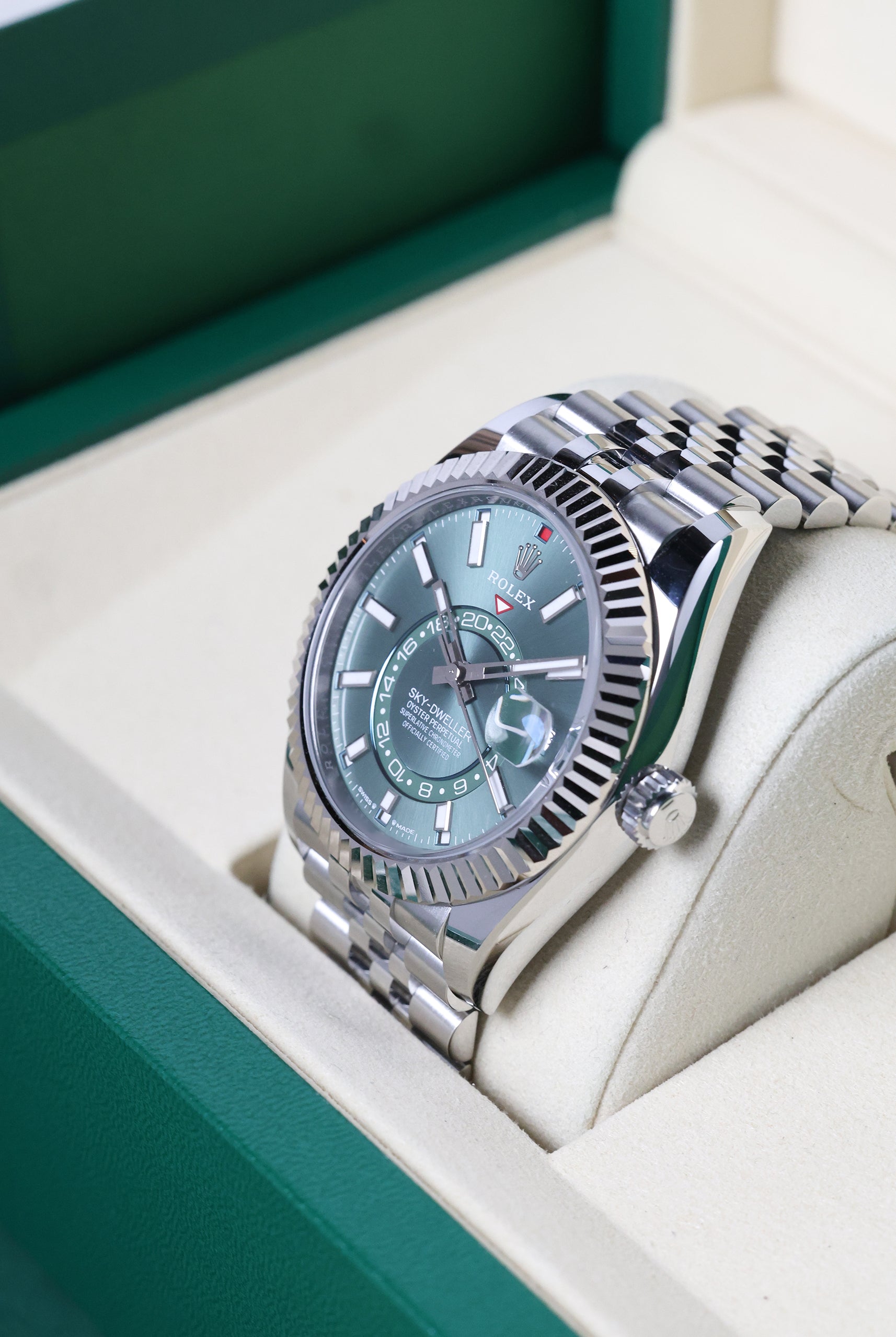
(Source: Rolex - Rolex Oyster Perpetual 41 - 134303)
The Centenary Campaign in Context
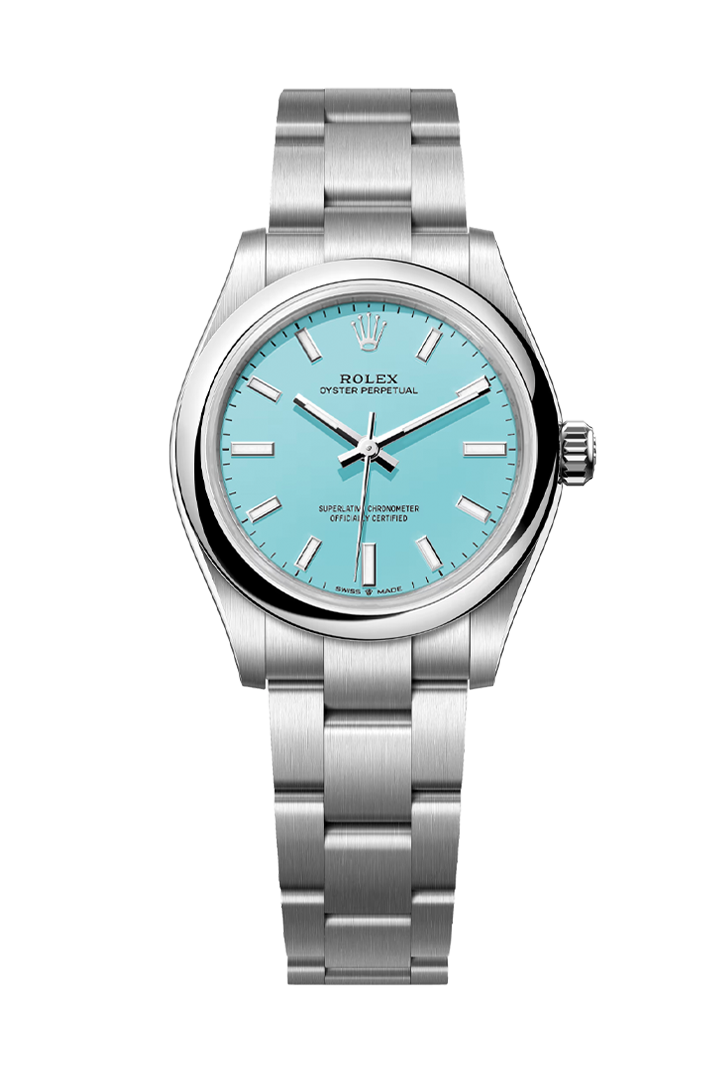
2026 marks a hundred years of the Oyster case — the waterproof steel case registered in 1926 that became the foundation of Rolex's tool watch lineage. The anniversary Oyster Perpetual shown at Watches & Wonders was the public face of the centenary. The 23-minute documentary was the emotional arc. The atomic clock announcement was the technical statement, and the quietest of the three.
Rolex produced three units of a Rubidium Atomic Optical Clock. Two sit at Rolex's facilities in Geneva and Bienne, calibrating the precision-testing machines every watch passes through before leaving the factory. The third is housed at the Swiss Federal Institute of Metrology — METAS — in Wabern. From there, its signals are transmitted to the International Bureau of Weights and Measures in Paris, where they are averaged with data from atomic clocks worldwide to produce Coordinated Universal Time.
Rolex's clock is the first optical atomic clock to contribute to the realization of UTC. No other watchmaker has done this.
(Source: Rolex - Rolex Rubidium Atomic Optical Clock)
The Precision Hierarchy
The logic behind why this matters is straightforward once you see the ladder.
A mechanical movement counts oscillations of a balance wheel — a few beats per second. Quartz counts a crystal vibrating thousands of times per second, which is why an inexpensive quartz watch typically keeps more accurate time than a finished mechanical one. Atomic clocks measure the oscillations of atoms, which run at billions of cycles per second for caesium — the standard that has defined the duration of a second since 1967.
Optical atomic clocks replace microwave-frequency measurement with laser light, which oscillates at frequencies so much higher that the precision improvement is not incremental. Rolex's rubidium clock drifts less than one second per million years, and outperforms other available atomic clocks by as much as 60 times.
The mechanism itself is worth knowing: rubidium atoms are heated to a gaseous state, stabilized to within a thousandth of a degree, and excited by a laser. As they return to ground state, they emit blue fluorescent light. That blue pulse is Rolex's reference second.
(Source: Rolex - A Rolex Watchmaker Inspecting Movements for Accuracy)
What Changes for the Buyer
The Superlative Chronometer standard is unchanged at ±2 seconds per day. Your Rolex does not keep better time because of this announcement.
What has changed is the foundation of the certification itself. The Superlative Chronometer has always been Rolex's proprietary standard — more demanding than COSC, conducted on the complete cased movement. It has always been Rolex's word, held to Rolex's definition.
Rolex now defines that standard against a second that Rolex itself contributes to international timekeeping. The chain of authority — from the rubidium atom, to METAS, to the BIPM, to the testing machine, to the movement in the watch — runs through Rolex at every point.
This is worth understanding precisely because it is not marketing. The UTC contribution is verifiable. METAS is a real institution. The BIPM is the physical place where the global time standard is produced. Rolex has inserted itself into that infrastructure at the highest level currently achievable.
For a buyer weighing a Superlative Chronometer against alternatives at a similar price point, this is part of what the premium now buys. Rolex has always claimed precision. They have now placed that claim on the most defensible ground available to anyone, anywhere, at any price.
(Caption : A dis-assembled Calibre 3235)
The Distance Between the Spring and the Laser
There is something worth sitting with in all of this.
Mechanical watchmaking has always been defined by the pursuit of precision within the constraints of a coiled spring — an archaic mechanism that physics bounded long ago. Every alloy refinement, every finishing technique, every hairspring geometry exists in service of wringing more from a system that quartz surpassed decades back.
Rolex has spent a hundred years at one end of that spectrum. They have now placed themselves at the other — operating a clock accurate to less than one second per million years, contributing to the standard that governs civil time globally.
The Oyster Perpetual and the rubidium atomic optical clock share only one thing: the company that made them. That connection is not accidental. It is the clearest statement Rolex has made about what precision means to them — and about the standard against which they are willing to be held.
If you own a Superlative Chronometer, or are deciding whether to buy one, that is the context the 56 million views mostly did not reach. The Oyster Story is at rolex.com/en-my/oyster-story. The film is worth the 23 minutes.
When you're ready to find the right Superlative Chronometer, our current Rolex selection is here.
Continue Reading:
- Behind The Counter : How We Guarantee the Watches We Sell
- The Invisible Shield : How Major Watch Brands Protect Their Legacy
- Discipline in Uncertainty : What the War is Doing to Watch Retail in Malaysia