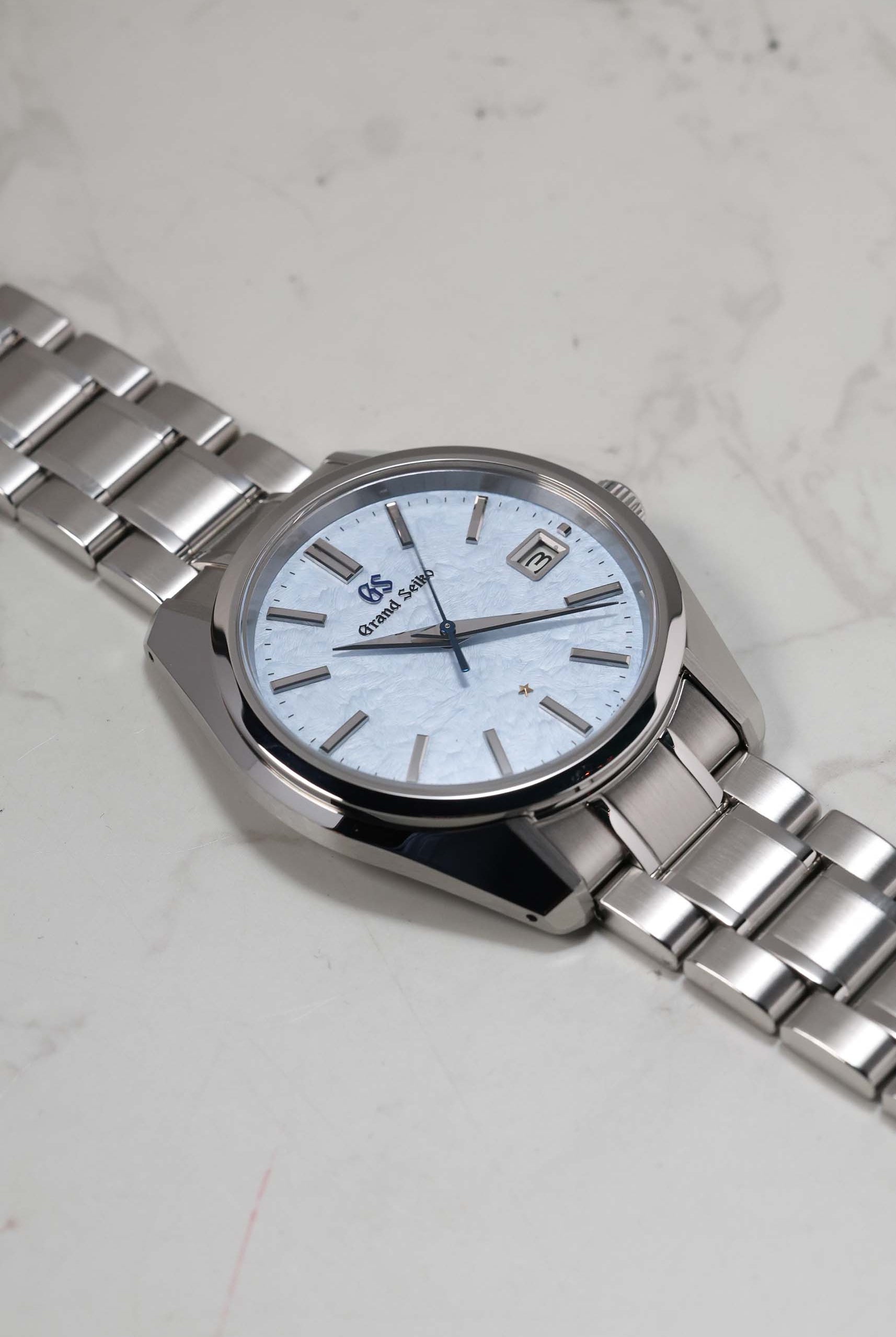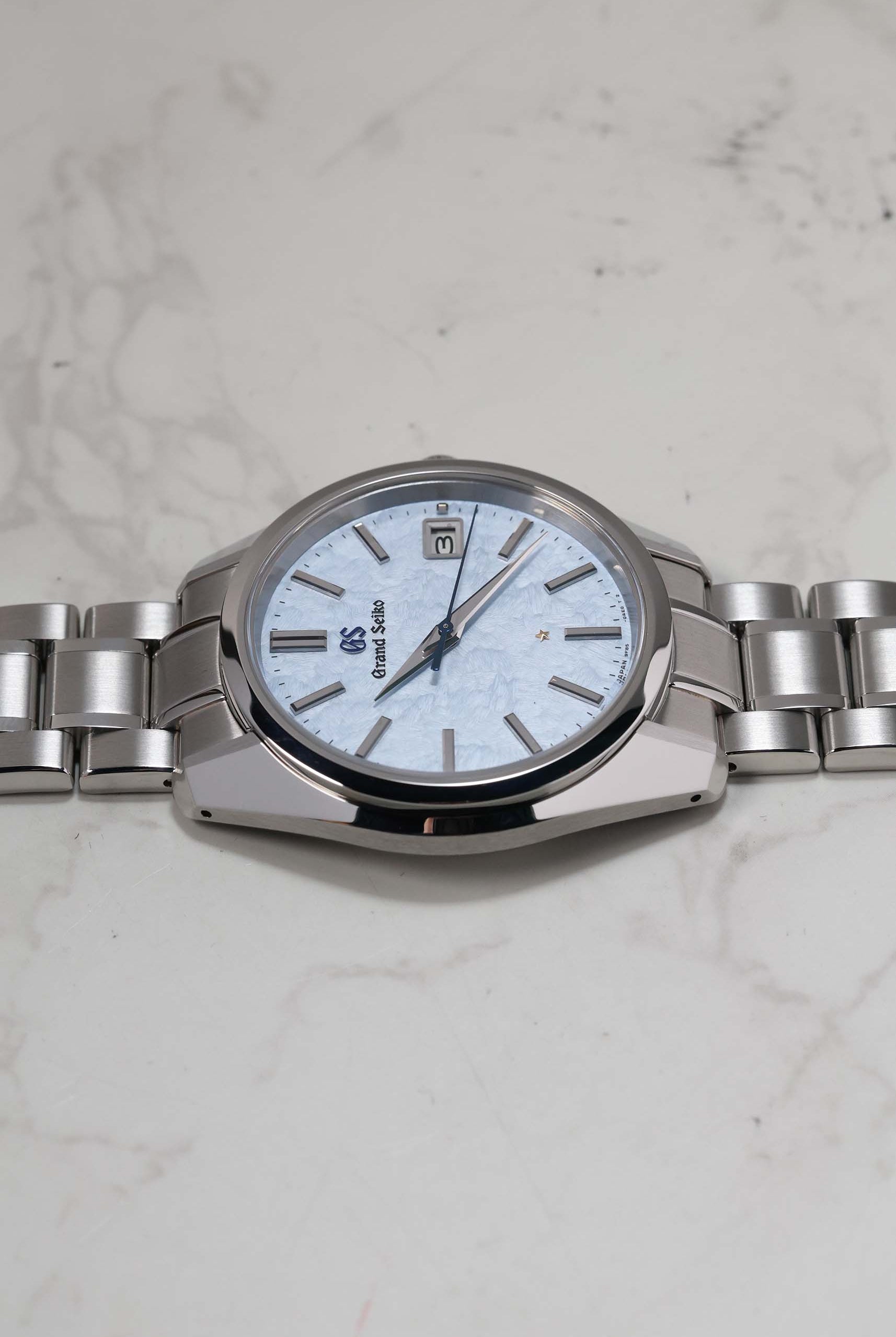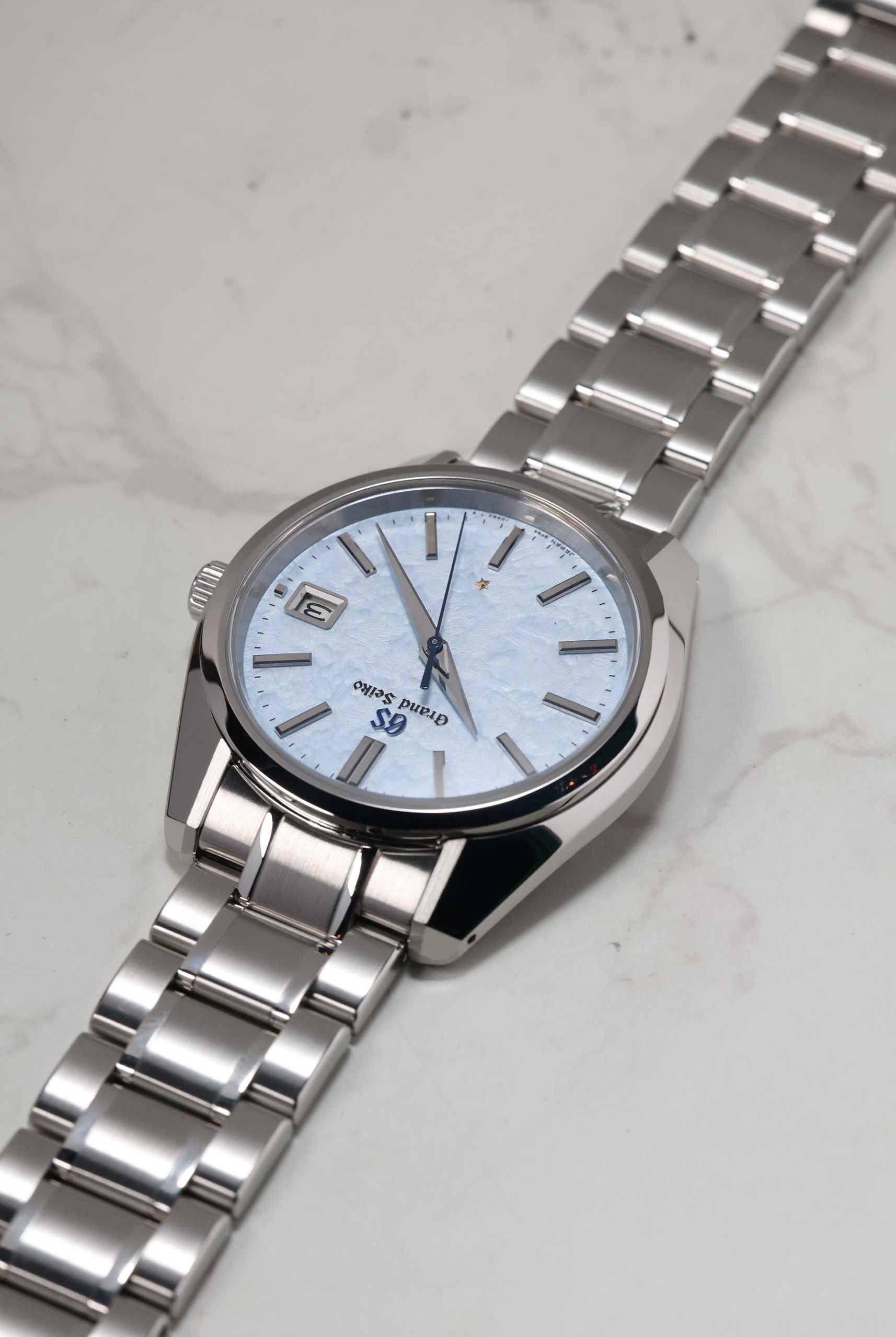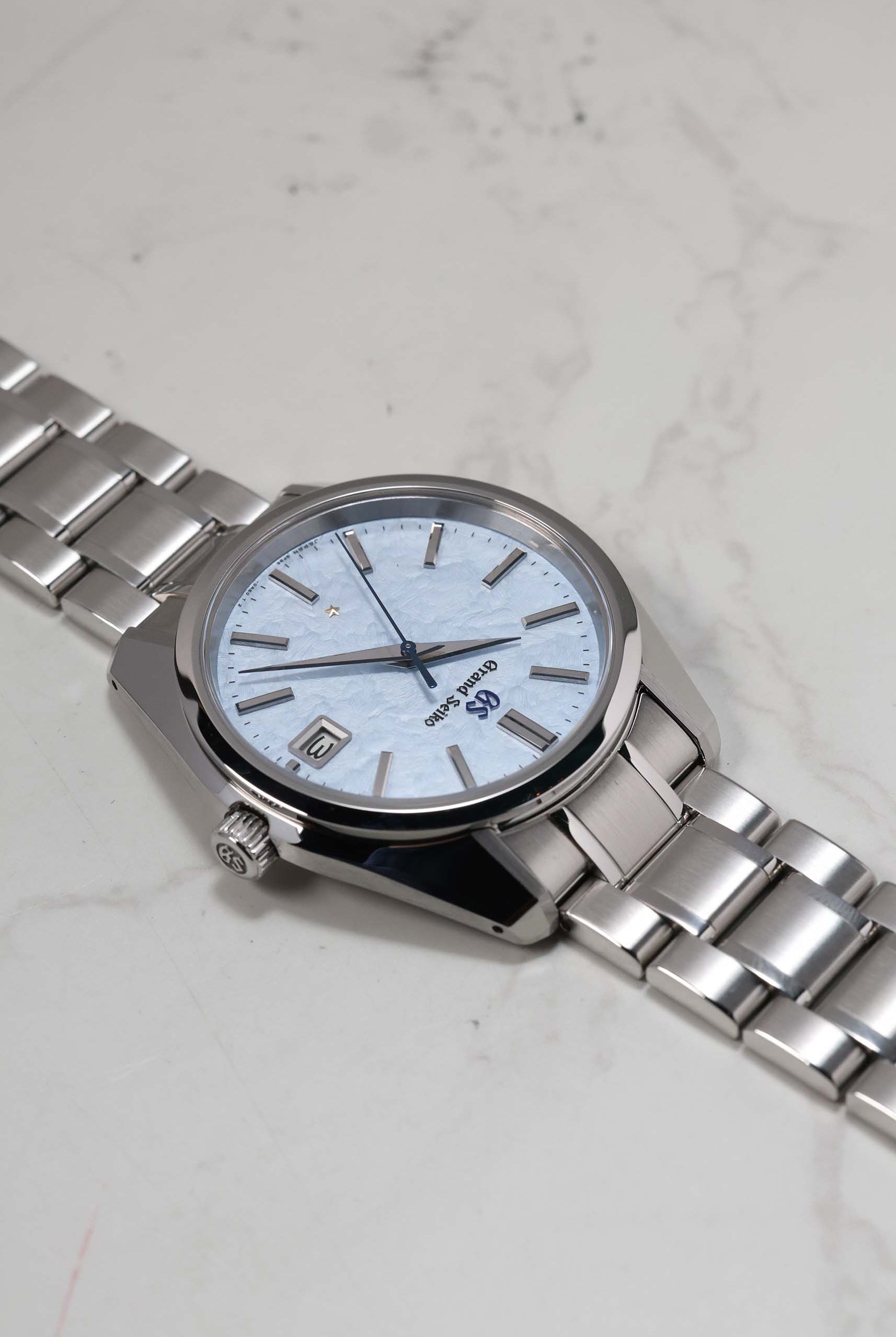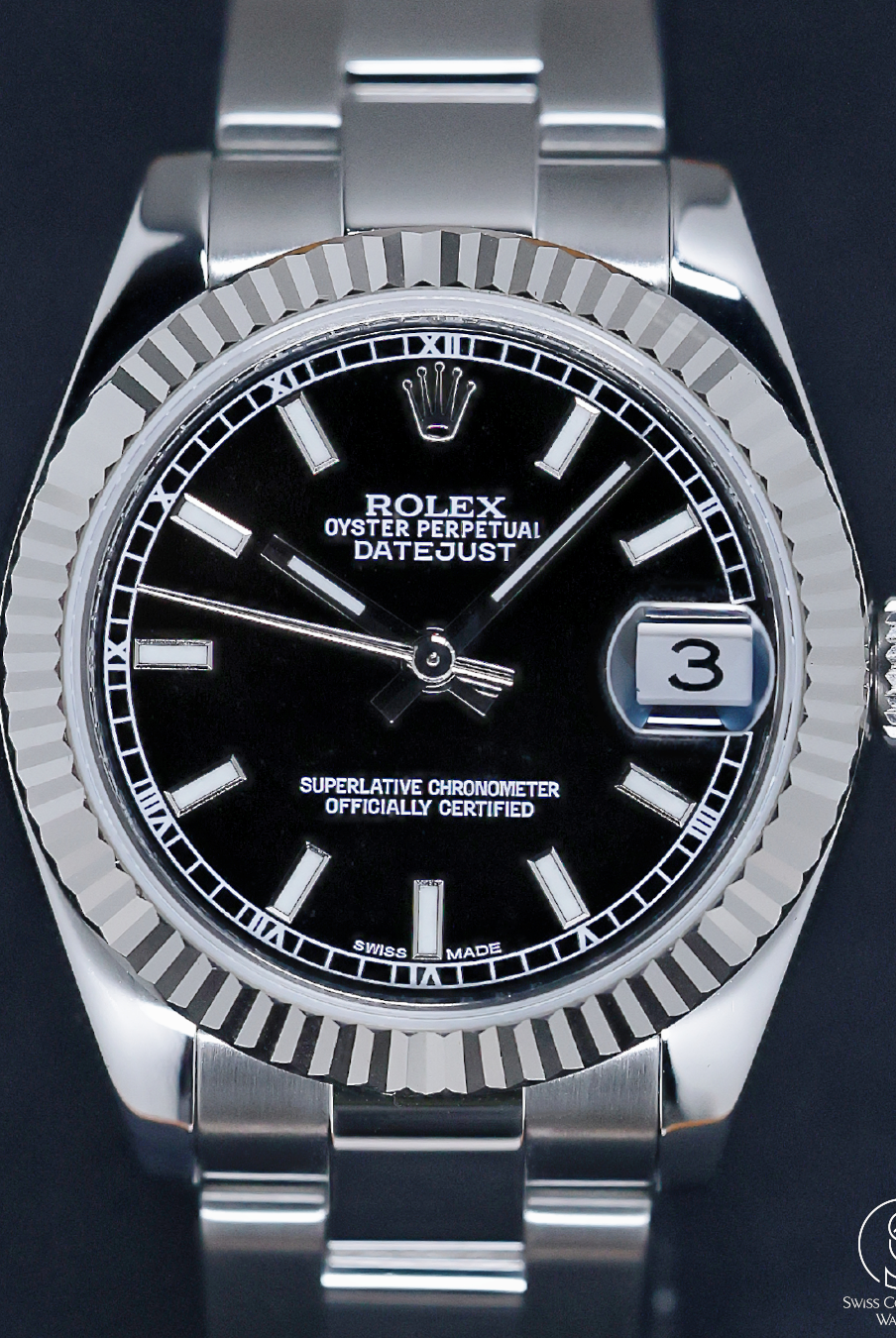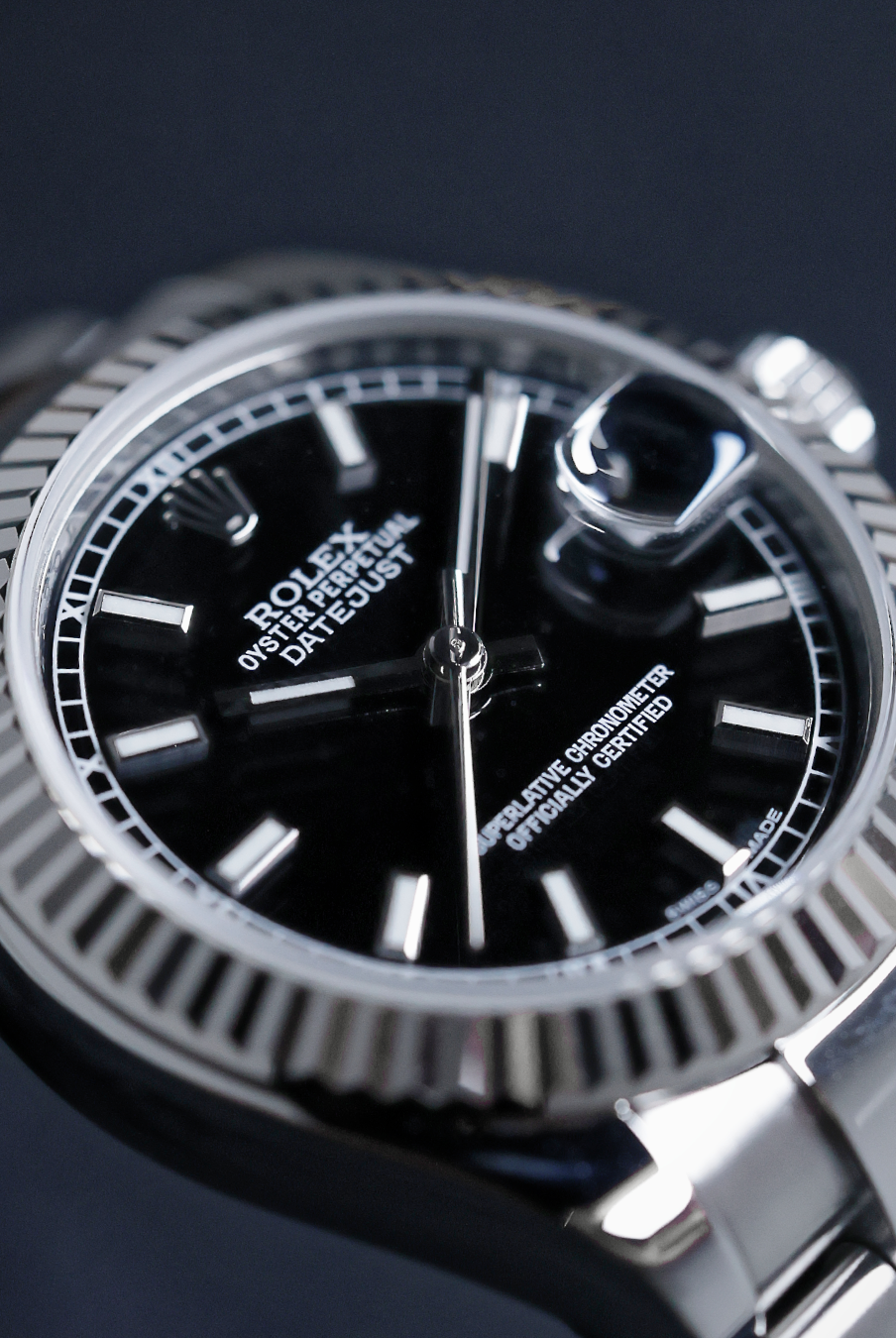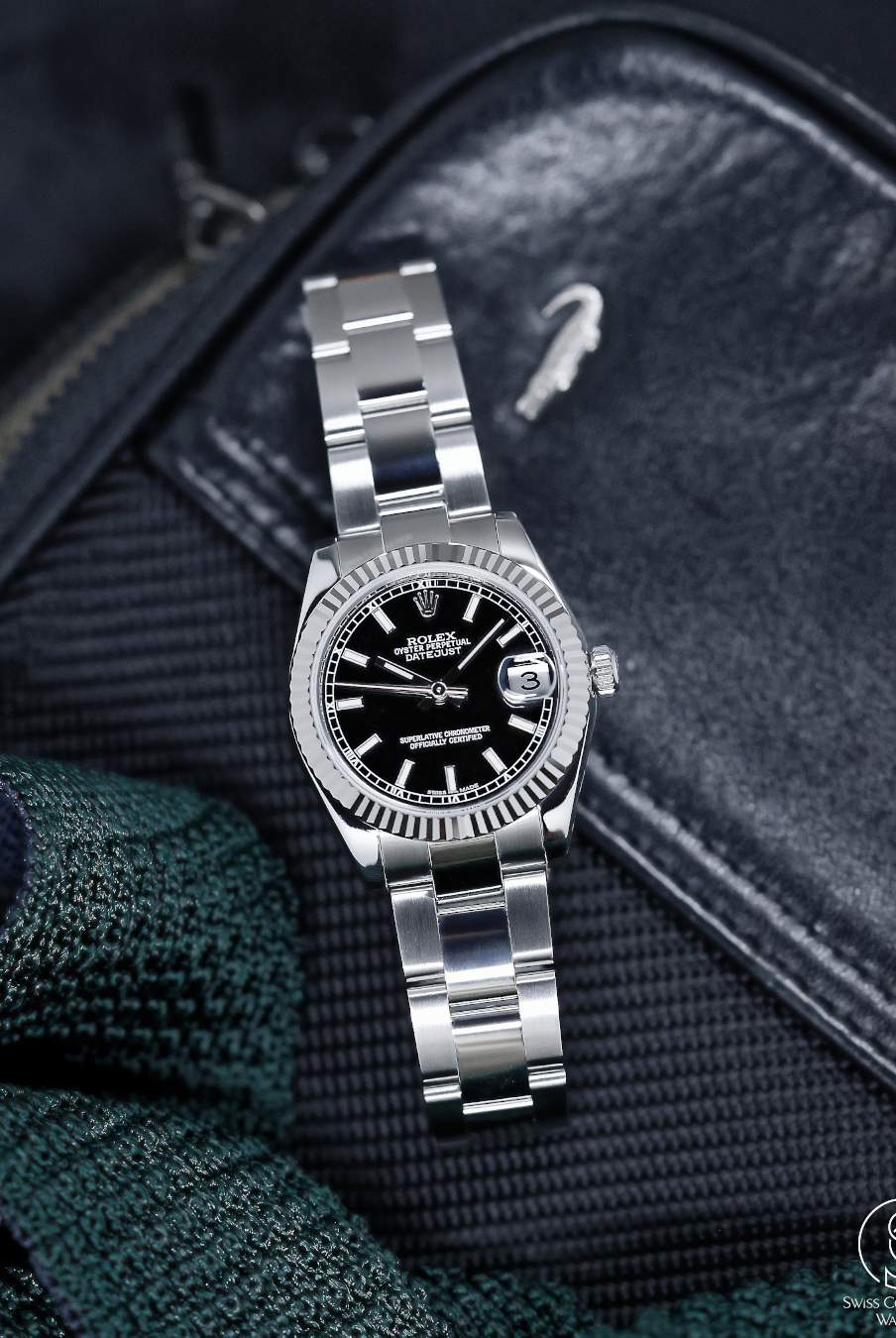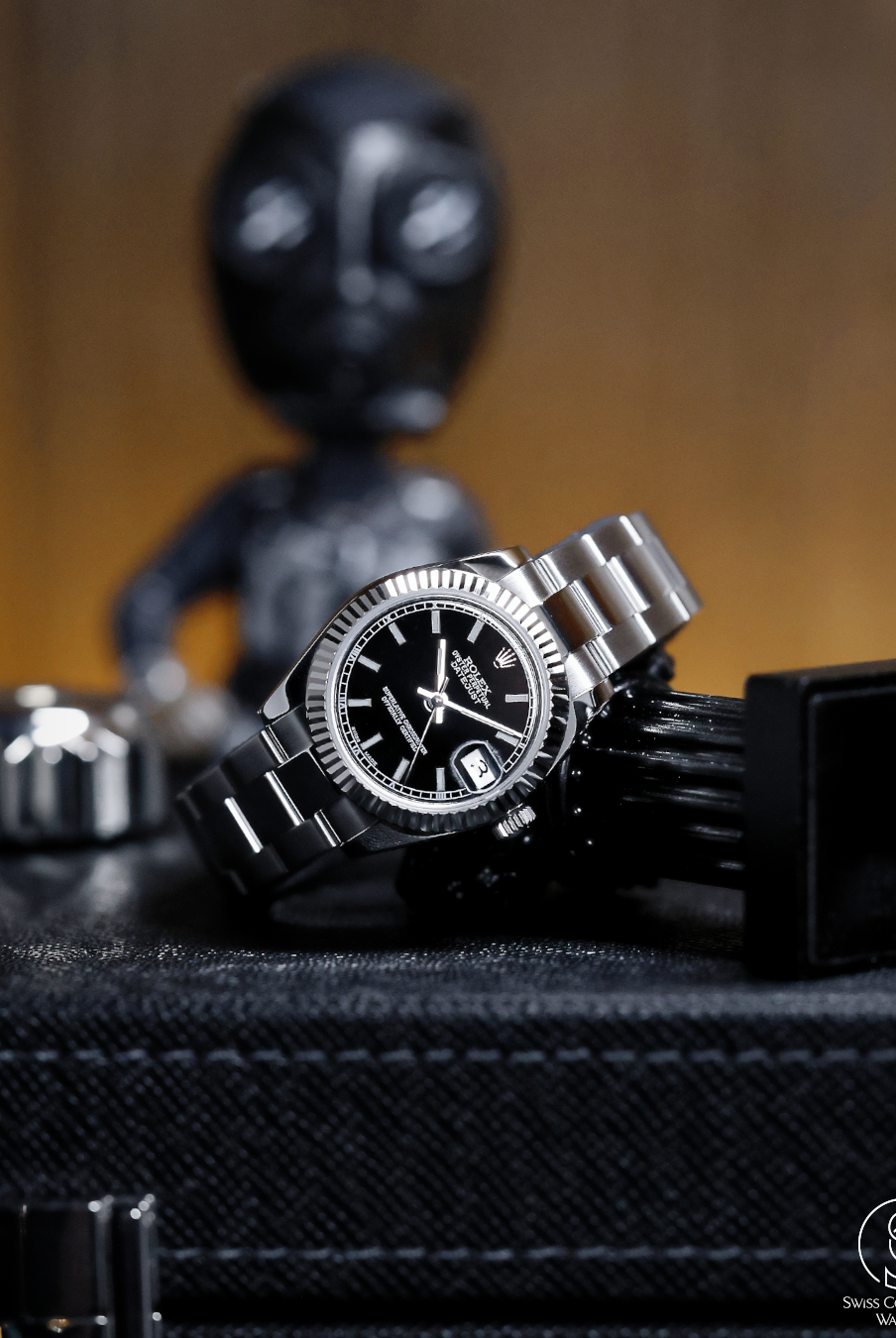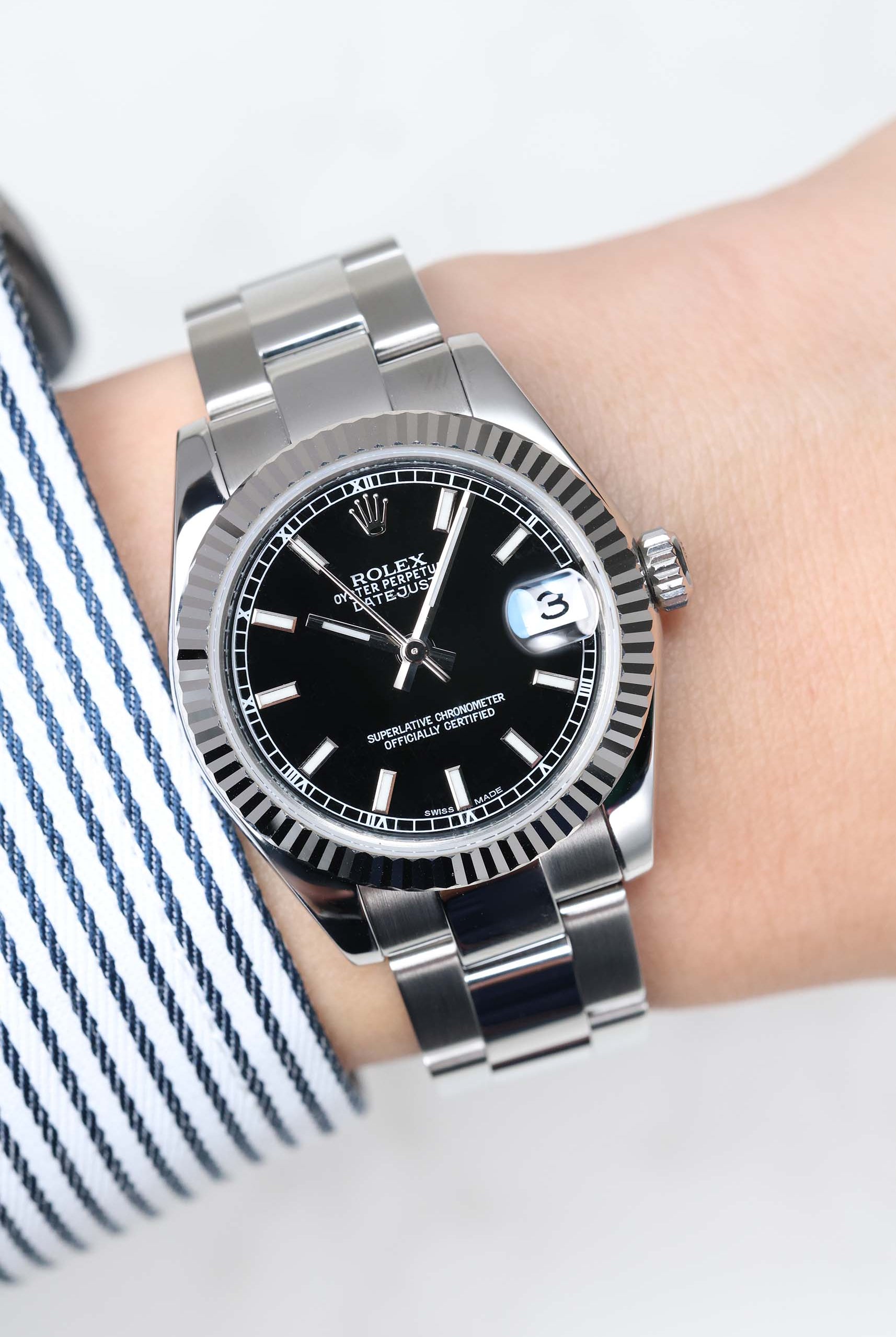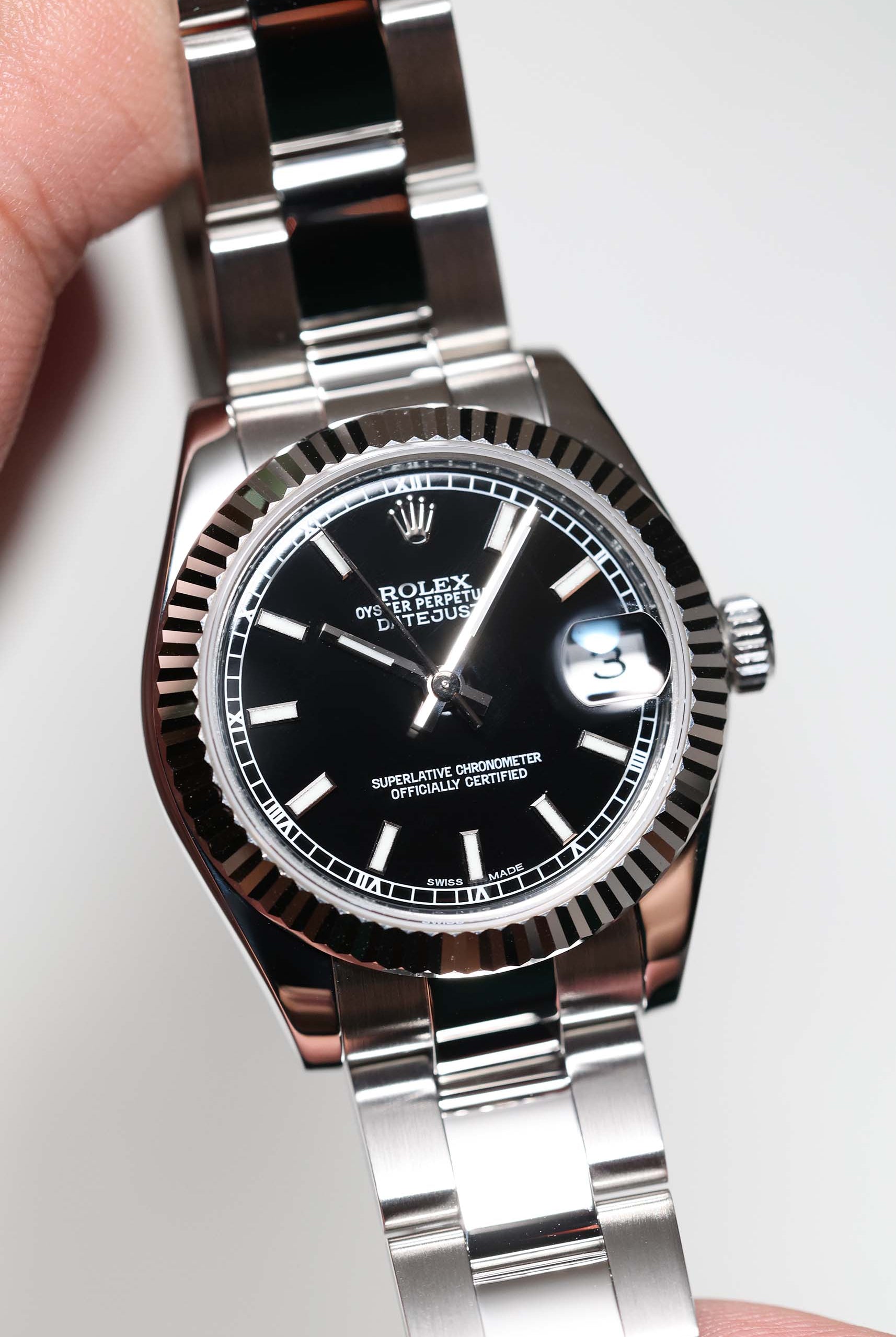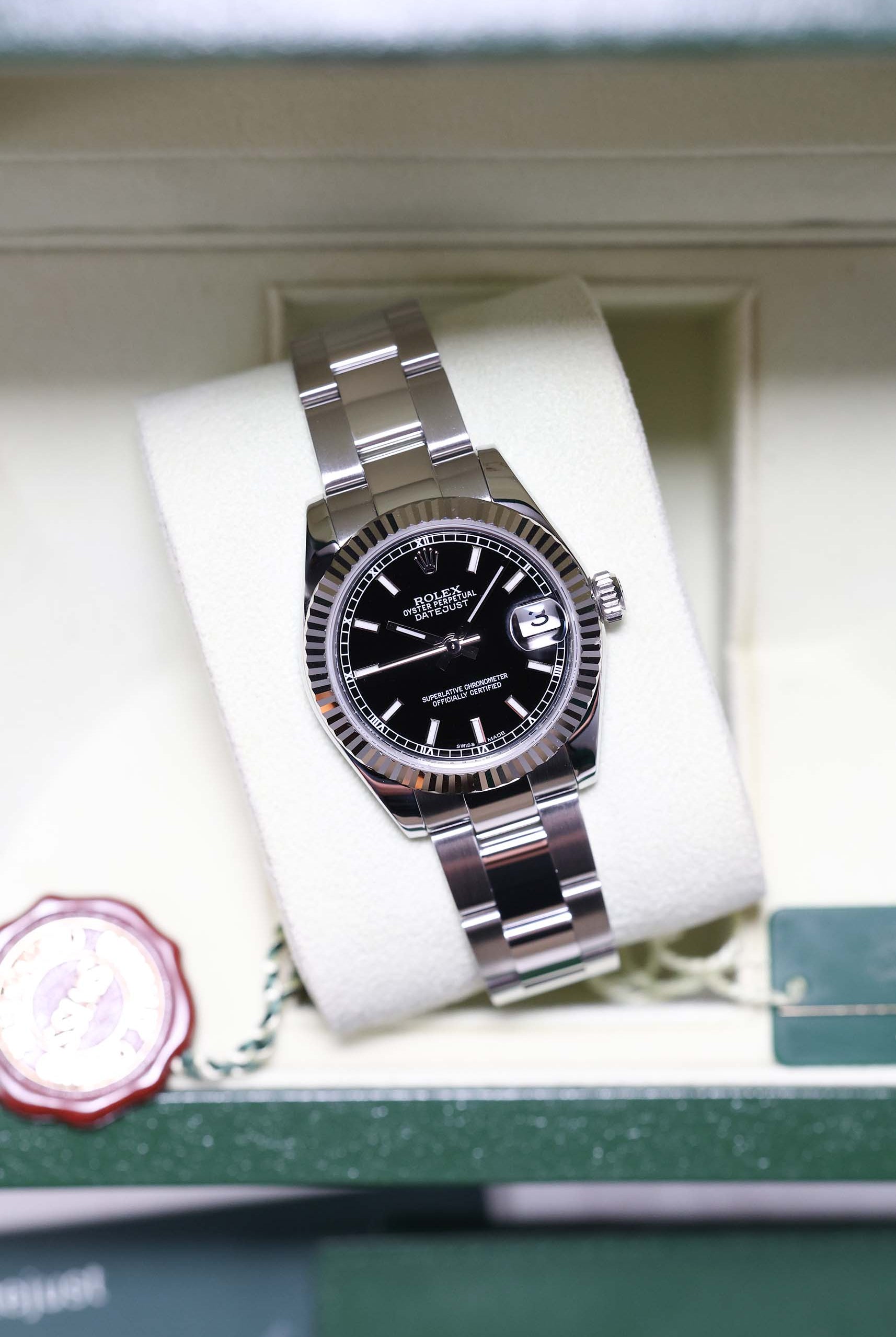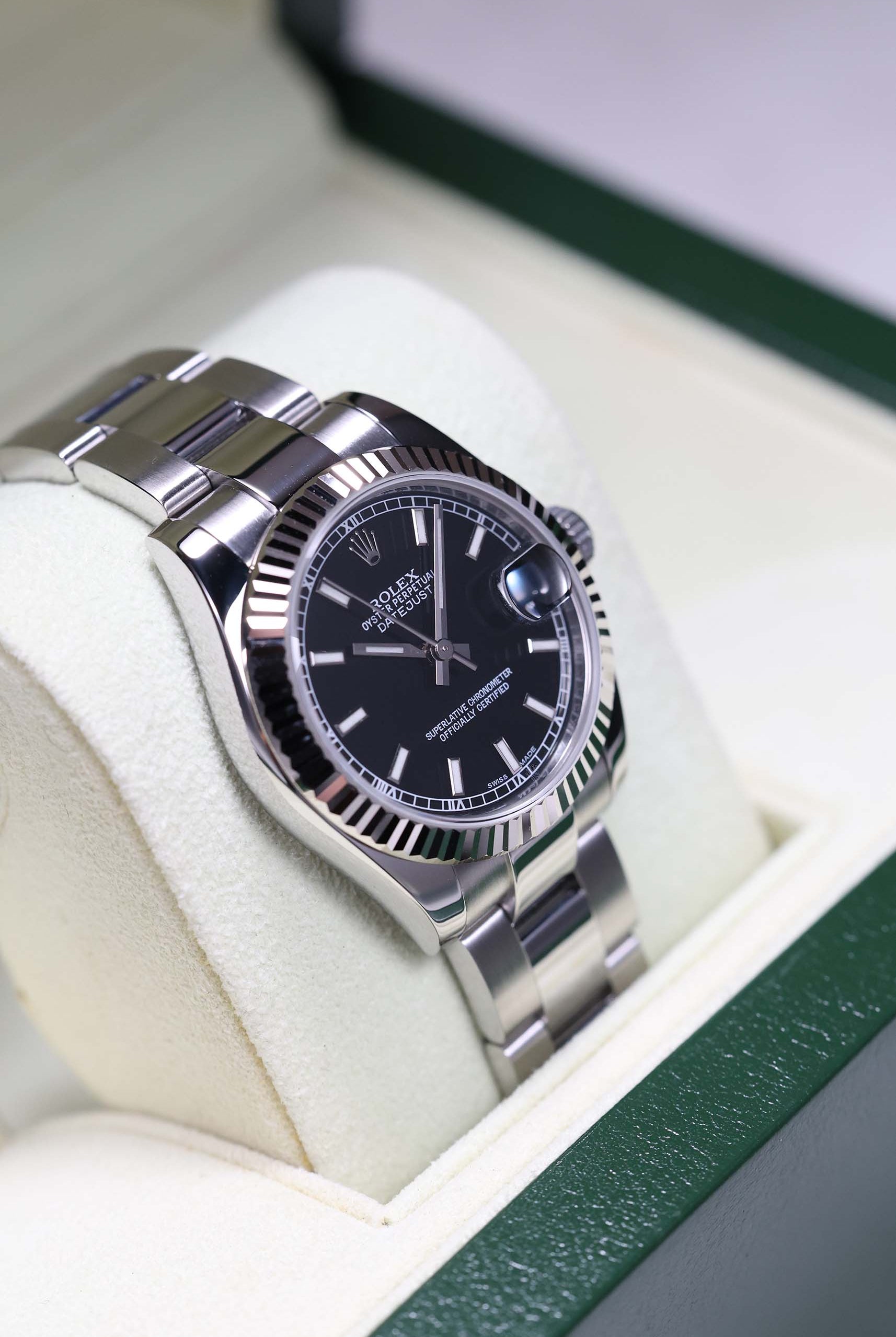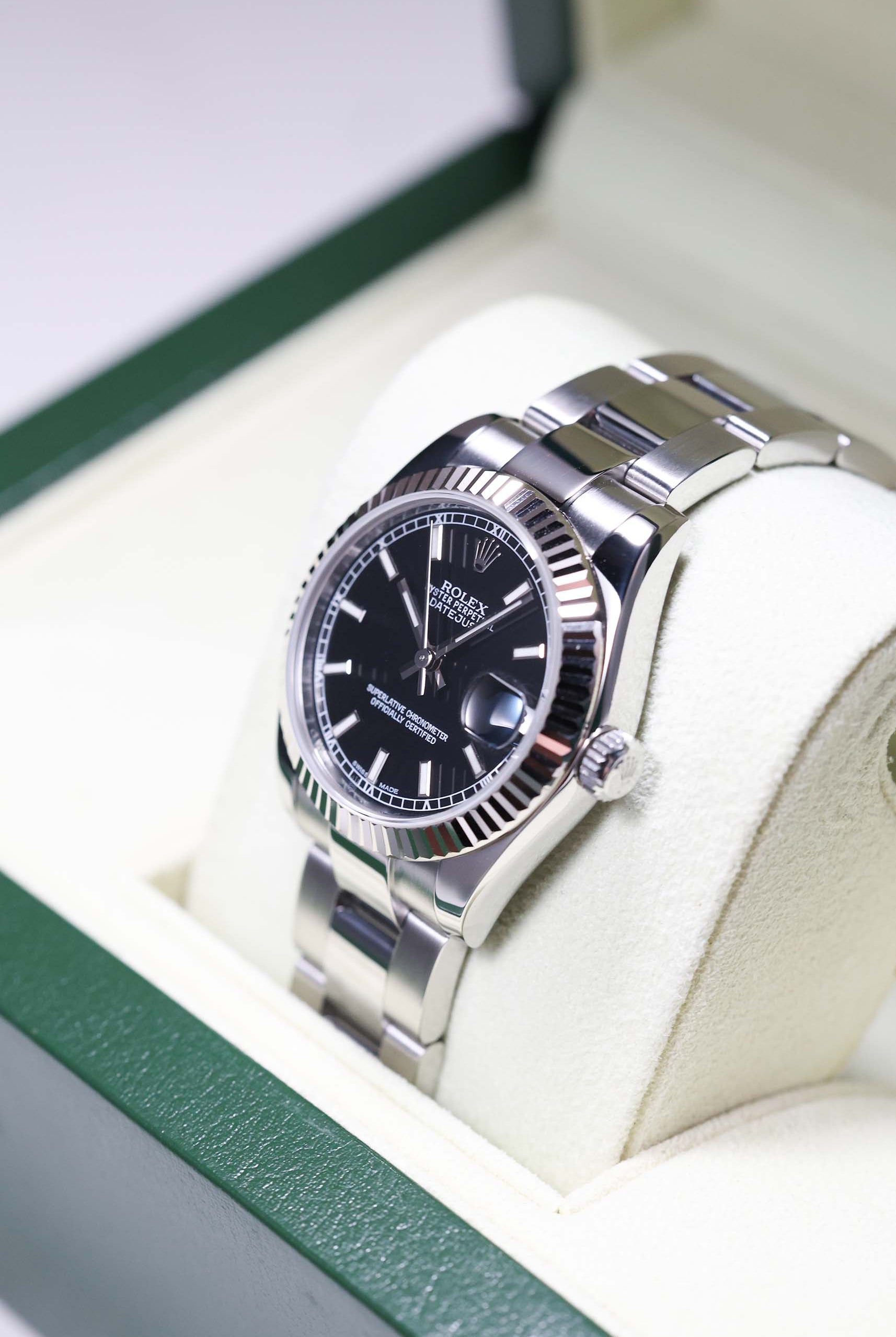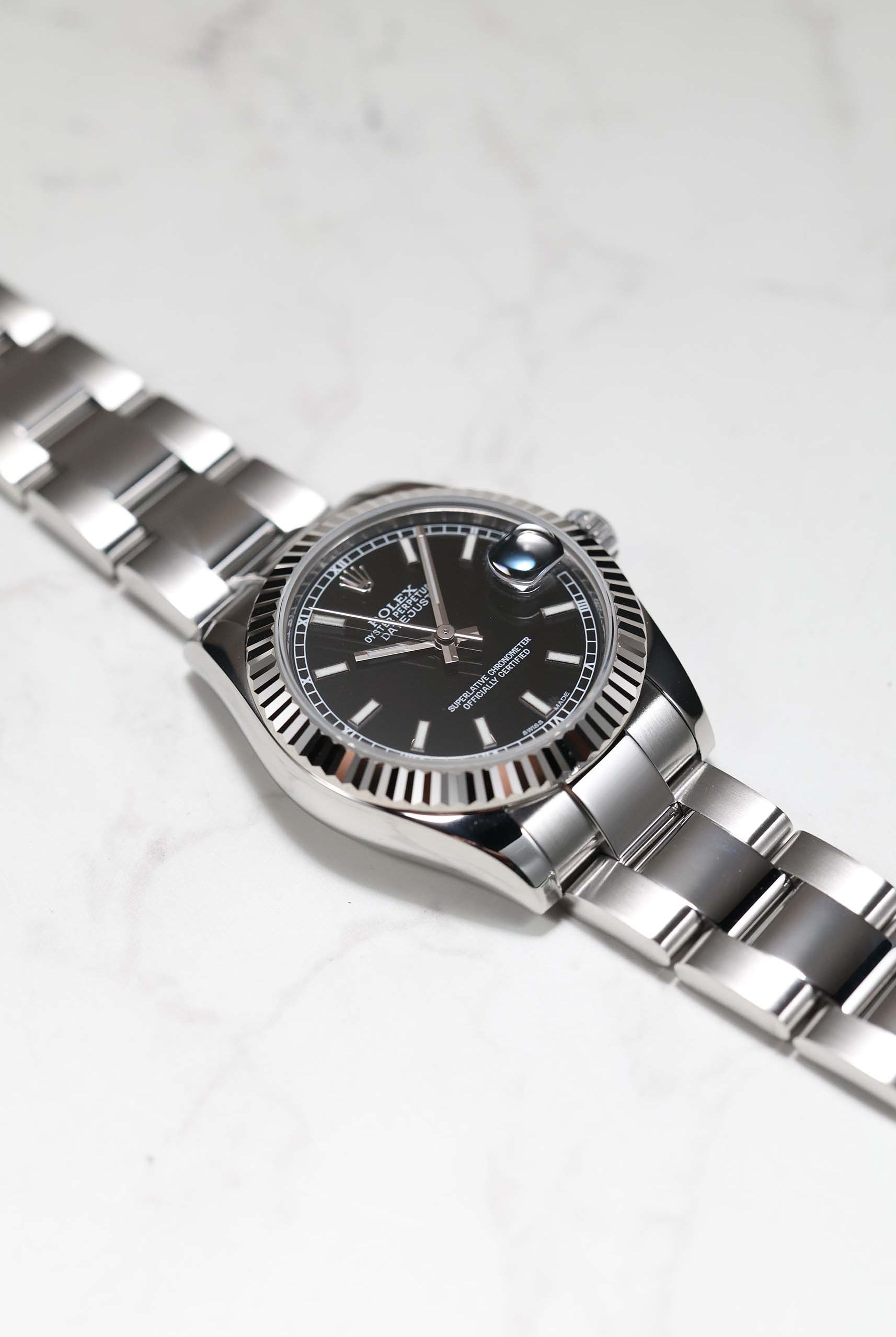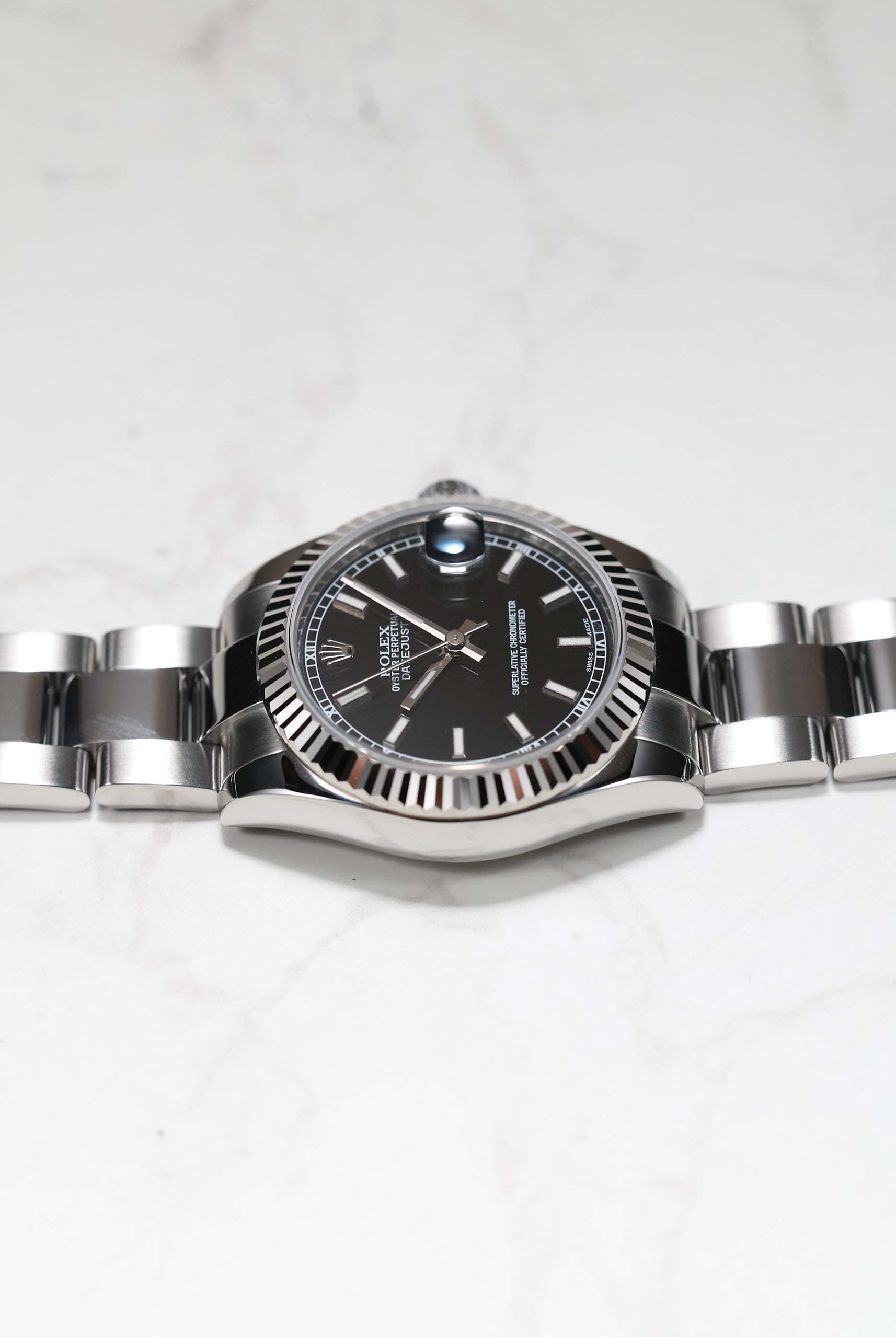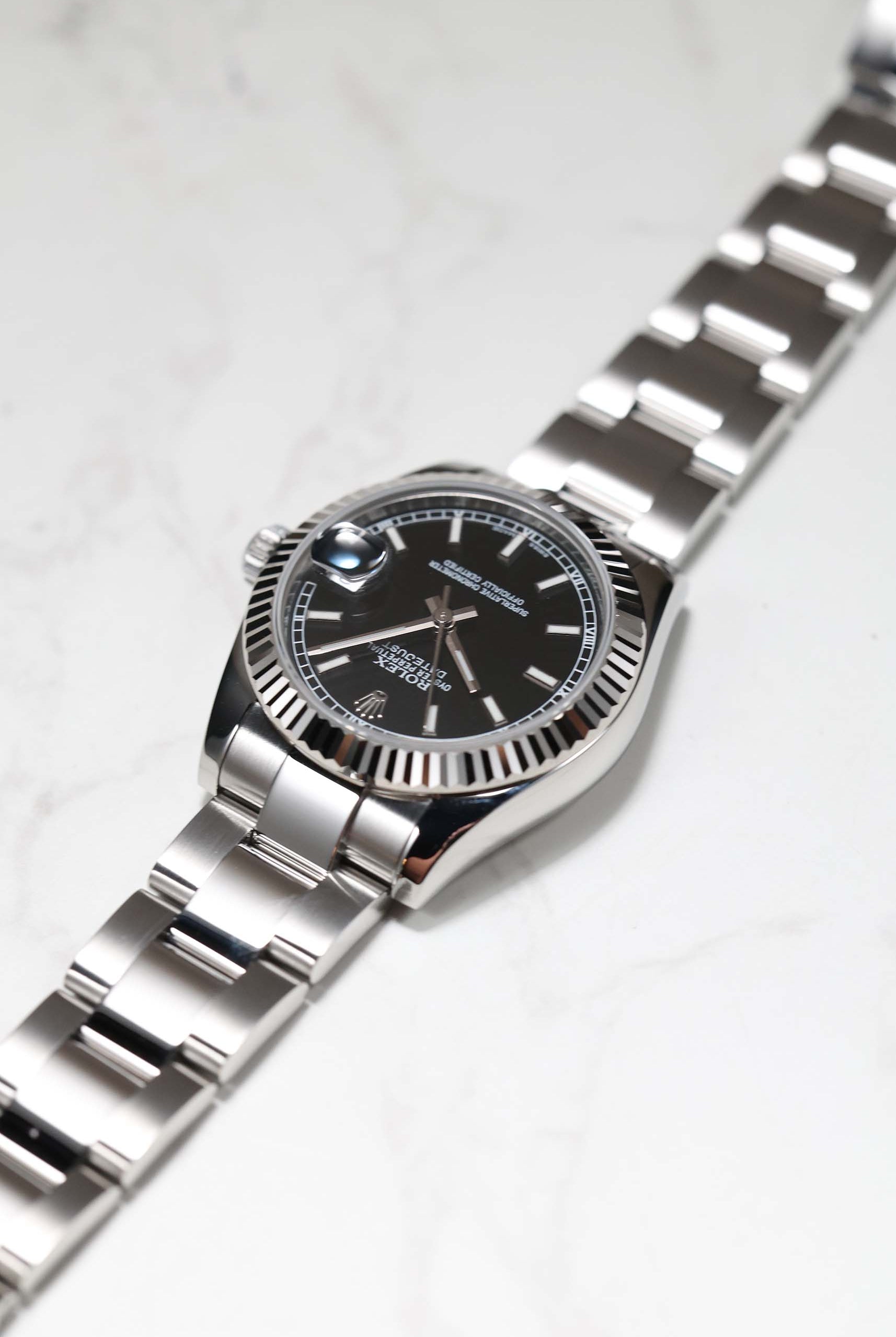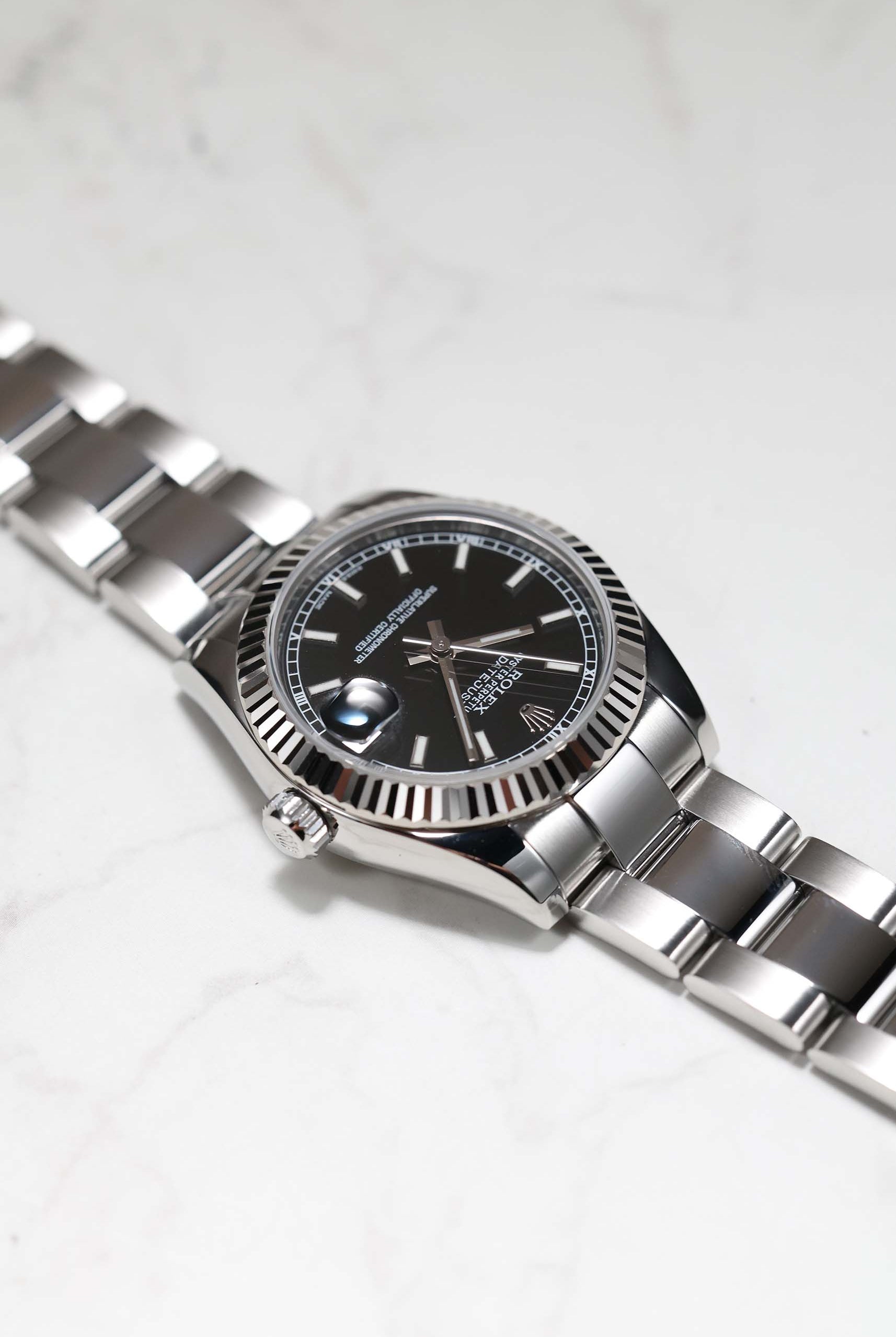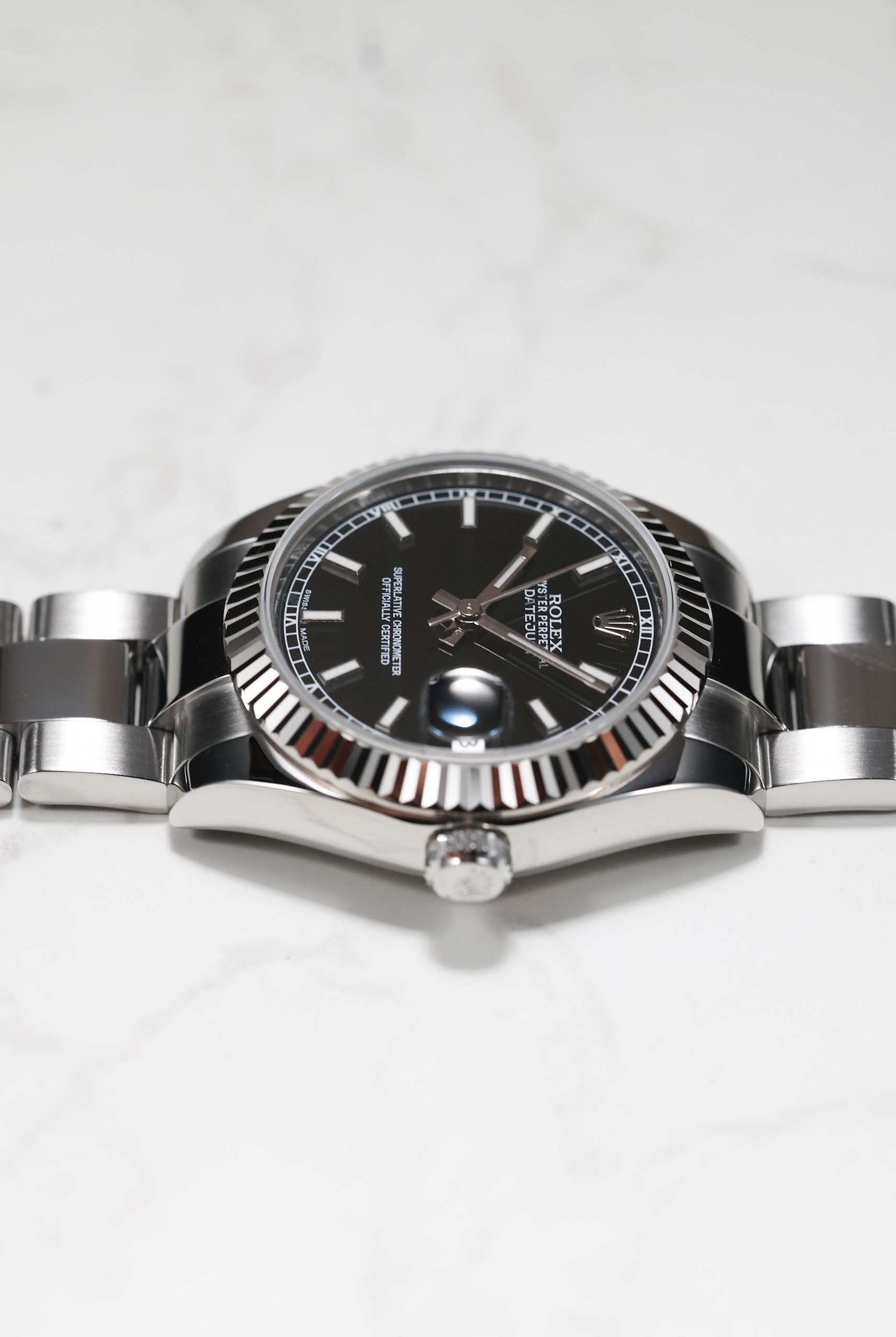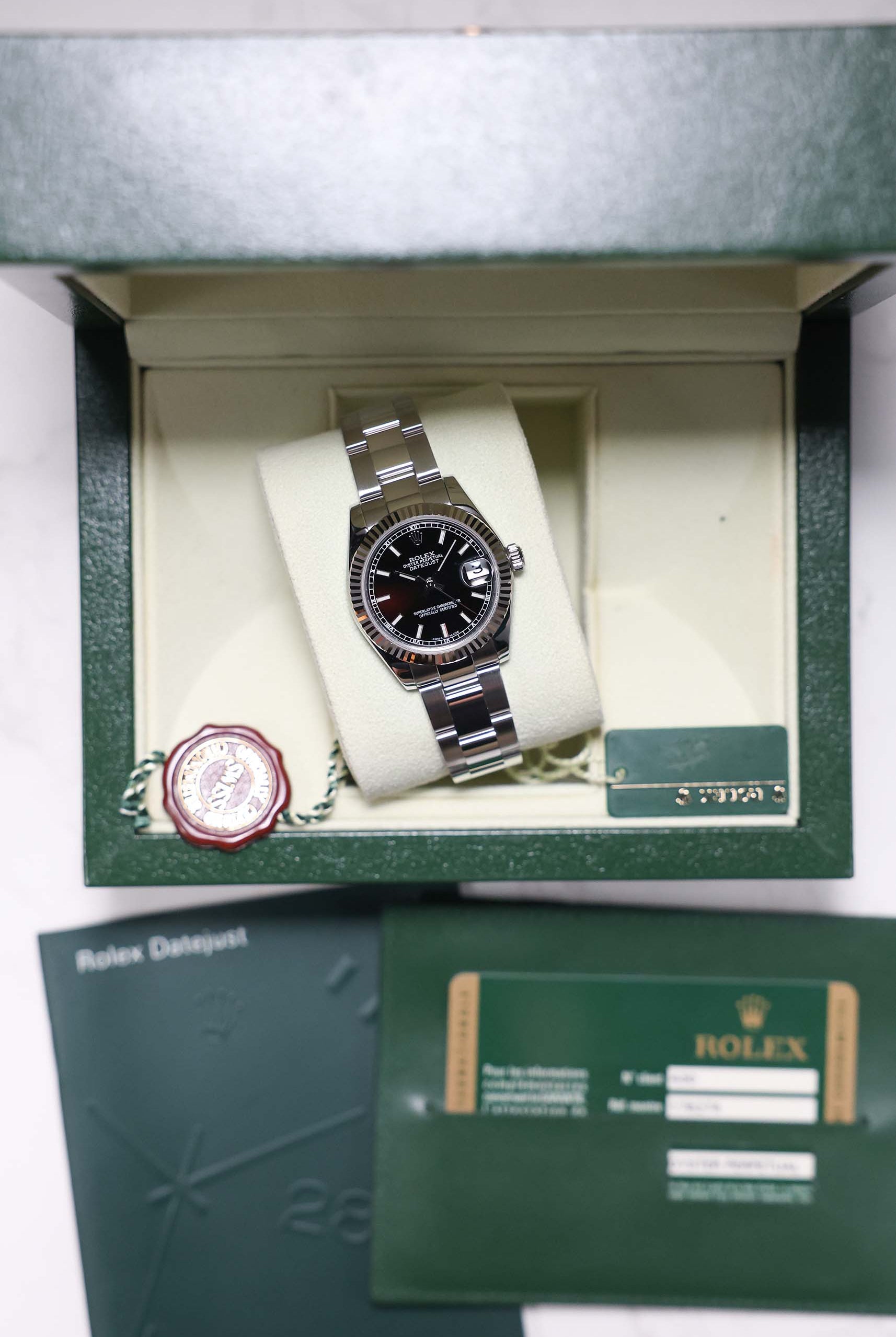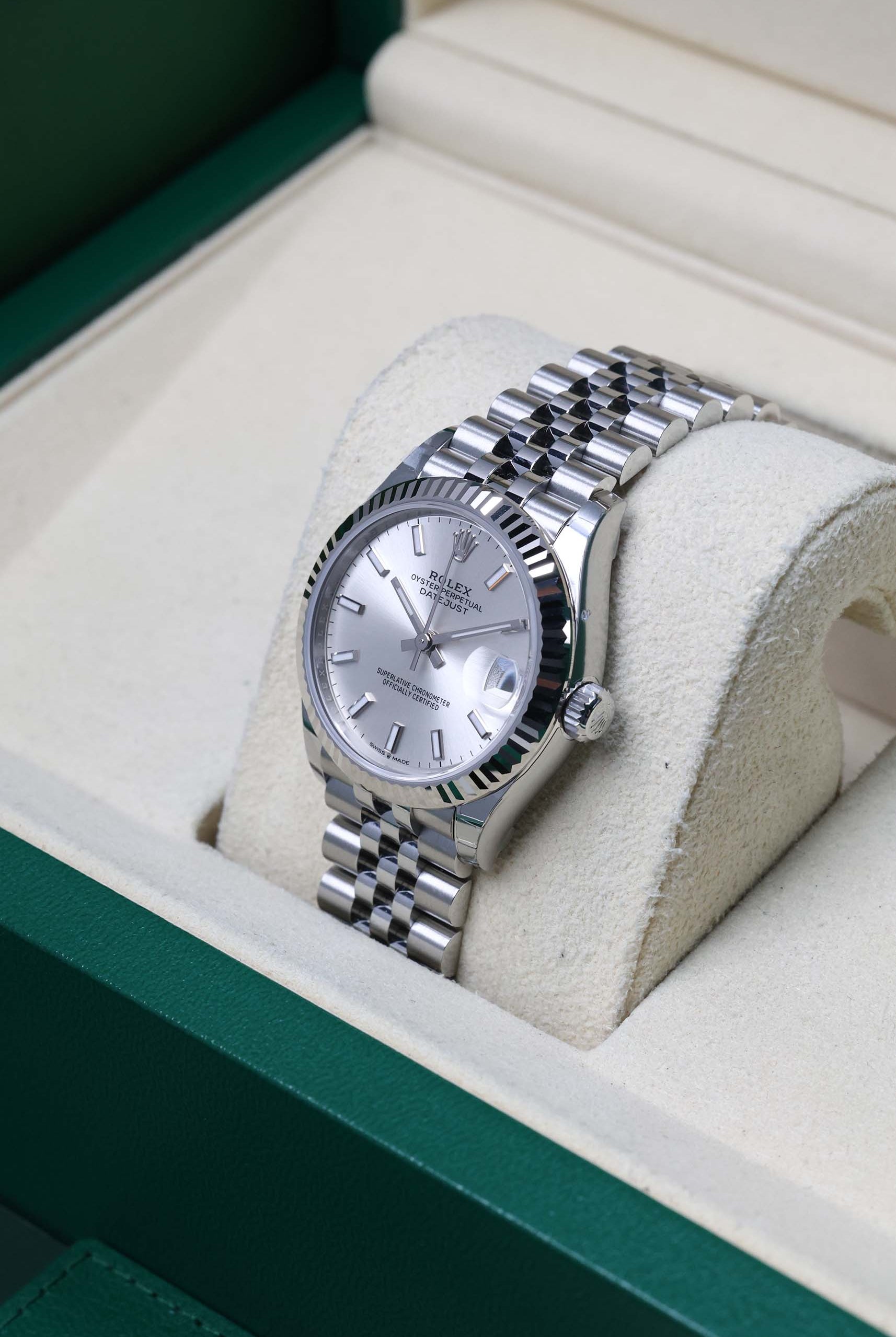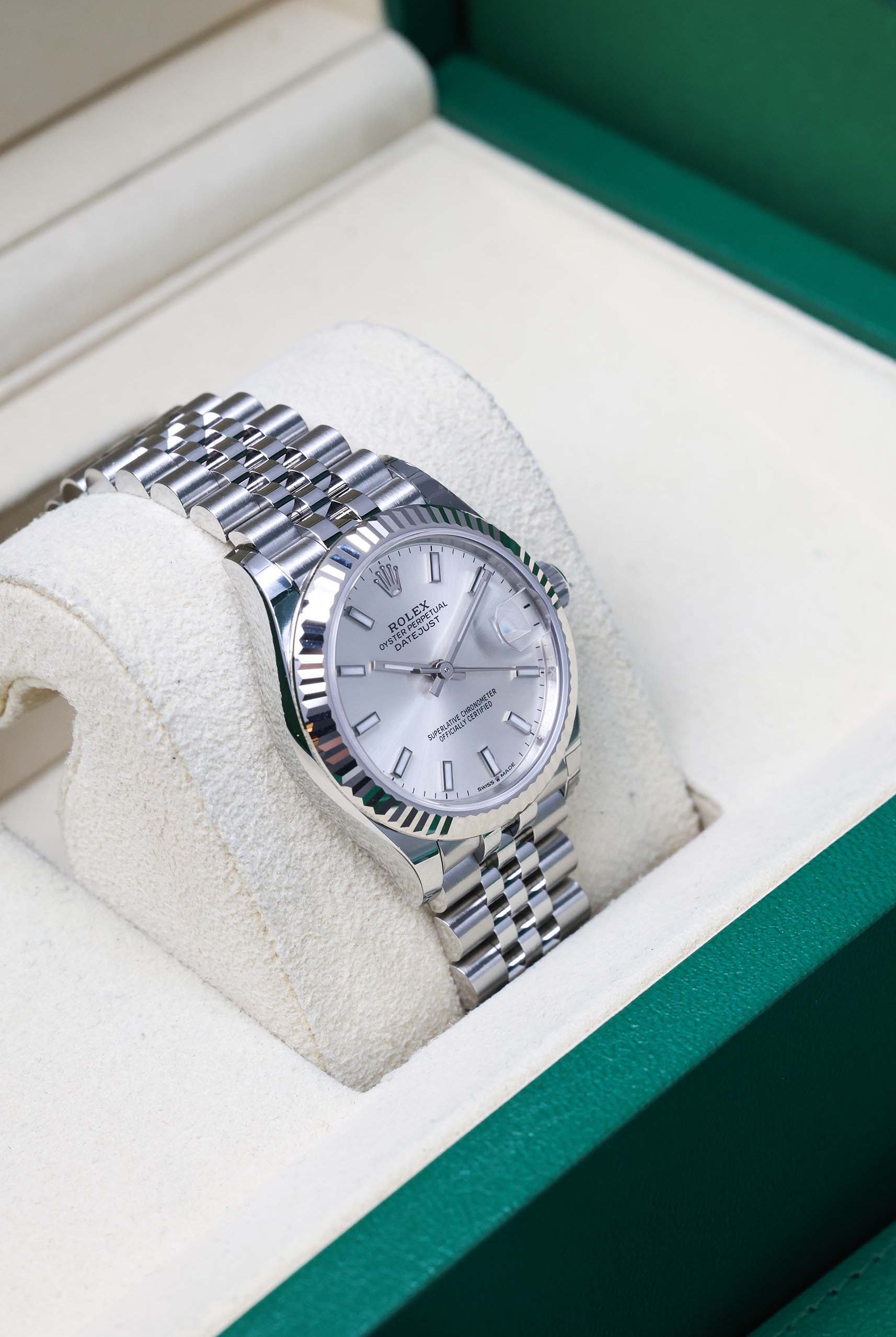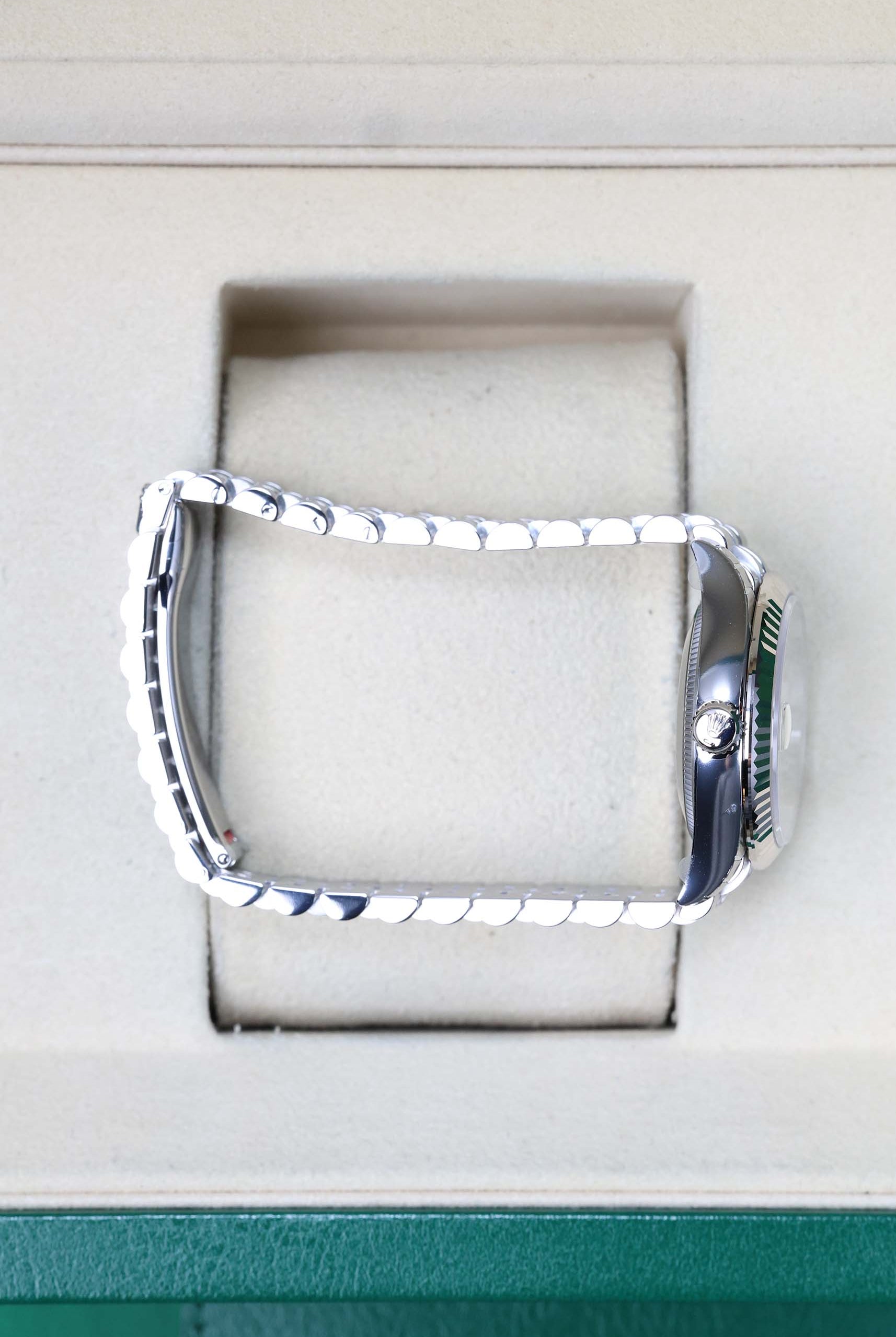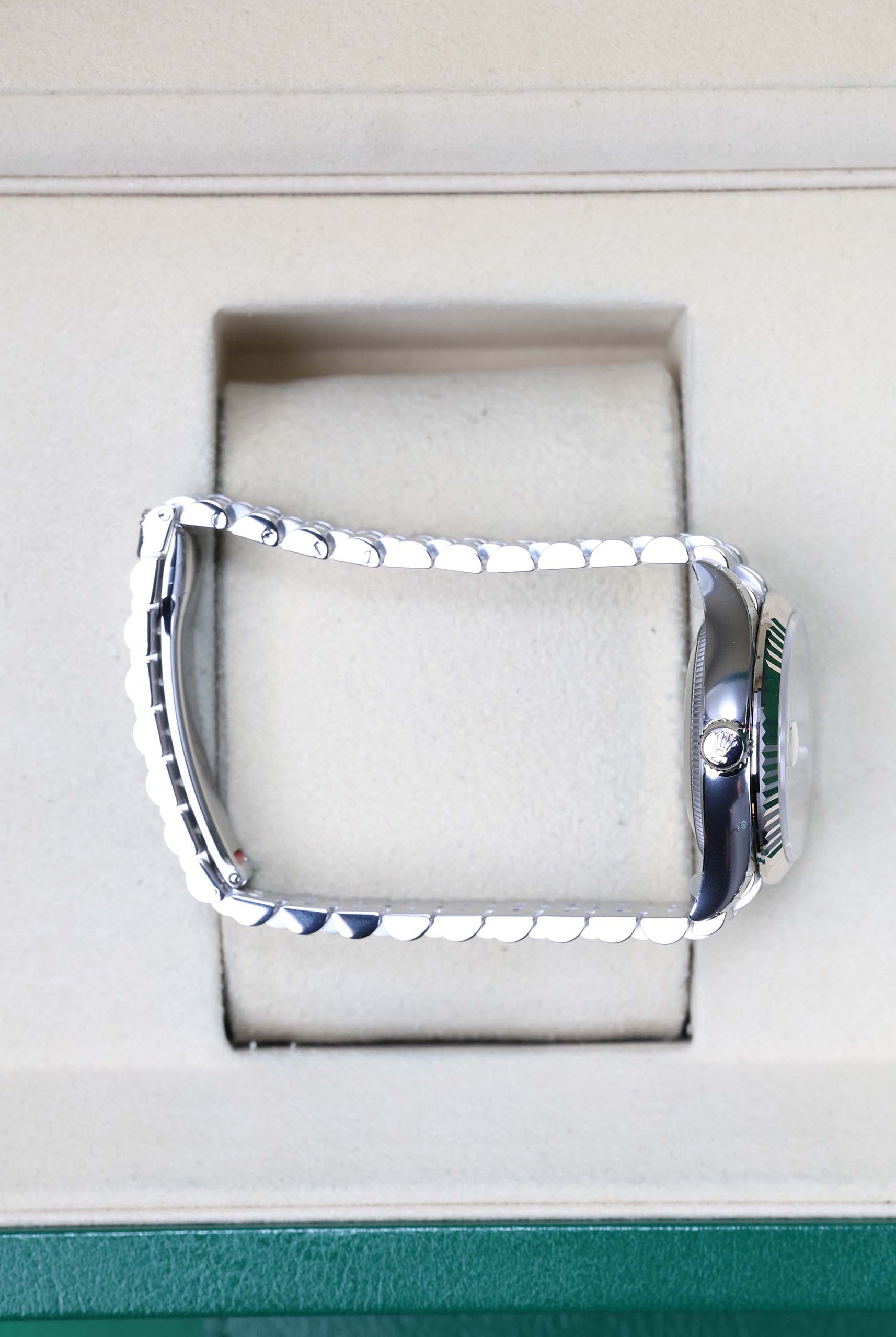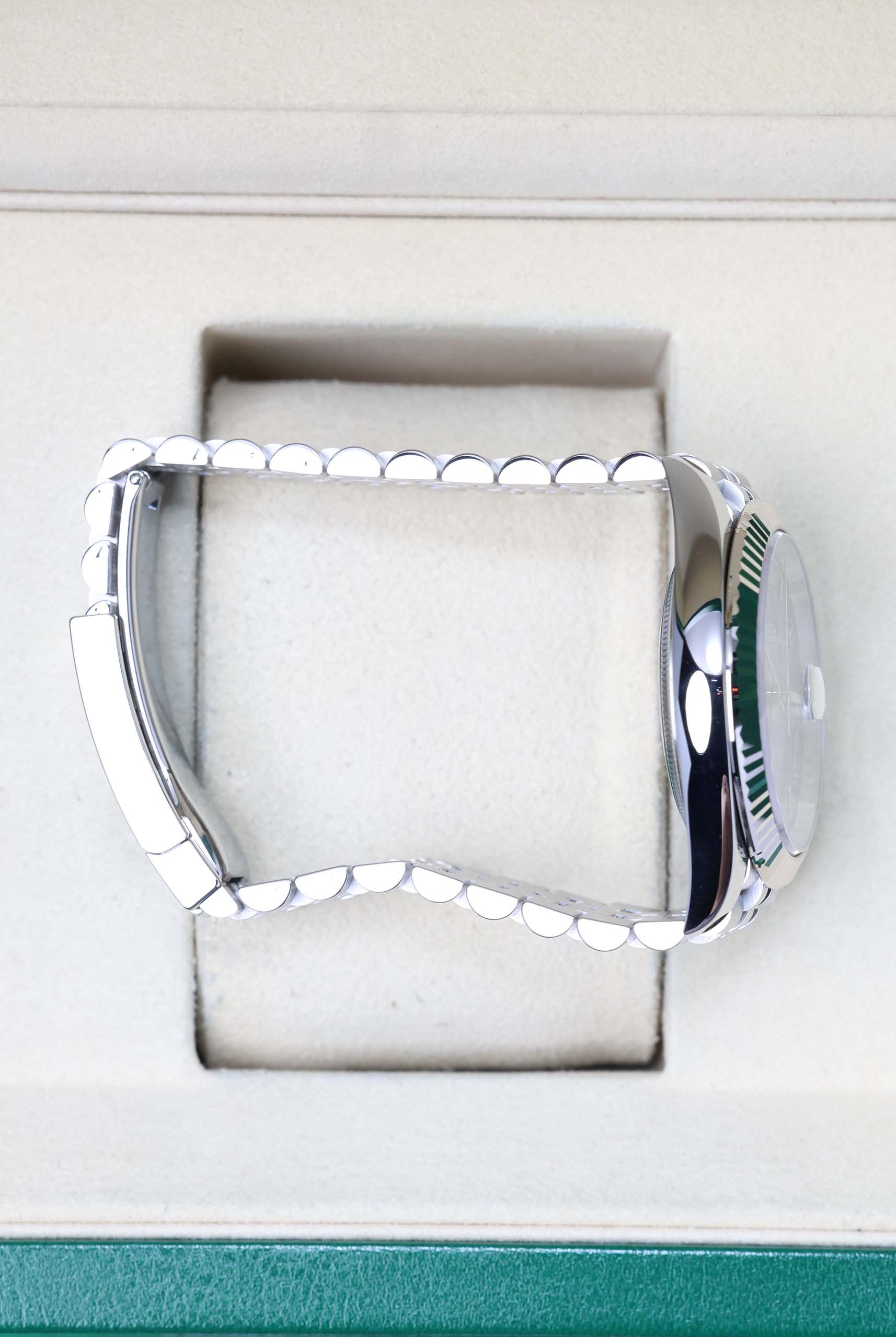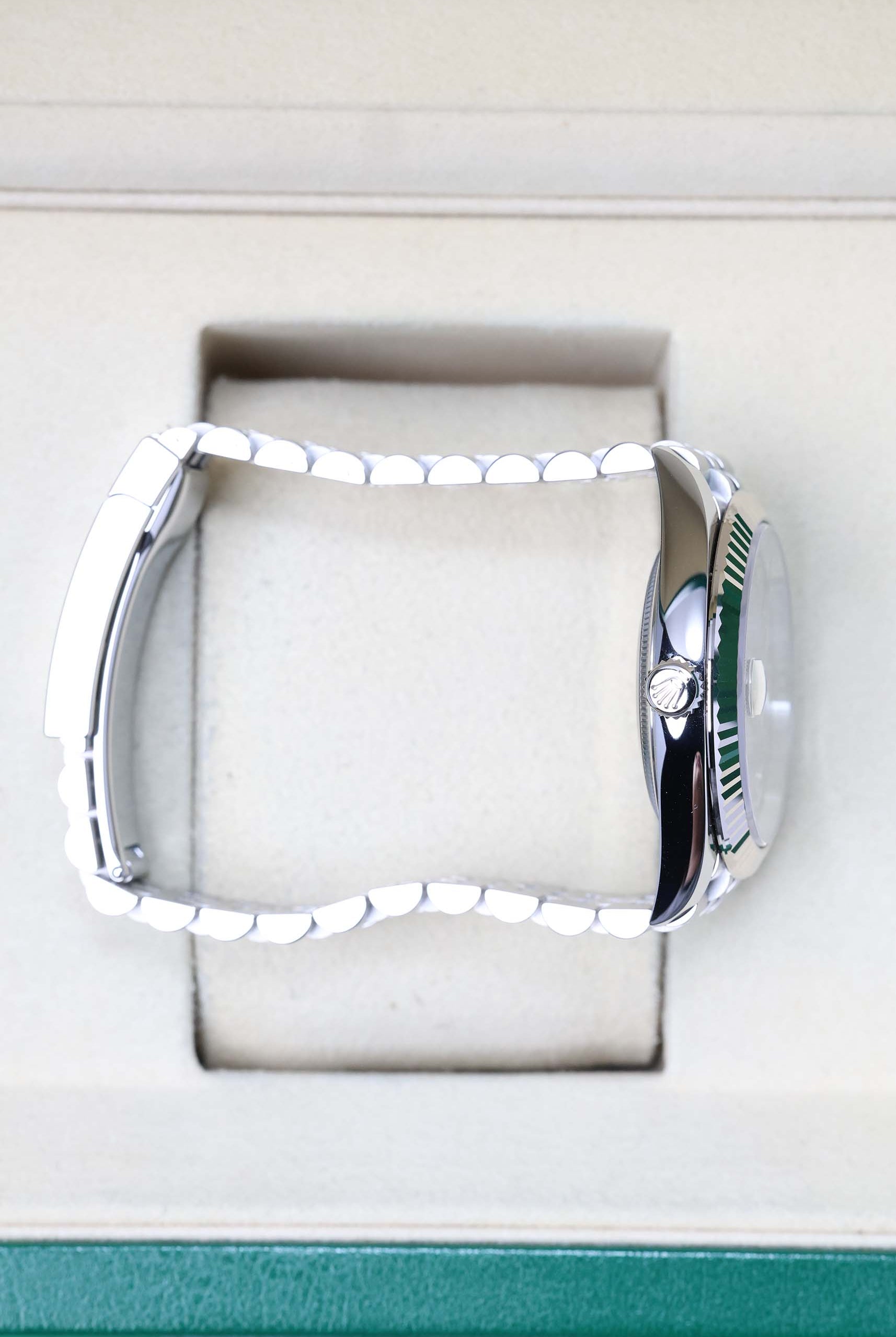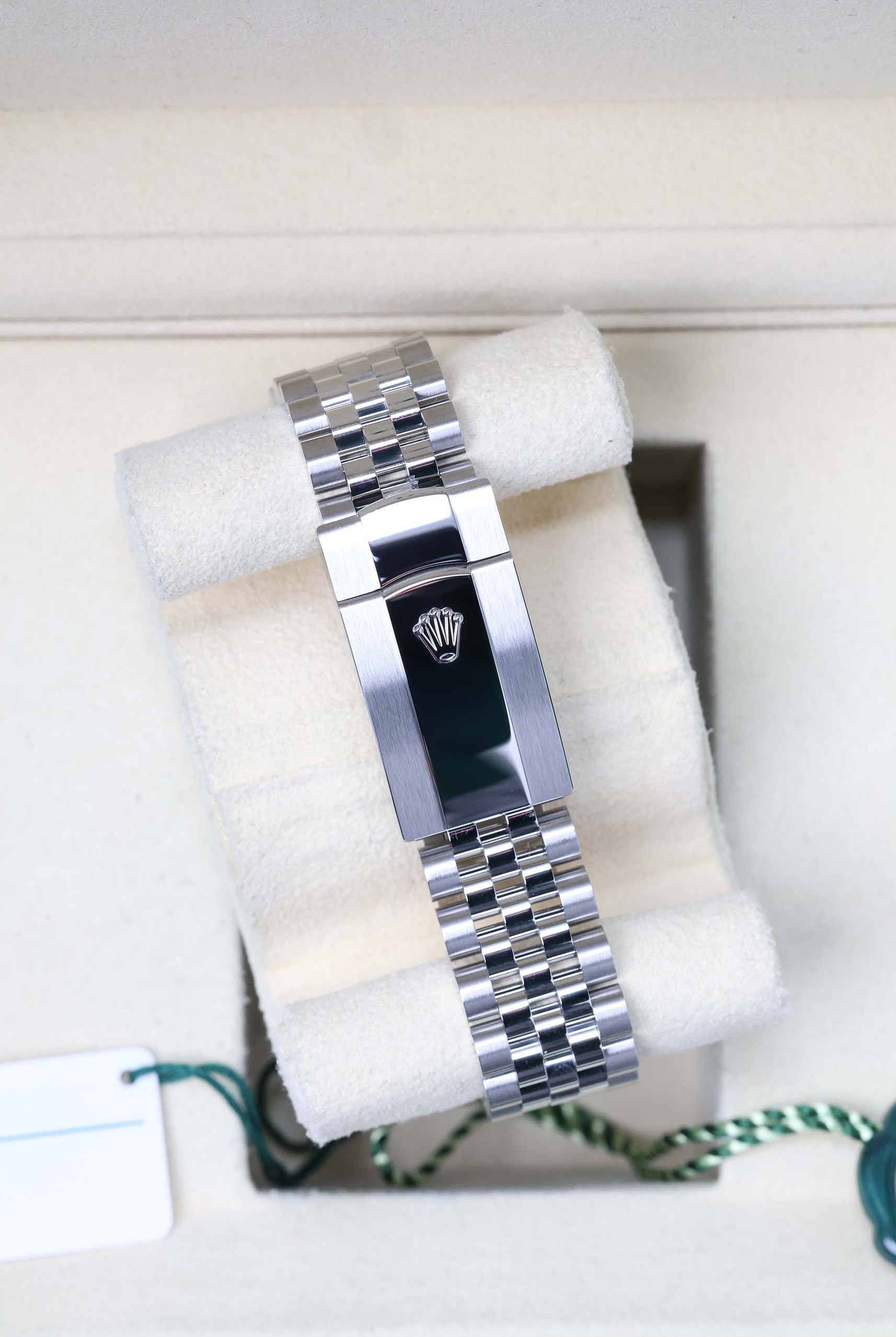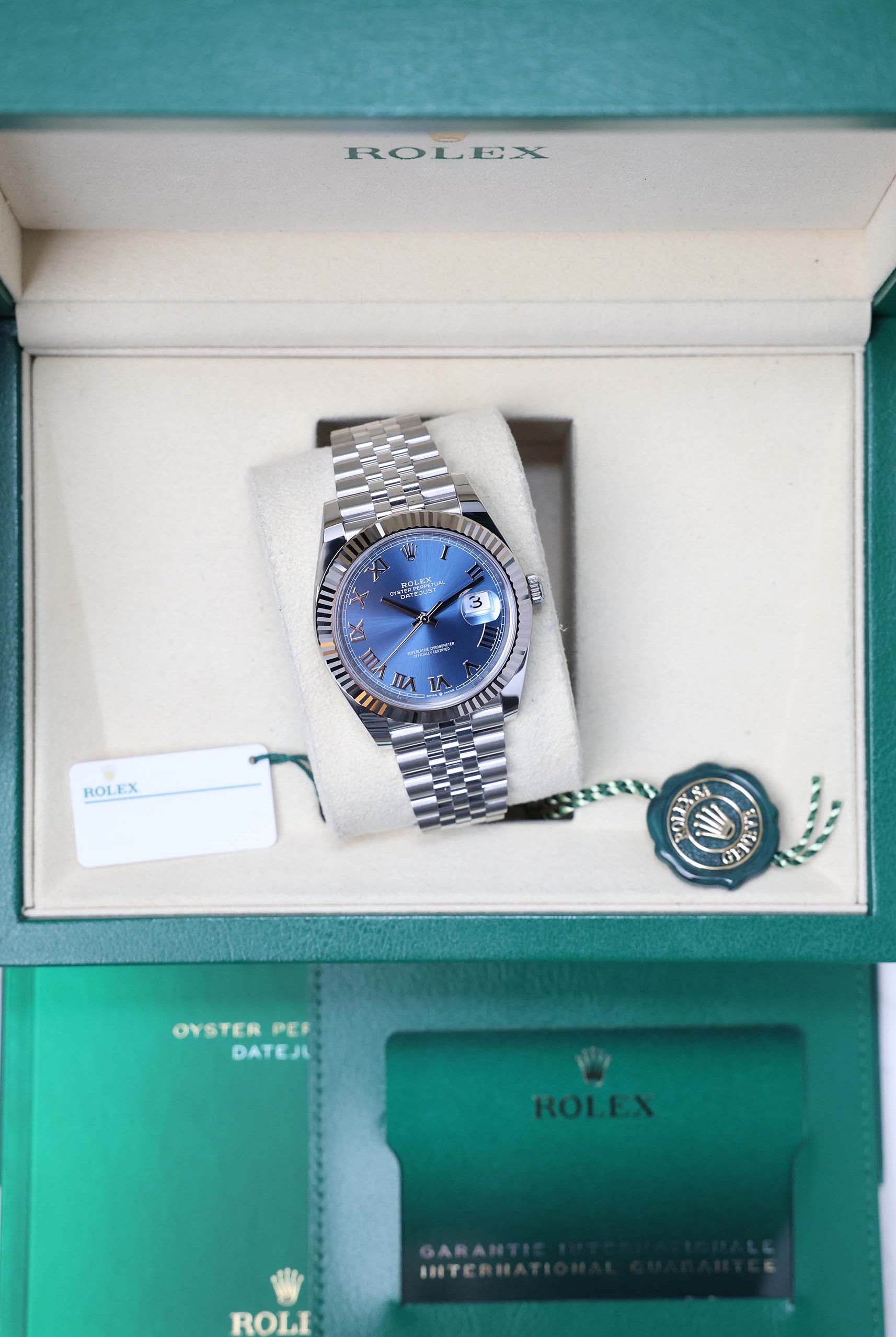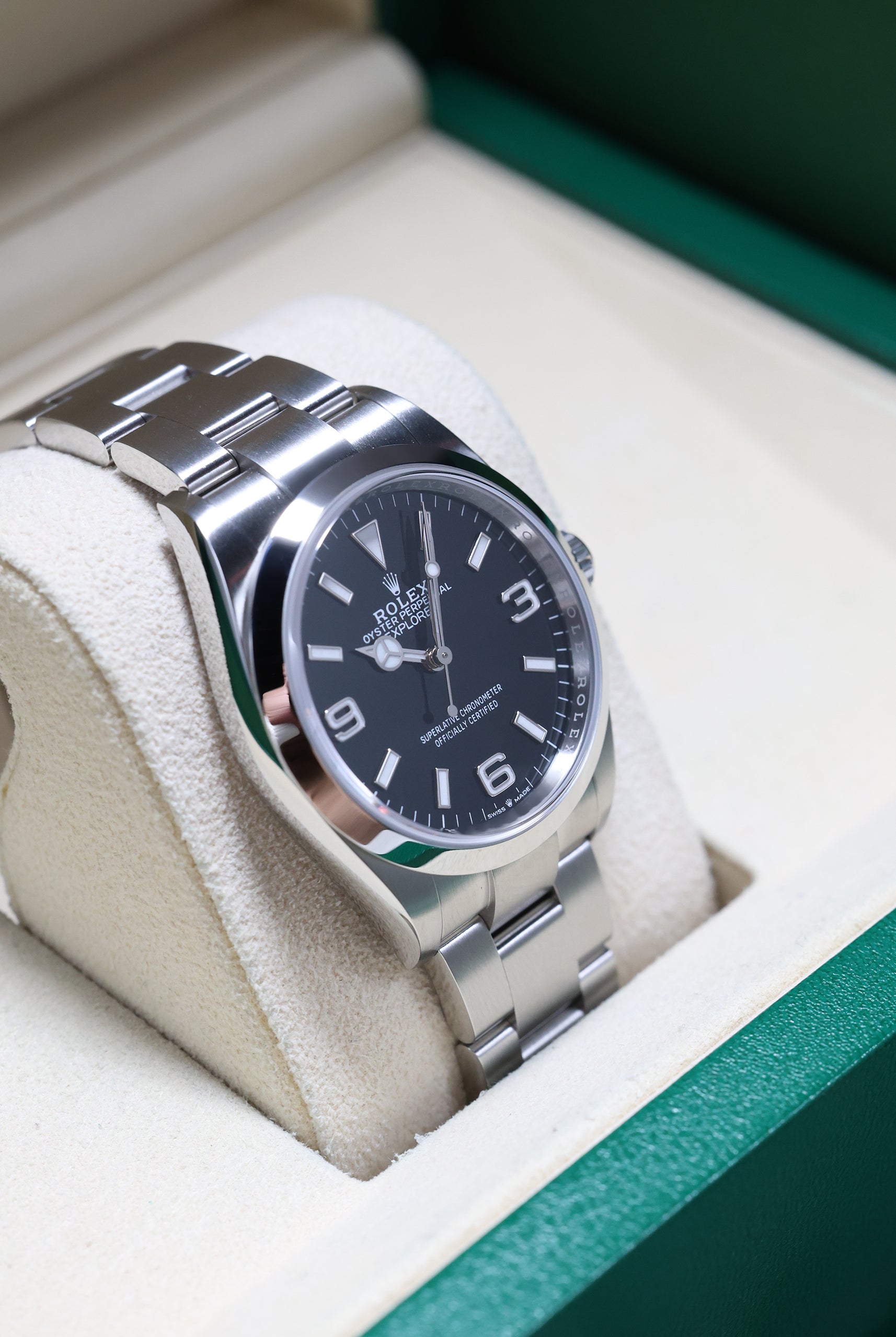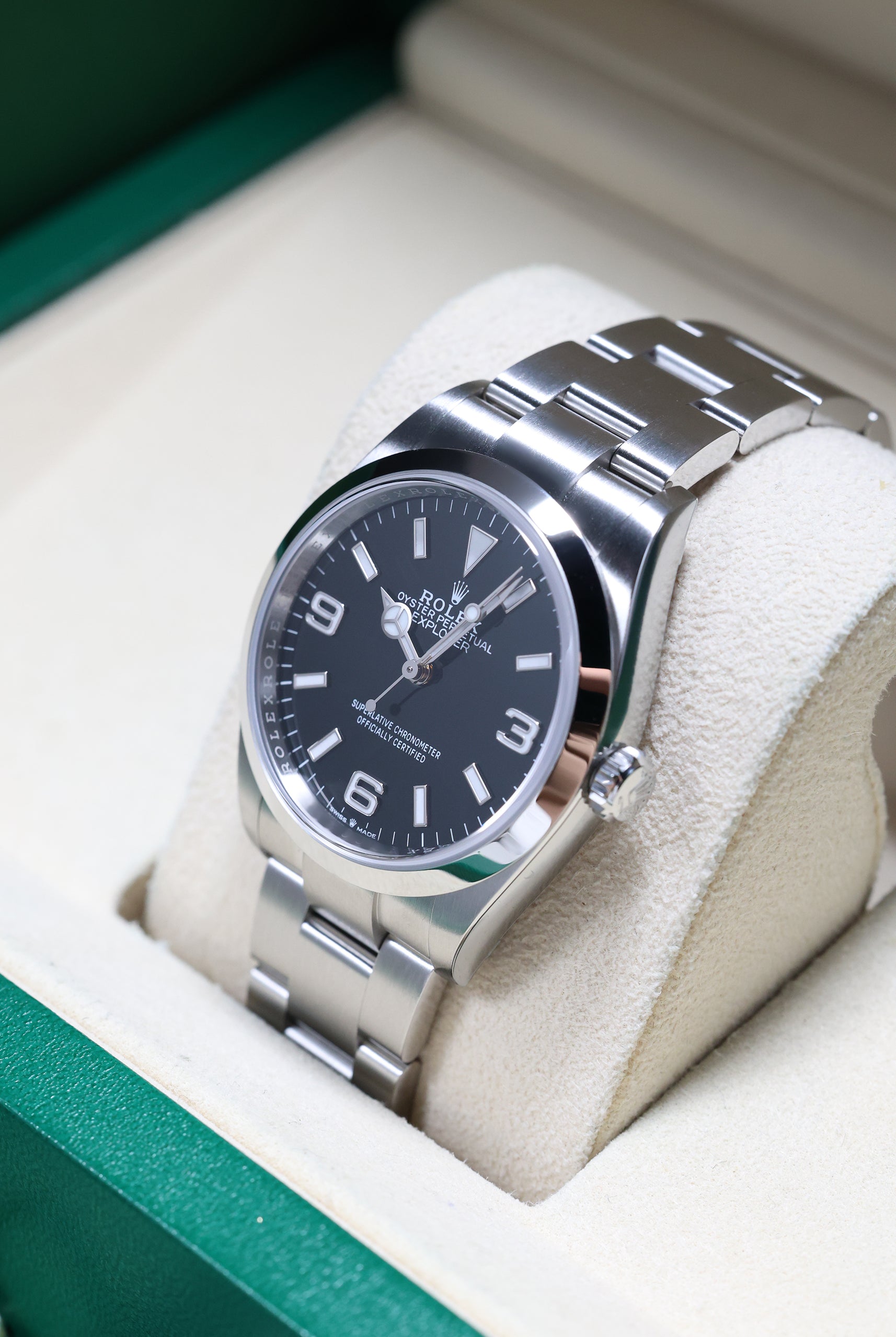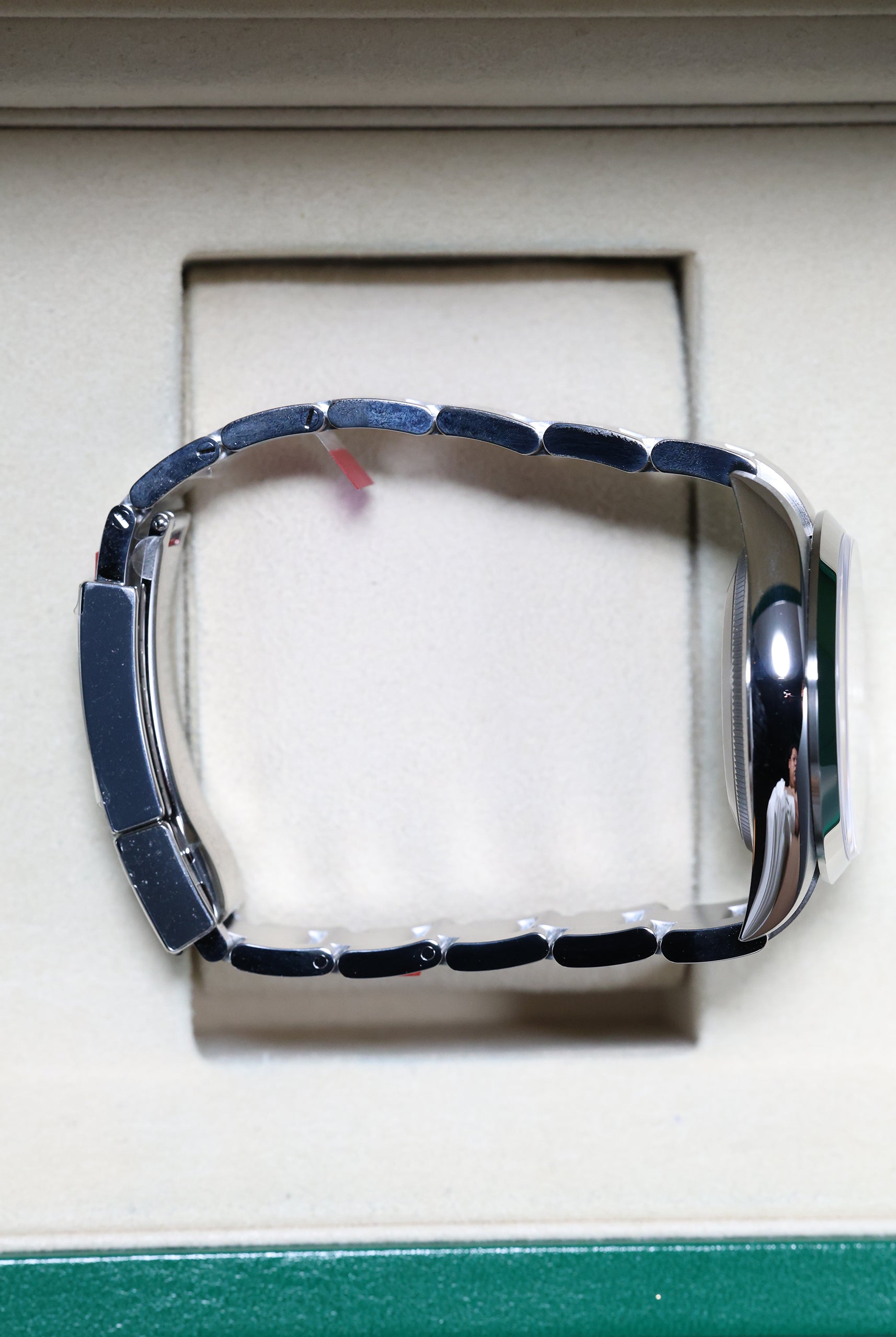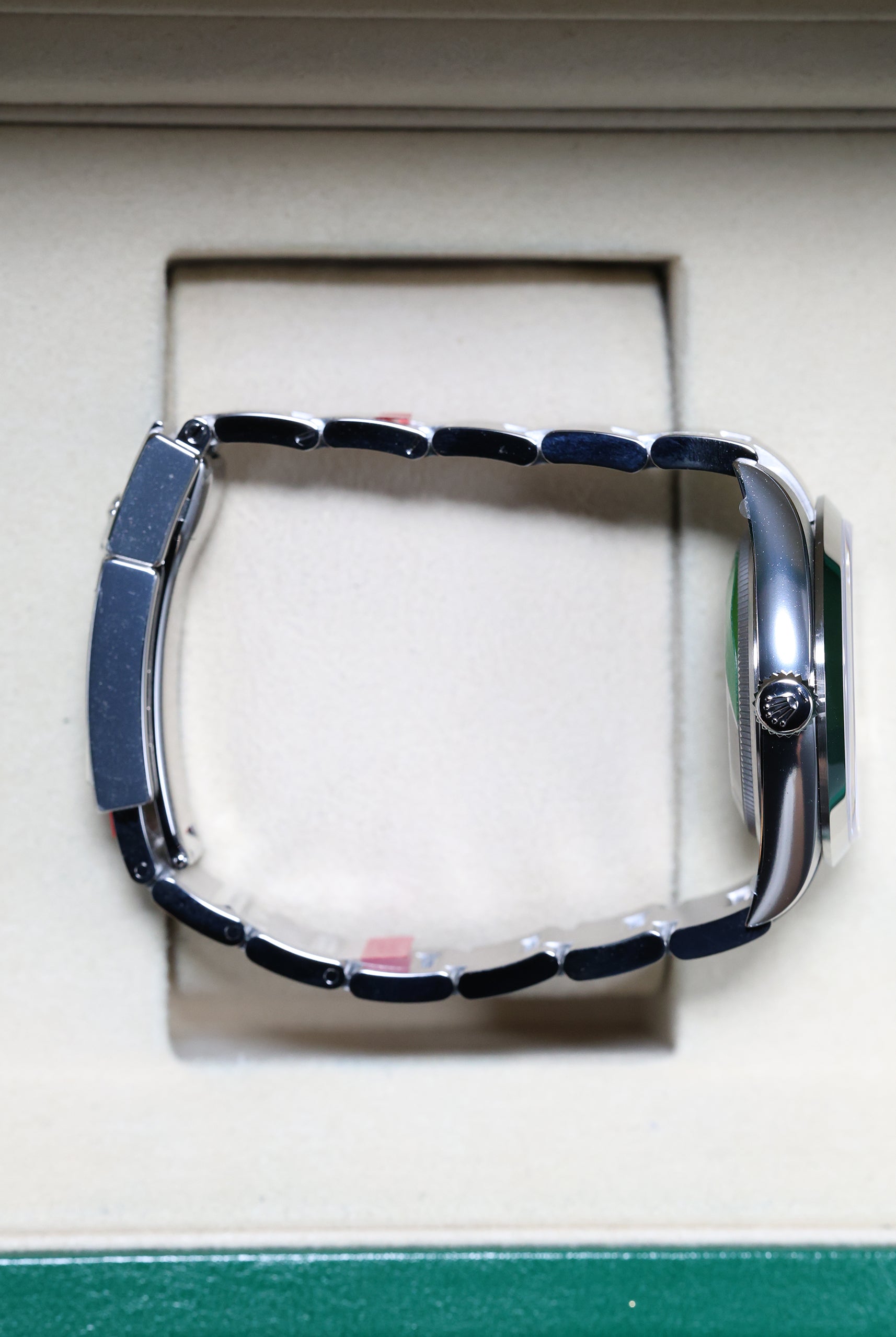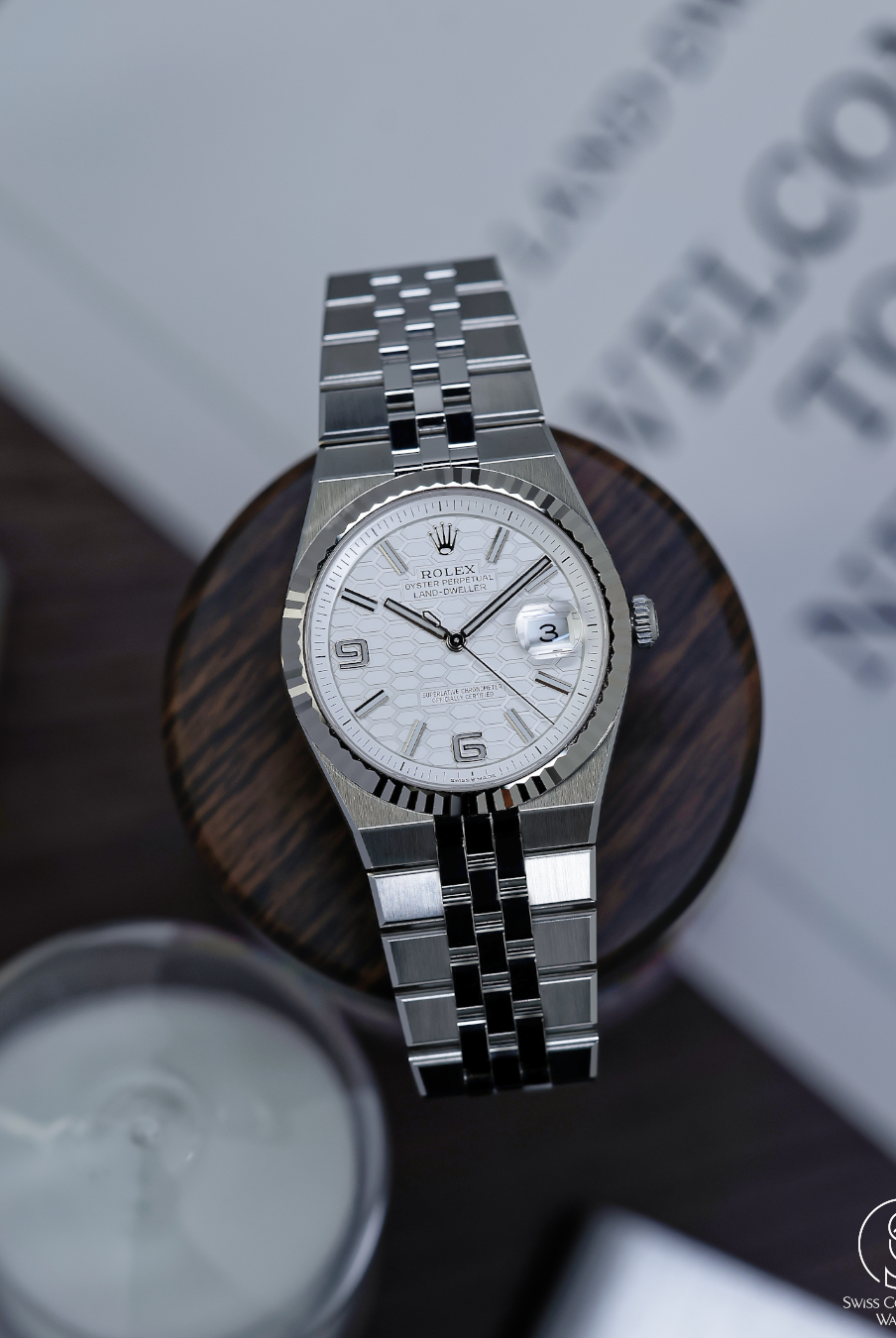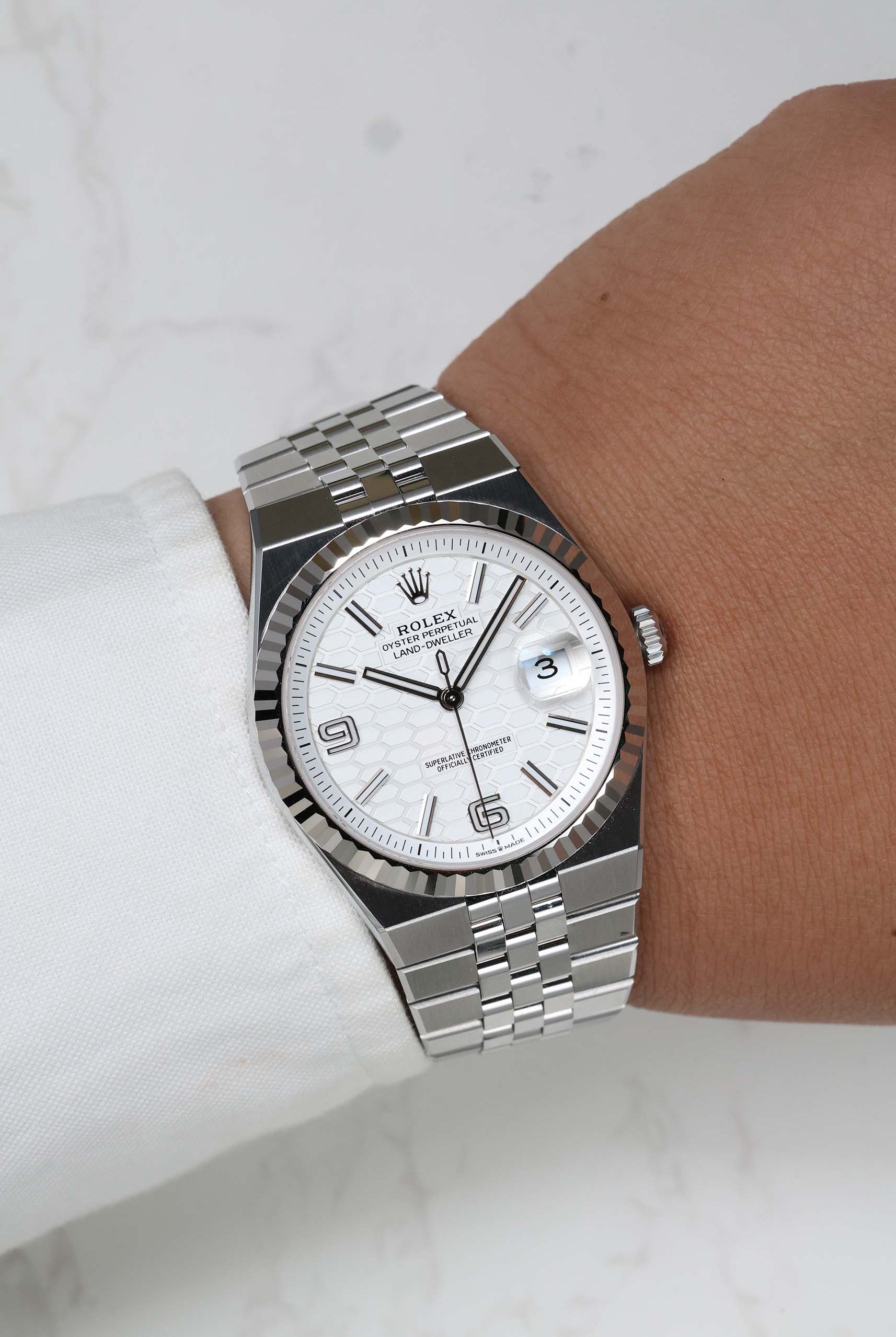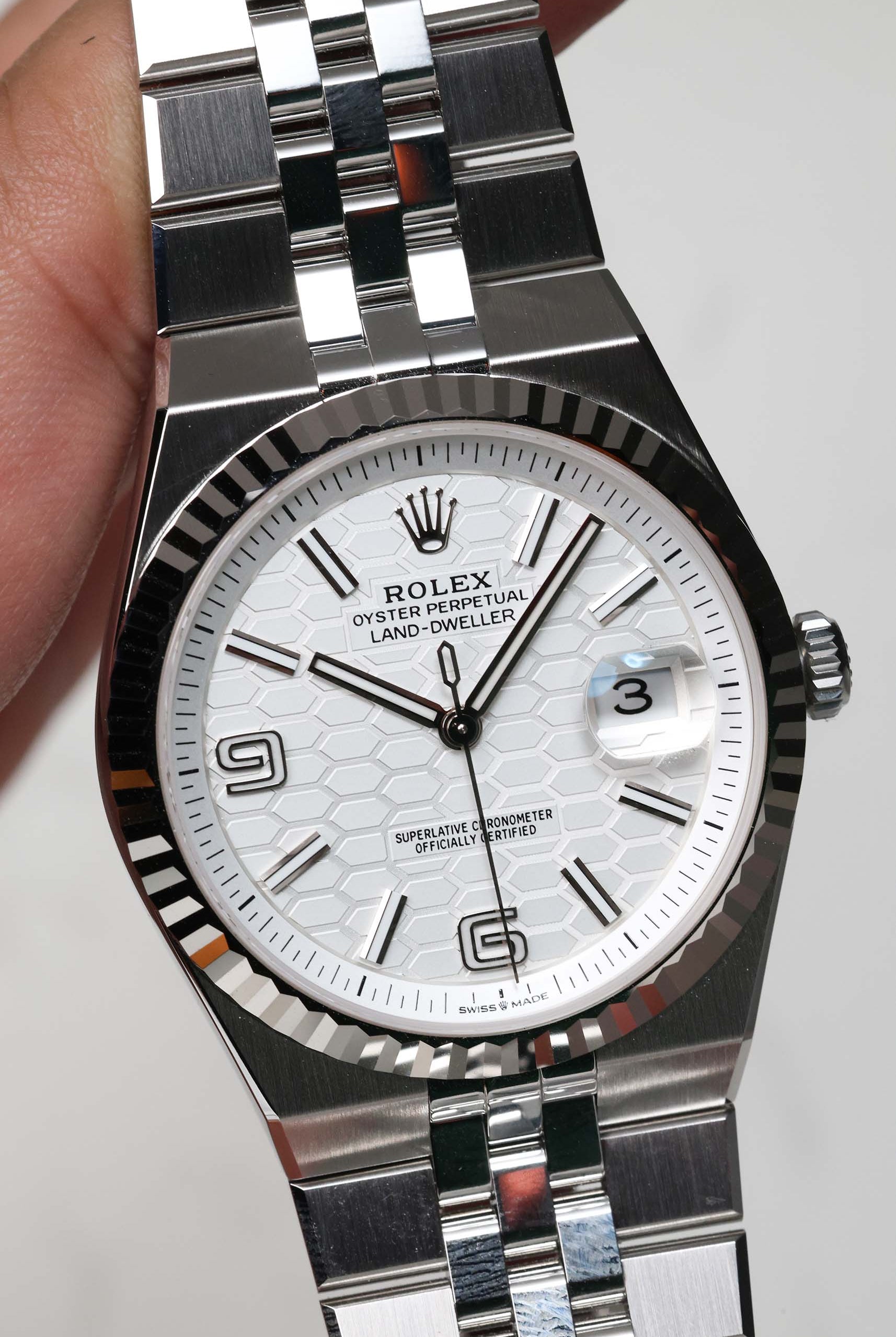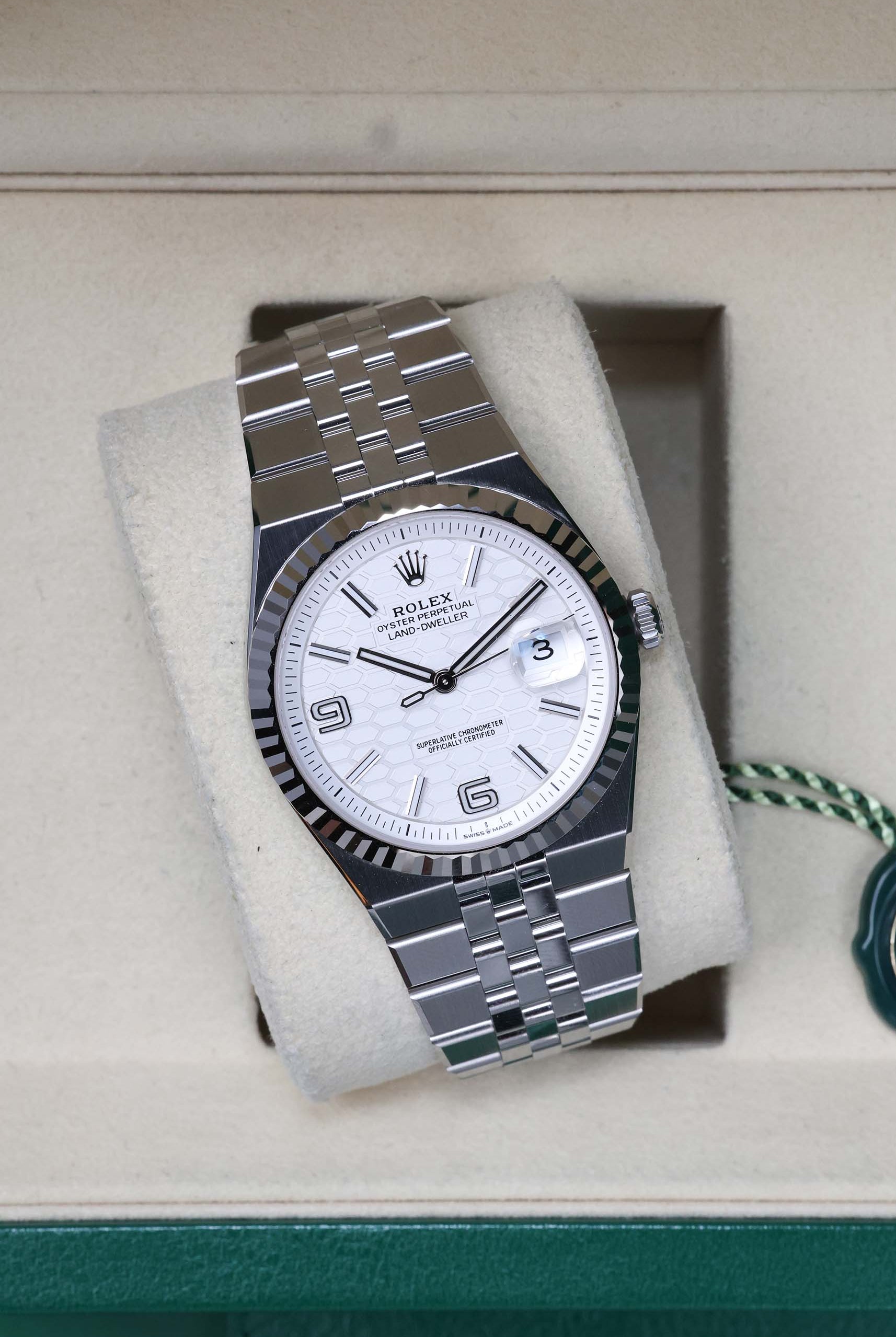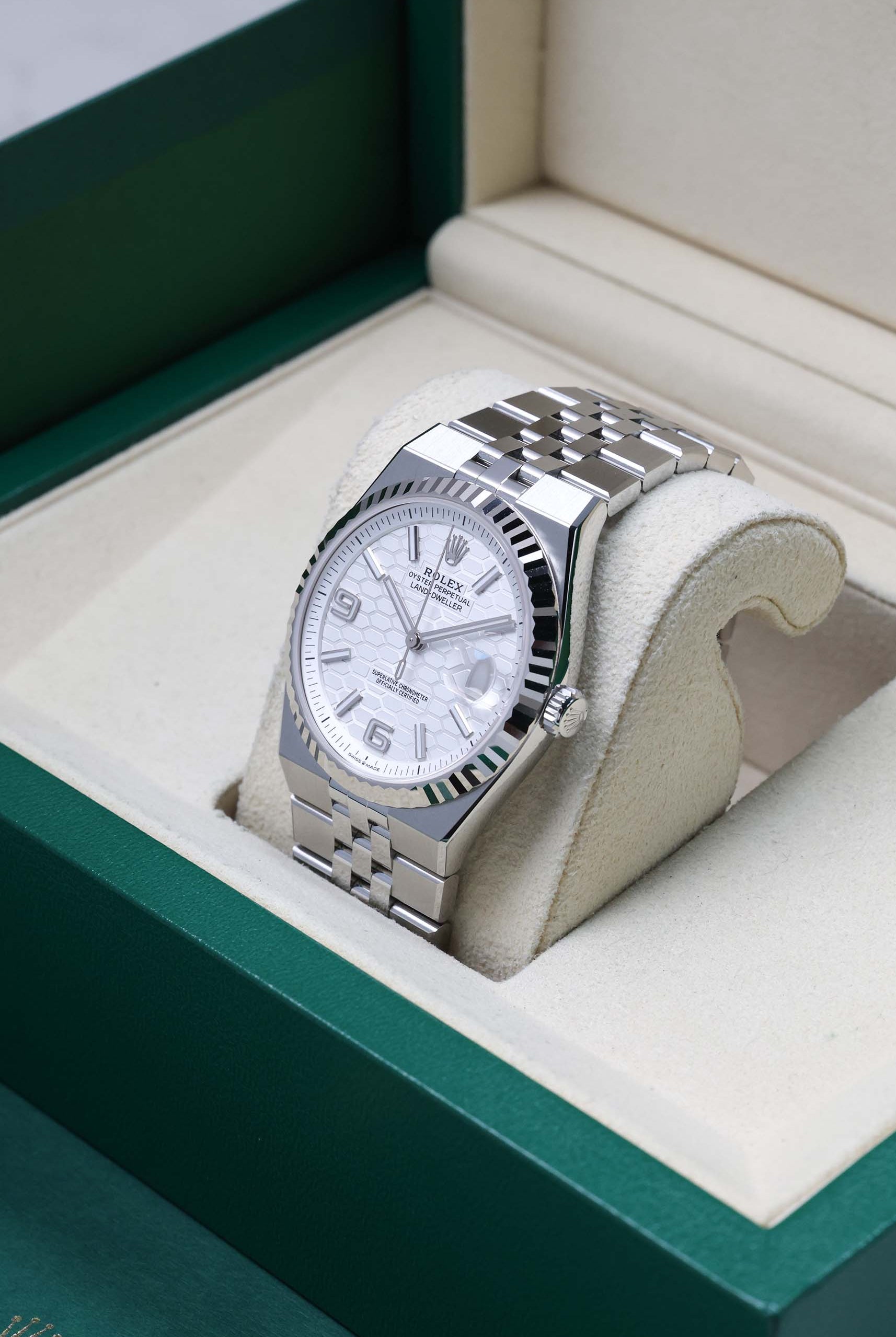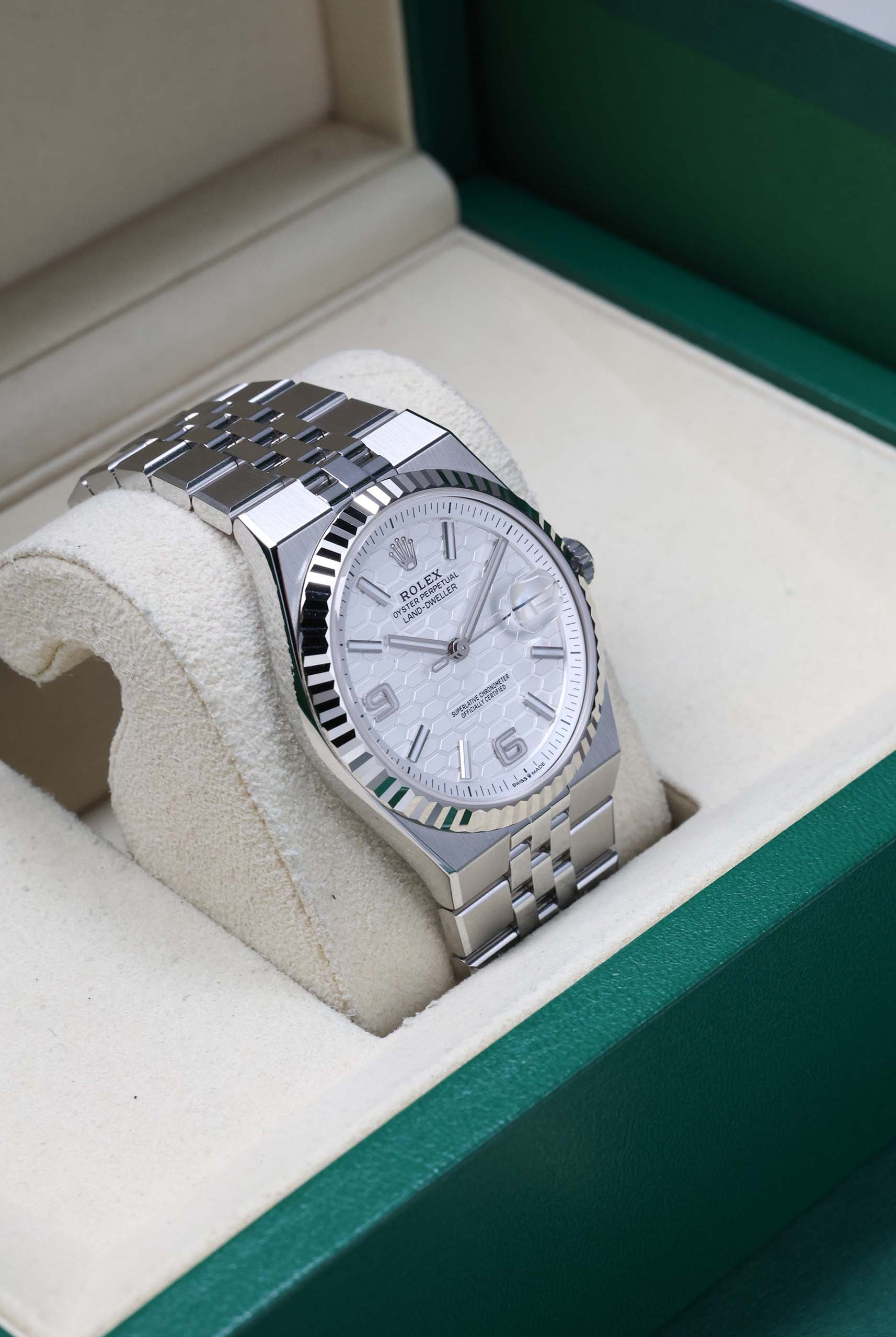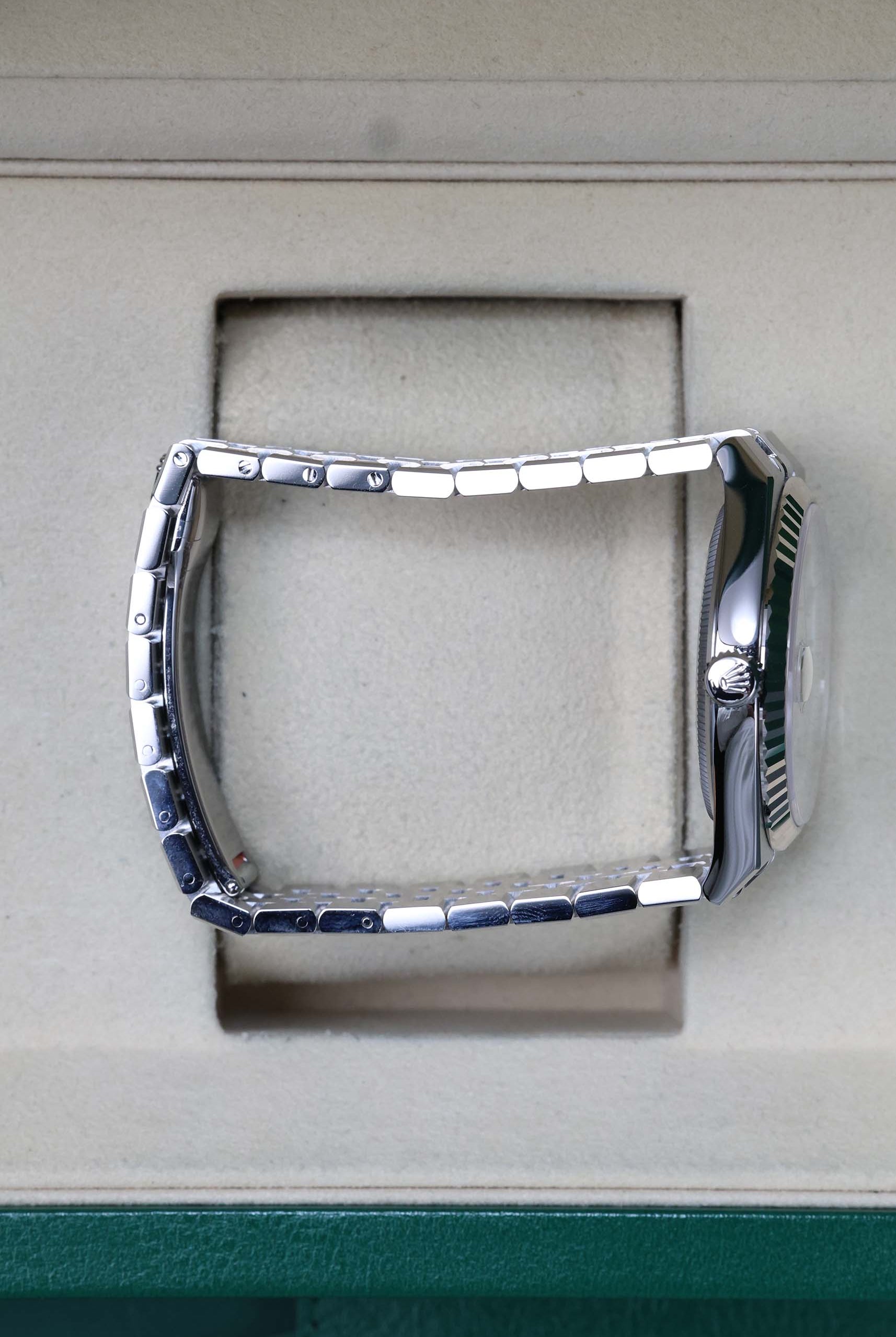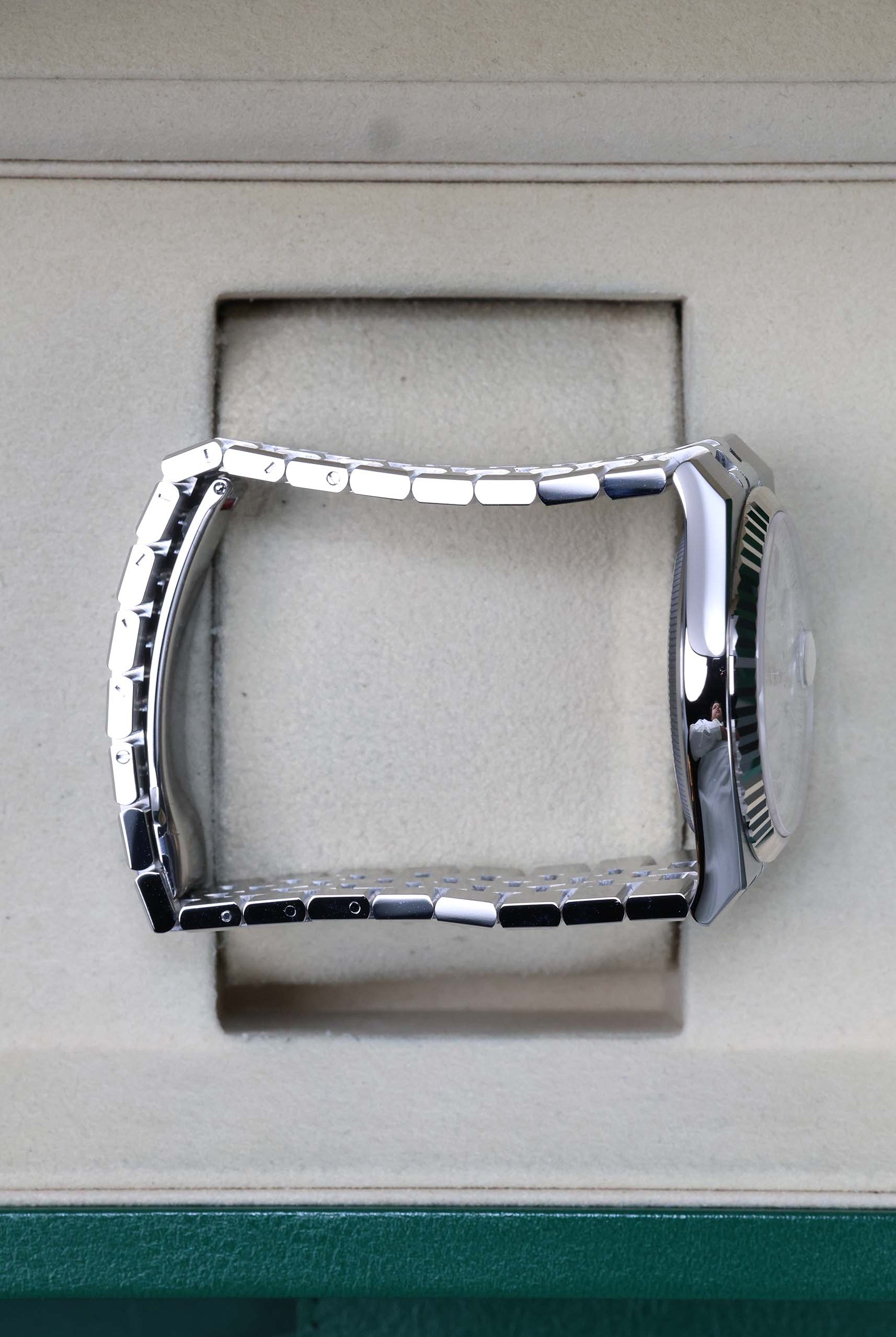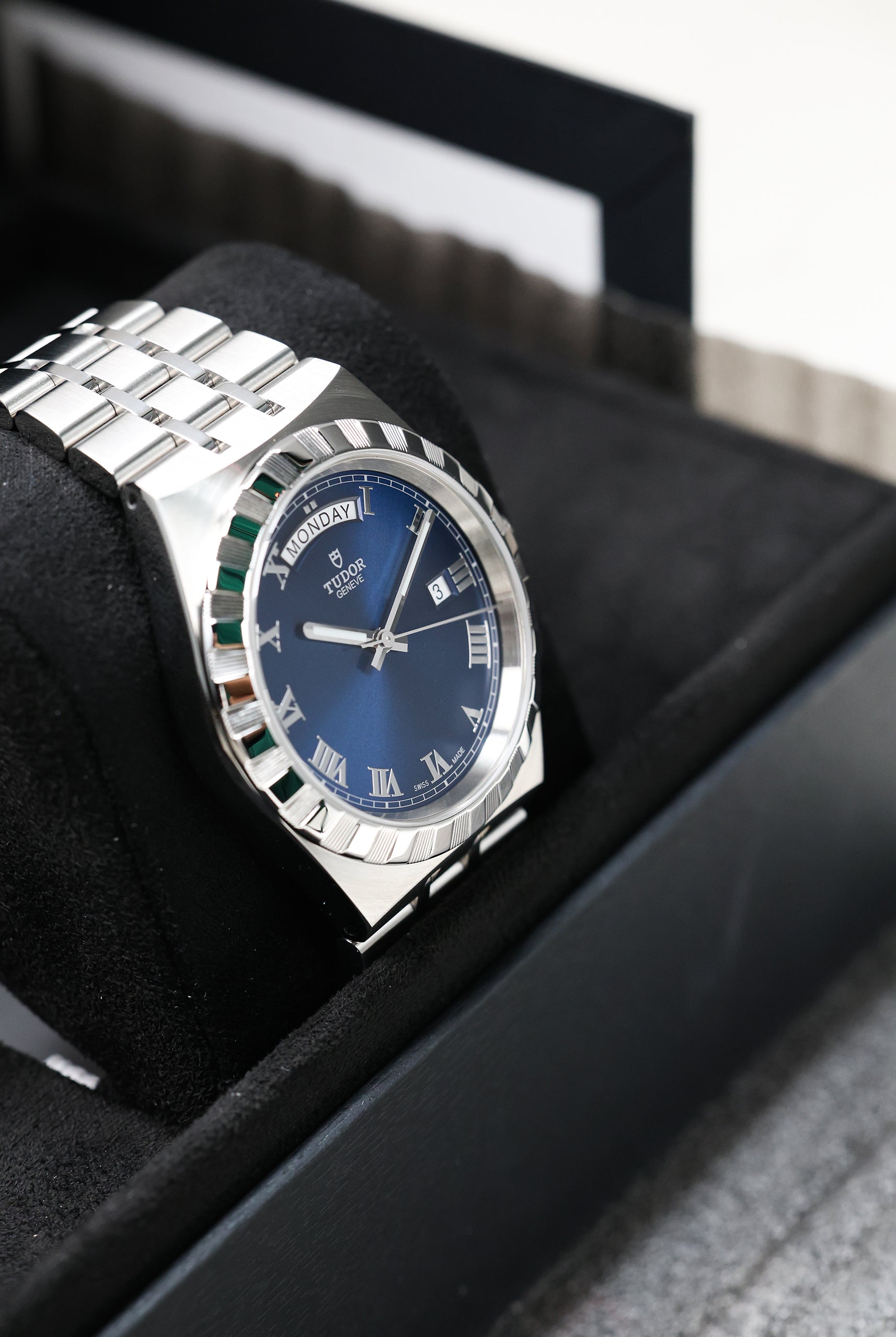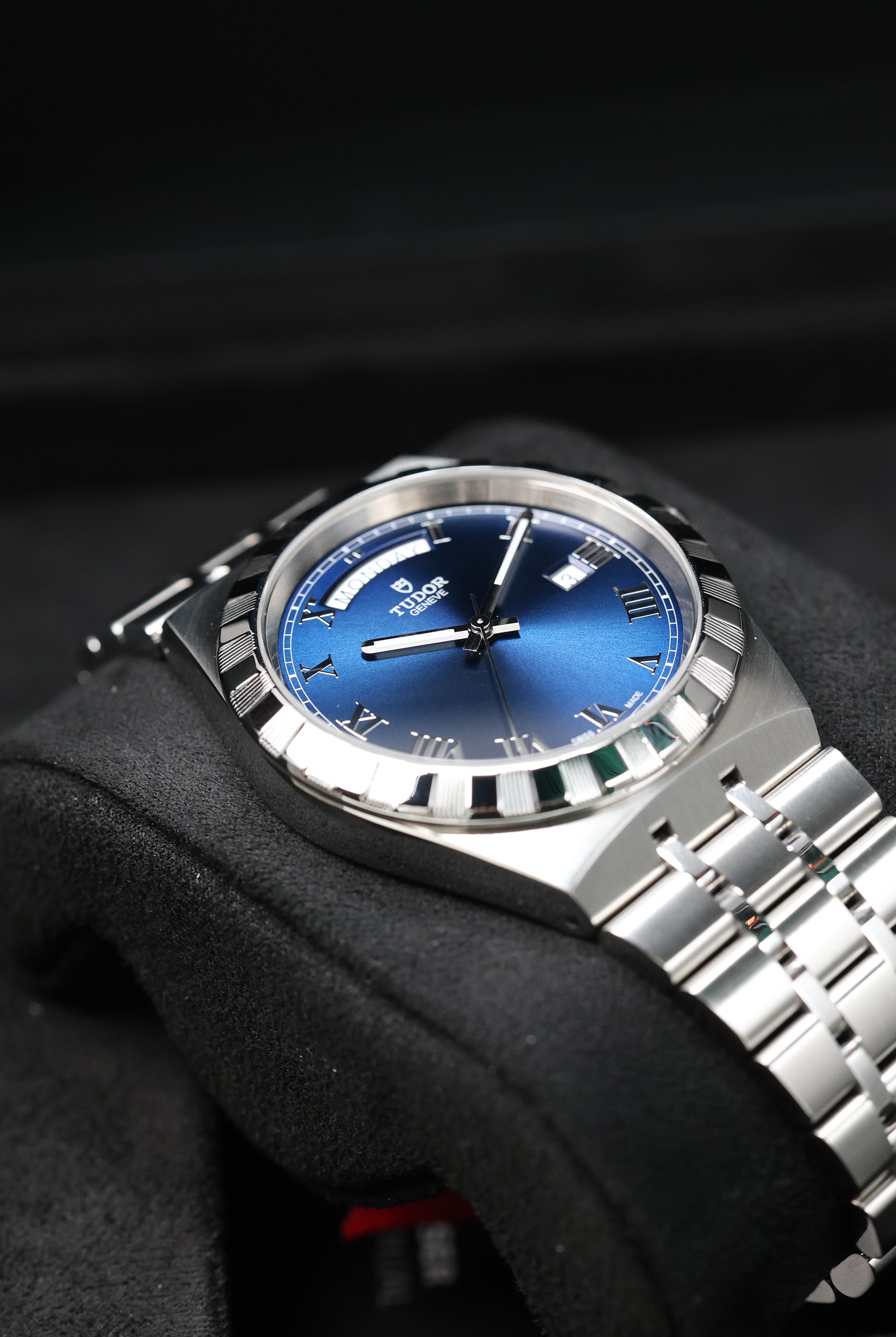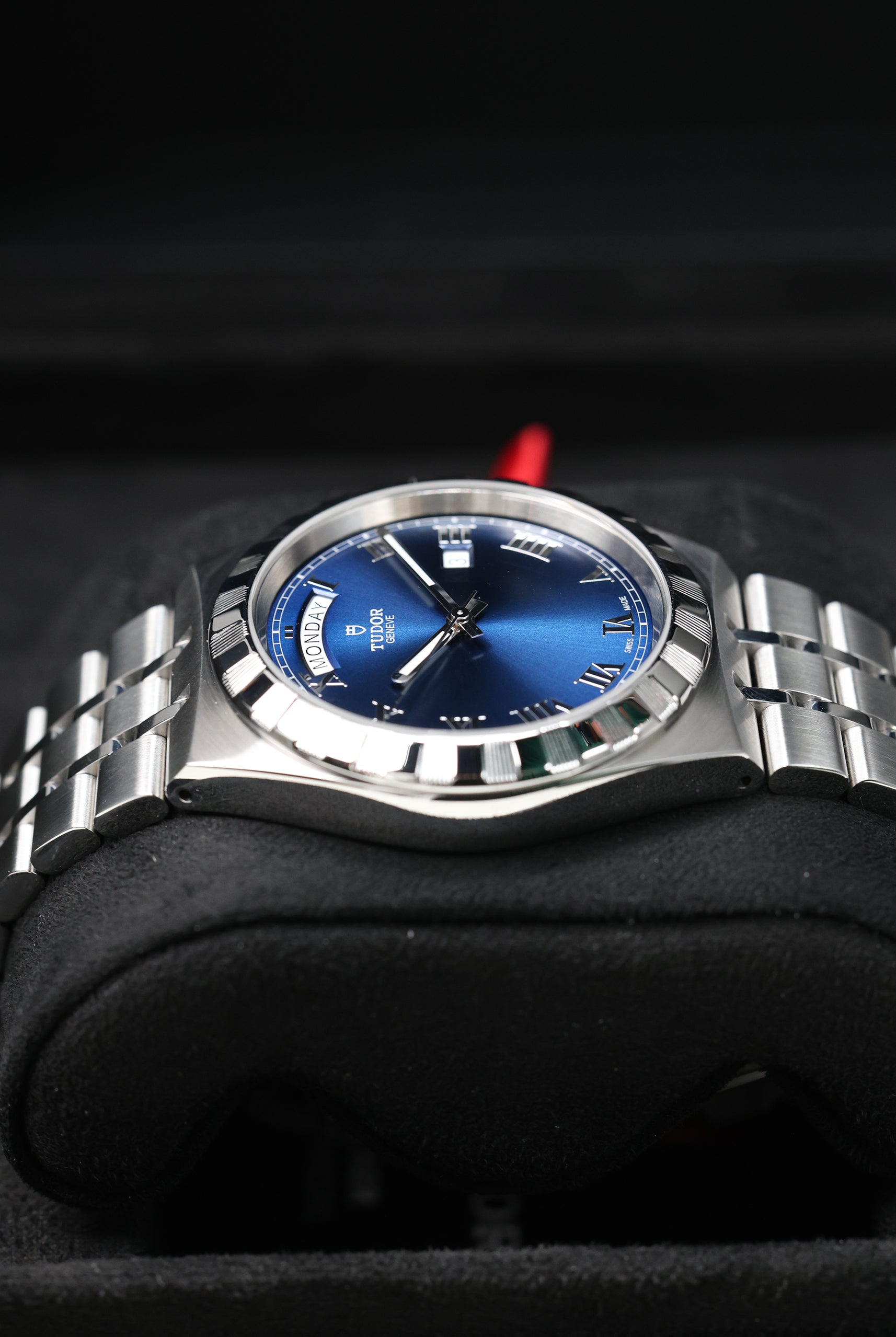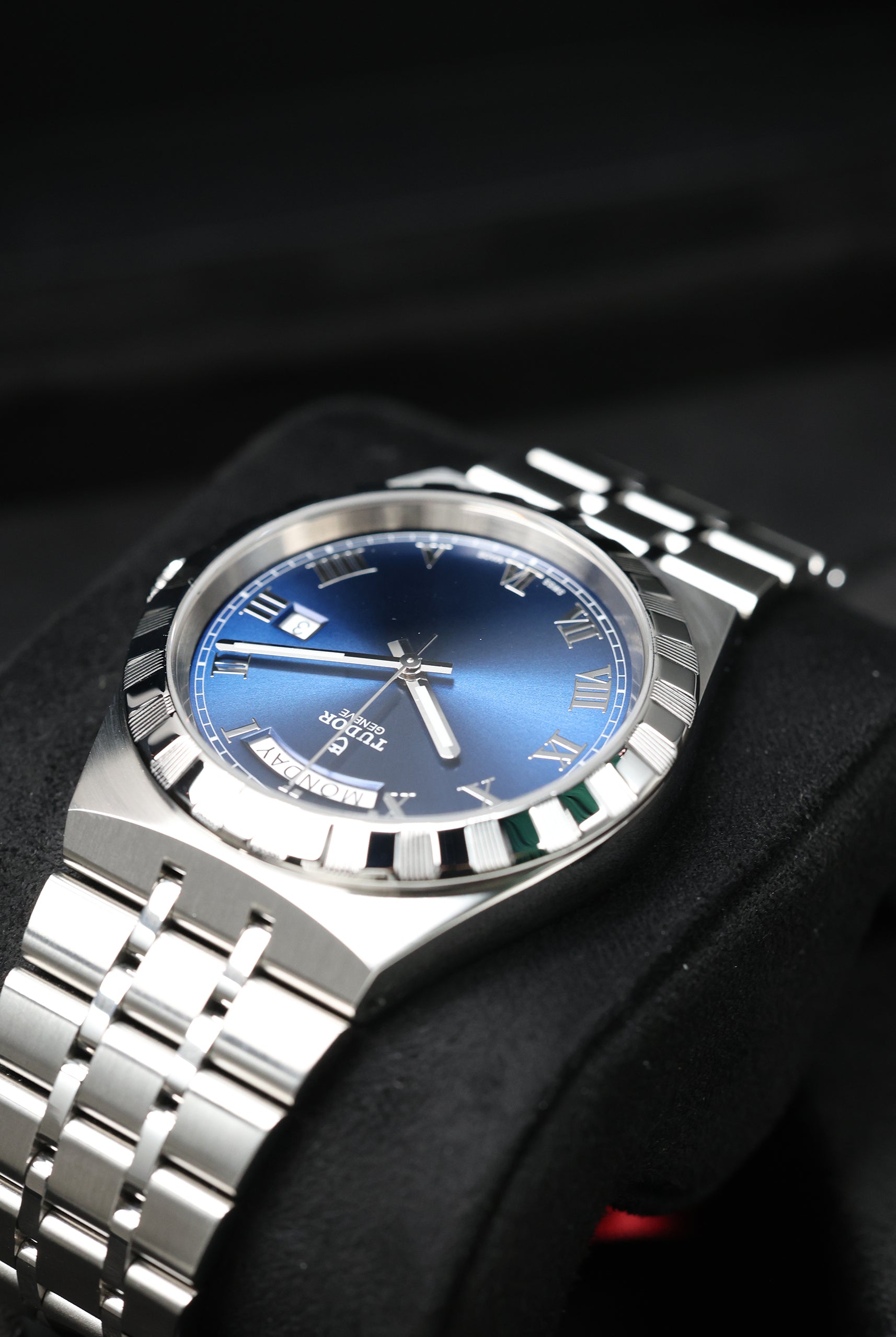

Some new Rolex releases feel inevitable. The Land-Dweller did not.
When Rolex unveiled it, the reaction was immediate and divided. Some collectors saw a bold technical leap; others saw a watch that didn’t feel like the Rolex they expected. And that is exactly why the Land-Dweller matters.
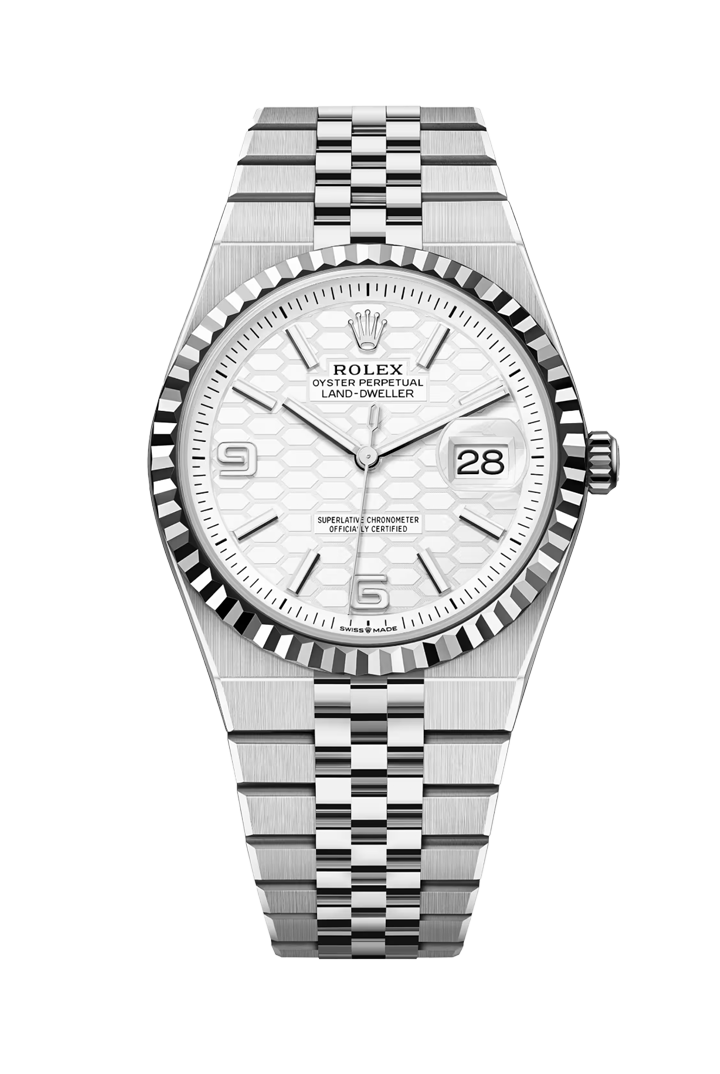
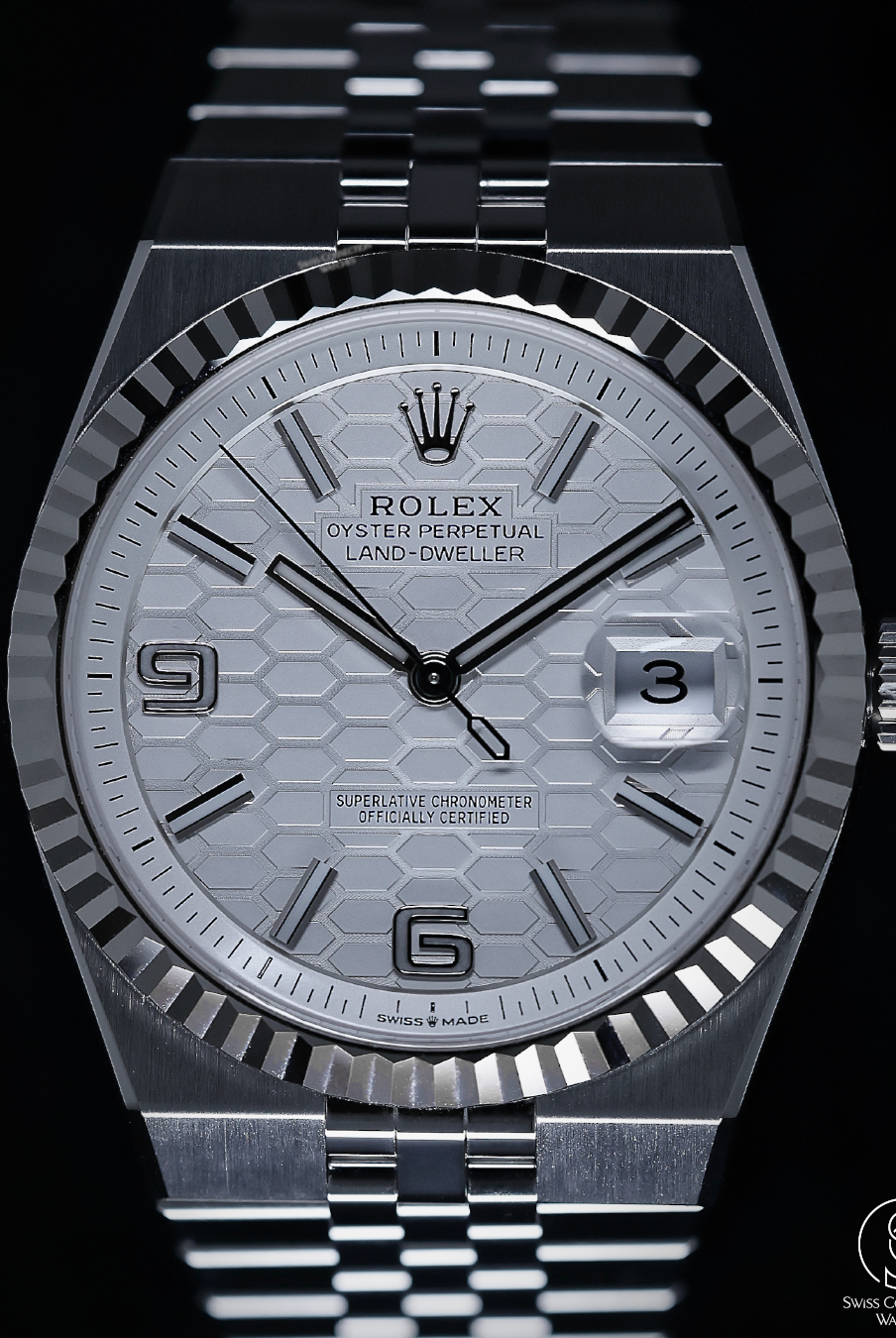
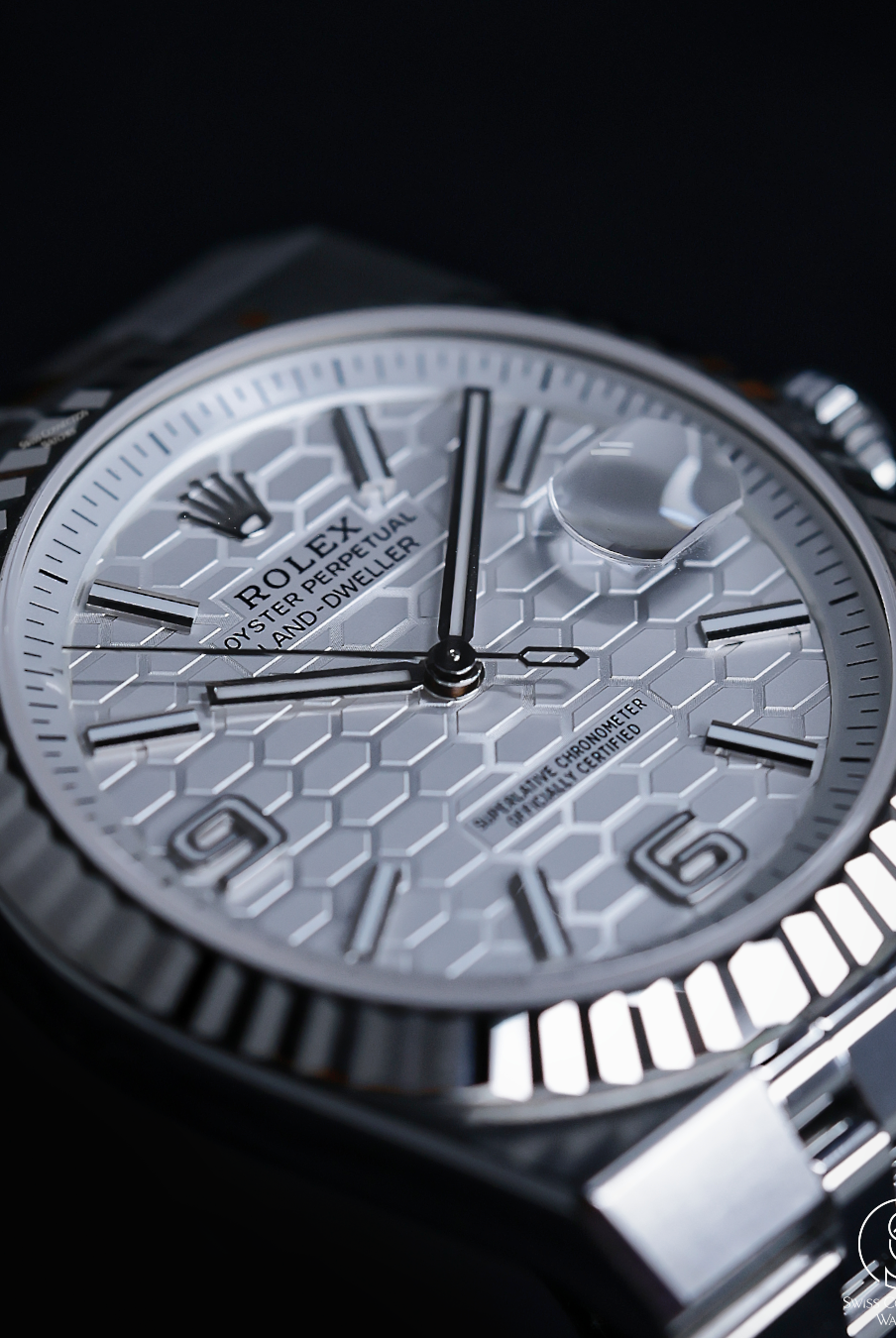
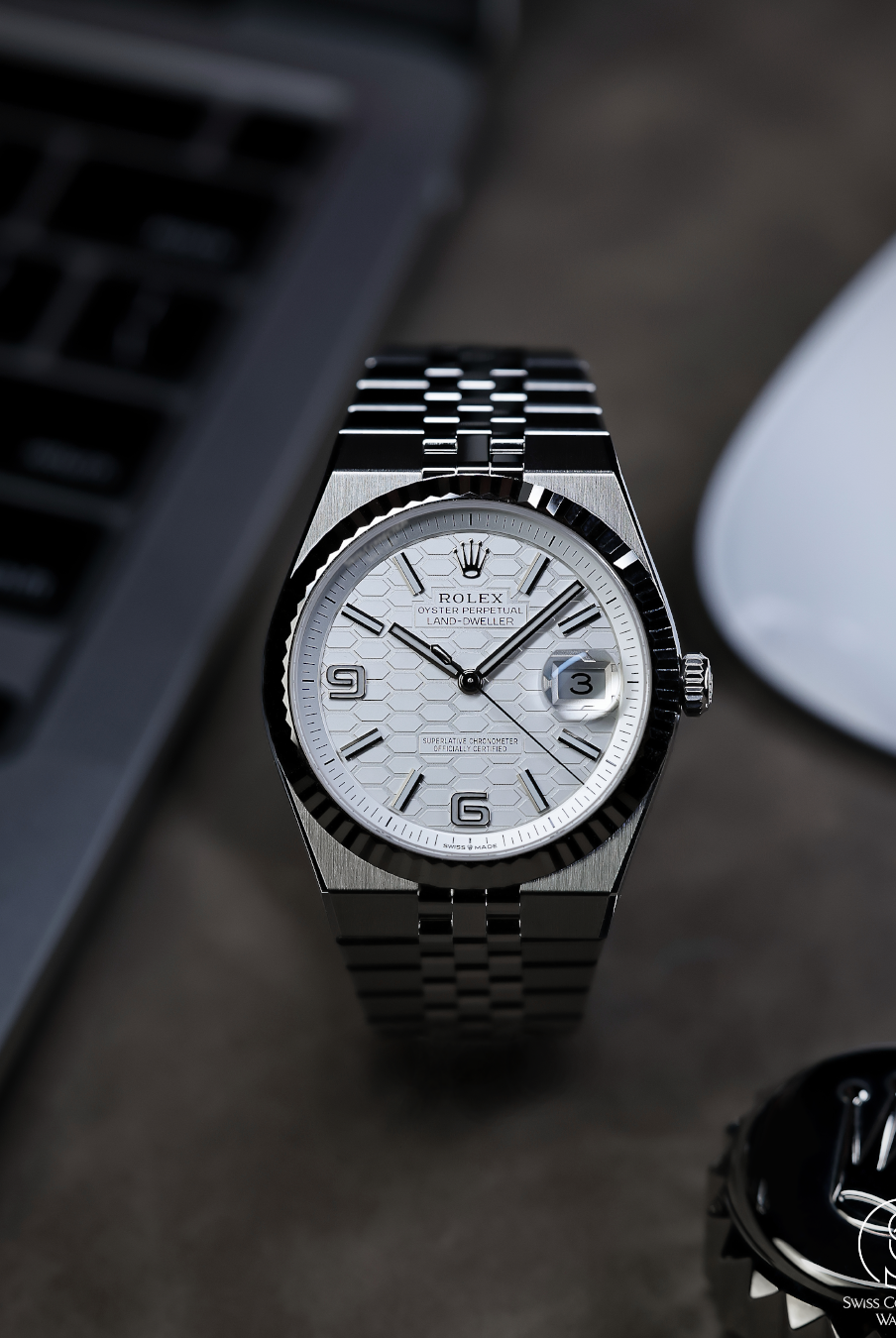
It is controversial because it steps outside the brand’s usual comfort zone. The integrated-bracelet format, the honeycomb dial, the sharp, angular silhouette, and the display caseback all push the watch into territory Rolex normally approaches with extreme caution. But the more time you spend with it, the clearer the logic becomes: this is not Rolex chasing fashion. It is Rolex reopening one of its own unfinished chapters.
The Missing Link in Rolex History
To understand the Land-Dweller, you have to go back to the 1970s.
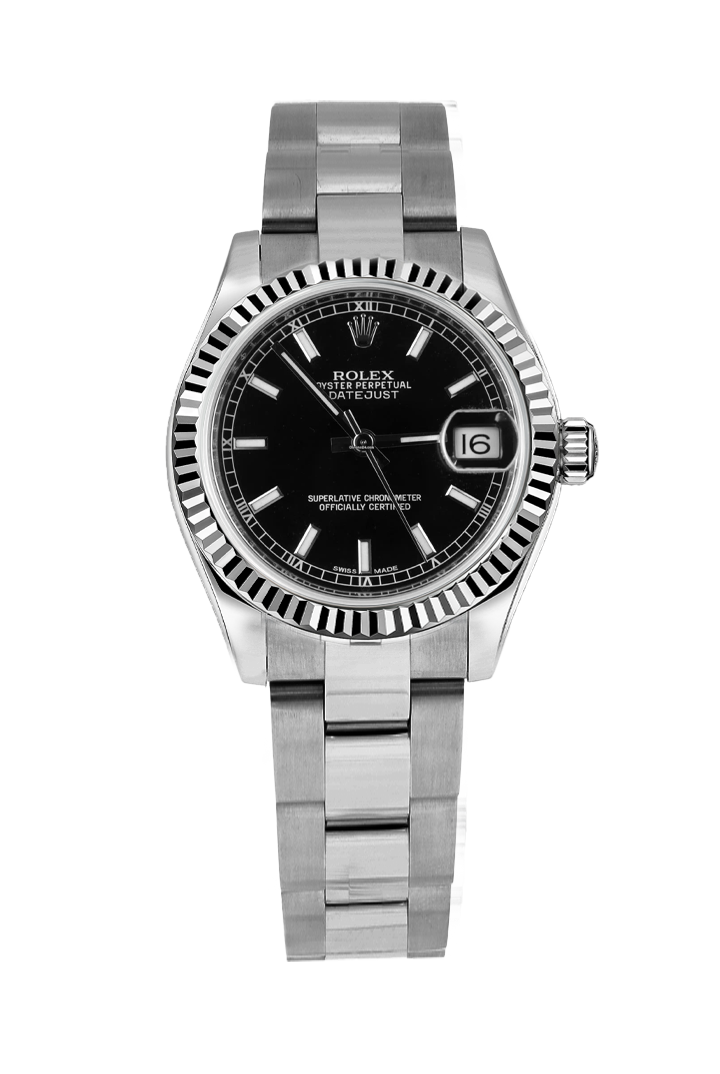
This was the era when watch design became sharper, more architectural, and far more integrated. While the industry now tends to tell that story through Gérald Genta alone, Rolex had its own response. The Datejust Ref. 1630 was one of the most unusual watches the brand ever made: angular, integrated, and unmistakably different from the rounded "Oyster" language collectors had come to expect. It featured the "Mono Oyster" case—a barrel-shaped silhouette that bridged the gap between mechanical tradition and the quartz-driven futurism of the late 20th century.
Rolex Datejust 1630 (Source : Amsterdam Vintage Watches)
It was short-lived, a little misunderstood, and today regarded as one of those "connoisseur’s Rolexes" that makes far more sense in hindsight than it did at launch. That is what makes the Land-Dweller so interesting. It is not a random new shape; it is Rolex reaching back into its own archive and saying: we’ve been here before.
Why It Feels So Different
The Land-Dweller is not just controversial because of its shape; it feels different because Rolex has changed several things at once.
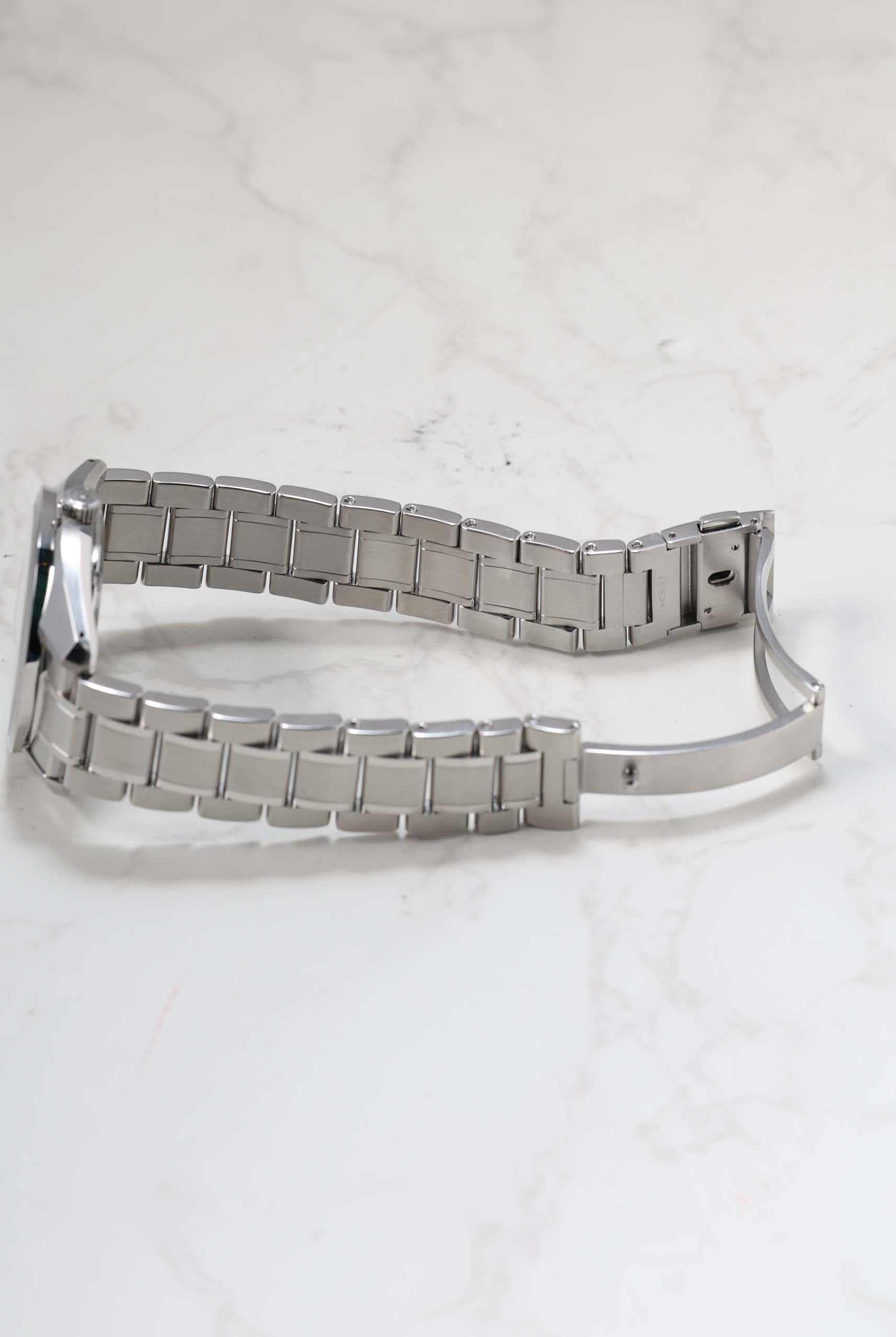
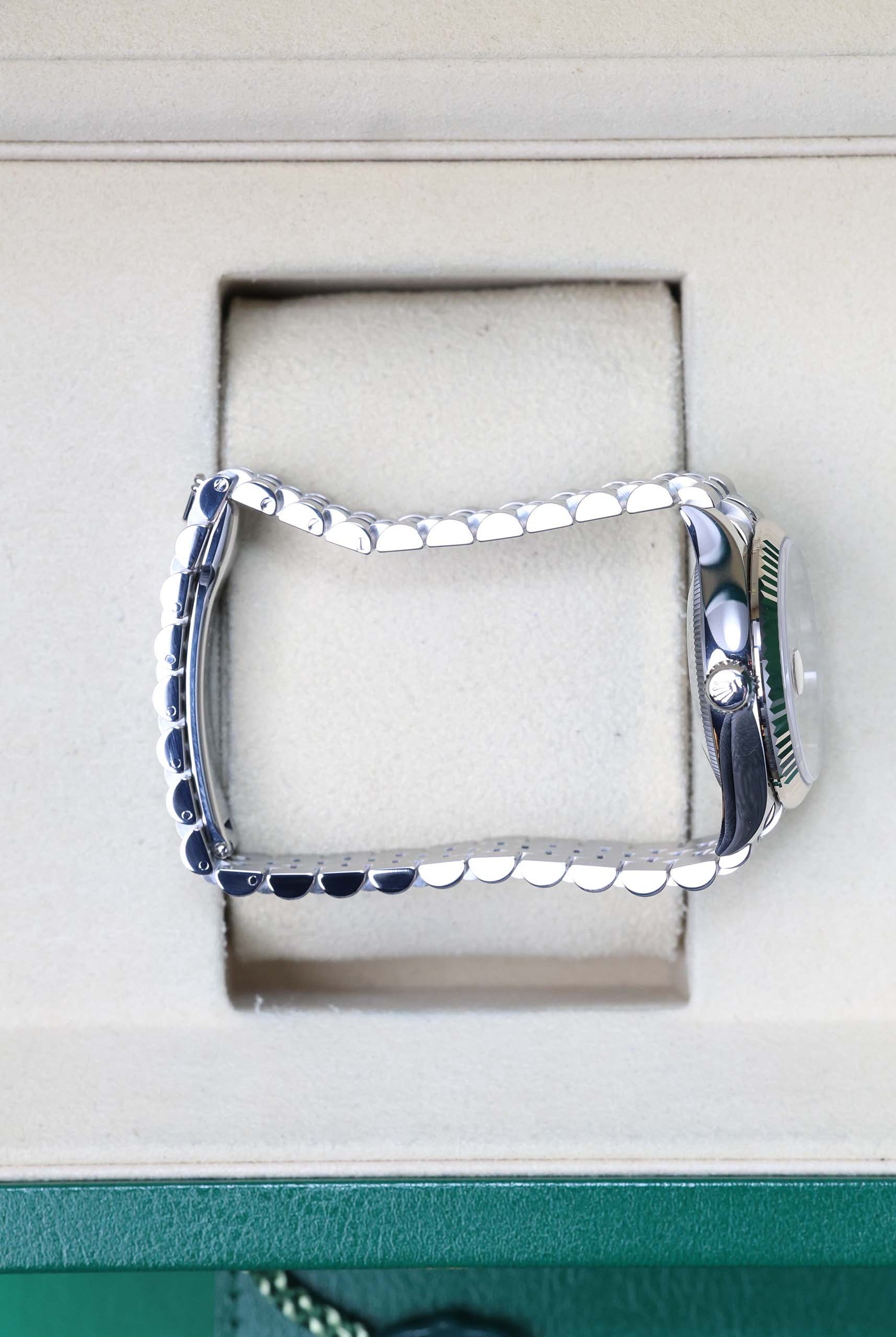
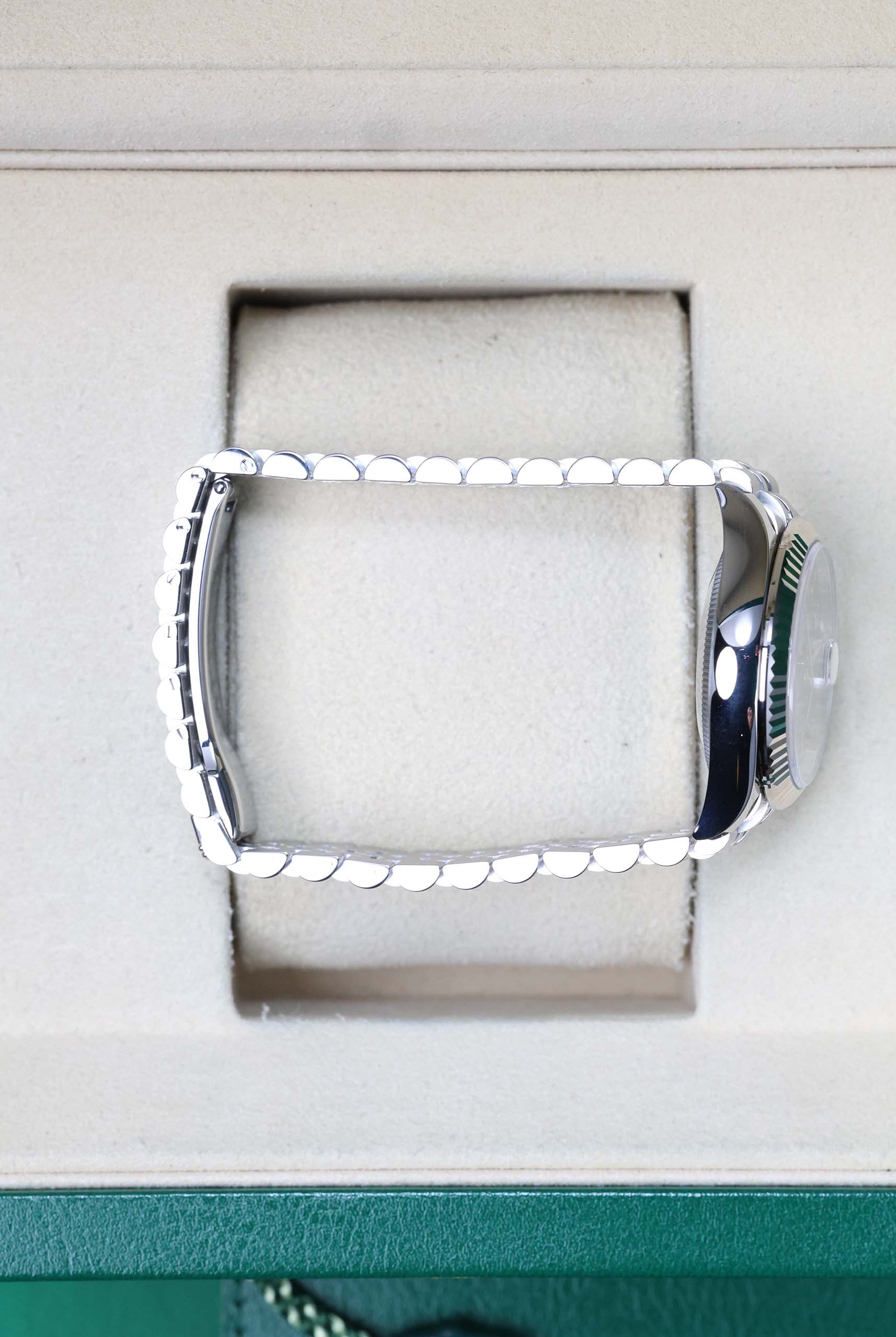
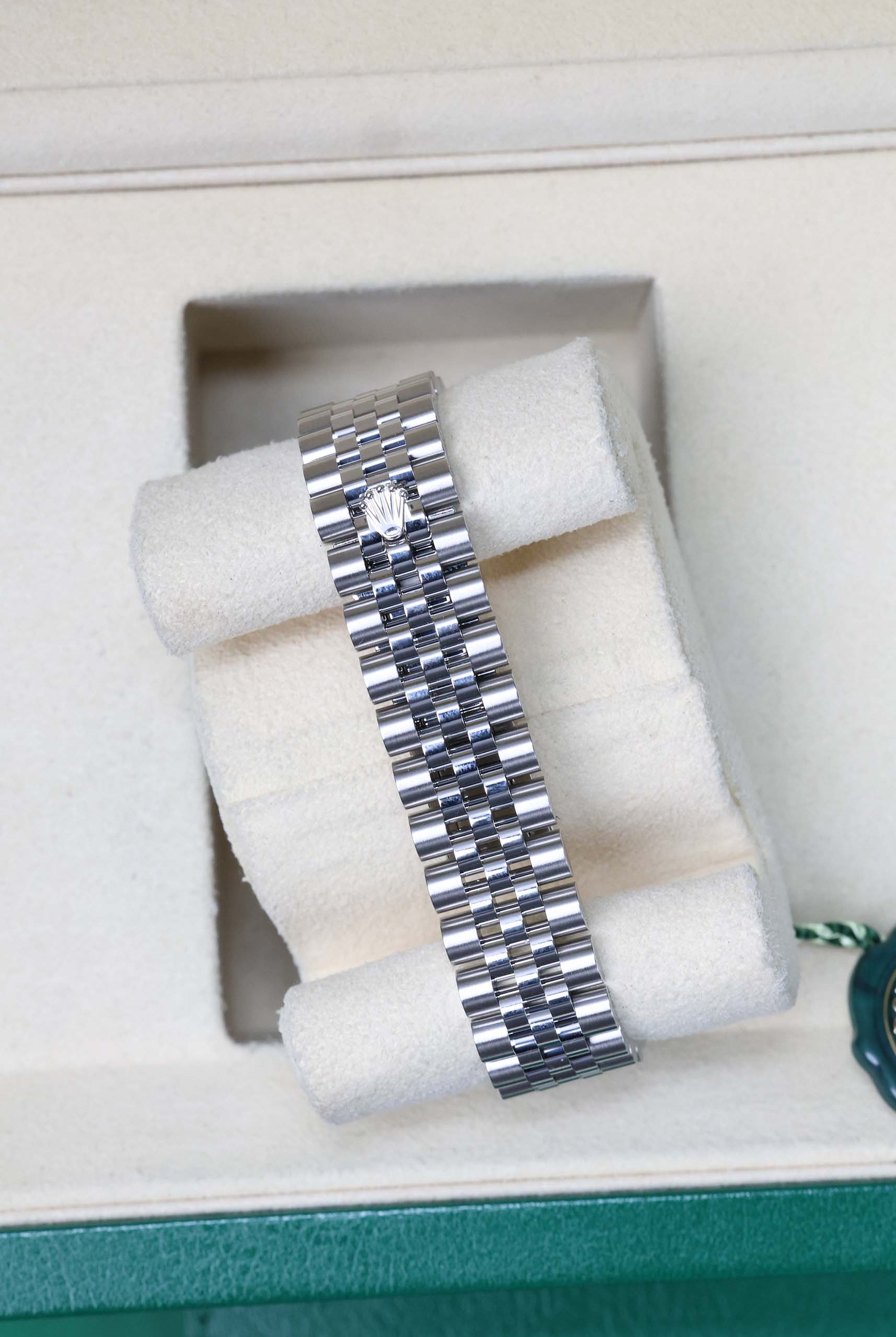
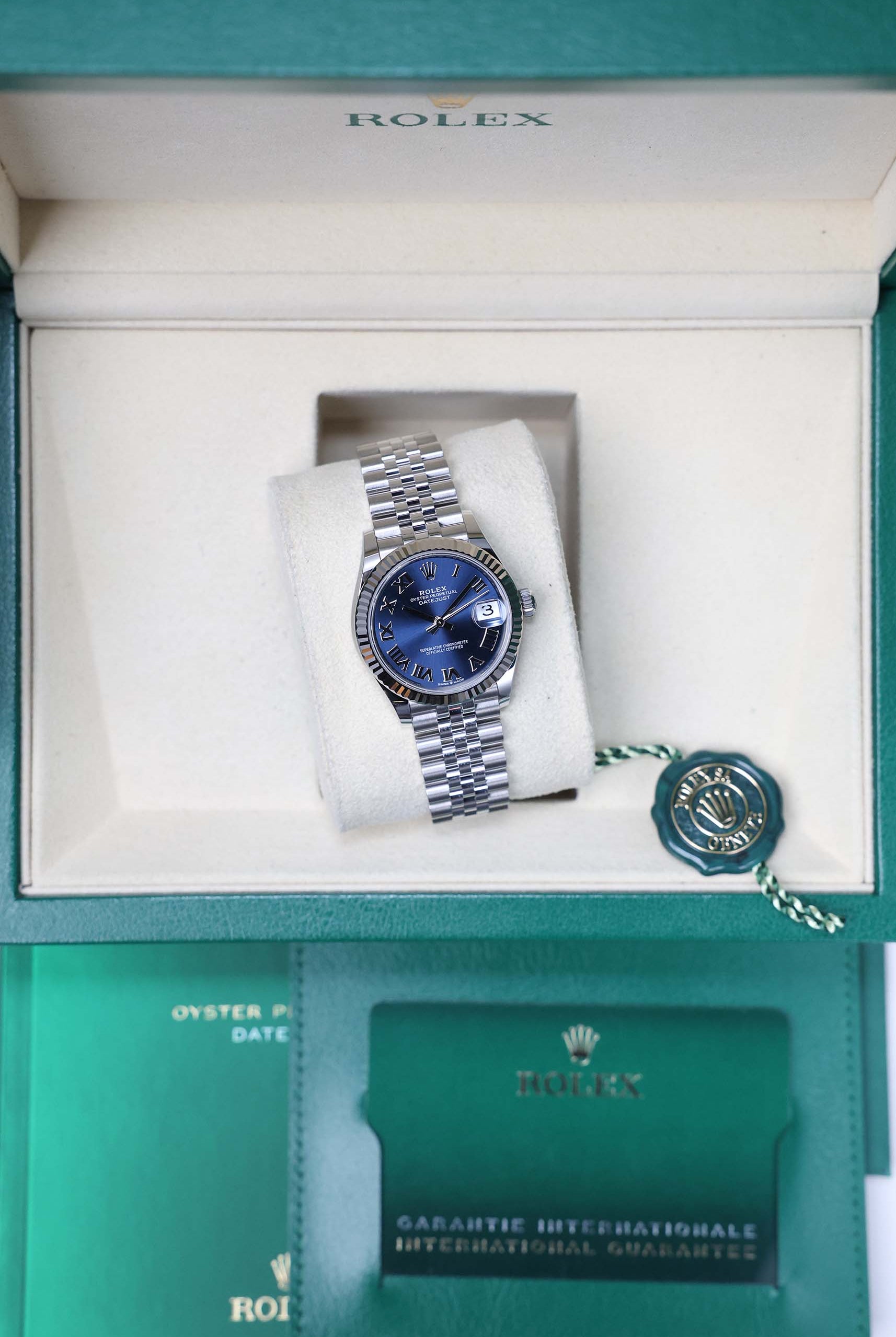
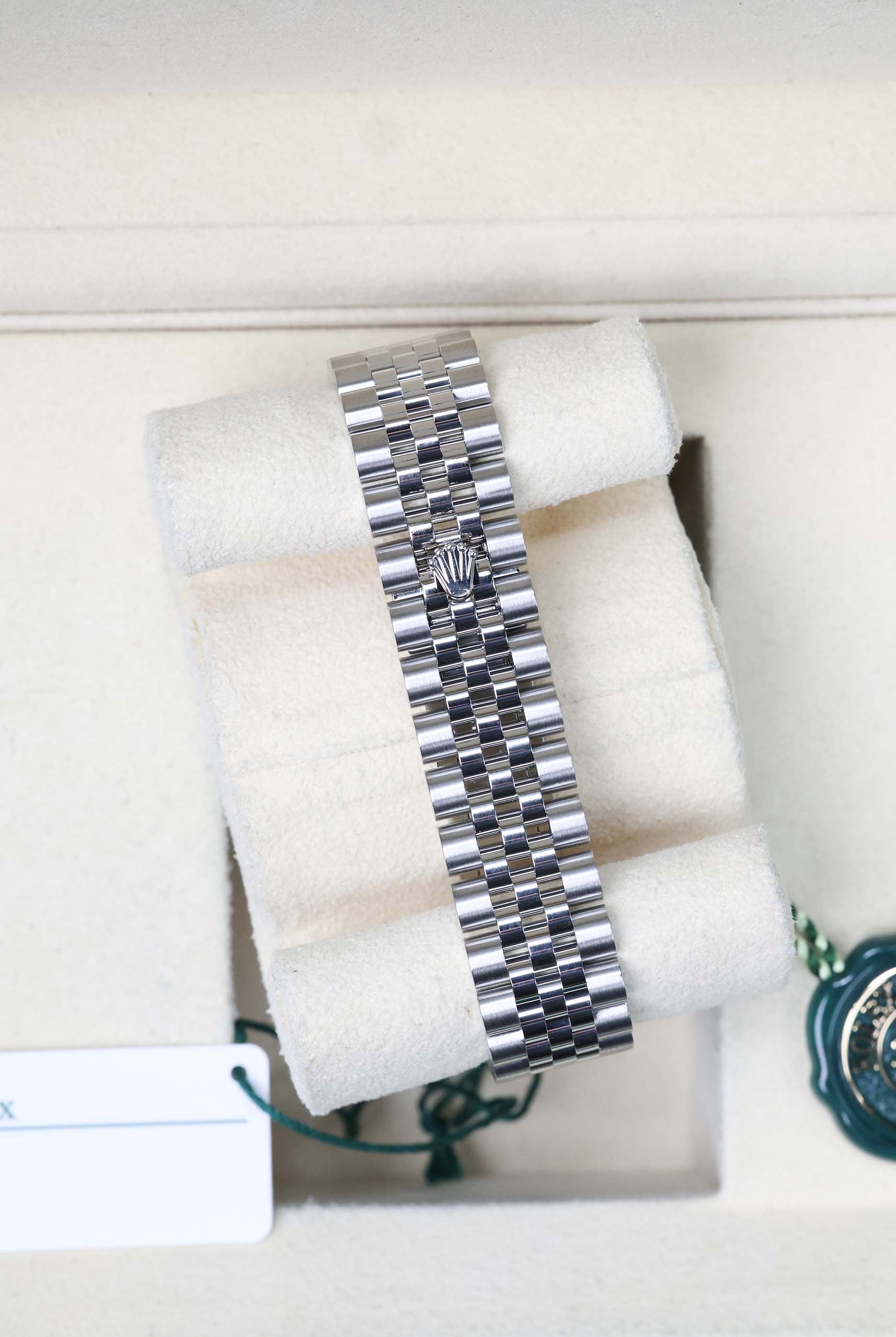
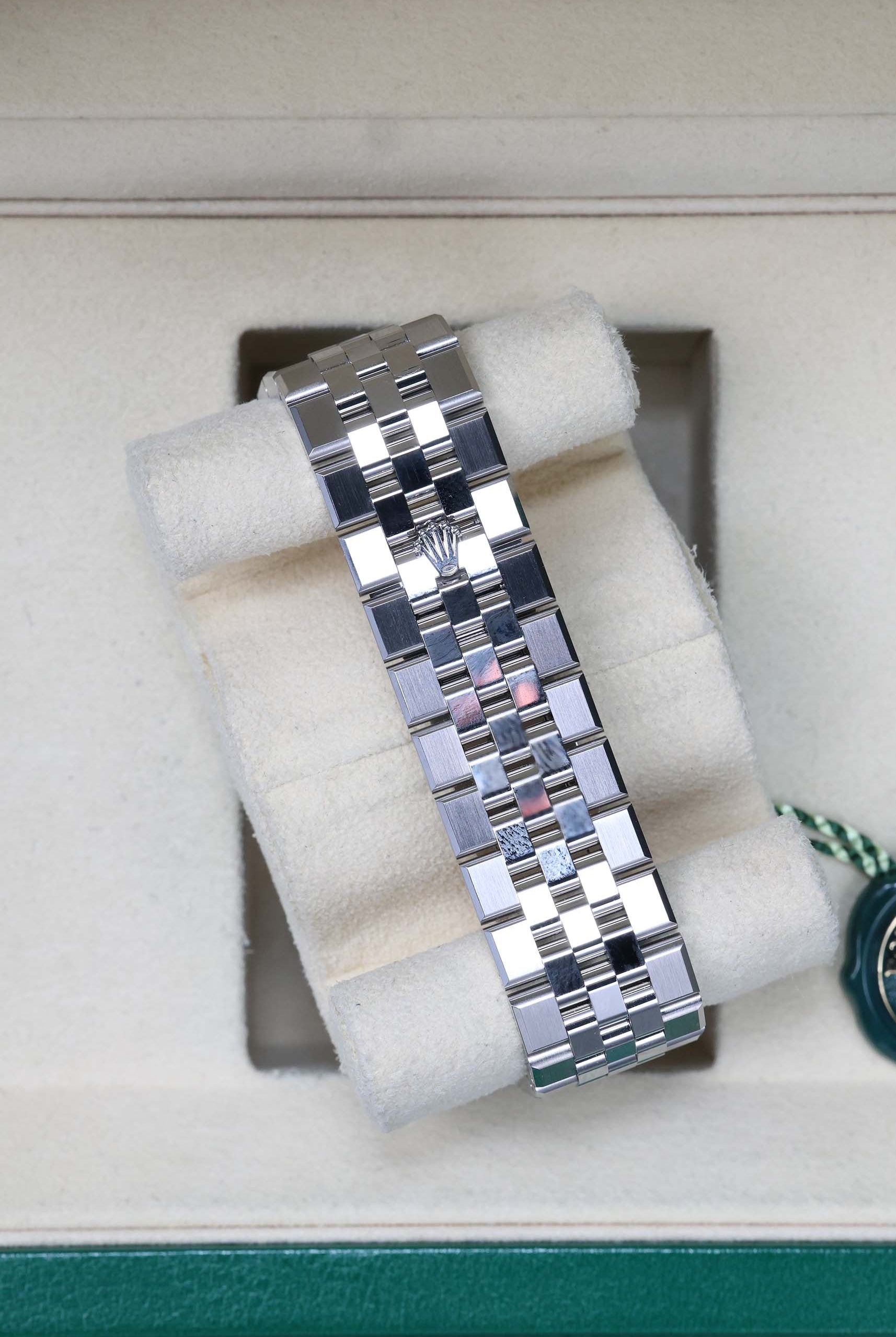
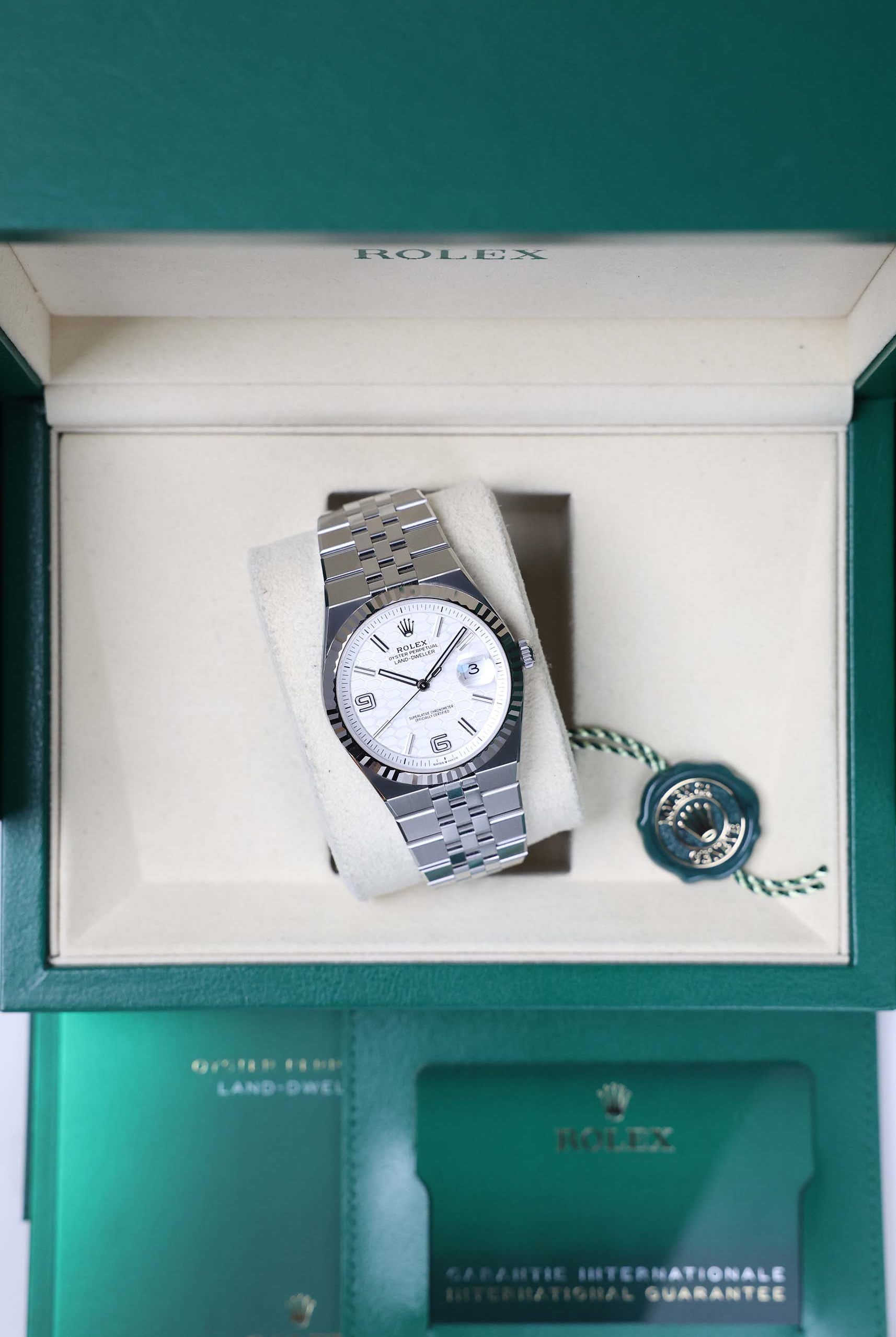
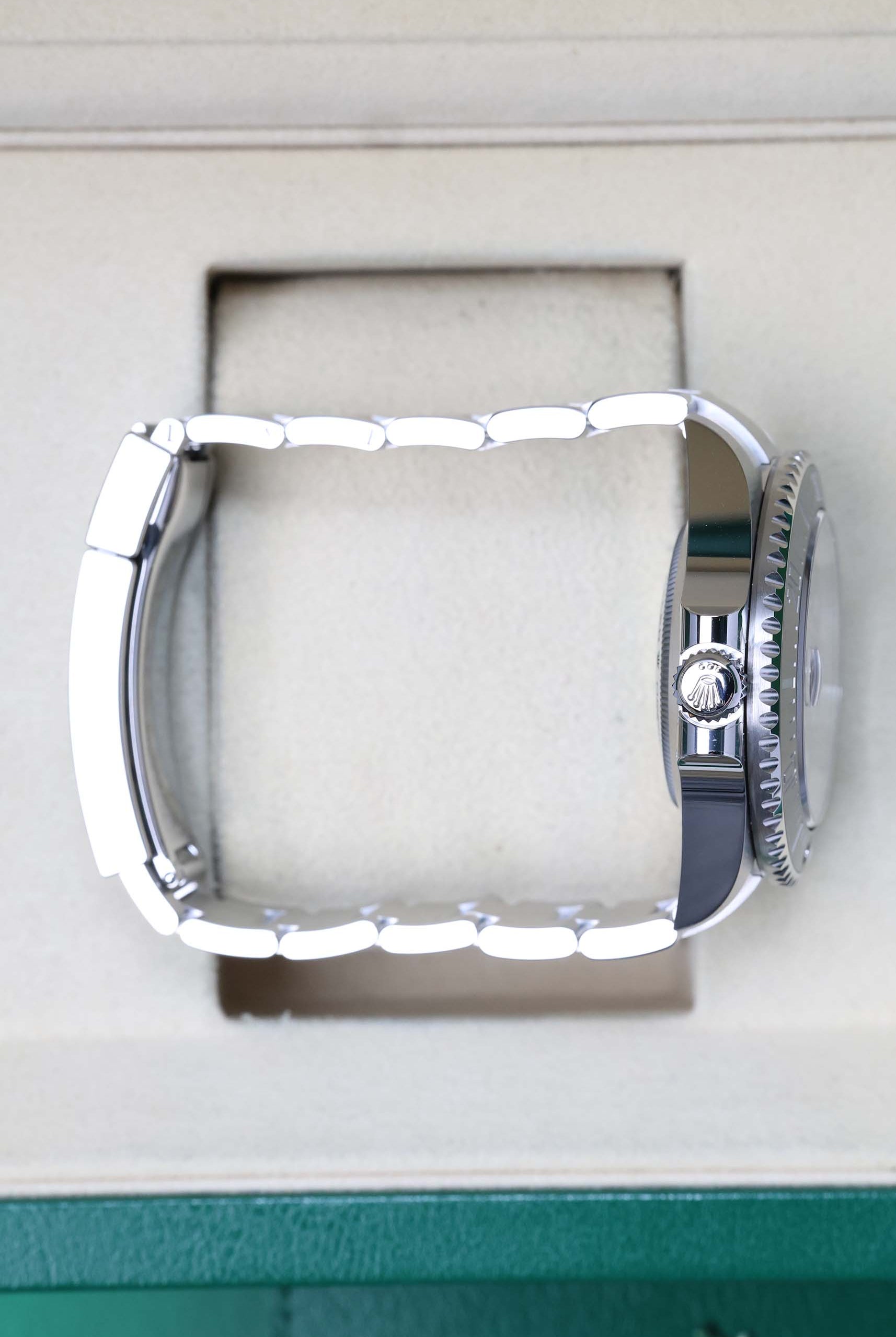
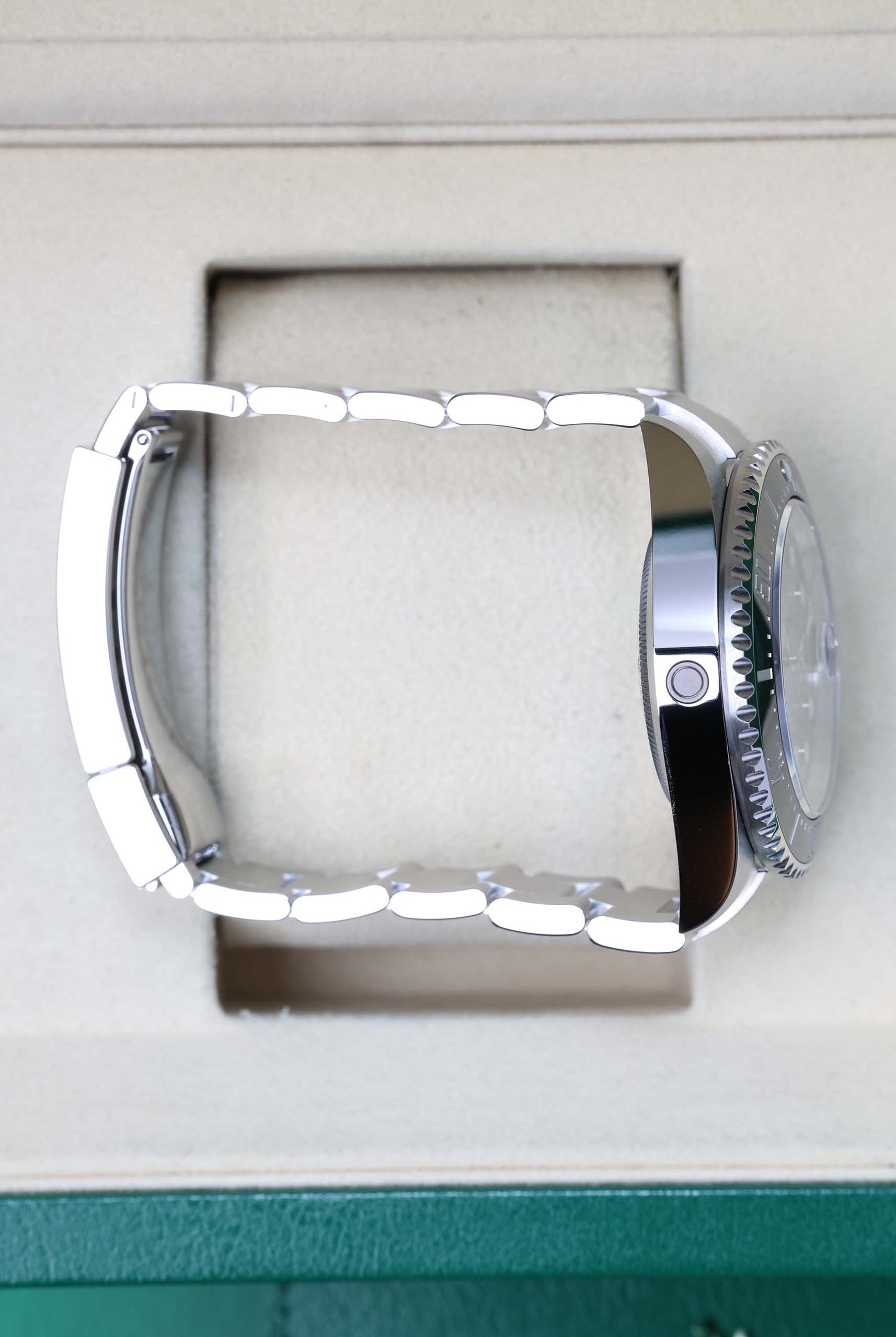
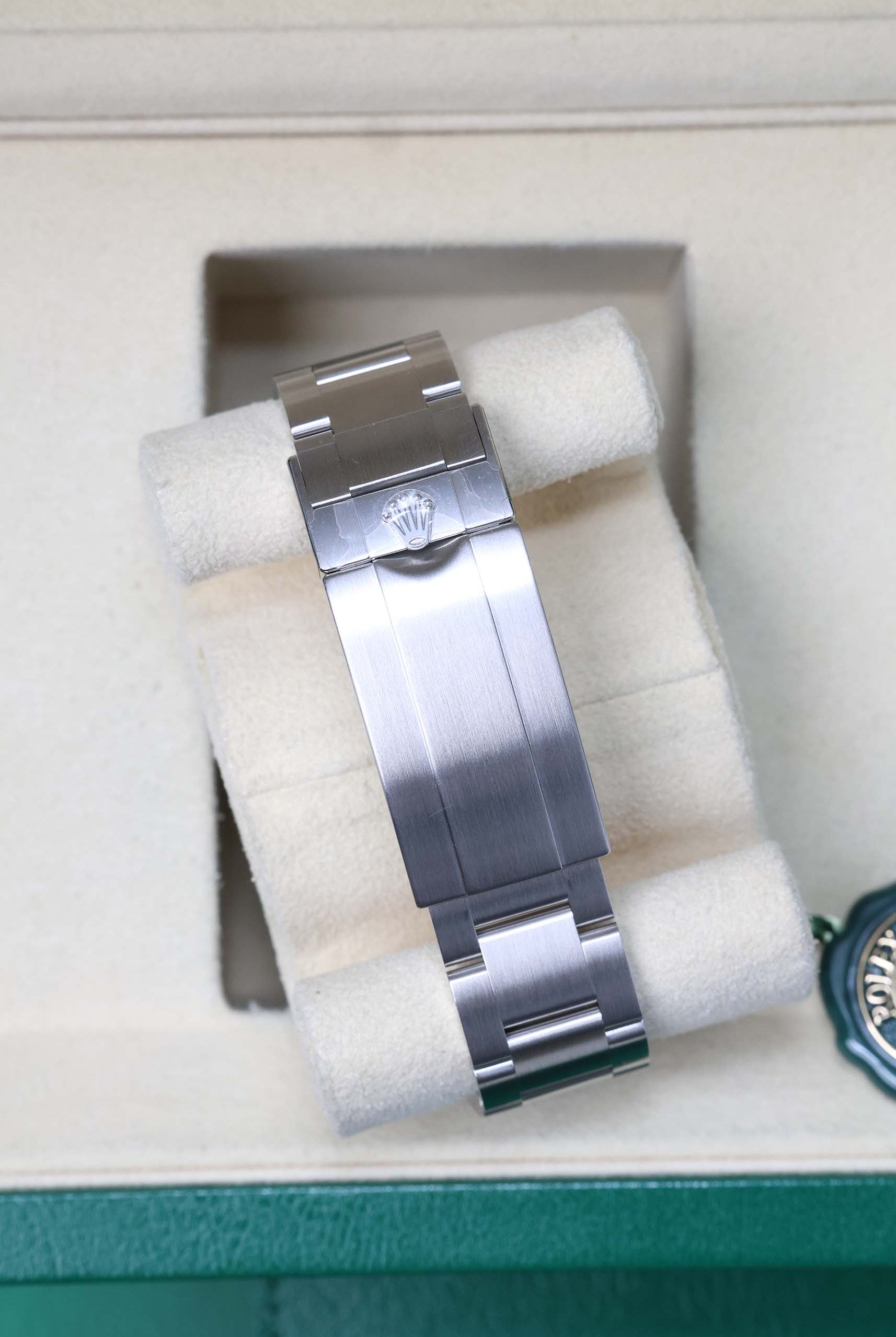
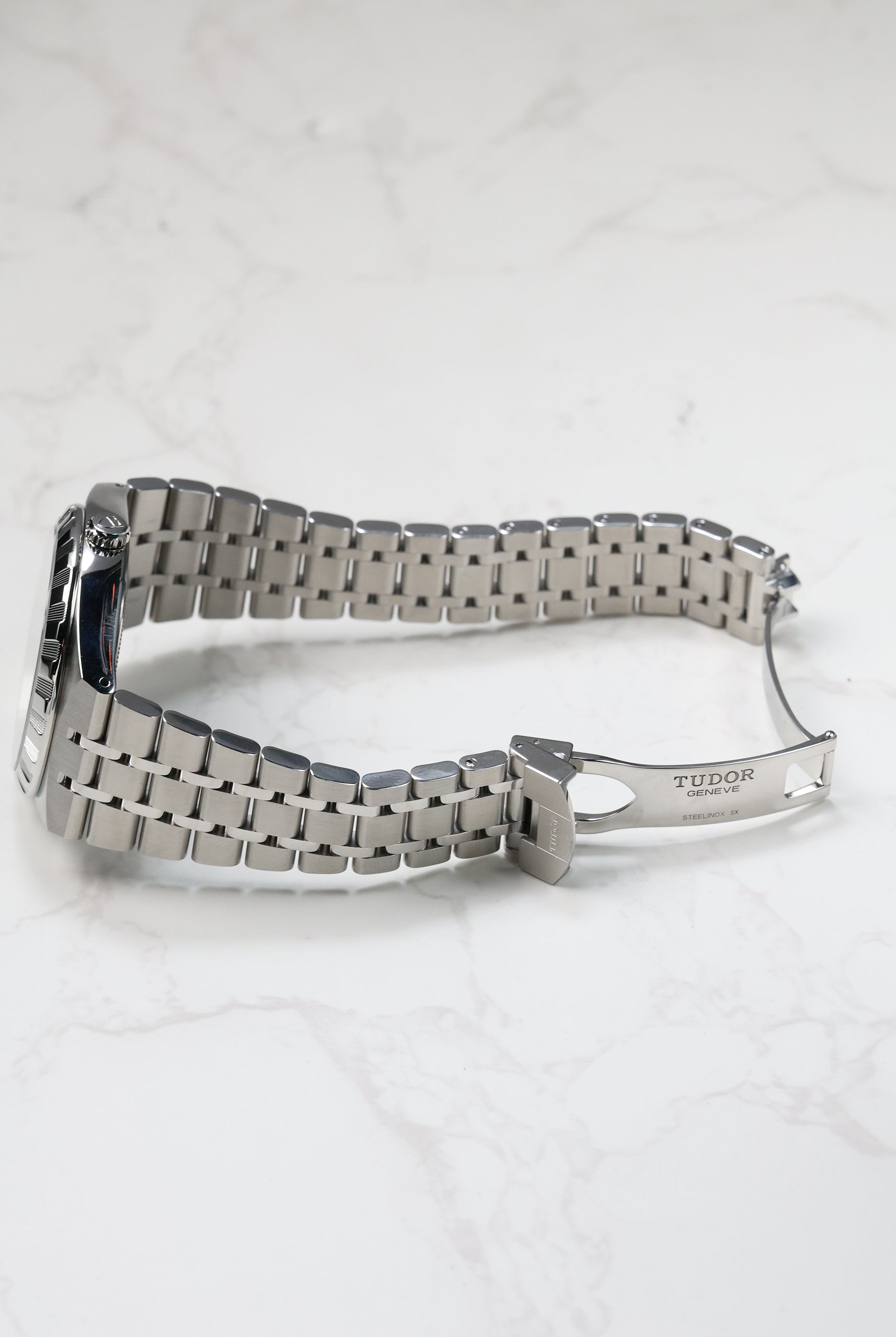
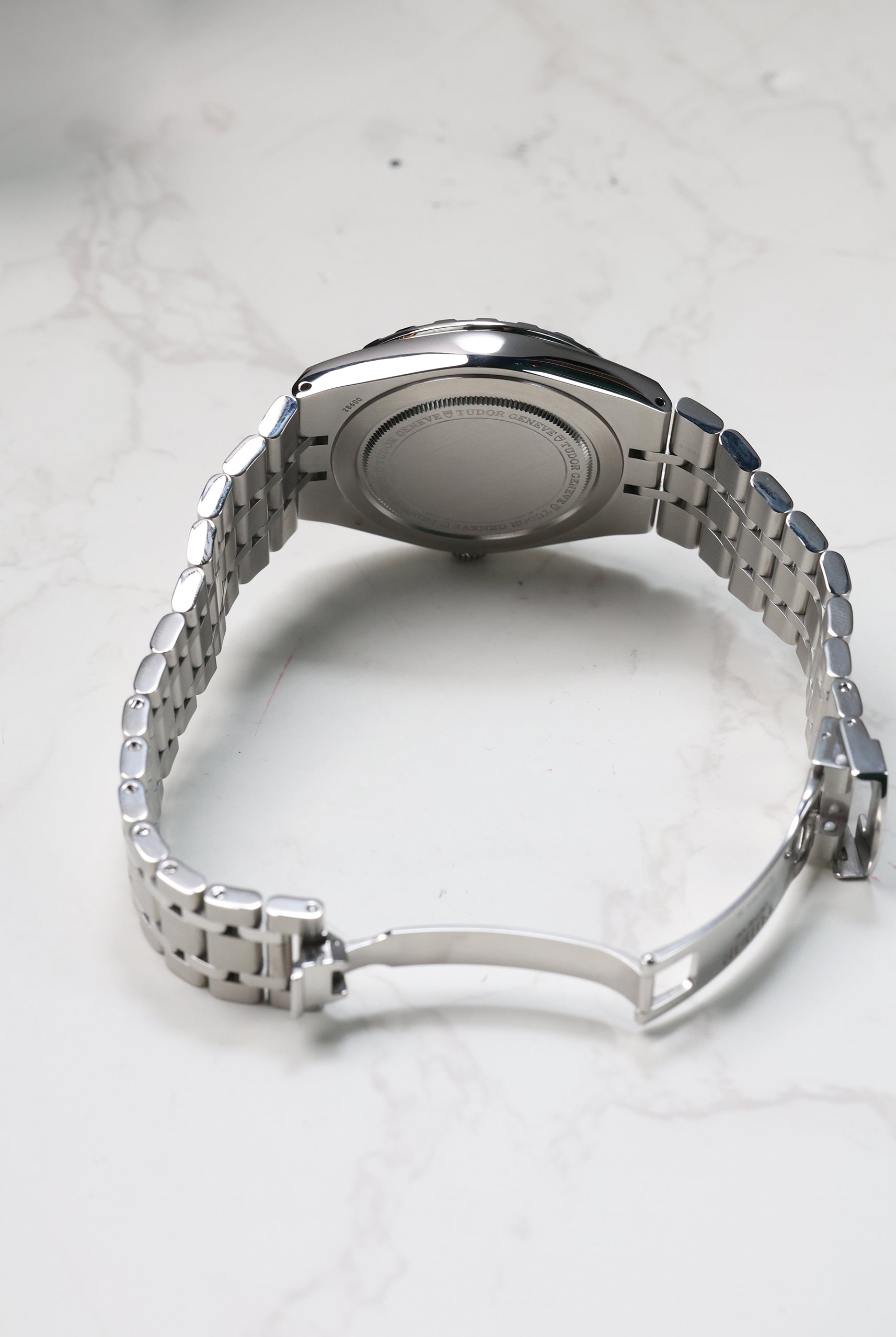
The most obvious is the Flat Jubilee bracelet. On the Ref. 127334 seen in our photos, this is a new construction featuring large satin-finished stainless steel side links and raised mid-links. It preserves the familiar five-link identity of the Jubilee but flattens and sharpens it into something architectural that flows seamlessly into the case, secured by a hidden crown clasp.
Then there is the dial. The honeycomb motif is probably the single most polarizing detail. To maintain legibility against the complex hexagonal cells, Rolex framed the dial text inside dedicated boxes—a "love-it-or-hate-it" design choice reminiscent of the boldest dials of the 70s. Rolex rarely makes dials that demand a reaction. The Land-Dweller does.
A Technical Powerhouse (Caliber 7135)
If the design gets people talking, the movement is what gives the Land-Dweller its long-term weight. Inside is the new Caliber 7135, beating at a high-frequency 5 Hz (36,000 bph).
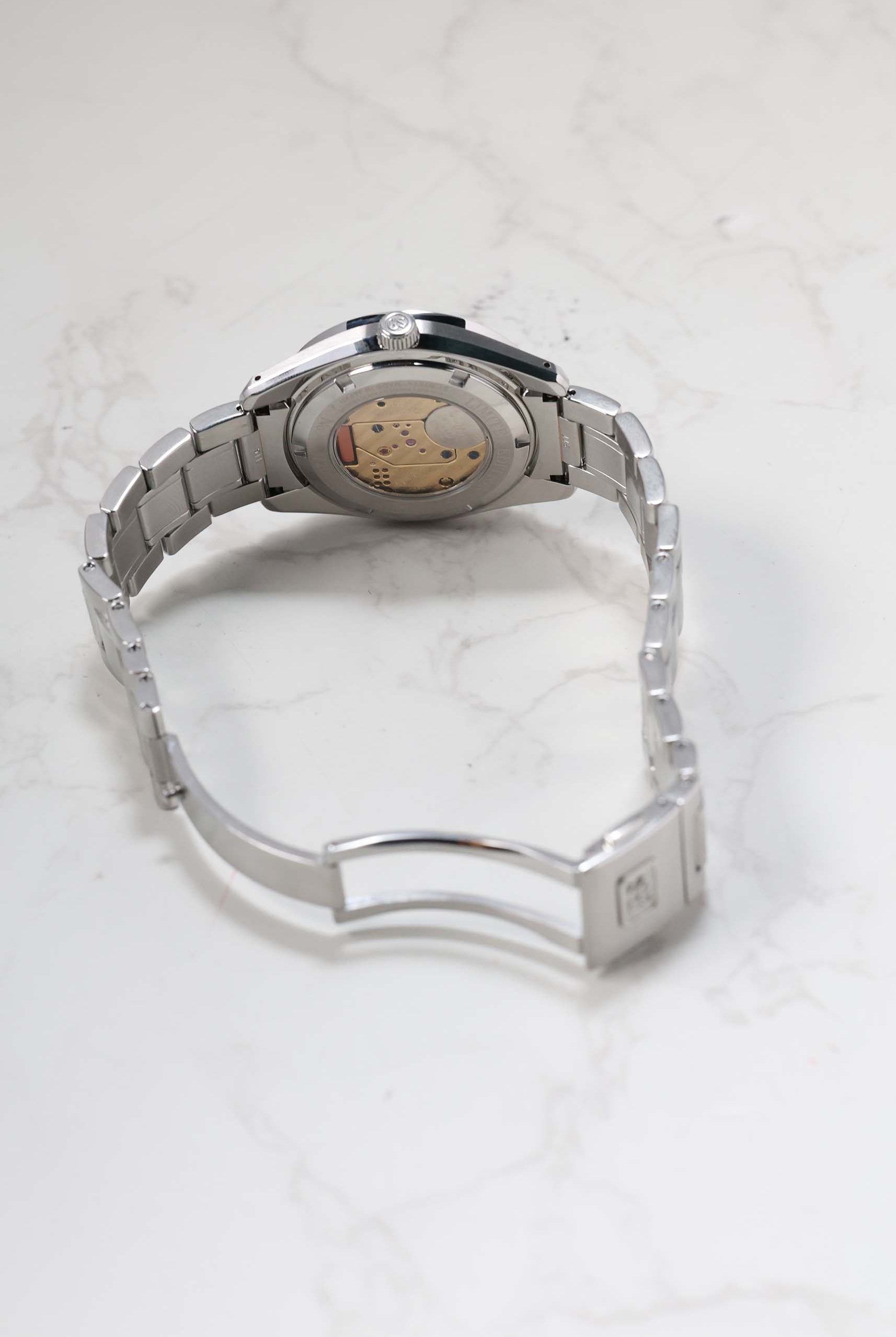
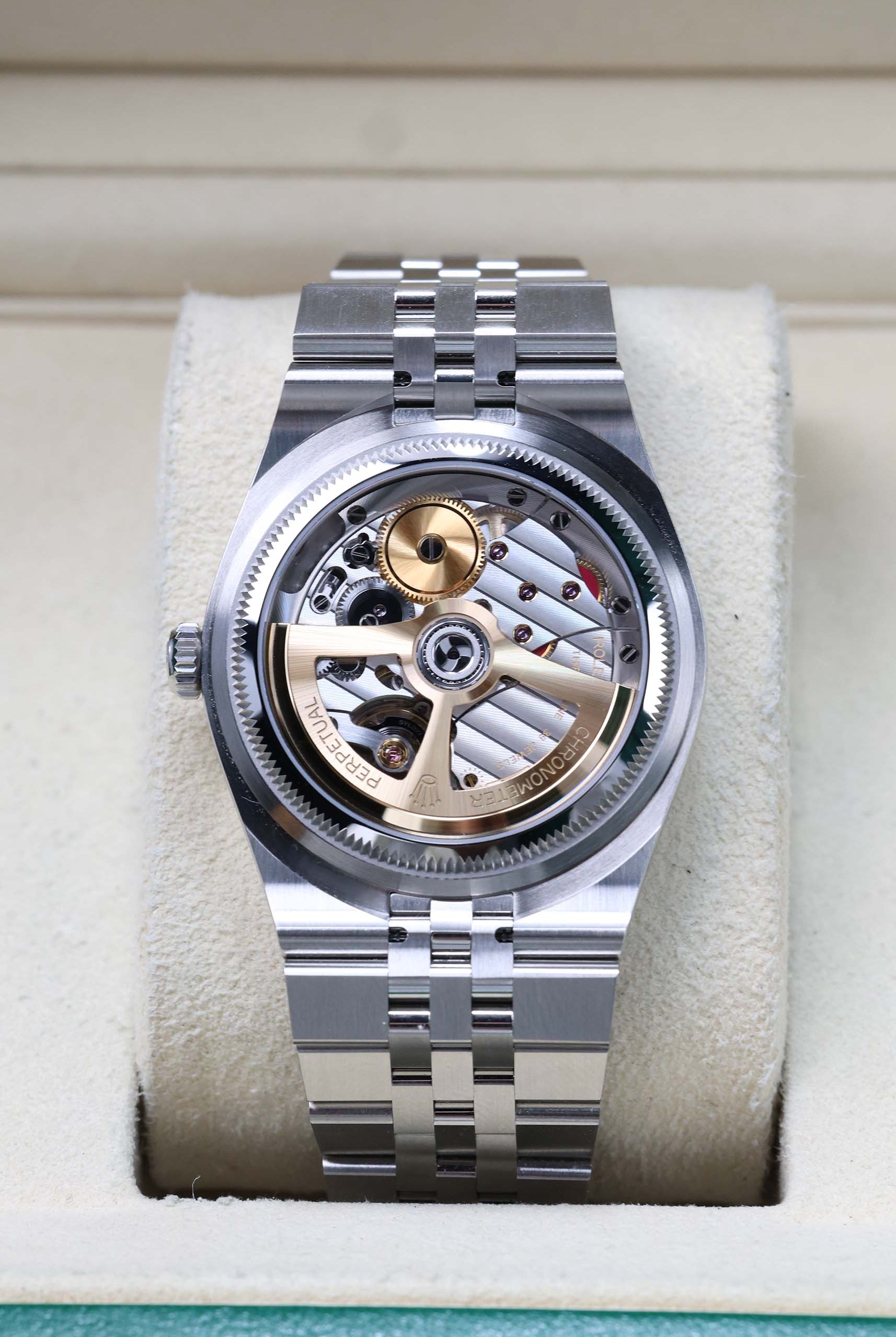
It features the Dynapse escapement, a technical marvel with an impulse rocker claimed to be 30% more efficient than a standard Swiss lever escapement. This efficiency allows the watch to maintain a 66-hour power reserve despite its high-beat rate. Furthermore, the sapphire caseback—a rarity for the Crown—reveals a level of finishing usually reserved for Haute Horlogerie: Geneva striping, polished bevels, and gold chatons.
This is Rolex saying something bigger: we can do integrated design, high-frequency performance, and visible finishing—all in one ultra-slim 4.6mm caliber.
Wearability: The Surprise
For all the noise around the design, the real surprise is how it actually feels. At 40mm wide and only 9.7mm thick, with a lug-to-lug of 46.5mm, the Land-Dweller is remarkably wearable. It wears like a watch that was designed to sit close to the skin, not just to dominate the wrist. Even collectors who are unsure about the honeycomb pattern often soften once they feel the balance of the "Mono Oyster" case in person.
What Does It Mean for Collectors?
The Land-Dweller may never be a universally loved Rolex, and that may be exactly the point.
The watches that matter most in hindsight are often the ones that felt slightly uncomfortable at launch. For Rolex, the Land-Dweller fills a gap that has existed for years: something more design-led than the Oyster Perpetual, less utilitarian than the Professional line, and more technically ambitious than a simple catalog extension.
It is a Rolex that is not trying to reassure you. It is asking you to decide how much change you are willing to accept from a brand you thought you already understood. It reconnects the brand with its avant-garde history while pointing clearly toward a high-frequency technical future.
It is the kind of watch that could look far more important five years from now than it does today. In Rolex collecting, that usually means it is worth paying attention.
Explore our collection of Rolex Land-Dweller or make an appointment to view our collection in-store.
For a full hands-on experience and a visual breakdown of everything discussed here, watch our in-depth review here :