
The most surprising shift in luxury watchmaking right now is not happening at Rolex.
Over the past seven years, Cartier's share of Gen Z watch purchases has grown by more than four times — from 1.7% in 2018 to 6.8% today. In wholesale revenue terms, the brand now sits at number two globally with CHF 3.5 billion in 2025, comfortably ahead of Audemars Piguet, Patek Philippe, and Omega. By every measure that matters, Cartier is the watch Gen Z has chosen.
What makes the story unusual is that nobody asked them to. While every major luxury brand has poured marketing budgets into reaching the next generation, the brand that succeeded appears to have done so by simply staying still while the culture moved toward it.
That is worth examining carefully.
(Caption : Santos de Cartier Small WSSA0092)
The Numbers Behind the Story
Cartier's position is not a perception shift. It is a measurable one.
The 2025 wholesale revenue table puts Rolex at CHF 11.0 billion and Cartier at CHF 3.5 billion. Behind them, the gap to the rest of the field is now visible: Audemars Piguet at CHF 2.6 billion, Patek Philippe at CHF 2.5 billion, Omega at CHF 2.2 billion. The top five brands account for roughly 60 percent of the global Swiss watch market by value, and Cartier has put meaningful distance between itself and the second tier.
Year-on-year, Cartier grew 8% in revenue. Over the decade, Cartier price appreciation has now outpaced Rolex according to recent secondary-market data. None of this is a vibes shift. The repositioning is verified.
What the numbers do not explain is why. For that, we need to look at the generation that drove most of the growth.
(Caption : Panthere de Cartier Small WSPN0013)
Quiet Luxury, Codified
The 2000s and 2010s defined luxury as performance. Loud bezels, oversized cases, branded statements — wealth had to be legible at a glance. By 2023, that aesthetic had become commercially exhausted, and Gen Z, watching it play out across their feeds during a pandemic, moved decisively toward the opposite.
The signals they began choosing were quieter. Recognisable to people who knew. Invisible to people who did not.
Cartier was already there. The Tank, the Santos, the Panthère, the Ballon Bleu — these watches read as Cartier to anyone who knows watches, and as a thoughtful design choice to anyone who does not. None of them carry the boardroom achievement coding of a Submariner or a Daytona. None of them ask the wearer to perform success.
That distinction matters when the buyer in question does not want to read like their father.
(Caption : Cartier Tank Must Large WSTA0136)
The Fashion–Horology Line, Walked Without Falling Off
Most brands that try to bridge fashion and horology fail in one of two predictable ways. They dilute the watchmaking to chase trends, and serious collectors disengage. Or they retreat so deeply into heritage that the watches read as dated, and the fashion-curious audience walks past.
Cartier has 178 years walking both sides of that line. The maison has always made jewellery and watches in the same room, and the boundary between the two has been deliberately porous from the start. The Tank, designed in 1917, was a watch shaped by an industrial design impulse. The Crash, born from an accident, has spent six decades sitting outside conventional watch design. The Tank à Guichets, recently revived, is barely a watch in the traditional sense — and Timothée Chalamet wore one to a Knicks playoff game.
That is not a position another brand can manufacture on demand. It comes from a category history very few houses share.
Visibility Without Marketing
The most quoted line in luxury watch boardrooms right now is some version of: how do we get our pieces on Chalamet?
The answer is uncomfortable. You do not. He chose Cartier — the Tank, the Crash, the Panthère, the Tank à Guichets — across years of public appearances, and there is no production company writing the cheque. Taylor Swift's Panthère, gifted by Travis Kelce at Christmas, was a personal gesture. Kylie Jenner's Golden Globes Panthère was a styling choice. These are organic decisions made by Gen Z's actual taste-makers, not paid placements scheduled around a launch.
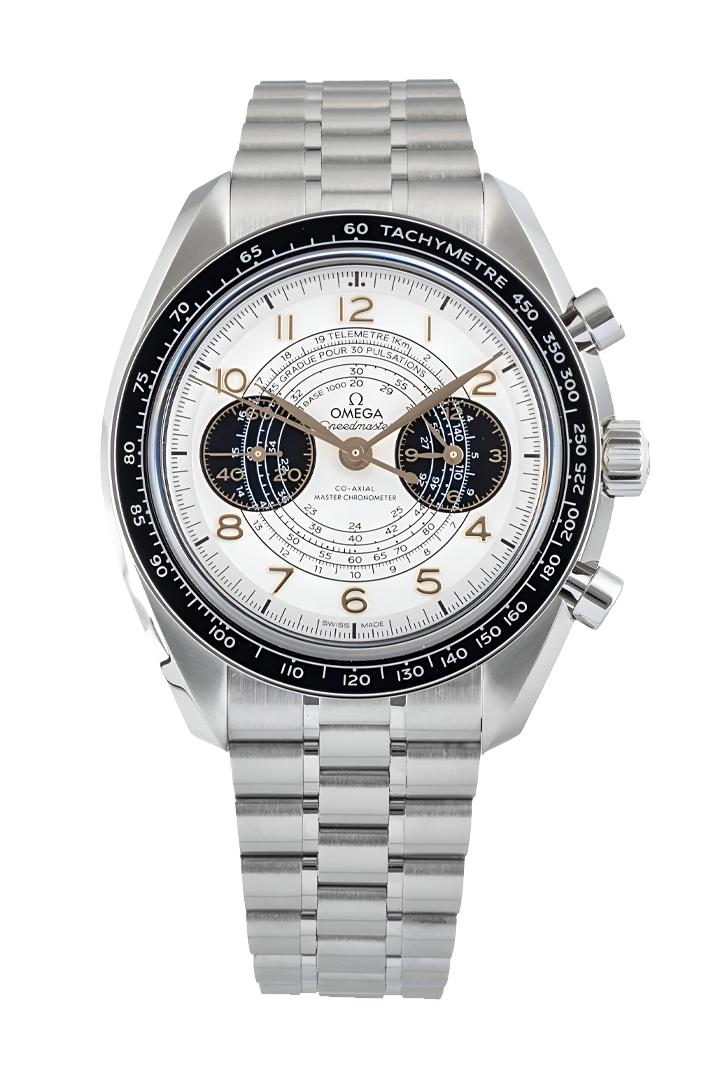
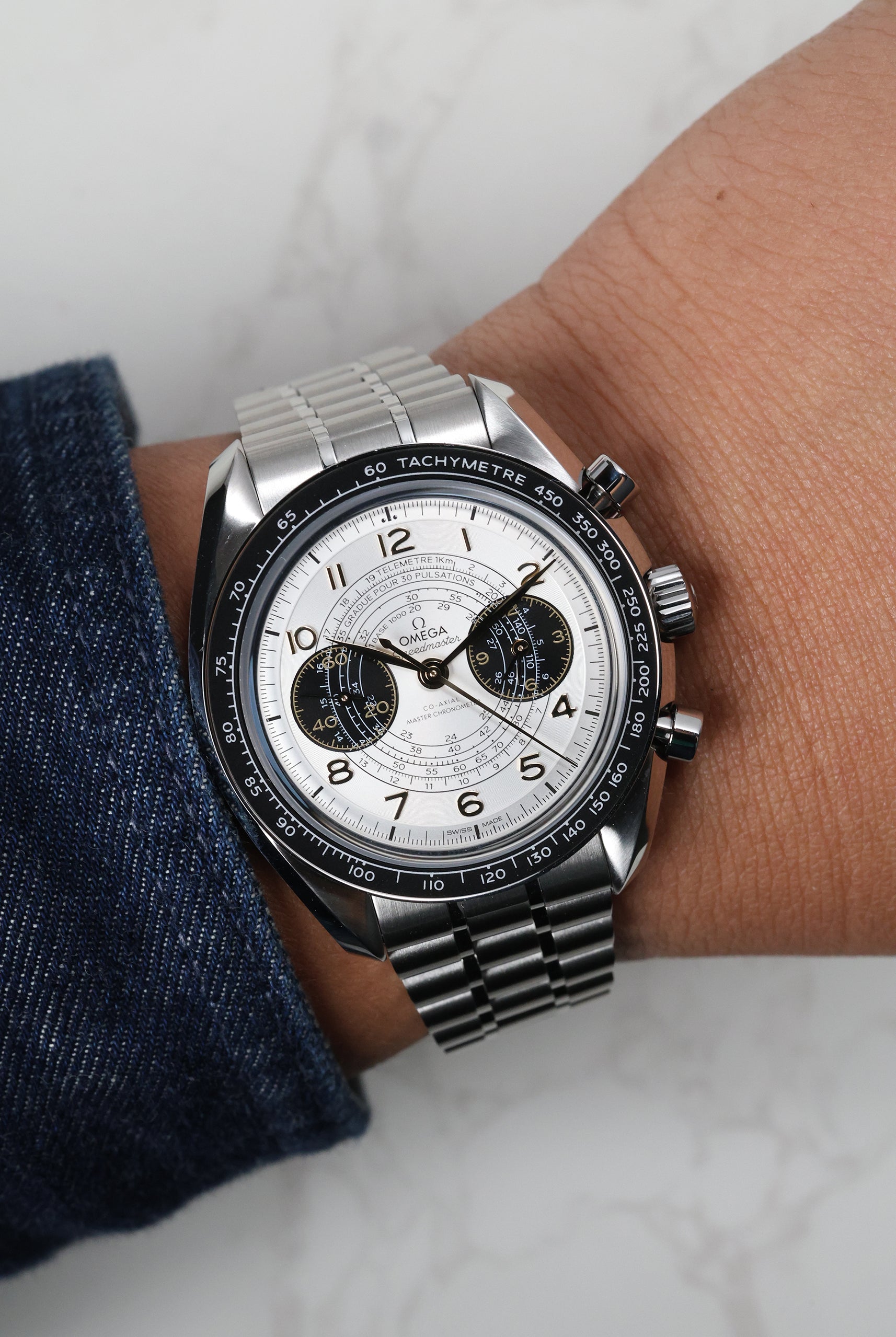
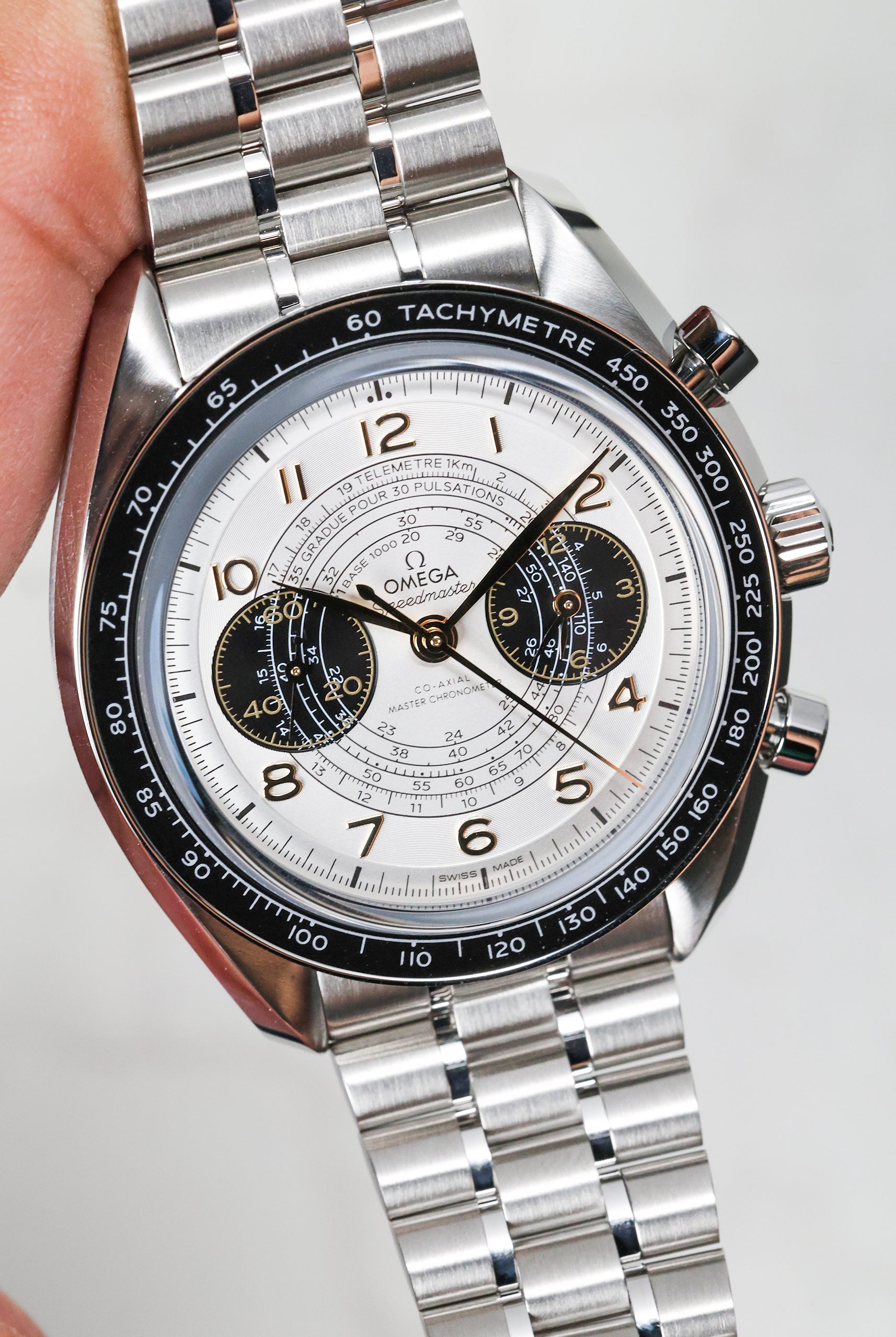
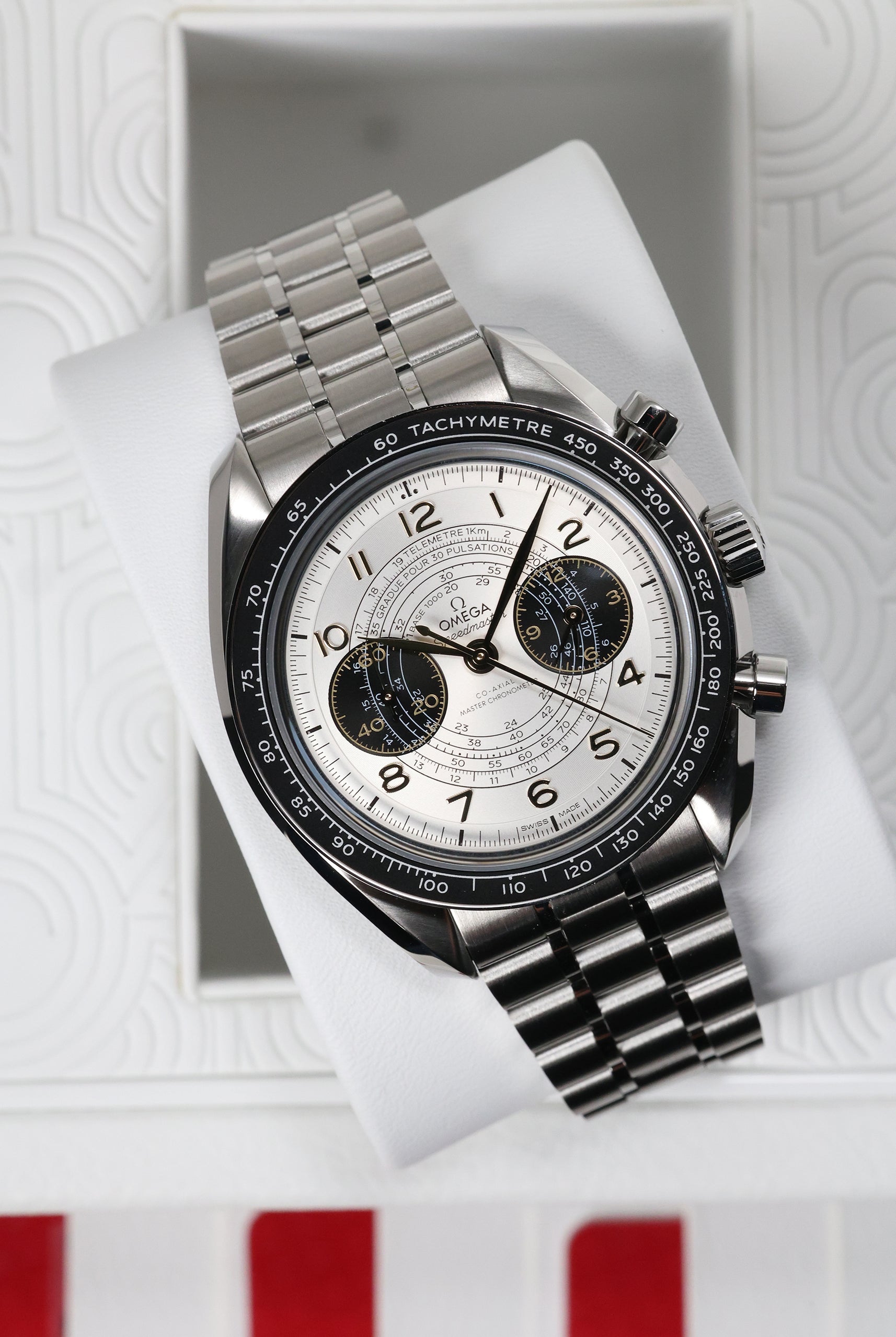
Contrast that with Omega's continued investment in 007 and the First Light campaigns. The spend is large; the cultural traction is mixed. Omega is paying for cool. Cartier is benefiting from it. That gap is what every other luxury brand is now studying.
(Caption : Cartier Pasha)
The Three Reasons Gen Z Chose Cartier
Three things, taken together, explain the shift.
Quiet recognition. A Cartier Tank signals taste to anyone who reads the wrist, and reads as a tasteful object to anyone who does not. Status without performance. That is the exact register Gen Z optimised for after watching the previous decade overplay every other note.
Stylistic permission. Cartier's case shapes and dial proportions do not gender themselves rigidly. The smaller Tanks read elegantly on men. The Santos reads sporty on women. The Panthère sits comfortably across both audiences. Gen Z's relationship with personal style is less rigid than the generations before it, and Cartier's catalogue rewards that openness.
Organic taste. The visibility is being driven by Gen Z's own cultural figures — the actors, musicians, and stylists they already follow — rather than by brand-led campaigns. That makes the appeal feel inherited within the generation, not pushed onto it. Marketing-driven cool decays quickly. Taste-maker-driven cool is structural.
The Anti-Excess Read
Gen Z is not rejecting horology.
The reading some commentators have offered — that Gen Z does not care about movements, water resistance, or finishing — gets the diagnosis wrong. The buyers driving the Cartier shift are paying CHF 3.5 billion a year for hand-finished mechanical objects. They care about watchmaking. What they are rejecting is the boardroom theatre that has been wrapped around it for two decades.
Cartier delivers craftsmanship without the achievement signaling. The Tank is a piece of horology. It just happens to not look like a trophy.
That distinction is what every other brand is now studying, and it is not something a marketing budget alone can replicate.
Are you considering your next Cartier? Visit us at Menara Hap Seng for a private consultation, or browse our current Cartier inventory.
Watch the full discussion on YouTube: