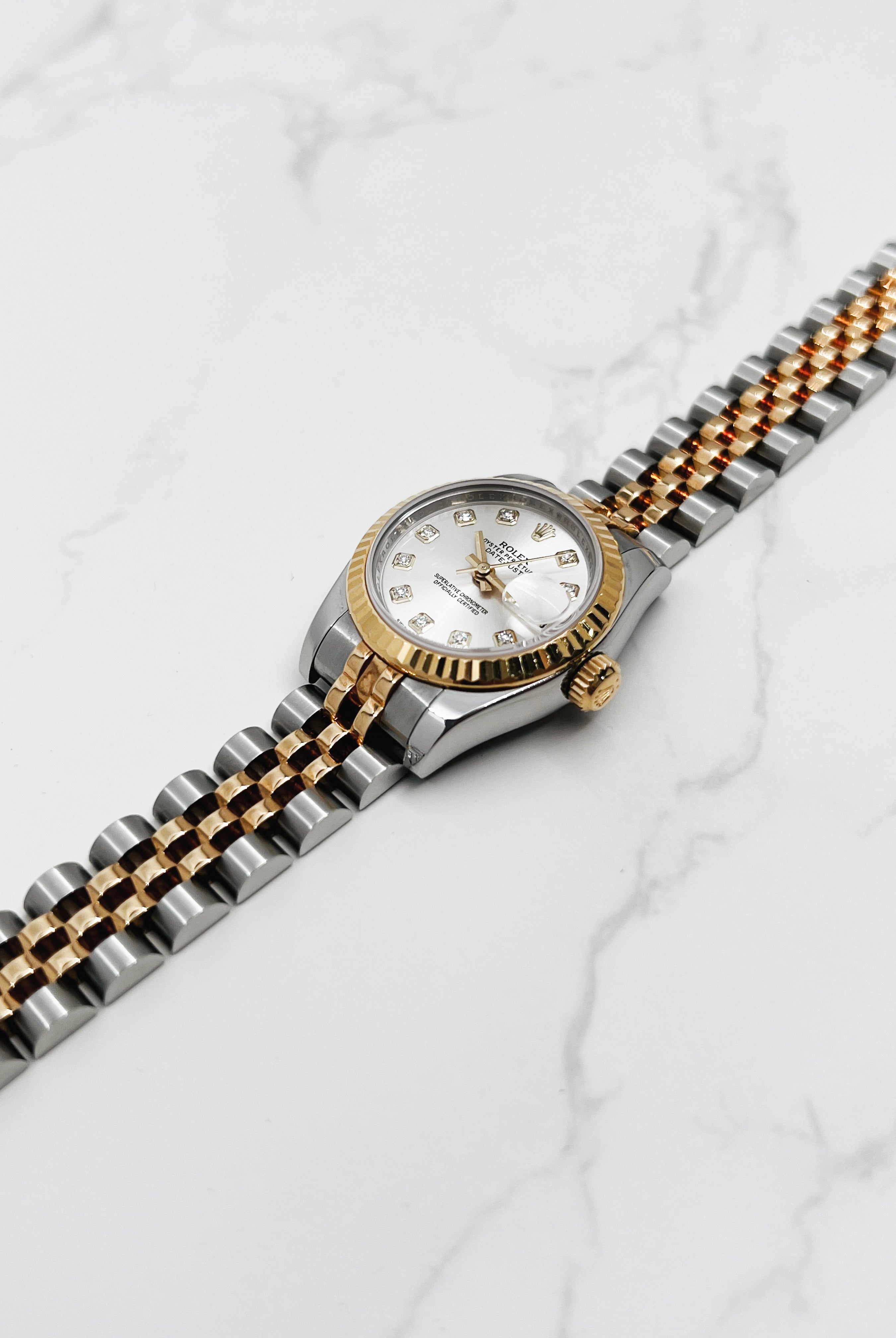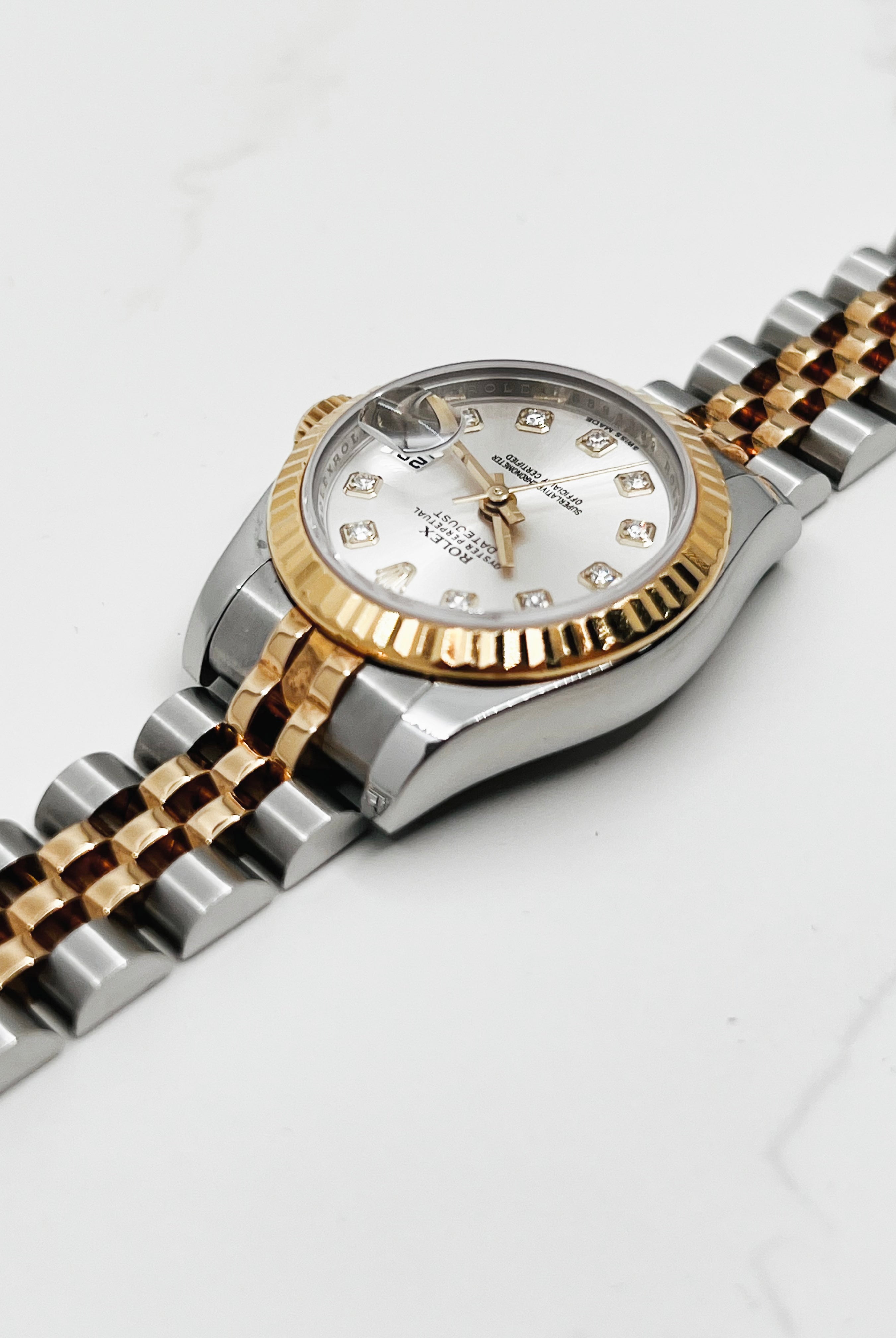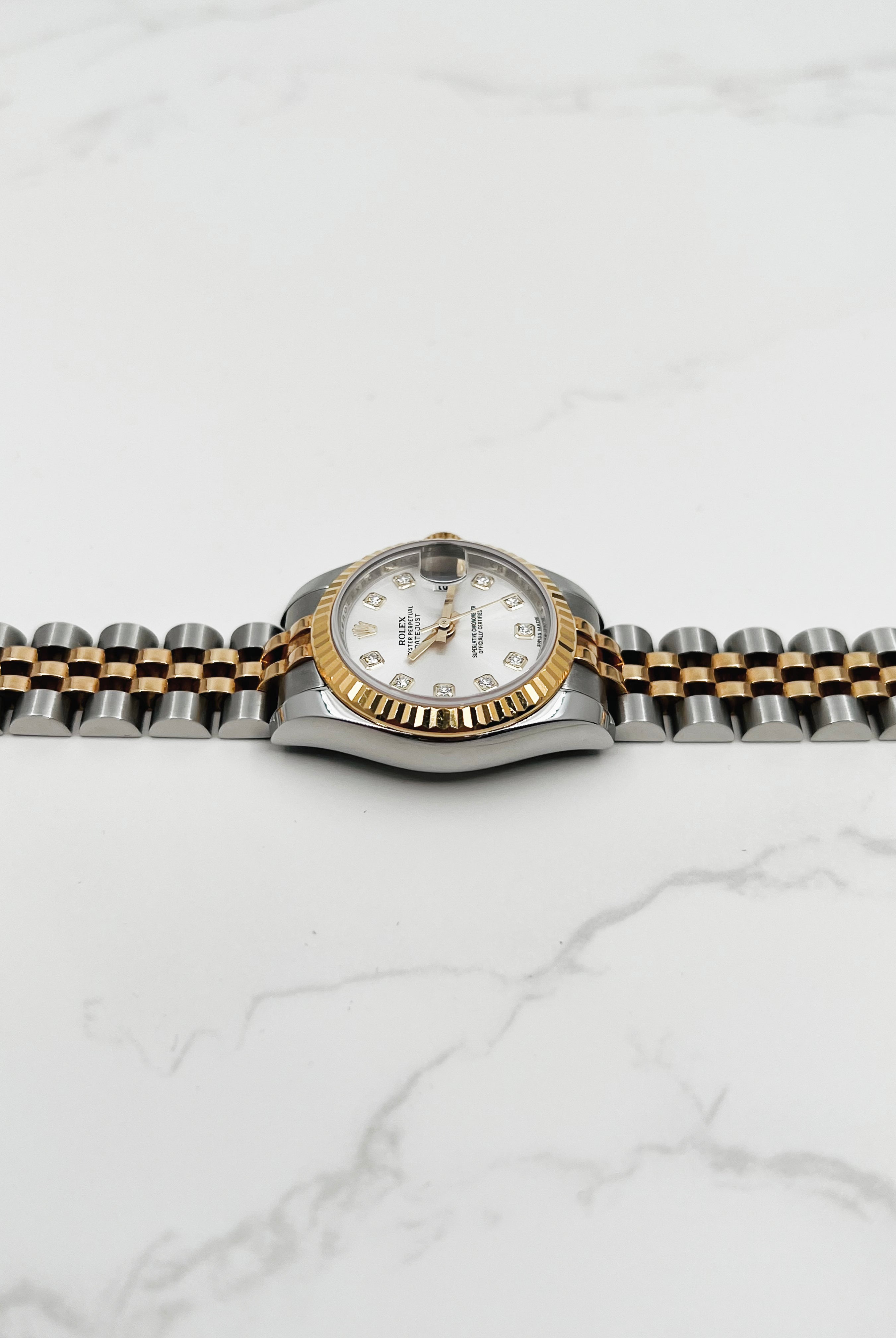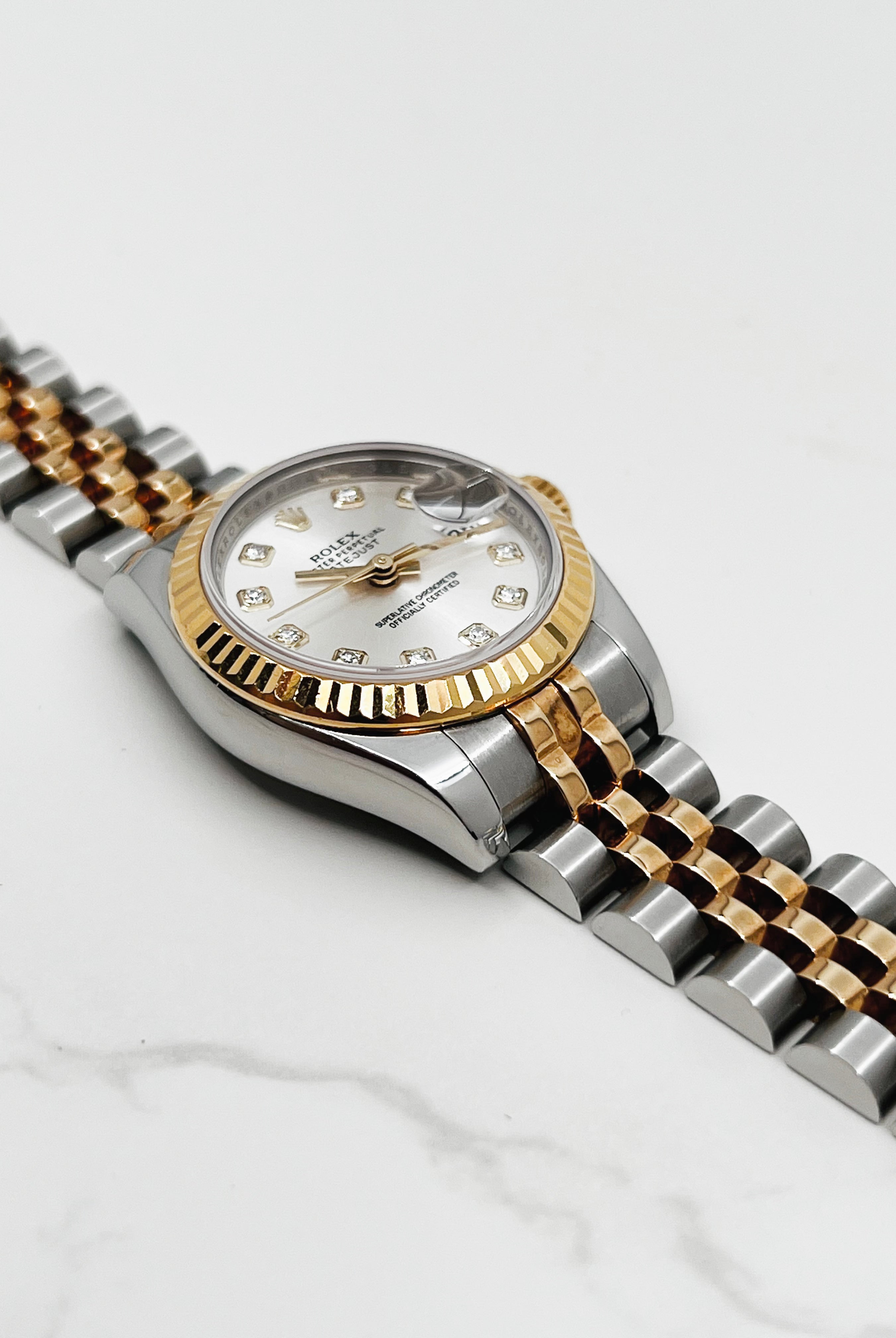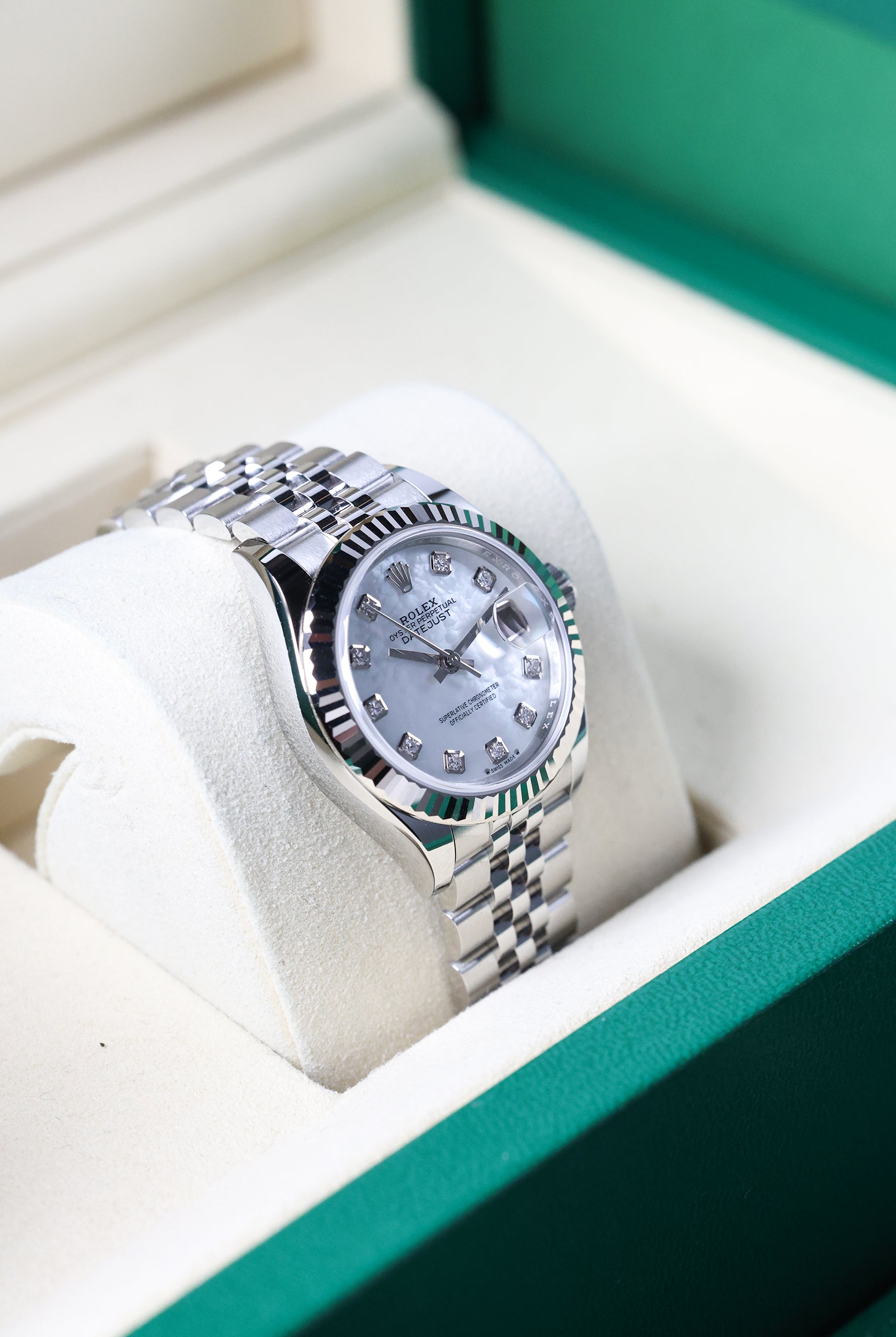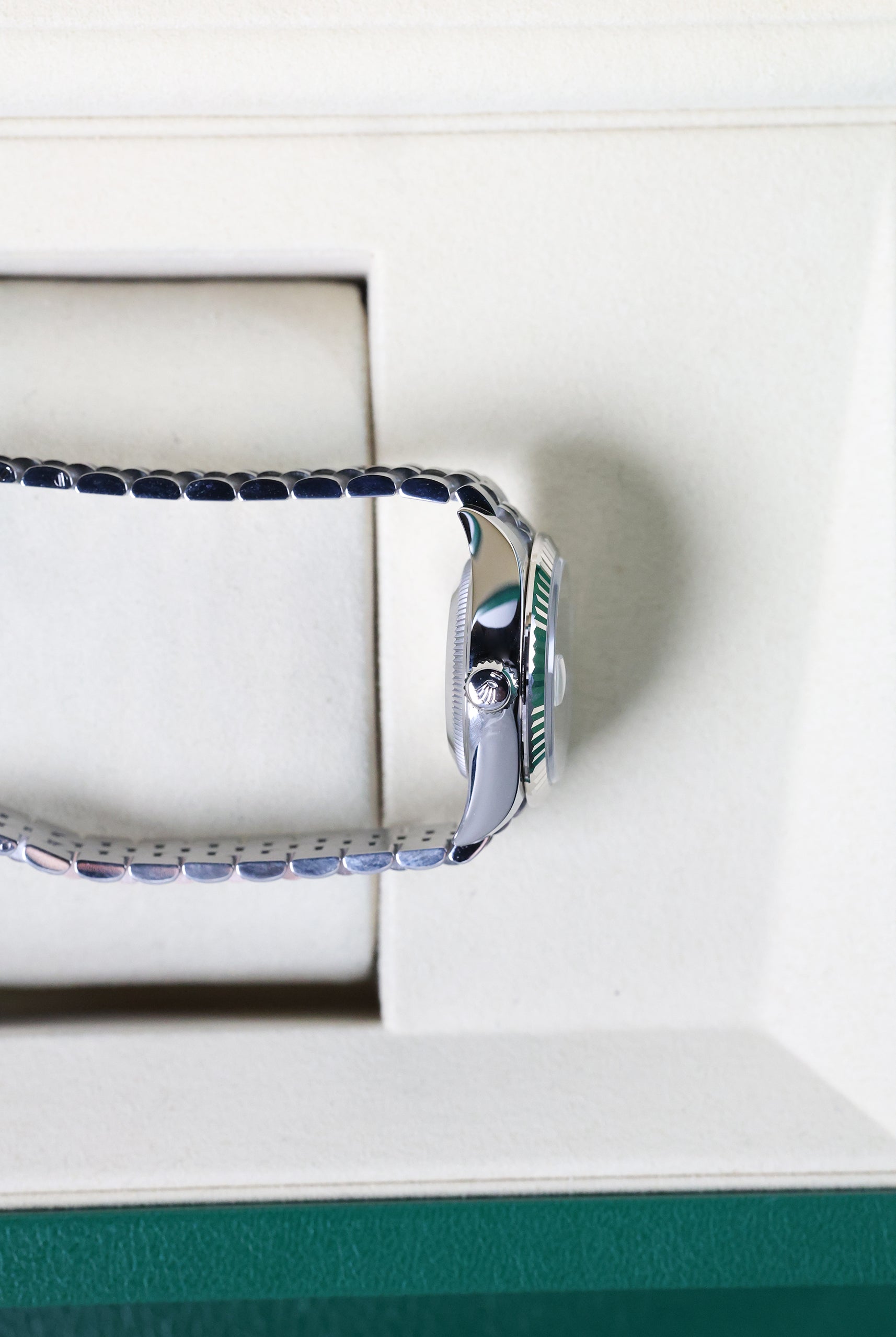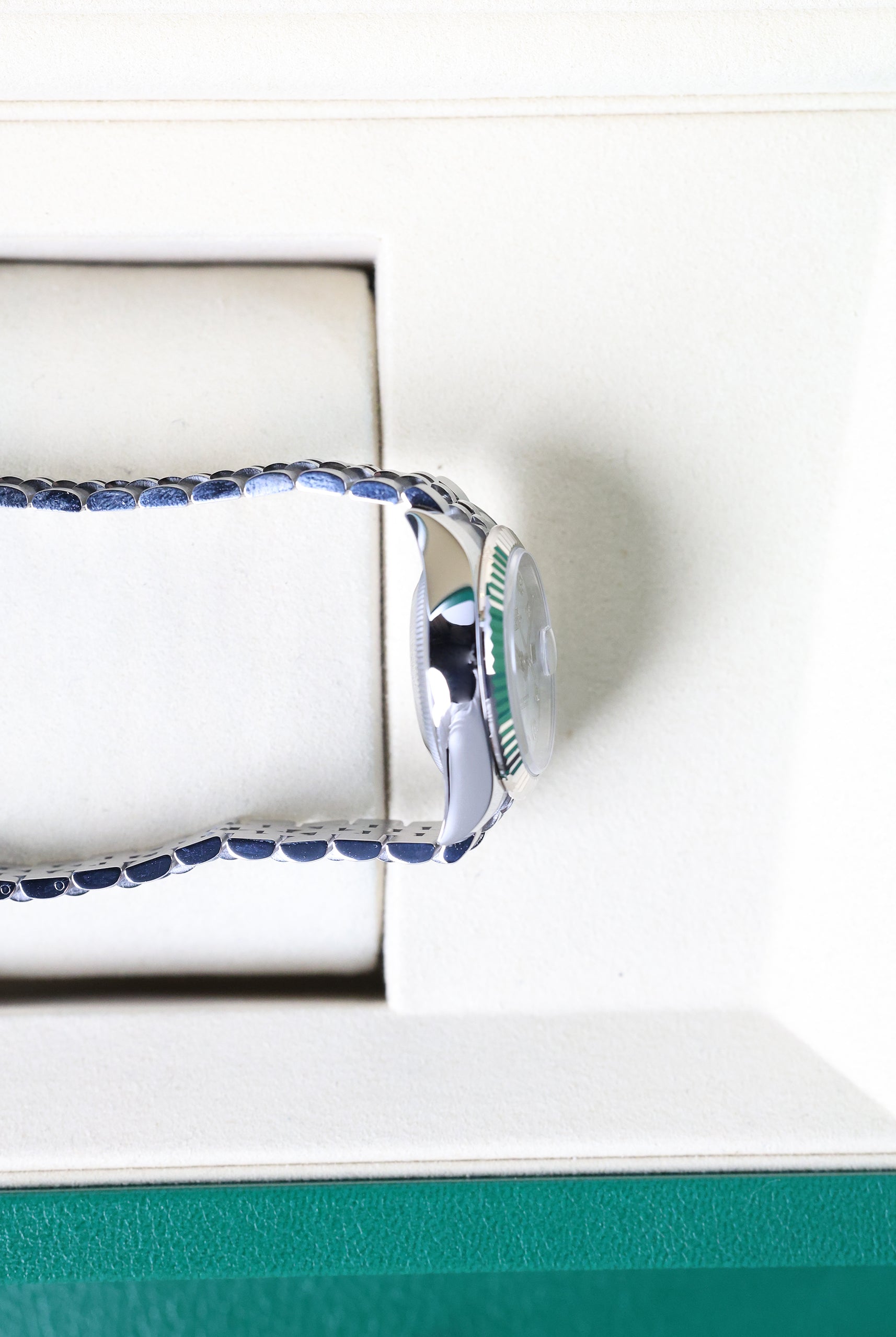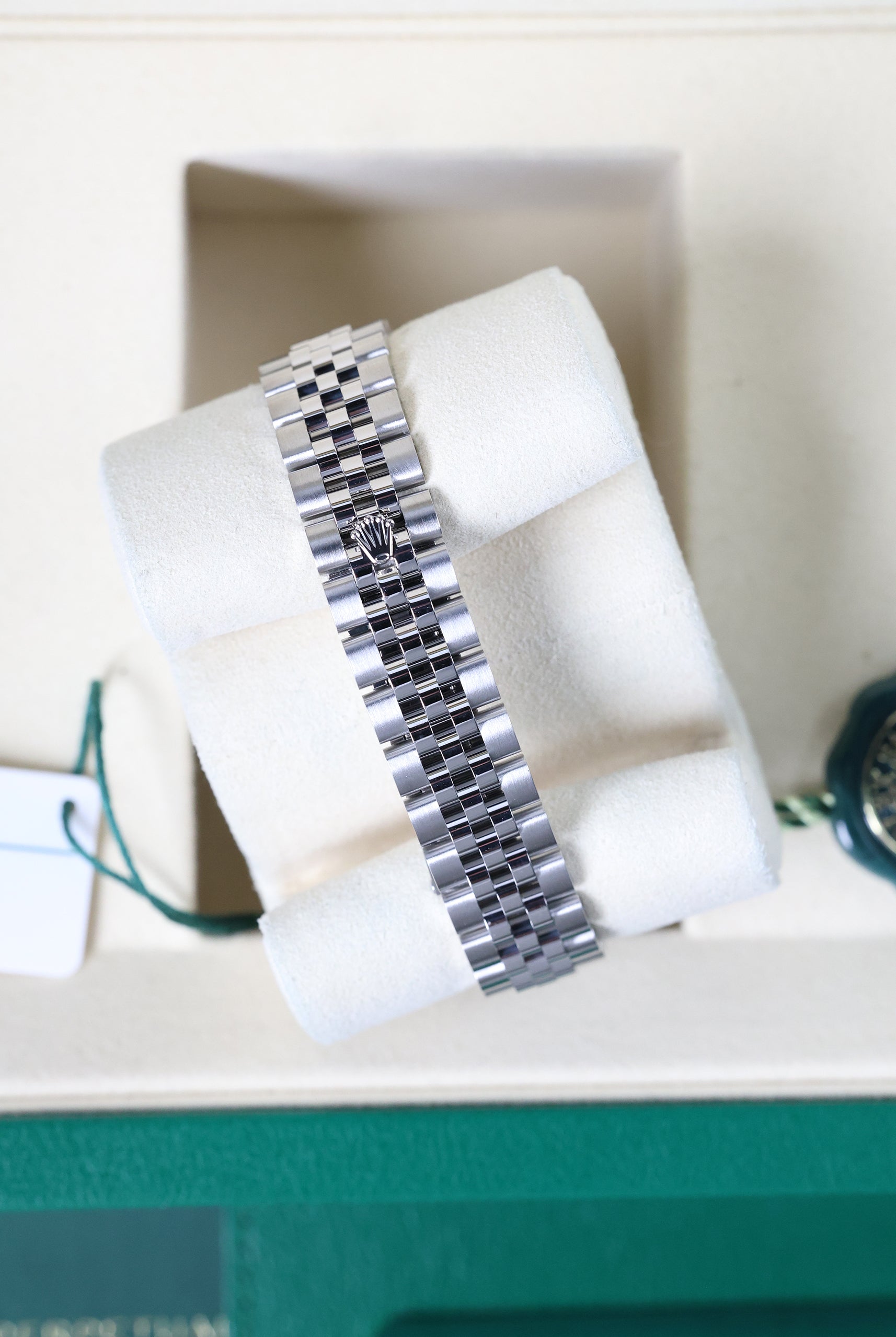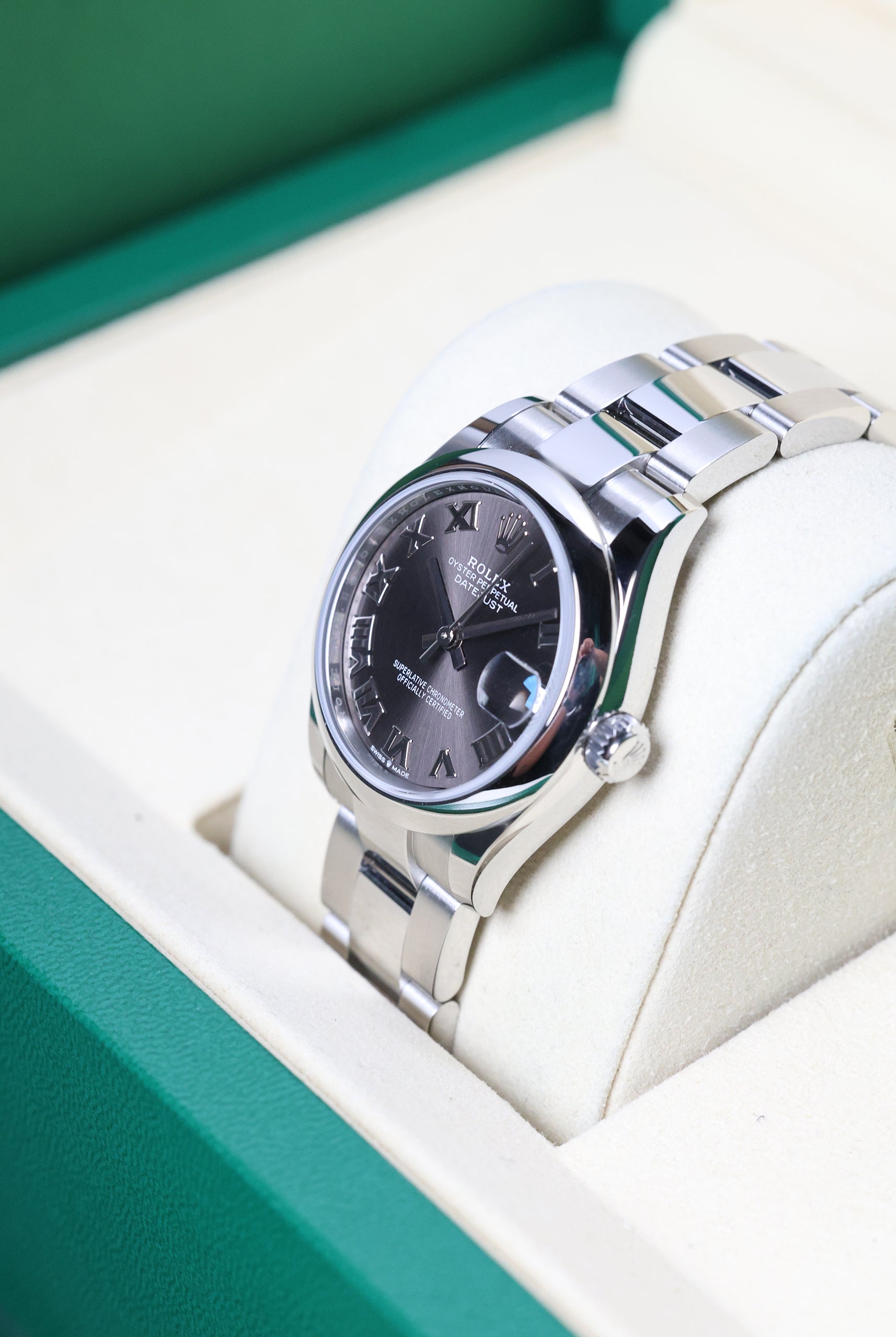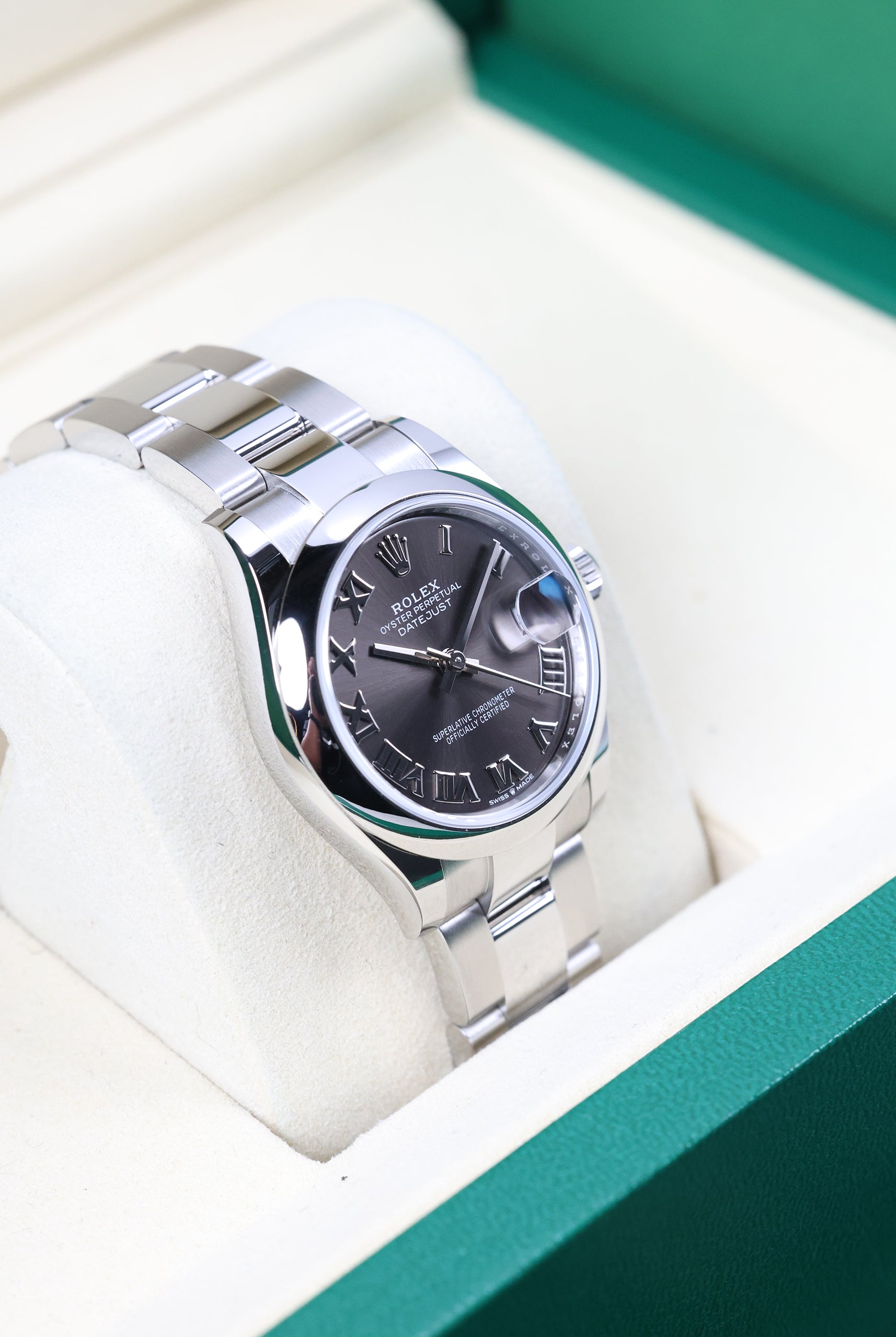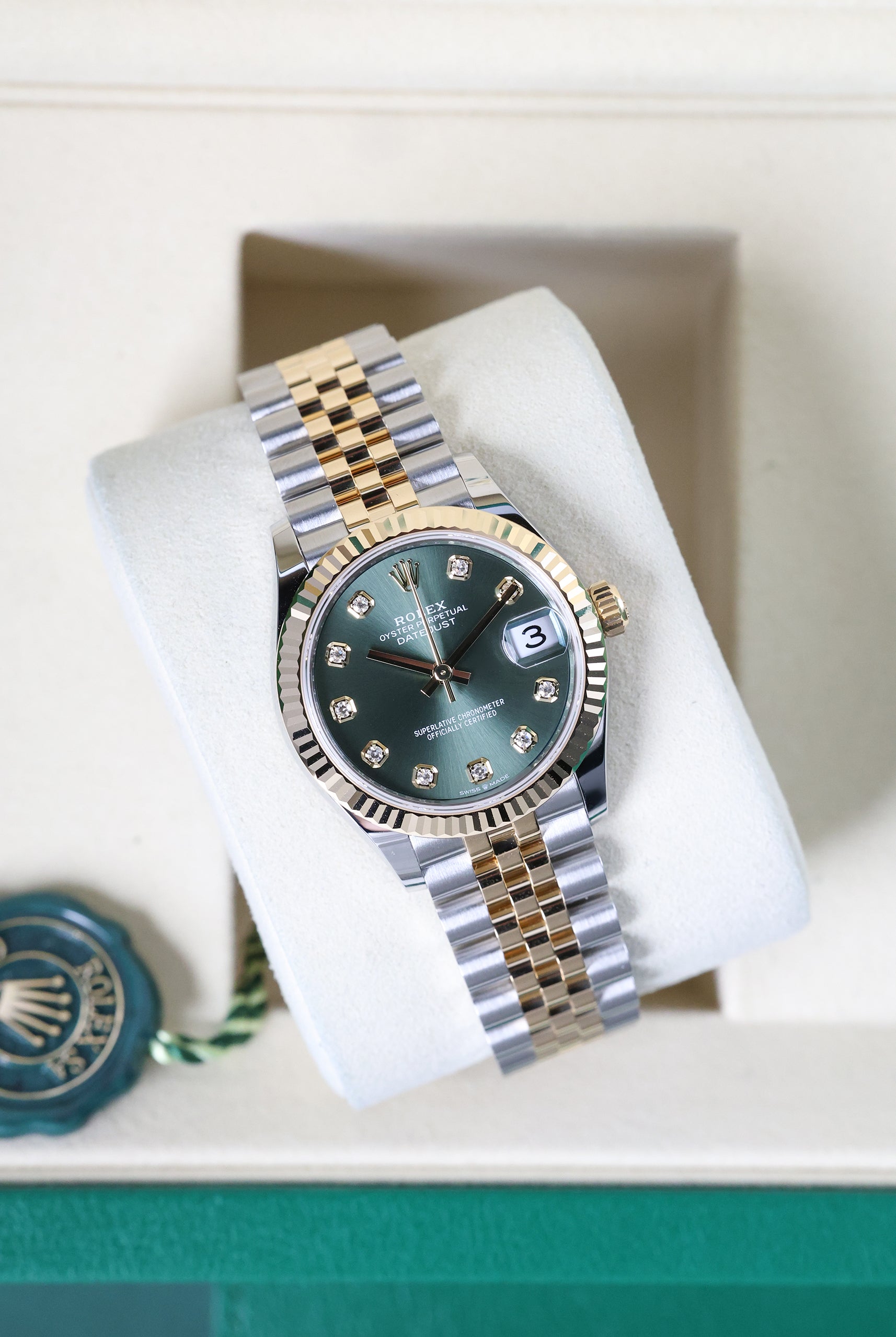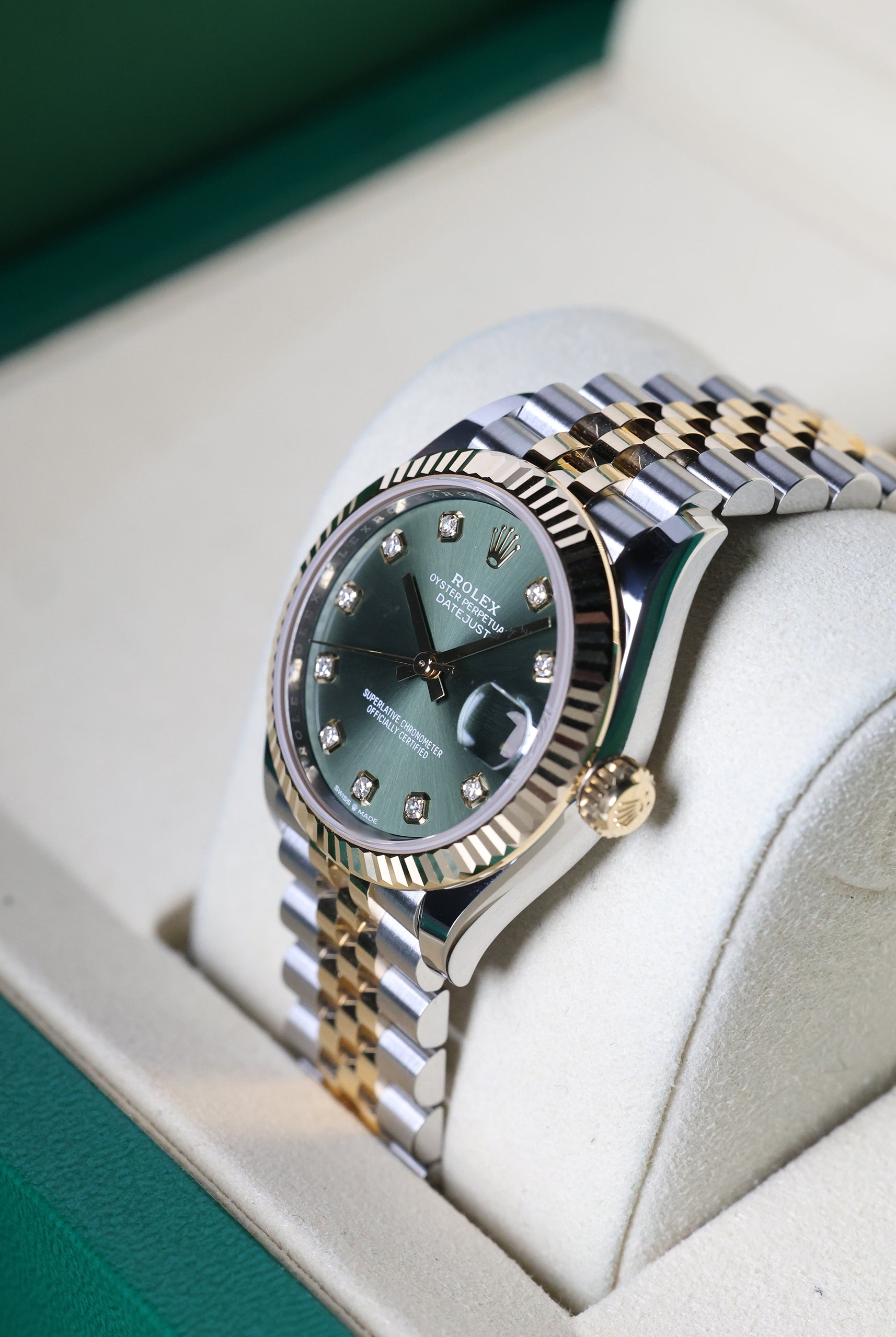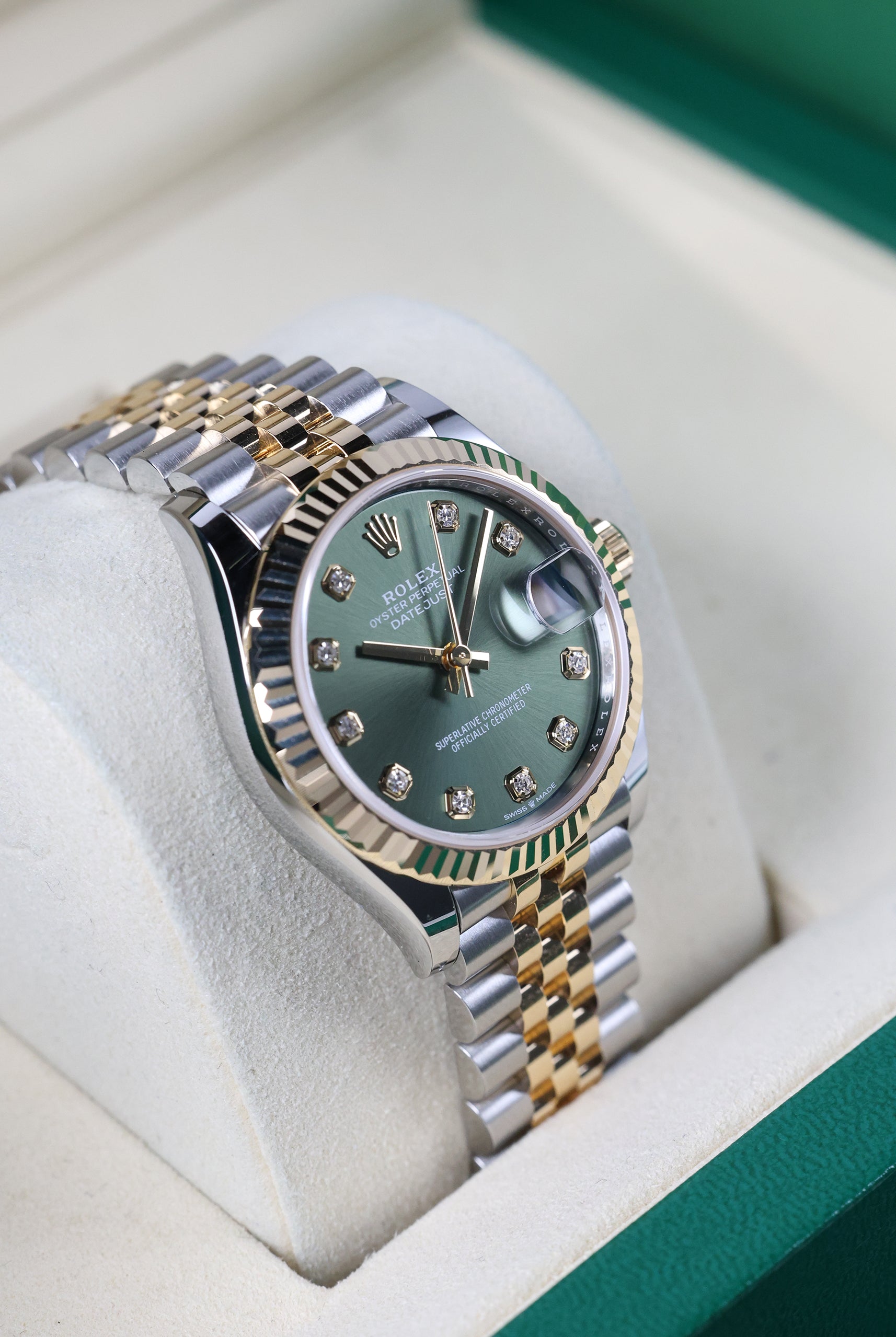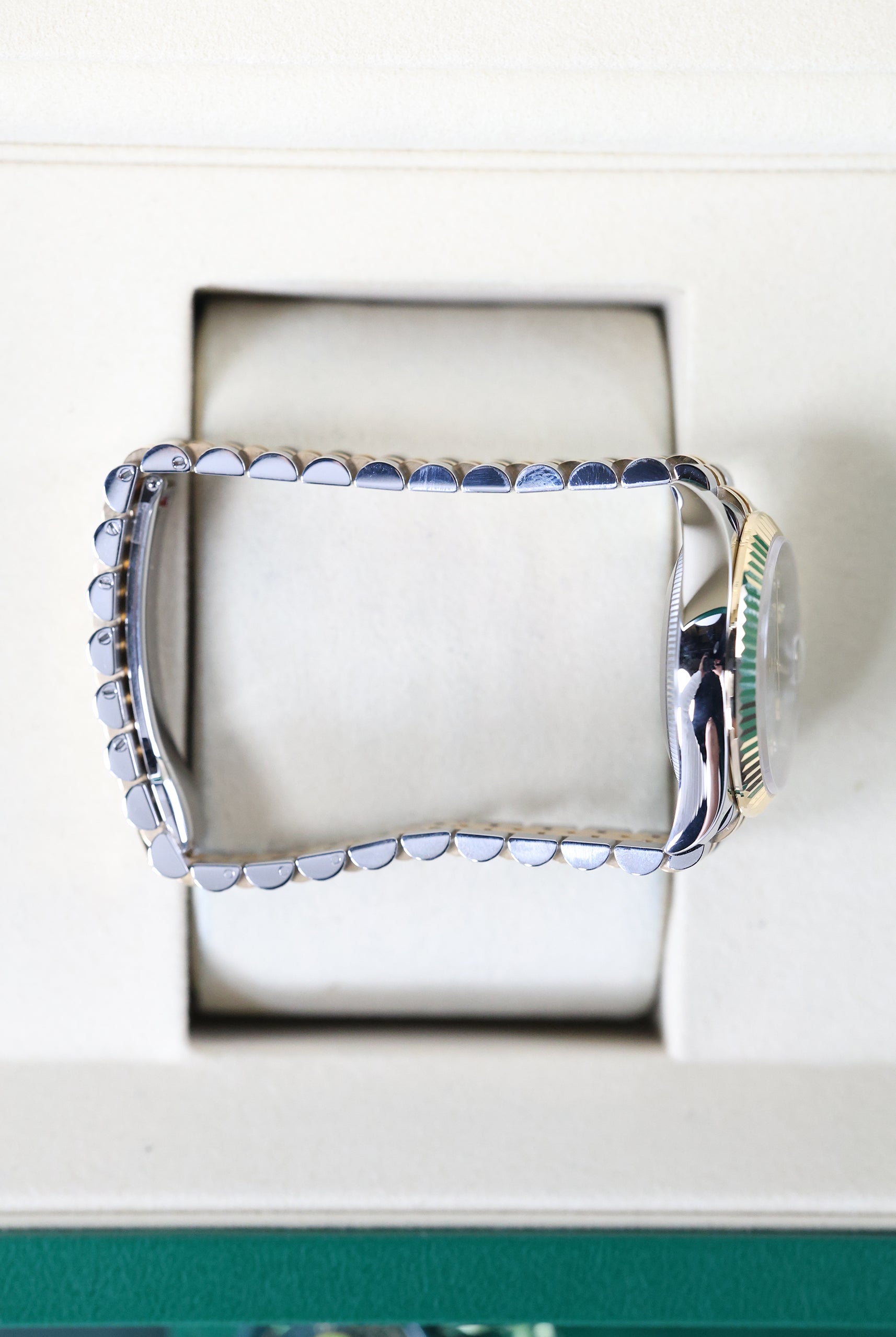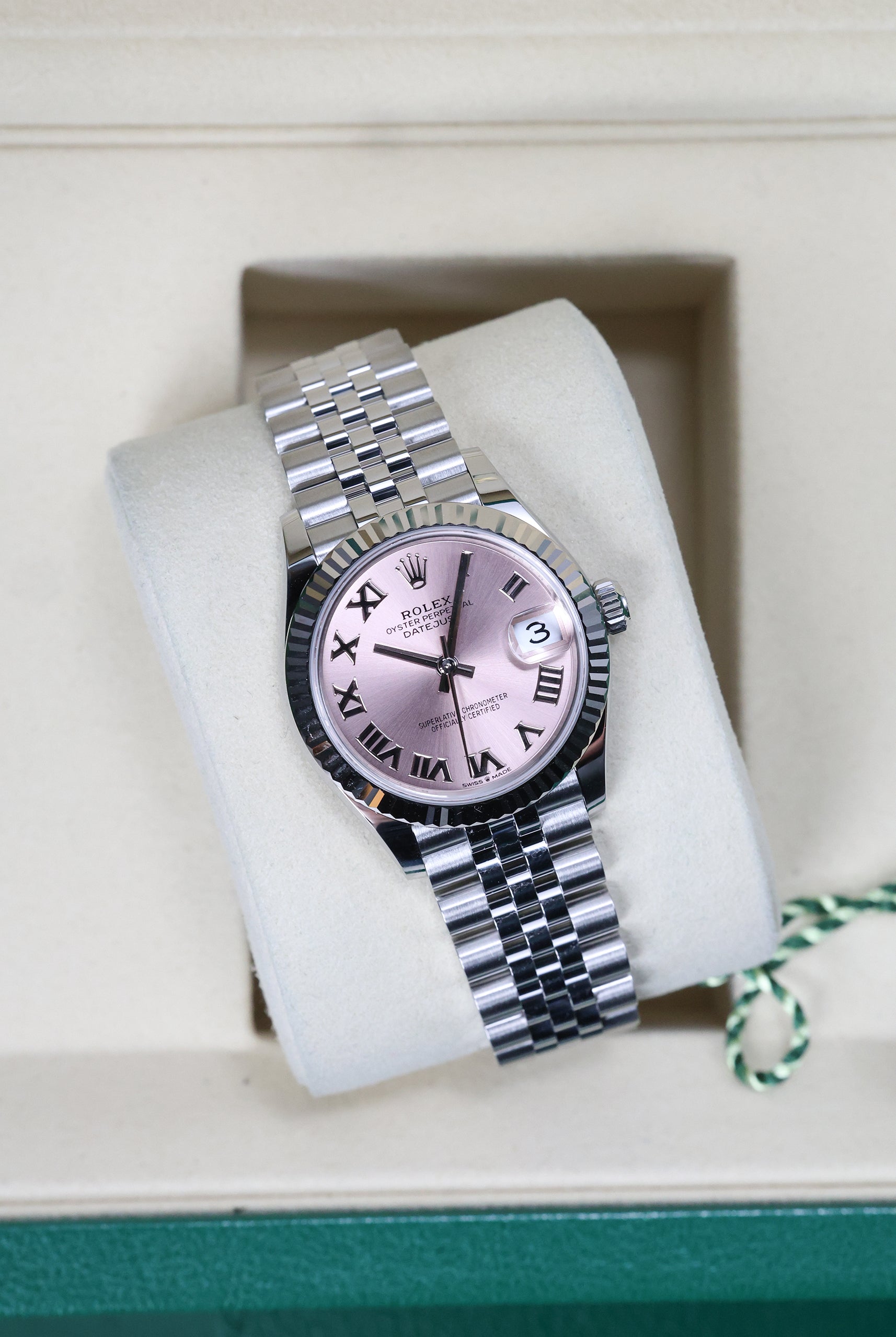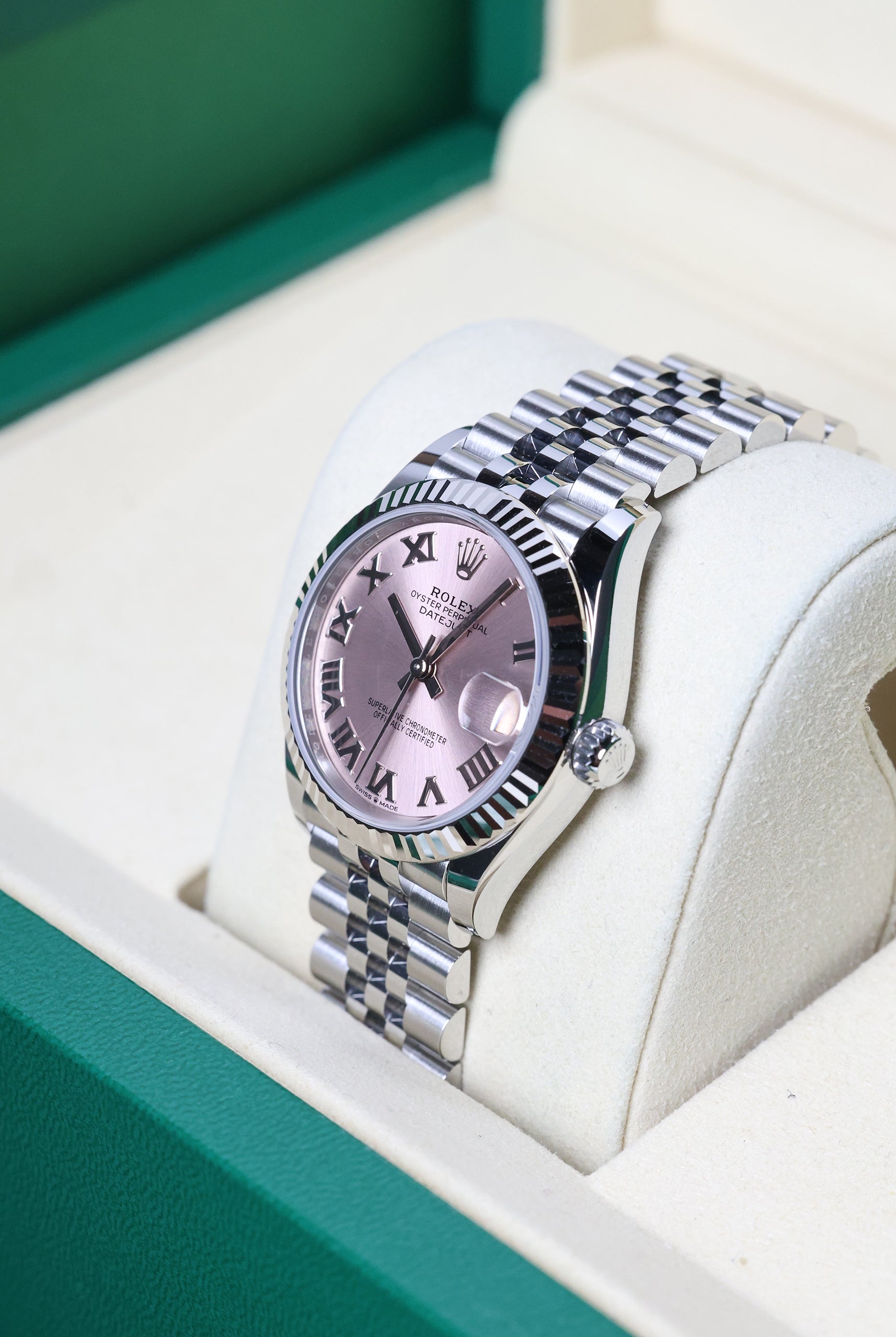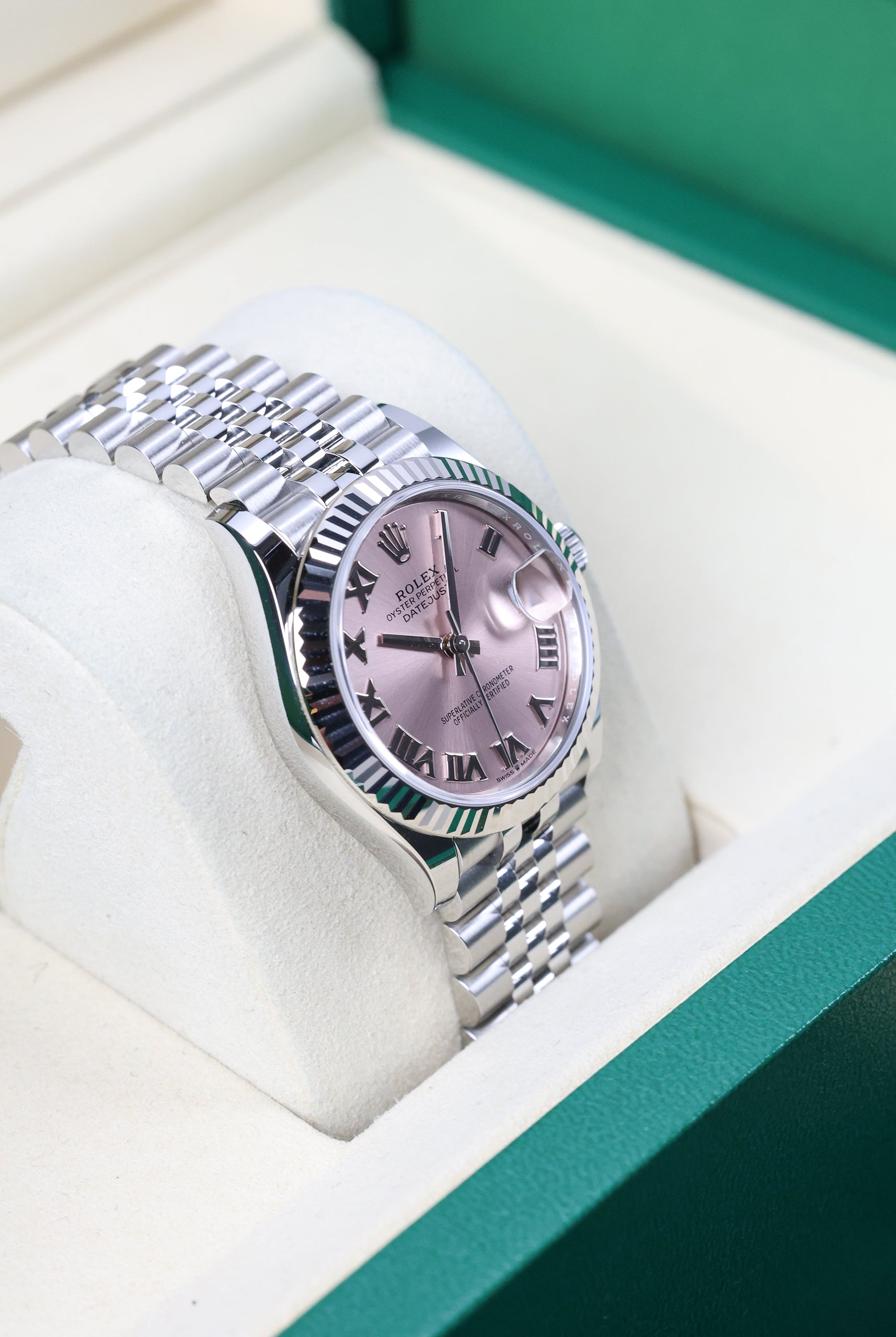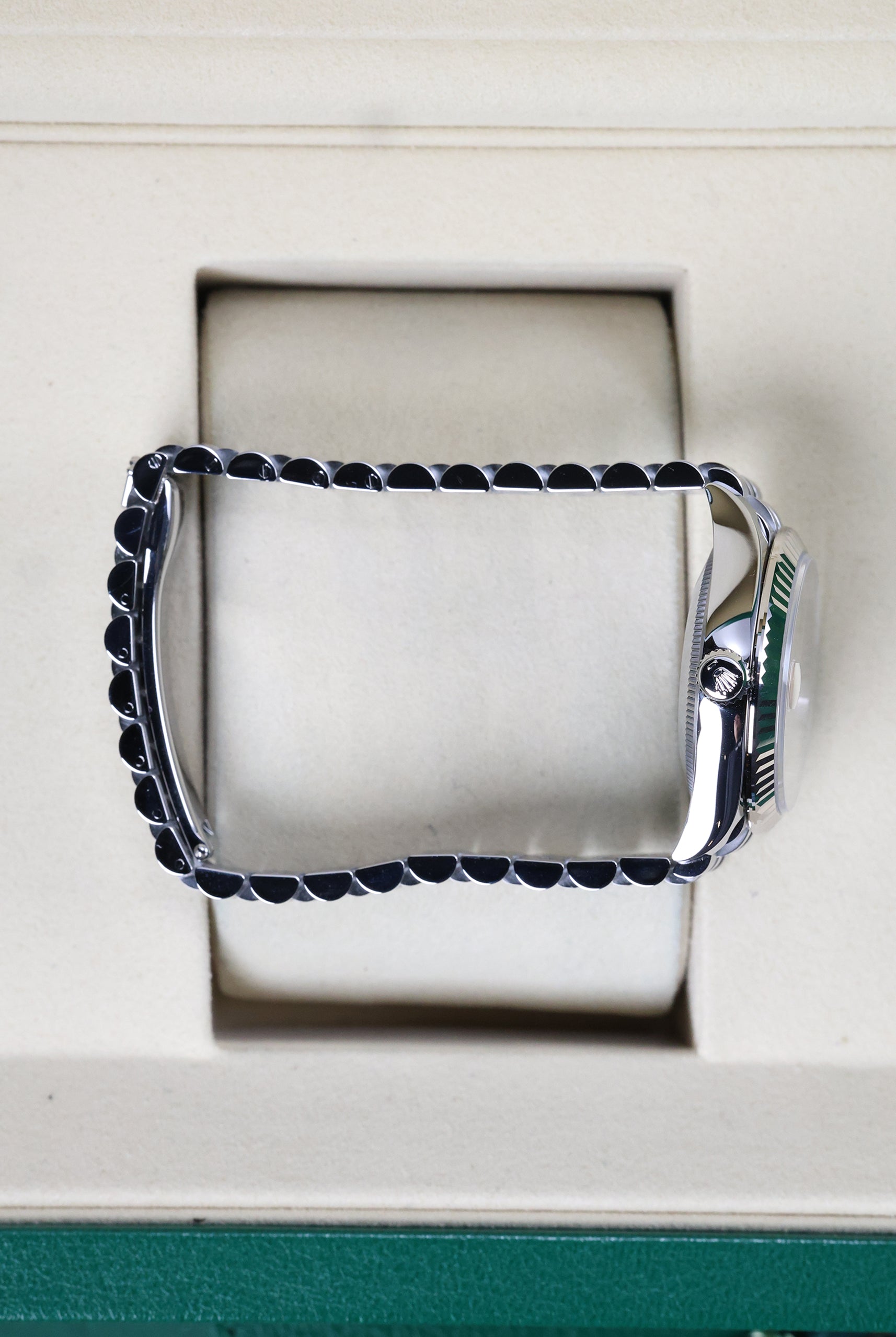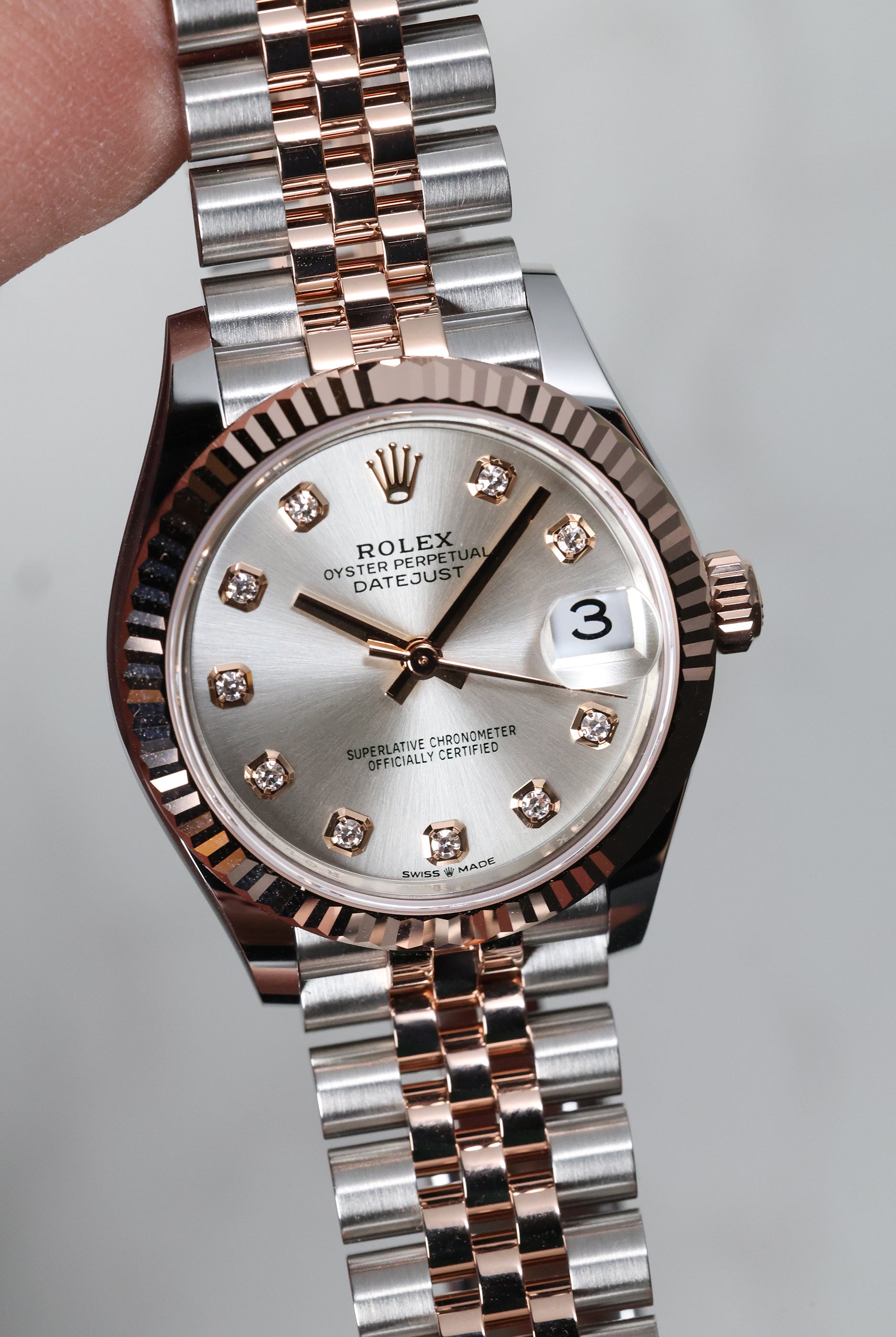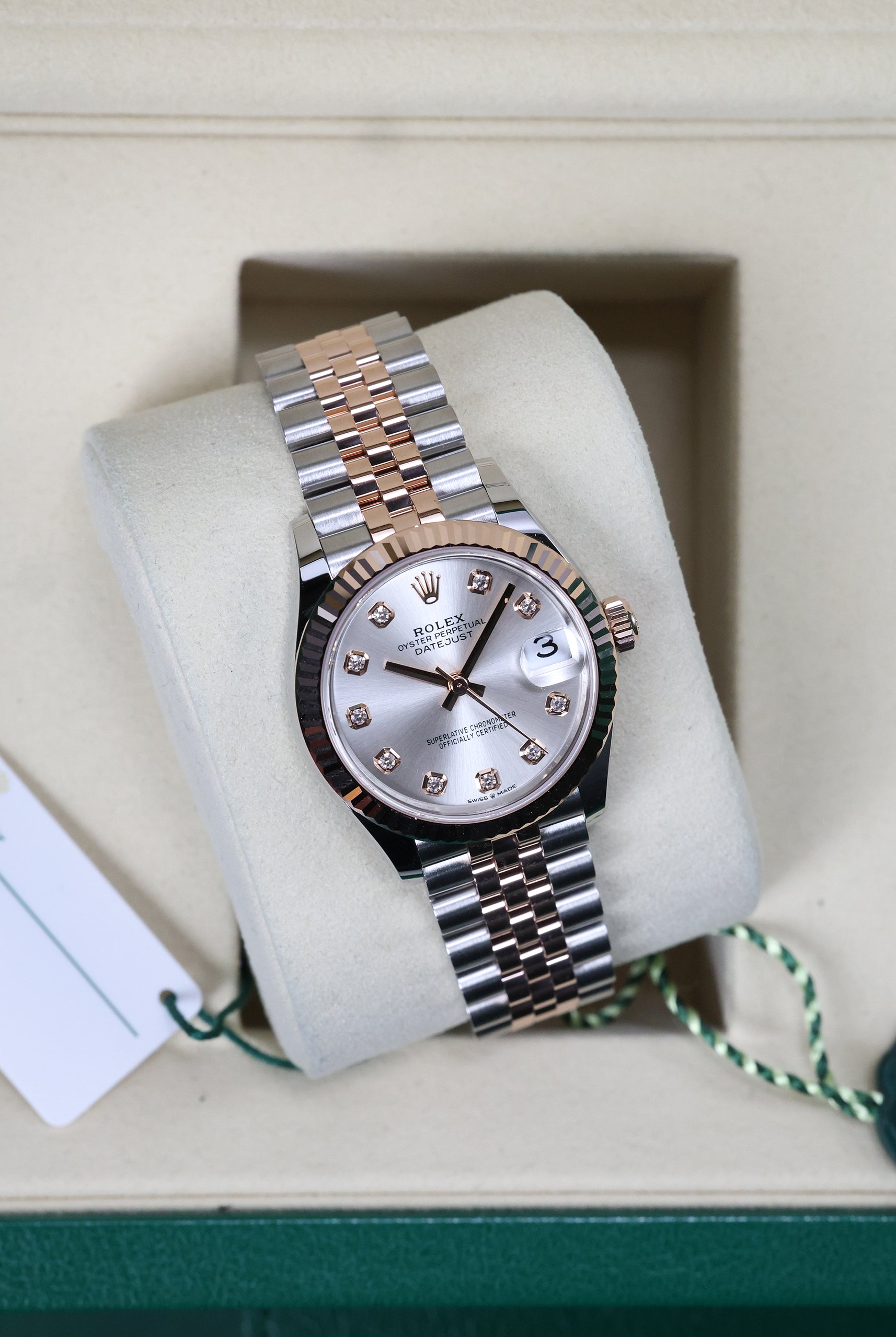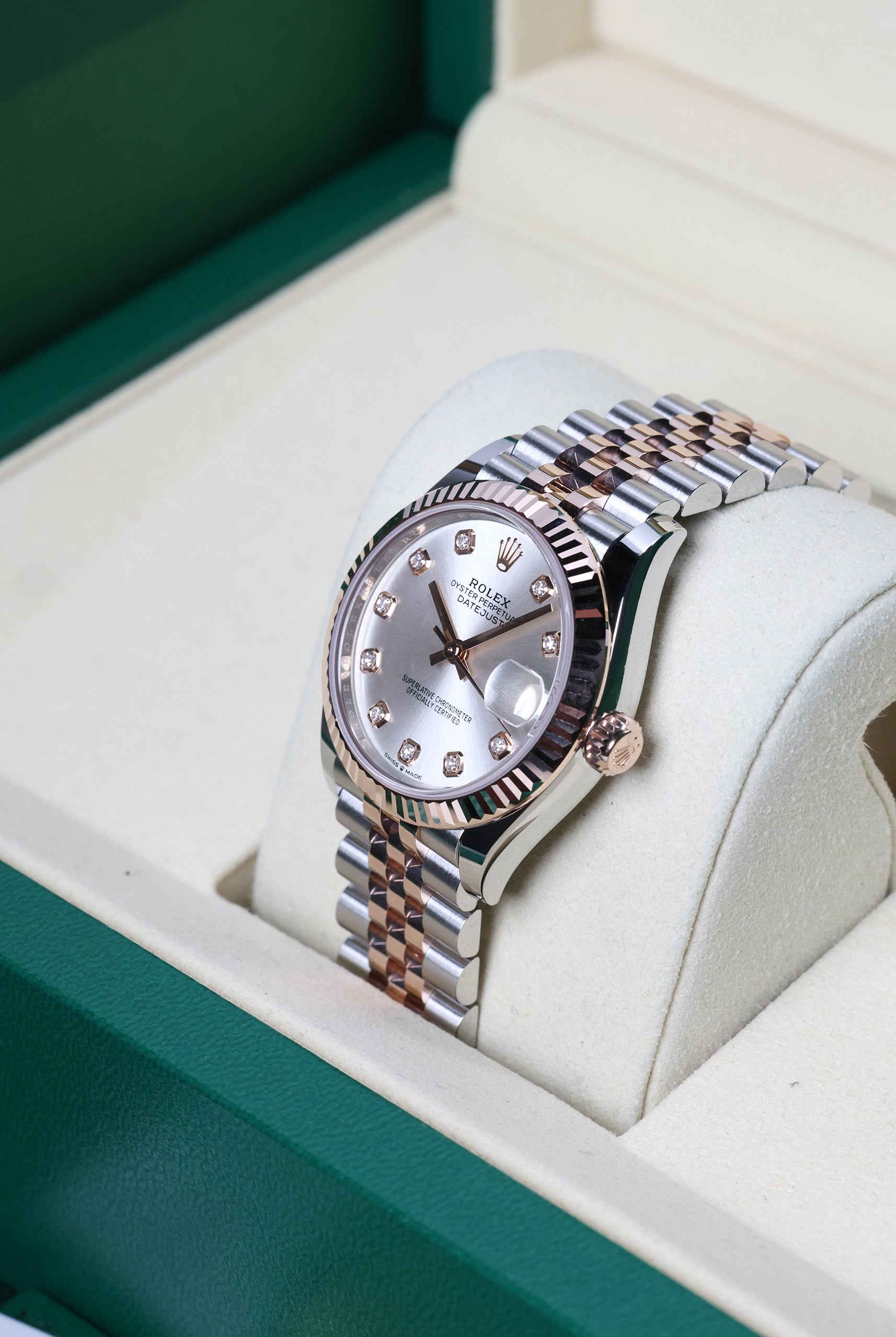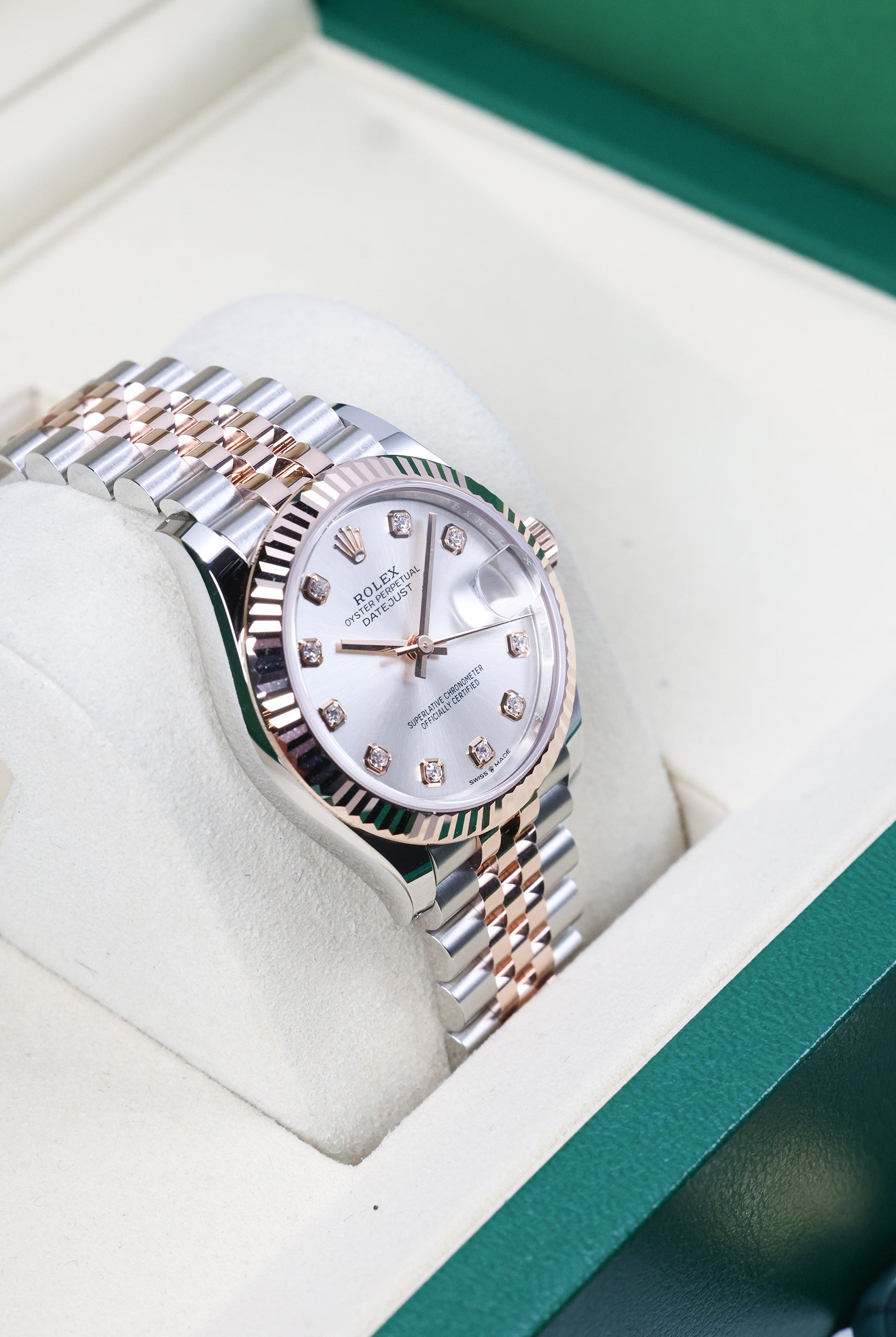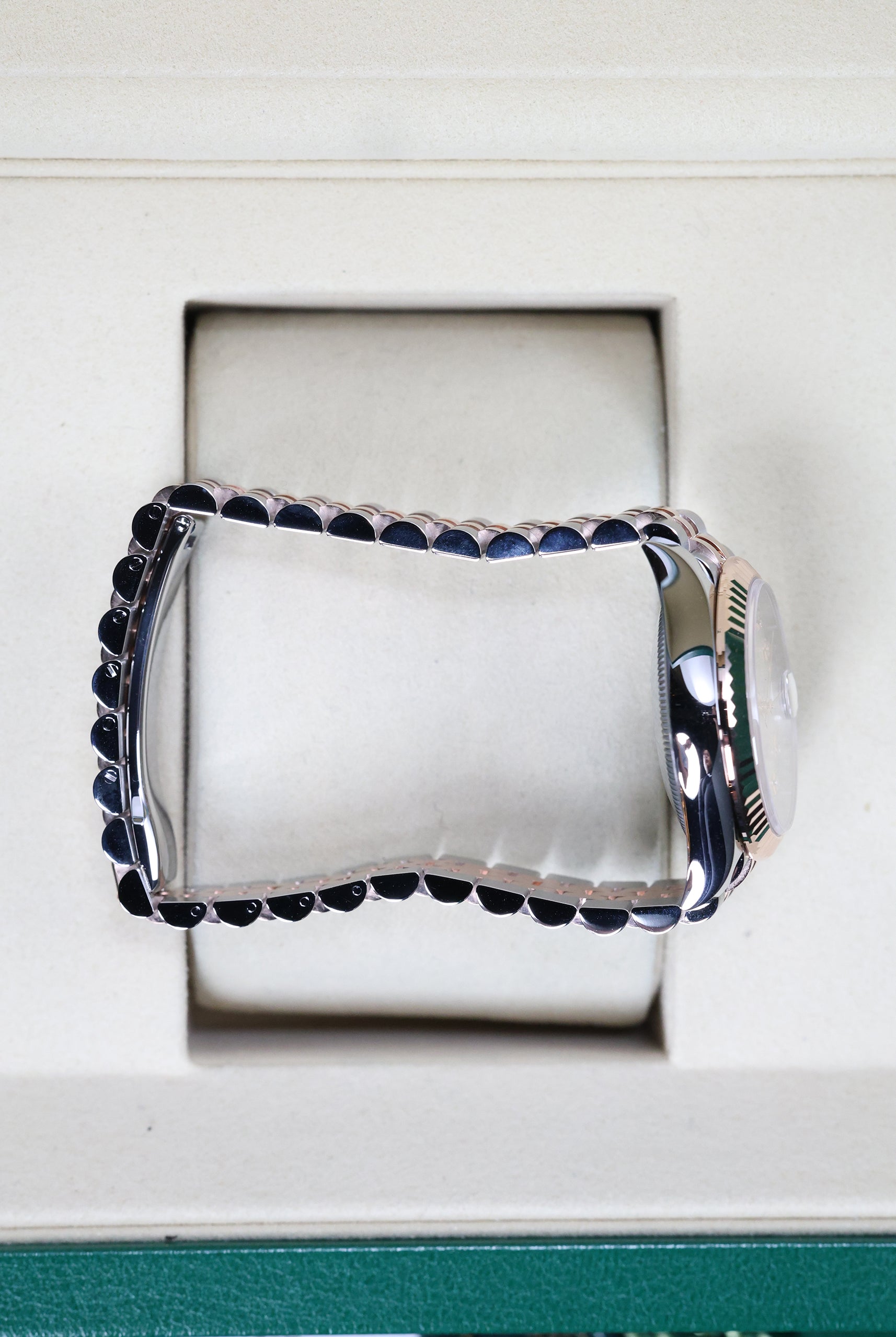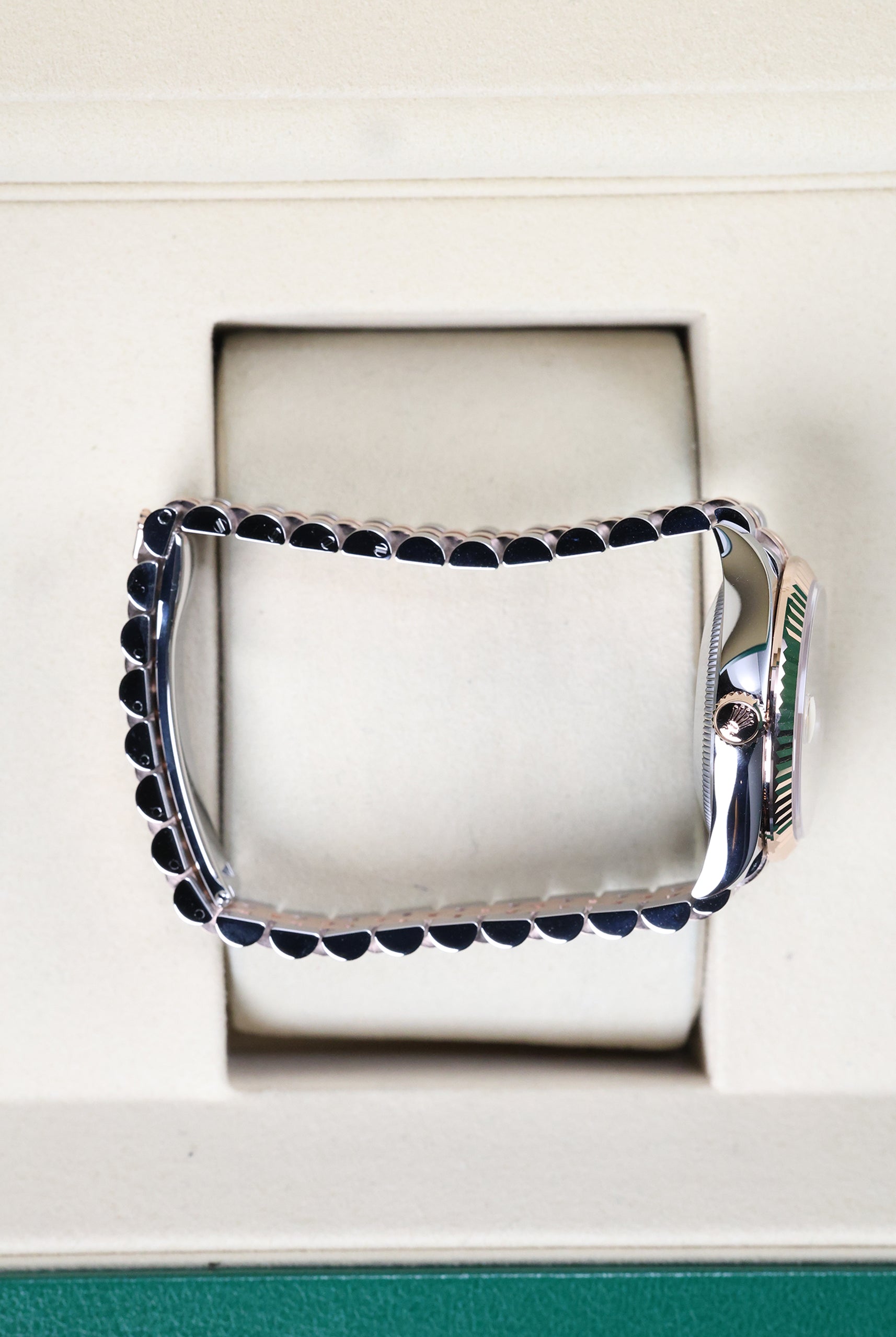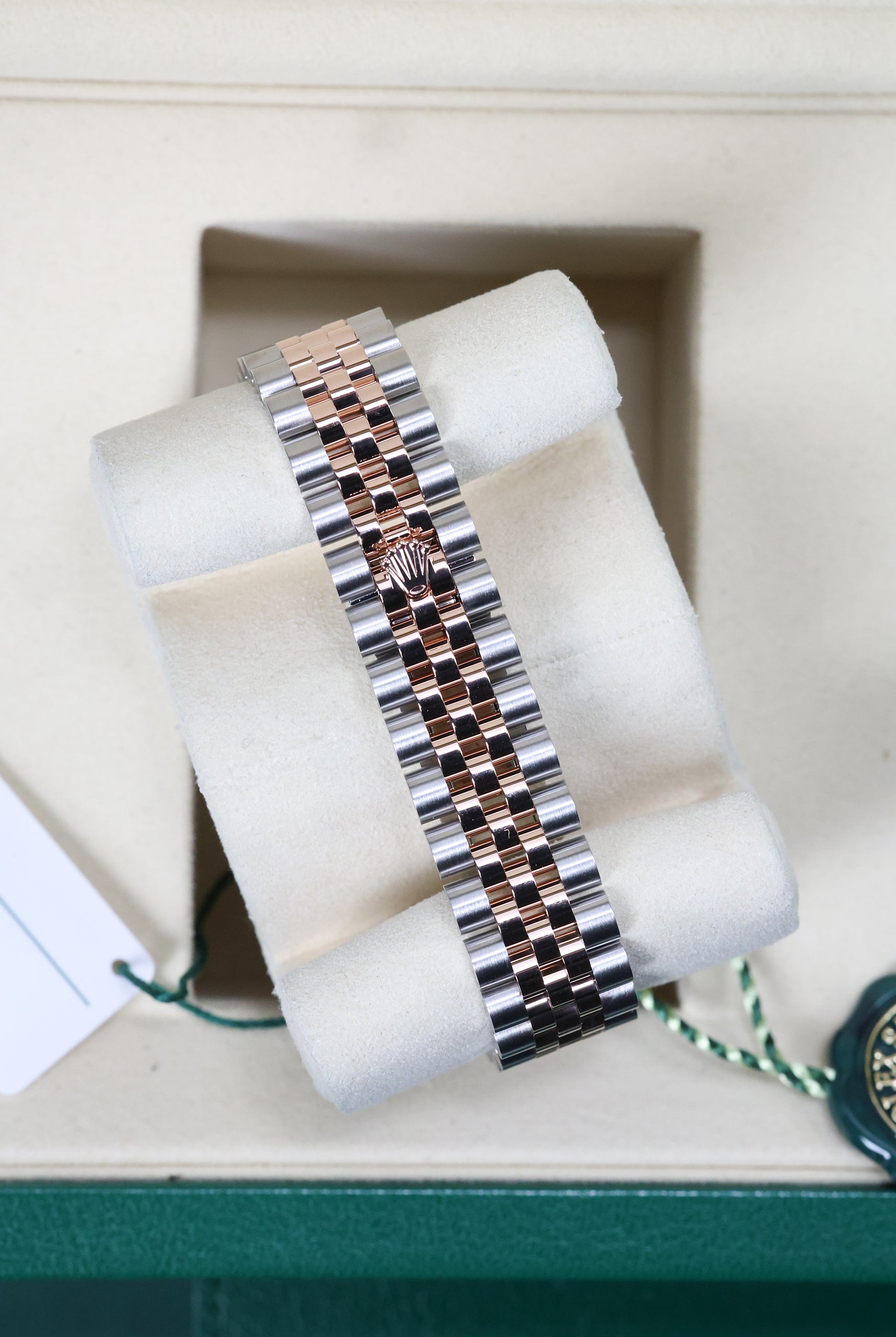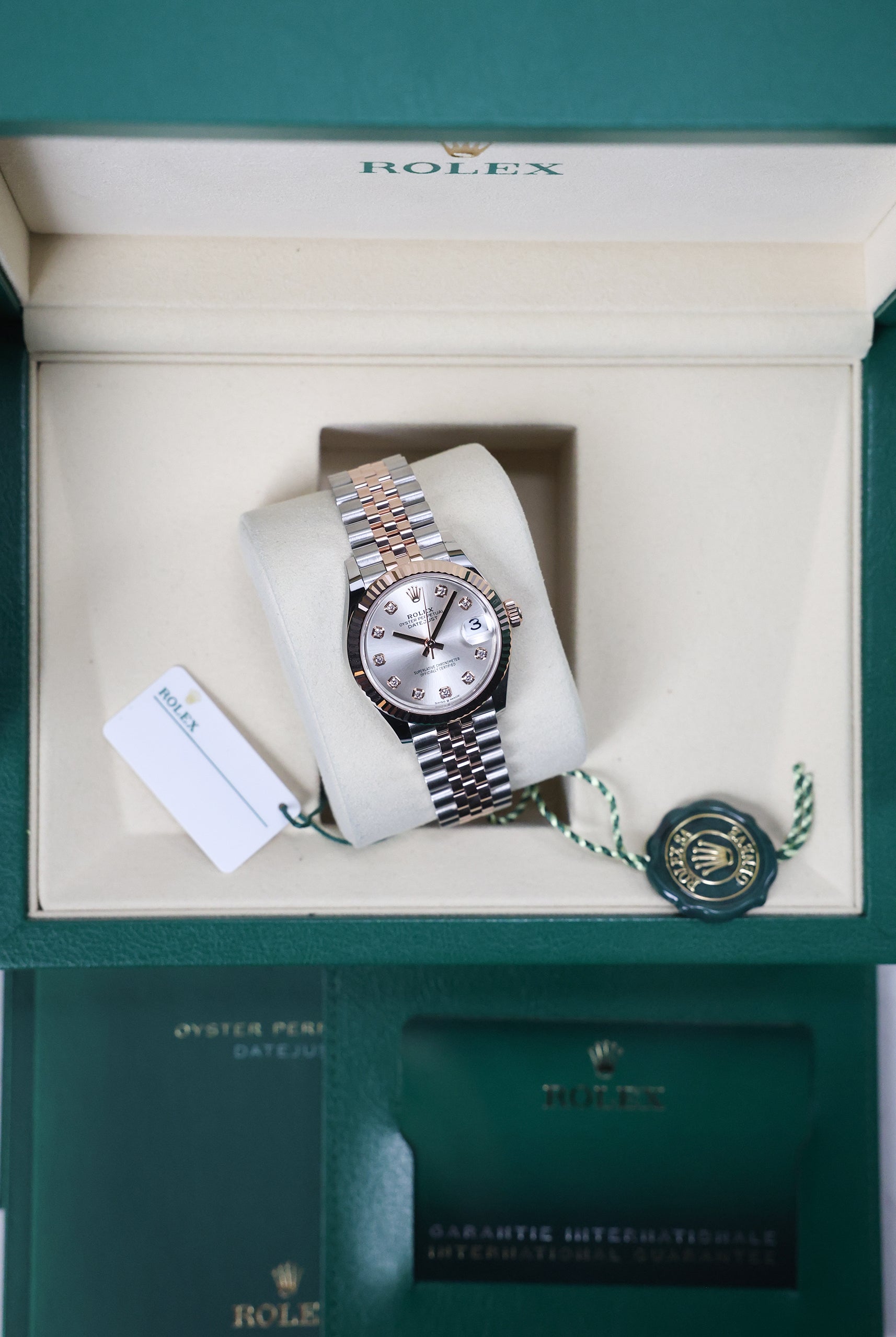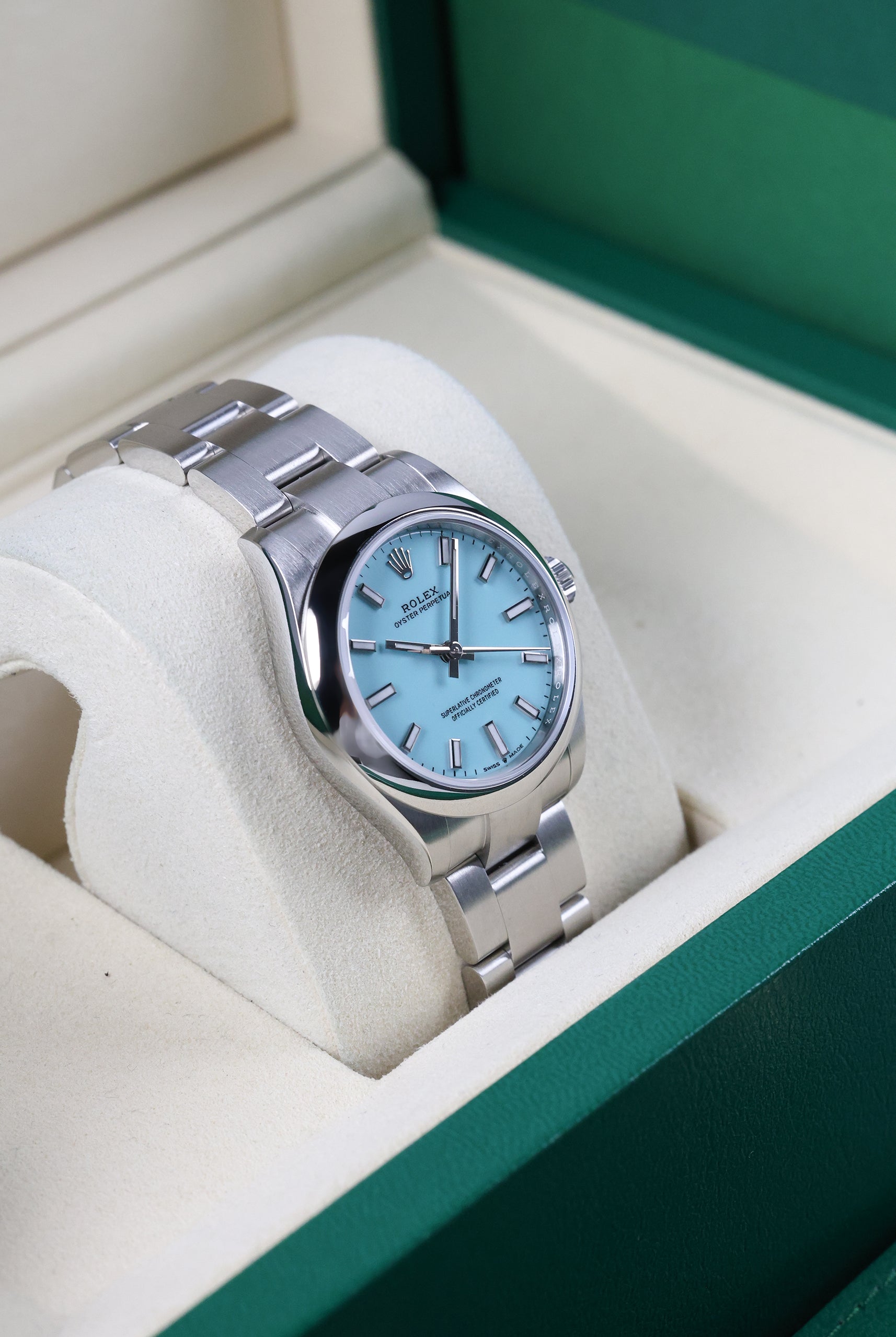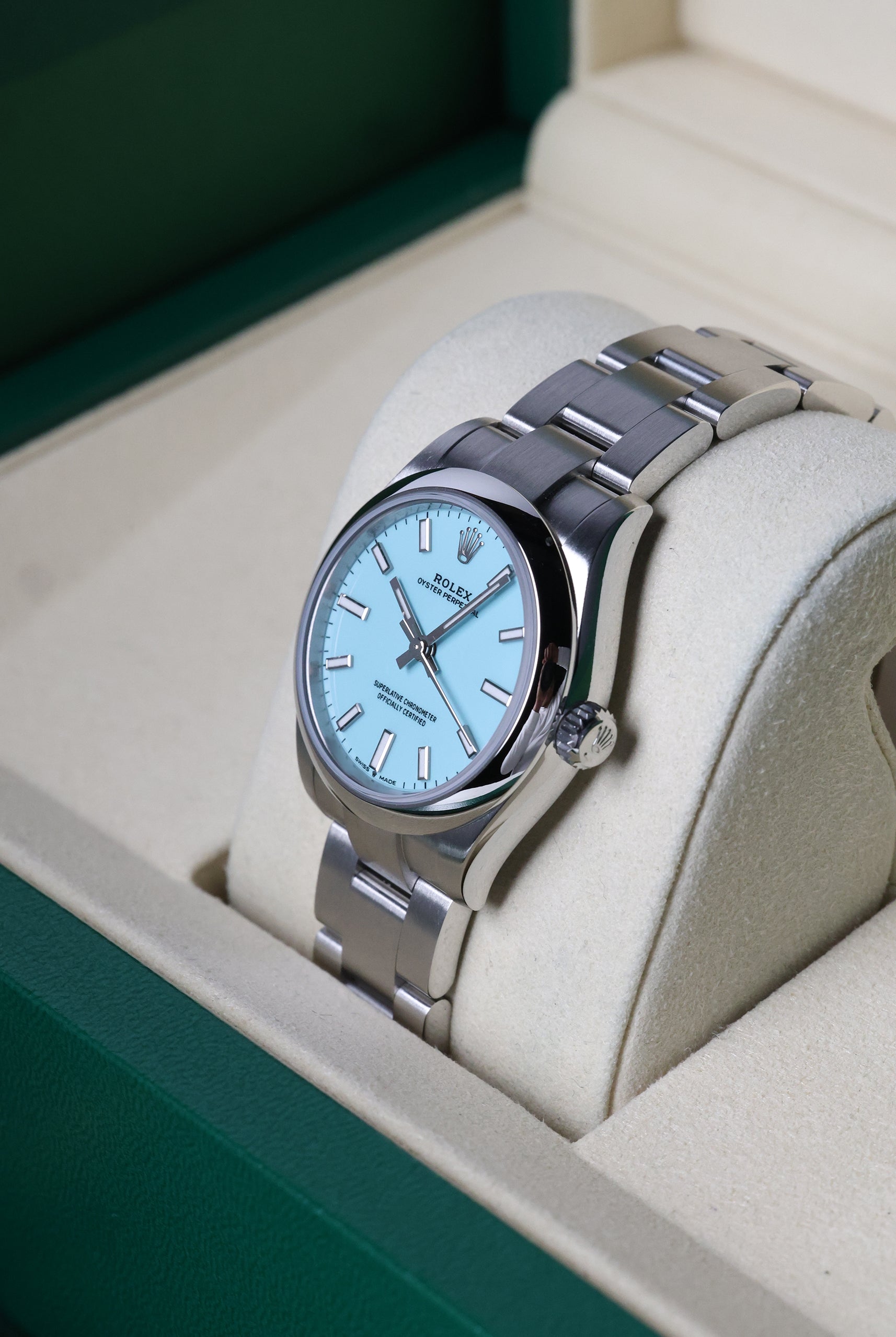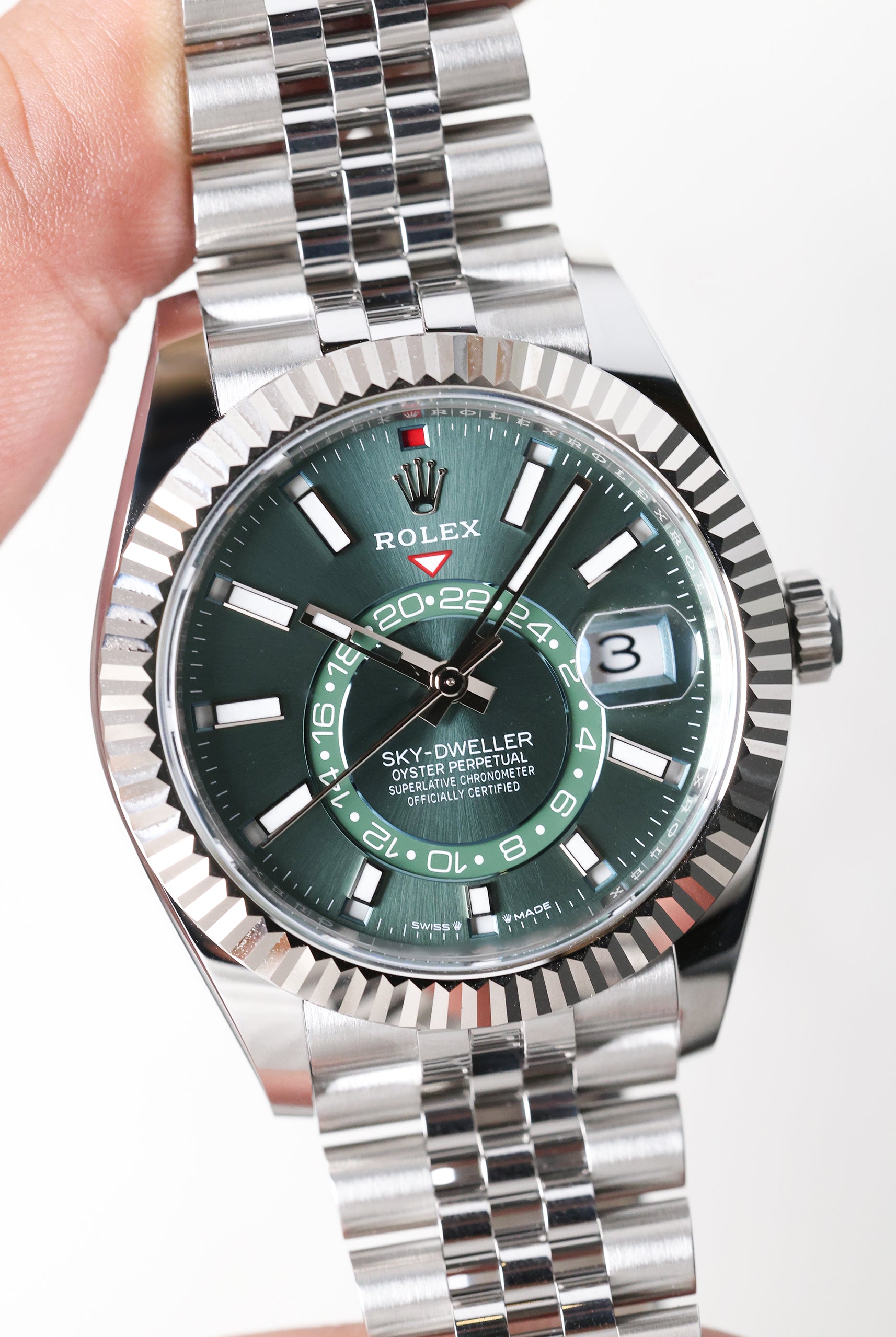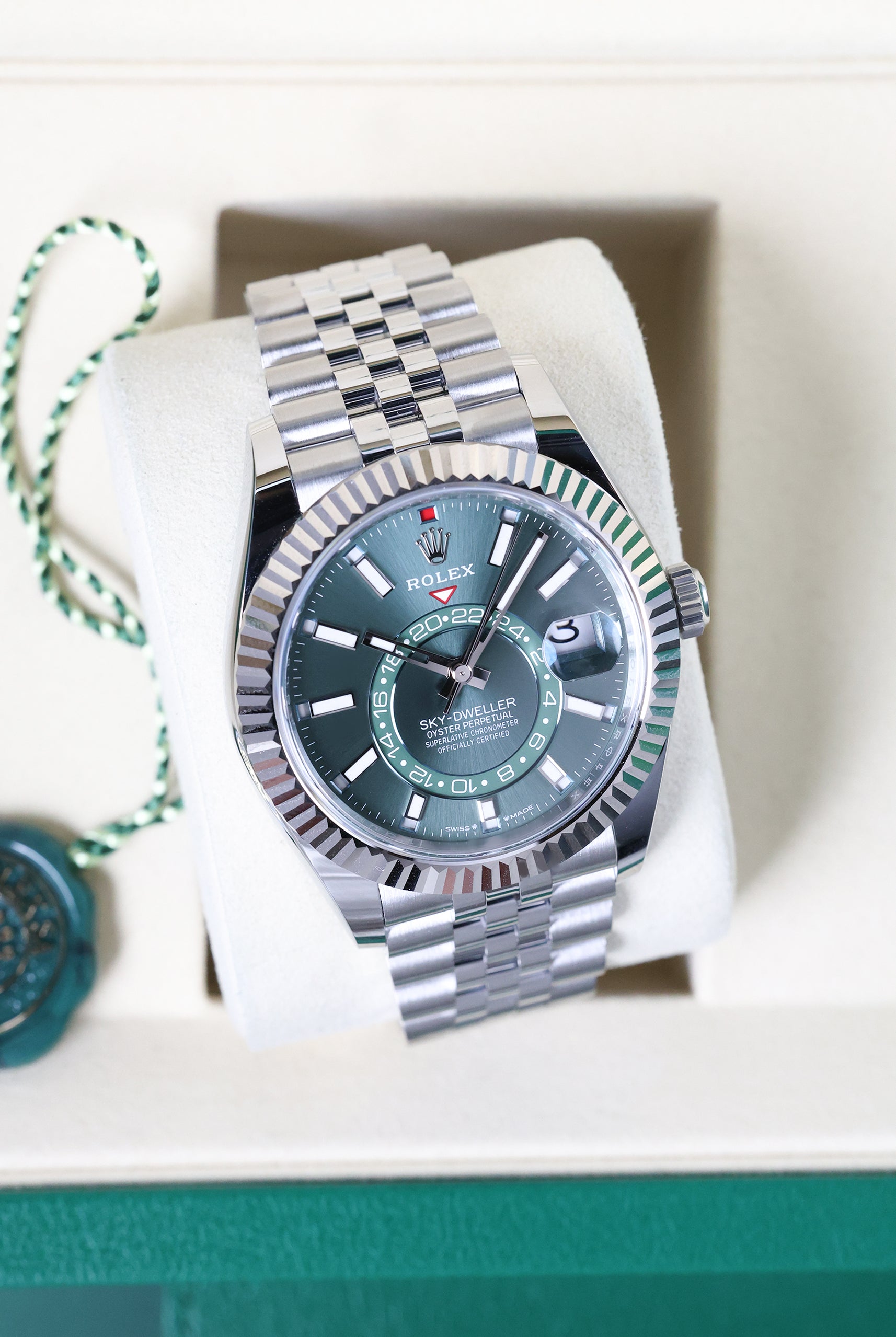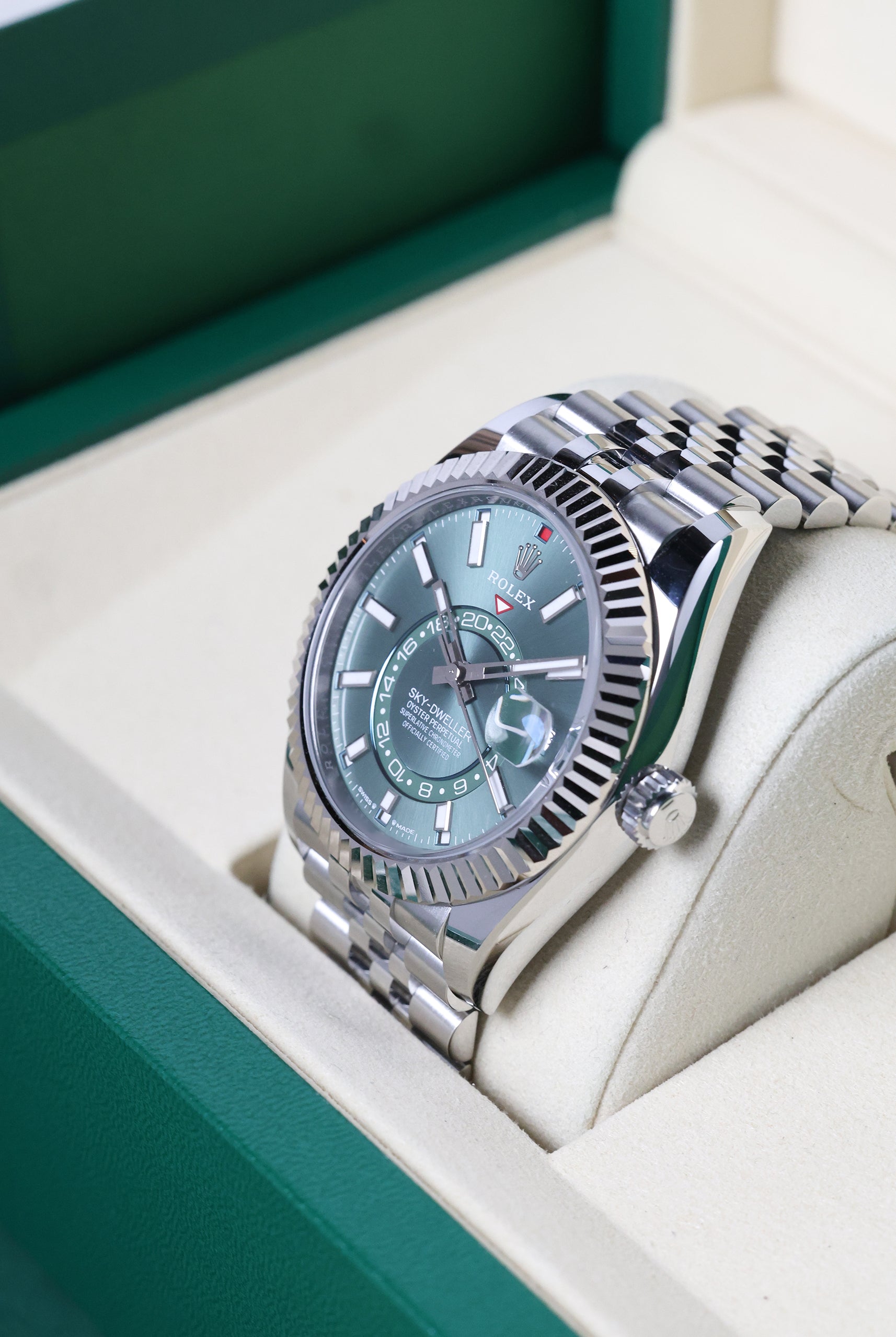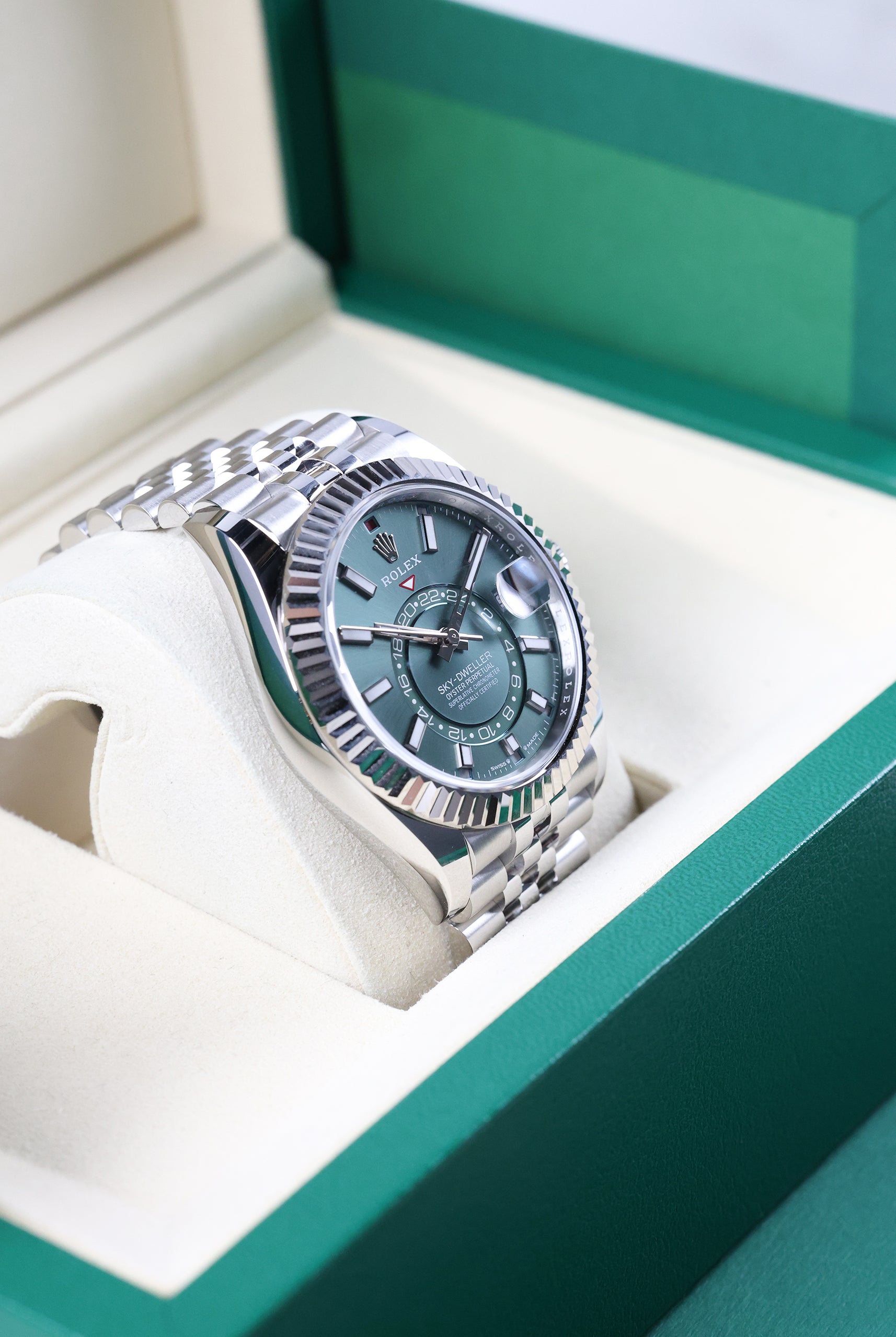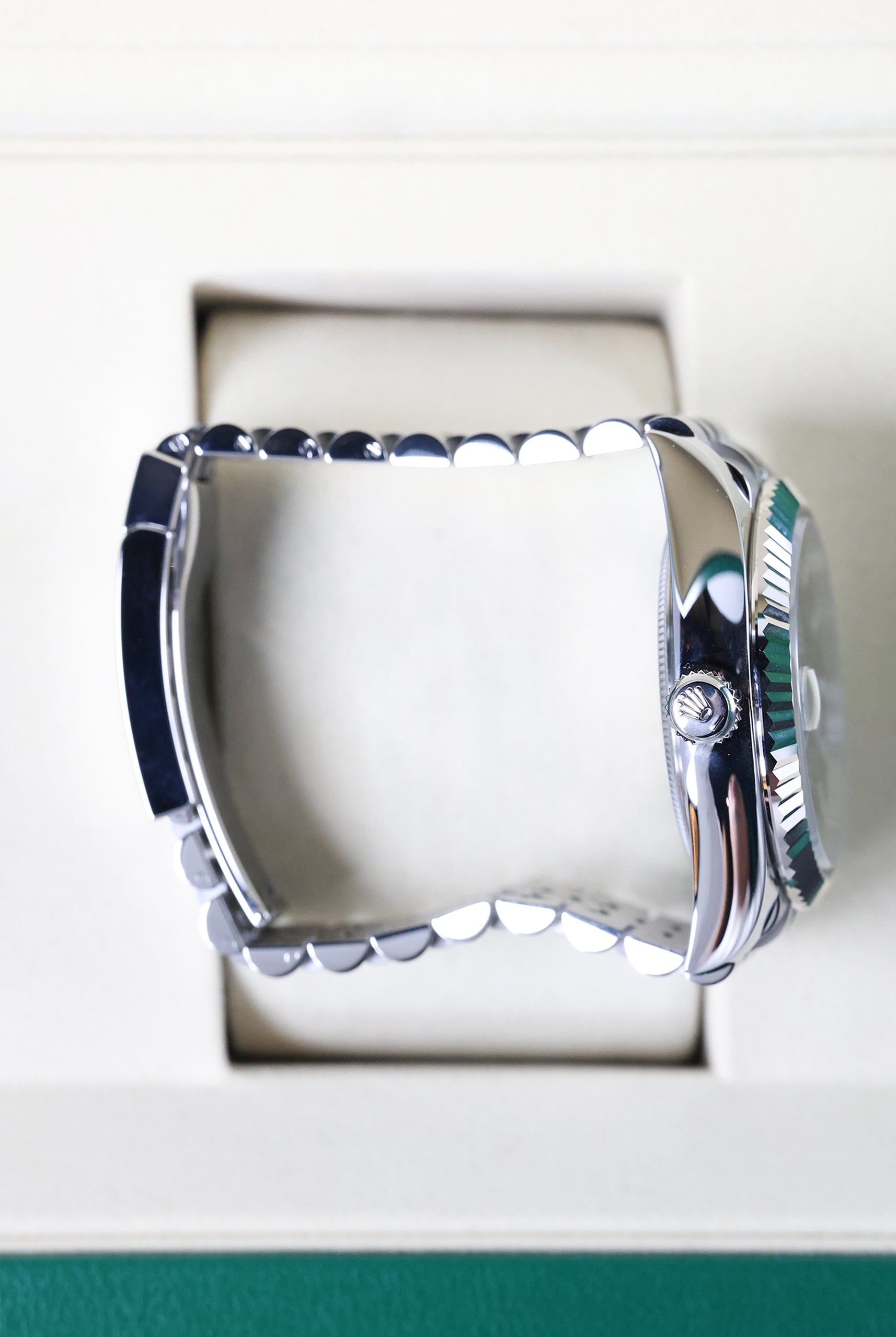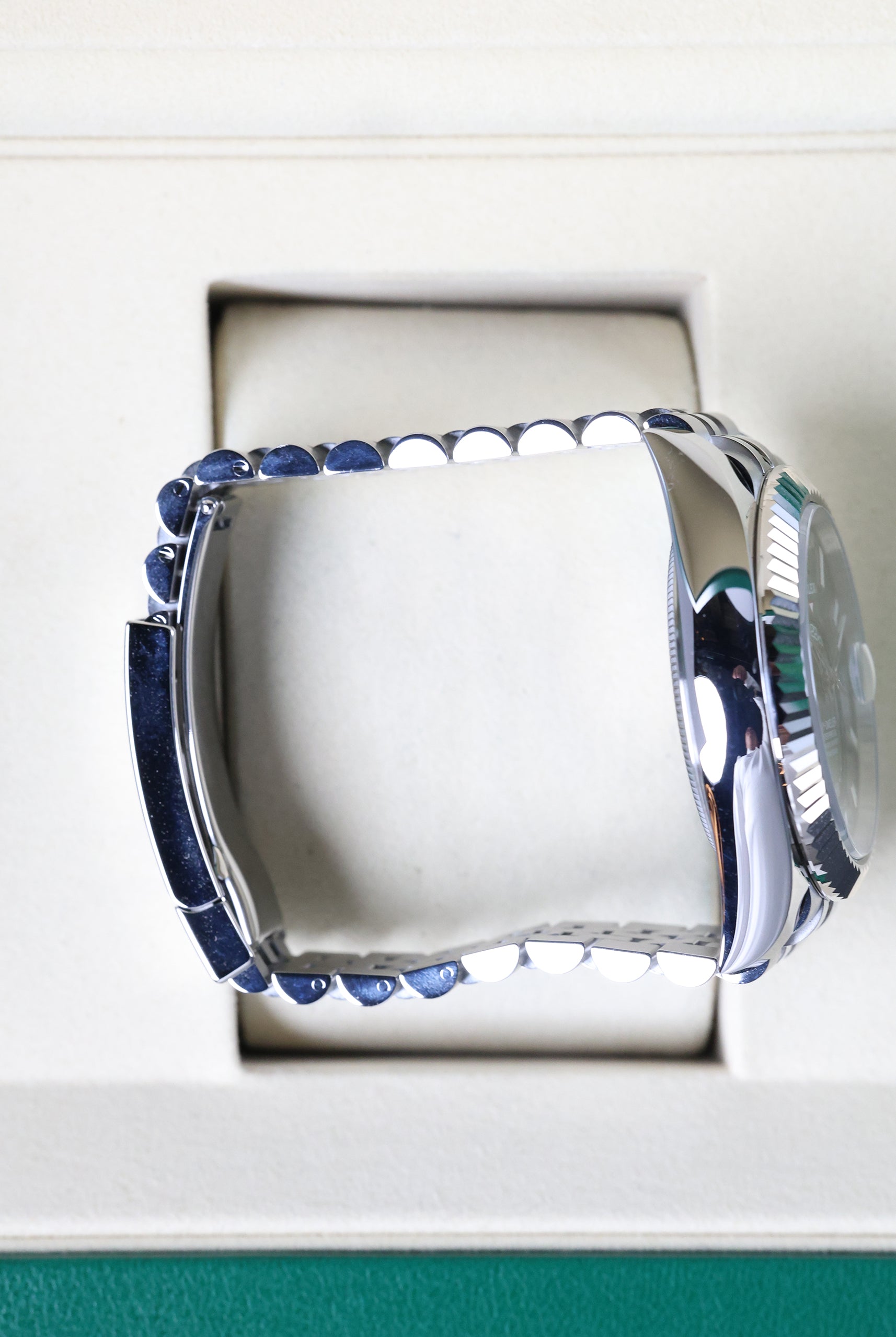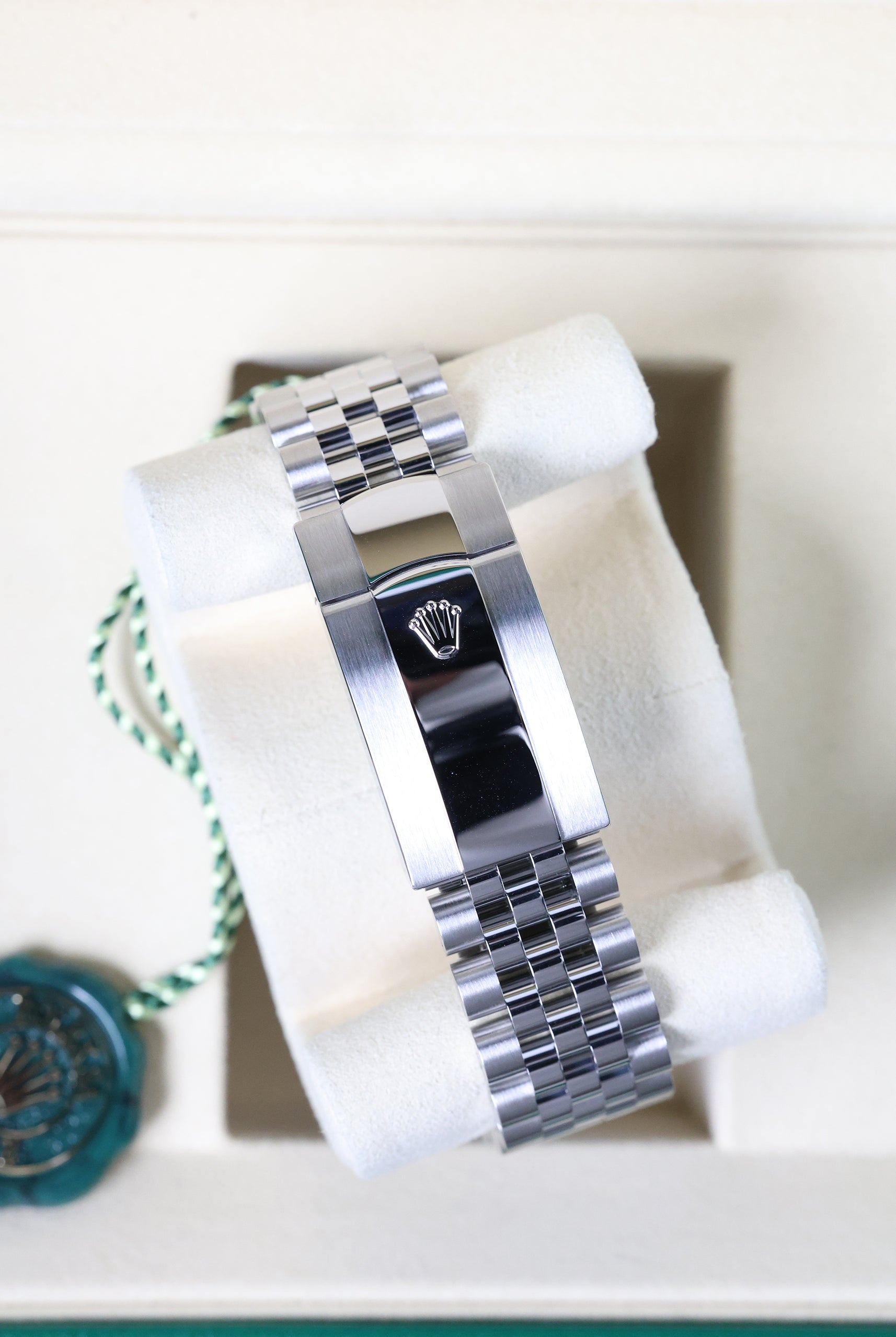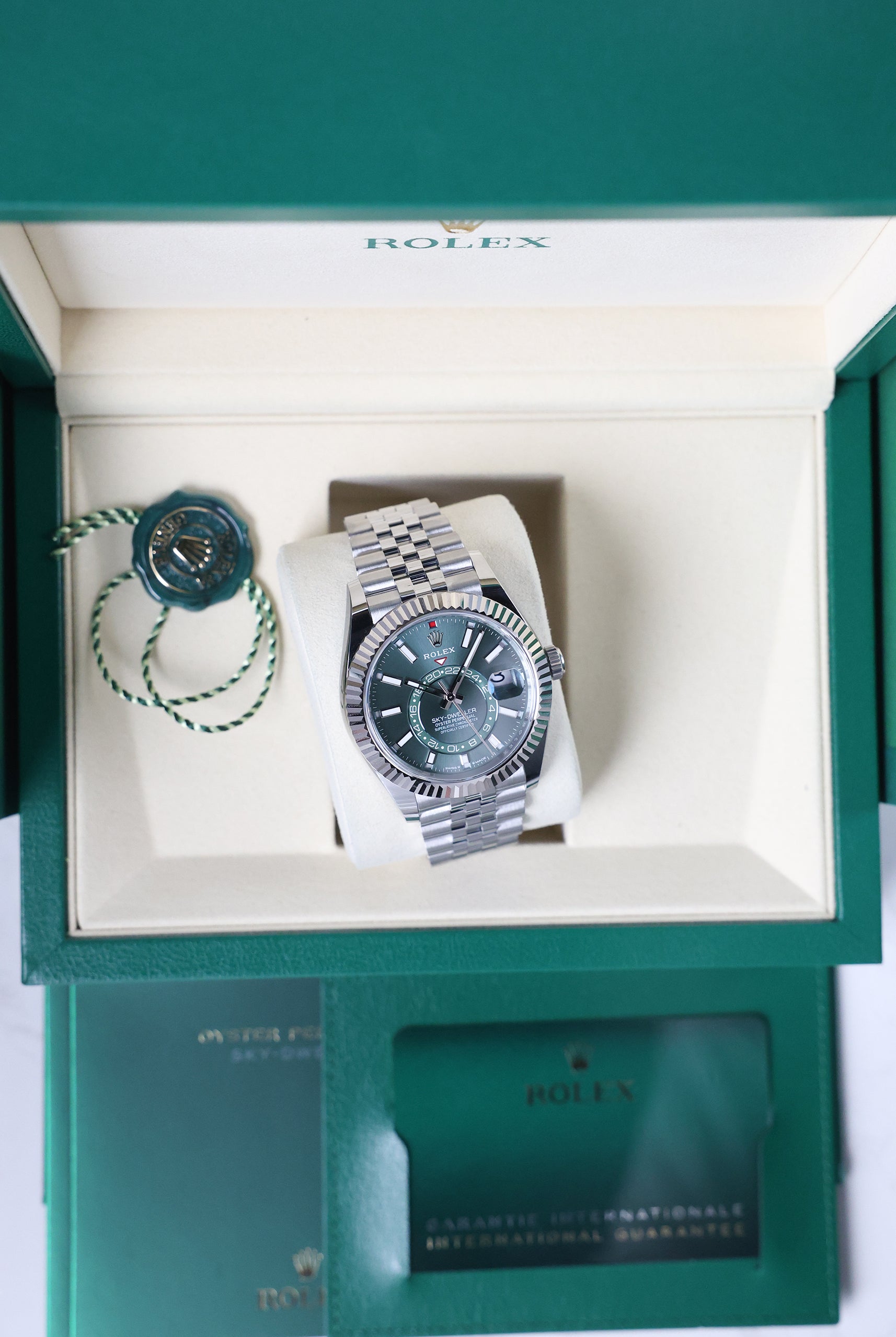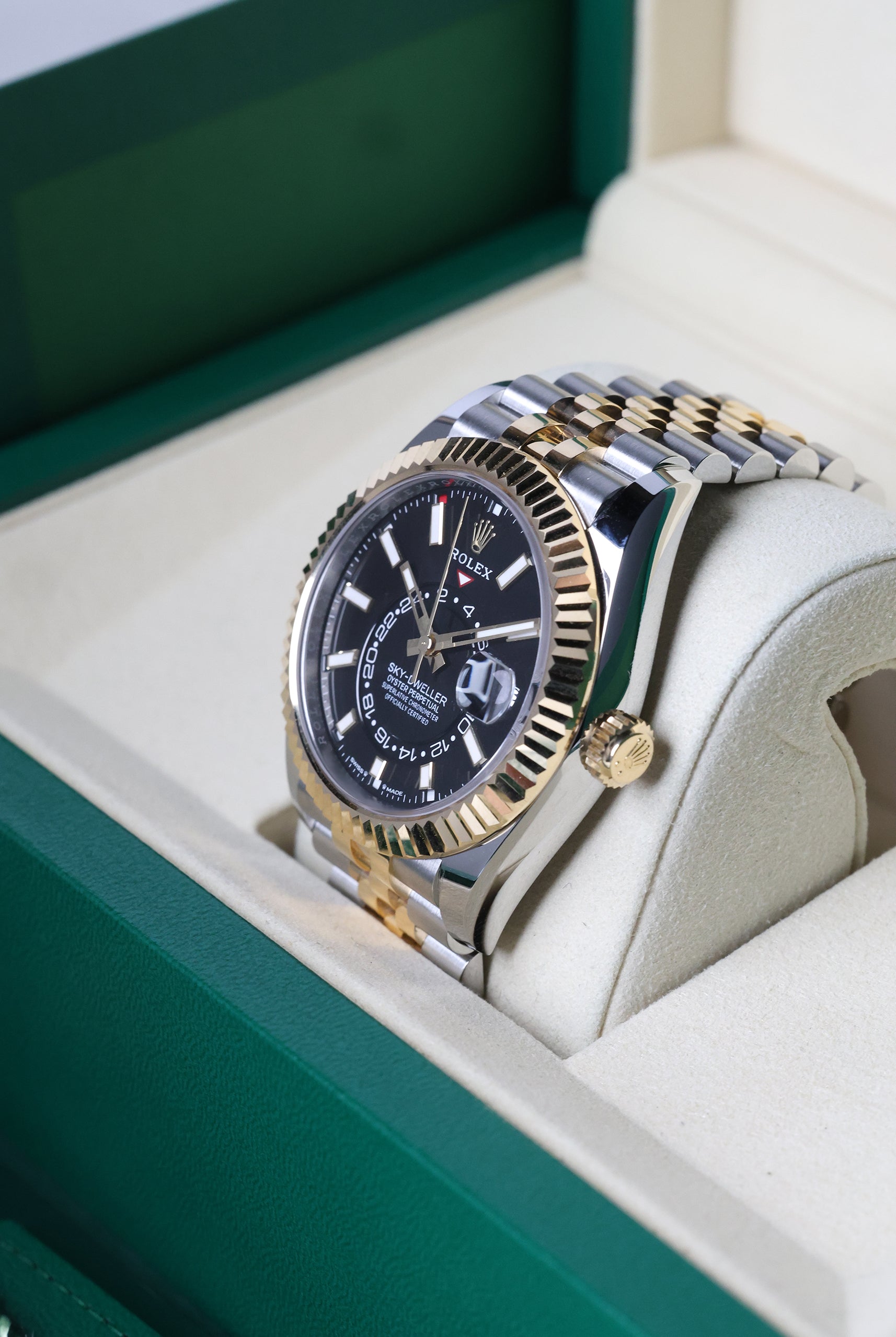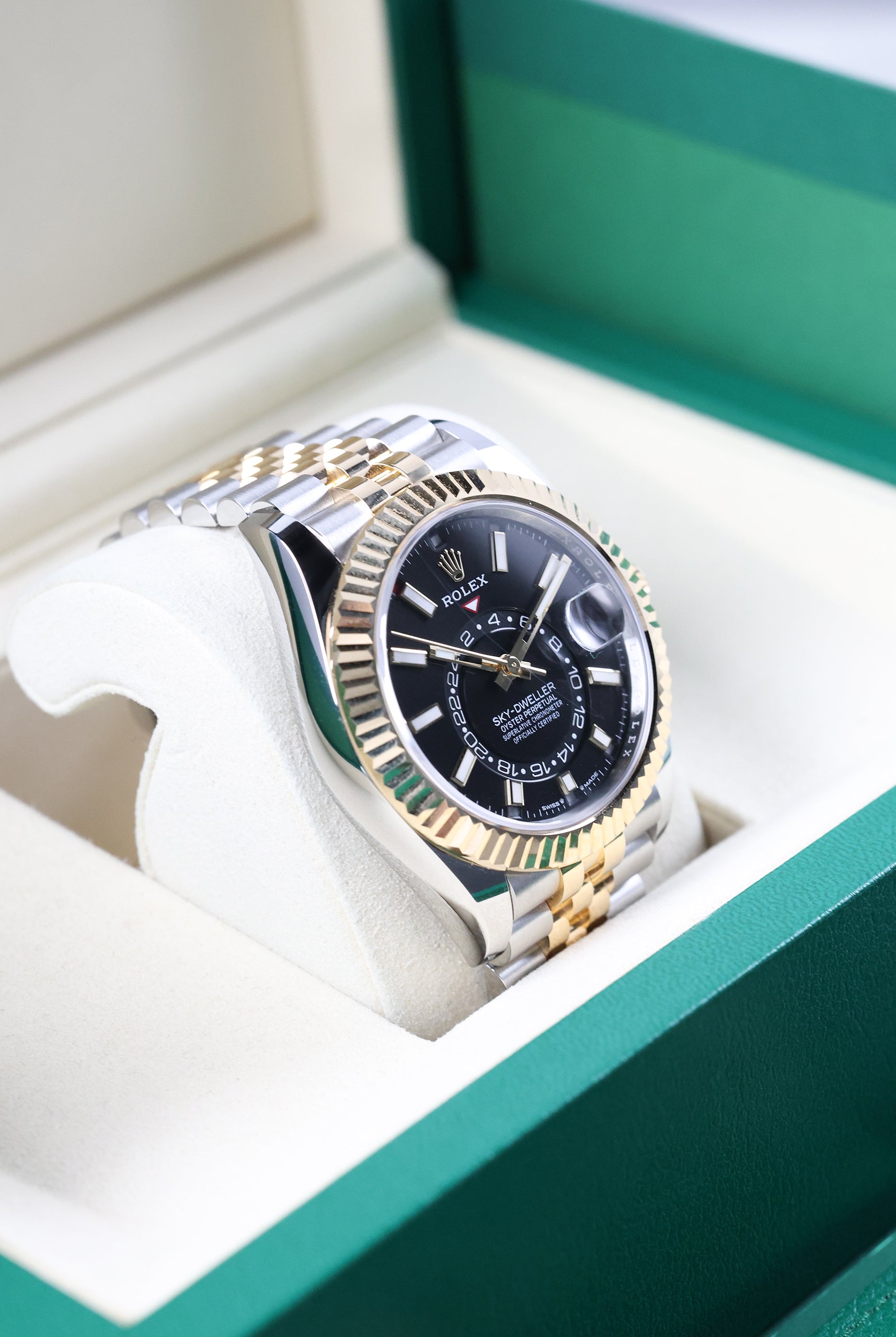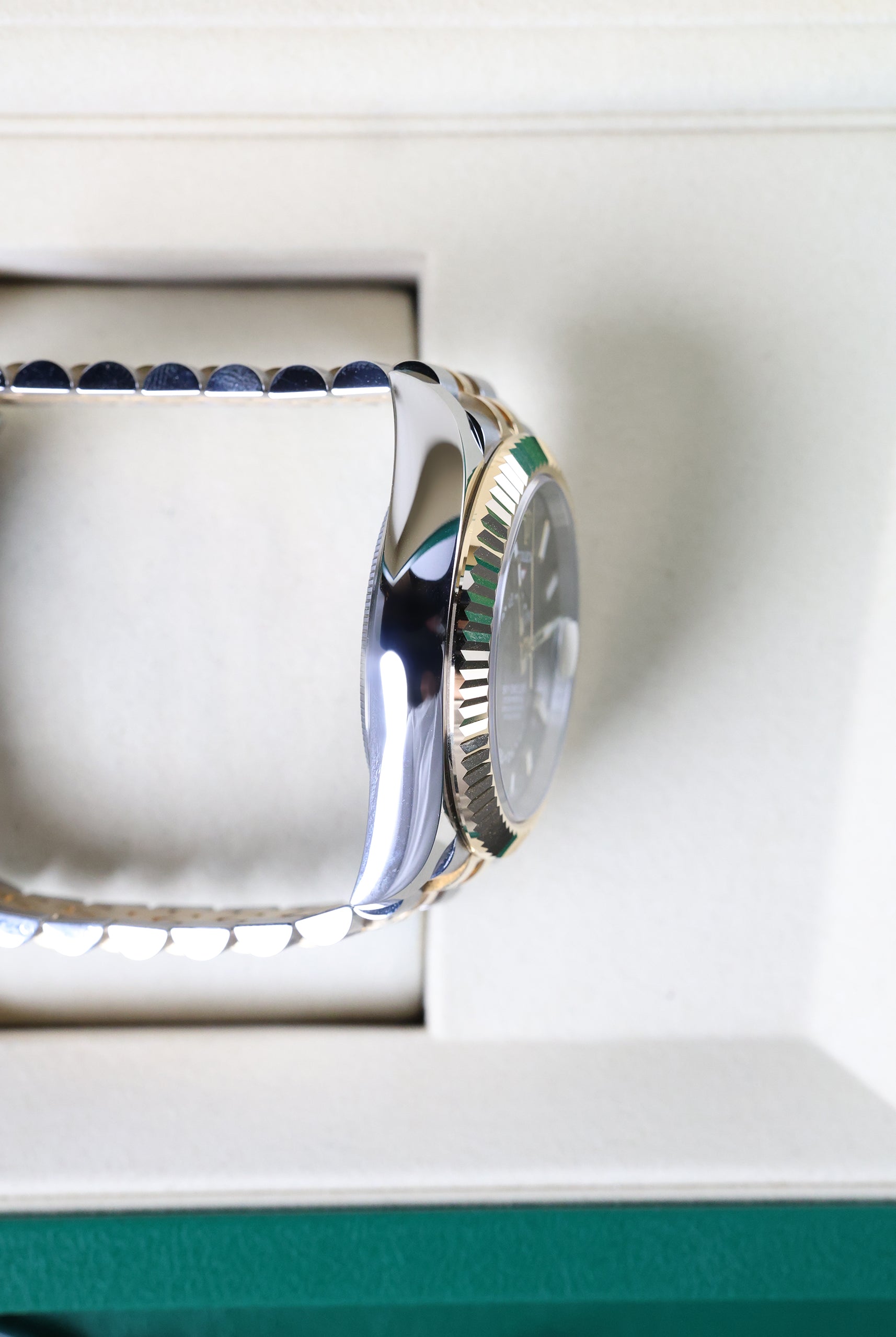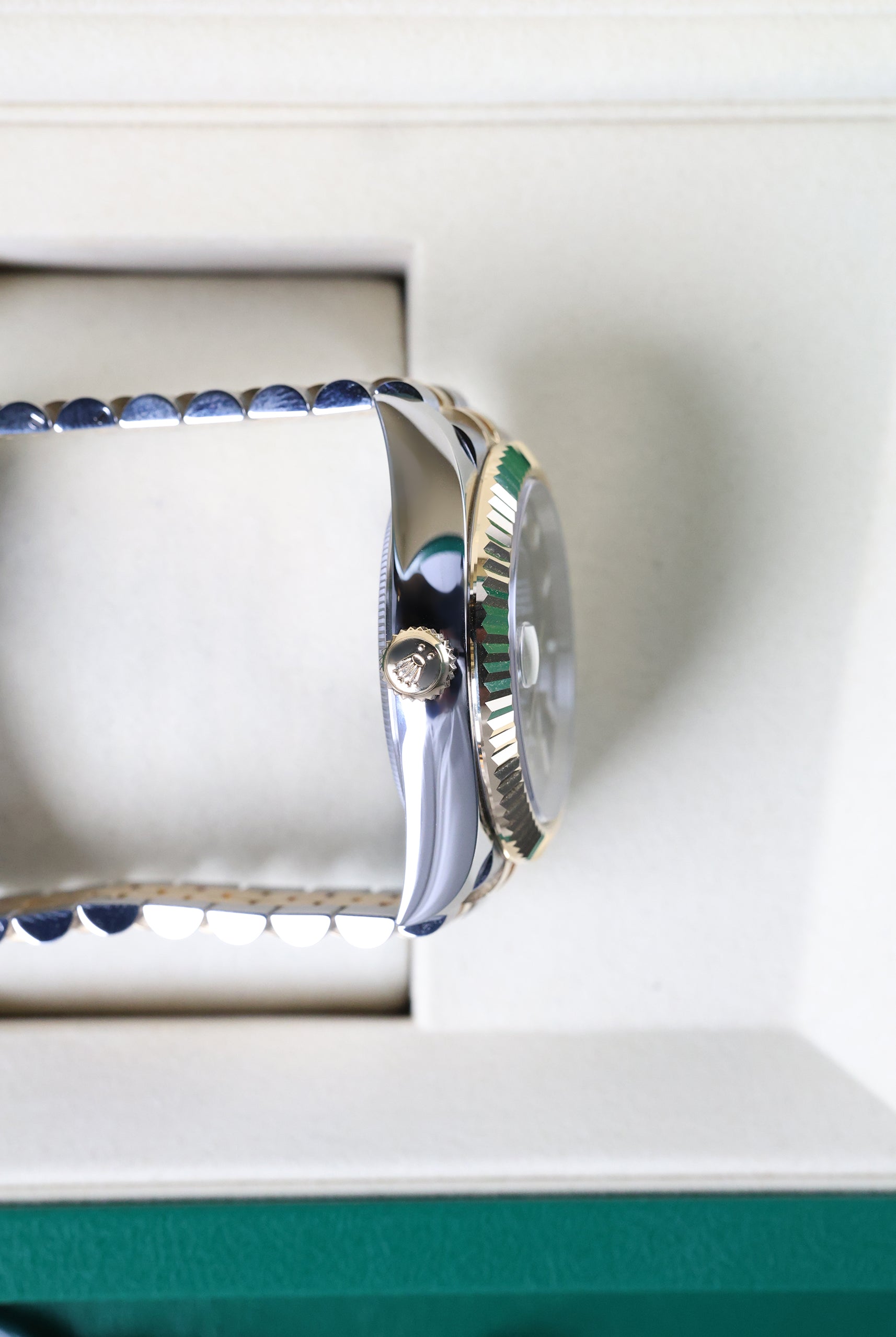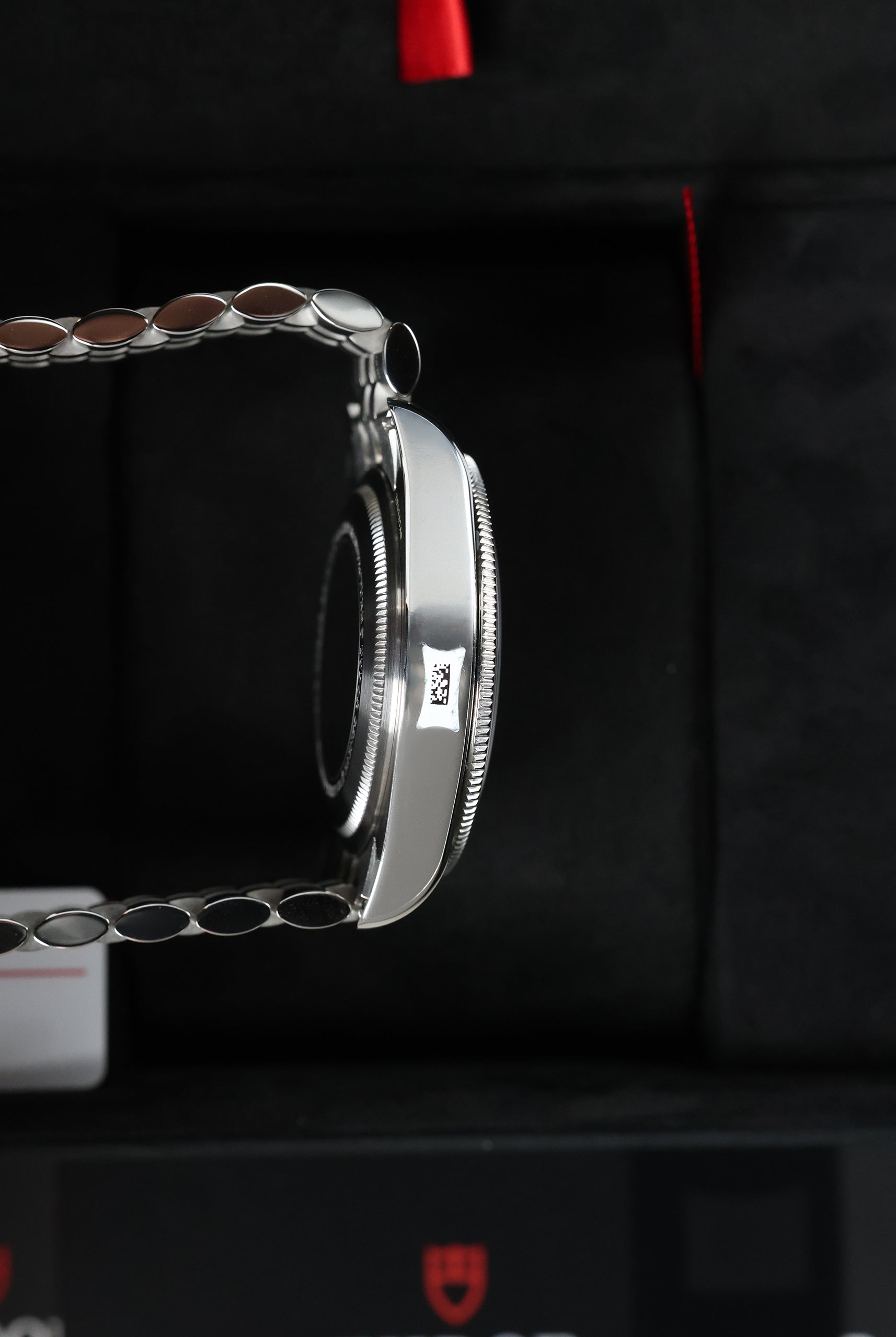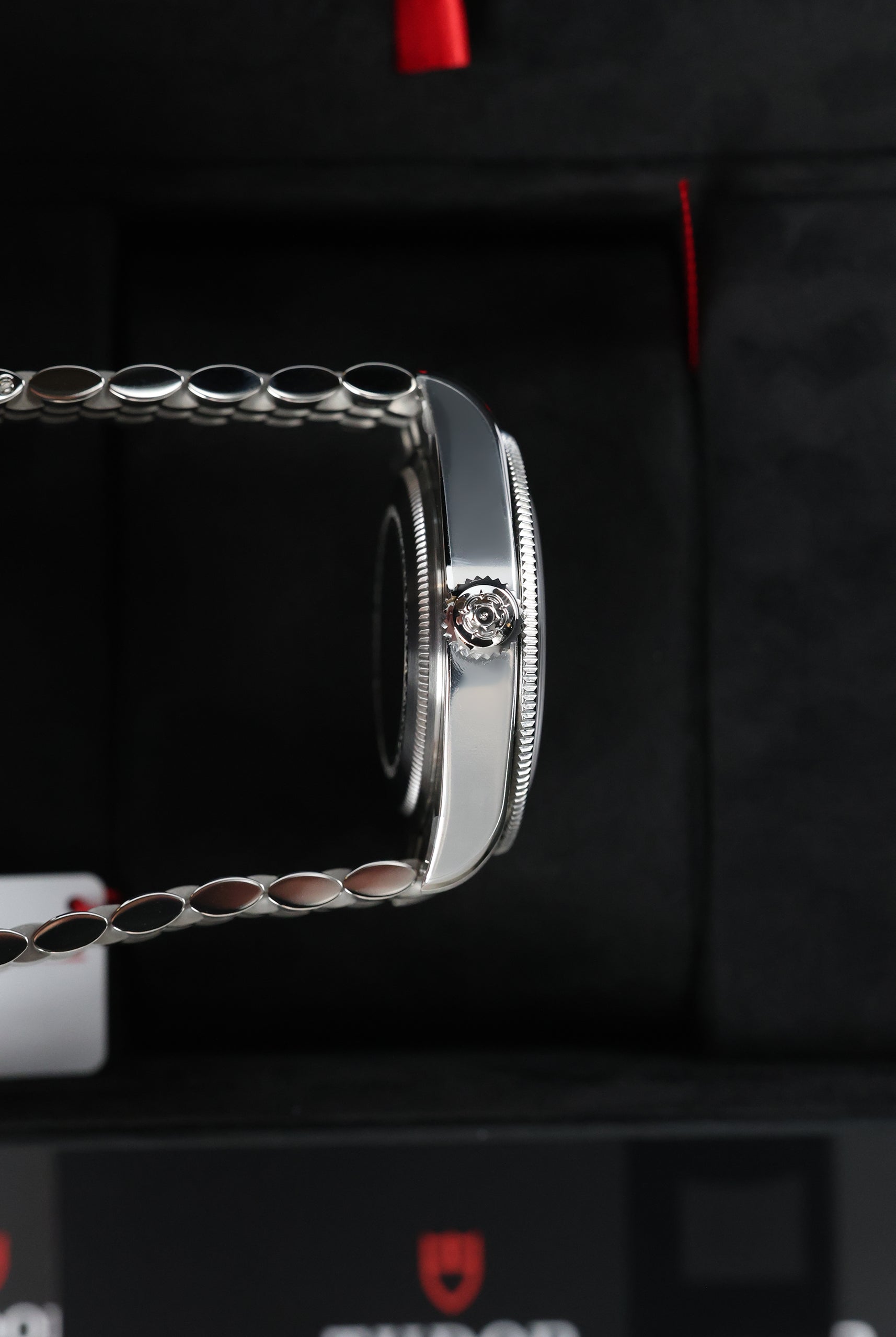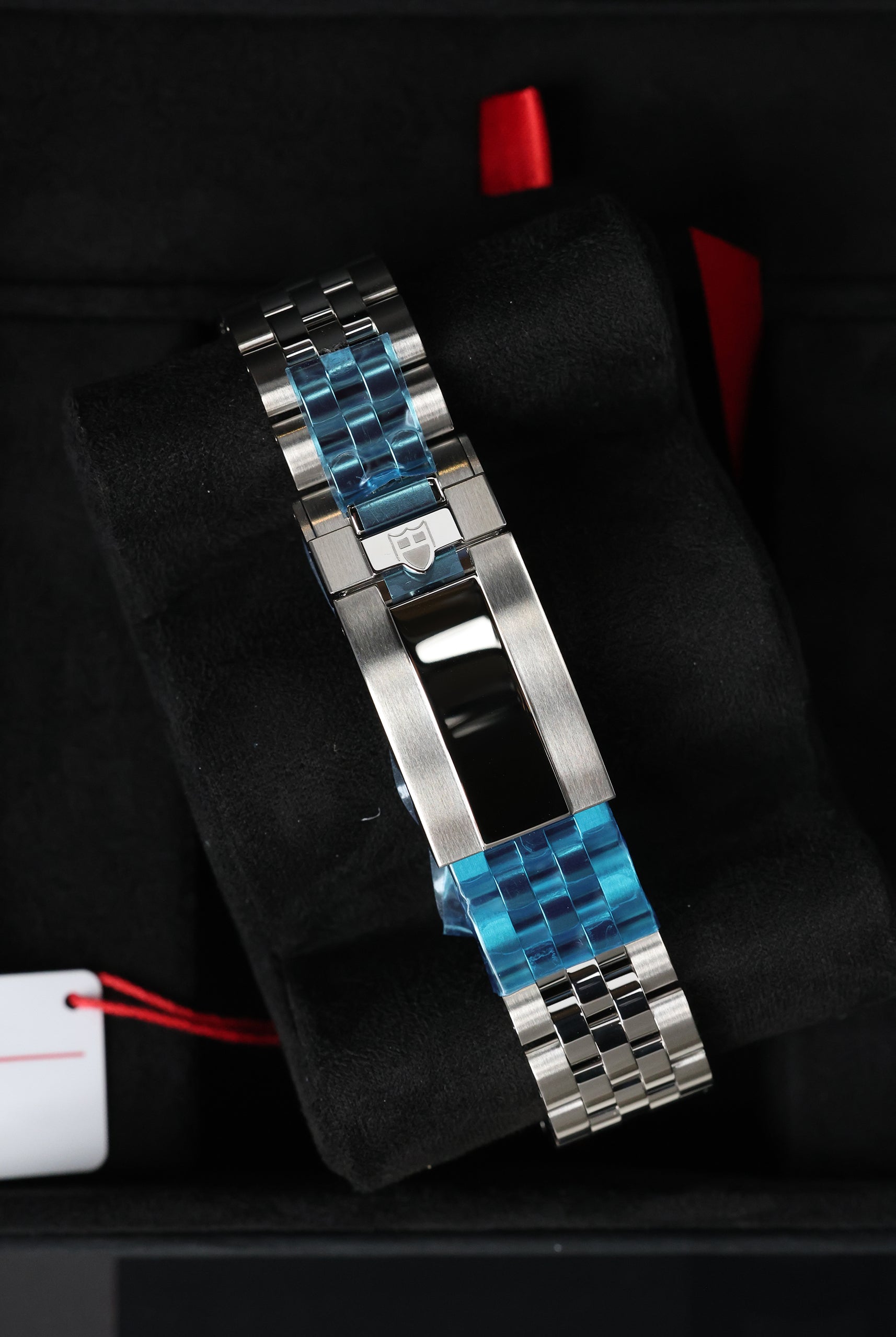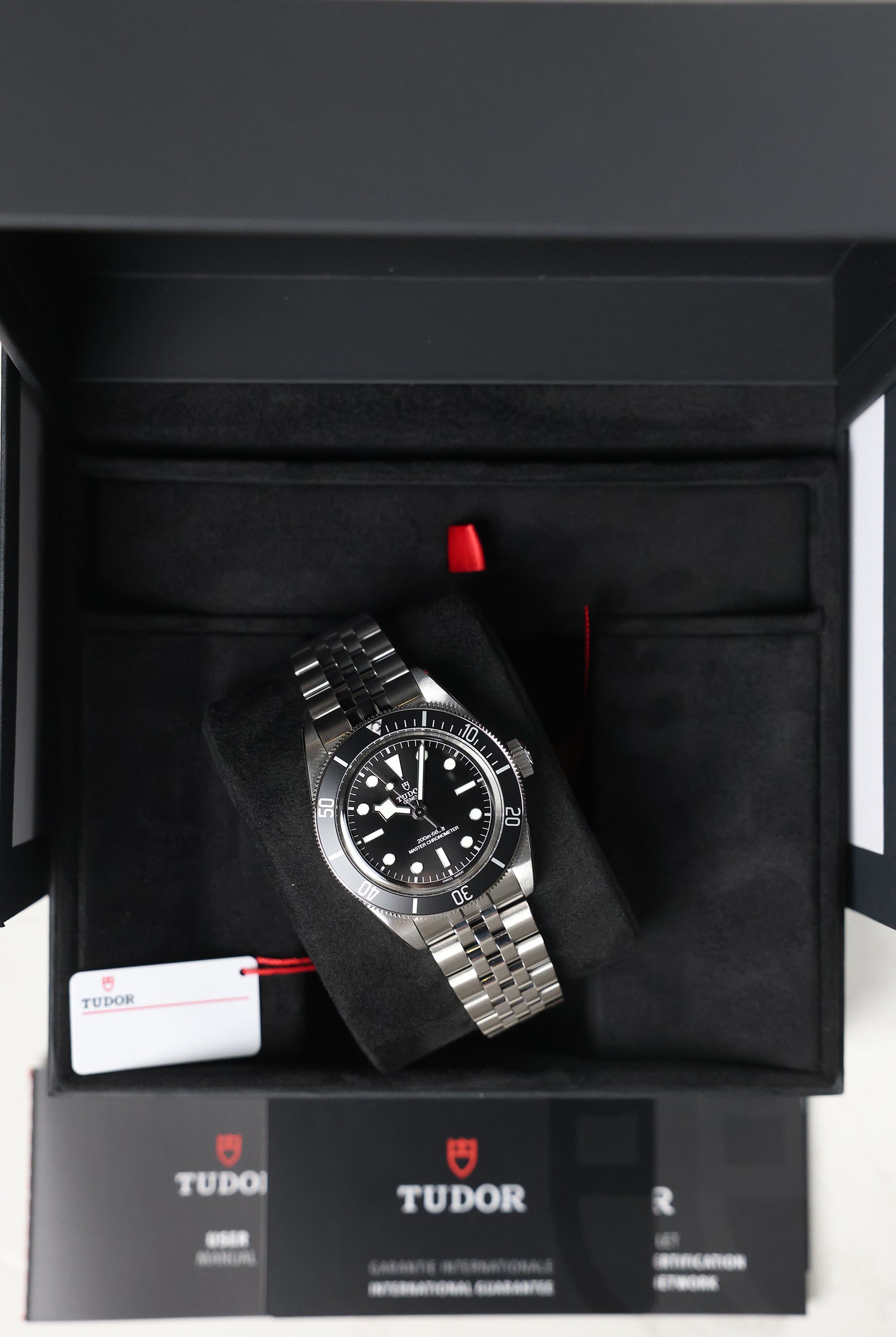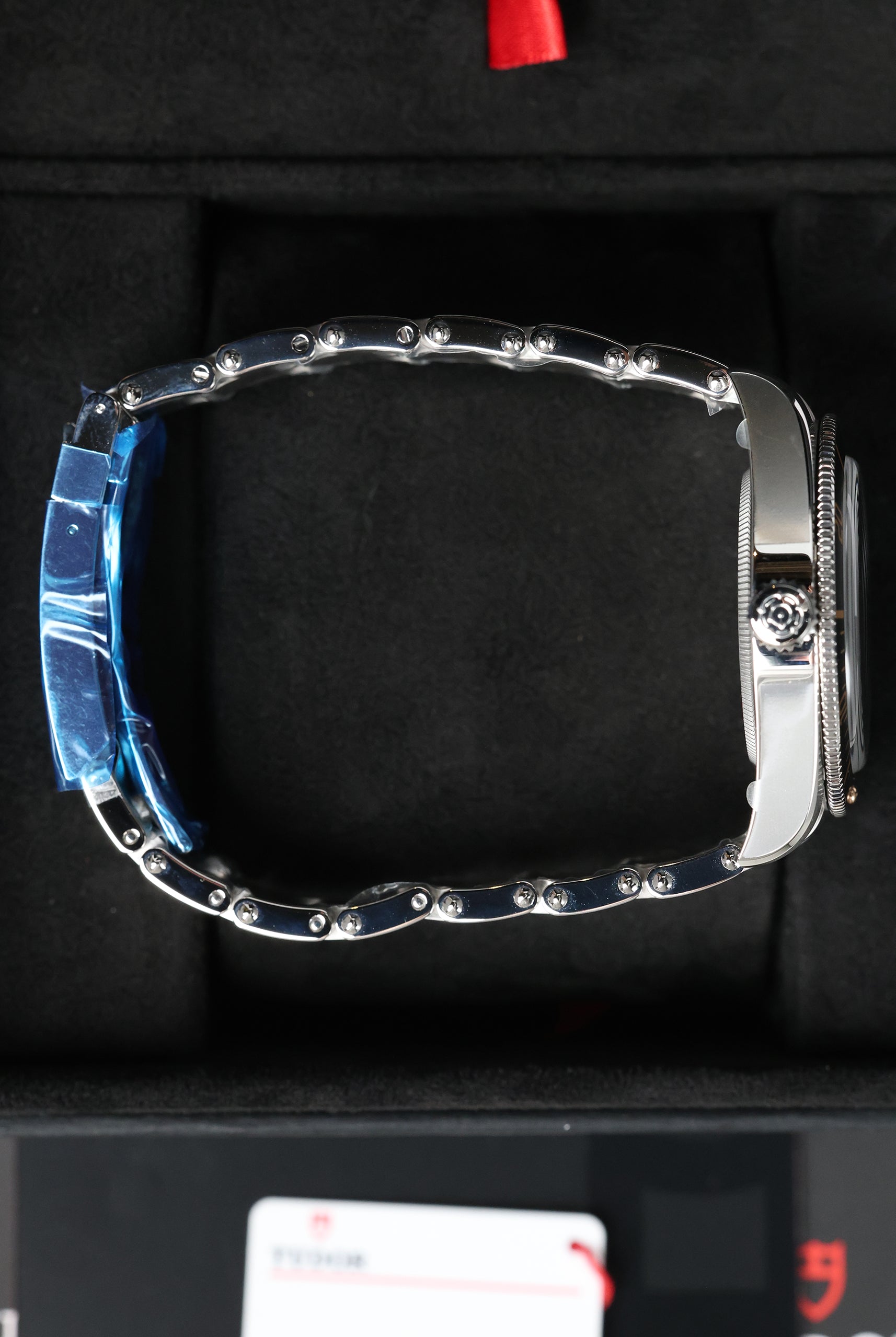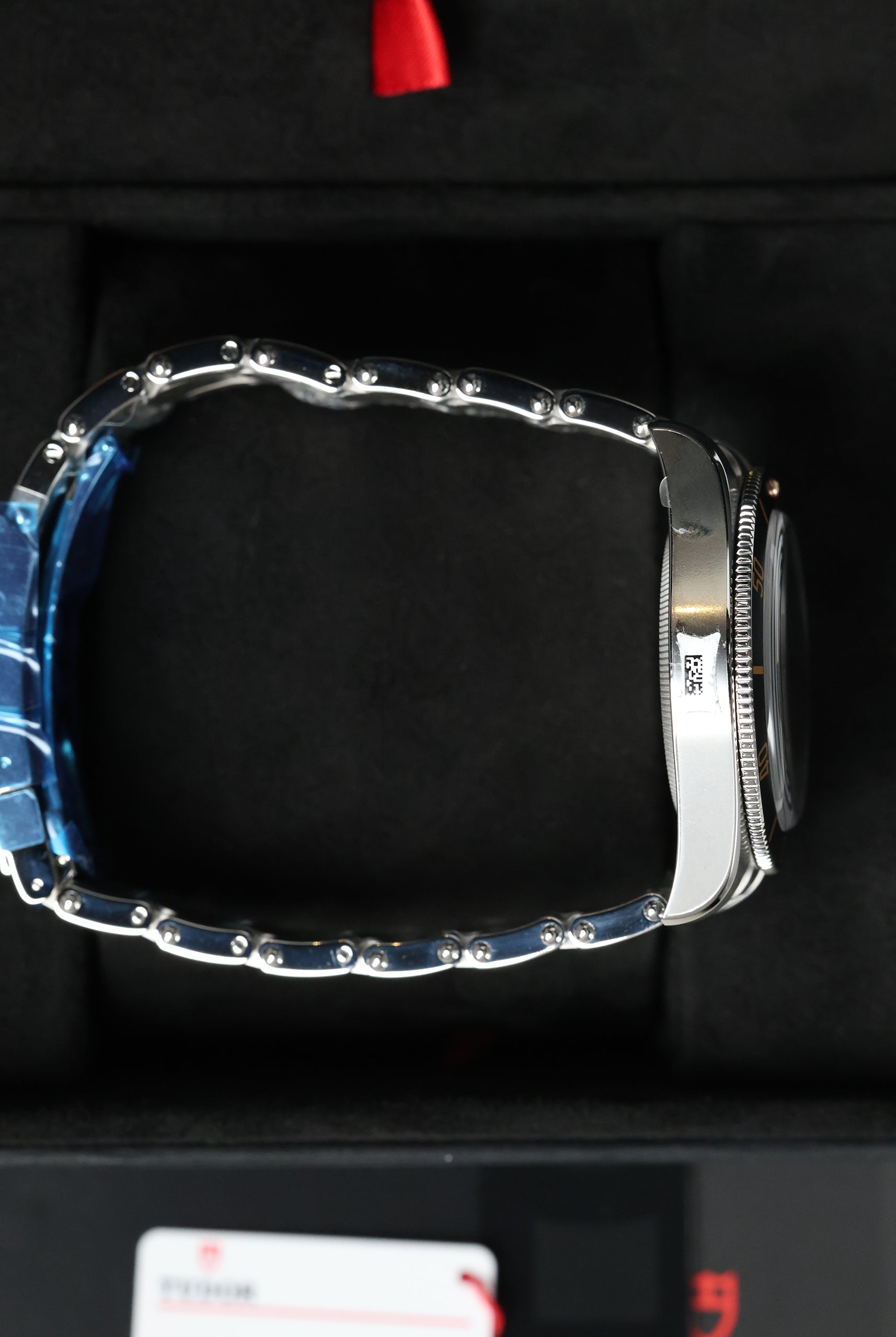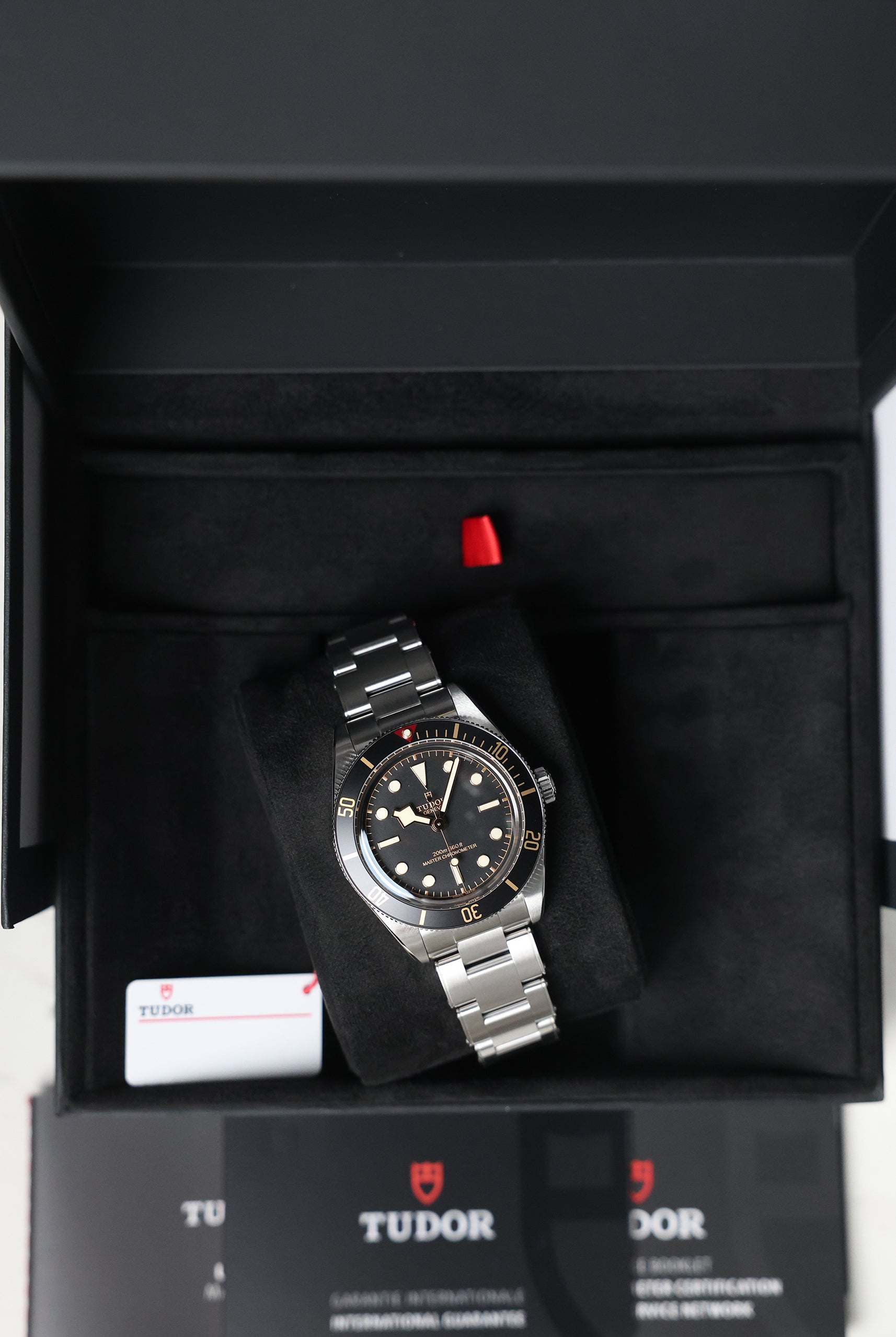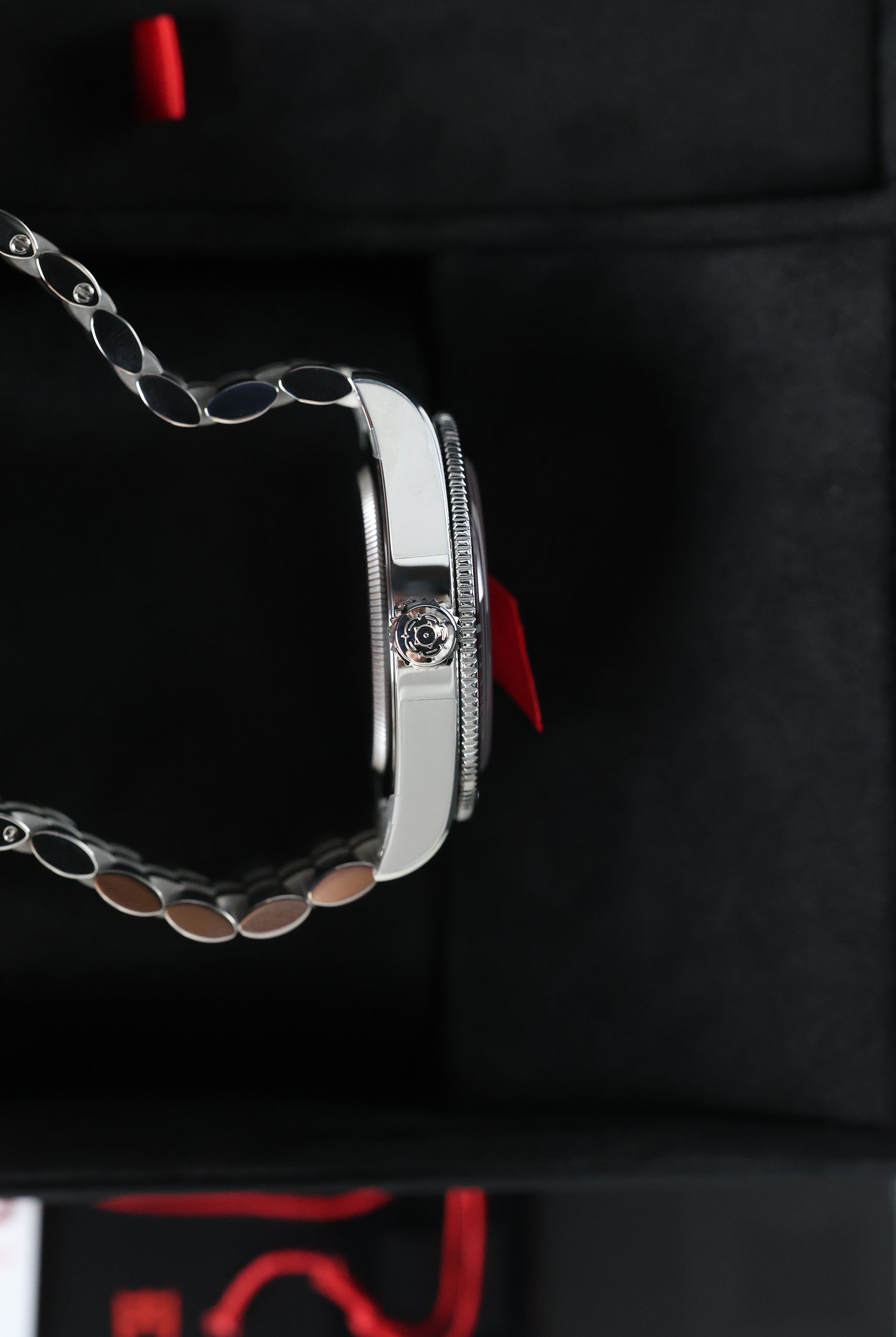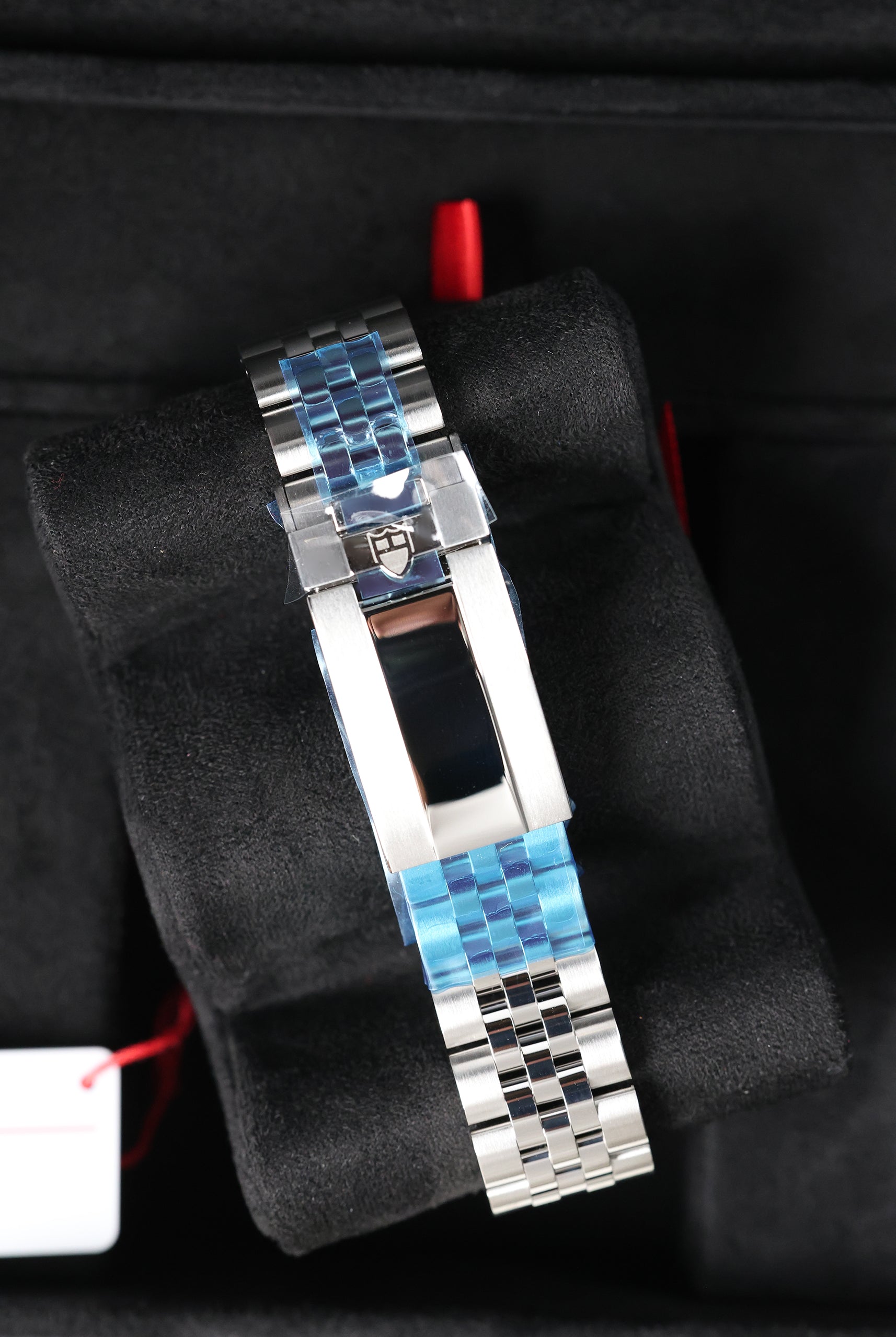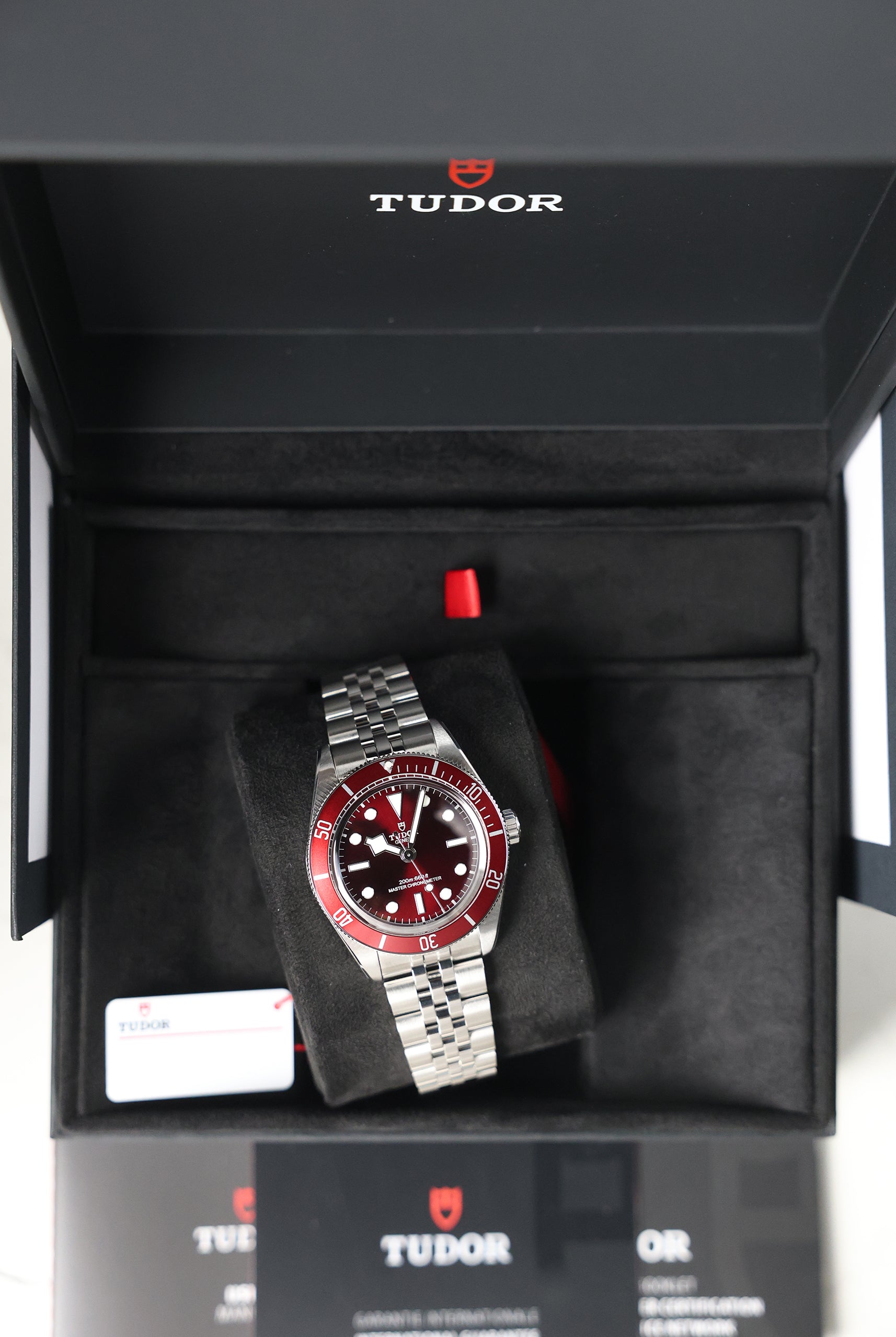

When Rolex launched the Land-Dweller, the reaction was a flood of comparisons to its "sister" watch, the Tudor Royal. At first glance, the connection is obvious. Both occupy the space between sport and dress; both lean into the 1970s architectural silhouette.
But the more interesting question isn't which one is "better." It’s what these two watches reveal about how the Wilsdorf Group evolves design, matures its proportions, and tests the limits of technical ambition.
The Shared Idea: An Everyday Integrated Watch
The Tudor Royal has always been a unique outlier. It never carried the cult aura of the Black Bay, offering instead a "sport-chic" urban personality. For years, it felt like a solitary experiment.
With the arrival of the Land-Dweller, the Royal suddenly looks more important. It wasn't just a standalone model; the Royal was an early expression of the integrated design to test the pulse of modern collectors. The Land-Dweller takes that broad idea and pushes it much further—slimmer, more technical, and far more historically loaded.
Proportion as a Luxury in Itself
On paper, the difference seems marginal:
-
Tudor Royal: 41mm diameter / 10.6mm thickness
-
Rolex Land-Dweller: 40mm diameter / 9.7mm thickness

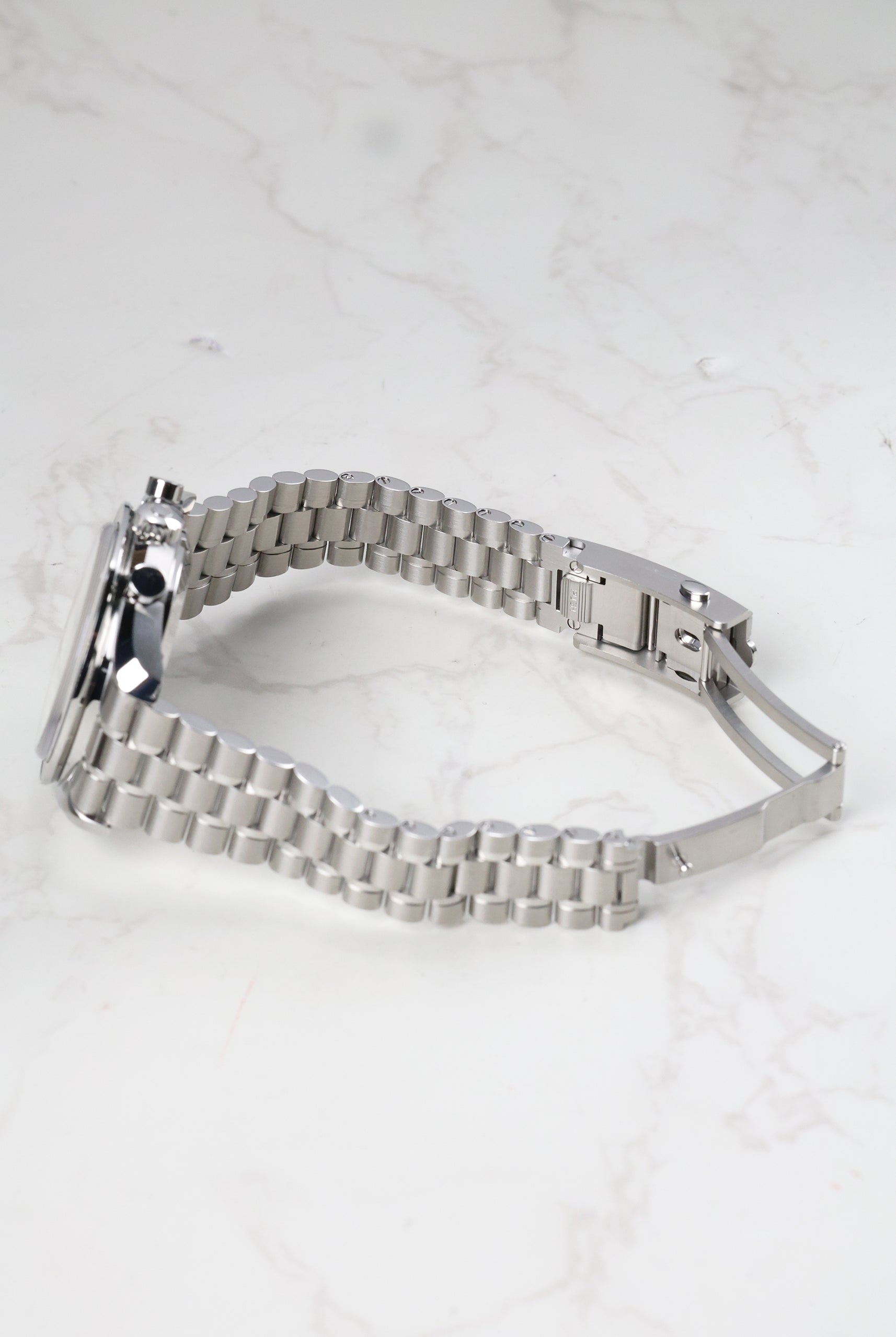
But watches are never judged on paper. Side-by-side, the Land-Dweller makes a profound case for proportion as a luxury. Its sub-10mm profile and the tighter integration between the fluted bezel and the "Flat Jubilee" bracelet make it feel less like a watch with a bracelet attached, and more like a single object shaped as one continuous, fluid idea.
The Weight of History vs. Practical Utility
The Land-Dweller feels new, but it arrives with immense archival weight. It is a direct descendant of the 1970s Oysterquartz and the rare Ref. 1630. This gives it a "Neo-Vintage" legitimacy that changes how a collector reads the watch.

The Tudor Royal isn't trying to revive a forgotten chapter. Its job is simpler: to offer a distinct, integrated look in a pragmatic, accessible form. Where the Royal is a high-value option, the Land-Dweller is a historical statement.
Technical Ambition: The 5Hz Divide
Aesthetics are arguable; mechanics are not. The Tudor Royal uses the T603 workhorse—reliable and practical with a 38-hour reserve.

The Land-Dweller, however, is one of Rolex's clearest recent statements of technical intent. Inside is the Calibre 7135, running at a high-frequency 5Hz (36,000 vph) with the new Dynapse escapement. This isn't just a lifestyle watch; it is a high-performance machine with a display caseback that demands to be noticed. It brings a seriousness to the "integrated" category that the Royal was never meant to compete with.
A Study in Discipline
The Tudor Royal’s dial is functional but crowded, often asking a lot of the eye between the day-date window and Roman numerals.

The Land-Dweller’s honeycomb dial is bold, yet surprisingly disciplined. The cleaner symmetry, applied Arabic numerals at 6 and 9, and more deliberate use of negative space make the dial feel uninterrupted. While the Royal is built around presence, the Land-Dweller is built around control.
The Collector’s Verdict
The Tudor Royal remains the pragmatic entry point—an accessible way to experience the sport-chic corner of the Wilsdorf world.
The Rolex Land-Dweller is something else entirely. It carries more risk, more technical significance, and more historical weight. It reminds us that ideas often arrive in stages: first as something accessible, and then, when the time is right, as something complete.
Which integrated icon truly earns its place on your wrist?
Visit us this week to see how a single millimeter of thickness transforms a design from a practical everyday watch into a something far more architectural.
For a full hands-on experience and a visual breakdown of everything discussed here, watch our in-depth review here :