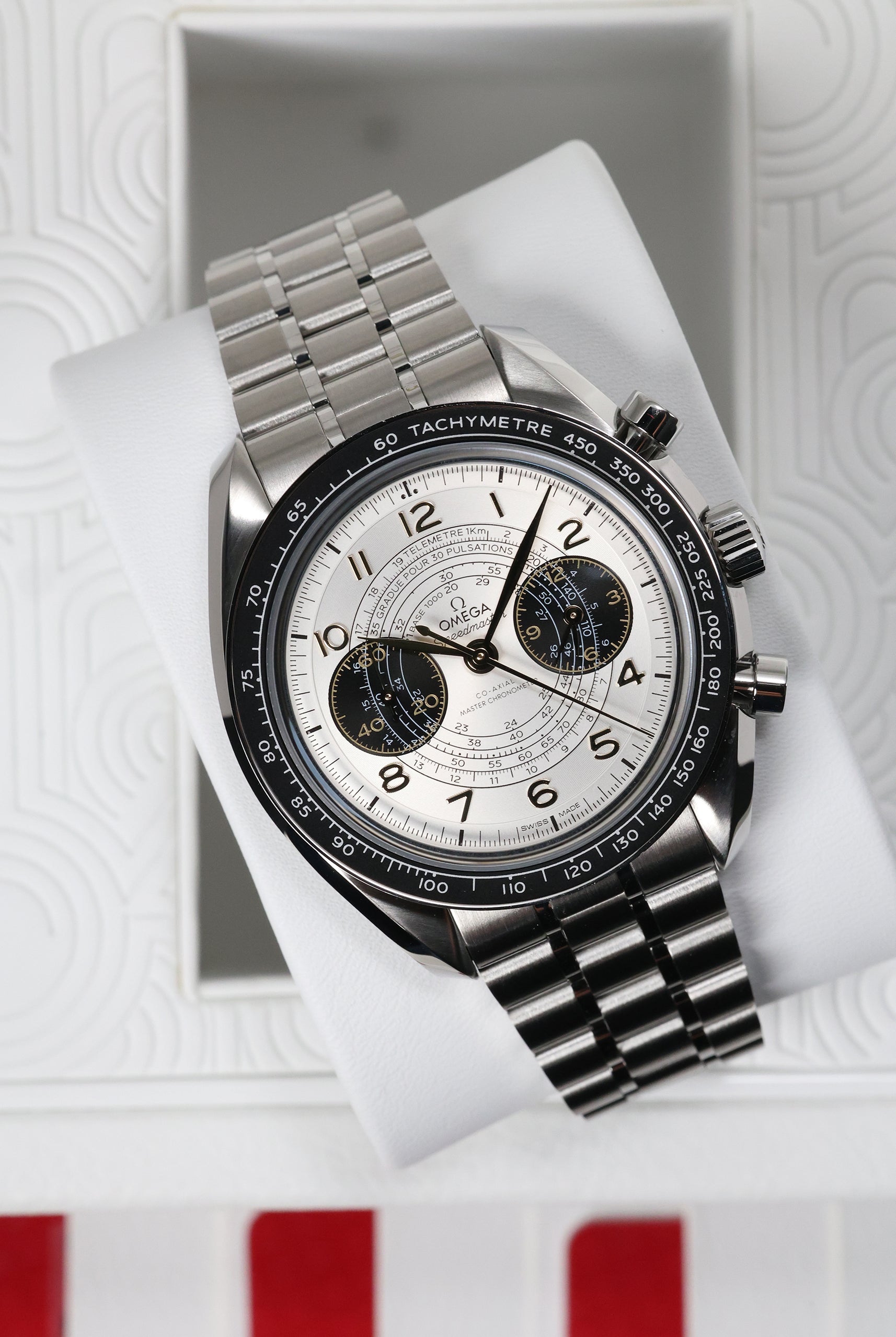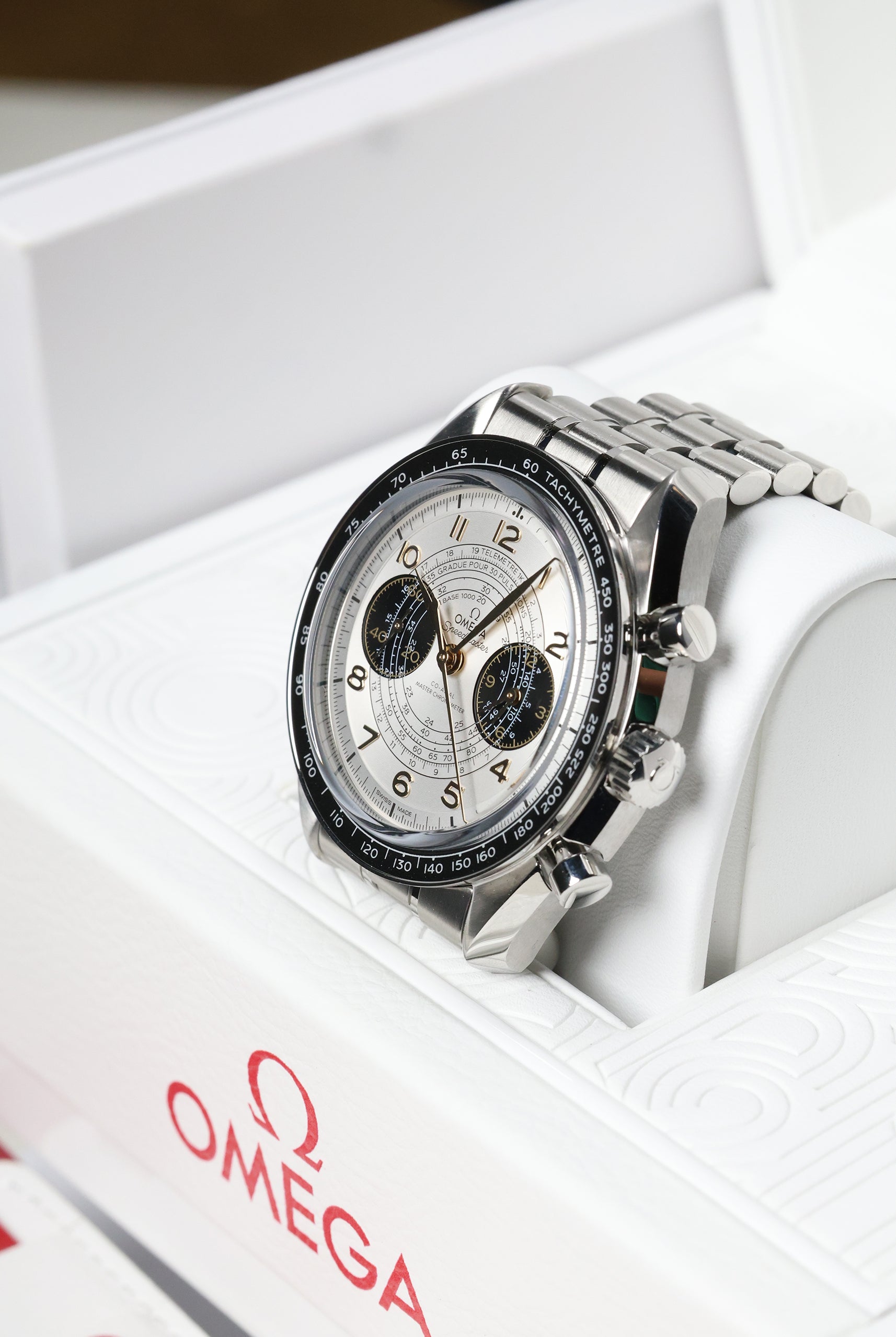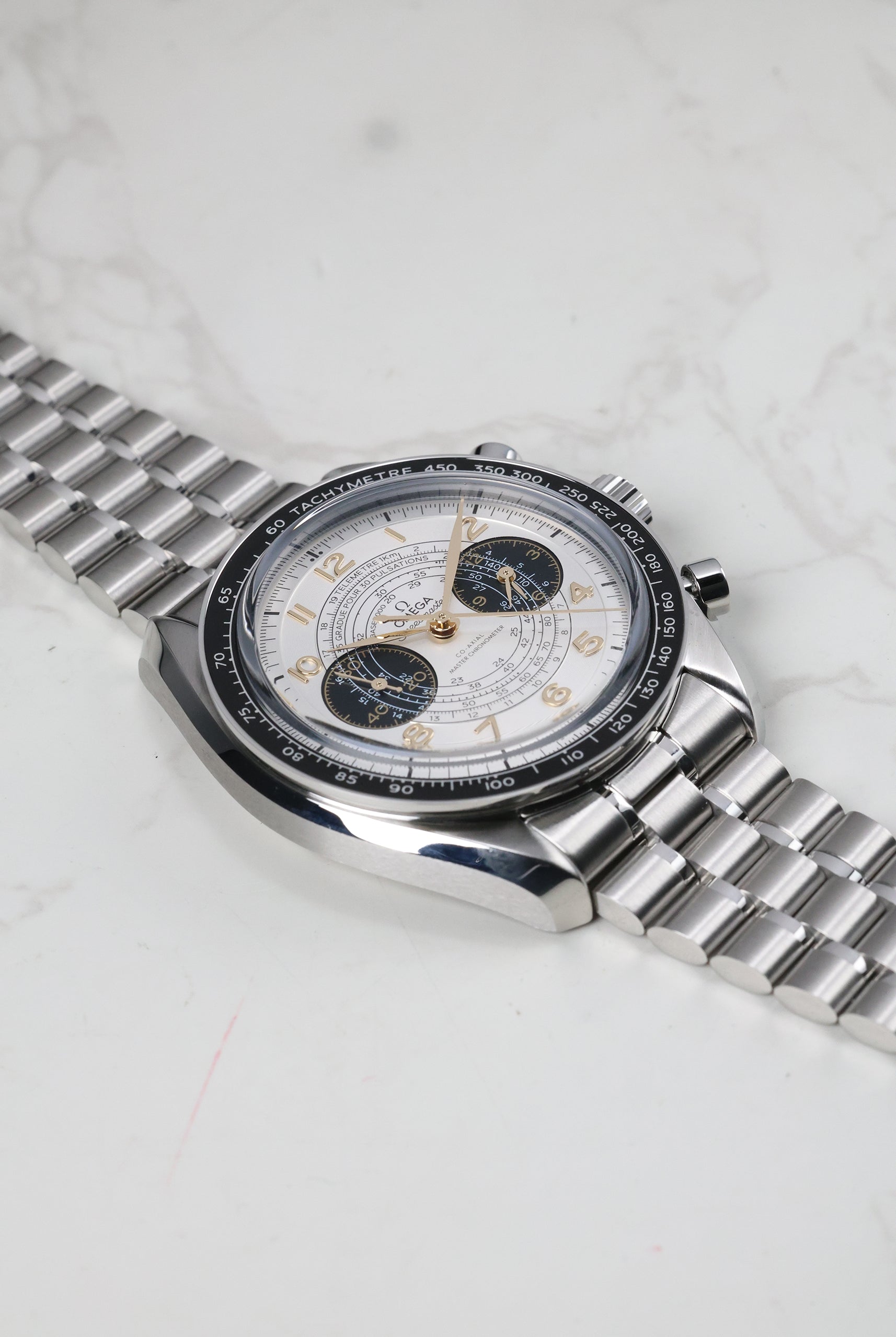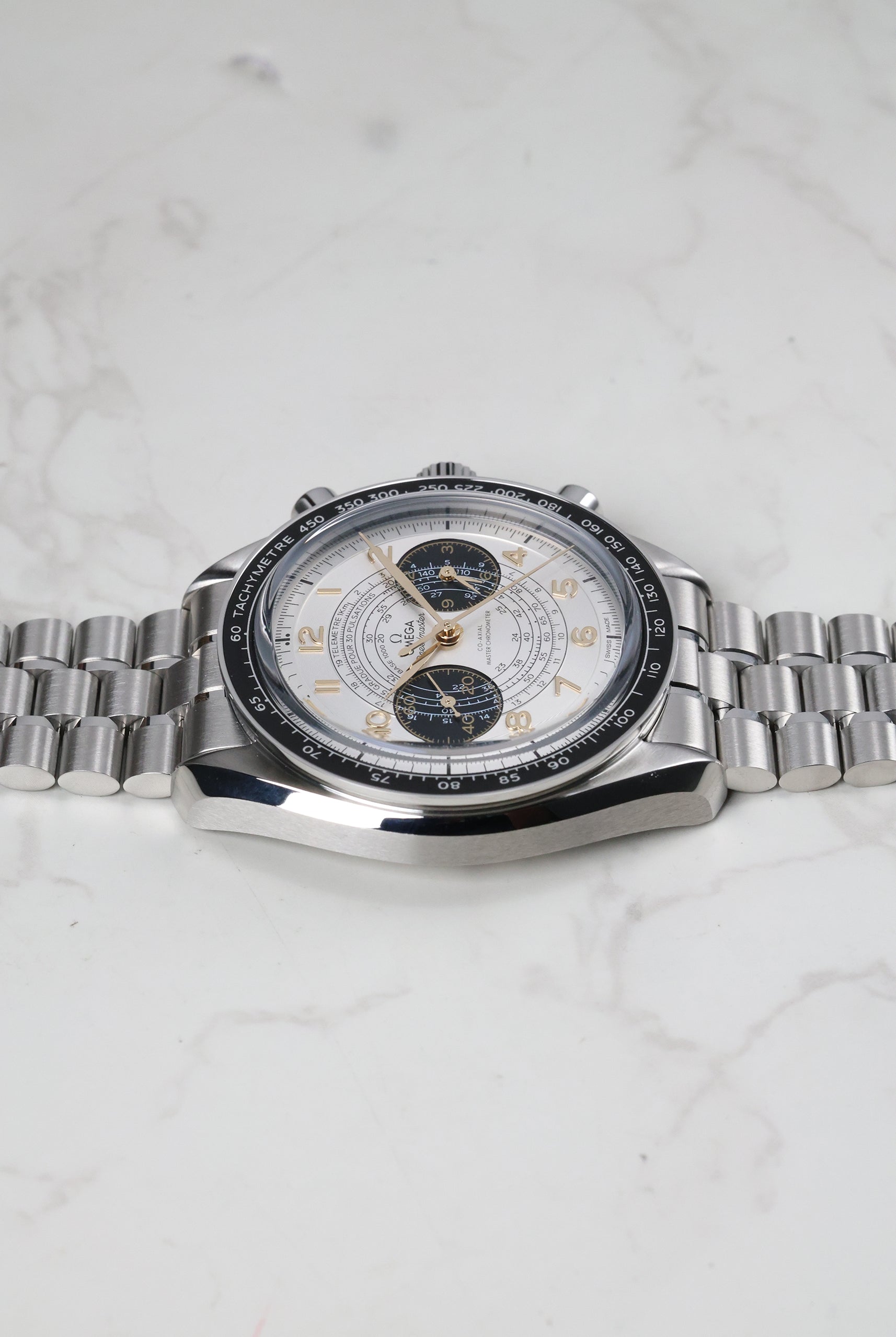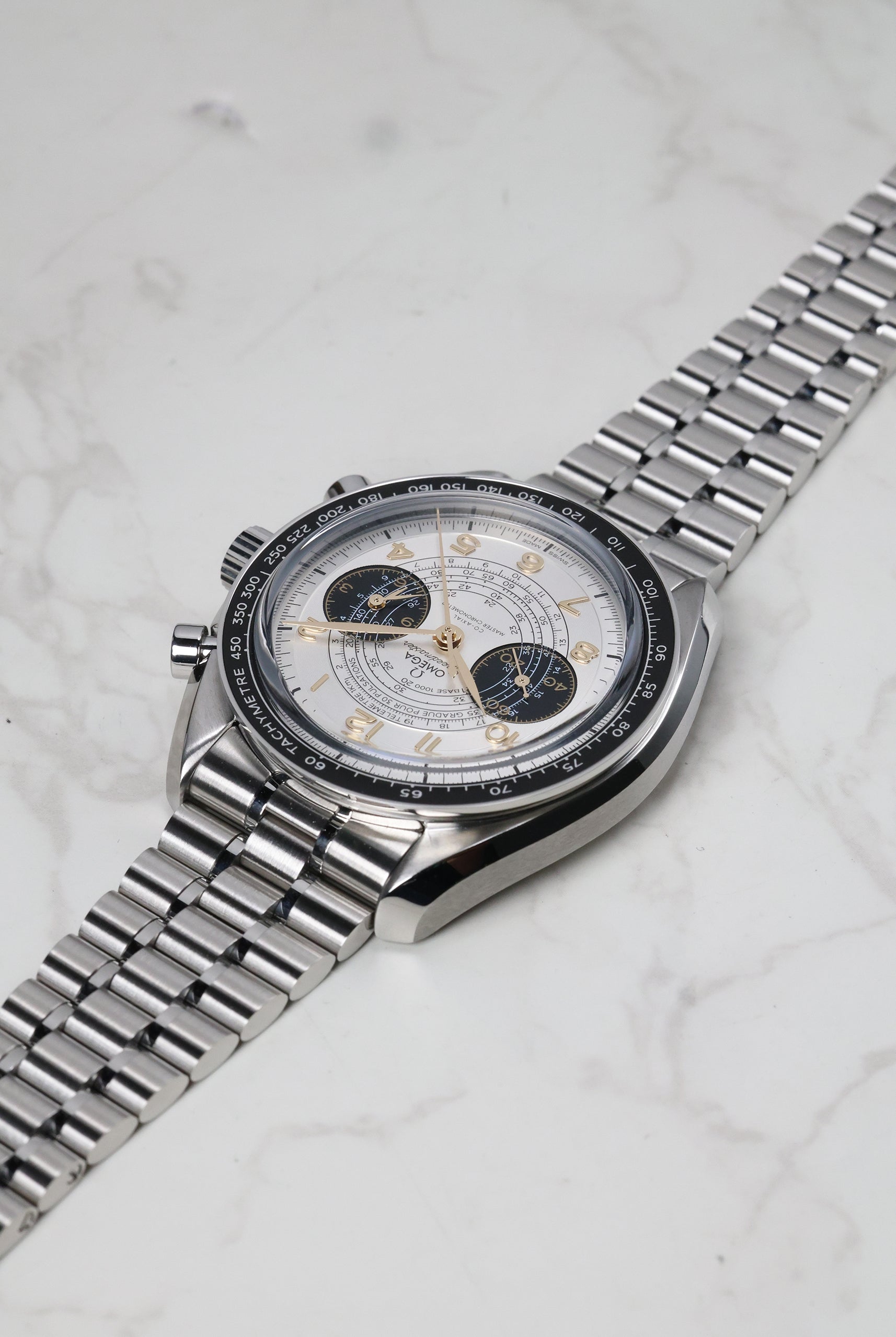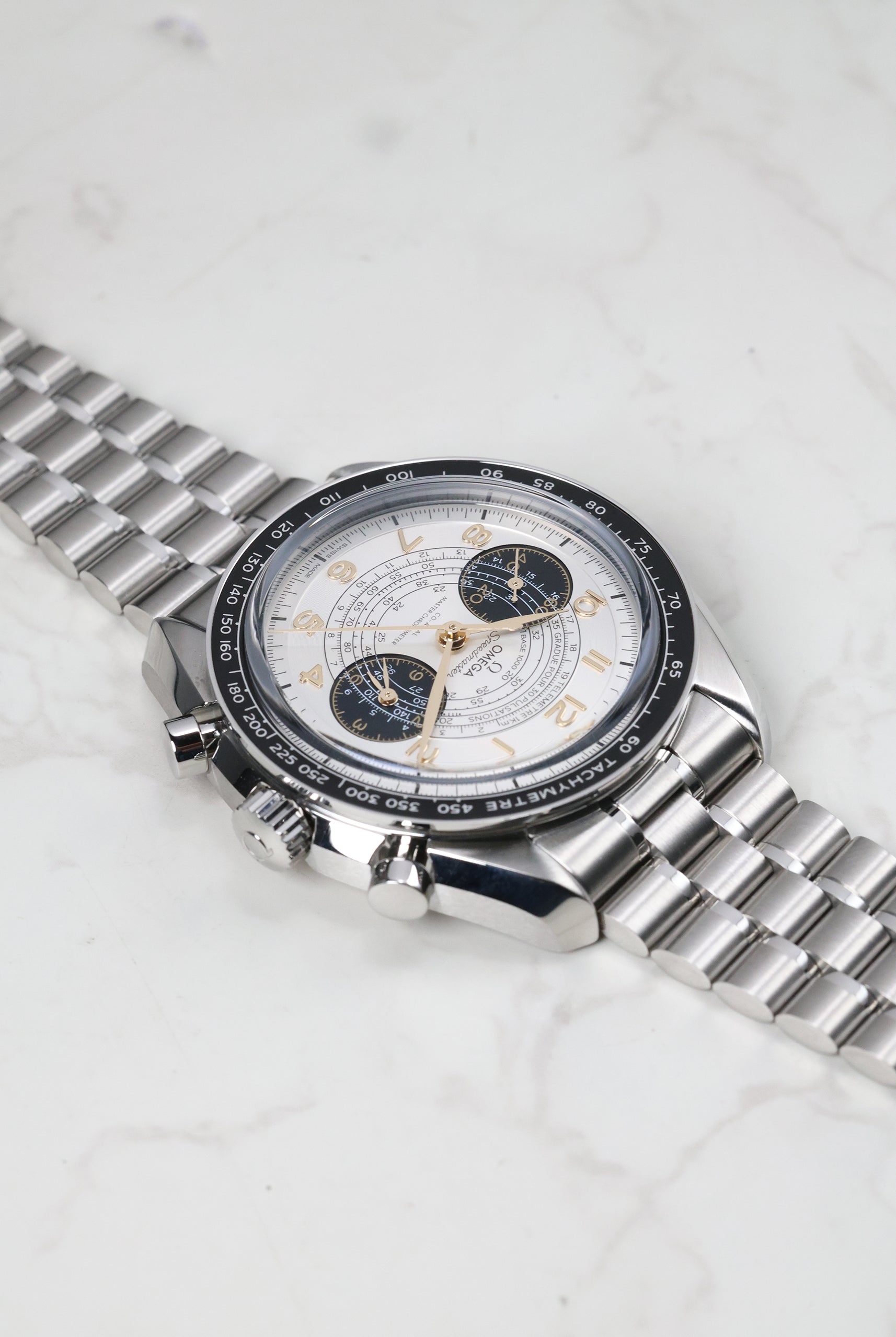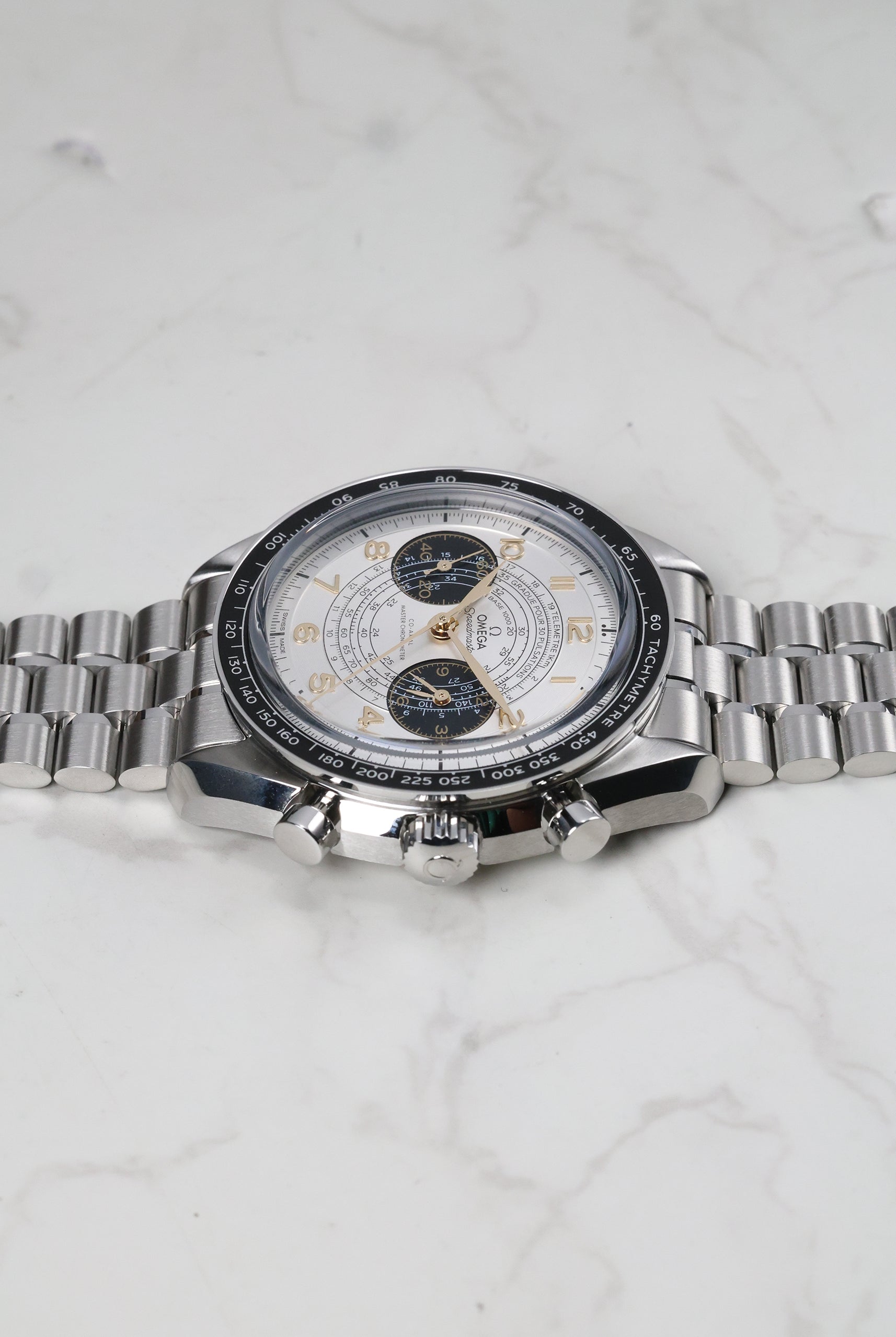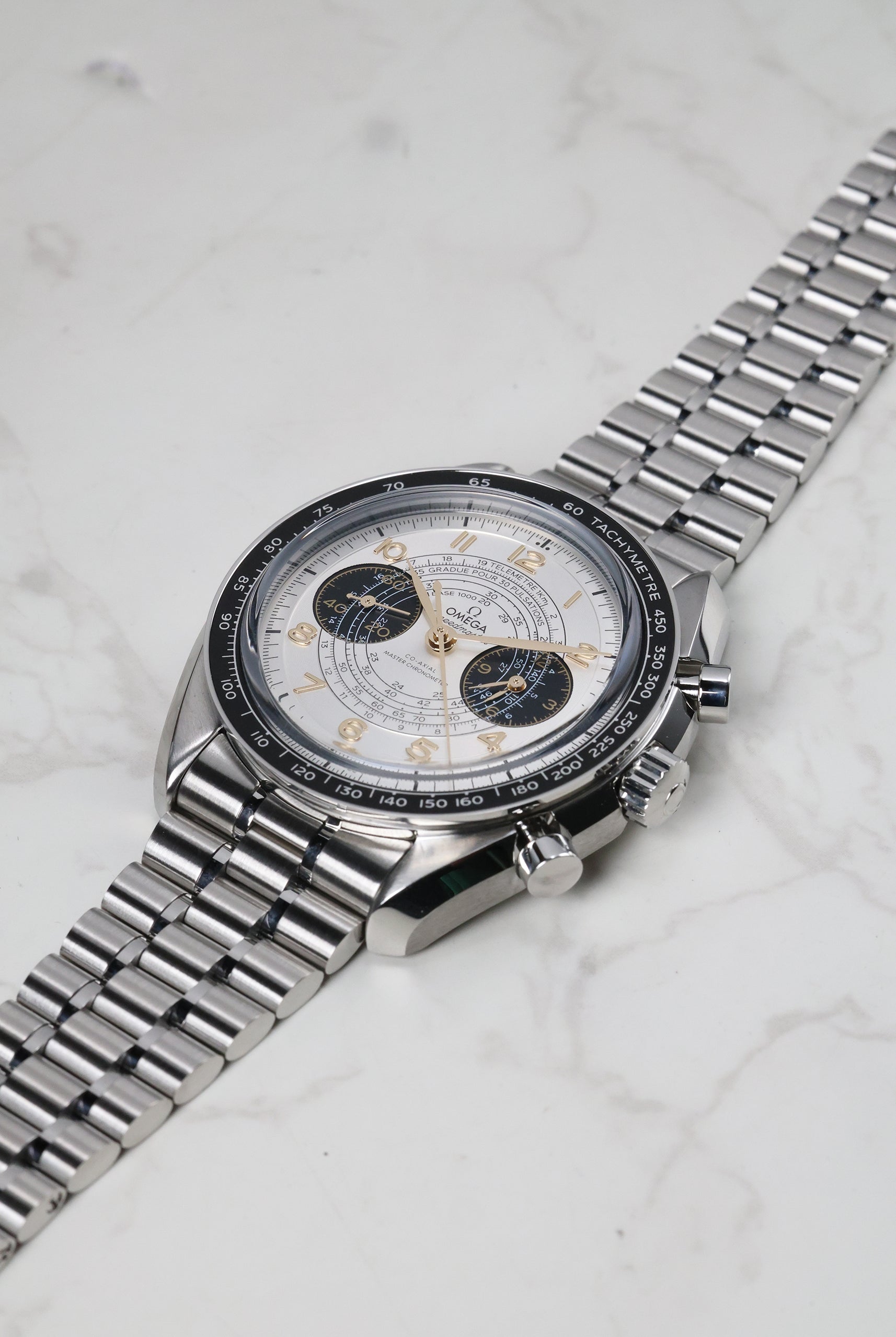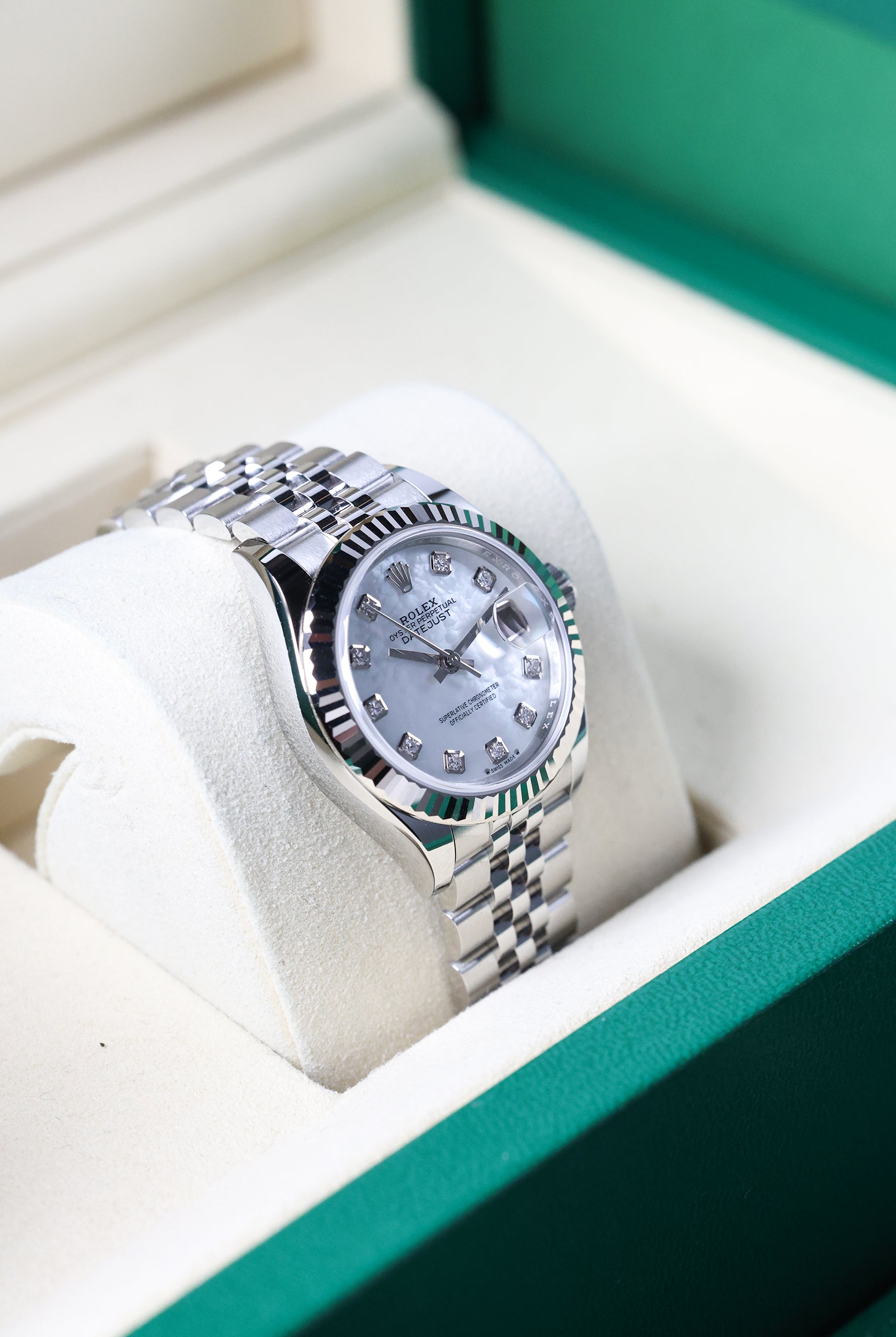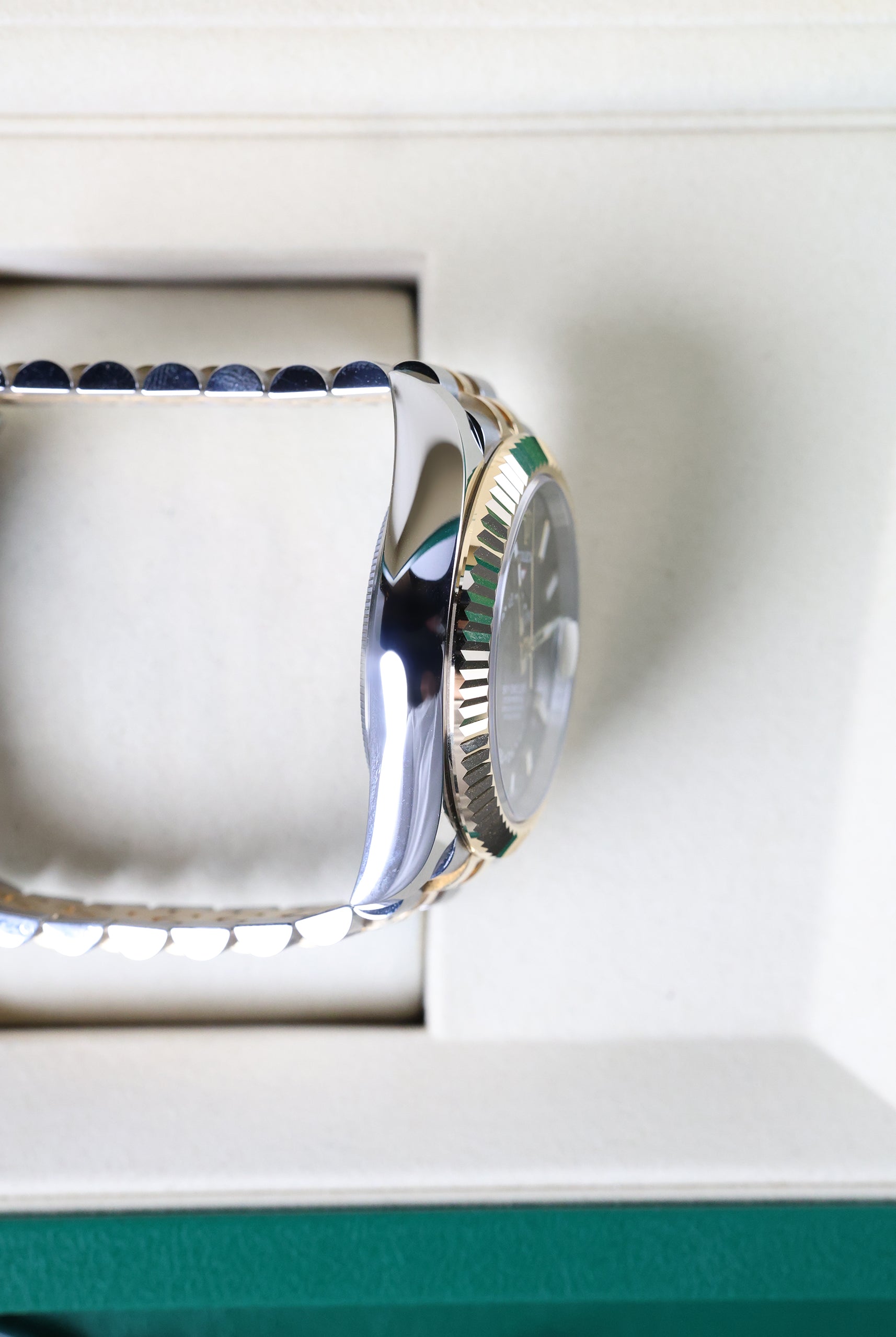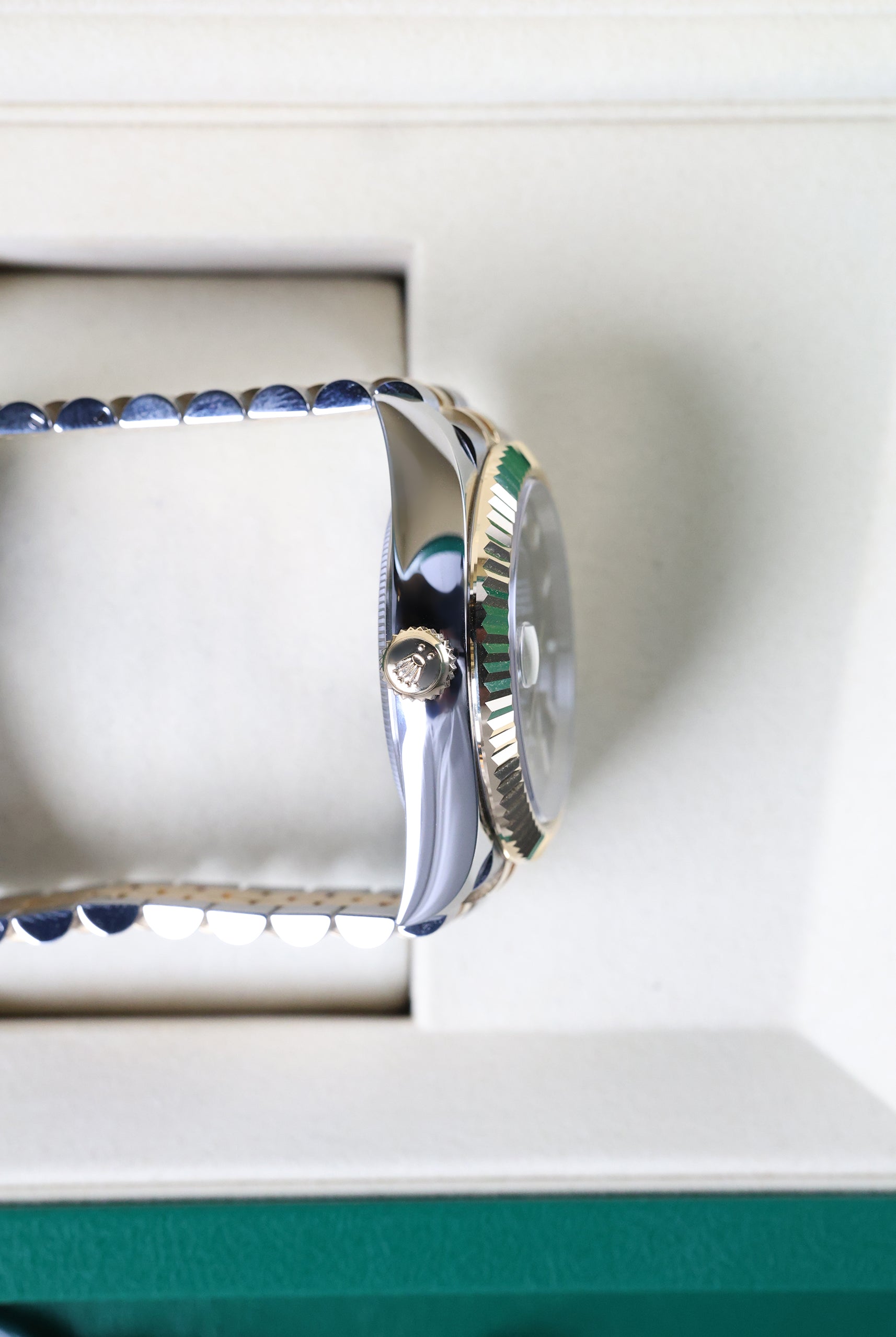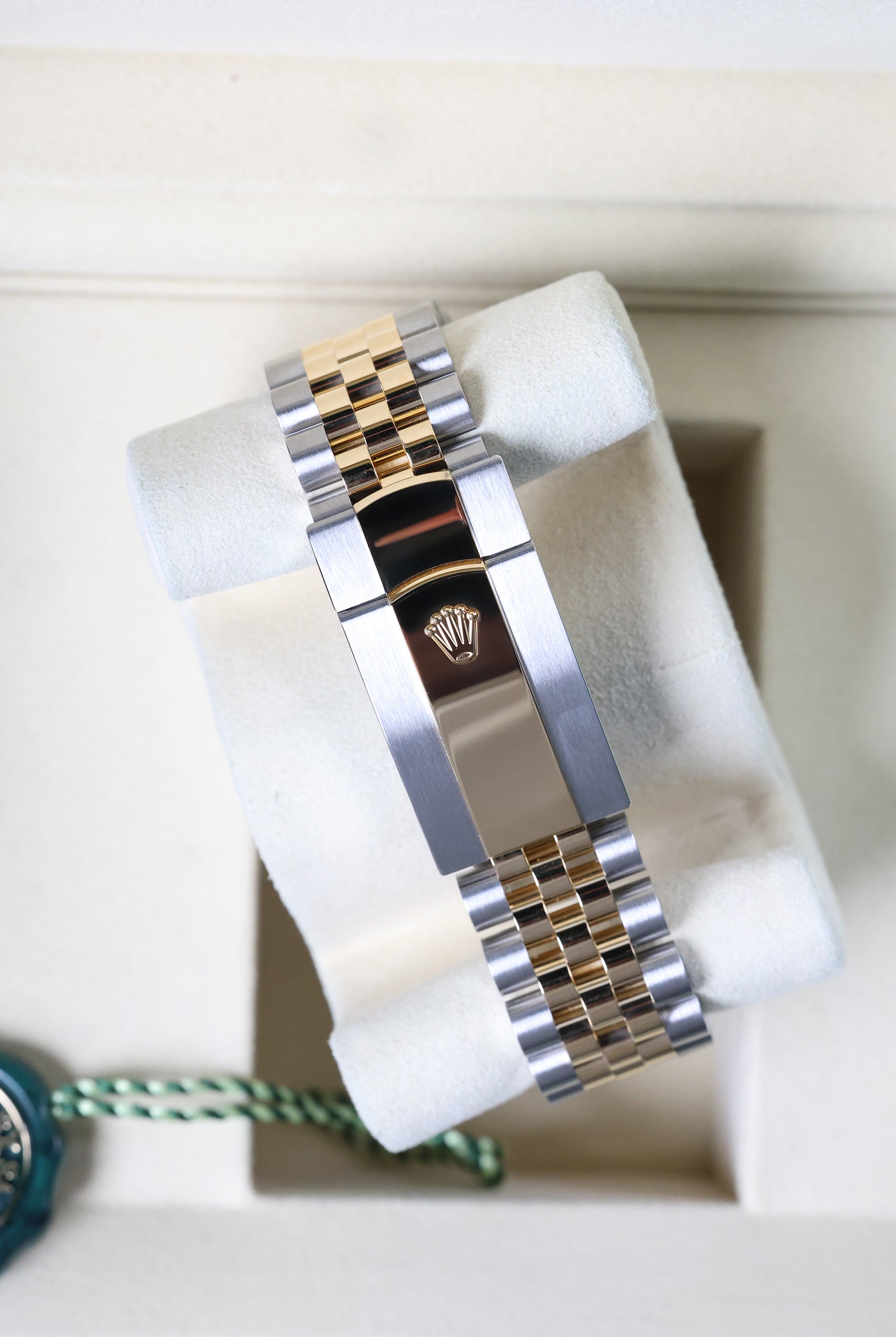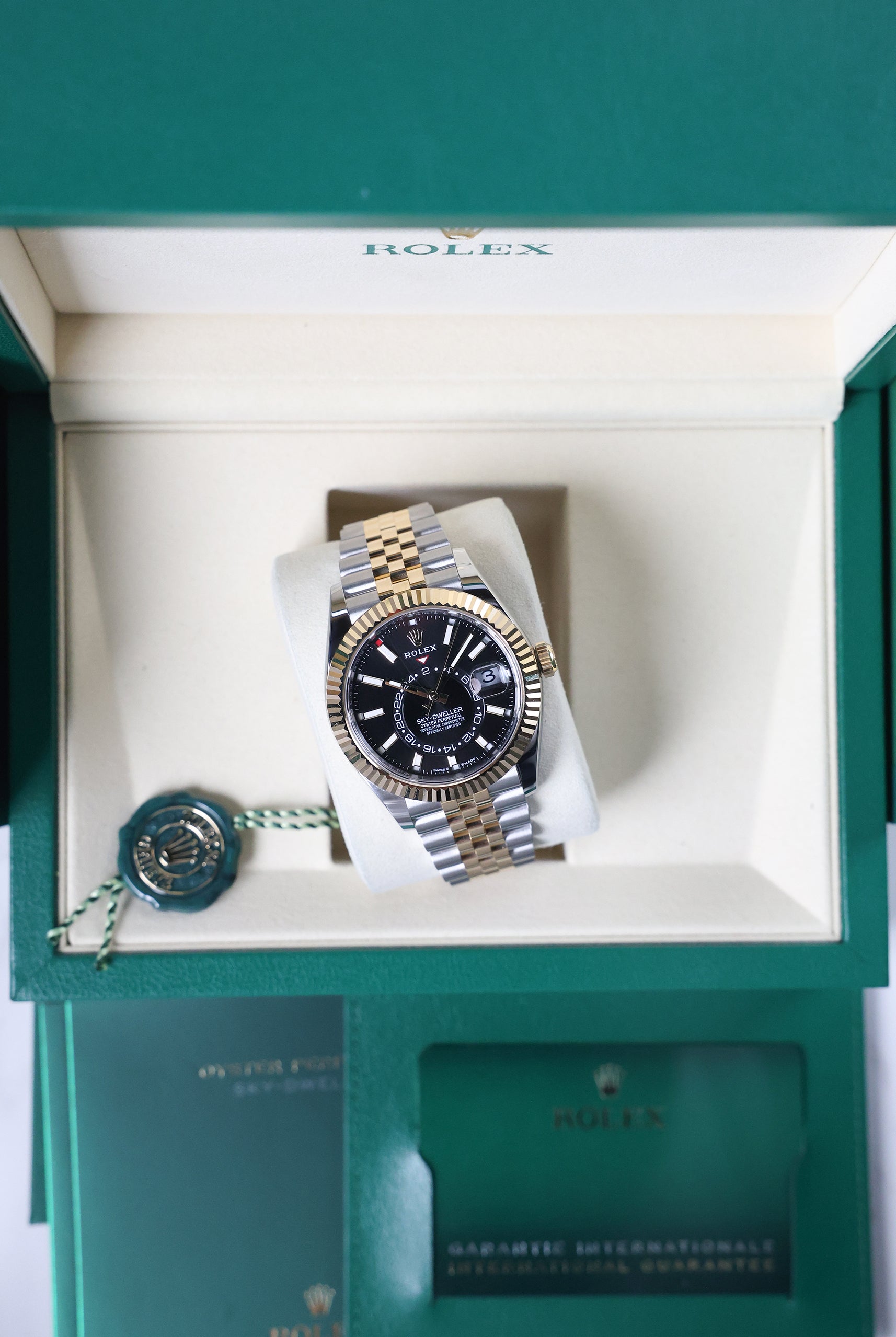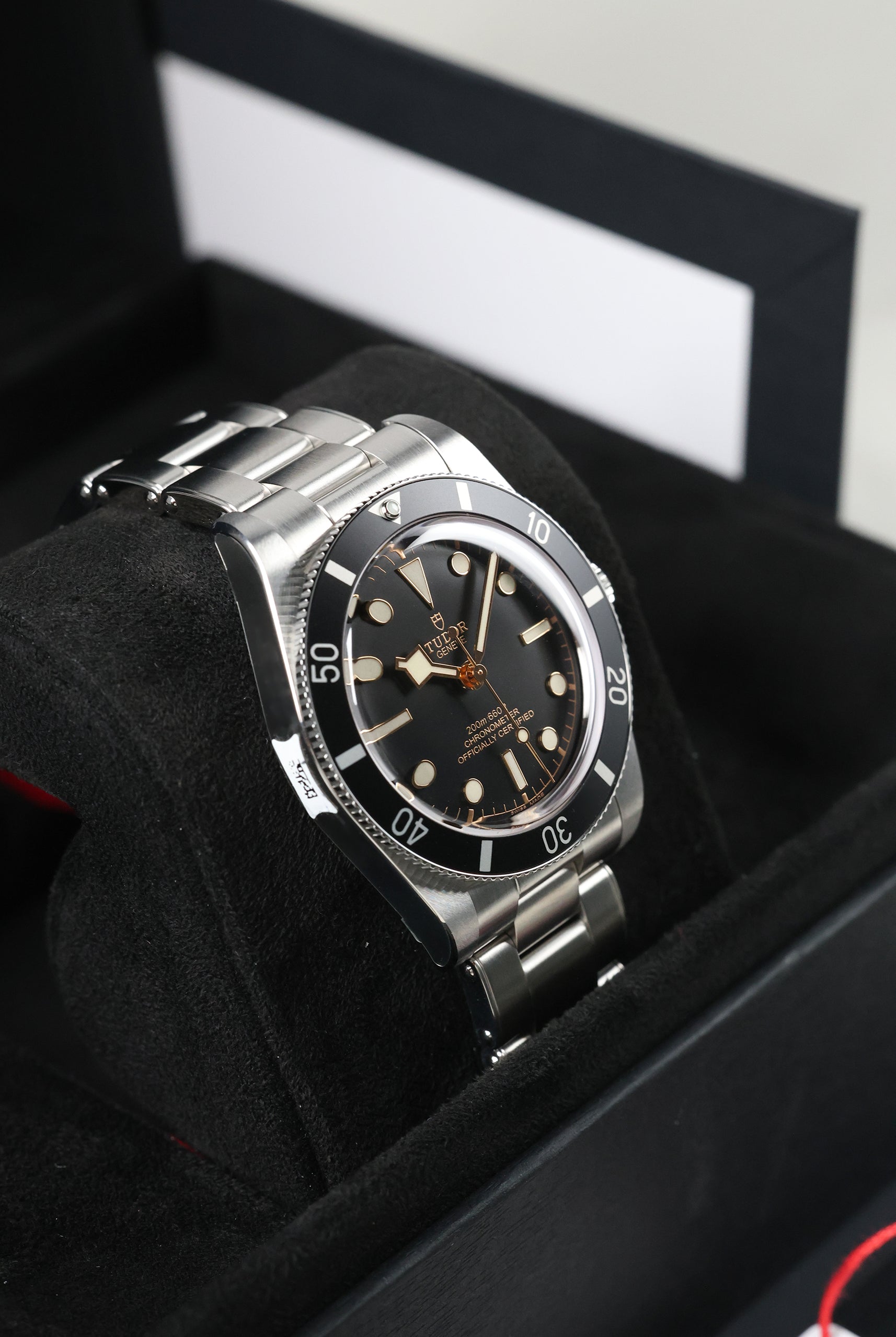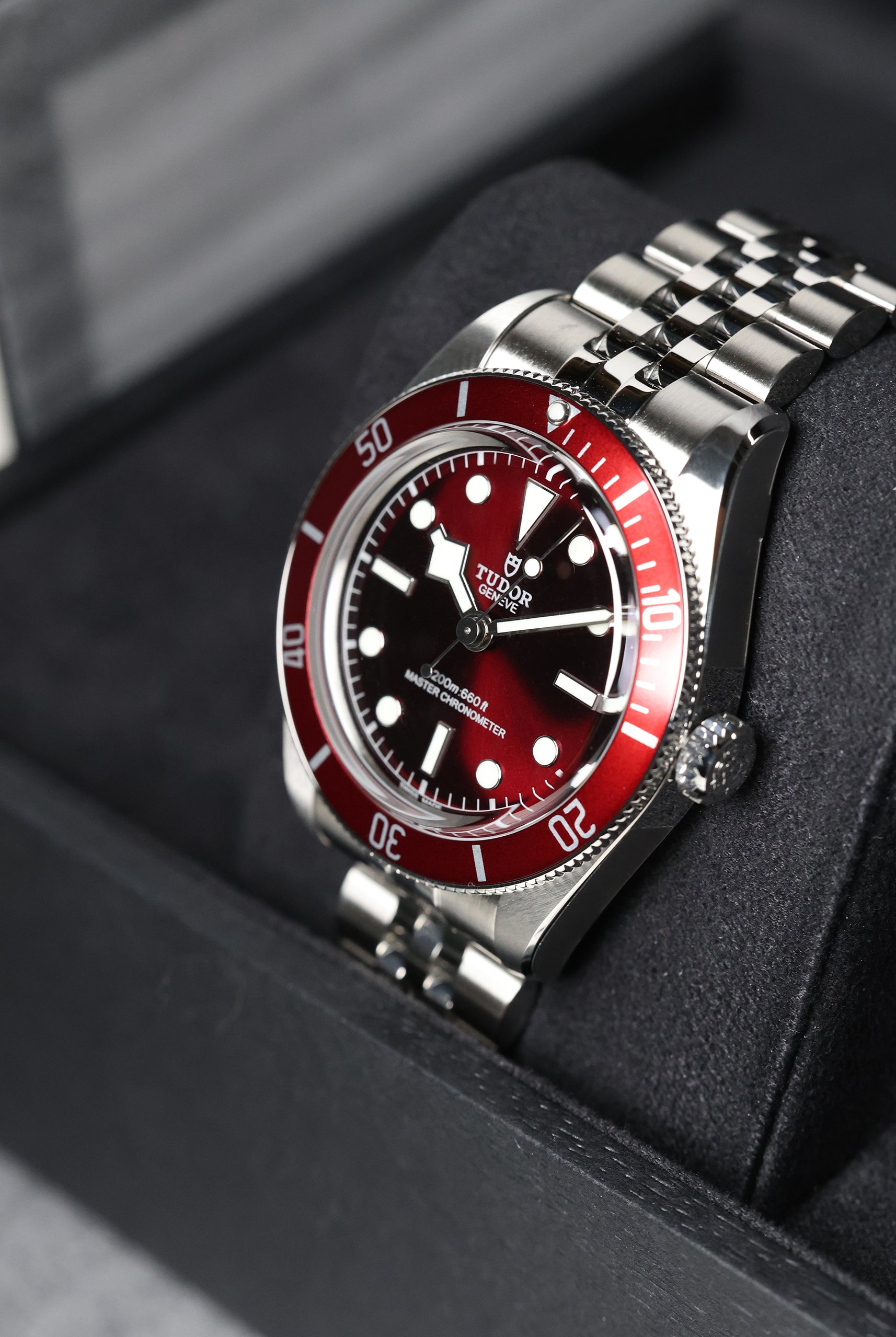

The Moonwatch Professional gets the credit. The rest of the Speedmaster catalogue is where most of the present-day value sits.
Omega has spent the past decade migrating its pricing upward fast enough that the brand now occupies a different shelf than it did a generation ago. New Master Chronometer Speedmasters regularly clear RM30,000 at retail, and the rest of the upper catalogue has followed. Collectors entering Omega today are feeling pushed.
That pressure has moved the most interesting buying decisions into the vintage and neo-vintage back catalogue, where the brand's 1990s and 2000s commemorative editions sit at a fraction of current retail. Two references in particular continue to reward a closer look: the Speedmaster Racing Schumacher 3518.50.00 and the Speedmaster Olympic Games 40mm 323.10.40.40.04.001. Both are pre-owned. Both carry historical chapters of Speedmaster identity that the Moonwatch alone cannot. Both still meet the wrist for sensible money.
Racing First, Then the Moon
The Speedmaster's origin story is not lunar.
When Omega launched the reference in 1957, the brief was racing. The chronograph was built to compete with the racing watches Heuer and Rolex were producing for an emerging sports-driven market. The tachymeter bezel, the legible sub-dial layout, the high-contrast monochrome dial — all engineered to be read at speed. The Moonwatch designation came twelve years later, in 1969, after Omega's chronograph survived NASA's qualification testing and accompanied Apollo 11 to the lunar surface.
That history has cast a long shadow. The Moonwatch Professional now anchors how most collectors think about the line. But Omega's relationship with motorsport never went quiet, and the brand's parallel role as Official Timekeeper of the Olympic Games — held continuously since the Los Angeles Games of 1932, now 94 years deep — has generated some of the most thoughtful Speedmaster commemorative work the brand has produced.
The Schumacher 3518.50.00 and the Olympic Games 40mm both come from that lineage.
The Schumacher Racing 3518.50.00 — Ferrari's First Title, in Speedmaster Form
Omega signed Michael Schumacher as a brand ambassador in 1996, just as he joined Ferrari. The Speedmaster Racing Schumacher 3518.50.00 arrived in 2001 to mark his first World Drivers' Championship with the team — the 2000 title that opened Ferrari's modern dominant era. Six thousand pieces. None were marketed as future collectibles. The reference earned that status over the two decades since.
The case is the Speedmaster Reduced platform: 39mm steel, 12mm thick, 44mm lug-to-lug. Smaller than the 42mm Professional, with an automatic movement to ease daily wear, the Reduced was Omega's effort to widen the Speedmaster audience without diluting the Professional's identity. On this reference, the smaller proportion works in the dial's favour — the same checkered minute track and orange-red chronograph hands would crowd a larger case.
The dial is where the watch declares itself. A matte black checkered motif on the dial; paired with an orange and red chequered minute track emulates its racing lineage. White chronograph hands run against the white sub-dial counters — disciplined within the Speedmaster's tri-compax architecture. The tachymeter bezel retains the dot-over-90 detail Speedmaster collectors track carefully. The crystal is Hesalite, the same material used on the Moonwatch Professional — an explicit nod to vintage continuity that most commemorative editions skip. The caseback is engraved with Schumacher's signature, the dedication, and the individual production number.
Powering the watch is the Calibre 3220, a modular automatic chronograph: ETA 2892-A2 base with a Dubois-Dépraz chronograph module. Forty hours of power reserve. Not the most technically ambitious movement in Omega's catalogue, but workhorse-reliable and known to any qualified watchmaker.
SCW has this piece preowned, complete with original box and papers dated February 2001, at RM22,500.
The Olympic Games 40mm 323.10.40.40.04.001 — The Quieter, Smarter Buy
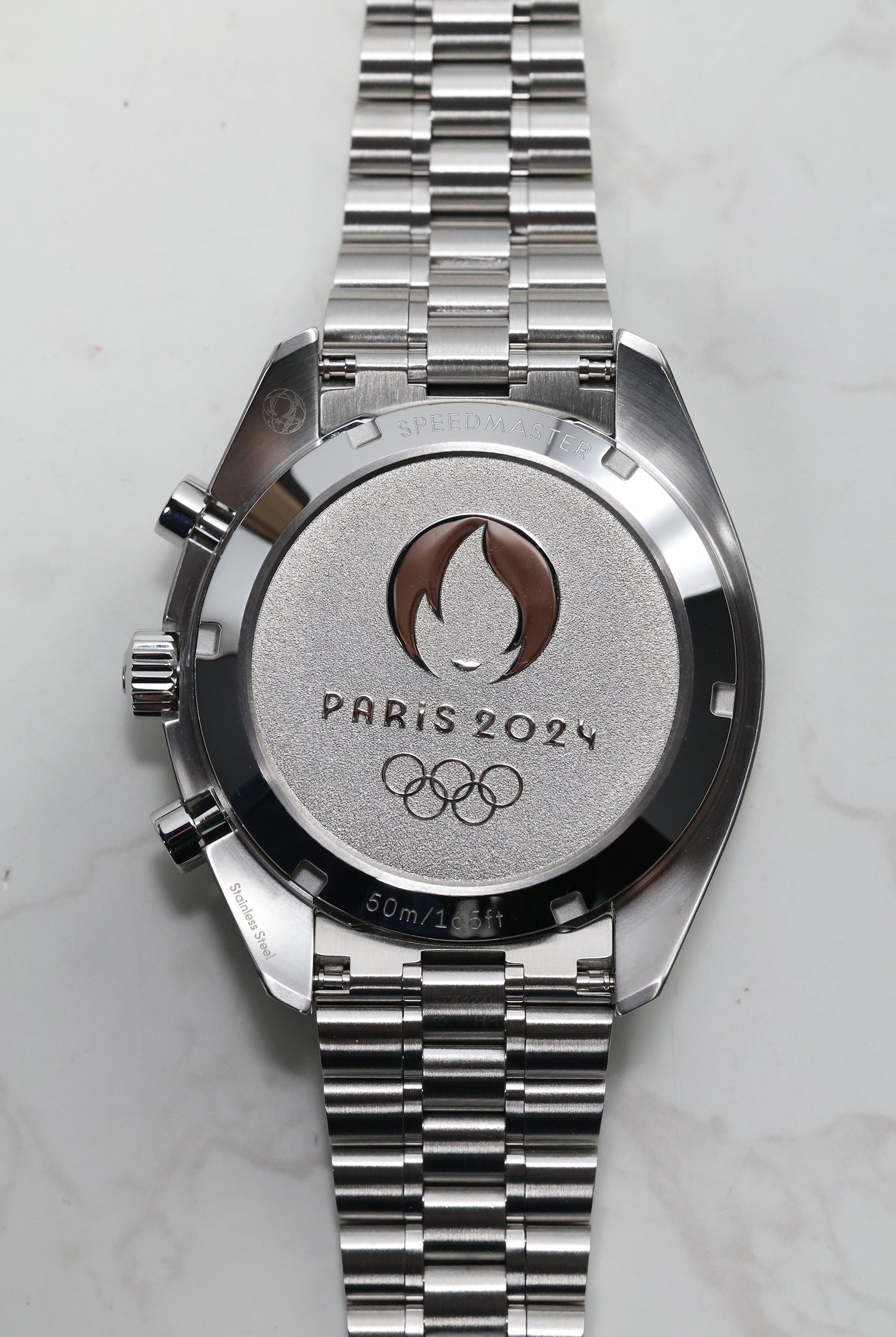
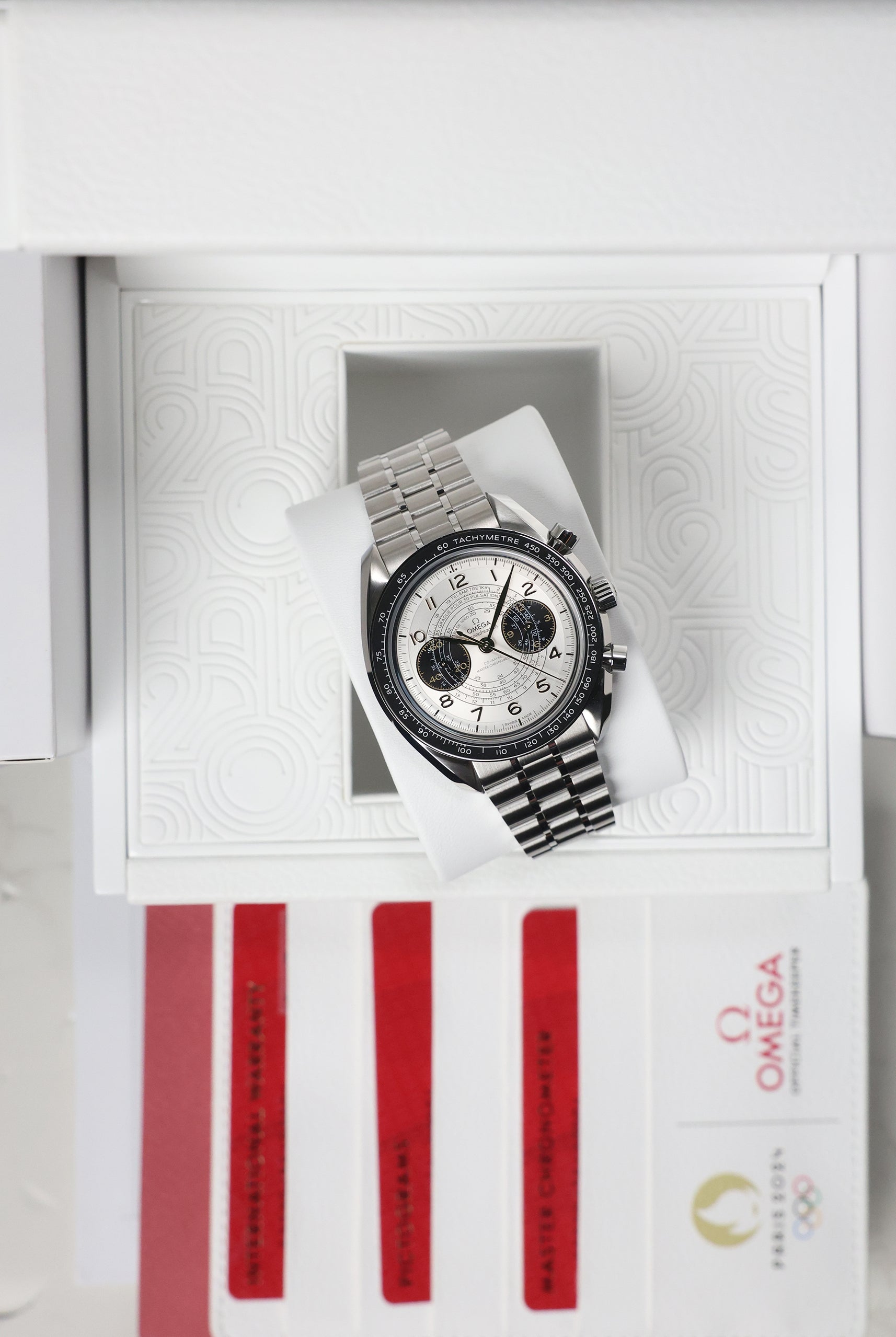
The Speedmaster Olympic Games 323.10.40.40.04.001 belongs to Omega's "Timeless Collection," launched in 2008 to mark the Beijing Olympics and the brand's then-seven-decade tenure as Official Timekeeper. The 2009 release within that collection was deliberately calmer than its siblings — the Timeless series included references with five sub-dials arranged to mirror the Olympic Rings, the kind of design exuberance that doesn't always age well. This 40mm Speedmaster stayed disciplined.
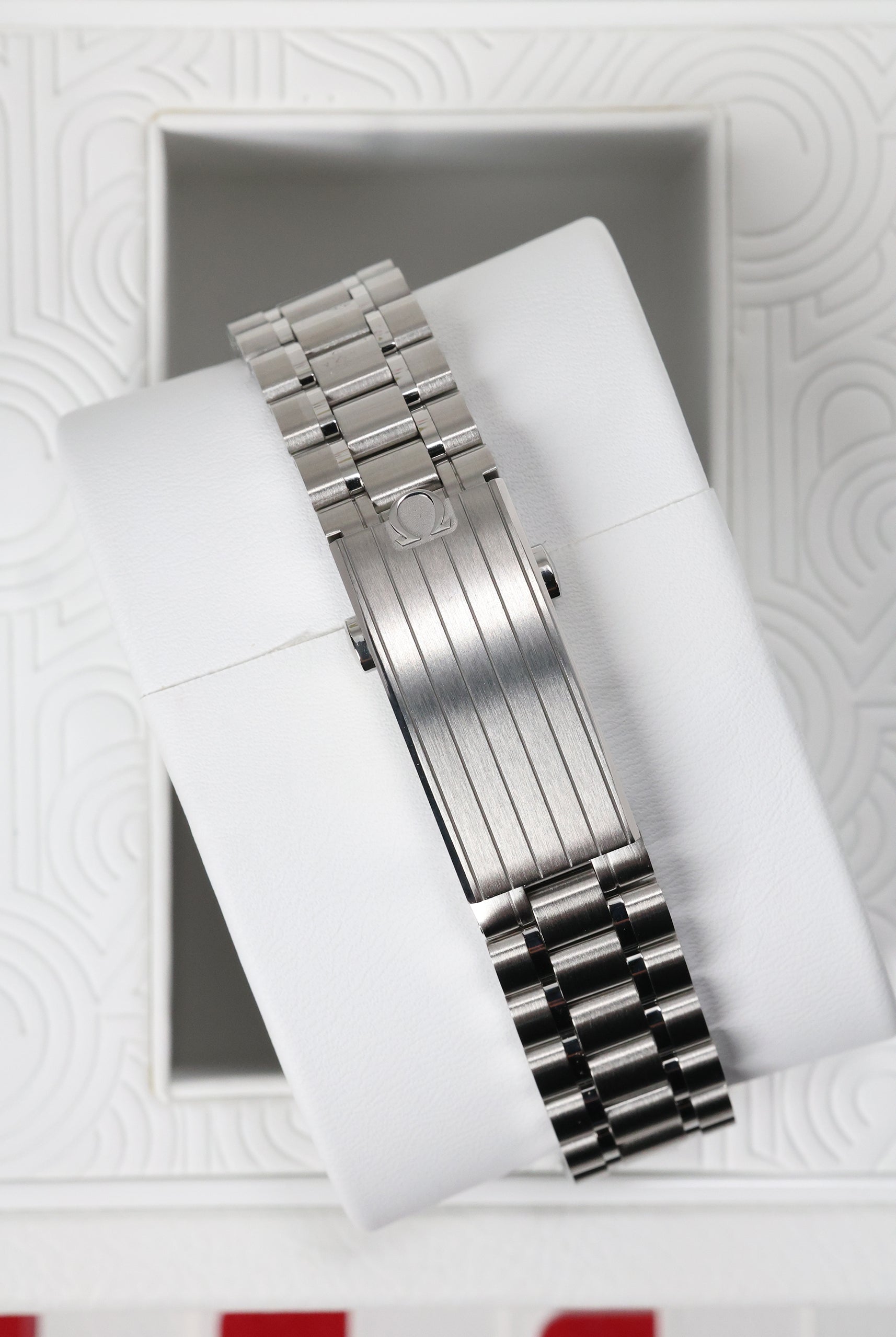
The case sits at an unusual point in the Speedmaster catalogue: 40mm steel, 14mm thick, 45.5mm lug-to-lug — between the 39mm Reduced and the 42mm Professional. It wears with the immediate ease of a modern sports chronograph but reads with a more compact presence than the Professional family.
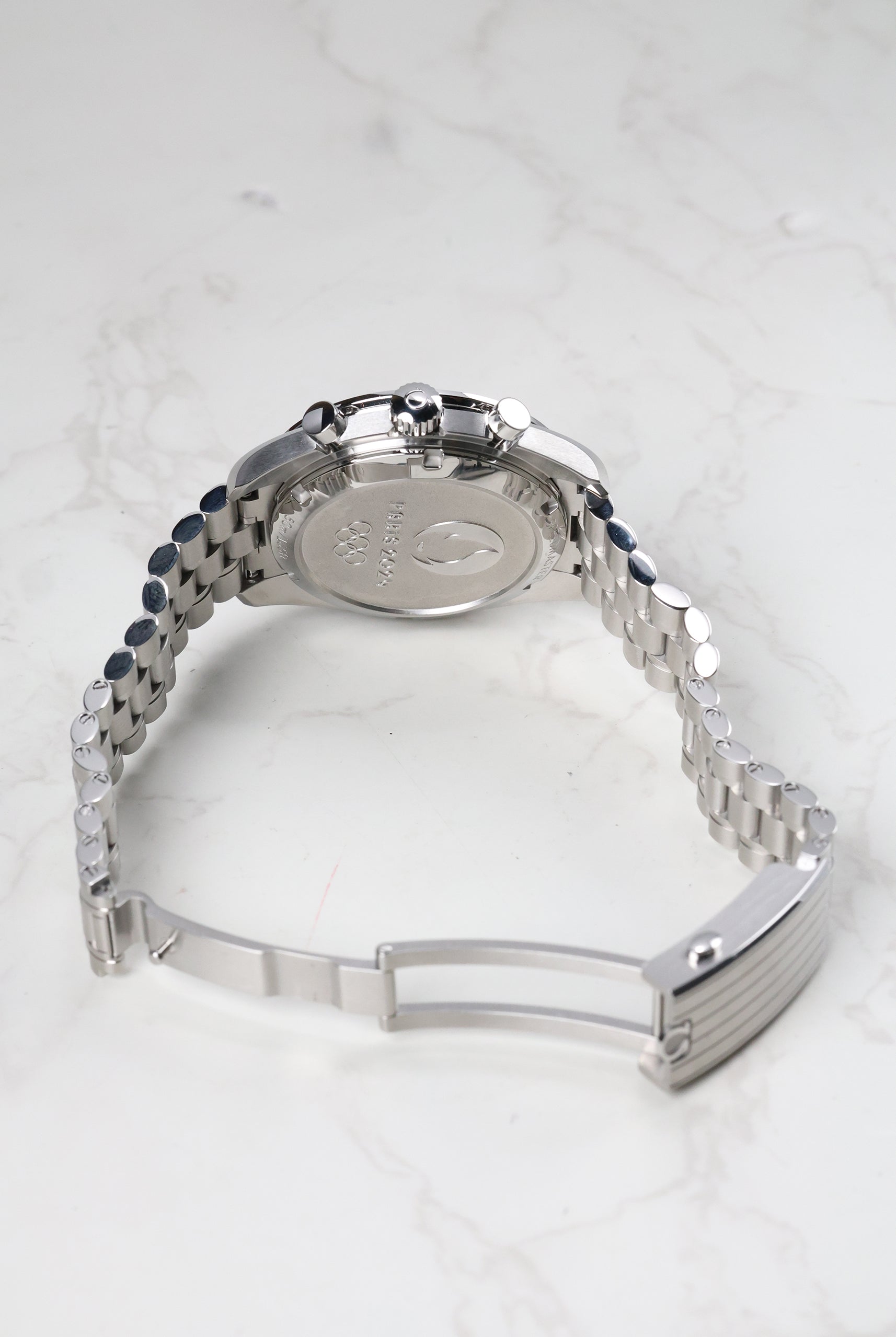
The dial is the watch. A lacquered white surface carries three sub-dials and a date window at 3, with black Arabic numerals and a vintage Omega wordmark — the same logo Omega applied to its early Olympic timekeeping equipment. Blued hour and minute hands. The central chronograph seconds hand is red, with the Olympic Rings forming its counterweight — a detail that sits below conscious notice until you turn the dial in the light. The caseback carries the Olympic emblem in negative relief against a textured backdrop.
The crystal is domed sapphire, shaped to emulate Hesalite's vintage profile while retaining sapphire's scratch resistance. The movement is the Calibre 1164 — a COSC-certified Valjoux 7750 derivative — with a 44-hour power reserve. The 7750 is the most widely serviced automatic chronograph movement in modern watchmaking; this version meets a tighter accuracy specification than the standard architecture.
SCW has this piece preowned, complete with original box and open-dated papers, at RM10,500 — down from the listed RM12,800.
Where They Sit in 2026
The market signal on these two pieces is informative.
The Schumacher 3518.50.00 has appreciated steadily. WatchCharts data shows the reference up 23.7 percent over the past year and 31 percent over five years, with a median sell time of 38 days. That is strong movement for a 25-year-old limited edition that was never widely chased. F1's cultural revival across Drive to Survive's audience, and Schumacher's own resurfacing in collector narratives, has pulled the Racing edition into demand it did not see five years ago.
The Olympic Games 40mm trades more quietly. There is no F1-style cultural engine behind it. But for the collector hunting a Speedmaster with unusual proportions, a COSC certification, and a design detail like the Olympic Rings counterweight that signals to those who know — the value-to-quality ratio is strong. At RM10,500, it represents one of the cleanest entry points into a properly horologically credentialed Speedmaster currently available.
Both pieces sit well below the current Master Chronometer Speedmaster catalogue. Neither asks Moonwatch money.
The Quiet Verdict
Speedmaster identity is bigger than the Moonwatch.
The Moonwatch Professional will continue to define how most collectors enter the line, and that is correct — it remains the canonical reference and the watch that earned the Speedmaster its global standing. But the racing and Olympic chapters are foundational in their own right. They existed before the Moon. They have continued in parallel ever since.
The Schumacher 3518.50.00 is the more emotionally direct choice. If F1 carries weight for you, the connection is impossible to outgrow. The Olympic Games 40mm is the more design-driven choice — quietly built around a single sharp idea, dimensioned unusually, COSC-certified, and the cleaner buy on pure value.
Either is a defensible Speedmaster purchase in 2026.
Neither demands Moonwatch money.
Are you ready to add a meaningful Speedmaster chapter to your collection?
Browse our full Omega collection here.
Watch the full discussion on YouTube here :