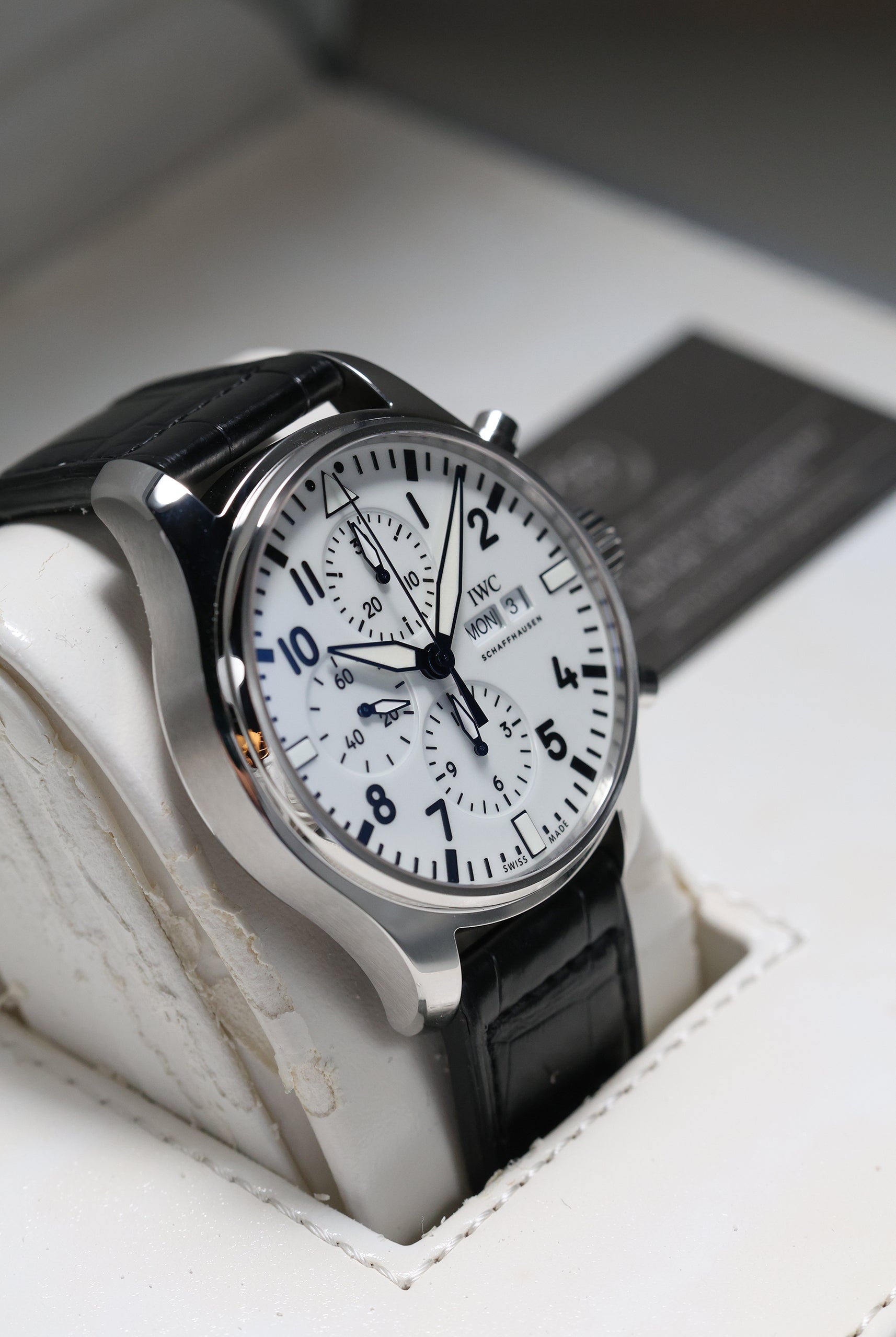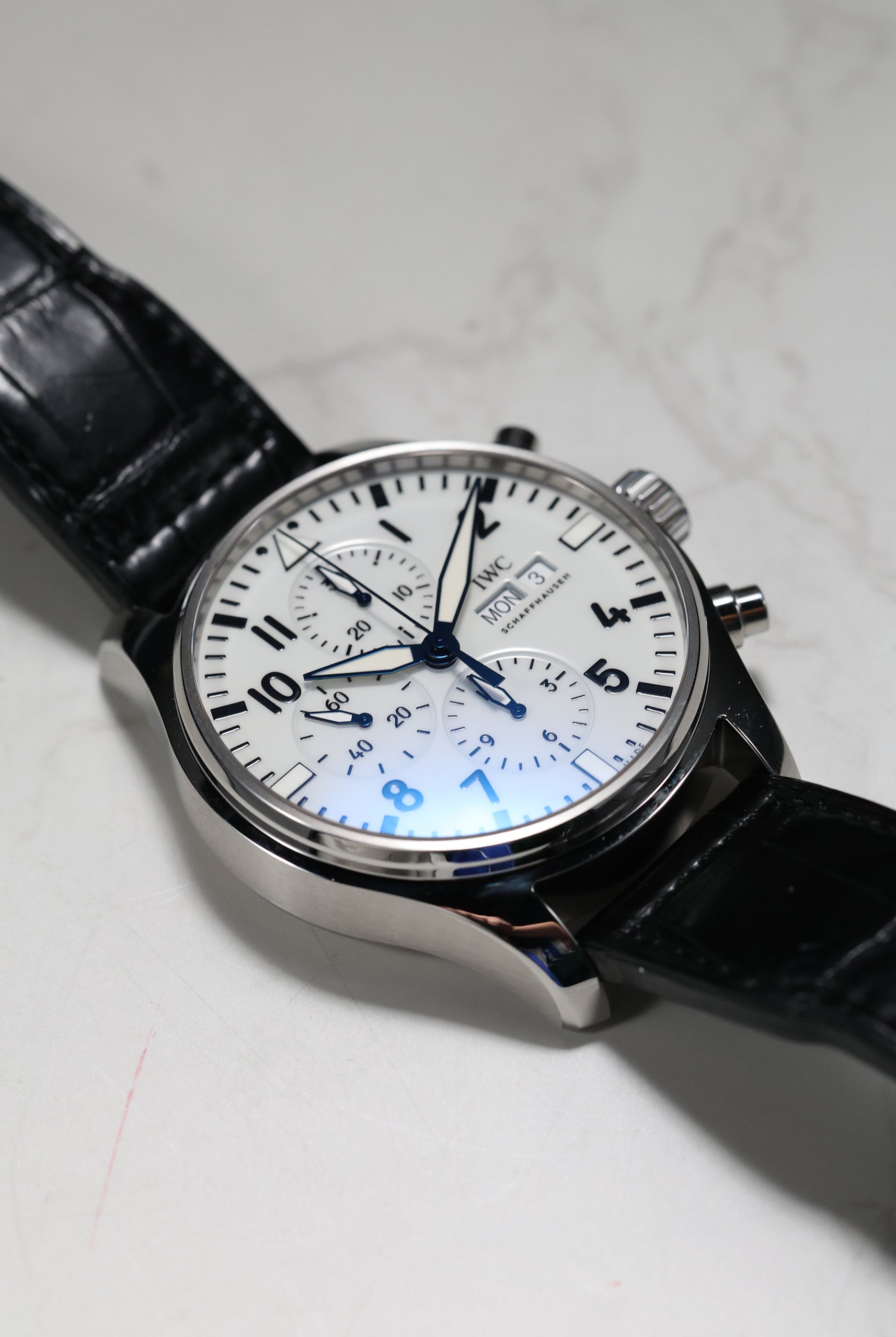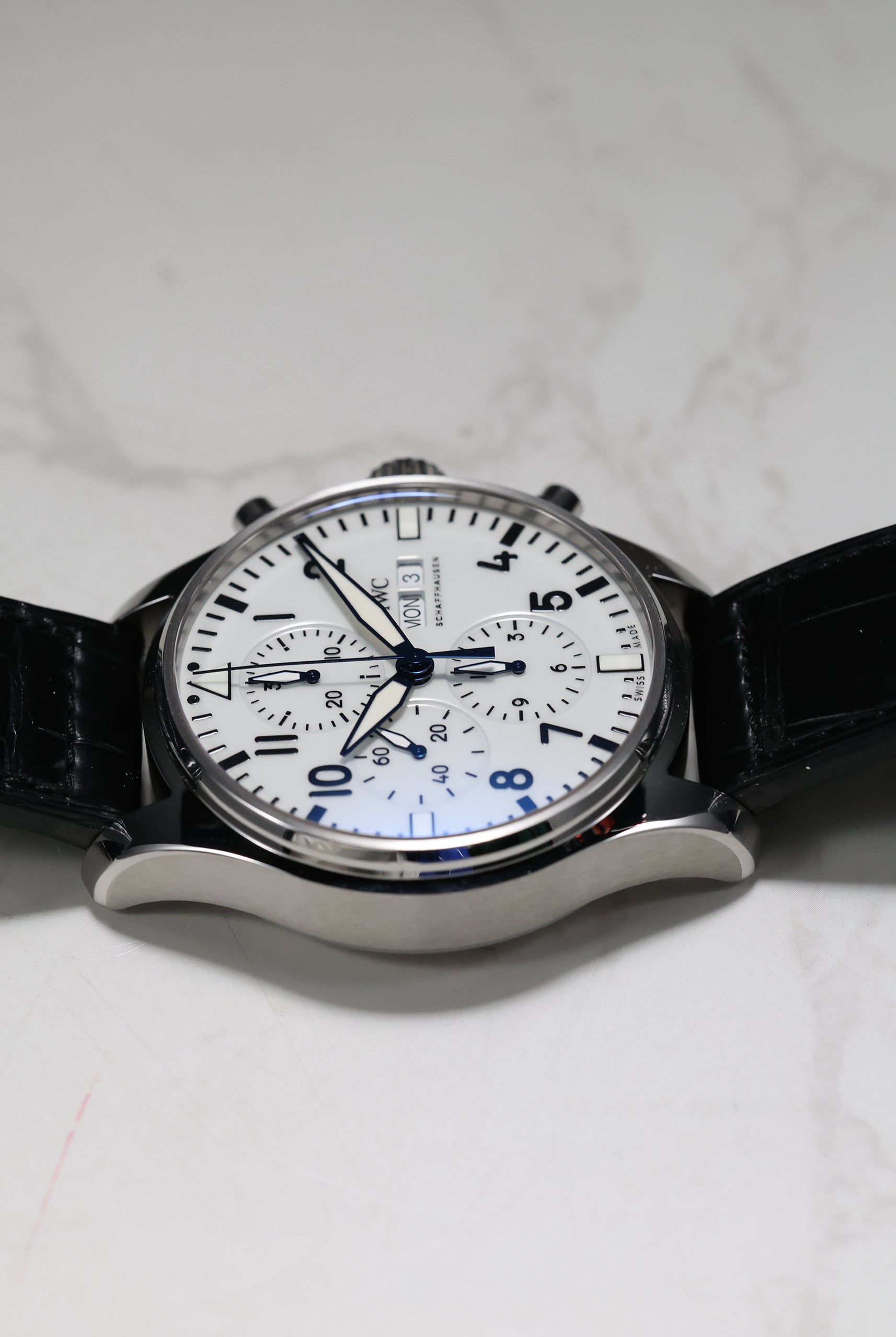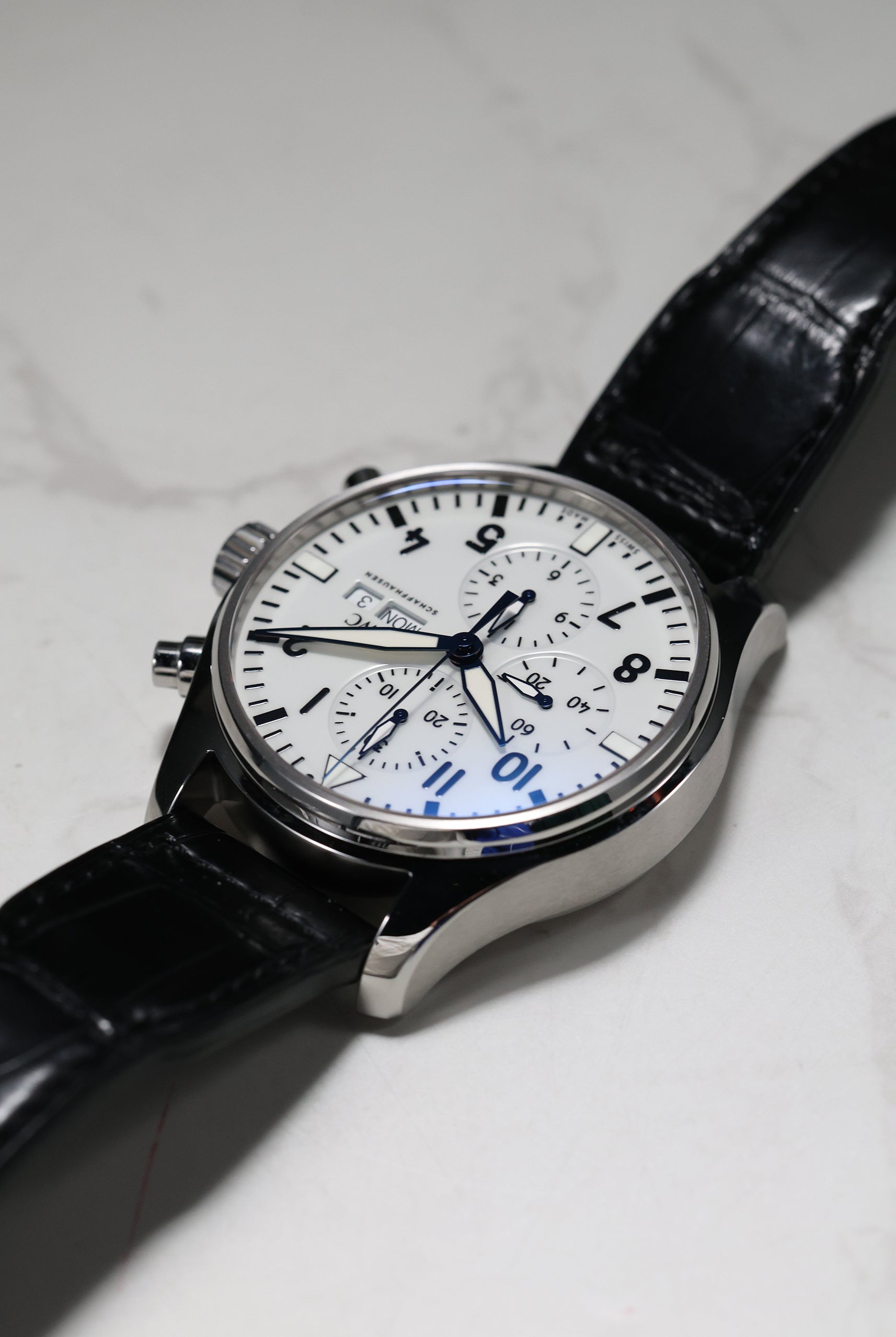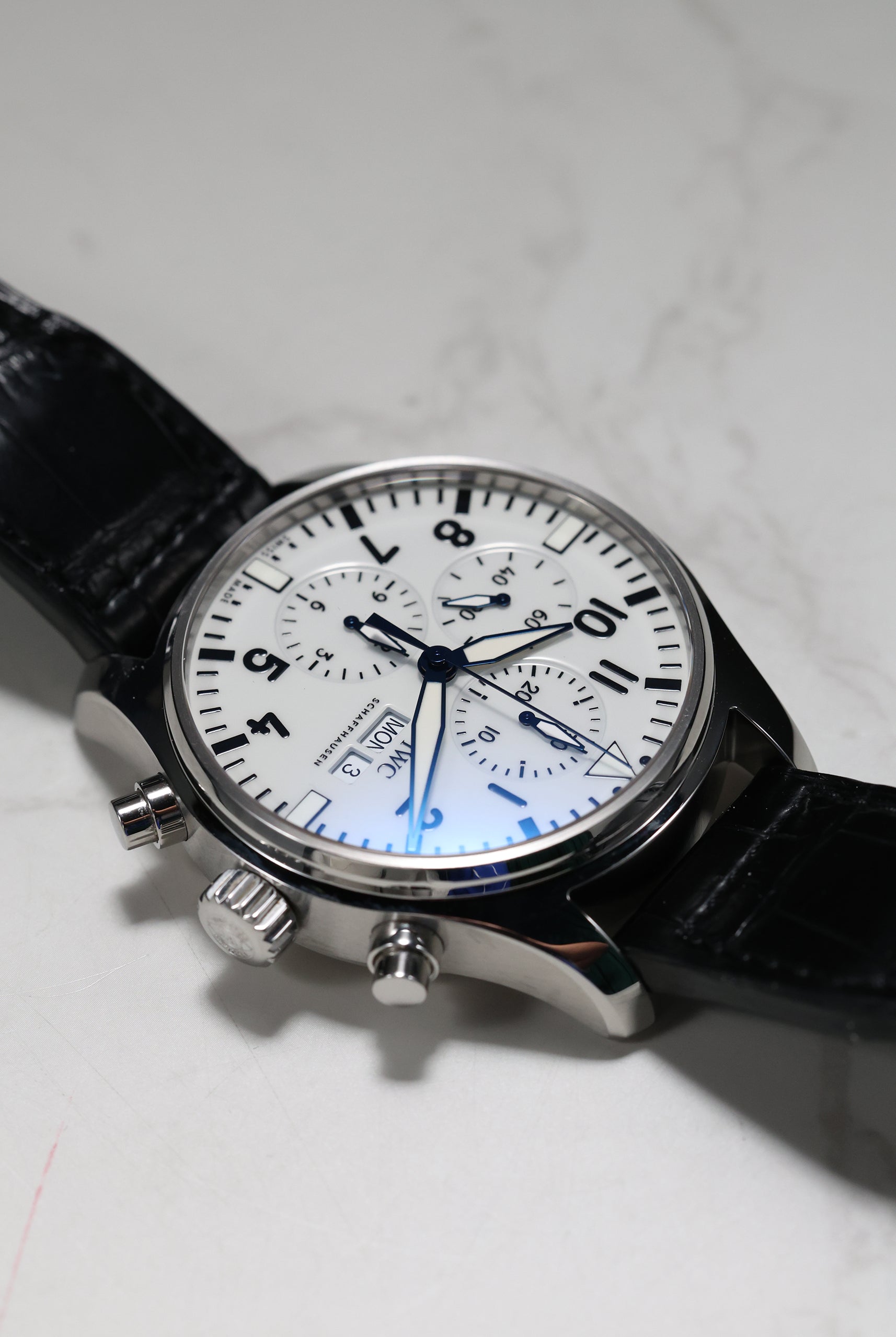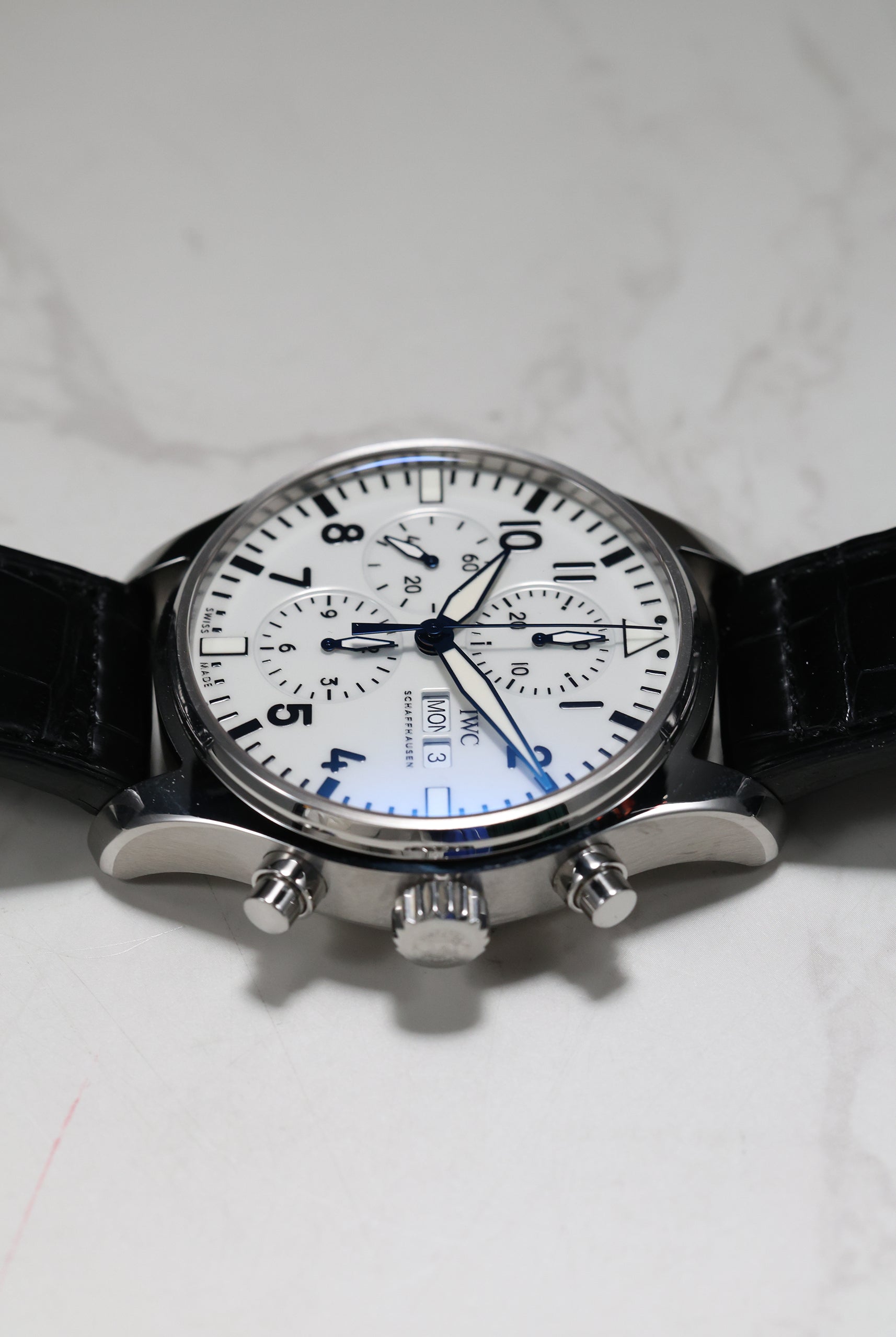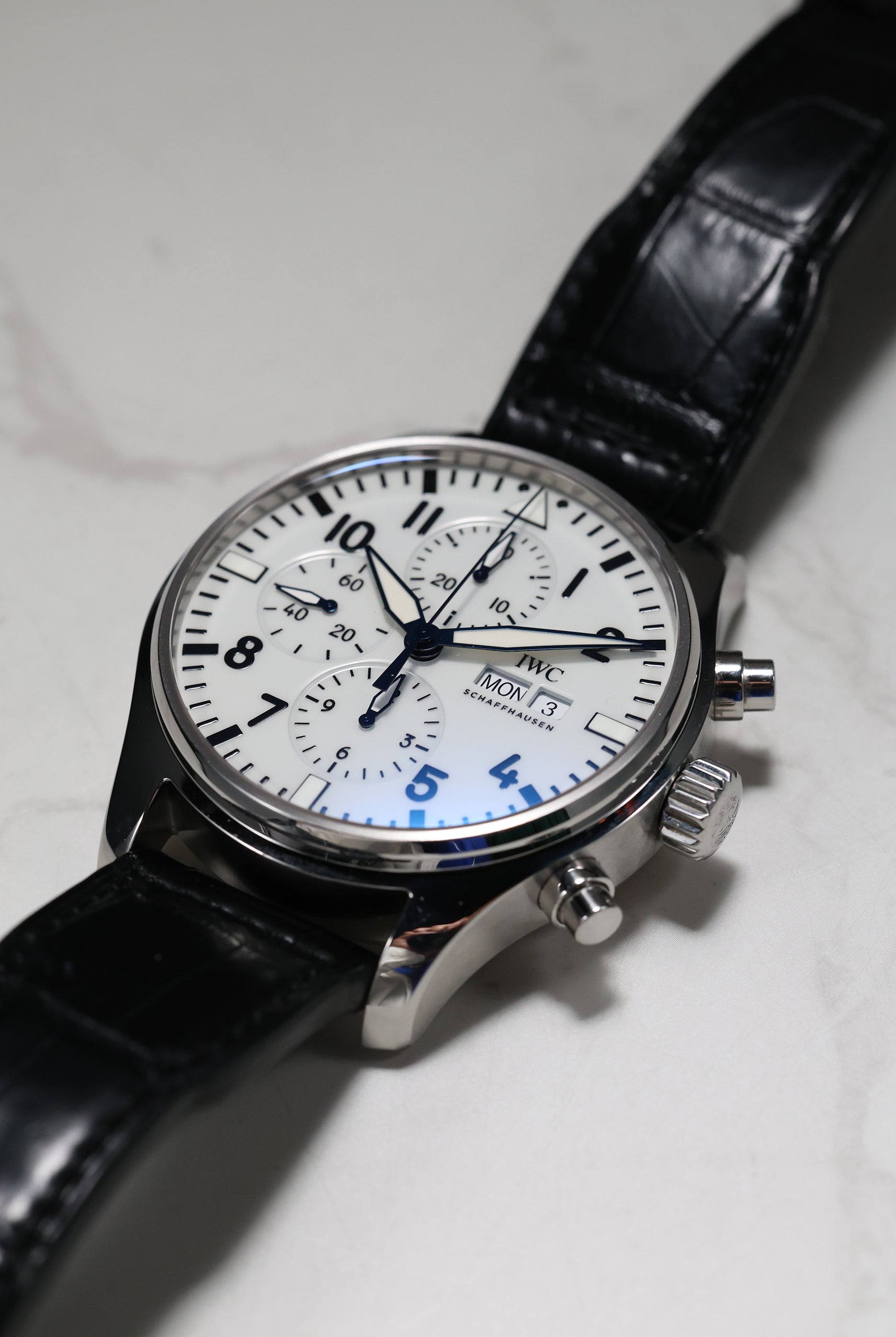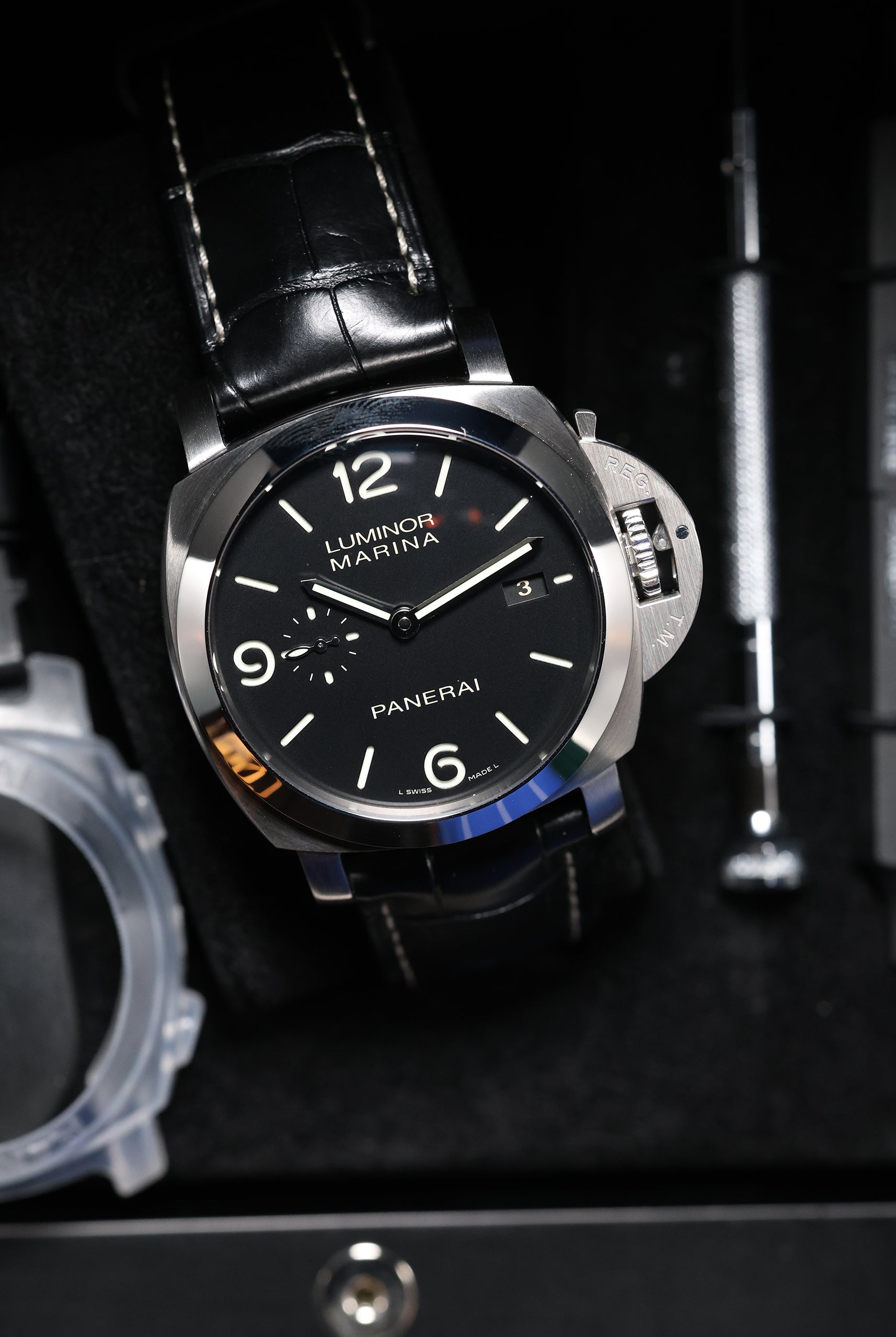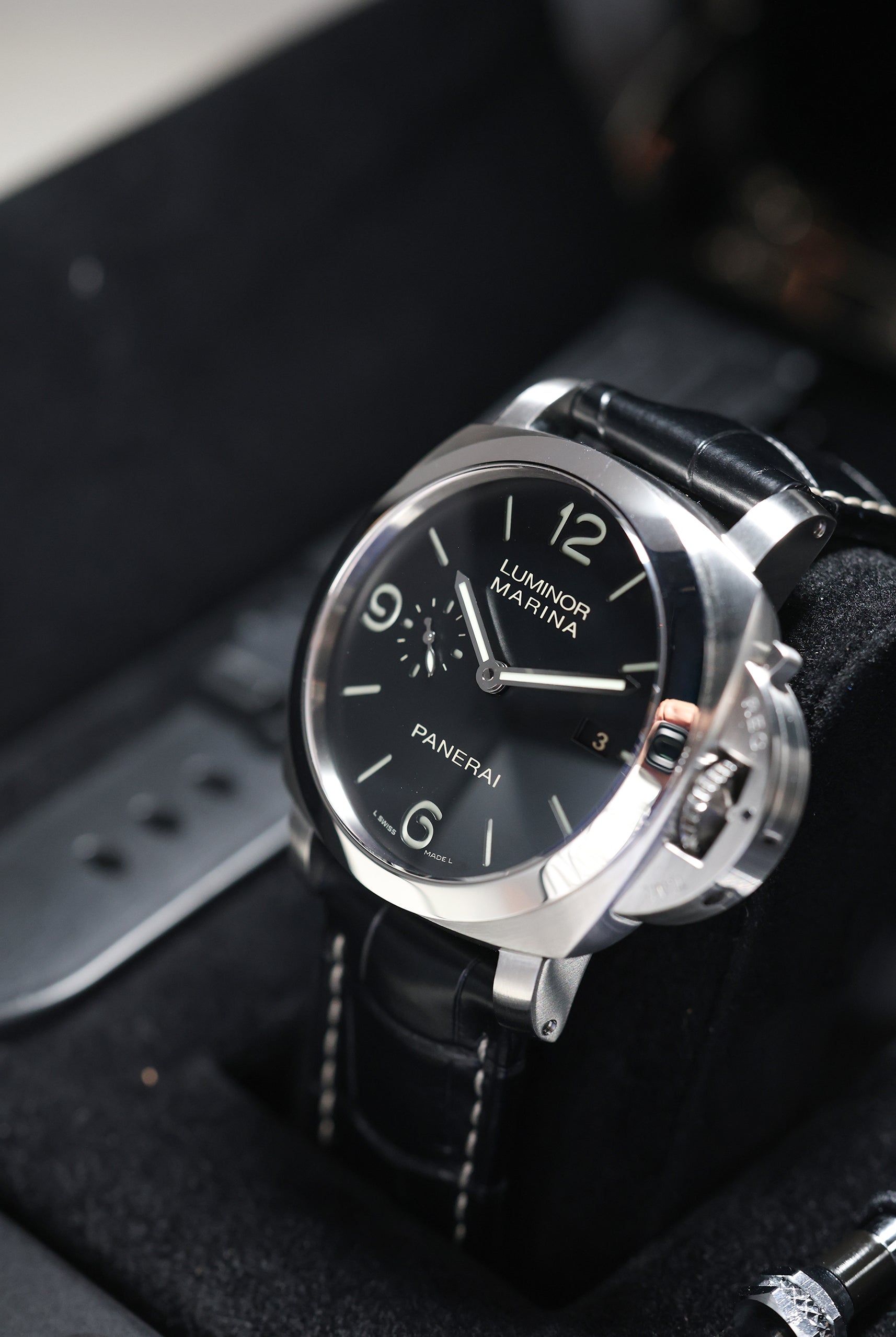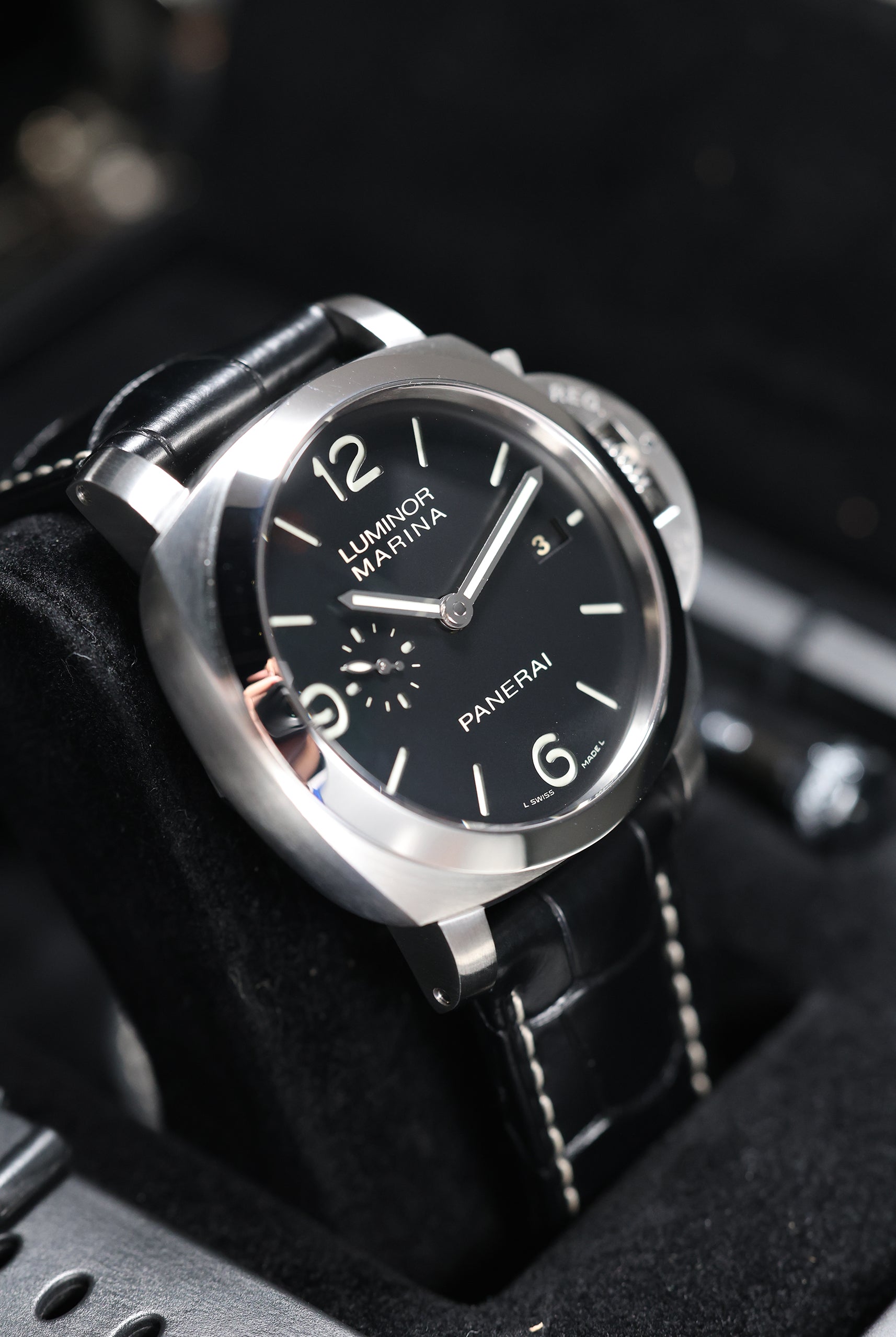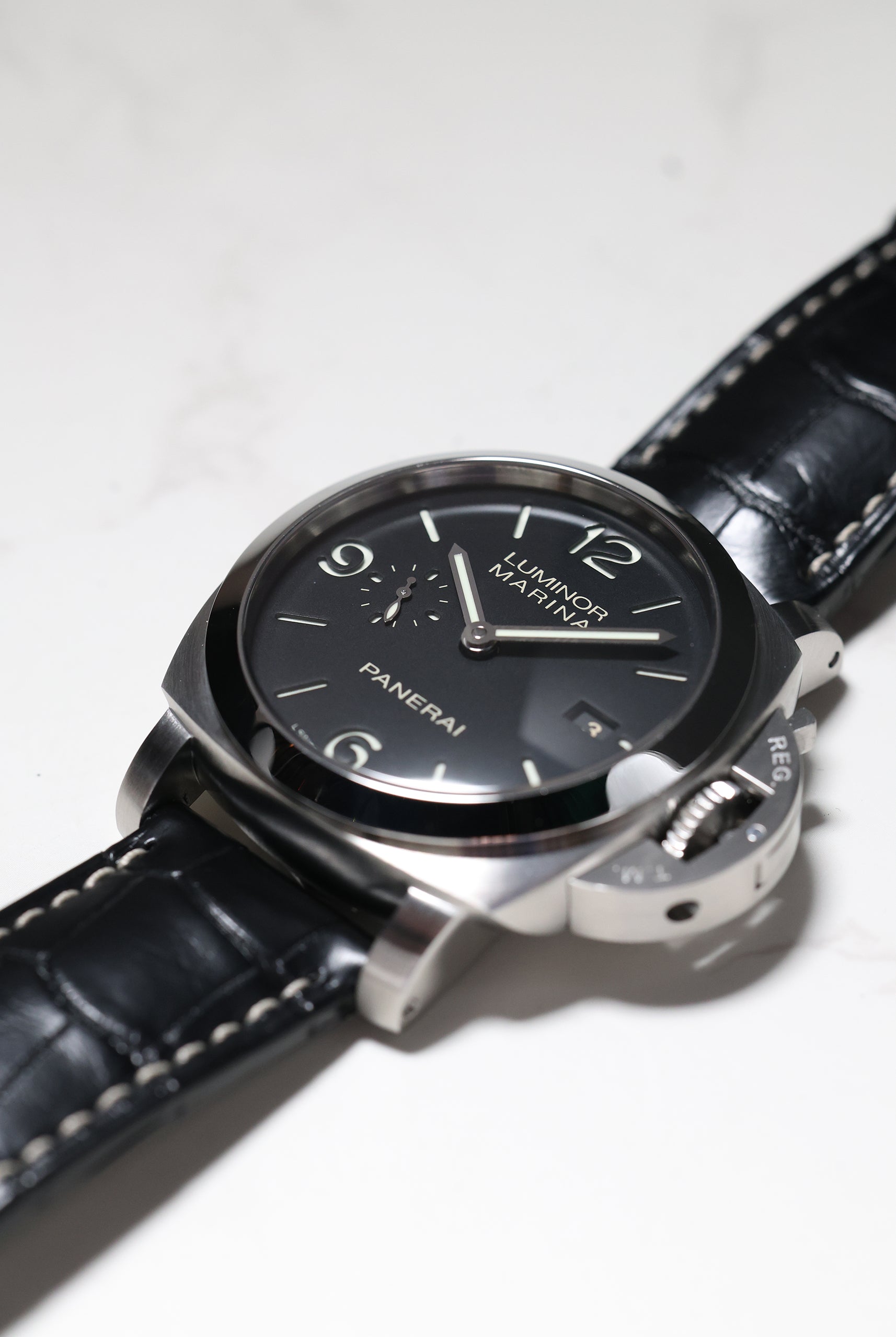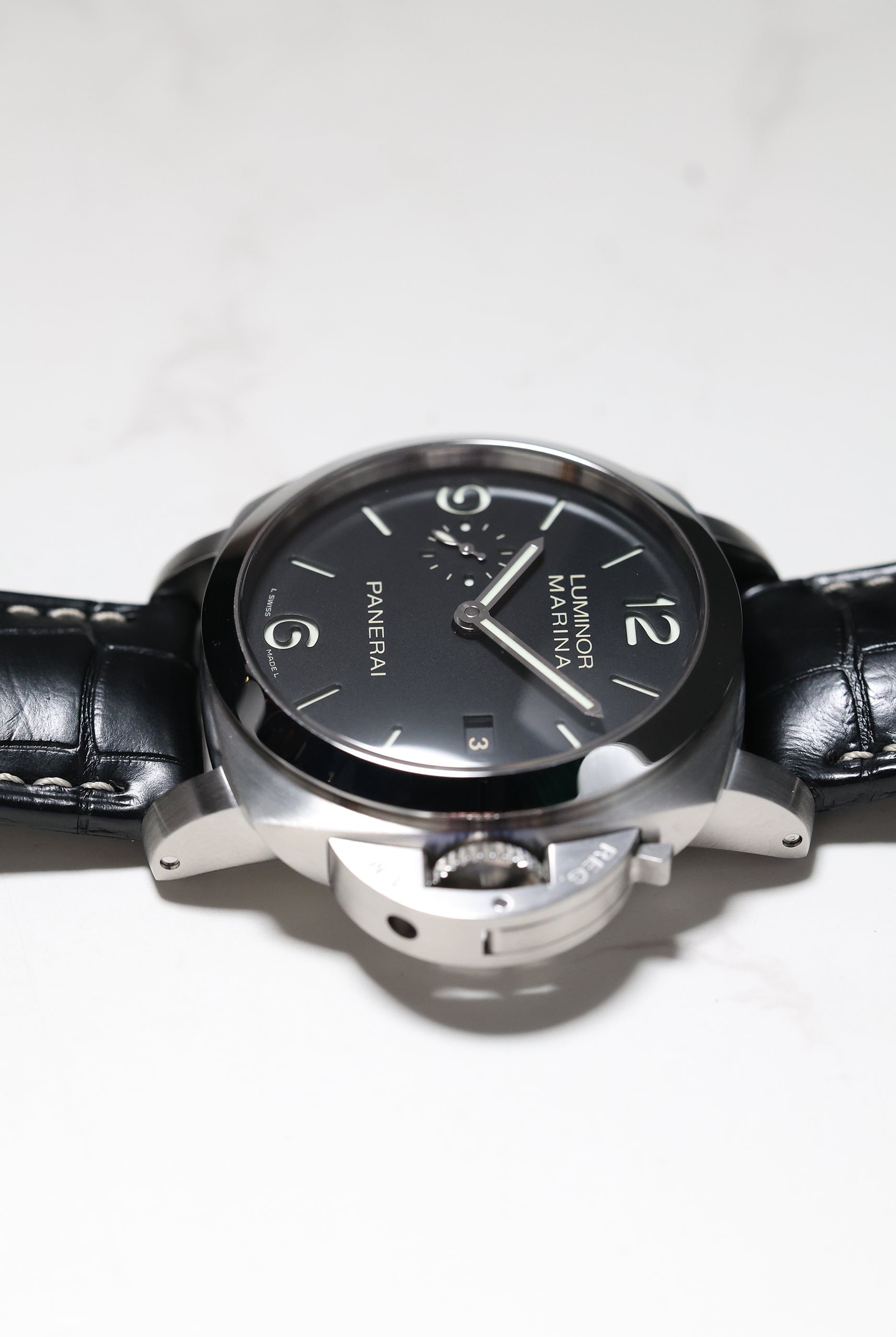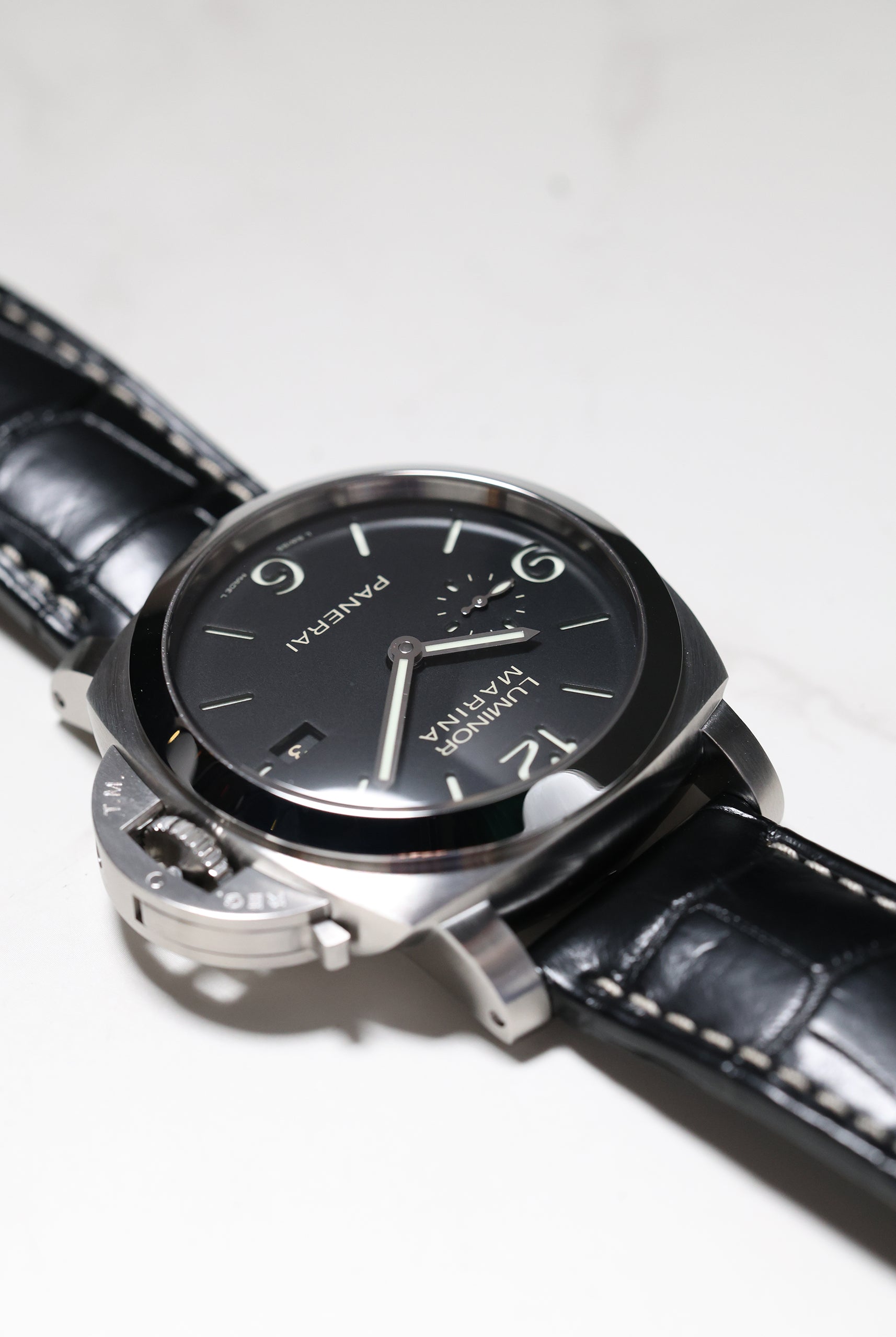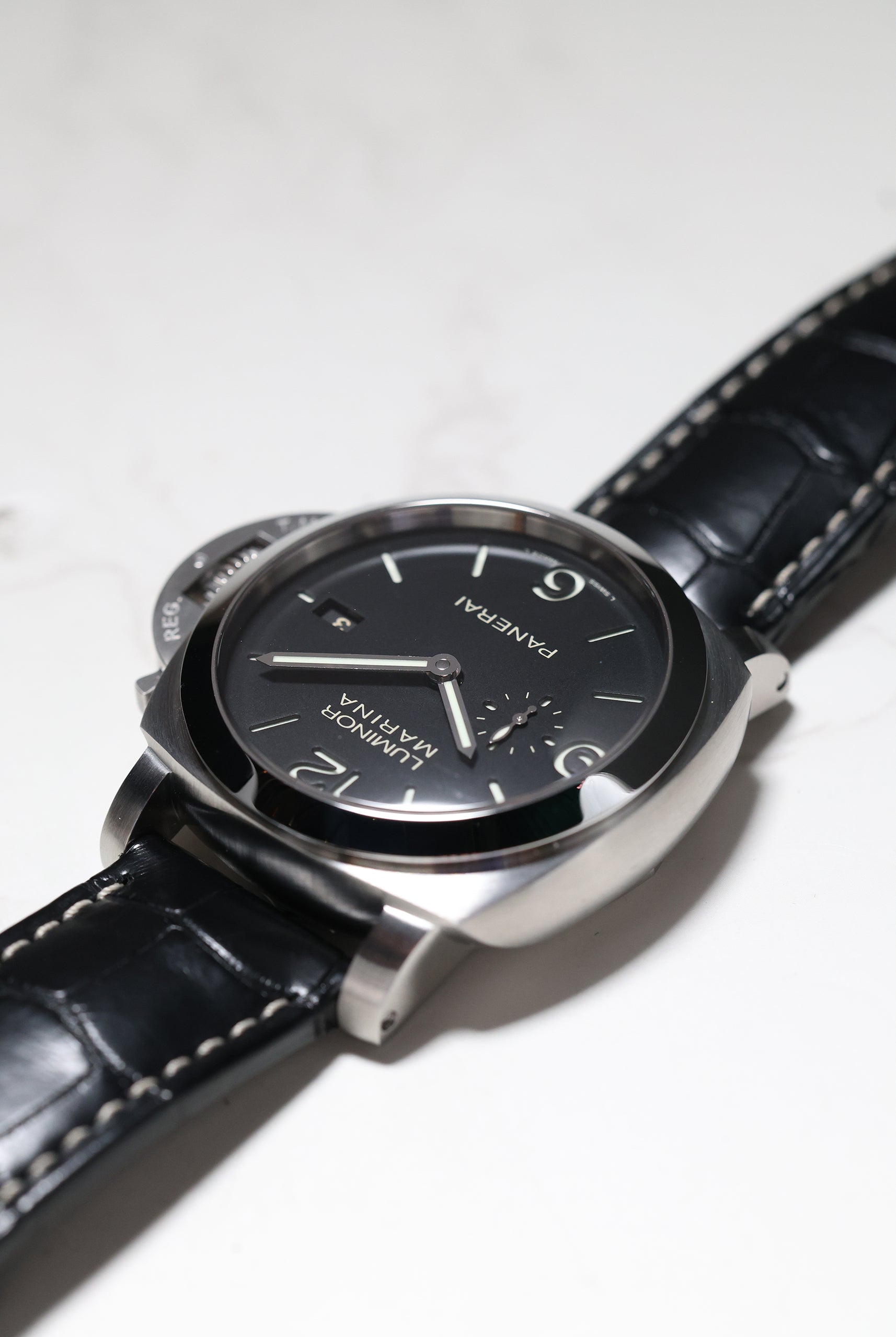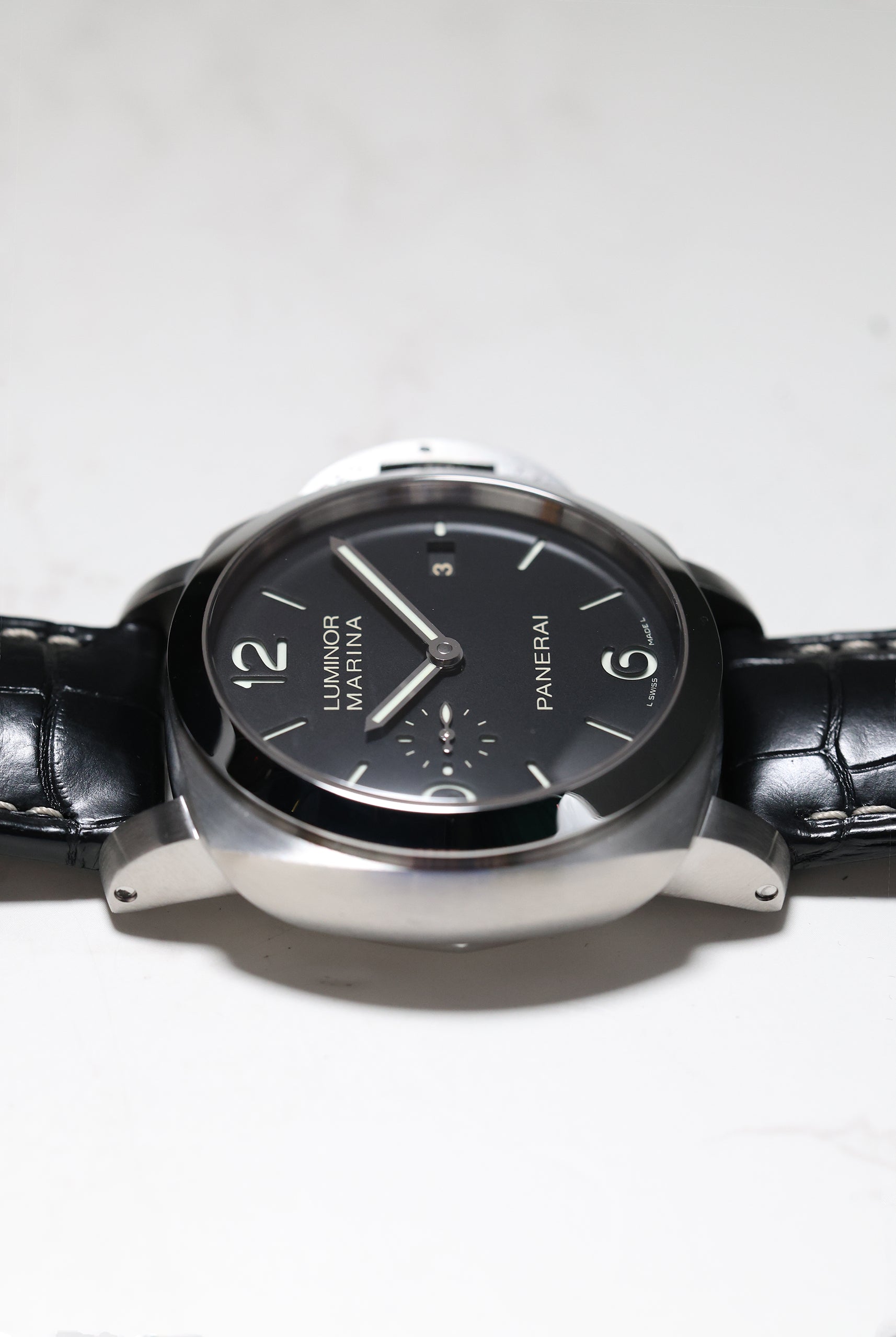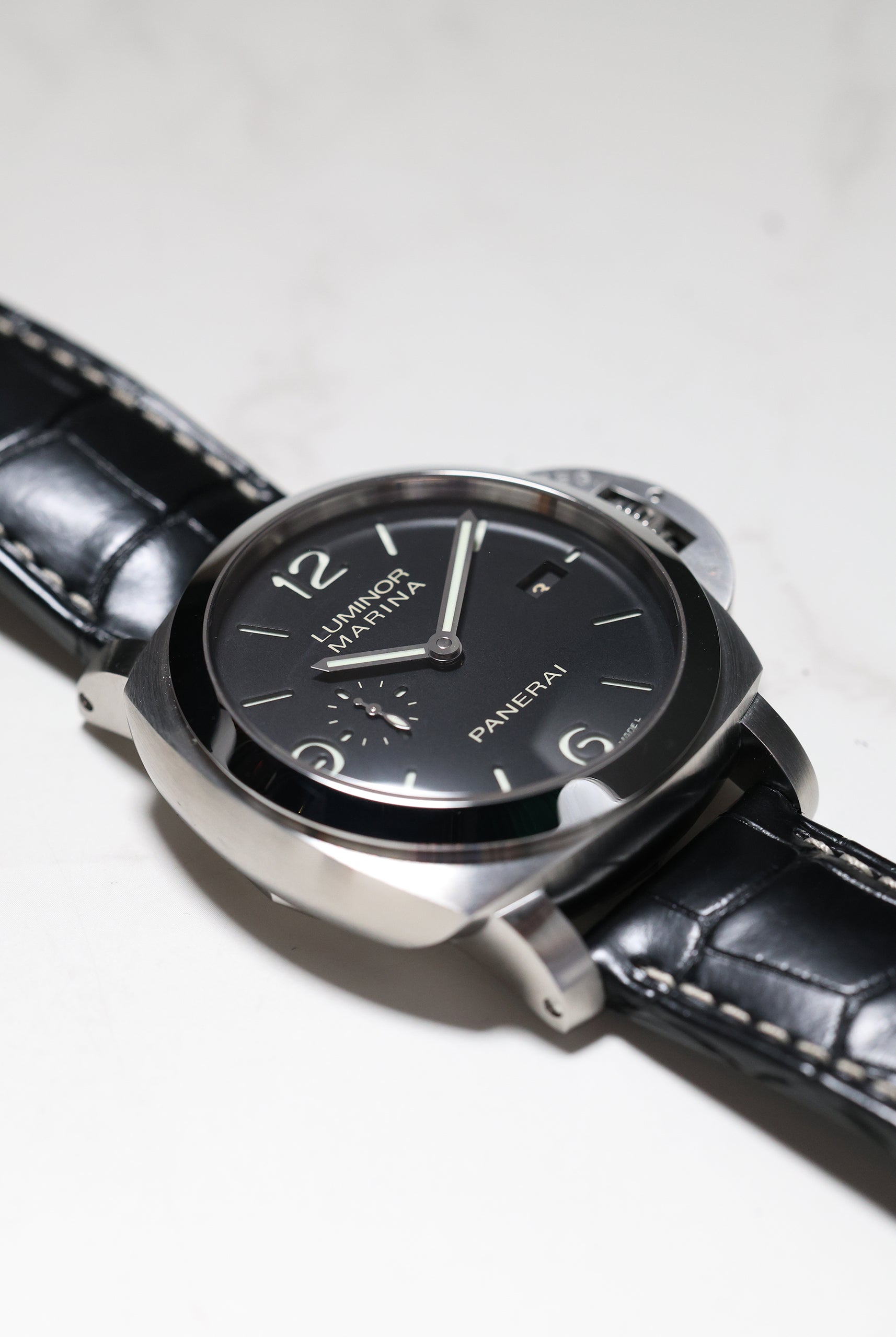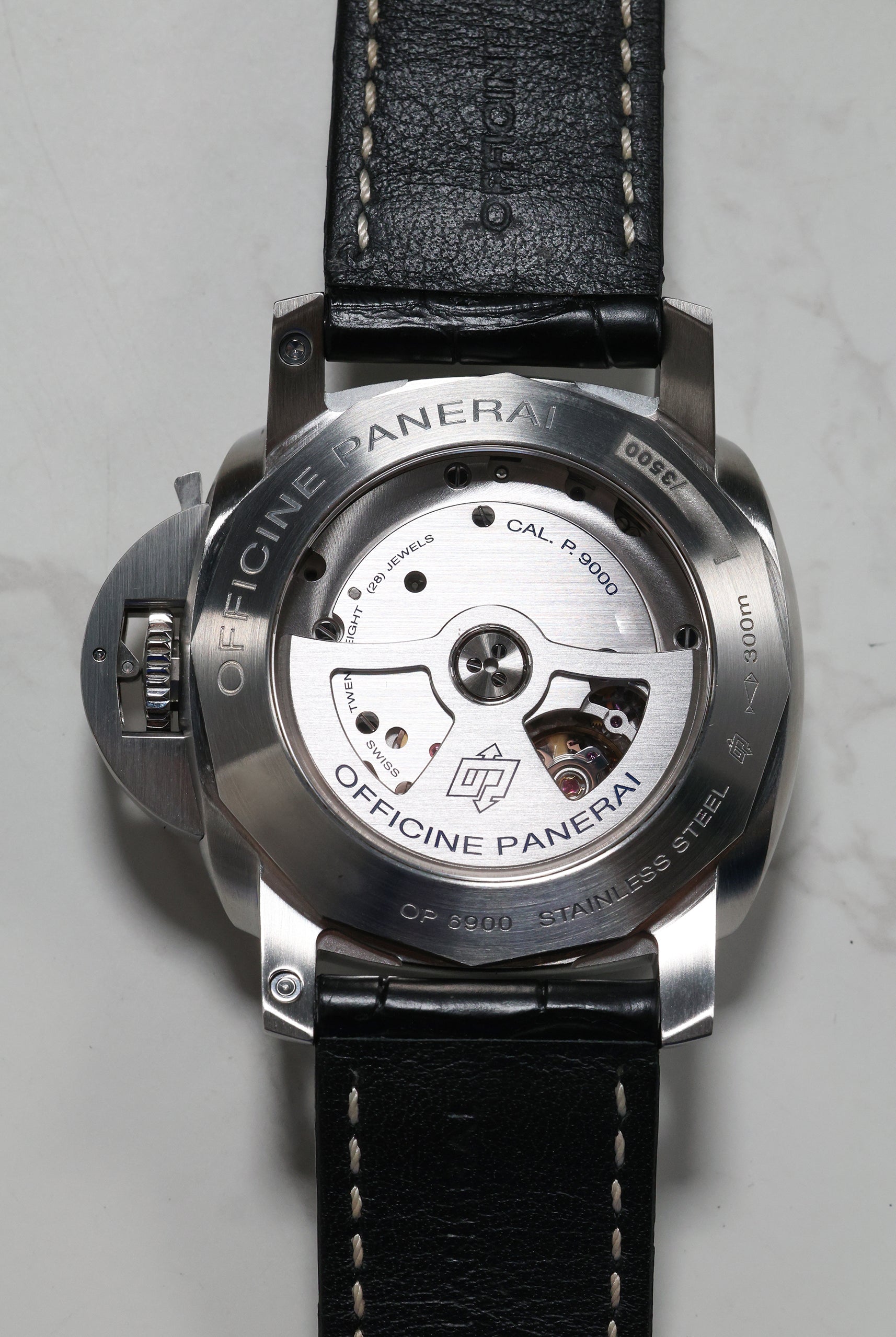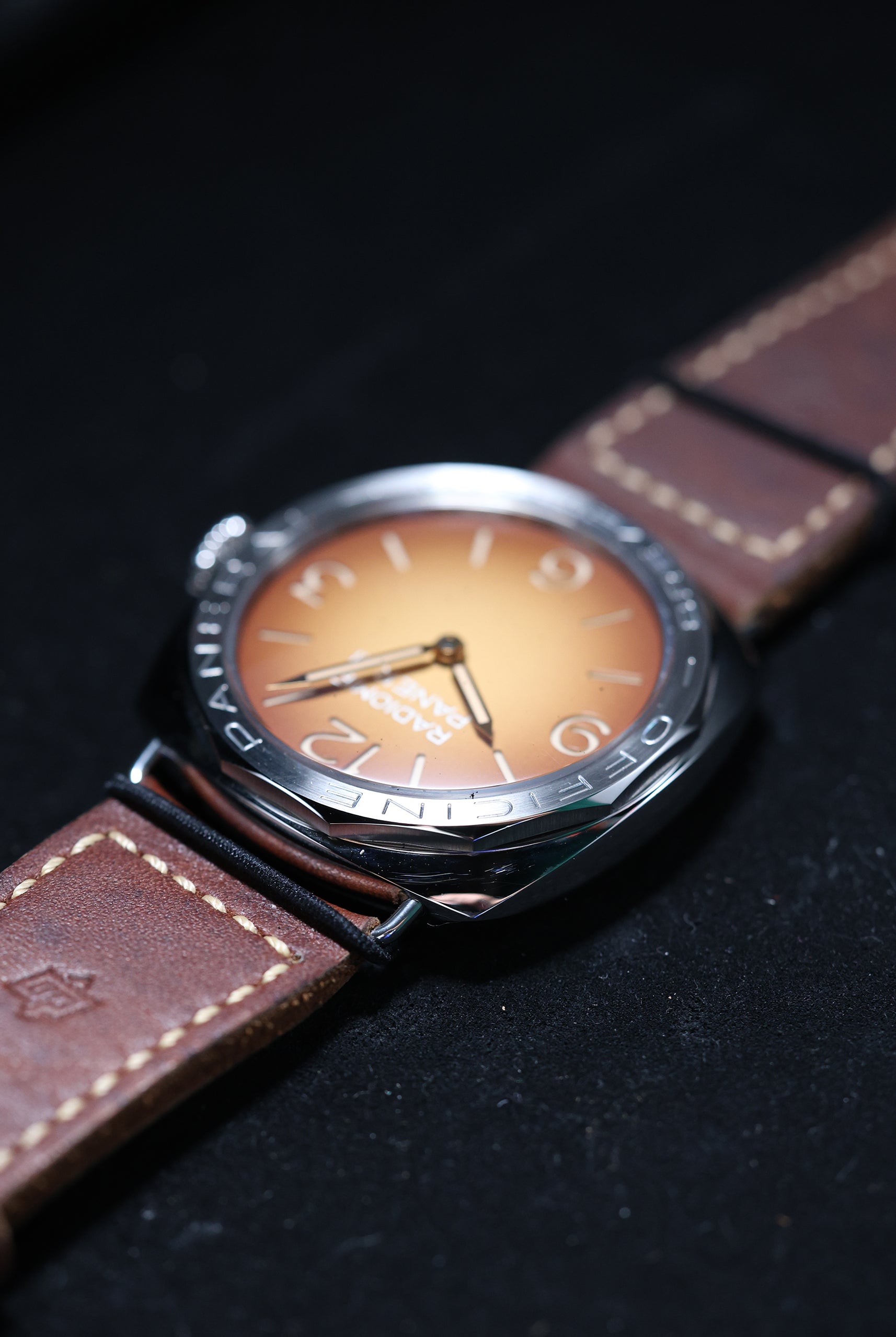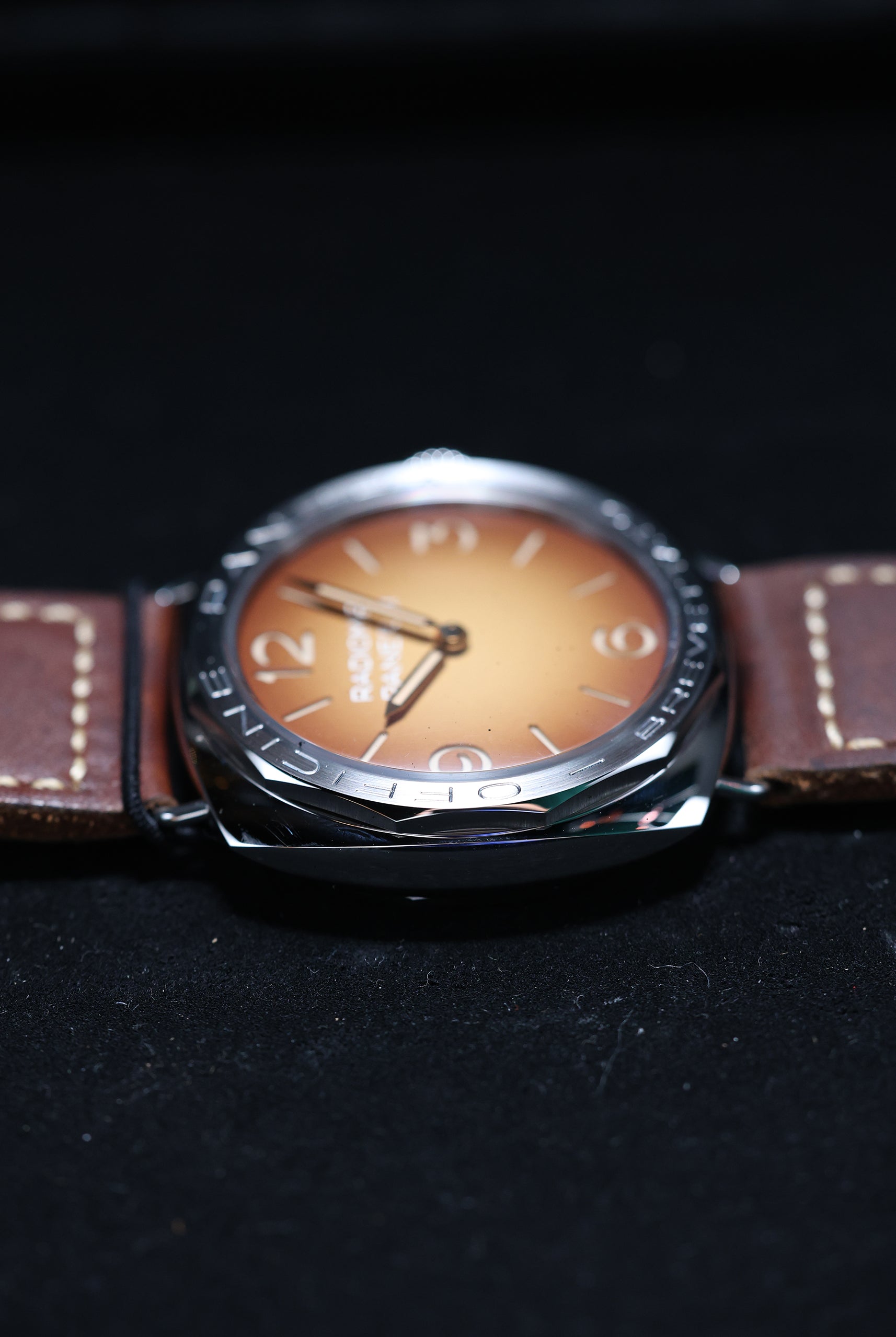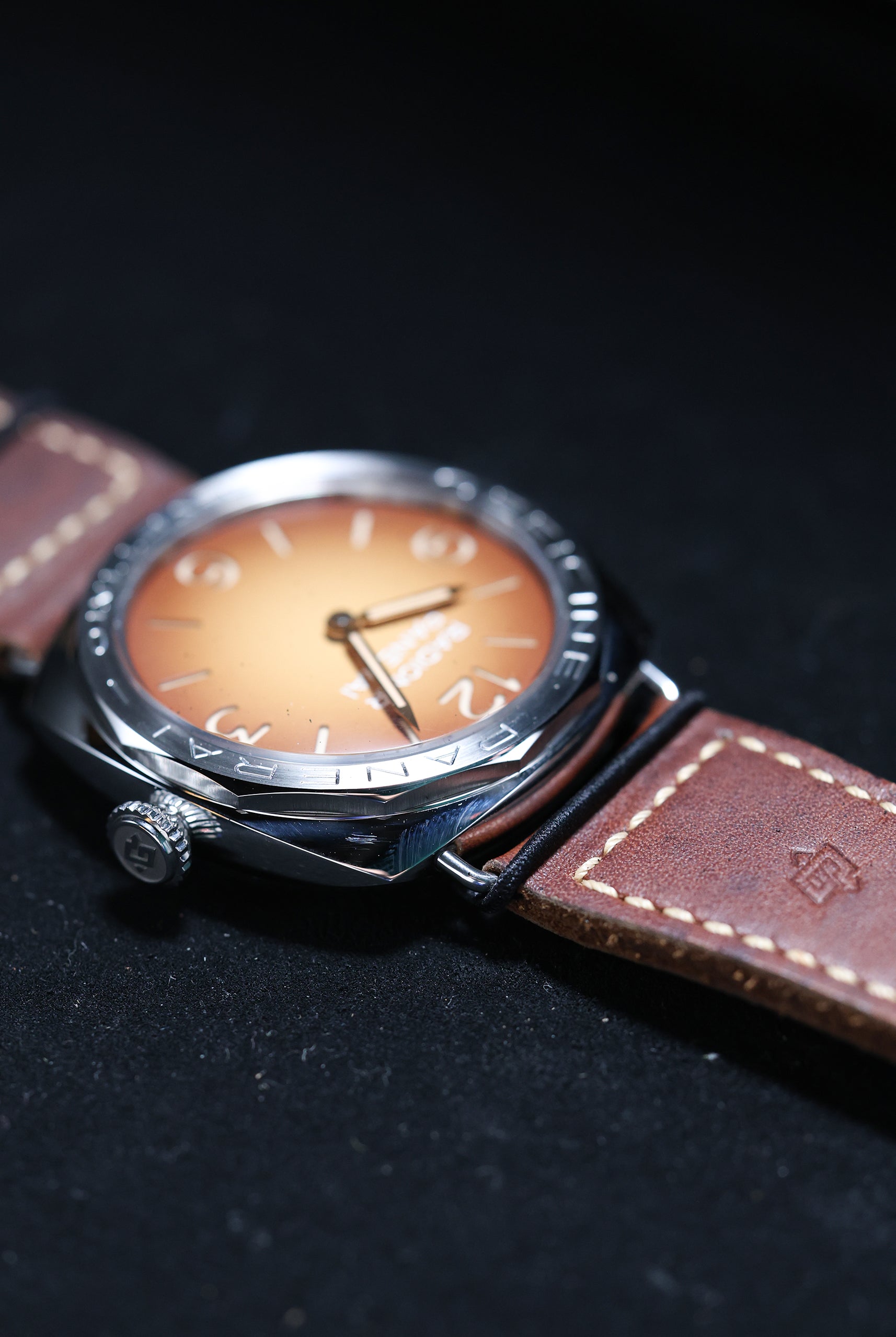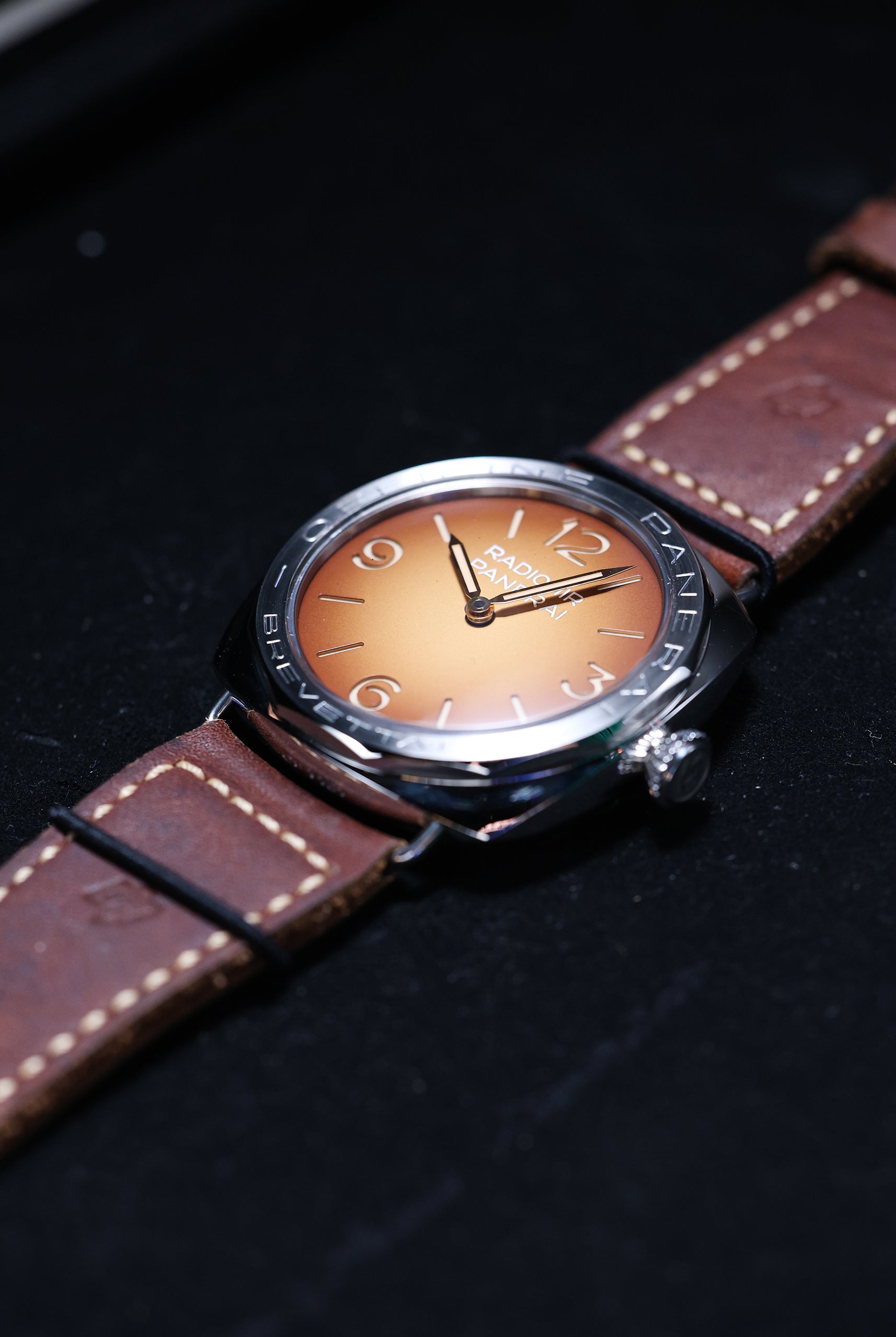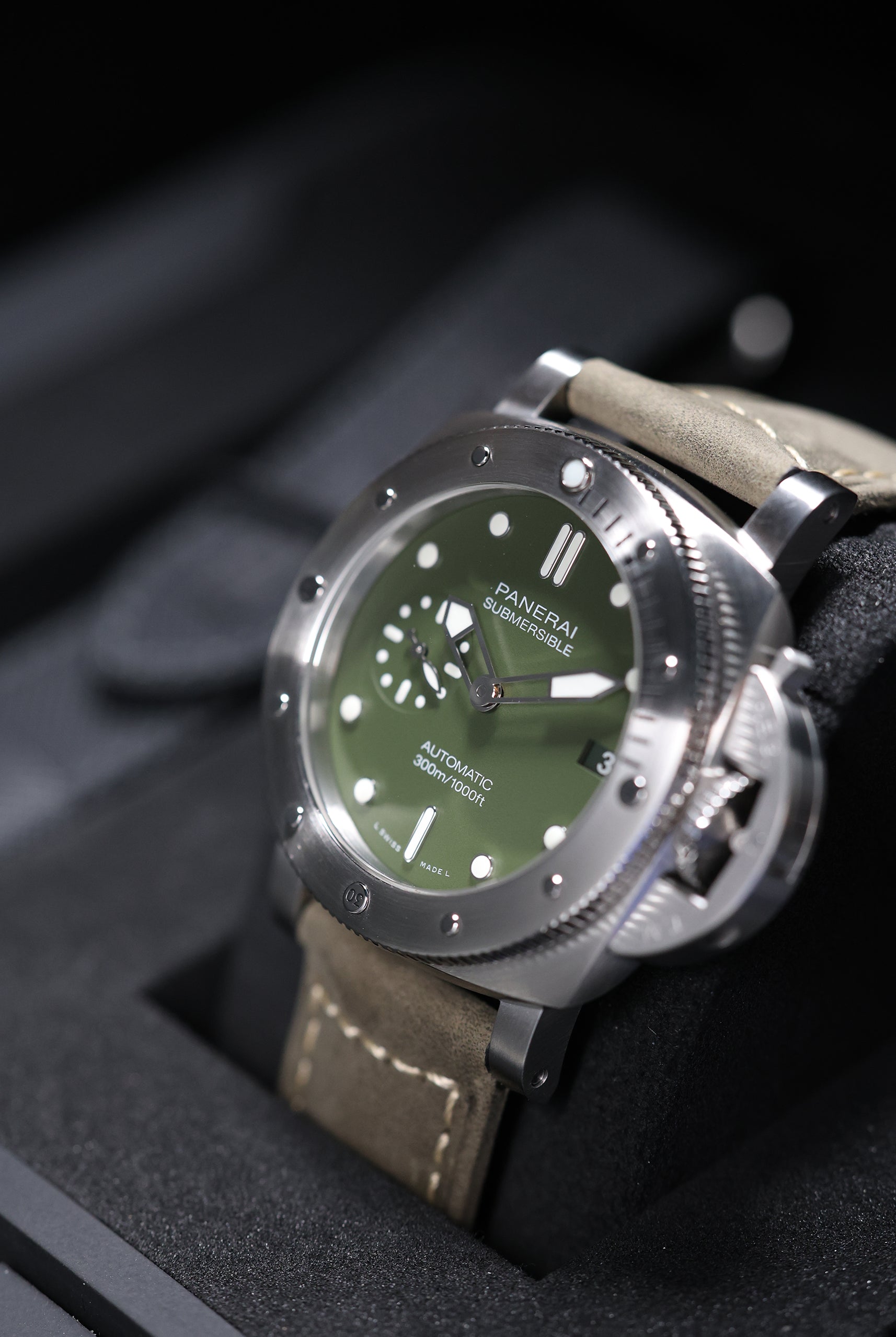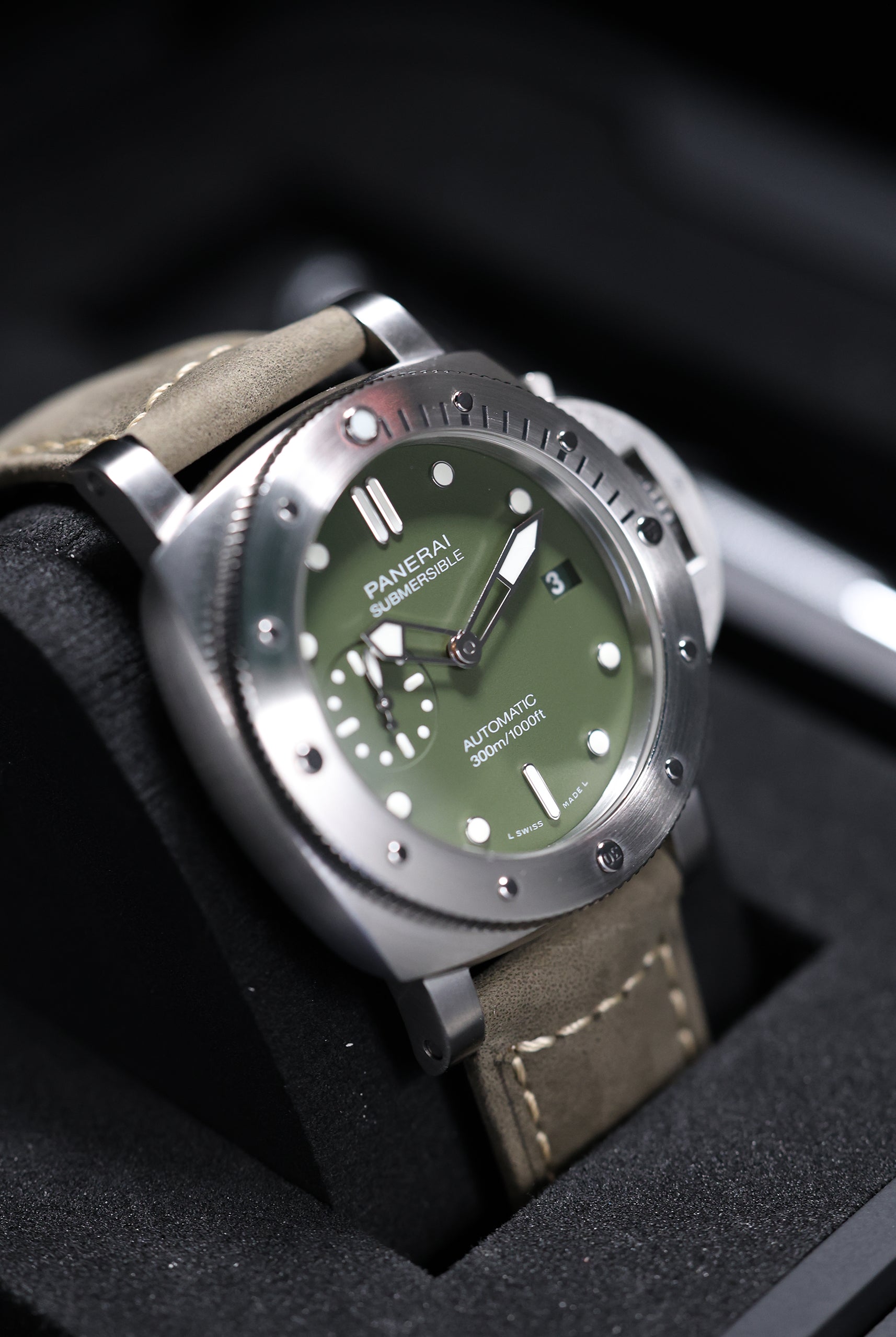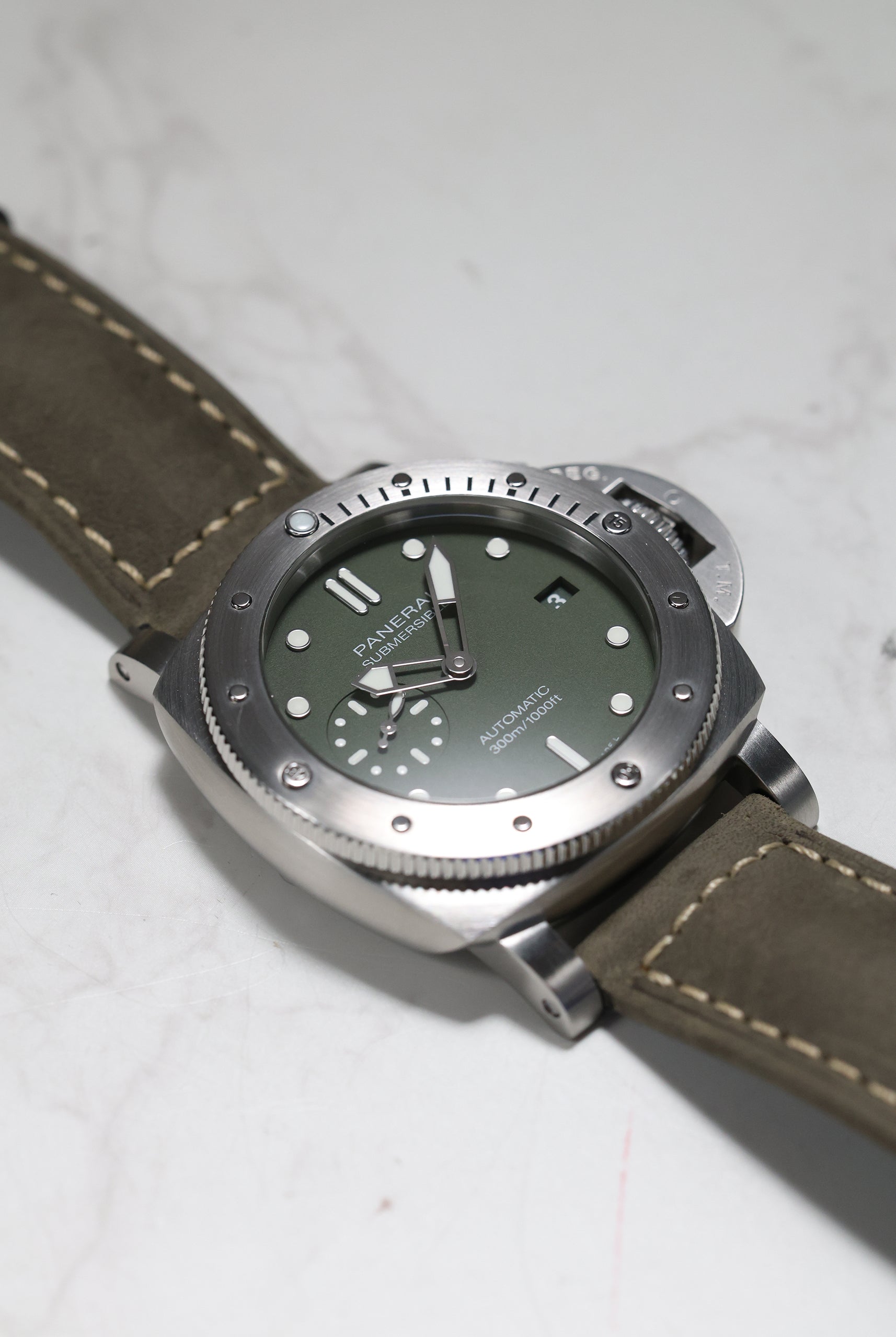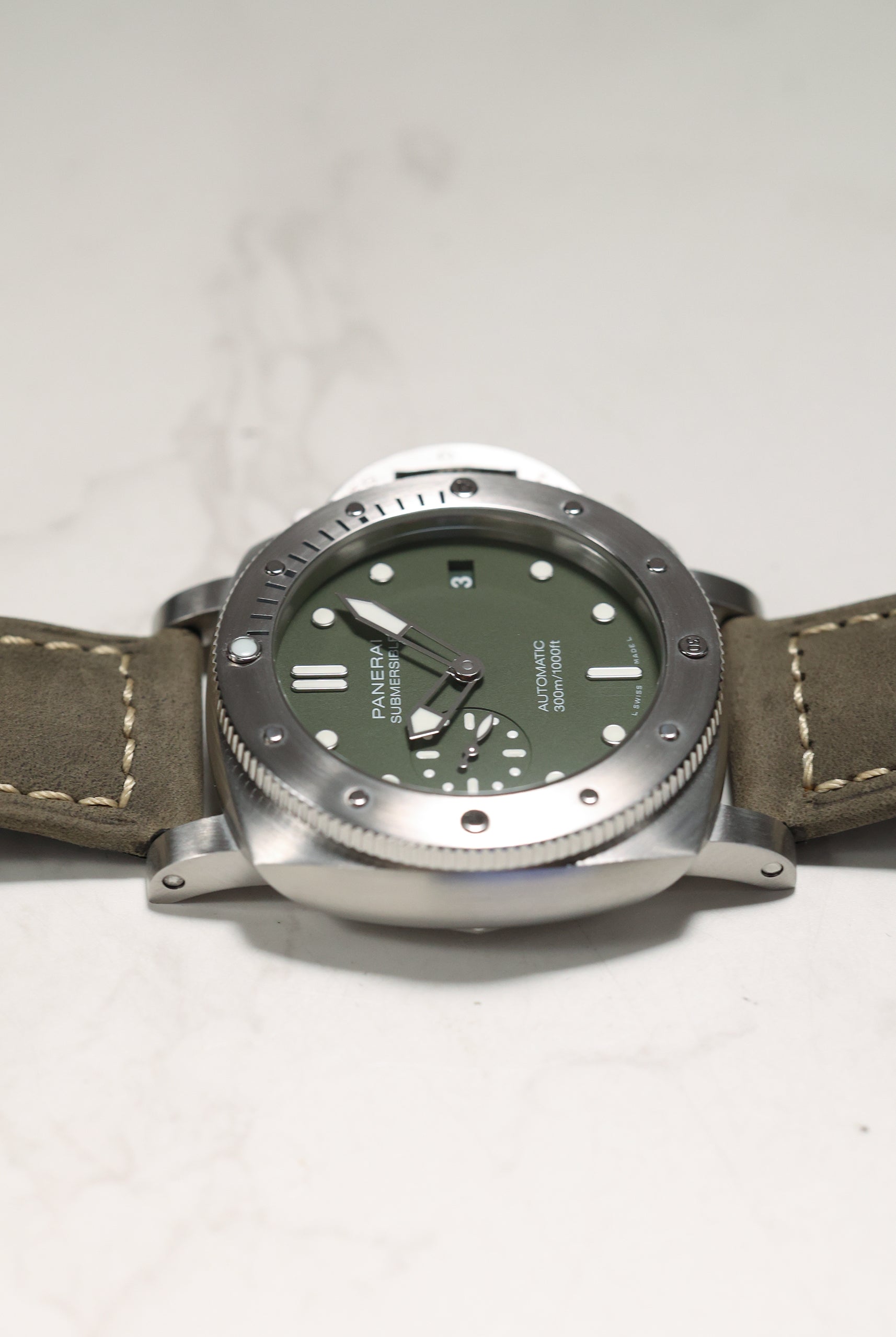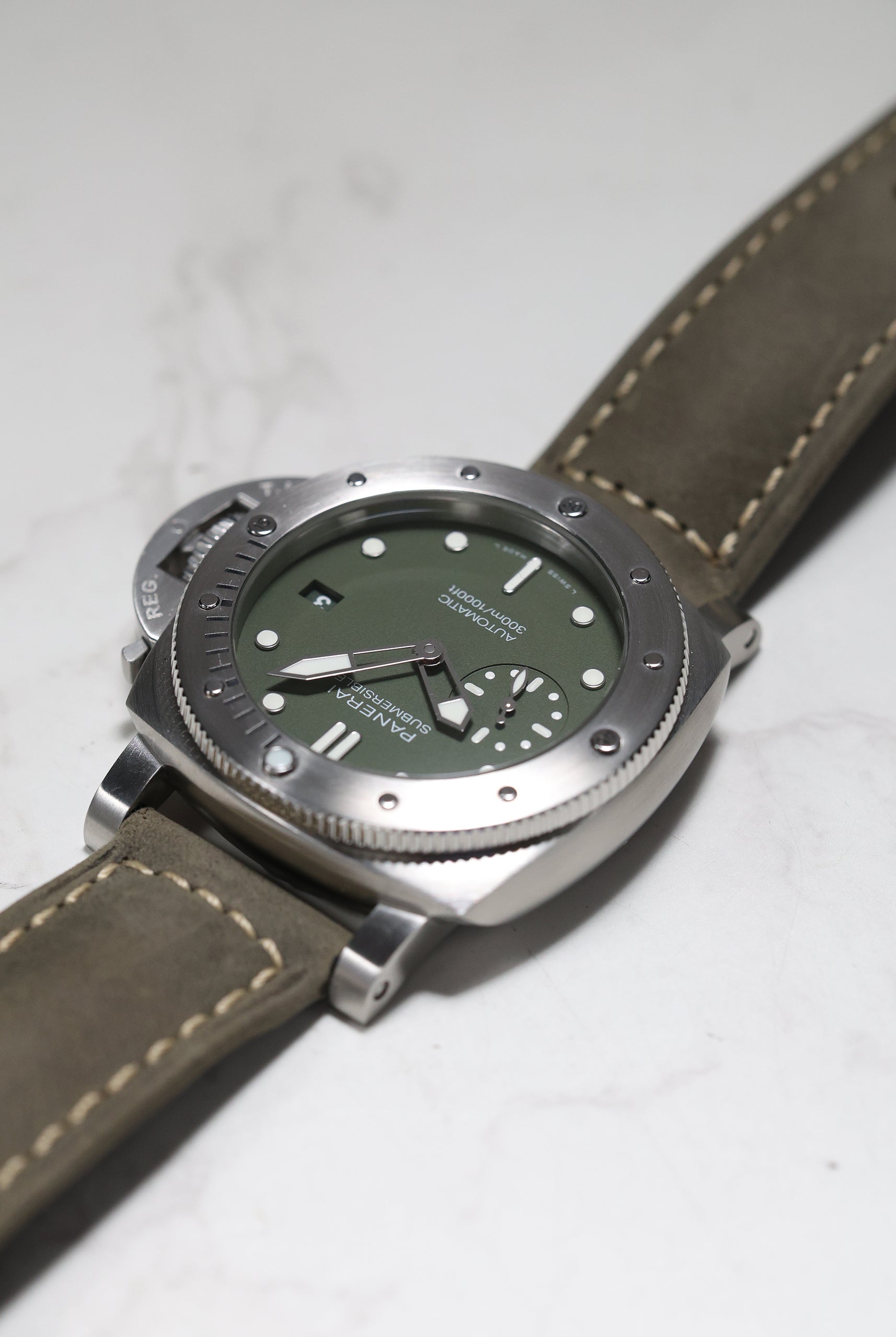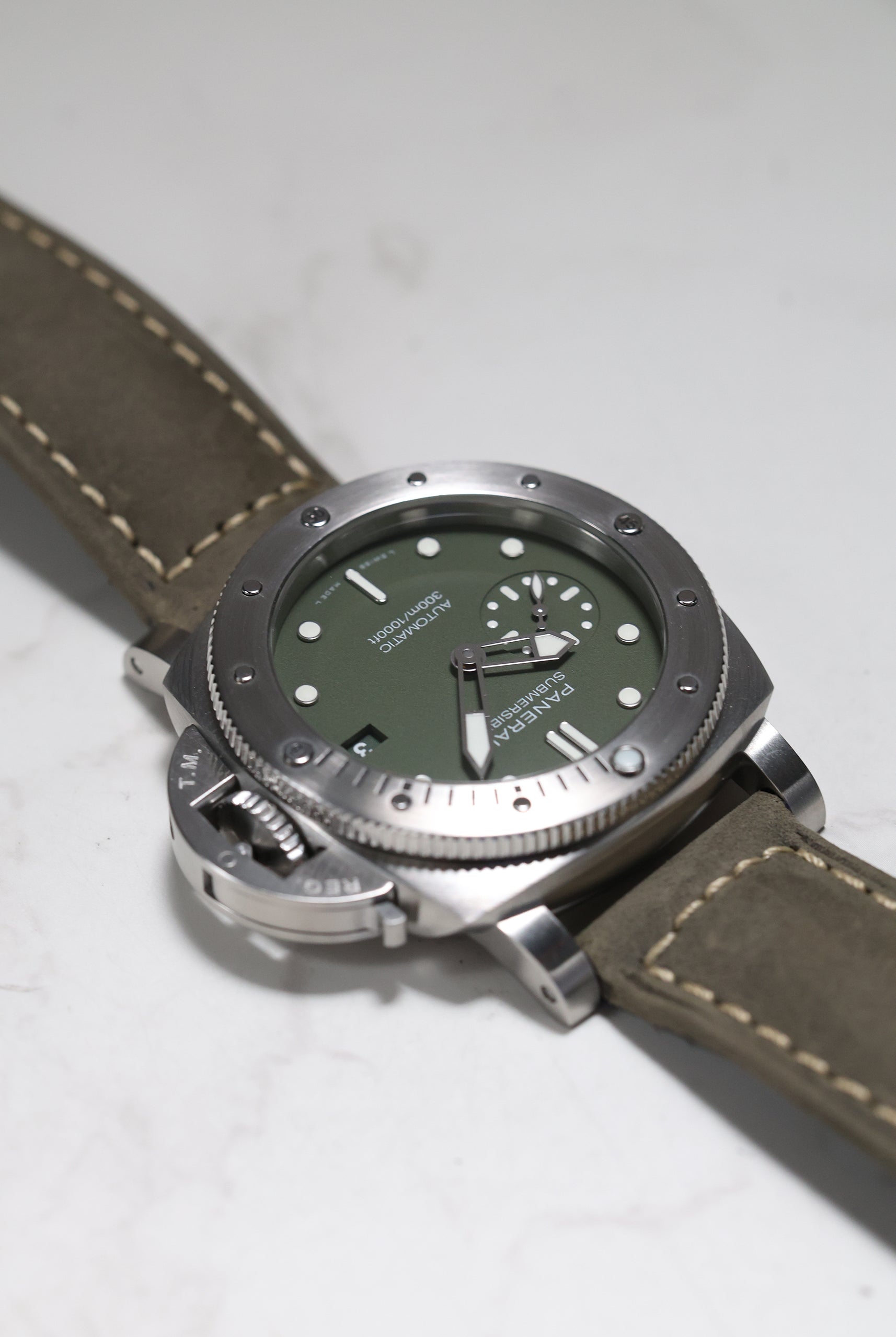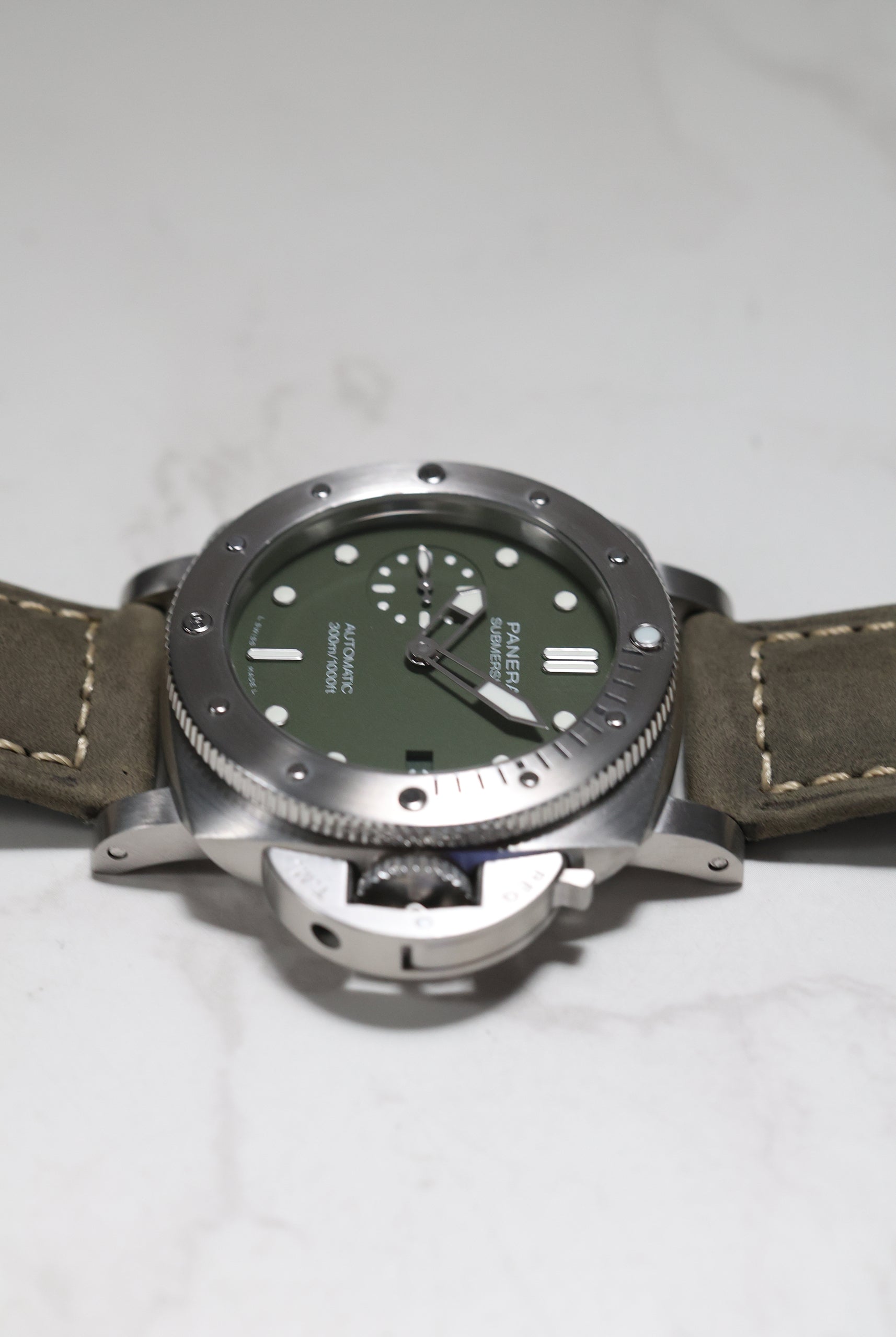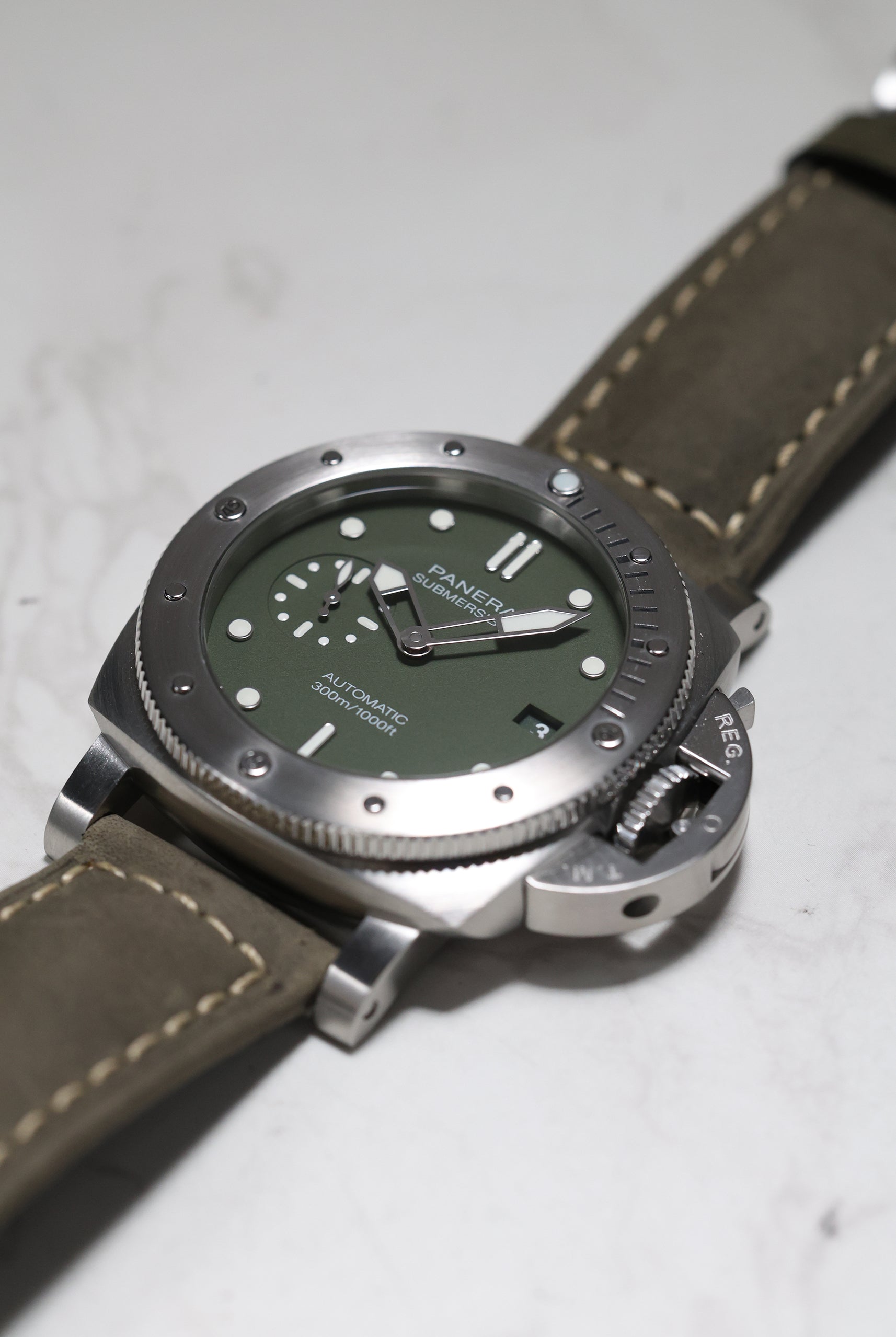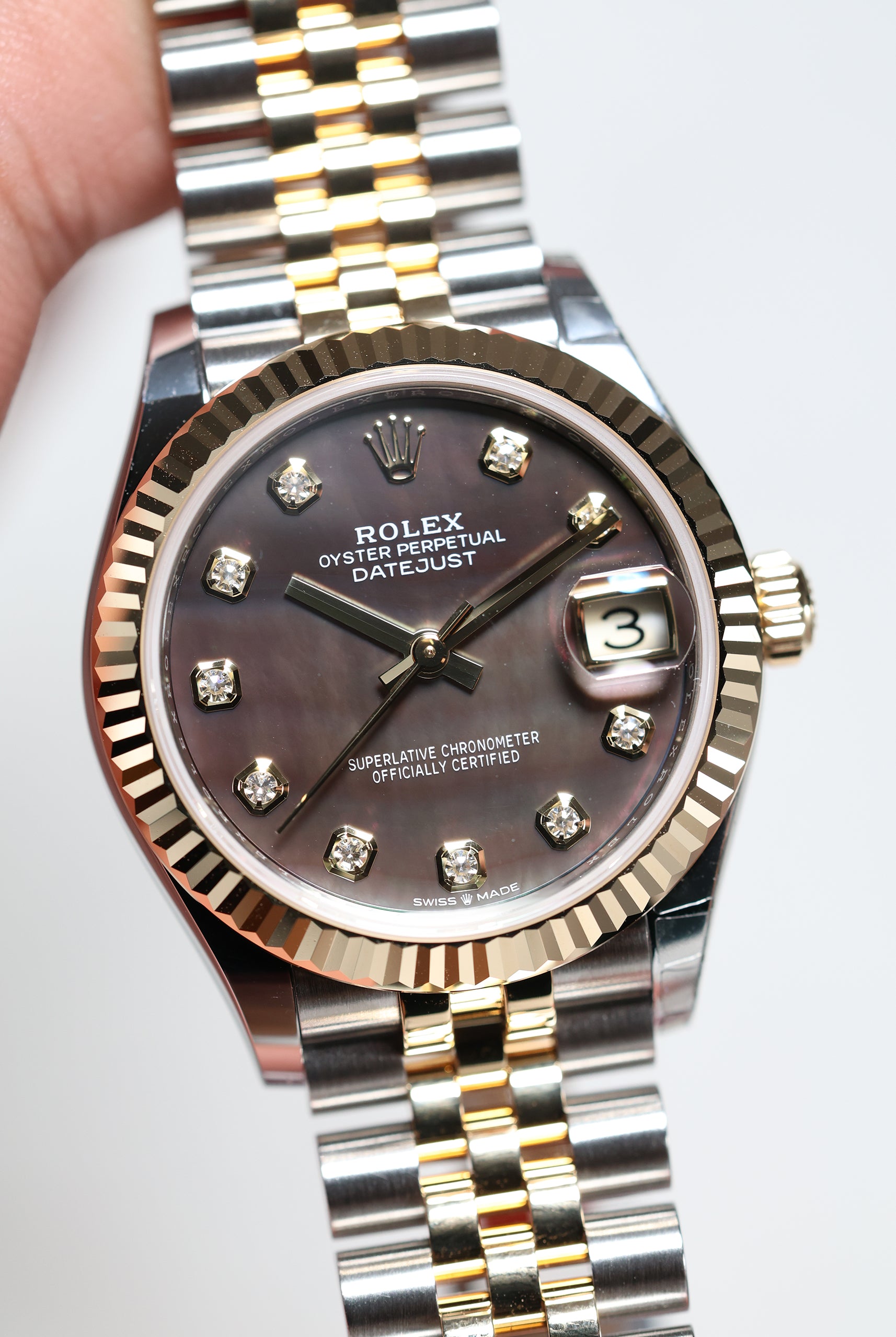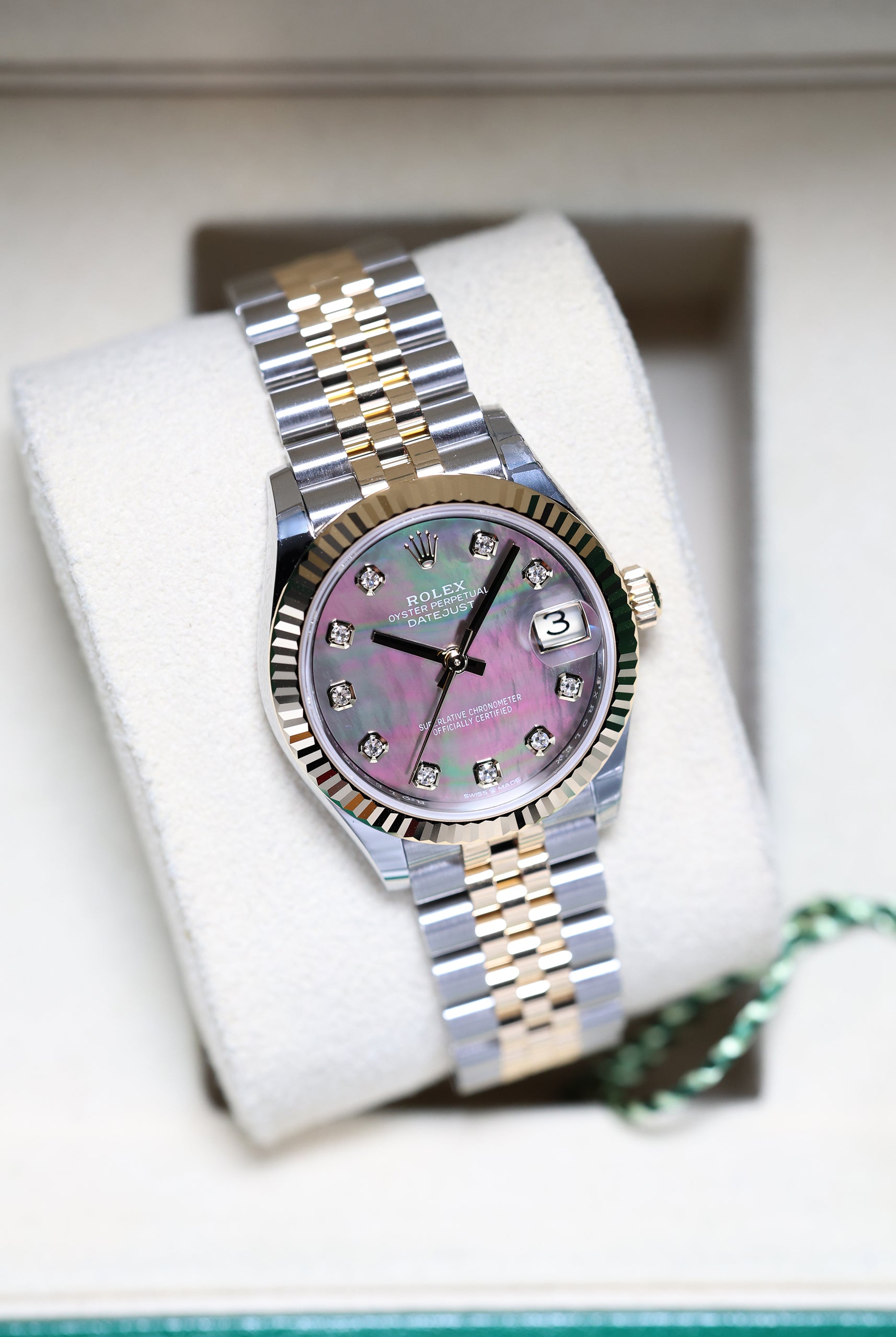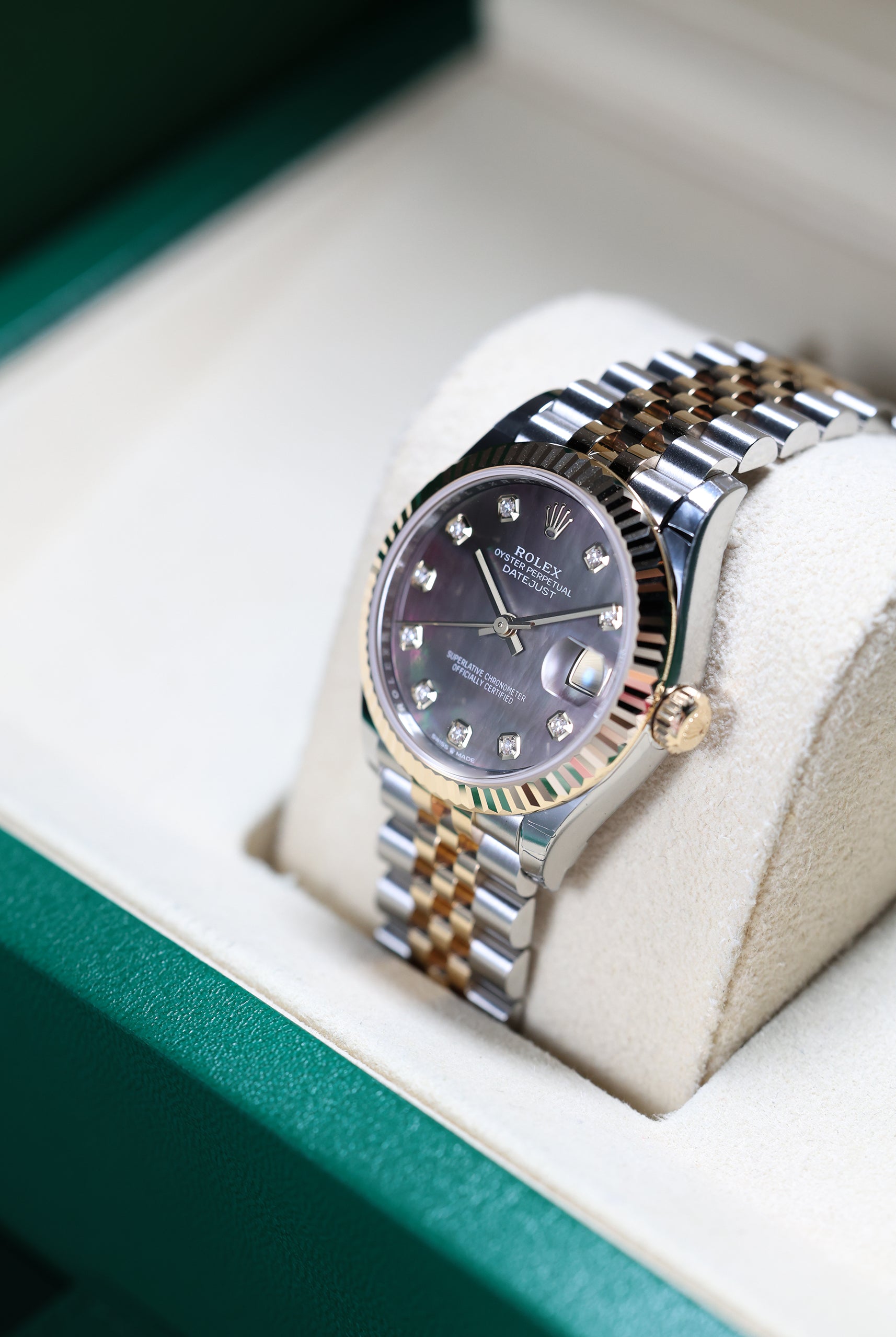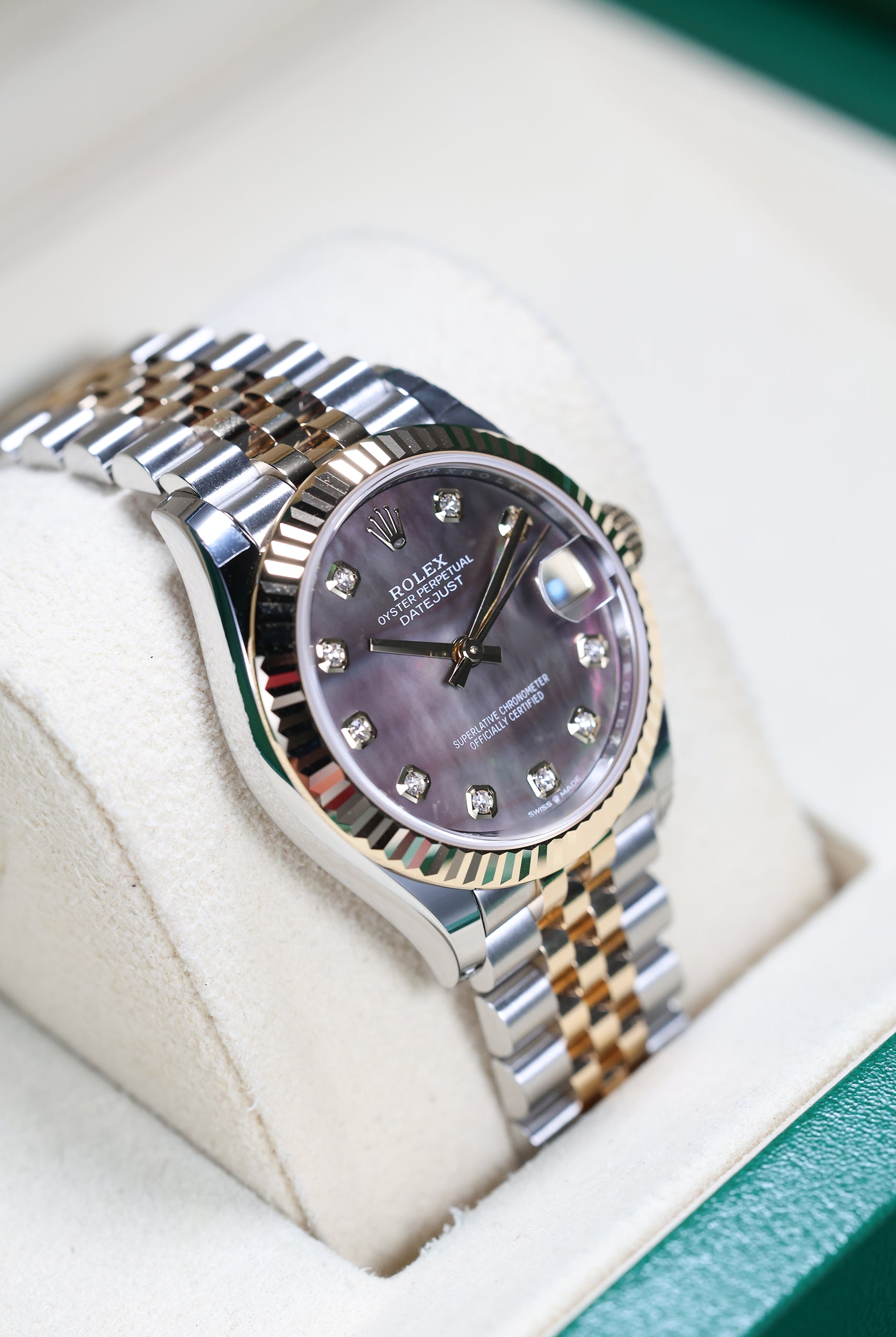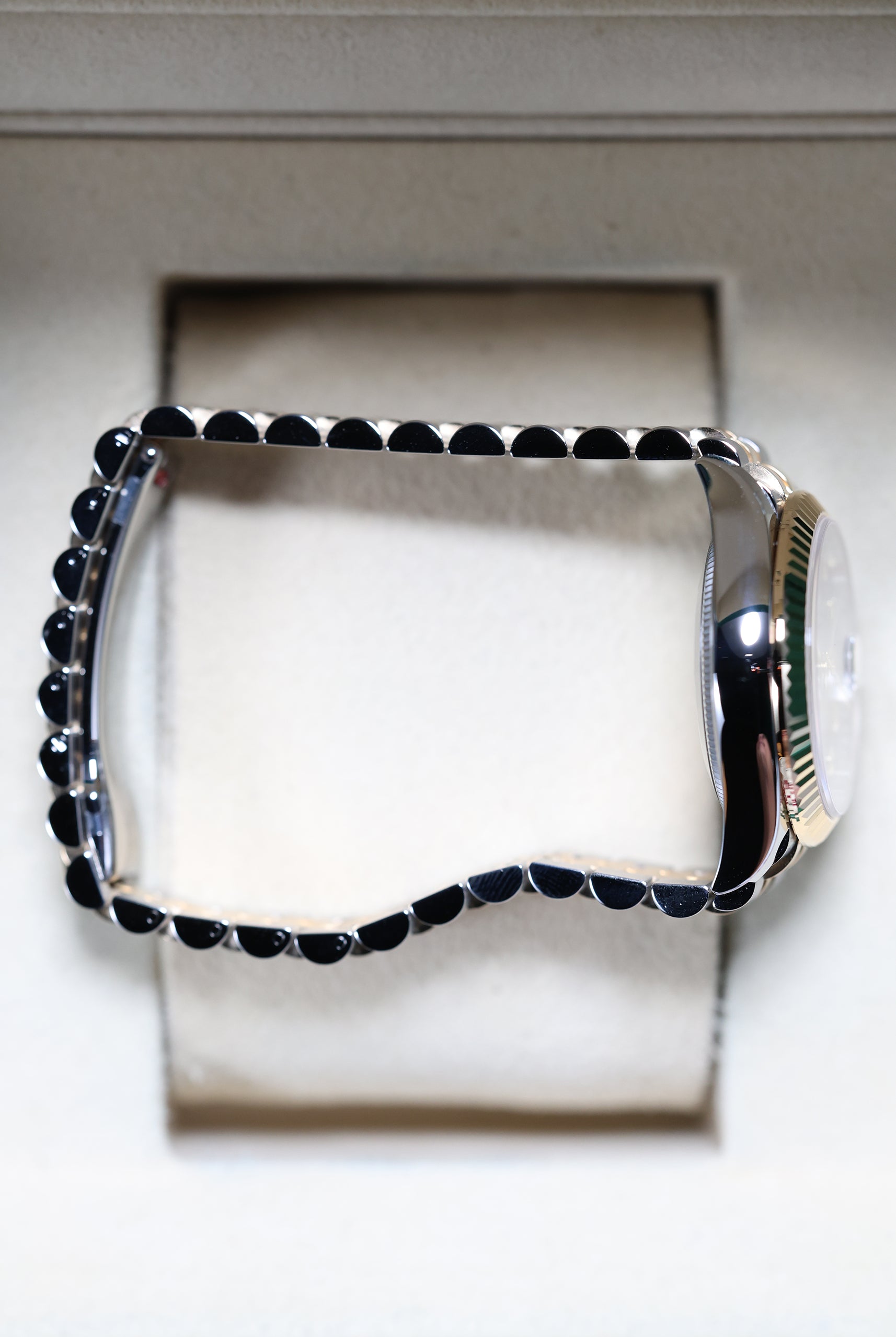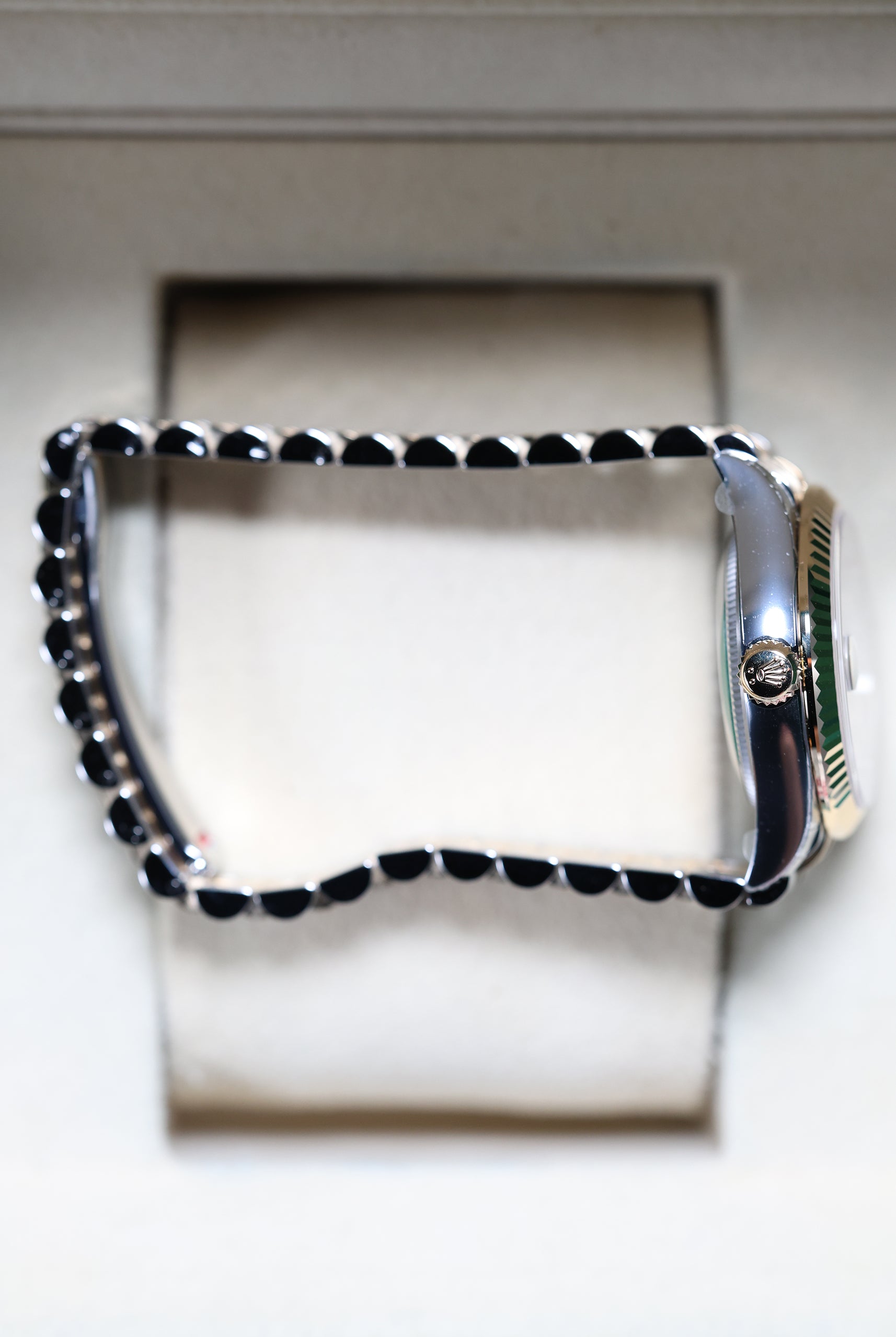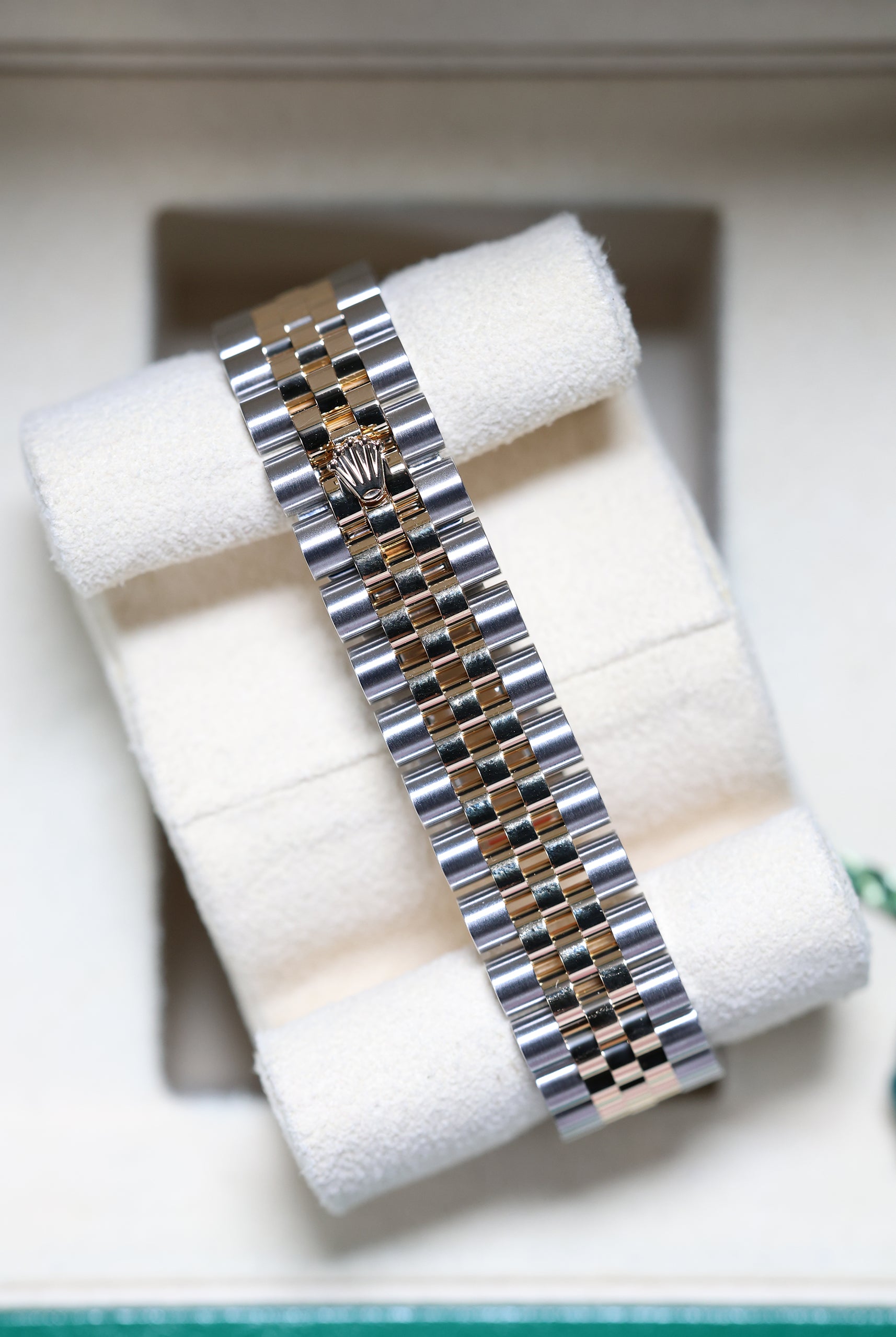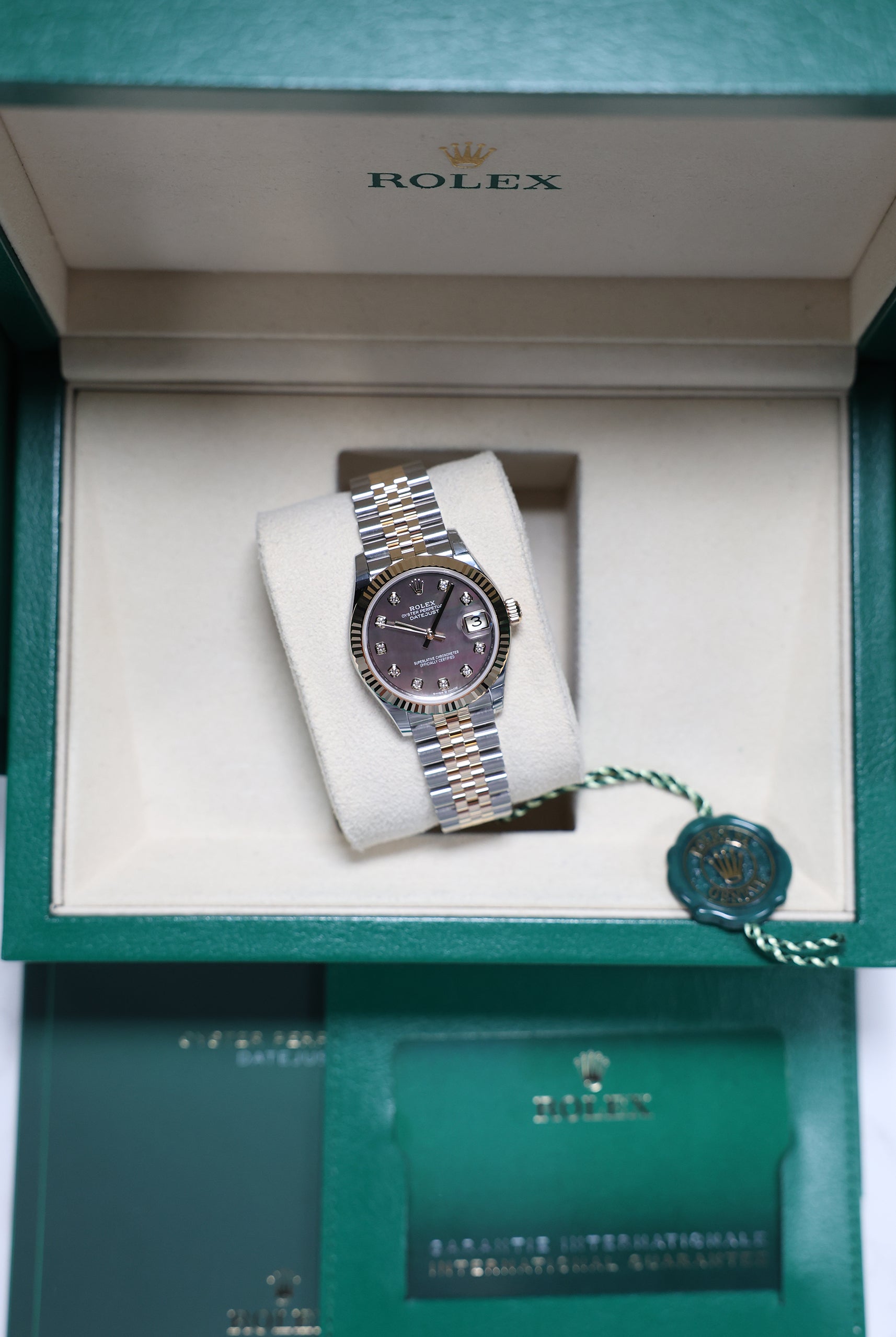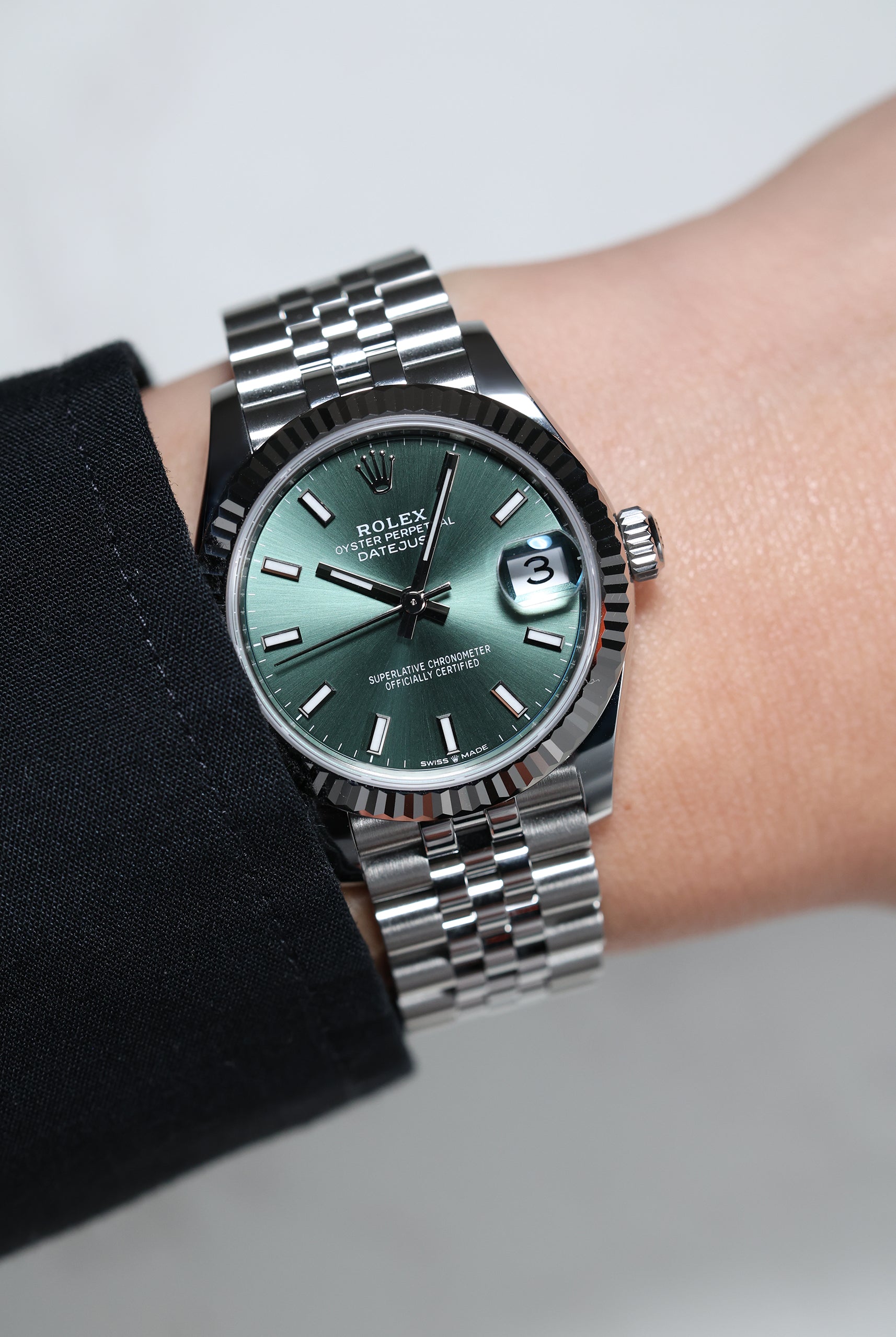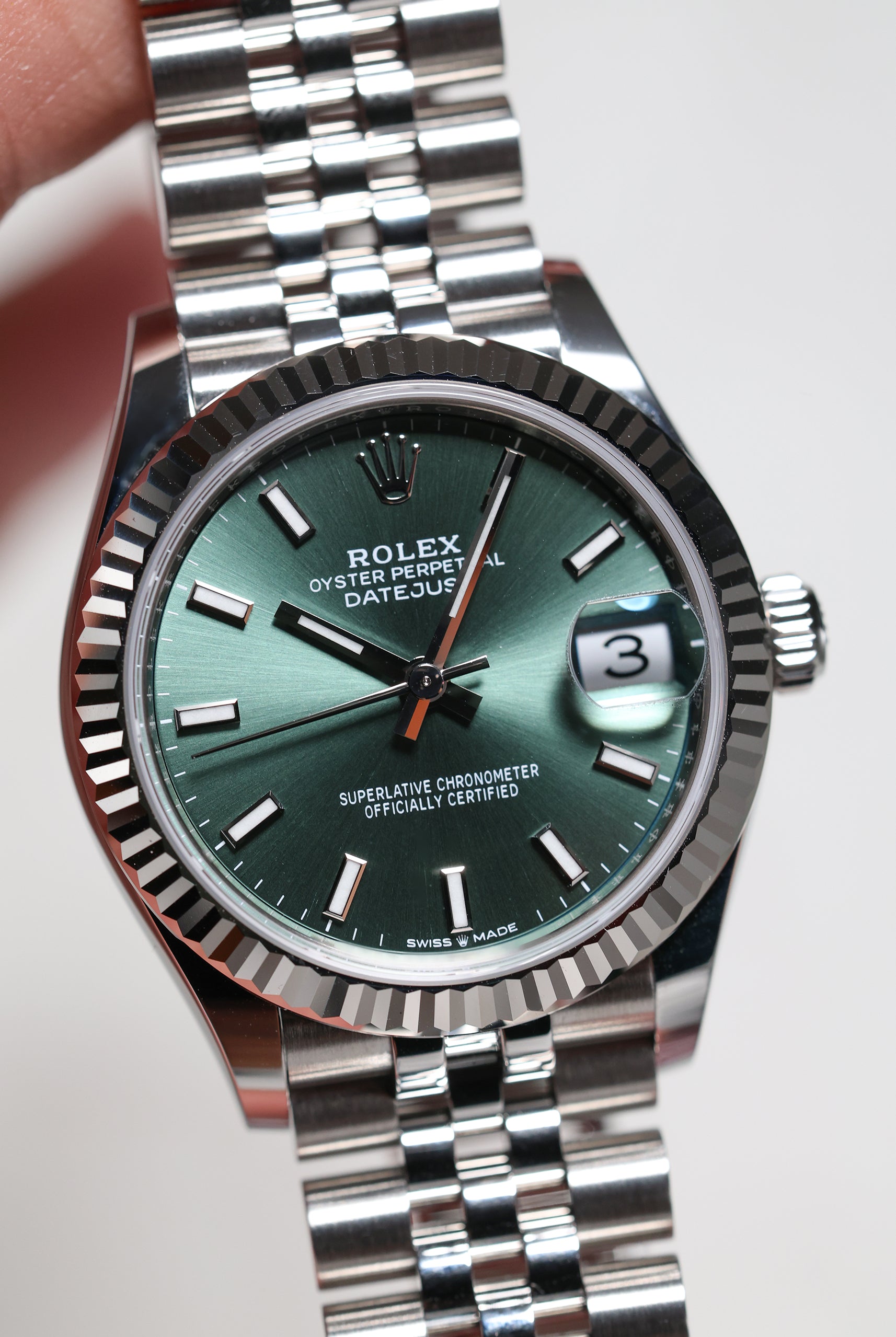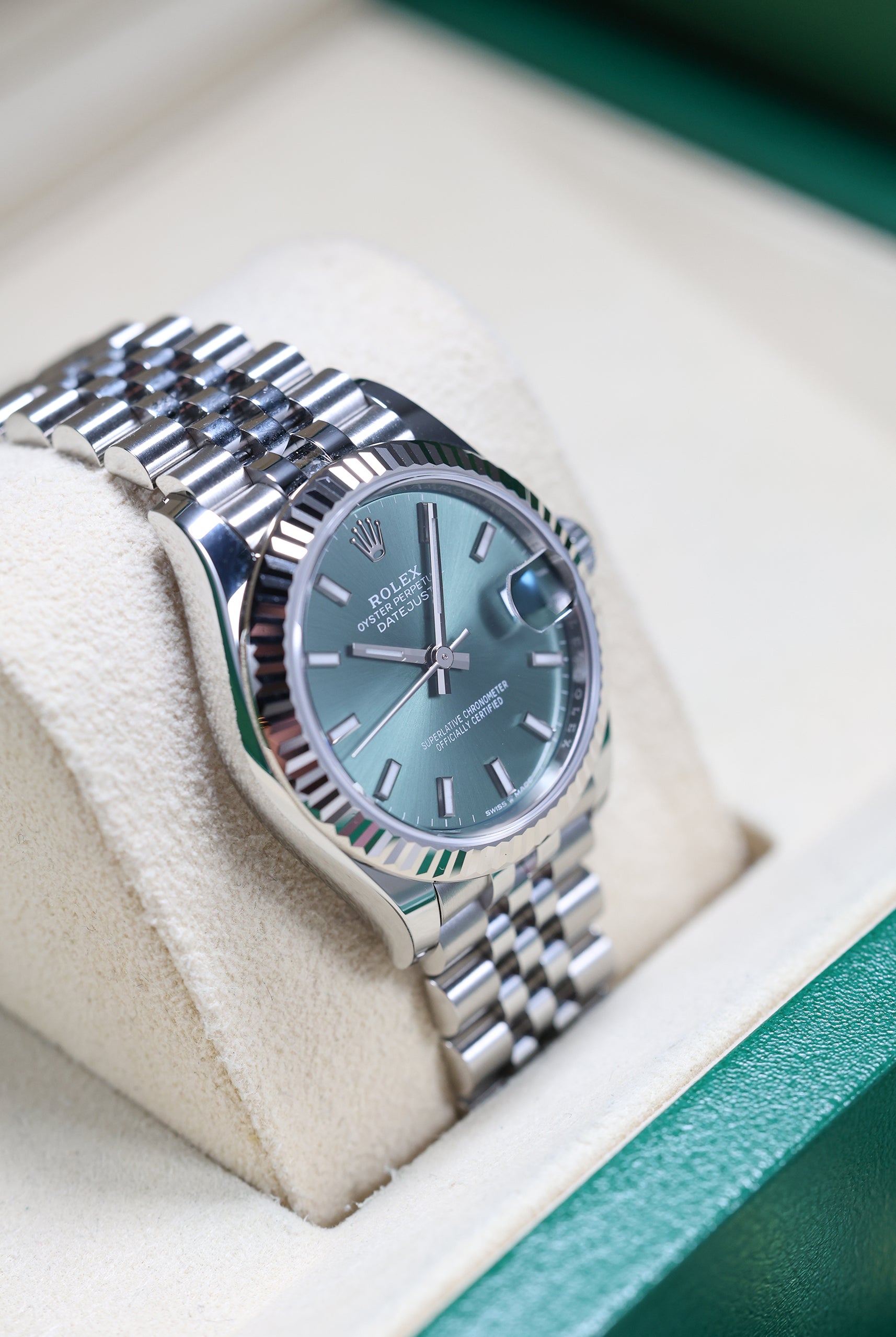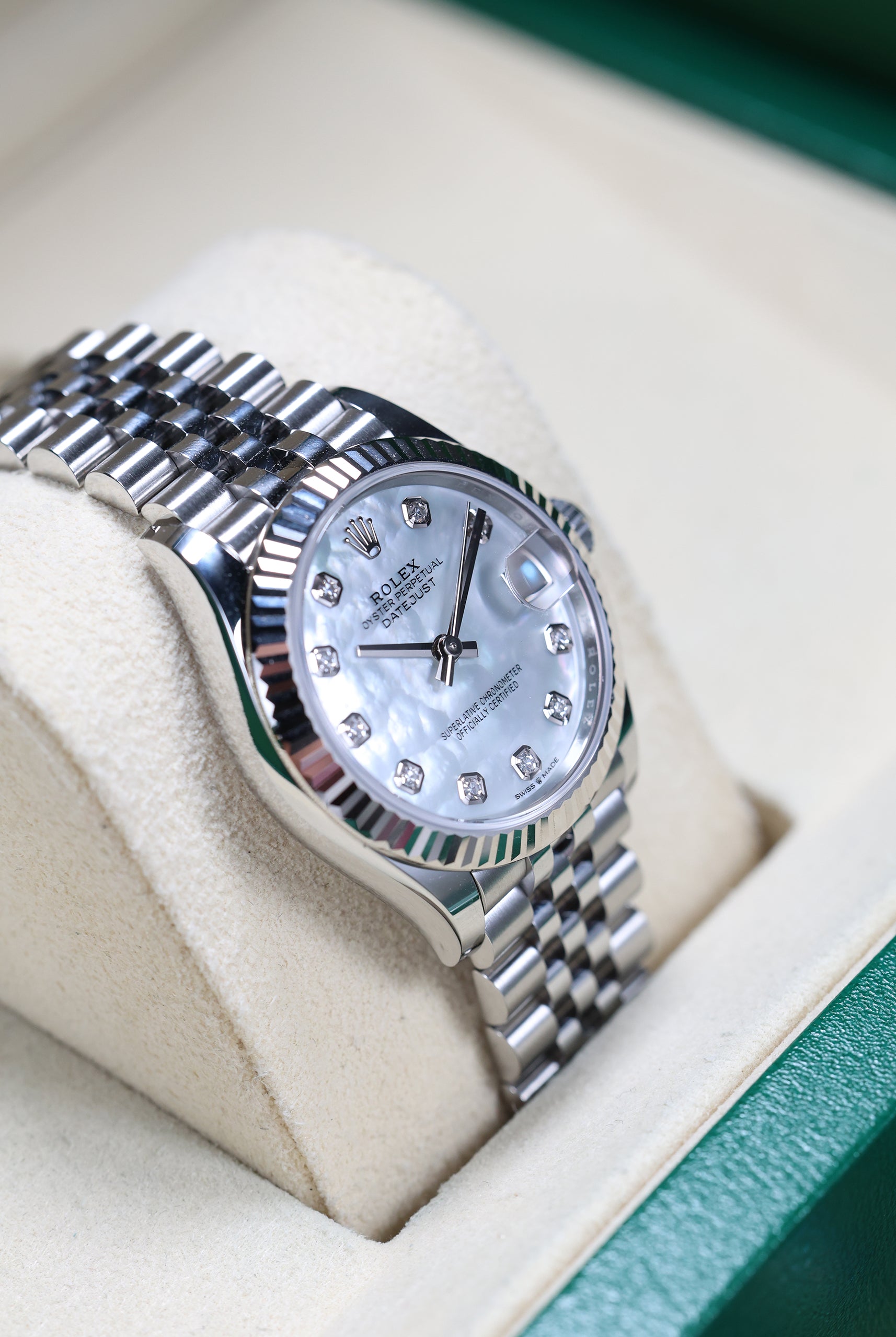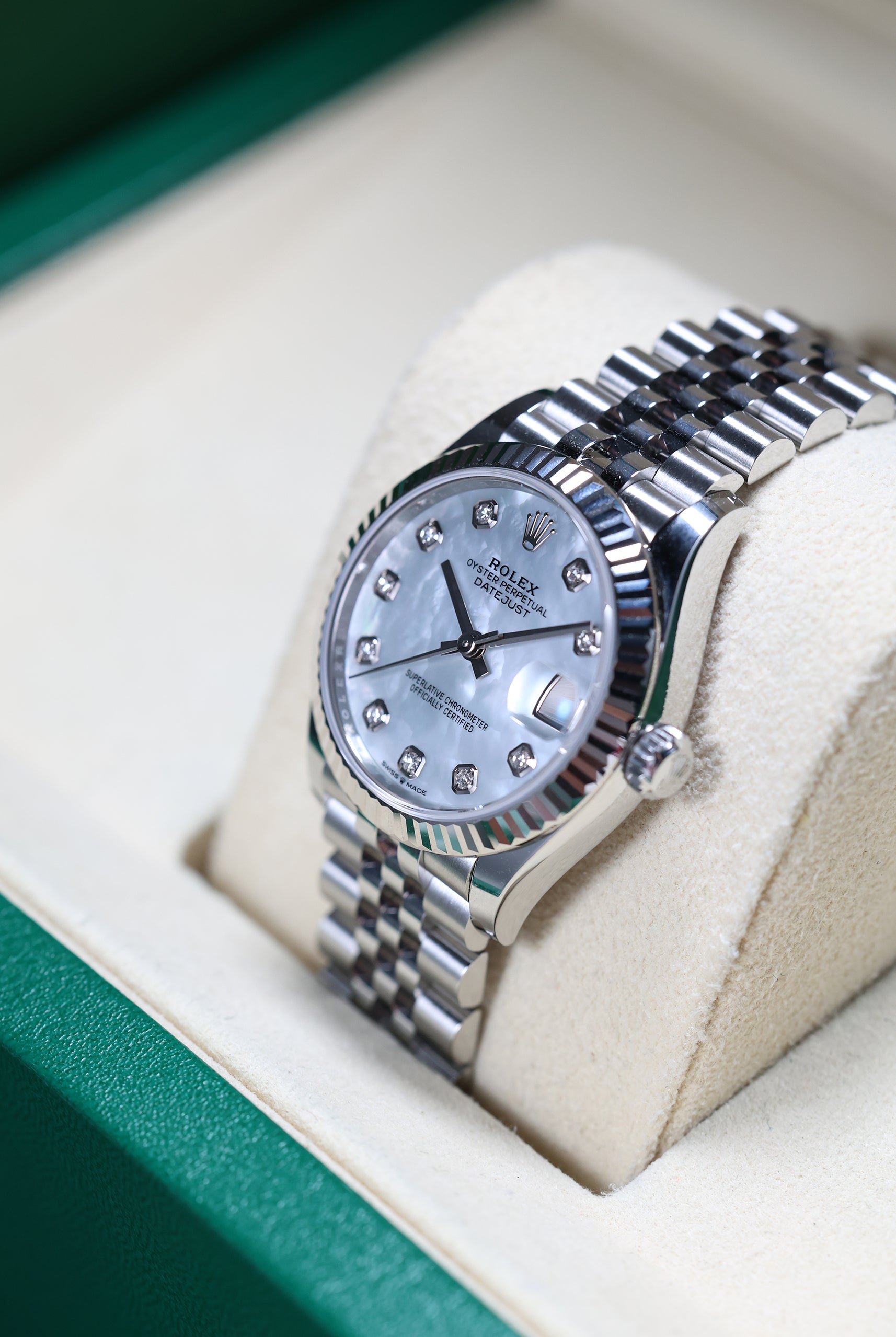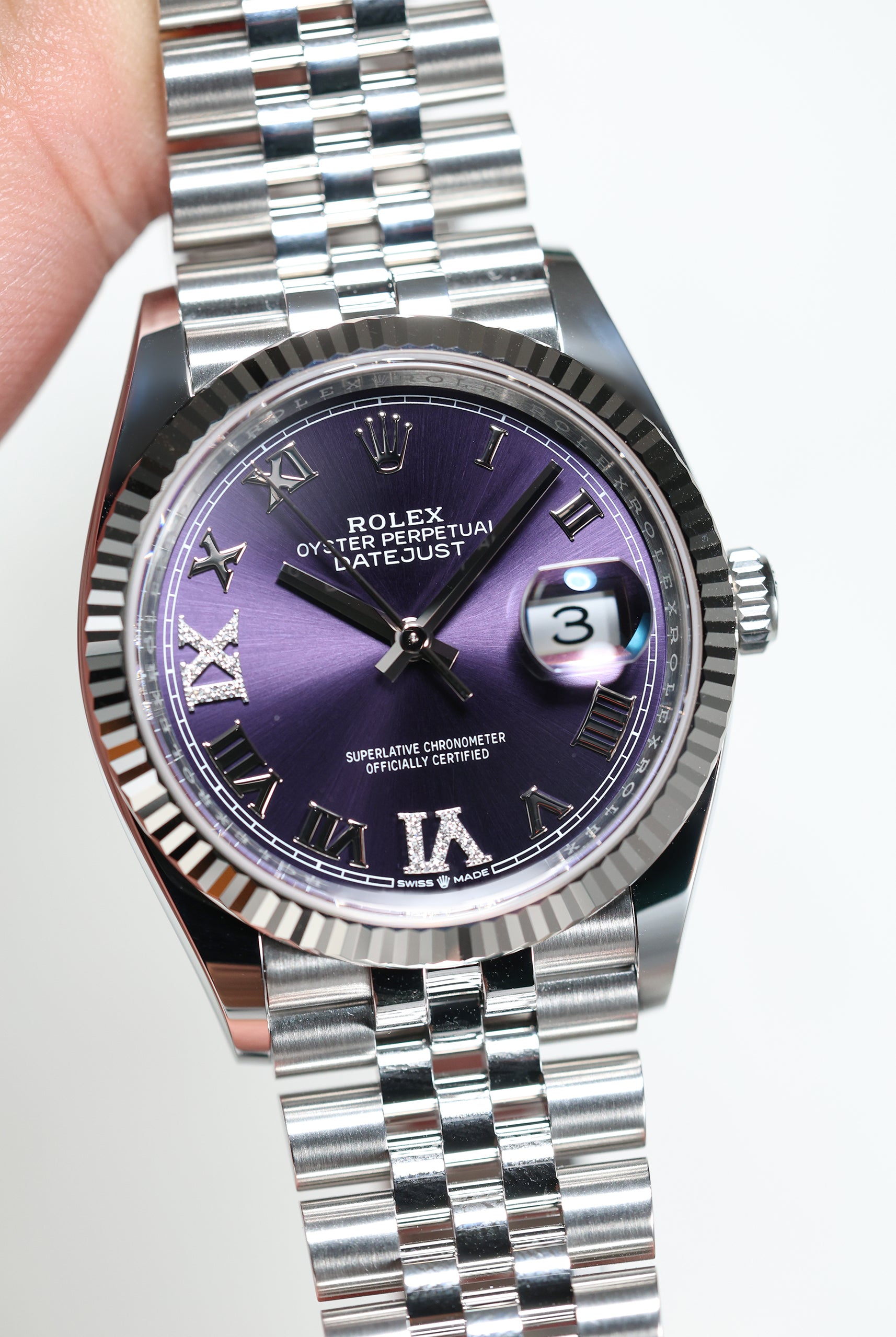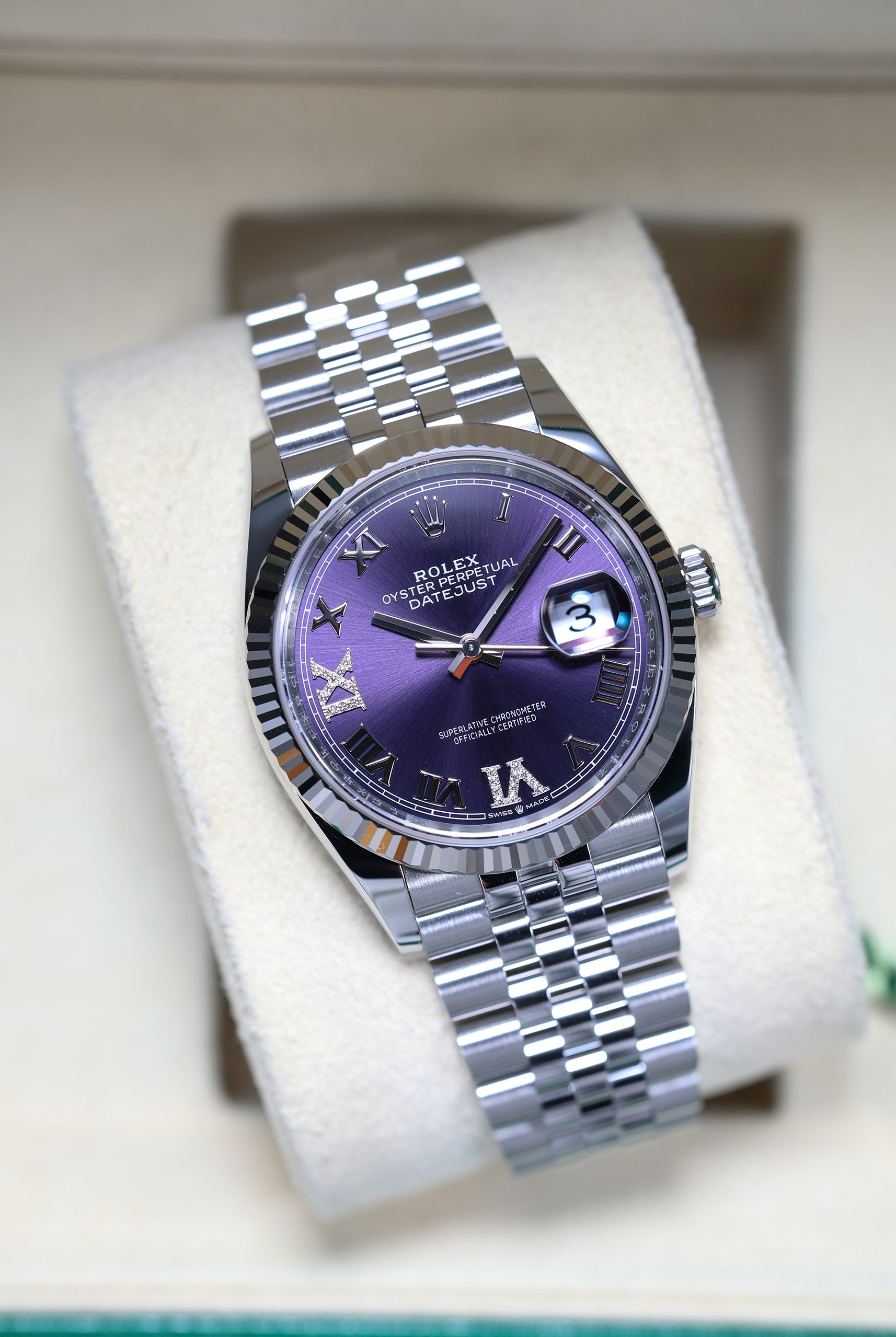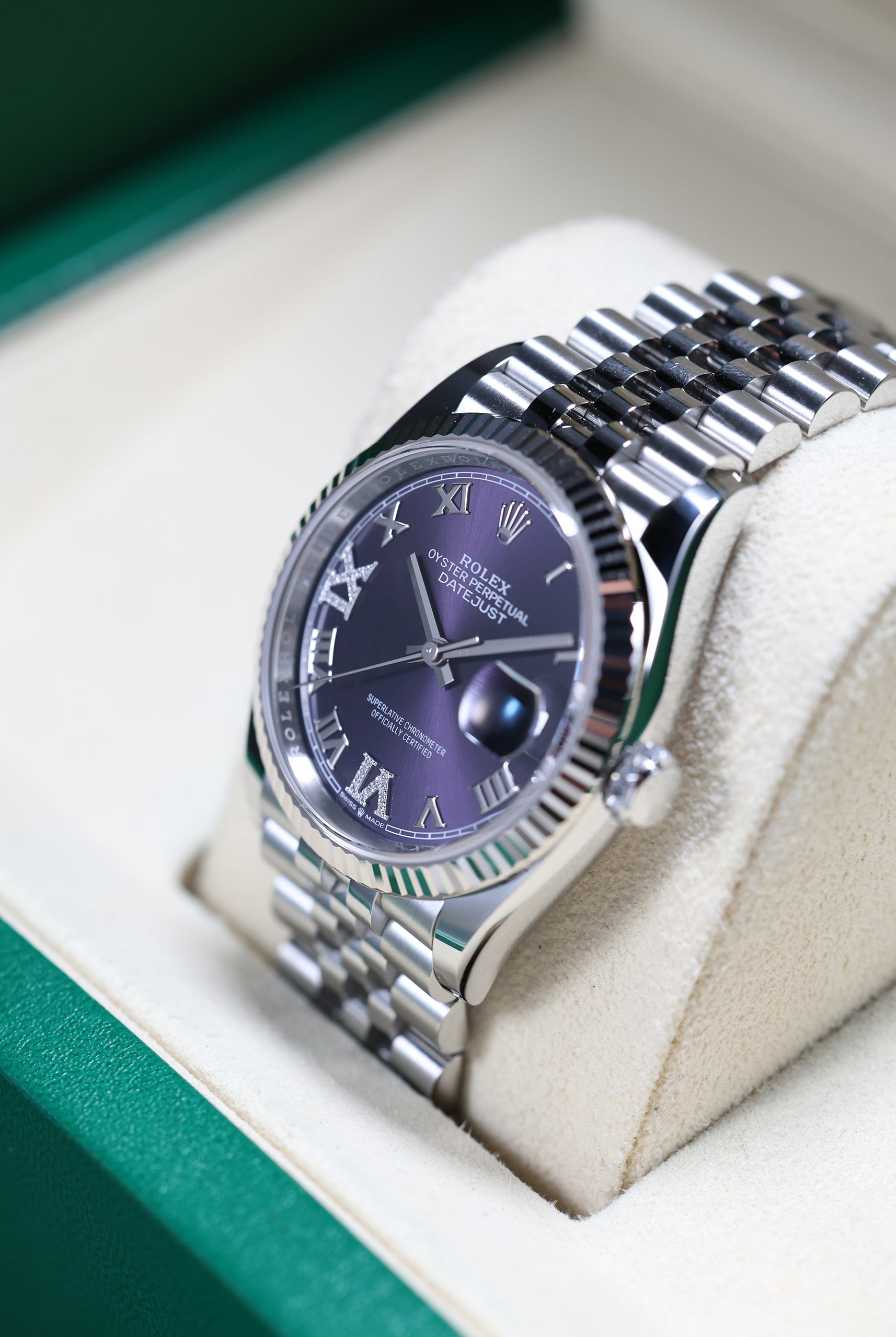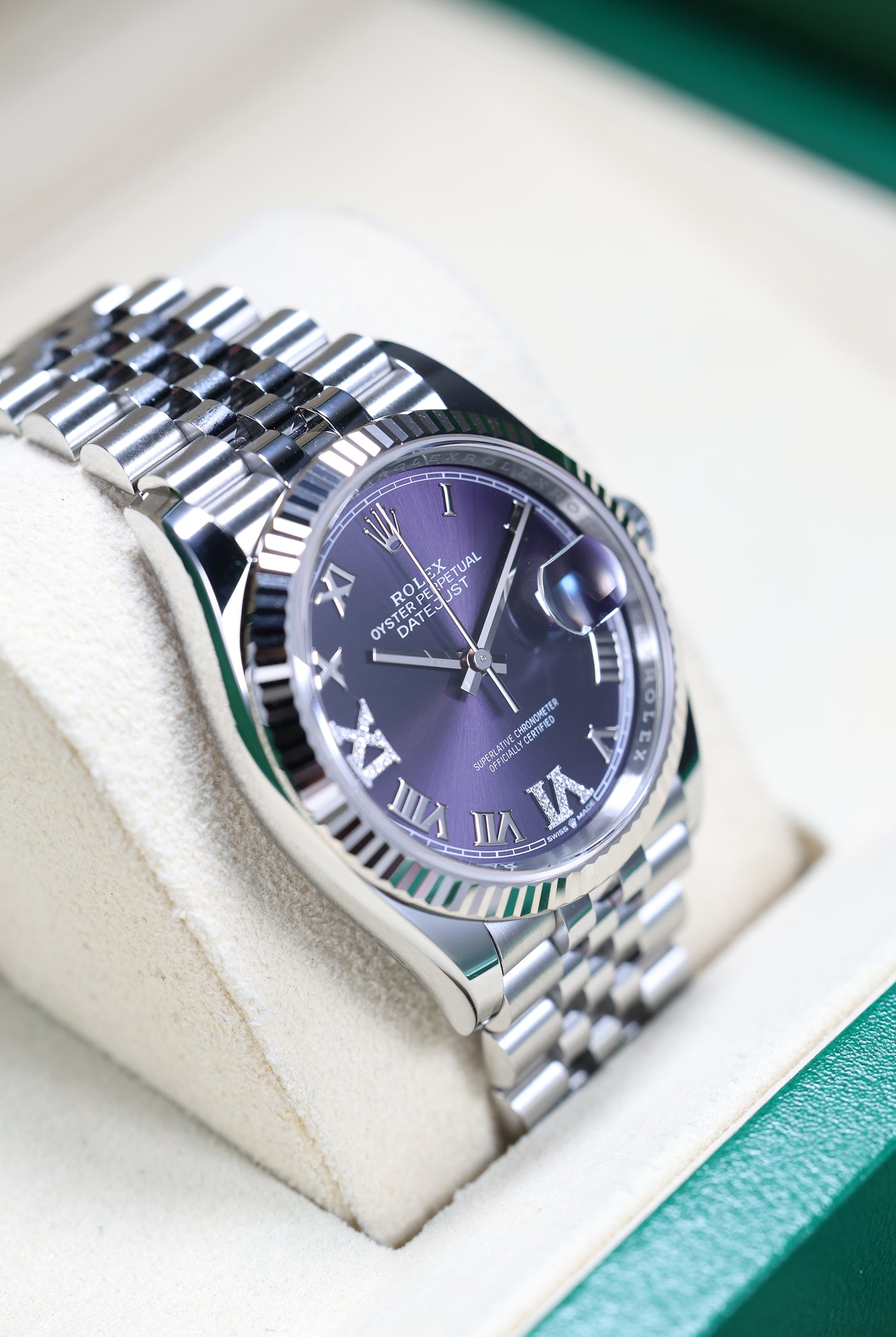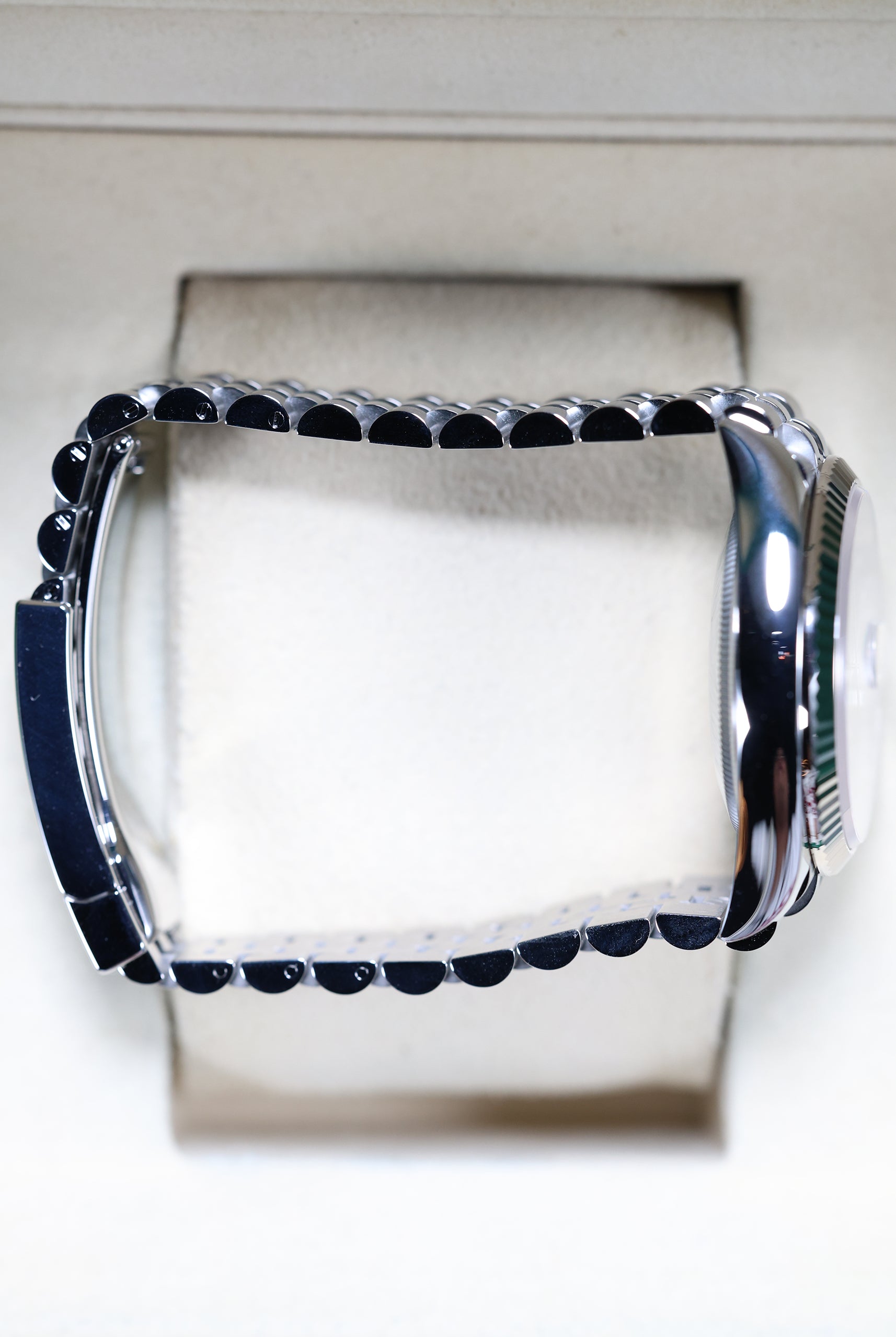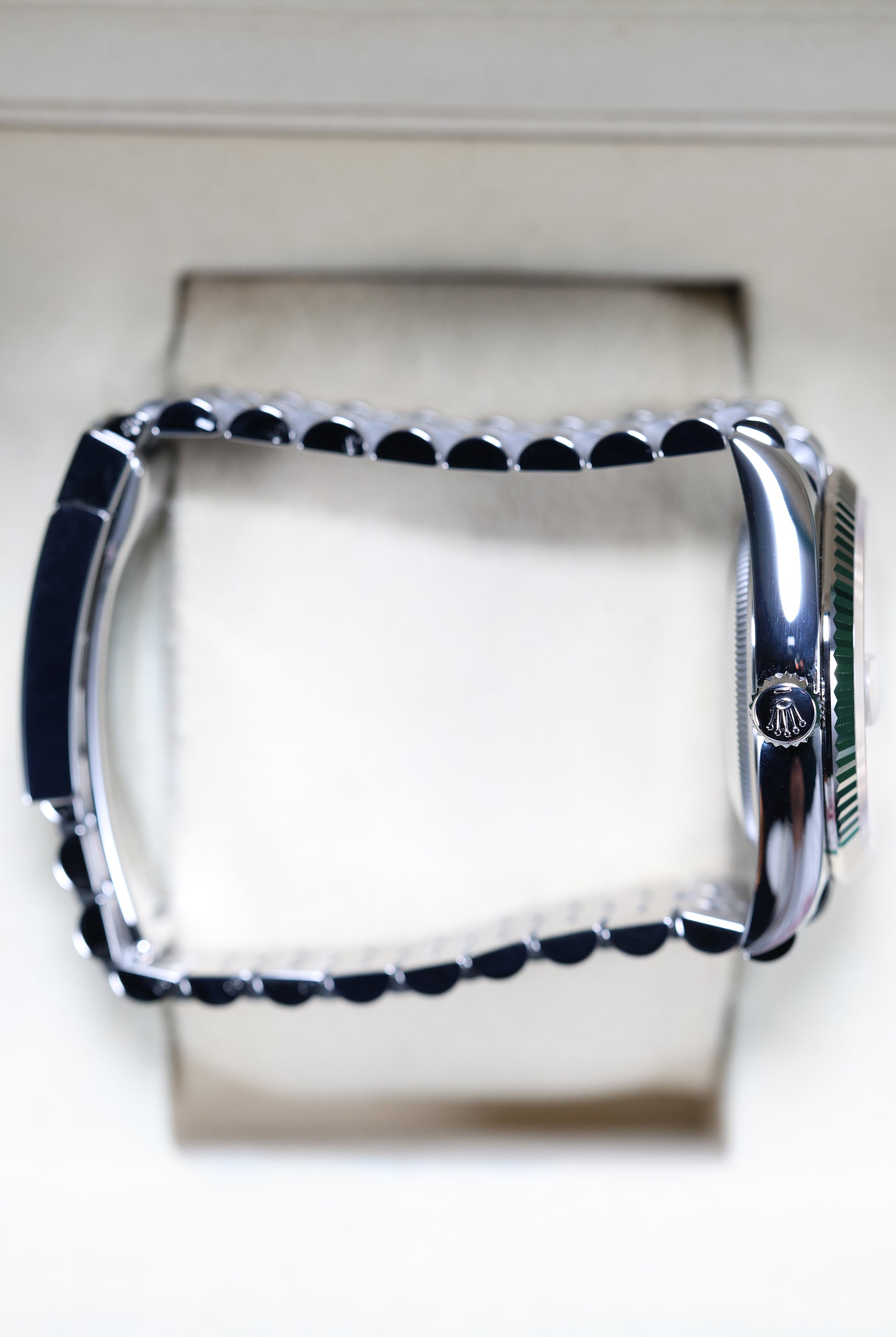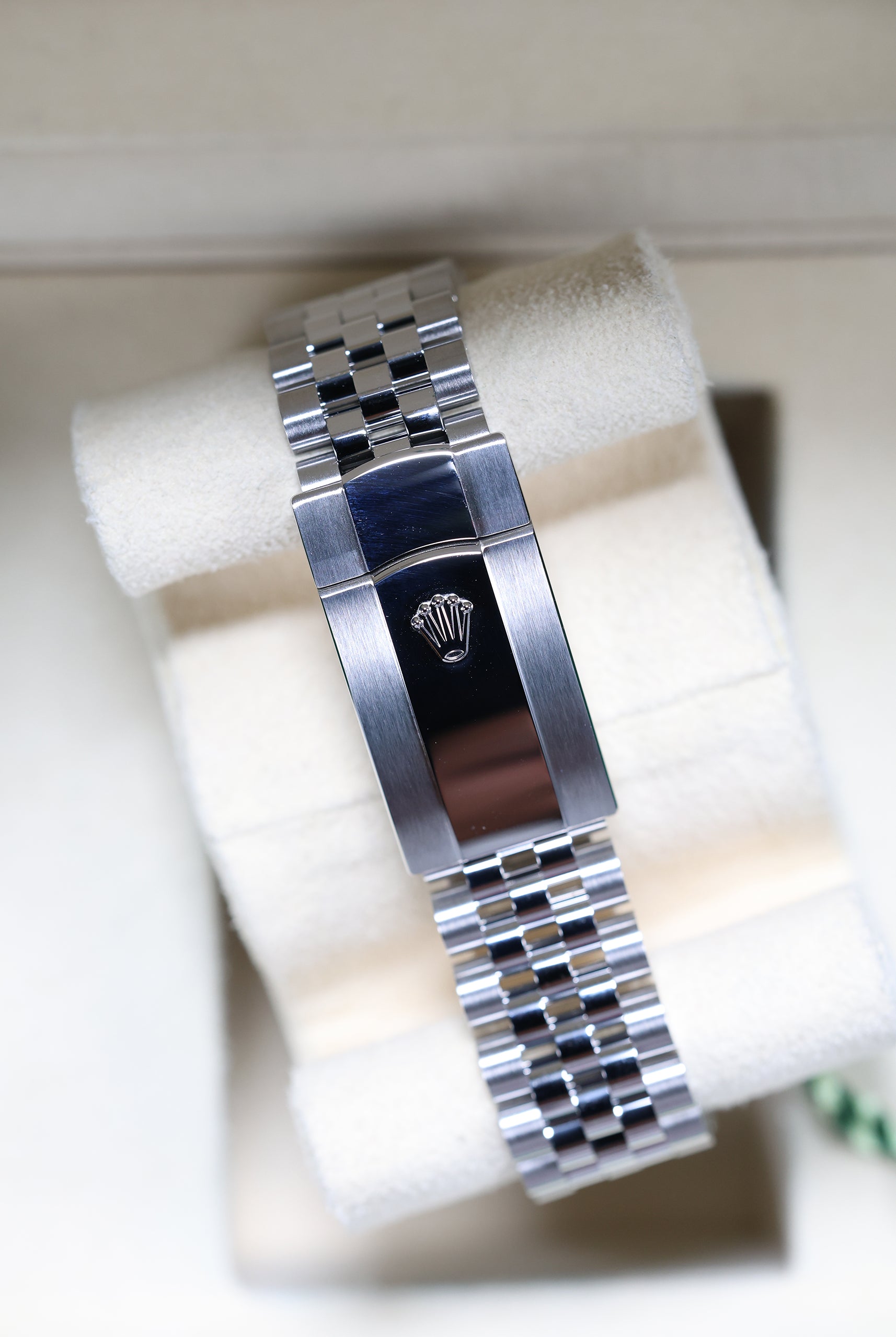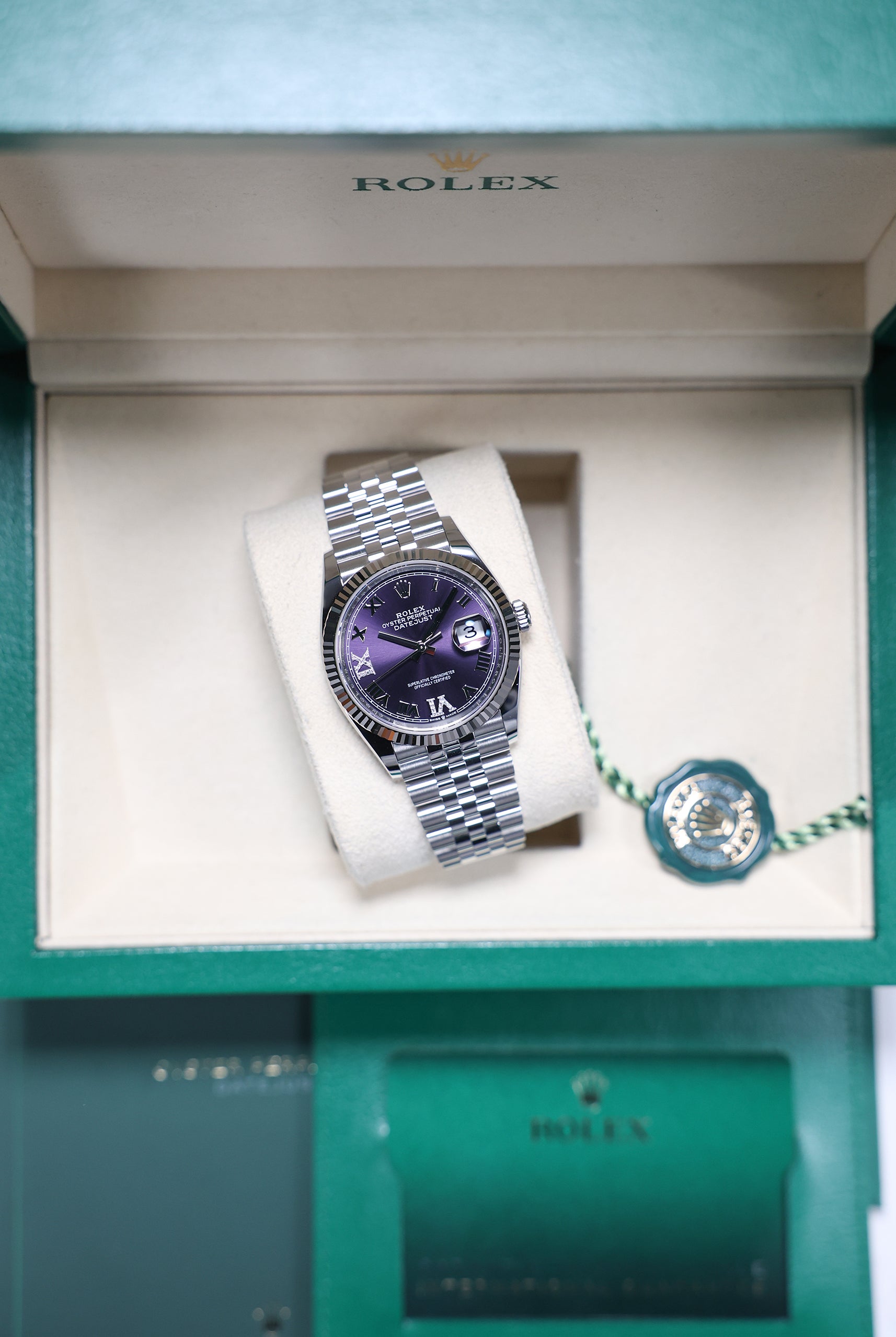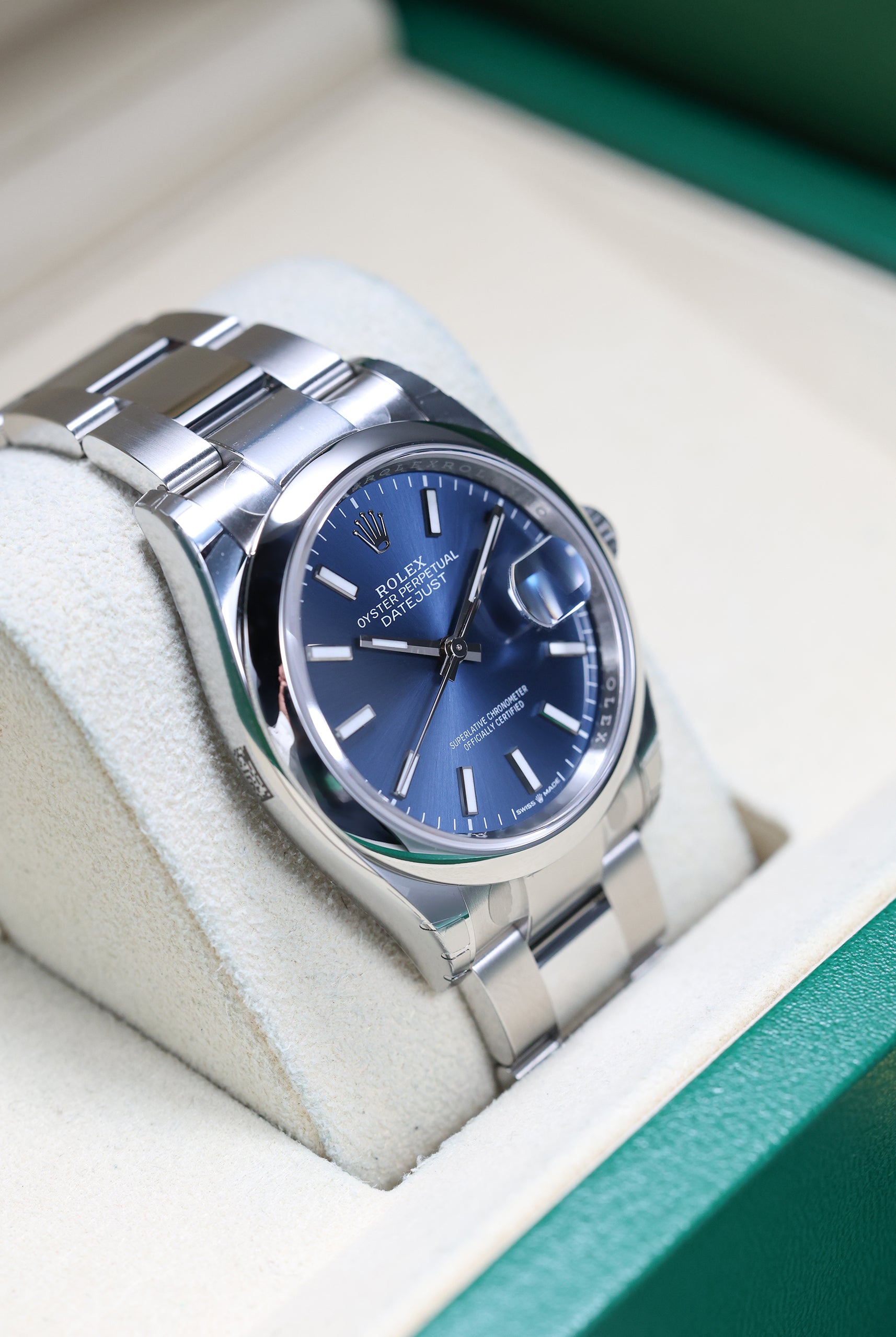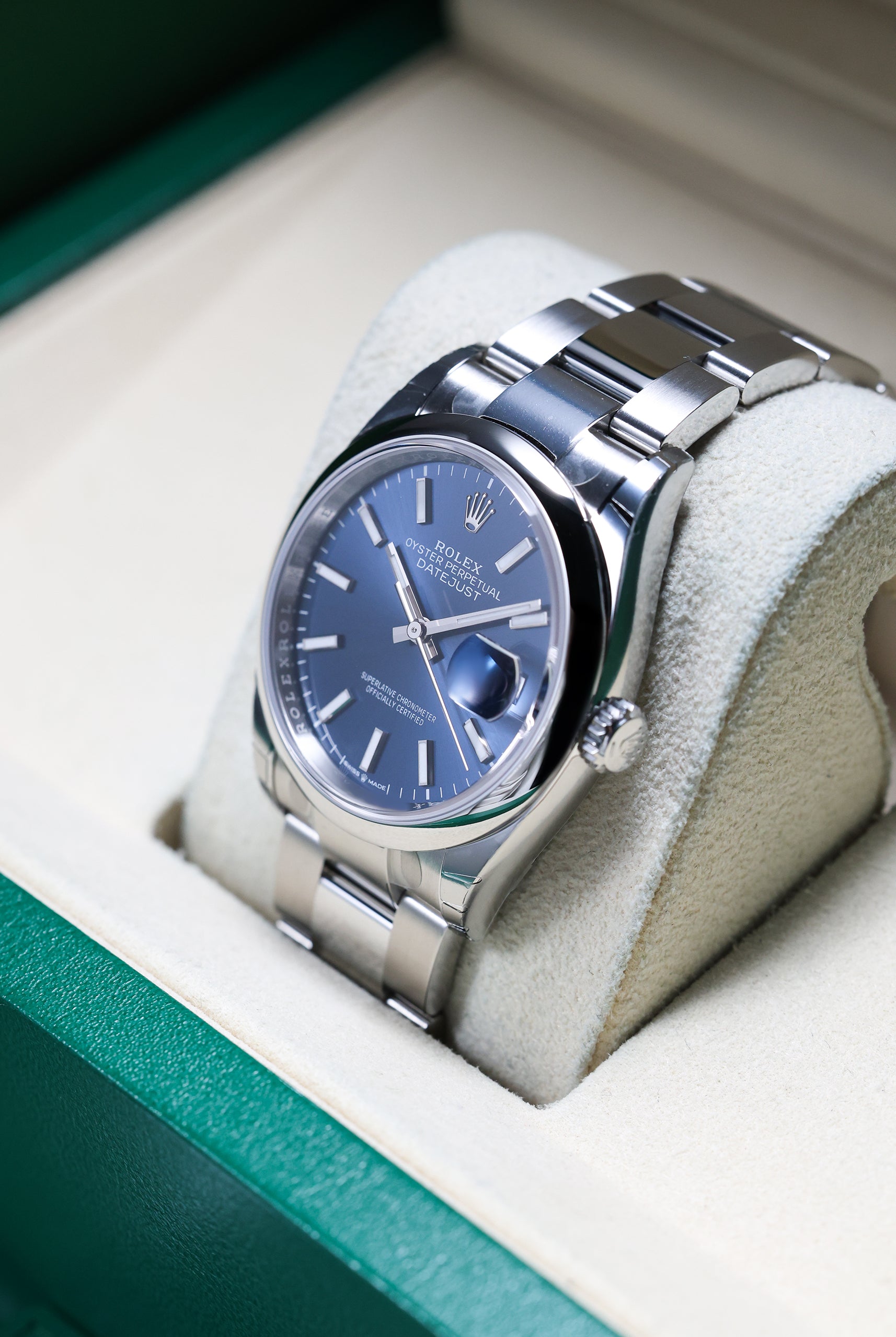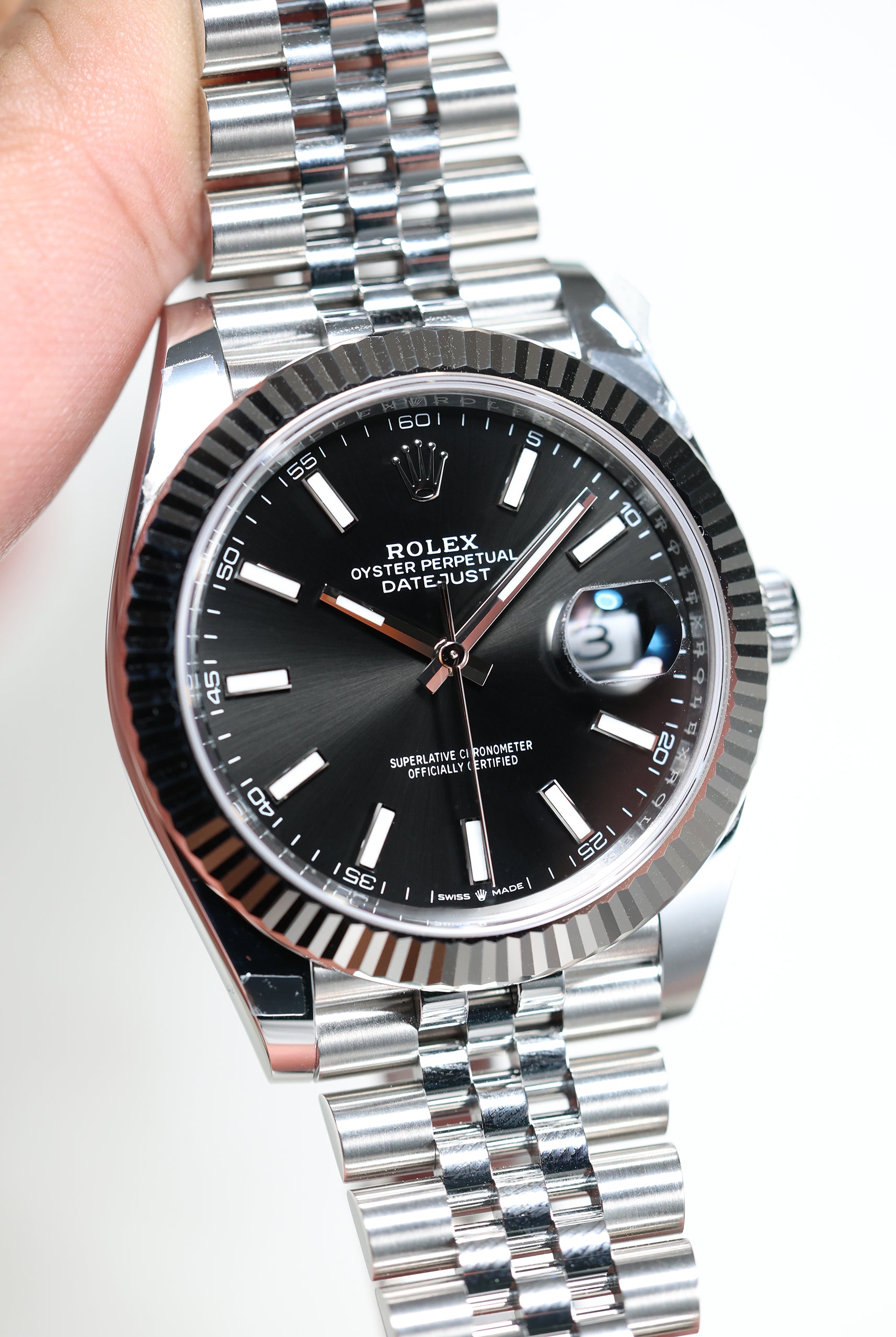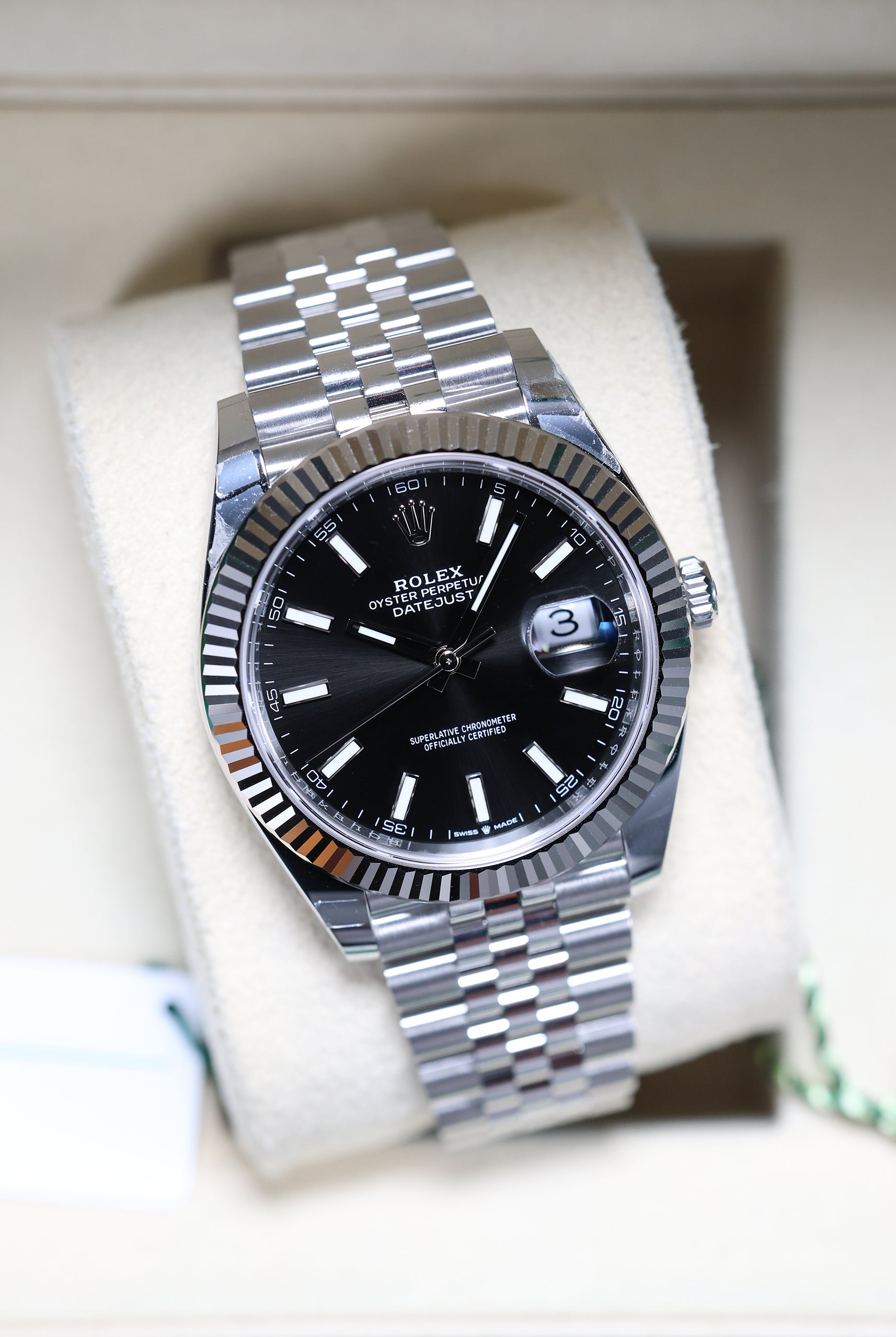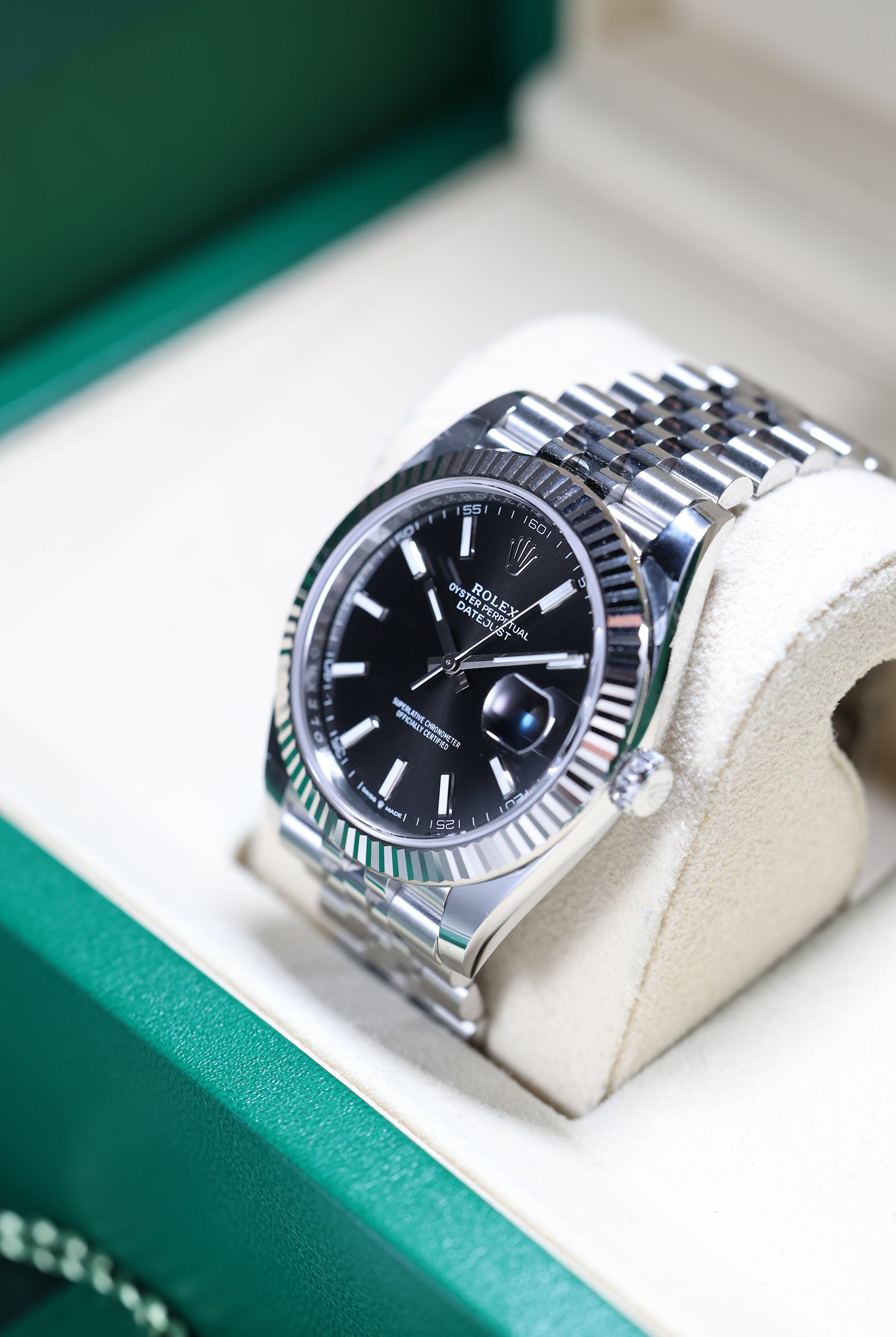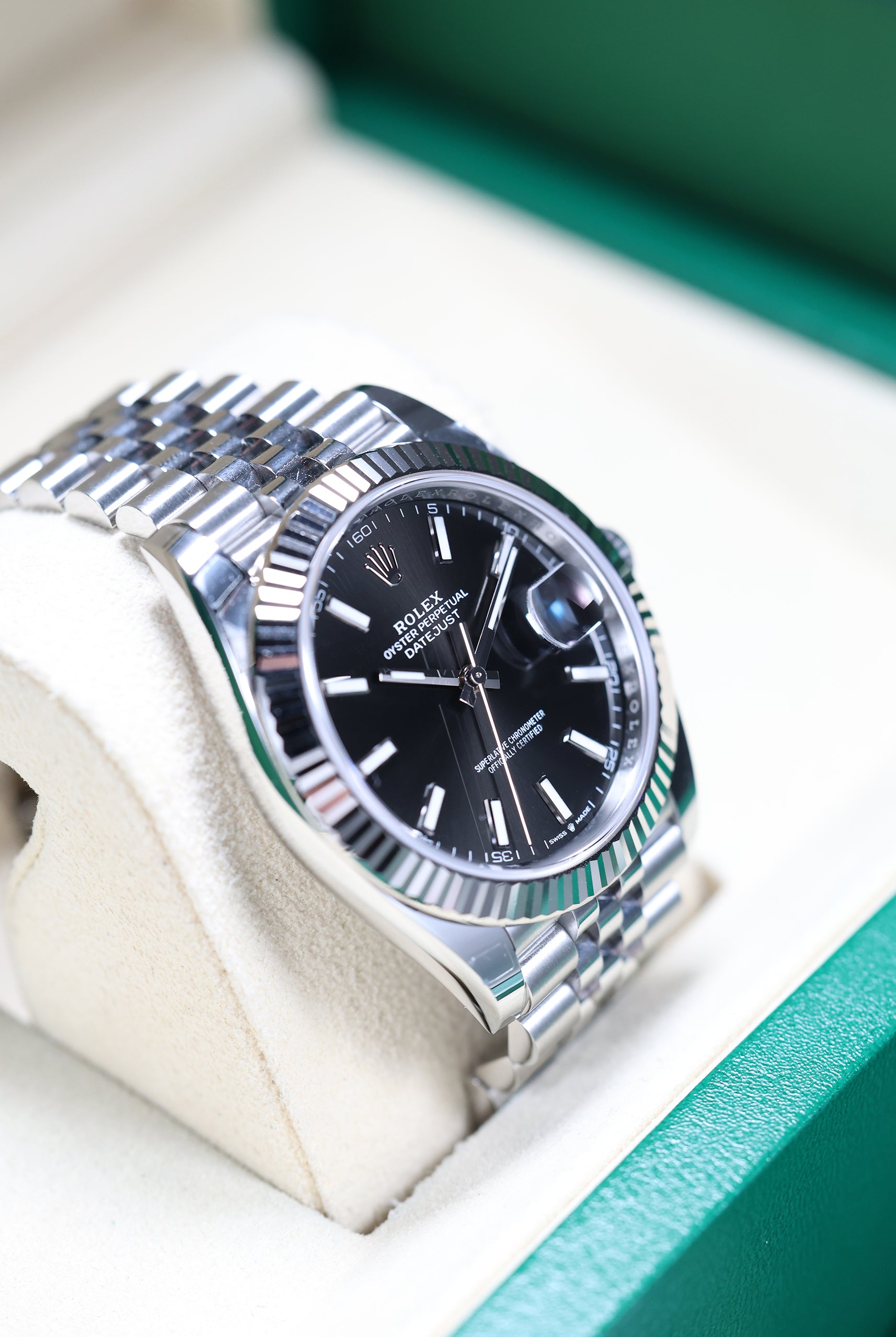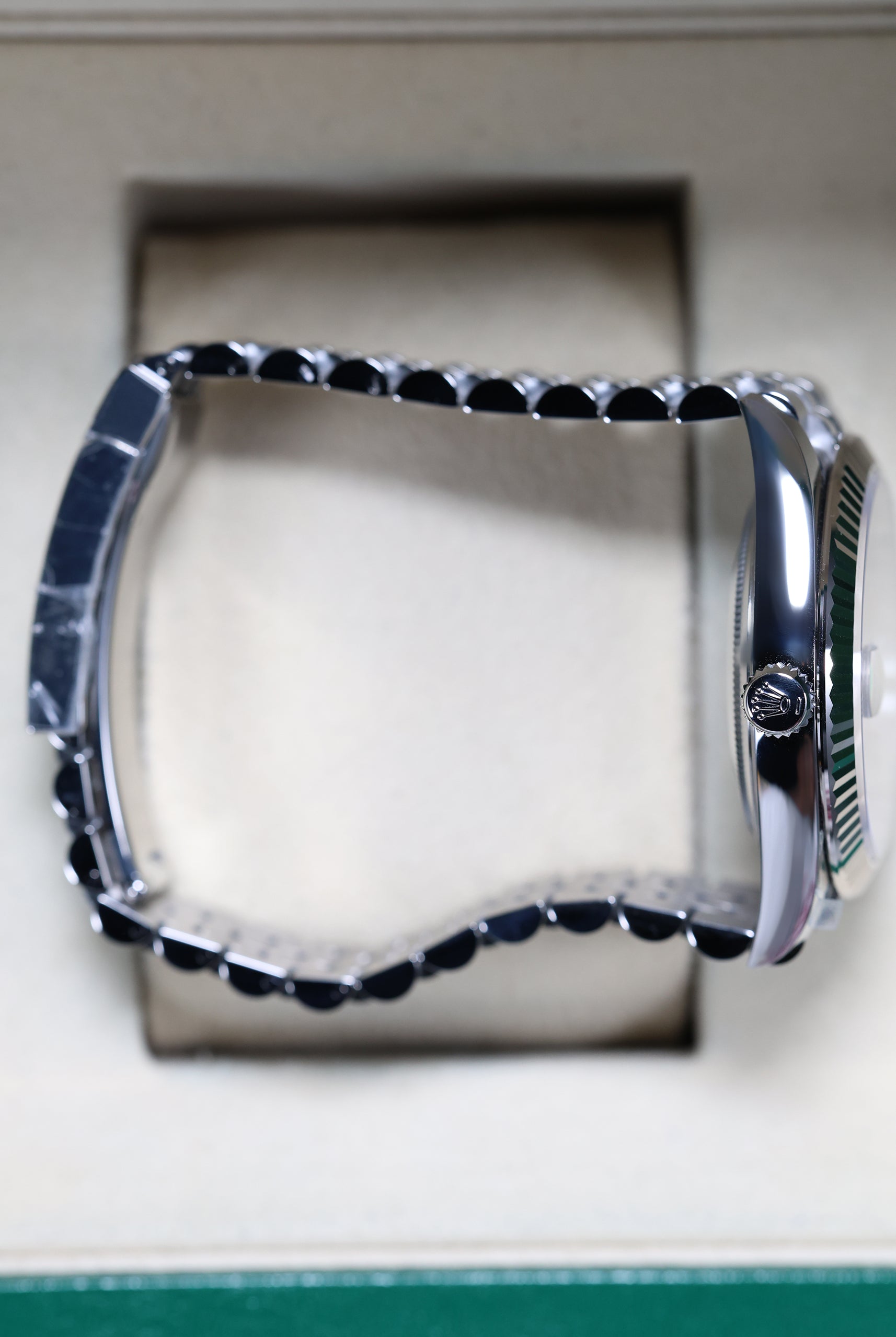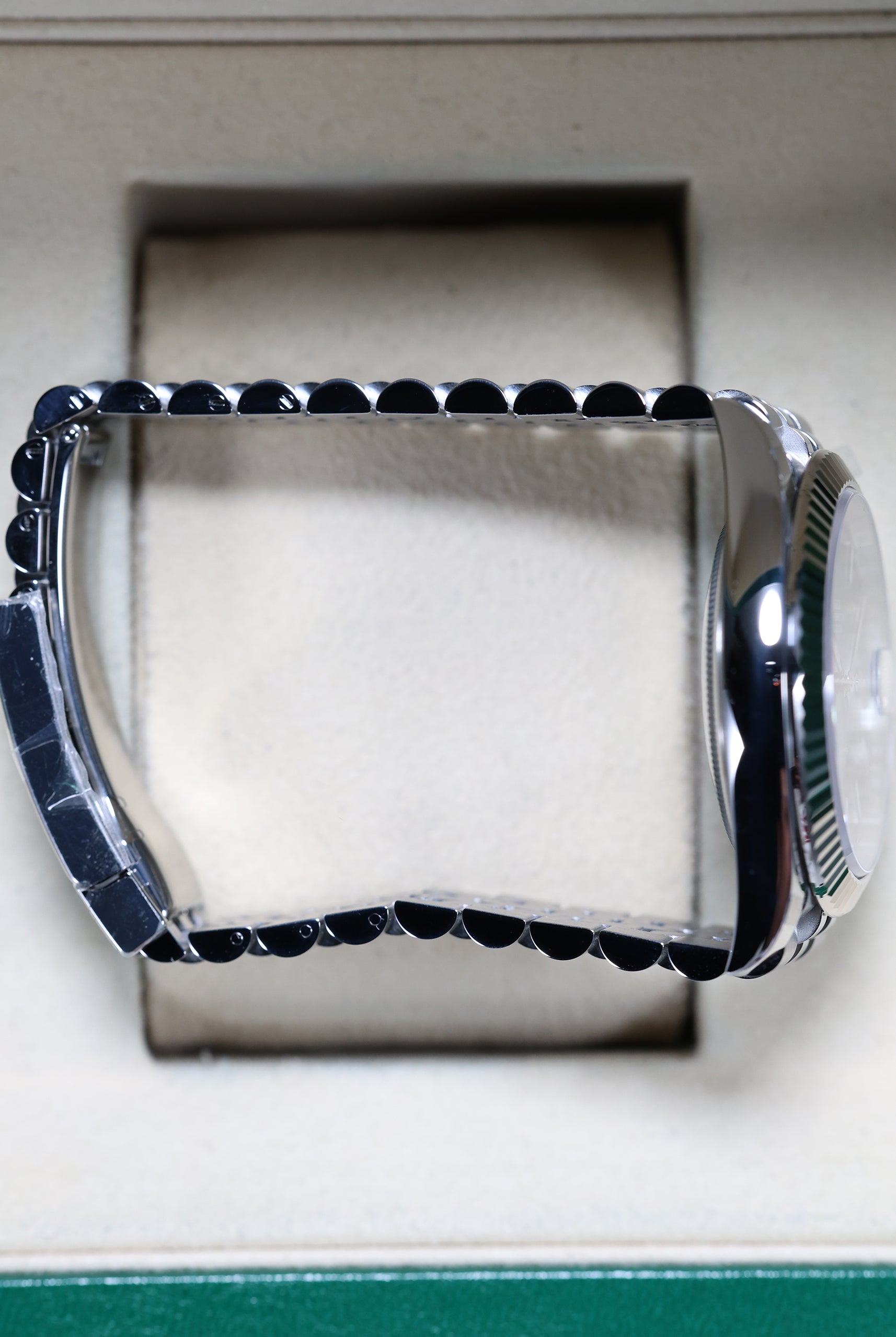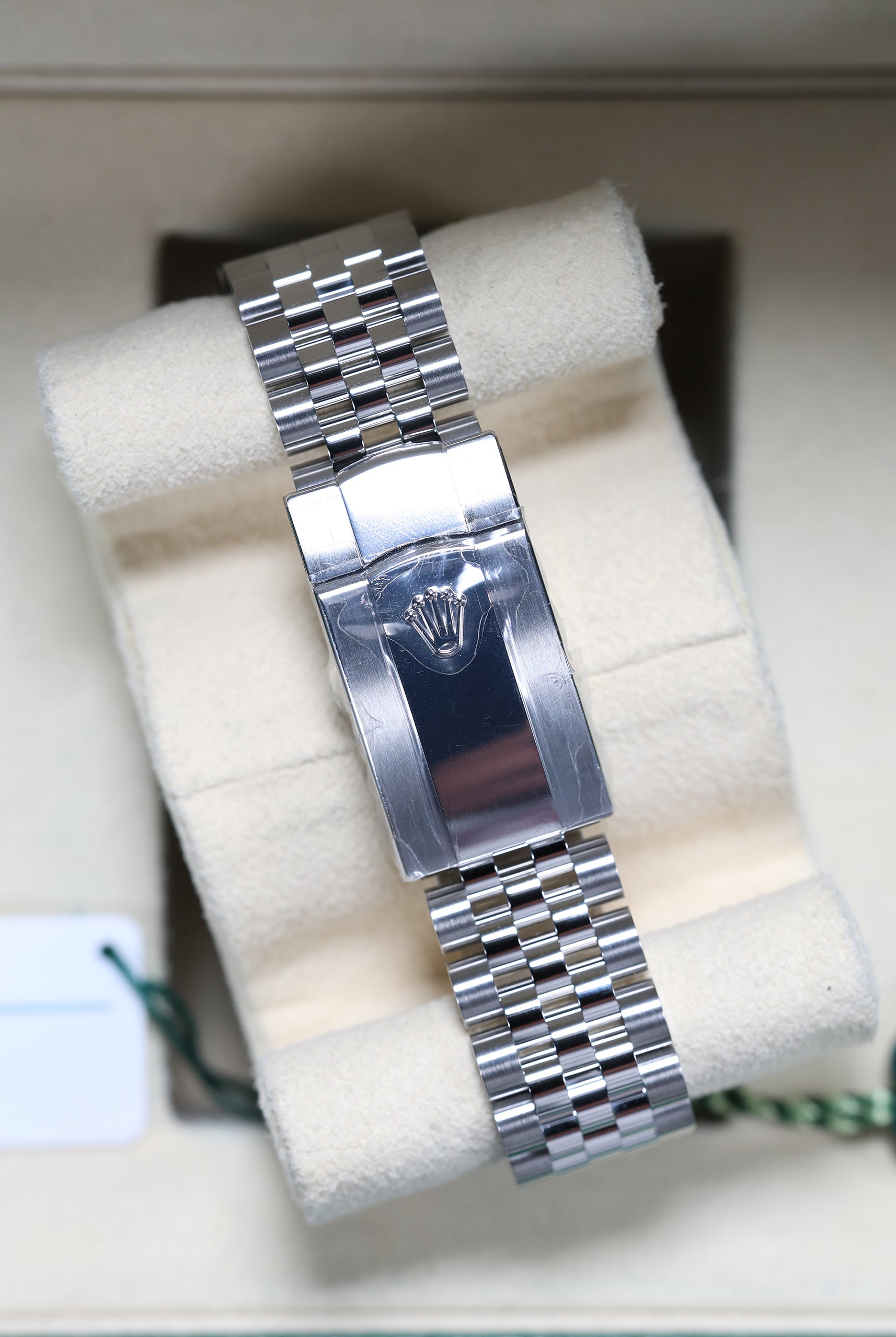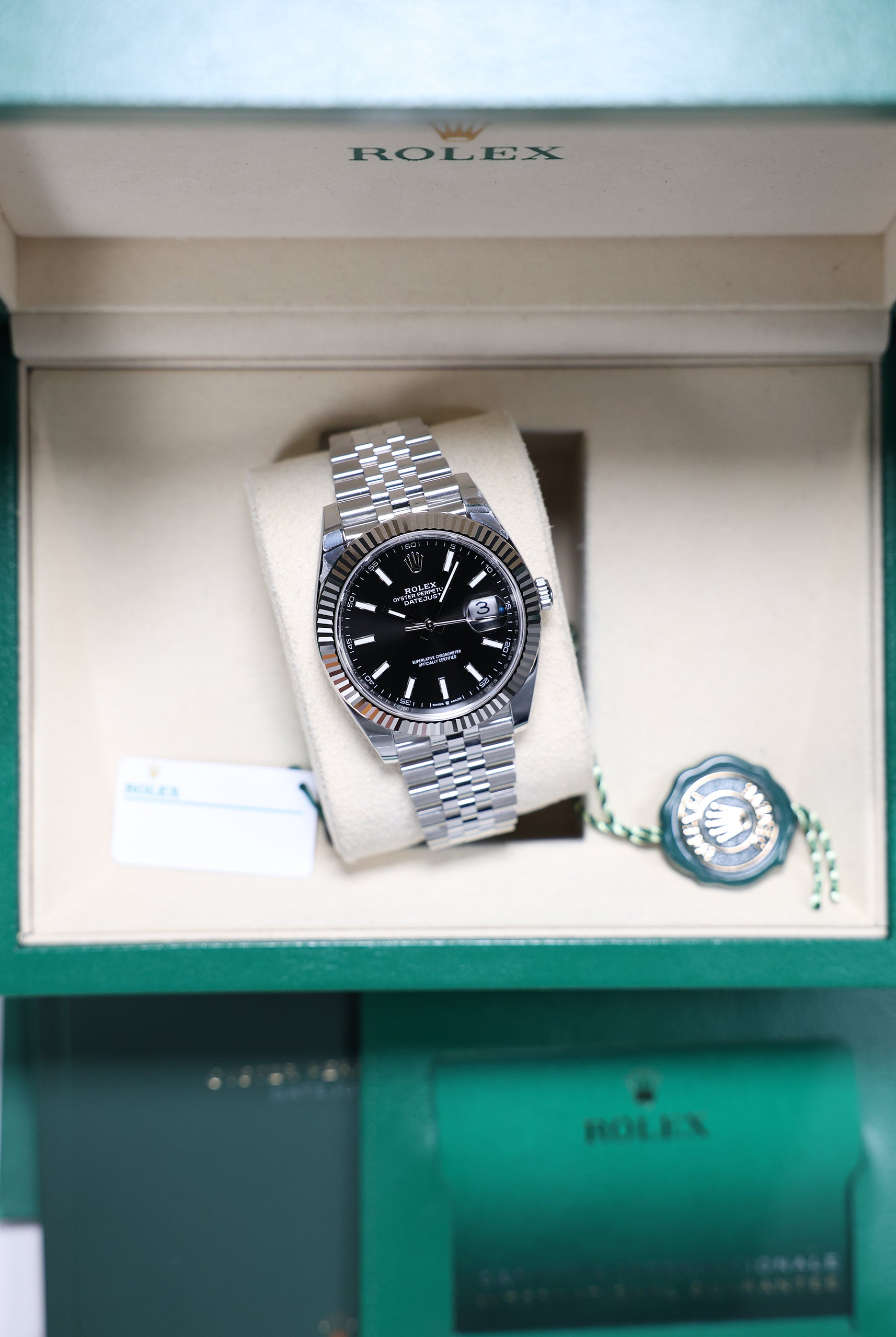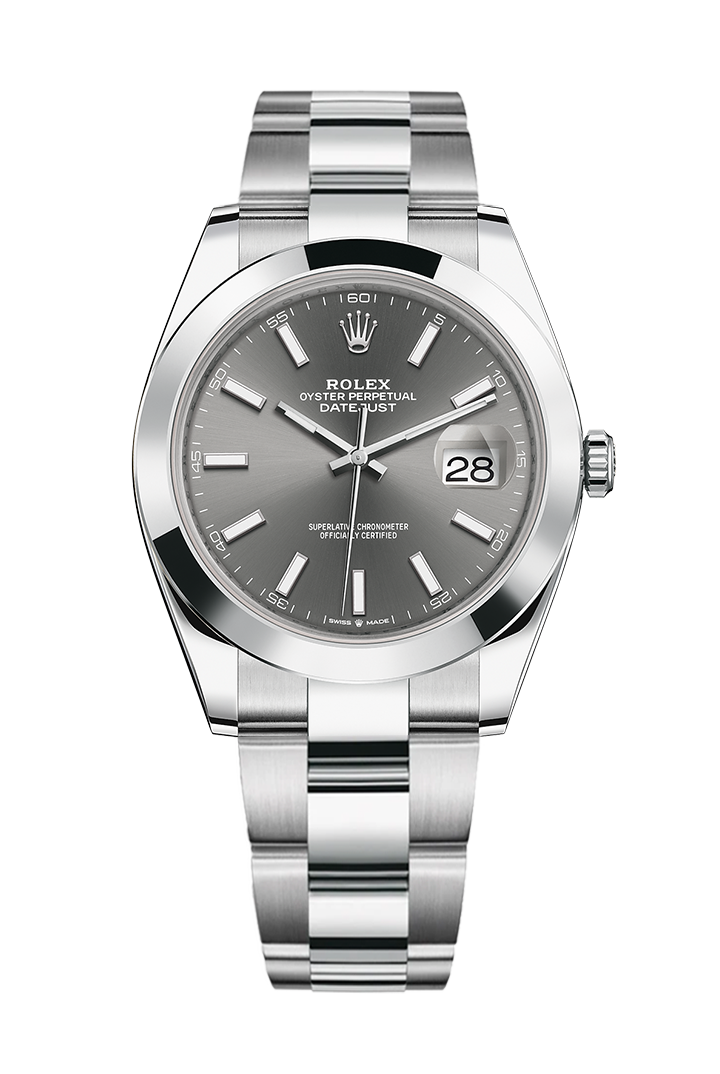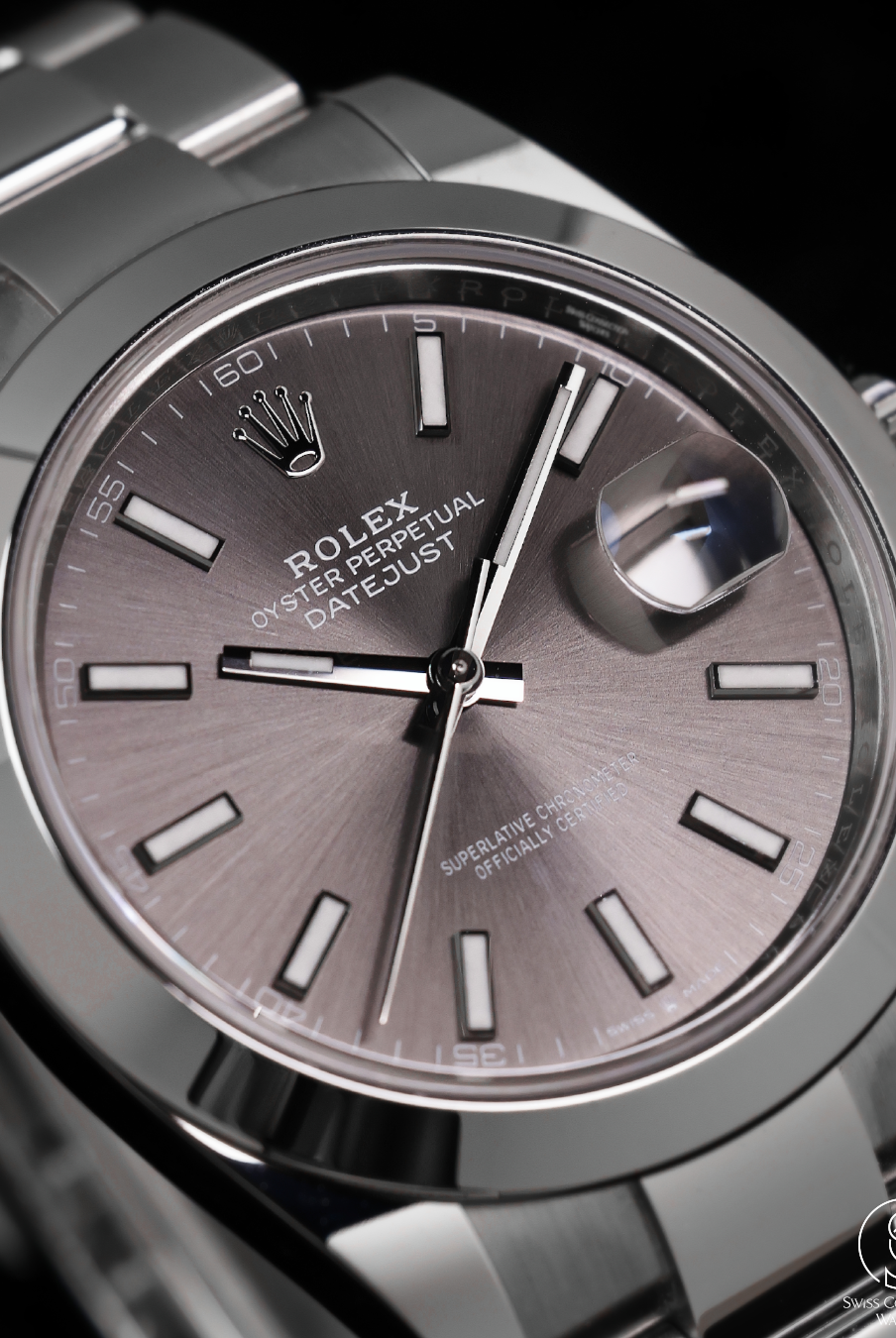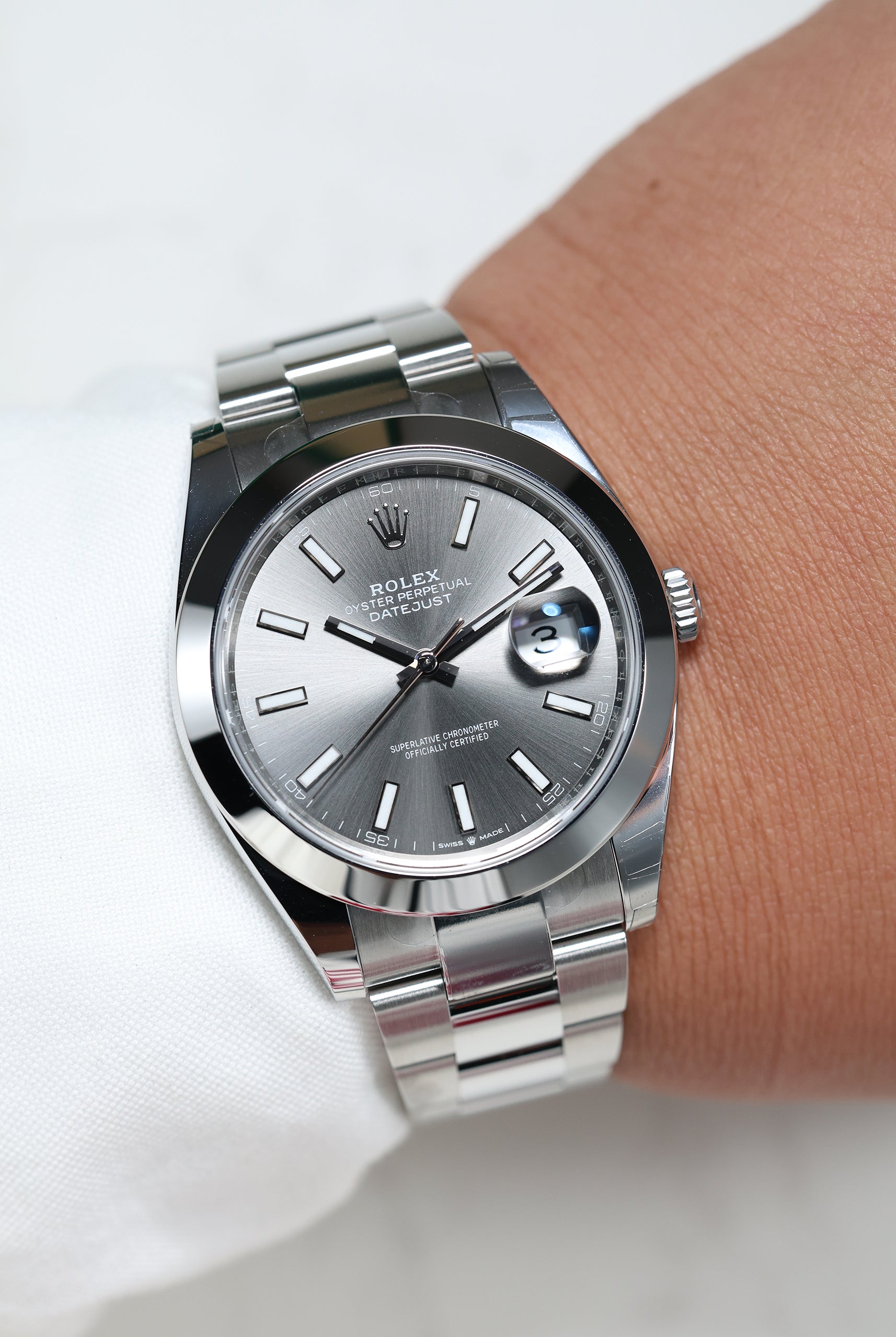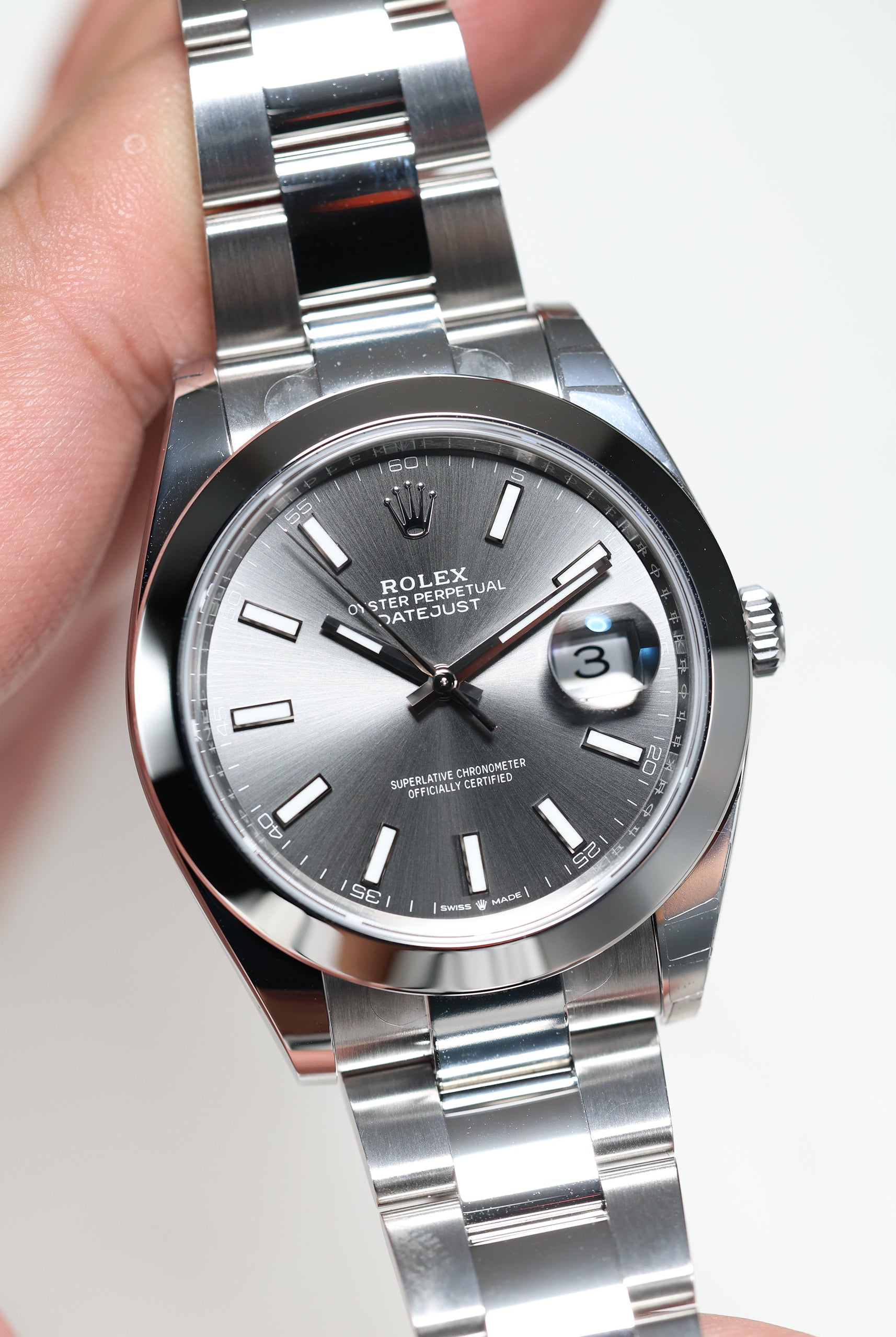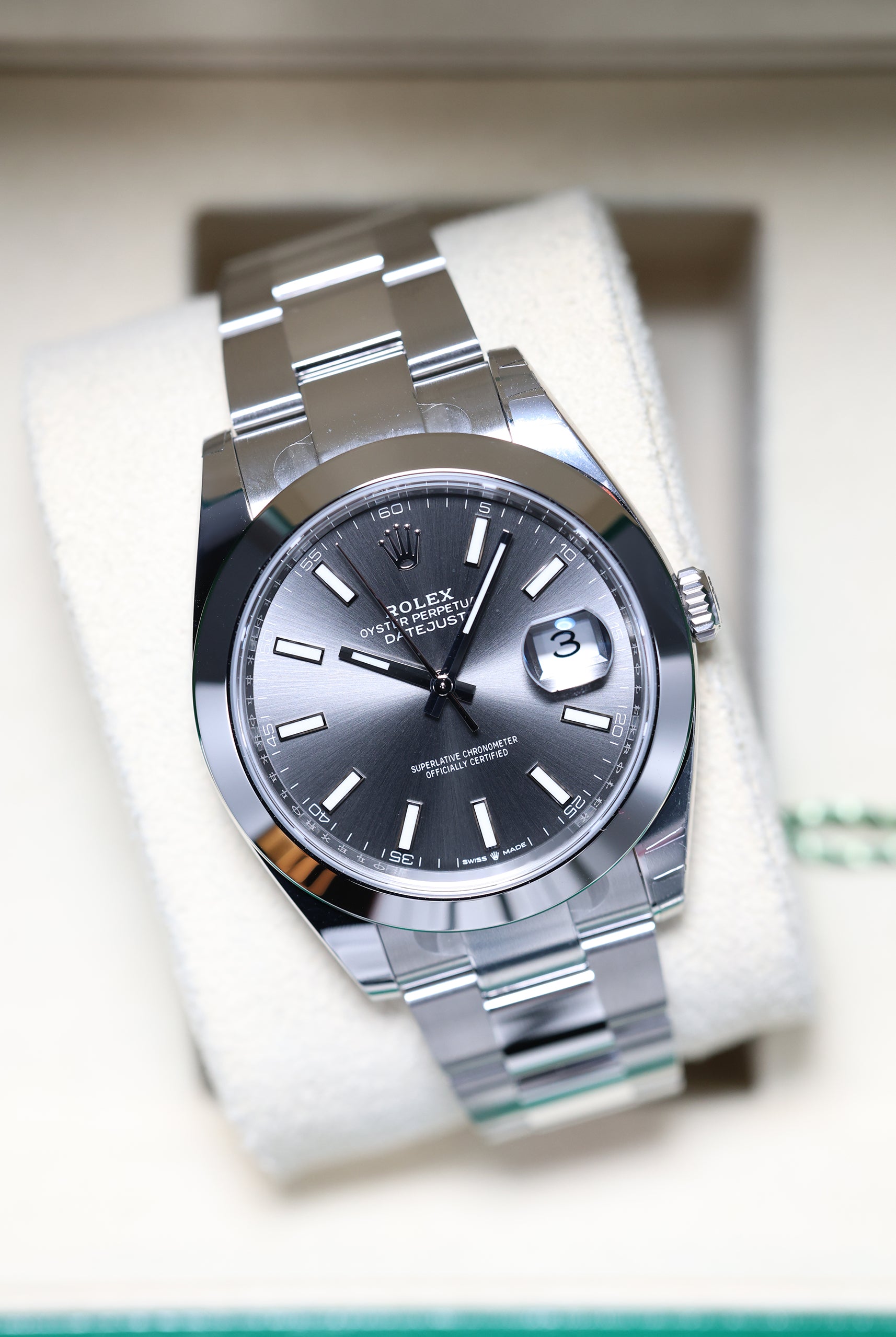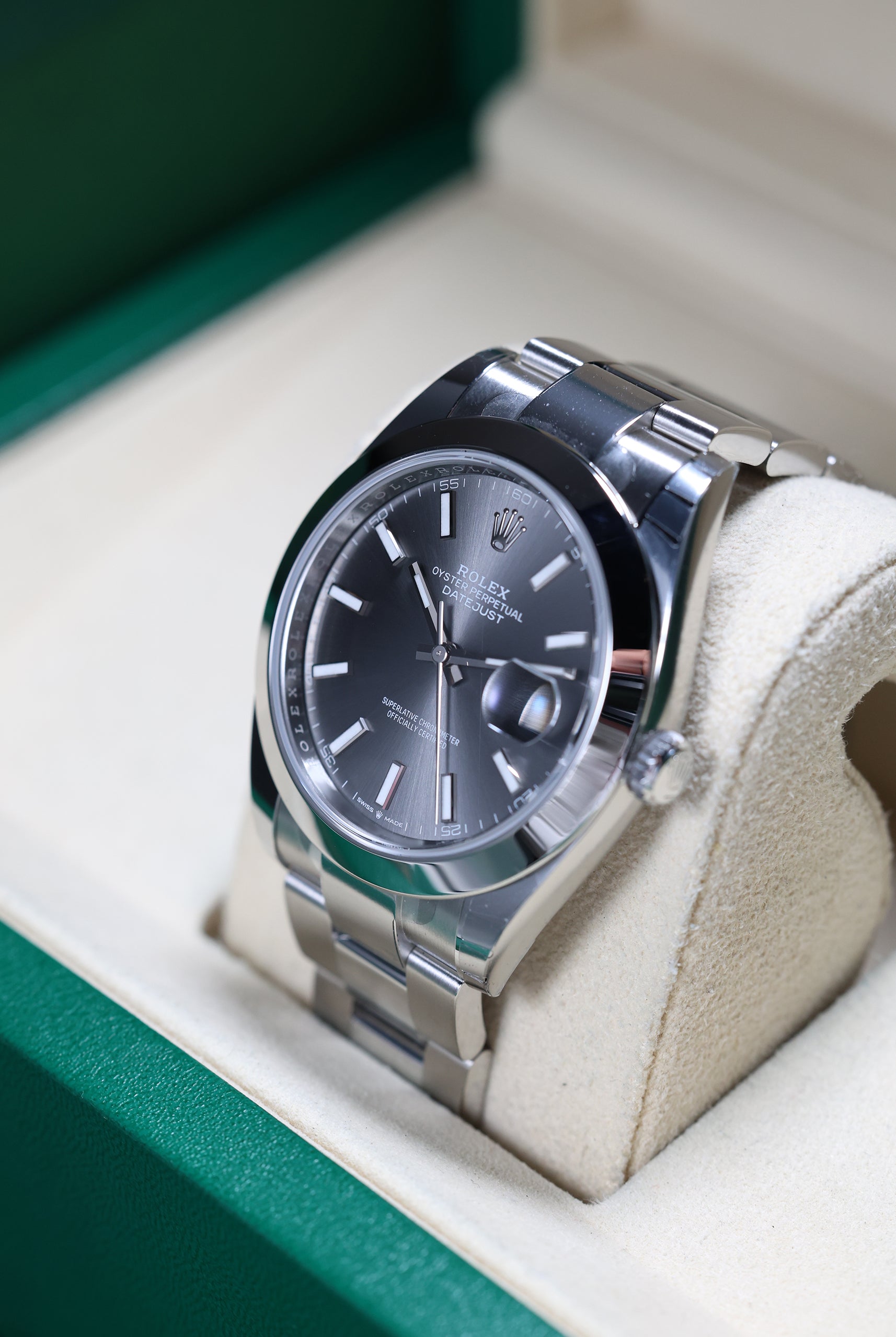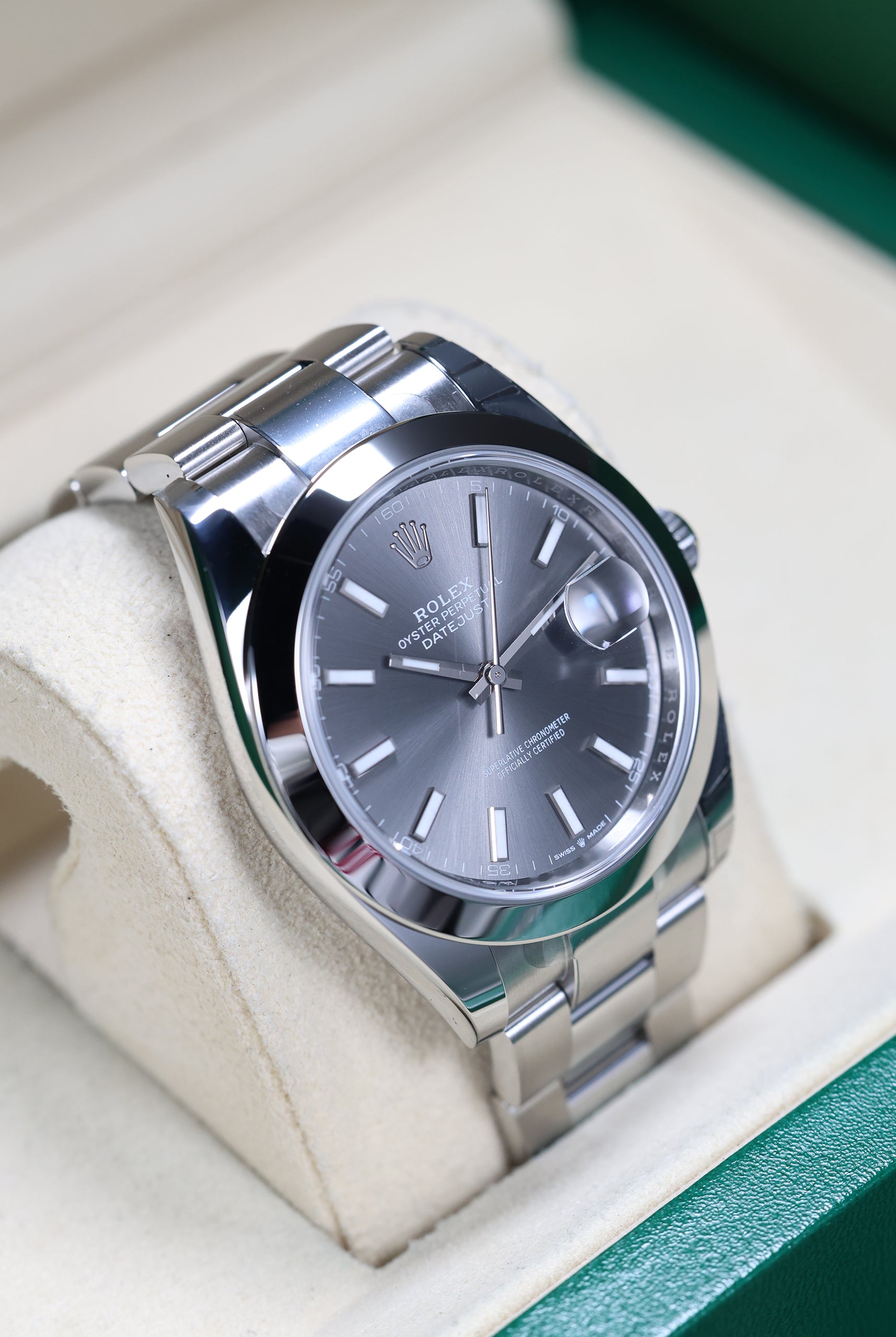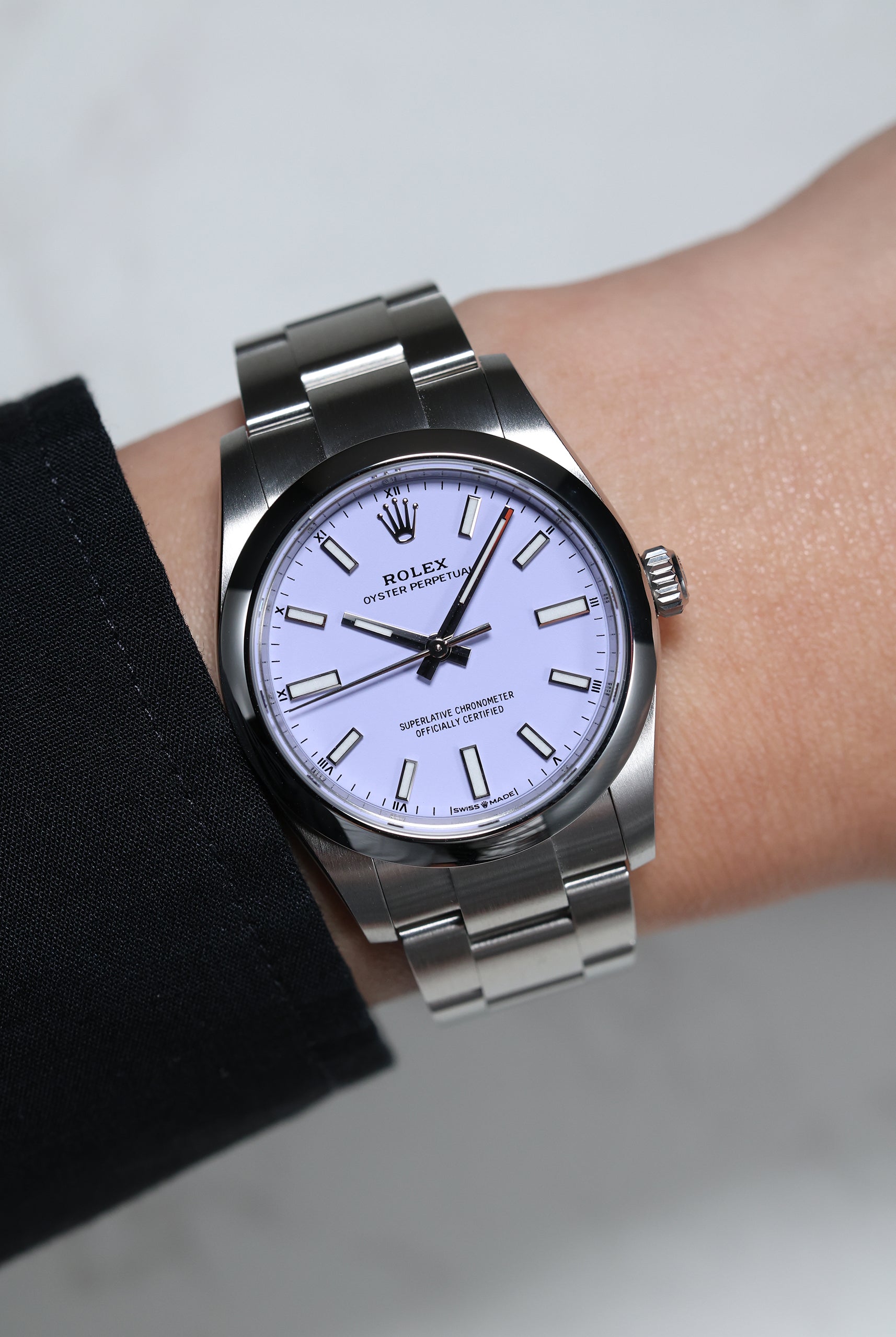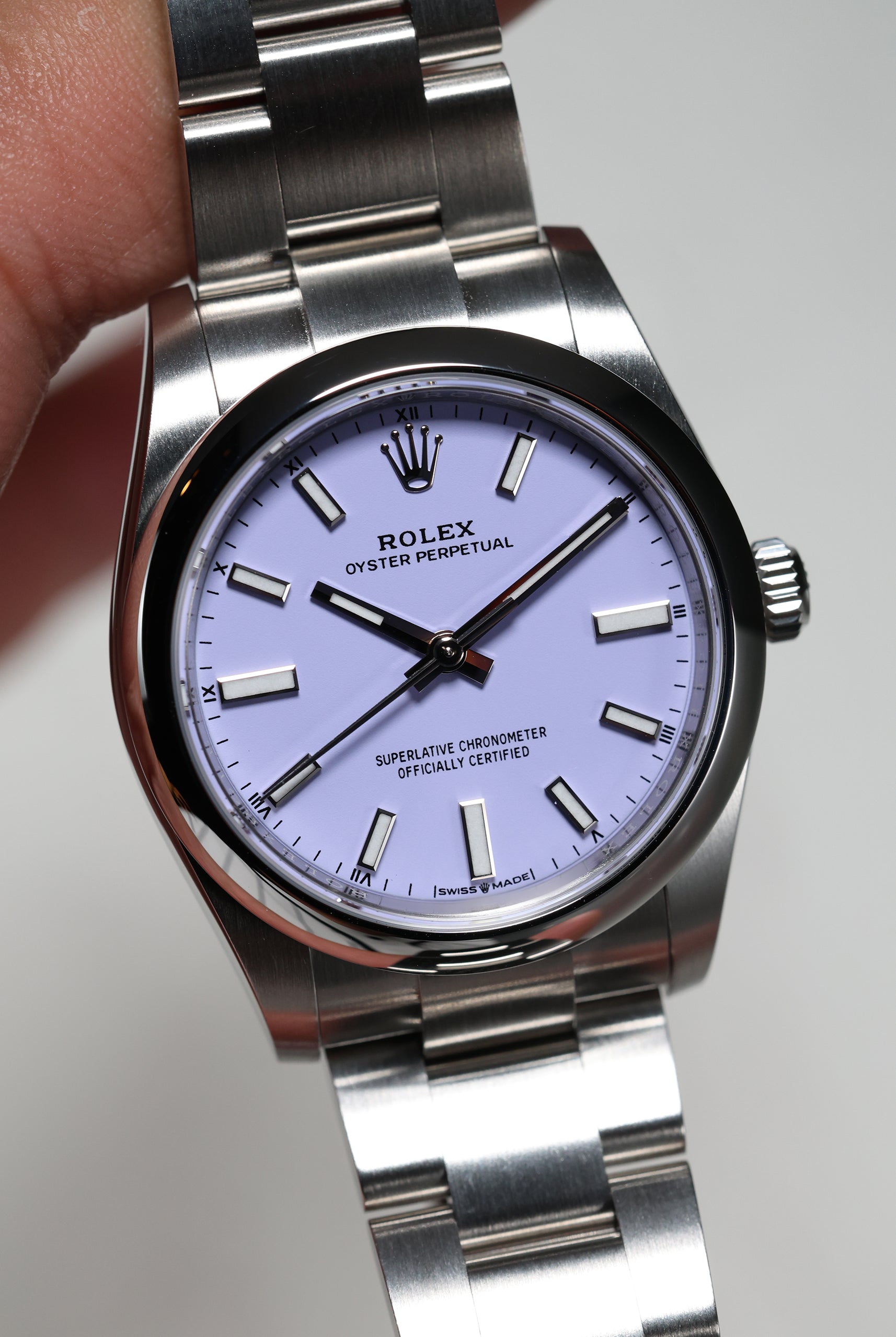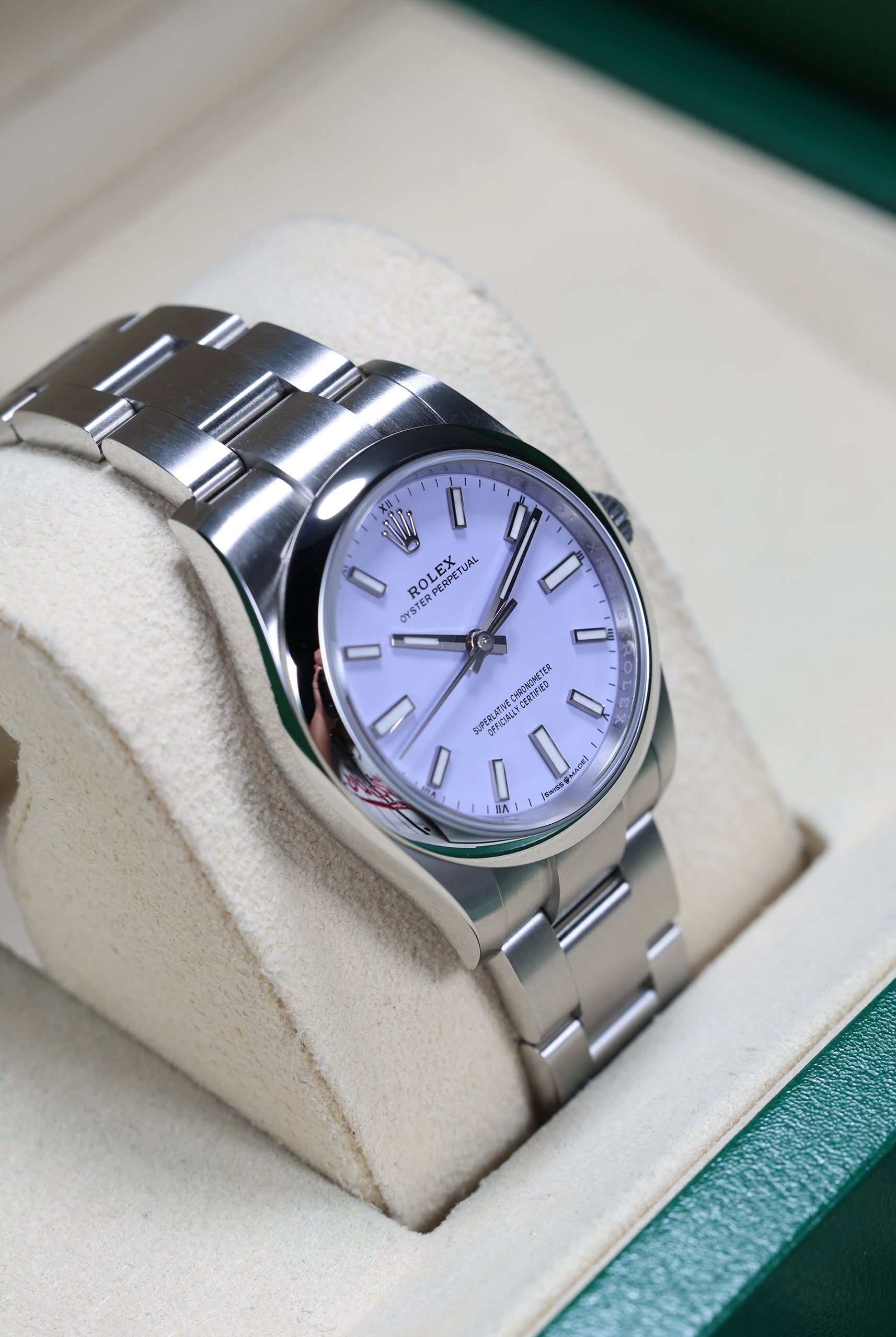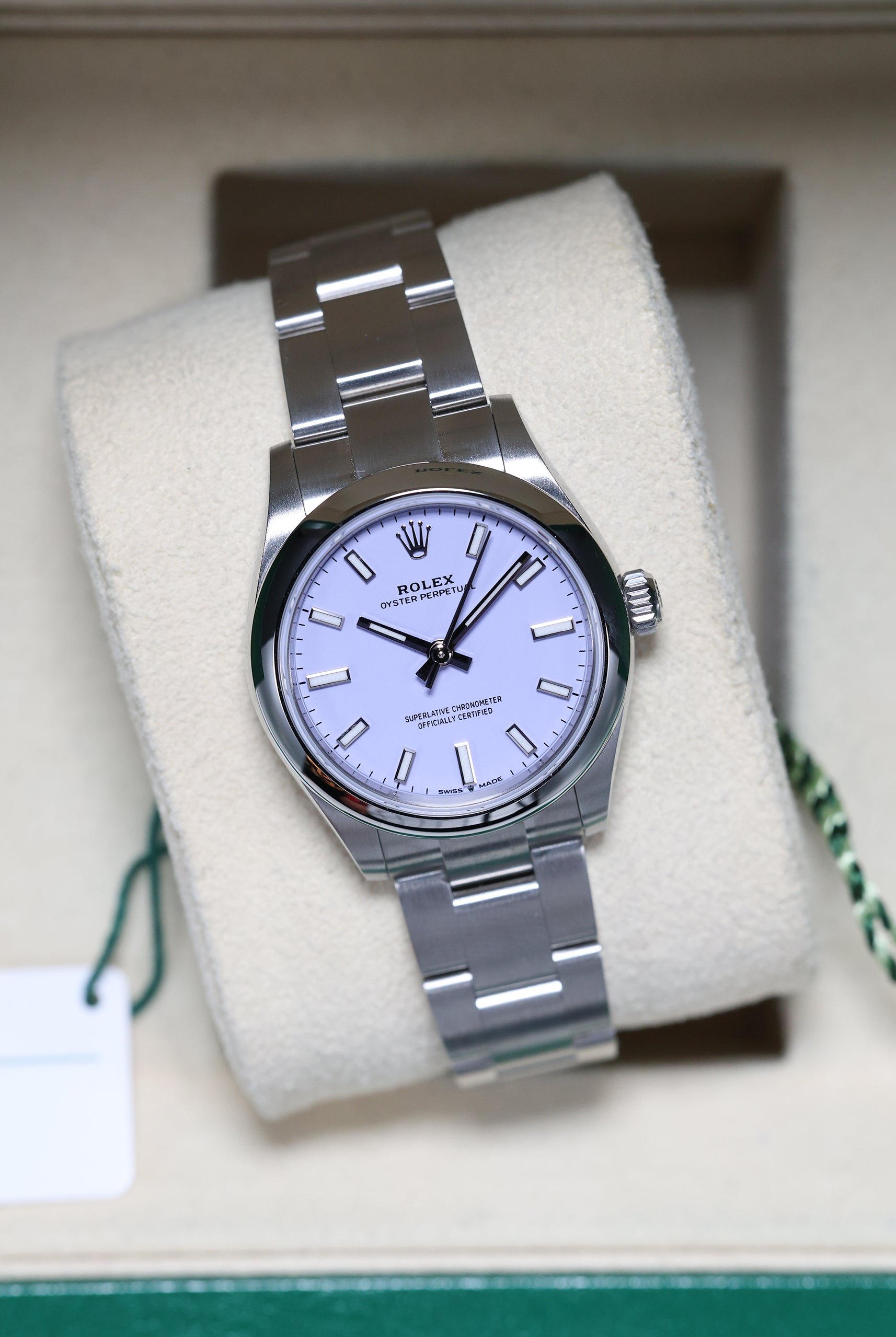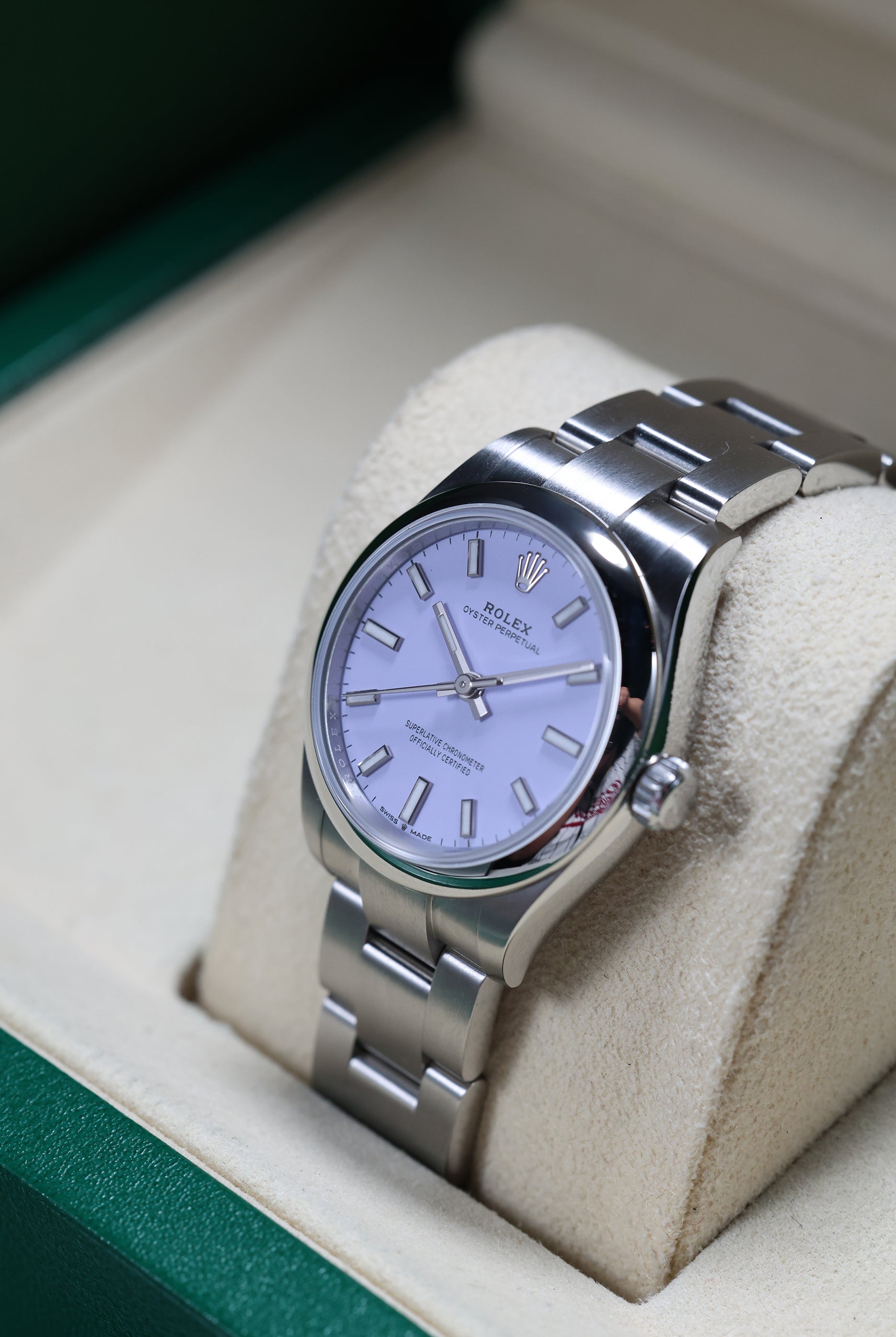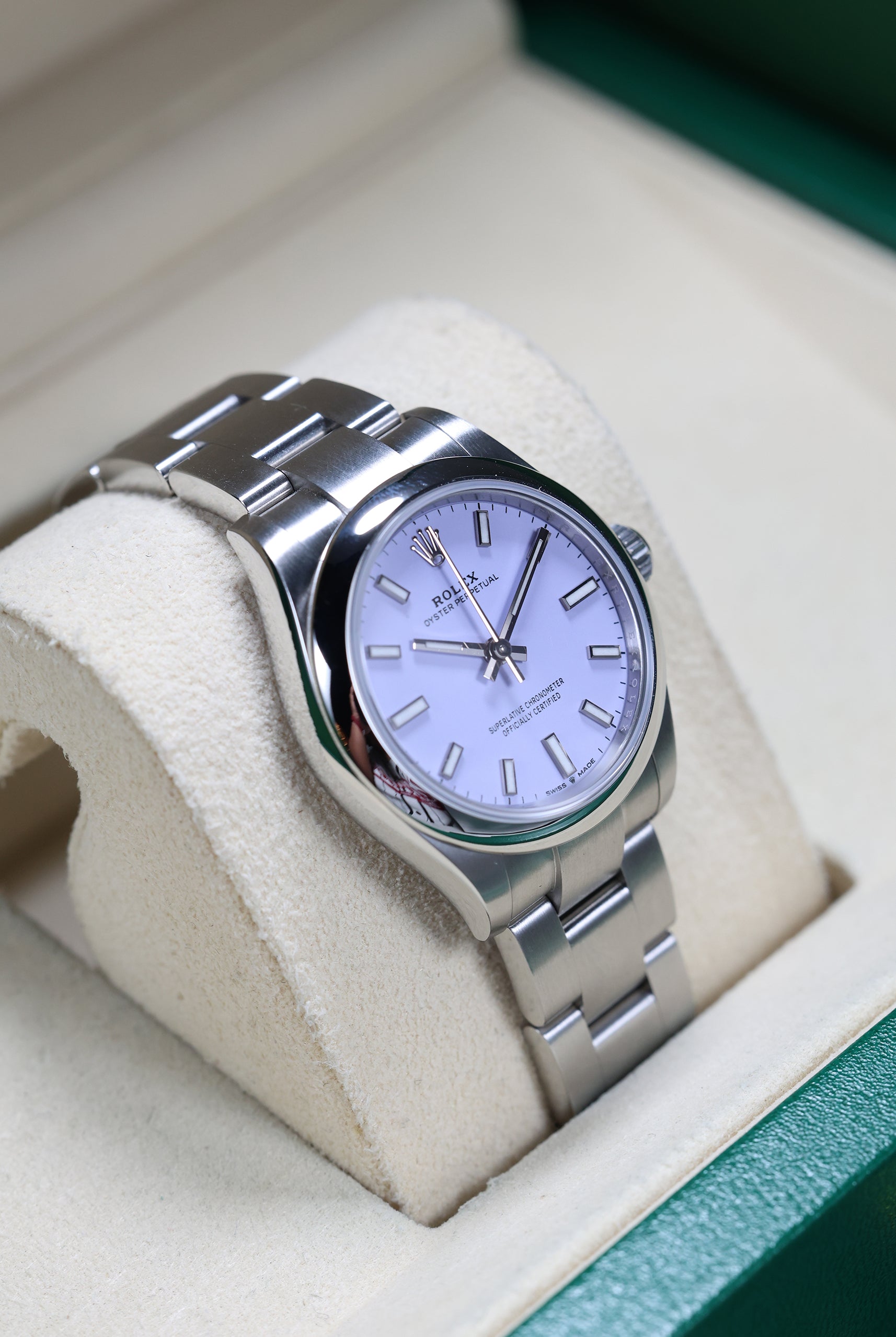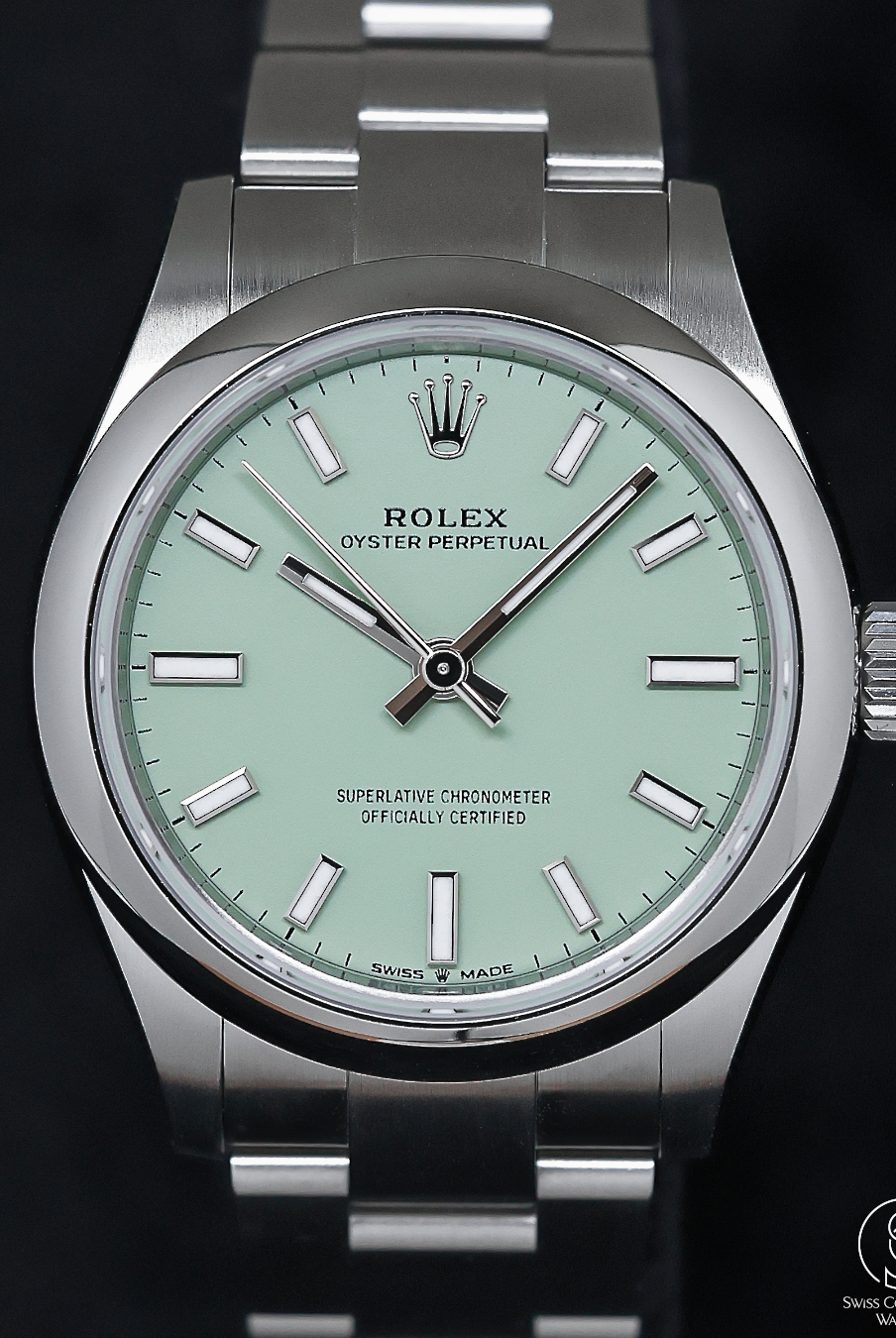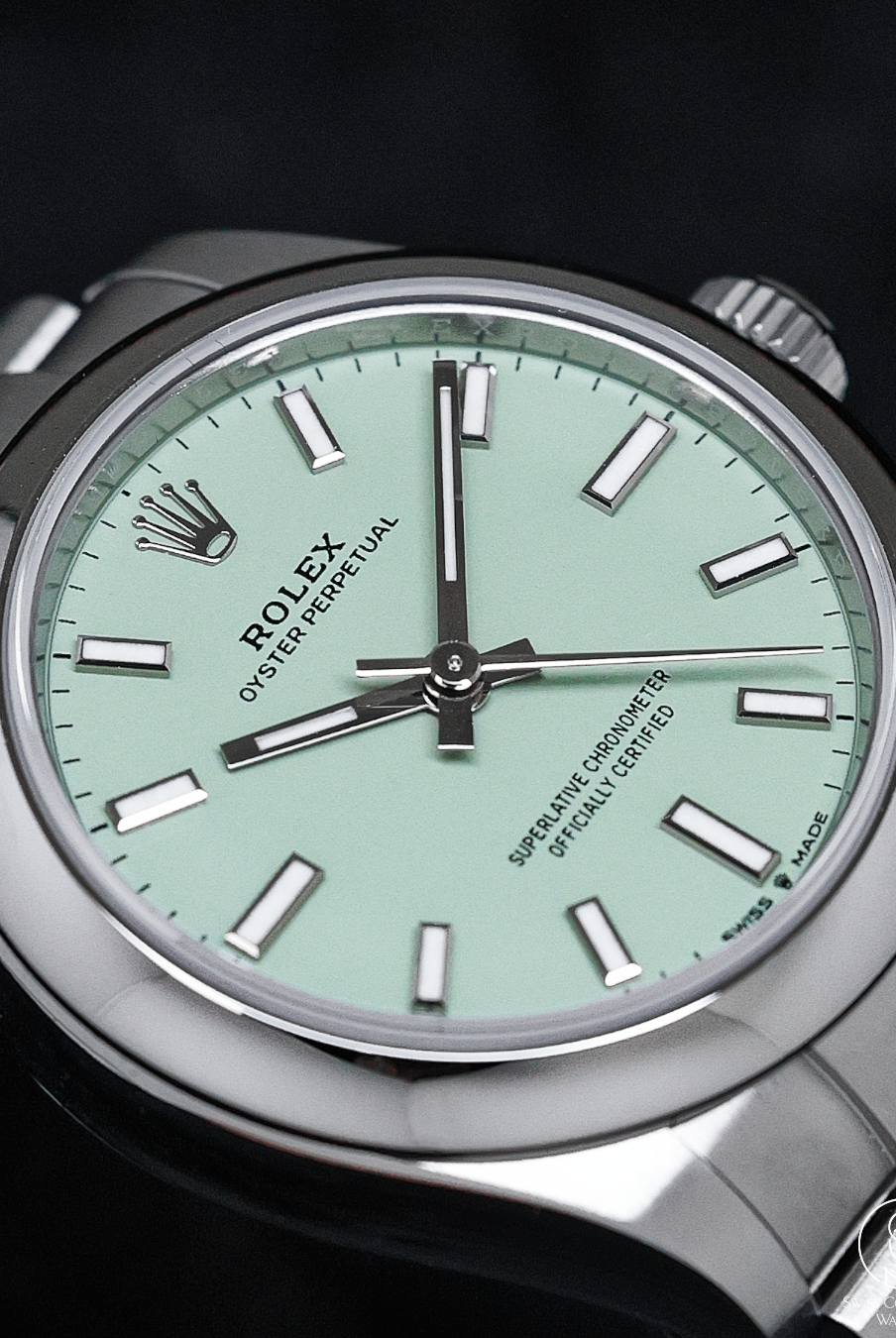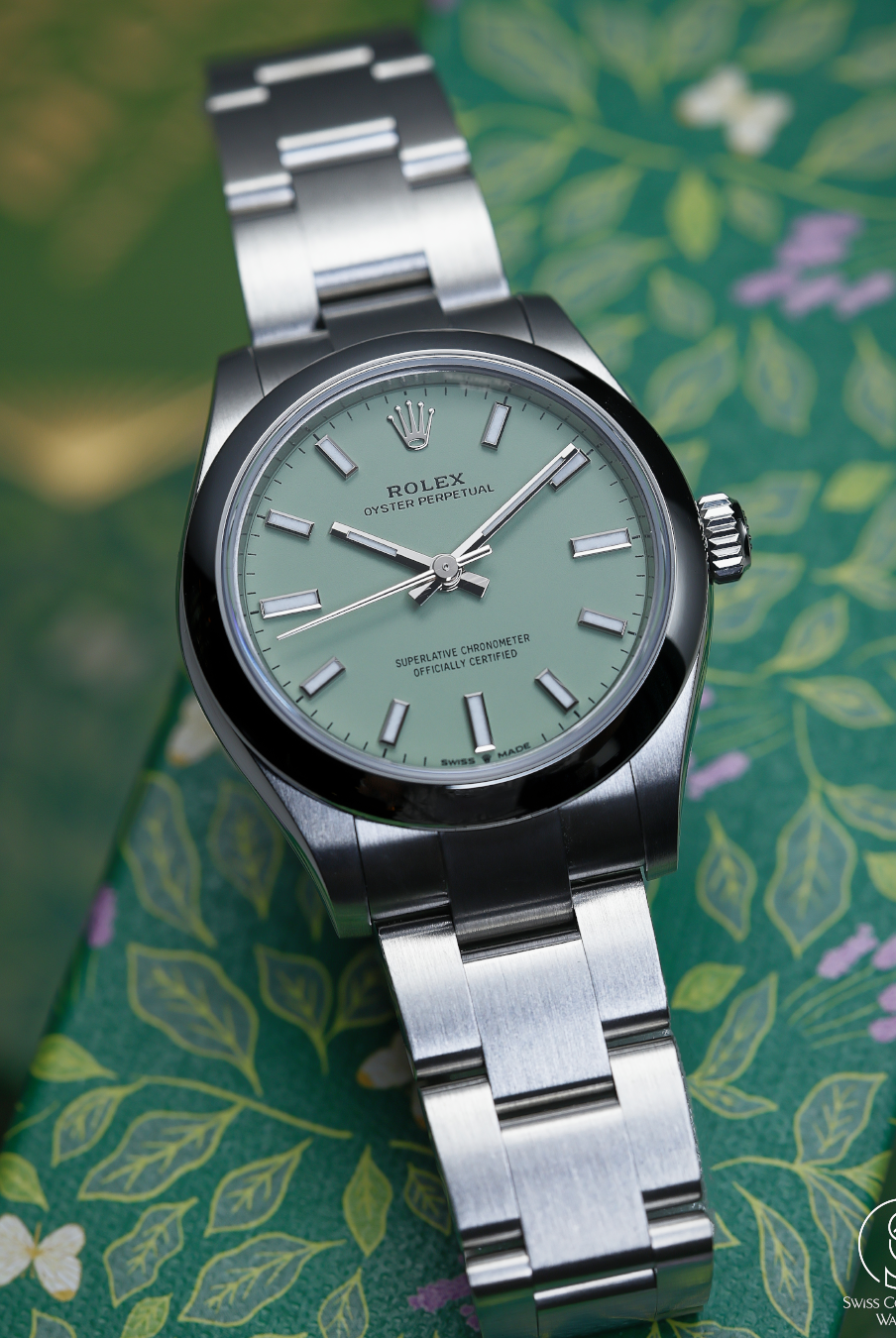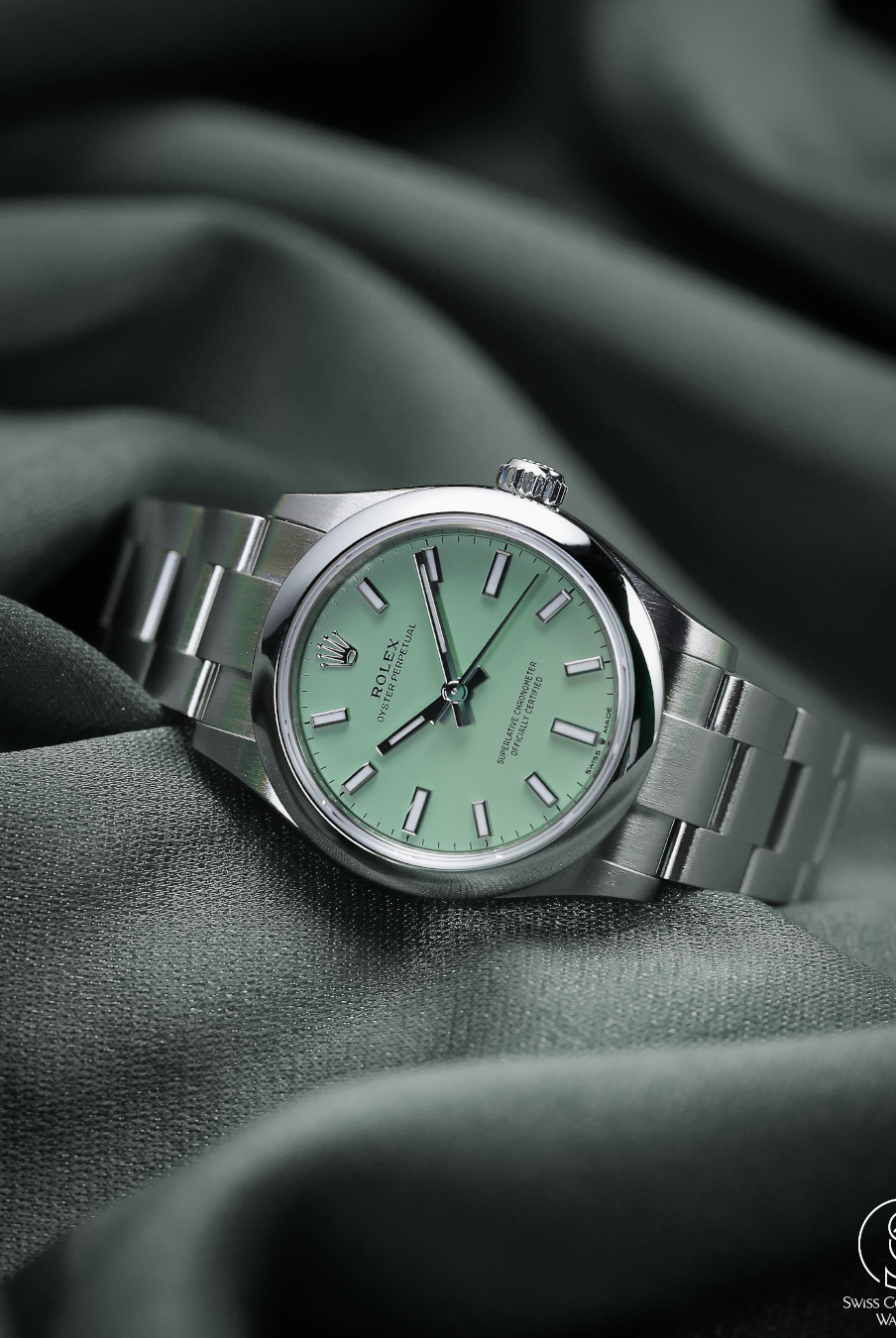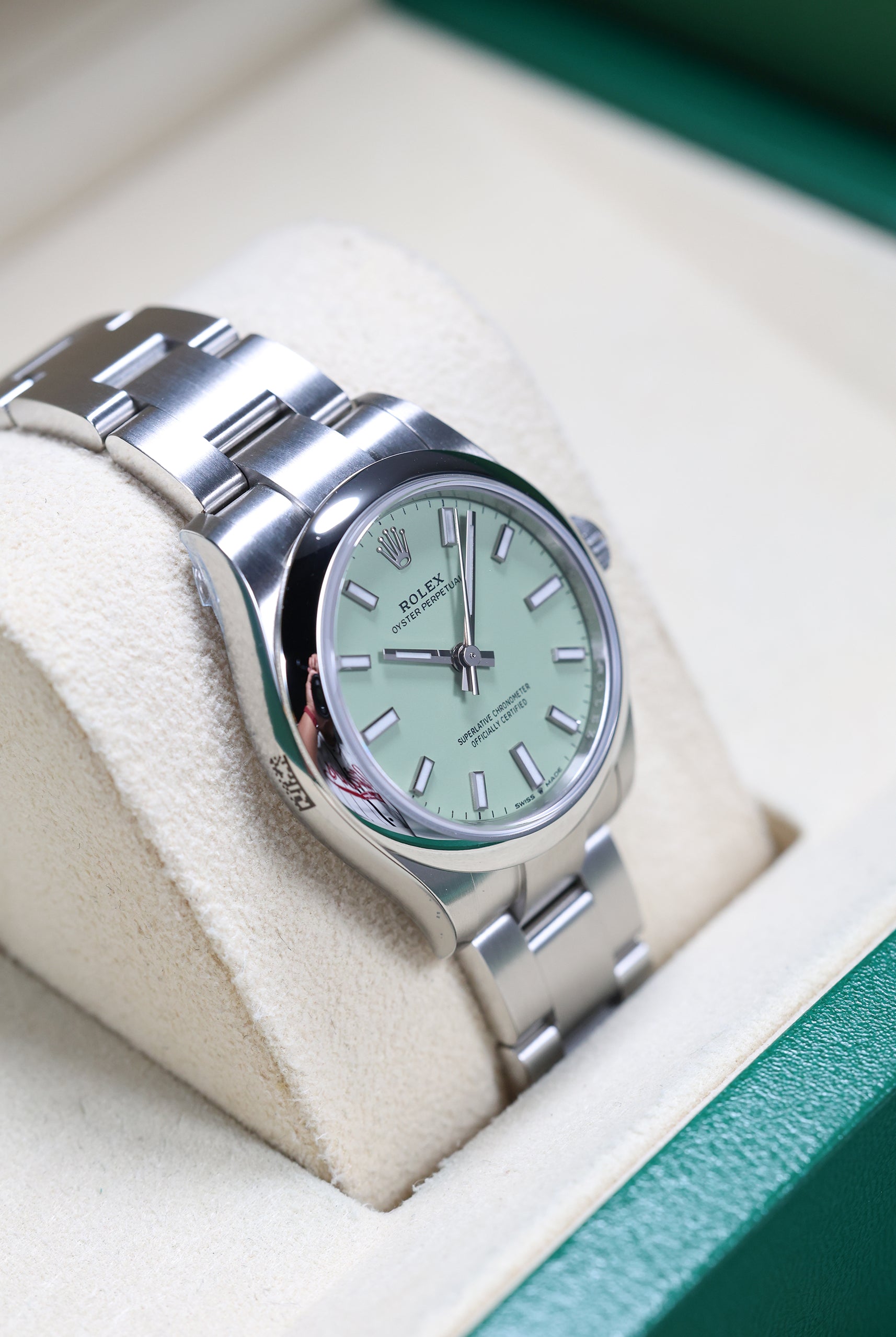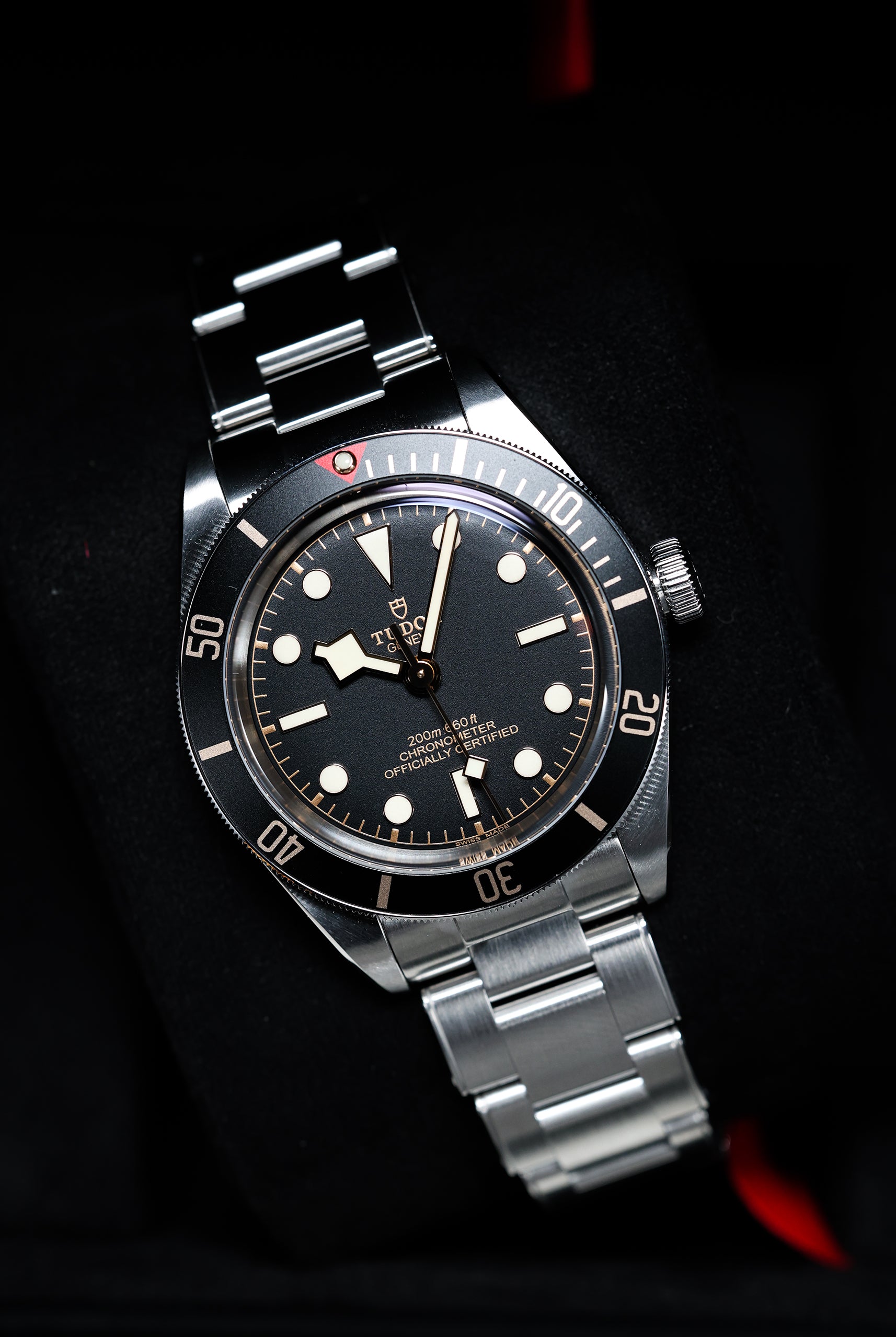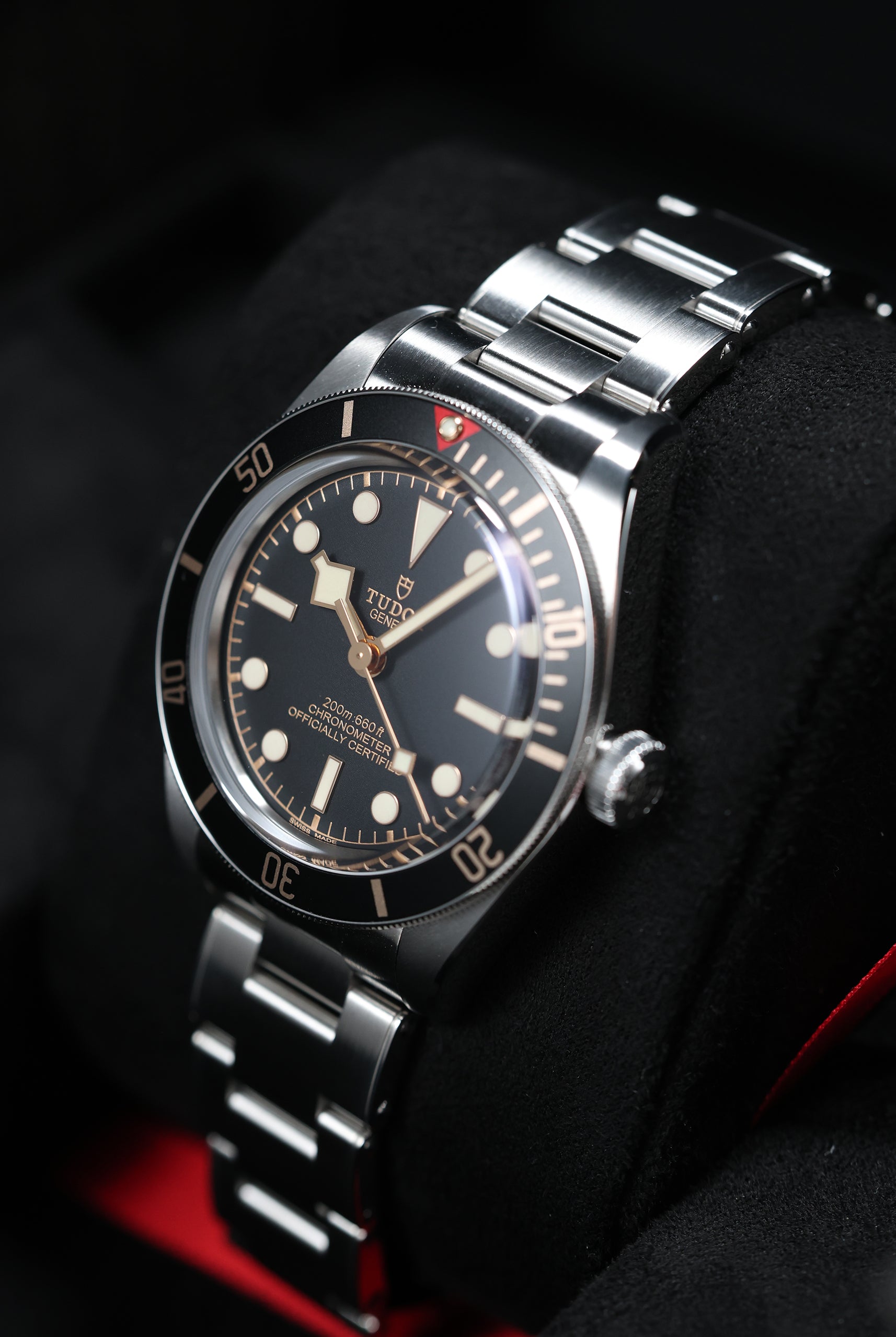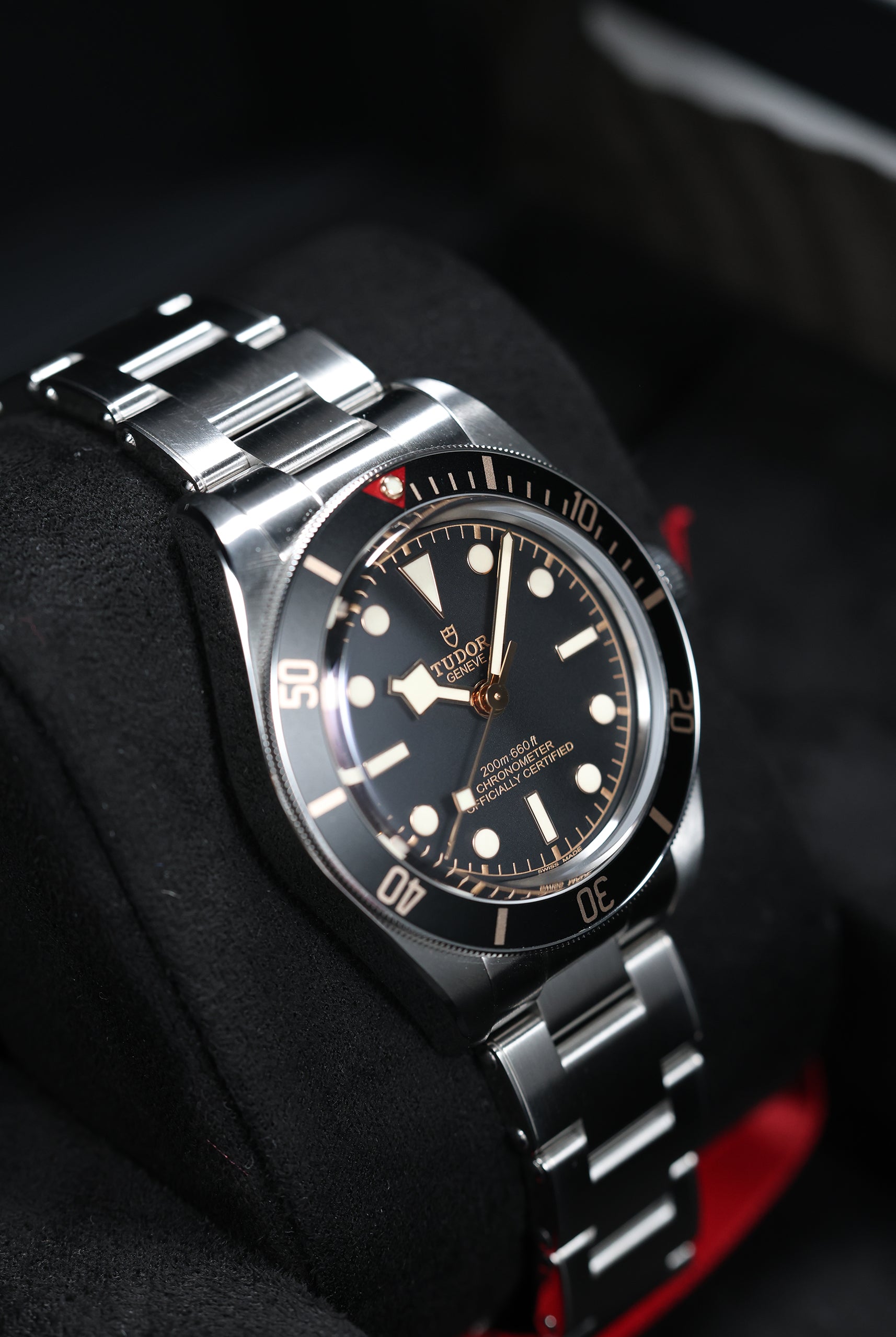

Many owners only think about servicing when a watch stops. The problem is that waiting for total failure is often the most expensive way to maintain a Rolex, Omega, Cartier, or Patek Philippe.
A cleaner way to think about servicing is in two layers: Time-based intervals (preventive care) and Red Flag symptoms (the warning signs that tell you to stop waiting and service now). The calendar gives you a plan; the red flags protect you from a total overhaul.
The Two-Layer Approach: Intervals vs. Red Flags
Most collectors ask, “How many years until I need a service?” It’s a fair question, but it’s only half the answer.
-
Intervals: Scheduled maintenance that keeps the watch reliable. This focuses on refreshing lubricants, replacing aging seals, and recalibrating the movement before wear-and-tear becomes permanent.
-
Red Flags: Warning signs that mean the interval no longer matters. When a red flag appears, the calendar is irrelevant—you should seek professional inspection immediately.
1. Mechanical Watches: The Core of the Collection
(Rolex, Patek Philippe, Audemars Piguet, Omega, Tudor)
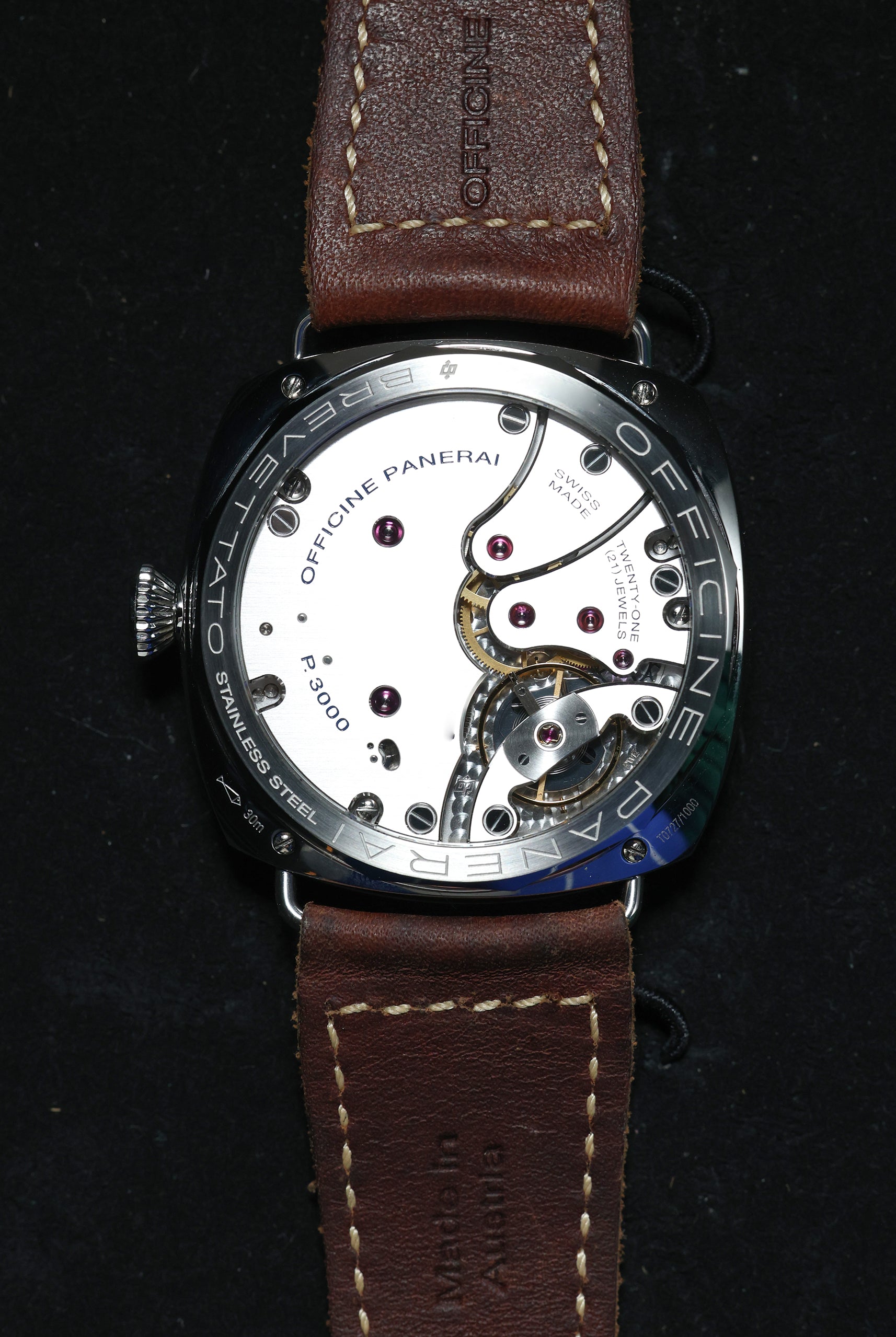
Mechanical movements depend on microscopic amounts of specialized oil. Even if a watch continues to run, dried-out lubricants can turn into abrasive "sludge" that quietly wears down pivots and gears.
A. The Practical Interval: 4 to 7 Years
While some brands have extended their suggested intervals, real-world conditions vary.
-
Daily Wearers: If the watch is exposed to heat, sweat, and constant movement, aim for 4–5 years.
-
Occasional Wear: If a watch is part of a large rotation, you can push toward 6–7 years, provided it is run periodically to keep lubricants distributed.
B. The "Red Flag" Symptoms
Ignore the calendar if you notice any of the following signals:
-
Accuracy Drift: Consistently gaining or losing more than 30 seconds a day. Example : Needing to adjust the time every other day. Example : It might be magnetized, or was knocked hard without noticing.
-
Reduced Power Reserve: The watch stops significantly earlier than its rated reserve after a full wind. Example : The watch stops 3-4 hours after putting it down; even after a days wear.
-
The "Crunch": If the crown feels stiff, slipping, or "gritty" during winding or time-setting. Example : It just doesn't feel like it used to.
-
Internal Debris: A loose screw or part rattling inside the case. Example : It doesn't sound like it used to. You hear a new rattle.
-
Moisture / Fogging: Any misting under the crystal is a horological emergency. Stop wearing it immediately to avoid rust. Example : Any fogging under the crystal.
2. Quartz Watches: Beyond the Battery
(Cartier Tank Quartz, Grand Seiko Quartz)
Quartz watches are often neglected because they don't have a "heartbeat," but they still rely on case integrity and clean electronics.
-
Battery Replacement: Every 2–3 years. Never leave a dead battery inside a luxury watch; they can leak and cause catastrophic acid corrosion.
-
The Major Check: Every 5–7 years, a quartz watch should have its gaskets inspected and a pressure test performed to ensure the case remains a sealed system.
The "Red Flag" Symptoms
If you see leaking residue, stop using the watch and service immediately.
Quick Decision Guide
| Situation / Symptom | Mechanical Watch | Quartz Watch |
|---|---|---|
| Normal preventive care |
ROUTINE Full service every 4–7 years |
ROUTINE Battery every 2–3 years Seals check every 5–7 years |
| Accuracy fluctuations |
RED FLAG Book a service check now (If it’s consistent for 1–2 weeks) |
CHECK Battery + diagnostic check |
| Power reserve drops |
RED FLAG Service recommended |
N/A Not applicable |
| Crown feels rough / gritty |
RED FLAG Stop wearing; inspect + service |
RED FLAG Stop wearing; inspect immediately |
| Moisture / fogging |
URGENT Inspect immediately |
URGENT Inspect immediately |
| Hard knock / drop |
CHECK Timing check + pressure test |
CHECK Inspection + pressure test |
Managing a Multi-Watch Collection
If you rotate between several high-value pieces, the goal is to avoid a "service bottleneck" where every watch needs an overhaul at the same time.
-
Stagger Your Servicing: We advise clients to rotate one watch into the service centre every 12–18 months. This spreads the cost and ensures you are never without your favorite pieces all at once.
-
Pressure Tests: You don't always need a full service. A simple dry pressure test takes minutes and can confirm if your "water resistant" watch is actually safe for the pool. Especially before one of those long beach trips.
-
Accuracy is Only One Signal: A watch can keep good time while its internal parts are bone-dry. Don't assume a "timed" watch is a "healthy" watch. There are other variables which a quick timegrapher check can catch.

Final Thought
A luxury watch is a sealed system designed to be relied upon for generations. The best servicing schedule is the one that protects that reliability without doing unnecessary work. Think of it like an oil change for a vintage Porsche: you don't do it because the engine stopped; you do it so it never has to.
Not all servicing is equal. If you’d like a clear view of what we consider proper technical qualification—and how we support clients after purchase—our Service page outlines our process with our service partner - The Horloger Gallery.